
Antique Bells Identification Guide: Types, Maker Marks & Values
Bells have served humanity for thousands of years, from the earliest bronze ritual bells of ancient China to the iron farm bells that echoed across the American frontier. Today, antique bells represent one of the most diverse and rewarding collecting categories, encompassing everything from delicate Victorian hand bells to massive church bells weighing several tons. Whether cast in bronze, brass, iron, or silver, each bell carries a story told through its material, shape, markings, and tone.
Identifying and dating antique bells requires an understanding of metallurgy, casting techniques, and the specific traditions of bell-making that evolved across different cultures and centuries. A single mark stamped into the yoke of a farm bell or engraved around the waist of a ship bell can reveal its maker, date, and origin, transforming an anonymous piece into a documented artifact with significant historical and monetary value.
This guide covers every major category of collectible bells, from church and school bells to sleigh bells, dinner bells, and nautical bells. You will learn how to read maker marks, assess casting quality, identify materials, and determine age through physical characteristics. Whether you are a seasoned collector or examining your first antique bell, this guide provides the knowledge you need to identify, authenticate, and value these resonant pieces of history.
Table of Contents
- A Brief History of Bell Making
- Types of Antique Bells
- Materials and Metallurgy
- Casting Methods and Techniques
- Reading Maker Marks and Inscriptions
- Church and Tower Bells
- School Bells and Farm Bells
- Sleigh Bells and Harness Bells
- Ship Bells and Nautical Bells
- Hand Bells and Dinner Bells
- Servant Call Bells and Door Bells
- Decorative and Novelty Bells
- Dating Antique Bells
- Authentication and Reproductions
- Condition Assessment and Grading
- Current Market Values
- Care and Preservation
A Brief History of Bell Making
The art of bell making stretches back over four thousand years. The earliest known bells appeared in China during the Shang Dynasty around 2000 BCE, where small bronze bells called ling were used in religious ceremonies and as musical instruments. These early Chinese bells were remarkable for their sophisticated casting and precise tuning, skills that would not be matched in Europe for centuries.
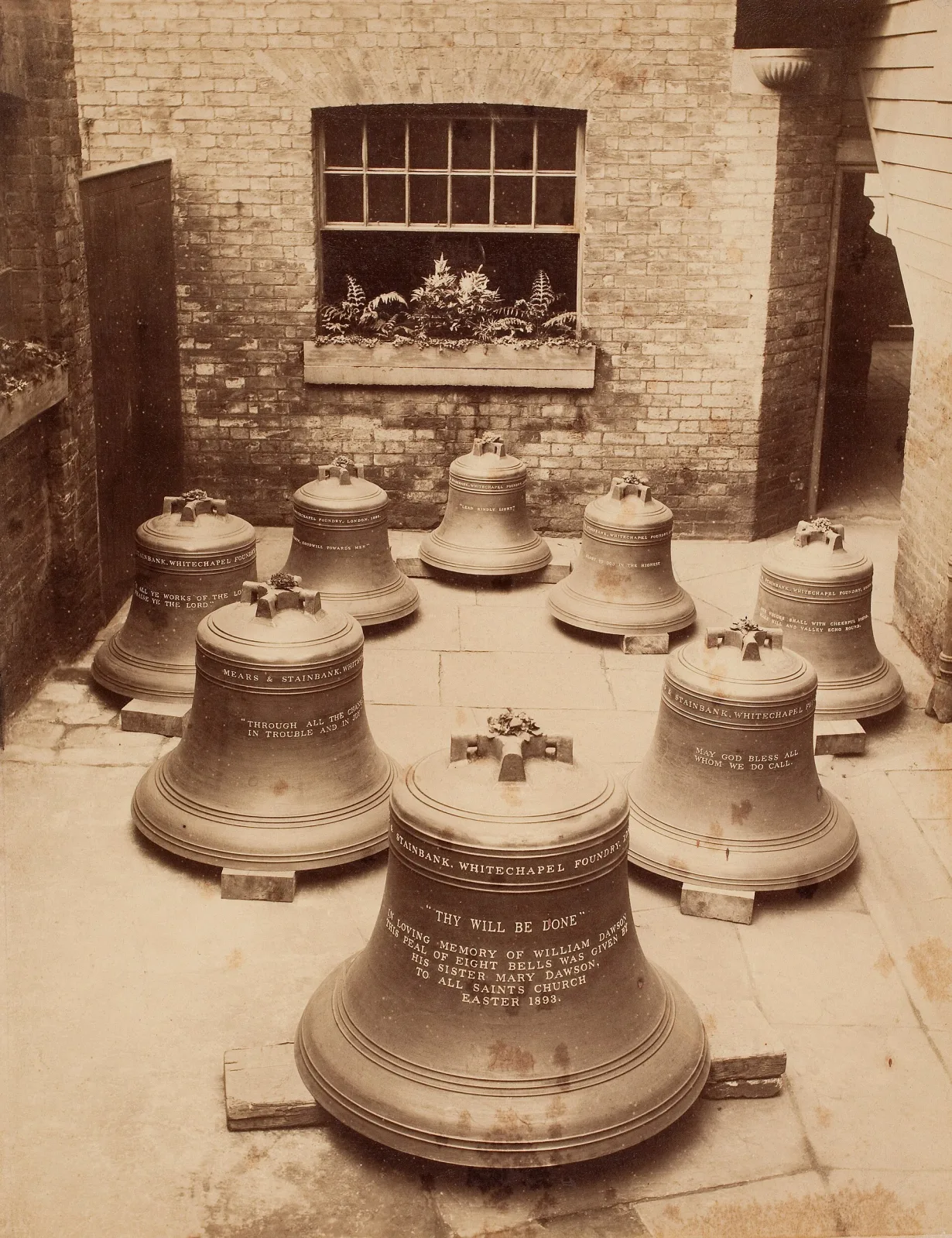
In medieval Europe, bell founding became one of the most respected crafts. Monasteries drove demand for large tower bells to call the faithful to prayer, and itinerant bell founders traveled from town to town, setting up temporary foundries near the churches they served. By the 12th century, permanent bell foundries had been established in major European cities, and the craft began passing from master to apprentice through formal guild structures. Foundries like Whitechapel in London (established 1570) and Petit & Fritsen in the Netherlands (established 1660) developed distinctive techniques and tonal qualities that collectors still recognize today.
The American bell-making tradition began in earnest during the colonial period. Paul Revere established one of the first significant American bell foundries in 1792, and his bells remain among the most prized by collectors. The 19th century saw an explosion of American bell making, with foundries like Meneely & Company in West Troy, New York, and the McShane Bell Foundry in Baltimore producing thousands of church, school, and farm bells that spread across the expanding nation. Many of these bells survive today and form the core of most American bell collections.
The Golden Age of Bell Collecting
Bell collecting as a formal hobby gained momentum in the mid-20th century with the founding of the American Bell Association in 1940. This organization helped standardize terminology, establish authentication practices, and create a community of collectors who shared knowledge about identifying and valuing antique bells. Today, the field encompasses everything from cast iron collectibles like farm bells to delicate porcelain hand bells and rare ship bells with documented naval histories.
Types of Antique Bells
Antique bells fall into several distinct categories based on their intended function, size, and mounting method. Understanding these categories is the first step in identification, as each type has characteristic features that help determine age, origin, and value.
Stationary Bells
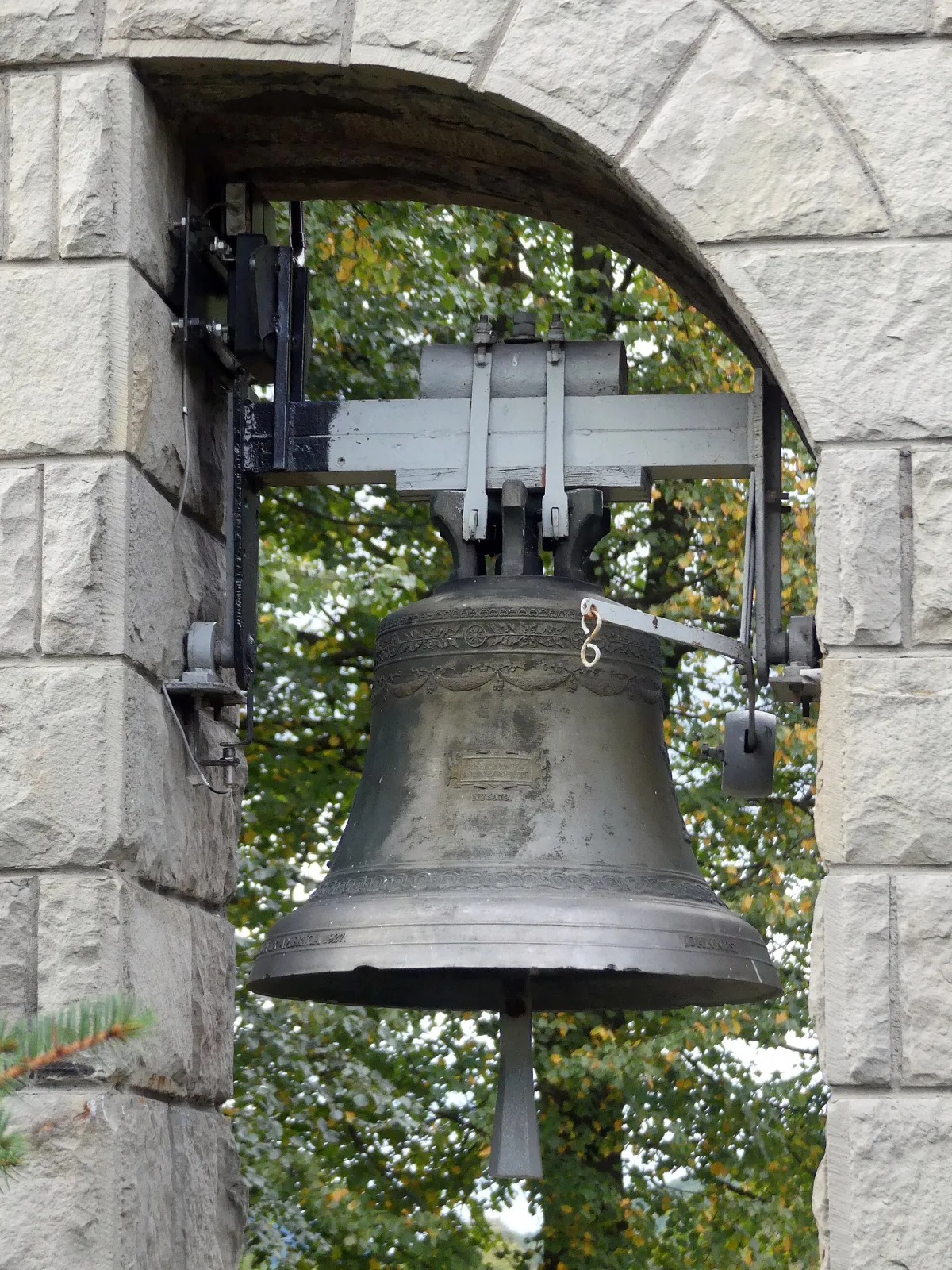
Stationary bells are mounted in fixed positions and include church tower bells, school bells, fire station bells, and plantation bells. These are typically the largest collectible bells, ranging from 30 pounds to several tons. They are cast from bronze or iron and mounted in yokes or frames that allow the bell to swing. Stationary bells often bear the most detailed maker marks and inscriptions, including the founder's name, date of casting, and sometimes the name of the church or institution that commissioned them.
Portable Bells
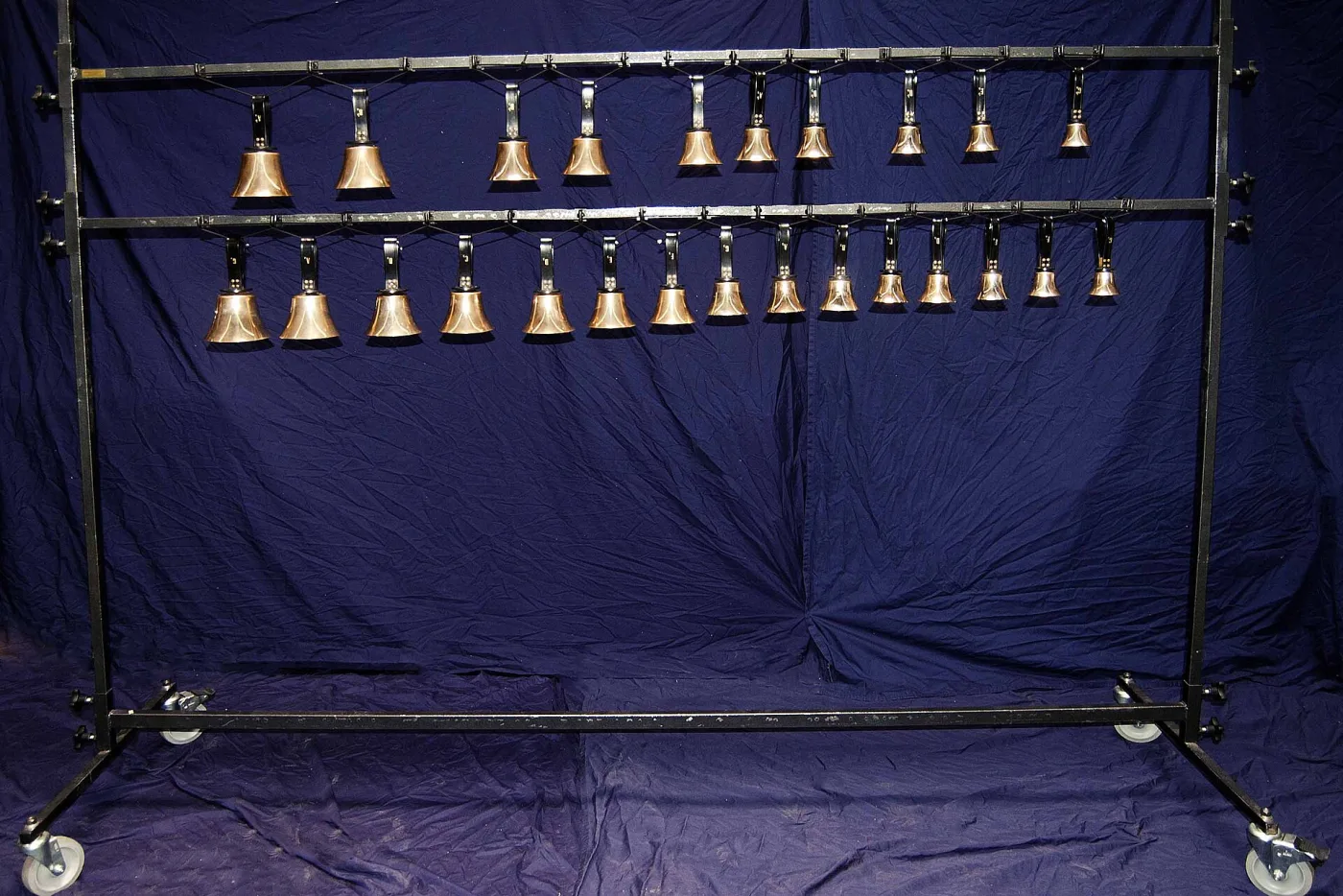
Portable bells encompass hand bells, dinner bells, school hand bells, and auction bells. These smaller bells were designed to be picked up and rung by hand. Victorian hand bells are especially popular among collectors, as they were often crafted from sterling silver or silver plate with ornate handles featuring figural designs, engraved patterns, or carved wooden grips. Portable bells range in size from small table bells just two inches tall to larger school bells that stand over a foot high.
Harness and Vehicle Bells
This category includes sleigh bells, shaft bells, saddle chimes, and carriage bells. Sleigh bells are among the most widely collected bell types, with thousands of variations produced during the 18th and 19th centuries. They were attached to horse harnesses, saddles, and vehicle shafts both for decoration and as a safety measure to alert pedestrians to approaching horse-drawn vehicles. The best examples feature graduated sets of brass or bronze bells mounted on original leather straps.
Nautical Bells
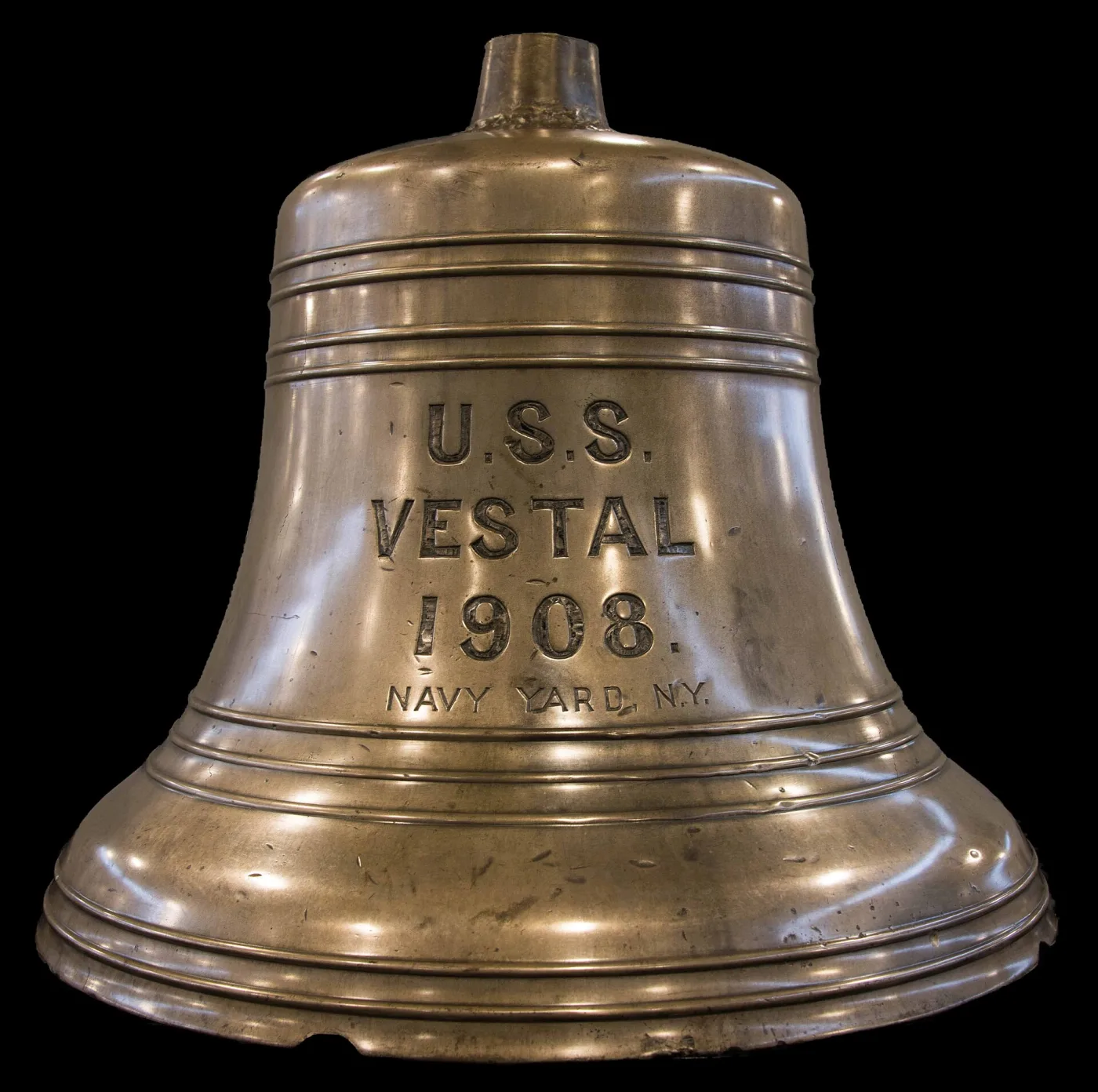
Ship bells served essential functions aboard vessels, marking the passage of time through the traditional watch system and sounding alarms in fog. These bells are typically cast from brass or bell metal (a bronze alloy) and carry the ship's name and year of launching engraved around the bell's waist. Nautical bells from documented warships or famous merchant vessels can command extraordinary prices at auction.
Locomotive and Railroad Bells
Locomotive bells, usually cast in bronze and weighing anywhere from fifty to several hundred pounds, rank among the most dramatic antique bells. Mounted atop steam and early diesel locomotives, they served as warning devices at grade crossings and stations. Authenticated locomotive bells bearing foundry marks, railroad initials, or locomotive number assignments are prized by railroad collectibles enthusiasts and bell collectors alike, with top examples commanding five-figure prices.
Materials and Metallurgy
The material from which a bell is cast is one of the most important identification factors. Different metals produce different tones, show different aging characteristics, and suggest different periods and places of manufacture.
Bell Metal (Bronze)
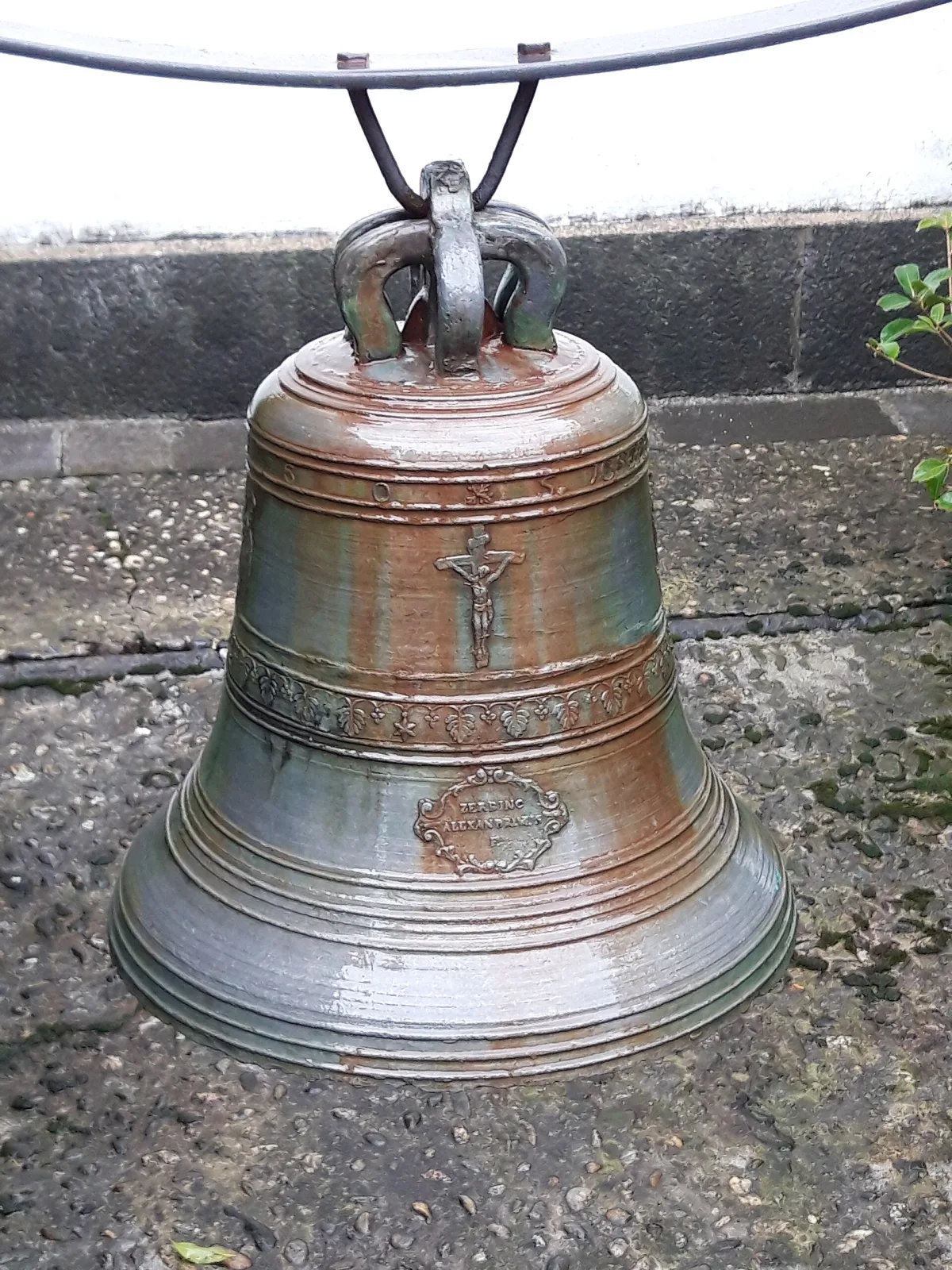
True bell metal is a specific bronze alloy containing approximately 78-80% copper and 20-22% tin. This ratio has been recognized since antiquity as producing the finest tonal qualities. Bell metal develops a distinctive patina over time, ranging from dark brown to verdigris green depending on exposure conditions. Bells cast from proper bell metal will produce a clear, sustained ring when struck, with audible harmonics and a long decay. Most church bells, quality ship bells, and fine hand bells were cast from bell metal.
Brass
Brass bells, made from an alloy of copper and zinc, were commonly used for smaller bells, including many sleigh bells, desk bells, and decorative bells. Brass produces a brighter, sharper tone than bronze but with less sustain. Antique brass bells develop a warm golden-brown patina that darkens with age. Brass was favored for mass-produced bells in the 19th century because it was cheaper than bell metal and easier to work. If you enjoy collecting bronze and brass antiques, understanding these alloy differences is essential for accurate identification.
Cast Iron
Cast iron was the material of choice for American farm bells, school bells, and fire bells throughout the 19th and early 20th centuries. Iron bells produce a deeper, more resonant tone than brass but lack the clarity of bronze. They were cheaper to produce and extremely durable, making them practical for outdoor use. Cast iron bells are identified by their weight relative to size (significantly heavier than bronze), their grey-black color, and their susceptibility to rust. Major manufacturers like the C.S. Bell Company of Hillsboro, Ohio, produced enormous quantities of cast iron bells in standardized sizes.
Silver and Silver Plate
Sterling silver and silver-plated bells were primarily produced as decorative table bells and dinner bells during the Victorian and Edwardian periods. These bells were often made by prominent silverware manufacturers and bear hallmarks that can be traced to specific makers and dates. Silver bells produce a high, clear ring and are valued as much for their decorative qualities as for their tone.
Other Materials
Collectors also encounter bells made from pewter, tin, porcelain, glass, and even wood. Pewter bells were common in colonial America and early European traditions. Porcelain bells, often decorated with hand-painted florals or transfer-printed designs similar to those found on antique porcelain, became popular souvenir items in the 19th century. Glass bells, particularly those in colored art glass or cut crystal, represent a crossover collecting area with significant demand.
Casting Methods and Techniques
Understanding bell casting methods provides crucial clues for dating and authenticating antique bells. The technique used to produce a bell leaves physical evidence that experienced collectors can read like a fingerprint.
Sand Casting
The most ancient method of bell production involves creating a mold from packed sand around a template or pattern. Bells produced by sand casting often show a slightly rough surface texture and may have visible mold lines where the two halves of the mold met. Before the mid-19th century, most bells were sand cast by hand, resulting in slight irregularities that distinguish hand-cast bells from later machine-made examples. An authentic antique cast iron bell produced by traditional sand casting will not show a prominent parting line, as the mold was typically made in one piece using the lost-wax or cope-and-drag method.
Loam Casting
Large church and tower bells were traditionally cast using the loam method, in which successive layers of clay mixed with horse hair or other binders were built up around a brick core. The outer mold, called the cope, was shaped using a profile board or strickle that rotated around a central axis to create the bell's characteristic shape. This method allowed founders to produce bells of enormous size with precise wall thickness, which directly affected the bell's pitch and tonal quality. Evidence of loam casting includes a smoother interior surface and subtle circular marks from the strickle's rotation.
Machine Casting and Stamping
Beginning in the mid-19th century, mechanized production methods allowed mass manufacture of smaller bells. Stamped brass bells were produced by pressing sheet metal into bell-shaped dies, creating lightweight bells with uniform thickness and crisp details. Machine-cast bells were produced using permanent metal molds rather than expendable sand or loam molds, resulting in very consistent sizing and surface finish. These manufacturing advances made bells affordable for widespread domestic use but produced pieces with less character than hand-cast examples.

Reading Maker Marks and Inscriptions
Maker marks are the single most valuable clue for identifying and dating an antique bell. These marks were applied during or after casting and can include the founder's name, location, date, patent numbers, and model designations.
Where to Find Marks
On large stationary bells, marks are typically found on the waist (the straight section between the shoulder and the sound bow) or cast in relief on the crown or shoulder. Farm and school bells often carry marks on the yoke or mounting bracket rather than on the bell itself. Sleigh bells may be stamped on the flat back surface or on the interior of the bell. Hand bells and table bells usually bear marks on the rim, the interior, or underneath the handle mounting. Always examine bells carefully under strong, angled light, as worn marks may only be visible when shadows fill the shallow impressions.
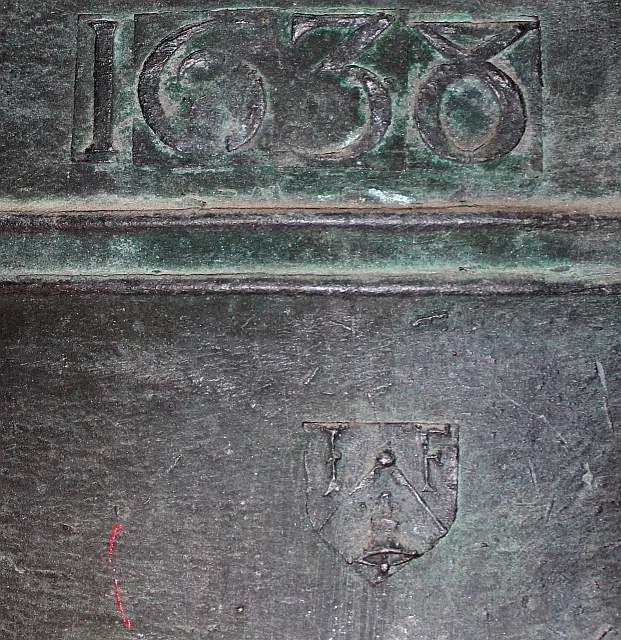
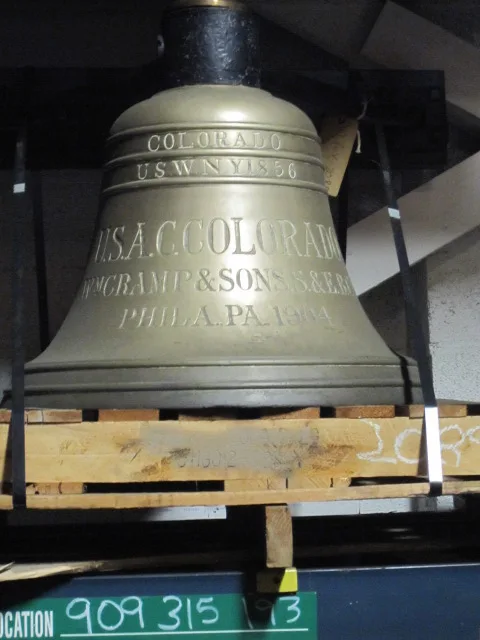
The mark is on the shoulder, it is cast rather than stamped, and it is the first place to look on any bell. That single habit resolves most identifications, because bells are among the few antiques whose makers signed the object itself in letters an inch high. Read everything on the shoulder, not just the name: founders added dates, dedications, place names and sometimes the commissioning parish, and a shipyard added the vessel and the yard. Two cautions. Cast lettering wears from the outside in, so a half-legible name is normal and worth photographing in raking light rather than dismissing. And the founder is not always the seller — nineteenth-century agents and hardware houses sometimes had their own names cast on bells they had bought in, so a name on the shoulder tells you who put it there, which is a question worth asking separately from who melted the metal.
Major American Bell Makers
Identifying the maker immediately narrows the date range and establishes a baseline value. Key American makers include:
Meneely & Company (West Troy, NY, 1826-1952) — One of the most prolific American bell foundries, producing over 65,000 bells. Their marks typically include "MENEELY & CO." or "MENEELY & KIMBERLY" cast in raised letters around the waist. Early Meneely bells from the 1830s-1850s are particularly valuable.
C.S. Bell Company (Hillsboro, OH, 1858-present) — The dominant manufacturer of cast iron farm and school bells. Their bells are marked "C.S. BELL CO. HILLSBORO O." on the yoke or mounting bracket. The company assigned model numbers (No. 1 through No. 8) based on size, with larger numbers indicating bigger bells.
McShane Bell Foundry (Baltimore, MD, 1856-present) — Known for high-quality bronze church bells, often marked "McSHANE BELL FOUNDRY BALTIMORE MD" with the date of casting.
Paul Revere (Boston, MA, 1792-1828) — Revere cast approximately 900 bells, of which around 75 are known to survive. Authentic Revere bells are marked "REVERE BOSTON" and command premium prices. These are among the most counterfeited of all American bells.
European Bell Makers
European bells carry a rich tradition of marking. English bells from Whitechapel Bell Foundry often bear the founder's name and a date in Roman numerals. Dutch bells from Petit & Fritsen feature detailed inscriptions in Latin or Dutch. German and Austrian bells frequently include elaborate decorative borders and religious imagery cast in relief. French bells from the Fonderie Paccard are identified by the "PACCARD" name and Annecy location mark.
Church and Tower Bells
Church bells represent the pinnacle of the bell founder's art and are among the most historically significant bells a collector can encounter. While most church bells remain in their towers, decommissioned bells regularly appear at auction and through architectural salvage dealers.
Identifying Church Bells
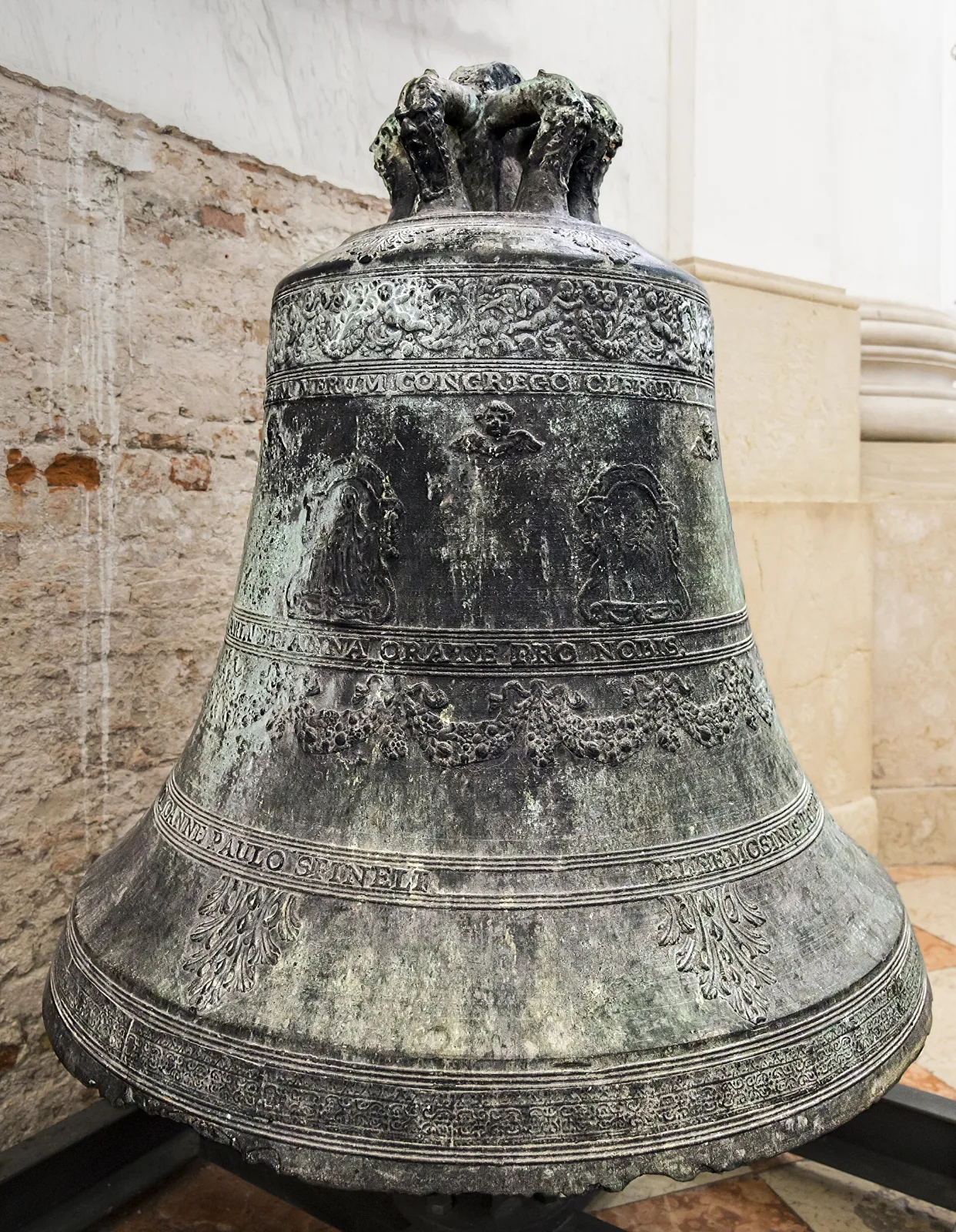
Church bells are distinguished by their large size (typically 12 inches to 60 inches in diameter), heavy construction, and bell metal composition. Most carry detailed inscriptions including the date of casting, the name of the church, and often a dedicatory phrase in Latin or the local language. The crown of a church bell features a canons or set of loops used for mounting. Examine the canons carefully — their style changed significantly over the centuries and provides dating evidence independent of any inscription.
Dating by Profile
The profile or cross-section of a church bell evolved over time. Medieval bells tend to have a tall, narrow shape often called a "beehive" or "sugar loaf" profile. By the 15th century, the modern bell profile with a wider mouth and more pronounced sound bow had emerged. Renaissance bells show classical proportions that became increasingly standardized through the 17th and 18th centuries. Post-industrial bells from the 19th century onward follow very precise mathematical profiles developed through acoustic research.
Collectors interested in the architectural salvage market will find that decommissioned church bells often appear alongside other ecclesiastical items, and understanding the context of removal can help establish provenance.
School Bells and Farm Bells
School bells and farm bells form the largest and most accessible category for American bell collectors. Produced in enormous quantities from the 1850s through the early 1900s, these utilitarian bells were essential fixtures of rural life and remain widely available at reasonable prices.
School Bells
School bells were typically mounted on the roof or in a small belfry atop one-room schoolhouses. They range from 20 to 30 inches in diameter and were cast in both bronze and cast iron. A complete school bell includes not just the bell itself but also the yoke, wheel, and rope mechanism. Many school bells have been separated from their original mountings, reducing their value. Complete examples with original hardware and documented provenance from a specific school are the most desirable.
Farm Bells
Farm bells served multiple purposes: calling workers from the fields for meals, signaling emergencies, and marking the time of day. They are generally smaller than school bells, with diameters ranging from 10 to 20 inches. Cast iron was the dominant material, with the C.S. Bell Company being the most prolific manufacturer. Farm bells were mounted on posts, barn roofs, or purpose-built bell stands. The condition of a farm bell's original post mount or bracket significantly affects its value and appeal to collectors.
Identifying C.S. Bell Company Products
Given their dominance of the farm bell market, C.S. Bell Company bells deserve special attention. Their bells are identified by markings on the yoke that include the company name, location (Hillsboro, Ohio), and a model number. The model numbering system ran from No. 1 (smallest, about 10 inches) to No. 8 (largest, about 30 inches). Crystal Metal bells, a proprietary alloy C.S. Bell introduced in the 1880s, are identified by the "Crystal Metal" mark and are considered superior to their standard cast iron bells.
Sleigh Bells and Harness Bells
Sleigh bells hold a special place in bell collecting, combining musical charm with deep cultural associations. These small, round bells were attached to horse harnesses during winter months, both as decoration and as a legally mandated safety device to warn pedestrians of approaching sleighs on snow-covered roads.
Types of Sleigh Bells
Petal bells (or crotal bells) — The most common type, consisting of a hollow sphere with a slot cut into the bottom half and a loose ball or pellet inside. These bells were produced in graduated sizes from half an inch to three inches in diameter. The number of petals (the decorative ridges on the upper hemisphere) varies and can help identify the maker.
Open-mouth bells (or Swiss bells) — Shaped like miniature conventional bells with an open mouth and a clapper. These were typically larger than petal bells and produced a different tone. Swiss bells were often used individually on shaft tips or as lead bells at the front of a harness.
Shaft bells (or body bells) — Larger bells mounted on metal arches that fitted over the horse's collar or the vehicle shaft. Shaft bells often came in sets of three graduated sizes and are highly prized when found in matching original sets.
Major Sleigh Bell Manufacturers
The American sleigh bell industry was centered in Connecticut, particularly in the towns of East Hampton and Torrington. Key manufacturers include:
William Barton (East Hampton, CT) — Active from the 1810s through the 1850s, Barton was one of the earliest commercial sleigh bell makers. His bells are marked "W. BARTON" or "BARTON" and are highly sought after.
N.N. Hill Brass Company (East Hampton, CT) — Produced large quantities of brass sleigh bells from the 1860s through the early 1900s. Their bells are marked with various stamps including "N.N. HILL" and "HILL."
Bevin Brothers Manufacturing (East Hampton, CT) — Established in 1832 and still operating today, making them one of the oldest bell manufacturers in America. Antique Bevin Brothers bells are marked "BEVIN BROS." and span many styles and sizes.
Evaluating Sleigh Bell Sets
Complete graduated sets of sleigh bells on original leather straps are the most valuable configuration. A typical strap held 15 to 30 bells arranged in ascending size. When evaluating a set, check that all bells match in style and finish (indicating they are original to the strap rather than assembled from different sources), that the leather strap is period-appropriate and in good condition, and that all bells are functional with intact clappers or pellets.
Ship Bells and Nautical Bells
Ship bells are among the most prestigious and valuable categories of antique bells. Beyond their functional role in marking time and sounding alarms, ship bells served as the symbolic identity of a vessel. Naval tradition holds that a ship's bell is its soul, and these bells were among the most carefully preserved artifacts when a vessel was decommissioned.
Identifying Ship Bells
Authentic ship bells are cast from brass or bell metal and feature the vessel's name and year of launching engraved or cast around the bell's waist. Naval ship bells from major navies (British Royal Navy, United States Navy, etc.) follow standardized specifications for size and weight based on the class of vessel. A cruiser's bell might be 16-18 inches in diameter, while a battleship's bell could exceed 24 inches. Merchant vessel bells vary more widely but generally follow similar conventions.
Collectors interested in maritime history will also appreciate maritime instruments and navigation instruments, which often appear alongside ship bells at nautical antiques sales.
Authentication Challenges
Ship bells from famous vessels command extraordinary prices, which has unfortunately led to a significant reproduction and forgery problem. Authentic naval bells can often be verified through official naval records, ship's logs, and decommissioning inventories. Be especially cautious of bells claiming association with well-known warships unless accompanied by thorough documentation. The patina, engraving style, and metal composition should all be consistent with the claimed period.
Hand Bells and Dinner Bells
Hand bells and dinner bells represent the most accessible category for beginning collectors. These small, affordable bells were produced in enormous variety during the Victorian and Edwardian periods, with designs ranging from simple utilitarian pieces to elaborate decorative objects.
Victorian Hand Bells
The Victorian era produced an extraordinary range of decorative hand bells. Silver and silver-plated examples featured figural handles depicting women, children, animals, and mythological figures. Brass hand bells often incorporated turned wooden handles with ebony or fruitwood grips. Crystal bells with silver handles bridged the gap between tableware and decorative art. The most valuable Victorian hand bells combine fine craftsmanship with unusual or artistic handle designs.
Dinner Bells and Call Bells
Dinner bells ranged from simple brass bells on wooden handles to elaborate mechanical bells mounted on wall brackets. Counter bells or tap bells, which ring when pressed from above, were standard fixtures in hotels, shops, and homes. These bells are collected both for their mechanisms and their decorative qualities. Desk bells with rotating bases or figural tops are particularly popular with collectors who enjoy antique desk accessories.
Hand Bell Sets for Change Ringing
Sets of tuned hand bells designed for change ringing represent a specialized collecting area. These bells are precisely tuned to specific notes and sold in matched sets. English manufacturers like Whitechapel and Taylor's of Loughborough produced the finest examples. A complete set of twelve tuned hand bells in original cases can be quite valuable, particularly if they maintain their original tuning accuracy.
Servant Call Bells and Door Bells
Servant call bell systems were standard features of large Victorian and Edwardian homes, connecting every major room to a bell board in the servants' quarters. These systems ranged from simple pull-wire mechanisms to elaborate spring-loaded assemblies and represent a fascinating intersection of domestic technology and social history.
Pull-Wire Systems
The earliest servant call systems used wires running through the walls and ceilings from pull handles in each room to a row of bells mounted on a board in the kitchen or servants' hall. Each bell was a different size or tone so servants could identify which room was calling. Complete bell boards with their original bells, springs, and room labels are highly prized by collectors, though they are increasingly rare as old houses are demolished or renovated.
Mechanical Door Bells
Before electric doorbells became common in the 1890s, visitors announced their arrival using mechanical bells activated by twisting, pulling, or turning a handle on the front door. These mechanisms range from simple bell-cranks to elaborate rotary bells with decorative cast iron or brass mountings. The exterior hardware often featured ornate Victorian casting, while the interior bell mechanism could include multiple bells tuned to a chord. Complete mechanical doorbell sets with both exterior and interior components are desirable collectibles.
Decorative and Novelty Bells
Beyond functional bells, collectors pursue a wide range of decorative and novelty bells produced primarily as ornaments, souvenirs, and commemorative items.
Souvenir Bells
Beginning in the mid-19th century, souvenir bells from tourist destinations, world's fairs, and special events became popular collectibles. These bells were produced in brass, silver plate, porcelain, and glass, often featuring engraved or painted scenes of landmarks. World's fair bells from events like the 1876 Centennial Exhibition, the 1893 Columbian Exposition, and the 1939 New York World's Fair are particularly sought after by collectors of Americana and patriotic collectibles.
Figural Bells
Figural bells shaped like women in full skirts, animals, or characters were popular from the Victorian era through the mid-20th century. The skirt or body of the figure forms the bell, while the figure's upper body serves as the handle. These bells were made in brass, bronze, silver, porcelain, and glass. Dutch girl bells, Southern belle bells, and cat or dog figural bells are among the most commonly collected forms.
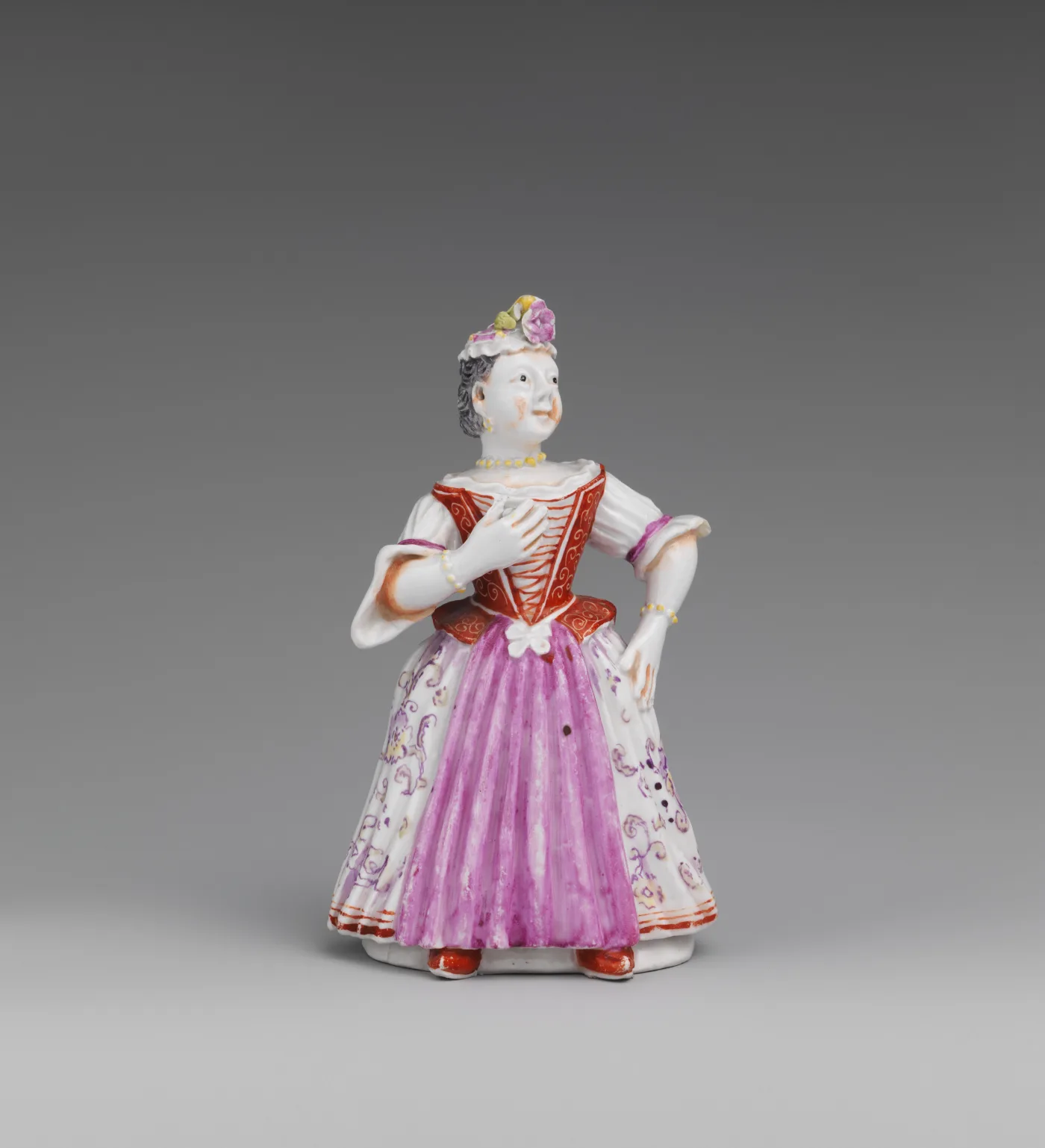
Glass and Porcelain Bells
Art glass bells from makers like Fenton, Degenhart, and Imperial Glass are avidly collected. These bells were produced in a rainbow of colors and patterns, including carnival glass, milk glass, and cut crystal. Porcelain bells from European makers like Meissen, Royal Copenhagen, and Hummel feature hand-painted decorations and are collected alongside other ceramics and pottery.
Dating Antique Bells
Accurately dating an antique bell requires examining multiple physical characteristics, as no single feature provides a definitive date in isolation.
Physical Indicators of Age
Patina: Genuine age patina on bronze and brass bells develops slowly over decades. Bronze develops a layered patina progressing from brown to green, while brass darkens to a deep golden-brown. Cast iron develops surface rust and scale. Artificial patinas applied to reproductions tend to be uniform in color and can often be removed with solvents, while natural patina is chemically bonded to the metal surface.
Wear patterns: Authentic antique bells show wear consistent with their function. A bell that was rung regularly will show wear on the interior where the clapper strikes (called the clapper wear mark) and on the crown or handle where it was grasped. A bell used outdoors will show weathering patterns consistent with its mounting orientation.
Tool marks: Hand-finished bells from before the industrial era show file marks, hand-turning marks, and irregular surfaces that distinguish them from machine-finished bells. The transition from hand to machine finishing occurred gradually during the 1840s-1870s, so the presence or absence of hand-finishing marks helps bracket the date of production.
Stylistic Dating
Decorative elements on bells followed broader artistic trends. Georgian bells (1714-1830) feature classical motifs and restrained ornamentation. Victorian bells (1837-1901) display the era's love of elaborate decoration, including Gothic Revival, Renaissance Revival, and Aesthetic Movement designs. Art Nouveau bells (1890-1910) incorporate flowing organic forms, while Art Deco bells (1920-1940) feature geometric patterns and streamlined shapes. Matching a bell's decorative style to known artistic periods helps establish a production date range.
Authentication and Reproductions
The bell market includes numerous reproductions, recastings, and outright forgeries. Developing an eye for authenticity is essential for any serious collector.
Common Reproduction Red Flags
Be alert for the following signs of modern production: unnaturally uniform patina that covers all surfaces equally, sharp casting details that show no sign of age or wear, modern fasteners (Phillips head screws, hex bolts) on mounting hardware, lightweight construction suggesting thin casting walls, and smooth interior surfaces on bells that should show clapper wear. Reproductions of famous bells, particularly Paul Revere bells and Civil War-era military bells, are common and can be very convincing to inexperienced collectors.
Scientific Testing
For high-value bells where authentication is critical, scientific testing can provide definitive answers. X-ray fluorescence (XRF) analysis reveals the exact metal composition, which can be compared against known period alloys. Metallographic examination of a small sample can reveal the crystal structure of the metal, distinguishing old castings from modern ones. Thermoluminescence testing can establish when a bell was last heated above a certain temperature, providing a rough date for the casting event.
Condition Assessment and Grading
A bell's condition profoundly affects its value. Unlike many antiques where visual condition is paramount, a bell's functionality — its ability to produce a clear, resonant tone — is equally important.
Structural Integrity
The most significant condition issue is cracking. A cracked bell cannot be repaired to restore its original tone and suffers a dramatic reduction in value. Hairline cracks may be invisible but are detectable by the quality of the bell's ring — a cracked bell produces a dull, flat sound rather than a clear ring with sustained harmonics. Always ring a bell (gently) before purchasing and listen carefully for tonal quality. Visible cracks, chips in the lip or sound bow, and areas of deep corrosion all reduce value significantly.
Completeness
A bell's value is maximized when it retains all its original components. For stationary bells, this means the yoke, wheel, and mounting hardware. For hand bells, the original handle and clapper are essential. Sleigh bells should retain their original leather straps. Ship bells are most valuable with their original mounting bracket and, ideally, the strike hammer. Missing or replaced components should be noted and factored into any valuation.
Current Market Values
Bell values span an enormous range depending on type, maker, age, condition, and provenance. Here is a general overview of current market prices to help collectors understand the landscape.
Entry-Level Collecting ($10-$100)
Common 20th-century brass hand bells, mass-produced souvenir bells, single sleigh bells, and basic dinner bells fall in this range. These pieces offer an affordable entry point for new collectors and can be found at flea markets, estate sales, and online auctions.
Mid-Range ($100-$1,000)
Quality Victorian hand bells in silver or silver plate, complete sleigh bell straps with 15-25 matching bells, documented school bells with original hardware, and C.S. Bell Company farm bells in good condition populate this price range. These pieces represent the sweet spot for many collectors, combining historical interest with reasonable investment.
Premium ($1,000-$10,000)
Early American bronze church bells, documented ship bells from merchant vessels, rare sleigh bell sets with original hardware, and bells by notable makers like Meneely or McShane command premium prices. At this level, provenance documentation and condition become critical factors in valuation.
Museum Quality ($10,000+)
Paul Revere bells, ship bells from famous naval vessels, medieval European church bells, and extremely rare or historically significant bells can sell for tens or even hundreds of thousands of dollars. A Paul Revere bell sold for over $100,000 at auction, and documented bells from significant warships regularly exceed this level.
Care and Preservation
Proper care preserves both the value and the beauty of antique bells. The general principle is to do as little as possible — heavy cleaning or aggressive polishing can destroy patina that took centuries to develop and significantly reduce a bell's value.
Cleaning Guidelines
For bronze and brass bells, a gentle wash with warm water and mild soap is usually sufficient to remove surface dirt without disturbing the patina. Never use chemical brass polish on antique bells, as it strips the patina layer that collectors and appraisers value. Cast iron bells should be kept dry and can be treated with a thin coat of Renaissance wax or mineral oil to prevent further rusting without altering their appearance. Silver bells should be stored in tarnish-resistant cloth and cleaned only when necessary with a proper silver cloth. For more detailed guidance on preservation techniques, see our guide to antique storage and care.
Display and Storage
Display bells in stable environments with consistent temperature and humidity. Avoid placing bronze or brass bells in direct contact with oak or other acidic woods, which can accelerate corrosion. Use felt pads or acid-free materials between bells and display surfaces. Store sleigh bell straps flat rather than coiled to prevent stress on the leather. Bells that will not be displayed regularly should be wrapped in acid-free tissue and stored in a dry environment.