
Antique Americana and Patriotic Collectibles Identification Guide
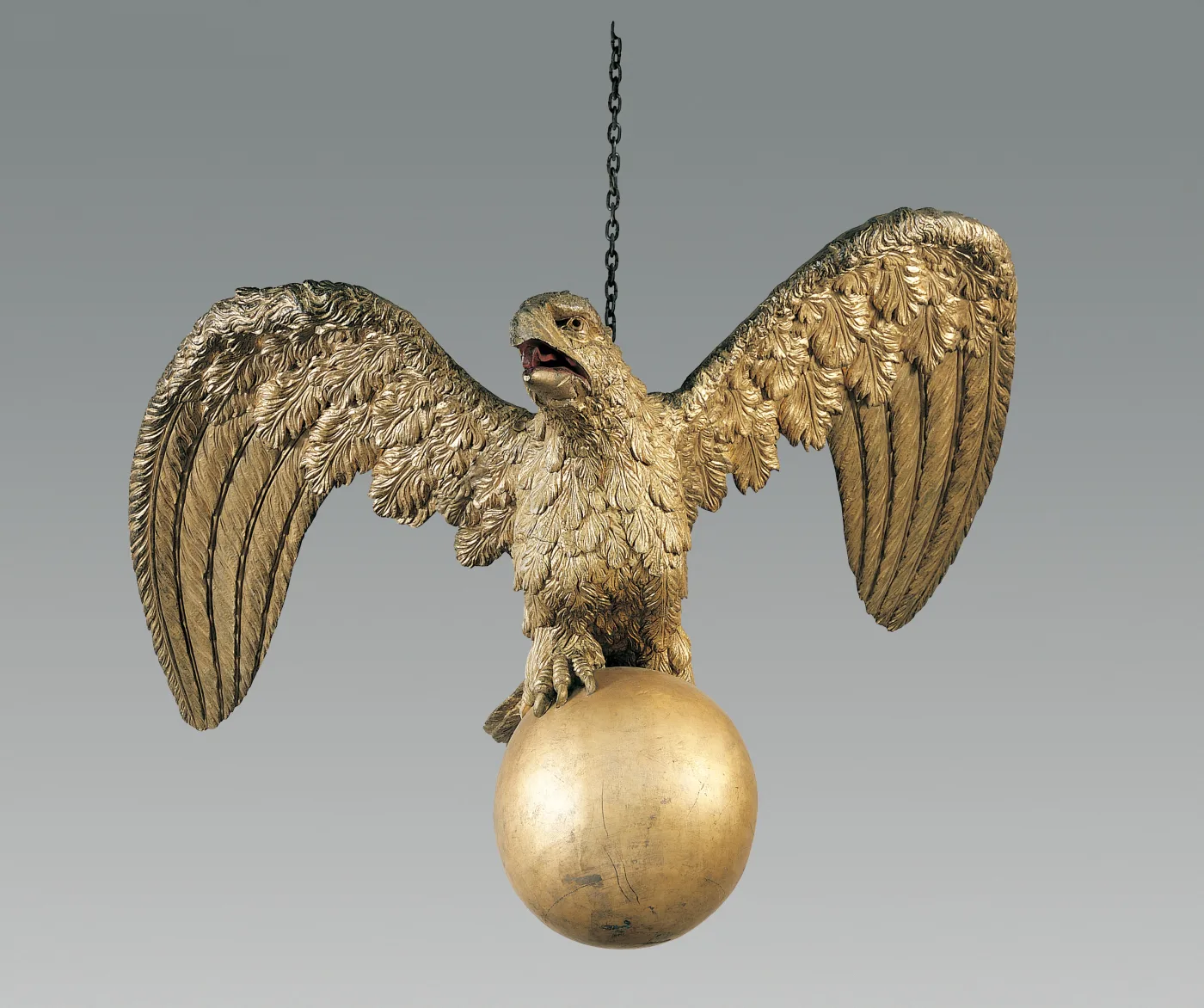
As America celebrates its 250th anniversary in 2026, interest in Americana and patriotic collectibles has surged to unprecedented levels. These historical artifacts represent more than just decorative objects—they embody the spirit, struggles, and triumphs of American history. From Colonial-era folk art to mid-century commemorative pieces, Americana encompasses a diverse range of items that tell the story of the nation.
Identifying authentic American patriotic antiques requires knowledge of historical contexts, manufacturing techniques, iconography, and period-appropriate materials. The market for Americana ranges from affordable folk art to museum-quality pieces worth thousands of dollars. Understanding the distinguishing characteristics of each era and object type is essential for collectors, dealers, and historians.
This comprehensive guide covers the identification, authentication, and valuation of American patriotic collectibles across multiple categories. You'll learn to recognize genuine period pieces, understand the symbolism and significance of American motifs, date items accurately, and avoid common reproductions that flood the market.
Table of Contents
- Defining Americana Collectibles
- American Eagle Motifs and Symbols
- Historic Flags and Banners
- Political and Campaign Memorabilia
- American Folk Art and Needlework
- Centennial and Commemorative Items
- Colonial and Revolutionary War Artifacts
- Civil War Memorabilia
- Liberty and Uncle Sam Figures
- Patriotic Textiles and Quilts
- Patriotic Advertising and Signage
- American Patriotic Ceramics and Glass
- Fireworks Labels and Ephemera
- Authentication Techniques
- Dating American Patriotic Items
- Identifying Reproductions and Fakes
- Condition Assessment and Valuation
- Preservation and Display
Defining Americana Collectibles
Americana encompasses objects that reflect American history, culture, and patriotic sentiment. This broad category includes items produced from the Colonial period through the mid-20th century, though pieces from America's founding era and centennial celebrations command particular interest among collectors.
Categories of Americana
Americana collectibles fall into several distinct categories. Decorative arts include folk art paintings, carved eagles, weathervanes, and trade signs featuring patriotic imagery. Political memorabilia encompasses campaign buttons, banners, ribbons, and promotional items from presidential elections. Military artifacts include uniforms, weapons, medals, and personal items from American conflicts. Textiles feature flags, quilts, samplers, and needlework with patriotic themes. Commemorative items mark significant historical events like centennials, expositions, and national celebrations.
Historical Periods
Understanding historical context helps in identification and dating. The Colonial period (1607-1776) features British-American hybrid styles with emerging American symbols. Revolutionary War era (1775-1783) items show patriotic fervor and independence themes. Federal period (1789-1825) pieces display classical revival influences and early national symbols. Victorian Americana (1830s-1900) includes sentimental patriotism and elaborate decoration. Centennial period (1876) saw an explosion of commemorative items celebrating America's 100th birthday. Early 20th century (1900-1945) encompasses World War eras and Depression-era patriotism.
Value Factors
Several factors determine the value of Americana collectibles. Historical significance tied to important events or figures increases value substantially. Rarity matters, with unique or limited production items commanding premium prices. Condition affects value significantly, with original, unrestored pieces preferred. Provenance or documented history enhances desirability. Aesthetic appeal influences collector interest, with visually striking pieces valued higher. Materials and craftsmanship quality impact worth, with hand-crafted items generally more valuable than mass-produced pieces.
American Eagle Motifs and Symbols
The American bald eagle, adopted as the national emblem in 1782, appears throughout American decorative arts. Identifying authentic period eagle motifs requires understanding stylistic evolution and manufacturing techniques across different eras.
Eagle Carving Styles by Period
Early Federal eagles (1790s-1820s) display folk art characteristics with stylized features, bold carving, and often gilded surfaces. These hand-carved wooden eagles show individual artistic interpretation rather than standardized forms. Mid-19th century eagles (1830s-1870s) become more naturalistic with detailed feathering, anatomically correct proportions, and dynamic poses. Victorian eagles (1870s-1900) feature elaborate bases, complex compositions, and often incorporate shields, flags, or patriotic banners.
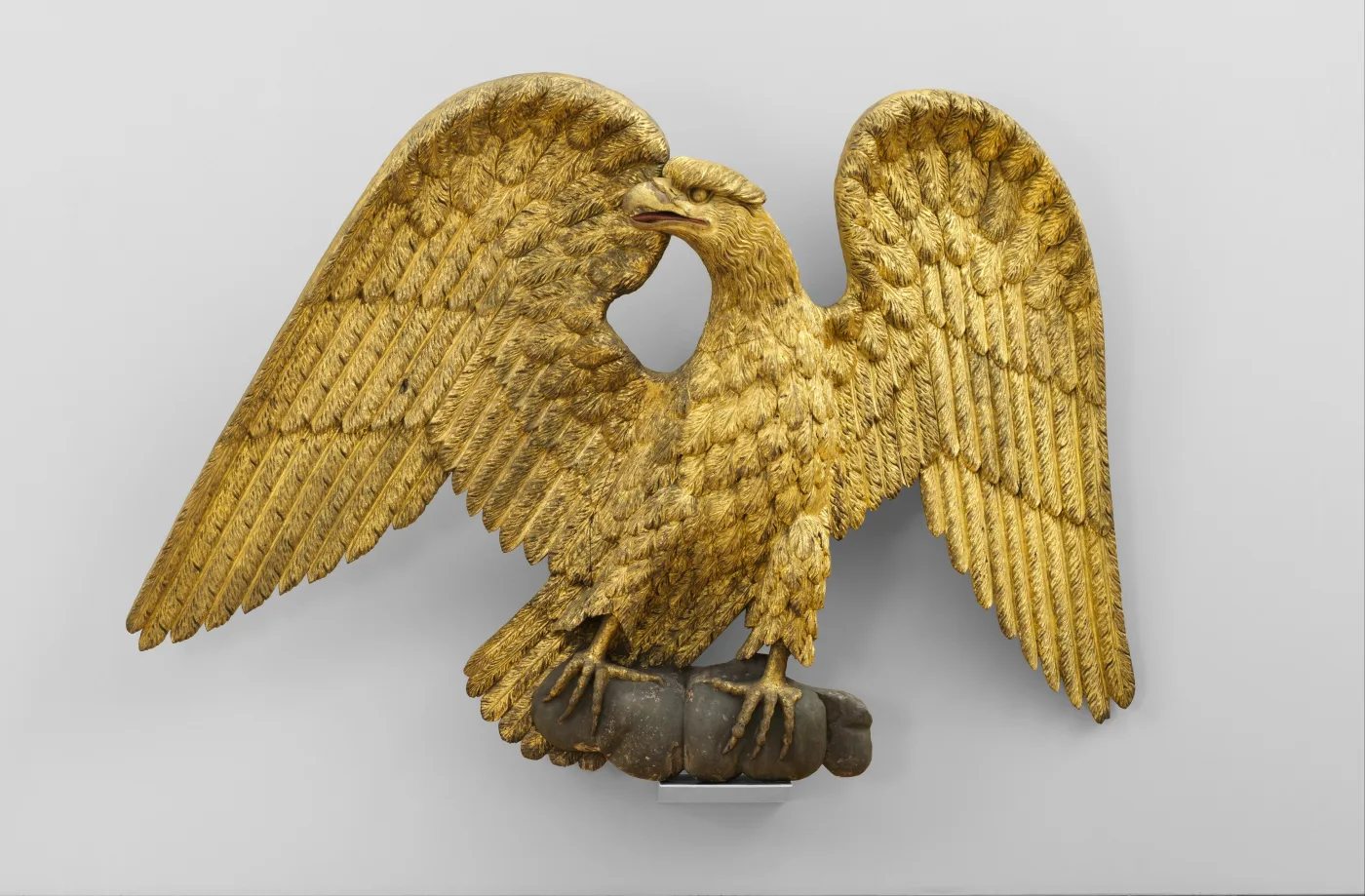
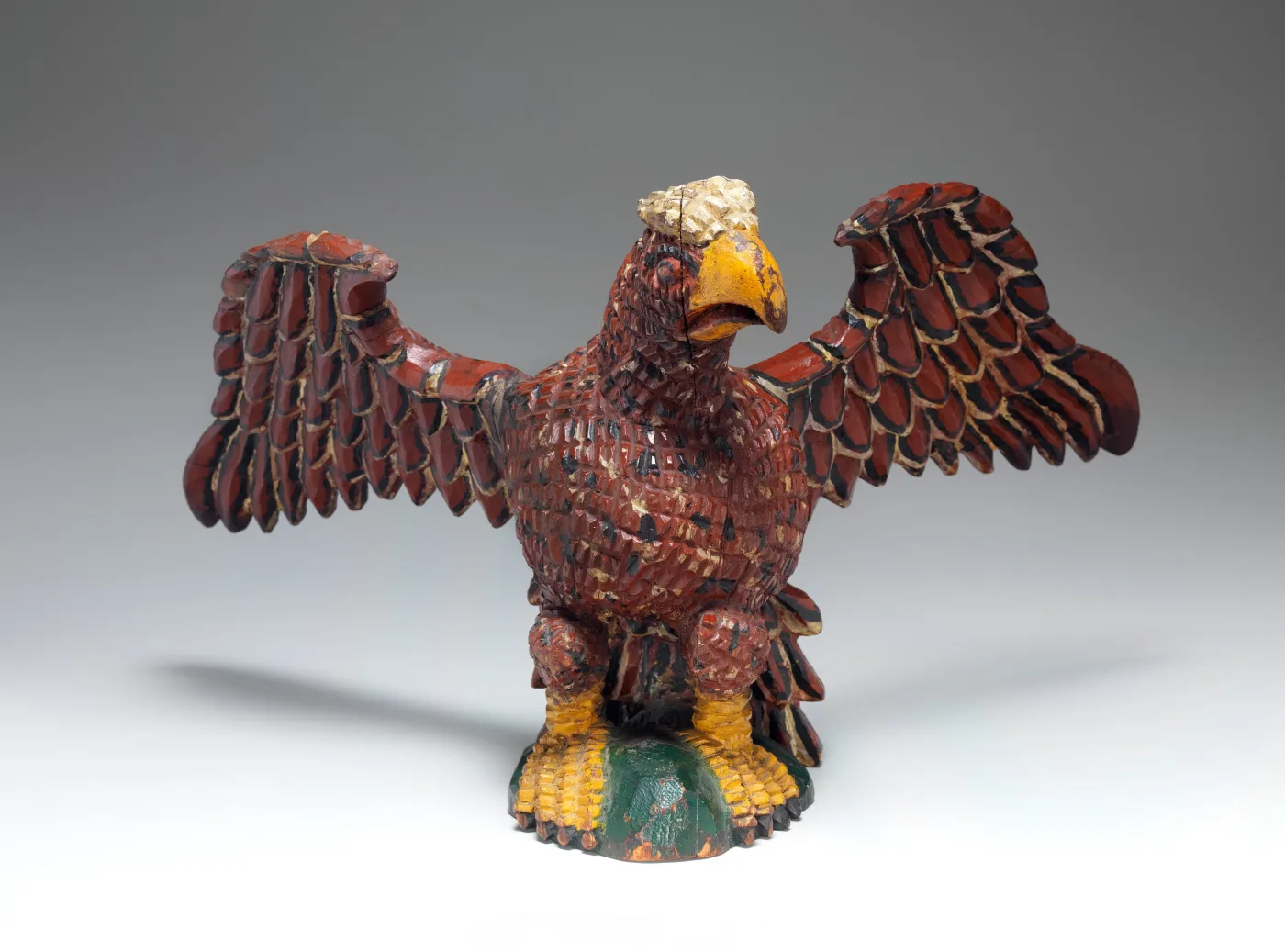
Two eagles two generations apart, and between them they set out the two traditions this section separates. The earlier is shop work — a professional carver’s eagle, oil-gilded over gesso, anatomically balanced, made as architectural or ship ornament. The later is folk carving: Schimmel was an itinerant Pennsylvania carver who worked with a jackknife and traded his birds for food and drink, and his eagles are small, notched rather than modelled, and painted in flat colours. Neither is a lesser object and the market values both highly, but they are identified in completely different ways. Gilding, gesso and joinery point to a trained shop; knife-cut feather notching, a limited paint palette and a small scale point to a named or nameable folk carver. And Schimmel in particular has been reproduced continuously since the 1920s, so on that side the question is always which century the knife work belongs to.
Materials and Construction
Authentic carved eagles typically use American woods including white pine, basswood, or mahogany. Tool marks should be consistent with period hand tools, showing chisel marks, knife cuts, and rasp marks rather than modern power tool signatures. Original gilding appears worn in raised areas while remaining intact in recesses. Paint surfaces display age-appropriate craquelure and patina. Metal eagles may be cast iron, bronze, or copper with natural aging appropriate to the material.
Placement and Function
Eagle motifs appear on diverse objects serving different purposes. Architectural eagles adorned building facades, gate posts, and courthouse decorations. Ship figureheads and stern boards featured eagles on American vessels. Furniture incorporated eagle inlay, carved crests, and applied ornaments. Household items displayed eagles on clocks, mirrors, certificates, and documents. Military insignia included eagle buttons, belt plates, and regimental markers.
Regional Variations
Different American regions developed distinctive eagle carving traditions. New England eagles tend toward austere, folk art interpretations with bold forms. Pennsylvania German eagles show decorative flatwork with painted embellishment. Southern eagles often feature more naturalistic carving with attention to detail. Maritime regions produced eagles with nautical associations and ship carver characteristics.
Historic Flags and Banners
American flags represent some of the most sought-after Americana collectibles. Identifying genuine antique flags requires knowledge of historical flag configurations, construction methods, and materials used in different periods.
Flag Evolution and Star Counts
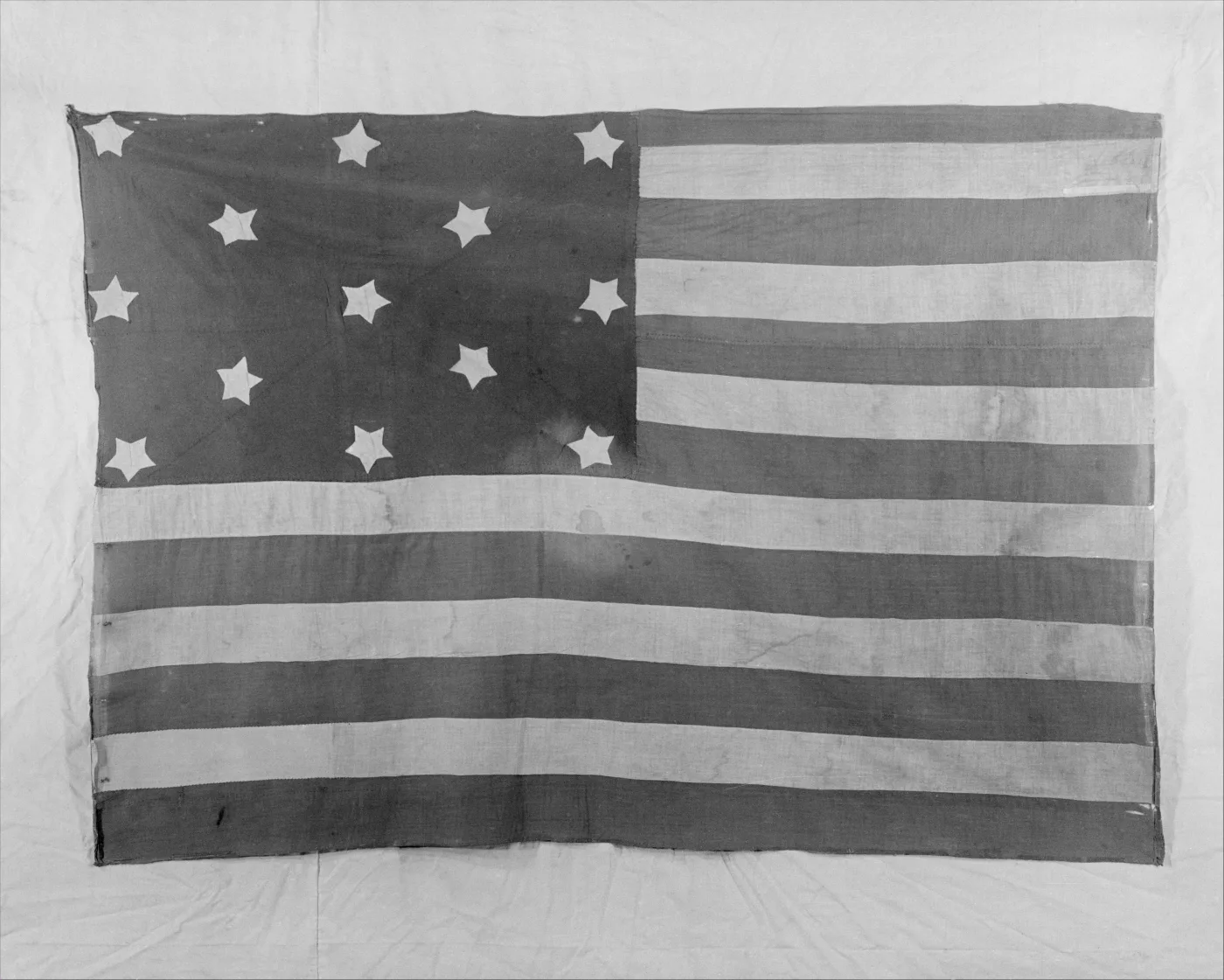
The number and arrangement of stars help date American flags. The original 13-star flag (1777-1795) featured stars and stripes representing the original colonies. The 15-star flag (1795-1818) added two stars and stripes for Vermont and Kentucky. The 1818 Flag Act returned to 13 stripes with stars representing each state. Subsequent star counts mark state admissions: 26 stars (1837), 31 stars (1851), 33 stars (1859), 35 stars (1863), 36 stars (1865), 37 stars (1867), 38 stars (1877), 43 stars (1890), 45 stars (1896), 46 stars (1908), 48 stars (1912-1959).
Construction and Materials
Period flag construction reveals age and authenticity. Hand-sewn flags show irregular stitching with period-appropriate thread. Machine-sewn flags date no earlier than the 1850s, with specific stitch patterns indicating manufacturing era. Early flags used wool bunting or cotton fabric, while silk flags were reserved for ceremonial use. Star application methods include hand-sewn appliqué, printed stars, or embroidered stars. Natural dyes produce characteristic fading patterns different from synthetic dyes introduced in the late 19th century.
Star Arrangements
Star patterns help identify flags and their origins. Orderly rows indicate official or commercial manufacture. Medallion patterns with stars arranged in circles or ovals often indicate folk art or parade flags. Random or artistic arrangements suggest homemade flags or special commemorative pieces. The Great Star pattern, with stars arranged to form a large star, appears on some mid-19th century flags. Wreath patterns and other decorative arrangements mark special-purpose flags.
Size and Purpose
Flag dimensions indicate intended use and help establish authenticity. Garrison flags (20x38 feet or larger) flew over military installations. Storm flags (smaller versions, typically 8x12 feet) flew in inclement weather. Boat flags ranged from small ensigns to yacht club burgees. Parade flags (hand-held, 12-24 inches) accompanied celebrations and political rallies. Mourning flags featured black bunting or crepe additions for national mourning periods.
Political and Campaign Memorabilia
American political memorabilia documents the nation's democratic process through tangible objects. Campaign items from early elections through the mid-20th century provide insight into political history and popular culture. For a deeper treatment of buttons, ribbons, and badges, see the dedicated guide to identifying political campaign memorabilia.
Campaign Buttons and Ribbons
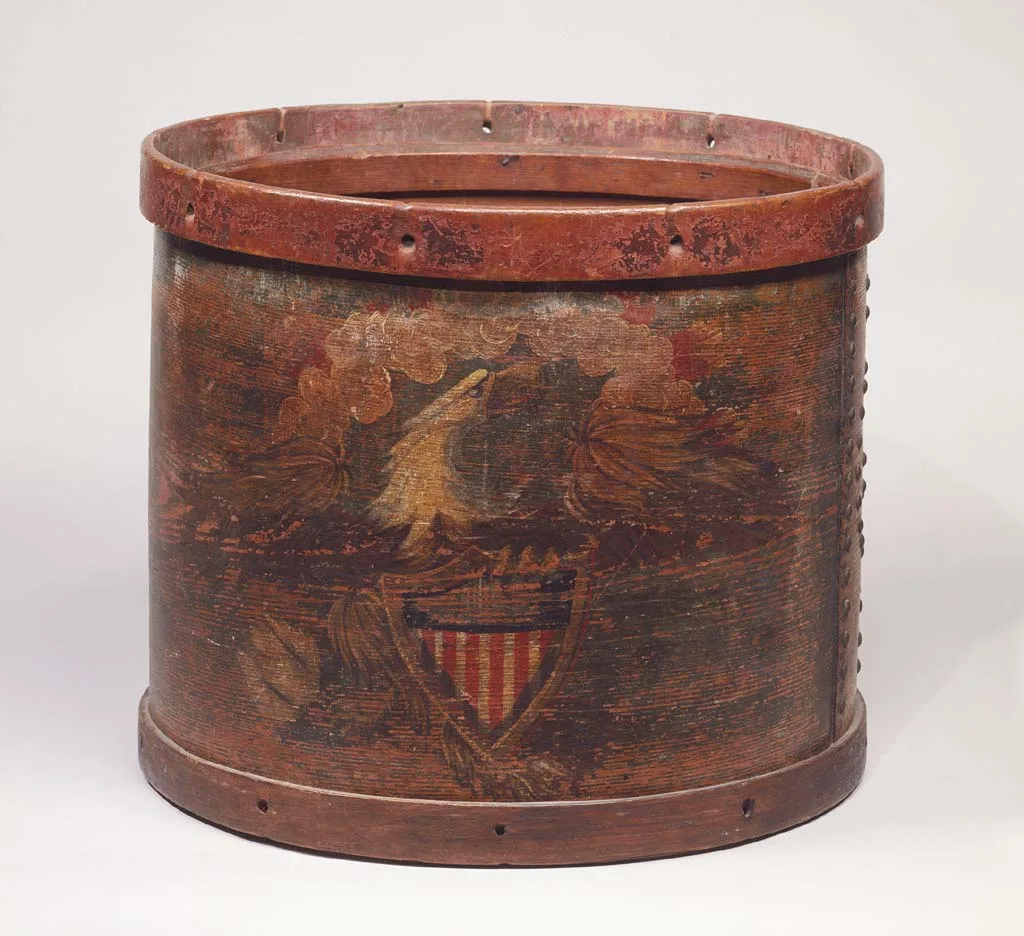
Political buttons evolved significantly over time. Early campaigns (1789-1840s) used clothing buttons, brass tokens, and shell medallions. Ferrotype pins (1860s-1900s) featured photographic images on metal. Celluloid buttons (1896-1920s) revolutionized campaign material with colorful, detailed designs. Lithographed tin buttons (1920s onward) allowed mass production of affordable campaign items. Original campaign buttons show appropriate manufacturing techniques, wear patterns, and design elements consistent with their claimed period.
Textiles and Banners
Campaign textiles include silk ribbons from 19th century elections featuring candidate portraits and slogans. Cotton bandanas served as wearable political statements and rally accessories. Wool parade banners stretched across streets or carried in processions. Political quilts incorporated candidate imagery into textile art. Identification requires examining printing techniques, fabric types, and design elements appropriate to the period.
Three-Dimensional Items
Varied campaign items served promotional purposes. Cast iron mechanical banks featured political figures and themes. Ceramic plates, mugs, and pitchers displayed candidate portraits. Glass objects included flasks, bottles, and paperweights with political imagery. Wooden items ranged from carved figures to painted signs. Metal items encompassed badges, tokens, medals, and novelty objects.
Paper Ephemera
Political paper items document campaigns and elections. Posters and broadsides announced rallies and promoted candidates. Ballot forms show historical voting procedures. Admission tickets granted access to political events. Sheet music celebrated campaigns with patriotic songs. Postcards spread political messages through the mail. Authentication requires examining printing methods, paper stock, and typography consistent with the claimed period.
American Folk Art and Needlework
American folk art encompasses untrained artists' expressions of patriotic sentiment through various media. These pieces combine artistic merit with historical significance, representing grassroots American culture.
Painted Folk Art
Patriotic paintings by folk artists display characteristic naive style with flattened perspective, bold colors, and simplified forms. Theorem paintings on velvet featured stenciled designs including patriotic symbols. Reverse glass paintings showed flags, eagles, and national heroes. Painted tinware incorporated stars, stripes, and eagles into decorative surfaces. Overmantel paintings depicted historical scenes or patriotic allegories. Authentication involves analyzing paint composition, surface preparation, aging characteristics, and stylistic consistency with known period work.
Patriotic Samplers
Embroidered samplers document young women's needlework education while displaying patriotic themes. Early Republic samplers (1790s-1820s) often incorporated American symbols into traditional formats. Patriotic verses celebrated American independence and values. Eagle motifs appeared alongside floral and geometric designs. Identification requires examining stitching techniques, thread types, fabric weave, and design elements appropriate to the claimed period.
Carved and Sculpted Folk Art
Three-dimensional folk art includes whirligigs featuring patriotic figures or Uncle Sam. Carved and painted figures depicted presidents, soldiers, or allegorical characters. Trade figures outside shops displayed American themes. Weathervanes incorporated eagles, Lady Liberty, or patriotic symbols. Decoys occasionally featured painted patriotic decoration. Authentic pieces show appropriate wood types, tool marks, paint composition, and wear patterns.
Memorial Art
Mourning pieces commemorated national heroes and presidents. Embroidered memorials featured Washington, Lincoln, or other figures. Painted mourning pictures depicted symbolic imagery. Printed memorial textiles provided affordable tributes. Identification involves understanding mourning symbolism, period techniques, and appropriate historical context.
Patriotic Hooked Rugs
Hooked rugs were a favorite rural medium for patriotic imagery, with flags, eagles, shields, and Uncle Sam figures appearing in household examples from the 1870s onward. The best patriotic hooked rugs combine strong folk graphics with period-appropriate materials; see the hooked rugs identification guide for backing, dye, and maker attribution clues specific to this form.
Centennial and Commemorative Items
America's major anniversaries spawned waves of commemorative merchandise. The 1876 Centennial Exhibition in Philadelphia, the 1976 Bicentennial, and other milestone celebrations generated countless collectible items.
1876 Centennial Items
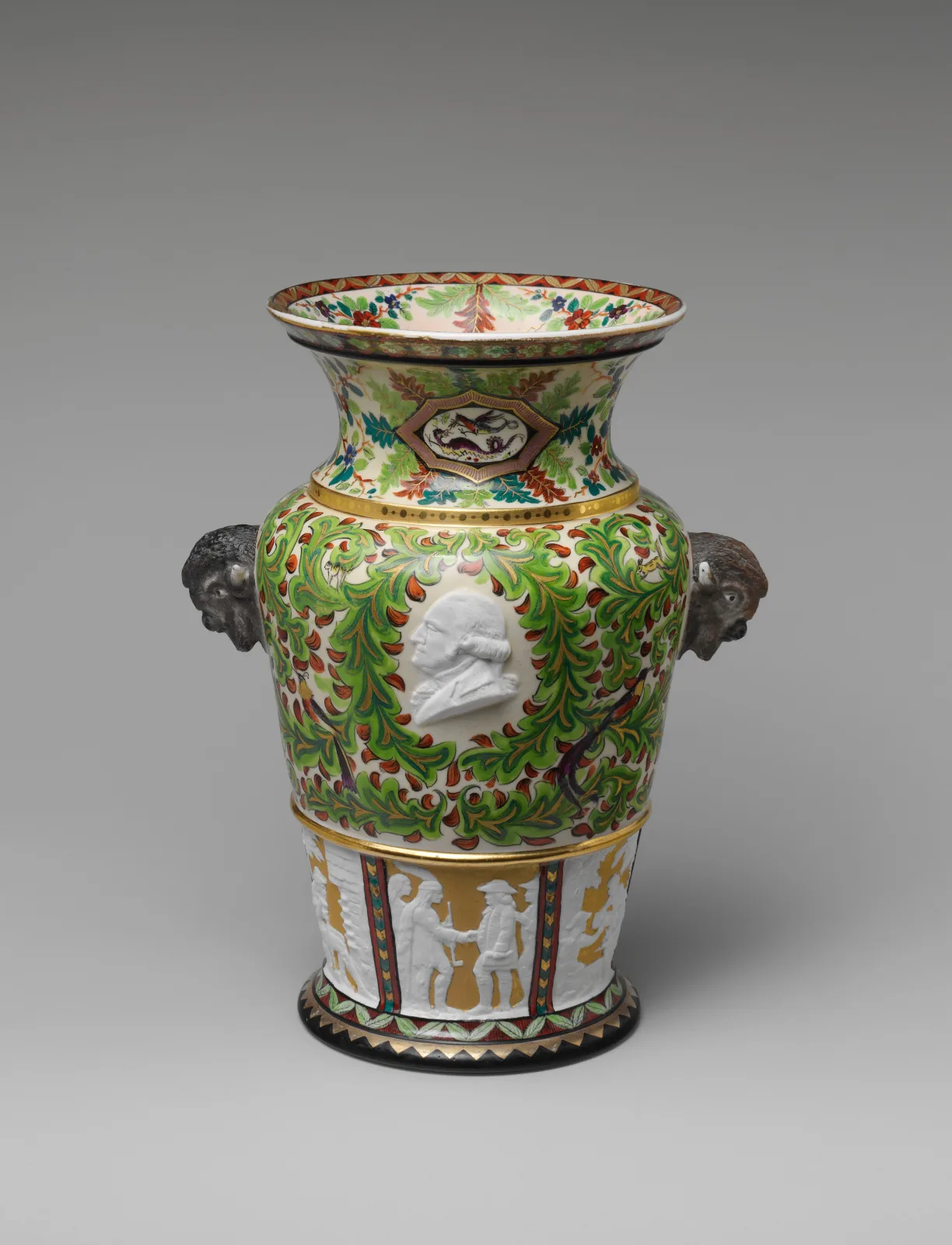
The Philadelphia Centennial Exhibition inspired an enormous variety of souvenirs and commemorative pieces. Pressed glass featured centennial patterns and dates. Ceramics included plates, cups, and pitchers with exhibition imagery. Metal items ranged from cast iron bookends to brass bells. Textile items incorporated centennial themes. Paper ephemera documented the exposition. Authentic centennial items show period manufacturing techniques and materials consistent with 1876 production.
Exposition and Fair Memorabilia
Subsequent world's fairs and expositions generated commemorative items. The 1893 Columbian Exposition in Chicago produced vast quantities of souvenirs. The 1904 Louisiana Purchase Exposition in St. Louis continued the tradition. Pan-American expositions created hemisphere-themed items. Identification requires knowledge of specific exhibition symbols, dates, and manufacturing techniques.
Anniversary Commemoratives
State anniversaries, founding celebrations, and historical milestones inspired commemorative production. Items marked territorial or statehood anniversaries. City founding celebrations generated local commemoratives. Battle anniversaries produced military-themed items. Presidential inaugurations spawned waves of memorabilia. Authentication involves verifying historical accuracy and period-appropriate manufacture.
Bicentennial Items (1976)
The 1976 Bicentennial created a massive wave of patriotic merchandise. While relatively recent, some bicentennial items have gained collectible status. Limited edition items from quality manufacturers attract interest. Folk art created for the bicentennial shows artistic merit. Commercially produced mass-market items generally have limited value. Collecting focuses on quality, artistic merit, and limited production examples.
Colonial and Revolutionary War Artifacts
Objects from America's founding period represent the most historically significant and valuable Americana. Authentication requires extensive knowledge and often scientific analysis to verify genuineness.
Colonial Household Items
Colonial-era objects show British-American characteristics transitioning to distinctly American forms. Furniture displays regional construction techniques and woods. Ceramics include English imports and American stoneware. Metalwork encompasses pewter, copper, early silver, and colonial bells cast by founders like Paul Revere. Textiles feature homespun fabric and imported materials. Authentication requires understanding period construction methods, materials, and stylistic elements.
Revolutionary War Military Items
Revolutionary War artifacts command intense collector interest and require careful authentication. Military buttons display regiment-specific designs and period manufacturing. Weapons show appropriate markings and construction. Uniforms and equipment must match documented examples. Personal items including canteens, powder horns, and haversacks require provenance. Scientific analysis often proves necessary to verify age and authenticity of military artifacts.
Documents and Prints
Revolutionary-era paper items include broadsides, handbills, and newspapers. Military commissions and discharge papers document service. Land grants and legal documents show period forms. Maps and surveys document territorial expansion. Prints and engravings depicted revolutionary scenes. Authentication requires examining paper composition, printing techniques, watermarks, and handwriting analysis for documents.
Patriotic Symbols and Slogans
Revolutionary-era items featured emerging American symbols. Liberty caps and Liberty trees represented freedom. "Don't Tread on Me" rattlesnake imagery appeared on flags and buttons. "Join or Die" segmented snake cartoons promoted unity. Early eagle representations showed developing iconography. Pine tree symbols represented New England. Thirteen stars, stripes, or linked rings symbolized colonial unity.

Civil War Memorabilia
The American Civil War generated enormous quantities of military and patriotic items. Both Union and Confederate memorabilia attract collectors, though Union items dominate the Americana category as symbols of national preservation.
Union Military Items
Union military artifacts include regulation uniforms with appropriate buttons and insignia. Weapons show government inspection marks and arsenal stamps. Accoutrements include belts, cartridge boxes, powder flasks, and canteens marked with "US". Personal items reflect soldier life and experiences. Photographic images document individuals and units. Authentication requires matching items to documented examples and understanding period manufacturing.
Patriotic Home Front Items
Civilian patriotic items supported the war effort. Patriotic envelopes featured flags, eagles, and patriotic slogans. Sheet music celebrated battles and leaders. Mourning items commemorated fallen soldiers. Decorative arts incorporated war themes. Children's items included toys and games with military subjects. These items document civilian participation in the national conflict.
Political Items
Civil War-era political items supported candidates and causes. Campaign items promoted Lincoln's elections. Abolitionist materials advocated for emancipation. Loyalty ribbons and badges demonstrated Union support. Newspapers and broadsides covered political developments. Identification requires understanding Civil War political context and period production techniques.
Memorial Items
Post-war memorial items commemorated the conflict. Grand Army of the Republic badges identified Union veterans. Memorial ribbons marked reunions and dedications. Monument dedication items celebrated battlefield memorials. Centennial commemoratives (1960s) marked battle anniversaries. These items document the war's ongoing significance in American memory.
Liberty and Uncle Sam Figures
Personifications of America through allegorical figures appear throughout decorative arts. Lady Liberty and Uncle Sam represent distinct traditions in American iconography.
Columbia and Liberty Figures
Lady Liberty or Columbia personified America from the early Republic through the early 20th century. Classical robes and liberty caps characterized early depictions. Crowns or stars adorned her head in various representations. Flags, shields, or eagles accompanied the figure. Materials ranged from cast metal to carved wood to ceramic. Style evolution reflects changing artistic movements and national self-image.
Uncle Sam Evolution
Uncle Sam emerged as an American symbol during the War of 1812 and became dominant in the 20th century. Early depictions show varied characteristics before standardization. The famous James Montgomery Flagg poster from World War I established the iconic image. Items featuring Uncle Sam range from advertising to political cartoons to decorative objects. Authentication requires understanding the symbol's historical evolution and period-appropriate depiction.
Three-Dimensional Representations
Sculptural representations of American symbols served decorative and commercial purposes. Cast iron doorstops featured Liberty figures. Carved shop figures displayed patriotic themes. Ceramic figurines ranged from Staffordshire imports to American productions. Metal statues adorned buildings and monuments. Size, materials, and manufacturing techniques help establish age and authenticity.
Advertising and Commercial Use
Liberty and Uncle Sam figures appeared in commercial contexts. Trade cards featured patriotic imagery. Product packaging incorporated national symbols. Advertising signs displayed allegorical figures. Promotional items ranged from tin litho to paper ephemera. These commercial applications document how patriotic imagery permeated daily life and commerce.
Patriotic Textiles and Quilts
Textile arts provided women's primary medium for patriotic expression. Quilts, samplers, and decorative textiles combine artistic skill with historical documentation.
Patriotic Quilt Patterns
Traditional quilt patterns incorporated patriotic themes. "Fifty-Four Forty or Fight" commemorated territorial disputes. "Burgoyne Surrounded" celebrated Revolutionary War victory. Star patterns of various configurations suggested flags. Red, white, and blue color schemes created patriotic statements. Eagle appliqué quilts featured elaborate needlework. Dating quilts requires analyzing fabrics, dye types, pattern popularity periods, and construction techniques.
Commemorative Quilts
Special occasion quilts marked significant events. Centennial quilts celebrated 1876 with special designs. Presidential quilts honored leaders or campaigns. Military quilts commemorated conflicts or veterans. Signature quilts documented communities during patriotic occasions. These quilts combine family history with national history, increasing their significance and value.
Flag Textiles
Beyond actual flags, textile items incorporated flag imagery. Bandanas featured flag designs for Fourth of July celebrations. Scarves displayed patriotic patterns. Tablecloths and napkins showed stars and stripes. Decorative pillows incorporated flag elements. These domestic textiles document everyday patriotism in American homes.
Needlework Techniques
Understanding period needlework techniques aids authentication. Hand-stitching shows irregularities and thread characteristics. Early machine stitching displays specific patterns. Embroidery stitches reflect period practices and skill levels. Thread composition evolved from silk and linen to cotton and synthetic materials. Fabric analysis reveals fiber types and manufacturing methods appropriate to different eras.
Patriotic Advertising and Signage
Commercial enterprises co-opted patriotic imagery to promote products and services. Advertising items combine artistic appeal with nostalgic Americana themes.
Trade Signs
Painted and carved trade signs displayed patriotic themes to attract customers. Eagles adorned sign boards for various businesses. Flags and patriotic colors decorated shop signs. Three-dimensional signs might feature carved patriotic symbols. Materials included wood, metal, and later porcelain enamel. Authentic trade signs and store figures show appropriate wear, construction methods, and aesthetic characteristics of their period.
Tin Lithography
Tin advertising signs featuring patriotic themes appeared from the late 19th century onward. Colorful lithographed designs promoted products using patriotic imagery. Serving trays displayed flags, eagles, and American scenes. Product containers incorporated patriotic decoration. Dating requires understanding lithography techniques, company histories, and style evolution. Condition significantly affects value, with original finish and minimal rust preferred.
Paper Advertising
Printed advertising materials used patriotic themes extensively. Posters promoted products with American imagery. Trade cards featured patriotic lithography. Calendars displayed historical scenes or symbols. Labels for products incorporated flags and eagles. These paper items document commercial applications of patriotic symbolism and popular culture.
Figural Advertising
Three-dimensional advertising pieces featured patriotic themes. Counter displays might include Liberty figures or eagles. Store window decorations celebrated national holidays. Product packaging in patriotic forms attracted buyers. Figural bottles and containers displayed American symbols. These objects combine advertising history with Americana collecting interests.
American Patriotic Ceramics and Glass
Ceramic and glass manufacturers produced patriotic items for commemorative, decorative, and utilitarian purposes. Understanding production techniques and maker identification helps authenticate these pieces.
Historical Staffordshire
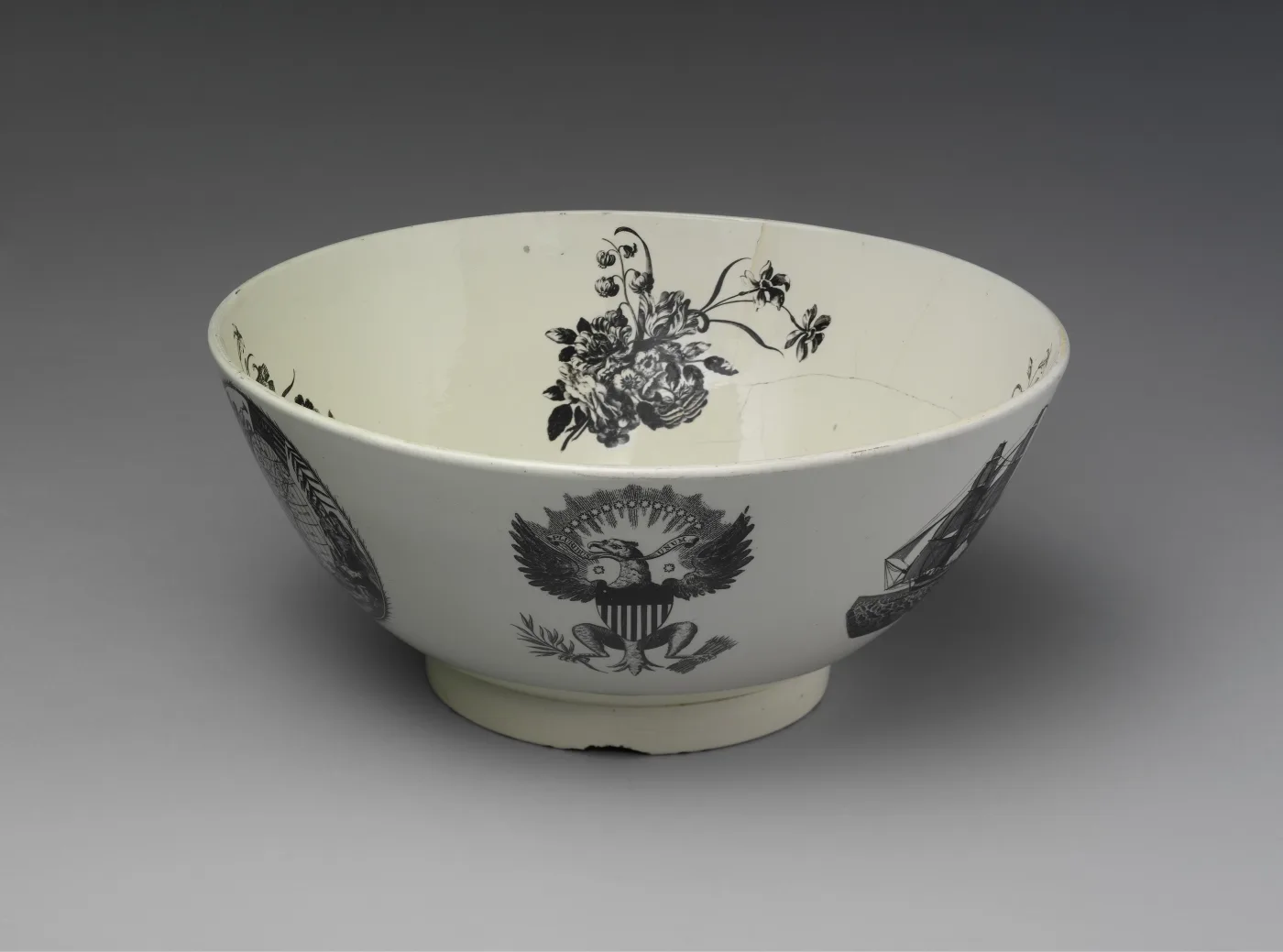
English Staffordshire potters produced transfer-printed earthenware depicting American scenes and symbols from the 1820s through the 1850s. Dark blue pieces from the 1820s-1830s command premium prices. Later colors including pink, green, brown, and black appeared through mid-century. Subjects included American cities, historical events, heroes, and symbols. Maker marks and pattern identification help establish authenticity and value. Reproductions exist, requiring careful examination of transfer printing quality, glaze characteristics, and body composition.
American Ceramics
American pottery manufacturers created patriotic items throughout the 19th and early 20th centuries. Redware featured slip decoration with patriotic themes. Stoneware displayed cobalt blue eagles, flags, and inscriptions. Yellowware occasionally incorporated patriotic motifs. Art pottery from established manufacturers produced commemorative pieces. Maker marks, clay body characteristics, and decoration techniques help identify American-made ceramics.
Pressed and Pattern Glass
American pressed glass companies produced patriotic patterns from the mid-19th century onward. Centennial patterns celebrated 1876 with special designs. Eagle patterns appeared in various glass forms. Flag and shield motifs decorated tableware. Presidential campaign glass promoted candidates. Pattern identification references help authenticate pieces and establish production dates. Reproductions of popular patterns require careful examination to distinguish from originals.
Art Glass and Paperweights
Higher-end glass included patriotic themes in artistic forms. Art glass vases featured patriotic decoration. Paperweights enclosed flag canes, eagles, or patriotic symbols. Specialty items marked commemorative occasions. American manufacturers including Gillinder, Mount Washington, and others produced quality patriotic glass. European manufacturers also produced items for the American market, sometimes with patriotic themes.
Fireworks Labels and Ephemera
Fireworks labels represent a specialized collecting area within Americana. These colorful lithographed labels combined patriotic imagery with dynamic design, documenting changing graphic arts and celebration traditions.
Label Design Elements
Fireworks labels featured bold patriotic imagery designed to attract buyers. Eagles in dramatic poses dominated many designs. Flags and banners provided colorful backdrops. Explosive bursts and sparkler effects suggested the product's excitement. Uncle Sam and Liberty figures personified American celebration. Patriotic color schemes of red, white, and blue predominated. Typography reflected period advertising design trends.
Manufacturing Periods
Fireworks label production evolved with printing technology. Early labels (1870s-1900) used chromolithography with hand-drawn designs — the same process behind the patriotic Victorian trade cards of the same period. Peak production (1900-1950) saw elaborate multi-color printing. Post-war labels (1950s-1970s) showed simplified designs and changing aesthetics. Chinese import labels featured distinctive design characteristics. Dating requires understanding printing techniques, paper stock, and design trends.
Brand Names and Manufacturers
American fireworks companies used patriotic brand names and imagery. Companies including Eagle Fireworks, Star Brand, Liberty Fireworks, and others emphasized American themes. Regional manufacturers served local markets. Chinese manufacturers produced goods for American export. Company research helps establish label authenticity and approximate dating.
Condition and Rarity
Label condition significantly affects collectibility. Unused labels in excellent condition command highest prices. Labels still attached to original fireworks packages have additional interest. Certain brands, designs, or promotional materials are rare. Large format labels or display pieces are particularly sought. Water damage, fading, and tearing reduce value substantially.
Authentication Techniques
Authenticating Americana requires multiple analytical approaches. Combining visual examination, material analysis, historical research, and scientific testing provides the most reliable authentication.
Visual Examination
Careful observation reveals authenticity indicators. Period-appropriate wear shows predictable patterns based on age and use. Surface patina develops naturally over time, showing characteristic color and texture. Manufacturing marks and tool signatures reflect period production methods. Proportions and design elements match known examples from the claimed period. Materials display aging characteristics consistent with the purported age.
Material Analysis
Understanding materials helps establish age. Wood species identification confirms period availability and regional use. Metal composition analysis reveals manufacturing era. Fabric and thread types indicate production period. Paint and pigment analysis shows historical pigment use. Paper and printing ink characteristics date documents and printed materials. Dye analysis determines natural versus synthetic colorants.
Construction Techniques
Manufacturing methods reveal production era. Hand-work shows individual variation and appropriate tool marks. Machine work displays characteristic patterns from period equipment. Joinery in wooden objects reflects era-specific techniques. Metalwork fabrication methods indicate manufacturing period. Textile construction and stitching patterns date fabric items. Assembly methods appropriate to the claimed period confirm authenticity.
Scientific Testing
When warranted by value or importance, scientific analysis provides definitive information. Radiocarbon dating establishes organic material age. Thermoluminescence dates ceramic production. X-ray fluorescence analyzes metal composition without damage. Infrared spectroscopy identifies organic materials. Microscopy reveals microscopic characteristics. UV light examination shows repairs and alterations. These tests require specialized equipment and expertise but provide valuable authentication data.
Dating American Patriotic Items
Accurately dating Americana requires understanding how symbols, styles, and manufacturing techniques evolved over time. Multiple dating indicators provide the most reliable conclusions.
Symbolic Dating
Patriotic symbols evolved historically, providing dating clues. Eagle representations changed from folk art to naturalistic to stylized forms. Flag star counts indicate production periods based on state admissions. Uncle Sam imagery evolved from varied early depictions to standardized 20th century form. Liberty figures show changing artistic interpretations. Shield designs and arrangements reflect different eras. Understanding symbolic evolution helps narrow production dates.
Material Dating
Material characteristics indicate production periods. Wood aging and oxidation patterns develop predictably. Metal patina and corrosion reflect environmental exposure duration. Fabric deterioration and dye fading show age. Paper aging and foxing develop over time. Paint craquelure patterns indicate age. Glass characteristics including bubbles, impurities, and surface deterioration suggest manufacturing era. Material analysis combined with historical knowledge provides dating evidence.
Manufacturing Technology
Production methods changed over time, providing dating markers. Hand tool marks predate power tool signatures. Specific machine types leave characteristic patterns. Printing techniques evolved from hand processes to mechanization. Casting methods changed with technological development. Textile production shifted from hand to machine processes. Understanding manufacturing history helps date objects accurately.
Style and Design Evolution
Artistic styles and design trends changed over time. Federal style (1789-1825) featured classical simplicity. Victorian style (1830s-1900) showed elaborate decoration. Art Nouveau (1890-1910) displayed organic forms. Art Deco (1920s-1930s) emphasized geometric modernism. Mid-century modern (1940s-1960s) showed streamlined aesthetics. Design characteristics help place items within appropriate periods.
Identifying Reproductions and Fakes
The popularity of Americana has spawned extensive reproduction production. Some reproductions honestly mark themselves as such, while others deliberately deceive. Careful examination helps distinguish originals from later copies.
Common Reproduction Categories
Certain Americana categories face heavy reproduction. Flags, especially early configurations, are frequently reproduced. Campaign buttons and political items exist in both honest reproductions and deceptive fakes. Folk art paintings and carvings have inspired numerous copies. Trade signs and advertising pieces are extensively reproduced. Cast iron items including mechanical banks and doorstops face reproduction challenges. Knowing which categories have reproduction issues helps focus authentication efforts.
Honest Reproductions
Many reproductions clearly identify themselves as modern copies. Mark examination reveals dates, maker names, or "reproduction" designations. Construction methods may use modern materials or techniques while acknowledging the piece is new. Sales context and pricing indicate reproduction status. These honest reproductions serve decorative purposes without attempting to deceive. They may still have collectible value as quality reproductions.
Deceptive Fakes
Fraudulent reproductions attempt to pass as originals. Artificial aging may be applied to simulate patina and wear. Marks might be removed or altered to suggest age. Materials chosen to approximate period examples. Construction deliberately mimics old techniques. Provenance stories fabricated to support authenticity claims. Detecting these fakes requires expertise, careful examination, and sometimes scientific analysis.
Detection Techniques
Multiple approaches help identify reproductions. Comparing questionable items to documented originals reveals differences. Examining wear patterns for artificial aging or inappropriate wear. Analyzing materials with period-appropriate characteristics. Understanding typical reproduction characteristics in different categories. Researching known fakes and forgeries in the field. Seeking expert opinions when substantial value is involved. Remaining skeptical of claims lacking supporting evidence.
Condition Assessment and Valuation
Condition significantly impacts Americana values. Understanding condition grading and value factors helps collectors make informed decisions.
Condition Grades
Americana condition is typically described using standard terminology. Excellent or mint condition shows minimal wear, original surface intact, no repairs or restoration. Very good condition displays light wear consistent with age, minor imperfections, original condition substantially intact. Good condition shows moderate wear, possible small losses or repairs, honest age-appropriate condition. Fair condition exhibits significant wear, repairs, or alterations, but retains integrity and display value. Poor condition suffers from major damage, extensive restoration, or compromised integrity.
Specific Condition Issues
Different item types face characteristic condition problems. Textiles suffer from fading, tears, staining, and fiber deterioration. Metal items develop rust, corrosion, or patina loss. Wood shows cracks, losses, and finish deterioration. Paper faces foxing, tears, and fading. Ceramics crack, chip, or show glaze wear. Glass breaks, chips, or develops haziness. Paint surfaces crack, flake, or fade. Understanding typical condition issues helps assess items appropriately.
Restoration Considerations
Restoration affects value differently based on extent and quality. Professional conservation preserving structural integrity may enhance value. Sympathetic restoration using appropriate materials and techniques can stabilize without destroying originality. Over-restoration removing original surfaces and character typically reduces value. Amateur repairs or inappropriate restoration methods diminish value significantly. Disclosure of restoration work is ethically required when selling items.
Value Factors
Multiple elements determine Americana values. Rarity based on survival rates and original production quantities. Historical significance of the item or its associations. Condition relative to other known examples. Aesthetic appeal and visual impact. Provenance documentation and ownership history. Market demand and collecting trends. Size and display suitability. Authenticity certainty. These factors combine to establish market values for individual pieces.
Preservation and Display
Proper care ensures Americana items survive for future generations. Understanding preservation principles helps prevent deterioration while allowing enjoyment of collections.
Environmental Controls
Controlling environmental conditions protects collections. Temperature stability prevents expansion and contraction cycles that damage items. Humidity control prevents mold growth, metal corrosion, and dimensional changes. Light management prevents fading and photo-chemical deterioration. Air quality consideration avoids pollutant damage. Pest control prevents insect and rodent damage. Creating stable environments appropriate to material types preserves collections effectively.
Handling and Use
Appropriate handling prevents accidental damage. Clean hands or cotton gloves protect surfaces from oils and acids. Supporting items properly prevents stress and breakage. Avoiding contact with vulnerable surfaces protects original finishes. Using appropriate mounting and display methods prevents damage. Limiting handling frequency reduces wear accumulation. Training all who handle items ensures proper techniques.
Display Considerations
Thoughtful display protects while showcasing collections. UV-filtering glazing protects framed items from light damage. Appropriate mounting prevents stress on objects. Secure display prevents accidental falls or damage. Rotation schedules limit light exposure for sensitive items. Climate-controlled display cases protect vulnerable pieces. Considering the long-term impact of display methods preserves items while allowing enjoyment.
Storage Practices
Proper storage protects items not currently displayed. Acid-free materials prevent chemical damage. Appropriate support prevents crushing or deformation. Protection from dust, insects, and rodents maintains condition. Organization and documentation facilitate access and inventory. Climate control in storage areas prevents deterioration. Periodic inspection catches problems early. Good storage practices ensure collections remain in stable condition whether displayed or stored.