
Antique Cast Iron Collectibles: Complete Identification Guide
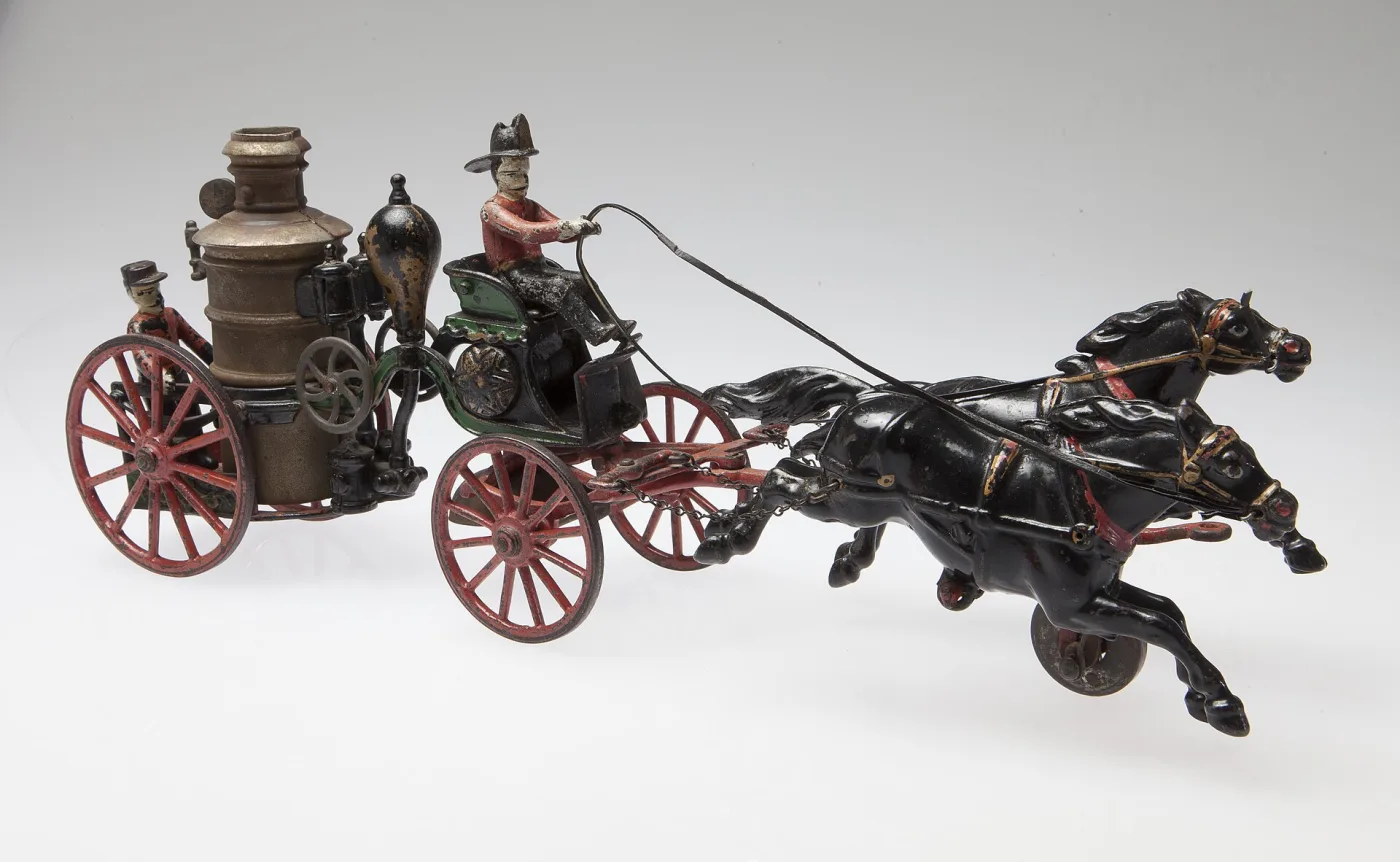
Antique cast iron collectibles represent one of the most enduring and beloved categories in American antiques. From heirloom skillets passed down through generations to charming doorstops that once graced Victorian homes, these sturdy pieces tell stories of everyday life from centuries past. Cast iron's durability means many original pieces have survived, but it also makes the market ripe for reproductions that can fool unwary collectors. Cast iron was also the material of choice for antique fireplace tools and hearth accessories.
Understanding how to identify authentic antique cast iron requires knowledge of manufacturing techniques, maker's marks, and the subtle signs of genuine age. Whether you're hunting for a prized Griswold skillet at an estate sale or evaluating a colorful doorstop at a flea market, this guide will equip you with the expertise to distinguish treasures from imitations.
In this comprehensive guide, we'll explore the major categories of cast iron collectibles, examine the most sought-after manufacturers, learn to decode maker's marks, and master the techniques for spotting reproductions. You'll discover what makes vintage cast iron special and how to build a collection that holds both historical significance and lasting value.
Table of Contents
- The History of Cast Iron in America
- Major Categories of Cast Iron Collectibles
- Notable Manufacturers and Their Marks
- Identifying Antique Cast Iron Cookware
- Cast Iron Doorstops: Authentication Guide
- Mechanical and Still Banks
- Spotting Reproductions and Fakes
- Dating Cast Iron Pieces
- Condition Assessment and Grading
- Understanding Market Values
- Care and Preservation
- Building Your Collection
The History of Cast Iron in America
Cast iron production in America began in the early colonial period, with the first successful ironworks established at Saugus, Massachusetts in 1646. This marked the beginning of an industry that would shape American domestic life for centuries. The abundance of iron ore, timber for charcoal, and waterpower for bellows made the colonies ideal for iron production.
The Golden Age of American Cast Iron
The period from 1850 to 1950 represents the golden age of American cast iron manufacturing. During this era, foundries across the nation produced an astounding variety of cast iron goods, from utilitarian cookware and sad irons to decorative household items. The Industrial Revolution brought standardization and mass production, yet many pieces retained the quality craftsmanship that collectors prize today.
Key developments during this period include:
- 1850s-1870s: Expansion of railroad networks enabled wider distribution of cast iron goods
- 1880s-1900s: Peak production of decorative cast iron including doorstops, bookends, commercial coffee grinders, and garden ornaments
- 1900s-1920s: Introduction of machine grinding for smoother cooking surfaces
- 1930s-1950s: Competition from aluminum and enamelware began affecting cast iron cookware sales
The Decline and Collector Revival
Following World War II, lighter materials like aluminum and stainless steel displaced cast iron in many kitchens. Major foundries closed or merged, and production techniques changed. However, this decline sparked collector interest in earlier pieces, particularly those from renowned manufacturers like Griswold and Wagner.
Today, vintage cast iron enjoys renewed appreciation both for its collectibility and its superior cooking properties. Pieces made before 1957 are considered vintage, while those predating 1900 are truly antique. The most desirable pieces combine rarity, condition, and provenance from prestigious manufacturers.
Major Categories of Cast Iron Collectibles
The world of cast iron collectibles encompasses a remarkable variety of items, each with its own devoted following of collectors. Understanding these categories helps focus your collecting interests and develop specialized expertise.
Cookware and Kitchen Items
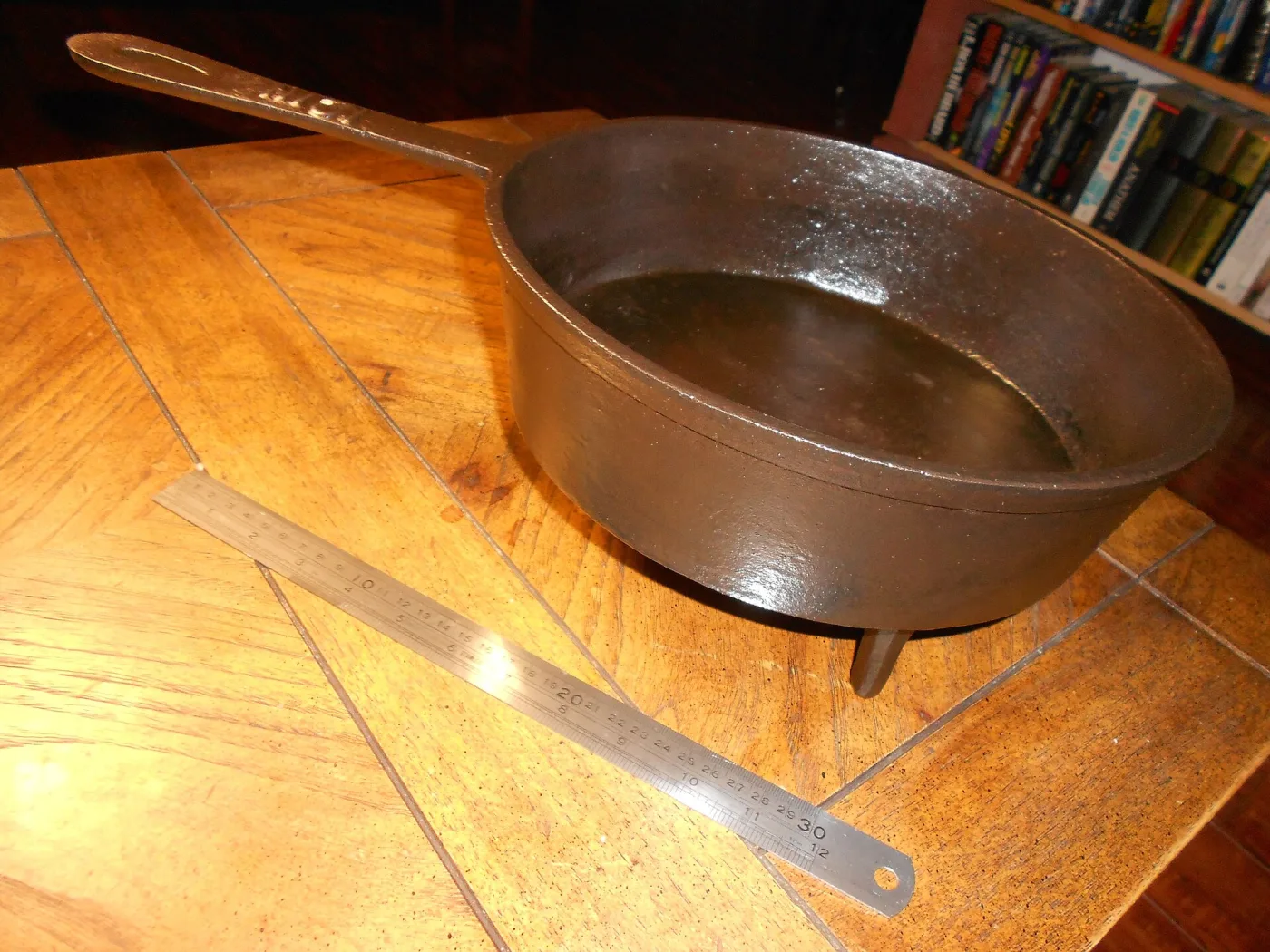
Cast iron cookware remains the most popular collecting category, prized for both historical significance and practical utility. Key items include:
- Skillets and Frying Pans: The most commonly collected items, ranging from miniature salesman samples to enormous hotel-size pans
- Dutch Ovens: Covered pots used for baking and slow cooking, often with distinctive lid designs
- Griddles: Flat cooking surfaces, including long double-burner models
- Waffle Irons: Decorative and functional pieces with intricate patterns
- Muffin and Gem Pans: Multi-cup baking molds in various shapes
- Cornbread Pans: Sectioned pans creating individual corn-shaped portions
Decorative Household Items
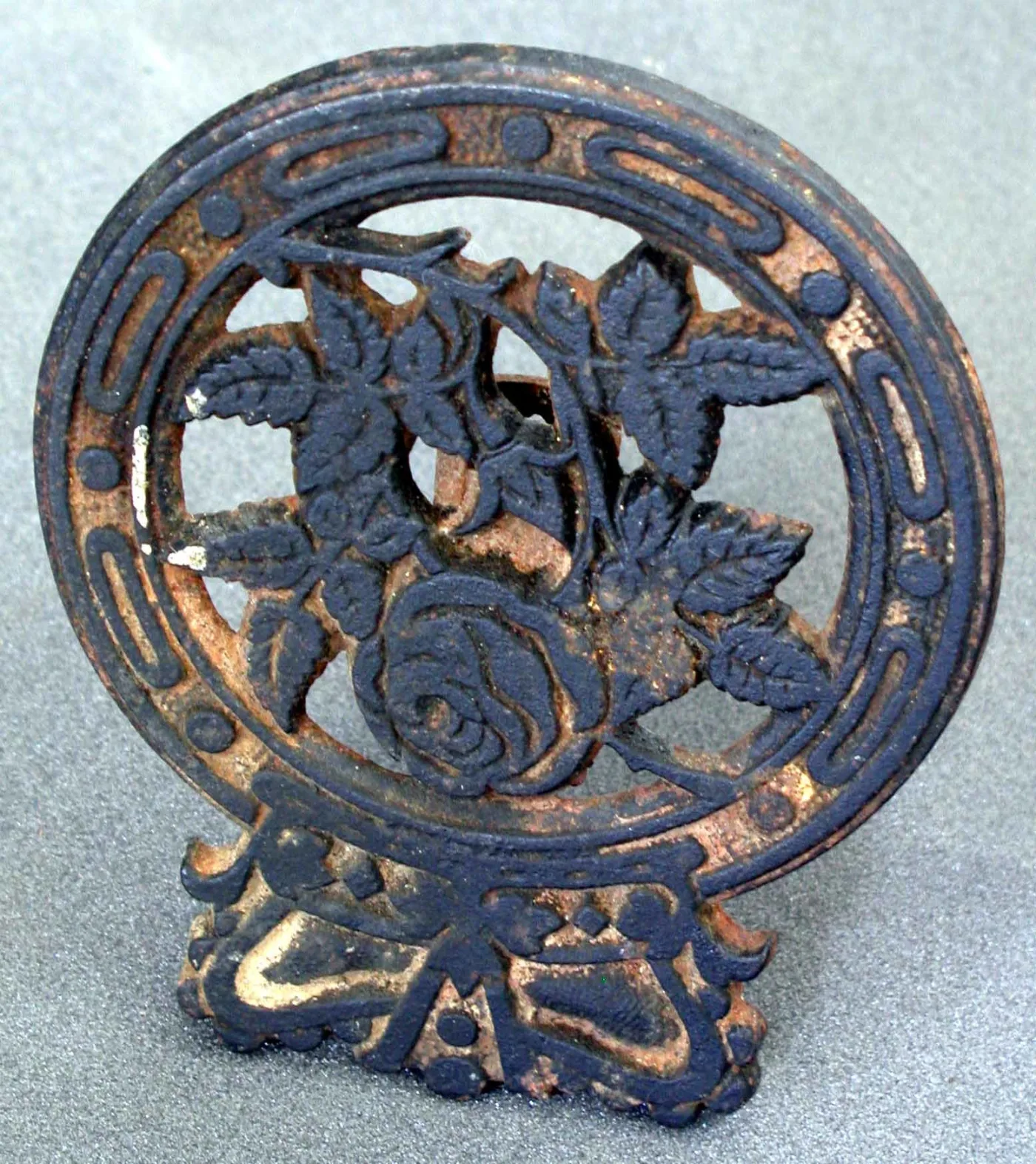
Victorian homes featured abundant cast iron decorative items, many of which have become highly collectible:
- Doorstops: Figural and flat-backed designs depicting animals, people, and scenes
- Bookends: Matching pairs featuring literary, animal, or Art Deco designs
- Trivets: Decorative stands for hot cookware with intricate pierced patterns
- Match Holders: Wall-mounted or freestanding holders for safety matches
- String Holders: Counter-top dispensers, often in figural designs
Banks and Toys
Cast iron banks and toys represent some of the most valuable collectibles in this category:
- Mechanical Banks: Animated coin banks with moving parts, highly prized by collectors, and closely related to the larger cast iron cabinets found on early coin-operated machines like slot machines and gumball vendors
- Still Banks: Non-mechanical coin banks in figural designs
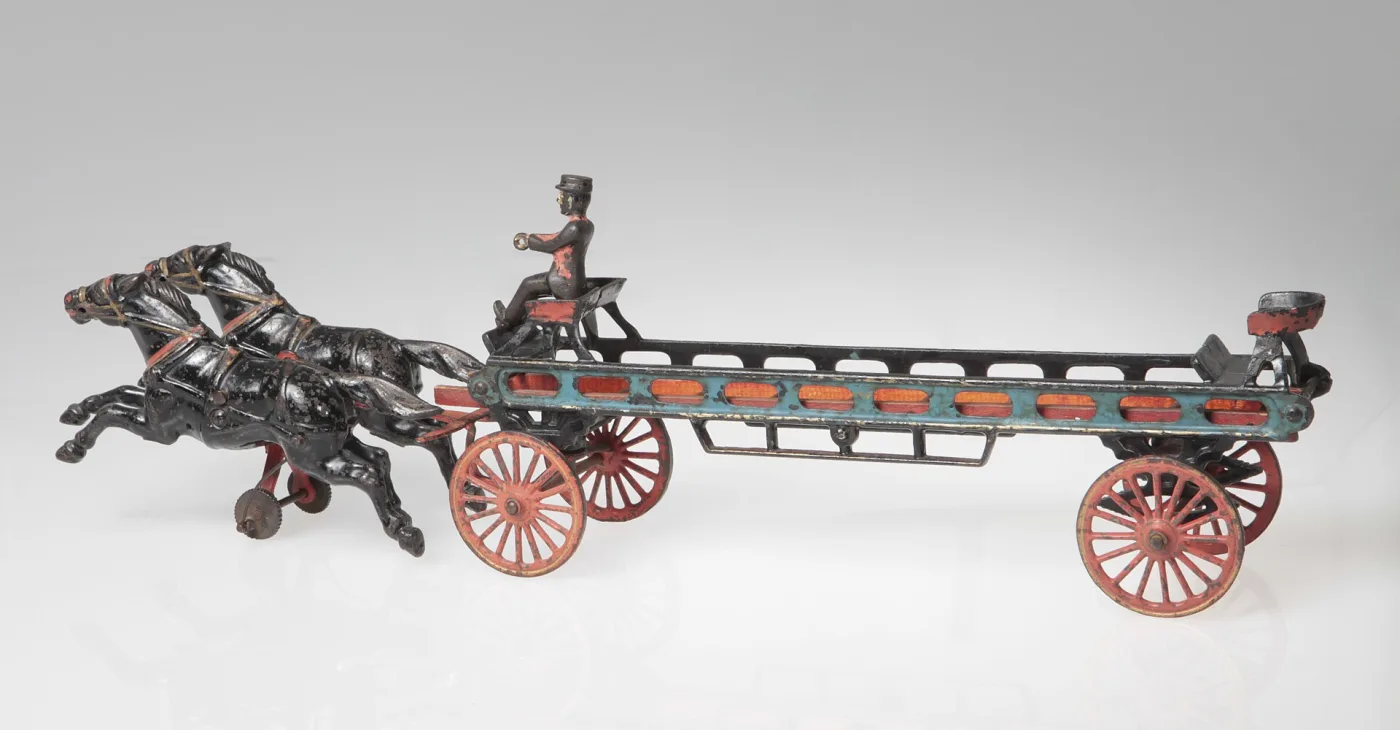
- Toy Vehicles: Cars, trucks, fire engines, horse-drawn wagons, and the cast iron floor locomotives that preceded electric antique toy trains
- Toy Stoves: Miniature working models of cast iron kitchen ranges
- Cap Guns: Toy pistols and rifles using paper caps
- Toy Soldiers: Grey Iron Casting Company produced unique cast iron toy soldiers distinguishable from lead figures by their weight and magnetic properties
Architectural and Garden Items
Larger cast iron pieces served both functional and decorative purposes in and around the home:
- Fireplace Accessories: Andirons, fire backs, and coal grates
- Garden Ornaments: Urns, fountains, and statuary
- Fencing and Gates: Ornamental barriers with elaborate designs
- Boot Scrapers: Practical items at doorways, often in decorative forms
- Trade Figures: Cast iron and zinc trade signs and store figures used as commercial advertising
- Farm and School Bells: Cast iron antique bells from makers like the C.S. Bell Company are highly collected
Notable Manufacturers and Their Marks
Identifying the manufacturer of a cast iron piece is often crucial for determining authenticity, age, and value. American foundries developed distinctive marking systems that evolved over decades, creating a complex but fascinating area of study.
Griswold Manufacturing Company (1865-1957)
Based in Erie, Pennsylvania, Griswold is perhaps the most prestigious name in cast iron cookware. Their pieces are renowned for exceptional smoothness and quality.
Key Griswold markings include:
- ERIE (pre-1905): Early pieces marked only with the city name are highly valuable
- Slant Logo (1906-1912): "GRISWOLD" in slanted letters within an oval
- Block Logo (1920s-1940s): Bold block letters, very common and popular
- Small Logo (1940s-1957): Smaller "GRISWOLD" text indicates later production
- Spider Web (various periods): Cross logo used on some premium lines
Wagner Manufacturing Company (1891-1999)
Sidney, Ohio's Wagner Ware produced quality cookware known for well-balanced designs and understated markings.
Wagner identification features:
- Sidney O (1890s-1920s): Early pieces marked with city and state abbreviation
- Stylized Logo (1920s-1959): Distinctive script "Wagner Ware" marking
- Wagner Ware Sidney -O- (1935-1959): Full marking with centered -O-
- Magnalite Line: Cast aluminum products bearing the Wagner name
Lodge Manufacturing Company (1896-Present)
The only major American cast iron cookware manufacturer still in operation, Lodge pieces from South Pittsburg, Tennessee span over a century.
Lodge dating indicators:
- Blacklock (1896-1910): Original company name before fire and rebuild
- Early Lodge (1910-1940s): Lighter, smoother pieces similar to competitors
- Modern Lodge (1960s-present): Heavier construction with rougher texture
- Heat Ring: Raised ring on bottom present on pieces made before 1950s
Birmingham Stove and Range (1902-1990s)
BSR produced practical, well-made cookware that offers excellent value for collectors.
BSR markings include:
- Red Mountain Series: Premium line with distinctive marking
- Century Series: Mid-century production line
- Unmarked pieces: Many BSR items lack company identification
Doorstop and Bank Manufacturers
Several foundries specialized in decorative cast iron:
- Hubley Manufacturing (1894-1965): Premier doorstop maker, Lancaster, Pennsylvania
- Albany Foundry (1897-1920s): Known for figural doorstops
- National Foundry (1880s-1920s): Quality doorstops and bookends
- J. & E. Stevens (1843-1950s): Leading mechanical bank manufacturer
- Arcade Manufacturing (1885-1946): Toys and banks

Identifying Antique Cast Iron Cookware
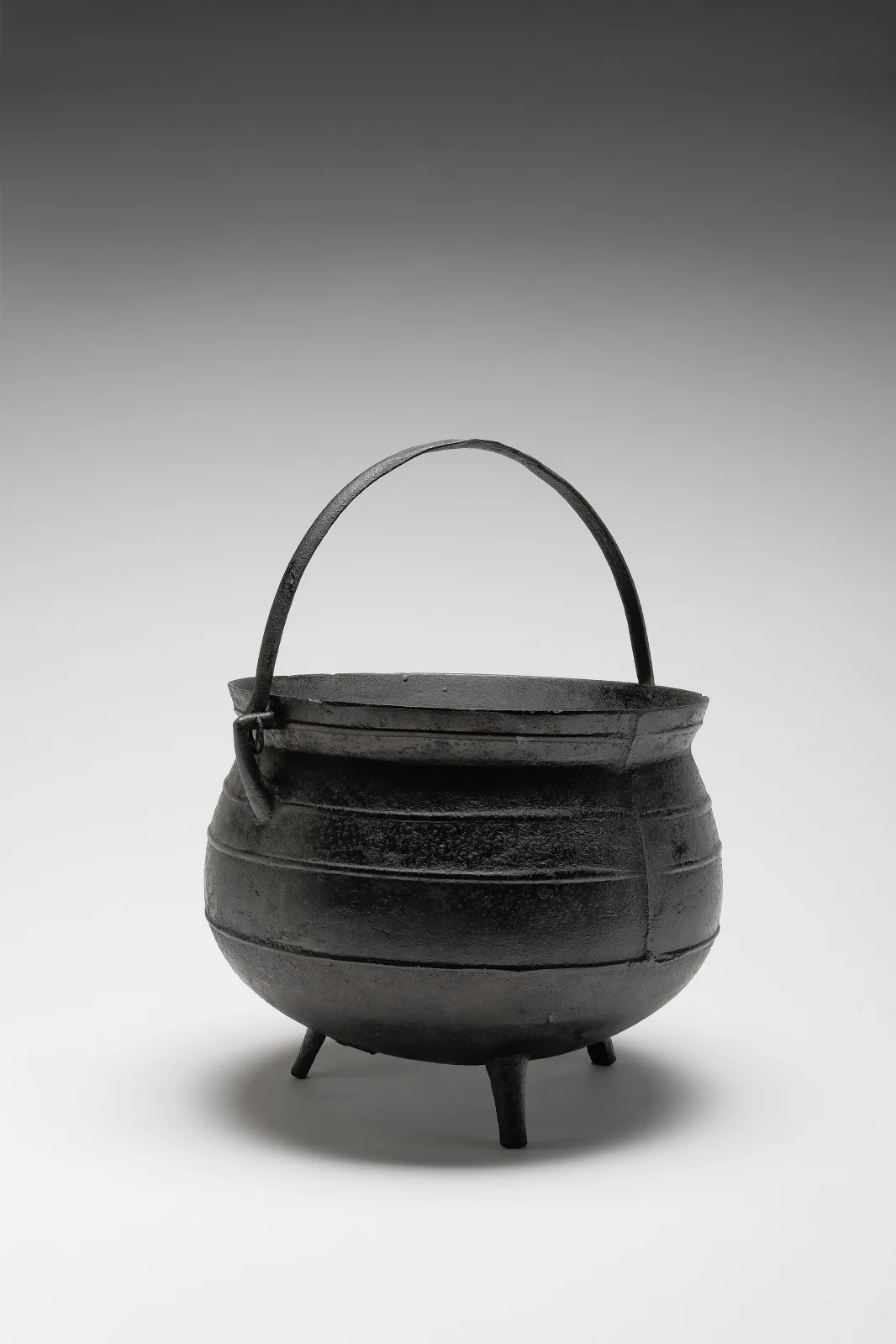
Authentic antique cast iron cookware possesses characteristics that distinguish it from modern production. Learning to recognize these features is essential for any serious collector.
Physical Characteristics of Vintage Pieces
Pre-1960 cast iron cookware differs significantly from modern production:
- Weight: Vintage pieces are typically lighter than modern equivalents due to thinner casting
- Surface Texture: Cooking surfaces are notably smoother, often described as "glass-like"
- Walls: Thinner, more refined sidewalls compared to modern thick-walled pieces
- Handle Design: Longer handles with more elegant curves and comfortable grip
- Heat Ring: Raised ring on bottom of pre-1950s pieces for wood stove use
Examining the Cooking Surface
The cooking surface reveals much about a piece's age and quality:
- Machine grinding marks: Concentric swirl patterns from factory finishing (1900s-1950s)
- Pebbled texture: Modern pieces show rough sand-casting texture without smoothing
- Seasoning layer: Original factory seasoning on some pieces adds value
- Wear patterns: Authentic use creates consistent central wear from utensils
Bottom Markings and Pattern Numbers
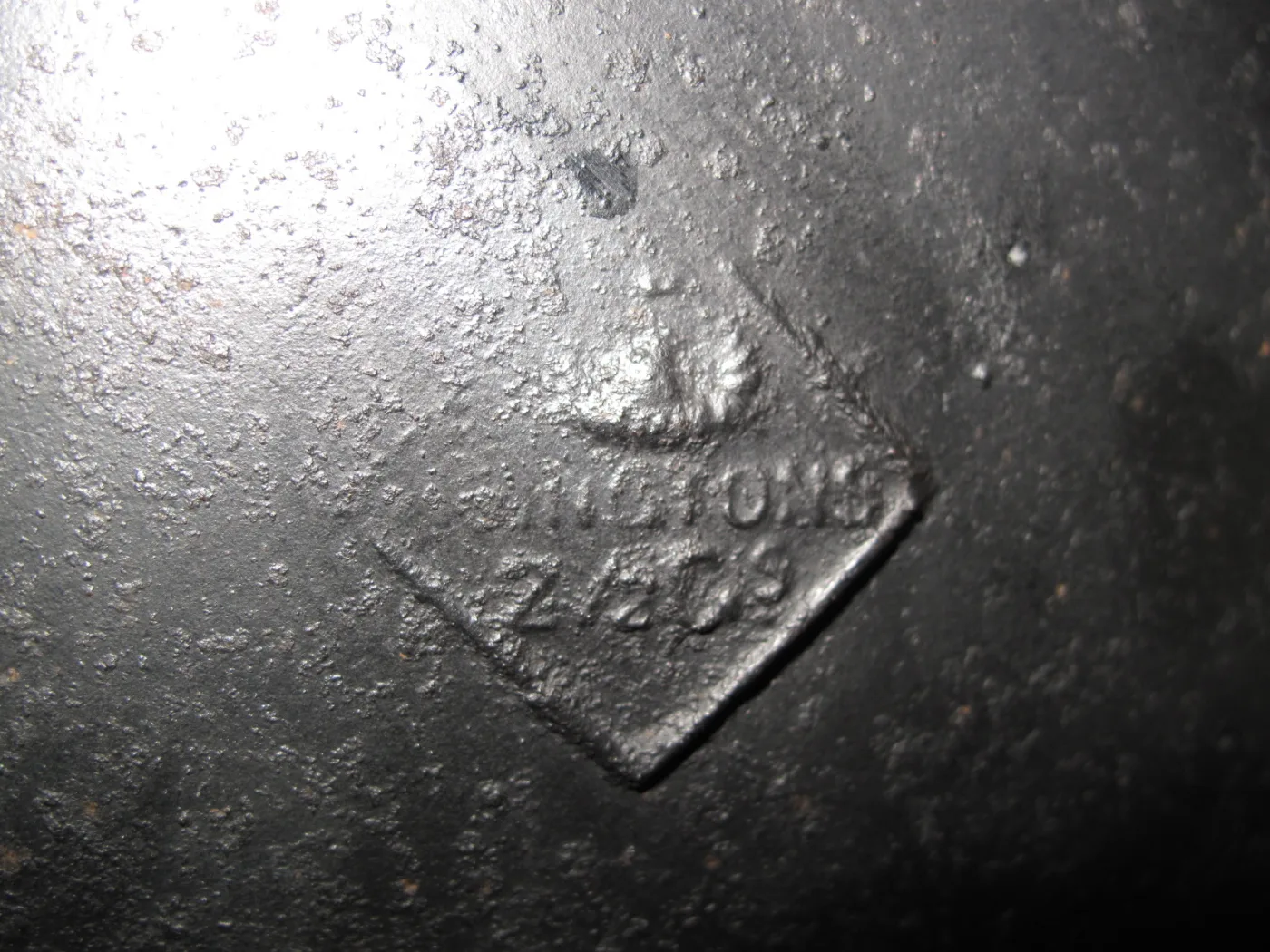
The bottom of cast iron cookware provides crucial identification information:
- Size numbers: Indicate diameter of cooking surface in historical measurements
- Pattern numbers: Manufacturing codes that help date pieces
- Gate marks: Rough spots where molten iron entered mold (pre-1890)
- Ghost marks: Faint impressions of original markings worn away over time
Identifying Unmarked Pieces
Many quality pieces lack manufacturer markings but can still be identified:
- Store brands: Sears, Montgomery Ward, and hardware stores sold unmarked quality cookware
- Export pieces: Items made for foreign markets often lacked American branding
- Second-quality items: Pieces with minor flaws sold without company marks
- Regional foundries: Smaller manufacturers whose marks weren't widely documented
Cast Iron Doorstops: Authentication Guide
Cast iron doorstops represent one of the most reproduced categories of antiques. Understanding authentication techniques is essential for collecting in this field.
Original Doorstop Characteristics
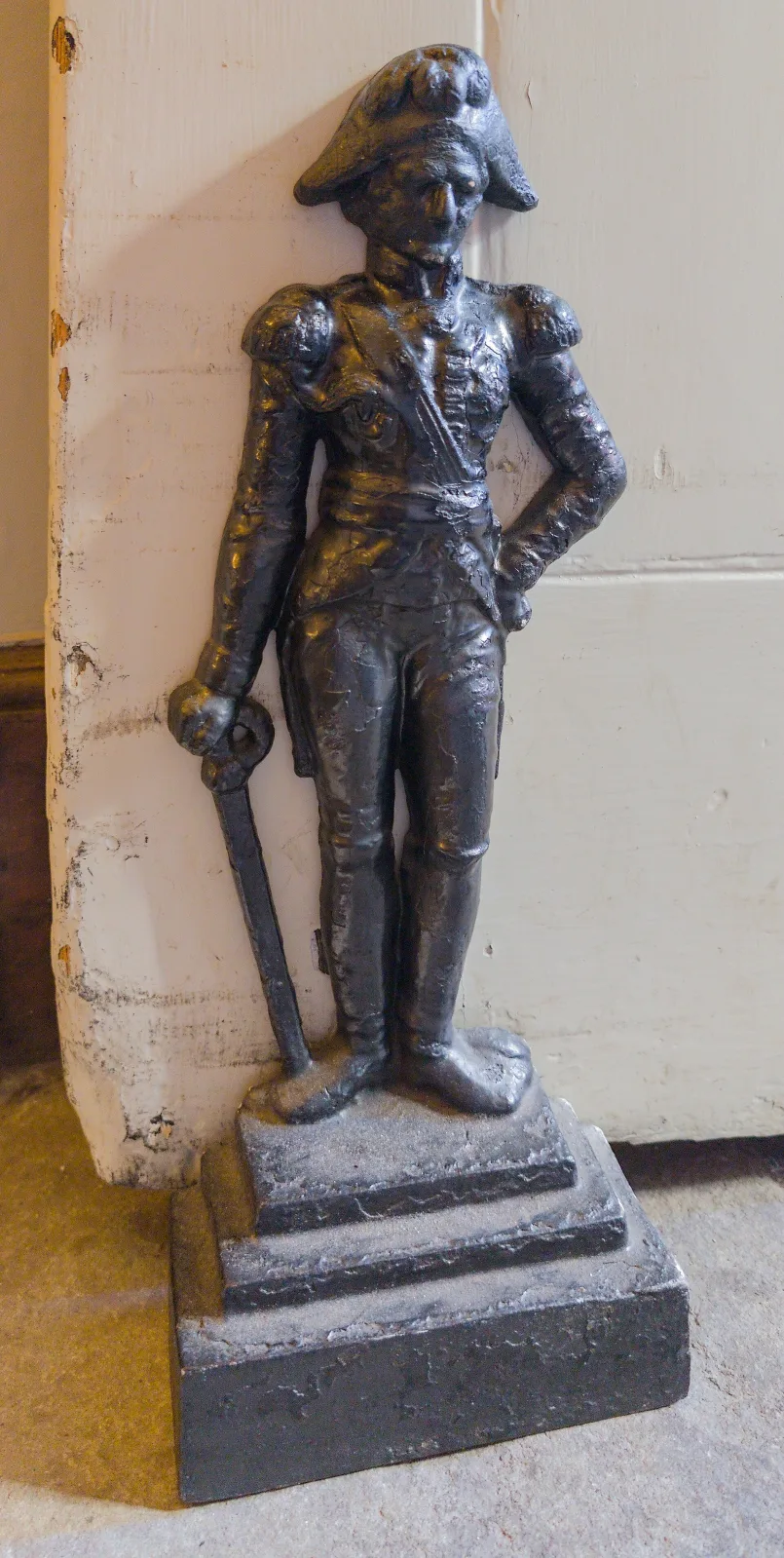
Authentic vintage doorstops from the late 19th and early 20th centuries display distinct features:
- Weight: Original pieces are surprisingly heavy for their size
- Casting quality: Crisp details, tight seam lines, smooth surfaces
- Paint: Original paint shows appropriate age with crazing and wear
- Base: Flat-backed designs have well-finished reverse sides
- Screws: Original pieces use slotted screws, not Phillips head
Signs of Reproduction Doorstops
Modern reproductions often reveal themselves through telltale signs:
- Rough casting: Visible seams, rough metal texture, uneven surfaces
- Bright paint: Overly vivid colors with hand-painted appearance
- Phillips screws: Modern fasteners (though Phillips was invented in 1930s)
- Uniform wear: Artificial aging applied evenly rather than naturally
- Light weight: Poor-quality iron or hollow casting
Valuable Doorstop Categories
Certain doorstop subjects command premium prices:
- Figural animals: Dogs, cats, rabbits, and birds in realistic poses
- Character figures: People in period dress, occupational figures
- Art Deco designs: Geometric patterns and stylized figures from 1920s-1930s
- Hubley examples: Pieces from this premier manufacturer bring highest values
- Rare subjects: Unusual themes or limited production runs
Hubley Doorstop Authentication
Hubley Manufacturing produced the most desirable doorstops:
- Marked pieces: Look for "HUBLEY" cast into the back, though not all pieces were marked
- 1920s-1930s production: Peak quality period for Hubley doorstops
- Design patents: Some pieces bear patent numbers that help date them
- Color consistency: Original Hubley pieces used specific paint formulations
Mechanical and Still Banks
Cast iron banks represent one of the most valuable and most reproduced collecting categories. Mechanical banks with moving parts can command thousands of dollars, making authentication crucial.
Understanding Mechanical Banks
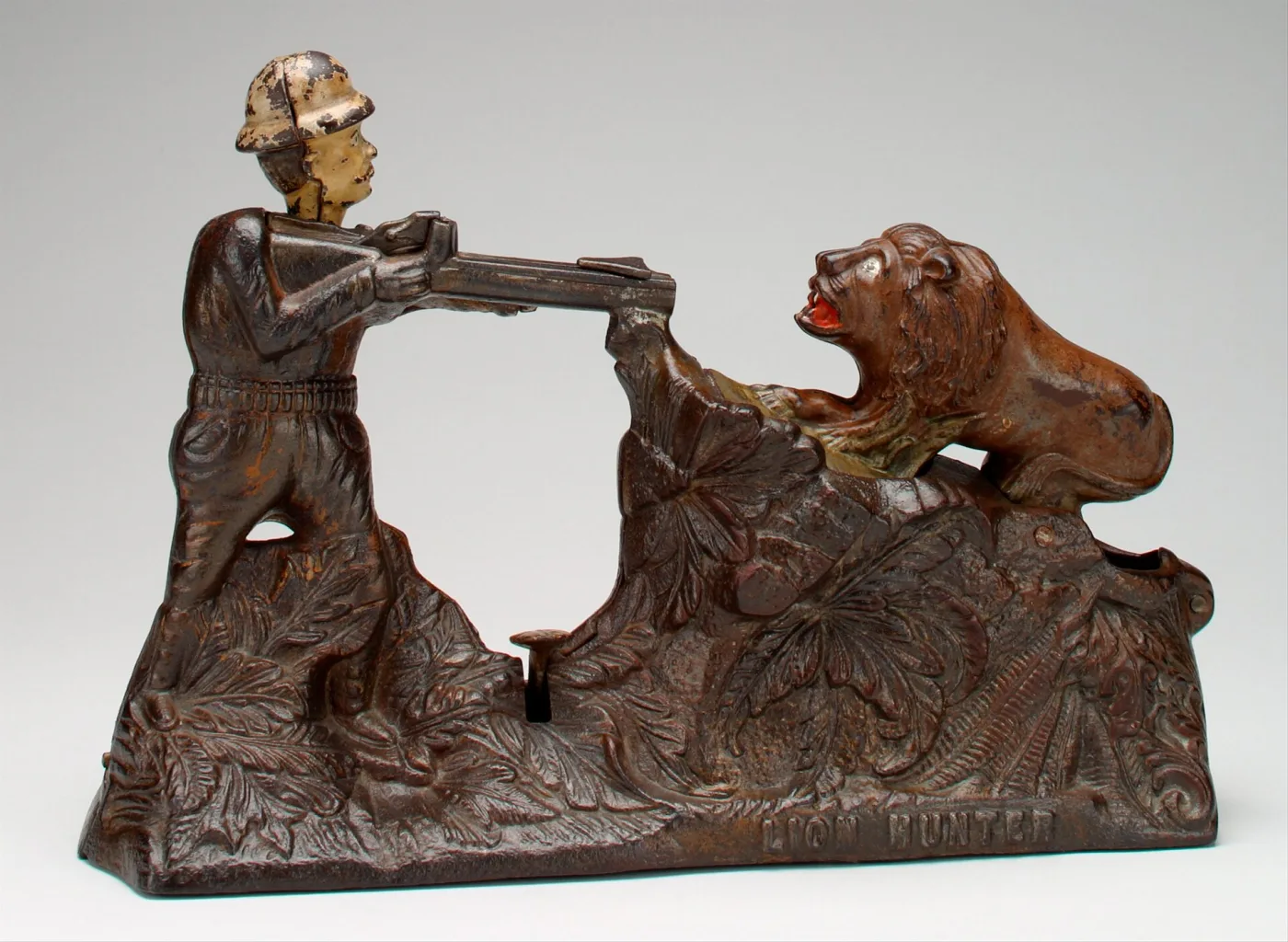
Mechanical banks feature animated actions triggered when a coin is deposited:
- Action types: Figures that move, turn, kick, or perform other motions
- Trigger mechanisms: Levers, buttons, or coin-activated releases
- Complexity: Simple single-action to elaborate multi-part sequences
- Themes: Patriotic, circus, animal, and everyday life subjects
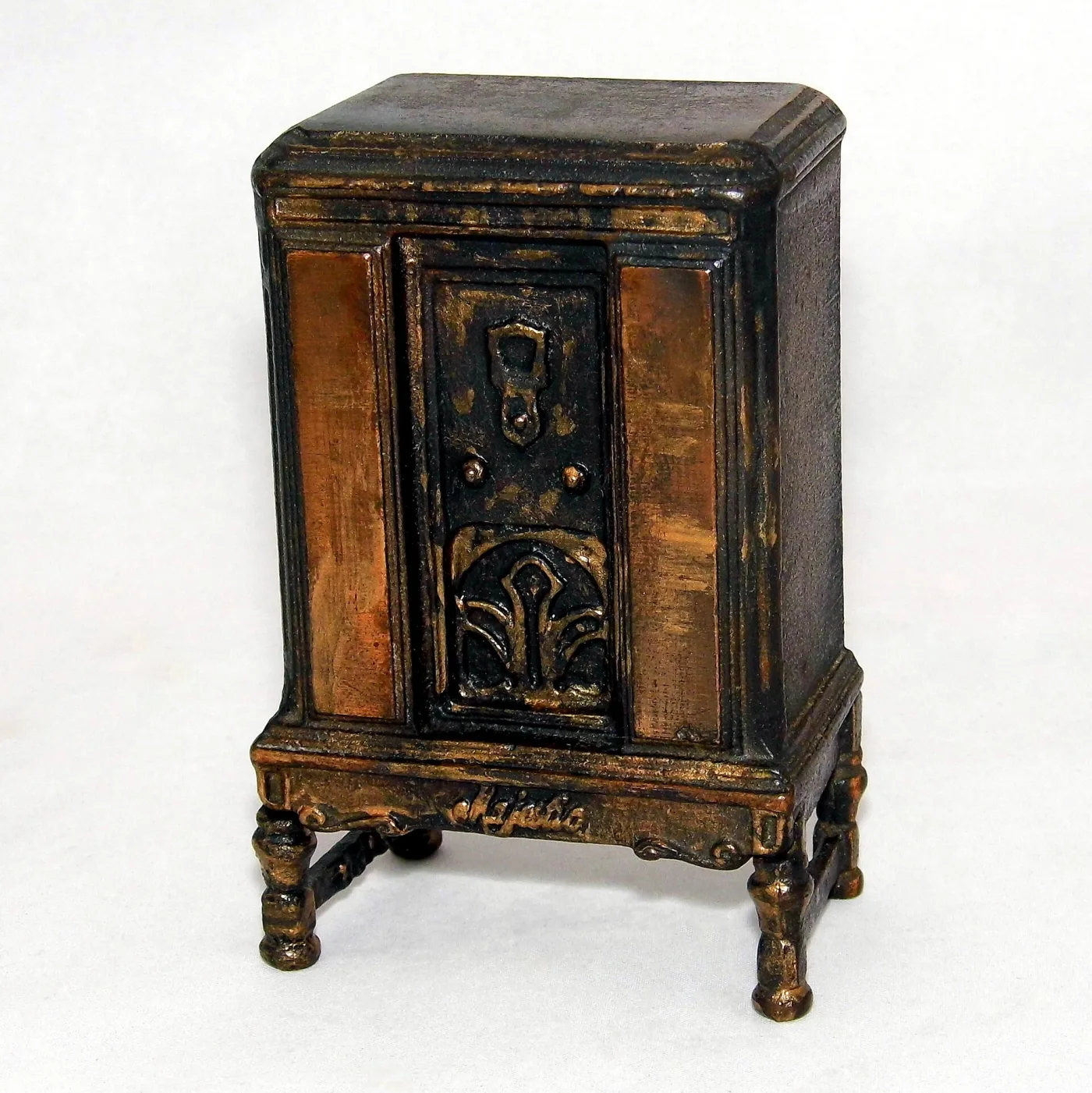
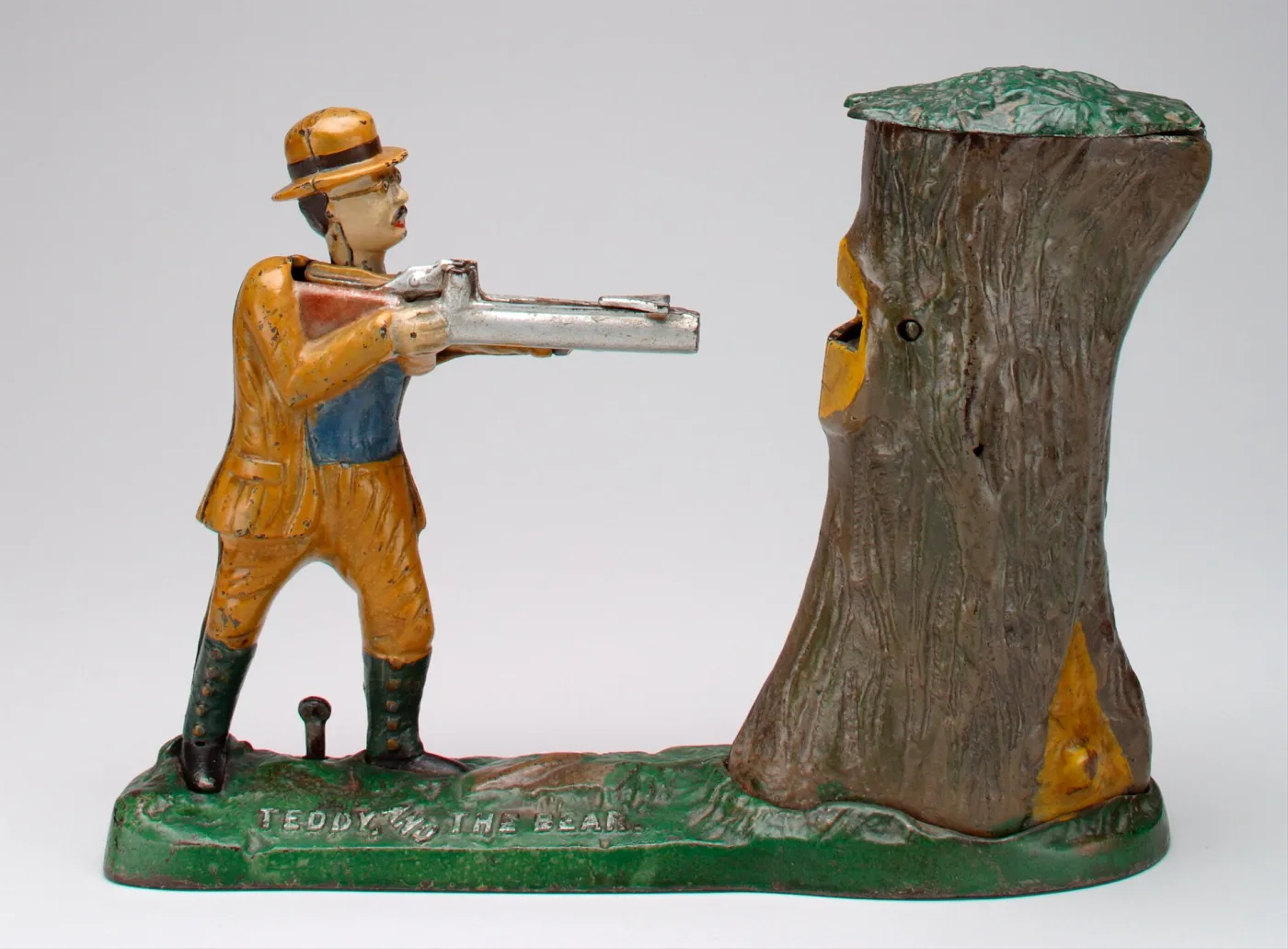
The two halves of the bank market, and the distinction drives everything else. A still bank is a static casting with a slot; it was cheap, it was made in enormous numbers, and it is where a collection usually starts. A mechanical bank has a spring-driven action triggered by depositing the coin, which meant more parts, more assembly and a much higher price when new, so far fewer were made and far fewer survive intact. Prices follow that gap and so does the reproduction problem: almost nothing is gained by faking a still bank, and a great deal by faking a mechanical one. So the tests differ. On a still bank, check that the halves match and that the slot is cast rather than cut. On a mechanical bank, work the action before anything else — the mechanism should be crisp, and the wear inside should match the wear outside.
Authenticating Mechanical Banks
Genuine antique mechanical banks show specific characteristics:
- Casting quality: Crisp details on figures and mechanisms
- Paint style: Period-appropriate colors applied by factory methods
- Mechanism wear: Internal parts show consistent age and use
- Base construction: Original trap doors and coin slots
- Maker's marks: J. & E. Stevens, Shepard Hardware, and others
Still Bank Categories
Non-mechanical still banks come in countless designs:
- Building banks: Architectural designs including famous structures
- Figural banks: Animals, people, and character representations
- Safe banks: Miniature replicas of money safes
- Advertising banks: Promotional items for businesses and products
Bank Reproduction Warning Signs
The high value of antique banks makes them targets for reproductions:
- Too-perfect condition: Suspiciously pristine examples warrant scrutiny
- Wrong weight: Reproductions may be lighter or heavier than originals
- Modern screws: Phillips-head fasteners indicate recent manufacture
- Casting flaws: Bubbles, rough spots, or blurred details suggest recasting
- Paint inconsistencies: Modern paints differ from period formulations
Spotting Reproductions and Fakes
The cast iron antiques market faces significant challenges from reproductions. Developing skills to spot fakes protects both your investment and the integrity of collecting.
General Authentication Principles
Apply these principles to all cast iron collectibles:
- If it looks new, it probably is: Genuine antiques show natural aging
- Study originals first: Handle authenticated pieces to develop your eye
- Question provenance: Verify claims about age and origin
- Consider the price: Too-good-to-be-true deals usually are
- Seek expert opinions: Consult experienced collectors for high-value pieces
Physical Examination Techniques
Careful physical examination reveals authentication clues:
- Weight assessment: Compare against known authentic examples
- Magnet test: Verify iron content (some fakes use other metals)
- Seam inspection: Original castings have tight, well-finished seams
- Detail sharpness: Look for crisp edges and clear lettering
- Patina consistency: Age-related changes should be uniform and logical
Paint and Finish Analysis
Surface finishes provide important dating information:
- Paint crazing: Original paint develops fine cracking over decades
- Wear patterns: Natural wear occurs on handling points and edges
- Color authenticity: Period paints used specific pigments and formulations
- Layering: Multiple paint layers may indicate refinishing
- UV examination: Ultraviolet light can reveal modern paints and repairs
Common Reproduction Sources
Be aware of known reproduction origins:
- Taiwan and Asian imports: Mass-produced copies of popular designs
- Gift shop reproductions: Decorative pieces sold as home accessories
- Legitimate foundry reproductions: Licensed copies from companies like John Wright
- Intentional fakes: Deceptive copies made to fool collectors
Dating Cast Iron Pieces
Establishing when a cast iron piece was made helps determine authenticity and value. Multiple dating methods can narrow down production periods.
Manufacturing Technology Indicators
Production methods evolved over time, leaving datable evidence:
- Gate marks (pre-1890): Rough spots where iron entered the mold from the side
- Sprue marks (1890+): Bottom-pour casting left different marks
- Machine grinding (1900-1960): Smooth cooking surfaces from factory polishing
- Rough texture (1960+): Modern pieces skip expensive smoothing steps
Design and Style Dating
Design elements reflect their production era:
- Victorian (1850-1901): Ornate, heavily decorated designs
- Edwardian (1901-1910): Slightly simplified Victorian aesthetics
- Art Nouveau (1890-1910): Flowing, nature-inspired forms
- Art Deco (1920-1940): Geometric patterns, streamlined shapes
- Mid-Century (1945-1965): Simplified, functional designs
Logo and Marking Evolution
Manufacturers changed their marks over time, providing dating clues:
- Griswold logo timeline: ERIE (pre-1905), Slant (1906-1912), Block (1920s-40s), Small (1940s-57)
- Wagner evolution: Sidney markings changed through company history
- Lodge heat rings: Present on pieces before 1950s, absent afterward
- Patent dates: Design patents help establish earliest possible production date
Historical Context Clues
External evidence helps date pieces:
- Size numbering: Older systems based on stove eye sizes
- Handle designs: Longer handles for wood stove use predate shorter gas-stove era handles
- Catalog references: Historical catalogs document production dates
- Advertising: Period advertisements show when items were marketed
Condition Assessment and Grading
Condition dramatically affects value in cast iron collecting. Understanding grading standards helps you evaluate purchases and price your own pieces accurately.
Cookware Condition Factors
Evaluate cast iron cookware on these criteria:
- Cooking surface: Smooth, uncracked, properly seasoned is ideal
- Warping: Place on flat surface to check for rocking or spinning
- Cracks: Any cracks render cookware unsafe and significantly reduce value
- Pitting: Surface deterioration from rust or improper cleaning
- Handle integrity: Check for cracks at the handle-body junction
Decorative Item Grading
Doorstops, banks, and decorative pieces have different considerations:
- Original paint: Intact original finish is highly desirable
- Repainting: Professional restoration may preserve value; amateur work reduces it
- Mechanical function: Banks and animated pieces should work properly
- Structural damage: Breaks, repairs, and missing parts affect value
- Surface condition: Rust, pitting, and corrosion lower grades
Standard Condition Grades
The collecting community uses general grading terms:
- Mint/Near Mint: Exceptional condition with minimal wear, rarely seen
- Excellent: Minor wear consistent with careful use and storage
- Very Good: Normal wear with no significant damage
- Good: Noticeable wear, minor issues that don't affect function
- Fair: Significant wear or damage, but still displayable
- Poor: Major damage, primarily parts or restoration candidates
Understanding Market Values
Cast iron values vary enormously based on manufacturer, rarity, condition, and current market trends. Understanding pricing helps you make informed buying and selling decisions.
Cookware Value Factors
Multiple elements determine cookware values:
- Manufacturer: Griswold commands highest premiums, followed by Wagner and BSR
- Size: Unusual sizes (very small or very large) often bring premiums
- Logo period: Earlier manufacturer logos indicate older, more valuable pieces
- Specialty items: Waffle irons, gem pans, and unusual forms bring higher prices
- Condition: Mint examples can bring ten times the price of damaged pieces
Current Market Trends
The cast iron market continues to evolve:
- User market: Many collectors seek functional vintage cookware
- Display collecting: Others focus on rare, condition-sensitive pieces
- Regional variations: Prices differ between online and local markets
- Documentation value: Original boxes and paperwork add significant premiums
Price Examples
Representative market values (condition dependent):
- Griswold #8 skillet (block logo): $50-150
- Griswold #8 skillet (ERIE mark): $150-400
- Wagner Sidney #8 skillet: $30-80
- Rare Griswold spider skillet: $2,000-8,000
- Hubley doorstop (common design): $75-200
- Hubley doorstop (rare design): $500-2,500
- Mechanical bank (common): $200-500
- Mechanical bank (rare): $2,000-50,000+
Care and Preservation
Proper care preserves both the functionality and value of cast iron collectibles. Different categories require different approaches.
Cookware Care
Maintain cast iron cookware for continued use:
- Seasoning: Build and maintain protective oil layers through use and periodic re-seasoning
- Cleaning: Avoid harsh detergents; use salt scrubbing or gentle dish soap if needed
- Drying: Dry thoroughly and immediately after washing to prevent rust
- Storage: Store in dry location with paper towel protection between nested pieces
- Restoration: Electrolysis or lye baths can strip old seasoning for fresh starts
Decorative Item Preservation
Protect painted and decorative cast iron:
- Display environment: Avoid high humidity and temperature fluctuations
- Handling: Wear cotton gloves to prevent oil transfer
- Cleaning: Dust gently; avoid water contact with painted surfaces
- Conservation: Consult professionals before attempting paint stabilization
- Documentation: Photograph pieces thoroughly for insurance and identification
Rust Treatment
Address rust appropriately based on piece type:
- Cookware: Remove rust through scrubbing, then re-season
- Decorative items: Stabilize with appropriate conservation treatments
- Surface rust: Light treatment may preserve original finish beneath
- Deep rust: Severe damage may require professional conservation
Building Your Collection
Successful cast iron collecting combines knowledge, patience, and strategic acquisition. These guidelines help build a meaningful collection.
Developing Focus
Specialized collecting often yields better results:
- By manufacturer: Concentrate on Griswold, Wagner, or a specific foundry
- By type: Focus on skillets, doorstops, banks, or other categories
- By era: Collect pieces from a specific time period
- By theme: Animal figures, advertising items, or regional pieces
Acquisition Strategies
Find quality pieces through various channels:
- Estate sales: Often yield pieces with family provenance
- Antique shows: Opportunity to examine before buying and build dealer relationships
- Online auctions: Wide selection but requires careful evaluation
- Specialty dealers: Expertise and guaranteed authenticity, often at premium prices
- Collector clubs: Access to knowledgeable sellers and trading opportunities
Documentation and Research
Build knowledge alongside your collection:
- Reference books: Invest in standard guides for your collecting areas
- Catalog archives: Historical catalogs document original offerings
- Collector organizations: Join groups focused on cast iron collecting
- Online resources: Forums and websites provide current market information
- Piece documentation: Record purchase details, condition notes, and provenance
Investment Considerations
Balance collecting enjoyment with financial considerations:
- Buy what you love: Personal appreciation ensures satisfaction regardless of market
- Quality over quantity: Fewer excellent pieces often outperform many mediocre ones
- Condition matters: Premium condition commands premium prices long-term
- Rarity factors: Unusual pieces may appreciate more than common examples
- Market cycles: Values fluctuate; patience often rewards collectors
Conclusion
Antique cast iron collectibles offer a fascinating window into American domestic history and manufacturing heritage. From the functional elegance of a Griswold skillet to the whimsical charm of a Hubley doorstop or a figural cast-iron nutcracker, these durable pieces have outlasted generations and continue to captivate collectors today.
Success in cast iron collecting requires developing your eye through hands-on experience, building knowledge through study, and approaching purchases with healthy skepticism about claims of age and authenticity. The market contains many reproductions, but armed with the techniques in this guide, you can navigate confidently toward genuine pieces.
Whether you collect for practical use, aesthetic display, or investment potential, antique cast iron rewards careful attention. Each piece you acquire adds to a legacy stretching back to America's early industrial period, connecting you to the craftsmen, homemakers, and everyday people who first used these remarkable objects.