Complete Guide to Antique Storage, Care, and Preservation 2026
Proper storage, care, and preservation are essential for maintaining the value, beauty, and historical integrity of antique items. Whether you're a collector, dealer, or someone who has inherited family heirlooms, understanding how to properly care for antiques ensures they will survive for future generations while maintaining their condition and value. This comprehensive guide covers everything from environmental control and storage techniques to cleaning methods and preventive conservation strategies. We'll explore material-specific care guidelines, handling procedures, common mistakes to avoid, and when to seek professional conservation services. By mastering these preservation principles, you can protect your antiques from deterioration, damage, and loss of value while preserving their historical significance and aesthetic appeal.
Table of Contents
- Understanding Antique Preservation: Fundamentals and Principles
- Environmental Control and Climate Management
- Storage Techniques and Best Practices
- Handling and Transportation Guidelines
- Cleaning Methods and Materials
- Preventive Conservation Strategies
- Material-Specific Care Guidelines
- Pest Management and Protection
- Light Protection and UV Control
- Common Preservation Mistakes to Avoid
- Long-Term Preservation Planning
- Professional Conservation Services
Understanding Antique Preservation: Fundamentals and Principles
Preservation is the practice of maintaining antiques in their current condition and preventing deterioration. Understanding the fundamental principles of preservation is essential before implementing specific care techniques.
What is Preservation?
Preservation involves multiple interconnected practices:
- Preventive Conservation: Actions taken to prevent damage before it occurs
- Environmental Control: Managing temperature, humidity, light, and air quality
- Proper Storage: Using appropriate storage methods and materials
- Careful Handling: Following safe handling procedures
- Regular Maintenance: Ongoing care and monitoring
- Documentation: Recording condition and any changes over time
Why Preservation Matters
Proper preservation serves multiple critical purposes:
- Value Protection: Maintains and protects monetary value
- Historical Integrity: Preserves historical significance and authenticity
- Cultural Heritage: Contributes to preservation of cultural heritage
- Future Generations: Ensures items survive for future enjoyment
- Investment Security: Protects financial investments in antiques
- Aesthetic Appeal: Maintains beauty and visual appeal
Preservation vs. Restoration
Understanding the difference between preservation and restoration is crucial:
Preservation
- Focus: Maintaining current condition
- Approach: Preventive and protective
- Intervention: Minimal, non-invasive
- Goal: Prevent deterioration and damage
Restoration
- Focus: Repairing damage and returning to original appearance
- Approach: Active intervention and repair
- Intervention: May involve significant work
- Goal: Repair existing damage
Basic Preservation Principles
Several fundamental principles guide effective preservation:
Minimal Intervention
- Principle: Do as little as necessary
- Application: Avoid unnecessary cleaning or handling
- Benefit: Reduces risk of damage from intervention
- Consideration: Sometimes doing nothing is best
Reversibility
- Principle: All treatments should be reversible
- Application: Use materials and methods that can be undone
- Benefit: Allows future improvements or corrections
- Consideration: Future techniques may be better
Documentation
- Principle: Document all care and changes
- Application: Keep detailed records of condition and treatments
- Benefit: Provides history and guides future care
- Consideration: Essential for insurance and value
Material Compatibility
- Principle: Use compatible materials and methods
- Application: Match care methods to material types
- Benefit: Prevents damage from incompatible treatments
- Consideration: Different materials need different care
Environmental Control and Climate Management
Environmental factors are the primary causes of deterioration in antiques. Controlling temperature, humidity, light, and air quality is fundamental to preservation.
Temperature Control
Temperature affects materials in multiple ways:
Optimal Temperature Ranges
- General Antiques: 65-70°F (18-21°C) is ideal
- Stable Temperature: Avoid fluctuations greater than 5°F
- Extreme Temperatures: Avoid temperatures below 50°F or above 75°F
- Rapid Changes: Prevent rapid temperature changes
Temperature Effects
- Expansion and Contraction: Materials expand and contract with temperature
- Chemical Reactions: Higher temperatures accelerate deterioration
- Humidity Relationship: Temperature affects relative humidity
- Freezing Damage: Freezing can cause cracking and damage
Humidity Control
Humidity is often more critical than temperature for preservation:
Optimal Humidity Levels
- General Antiques: 45-55% relative humidity is ideal
- Wood and Furniture: 40-60% relative humidity
- Metal Objects: 30-50% relative humidity to prevent corrosion
- Textiles and Paper: 45-55% relative humidity
- Stable Levels: Avoid fluctuations greater than 5%
High Humidity Problems
- Mold and Mildew: Promotes fungal growth
- Corrosion: Accelerates metal corrosion
- Swelling: Causes wood and organic materials to swell
- Adhesive Failure: Weakens adhesives and joints
Low Humidity Problems
- Drying and Cracking: Causes materials to dry and crack
- Shrinking: Wood and organic materials shrink
- Brittleness: Makes materials brittle and fragile
- Joint Failure: Can cause joints to separate
Humidity Control Methods
Various methods help control humidity:
Humidification
- Humidifiers: Add moisture to dry environments
- Water Trays: Shallow water containers add humidity
- Plants: Living plants can help increase humidity
- Monitoring: Use hygrometers to monitor levels
Dehumidification
- Dehumidifiers: Remove excess moisture from air
- Air Conditioning: Cooling air reduces humidity
- Ventilation: Proper ventilation helps control humidity
- Desiccants: Silica gel and other desiccants absorb moisture
Air Quality Control
Air quality affects preservation in multiple ways:
Pollutants to Control
- Dust and Particulates: Can scratch and soil surfaces
- Chemical Pollutants: Gases can cause deterioration
- Ozone: Damages organic materials
- Sulfur Dioxide: Causes corrosion and deterioration
- Nitrogen Oxides: Contribute to material breakdown
Air Quality Improvement
- Filtration: Use air filters to remove particulates
- Ventilation: Ensure proper ventilation
- Pollutant Sources: Remove or reduce pollutant sources
- Monitoring: Monitor air quality when possible
Environmental Monitoring
Regular monitoring ensures environmental conditions remain optimal:
Monitoring Equipment
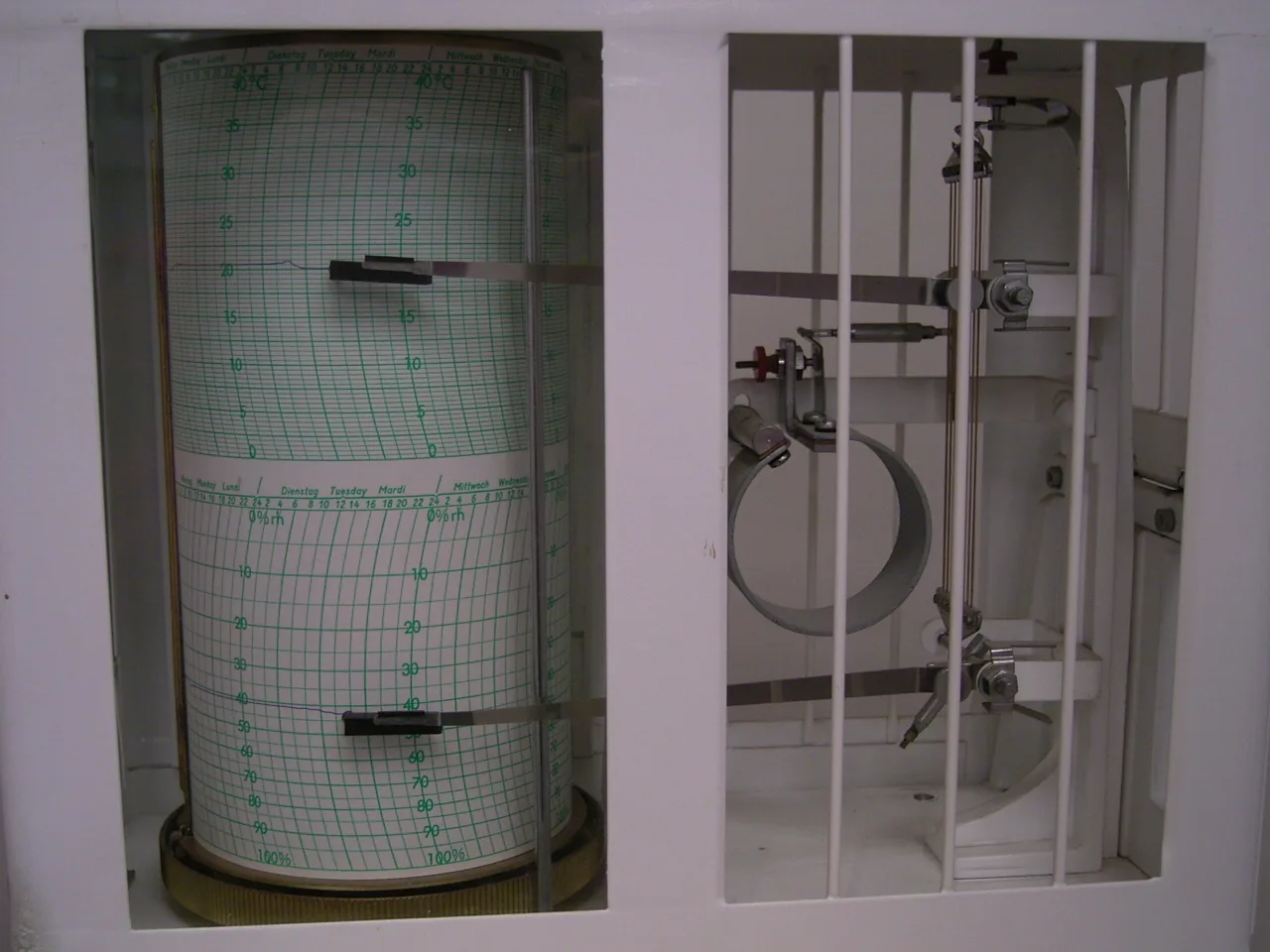
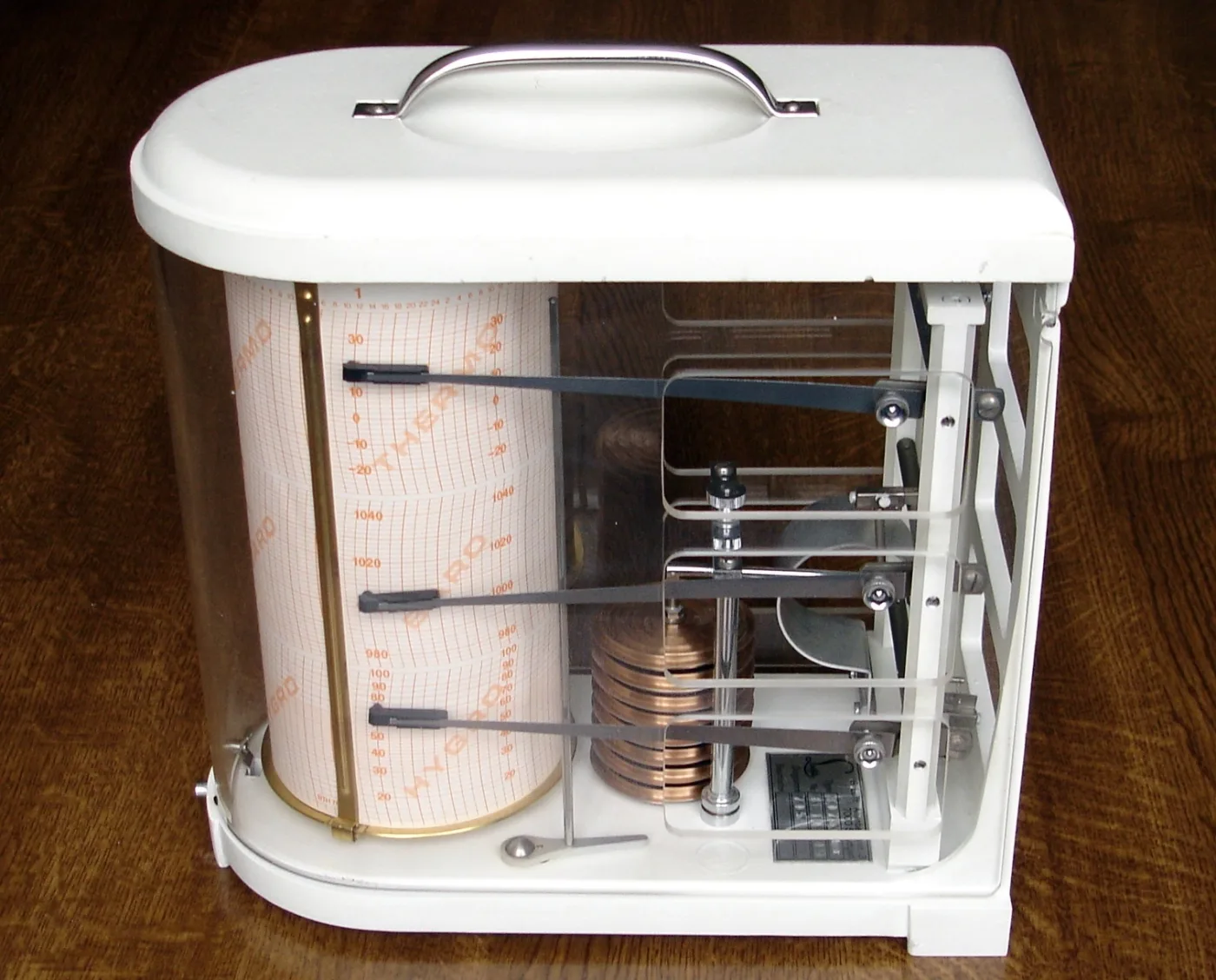
- Thermometers: Monitor temperature
- Hygrometers: Monitor relative humidity
- Data Loggers: Record environmental data over time
- Alarms: Alert to dangerous conditions
Monitoring Schedule
- Daily Checks: Quick visual and instrument checks
- Weekly Reviews: Review data logger information
- Seasonal Adjustments: Adjust for seasonal changes
- Documentation: Keep records of environmental conditions
Storage Techniques and Best Practices
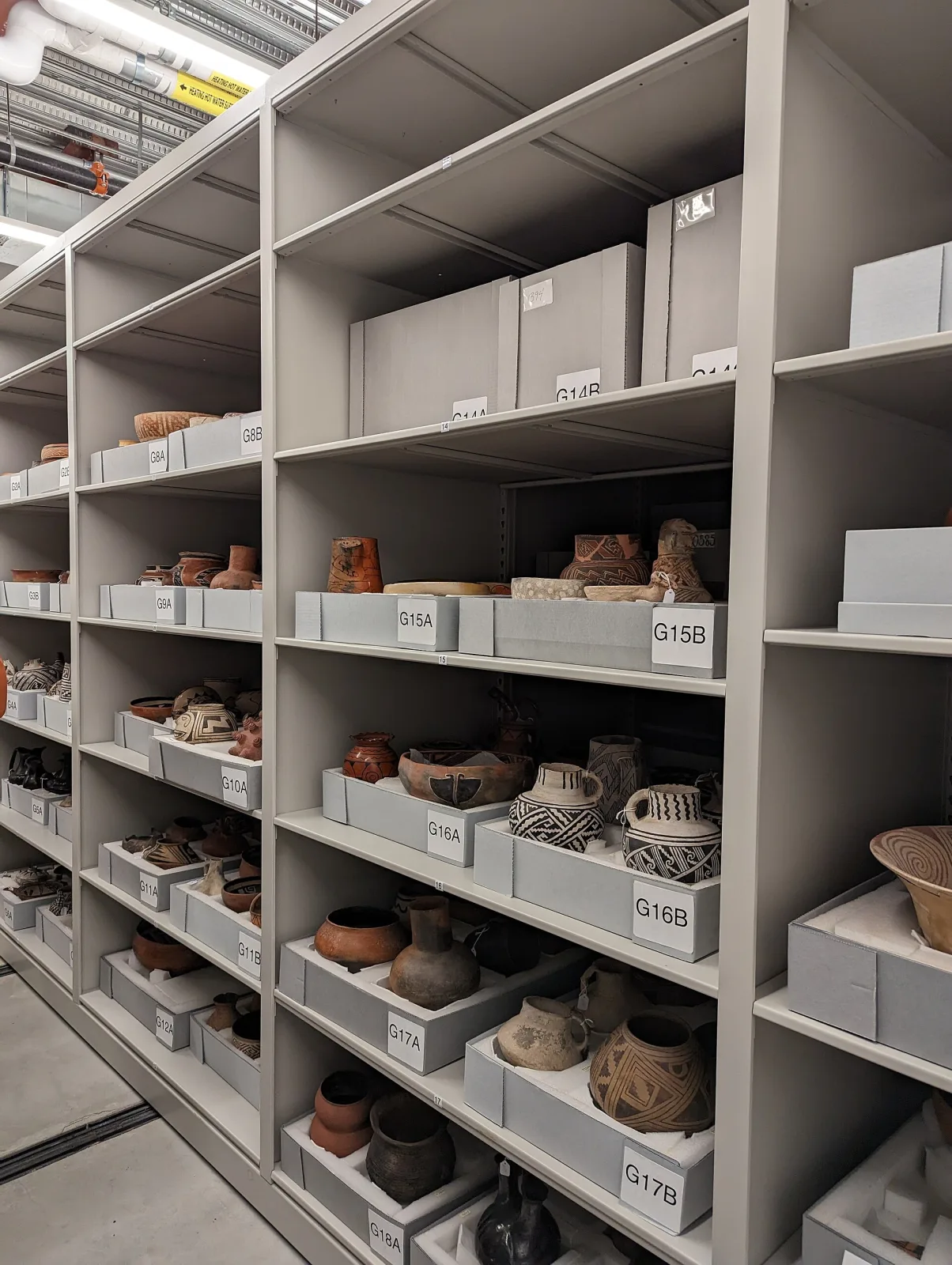
Proper storage is fundamental to preservation. The right storage methods protect antiques from damage while maintaining their condition.
Storage Location Selection
Choosing the right location is critical:
Ideal Storage Locations
- Interior Rooms: Avoid exterior walls and basements
- Climate Controlled: Areas with stable temperature and humidity
- Protected Areas: Away from direct sunlight and heat sources
- Accessible: Easy to access for monitoring and care
- Secure: Protected from theft and unauthorized access
Locations to Avoid
- Attics: Extreme temperatures and humidity fluctuations
- Basements: High humidity and potential flooding
- Garages: Temperature extremes and pollutants
- Exterior Walls: Temperature and humidity variations
- Near Heat Sources: Fireplaces, radiators, heating vents
Storage Furniture and Supports
Proper supports protect items from damage:
Furniture Storage
- Level Surfaces: Store on level, stable surfaces
- Weight Distribution: Distribute weight evenly
- Off Floor: Keep off concrete or damp floors
- Padding: Use padding to protect surfaces
- Covering: Use breathable covers, not plastic
Small Object Storage
- Shelving: Use sturdy, stable shelving
- Padding: Line shelves with padding
- Separation: Keep items separated to prevent contact
- Support: Provide adequate support for fragile items
- Accessibility: Arrange for easy access
Storage Materials
Using appropriate storage materials is essential:
Safe Storage Materials
- Acid-Free Materials: Use acid-free paper, boxes, and tissue
- Archival Quality: Materials designed for long-term storage
- Breathable Fabrics: Cotton, muslin, or other breathable materials
- Inert Materials: Materials that don't react with antiques
- Buffered Materials: Materials with pH buffers when appropriate
Materials to Avoid
- Plastic Bags: Can trap moisture and cause damage
- Newspaper: Acidic and can cause staining
- Cardboard: Often acidic unless archival quality
- Rubber: Can deteriorate and damage items
- Wood Products: Untreated wood can be acidic
Wrapping and Padding
Proper wrapping protects items during storage:
Wrapping Techniques
- Acid-Free Tissue: Wrap delicate items in acid-free tissue
- Cotton Fabric: Use clean cotton for larger items
- Loose Wrapping: Don't wrap too tightly
- Multiple Layers: Use multiple layers for fragile items
- Labeling: Label wrapped items clearly
Padding Materials
- Acid-Free Foam: Use archival foam for padding
- Cotton Batting: Soft cotton batting for cushioning
- Polyester Fiberfill: Inert synthetic padding
- Custom Supports: Create custom supports for specific items
Storage Organization
Well-organized storage facilitates care and access:
Organization Principles
- Systematic Arrangement: Organize by type, period, or material
- Accessibility: Arrange for easy access to all items
- Documentation: Maintain inventory and location records
- Labeling: Clearly label all storage containers
- Spacing: Allow space between items
Inventory Management
- Detailed Records: Maintain detailed inventory records
- Location Tracking: Track where items are stored
- Condition Notes: Note condition at time of storage
- Photographs: Include photographs in records
- Regular Updates: Update records regularly
Handling and Transportation Guidelines
Proper handling and transportation prevent damage during movement. Most damage occurs during handling, making these skills essential.
General Handling Principles
Following basic principles prevents damage:
Preparation
- Plan Ahead: Plan moves before beginning
- Clear Path: Ensure clear path to destination
- Remove Obstacles: Remove potential obstacles
- Assess Weight: Determine if help is needed
- Protective Gear: Use gloves and appropriate protection
Handling Techniques
- Two Hands: Always use two hands for support
- Lift, Don't Drag: Lift items, never drag them
- Support Weight: Support items from bottom and sides
- Even Distribution: Distribute weight evenly
- Slow Movements: Move slowly and deliberately
Handling Specific Materials
Different materials require different handling approaches:
Fragile Materials
- Glass and Ceramics: Support from bottom, never by handles
- Porcelain: Handle with extreme care, support all parts
- Textiles: Support entire piece, avoid stress on weak areas
- Paper: Support from underneath, avoid bending
Heavy Items
- Furniture: Lift from structural points, not decorative elements
- Large Objects: Use multiple people for large items
- Equipment: Use dollies or carts when appropriate
- Weight Distribution: Distribute weight evenly
Glove Use
Proper glove use protects both items and handlers:
When to Use Gloves
- Metal Objects: Always use gloves for metal to prevent fingerprints
- Delicate Surfaces: Use gloves for easily damaged surfaces
- Oils and Acids: Gloves protect from skin oils and acids
- Sharp Objects: Gloves protect hands from sharp edges
Glove Types
- Cotton Gloves: For general handling, breathable
- Nitrile Gloves: For protection from chemicals
- White Gloves: Traditional for formal handling
- Clean Gloves: Always use clean gloves
Transportation Methods
Safe transportation requires proper methods and equipment:
Short Distance Transportation
- Hand Carrying: Appropriate for small, light items
- Carts and Dollies: Use for heavier items
- Padding: Pad items during transport
- Secure: Secure items to prevent movement
Long Distance Transportation
- Professional Services: Consider professional movers for valuable items
- Proper Packing: Use appropriate packing materials
- Climate Control: Ensure climate-controlled transport when needed
- Insurance: Ensure adequate insurance coverage
- Documentation: Document condition before transport
Packing for Transportation
Proper packing protects items during transport:
Packing Principles
- Protective Layers: Use multiple protective layers
- Secure Wrapping: Wrap items securely but not tightly
- Cushioning: Provide adequate cushioning
- Separation: Keep items separated to prevent contact
- Labeling: Clearly label all packages
Packing Materials
- Bubble Wrap: Use for cushioning, but avoid direct contact
- Foam Padding: Custom foam padding for fragile items
- Acid-Free Paper: Wrap items in acid-free paper first
- Sturdy Boxes: Use strong, appropriately sized boxes
- Custom Crates: Consider custom crates for valuable items

Cleaning Methods and Materials
Proper cleaning maintains appearance and prevents deterioration. However, cleaning must be done carefully to avoid damage.
Cleaning Principles
Following proper principles ensures safe cleaning:
When to Clean
- Regular Maintenance: Light, regular cleaning is best
- Before Storage: Clean items before long-term storage
- After Handling: Clean after handling to remove oils
- Condition Assessment: Assess condition before cleaning
- Expert Consultation: Consult experts for valuable or complex items
When Not to Clean
- Uncertainty: Don't clean if uncertain about method
- Fragile Condition: Avoid cleaning extremely fragile items
- Original Patina: Don't remove original, valuable patina
- Complex Items: Seek expert help for complex items
General Cleaning Techniques
Basic techniques apply to many materials:
Dry Cleaning
- Soft Brushes: Use soft, clean brushes for dust
- Vacuuming: Use low-suction vacuum with screens
- Compressed Air: Gentle compressed air for delicate items
- Microfiber Cloths: Soft microfiber for gentle cleaning
Wet Cleaning
- Minimal Moisture: Use minimal moisture when needed
- Distilled Water: Use distilled water to avoid minerals
- pH Neutral Cleaners: Use pH neutral cleaning solutions
- Gentle Application: Apply gently with soft cloths
- Thorough Drying: Ensure thorough drying after cleaning
Material-Specific Cleaning
Different materials require different cleaning approaches:
Wood Furniture
- Dusting: Regular dusting with soft, dry cloth
- Wax Polish: Occasional wax polish for protection
- Avoid Water: Avoid excessive water on wood
- Grain Direction: Clean with grain direction
- Original Finish: Preserve original finish when possible
Metal Objects
- Gentle Cleaning: Use gentle methods for metal
- Patina Preservation: Preserve valuable patina
- Corrosion Removal: Carefully remove active corrosion
- Protective Coatings: Apply protective coatings when appropriate
- Silver Care: Special care for silver items
Ceramics and Glass
- Gentle Washing: Gentle washing with mild soap
- Soft Cloths: Use soft, non-abrasive cloths
- Avoid Abrasives: Never use abrasive cleaners
- Temperature: Avoid extreme temperature changes
- Drying: Air dry or use soft towels
Textiles
- Vacuuming: Gentle vacuuming with screens
- Professional Cleaning: Consider professional cleaning for valuable textiles
- Spot Cleaning: Careful spot cleaning when needed
- Support: Support textiles during cleaning
- Testing: Test cleaning methods on hidden areas
Cleaning Materials to Use
Using appropriate materials is essential:
Safe Cleaning Materials
- Distilled Water: Pure water without minerals
- pH Neutral Soaps: Mild, pH neutral cleaning solutions
- Soft Brushes: Soft, natural or synthetic brushes
- Microfiber Cloths: Soft, lint-free cleaning cloths
- Cotton Swabs: For detailed cleaning
Materials to Avoid
- Abrasive Cleaners: Never use abrasive cleaners
- Harsh Chemicals: Avoid harsh chemical cleaners
- Bleach: Never use bleach on antiques
- Ammonia: Avoid ammonia-based cleaners
- Commercial Polishes: Avoid commercial polishes unless appropriate
Cleaning Documentation
Documenting cleaning activities is important:
Documentation Elements
- Date and Method: Record date and cleaning method used
- Materials Used: Document cleaning materials
- Condition Before: Note condition before cleaning
- Condition After: Note condition after cleaning
- Results: Document results and any issues
Preventive Conservation Strategies
Preventive conservation focuses on preventing damage before it occurs. This proactive approach is more effective and less costly than treating damage after it happens.
Preventive Conservation Principles
Understanding principles guides effective prevention:
Risk Assessment
- Identify Risks: Identify potential risks to items
- Prioritize: Prioritize risks by likelihood and impact
- Mitigation: Develop strategies to mitigate risks
- Monitoring: Monitor for emerging risks
Proactive Measures
- Regular Inspection: Regular inspection of items and storage
- Environmental Monitoring: Continuous environmental monitoring
- Maintenance: Regular maintenance and care
- Documentation: Comprehensive documentation
Physical Protection
Physical protection prevents damage from handling and accidents:
Protective Measures
- Display Cases: Use display cases for valuable items
- Barriers: Physical barriers prevent accidental contact
- Padding: Padding protects from impacts
- Supports: Proper supports prevent stress and damage
- Covering: Protective coverings when not in use
Security Measures
- Locks: Secure storage with locks
- Alarms: Security alarms for valuable collections
- Access Control: Control access to storage areas
- Documentation: Maintain security documentation
Environmental Prevention
Preventing environmental damage is crucial:
Climate Control
- Stable Conditions: Maintain stable temperature and humidity
- Monitoring Systems: Use monitoring and alarm systems
- Backup Systems: Backup systems for critical controls
- Regular Maintenance: Maintain climate control equipment
Pollutant Prevention
- Source Control: Remove or control pollutant sources
- Filtration: Use air filtration systems
- Ventilation: Ensure proper ventilation
- Material Selection: Use low-emission storage materials
Handling Prevention
Preventing damage from handling:
Training and Procedures
- Training: Train all handlers in proper techniques
- Procedures: Establish clear handling procedures
- Supervision: Supervise handling of valuable items
- Documentation: Document handling procedures
Minimizing Handling
- Reduce Frequency: Minimize handling frequency
- Planning: Plan activities to minimize handling
- Access: Arrange storage for easy access
- Photography: Use photography to reduce need for handling
Emergency Preparedness
Preparing for emergencies protects collections:
Emergency Plans
- Written Plans: Develop written emergency plans
- Procedures: Establish emergency procedures
- Contacts: Maintain emergency contact lists
- Supplies: Maintain emergency supplies
Common Emergencies
- Water Damage: Plans for water leaks and flooding
- Fire: Fire prevention and response plans
- Climate Failure: Plans for climate control failure
- Structural Damage: Plans for structural problems
Material-Specific Care Guidelines
Different materials have unique preservation needs. Understanding material-specific requirements ensures appropriate care.
Wood and Furniture Care
Wood requires specific care to prevent deterioration:
Wood Preservation
- Humidity Control: Maintain 40-60% relative humidity
- Temperature Stability: Avoid temperature fluctuations
- Light Protection: Protect from direct sunlight
- Regular Dusting: Regular, gentle dusting
- Wax Treatment: Occasional wax treatment for protection
Wood Problems
- Warping: Caused by humidity fluctuations
- Cracking: Result of drying and shrinking
- Insect Damage: Wood-boring insects
- Finish Deterioration: Aging and deterioration of finishes
Metal Care
Metals require protection from corrosion:
Metal Preservation
- Low Humidity: Maintain 30-50% relative humidity
- Protective Coatings: Apply protective coatings when appropriate
- Regular Inspection: Regular inspection for corrosion
- Gentle Cleaning: Gentle cleaning to remove contaminants
- Patina Preservation: Preserve valuable patina
Metal Types
- Silver: Requires special care to prevent tarnishing
- Brass and Bronze: Susceptible to corrosion
- Iron and Steel: Prone to rusting
- Copper: Develops patina over time
Ceramics and Glass Care
Ceramics and glass require careful handling:
Ceramic Preservation
- Stable Environment: Maintain stable temperature and humidity
- Careful Handling: Handle with extreme care
- Support: Provide proper support for fragile items
- Gentle Cleaning: Use gentle cleaning methods
- Protection: Protect from impacts and vibration
Glass Preservation
- Temperature Stability: Avoid temperature extremes
- Support: Support glass items properly
- Cleaning: Gentle cleaning with appropriate materials
- Storage: Store with adequate padding
Textile Care
Textiles are particularly vulnerable to deterioration:
Textile Preservation
- Humidity Control: Maintain 45-55% relative humidity
- Light Protection: Protect from light, especially UV
- Support: Support textiles to prevent stress
- Clean Environment: Maintain clean storage environment
- Pest Control: Protect from pests
Textile Storage
- Flat Storage: Store flat when possible
- Rolling: Roll large textiles on acid-free tubes
- Padding: Use padding to prevent creasing
- Acid-Free Materials: Use only acid-free storage materials
Paper and Document Care
Paper requires careful environmental control:
Paper Preservation
- Humidity Control: Maintain 45-55% relative humidity
- Temperature Control: Cool temperatures slow deterioration
- Light Protection: Protect from light exposure
- Acid-Free Storage: Use acid-free storage materials
- Handling: Handle with clean hands or gloves
Document Storage
- Flat Storage: Store flat when possible
- Acid-Free Folders: Use acid-free folders and boxes
- Separation: Separate documents to prevent transfer
- Protection: Protect from handling and light
Leather Care
Leather requires specific care to prevent deterioration:
Leather Preservation
- Humidity Control: Maintain 45-55% relative humidity
- Conditioning: Occasional conditioning with appropriate products
- Light Protection: Protect from light exposure
- Support: Support leather items to prevent stress
- Cleaning: Gentle cleaning when needed
Ivory and Bone Care
Ivory and bone require careful environmental control:
Ivory Preservation
- Humidity Control: Maintain stable humidity, avoid extremes
- Temperature Stability: Avoid temperature fluctuations
- Light Protection: Protect from light exposure
- Handling: Handle with clean hands
- Conditioning: Occasional light conditioning
Pest Management and Protection
Pests can cause significant damage to antiques. Effective pest management protects collections from insects, rodents, and other pests.
Common Pests
Understanding common pests helps in prevention:
Insect Pests
- Wood-Boring Insects: Beetles and other wood-boring insects
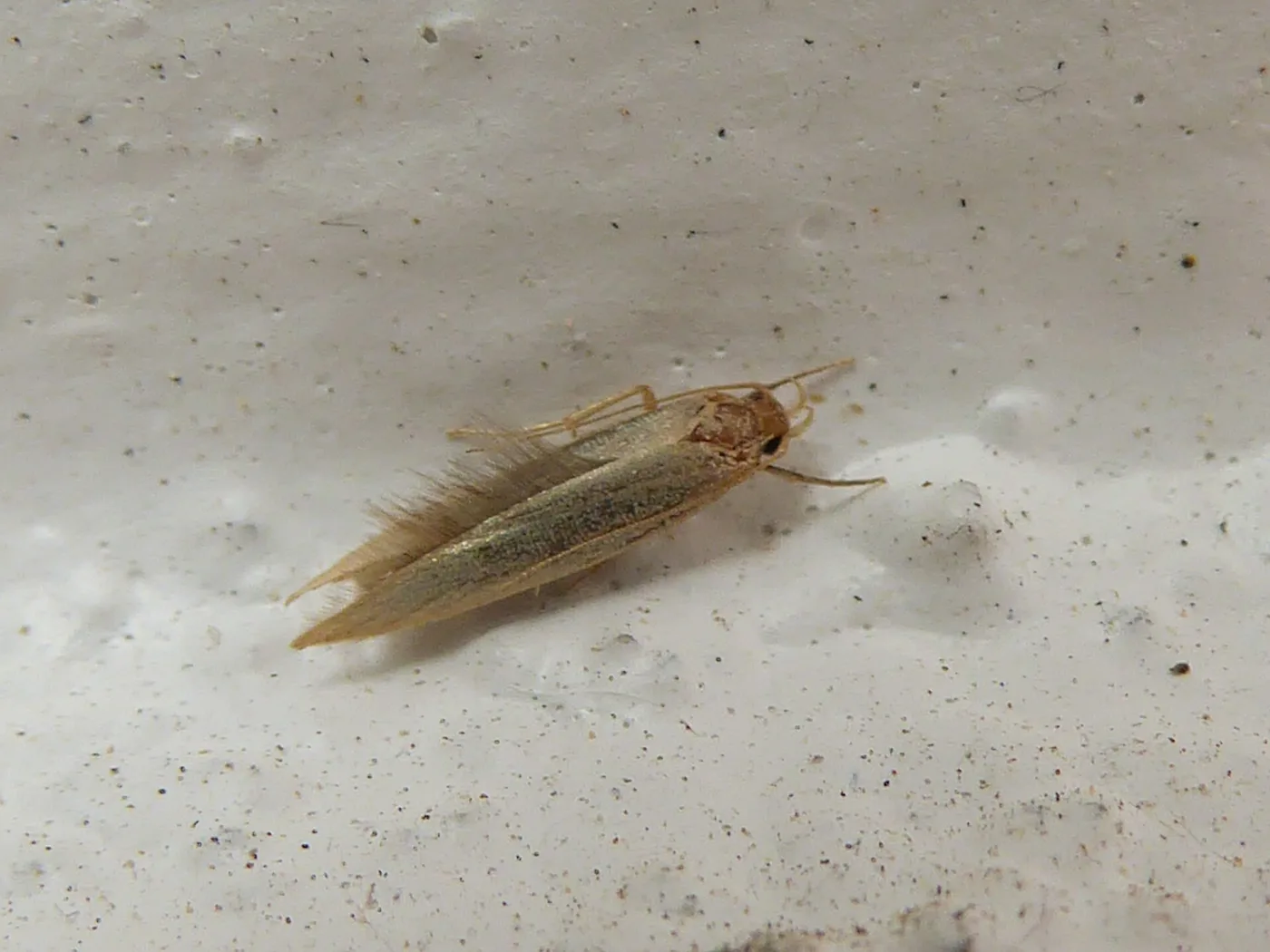
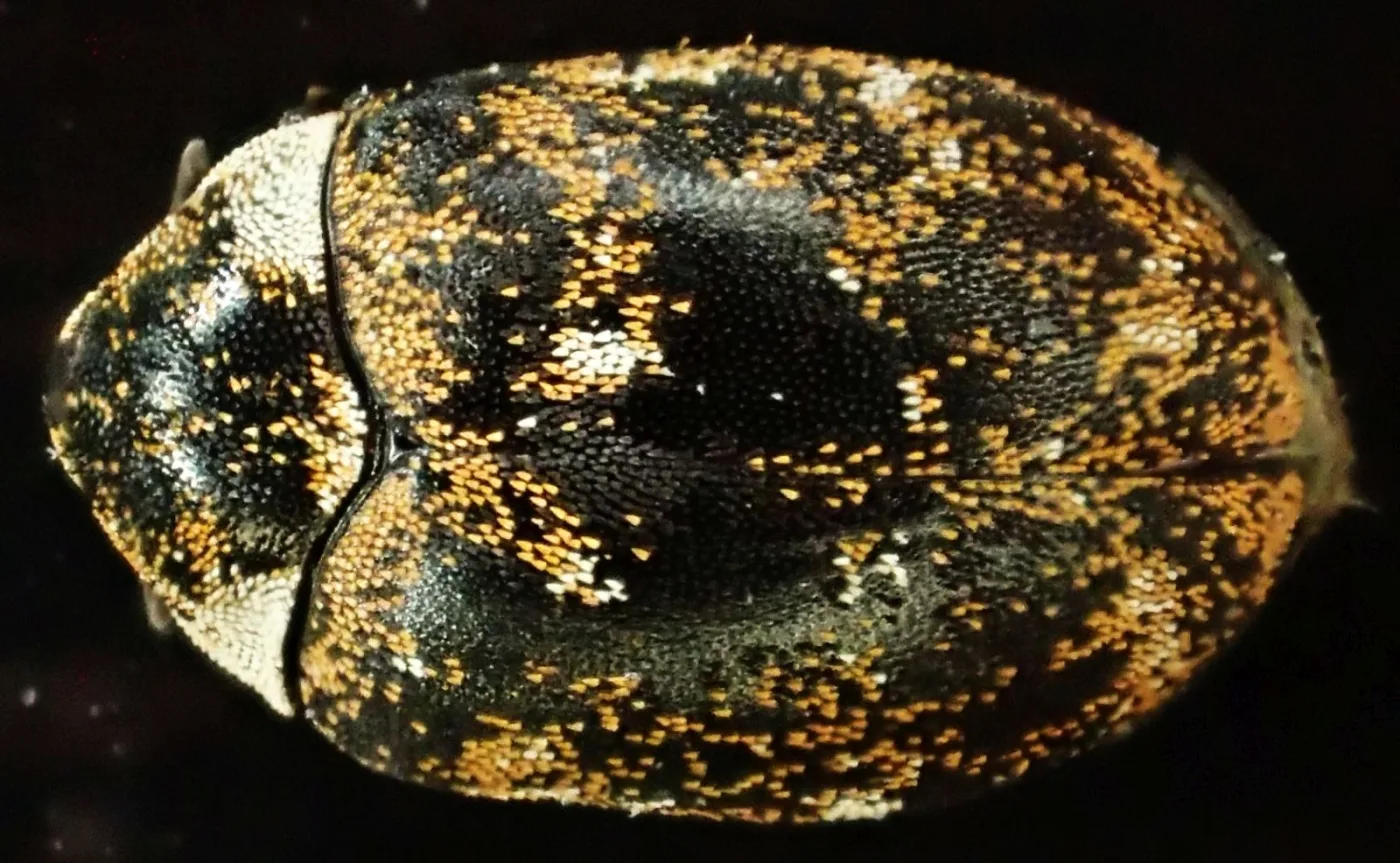
- Textile Pests: Moths, carpet beetles, and other textile pests
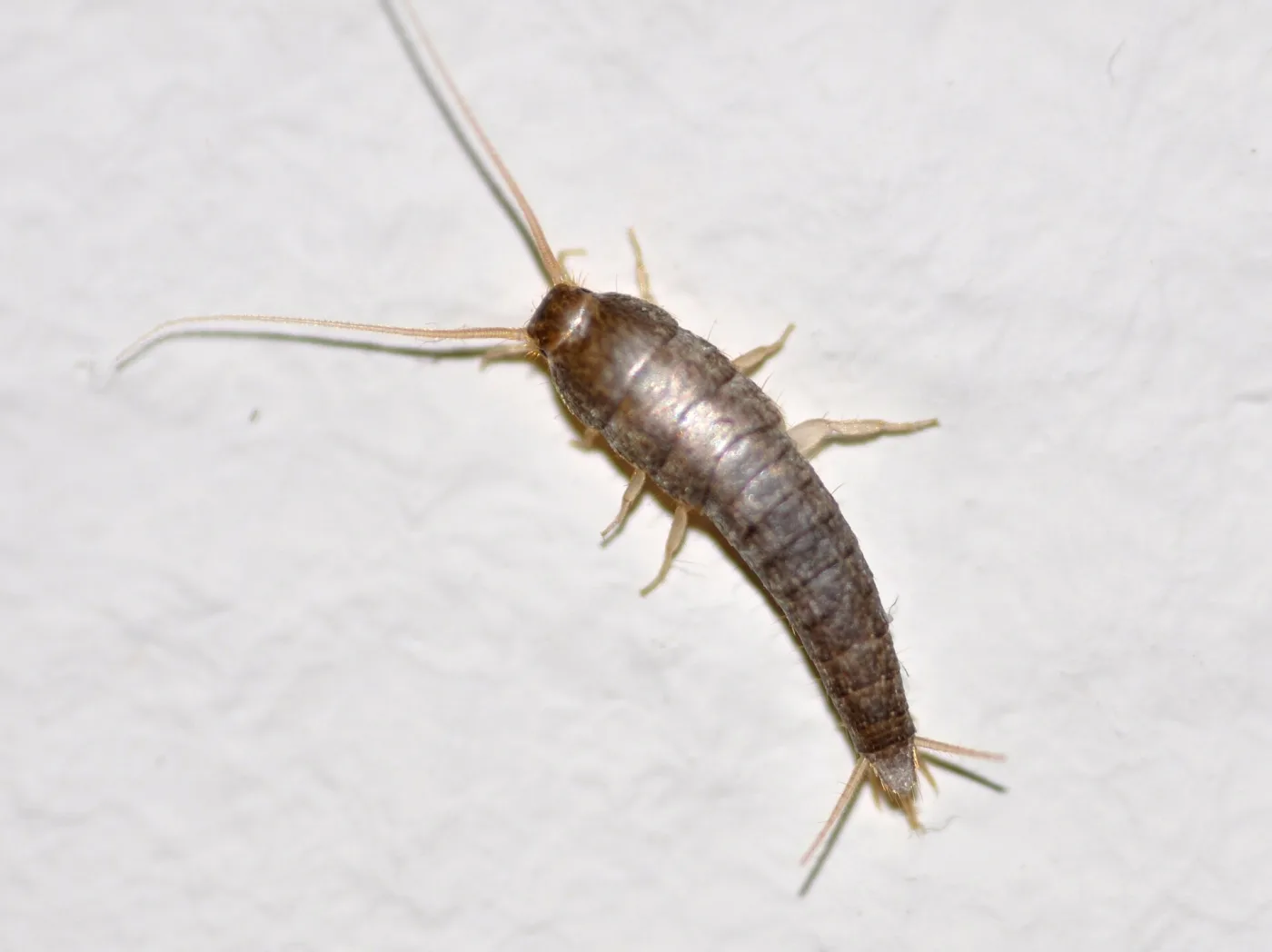
- Paper Pests: Silverfish, booklice, and paper-eating insects
- General Pests: Cockroaches, ants, and other general pests
Rodent Pests
- Mice and Rats: Can damage items through gnawing and nesting
- Squirrels: Can enter attics and storage areas
- Prevention: Seal entry points and maintain clean storage
Prevention Strategies
Prevention is more effective than treatment:
Environmental Control
- Low Humidity: Many pests prefer high humidity
- Clean Environment: Maintain clean storage areas
- Sealing: Seal storage containers and areas
- Ventilation: Ensure proper ventilation
Physical Barriers
- Sealed Containers: Use sealed storage containers
- Screens: Install screens on windows and vents
- Seal Cracks: Seal cracks and entry points
- Barriers: Physical barriers around storage areas
Monitoring and Detection
Regular monitoring detects problems early:
Inspection Methods
- Regular Inspection: Regular visual inspection of items
- Traps: Use traps to monitor pest activity
- Signs: Look for signs of pest activity
- Documentation: Document inspection results
Signs of Infestation
- Damage: Visible damage to items
- Droppings: Pest droppings or frass
- Holes: Holes in wood, textiles, or paper
- Live Pests: Seeing live pests
Treatment Methods
When pests are detected, appropriate treatment is needed:
Non-Chemical Methods
- Freezing: Freezing can kill many pests
- Heat Treatment: Controlled heat treatment
- Isolation: Isolate infested items
- Vacuuming: Vacuum to remove pests and debris
Chemical Methods
- Professional Treatment: Consult professionals for chemical treatment
- Safe Products: Use only safe, approved products
- Isolation: Isolate items during treatment
- Documentation: Document all treatments
Professional Pest Control
For serious infestations, professional help is essential:
When to Call Professionals
- Active Infestation: Active pest infestation
- Extensive Damage: Extensive damage from pests
- Uncertainty: Uncertainty about pest type or treatment
- Valuable Items: Valuable or irreplaceable items
Choosing Professionals
- Experience: Experience with museum or collection pest control
- Methods: Use safe, appropriate methods
- References: Check references and credentials
- Documentation: Provide documentation and reports
Light Protection and UV Control
Light, especially ultraviolet light, causes significant damage to many antique materials. Proper light protection is essential for preservation.
Light Damage
Understanding how light damages materials:
Types of Light Damage
- Fading: Light causes fading of colors and dyes
- Embrittlement: Light makes materials brittle
- Yellowing: Light causes yellowing of materials
- Chemical Changes: Light causes chemical deterioration
UV Radiation
- Most Damaging: UV radiation is most damaging
- Sources: Sunlight and some artificial lights contain UV
- Cumulative: Damage is cumulative and irreversible
- Protection: UV protection is essential
Light Control Strategies
Multiple strategies protect items from light damage:
Light Levels
- Low Light: Use low light levels for display
- Recommended Levels: 50-200 lux for most materials
- UV Filtering: Filter UV radiation from light sources
- Monitoring: Monitor light levels regularly
Light Sources
- LED Lights: LED lights produce less heat and UV
- Filtered Light: Use UV-filtering materials on windows
- Indirect Light: Use indirect lighting when possible
- Avoid Sunlight: Avoid direct sunlight exposure
Display Protection
Protecting items on display:
Display Cases
- UV-Filtering Glass: Use UV-filtering glass or acrylic
- Light Control: Control light levels in cases
- Rotation: Rotate items to limit exposure
- Covering: Cover cases when not viewing
Window Protection
- UV Film: Apply UV-filtering film to windows
- Curtains: Use curtains or blinds to block light
- Positioning: Position items away from windows
- Shading: Provide shading for display areas
Storage Protection
Protecting items in storage:
Storage Methods
- Dark Storage: Store items in dark conditions
- Covering: Cover items to block light
- Opaque Containers: Use opaque storage containers
- Location: Store away from light sources
Light Monitoring
Monitoring light exposure helps protect items:
Monitoring Methods
- Light Meters: Use light meters to measure levels
- UV Meters: Measure UV radiation levels
- Regular Checks: Regular monitoring of light conditions
- Documentation: Document light exposure
Common Preservation Mistakes to Avoid
Understanding common mistakes helps avoid damage. Learning from others' errors prevents costly preservation failures.
Environmental Mistakes
Common environmental errors cause significant damage:
Humidity Mistakes
- Ignoring Humidity: Failing to monitor or control humidity
- Extreme Levels: Allowing humidity to reach extremes
- Rapid Changes: Allowing rapid humidity changes
- No Monitoring: Not monitoring humidity levels
Temperature Mistakes
- Extreme Temperatures: Exposing items to extreme temperatures
- Rapid Changes: Allowing rapid temperature changes
- Heat Sources: Placing items near heat sources
- Freezing: Allowing items to freeze
Storage Mistakes
Improper storage causes many problems:
Location Mistakes
- Basements: Storing in damp basements
- Attics: Storing in hot, dry attics
- Garages: Storing in unheated garages
- Exterior Walls: Storing against exterior walls
Material Mistakes
- Plastic Bags: Using plastic bags that trap moisture
- Newspaper: Wrapping in acidic newspaper
- Cardboard: Using acidic cardboard boxes
- Wood: Using untreated wood that can be acidic
Handling Mistakes
Improper handling causes immediate damage:
Common Handling Errors
- Improper Lifting: Lifting items incorrectly
- Dragging: Dragging items instead of lifting
- Overloading: Overloading shelves or supports
- Rough Handling: Handling items roughly
Glove Mistakes
- No Gloves: Handling without gloves when needed
- Dirty Gloves: Using dirty gloves
- Wrong Type: Using inappropriate glove types
Cleaning Mistakes
Improper cleaning causes significant damage:
Common Cleaning Errors
- Over-Cleaning: Cleaning too frequently or aggressively
- Wrong Products: Using inappropriate cleaning products
- Abrasive Methods: Using abrasive cleaning methods
- Removing Patina: Removing valuable original patina
Water Mistakes
- Excessive Water: Using too much water on wood
- Hard Water: Using hard water that leaves deposits
- Incomplete Drying: Not drying items completely
Prevention Mistakes
Failing to prevent problems causes damage:
Common Prevention Failures
- No Inspection: Failing to inspect items regularly
- Ignoring Problems: Ignoring early signs of problems
- No Monitoring: Not monitoring environmental conditions
- Delayed Action: Delaying necessary action
Avoiding Mistakes
Systematic approaches prevent mistakes:
Best Practices
- Education: Educate yourself about proper care
- Planning: Plan care activities before beginning
- Consultation: Consult experts when uncertain
- Documentation: Document all care activities
- Regular Review: Regularly review care practices
Long-Term Preservation Planning
Effective long-term preservation requires planning and ongoing commitment. Developing comprehensive preservation plans ensures collections survive for future generations.
Preservation Planning
Systematic planning guides long-term preservation:
Planning Elements
- Assessment: Assess current condition and needs
- Priorities: Establish preservation priorities
- Resources: Identify available resources
- Timeline: Develop timeline for activities
- Review: Regular review and updating of plans
Documentation Planning
- Condition Records: Maintain detailed condition records
- Care History: Document all care activities
- Photographic Records: Maintain photographic documentation
- Preservation History: Record preservation history
Resource Planning
Planning resources ensures adequate support:
Financial Resources
- Budget Planning: Develop preservation budgets
- Priority Funding: Prioritize funding for critical needs
- Long-Term Costs: Plan for ongoing costs
- Emergency Funds: Maintain emergency funds
Human Resources
- Training: Train staff or family in preservation
- Expert Access: Maintain access to experts
- Succession Planning: Plan for future caretakers
Succession Planning
Planning for future caretakers ensures continuity:
Succession Elements
- Documentation: Comprehensive documentation for future caretakers
- Training: Train future caretakers
- Instructions: Provide clear care instructions
- Contacts: Provide expert contacts and resources
Estate Planning
- Legal Documents: Include preservation in estate planning
- Instructions: Provide preservation instructions
- Resources: Allocate resources for preservation
- Expert Contacts: Provide expert contacts
Monitoring and Review
Ongoing monitoring and review maintain preservation:
Regular Monitoring
- Condition Checks: Regular condition inspections
- Environmental Monitoring: Continuous environmental monitoring
- Documentation Review: Regular review of documentation
- Plan Updates: Update plans as needed
Review Schedule
- Daily: Quick daily checks
- Weekly: Weekly environmental reviews
- Monthly: Monthly condition assessments
- Annually: Annual comprehensive reviews
Professional Conservation Services
Professional conservators provide specialized expertise for complex preservation needs. Knowing when and how to work with professionals is essential.
When to Consult Professionals
Professional help is needed in various situations:
Complex Problems
- Serious Damage: Significant existing damage
- Complex Materials: Complex or unusual materials
- Uncertainty: Uncertainty about appropriate treatment
- Valuable Items: Very valuable or irreplaceable items
Specialized Needs
- Restoration: Restoration of damaged items
- Stabilization: Stabilization of deteriorating items
- Scientific Analysis: Scientific analysis and testing
- Documentation: Professional documentation services
Types of Conservation Services
Conservators provide various specialized services:
Treatment Services
- Cleaning: Professional cleaning services
- Stabilization: Stabilization of deteriorating items
- Repair: Repair of damage
- Restoration: Restoration to original appearance
Consultation Services
- Condition Assessment: Professional condition assessments
- Preservation Planning: Development of preservation plans
- Storage Design: Design of storage systems
- Training: Training in preservation techniques
Finding Professional Conservators
Finding qualified conservators requires research:
Conservator Qualifications
- Education: Relevant education and training
- Experience: Extensive experience in conservation
- Specialization: Specialization in relevant materials
- Certification: Professional certifications
- Reputation: Strong professional reputation
Finding Sources
- Professional Associations: Conservation professional associations
- Museums: Museum conservation departments
- Referrals: Referrals from other collectors or dealers
- Online Directories: Online conservator directories
Working with Conservators
Effective collaboration ensures best results:
Preparation
- Documentation: Provide documentation and history
- Photographs: Provide photographs of items
- Questions: Prepare questions and concerns
- Goals: Clearly communicate preservation goals
Communication
- Clear Expectations: Establish clear expectations
- Regular Updates: Request regular progress updates
- Questions: Ask questions and seek clarification
- Documentation: Request documentation of all work
Conservation Reports
Professional conservation reports document work:
Report Contents
- Condition Assessment: Detailed condition assessment
- Treatment Description: Description of treatments performed
- Materials Used: Documentation of materials used
- Recommendations: Recommendations for future care
- Photographs: Before and after photographs
Using Reports
- Documentation: Maintain reports with items
- Insurance: Use reports for insurance purposes
- Future Reference: Reference for future care
- Value Documentation: Documentation for valuation
Conclusion: Mastering Antique Storage, Care, and Preservation
Proper storage, care, and preservation are essential skills for anyone who owns or works with antiques. These practices protect not only the monetary value of items but also their historical significance, cultural importance, and aesthetic appeal. By understanding environmental control, storage techniques, handling procedures, cleaning methods, and preventive conservation, you can ensure your antiques survive for future generations while maintaining their condition and value.
Remember these key principles:
- Environmental Control: Maintaining stable temperature and humidity is fundamental to preservation
- Proper Storage: Using appropriate storage methods and materials protects items from damage
- Careful Handling: Following proper handling procedures prevents most damage
- Preventive Conservation: Preventing damage is more effective and less costly than treating damage
- Material-Specific Care: Different materials require different care approaches
- Regular Monitoring: Regular inspection and monitoring detect problems early
- Documentation: Comprehensive documentation supports preservation and value
- Professional Help: Consult professionals for complex problems or valuable items
Modern tools like the Antique Identifier app can help you identify antiques and understand their characteristics, providing valuable information that supports preservation efforts. However, understanding these fundamental preservation principles is essential for anyone serious about maintaining antiques.
Every antique tells a story and represents a piece of history. Your role as a caretaker is to preserve these stories for future generations. By following the principles and techniques outlined in this guide, you can protect your antiques from deterioration, maintain their value, and ensure they continue to tell their stories for years to come.
As you continue your journey in antique care and preservation, remember that preservation is an ongoing process. It requires attention, knowledge, and commitment, but the rewards are significant: protected investments, preserved history, and items that can be enjoyed and appreciated by future generations. The most successful collectors and caretakers are those who combine their passion for antiques with sound preservation practices, ensuring that their collections are not only personally meaningful but also properly protected and maintained.