
Bronze vs Brass vs Spelter: Complete Identification Guide 2026
Identifying the specific metal composition of antique items is crucial for proper valuation, conservation, and historical understanding. Bronze, brass, and spelter are three commonly encountered metals in antique metalwork, each with distinct characteristics that affect both appearance and value. This comprehensive guide will teach you how to distinguish between these metals using visual examination, simple tests, and understanding of their unique properties. Whether you're examining a Victorian bronze sculpture, Georgian brass hardware, or Art Nouveau spelter figurines, this guide will provide you with the knowledge needed for accurate identification.
Table of Contents
Understanding Metal Compositions and Properties
1. Bronze Composition and Characteristics
Bronze is primarily an alloy of copper and tin, though historical bronzes may contain other elements:
- Primary composition: 88-95% copper, 5-12% tin
- Additional elements: May include zinc, lead, or phosphorus
- Color range: Warm reddish-brown to golden-brown
- Density: 8.7-8.9 g/cm³ (heavier than brass)
- Hardness: Varies with tin content, generally harder than brass
2. Brass Composition and Characteristics
Brass is an alloy of copper and zinc, with varying proportions affecting its properties:
- Primary composition: 60-90% copper, 10-40% zinc
- Color variations: Golden-yellow to reddish-gold
- Density: 8.4-8.7 g/cm³ (lighter than bronze)
- Workability: Excellent for forming and machining
- Corrosion resistance: Good, but less than bronze
3. Spelter Composition and Characteristics
Spelter is primarily zinc, often with small amounts of other metals:
- Primary composition: 95-99% zinc, with traces of lead, cadmium, or iron
- Color: Bluish-gray to silvery-white
- Density: 7.1-7.2 g/cm³ (lightest of the three)
- Melting point: Lower than copper alloys (419°C)
- Brittleness: More brittle than bronze or brass
4. Historical Manufacturing Context
Understanding when and why these metals were used helps with identification:
- Bronze: Used since antiquity for sculpture, weapons, and decorative items
- Brass: Popular from the 16th century for hardware, instruments, and decorative elements
- Spelter: Widely used from the late 19th century for inexpensive decorative items
Visual and Tactile Identification Methods
1. Color and Surface Appearance
Color is often the first indicator, though it can be misleading due to patina and finishes:
- Bronze: Warm reddish-brown, often with green or brown patina
- Brass: Golden-yellow to reddish-gold, may develop dark patina
- Spelter: Bluish-gray, often painted or gilded to mimic bronze
2. Weight and Density Testing
Weight comparison is one of the most reliable identification methods:
- Bronze: Heaviest of the three for the same volume
- Brass: Medium weight, noticeably lighter than bronze
- Spelter: Lightest, feels almost hollow compared to copper alloys
3. Surface Texture and Detail
Examine the surface for casting quality and detail preservation:
- Bronze: Sharp, crisp details, smooth surface finish
- Brass: Good detail retention, may show tool marks
- Spelter: Often shows pitting, loss of detail, rough surface
4. Casting Seams and Manufacturing Marks
Look for evidence of how the item was made:
- Bronze: Fine casting seams, often filed and polished
- Brass: Visible but refined seams, good surface finish
- Spelter: Rough seams, often left unfiled, visible porosity
Safe Testing Methods for Metal Identification
1. Magnetic Testing
The simplest and safest test to begin with:
- Bronze: Non-magnetic (copper is diamagnetic)
- Brass: Non-magnetic (copper is diamagnetic)
- Spelter: Non-magnetic (zinc is diamagnetic)
- Note: If magnetic, likely steel or iron, not these alloys
2. Filing Test (Discreet Method)
A small filing can reveal the true metal color:
- Choose location: Underside, mounting holes, or existing damage
- Bronze filing: Reddish-brown to golden-brown
- Brass filing: Golden-yellow to reddish-gold
- Spelter filing: Silvery-white to bluish-gray
- Safety: Always test in inconspicuous areas
3. Specific Gravity Testing
More accurate but requires careful measurement:
- Bronze: 8.7-8.9 g/cm³
- Brass: 8.4-8.7 g/cm³
- Spelter: 7.1-7.2 g/cm³
- Method: Weigh in air, then in water, calculate density
4. Chemical Spot Testing
Advanced method requiring proper safety equipment:
- Bronze: Reacts with nitric acid to produce green solution
- Brass: Similar reaction but may show zinc characteristics
- Spelter: Reacts vigorously with acids, produces hydrogen gas
- Warning: Only for trained professionals with proper safety gear
5. Where and How to Test Safely
Strategic testing locations minimize damage:
- Underside rims: Hidden from normal view
- Mounting holes: Often already damaged or drilled
- Existing chips: Use natural damage points
- Base areas: Hidden when displayed
- Documentation: Photograph and note all test locations

Patina and Surface Finish Analysis
1. Natural Patina Development
Understanding how different metals age naturally:
- Bronze patina: Green verdigris, brown oxides, smooth surface
- Brass patina: Dark brown to black, may develop green spots
- Spelter oxidation: White zinc oxide, often powdery
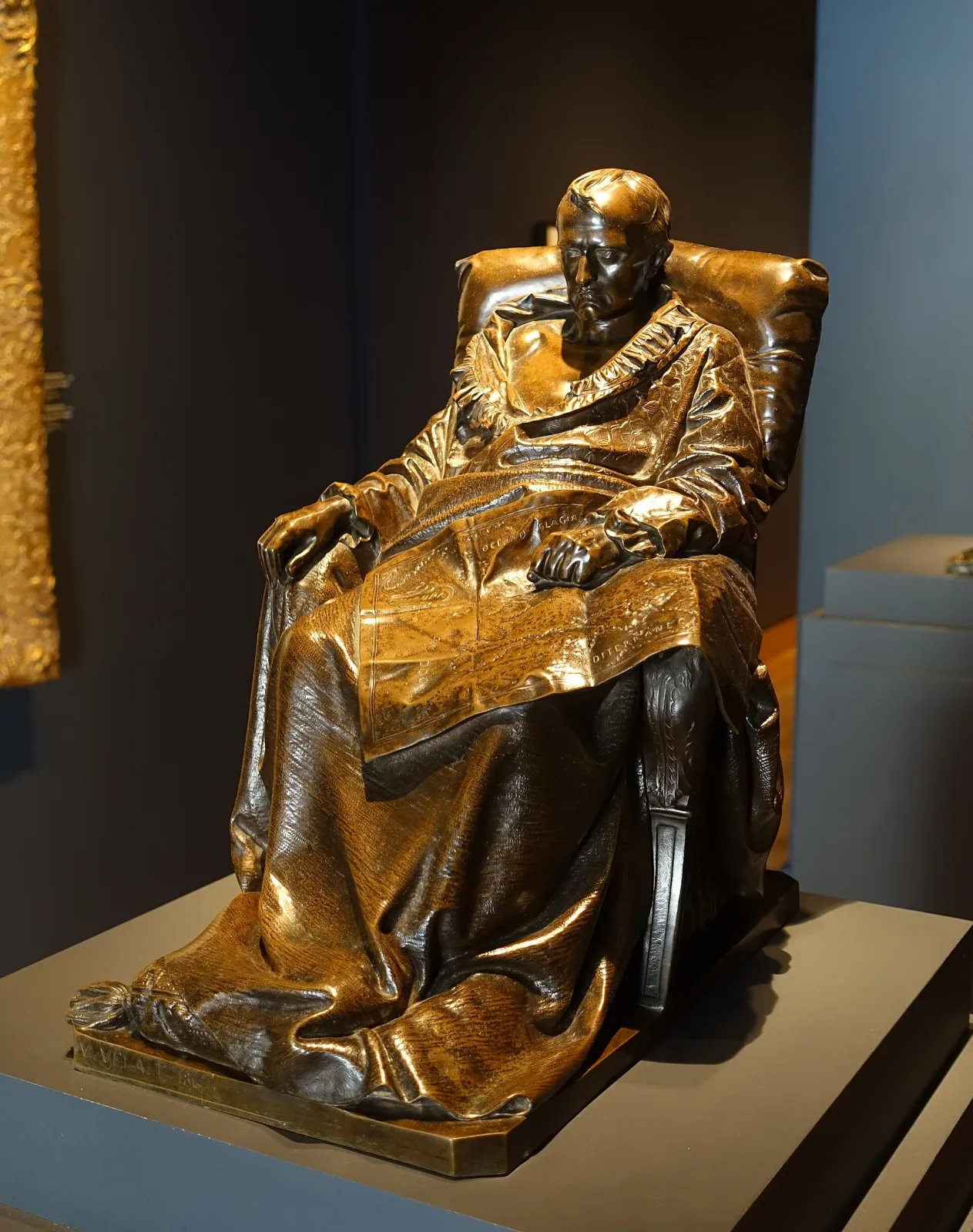
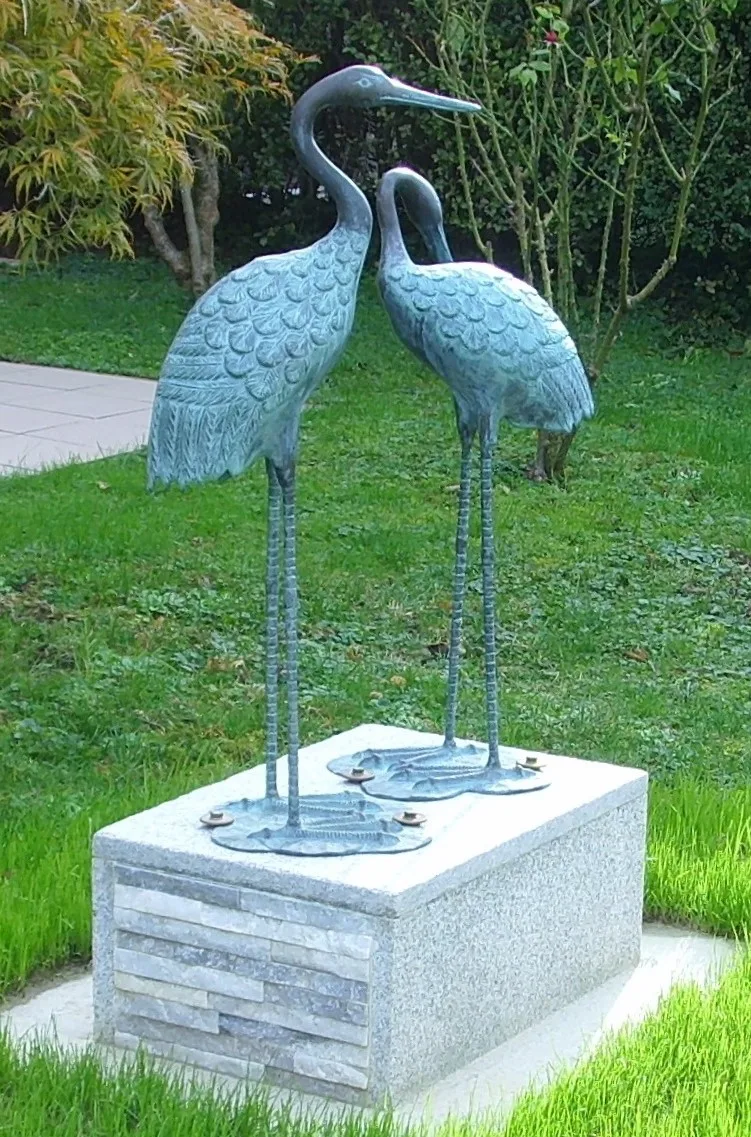
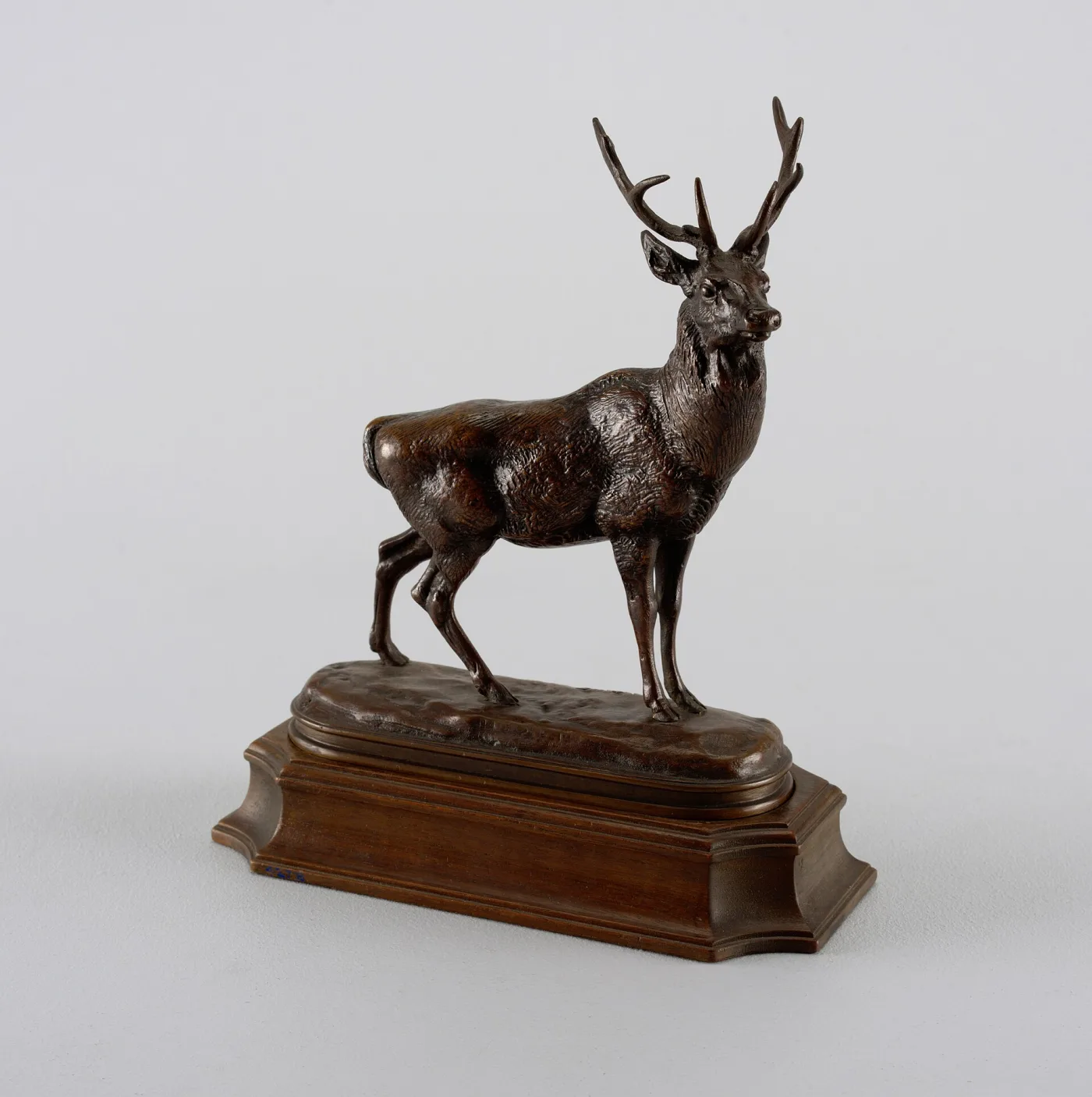
Neither of these colours is evidence of age, and that is the whole lesson. A foundry patina is a chemical finish applied at the moment of manufacture — brown, black, green or red, chosen to suit the model — so a green bronze is not older than a brown one, and an even green over an entire figure is a finish rather than a history. What age actually does is add to a patina unevenly: it darkens in the recesses where nothing rubs and wears back towards bare metal on the edges, the nose, the knuckles and every surface a hand or a duster reaches. Read the distribution, not the colour. Uniform tone in the hollows and on the high points together means the surface is either as the foundry left it or has been stripped and redone, and a green that sits loose and powdery rather than tight to the metal is active corrosion — a conservation problem, not a patina.
2. Artificial Finishes and Overpainting
Many items have been refinished over time:
- Cold painting: Original decorative finish, adds value
- Gilding: Gold leaf or gold paint application
- Modern overpaints: Often applied to hide damage or aging
- Lacquer coatings: Applied to prevent further oxidation
3. Detecting Refinishing and Repairs
Signs that an item has been altered:
- Color inconsistencies: Different shades in recesses vs. high points
- Brush marks: Visible paint application strokes
- Paint on hardware: Screws, nuts, or mounting points painted over
- UV examination: Modern paints often fluoresce under black light
4. Verdigris and Corrosion Patterns
Understanding corrosion helps with identification:
- Bronze verdigris: Bright green, stable, often desirable
- Brass corrosion: Darker green, may indicate active corrosion
- Zinc pest: White powdery corrosion, structural damage risk
- Treatment: Some corrosion should be preserved, some removed
Common Objects and Historical Context
1. Sculptural and Decorative Items
Different metals were chosen for different types of objects:
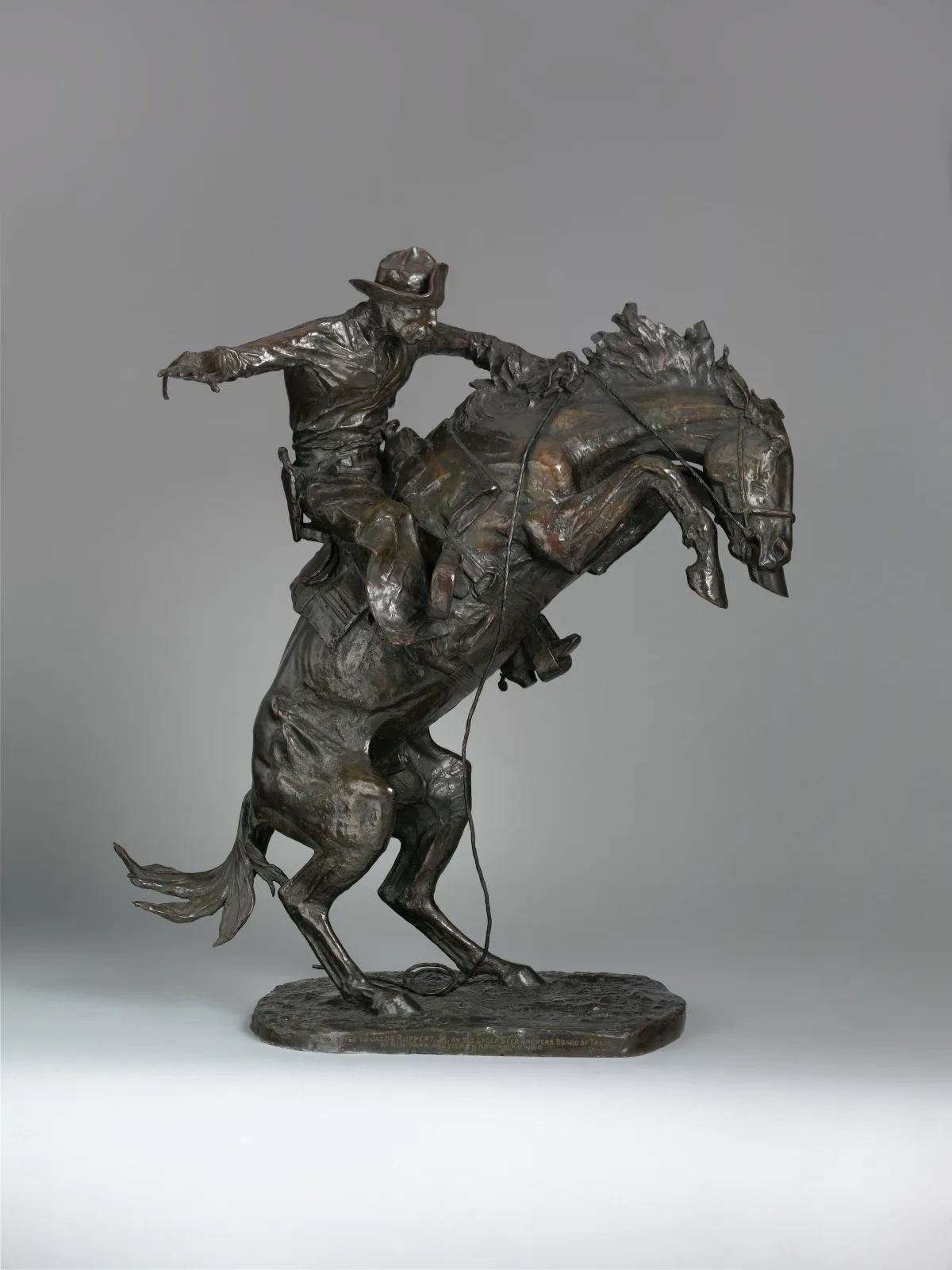
- Bronze sculptures: High-end art pieces, architectural elements
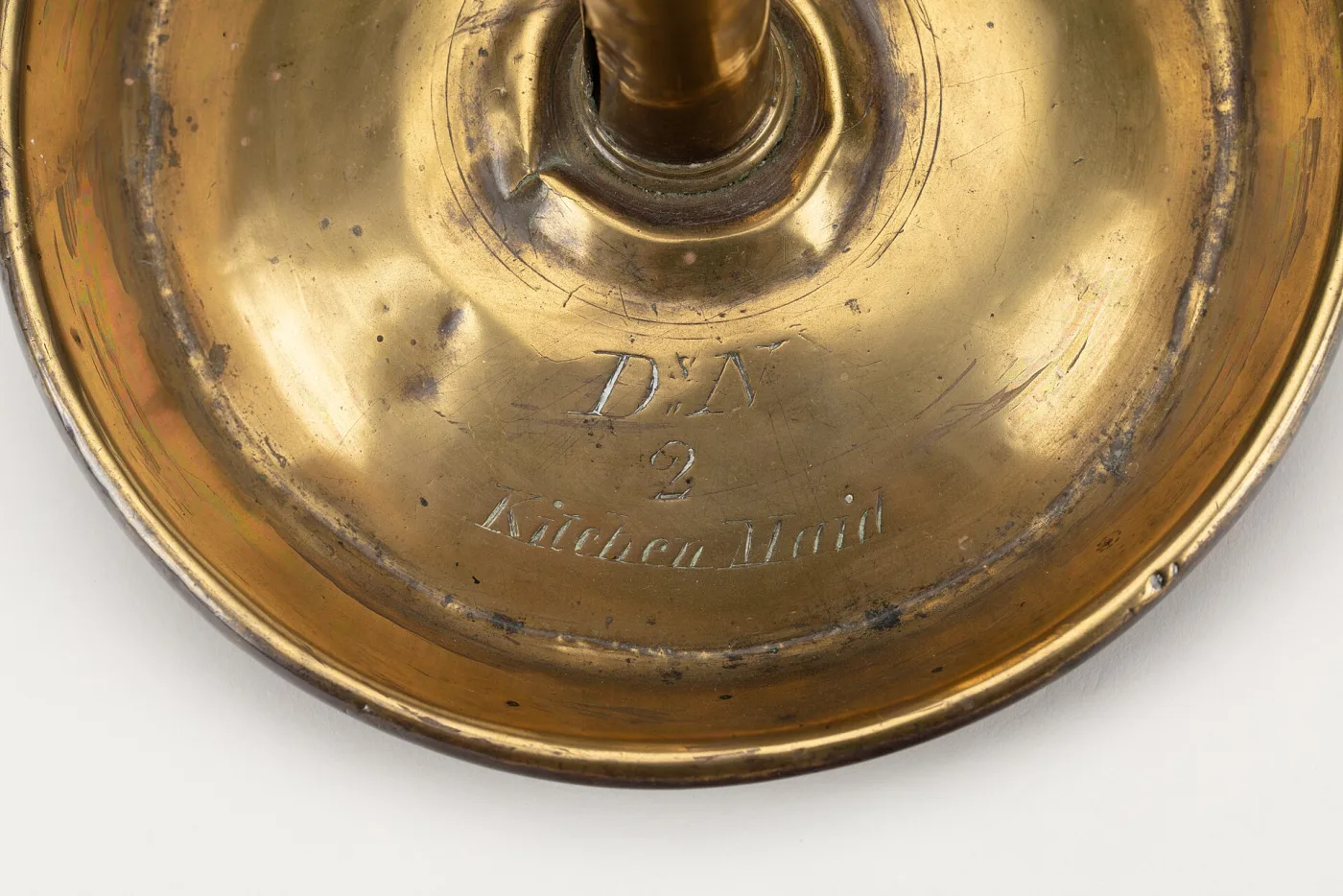
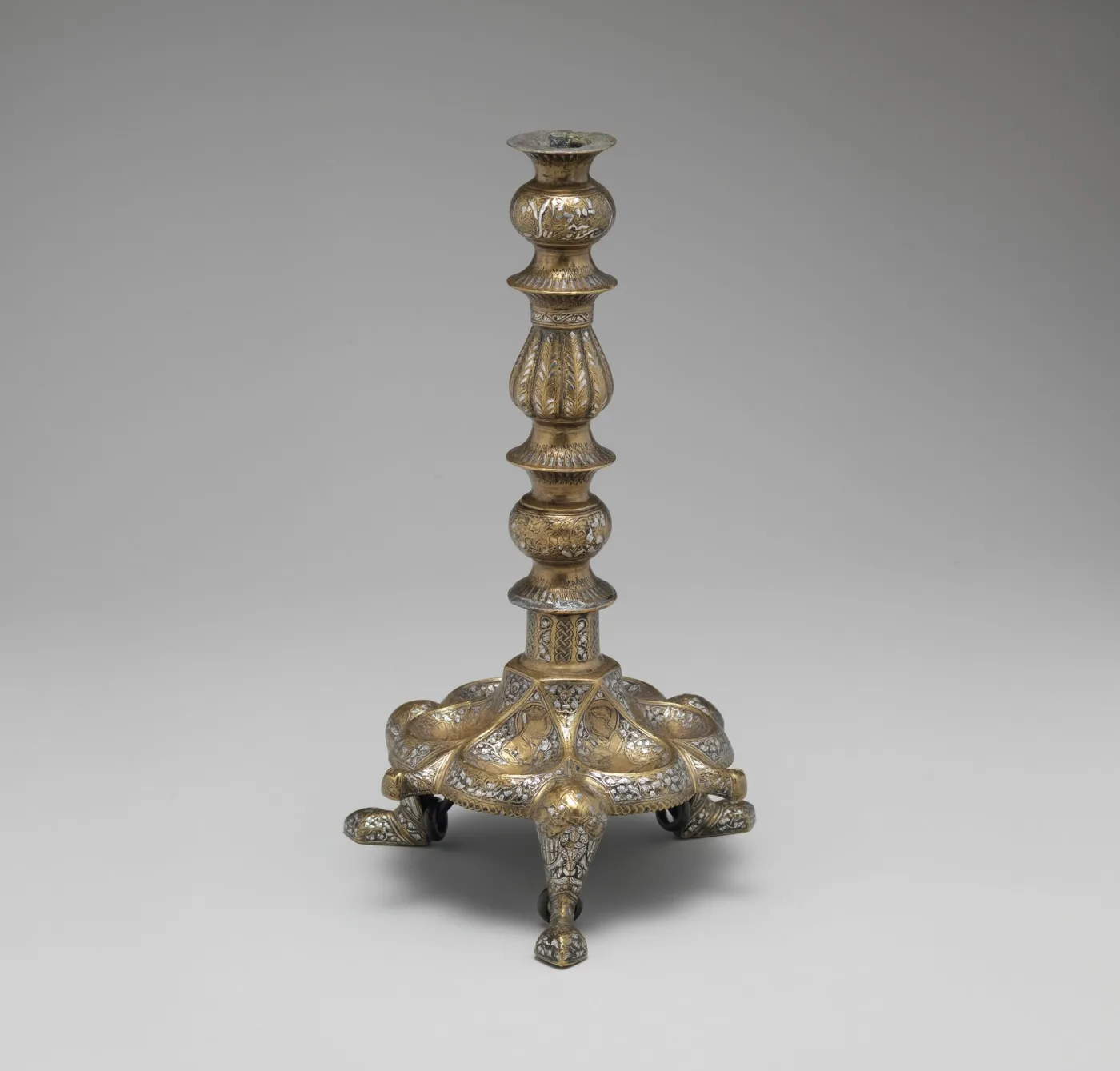
- Brass decorative items: Candlesticks, picture frames, hardware
- Spelter figurines: Mass-produced decorative items, often Art Nouveau
2. Functional Items and Hardware
Practical considerations influenced metal choice:
- Bronze hardware: Door handles, architectural fittings
- Brass instruments: Musical instruments, scientific equipment, ornate cash register cases
- Spelter items: Lamps, small decorative objects
Brass also dominated military ammunition, and spent artillery cases were frequently reworked into trench art — embossed vases, ashtrays, and keepsakes whose base headstamps help identify and date them. Knowing how to tell genuine work-hardened brass from a decorative spelter or resin casting is a useful skill when assessing these war-souvenir pieces.
3. Period-Specific Usage Patterns
Understanding when different metals were popular:
- Victorian era (1837-1901): Heavy use of bronze and brass
- Art Nouveau (1890-1910): Spelter becomes popular for affordable art
- Art Deco (1920-1940): Continued use of all three metals
- Mid-century (1945-1975): Decline in spelter, rise in brass
4. Regional Variations and Makers
Different regions had different preferences:
- French bronzes: Often highest quality, detailed casting
- English brass: Excellent craftsmanship, traditional designs
- German spelter: Mass production, often high artistic quality
- American pieces: Mix of imported and domestic production
Conservation and Care Guidelines
1. Cleaning and Maintenance
Proper care preserves value and appearance:
- Gentle cleaning: Soft cloths, mild soap, avoid abrasives
- Patina preservation: Don't over-clean, preserve natural aging
- Regular maintenance: Dust regularly, avoid harsh chemicals
- Professional consultation: Seek expert advice for valuable items
2. Storage and Display Considerations
Environmental factors affect metal preservation:
- Humidity control: Keep relative humidity below 60%
- Temperature stability: Avoid rapid temperature changes
- Light exposure: Minimize direct sunlight and UV light
- Air circulation: Prevent stagnant air around metal objects
3. Repair and Restoration
When and how to address damage:
- Minor repairs: Often can be done by skilled conservators
- Major restoration: May require specialized metalworking
- Documentation: Record all repairs and alterations
- Reversibility: Choose methods that can be undone if needed
4. Preventive Conservation
Long-term strategies for preservation:
- Regular inspection: Check for signs of active corrosion
- Environmental monitoring: Track temperature and humidity
- Handling protocols: Use gloves, avoid direct skin contact
- Insurance coverage: Ensure valuable items are properly insured
Value and Market Implications
1. Material Impact on Value
How metal choice affects market value:
- Bronze items: Generally highest value, especially sculptures
- Brass objects: Good value, especially quality craftsmanship
- Spelter pieces: Lower value, but can be valuable if rare or well-made
2. Condition and Rarity Factors
Beyond material, other factors influence value:
- Original finish: Preserved patina and decoration add value
- Maker's marks: Known artists or manufacturers increase value
- Rarity: Unusual designs or limited production
- Provenance: Documented history and ownership
3. Market Trends and Demand
Understanding current collector preferences:
- Period popularity: Art Nouveau and Art Deco remain strong
- Regional preferences: French bronzes command premium prices
- Condition sensitivity: Collectors increasingly value original condition
- Restoration acceptance: Quality restoration can enhance value
4. Investment Considerations
Long-term value preservation strategies:
- Quality over quantity: Better to own fewer, better pieces
- Condition maintenance: Regular care preserves investment value
- Market research: Stay informed about trends and prices
- Professional appraisal: Regular valuation updates for insurance
Expert Tips and Best Practices
1. Building Identification Skills
- Study authentic examples in museums and galleries
- Handle as many pieces as possible to develop tactile memory
- Learn from experienced collectors and dealers
- Attend antique shows and auctions for hands-on experience
- Join collector organizations and online forums
2. Avoiding Common Mistakes
- Don't rely solely on color - patina can be misleading
- Avoid aggressive cleaning that removes valuable patina
- Don't assume weight alone indicates material - size matters
- Beware of modern reproductions made to look old
- Always test in inconspicuous areas first
3. Using Technology Wisely
- Use the Antique Identifier app for initial assessment
- Combine digital tools with traditional examination methods
- Photograph items from multiple angles for detailed analysis
- Use magnification tools for examining fine details
- Keep digital records of your collection and findings
4. Professional Consultation
- Seek expert opinion for valuable or unusual items
- Consult conservators for preservation advice
- Get professional appraisals for insurance purposes
- Build relationships with reputable dealers and experts
- Attend educational programs and workshops
Conclusion
Identifying bronze, brass, and spelter in antique metalwork requires a combination of knowledge, experience, and careful observation. While each metal has distinct characteristics, the presence of patina, finishes, and repairs can make identification challenging. The key to successful identification lies in using multiple methods - visual examination, weight comparison, careful testing, and understanding historical context.
Remember that proper identification is not just about determining material composition, but also about understanding the item's history, condition, and value. Whether you're a collector, dealer, or simply interested in antiques, developing these identification skills will enhance your appreciation and understanding of these fascinating historical objects.
As you continue to develop your expertise, consider using modern tools like the Antique Identifier app to supplement traditional identification methods. These digital tools can provide valuable insights while you build your knowledge base through hands-on experience and study.