Antique Wedgwood Identification Guide: Marks, Bodies & Dating
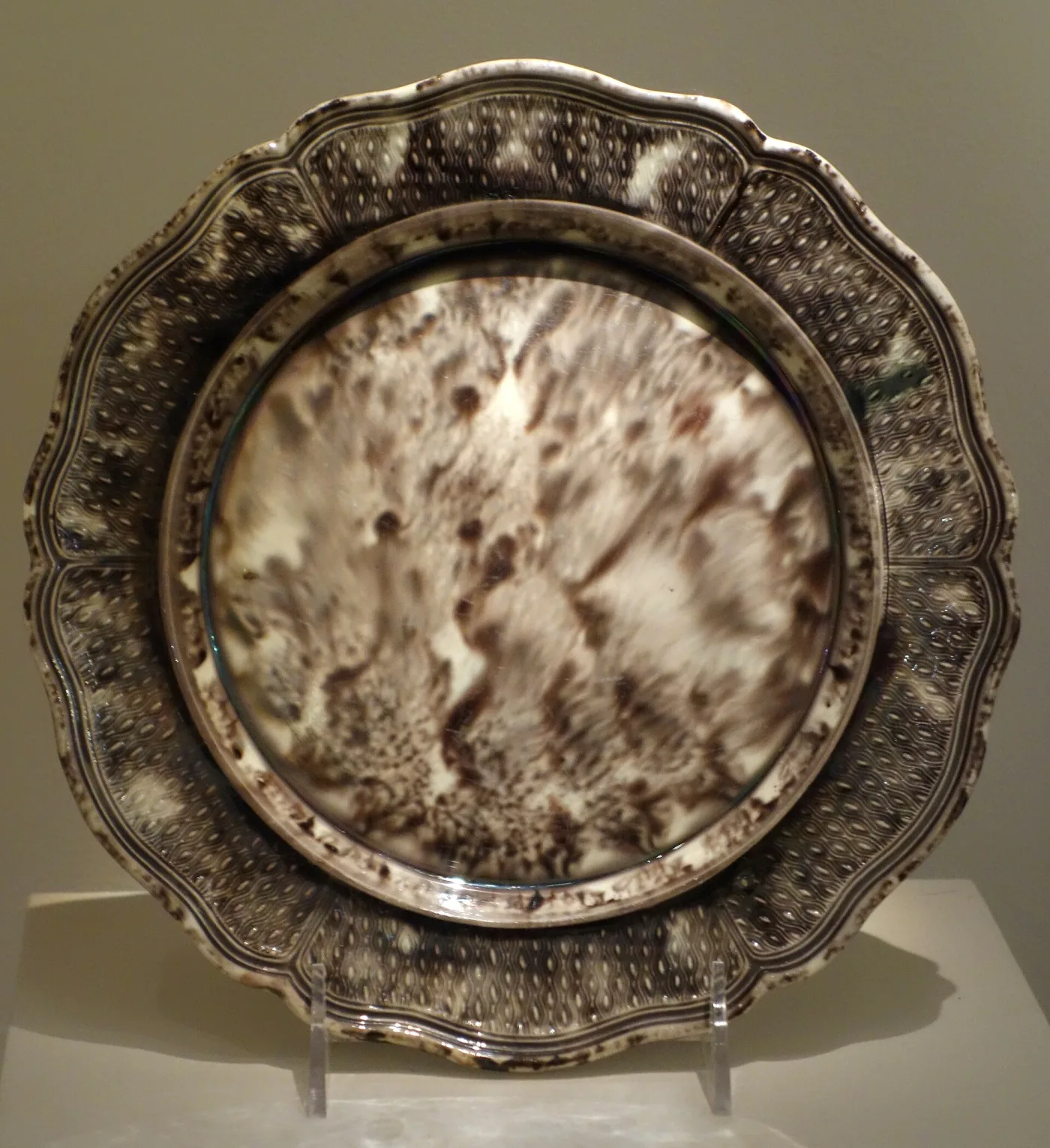
Wedgwood is one of the most collected names in British ceramics, but it is also one of the easiest categories to misread without a methodical process. Collectors often focus on the famous blue-and-white Jasperware first, yet antique Wedgwood includes cream-colored Queen’s Ware, dense black Basalt, printed transferware, encaustic tiles, and many specialized bodies produced over two centuries. If you rely on color alone, you can overpay for modern decorative pieces or overlook genuinely early wares.
This guide explains how to identify antique Wedgwood by combining body type, mark format, decoration style, and construction details. You will learn what to inspect first, how to interpret impressed and printed marks, and how to separate Georgian and Victorian pieces from twentieth-century production. We also cover common reproductions, restoration red flags, and value drivers that matter in today’s collector market.
Use the article as a step-by-step checklist when evaluating a piece in hand, at auction, or from online photos. By the end, you should be able to narrow an object to likely era, production family, and authenticity level before you make a buying decision.
Table of Contents
- What Counts as Antique Wedgwood?
- Wedgwood Timeline and Key Production Eras
- Identify the Ceramic Body First
- Reading Wedgwood Marks and Impressions
- Pattern Names, Shape Numbers, and Decor Codes
- Jasperware Authentication Checklist
- Queen’s Ware, Pearlware, and Cream-Colored Bodies
- Black Basalt, Caneware, and Other Specialty Bodies
- Dating by Construction and Wear
- Common Reproductions and Misattributions
- Condition, Restoration, and Value Impact
- Buying Strategy and Collector Priorities
- Documentation, Storage, and Long-Term Care
- Case Studies: Fast Era Estimation in the Field
- Reference Sources Worth Trusting
- 30-Second Wedgwood Triage Checklist
What Counts as Antique Wedgwood?
In strict trade usage, “antique” generally means at least 100 years old. For Wedgwood, that puts many collectible objects into three broad antique windows: late Georgian production, nineteenth-century wares, and early twentieth-century pieces now crossing the century threshold. Not every item with the Wedgwood name qualifies as antique, and not every old-looking blue-and-white object is Jasperware from the classic period.
The safest definition combines age with verifiable factory origin. True Wedgwood antiques were produced by the Wedgwood firm (or documented factory succession) and show body, mark, and decoration combinations appropriate to their period. A piece can be genuinely old but mismatched, heavily restored, or assembled from unrelated components. Identification is therefore not just about date; it is about integrity.
Why precise terminology matters
Many sellers use “vintage Wedgwood” and “antique Wedgwood” interchangeably. That creates pricing confusion. A mid-century cabinet plate may be collectible, but it is not comparable to a Georgian creamware service piece or a documented nineteenth-century Jasperware plaque. Accurate wording protects buyers, helps insurance valuation, and improves search results when you catalog your own collection.
Wedgwood Timeline and Key Production Eras
Josiah Wedgwood founded the company in the eighteenth century, and by the 1760s the firm had already become a major force in industrial ceramics. Early success came through refined cream-bodied tablewares and disciplined quality control. During the late eighteenth and nineteenth centuries, the factory expanded into ornamental wares, black Basalt, Jasper, transfer-printed lines, and export-focused designs tailored to different markets.
Collectors should think in eras rather than single dates. Georgian and Regency wares often show hand-finished character and restrained palettes; Victorian production expands range and quantity; late nineteenth and Edwardian periods introduce broader decorative variety and larger global distribution. Twentieth-century Wedgwood remains important but is more likely to be cataloged as vintage unless early enough to meet the antique threshold.
Era clues visible without specialist tools
Even before reading a mark, look at body tone, profile, and decoration discipline. Earlier pieces frequently show subtle asymmetry from hand finishing, soft glaze transitions, and foot rims worn by natural table use. Later pieces may be cleaner, more standardized, and sometimes include additional factory coding systems that did not exist in earlier periods.
Identify the Ceramic Body First
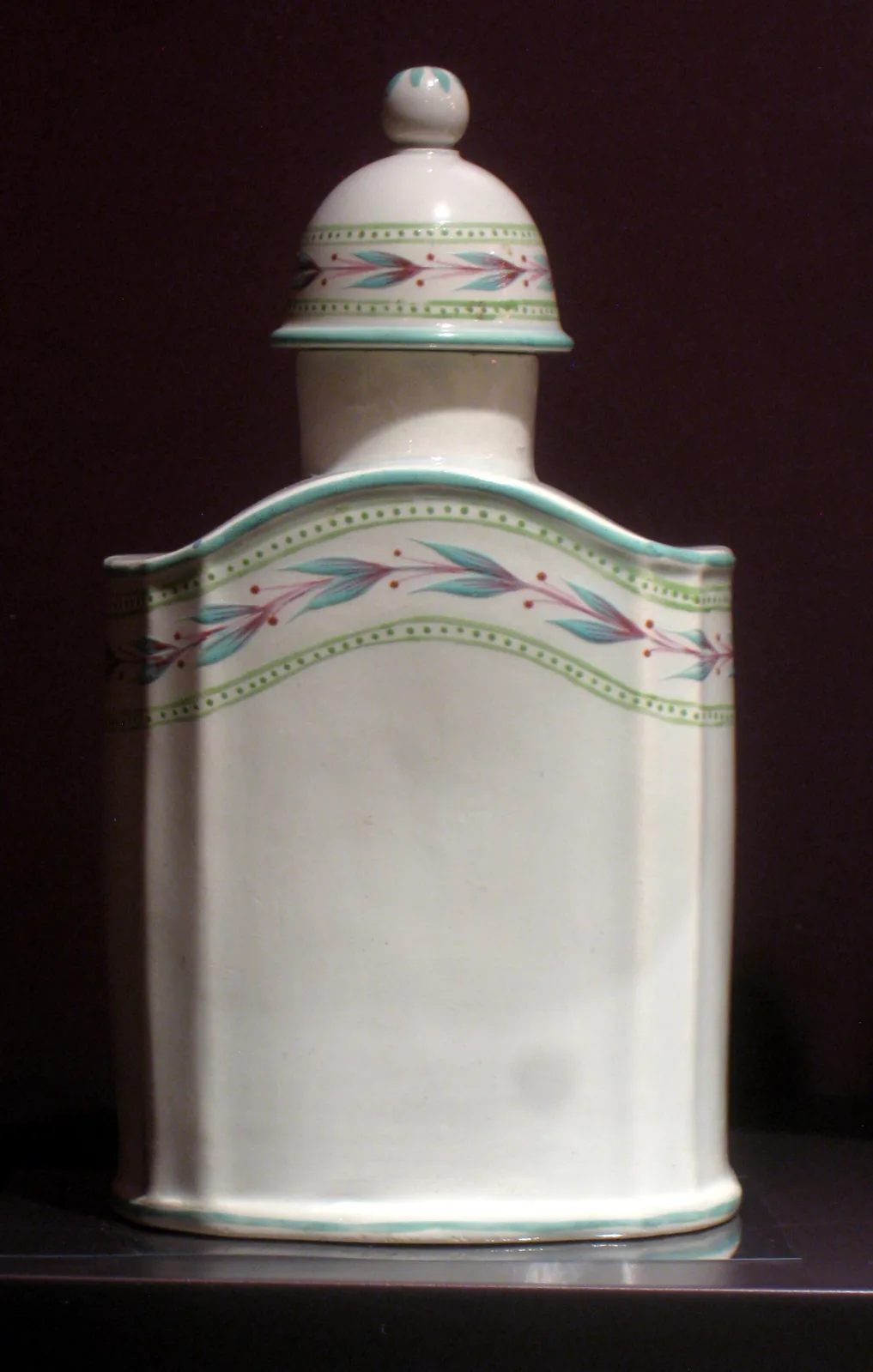
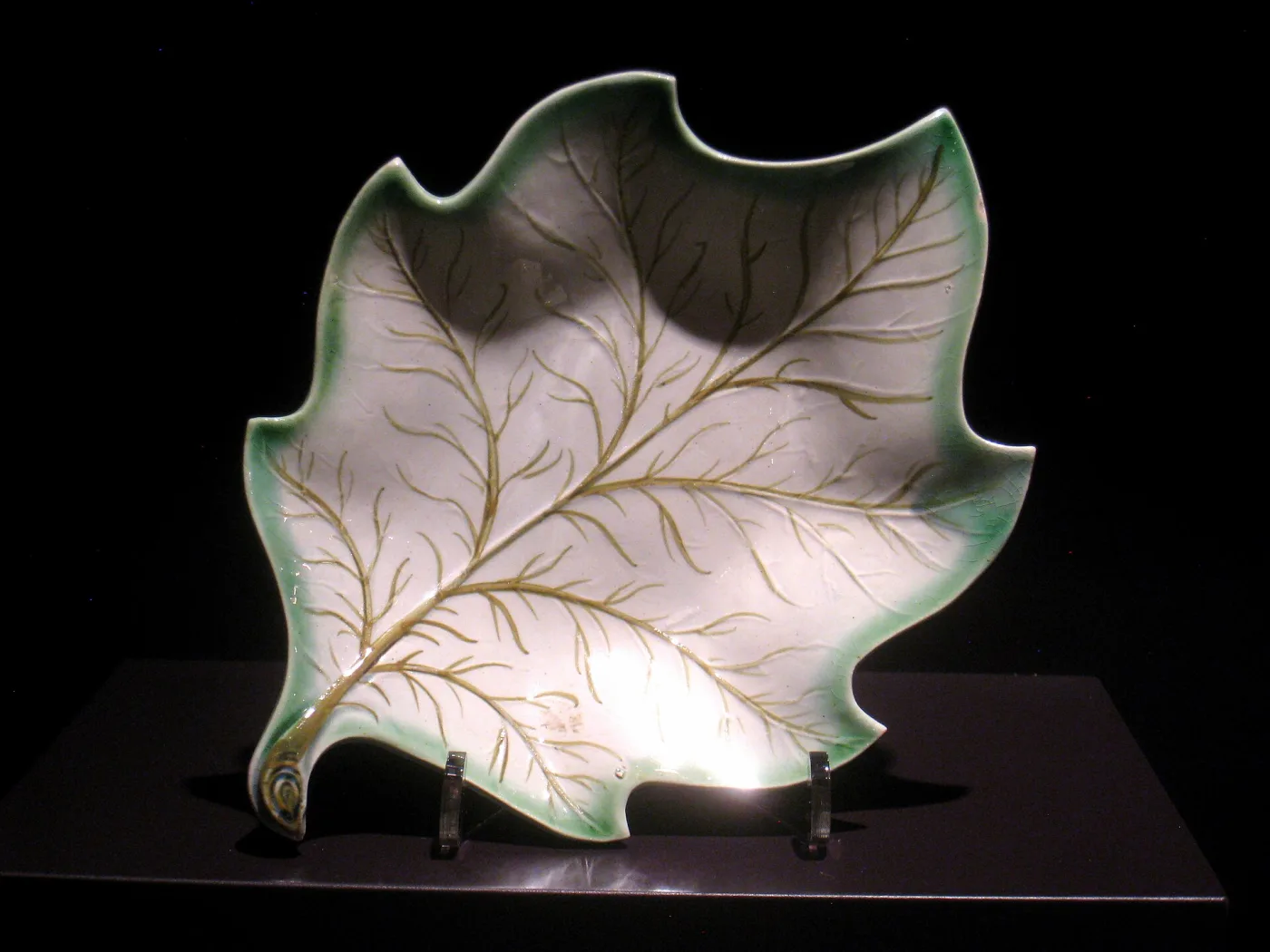
The most reliable way to begin is to identify the ceramic body, because body type limits what marks and decorations are plausible. Wedgwood produced multiple bodies with distinct color, texture, and weight. Jasperware has a matte biscuit finish and applied reliefs; Black Basalt is unglazed, dense, and charcoal-to-black; Queen’s Ware is cream-toned with glazed surfaces; Caneware tends toward warm buff tones. Because the jasper body divides further into solid and dipped versions that look alike but are valued differently, it is worth working through dating jasperware by mark and body before pricing a piece.
When the body and the mark conflict, pause. A shiny glazed surface with suspiciously bright white reliefs should not be treated as classic matte Jasperware without further evidence. Likewise, a lightweight black object marketed as Basalt may actually be later decorative stoneware. Body-first identification keeps you from being overly persuaded by a single impressed word.
Practical body assessment
Use neutral light and inspect under magnification if possible. Evaluate porosity at the foot rim, sharpness of molded ornament, and whether relief decoration sits naturally within the design or appears mechanically attached. On genuine period wares, details feel integrated: form, body, and decoration look like one production concept rather than separate parts forced together.
Reading Wedgwood Marks and Impressions
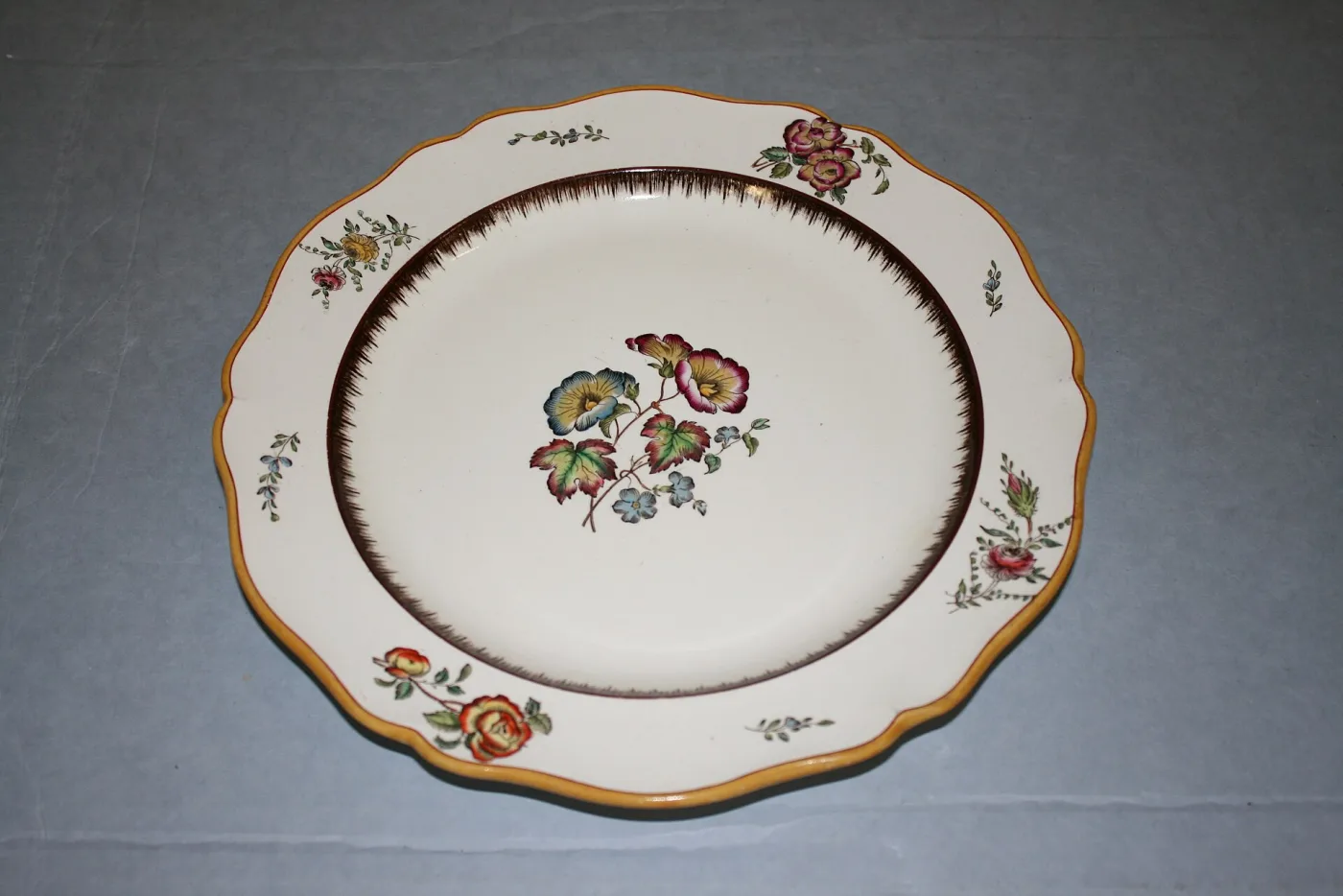
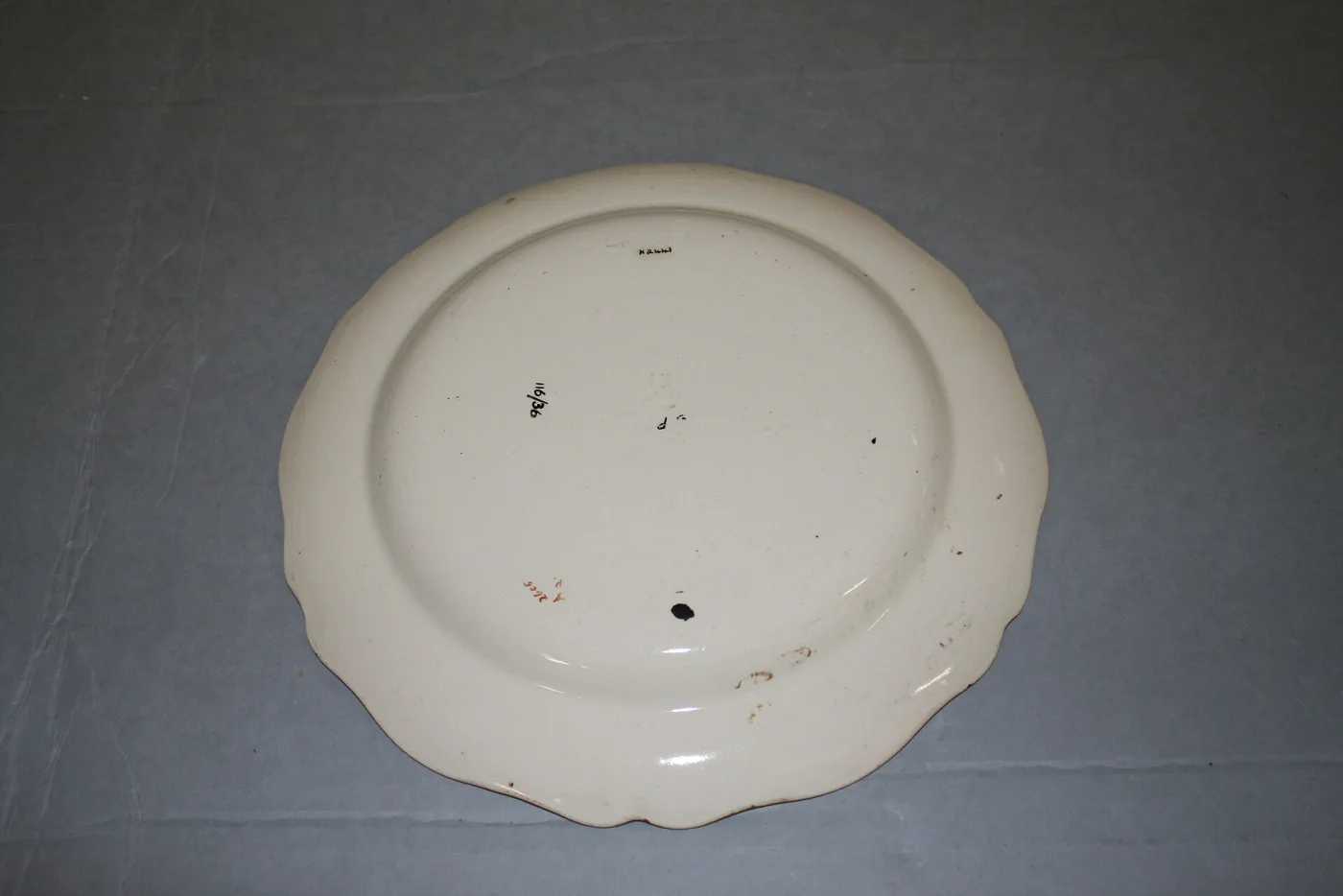
Most collectors start at the base, but mark reading should happen after body identification. Wedgwood marks can be impressed, printed, or painted, and their form evolved over time. Letter spacing, depth of impression, and companion marks all matter. A sharply modern stamp on a supposedly eighteenth-century body is a warning sign; so is a blurred impression that appears cast from a molded copy.
Learn to read the full base story: main name, possible country mark, potter’s or workman’s mark, shape number, and any date coding in use for the period. No single element proves age by itself. Authenticity comes from consistency among all elements.
High-confidence mark habits
Photograph marks in raking light to reveal depth and edge quality. Compare with trusted references from museums, auction archives, and specialized Wedgwood literature. Avoid broad internet image grids without provenance, as they often mix authentic pieces, reproductions, and modern commemoratives without context.

Pattern Names, Shape Numbers, and Decor Codes
Wedgwood produced thousands of forms and decorative treatments. Pattern names and shape numbers are crucial because they can confirm whether a colorway, relief motif, and vessel form were actually issued together. Unscrupulous sellers occasionally pair an authentic base with a mismatched lid or mount to increase value. Catalog congruence is the antidote.
When possible, cross-check shape numbers with known catalog entries and archived auction descriptions. If a piece claims rarity, demand stronger documentation rather than accepting the rarity claim itself as proof. True rarities usually come with publication history, institutional comparisons, or long collection provenance.
Red flags in coding and labels
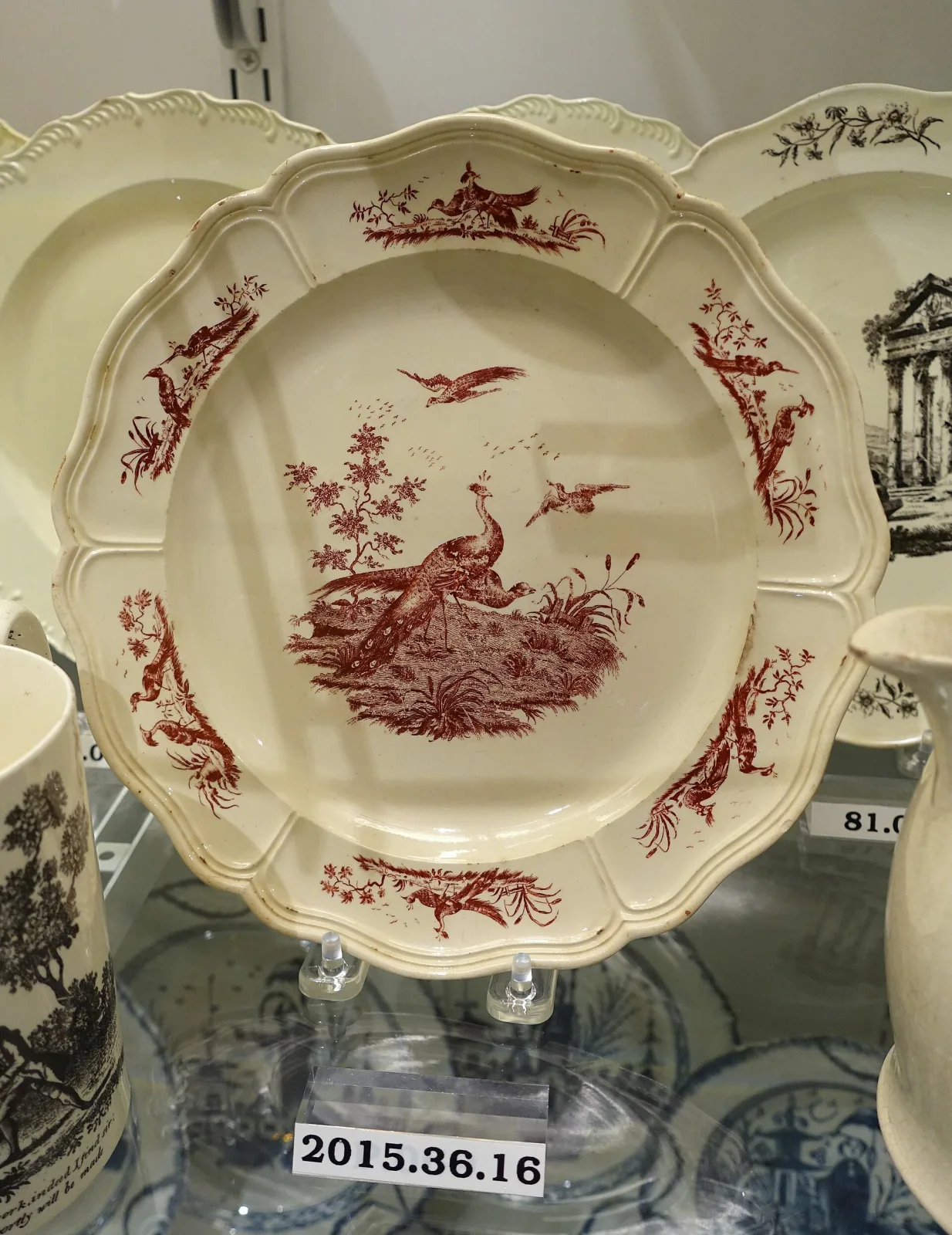
Be wary of modern adhesive labels used to imply antique status. Labels can be moved. Also watch for altered numerals where later overpainting or filler obscures original digits. Under magnification, genuine factory numbers usually integrate with glaze and wear patterns; altered numbers do not.
Jasperware Authentication Checklist
Jasperware is the best-known Wedgwood category, and therefore the most frequently copied. Start with body texture: antique Jasperware is matte and finely grained, not glossy like many modern decorative imitations. Relief applications should be crisp yet harmonious with the vessel curve. Overly thick reliefs, gummy edges, or repeated motifs that look mechanically duplicated can indicate later reproductions.
Color matters too, but there is no single “correct” blue. Antique blues vary with production era, firing, and aging. Evaluate color in conjunction with body, mark, and decoration quality. Purely color-based judgments are unreliable.
What advanced collectors check
Experienced collectors inspect seam treatment, relief join lines, and minute molding transitions around handles and rims. They also compare similar pieces side by side to assess whether relief depth and edge sharpness align with known originals. A piece may still be genuine with minor factory variation, but major inconsistency deserves caution.
Queen’s Ware, Pearlware, and Cream-Colored Bodies
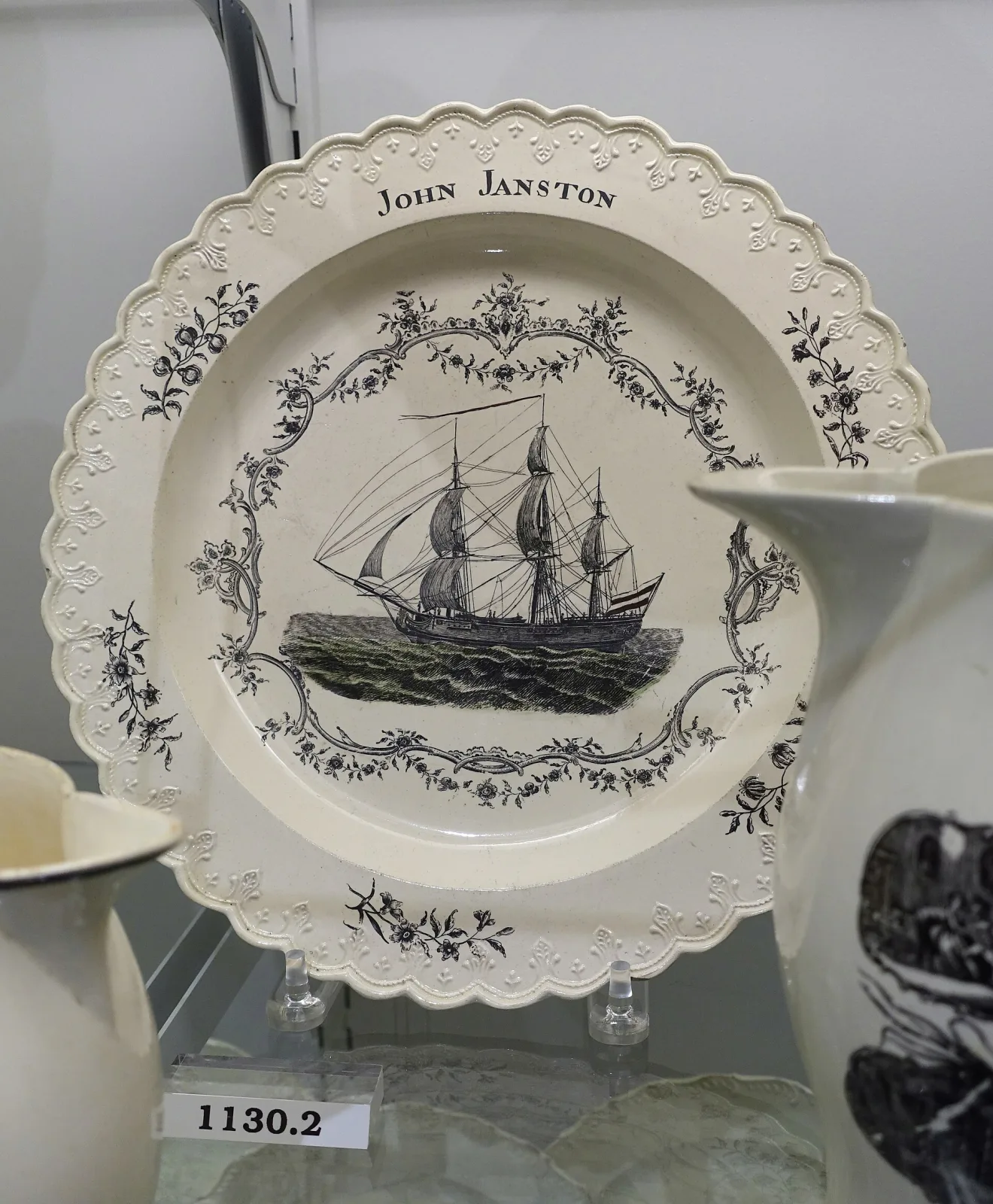
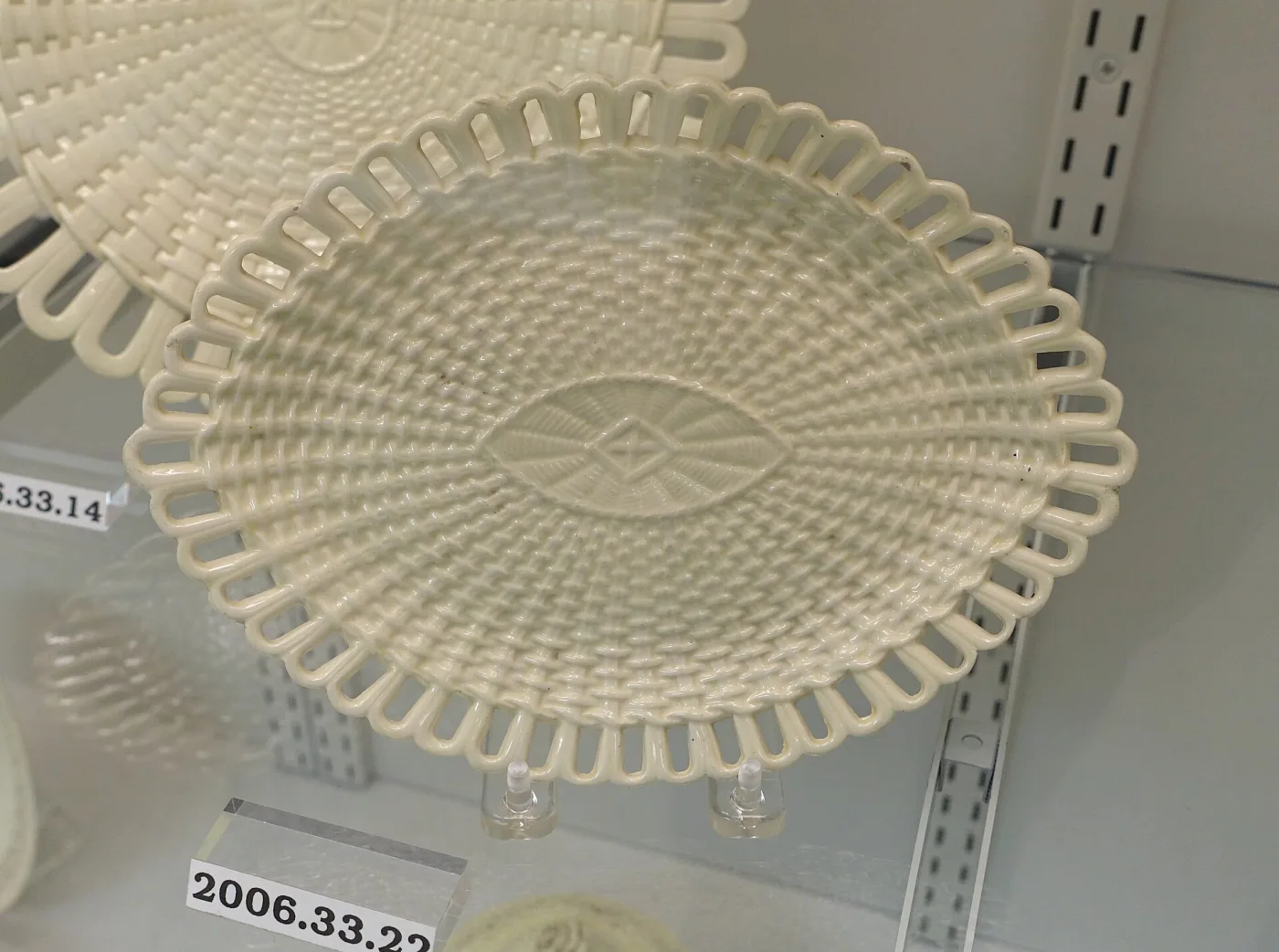
Queen’s Ware and related cream-bodied wares are central to early Wedgwood collecting. These wares emphasize refined shape, elegant utility, and subtle glaze character rather than high-relief ornament. On antique examples, glaze wear and base abrasion should appear consistent with genuine age and use. Artificial distress often looks patchy, with abrupt transitions and unnatural scratch patterns.
Pearl-toned and cream-toned bodies can be confused with products from other Staffordshire pottery makers. Identification depends on the whole package: body tone, rim style, transfer or hand decoration quality, and mark congruence. If only one component supports a Wedgwood attribution, keep the attribution tentative.
Transfer decoration and border logic
In transfer-printed wares, examine registration quality, line clarity, and border alignment around handles or spouts. Period transfer printing can show slight irregularity, but motifs should remain coherent. Blurry outlines combined with suspiciously fresh color may indicate later reproduction transfer or over-decoration.
Black Basalt, Caneware, and Other Specialty Bodies
Black Basalt is prized for sculptural forms, portrait medallions, and neoclassical inspiration. Genuine antique Basalt typically feels dense, with a dry, satin-like surface rather than glossy black glaze. Chips reveal body continuity instead of painted surface color. Reproductions often fail this test, showing coating differences or lighter clay beneath black surface treatment.
Caneware and other buff bodies can appear deceptively simple, making attribution challenging. Focus on profile refinement, molding quality, and mark compatibility. Some later decorative wares imitate historical silhouettes but lack the precision, balance, and surface finish seen in period pieces.
Mounted wares and mixed-material issues
Many Wedgwood objects were mounted in silver, ormolu, or brass either at manufacture or later in life. Mounts can add value but also complicate dating. Confirm whether mount wear, screw threads, and attachment points are period-consistent. A modern mount on an antique body is not necessarily deceptive, but it must be disclosed and priced accordingly.
Dating by Construction and Wear
Construction evidence is often more truthful than labels. Study the foot rim, interior finish, mold seams, and junction points. Natural age wear tends to be smooth, gradual, and concentrated where handling occurs. Artificial aging may appear random, overly dramatic, or chemically uniform in ways that do not match normal use.
On tablewares, look for stacking wear and utensil traces that align with expected household function. On ornamental pieces, inspect high points and handling zones such as handles, finials, and bases. Inconsistent wear distribution can reveal assembled or altered objects.
Comparative dating workflow
Create a small digital reference set of authenticated examples by era and body type. Compare your candidate piece against references in form, mark style, and surface behavior under angled light. This disciplined comparison often prevents expensive impulse purchases driven by attractive decoration alone.
Common Reproductions and Misattributions
Wedgwood-style wares have been copied for more than a century. The most common issues include modern Jasper-style plaques sold as antique, transferware with copied marks, and generic neoclassical black wares incorrectly labeled as Basalt. Another frequent problem is optimistic attribution: sellers listing a piece as Wedgwood because it resembles known forms without documentary support.
Online marketplaces amplify this issue because photos may hide foot-rim details, relief edges, and repaired areas. Always request clear base photos, side profiles, and close-ups of any marks. If the seller refuses or provides low-quality images repeatedly, treat that as a data problem, not a negotiation opportunity.
Risk control before payment
Prioritize sellers who provide return policies, condition transparency, and provenance statements. For high-value items, require third-party condition reports or specialist review. A small verification cost is far cheaper than owning a misattributed piece that is difficult to resell.
Condition, Restoration, and Value Impact
Condition grading is critical in Wedgwood valuation. Hairlines, rim chips, restored reliefs, drilled holes, and overpainted surfaces can significantly reduce value, even when the piece is authentic. In some categories, professionally documented restoration is acceptable; in others, especially top-tier Jasper plaques or rare forms, restoration can dramatically alter price ceilings.
Use strong side lighting to detect filled chips and repaint. UV tools can help identify restoration in some cases, but interpretation requires experience because not all materials react equally. Whenever possible, include restoration findings in your records and insurance notes.
How condition affects different categories
Functional tablewares tolerate minor wear better than museum-level ornamental pieces. For high-relief Jasperware, even small losses at relief edges can be disproportionately important. For Basalt portrait medallions, edge integrity and crisp detail are central value drivers. Context matters: condition should be judged against the rarity and intended collecting category.
Buying Strategy and Collector Priorities
Define your collecting focus before you buy: early creamwares, classic Jasper colors, neoclassical Basalt, or specific pattern families. Focus improves decision quality because you develop visual familiarity quickly within one lane. Scattered buying across many styles often leads to uneven quality and duplicated mistakes.
Track realized prices rather than asking prices. Auction archives and dealer records reveal what informed buyers actually pay for comparable condition and form. Build a personal grading matrix covering authenticity confidence, condition level, rarity, and desirability. This turns subjective enthusiasm into repeatable purchasing logic.
Negotiation and documentation basics
Ask direct questions about repairs, chips, and provenance. Request written confirmations where possible. Keep invoices, correspondence, and photo records linked to each piece. This documentation strengthens insurance claims, future resale listings, and estate planning for significant collections.
Documentation, Storage, and Long-Term Care
Antique ceramics need stable storage conditions: moderate temperature, controlled humidity, and protection from vibration. Avoid direct sunlight on Jasperware and transfer-decorated wares, as prolonged exposure can mute color perception and stress adhesives in older repairs. Use padded, inert supports for display and never stack delicate relief pieces without separators.
Handle Wedgwood by the body rather than handles, lids, or applied relief. Clean with soft cloths and minimal moisture; avoid aggressive detergents and never use abrasive pads on matte surfaces. If professional restoration is required, work with conservators familiar with historical ceramics and request a full treatment report.
Building a durable collection record
Create a digital catalog entry for every object including dimensions, weight, marks, condition notes, and acquisition source. Add macro photos of base marks and any repaired zones. Over time, your own database becomes a powerful authentication tool, helping you spot outliers and maintain consistent standards as your collection grows.
Case Studies: Fast Era Estimation in the Field
Collectors often need quick decisions at estate sales, fairs, and auctions where detailed research time is limited. The goal in these settings is not perfect attribution in sixty seconds; it is risk control. A structured triage approach helps you decide whether to buy, hold, or walk away. Start with body, then mark, then decoration logic, and only then price. This order prevents the most common mistake: deciding value before establishing authenticity confidence.
Consider a common scenario: a blue Jasper-style covered box marked WEDGWOOD. At first glance it looks convincing. Under closer review, the body is slightly glossy, relief edges are soft, and the lid fit is loose. The mark appears shallow and smeared rather than crisply impressed. None of these details alone proves reproduction, but together they lower confidence dramatically. In a live market setting, the disciplined move is to treat it as decorative unless further evidence appears.
Now compare that with a second scenario: a cream-bodied plate with restrained transfer border, light but natural utensil wear, and coherent foot-rim abrasion. The mark is clean, with additional shape information consistent with known tableware forms. Even if you cannot assign an exact year on site, confidence is high enough for a calculated purchase at a fair price band. Field judgment is about stacking probabilities, not achieving scholarly certainty before checkout.
How professionals reduce errors under time pressure
Experienced buyers use short written checklists on their phones and photograph every candidate piece in the same sequence: full view, side profile, foot, mark close-up, and any damage zones. This habit improves later review and creates a verifiable record if a dispute occurs. It also keeps emotions in check when a supposedly rare object appears at an attractive price. The faster your pulse, the slower your checklist should become.
Reference Sources Worth Trusting
Reliable identification depends on reliable references. Use museum collections, major auction archives, institutional publications, and specialist dealer catalogs with provenance detail. These sources usually include consistent photography, dimensions, and condition reporting that let you compare more than just appearance. They also reduce the risk of learning from mislabeled examples copied across low-quality websites.
Primary-source material is especially useful for Wedgwood because form and decoration changed across long production runs. Factory-era catalogs, period advertisements, and documented service lists can clarify whether a specific shape and pattern combination was standard, limited, or unusual. When a seller claims “one-of-a-kind,” references help determine whether you are looking at a genuine rarity or a mismatched assembly presented as exceptional.
Build a layered reference system. Keep quick-access visual references for field buying, and maintain deeper sources for high-value verification at home. Annotate your findings rather than relying on memory. Over time, your notes become more valuable than generic image boards because they preserve context: where data came from, what uncertainty remained, and why you accepted or rejected an attribution.
Reference discipline for online buying
When buying online, create a rule that no object enters your collection without at least two independent reference matches for form and mark style. If only one weak comparison exists, classify the object as speculative and price it accordingly. This single rule dramatically lowers misattribution risk and protects your budget for better-documented pieces.
30-Second Wedgwood Triage Checklist
Use this quick triage when you encounter a potential Wedgwood piece and need an immediate confidence estimate:
1) Body: Does texture, color, and weight align with a known Wedgwood body family (Jasper, Basalt, Queen’s Ware, etc.)?
2) Mark: Is the mark crisp, coherent, and compatible with the claimed era and body?
3) Decoration logic: Do motif, border, and shape belong together, or do they feel assembled?
4) Wear pattern: Is wear natural, gradual, and function-consistent, or artificially staged?
5) Condition impact: Are chips, hairlines, or restoration disclosed and priced into the offer?
6) Documentation: Is there provenance, invoice history, or a clear return policy?
If four or more points are strong, proceed with normal due diligence. If two or more points fail, downgrade confidence and either negotiate aggressively or pass. This method prevents overpaying for attractive but uncertain pieces and keeps your collection quality moving upward over time.
From triage to final decision
After triage, move to full verification for any object above your routine spending threshold. Re-check mark photos in raking light, compare dimensions with documented examples, and assess restoration under magnification. The best collectors combine quick instincts with slow confirmation. Confidence comes from process, not luck.