Complete Guide to Antique Ceramics and Pottery Identification 2026
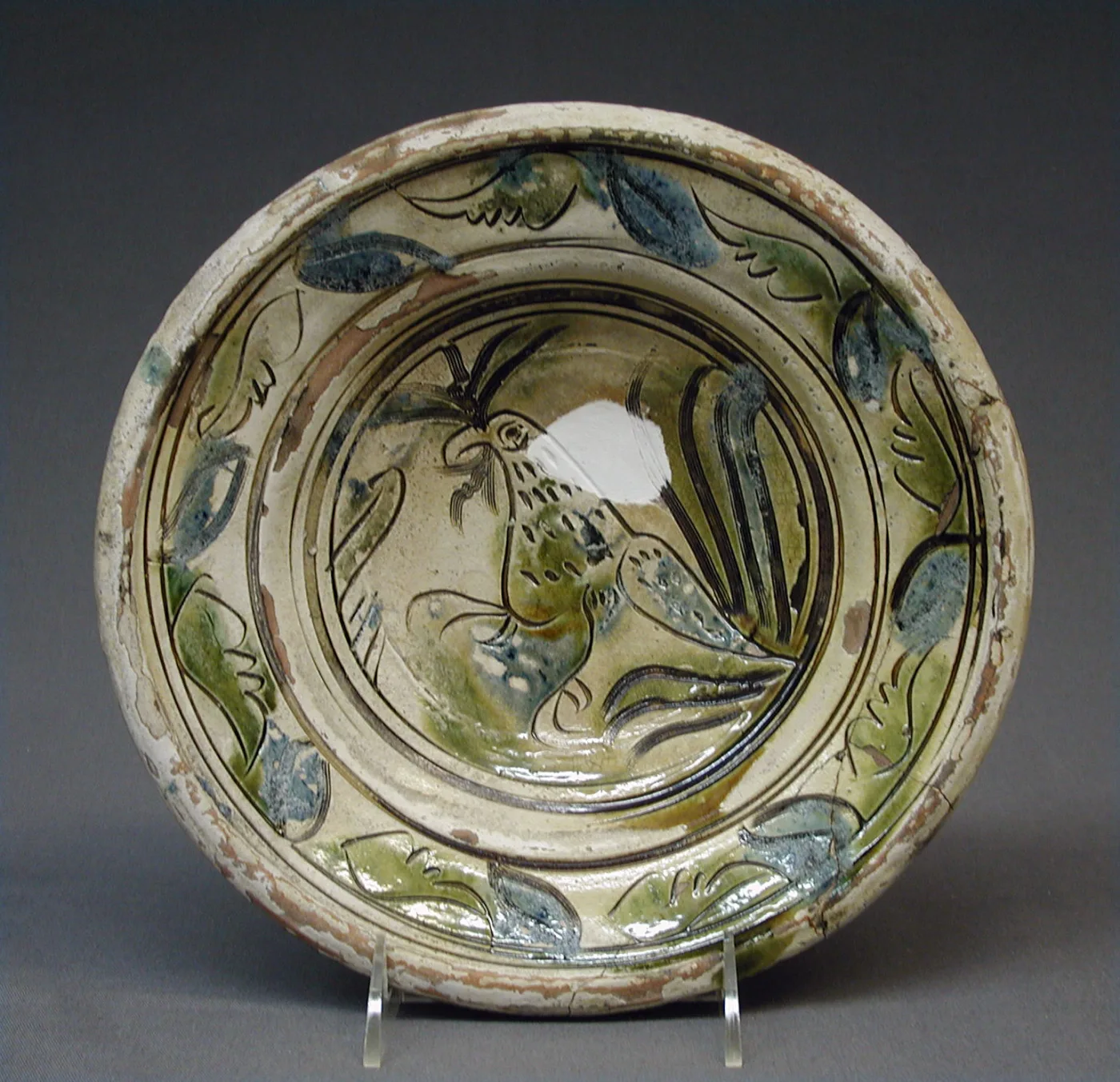
Antique ceramics and pottery represent some of the most fascinating and valuable collectibles in the antique world. From ancient Chinese porcelain to Art Nouveau ceramics, these pieces tell stories of human creativity, technological advancement, and cultural heritage. This comprehensive guide will equip you with the knowledge to identify, date, authenticate, and value antique ceramic pieces with confidence. Whether you're using traditional methods or modern tools like the Antique Identifier app, understanding these fundamentals is crucial for any serious collector.
Table of Contents
- Understanding the Basics: What Are Antique Ceramics?
- Essential Identification Techniques for Antique Ceramics
- Mark Identification: The Key to Dating and Attribution
- Decorative Techniques and Styles
- Advanced Dating Techniques for Antique Ceramics
- Authentication Methods: Separating Genuine Antiques from Reproductions
- Valuation and Market Assessment
- Specialized Ceramic Categories and Their Identification
- Care, Conservation, and Preservation
- Building a Ceramic Collection: Expert Tips
- Common Mistakes and How to Avoid Them
- Future Trends in Antique Ceramics
Understanding the Basics: What Are Antique Ceramics?
Before diving into identification techniques, it's essential to understand what constitutes antique ceramics and the fundamental differences between various types. Antique ceramics generally refer to ceramic objects that are at least 100 years old, though some collectors consider pieces from the early 20th century as antique as well.
Types of Antique Ceramics
Antique ceramics can be broadly categorized into several main types, each with distinct characteristics and identification markers:
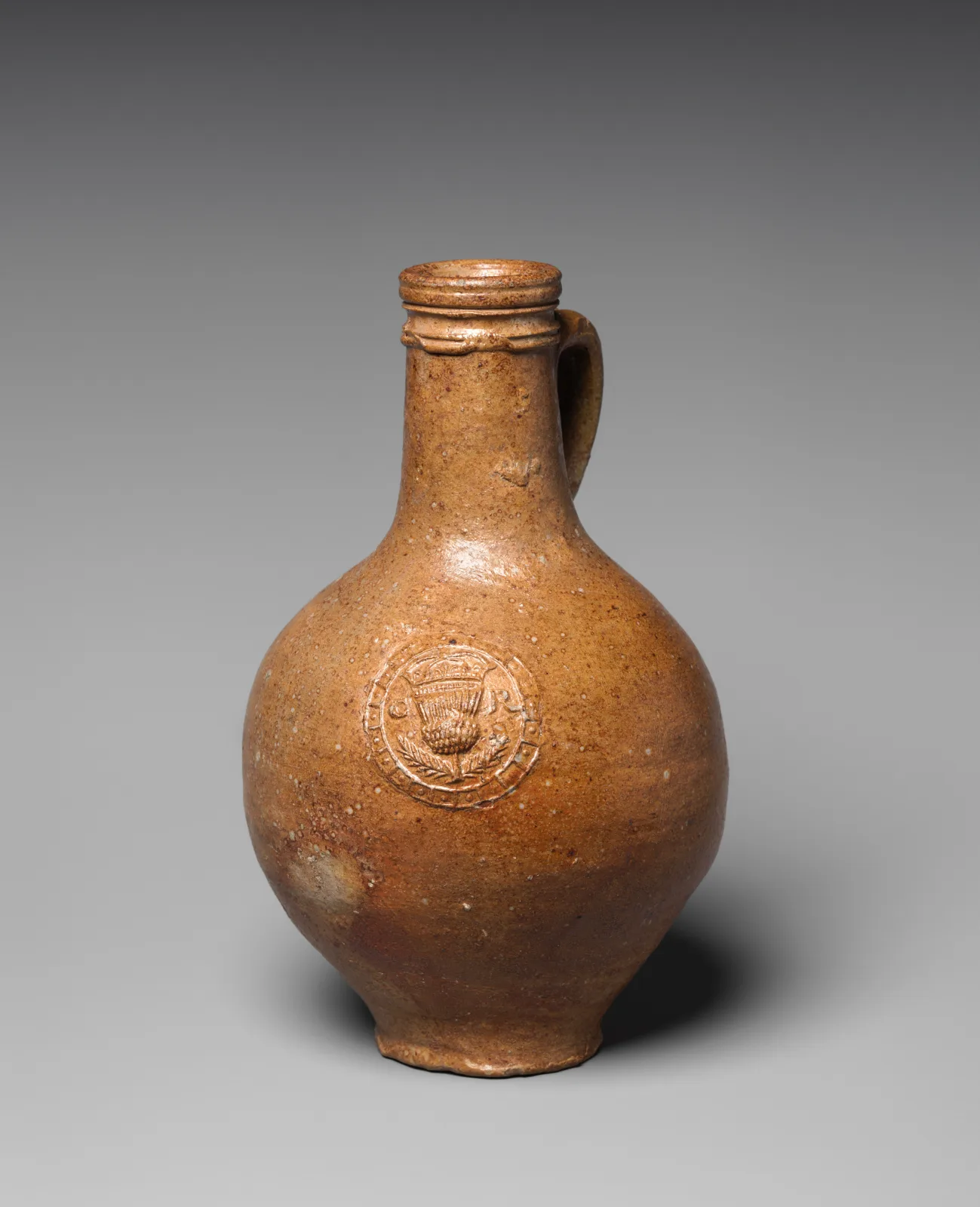
1. Earthenware
Earthenware is the oldest and most basic form of pottery, made from clay fired at relatively low temperatures (1,000-1,200°C). It's porous, meaning it can absorb water, and is typically glazed to make it waterproof. Earthenware includes:
- Redware: Common in early American and European households, characterized by its reddish-brown color
- Yellowware: Cream-colored pottery popular in 19th-century America
- Slipware: Decorated with colored clay slips, often featuring intricate designs; the industrial version, mochaware, carries banded, dendritic, and earthworm slip patterns
2. Stoneware
Stoneware is fired at higher temperatures (1,200-1,300°C), making it non-porous and more durable than earthenware. It's typically gray, brown, or white and was commonly used for:
- Storage crocks and jugs
- Kitchenware and tableware
- Industrial containers
3. Porcelain
Porcelain is the most refined and valuable type of ceramic, fired at very high temperatures (1,300-1,400°C). It's characterized by its:
- Translucent white body
- Hard, glass-like surface
- High resistance to thermal shock
- Superior strength and durability
4. Bone China
Bone china is a type of porcelain that contains bone ash, giving it a distinctive warm, creamy color and exceptional strength. It was developed in England in the late 18th century and remains highly prized today.
Essential Identification Techniques for Antique Ceramics
Successfully identifying antique ceramics requires a systematic approach that examines multiple aspects of the piece. Here are the key identification methods used by experts:
1. Visual Examination and Physical Characteristics
The first step in ceramic identification is a thorough visual examination. Look for these key characteristics:
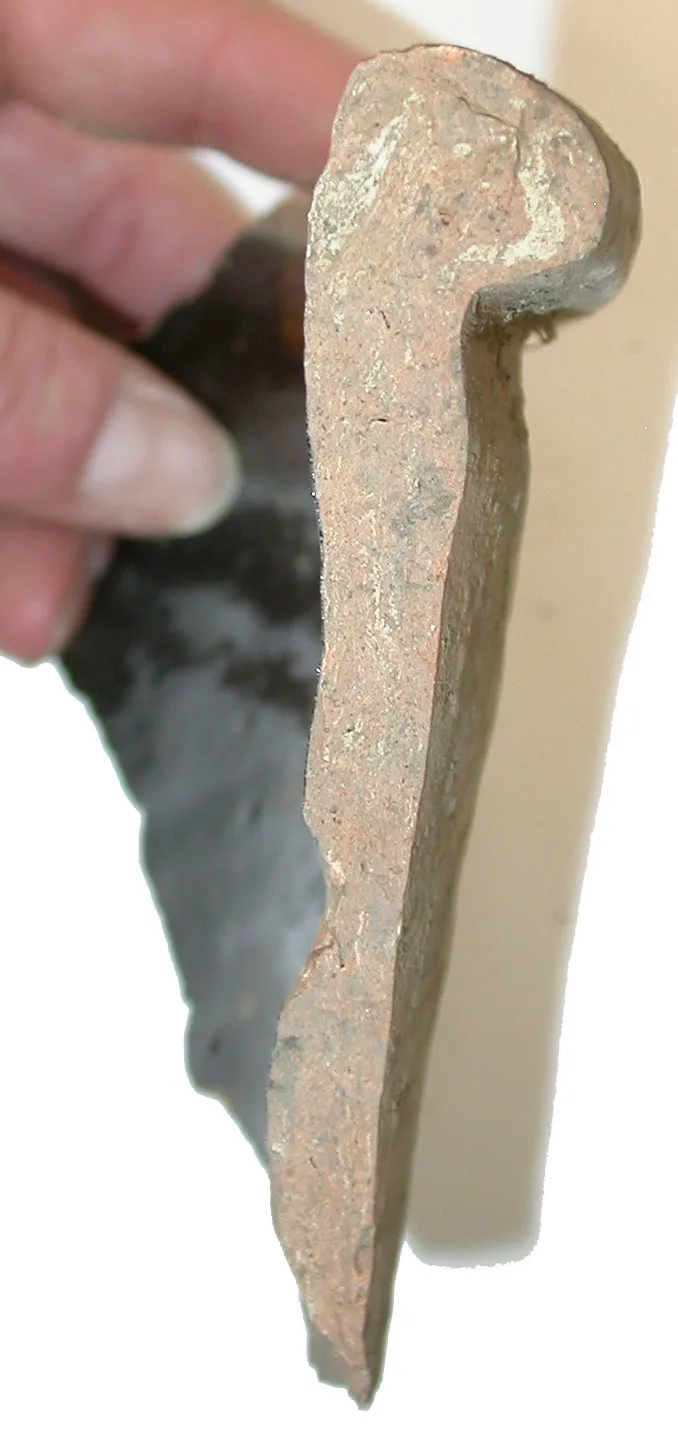
Body Color and Texture
The color and texture of the ceramic body can provide immediate clues about its type and age:
- White or cream: Usually indicates porcelain or bone china
- Reddish-brown: Typical of earthenware
- Gray or brown: Often indicates stoneware
- Rough, grainy texture: Usually older, less refined pieces
- Smooth, fine texture: Indicates higher quality and often newer manufacture
Glaze Characteristics
The glaze can reveal much about a piece's age and origin:
- Crazing: Fine cracks in the glaze surface, common in older pieces
- Glaze thickness: Older pieces often have thicker, more uneven glazes
- Glaze color: Certain colors and effects were popular in specific periods
- Glaze imperfections: Bubbles, drips, and other flaws often indicate handcrafted pieces
Mark Identification: The Key to Dating and Attribution
Ceramic marks are perhaps the most important tool for identification. These marks can be found on the bottom, side, or occasionally the top of ceramic pieces and provide crucial information about:
- Manufacturer or potter
- Date of manufacture
- Country of origin
- Quality grade or pattern name
Types of Ceramic Marks
Ceramic marks can be categorized into several types:
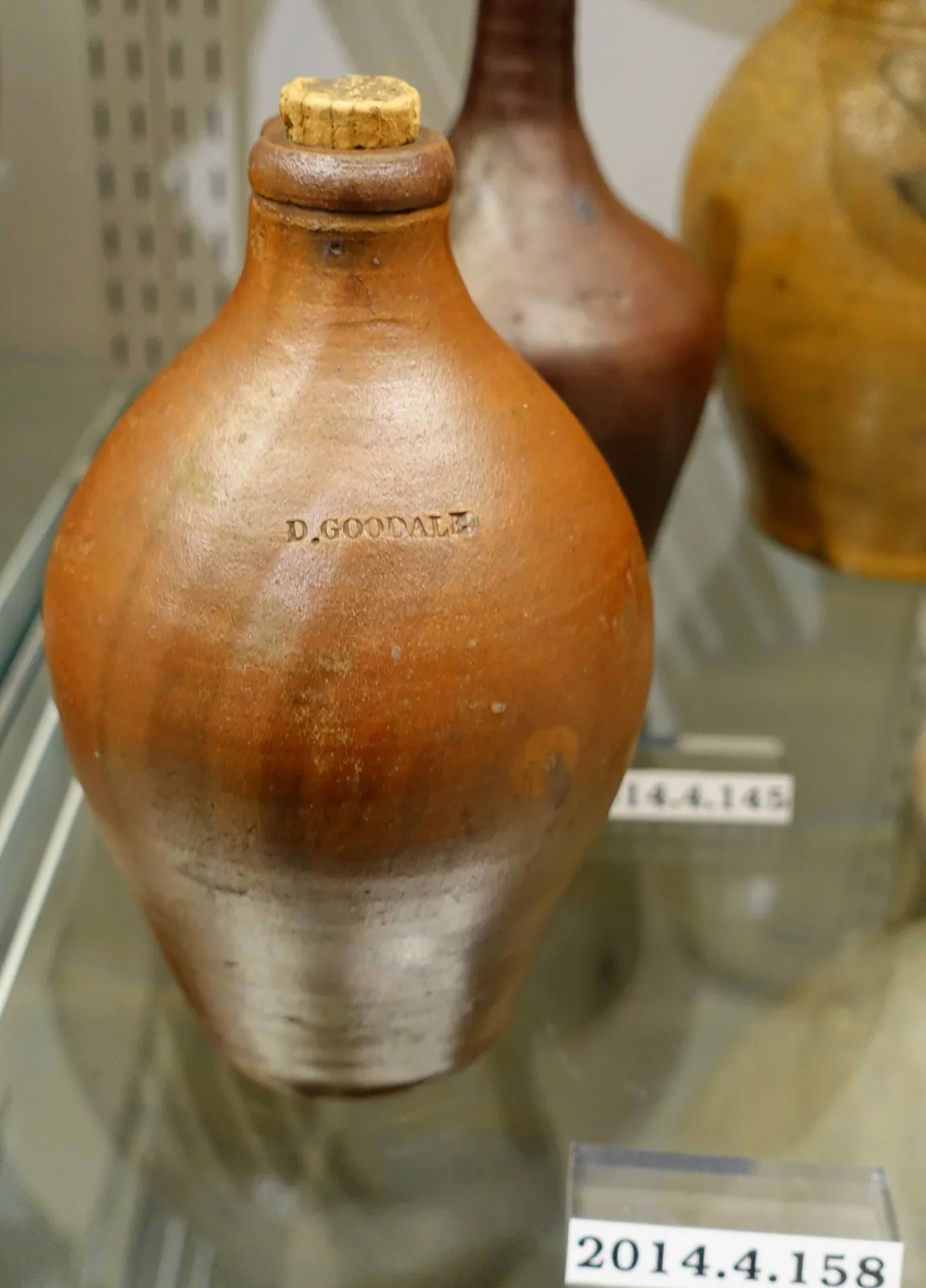
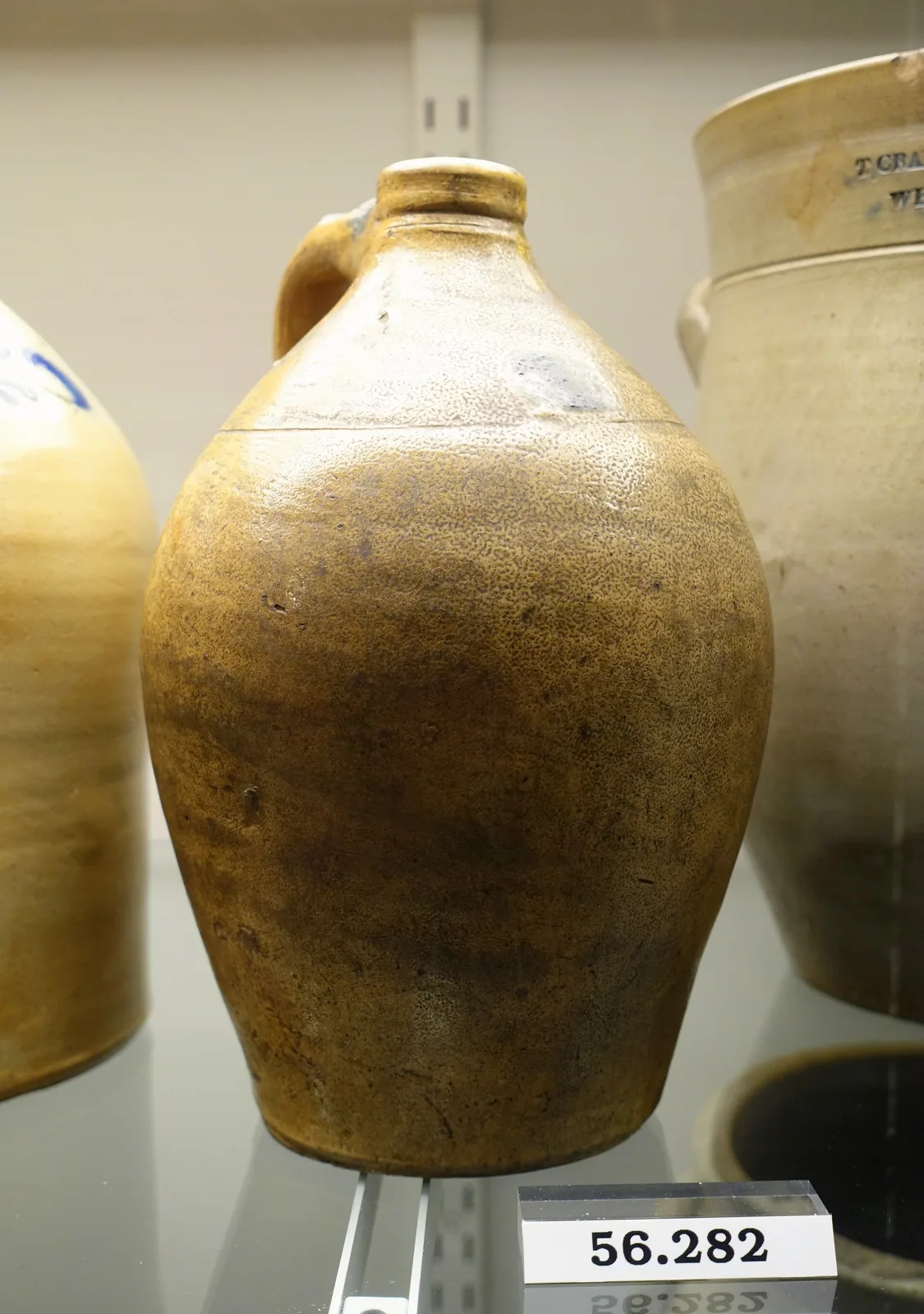
Maker's Marks
These identify the manufacturer or individual potter:
- Printed marks: Applied using transfer printing techniques, commonly found on wares such as flow blue china
- Impressed marks: Pressed into the clay before firing
- Painted marks: Hand-painted with underglaze or overglaze
- Incised marks: Carved or scratched into the surface
Date Codes and Pattern Numbers
Many manufacturers used coded systems to indicate production dates:
- Letter codes: A=1900, B=1901, etc.
- Number codes: Specific to each manufacturer
- Pattern numbers: Identify specific designs
- Registration marks: Government registration for design protection
Common Marking Systems by Country
Different countries developed distinct marking systems:
English Marks
English ceramics are known for their detailed marking systems:
- Wedgwood: Uses impressed marks with pattern names
- Royal Worcester: Crown mark with year codes
- Spode: Various marks including the famous "Spode" script
- Royal Doulton: Crown and lion mark with date codes; widely collected for figurines and Toby and character jugs
German Marks
German ceramics often feature:
- Meissen: Crossed swords mark
- KPM: Crown mark with "KPM" initials
- Rosenthal: Crown mark with "Rosenthal" script
French Marks
French ceramics typically include:
- Limoges: Various marks including "Limoges France"
- Sevres: Interlaced "L" marks for royal periods
- Haviland: "Haviland & Co. Limoges" marks
- Quimper: Hand-painted HB, HR, Henriot, and Porquier monograms on Breton faience
American Marks
American ceramics feature:
- Homer Laughlin: Various marks including "HL" and "HLC", and the lower-case in-mold mark on Fiesta dinnerware
- McCoy: "McCoy" script mark
- Red Wing: "Red Wing" mark with various symbols
- Hull: "Hull" mark with pattern names
Decorative Techniques and Styles
The decoration on ceramic pieces can provide valuable clues about their age and origin:
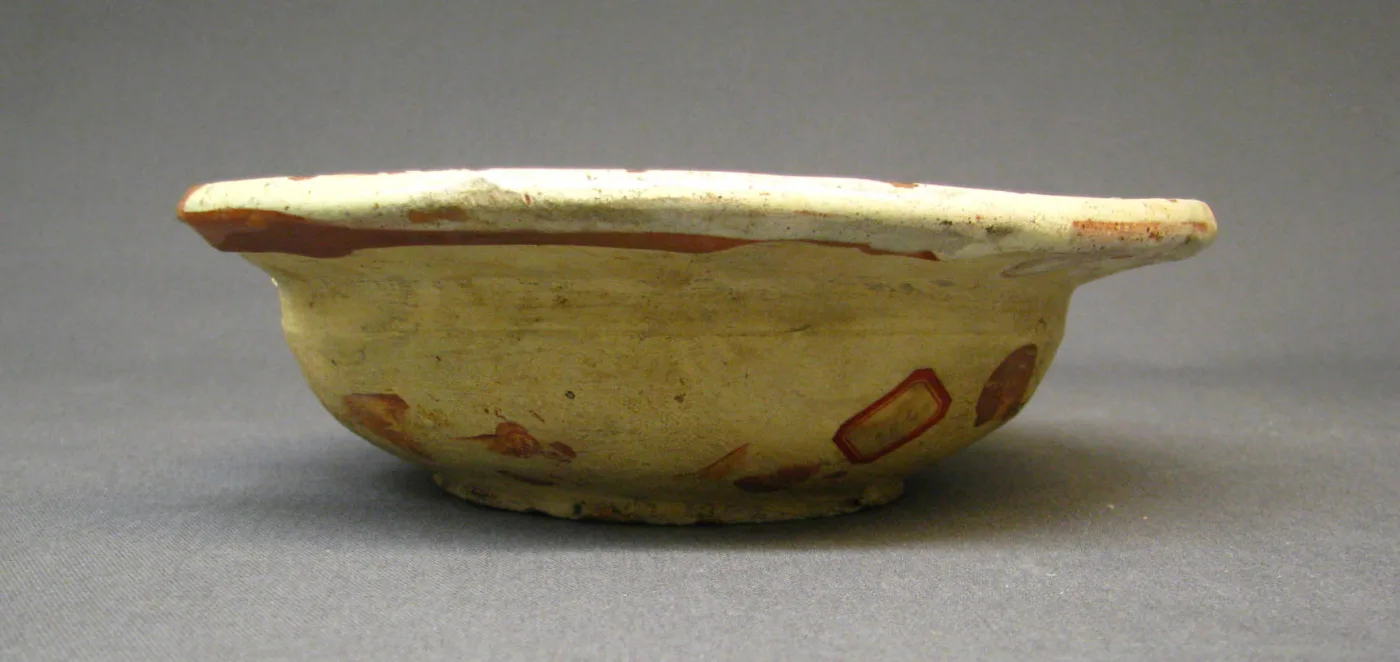
Hand-Painted Decoration
Hand-painted pieces often indicate older, more valuable ceramics:
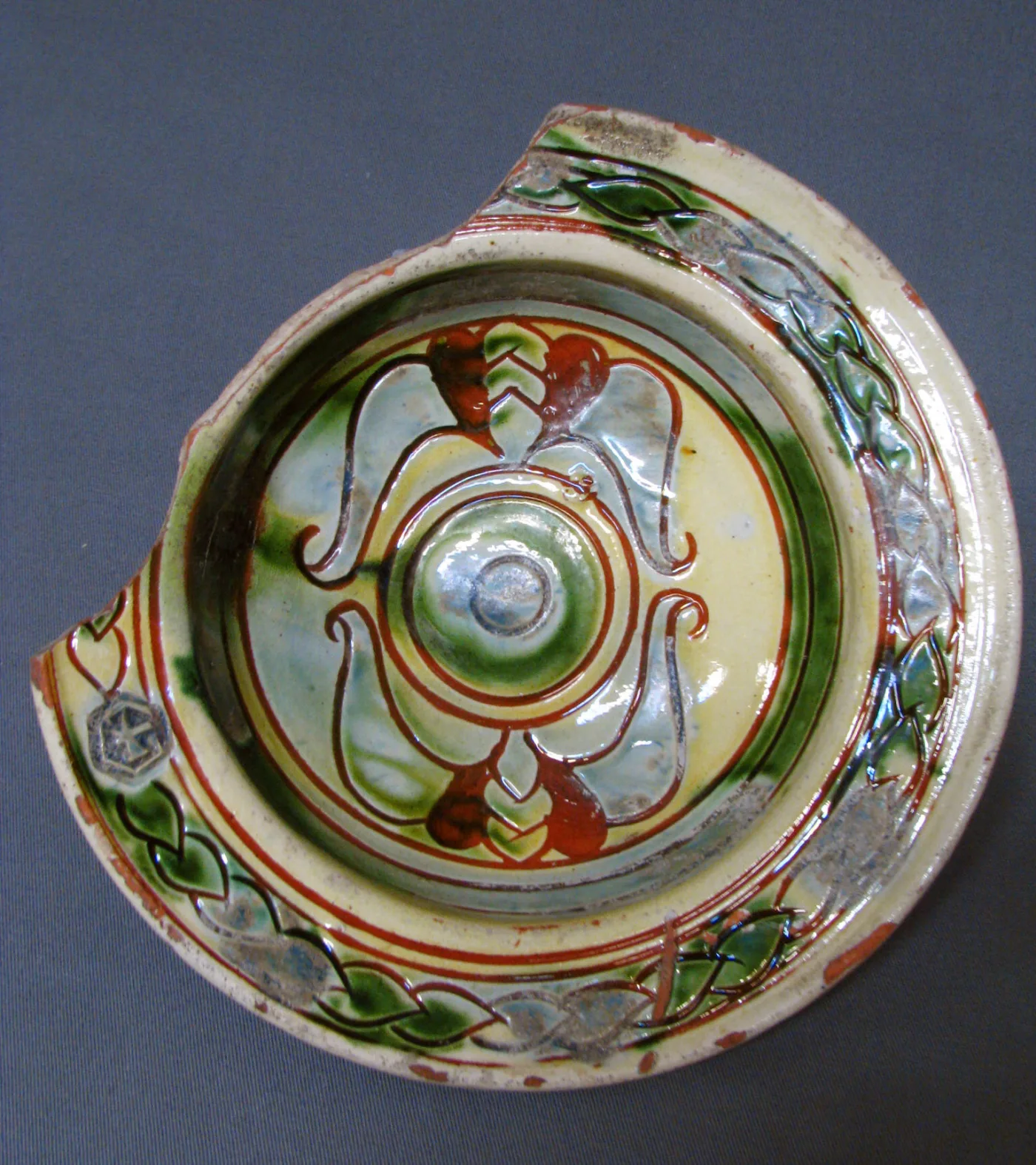
- Brush strokes: Visible brush marks indicate hand painting
- Color variations: Slight variations in color suggest hand application
- Subject matter: Certain motifs were popular in specific periods
Transfer Printing
Transfer printing became popular in the late 18th century:
- Blue transfer: Most common, especially in English ceramics
- Multi-color transfers: Developed in the 19th century
- Pattern consistency: Transfer prints are perfectly uniform
Mold-Made Decoration
Mold-made pieces became common in the 19th century:
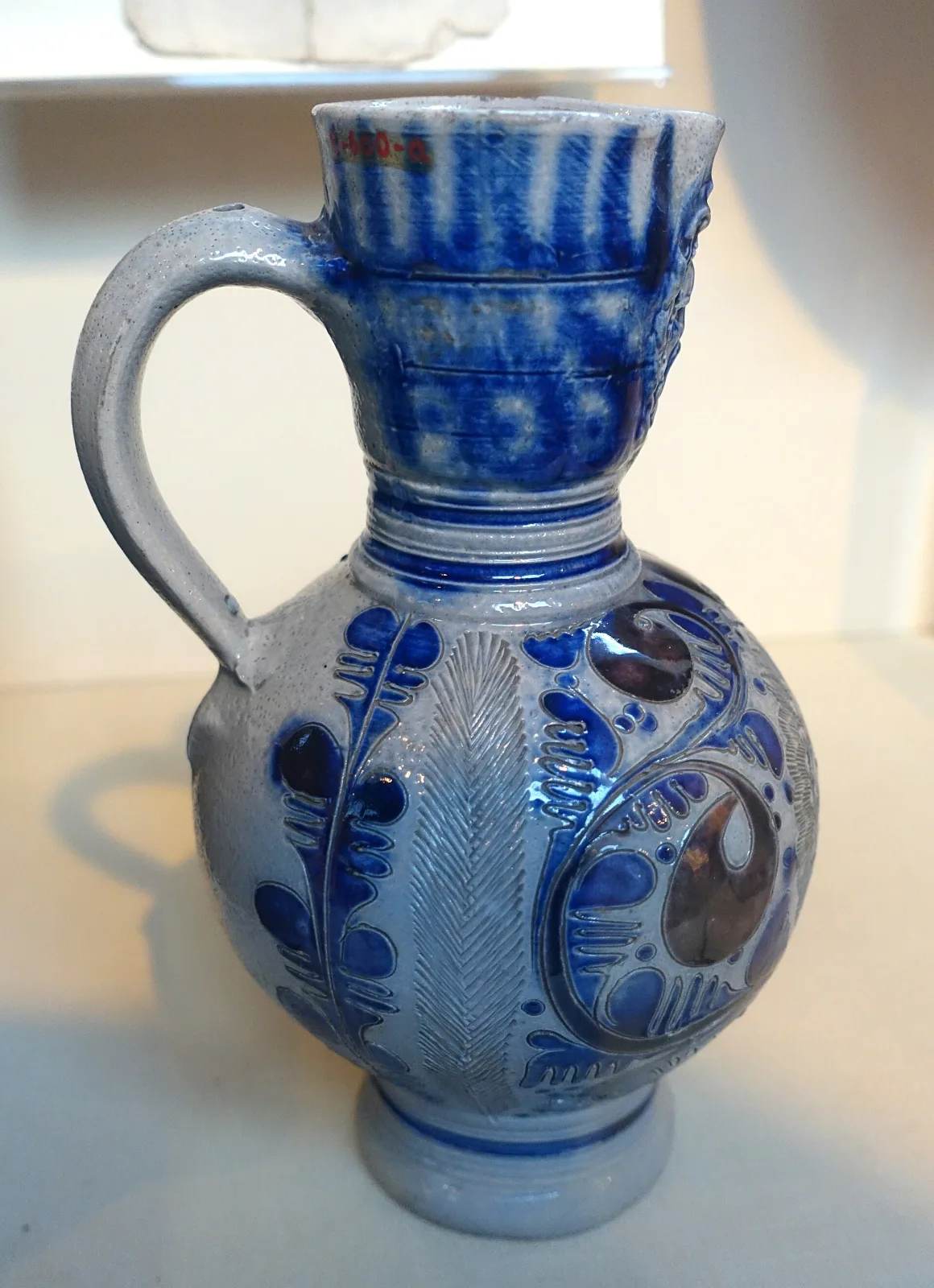
- Relief decoration: Raised patterns pressed into the clay
- Consistent repetition: Perfect uniformity indicates machine production
- Complex patterns: Intricate designs possible with molds

Advanced Dating Techniques for Antique Ceramics
Accurately dating antique ceramics requires combining multiple dating methods and understanding the evolution of ceramic technology and styles.
1. Technological Dating Methods
Understanding when certain technologies were developed can help date ceramics:
Firing Technology
- Wood-fired kilns: Used until the late 19th century
- Coal-fired kilns: Became common in the 19th century
- Gas-fired kilns: Introduced in the early 20th century
- Electric kilns: Became standard after World War II
Glaze Technology
- Lead glazes: Common until the mid-20th century
- Salt glazes: Used primarily in stoneware production
- Boron glazes: Developed in the 20th century
- Low-fire glazes: Modern development for decorative pieces
2. Style and Design Dating
Artistic styles and design motifs can provide accurate dating information:
Historical Periods and Styles
- Rococo (1730-1770): Ornate, asymmetrical designs with scrolls and shells
- Neoclassical (1760-1830): Classical motifs, symmetry, and restraint
- Victorian (1837-1901): Rich colors, elaborate decoration, and sentimentality
- Art Nouveau (1890-1910): Organic, flowing lines and natural motifs
- Art Deco (1920-1940): Geometric patterns and bold colors
- Mid-Century Modern (1945-1970): Clean lines and functional design
Popular Motifs by Period
- 18th century: Chinoiserie, pastoral scenes, classical figures
- 19th century: Floral patterns, landscapes, historical scenes
- Early 20th century: Art Nouveau flowers, geometric patterns
- Mid-20th century: Abstract designs, modern art influences
Authentication Methods: Separating Genuine Antiques from Reproductions
Authentication is crucial for determining the true value of ceramic pieces. Here are the most effective authentication methods:
1. Physical Examination Techniques
Careful physical examination can reveal authenticity clues:
Weight and Density
- Antique pieces: Often heavier due to denser clay and thicker walls
- Modern reproductions: Usually lighter with thinner walls
- Clay composition: Different clay types have distinct weights
Surface Analysis
- Glaze texture: Antique glazes often have subtle variations
- Surface wear: Natural aging creates specific wear patterns
- Color consistency: Antique pieces may have slight color variations
Base Examination
- Unglazed areas: Should show natural clay color and texture
- Kiln marks: Often visible on antique pieces
- Foot ring: Should be properly formed and finished
2. Scientific Testing Methods
Advanced testing can provide definitive authentication:
Thermoluminescence Testing
This method measures the radiation accumulated since the last firing:
- Accuracy: Can date pieces to within 10-15% of actual age
- Limitations: Requires a small sample and is expensive
- Best for: High-value pieces where accuracy is crucial
X-Ray Fluorescence (XRF)
Analyzes the chemical composition of glazes and clays:
- Purpose: Identifies materials used in production
- Benefits: Non-destructive and relatively quick
- Use: Comparing materials to known authentic pieces
Valuation and Market Assessment
Determining the value of antique ceramics requires understanding multiple factors that influence market prices.
1. Key Value Factors
Several factors significantly impact ceramic values:
Rarity and Scarcity
- Limited production: Small batches or unique pieces
- Survival rate: How many examples still exist
- Historical significance: Connection to important events or people
- Documentation: Provenance and historical records
Condition and Quality
- Physical condition: Chips, cracks, and restoration
- Decoration quality: Skill and artistry of decoration
- Glaze condition: Crazing, wear, and color preservation
- Completeness: Missing parts or original packaging
Market Demand
- Collector interest: Current popularity of specific types
- Trends: Changing tastes and preferences
- Economic factors: Overall market conditions
- Geographic factors: Regional demand variations
2. Value Categories
Antique ceramics can be categorized by value range:
Entry-Level Collectibles ($50-$500)
- Common decorative pieces
- Minor damage or wear
- Limited historical significance
- Good for beginning collectors
Mid-Range Collectibles ($500-$5,000)
- Better quality and condition
- Some rarity or historical interest
- Minor restoration acceptable
- Good investment potential
High-Value Pieces ($5,000-$50,000)
- Significant rarity or quality
- Important historical connections
- Excellent condition
- Strong market demand
Museum-Quality Pieces ($50,000+)
- Exceptional rarity and quality
- Major historical significance
- Perfect or near-perfect condition
- International market interest
Specialized Ceramic Categories and Their Identification
Different types of ceramics require specialized identification knowledge. Here are the most important categories:
1. Chinese and Asian Ceramics
Chinese ceramics have the longest continuous tradition and are highly valued, while Japanese traditions such as Satsuma pottery developed their own distinctive export industries during the Meiji period:
Dynastic Periods
- Ming Dynasty (1368-1644): Blue and white porcelain, colorful decoration
- Qing Dynasty (1644-1912): Famille rose, famille verte, and export wares
- Republic Period (1912-1949): Transitional pieces with mixed influences
Identification Features
- Reign marks: Six-character marks indicating emperor and year
- Decoration styles: Specific motifs and color palettes by period
- Clay composition: Kaolin clay with distinctive characteristics
- Glaze types: Various glaze formulations by period
2. European Porcelain
European porcelain production began in the early 18th century:
Major Manufacturers
- Meissen (Germany): First European porcelain, 1710
- Vienna (Austria): Founded 1718, distinctive style
- Sevres (France): Royal factory, 1756
- Wedgwood (England): Jasperware and creamware
Identification Characteristics
- Marking systems: Each factory had unique marks
- Style evolution: Changes in decoration and form over time
- Technical innovations: New materials and firing techniques
- Artistic influences: Response to artistic movements
3. American Art Pottery
American art pottery flourished from the late 19th to early 20th centuries:
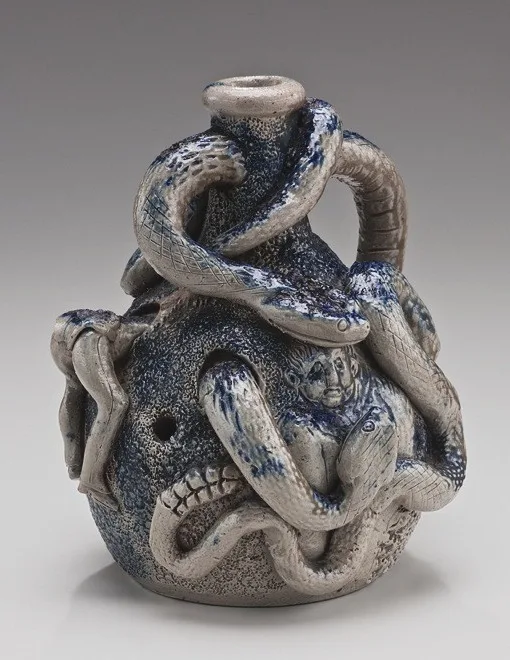
Major Studios and Companies
- Rookwood Pottery: Cincinnati, 1880-1967
- Hull Pottery: Crooksville, Ohio, 1905-1989
- McCoy Pottery: Roseville, Ohio, 1910-1990
- Weller Pottery: Zanesville, Ohio, 1872-1948
- Moorcroft Pottery: Burslem and Cobridge, England, 1898–present (tube-lined English art pottery)
- Newcomb College Pottery: New Orleans, 1895-1940 (hand-decorated Arts and Crafts ware by women)
Identification Features
- Marking systems: Company marks and pattern names
- Glaze characteristics: Distinctive colors and textures
- Form and decoration: Artistic styles and motifs
- Production techniques: Hand-throwing vs. mold-making
Care, Conservation, and Preservation
Proper care is essential for maintaining the value and condition of antique ceramics:
1. Handling and Storage
Safe handling practices prevent damage:
Handling Guidelines
- Clean hands: Wash hands before handling
- Two-handed support: Always support pieces from below
- Avoid pressure: Don't grip fragile areas
- Gentle movement: Move slowly and carefully
Storage Requirements
- Temperature control: Stable, moderate temperature (60-75°F)
- Humidity control: 40-60% relative humidity
- Light protection: Avoid direct sunlight and UV exposure
- Proper support: Use appropriate stands and padding
2. Cleaning and Maintenance
Regular maintenance preserves ceramic condition:
Cleaning Methods
- Dry cleaning: Soft brushes and microfiber cloths
- Gentle washing: Lukewarm water with mild soap
- Avoid chemicals: No harsh cleaners or abrasives
- Professional cleaning: For valuable or damaged pieces
Restoration Considerations
- Professional assessment: Evaluate restoration needs
- Reversible methods: Use materials that can be removed
- Documentation: Record all restoration work
- Value impact: Consider effect on market value
Building a Ceramic Collection: Expert Tips
Building a valuable ceramic collection requires strategy and knowledge:
1. Collection Planning
Successful collections have clear focus and goals:
Focus Areas
- Geographic focus: Specific countries or regions
- Period focus: Specific time periods or styles
- Type focus: Specific ceramic types or techniques
- Maker focus: Specific manufacturers or artists
Collection Goals
- Investment: Focus on value appreciation
- Education: Learning about ceramic history
- Display: Creating beautiful arrangements
- Research: Contributing to ceramic scholarship
2. Acquisition Strategies
Smart buying practices maximize collection value:
Source Selection
- Reputable dealers: Established, knowledgeable sellers
- Auction houses: Major houses with good reputations
- Private sales: Direct from collectors
- Online platforms: Specialized antique sites
Due Diligence
- Condition assessment: Thorough examination before purchase
- Authentication verification: Confirm authenticity
- Market research: Understand fair market value
- Documentation review: Examine all available records
Common Mistakes and How to Avoid Them
Even experienced collectors make mistakes. Here are the most common pitfalls:
1. Authentication Errors
Common authentication mistakes include:
Over-Reliance on Marks
- Problem: Assuming marked pieces are always authentic
- Solution: Marks can be forged; examine entire piece
- Prevention: Learn to recognize authentic mark characteristics
Ignoring Condition Issues
- Problem: Focusing only on decoration or marks
- Solution: Assess overall condition thoroughly
- Prevention: Develop systematic examination process
2. Valuation Mistakes
Common valuation errors include:
Emotional Pricing
- Problem: Letting personal attachment influence value
- Solution: Rely on market research and expert opinion
- Prevention: Separate emotional and financial considerations
Insufficient Research
- Problem: Not researching current market conditions
- Solution: Consult multiple price sources
- Prevention: Stay current with market trends
Future Trends in Antique Ceramics
Understanding future trends helps make informed collecting decisions:
1. Market Trends
Several factors influence future ceramic values:
Demographic Changes
- Baby boomer collections: Large collections coming to market
- Millennial interest: Growing appreciation for craftsmanship
- International markets: Expanding global collector base
Technology Impact
- Online platforms: Increased market access and transparency
- Digital authentication: New verification methods
- Virtual exhibitions: Broader exposure for rare pieces
2. Collecting Opportunities
Emerging areas offer potential for collectors:
Undervalued Categories
- Studio pottery: Individual artist pieces
- Industrial ceramics: Commercial and utilitarian pieces
- Regional specialties: Local pottery traditions
- Experimental techniques: Innovative ceramic methods
Conclusion: Becoming a Ceramic Expert
Mastering antique ceramic identification is a journey that combines knowledge, experience, and continuous learning. The key to success lies in:
- Systematic approach: Following proven identification methods
- Continuous education: Staying current with new research and techniques
- Practical experience: Handling and examining many pieces
- Expert consultation: Seeking advice from specialists when needed
- Market awareness: Understanding current trends and values
Remember that every ceramic piece tells a story—of the craftsman who made it, the culture that inspired it, and the history it has witnessed. By learning to read these stories, you become not just a collector, but a custodian of human creativity and cultural heritage.
Whether you're just beginning your ceramic journey or are an experienced collector, the knowledge contained in this guide will serve as a solid foundation for your continued exploration of the fascinating world of antique ceramics and pottery. Modern tools like the Antique Identifier app can provide instant AI-powered identification, but understanding these fundamentals is crucial for any serious collector.