
Complete Guide to Antique Valuation and Appraisal 2026
Understanding the value of antiques is crucial for collectors, dealers, investors, and anyone who owns or is considering purchasing antique items. Whether you're looking to insure your collection, sell items, make informed purchases, or simply understand what you have, accurate valuation and professional appraisal are essential skills. This comprehensive guide covers everything from basic valuation principles to advanced appraisal techniques, market analysis, value factors, and professional appraisal processes. We'll explore different types of appraisals, understand how market conditions affect value, examine the various factors that influence antique prices, and provide practical guidance for both self-valuation and professional appraisal services. By mastering these concepts, you can make informed decisions, protect your investments, and navigate the antique market with confidence.
Table of Contents
- Understanding Antique Valuation: Fundamentals and Principles
- Key Factors That Determine Antique Value
- Market Analysis and Current Market Conditions
- Valuation Methods and Approaches
- Condition Assessment and Its Impact on Value
- Provenance and Historical Significance in Valuation
- Rarity, Scarcity, and Desirability Factors
- Types of Appraisals and Their Purposes
- Professional Appraisal Process and Standards
- Self-Valuation Techniques and Resources
- Market Research and Comparative Analysis
- Value Documentation and Record Keeping
- Insurance Appraisals and Coverage Considerations
- Estate and Tax Appraisals
- Understanding Market Trends and Value Fluctuations
- Investment Considerations and Value Preservation
- Common Valuation Mistakes to Avoid
- Working with Professional Appraisers
Understanding Antique Valuation: Fundamentals and Principles
Antique valuation is the process of determining the monetary worth of an antique item based on various factors including condition, rarity, provenance, market demand, and comparable sales. Understanding the fundamental principles of valuation is essential before diving into specific techniques and methods.
What is Antique Valuation?
Valuation involves assessing multiple aspects of an antique:
- Market Value: The price an item would likely sell for in the current market
- Replacement Value: The cost to replace an item with a similar one
- Insurance Value: The value for insurance coverage purposes
- Fair Market Value: The price agreed upon by a willing buyer and seller
- Liquidation Value: The value in a quick sale scenario
Why Valuation Matters
Accurate valuation serves multiple critical purposes:
- Insurance Protection: Ensures adequate insurance coverage for valuable items
- Investment Decisions: Guides informed purchasing and selling decisions
- Estate Planning: Essential for estate valuation and tax purposes
- Legal Matters: Required for divorce settlements, probate, and legal disputes
- Collection Management: Helps track collection value over time
- Donation Purposes: Required for tax deductions on charitable donations
Valuation vs. Appraisal
Understanding the difference between valuation and appraisal:
Valuation
- General Assessment: A general estimate of value
- Informal Process: May be done by owner or dealer
- Quick Estimate: Often a quick assessment for general purposes
- No Documentation: May not include formal documentation
Appraisal
- Formal Assessment: A formal, documented value assessment
- Professional Process: Conducted by qualified appraisers
- Comprehensive Analysis: Detailed analysis with documentation
- Legal Standing: May have legal standing for insurance, tax, or legal purposes
Value Types and Their Uses
Different value types serve different purposes:
Retail Replacement Value
- Definition: Cost to replace item at retail prices
- Use: Insurance appraisals, replacement coverage
- Characteristics: Typically highest value, includes dealer markup
Fair Market Value
- Definition: Price between willing buyer and seller
- Use: Estate taxes, donations, general valuation
- Characteristics: Most common valuation standard
Liquidation Value
- Definition: Value in quick sale scenario
- Use: Estate sales, quick liquidation
- Characteristics: Typically lower than fair market value
Wholesale Value
- Definition: Dealer-to-dealer price
- Use: Trade transactions, dealer purchases
- Characteristics: Lower than retail, reflects trade pricing
Key Factors That Determine Antique Value
Multiple factors influence antique value. Understanding these factors helps assess value accurately and make informed decisions.
Age and Period
Age is a fundamental but not sole determinant of value:
Age Considerations
- Minimum Age: Generally, items must be at least 100 years old to be considered antiques
- Period Significance: Certain periods are more desirable than others
- Historical Context: Items from historically significant periods may command premiums
- Age vs. Quality: Age alone doesn't guarantee value; quality matters more
Desirable Periods
- 18th Century: Early American and European pieces
- Victorian Era: 19th-century items with period appeal
- Arts & Crafts: Late 19th to early 20th century
- Art Deco: 1920s-1930s modern design
- Mid-Century Modern: 1940s-1970s contemporary design
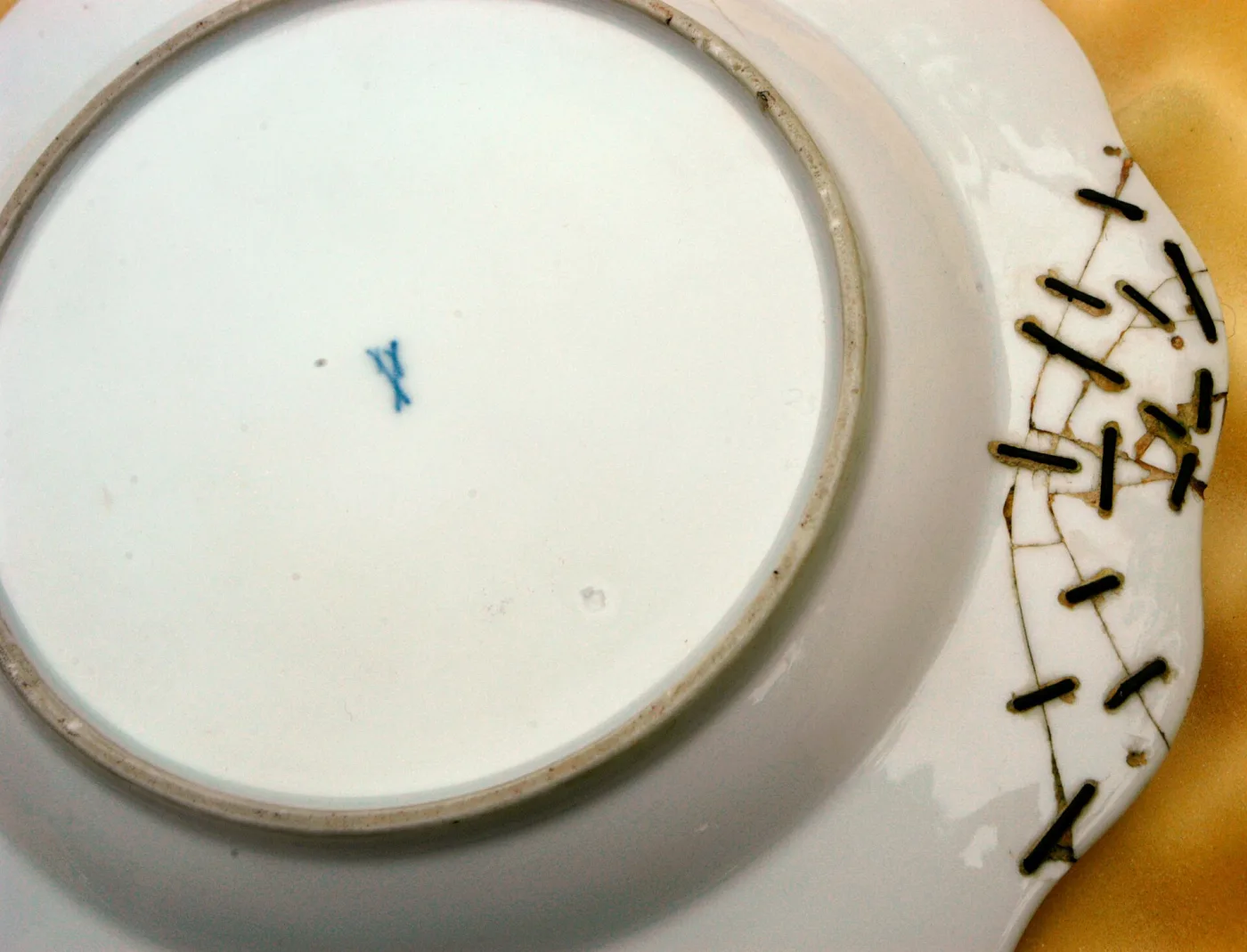
Condition and Originality
Condition significantly impacts value:
Condition Grades
- Mint: Perfect, as-new condition
- Excellent: Near-perfect with minor wear
- Very Good: Good condition with expected wear
- Good: Functional with noticeable wear
- Fair: Significant wear but restorable
- Poor: Extensive damage or deterioration
Originality Factors
- Original Finish: Original finishes typically increase value
- Original Parts: All original components preferred
- Restoration Impact: Quality restoration may maintain value; poor restoration reduces it
- Alterations: Alterations generally reduce value unless historically significant

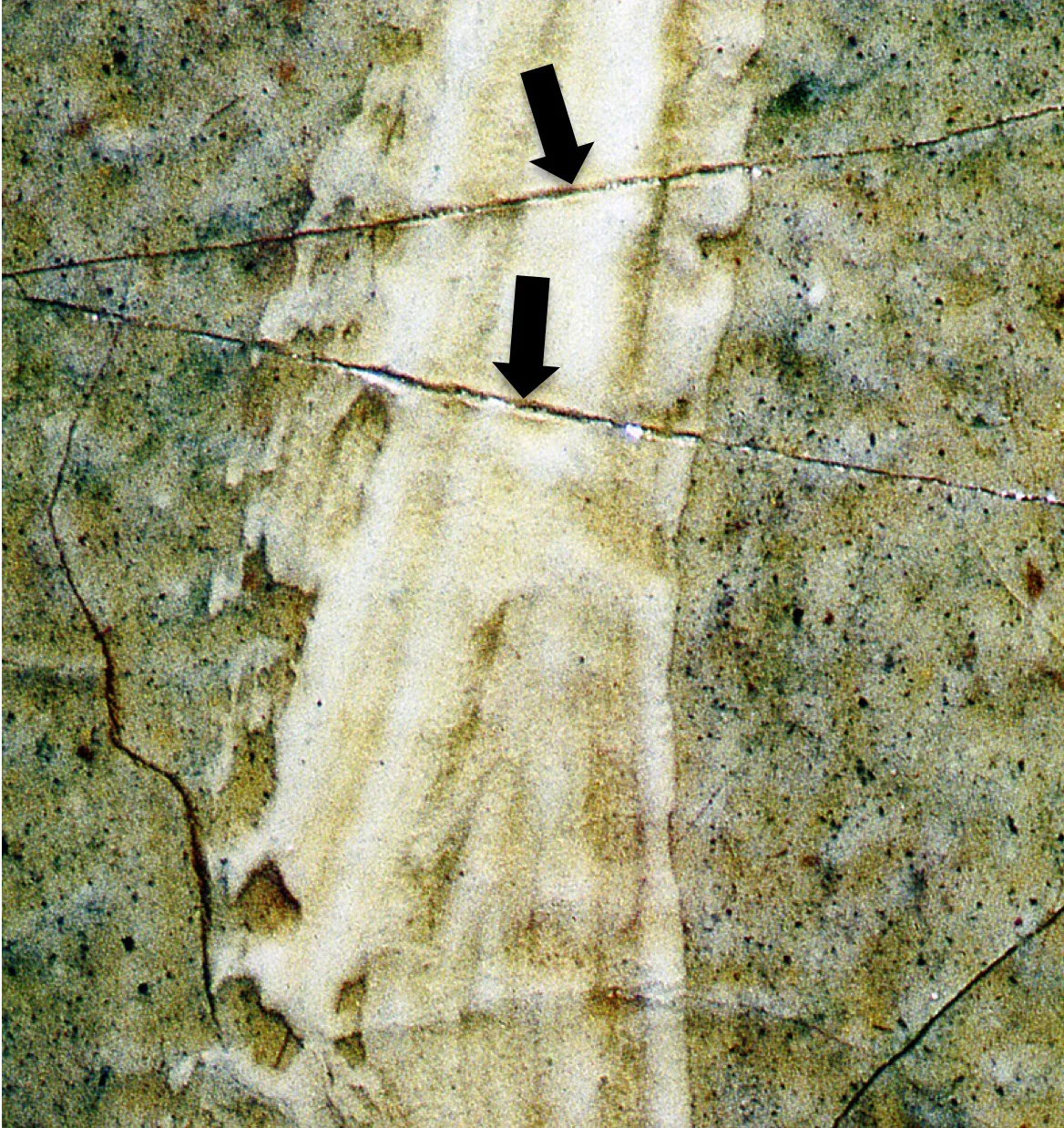
Rarity and Scarcity
Rarity is a major value driver:
Rarity Types
- Absolute Rarity: Very few examples exist
- Relative Rarity: Rare within a category
- Market Rarity: Rare in current market availability
- Condition Rarity: Rare in excellent condition
Scarcity Factors
- Limited Production: Items made in small quantities
- Survival Rate: Few examples have survived
- Market Availability: Currently scarce in the market
- Regional Scarcity: Rare in specific regions
Provenance and History
Documented history significantly enhances value:
Provenance Value Factors
- Famous Ownership: Ownership by notable individuals
- Exhibition History: Items shown in major exhibitions
- Publication History: Items featured in books or catalogs
- Documentation: Complete ownership documentation
- Historical Significance: Connection to historical events
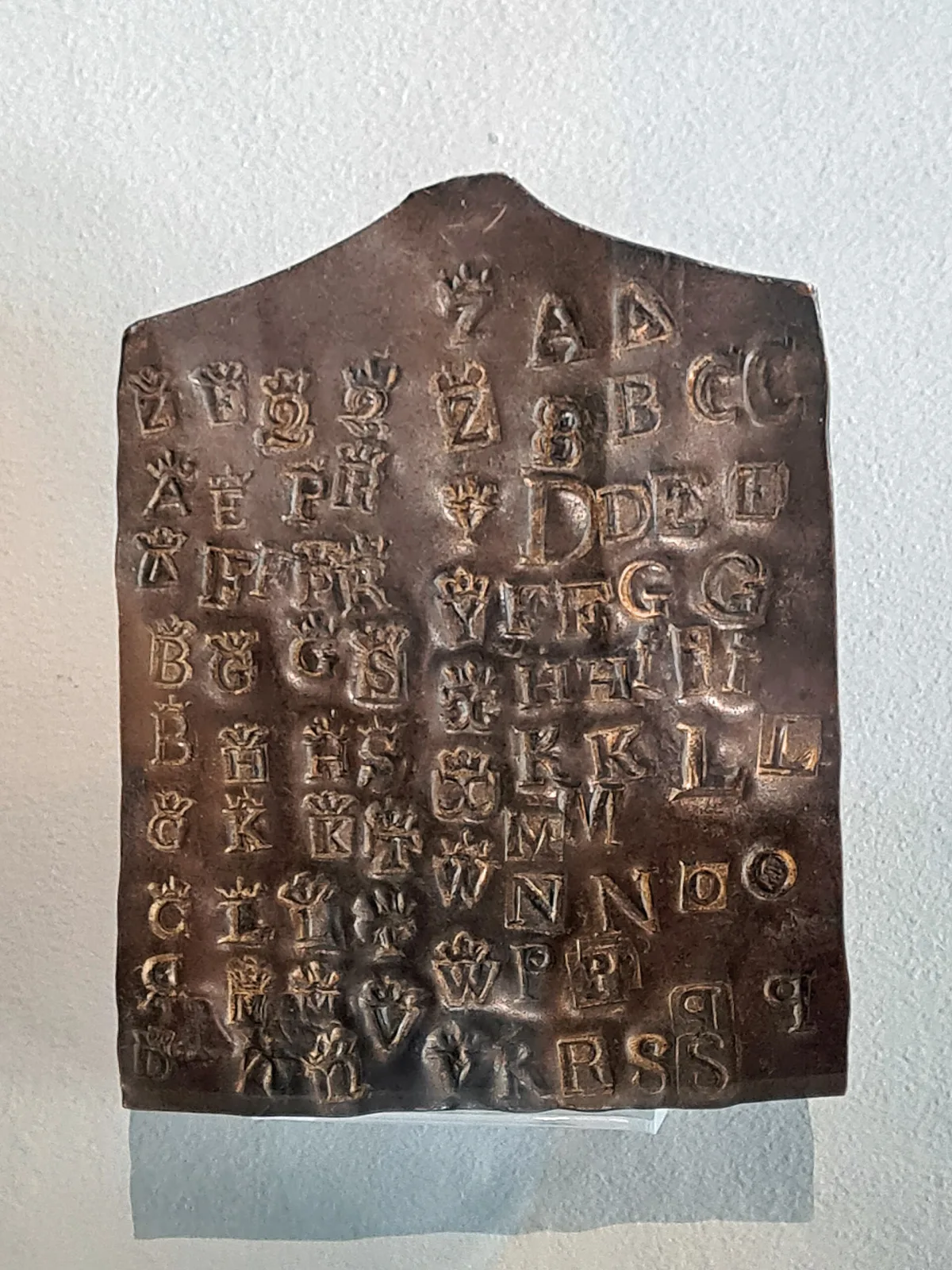
Maker and Attribution
Maker identification significantly affects value:
Maker Value Factors
- Famous Makers: Items by renowned makers command premiums
- Documented Attribution: Proven maker identification
- Maker Reputation: Historical reputation of maker
- Maker Rarity: Rare or unusual makers
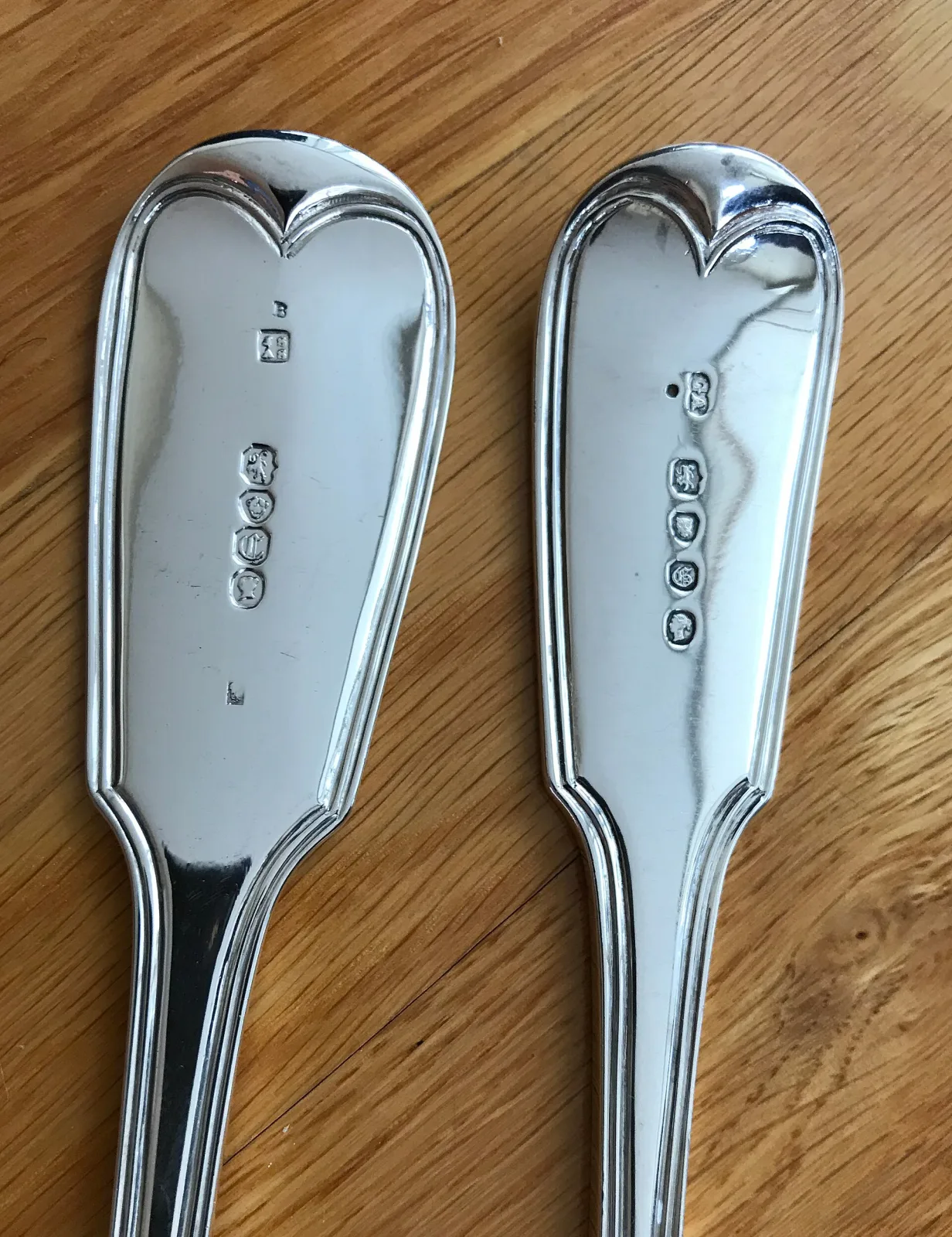
- Signature or Mark: Presence of maker's mark or signature
Quality and Craftsmanship
Quality of workmanship affects value:
Quality Indicators
- Materials Quality: Use of fine materials
- Craftsmanship Level: Quality of construction and finishing
- Design Quality: Aesthetic and design excellence
- Detail Work: Quality of decorative details
- Originality of Design: Unique or innovative design
Market Demand
Current market demand drives prices:
Demand Factors
- Collector Interest: Current collector preferences
- Trend Influence: Current design and collecting trends
- Market Cycles: Position in market cycle
- Regional Demand: Demand in specific regions
- Category Popularity: Overall category popularity
Market Analysis and Current Market Conditions
Understanding market conditions is essential for accurate valuation. Markets fluctuate based on economic conditions, trends, and collector preferences.
Market Research Methods
Effective market research uses multiple sources:
Auction Records
- Historical Sales: Review past auction results
- Comparable Sales: Find similar items that have sold
- Price Trends: Track price trends over time
- Market Activity: Assess current market activity levels
Dealer Pricing
- Retail Prices: Check dealer asking prices
- Price Ranges: Understand typical price ranges
- Market Positioning: See how items are positioned in market
- Availability: Assess market availability
Online Marketplaces
- Current Listings: Review active listings
- Sold Items: Check sold item prices
- Market Trends: Identify current trends
- Price Comparisons: Compare prices across platforms
Market Conditions Impact
Various factors affect market conditions:
Economic Factors
- Economic Health: Overall economic conditions
- Disposable Income: Consumer spending power
- Interest Rates: Cost of borrowing affects buying
- Currency Values: Exchange rates affect international markets
Trend Factors
- Design Trends: Current design preferences
- Collecting Trends: Popular collecting categories
- Generational Preferences: Preferences of different generations
- Media Influence: Media coverage and exposure
Market Segments
Different market segments behave differently:
High-End Market
- Characteristics: Rare, high-quality, museum-quality items
- Buyers: Wealthy collectors, museums, institutions
- Price Range: Typically $10,000+
- Market Behavior: More stable, less affected by trends
Mid-Market
- Characteristics: Good quality, collectible items
- Buyers: Serious collectors, dealers
- Price Range: Typically $1,000-$10,000
- Market Behavior: Moderate volatility, trend-sensitive
Entry-Level Market
- Characteristics: Accessible, affordable antiques
- Buyers: Beginning collectors, decorators
- Price Range: Typically under $1,000
- Market Behavior: Most volatile, highly trend-sensitive
Valuation Methods and Approaches
Professional appraisers use various methods to determine value. Understanding these methods helps assess valuation accuracy and appropriateness.
Comparable Sales Method
The most common valuation approach:
Method Principles
- Comparable Items: Find similar items that have sold
- Recent Sales: Use recent sales for current market value
- Adjustments: Adjust for differences in condition, size, etc.
- Multiple Comparables: Use multiple comparables for accuracy
Finding Comparables
- Auction Records: Historical auction results
- Dealer Sales: Dealer transaction records
- Online Sales: Online marketplace sold listings
- Private Sales: Private transaction records when available
Cost Approach
Based on replacement or reproduction cost:
Replacement Cost
- Definition: Cost to replace with similar item
- Use: Insurance appraisals
- Calculation: Current market price for similar item
- Considerations: Includes dealer markup, retail pricing
Reproduction Cost
- Definition: Cost to create reproduction
- Use: Unique or one-of-a-kind items
- Calculation: Materials, labor, overhead costs
- Considerations: Depreciation for age and condition
Income Approach
Based on income potential:
Rental Value
- Definition: Income from renting item
- Use: Items with rental potential
- Calculation: Annual rental income capitalized
- Considerations: Limited application to antiques
Market Approach
Based on current market conditions:
Market Analysis
- Current Listings: Review current asking prices
- Market Trends: Analyze market trends
- Demand Assessment: Assess current demand levels
- Supply Analysis: Evaluate market supply
Hybrid Approaches
Combining multiple methods for accuracy:
Weighted Analysis
- Multiple Methods: Use several valuation methods
- Weighting: Weight methods based on reliability
- Synthesis: Combine results for final value
- Documentation: Document all methods used
Condition Assessment and Its Impact on Value
Condition is one of the most critical factors affecting value. Accurate condition assessment is essential for proper valuation.
Condition Grading Systems
Standard grading systems help communicate condition:
Standard Grades
- Mint: Perfect, unused condition
- Excellent: Near-perfect with minimal wear
- Very Good: Good condition with expected wear
- Good: Functional with noticeable wear
- Fair: Significant wear but restorable
- Poor: Extensive damage requiring restoration
Condition Modifiers
- Plus (+): Better than grade indicates
- Minus (-): Worse than grade indicates
- Original: Original condition maintained
- Restored: Has been restored
Condition Impact on Value
Condition affects value in predictable ways:
Value Impact Ranges
- Mint Condition: 100% of value (baseline)
- Excellent: 85-95% of mint value
- Very Good: 70-85% of mint value
- Good: 50-70% of mint value
- Fair: 30-50% of mint value
- Poor: 10-30% of mint value
Condition-Specific Factors
- Original Finish: Original finishes typically maintain higher value
- Restoration Quality: Quality restoration may maintain value
- Missing Parts: Missing parts significantly reduce value
- Structural Issues: Structural problems greatly impact value
Documenting Condition
Thorough condition documentation is essential:
Condition Reports
- Written Description: Detailed written condition description
- Photographic Documentation: Photos showing condition
- Damage Inventory: List of all damage and issues
- Restoration History: Document any restoration work
Provenance and Historical Significance in Valuation
Provenance and historical significance can significantly enhance value. Understanding how these factors affect valuation is important.
Provenance Value Factors
Various provenance elements add value:
Ownership History
- Famous Owners: Ownership by notable individuals adds significant value
- Documented History: Complete ownership documentation enhances value
- Celebrity Ownership: Items owned by celebrities command premiums
- Historical Figures: Connection to historical figures increases value
Exhibition and Publication History
- Major Exhibitions: Items shown in major exhibitions gain value
- Museum Exhibitions: Museum display history adds prestige
- Publication References: Items in books or catalogs gain value
- Scholarly Recognition: Academic recognition enhances value
Historical Significance
Historical connections affect value:
Historical Events
- Event Association: Connection to historical events
- Period Significance: Items from significant historical periods
- Cultural Importance: Cultural or historical importance
- Documentation: Documented historical significance
Provenance Documentation
Proper documentation is essential:
Documentation Types
- Ownership Documents: Bills of sale, receipts, certificates
- Photographs: Historical photos showing the item
- Exhibition Records: Exhibition catalogs and records
- Publication References: Books, articles, catalogs
Rarity, Scarcity, and Desirability Factors
Rarity, scarcity, and desirability are major value drivers. Understanding these concepts helps assess value accurately.
Understanding Rarity
Rarity comes in different forms:
Types of Rarity
- Absolute Rarity: Very few examples exist anywhere
- Relative Rarity: Rare within a specific category
- Market Rarity: Rare in current market availability
- Condition Rarity: Rare in excellent condition
Scarcity Factors
Various factors create scarcity:
Production Factors
- Limited Production: Items made in small quantities
- Short Production Period: Made for brief time period
- Experimental Items: Prototypes or experimental pieces
- One-of-a-Kind: Unique items with no duplicates
Survival Factors
- Low Survival Rate: Few examples have survived
- Fragile Materials: Items made from fragile materials
- Use Patterns: Items that were heavily used and worn out
- Disposal Patterns: Items commonly discarded
Desirability Factors
Desirability drives market demand:
Aesthetic Appeal
- Design Quality: Exceptional design and aesthetics
- Beauty: Visually appealing items
- Style Appeal: Items in currently popular styles
- Decorative Value: High decorative appeal
Functional Appeal
- Usability: Items that are still functional
- Practical Value: Practical use value
- Quality Construction: Well-made, durable items

Types of Appraisals and Their Purposes
Different types of appraisals serve different purposes. Understanding appraisal types helps select the appropriate service.
Insurance Appraisals
For insurance coverage purposes:
Characteristics
- Replacement Value: Based on replacement cost
- Retail Pricing: Uses retail replacement pricing
- Comprehensive: Detailed documentation required
- Update Frequency: Should be updated every 3-5 years
Requirements
- Detailed Description: Complete item description
- Photographs: High-quality photographs
- Value Justification: Explanation of value
- Professional Standards: Must meet professional standards
Estate Appraisals
For estate valuation and probate:
Characteristics
- Fair Market Value: Based on fair market value
- Date of Death: Valued as of date of death
- Tax Purposes: Used for estate tax calculations
- Legal Standing: Must have legal standing
Donation Appraisals
For charitable donation tax deductions:
Characteristics
- Fair Market Value: Based on fair market value
- IRS Requirements: Must meet IRS requirements
- Documentation: Extensive documentation required
- Qualified Appraiser: Must be qualified appraiser per IRS
Liquidation Appraisals
For quick sale scenarios:
Characteristics
- Quick Sale Value: Value in quick sale
- Lower Values: Typically lower than fair market value
- Market Conditions: Reflects current market conditions
- Realistic Pricing: Realistic quick-sale pricing
Market Value Appraisals
For general market value assessment:
Characteristics
- Current Market: Based on current market conditions
- General Purpose: For general valuation needs
- Flexible Use: Can be used for various purposes
Professional Appraisal Process and Standards
Professional appraisals follow established standards and processes. Understanding these helps ensure quality appraisals.
Appraisal Standards
Professional appraisals follow recognized standards:
USPAP Standards
- Uniform Standards: Uniform Standards of Professional Appraisal Practice
- Ethical Requirements: Ethical and competency requirements
- Documentation Standards: Required documentation standards
- Professional Conduct: Standards of professional conduct
Appraisal Process
Professional appraisals follow systematic processes:
Initial Consultation
- Purpose Discussion: Discuss appraisal purpose
- Scope Definition: Define scope of work
- Timeline: Establish timeline
- Fee Agreement: Agree on fees and terms
Examination Phase
- Physical Examination: Thorough physical examination
- Condition Assessment: Detailed condition assessment
- Documentation Review: Review available documentation
- Photography: Professional photography
Research Phase
- Market Research: Research current market conditions
- Comparable Sales: Find comparable sales
- Historical Research: Research history and provenance
- Expert Consultation: Consult specialists when needed
Analysis and Valuation
- Value Determination: Determine value using appropriate methods
- Value Justification: Justify value with evidence
- Report Preparation: Prepare comprehensive report
Appraisal Report Contents
Professional reports include essential elements:
Required Elements
- Item Description: Complete physical description
- Condition Report: Detailed condition assessment
- Value Conclusion: Final value determination
- Value Justification: Explanation of value
- Methodology: Methods used in valuation
- Comparables: Comparable sales and items
- Limiting Conditions: Conditions limiting appraisal
- Appraiser Qualifications: Appraiser credentials
Self-Valuation Techniques and Resources
While professional appraisals are recommended for valuable items, self-valuation skills help with general assessment and informed decision-making.
Self-Valuation Process
Systematic approach to self-valuation:
Item Examination
- Physical Inspection: Thorough physical examination
- Condition Assessment: Assess condition accurately
- Mark Identification: Identify all marks and signatures
- Measurement: Accurate measurements and weight
Research Steps
- Identification: Identify item type, maker, period
- Comparable Search: Find similar items online and in records
- Price Analysis: Analyze asking and sold prices
- Condition Comparison: Compare condition with comparables
Online Resources
Valuable online resources for self-valuation:
Auction Databases
- Historical Records: Access to historical auction records
- Price Data: Sold price information
- Comparable Items: Find similar items that sold
- Trend Analysis: Track price trends over time
Online Marketplaces
- Current Listings: See current asking prices
- Sold Items: Check sold item prices
- Price Ranges: Understand price ranges
- Market Activity: Assess market activity levels
Reference Websites
- Identification Resources: Help identify items
- Maker Information: Information about makers
- Style Guides: Style and period information
- Value Guides: General value information
Limitations of Self-Valuation
Understanding limitations is important:
Limitations
- Lack of Expertise: May lack specialized knowledge
- Market Knowledge: Limited market knowledge
- Condition Assessment: May misassess condition
- Bias: Personal bias may affect valuation
- Documentation: May lack proper documentation
When to Seek Professional Help
- High Value Items: Items worth significant amounts
- Legal Purposes: For insurance, tax, or legal purposes
- Uncertainty: When uncertain about value
- Complex Items: Complex or unusual items
Market Research and Comparative Analysis
Thorough market research is essential for accurate valuation. Systematic research methods yield reliable results.
Research Methodology
Effective research follows systematic methods:
Research Steps
- Define Parameters: Define what to research
- Identify Sources: Identify reliable sources
- Gather Data: Collect relevant data
- Analyze Information: Analyze and compare information
- Document Findings: Document all research findings
Finding Comparables
Comparable items are essential for valuation:
Comparable Criteria
- Similarity: Items should be similar in type, style, period
- Condition: Similar condition for accurate comparison
- Size and Scale: Similar size and scale
- Quality: Similar quality level
- Recent Sales: Recent sales for current market value
Comparable Sources
- Auction Records: Historical auction results
- Dealer Sales: Dealer transaction records
- Online Sales: Online marketplace sold listings
- Private Sales: Private transaction records
Price Analysis
Analyzing prices requires careful consideration:
Price Factors
- Asking vs. Selling: Asking prices vs. actual selling prices
- Market Conditions: Current market conditions
- Location: Geographic location affects prices
- Seller Type: Dealer vs. private seller pricing
Price Ranges
- Low Range: Lowest comparable prices
- High Range: Highest comparable prices
- Average Range: Average of comparables
- Median Value: Median of comparable values
Value Documentation and Record Keeping
Proper documentation of value is essential for insurance, legal, and collection management purposes. Maintaining accurate records protects your interests.
Documentation Requirements
Effective documentation includes essential elements:
Item Documentation
- Description: Complete physical description
- Measurements: Accurate dimensions and weight
- Condition: Detailed condition assessment
- Photographs: High-quality photographs
- Marks: Documentation of all marks and signatures
Value Documentation
- Appraised Value: Professional appraisal values
- Purchase Price: Original purchase price
- Market Value: Current market value estimates
- Value History: Value changes over time
Record Organization
Well-organized records are more valuable:
Organization Methods
- Digital Records: Digital file organization
- Physical Records: Physical file organization
- Database Systems: Collection management databases
- Backup Systems: Secure backup of all records
Updating Documentation
Regular updates maintain accuracy:
Update Schedule
- Regular Reviews: Regular review of values
- Market Changes: Update when market changes
- Condition Changes: Update when condition changes
- New Information: Update when new information emerges
Insurance Appraisals and Coverage Considerations
Insurance appraisals ensure adequate coverage for valuable antiques. Understanding insurance appraisal requirements protects your investments.
Insurance Appraisal Requirements
Insurance companies have specific requirements:
Appraisal Standards
- Qualified Appraiser: Must be qualified appraiser
- Replacement Value: Based on replacement value
- Detailed Documentation: Comprehensive documentation required
- Photographs: High-quality photographs required
Coverage Considerations
Understanding coverage options is important:
Coverage Types
- Scheduled Items: Individual item coverage
- Blanket Coverage: Collection coverage
- Replacement Cost: Replacement cost coverage
- Actual Cash Value: Depreciated value coverage
Coverage Limits
- Item Limits: Per-item coverage limits
- Collection Limits: Total collection limits
- Deductibles: Understanding deductibles
- Exclusions: Understanding coverage exclusions
Appraisal Updates
Regular updates maintain adequate coverage:
Update Frequency
- Regular Updates: Update every 3-5 years
- Market Changes: Update when market changes significantly
- New Purchases: Appraise new purchases
- Value Increases: Update when values increase
Estate and Tax Appraisals
Estate and tax appraisals have specific requirements. Understanding these requirements ensures compliance and proper valuation.
Estate Appraisal Requirements
Estate appraisals must meet legal standards:
Legal Requirements
- Date of Death: Valued as of date of death
- Fair Market Value: Based on fair market value
- Qualified Appraiser: Must be qualified appraiser
- Documentation: Comprehensive documentation required
Tax Appraisal Requirements
Tax appraisals must meet IRS requirements:
IRS Requirements
- Qualified Appraiser: Must meet IRS qualified appraiser definition
- Appraisal Report: Must meet IRS report requirements
- Timing: Must be completed within specific timeframe
- Documentation: Extensive documentation required
Donation Appraisals
Charitable donation appraisals have specific requirements:
Donation Requirements
- Fair Market Value: Based on fair market value
- IRS Form 8283: Must complete IRS Form 8283
- Qualified Appraiser: Must be qualified appraiser
- Value Thresholds: Different requirements for different values
Understanding Market Trends and Value Fluctuations
Antique markets fluctuate over time. Understanding trends helps make informed valuation and collecting decisions.
Market Cycles
Markets move in cycles:
Cycle Phases
- Growth Phase: Increasing prices and demand
- Peak Phase: Highest prices and strong demand
- Decline Phase: Decreasing prices and weakening demand
- Bottom Phase: Lowest prices and weak demand
Trend Factors
Various factors influence trends:
Economic Factors
- Economic Conditions: Overall economic health
- Wealth Levels: Disposable income levels
- Interest Rates: Cost of borrowing
- Investment Climate: Alternative investment returns
Cultural Factors
- Design Trends: Current design preferences
- Generational Tastes: Preferences of different generations
- Media Influence: Media coverage and exposure
- Celebrity Influence: Celebrity collecting trends
Category Trends
Different categories have different trends:
Trending Categories
- Currently Popular: Categories in high demand
- Emerging Categories: Growing in popularity
- Stable Categories: Consistent demand
- Declining Categories: Decreasing demand
Investment Considerations and Value Preservation
For those viewing antiques as investments, understanding investment considerations and value preservation is essential.
Investment Characteristics
Antiques have unique investment characteristics:
Investment Factors
- Long-Term Holding: Typically long-term investments
- Illiquidity: Less liquid than traditional investments
- Market Volatility: Subject to market fluctuations
- Expertise Required: Requires knowledge and expertise
Value Preservation
Preserving value requires proper care:
Preservation Methods
- Proper Storage: Appropriate storage conditions
- Condition Maintenance: Maintaining condition
- Documentation: Maintaining documentation
- Insurance: Adequate insurance coverage
Investment Strategy
Sound investment strategies guide collecting:
Strategy Elements
- Quality Focus: Focus on quality items
- Diversification: Diversify across categories
- Research: Thorough research before purchasing
- Long-Term Perspective: Long-term investment horizon
Common Valuation Mistakes to Avoid
Understanding common mistakes helps avoid costly errors. Learning from others' experiences improves valuation accuracy.
Valuation Mistakes
Common mistakes in valuation:
Overvaluation
- Emotional Attachment: Overvaluing due to emotional attachment
- Insufficient Research: Not conducting thorough research
- Ignoring Condition: Not properly accounting for condition
- Wishful Thinking: Valuing based on hopes rather than facts
Undervaluation
- Lack of Knowledge: Not recognizing value factors
- Incomplete Research: Missing important information
- Poor Comparables: Using inappropriate comparables
- Market Misunderstanding: Not understanding market conditions
Research Mistakes
Common research errors:
Inadequate Research
- Limited Sources: Using too few sources
- Outdated Information: Using outdated market data
- Wrong Comparables: Using inappropriate comparables
- Surface Research: Not conducting deep research
Condition Assessment Mistakes
Errors in condition assessment:
Condition Errors
- Overestimating Condition: Rating condition too high
- Underestimating Condition: Rating condition too low
- Missing Issues: Failing to identify problems
- Restoration Misunderstanding: Not understanding restoration impact
Prevention Strategies
Systematic approaches prevent mistakes:
Best Practices
- Thorough Research: Conduct comprehensive research
- Multiple Sources: Use multiple information sources
- Expert Consultation: Consult experts when needed
- Documentation: Document all research and findings
Working with Professional Appraisers
For valuable items or legal purposes, working with professional appraisers is essential. Understanding how to work effectively with appraisers ensures quality results.
Selecting an Appraiser
Choosing the right appraiser is crucial:
Appraiser Qualifications
- Education and Training: Relevant education and training
- Experience: Extensive experience in relevant areas
- Certifications: Professional certifications
- Specialization: Specialization in relevant categories
Finding Appraisers
- Professional Associations: Appraiser organizations
- Referrals: Referrals from trusted sources
- Museums: Museum curators and specialists
- Dealers: Reputable dealers with expertise
Working with Appraisers
Effective collaboration ensures best results:
Preparation
- Documentation: Gather all available documentation
- Photographs: Provide quality photographs
- History: Share known history and provenance
- Purpose: Clearly communicate appraisal purpose
Communication
- Clear Expectations: Establish clear expectations
- Questions: Ask questions and seek clarification
- Updates: Request progress updates
- Feedback: Provide feedback and information
Understanding Appraisal Reports
Understanding reports ensures proper use:
Report Elements
- Value Conclusion: Final value determination
- Methodology: Methods used in valuation
- Comparables: Comparable sales and items
- Limiting Conditions: Conditions limiting appraisal
Using Reports
- Intended Use: Use for intended purpose only
- Validity Period: Understand validity period
- Updates: Update when conditions change
- Documentation: Maintain reports with items
Conclusion: Mastering Antique Valuation and Appraisal
Antique valuation and appraisal are essential skills for collectors, dealers, investors, and anyone who owns or deals with antiques. Understanding value factors, market conditions, appraisal methods, and professional processes enables informed decision-making, protects investments, and ensures proper documentation for insurance, legal, and tax purposes. Whether you're assessing value for personal knowledge, insurance coverage, estate planning, or investment decisions, the principles and techniques in this guide provide a comprehensive foundation.
Remember these key principles:
- Multiple Factors: Value is determined by multiple factors including condition, rarity, provenance, and market demand
- Market Research: Thorough market research is essential for accurate valuation
- Condition Matters: Condition significantly impacts value and must be accurately assessed
- Professional Appraisals: Professional appraisals are essential for valuable items and legal purposes
- Documentation: Proper documentation protects your interests and supports value
- Market Awareness: Understanding market trends and conditions informs valuation
- Regular Updates: Values change over time and require regular updates
- Expert Consultation: Consult qualified experts for high-value or complex items
Modern tools like the Antique Identifier app can help you identify antiques and understand their characteristics, providing valuable information that supports valuation efforts. However, understanding these fundamental valuation and appraisal principles is essential for anyone serious about antiques.
Every antique has a story and a value. Your role as a collector, dealer, or owner is to understand that value accurately, whether for personal knowledge, insurance protection, investment decisions, or legal compliance. By following the principles and techniques outlined in this guide, you can navigate the complex world of antique valuation with confidence and make informed decisions that protect your interests and investments.
As you continue your journey in antique collecting and valuation, remember that valuation is both an art and a science. It requires knowledge, experience, research, and sometimes professional expertise. The most successful collectors and dealers are those who combine their passion for antiques with sound valuation practices, ensuring that their collections are not only personally meaningful but also properly valued and protected.