Meissen Porcelain Identification Guide: Crossed Swords Marks, Periods & Value
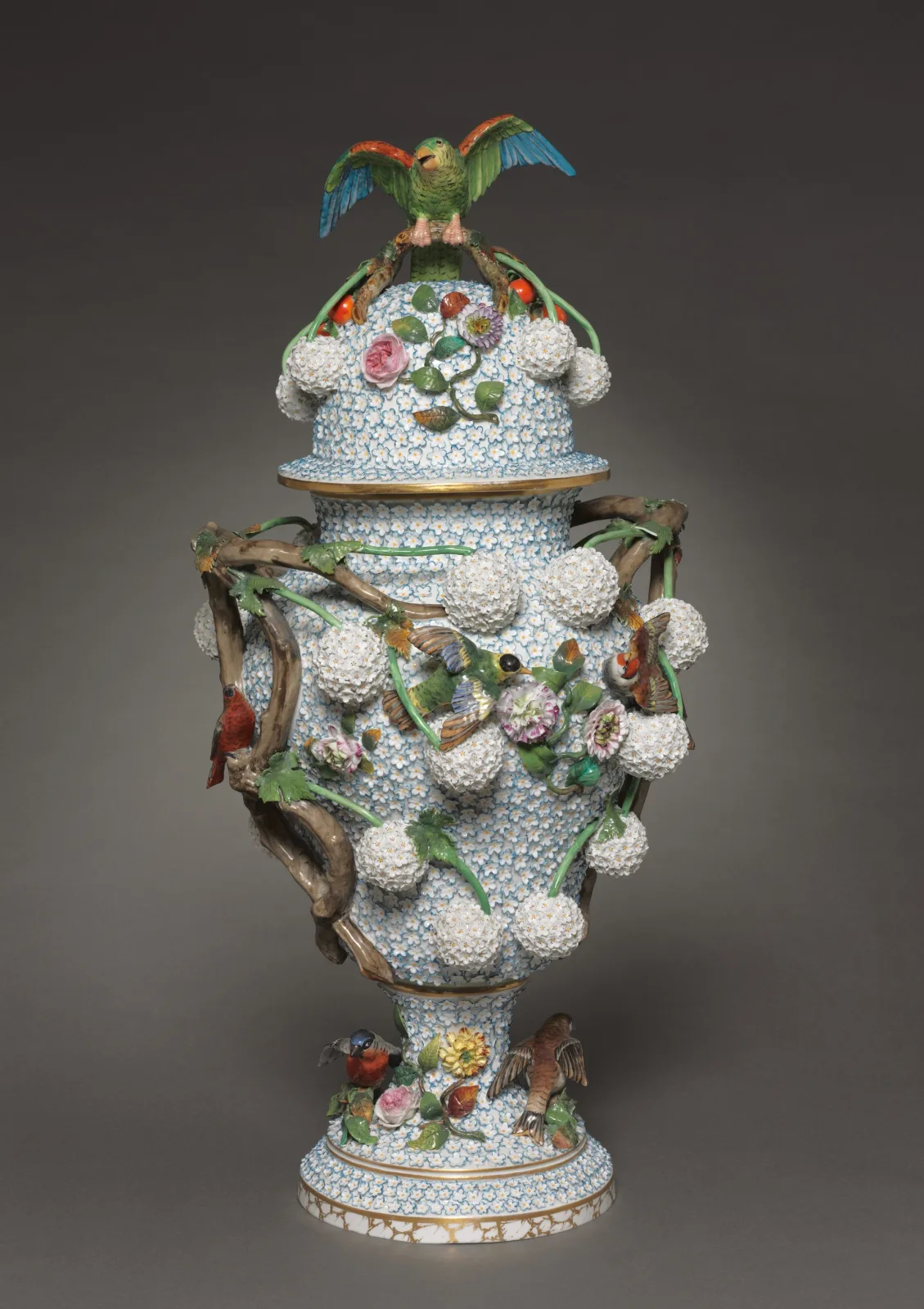
Meissen porcelain is the foundation stone of European ceramics. When Johann Friedrich Böttger and Ehrenfried Walther von Tschirnhaus cracked the centuries-old secret of hard-paste porcelain in Dresden in 1708, they ended a Chinese monopoly that had drained European treasuries for two hundred years. The Royal Saxon Porcelain Manufactory at Meissen, established in 1710 under Augustus the Strong, became the first true porcelain factory in Europe — and every subsequent house, from Sèvres to Vienna, took Meissen as its model. For collectors of fine antique porcelain, learning to read a Meissen base is the entry point to the entire European continental tradition.
The famous crossed swords mark, adopted in 1722 and still in use today, is the world's longest continuously used pottery mark. But the swords alone do not date a piece. Their style, the presence of dots, stars, asterisks, and slashes, the painter's number, the gilder's number, the model number system, and the impressed shape number together form a layered code that lets a careful reader place a piece within a specific period — sometimes within a few years. The same code also exposes the enormous quantity of Meissen-style fakes, copies, and "Dresden style" pieces that flooded the market from the late nineteenth century onward.
This guide walks through every element of Meissen identification: the evolution of the crossed swords mark across more than three centuries, the major artistic periods, the famous modellers and painters, the principal patterns including the ubiquitous Blue Onion (Zwiebelmuster), and the practical tests that separate genuine Meissen from "Dresden style" Sächsische Porzellanmanufaktur, Helena Wolfsohn, Samson of Paris, and modern Asian reproductions. Whether you have inherited a tea service, found a figurine at an estate sale, or are evaluating a piece offered at auction, this framework will let you read a Meissen base with the confidence of a continental porcelain specialist.
Table of Contents
- A Brief History of Meissen
- The Crossed Swords Mark
- Period Marks and Dating Cues
- Painter, Gilder & Press Numbers
- Model Numbers and Shape Codes
- Paste, Glaze & Physical Properties
- The Major Artistic Periods
- Famous Modellers and Painters
- Iconic Meissen Patterns
- Meissen Figurines and Groups
- Meissen vs. "Dresden" Porcelain
- Copies, Forgeries & Outright Fakes
- Cancelled Marks and Seconds
- Condition, Damage & Restoration
- Value Factors and Price Ranges
- Building a Meissen Collection
- Care, Display, and Preservation
A Brief History of Meissen
To understand why Meissen marks matter so much, you have to understand what Meissen accomplished. Before 1708, true hard-paste porcelain — translucent, white, ringing when struck, capable of holding boiling water without crazing — could only be made in China and, by extension, Japan. European potters made soft-paste imitations that crumbled and warped, while wealthy buyers paid extraordinary sums for genuine Chinese imports.
Böttger and the Discovery (1708–1710)
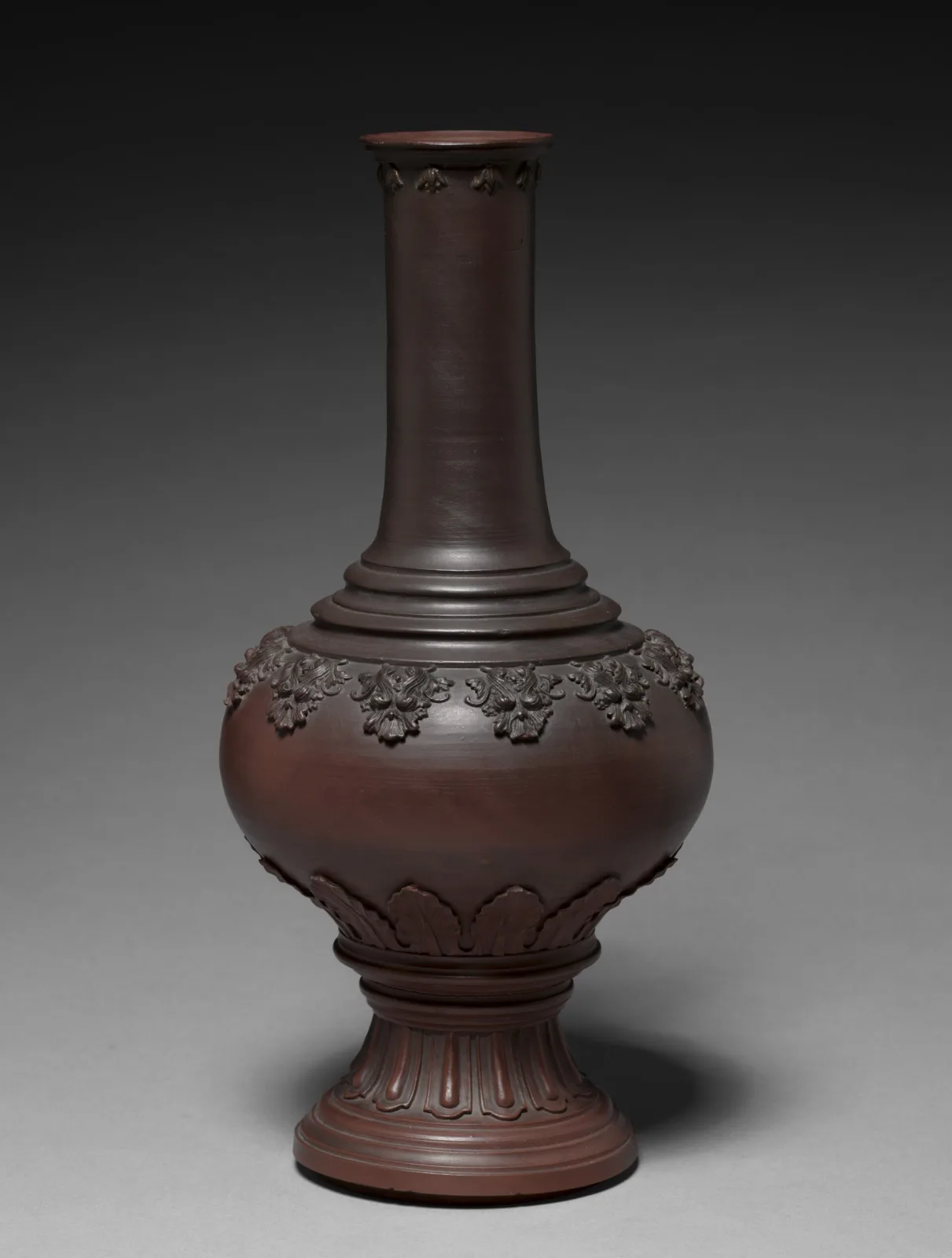
Augustus the Strong, the porcelain-mad Elector of Saxony, locked the alchemist Johann Friedrich Böttger in his palace and ordered him to make gold. Working with the scientist Tschirnhaus, Böttger instead made red stoneware (1707) and then, on March 28, 1709, true white hard-paste porcelain. The Royal Saxon Porcelain Manufactory was founded by decree in 1710, and production was moved from Dresden to the more easily guarded Albrechtsburg castle in Meissen, twenty-five kilometres up the Elbe.
The Böttger Period (1710–1720)
The earliest Meissen is unmarked or bears small impressed marks. Forms imitated Asian models — small tea wares, vases, and figures in red stoneware or early white porcelain. The recipe was a closely guarded state secret; defectors who escaped to Vienna founded the Du Paquier factory in 1719, beginning the long European race to copy Meissen.
The Höroldt and Kändler Era (1720–1763)
The arrival of painter Johann Gregorius Höroldt in 1720 and modeller Johann Joachim Kändler in 1731 ushered in the golden age. Höroldt perfected the chinoiserie palette and harbour scenes; Kändler created the sculptural language — commedia dell'arte figures, animals from the Japanese Palace menagerie, allegorical groups — that defined European porcelain for the next century. The crossed swords mark was adopted in 1722. This is the most prized period for serious collectors.
The Marcolini Period (1774–1813)
Under director Camillo Marcolini, neoclassical taste replaced rococo exuberance. A star or asterisk was added below the crossed swords to mark this period. Output declined during the Napoleonic wars; the factory was occupied and looted, and Sèvres briefly overtook Meissen in European prestige.
Nineteenth-Century Revival (1814–1900)
Industrial reorganisation and the directorship of Heinrich Gottlob Kühn revived the factory. New transfer-printing technology, the popular Blue Onion pattern in production form, and refined figurine modelling re-established Meissen commercially. Most surviving "antique Meissen" on the market today belongs to this period.
Twentieth Century and the East German Era (1900–1990)
Art Nouveau and Art Deco designers including Henry van de Velde and Paul Scheurich worked at Meissen in the early twentieth century. The factory survived both world wars largely intact, was nationalised by the East German government in 1950 as VEB Staatliche Porzellan-Manufaktur Meissen, and continued producing both reissues of historic forms and contemporary designs.
Reunification to Present (1991–Today)
After German reunification, Meissen returned to state ownership under the Free State of Saxony and continues to produce both historic patterns and modern collaborations. New Meissen is genuine Meissen, fully marked, and significantly more expensive than most nineteenth-century pieces — though it does not command the prices of eighteenth-century work.
The Crossed Swords Mark
The crossed swords are taken from the arms of the Electorate of Saxony. They were adopted as the factory mark in 1722 and have been used continuously since — but their drawing changed enough across the centuries to provide one of the most reliable dating tools in all of European ceramics.
Reading the Swords
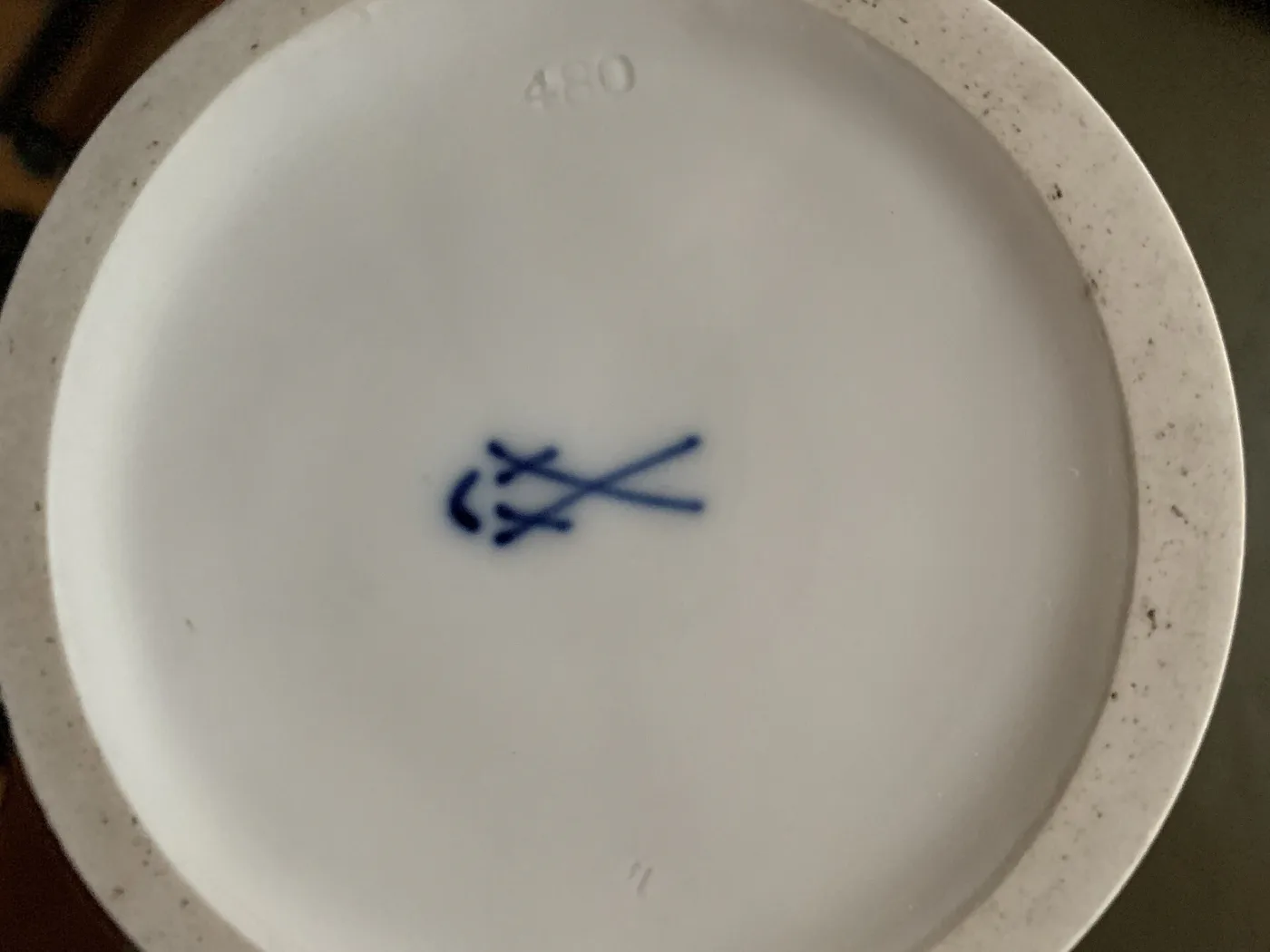
Always look at the underside of the foot or the back of a figure's base. The swords are painted in underglaze blue (or, on red stoneware and biscuit, impressed) and sit beneath the glaze, so they should feel slightly recessed when you run a fingernail across them. A mark sitting on top of the glaze is a major warning sign of either a fake or an overpainted decorator's piece.
Early Swords (1722–1763)
Eighteenth-century swords are drawn freehand, are usually small, and often slightly irregular. The pommels are typically dots rather than circles, the blades cross at a relatively shallow angle, and the overall character is calligraphic. Some early swords are accompanied by additional letters (KPM, MPM, KHC, KHK) indicating Royal collection pieces or specific destinations.
Marcolini Stars (1774–1813)
A six-pointed star or asterisk placed directly beneath the swords identifies the Marcolini period. The swords themselves remain freehand and slightly irregular.
Nineteenth-Century Swords (1814–1924)
From 1814 to about 1860 the swords have curved blades and pommels drawn as small open circles. From around 1860 to 1924 the swords become straighter and more regularised, and from 1850 onward an impressed "1" or other small number often appears nearby indicating the assembler.
Pommel Dot Marks (1924–1934)
A small dot was placed between the pommels from 1924 to 1934, helping distinguish this short interwar period.
Modern Swords (1934–Present)
Post-1934 swords are highly regularised, straight, with closed-circle pommels and a slightly stiffer character. Twenty-first-century swords are essentially identical to mid-twentieth-century swords; period for these pieces must come from documentation, gift boxes, and stylistic clues rather than the mark itself.
Period Marks and Dating Cues
Beyond the swords themselves, secondary symbols accompany the mark to refine the date.
Cancellation Slashes
One or more cuts through the swords indicate factory seconds. One slash means a minor flaw, two slashes mean a more significant flaw, three slashes mean the piece was sold to employees, and four slashes typically indicate a "decorator's blank" sold in the white for outside decoration. Most "Helena Wolfsohn"–type Dresden pieces began life as Meissen seconds with cancellation marks.
Anniversary and Commemorative Marks
Meissen has used special anniversary marks for major celebrations: 1910 bicentenary, 1960 250th anniversary, 2010 tercentenary. Each is well documented and easy to verify against published reference tables.
Form Variations
The shape of the swords helps narrow the period. A slightly bulbous pommel, a particular blade curve, or the angle of the cross-guards can place a piece even when the date is otherwise unclear. Detailed comparative drawings in Robert Röntgen's Marks on German, Bohemian and Austrian Porcelain are the definitive resource.
Painter, Gilder & Press Numbers
Genuine Meissen pieces typically carry several numbers in addition to the swords. Reading these is essential because their absence — or their presence in the wrong combination — often distinguishes Meissen from Meissen-style competitors.
Painter's Number
A small painted number (1, 2, 12, 47, etc.) identifies the individual painter responsible for the decoration. Painter numbers were assigned from the eighteenth century onward, and the same number could be reused over time, so the painter number alone does not date a piece — but its presence in the correct location confirms factory decoration.
Gilder's Number
Pieces with gilt decoration also carry a small gilder's number, sometimes adjacent to the painter's number. The gilding itself should sit beneath a final clear glaze on early pieces and on top of the glaze on most nineteenth-century pieces — both are correct depending on period.
Impressed Press Numbers
An impressed numeral on the foot, typically one to three digits, identifies the workman who pressed the form. These are not date codes, but their style and depth help distinguish authentic Meissen from cast reproductions, which generally lack any impressed marks at all.
Year Codes
Twentieth-century Meissen often includes additional small painted year codes — typically the last two digits of the year. These are not always present, especially on tableware, but when present they greatly simplify dating.
Model Numbers and Shape Codes
Every Meissen form has a model number. These were systematically catalogued from the early nineteenth century in the factory's master inventory, and the numbers are continuous: a model created in 1750 still bears its original number when reissued in 1950.
Reading the Number
Model numbers are typically impressed into the foot rim of the figure or the base of a vessel. Three-letter prefixes (A, B, C, D, E, F, G, H) plus three or four digits encode shape category and individual form. Comprehensive catalogue references — Rückert, Pietsch, and others — allow a model number to be matched to a specific Kändler, Eberlein, or Acier model.
Why the Number Matters
Because Meissen reissues old models continuously, a piece with an eighteenth-century model number can date from 1750 or from 1950. The swords mark, painter number, and physical characteristics — not the model number — determine when a piece was actually made. Reproductions from outside the factory typically lack the impressed model number or carry a number that does not match the form.
Paste, Glaze & Physical Properties
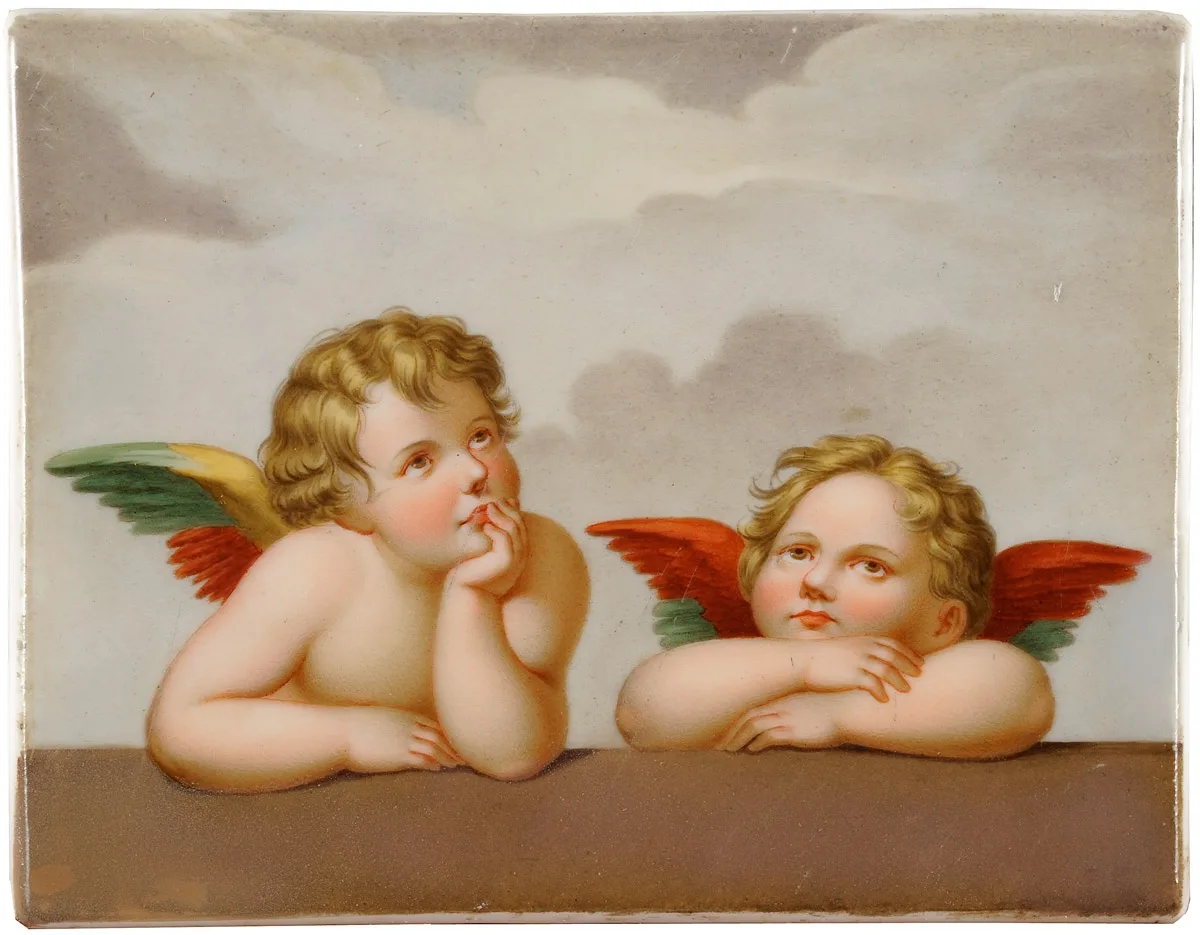
Before you finish your identification, examine the body itself. Meissen is hard-paste porcelain — kaolin, feldspar, and quartz fired above 1300°C — and has distinct physical properties that copies in soft-paste, bone china, or low-fired earthenware cannot duplicate.
Translucency
Hold a thin section to a bright light. Genuine hard-paste porcelain shows clear translucency with a slightly cool, blue-white tone. Bone china translucency is warmer, almost cream. Earthenware is opaque entirely.
The Ring Test
Gently tap an undamaged rim with a fingernail. Hard-paste porcelain rings with a clear, sustained bell-like tone. A dull thud indicates either a hidden crack or a softer body. Always perform this test on the rim, not the body, and never on a piece you cannot afford to damage.
Glaze Character
Meissen glaze is thin, tightly bonded to the body, and uniformly distributed. There should be no significant pooling, no orange-peel texture, and no crazing on properly fired pieces. Crazing on a Meissen piece almost always indicates damage from thermal shock or a later-period soft-paste copy.
Foot Rim
Examine the foot ring under magnification. Meissen foot rims are wiped clean of glaze and show the white body underneath. The unglazed band should be smooth, slightly polished from kiln furniture contact, and free of the speckles or impurities common on lower-quality bodies.

The Major Artistic Periods
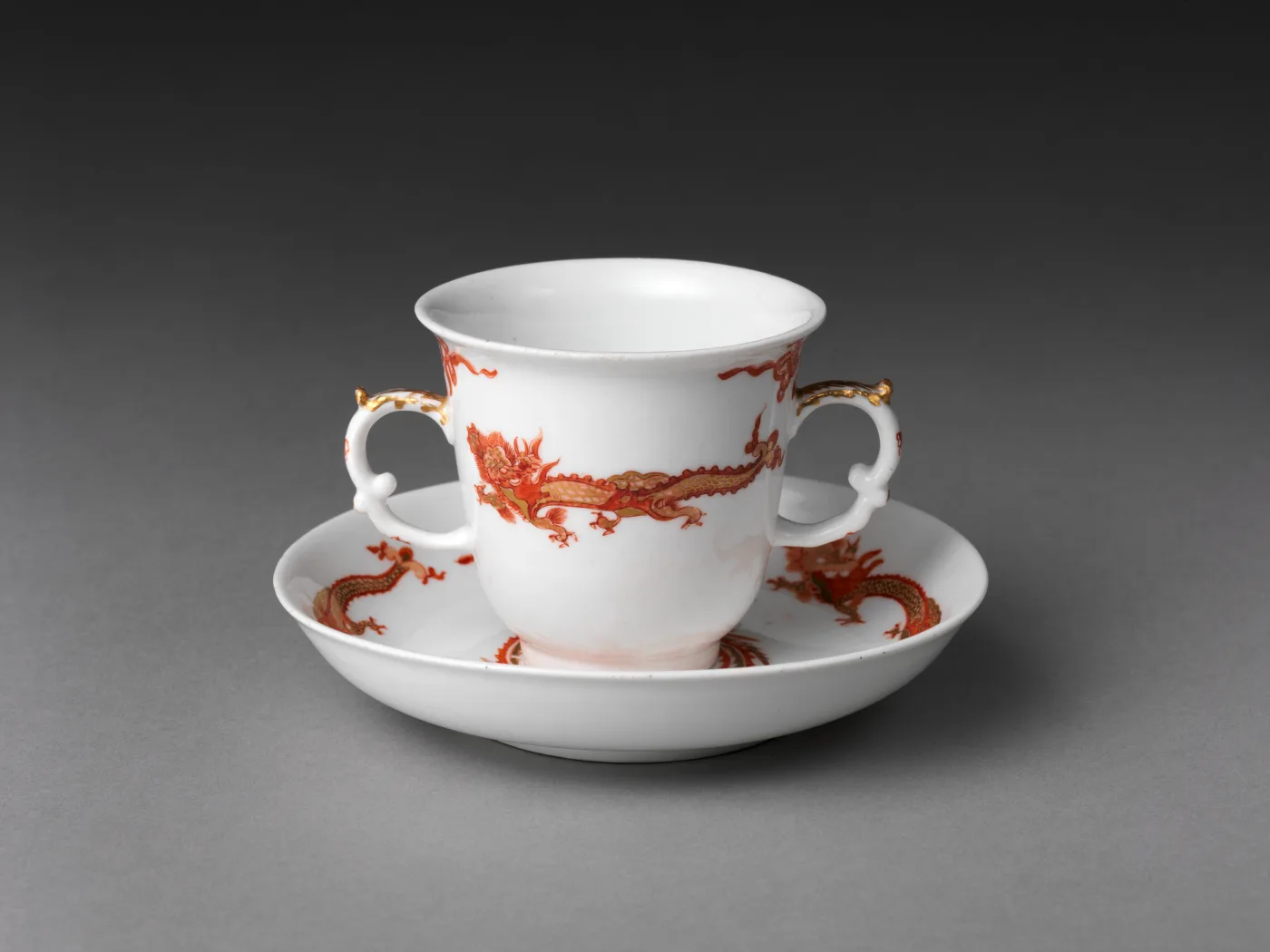
Period assignment is the single most important factor in Meissen value. A figurine that looks identical to an inexperienced eye can be worth fifty thousand dollars in the Kändler period or two hundred dollars in the late twentieth century.
Böttger and Early Period (1710–1731)
Red stoneware, early white porcelain imitating Asian forms, and the first European chinoiserie. Marks are minimal — impressed letters, occasional caduceus marks (1722–1731), or no mark at all. Extreme rarity; museum-grade pieces.
Kändler Rococo Period (1731–1775)
The artistic peak. Crossed swords mark fully established. Figurines, snuff boxes, harlequins, allegorical groups, and lavish dinner services for European courts. Top-tier auction pieces. Most pieces show some restoration; entirely original Kändler figures are rare and valuable.
Marcolini Neoclassical Period (1774–1813)
Star beneath swords. Restrained palette, classical subjects, less sculptural exuberance. Generally less expensive than Kändler-era work but still highly collectible.
Biedermeier Period (1814–1860)
Domestic forms, hand-painted floral cabinet plates, naturalistic flower decoration. Marks become more regular. Affordable entry point to genuine antique Meissen.
Pfeiffer and Late Nineteenth Century (1860–1924)
Mass production of historic forms, blue onion in industrial quantities, exhibition pieces of extraordinary technical quality. Most "Meissen" on the general antiques market belongs here.
Pommel-Dot Period (1924–1934)
A distinct interwar period with the dot between the sword pommels. Art Deco influences appear alongside continuing reissues of historic models.
VEB Period (1950–1990)
East German state ownership. Quality remained high; collectors should not dismiss VEB-period pieces, but prices are lower than equivalent pre-1945 work.
Modern Period (1990–Present)
Reunified Meissen continues to produce historic models and contemporary designs. New pieces are expensive at retail but tend to depreciate on the secondary market.
Famous Modellers and Painters
Like Rookwood in America and Sèvres in France, Meissen prized individual artistic identity even within a corporate factory. Knowing the major names lets you recognise important pieces immediately.
Johann Joachim Kändler (1706–1775)
The defining modeller of European porcelain. Created the Swan Service, the Monkey Band, the commedia dell'arte figures, and hundreds of animal and allegorical groups. Original Kändler models continue in production today, so the model itself does not date the piece — only the period of execution does.
Johann Gregorius Höroldt (1696–1775)
Chief painter who developed the chinoiserie palette and harbour scenes that defined eighteenth-century Meissen painting. His signed pieces are museum-grade rarities.
Johann Friedrich Eberlein (1696–1749)
Kändler's principal assistant. Many Kändler-attributed groups were actually executed by Eberlein. His delicate small-scale modelling complements Kändler's grander compositions.
Michel Victor Acier (1736–1799)
French sculptor recruited in 1764. Brought neoclassical taste to Meissen modelling; his work bridges the rococo and Marcolini periods.
Ernst August Leuteritz (1818–1893)
Nineteenth-century chief modeller who reissued and adapted eighteenth-century designs. Most "Kändler" figures encountered today are actually Leuteritz-era productions of Kändler models.
Paul Scheurich (1883–1945)
Twentieth-century modeller responsible for Art Deco-influenced figures of dancers, ballerinas, and theatrical subjects. Scheurich figures are highly collected and continue in limited production.
Iconic Meissen Patterns
Meissen patterns appear constantly in the antiques market — both genuine and copied. Recognising the major patterns helps you spot Meissen even before checking the mark.
Blue Onion (Zwiebelmuster)
Introduced about 1740, Blue Onion is the most copied porcelain pattern in history. The design — stylised pomegranates often mistaken for onions, peaches, and bamboo — was adapted from Chinese Kangxi porcelain. Hundreds of factories copied it, including flow blue china manufacturers in the Staffordshire region, Meissen-style "Dresden" workshops, and Czech and Japanese factories. Always check the mark — genuine Meissen Blue Onion has crossed swords, while imitations may use crowns, beehives, or simply "Blue Onion" with no factory mark.
Crossed Swords Tableware
White or sparingly decorated tableware with painted swords visible on each piece — including on the surface of plates, not just the underside — is the simplest Meissen design and remains popular today.
Indianische Blumen (Indian Flowers)
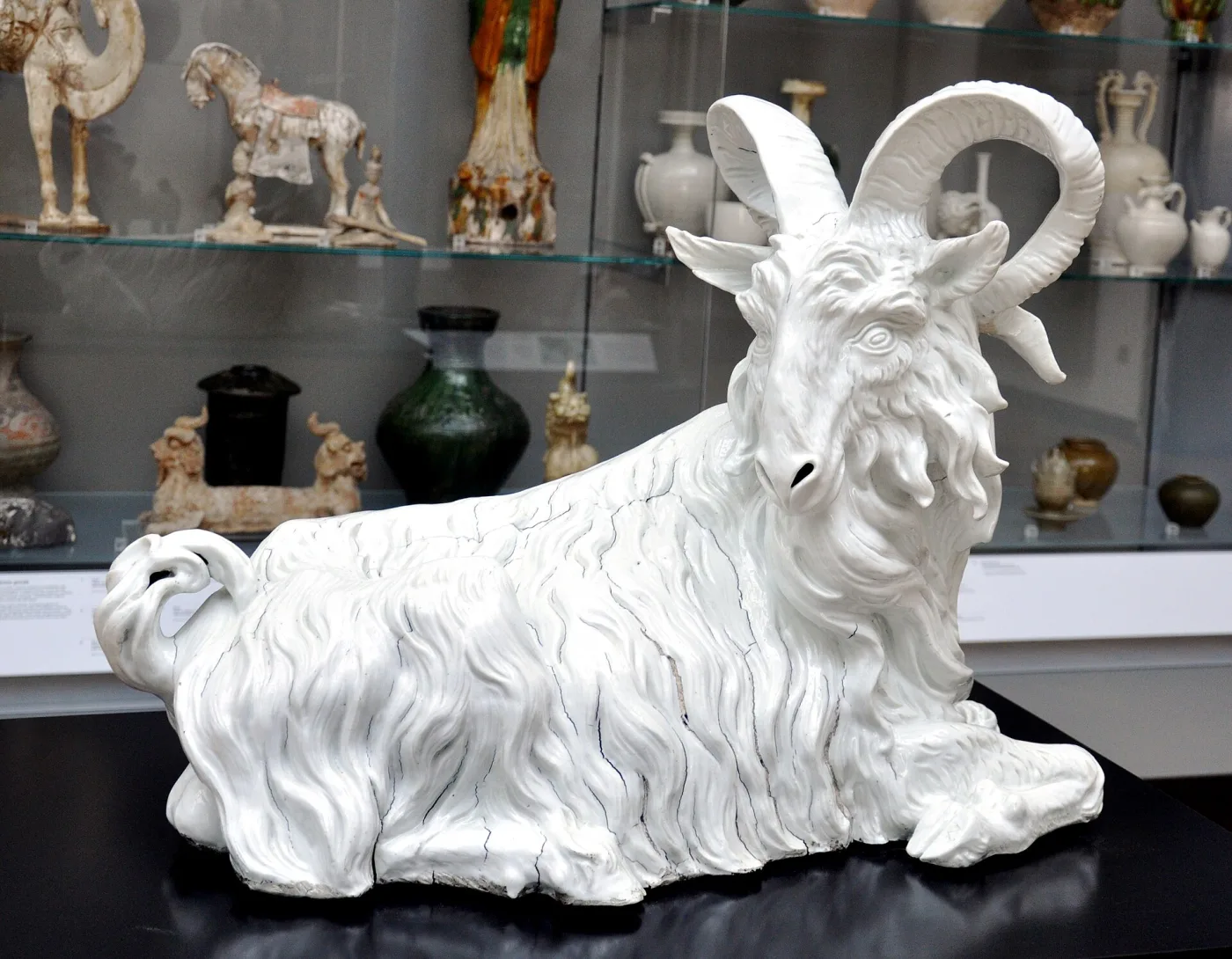
An early-eighteenth-century floral palette derived from Japanese Kakiemon and Imari designs. Bright reds, iron-reds, greens, and gilt, often on cabinet plates and tea wares.
Deutsche Blumen (German Flowers)
Mid-eighteenth-century naturalistic flower painting. Detailed botanical specimens with shadows and stems, derived from contemporary engravings. The pattern remained in production for two centuries.
Watteau Scenes
Rococo courtship scenes after engravings of paintings by Antoine Watteau. Popular on tea services, cabinet plates, and decorative urns throughout the nineteenth century.
Marcolini Vases and Cabinet Plates
Neoclassical urn shapes with portrait medallions, painted views of European cities, and gilt-bronze mounted examples. Some of the most ambitious decorative porcelain of the period.
Meissen Figurines and Groups
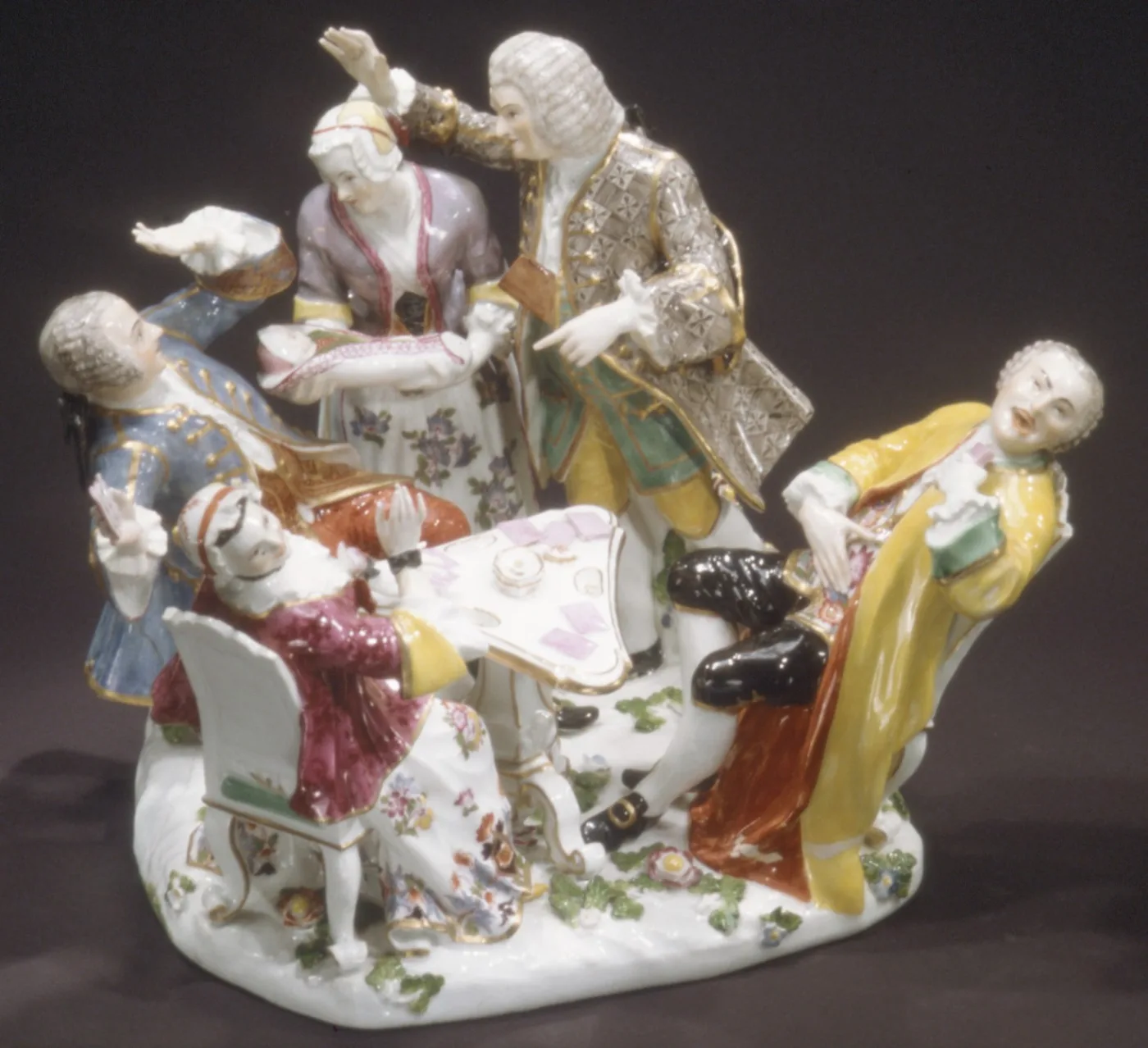
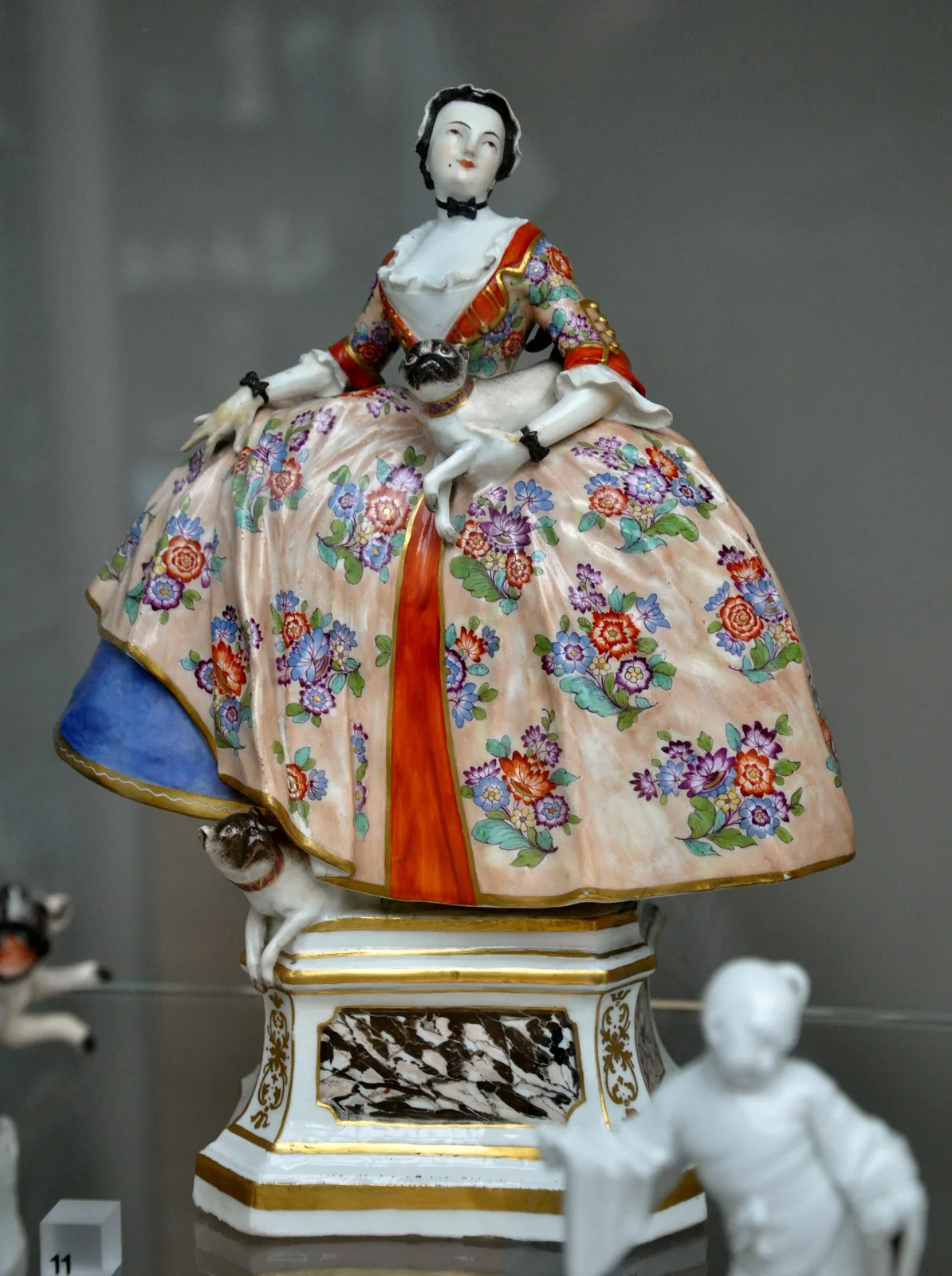
Figurines are the soul of Meissen collecting. Kändler's commedia dell'arte figures, the Monkey Band, the Crinoline Group, and hundreds of pastoral and allegorical compositions define European porcelain sculpture. Like collectable Staffordshire figurines, Meissen pieces require careful examination — but the techniques differ.
Construction
Figures are assembled from multiple pressed parts: head, body, arms, base, and applied flowers or accessories. Joints should be invisible under the glaze when viewed from the front but may show fine seams on the underside. Cast reproductions show seam lines on visible surfaces.
Applied Flowers and Lace
Many Meissen figures carry tiny three-dimensional flowers or porcelain lace. These are extraordinarily delicate and rarely survive without minor losses. Original applied flowers show variations in scale and modelling — no two are identical — while machine-made copies show repeating identical flowers.
Painting Quality
Faces and hands are the test. Meissen faces have individualised features painted with fine brushwork: distinct eye colours, subtle lip lines, modelled cheek shading. Cheap copies show flat, schematic faces with crude brushwork.
Base Treatment
Meissen bases are typically modelled with naturalistic ground — moulded leaves, grass, rockwork — and finished in colours that integrate with the figure. The underside is glazed except for the foot rim and shows the crossed swords, model number, painter number, and impressed press number.
Meissen vs. "Dresden" Porcelain
This distinction confuses more collectors than any other. "Dresden" does not mean Meissen.
Meissen Is a Factory
Meissen porcelain is made by one specific factory in Meissen, Saxony, marked with crossed swords, and produced continuously since 1710.
"Dresden" Is a Style
From about 1855 onward, dozens of independent decorating studios in the city of Dresden purchased white porcelain blanks — often Meissen seconds with cancelled marks — and decorated them in Meissen-style patterns. These pieces bear marks like a blue crown over "Dresden," "Lamm," "Helena Wolfsohn," "Donath," or simply "Dresden, Germany." They are genuine antique porcelain, often well decorated, but they are not Meissen, and prices reflect that difference.
How to Tell
Look at the mark first. Crossed swords with no other factory text = Meissen. Crown with "Dresden" = Dresden style. Mark in overglaze rather than underglaze blue = almost always Dresden style. A cancelled swords mark together with a Dresden mark = Meissen blank, Dresden decoration. The body and form may be Meissen, but the value follows the decorator's mark.
Specific Dresden Studios
Helena Wolfsohn (active 1843–1883) used a fake-looking AR monogram (imitating Augustus Rex) and was finally enjoined by Meissen from continuing the practice. Her pieces are now collected as Wolfsohn rather than as fake Meissen. Carl Thieme's Sächsische Porzellanmanufaktur, Donath & Co, and Helena Wolfsohn's successors all produced significant volumes of Dresden-style porcelain throughout the late nineteenth century.
Copies, Forgeries & Outright Fakes
Meissen has been faked for as long as it has existed. The 1719 Du Paquier factory in Vienna was effectively founded on stolen Meissen knowledge. Modern fakes include continued Asian reproductions, deliberately aged twentieth-century copies, and outright forgeries.
Samson of Paris
Edmé Samson (active 1845–1969) produced acknowledged copies of Meissen, Sèvres, Chinese export, and other historic porcelains. Samson pieces are themselves now collected, but they should never trade as genuine Meissen. Look for the distinctive Samson mark — though many examples had Samson marks deliberately removed by later sellers.
Modern Asian Reproductions
Contemporary Chinese workshops produce convincing Meissen figurines with painted-on crossed swords marks. The marks sit on top of the glaze (genuine Meissen marks are under the glaze), the porcelain body is denser and heavier, and the painting lacks the individuality of factory work. Japanese export factories took a different path — rather than counterfeiting European marks, makers such as Noritake and the producers of Nippon-marked export porcelain developed their own backstamps and patterns for the American market, openly competing with European porcelain rather than copying its marks.
Repainted and "Married" Pieces
Genuine eighteenth-century Meissen blanks were sometimes redecorated in the nineteenth century to suit new taste, then resold as period pieces. Look for inconsistencies: an eighteenth-century mark with nineteenth-century palette, glaze that runs over the swords (proving the mark was applied last), or stylistic anachronisms.
Reproduction Marks
Pure forgeries — pieces with fake crossed swords applied to non-Meissen porcelain — exist but are easier to detect. Body, glaze, weight, and translucency all betray non-hard-paste bodies. The mark is the last thing to check; the body comes first.
Cancelled Marks and Seconds
Meissen has always graded its output ruthlessly. Understanding the cancellation system helps you evaluate apparent bargains.
Single Slash (Minor Second)
A small kiln flaw, minor glaze defect, or slight discolouration. The piece is still genuine Meissen but was sold at a reduced price. Many single-slash pieces are visually indistinguishable from first-quality work.
Double Slash (Significant Second)
A more noticeable flaw, often a glaze fault or chip repaired before sale. Worth perhaps 40–60% of equivalent first-quality work.
Triple Slash (Staff Sale)
Pieces sold to factory employees at deep discount. Often quality is fine but a non-correctable issue exists, such as misfired colour.
Four Slashes (Decorator's Blank)
Sold in the white for outside decoration. Most "Dresden style" pieces with apparent Meissen blanks come from this category. The blank is genuine Meissen porcelain, but the decoration is not Meissen factory work.
Condition, Damage & Restoration
Condition affects Meissen values dramatically. A perfect Kändler figure can be worth ten times an identical figure with restored fingers.
Common Damage
Applied flowers, fingers, sword tips, and projecting accessories are the first elements to be lost or restored. Detached and reglued elements should be examined under ultraviolet light — modern adhesives fluoresce, while clean breaks generally do not.
Restoration Detection
UV light reveals most overpainted restoration as a dull patch against the glaze's natural fluorescence. A pin tip tapped gently against suspect areas produces a different sound on restoration versus original porcelain. Magnification reveals brush marks in painted restoration that do not exist in fired glaze.
Acceptable Restoration
The Meissen market accepts restoration of small applied flowers and minor losses, but disclosure is essential. Pieces sold as "perfect" that turn out to be restored will be returned by serious collectors and damage a dealer's reputation.
Hairline Cracks
Run a finger across the rim and listen to the ring test. Hairlines may not be visually obvious but reveal themselves through dulled sound and slight surface irregularity. They reduce value substantially.
Value Factors and Price Ranges
Meissen prices span four orders of magnitude. Reading a piece correctly requires understanding which factors drive its value.
Primary Value Factors
Period (eighteenth-century commands the highest premiums), modeller (Kändler, Eberlein, Acier above all), painter quality and signature, condition, rarity of the specific model, and provenance from named collections all push prices upward.
Approximate Price Ranges
Modern (post-1950) Meissen tableware: $50–$500 per piece at secondary market. Late nineteenth-century figurines: $300–$3,000 depending on size and complexity. Pommel-dot period figures: $400–$4,000. Marcolini-period works: $1,000–$10,000. Genuine Kändler-period figures: $5,000 to well over $100,000 for major models. Royal commissions and one-off exhibition pieces: museum-acquisition prices.
Auction vs. Retail
Major auction houses (Bonhams, Sotheby's, Christie's, Lempertz) handle the upper market. Specialist dealers price retail at 1.5–3x recent auction comparables. Estate sales and general antiques shows occasionally offer genuine pieces below market — though "genuine" must be carefully verified through the framework above.
Pairs and Sets
Meissen tea services and figurine pairs (a shepherd and shepherdess, allegories of the seasons) command substantial premiums for completeness. A pair sells for two to three times two individual figures. Missing pieces from a service depress value disproportionately.
Building a Meissen Collection
Meissen rewards focused collecting. The factory's continuous production over three centuries means a thoughtful collector can build deep specialty knowledge without limitless funds. The same disciplined approach applies as for building any antique collection.
Specialise Early
The Meissen output is vast. Most serious collectors specialise: a single modeller, a particular pattern, animal figures, snuff boxes, or a specific period. Specialisation builds the knowledge that lets you recognise undervalued pieces and avoid expensive mistakes.
Start with Mid-Range Pieces
Late nineteenth-century Meissen offers the best learning ground. Pieces are genuine, marks are clear, and prices allow mistakes without catastrophic loss. Move to earlier periods as your eye develops.
Reference Libraries
Robert Röntgen's Marks on German, Bohemian and Austrian Porcelain, Otto Walcha's Meissen Porcelain, and the various Meissen factory archive publications are essential. The Porzellansammlung in Dresden's Zwinger Palace holds the world's most comprehensive Meissen collection and offers educational programs.
Provenance Documentation
Maintain detailed records of every purchase: photographs of marks, condition reports, prior auction listings, and dealer invoices. Strong provenance dramatically increases resale value, especially as authentication concerns grow. The same approach is essential for provenance research across all antique categories.
Insurance and Appraisal
Meissen collections above $10,000 in aggregate value deserve scheduled insurance and updated appraisals every five years. Specialist appraisers familiar with continental porcelain markets produce more useful valuations than general antique appraisers.
Care, Display, and Preservation
Meissen porcelain is remarkably durable, but the delicate applied decoration and fine painting reward careful handling. Apply the same general principles found in our antique storage and preservation guide.
Handling
Lift figures from the body, never by limbs, accessories, or applied flowers. Support large vessels with both hands. Remove rings and watches before handling pieces with painted faces or fine gilding. Wear cotton or nitrile gloves for valuable pieces.
Cleaning
Dust with a soft natural-bristle brush. For deeper cleaning, use lukewarm water with a few drops of mild dish soap, then dry thoroughly with a soft microfibre cloth. Never immerse pieces with restoration, hairlines, or active crazing. Never use abrasive cleaners, bleach, or ultrasonic devices.
Display
Display in a stable environment with consistent temperature (16–22°C / 60–72°F) and humidity (40–60% relative humidity). Avoid direct sunlight, which can fade overglaze enamels over decades. Secure tall figures and vases with museum wax or earthquake gel.
Storage
Wrap pieces individually in acid-free tissue and place in stable, padded containers. Never stack pieces. Store away from temperature extremes and humidity sources. Photograph every piece before storage so any subsequent damage can be documented for insurance.
Transport
For shipping or moving, double-box with two inches of cushioning between boxes. Wrap applied flowers and projecting elements individually before wrapping the main body. Mark cases clearly and never ship valuable pieces without insurance.