Complete Guide to Antique Authentication and Provenance Research 2026
In the world of antiques, authentication and provenance research are the cornerstones of establishing value, authenticity, and historical significance. Whether you're a seasoned collector, a dealer, or someone who has inherited or discovered a potential antique, understanding how to authenticate items and research their history is essential. This comprehensive guide will equip you with the knowledge and techniques needed to verify authenticity, detect reproductions, and establish compelling provenance for antique pieces. From traditional examination methods to modern scientific techniques, and from basic documentation to advanced research strategies, this guide covers everything you need to become proficient in antique authentication and provenance research.
Table of Contents
- Understanding Authentication: The Foundation of Antique Collecting
- Physical Examination Techniques for Authentication
- Material Analysis and Scientific Testing
- Mark and Signature Analysis
- Construction Methods and Manufacturing Techniques
- Style and Period Analysis
- Detecting Fakes, Reproductions, and Forgeries
- Provenance Research Fundamentals
- Documentation and Historical Research
- Ownership History and Chain of Custody
- Expert Consultation and Professional Authentication
- Documentation Standards and Best Practices
- Legal and Ethical Considerations
- Common Pitfalls and How to Avoid Them
- Building Your Authentication Expertise
Understanding Authentication: The Foundation of Antique Collecting
Authentication is the process of verifying that an antique item is genuine, original, and accurately represented. It's a critical skill that protects collectors from fraud, ensures fair market value, and preserves historical accuracy. Understanding the fundamentals of authentication is essential before diving into specific techniques.
What is Authentication?
Authentication involves multiple layers of verification:
- Authenticity: Confirming the item is genuine and not a reproduction or fake
- Attribution: Identifying the maker, artist, manufacturer, or origin
- Dating: Determining the period or specific date of creation
- Condition: Assessing originality of condition versus restoration or alteration
- Provenance: Establishing documented history of ownership
Why Authentication Matters
Proper authentication serves multiple critical purposes:
- Value Protection: Authentic items command significantly higher prices than reproductions
- Fraud Prevention: Protects buyers from purchasing fake or misrepresented items
- Historical Accuracy: Ensures accurate historical record and scholarship
- Legal Protection: Provides evidence in disputes and insurance claims
- Investment Security: Gives confidence in long-term value retention
The Authentication Process
A systematic authentication process follows these steps:
- Initial Examination: Visual inspection and basic assessment
- Physical Analysis: Detailed examination of materials, construction, and condition
- Comparative Research: Comparing with known authentic examples
- Documentation Review: Examining any available documentation or provenance
- Scientific Testing: When necessary, employing scientific methods
- Expert Consultation: Seeking professional opinions for high-value items
- Final Assessment: Synthesizing all evidence into a conclusion
Physical Examination Techniques for Authentication
Physical examination is the first and most accessible method of authentication. A thorough, systematic examination can reveal numerous clues about an item's authenticity, age, and origin.
Visual Inspection Fundamentals
Begin with a comprehensive visual examination:
Overall Condition Assessment
- Wear Patterns: Natural aging creates consistent, logical wear patterns
- Patina: Authentic patina develops naturally over time and cannot be easily replicated
- Color Changes: Materials change color with age in predictable ways
- Surface Texture: Authentic items show natural texture variations from use and age
Detail Examination
- Magnification: Use a jeweler's loupe or magnifying glass to examine fine details
- Tool Marks: Look for evidence of hand tools versus machine production
- Imperfections: Authentic handcrafted items show natural variations and minor flaws
- Consistency: Check for consistency in materials, workmanship, and style
Weight and Density Analysis
Weight can provide important authentication clues:
- Material Density: Different materials and periods have characteristic weights
- Construction Methods: Handcrafted items often differ in weight from machine-made
- Age Indicators: Older items may have different weights due to material changes
- Comparative Weight: Compare with known authentic examples when possible
Sound and Resonance Testing
For certain materials, sound can reveal authenticity:
- Ceramics: Tap gently to hear ring quality (authentic pieces have characteristic sounds)
- Glass: Sound can indicate thickness and quality
- Metal: Different alloys produce different sounds when struck
- Wood: Sound can reveal internal condition and construction
Surface Texture and Finish Analysis
Examining surface characteristics provides valuable information:
Finish Examination
- Original Finishes: Look for evidence of original versus applied finishes
- Finish Consistency: Authentic finishes show natural variations
- Age Indicators: Crazing, checking, and other age-related changes
- Restoration Evidence: Identify areas of repair or restoration
Texture Analysis
- Surface Smoothness: Hand-finished versus machine-finished surfaces
- Tool Marks: Evidence of specific tools used in creation
- Wear Patterns: Natural wear from use versus artificial aging
- Material Characteristics: Natural material variations and grain patterns
Material Analysis and Scientific Testing
Scientific analysis provides objective evidence for authentication. While not always necessary or practical, these methods can be crucial for high-value items or when other methods are inconclusive.
Non-Destructive Testing Methods
These methods don't damage the item:
X-Ray Fluorescence (XRF)
- Purpose: Analyzes elemental composition of materials
- Applications: Metal identification, paint analysis, glaze composition
- Benefits: Non-destructive, quick, portable equipment available
- Limitations: Surface analysis only, requires interpretation
Ultraviolet (UV) Light Examination
- Purpose: Reveals repairs, restorations, and material differences
- Applications: Paint analysis, glass identification, restoration detection
- Benefits: Simple, inexpensive, non-destructive
- Limitations: Requires experience to interpret results
Infrared Photography
- Purpose: Reveals underlying layers and hidden details
- Applications: Painting analysis, document examination, restoration detection
- Benefits: Non-destructive, reveals hidden information
- Limitations: Requires specialized equipment and expertise
Destructive Testing Methods
These methods require samples and should only be used when necessary:
Thermoluminescence Dating
- Purpose: Dates ceramic and glass items by measuring radiation
- Accuracy: Typically within 10-15% of actual age
- Applications: Ceramics, glass, some minerals
- Limitations: Requires sample, expensive, not suitable for all materials
Radiocarbon Dating
- Purpose: Dates organic materials up to 50,000 years old
- Accuracy: Typically within 20-50 years for recent items
- Applications: Wood, textiles, paper, organic materials
- Limitations: Requires sample, expensive, limited to organic materials
Dendrochronology
- Purpose: Dates wood by analyzing tree ring patterns
- Accuracy: Can date to specific year in some cases
- Applications: Wooden furniture, panel paintings, wooden objects
- Limitations: Requires visible tree rings, reference databases needed
Material Composition Analysis
Understanding material composition helps authenticate items:
Metal Analysis
- Alloy Composition: Different periods used different alloy ratios
- Impurity Patterns: Historical manufacturing left characteristic impurities
- Corrosion Patterns: Natural aging creates specific corrosion types
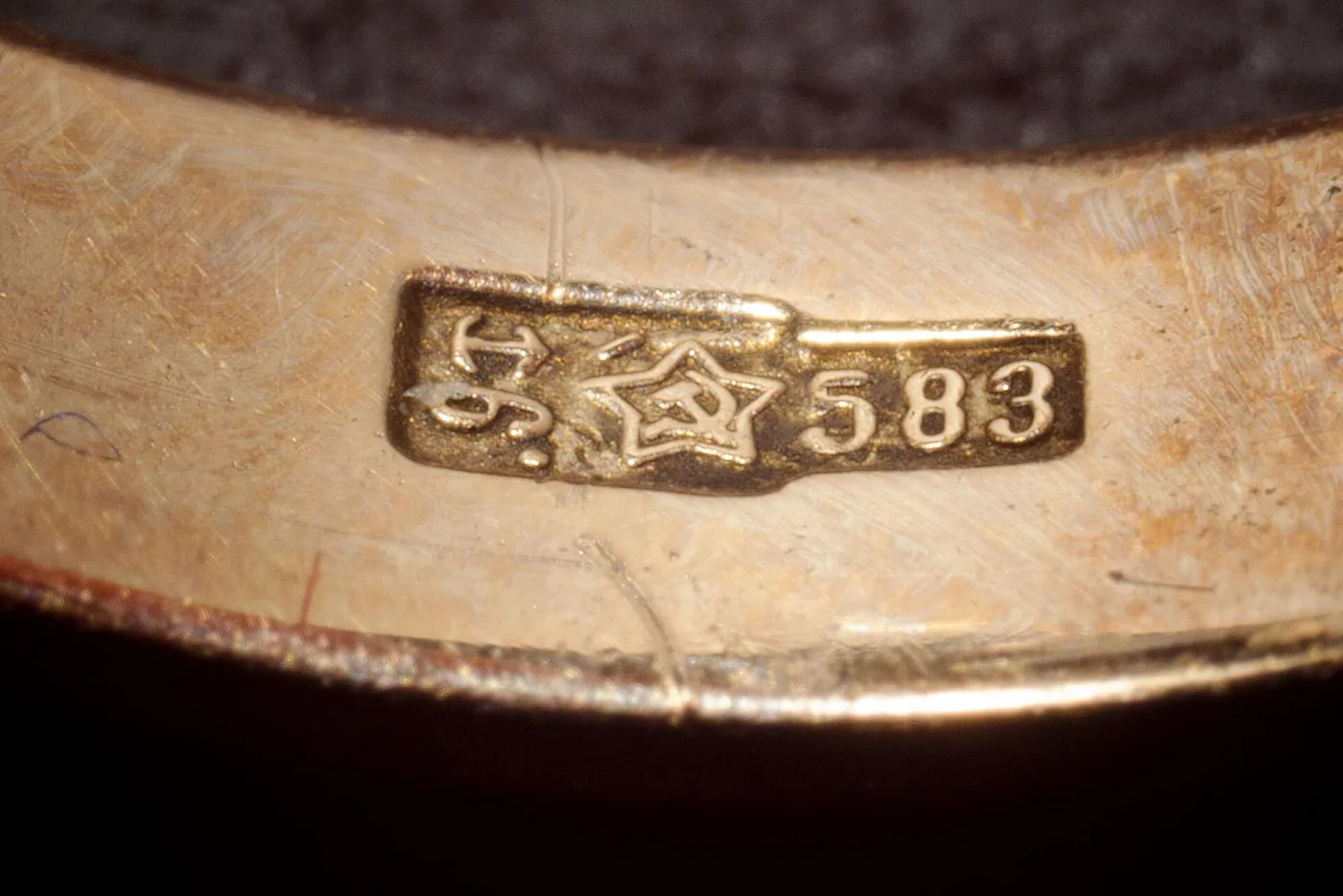
- Hallmark Verification: Scientific analysis can verify hallmark accuracy
Paint and Pigment Analysis
- Historical Pigments: Certain pigments were only available in specific periods
- Binding Media: Different periods used different paint binders
- Layer Analysis: Examining paint layers reveals creation process
- Restoration Detection: Modern materials reveal recent work
Mark and Signature Analysis
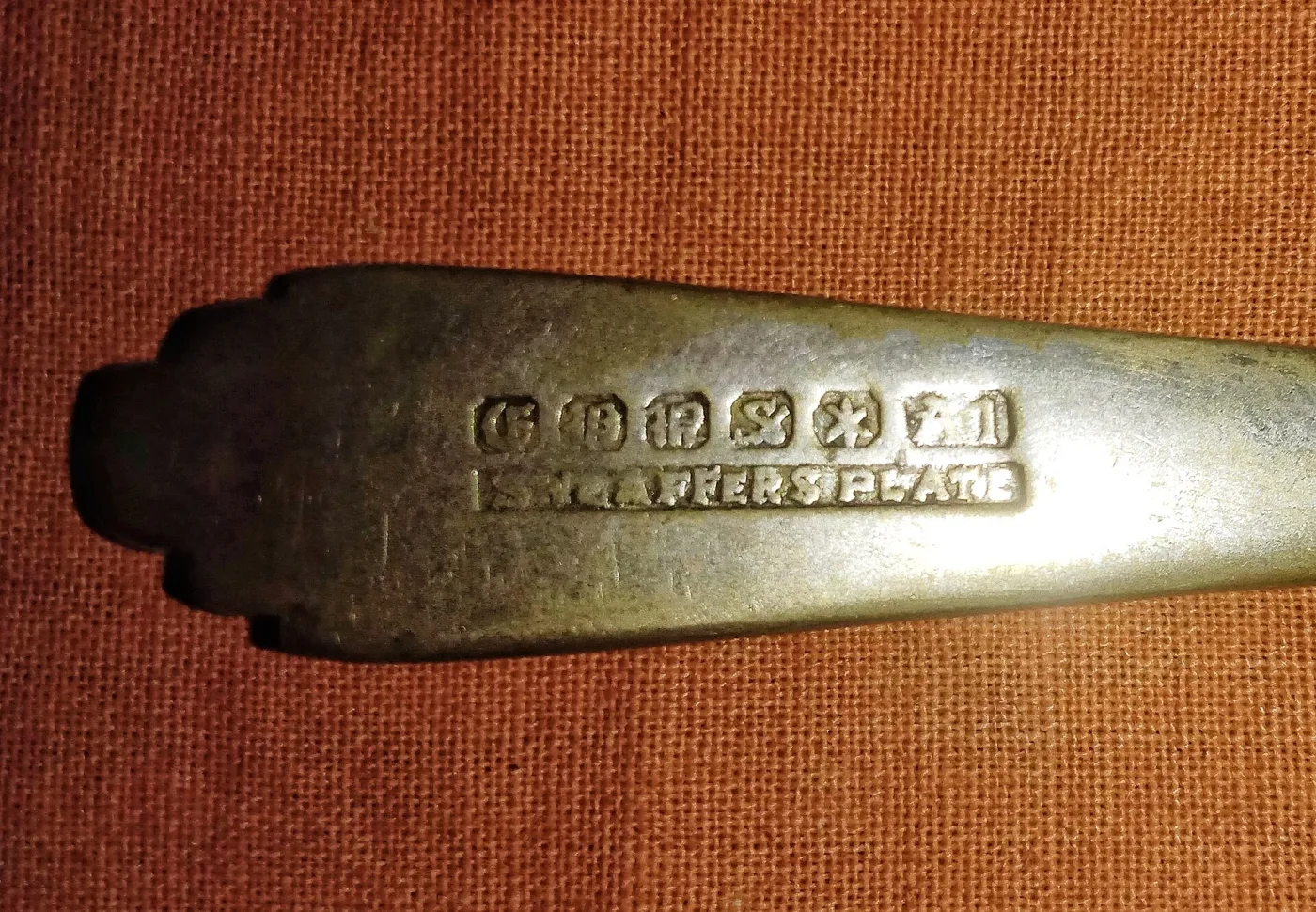
Marks, signatures, and hallmarks are among the most important authentication tools. However, they can also be forged, so careful analysis is essential.
Types of Marks and Signatures
Understanding different marking systems is crucial:
Maker's Marks
- Impressed Marks: Pressed into material before firing or setting
- Incised Marks: Carved or scratched into surface
- Printed Marks: Applied using transfer printing or similar methods
- Painted Marks: Hand-painted signatures or marks
- Stamped Marks: Metal stamps used on various materials
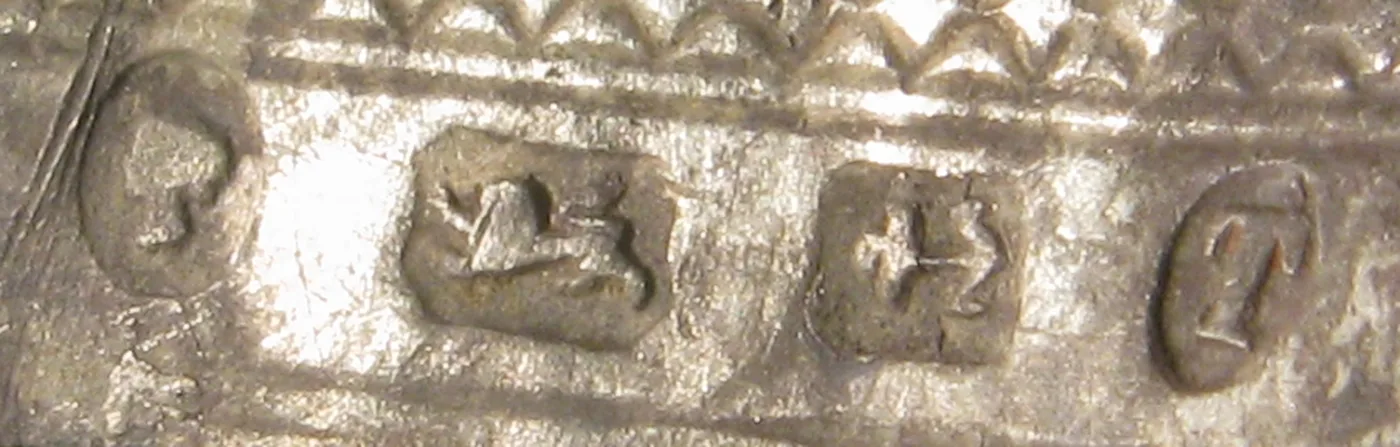
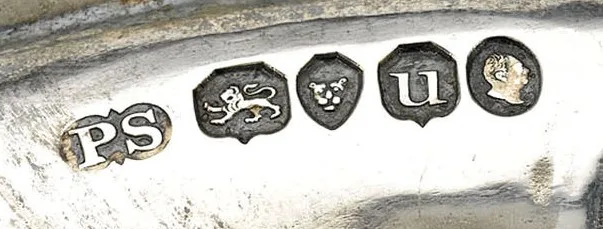
Hallmarks
- British Hallmarks: Comprehensive system with date letters and town marks
- American Marks: Less regulated but still informative
- European Systems: Various country-specific hallmarking systems
- Asian Marks: Complex systems including reign marks and artist signatures
Analyzing Mark Authenticity
Determining if marks are genuine requires careful examination:
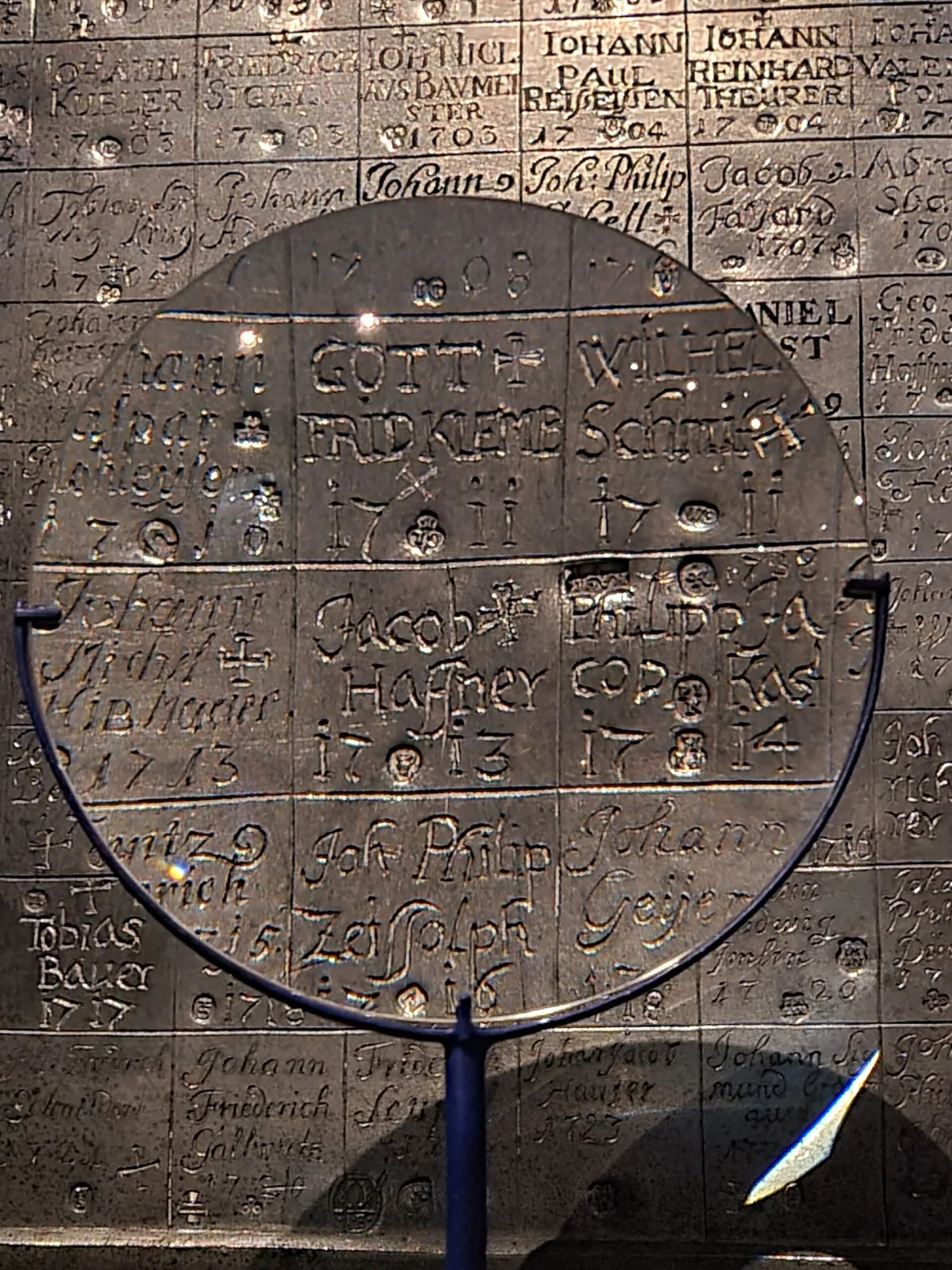
Mark Characteristics
- Clarity and Sharpness: Authentic marks show appropriate wear for age
- Placement: Marks appear in expected locations
- Style Consistency: Mark style matches period and maker
- Material Integration: Marks show natural integration with material
Red Flags in Mark Analysis
- Too Perfect: Marks that appear too crisp for claimed age
- Wrong Style: Mark style doesn't match period or maker
- Incorrect Placement: Marks in unusual or incorrect locations
- Material Mismatch: Mark appears applied rather than integrated
- Inconsistent Wear: Mark shows different wear than surrounding area
Signature Analysis
For signed items, signature analysis is critical:
Signature Characteristics
- Handwriting Analysis: Comparing with known authentic signatures
- Signature Evolution: Understanding how signatures changed over time
- Placement and Style: Authentic signatures follow maker's conventions
- Material Integration: Signatures show natural integration with item
Signature Research Resources
- Signature Databases: Online and print resources for comparison
- Museum Collections: High-resolution images of authenticated pieces
- Expert Consultation: Professional signature analysts
- Historical Records: Documents showing maker signatures
Construction Methods and Manufacturing Techniques
Understanding how items were made provides crucial authentication evidence. Construction methods evolved over time and vary by region and maker.
Handcrafted vs. Machine-Made Indicators
Distinguishing handcrafted from machine-made items:
Handcrafted Characteristics
- Tool Marks: Evidence of hand tools with natural variations
- Irregularities: Natural variations in dimensions and details
- Joinery Methods: Traditional hand joinery techniques
- Surface Finish: Hand-planed, hand-sanded, or hand-polished surfaces
Machine-Made Characteristics
- Uniformity: Perfect consistency in dimensions and details
- Machine Marks: Evidence of machine tools and processes
- Mass Production: Signs of assembly-line production
- Modern Materials: Use of materials not available in claimed period
Period-Specific Construction Techniques
Different periods used characteristic construction methods:
Pre-Industrial Techniques (Pre-1800)
- Hand Tools: All work done with hand tools
- Traditional Joinery: Mortise and tenon, dovetail, hand-cut joints
- Natural Materials: Locally sourced, natural materials
- Individual Variation: Each piece shows unique characteristics
Industrial Revolution (1800-1900)
- Machine Tools: Introduction of powered tools
- Standardization: Increased uniformity in production
- New Materials: Introduction of new materials and processes
- Hybrid Methods: Combination of hand and machine work
Modern Period (1900-Present)
- Mass Production: Assembly-line manufacturing
- Synthetic Materials: Plastics, synthetic fibers, modern alloys
- Precision Manufacturing: High-precision machine production
- Quality Control: Consistent quality standards
Regional Construction Variations
Different regions developed distinct construction traditions:
European Techniques
- Formal Styles: Emphasis on precision and refinement
- Traditional Methods: Long-established craft traditions
- Material Preferences: Regional material availability
- Style Evolution: Response to artistic movements
American Techniques
- Pragmatic Approach: Emphasis on function and durability
- Innovation: Willingness to adopt new methods
- Regional Variations: Distinct regional styles and methods
- Mass Production: Early adoption of industrial methods
Asian Techniques
- Traditional Craftsmanship: Centuries-old techniques
- Material Mastery: Exceptional skill with specific materials
- Cultural Influences: Strong cultural and philosophical elements
- Regional Specialization: Distinct regional specialties
Style and Period Analysis
Understanding historical styles and periods is essential for authentication. Style analysis helps date items and identify inconsistencies that may indicate reproductions.
Major Style Periods and Characteristics
Familiarity with major style periods aids authentication:
18th Century Styles
- Rococo (1730-1770): Ornate, asymmetrical, natural motifs
- Neoclassical (1760-1830): Classical motifs, symmetry, restraint
- Federal (1780-1820): American interpretation of neoclassical
- Characteristics: Handcrafted quality, traditional materials, period-appropriate ornamentation
19th Century Styles
- Victorian (1837-1901): Eclectic, ornate, sentimental
- Arts & Crafts (1880-1920): Handcrafted, honest construction, natural materials
- Art Nouveau (1890-1910): Organic, flowing, nature-inspired
- Characteristics: Industrial influence, new materials, diverse styles
20th Century Styles
- Art Deco (1920-1940): Geometric, modern, machine-age aesthetic
- Mid-Century Modern (1945-1970): Clean lines, functional, innovative materials
- Characteristics: Modern materials, mass production, contemporary design
Style Consistency Analysis
Authentic items show consistent style characteristics:
Design Element Consistency
- Ornamentation: Decorative elements match period style
- Proportions: Dimensions and ratios match period conventions
- Materials: Materials appropriate for claimed period and style
- Color Palette: Colors match period preferences and availability
Red Flags in Style Analysis
- Style Mixing: Elements from incompatible periods
- Anachronistic Materials: Materials not available in claimed period
- Inconsistent Quality: Quality doesn't match period standards
- Modern Techniques: Construction methods not used in claimed period
Comparative Analysis
Comparing with authenticated examples is essential:
Reference Sources
- Museum Collections: High-quality images of authenticated pieces
- Reference Books: Comprehensive style and period references
- Online Databases: Digital collections and identification resources
- Expert Collections: Access to private collections and dealers
Comparison Criteria
- Overall Design: General style and appearance
- Detail Comparison: Specific decorative elements and motifs
- Construction Methods: How items were made
- Material Characteristics: Types and quality of materials used

Detecting Fakes, Reproductions, and Forgeries
One of the most critical authentication skills is detecting fakes, reproductions, and forgeries. Understanding common deception methods helps protect against fraud.
Types of Deception
Understanding different types of deception is essential:
Reproductions
- Definition: Legitimate copies made to resemble originals
- Characteristics: Often marked as reproductions, modern materials
- Detection: Look for modern manufacturing evidence, reproduction marks
- Legal Status: Legal if properly disclosed
Fakes
- Definition: Items made to deceive, claiming to be originals
- Characteristics: Deliberate deception, often high quality
- Detection: Requires careful authentication, may be sophisticated
- Legal Status: Illegal when used to defraud
Forgeries
- Definition: Falsified signatures, marks, or documentation
- Characteristics: Focus on marks rather than entire item
- Detection: Careful mark and signature analysis
- Legal Status: Illegal
Common Deception Techniques
Fraudsters use various techniques to create convincing fakes:
Artificial Aging
- Methods: Chemical treatments, physical damage, environmental exposure
- Detection: Look for unnatural patterns, inconsistent aging
- Red Flags: Aging that doesn't match use patterns, chemical smells
Mark and Signature Forgery
- Methods: Stamping, engraving, painting fake marks
- Detection: Careful mark analysis, comparison with authentic examples
- Red Flags: Marks too perfect, wrong style, incorrect placement
Material Substitution
- Methods: Using modern materials made to look old
- Detection: Material analysis, scientific testing
- Red Flags: Materials not available in claimed period
Red Flags and Warning Signs
Certain characteristics should raise suspicion:
Price Red Flags
- Too Good to Be True: Prices significantly below market value
- Pressure Sales: Urgency to buy without proper examination
- Unusual Payment Methods: Requests for cash, wire transfers, unusual terms
Condition Red Flags
- Perfect Condition: Items that appear too perfect for claimed age
- Inconsistent Wear: Wear patterns that don't match use
- Artificial Damage: Damage that appears deliberately created
Provenance Red Flags
- Vague History: Unclear or unverifiable ownership history
- Missing Documentation: Lack of expected documentation
- Unverifiable Claims: Stories that can't be confirmed
Verification Strategies
Systematic verification helps detect deception:
Multi-Method Approach
- Combine Methods: Use multiple authentication techniques
- Cross-Reference: Verify information from multiple sources
- Expert Consultation: Seek professional opinions for valuable items
- Scientific Testing: Use scientific methods when appropriate
Documentation Verification
- Verify Authenticity: Confirm documentation is genuine
- Check Sources: Verify documentation sources
- Cross-Reference: Compare with other records
- Expert Review: Have experts review documentation
Provenance Research Fundamentals
Provenance—the documented history of ownership—is crucial for establishing authenticity, value, and legal ownership. Strong provenance significantly enhances an item's value and desirability.
What is Provenance?
Provenance encompasses the complete ownership history:
- Creation: When and where the item was made
- Original Ownership: First owner and circumstances of creation
- Ownership Chain: Complete history of subsequent owners
- Exhibition History: Public exhibitions and displays
- Publication History: References in books, catalogs, articles
- Documentation: Bills of sale, receipts, certificates, photographs
Why Provenance Matters
Strong provenance provides multiple benefits:
Value Enhancement
- Market Premium: Items with provenance command higher prices
- Collector Interest: Provenance increases desirability
- Investment Security: Reduces risk and uncertainty
- Resale Value: Easier to sell with documented history
Authentication Support
- Historical Verification: Confirms age and origin
- Attribution Support: Supports maker or artist attribution
- Condition Documentation: Records condition over time
- Expert Validation: Previous expert opinions and appraisals
Legal Protection
- Ownership Verification: Establishes legal ownership
- Title Protection: Protects against ownership disputes
- Insurance Claims: Supports insurance and loss claims
- Legal Compliance: Important for regulated items
Types of Provenance Documentation
Various documents contribute to provenance:
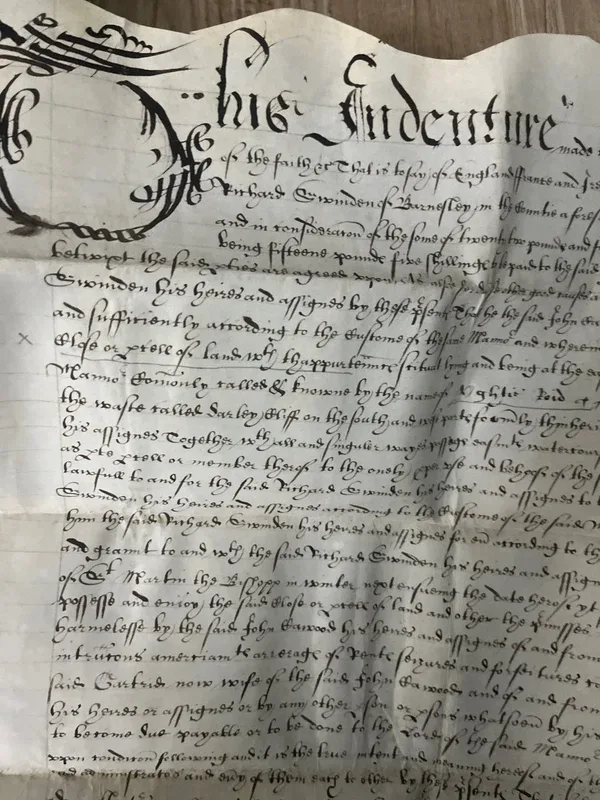
Ownership Documents
- Bills of Sale: Original purchase receipts and invoices
- Gift Documents: Records of gifts and transfers
- Inheritance Records: Wills, probate records, estate documents
- Transfer Documents: Records of sales and transfers
Expert Documentation
- Appraisals: Professional value assessments
- Authentication Certificates: Expert authentication documents
- Condition Reports: Detailed condition assessments
- Expert Opinions: Written opinions from specialists
Historical Documentation
- Photographs: Historical photos showing the item
- Exhibition Catalogs: Published exhibition records
- Publication References: Books, articles, catalogs mentioning the item
- Archival Records: Museum, gallery, or institutional records
Documentation and Historical Research
Thorough research is essential for building strong provenance. Knowing where to look and how to research effectively is a critical skill.
Research Sources and Methods
Effective research uses multiple sources and methods:
Primary Sources
- Original Documents: Bills of sale, receipts, letters, diaries
- Contemporary Records: Period catalogs, advertisements, records
- Photographic Evidence: Period photographs showing the item
- Archival Materials: Museum, gallery, and institutional archives
Secondary Sources
- Reference Books: Comprehensive guides and catalogs
- Academic Publications: Scholarly articles and research
- Exhibition Catalogs: Published exhibition records
- Dealer Records: Historical dealer catalogs and records
Digital Resources
- Online Databases: Digital collections and archives
- Auction Records: Historical auction results and catalogs
- Museum Websites: Online collections and research resources
- Specialized Websites: Collector and dealer websites
Research Strategies
Systematic research approaches yield best results:
Starting Points
- Item Examination: Begin with thorough item examination
- Mark Research: Research any marks, signatures, or labels
- Style Analysis: Identify style and period characteristics
- Comparative Research: Find similar authenticated examples
Research Expansion
- Maker Research: Research identified makers or manufacturers
- Period Research: Study historical context and period characteristics
- Provenance Traces: Follow any available provenance leads
- Documentation Search: Search for related documentation
Verification and Cross-Reference
- Multiple Sources: Verify information from multiple sources
- Expert Consultation: Consult specialists when needed
- Documentation Review: Carefully review all documentation
- Consistency Check: Ensure all information is consistent
Specific Research Areas
Different research areas require different approaches:
Maker Research
- Biographical Information: Life dates, training, career
- Production Records: Manufacturing records and catalogs
- Style Evolution: How maker's style changed over time
- Marking Systems: Understanding maker's marking practices
Period Research
- Historical Context: Social, economic, political factors
- Technological Developments: Available materials and techniques
- Style Characteristics: Period-typical design elements
- Market Conditions: Economic and market factors
Provenance Research
- Ownership Records: Tracing ownership history
- Exhibition History: Public exhibitions and displays
- Publication History: References in publications
- Photographic Evidence: Historical photographs
Ownership History and Chain of Custody
Establishing a clear chain of custody—the documented sequence of ownership—is essential for strong provenance and legal protection.
Building Ownership Chains
Documenting ownership requires systematic approach:
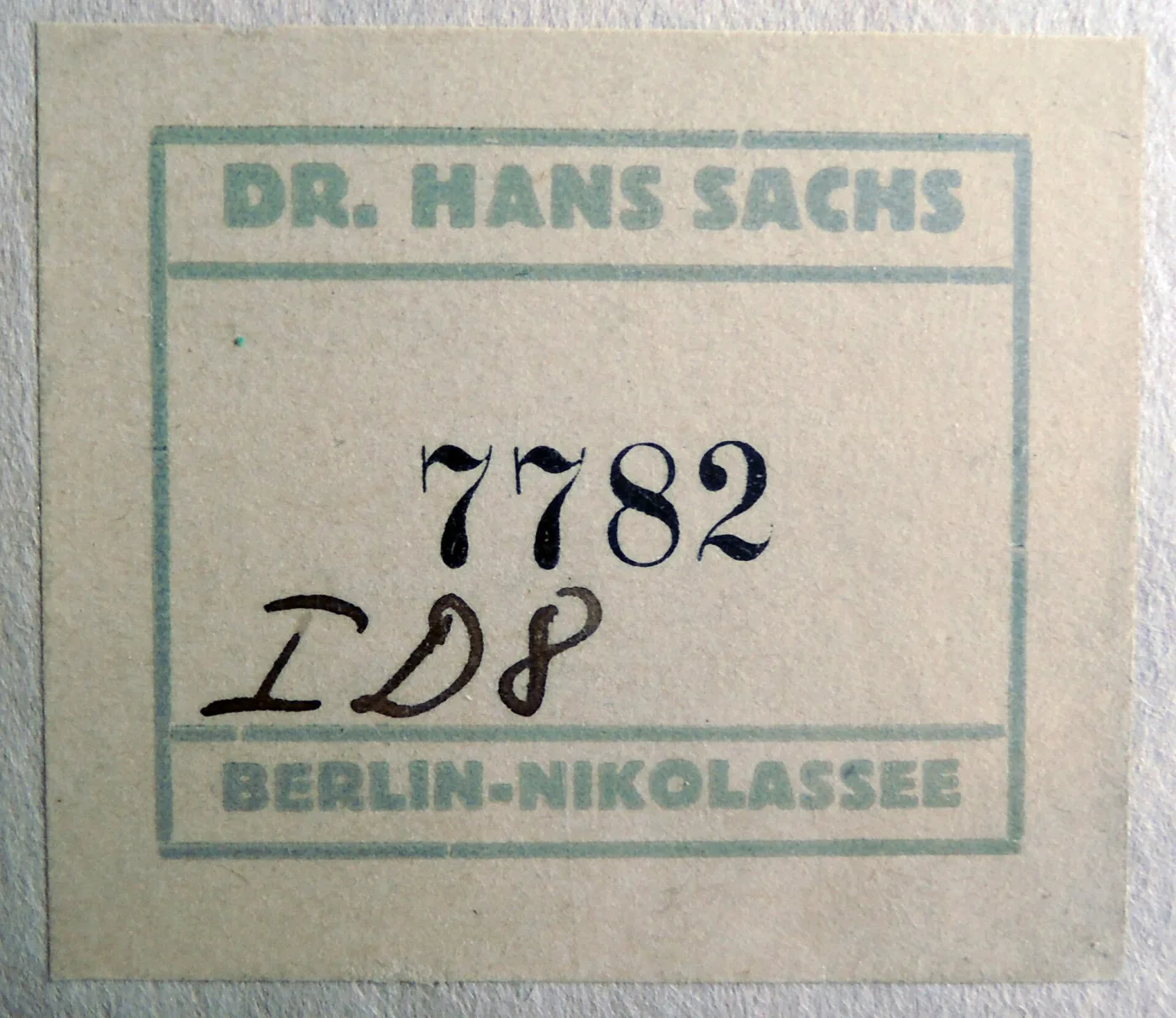
Documentation Requirements
- Complete Records: Document every ownership transfer
- Verification: Verify authenticity of all documents
- Consistency: Ensure dates and details are consistent
- Gaps Identification: Identify and document any gaps in history
Ownership Transfer Documentation
- Bills of Sale: Original purchase documents
- Receipts: Payment and transfer receipts
- Contracts: Sales contracts and agreements
- Transfer Certificates: Formal transfer documentation
Gap Analysis and Documentation
Gaps in provenance are common but should be documented:
Types of Gaps
- Unknown Origins: Items with unclear creation history
- Missing Links: Gaps in ownership chain
- Lost Documentation: Missing historical records
- Private Ownership: Periods in private collections without records
Documenting Gaps
- Honest Documentation: Clearly document known and unknown
- Research Efforts: Document research attempts and results
- Expert Opinions: Include expert assessments of gaps
- Future Research: Note areas for future research
Provenance Gaps and Value Impact
Understanding how gaps affect value:
Minor Gaps
- Definition: Short periods or recent ownership gaps
- Impact: Minimal impact on value if other evidence is strong
- Mitigation: Strong authentication and other documentation
Major Gaps
- Definition: Significant periods or early history gaps
- Impact: Can significantly reduce value and desirability
- Mitigation: Strong authentication, expert opinions, style analysis
Legal and Ethical Considerations
Ownership history has legal and ethical implications:
Legal Ownership
- Title Verification: Ensuring clear legal title
- Regulatory Compliance: Compliance with import/export regulations
- Cultural Property: Respecting cultural property laws
- Provenance Requirements: Meeting legal documentation requirements
Ethical Considerations
- Transparency: Honest disclosure of known and unknown
- Cultural Sensitivity: Respecting cultural heritage
- Repatriation: Supporting legitimate repatriation claims
- Documentation Standards: Maintaining high documentation standards
Expert Consultation and Professional Authentication
For valuable or complex items, expert consultation is essential. Professional authenticators bring specialized knowledge and experience that significantly enhance authentication accuracy.
When to Consult Experts
Expert consultation is recommended in these situations:
High-Value Items
- Significant Value: Items worth substantial amounts
- Investment Decisions: When making investment purchases
- Insurance Requirements: For insurance appraisals
- Legal Matters: For legal disputes or estate matters
Complex Authentication
- Uncertain Attribution: When maker or origin is unclear
- Conflicting Evidence: When evidence is contradictory
- Specialized Categories: For highly specialized item types
- Scientific Testing: When scientific analysis is needed
Types of Experts
Different experts specialize in different areas:
General Authenticators
- Broad Knowledge: General antique authentication expertise
- Multiple Categories: Experience across various item types
- Good Starting Point: For general authentication needs
Specialized Experts
- Category Specialists: Deep expertise in specific categories
- Period Specialists: Expertise in specific historical periods
- Maker Specialists: Specialized knowledge of specific makers
- Regional Specialists: Expertise in regional styles and methods
Scientific Experts
- Material Scientists: For material analysis and testing
- Conservation Scientists: For condition and restoration analysis
- Forensic Experts: For detailed scientific examination
Finding and Selecting Experts
Choosing the right expert is crucial:
Expert Qualifications
- Education and Training: Relevant education and professional training
- Experience: Extensive experience in authentication
- Reputation: Strong reputation in the field
- Certifications: Professional certifications and memberships
Expert Sources
- Professional Associations: Appraiser and authenticator organizations
- Museums and Institutions: Museum curators and specialists
- Academic Institutions: University professors and researchers
- Reputable Dealers: Established dealers with expertise
Working with Experts
Effective collaboration with experts requires preparation:
Preparation
- Documentation: Gather all available documentation
- Photographs: Provide high-quality photographs
- History: Share known history and provenance
- Questions: Prepare specific questions
Expert Services
- Authentication Reports: Written authentication opinions
- Appraisals: Professional value assessments
- Condition Reports: Detailed condition analysis
- Consultation: Expert advice and guidance
Understanding Expert Opinions
- Opinion Levels: Understand different levels of certainty
- Evidence Basis: Understand evidence supporting opinions
- Limitations: Recognize limitations of expert opinions
- Second Opinions: Consider second opinions for high-value items
Documentation Standards and Best Practices
Proper documentation is essential for maintaining provenance and supporting authentication. Following established standards ensures documentation will be accepted and valued.
Documentation Requirements
Effective documentation includes essential elements:
Item Description
- Detailed Description: Complete physical description
- Measurements: Accurate dimensions and weight
- Materials: Identified materials and construction
- Condition: Detailed condition assessment
- Marks and Signatures: Complete documentation of all marks
Photographic Documentation
- Overall Views: Complete item photographs
- Detail Views: Close-up photographs of important details
- Mark Documentation: Clear photographs of all marks
- Condition Documentation: Photographs showing condition
- Quality Standards: High-resolution, well-lit photographs
Provenance Documentation
- Ownership History: Complete ownership chain
- Supporting Documents: Copies of relevant documents
- Research Records: Documentation of research efforts
- Expert Opinions: Copies of expert reports and opinions
Documentation Organization
Well-organized documentation is more valuable and useful:
File Organization
- Logical Structure: Organized file system
- Clear Labeling: Descriptive file and folder names
- Version Control: Track document versions and updates
- Backup Systems: Secure backup of all documentation
Digital Documentation
- Digital Formats: Use standard, accessible formats
- Metadata: Include relevant metadata
- Organization: Logical digital organization
- Accessibility: Easy to access and share
Physical Documentation
- Storage: Proper storage conditions
- Protection: Protect from damage and deterioration
- Organization: Logical physical organization
- Access: Easy to locate and access
Maintaining Documentation
Documentation should be maintained and updated:
Regular Updates
- New Information: Add new information as discovered
- Condition Updates: Update condition documentation
- Ownership Changes: Document ownership transfers
- Expert Opinions: Add new expert opinions and appraisals
Documentation Review
- Periodic Review: Regular review of documentation
- Accuracy Check: Verify accuracy of information
- Completeness: Ensure documentation is complete
- Organization: Maintain organization and accessibility
Legal and Ethical Considerations
Authentication and provenance research must be conducted within legal and ethical frameworks. Understanding these considerations protects both collectors and cultural heritage.
Legal Considerations
Various laws affect antique authentication and ownership:
Cultural Property Laws
- Import/Export Regulations: Restrictions on moving cultural property
- National Heritage Laws: Protection of national cultural heritage
- Repatriation Requirements: Requirements for returning cultural property
- Documentation Requirements: Legal documentation requirements
Ownership and Title
- Title Verification: Ensuring clear legal title
- Stolen Property: Avoiding stolen or illegally obtained items
- Provenance Requirements: Legal requirements for provenance
- Due Diligence: Legal duty to verify ownership
Fraud and Misrepresentation
- Consumer Protection: Laws protecting buyers from fraud
- Misrepresentation: Legal consequences of false claims
- Documentation Fraud: Legal issues with fraudulent documentation
- Expert Liability: Legal responsibilities of authenticators
Ethical Considerations
Ethical practices protect cultural heritage and maintain trust:
Transparency and Honesty
- Honest Disclosure: Transparent about known and unknown
- Accurate Representation: Accurate description and representation
- Documentation Standards: Maintaining high documentation standards
- Professional Integrity: Maintaining professional ethics
Cultural Heritage Protection
- Respect for Heritage: Respecting cultural and historical significance
- Repatriation Support: Supporting legitimate repatriation
- Documentation Contribution: Contributing to historical record
- Preservation Support: Supporting preservation efforts
Market Integrity
- Fraud Prevention: Preventing and reporting fraud
- Market Transparency: Supporting transparent markets
- Professional Standards: Maintaining professional standards
- Education: Educating others about authentication
Best Practices
Following best practices protects all parties:
Due Diligence
- Thorough Research: Conduct comprehensive research
- Expert Consultation: Consult experts when appropriate
- Documentation Verification: Verify all documentation
- Legal Compliance: Ensure legal compliance
Documentation
- Complete Records: Maintain complete documentation
- Accurate Information: Ensure information accuracy
- Transparent Disclosure: Disclose known limitations
- Professional Standards: Follow professional documentation standards
Common Pitfalls and How to Avoid Them
Understanding common mistakes helps avoid costly errors. Learning from others' experiences improves authentication success.
Authentication Pitfalls
Common authentication mistakes to avoid:
Over-Reliance on Single Indicators
- Problem: Relying on one piece of evidence
- Solution: Use multiple authentication methods
- Prevention: Systematic, multi-method approach
Ignoring Red Flags
- Problem: Dismissing warning signs
- Solution: Investigate all concerns thoroughly
- Prevention: Maintain healthy skepticism
Insufficient Research
- Problem: Inadequate research before authentication
- Solution: Conduct comprehensive research
- Prevention: Establish research protocols
Provenance Research Pitfalls
Common provenance research mistakes:
Accepting Unverified Claims
- Problem: Accepting provenance without verification
- Solution: Verify all provenance claims
- Prevention: Require documentation for all claims
Incomplete Documentation
- Problem: Failing to document research and findings
- Solution: Maintain comprehensive documentation
- Prevention: Establish documentation standards
Gap Neglect
- Problem: Ignoring or hiding provenance gaps
- Solution: Document gaps honestly
- Prevention: Transparent documentation practices
Expert Consultation Pitfalls
Mistakes in working with experts:
Choosing Wrong Experts
- Problem: Consulting unqualified or inappropriate experts
- Solution: Carefully select qualified experts
- Prevention: Verify expert qualifications
Ignoring Expert Advice
- Problem: Disregarding expert opinions
- Solution: Consider expert advice seriously
- Prevention: Understand expert opinion value
Over-Reliance on Experts
- Problem: Relying entirely on experts without own research
- Solution: Combine expert advice with own research
- Prevention: Maintain research involvement
Prevention Strategies
Systematic approaches prevent common mistakes:
Systematic Processes
- Checklists: Use authentication and research checklists
- Multiple Methods: Always use multiple authentication methods
- Documentation: Document all steps and findings
- Review: Regular review of processes and results
Continuous Education
- Learning: Continuously learn and update knowledge
- Networking: Connect with other collectors and experts
- Resources: Stay current with resources and publications
- Experience: Gain experience through practice
Building Your Authentication Expertise
Becoming proficient in authentication and provenance research is a journey. Systematic learning and practice develop expertise over time.
Learning Pathways
Multiple learning approaches build comprehensive expertise:
Formal Education
- University Courses: Art history, material culture, conservation
- Professional Programs: Appraisal and authentication programs
- Certification Programs: Professional certification courses
- Workshops and Seminars: Specialized training programs
Self-Directed Learning
- Reference Books: Comprehensive reference libraries
- Online Resources: Digital learning resources
- Museum Visits: Studying authenticated collections
- Practice: Hands-on examination and research
Mentorship and Networking
- Expert Mentors: Learning from experienced authenticators
- Collector Networks: Connecting with other collectors
- Professional Associations: Joining relevant organizations
- Conferences and Events: Attending educational events
Essential Skills Development
Key skills for authentication expertise:
Observation Skills
- Detail Recognition: Noticing important details
- Pattern Recognition: Recognizing patterns and characteristics
- Comparative Analysis: Comparing items effectively
- Visual Memory: Remembering visual characteristics
Research Skills
- Information Gathering: Finding relevant information
- Source Evaluation: Evaluating source reliability
- Documentation Analysis: Analyzing documents effectively
- Synthesis: Combining information from multiple sources
Analytical Skills
- Critical Thinking: Evaluating evidence objectively
- Problem Solving: Solving authentication challenges
- Pattern Analysis: Analyzing patterns and trends
- Decision Making: Making informed authentication decisions
Practice and Experience
Practical experience is essential for expertise:
Hands-On Practice
- Examination Practice: Regular examination of items
- Comparative Study: Comparing authentic and reproduction items
- Research Projects: Conducting research on items
- Documentation Practice: Practicing documentation skills
Building Reference Knowledge
- Reference Collections: Building personal reference materials
- Photographic Archives: Maintaining photographic references
- Documentation Libraries: Building documentation resources
- Comparative Examples: Studying authenticated examples
Continuous Improvement
- Self-Assessment: Regular evaluation of skills
- Learning from Mistakes: Analyzing and learning from errors
- Staying Current: Keeping up with new research and techniques
- Expert Feedback: Seeking feedback from experts
Specialization Opportunities
Specialization enhances expertise in specific areas:
Category Specialization
- Specific Categories: Focusing on specific item types
- Period Specialization: Specializing in specific periods
- Regional Specialization: Focusing on regional styles
- Maker Specialization: Specializing in specific makers
Method Specialization
- Scientific Methods: Specializing in scientific testing
- Documentation Research: Focusing on provenance research
- Style Analysis: Specializing in style and period analysis
- Material Analysis: Focusing on material identification
Conclusion: Mastering Authentication and Provenance Research
Authentication and provenance research are essential skills for anyone serious about antiques. These disciplines combine historical knowledge, technical expertise, analytical thinking, and practical experience. Mastery requires dedication, continuous learning, and hands-on practice, but the rewards are significant: protection from fraud, accurate valuation, historical understanding, and contribution to cultural heritage preservation.
The key to success lies in:
- Systematic Approach: Following proven authentication and research methods
- Multiple Methods: Using various techniques and sources of evidence
- Continuous Education: Staying current with new research and techniques
- Practical Experience: Regular practice with examination and research
- Expert Consultation: Seeking professional help when appropriate
- Ethical Practice: Maintaining high ethical and professional standards
- Documentation: Maintaining comprehensive and accurate documentation
Remember that authentication and provenance research are ongoing processes. New information may emerge, techniques may improve, and understanding may deepen. The most successful authenticators and researchers are those who remain curious, continue learning, and approach each item with fresh eyes and systematic methodology.
Whether you're authenticating a family heirloom, researching provenance for a collection, or building expertise as a collector or dealer, the knowledge and techniques in this guide provide a solid foundation. Modern tools like the Antique Identifier app can provide instant AI-powered identification assistance, but understanding these fundamental authentication and research principles is essential for serious antique work.
As you continue your journey in antique authentication and provenance research, remember that every item tells a story. Your role as an authenticator and researcher is to uncover, verify, and preserve these stories for future generations. This work contributes not just to individual collections, but to our collective understanding of history, culture, and human creativity.