
Antique Garden Ornaments Identification Guide: Dating, Styles & Value
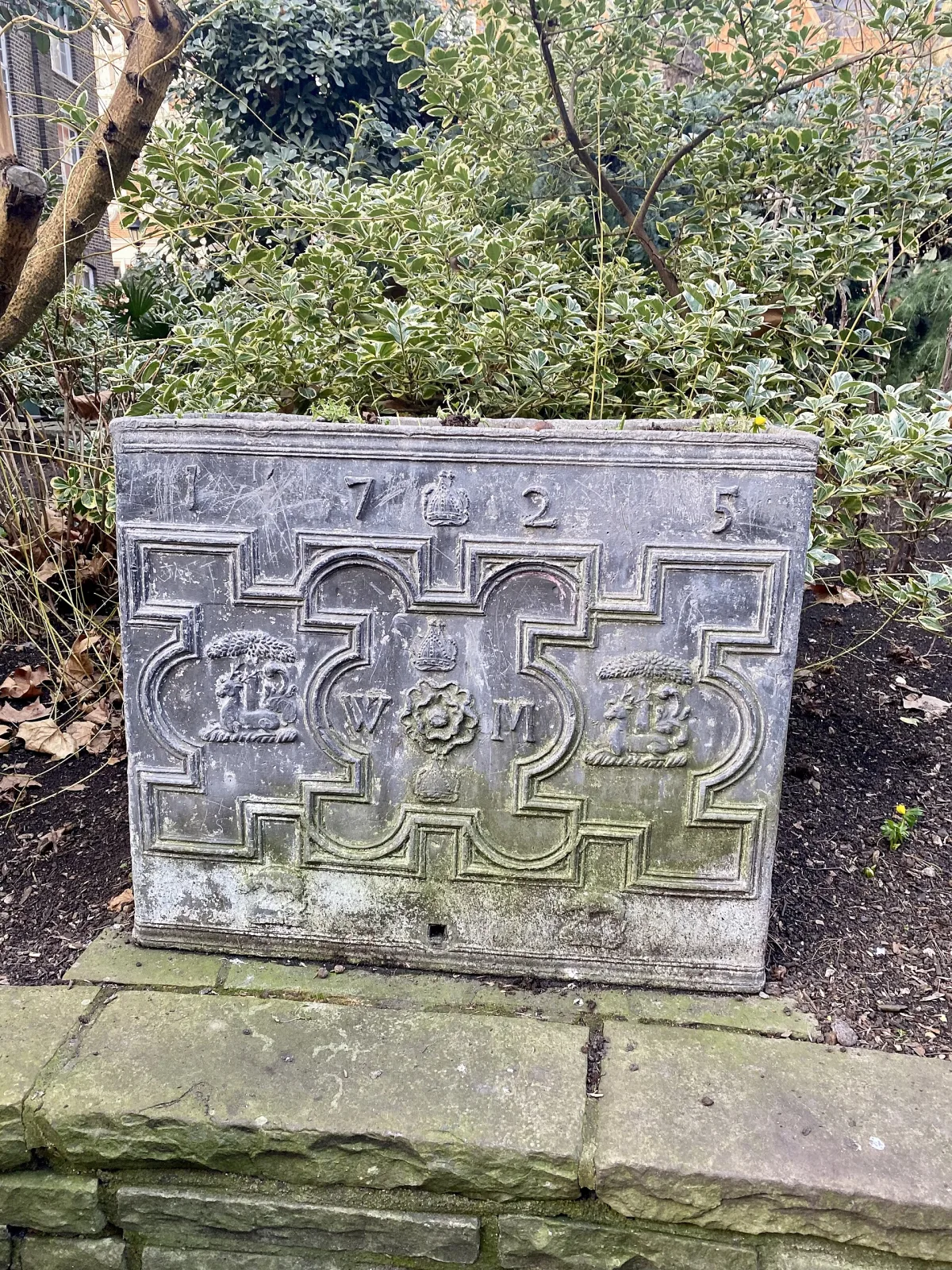
Antique garden ornaments sit at the intersection of sculpture, architecture, and landscape design. Collectors are often drawn to weathered stone urns, cast-iron figures, zinc fountains, and terracotta planters because they carry both visual drama and historical character.
The challenge is that outdoor objects age differently than indoor antiques. Frost damage, restoration cement, repainting, and replacement mounts can disguise origin and date. In addition, the garden trade is filled with modern cast reproductions that mimic 19th-century forms.
This guide gives you a practical framework to identify authentic antique garden pieces, estimate period, evaluate condition, and avoid costly mistakes before purchase.
Table of Contents
- What Counts as an Antique Garden Ornament?
- Major Categories to Learn First
- Materials and What They Reveal
- Construction and Making Techniques
- Style Periods and Design Clues
- Maker Marks, Foundry Names, and Provenance
- Authentic Weathering vs Artificial Aging
- Repairs, Restoration, and Structural Risk
- A Reliable Dating Workflow
- Value Drivers for Garden Antiques
- Buying, Transport, and Placement Planning
- Long-Term Care and Documentation
What Counts as an Antique Garden Ornament?
In most markets, an item is considered antique if it is at least 100 years old, though many dealers also sell early 20th-century garden works under broad "antique" terminology. The category includes decorative and functional objects originally designed for outdoor placement in estates, townhouses, conservatories, cemeteries, and formal landscape schemes.
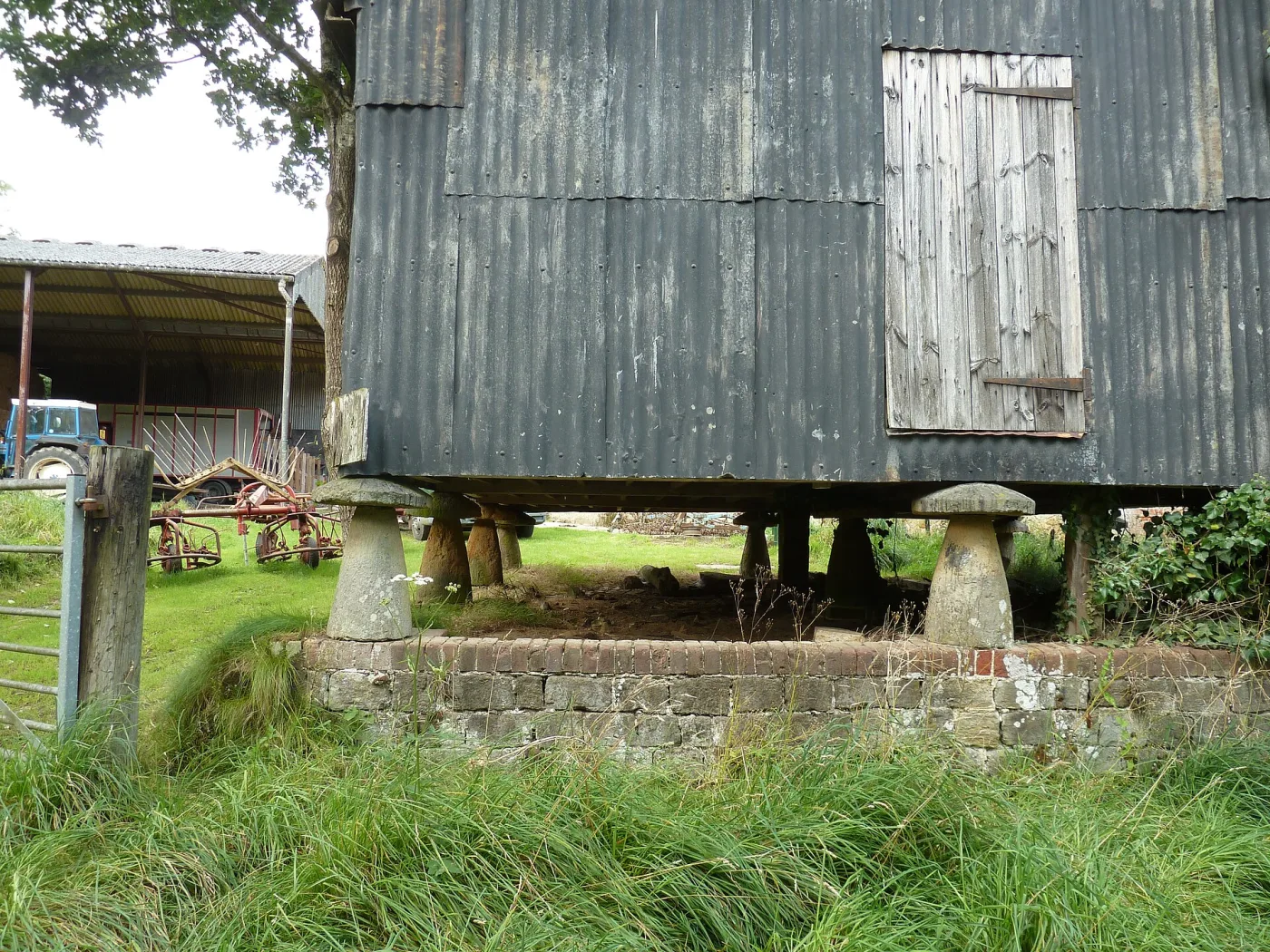
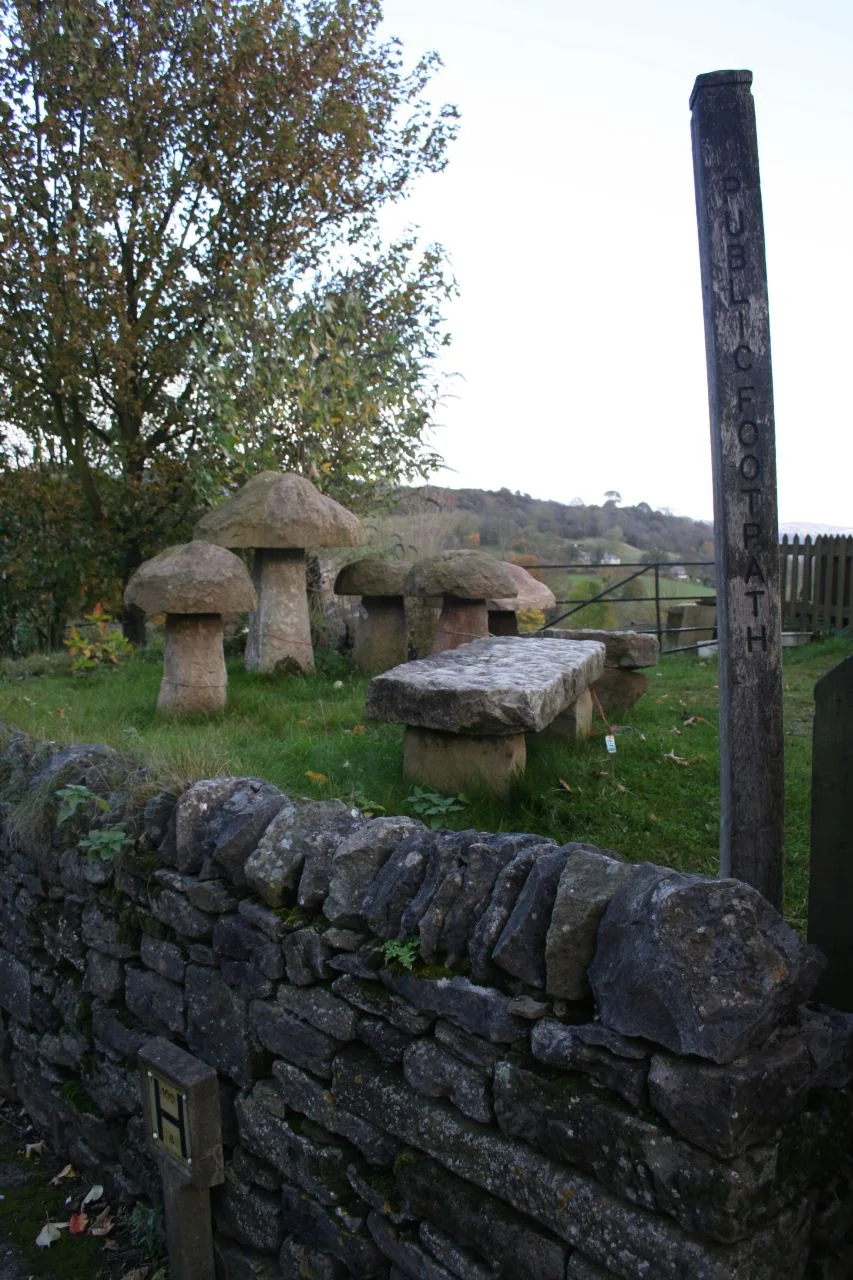
Typical object types
Common forms include urns, pedestals, fountains, statues, sundials, birdbaths, gates, finials, benches, and architectural fragments reused in gardens. Some pieces were originally indoor, then adapted for exterior display.
Why this field is tricky
Outdoor survival bias means pristine pieces are rare, while damaged examples are common. Buyers must balance authenticity with weather-related wear and structural integrity. Condition issues that would be unacceptable in porcelain may be normal in garden stone.
Major Categories to Learn First
New collectors improve quickly by studying a few repeat categories where forms and construction habits are easy to compare.
Urns and planters
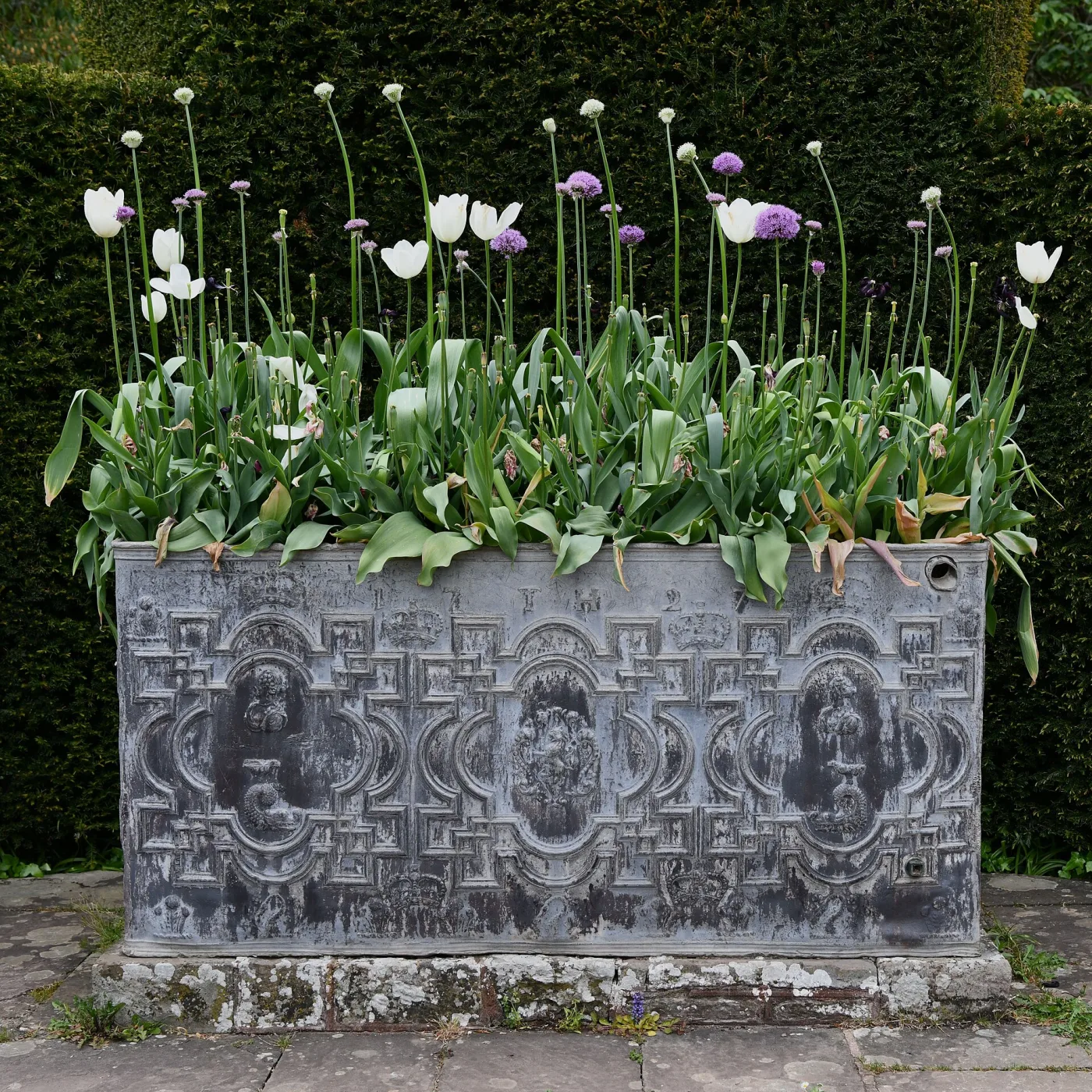
These are among the most traded garden antiques. Look at lip profile, bowl depth, foot shape, and drainage modifications. True period planters and jardinieres often show layered mineral deposits and old root stains inside the basin.
Statuary and animal figures
Lead, cast iron, stone composite, and zinc were all used. Surface loss can be acceptable, but anatomy quality, drapery definition, and casting sharpness are key indicators of maker quality and possible age.
Architectural salvage for gardens
Columns, balustrades, coping stones, and carved lintels are frequently repurposed outdoors. Provenance from known buildings can elevate value dramatically, especially when old photographs or demolition records accompany the lot.
Materials and What They Reveal
Material identification is your first major authentication step because each material weathers in predictable ways.

Cast iron
19th-century cast iron often has dense weight, visible parting lines, and old layered paint traces. Rust pitting should look irregular and deep in moisture-catching recesses. Bright uniform rust color can indicate recent artificial aging.
Lead and spelter
Lead develops a soft, matte patina and may show slow creep or deformation over time. Spelter can look brittle and granular where broken. Repaired joins in lead statuary are common and not always disqualifying if professionally stabilized.
Stone, terracotta, and reconstituted stone
Natural stone displays mineral variation and tool traces. Terracotta often shows firing color shifts and edge nicks that reveal clay body tone. Modern composite stone reproductions may have repetitive aggregate texture and shallow mold detail.
Construction and Making Techniques
How a piece is made frequently matters more than what it depicts.
Mold seams and section joins
Historic casting commonly involved multiple sections joined and chased by hand. You may see subtle hand finishing where seam cleanup was done with files. On modern reproductions, seam lines are often either too crisp and untouched or heavily machine-ground in a uniform way.
Fixings, bolts, and internal armatures
Check interior hardware with a flashlight. Period bolts generally show older thread forms, irregular wear, and corrosion matching surrounding material. Bright hardware in otherwise old objects may indicate replacement or full rebuild.
Base design and drainage
True outdoor planters and urns usually have practical drainage solutions. Later decorative replicas may omit drainage or include newly drilled holes with sharp modern edges.

Style Periods and Design Clues
Garden ornament styles follow broader design history. Recognizing period language helps avoid mismatched attributions.
Georgian and Neoclassical influence
Expect restrained symmetry, fluting, laurel motifs, lion masks, and classical urn silhouettes. Proportions are usually elegant and balanced rather than highly dramatic.
Victorian eclecticism
Victorian gardens embraced abundance. You may see richly decorated pedestals, animal forms, Gothic revival details, and playful whimsy. Casting catalogs from this period offered wide choices at multiple price levels.
Edwardian to early modern transitions
Some pieces simplify ornament, with cleaner geometry and reduced relief depth. Art Nouveau natural motifs and early Art Deco lines appear in select commissions and urban settings.
Maker Marks, Foundry Names, and Provenance
Marks are valuable but not always present. Many legitimate pieces are unmarked, so absence of a foundry name does not prove reproduction.
Where to look for marks
Inspect underside rims, rear plinth surfaces, door edges on cast structures, and interior cavities. Paint buildup often obscures lettering, so use angled light and gentle dry brushing before concluding no mark exists.
Reading partial marks
Even fragmentary text can help. A city abbreviation, foundry initial, or registration number may be enough to narrow manufacturer range and approximate period.
Provenance that supports value
Invoices from estate sales, old garden plans, period photographs, and conservation records can strengthen market confidence. In high-value transactions, provenance can be as important as condition.
Authentic Weathering vs Artificial Aging
Surface behavior is one of the best clues in outdoor antiques. Real weathering is uneven, layered, and logically related to exposure.
What natural aging looks like
Look for directional wear from rain runoff, lichen in moisture pockets, and gradual edge softening where wind and grit worked over decades. Older paint usually survives in protected recesses, not exposed highlights.
Red flags for forced patina
Acid-burn streaks, uniform color application, and texture repeated across all sides can indicate staged aging. If underside surfaces look as aged as top surfaces despite sheltered history, be cautious.
Use magnification and UV sparingly
A loupe can reveal modern abrasives and fresh pigment in cracks. UV can help detect newer repairs or coatings, but results vary by material and should support—not replace—visual analysis.
Repairs, Restoration, and Structural Risk
Most surviving garden antiques have repairs. The key question is whether restoration is stable, honest, and proportionate to value.
Common restoration types
You may encounter pinning, welded iron sections, mortar infill, resin edge rebuilds, repainting, and replacement plinths. Professional conservation notes can increase buyer confidence.
When restoration hurts value
Excessive overpainting, poor color matching, and heavy cement patching that obscures detail can significantly reduce appeal. Structural repairs that trap water may accelerate future damage.
Practical stability checks
Always test wobble at base contact points, inspect freeze-thaw cracks, and check whether load-bearing joins are reinforced. Heavy pieces need safe lifting plans before transport.
A Reliable Dating Workflow
Dating improves when you combine at least five independent clues rather than relying on style alone.
Step 1: Document form and dimensions
Photograph front, back, underside, and detail areas with scale reference. Record height, width, depth, and material observations before cleaning or moving the object.
Step 2: Build a clue matrix
Create columns for material behavior, construction details, motifs, marks, and provenance documents. Assign confidence levels to each clue to avoid overvaluing uncertain evidence.
Step 3: Compare to documented examples
Use museum databases, auction archives, foundry catalogs, and estate imagery. Favor examples with clear publication dates and multiple photos over unsourced marketplace listings.
Value Drivers for Garden Antiques
Value in this category depends on rarity, scale, material, artistic quality, and the practicality of installation.
Size and pairability
Large statement pieces can command high prices, but only when transport and placement are feasible. Matched pairs of urns or lions often outperform single pieces because designers and collectors seek symmetry.
Subject and decorative impact
Classical figures, heraldic animals, and strongly modeled botanical motifs remain popular. Unusual iconography can be valuable if supported by quality craftsmanship and clear period evidence.
Market timing and logistics
Regional demand, freight cost, and seasonal buying cycles affect realized price. A heavy piece may sell below estimate if loading access is difficult or shipping is uncertain.
Buying, Transport, and Placement Planning
Successful collecting includes logistics planning before you bid or buy.
Questions to ask the seller
Ask for weight estimates, known repairs, base dimensions, and photographs of undersides. Request close-ups of cracks and old joins. If the piece came from a notable estate, ask for supporting paperwork.
Transport considerations
Use padded straps, rigid supports, and vibration control for brittle materials. Never lift heavy urns by rims or handles. For very large works, hire art handlers familiar with stone and cast metal objects.
Placement in your garden
Choose stable, level foundations and keep porous materials clear of standing water. Consider drainage, freeze risk, and visibility from key paths. Good placement protects the object and improves visual storytelling.
Long-Term Care and Documentation
Care strategy should preserve historical surfaces while reducing preventable damage.
Routine maintenance
Use soft brushes, low-pressure water, and pH-neutral cleaning where appropriate. Avoid harsh acids and abrasive blasting. For painted iron, monitor chips and touch up responsibly to prevent deep corrosion.
Seasonal protection
In harsh winters, elevate vulnerable pieces and ensure drainage channels remain open. Some collectors store smaller terracotta or repaired objects indoors during freeze cycles to reduce stress fractures.
Collection records
Maintain a file with purchase invoices, condition photos, restoration receipts, and provenance notes. Good records support insurance, resale transparency, and long-term scholarship.
Final Thoughts
Antique garden ornaments reward careful observation and patient research. The best buys are not always the cleanest examples—they are the ones with coherent material evidence, sound structure, and strong decorative presence.
When in doubt, slow down the process: document thoroughly, compare to trusted references, and consult specialists before major purchases. Over time, this discipline builds a collection that is historically meaningful and visually compelling.