
Antique Duck Decoy Identification Guide: Makers, Styles & Value Assessment
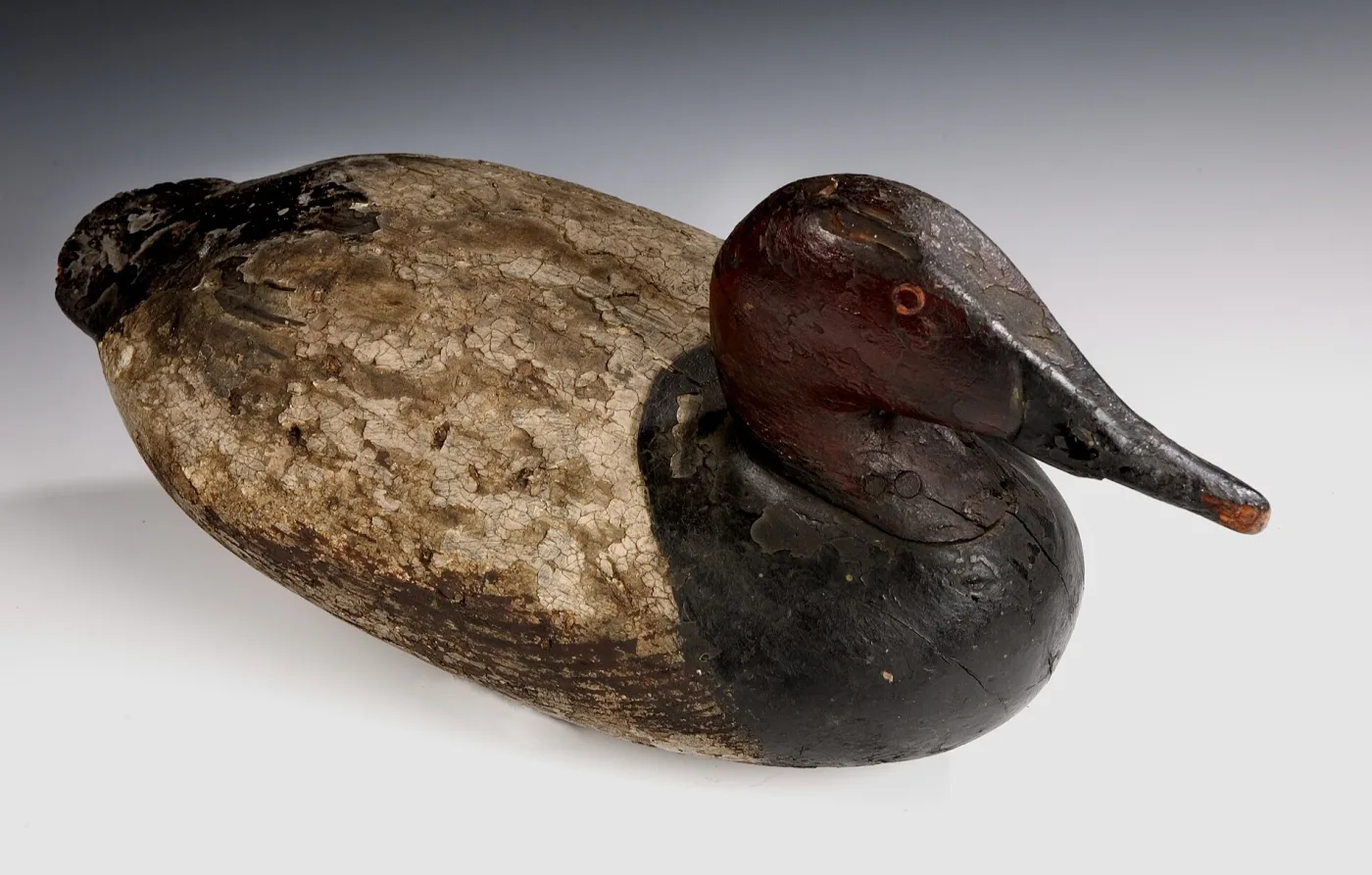
Antique duck decoys represent one of the most uniquely American forms of folk art, blending practical hunting tools with remarkable artistic expression. Carved by hand from native woods, painted with painstaking realism, and shaped by regional traditions passed down through generations, these objects have transcended their original purpose to become some of the most sought-after collectibles in the antiques market, alongside other carved folk art traditions like carousel figures. A single decoy by a master carver can command hundreds of thousands of dollars at auction, while even humble working decoys carry the unmistakable character of handcrafted American heritage.
Whether you have inherited a collection from a family member, discovered an old decoy at an estate sale, or are looking to begin collecting, knowing how to properly identify and evaluate antique duck decoys is essential. Factors such as the maker, regional origin, construction method, paint condition, and provenance all play critical roles in determining a decoy's authenticity and value. Understanding these elements separates casual observers from knowledgeable collectors who can spot a rare gem hiding in plain sight.
This comprehensive guide covers everything you need to know about antique duck decoy identification. From the history of decoy carving in America and profiles of legendary master carvers to detailed guidance on authentication, condition grading, and market valuation, you will gain the knowledge required to confidently assess any decoy you encounter. We also cover regional carving styles, construction techniques, paint analysis, and practical advice for building and caring for a collection.
Table of Contents
- History of Decoy Carving in America
- Types of Antique Decoys
- Major Decoy Makers & Master Carvers
- Regional Decoy Styles
- Construction Methods & Materials
- Painting & Finishing Techniques
- Dating Antique Decoys
- Identifying Makers & Origins
- Authentication & Spotting Reproductions
- Condition Assessment & Grading
- Value Factors & Market Trends
- Building a Decoy Collection
- Care & Preservation
- Where to Buy & Sell Antique Decoys
1. History of Decoy Carving in America
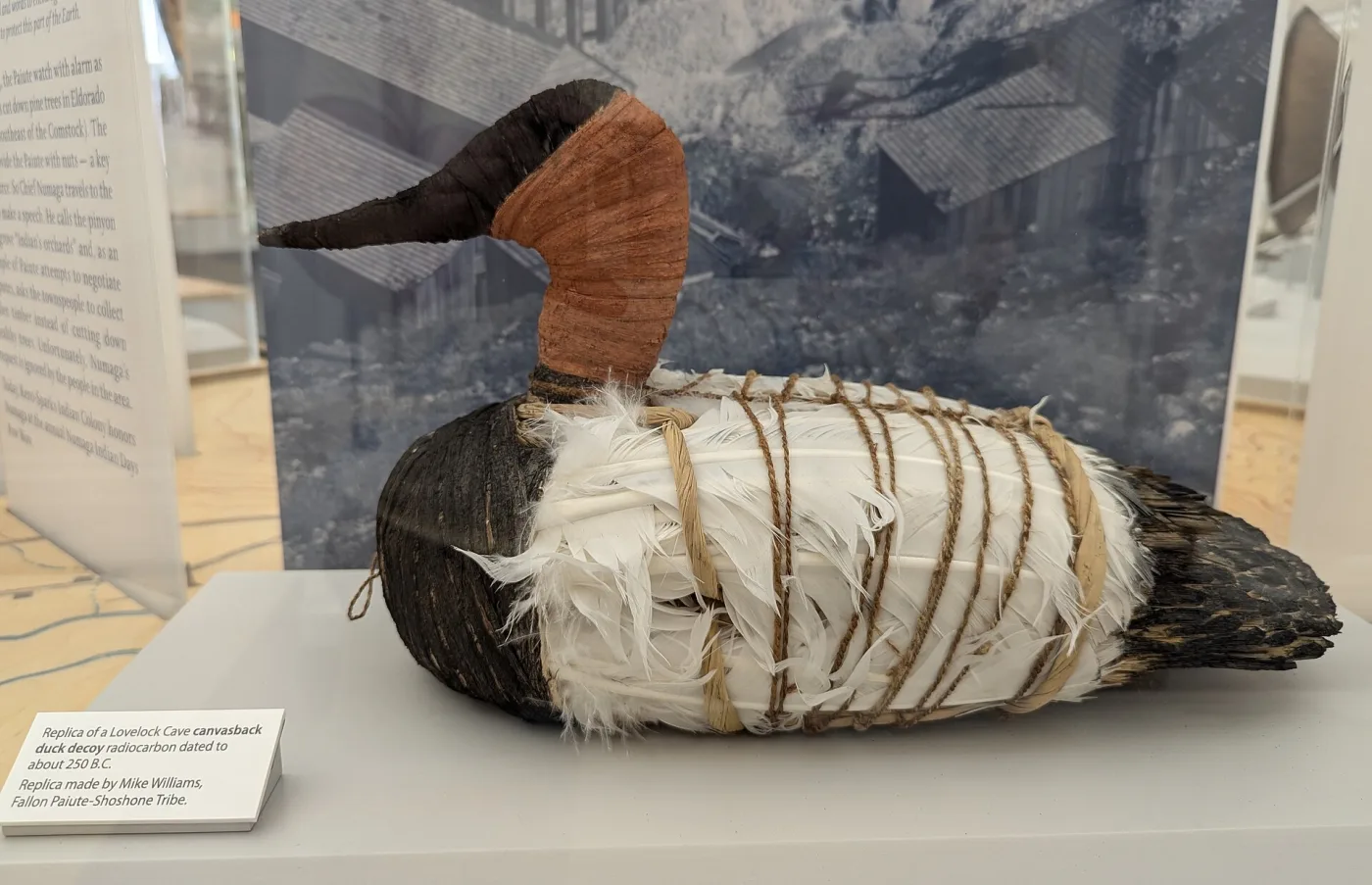
The use of decoys for hunting waterfowl in North America predates European settlement by centuries. Archaeological evidence from Lovelock Cave in Nevada includes remarkably well-preserved tule reed decoys crafted by Native Americans approximately 2,000 years ago. These early decoys, made from bundled rushes, feathers, and painted skins, demonstrate that the fundamental concept of luring birds with imitation forms has deep roots in the continent's hunting traditions.
Colonial and Early American Period
European settlers arriving in the 17th and 18th centuries quickly adopted and refined the practice. Early colonial decoys were often crude, carved from a single block of wood with minimal detail. As market hunting grew during the 1800s to supply restaurants and urban markets with wild game, the demand for effective decoys increased dramatically. Professional market hunters needed decoys that could attract birds reliably over large open water, driving improvements in both form and function.
The Golden Age of Decoy Carving (1850-1920)
The period from roughly 1850 to 1920 is widely considered the golden age of American decoy carving. During this era, regional carving traditions crystallized, and individual makers developed distinctive styles that are still recognized and celebrated today. Carvers like Albert Laing, Nathan Cobb Jr., and John Blair produced decoys that were both highly functional and aesthetically remarkable. Market hunting was at its peak, and the best carvers could sell their work to professional hunters along the Atlantic Flyway, the Mississippi Flyway, and the Pacific Coast.
The Migratory Bird Treaty Act and Its Impact
The passage of the Migratory Bird Treaty Act in 1918 marked a turning point. By outlawing market hunting, the legislation dramatically reduced the commercial demand for large rigs of decoys. Sport hunting continued, however, and many carvers adapted their work for recreational hunters who valued quality over sheer quantity. Factory-produced decoys from companies like Mason Decoy Factory and the Animal Trap Company also began replacing handmade decoys for everyday hunting use during this period.
Recognition as Folk Art
The pivotal moment in the cultural elevation of decoys came in 1986 when the landmark exhibition "American Sporting Art: Duck Decoys" was held at major museums, and wealthy collectors like William Mackey Jr. published authoritative reference books. Joel Barber, often called the father of decoy collecting, had already published "Wild Fowl Decoys" in 1934, establishing a scholarly framework for understanding these objects as art. Today, antique decoys are exhibited in institutions including the Smithsonian American Art Museum, the Shelburne Museum in Vermont, and the Ward Museum of Wildfowl Art in Salisbury, Maryland.
2. Types of Antique Decoys
Understanding the different categories of decoys is fundamental to identification and valuation. Each type served a specific purpose in the field, and their forms reflect the hunting conditions they were designed for.
Floating Decoys
Floating decoys, also known as "blocks," are the most common type encountered by collectors. Designed to sit on the water surface and mimic resting or feeding ducks, geese, and other waterfowl, they typically feature a carved wooden body with a weighted keel or bottom board for stability. Floating decoys range from simple, utilitarian working birds to highly detailed exhibition-quality carvings. Species represented include mallards, canvasbacks, redheads, bluebills, black ducks, pintails, and many others. The body shape, head position, and overall posture vary significantly by maker and region.
Confidence Decoys
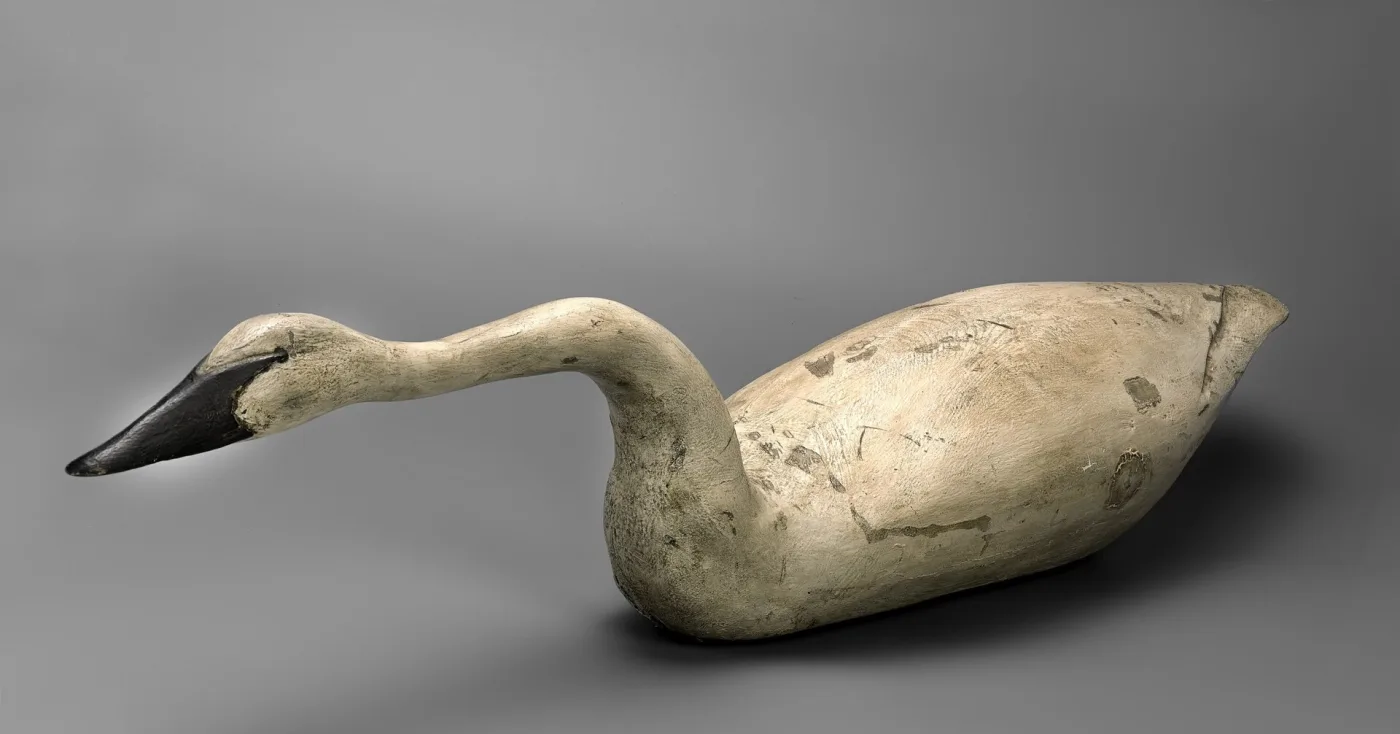
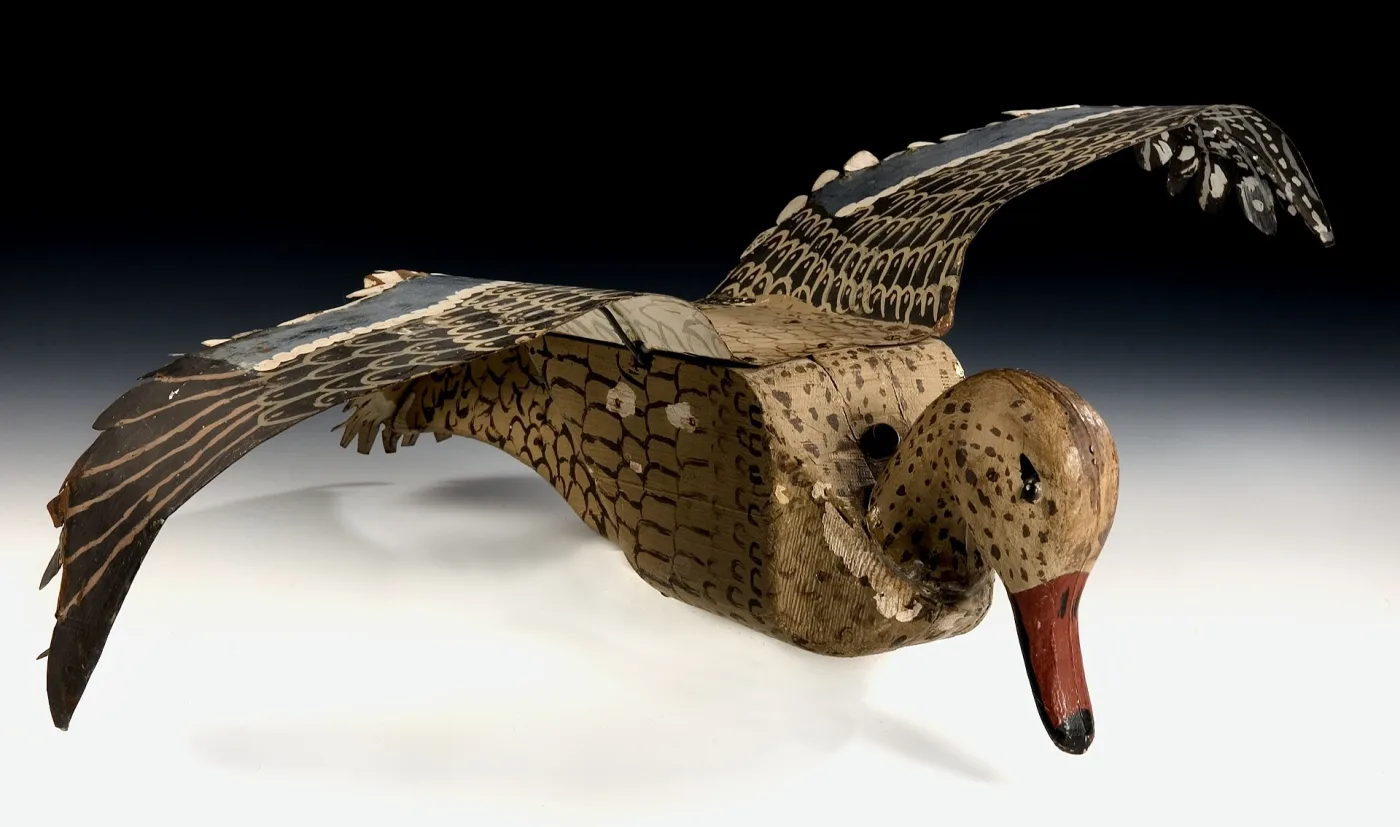
Confidence decoys represent non-game species such as herons, egrets, gulls, and shorebirds. Placed among a rig of duck decoys, they served to reassure incoming flocks that the area was safe. A blue heron standing sentinel among a spread of duck decoys was a common sight in historical hunting setups. These decoys are relatively rare today and can be quite valuable, particularly examples by known makers. Their tall, upright forms and distinctive silhouettes make them visually striking display pieces.
Stick-Up Decoys
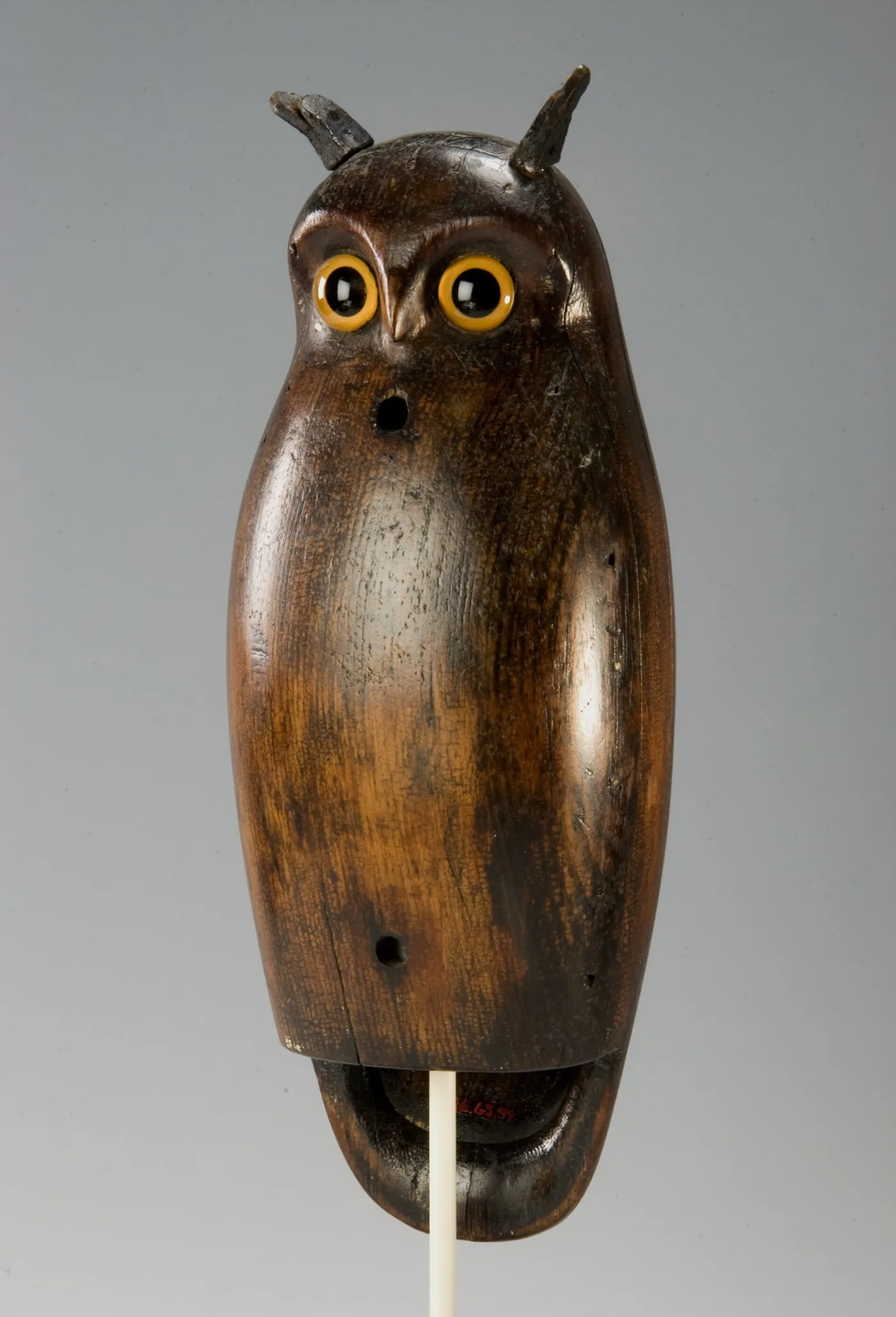
Stick-up decoys, sometimes called field decoys or stake decoys, were designed for use on land rather than water. They feature a flat or slightly rounded bottom with a hole or socket for mounting on a wooden stake driven into the ground. Stick-ups were commonly used for hunting geese, brant, and ducks in agricultural fields and mudflats. Many stick-ups are profile or silhouette decoys, carved from flat boards, though full-bodied stick-up examples exist as well. Geese stick-ups in various postures (feeding, alert, resting) are particularly sought after.
Shorebird Decoys
Shorebird decoys represent species such as plovers, yellowlegs, dowitchers, curlews, and sandpipers. Shorebird hunting was banned in 1927, making authentic antique shorebird decoys significantly older and often rarer than duck decoys. These slender, delicate carvings are mounted on single or double wire or wooden legs and are among the most prized categories in decoy collecting. The best shorebird decoys, particularly those by A. Elmer Crowell and the Cobb family of Virginia, can bring extraordinary prices at auction.
Fish Decoys
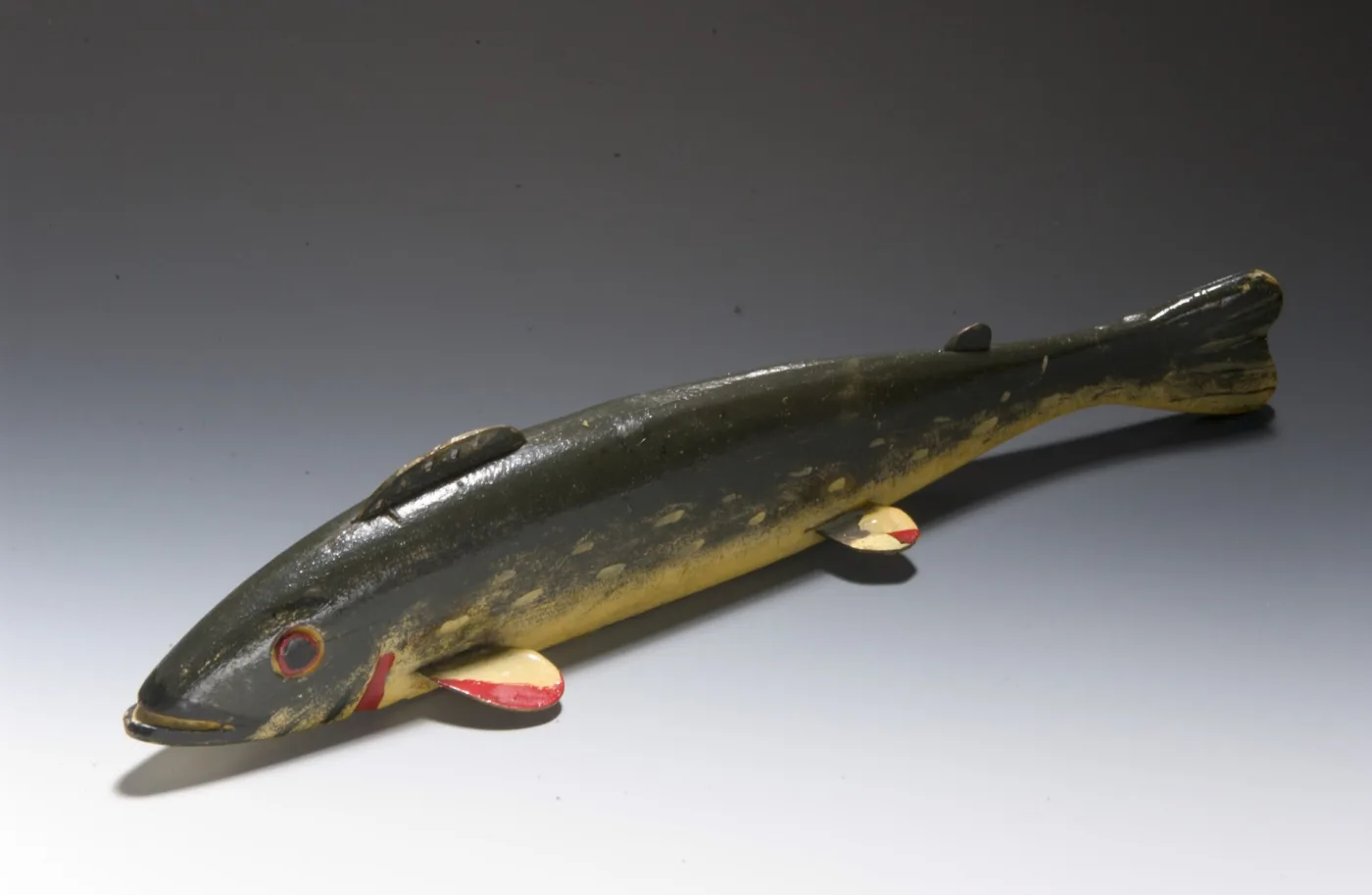
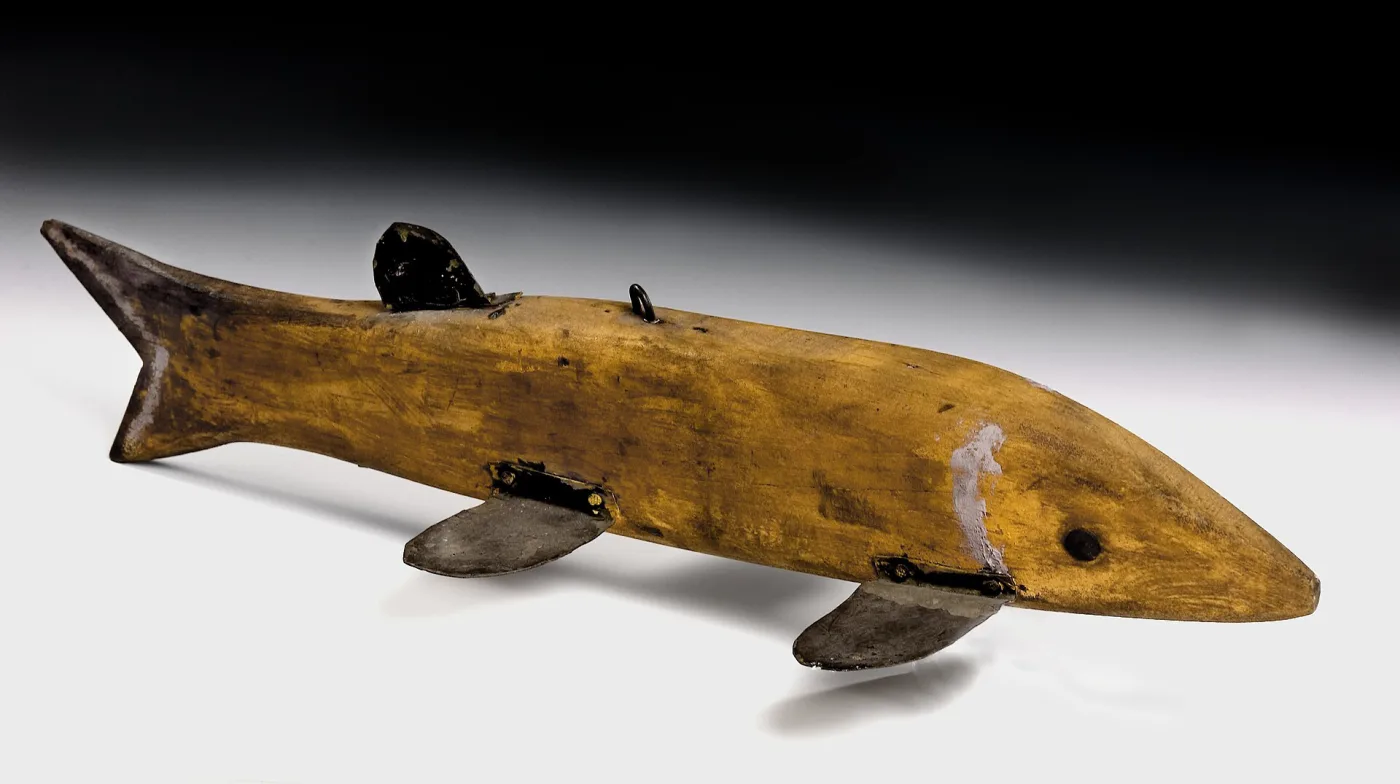
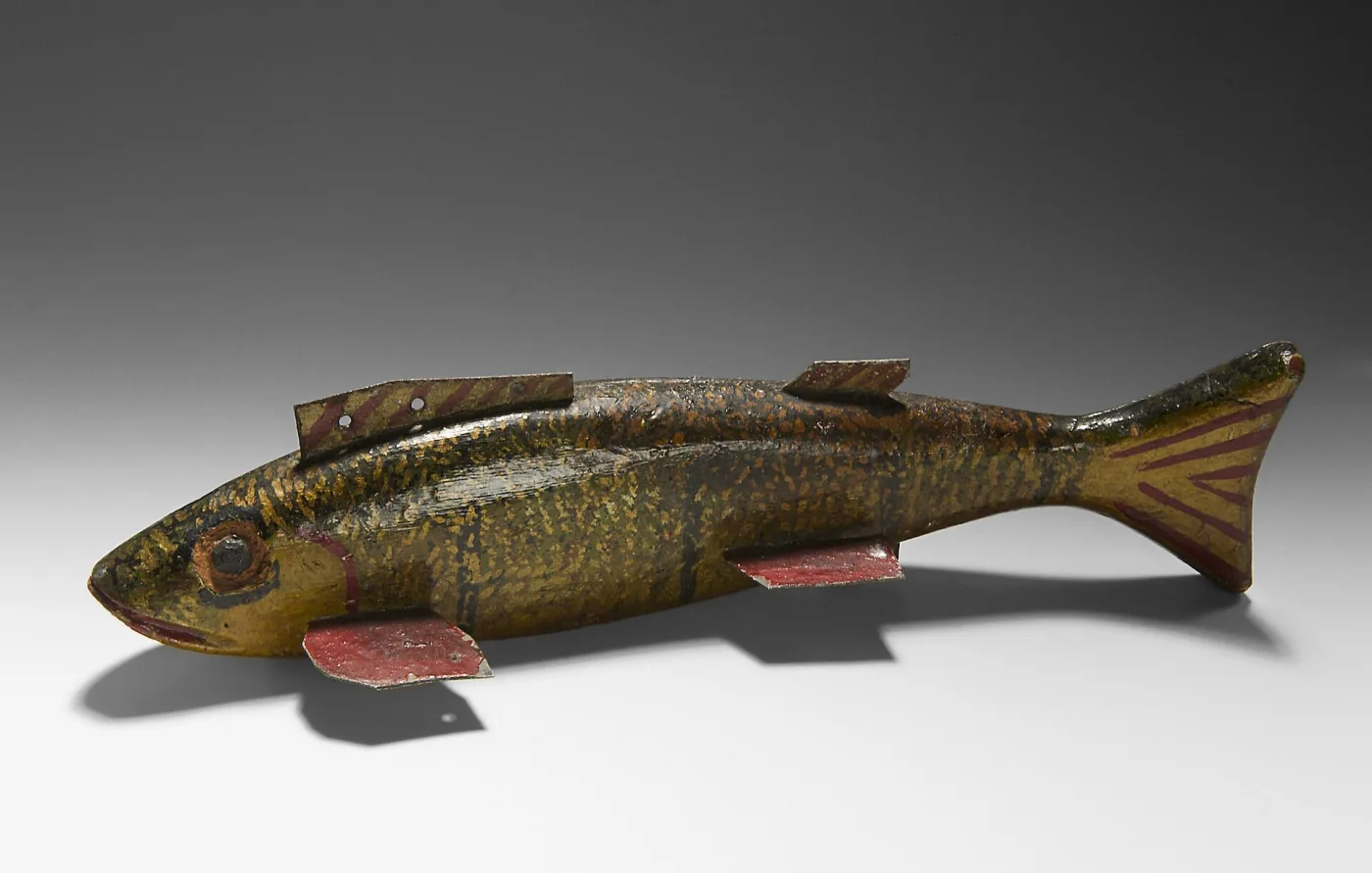
Fish decoys were used for spearfishing through ice, primarily in the Great Lakes region and upper Midwest. Carved from wood and weighted with lead, these decoys were lowered through holes in the ice to attract game fish such as pike and sturgeon. Fish decoys feature painted or metal fins and are often highly colorful and whimsical in design. While a distinct collecting category from bird decoys, fish decoys share many of the same evaluation criteria including maker attribution, regional origin, paint condition, and form quality.
3. Major Decoy Makers & Master Carvers
Attribution to a known maker is one of the most significant factors in determining a decoy's value. The following carvers and factories represent some of the most important names in the field, though hundreds of talented carvers worked across America during the golden age.
A. Elmer Crowell (1862-1952)
Anthony Elmer Crowell of East Harwich, Massachusetts, is widely regarded as the greatest decoy carver in American history. His meticulously detailed carvings of ducks, shorebirds, and ornamental birds are the gold standard for the field. Crowell's work evolved from functional hunting decoys to highly refined decorative pieces, and his later "ornamental" carvings are particularly valuable. In 2007, a preening pintail hen by Crowell sold for $1.13 million, setting a world record. His decoys are identified by their distinctive oval brand stamp reading "A.E. CROWELL & SON, E. HARWICH, MASS." as well as by his unmistakable carving and painting style, which featured fine feather detail and lifelike postures.
Ira Hudson (1873-1941)
Ira Hudson of Chincoteague, Virginia, was one of the most prolific carvers on the Eastern Shore, producing an estimated 25,000 or more decoys during his career. His work ranges from simple, boldly painted hunting decoys to more refined exhibition pieces. Hudson's style is characterized by strong, confident brushwork, slightly oversized heads, and a fluid sense of motion. His shorebird decoys are especially prized. Hudson decoys vary considerably in quality, as he produced different grades of work depending on what the buyer was willing to pay. Identifying his hand requires familiarity with his range of output and his distinctive construction techniques, including his use of nailed-on heads and characteristic body shapes.
Mason Decoy Factory (1896-1924)
The Mason Decoy Factory of Detroit, Michigan, was the most important commercial decoy manufacturer in American history. Founded by Herbert Mason and later run by William Mason, the factory produced decoys in multiple grades: Premier, Challenge, Detroit, and Standard, with Premier being the highest quality. Mason decoys are identified by their turned, lathe-shaped bodies, distinctive glass eyes (in higher grades), and characteristic paint patterns. The factory also produced decoys for other brands. Mason Premier-grade decoys in original paint, particularly in rare species like the wood duck or ruddy duck, are among the most valuable factory decoys in existence, regularly bringing five- and six-figure prices at auction.
Lemuel and Stephen Ward (Ward Brothers)
Lem (1896-1984) and Steve (1895-1976) Ward of Crisfield, Maryland, are celebrated as two of the finest carvers the Chesapeake Bay region ever produced. Working together for decades, the Ward Brothers created decoys that beautifully captured the character and posture of the species they depicted. Their earlier working decoys are prized for their bold paint patterns and effective forms, while their later decorative carvings demonstrate extraordinary detail and artistry. The Ward Museum of Wildfowl Art in Salisbury, Maryland, is named in their honor and houses a significant collection of their work.
Charles "Shang" Wheeler (1872-1949)
Shang Wheeler of Stratford, Connecticut, bridged the gap between functional decoy making and fine art. A talented artist and woodworker, Wheeler created decoys renowned for their elegant forms, refined proportions, and sophisticated paint work. His sleeping black ducks and swimming broadbills are icons of American folk art. Wheeler's output was relatively small compared to some commercial carvers, making his work rare and highly sought after. His decoys are identified by their smooth, flowing body lines, subtly blended paint, and overall sense of refinement that goes beyond most working decoys.
Charles Perdew (1874-1963)
Charles Perdew of Henry, Illinois, was the most celebrated decoy maker of the Illinois River Valley tradition. Working in partnership with his wife Edna, who painted many of his decoys, Perdew created birds of exceptional form and paintwork. His mallards, pintails, and blue-winged teal are hallmarks of the Midwestern style. Perdew decoys feature carefully sculpted forms with subtle feather texture, and Edna's painting added lifelike detail that elevated their work above most contemporaries. Perdew was named the Illinois State Champion Decoy Maker in 1935, and his decoys remain among the most desirable examples of Illinois River carving.
Joseph Lincoln (1859-1938)
Joseph Lincoln of Accord, Massachusetts, was one of the most influential carvers of the New England region. His hollow-carved decoys are lightweight, beautifully proportioned, and display a distinctive, almost minimalist approach to paint that is immediately recognizable. Lincoln is particularly known for his black ducks, goldeneyes, and mergansers. His construction method involved hollowing out the body from the bottom, creating decoys that were easy to transport in large numbers. Lincoln's clean, elegant forms have had a lasting influence on New England decoy carving, and his work is eagerly sought by collectors.
4. Regional Decoy Styles
American decoy carving developed along distinct regional lines, shaped by local hunting conditions, available materials, target species, and the traditions passed down among carving communities. Recognizing regional styles is a key skill in decoy identification.
Chesapeake Bay Style
The Chesapeake Bay produced one of the richest decoy carving traditions in America. Decoys from this region tend to be solid-bodied, relatively heavy, and designed for the rough, open waters of the bay. Canvasbacks, redheads, and black ducks are among the most commonly represented species. Chesapeake Bay decoys often feature high-set heads, flat or slightly concave bottoms, and bold paint patterns designed for visibility at a distance. Notable carving centers include Havre de Grace, Maryland (home of the Decoy Museum), the Susquehanna Flats area, and Crisfield, Maryland. Key makers include the Ward Brothers, R. Madison Mitchell, Paul Gibson, and Bob McGaw.
New England Style
New England decoys reflect the region's maritime heritage and the varied hunting environments from the rocky Maine coast to the sheltered bays of Massachusetts and Connecticut. Many New England decoys are hollow-carved for lightness, a practical consideration for hunters who carried decoys by hand or in small boats. Paint tends to be more refined and detailed than Chesapeake Bay examples, reflecting the artistic sensibilities of carvers like Crowell, Lincoln, and Wheeler. Common species include black ducks, eiders, scoters, goldeneyes, and mergansers. The Cape Cod, Connecticut shoreline, and Maine coast each developed recognizable substyles.
Great Lakes Style
The Great Lakes region, encompassing Michigan, Wisconsin, Minnesota, Ohio, and surrounding states, produced a diverse range of decoy styles. The Mason Decoy Factory in Detroit set a standard for factory decoys that influenced the entire region. Handmade decoys from the area often feature solid construction, weighted bottoms, and practical, no-nonsense forms suited to large inland lakes and marshes. The Illinois River Valley, while technically part of the Mississippi Flyway, is closely associated with Great Lakes collecting traditions. Illinois River decoys by makers like Perdew, Robert Elliston, and the Dodge Factory are characterized by their graceful forms and detailed paintwork. Fish decoys from the region form their own collecting subcategory.
Pacific Coast Style
Pacific Coast decoys, produced primarily in California, Oregon, and Washington, are the least common regional style and are eagerly sought by collectors. Western decoys tend to be simple, rugged, and functional, reflecting the practical needs of market and sport hunters on the Pacific Flyway. Common species include pintails, canvasbacks, mallards, and various sea ducks. Makers of note include Richard "Fresh Air Dick" Janson of the San Francisco Bay area, Luigi Andreucetti, and various carvers associated with the Suisun Marsh and Humboldt Bay. The relative scarcity of documented Pacific Coast decoys adds to their appeal and value.
Southern and Louisiana Style
The Gulf Coast, particularly Louisiana, developed its own distinctive decoy traditions tied to the region's vast marshlands and bayous. Louisiana decoys are typically lightweight, often made of cypress or tupelo gum, and designed for shallow marsh hunting. Many feature roothead construction, where the head is carved from a root or branch that naturally angles upward from the body. Paint on Louisiana decoys tends to be simple and functional, though some makers produced beautifully detailed work. Key makers include the Vizier family, Caddo Lake carvers, Mitchel LaFrance, Xavier Bourg, and Dewey Pertuit. The warm, humid climate of the region means that surviving examples in good condition are relatively uncommon.
5. Construction Methods & Materials
Understanding how antique decoys were made is essential for both identification and authentication. Construction details reveal clues about when, where, and by whom a decoy was crafted.
Wood Types
The choice of wood varied by region and reflected what was locally available. Identifying the wood species can help narrow down a decoy's geographic origin.
- White Cedar (Atlantic White Cedar): The preferred wood for many East Coast carvers, prized for its light weight, rot resistance, and easy workability. Common in New England and Mid-Atlantic decoys.
- White Pine: Widely available and easy to carve, white pine was used throughout the Northeast and Great Lakes regions. Slightly heavier than cedar but still manageable.
- Cork: Used for lightweight decoy bodies, particularly in the Chesapeake Bay region. Cork bodies were often covered with canvas and painted. Cork decoys are surprisingly durable and functional.
- Balsa: Occasionally used for ultra-lightweight decoys, particularly in the 20th century. Balsa is very soft and prone to damage.
- Cypress and Tupelo Gum: The standard woods for Louisiana and Gulf Coast carvers. Both species are highly resistant to water and rot, making them ideal for the humid southern environment.
- Cottonwood: Used by some Midwestern and Plains state carvers. Lightweight but prone to checking and splitting.
Hollow vs. Solid Body Construction
Decoys were built using two primary body construction methods, each with implications for identification.
- Solid Body: Carved from a single block of wood or laminated from two or more pieces glued and sometimes pegged together. Solid decoys are heavier and generally associated with regions where hunters set permanent rigs or had boat access. Chesapeake Bay decoys are commonly solid-bodied.
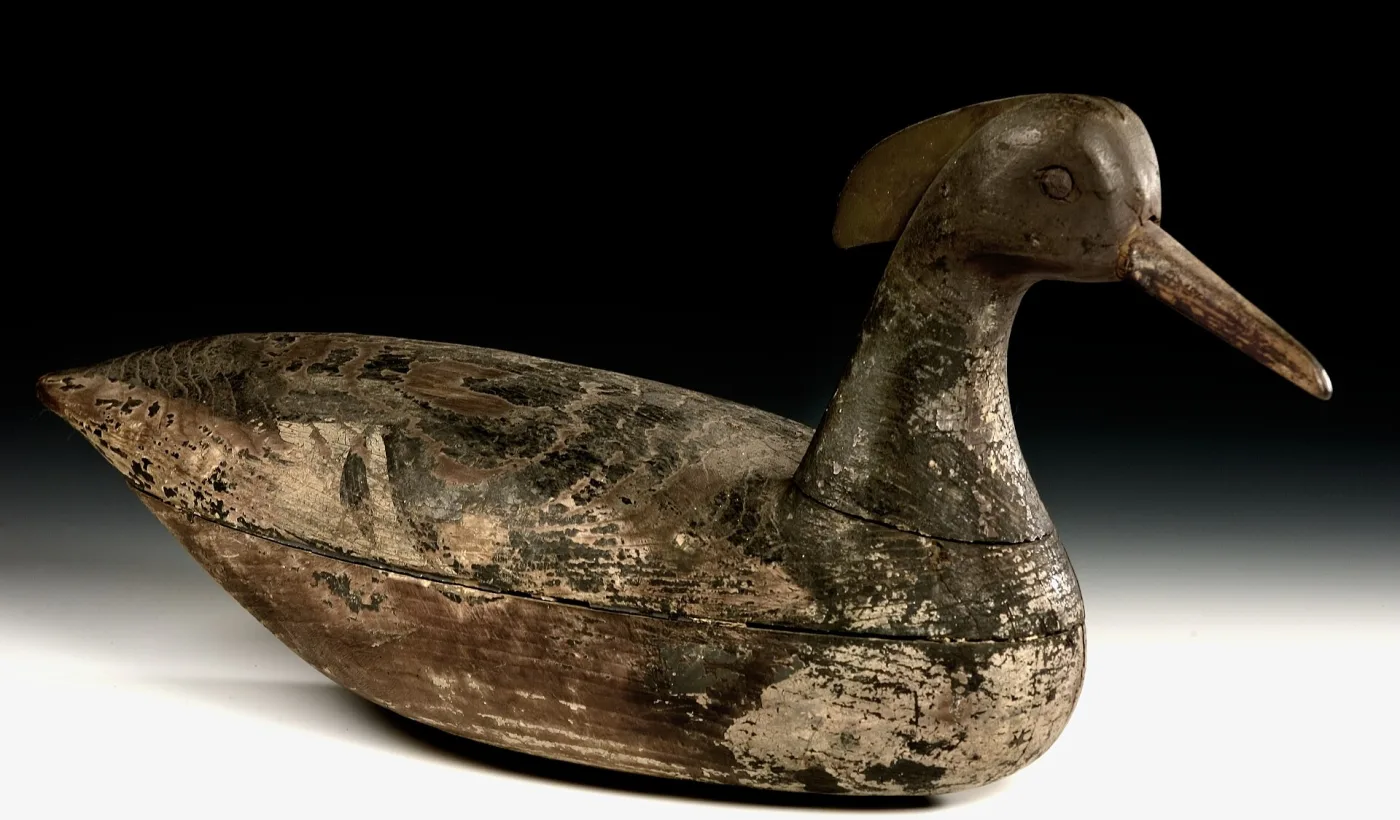
- Hollow Body: Constructed by carving the exterior shape, then hollowing out the interior from the bottom or by building the body from two hollowed halves joined together. Hollow decoys are lighter and easier to carry in large numbers. New England carvers like Joseph Lincoln were masters of hollow construction. The bottom was typically sealed with a thin board.
Head Attachment Methods
How the head is attached to the body is a significant identification clue. Common methods include:
- Inletted (Mortised): The head has a dowel or tenon that inserts into a hole in the body. This is the most common method for quality handmade decoys.
- Nailed: The head is attached with one or more nails driven through the neck into the body. Ira Hudson and many other working decoy makers used this quick, practical method.
- Glued and Pinned: A combination of glue and wooden dowel pins, common in factory decoys and higher-quality handmade examples.
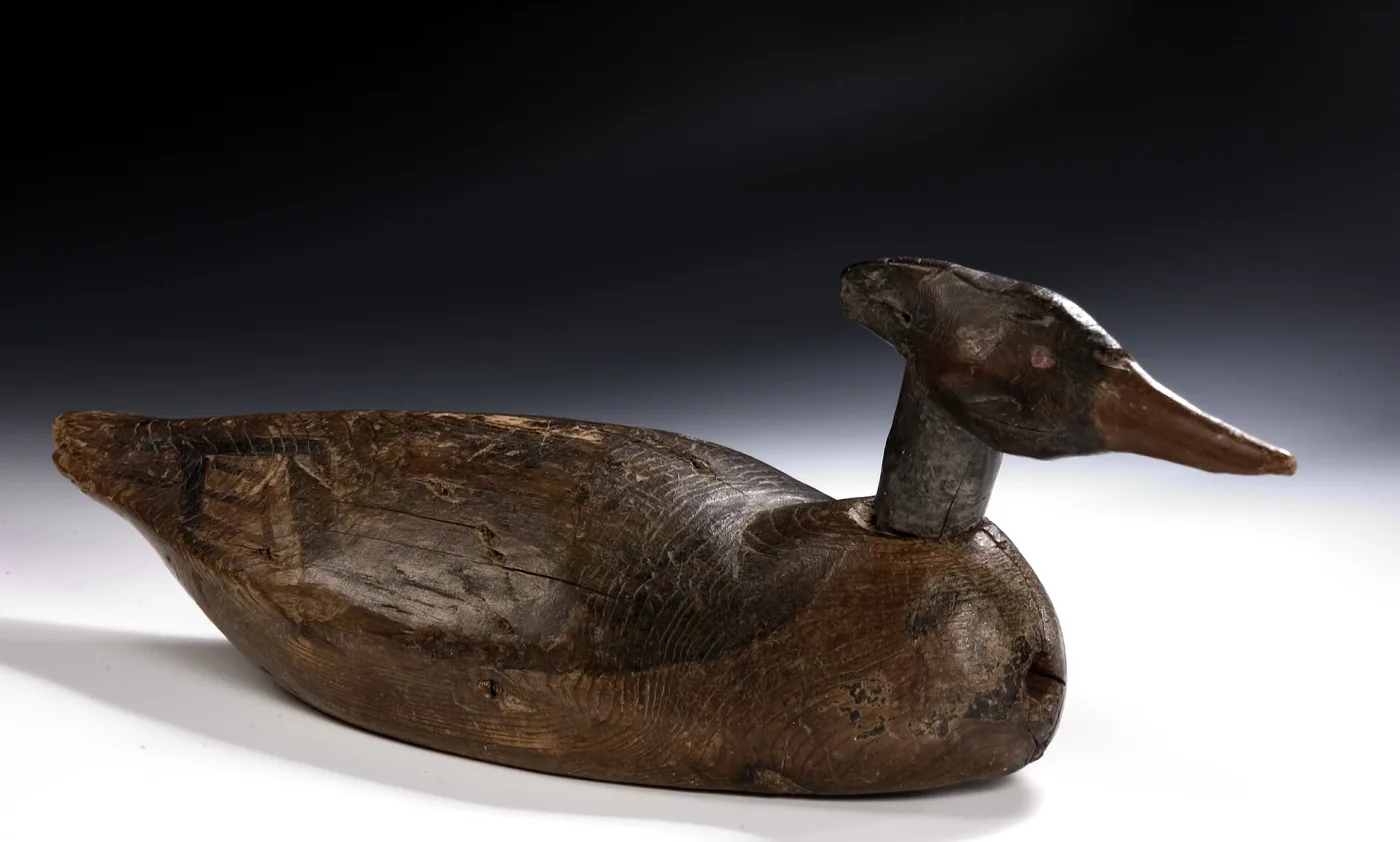
- Integral: Head and body carved from a single piece of wood, seen primarily in early or very simple decoys.
Keels, Weights, and Ballast
The bottom of a decoy provides important identification data. Keels were added to improve stability and tracking in the water, while lead or other weights kept the decoy upright.
- Pad Weights: Flat lead pads nailed or screwed to the bottom. Very common on commercial and factory decoys.
- Strip Keels: Narrow wooden or lead strips running along the bottom. Common in Chesapeake Bay and some New England decoys.
- Keel Boards: Separate wooden boards attached to the bottom, sometimes with added lead. Found on many working decoys.
- Inletted Weights: Lead poured into a carved recess in the bottom. A sign of careful construction, often seen on higher-quality decoys.
- No Weight/No Keel: Some decoys, particularly those designed for sheltered water or marsh use, had no added weight system. Louisiana marsh decoys often fall into this category.
Eyes
The type of eyes on a decoy offers dating and attribution clues.
- Painted Eyes: The simplest treatment, common on working decoys and earlier examples.
- Tack Eyes: Brass or glass-headed tacks pushed into the head. Common on many 19th and early 20th century decoys.
- Glass Eyes: Set into carved sockets and often held with putty. Associated with higher-quality decoys and factory examples like Mason Premier grade.
- Carved Eyes: Sculptural eye detail carved into the wood, sometimes combined with painted pupils. Seen on some folk art and decorative decoys.

6. Painting & Finishing Techniques
Paint is one of the most important aspects of decoy evaluation. Original paint in good condition dramatically increases a decoy's value, and understanding painting techniques helps identify makers and authenticate pieces.
Original Paint Analysis
Assessing whether a decoy retains its original paint is a critical skill. Key indicators of original paint include:
- Consistent Aging: Original paint develops a uniform patina over time. The aging should be even across the entire surface, with natural wear patterns at high points and handling areas.
- Appropriate Materials: Early decoys were painted with oil-based house paints and artist's oils. The texture, sheen, and cracking patterns of aged oil paint are distinctive and difficult to fake convincingly.
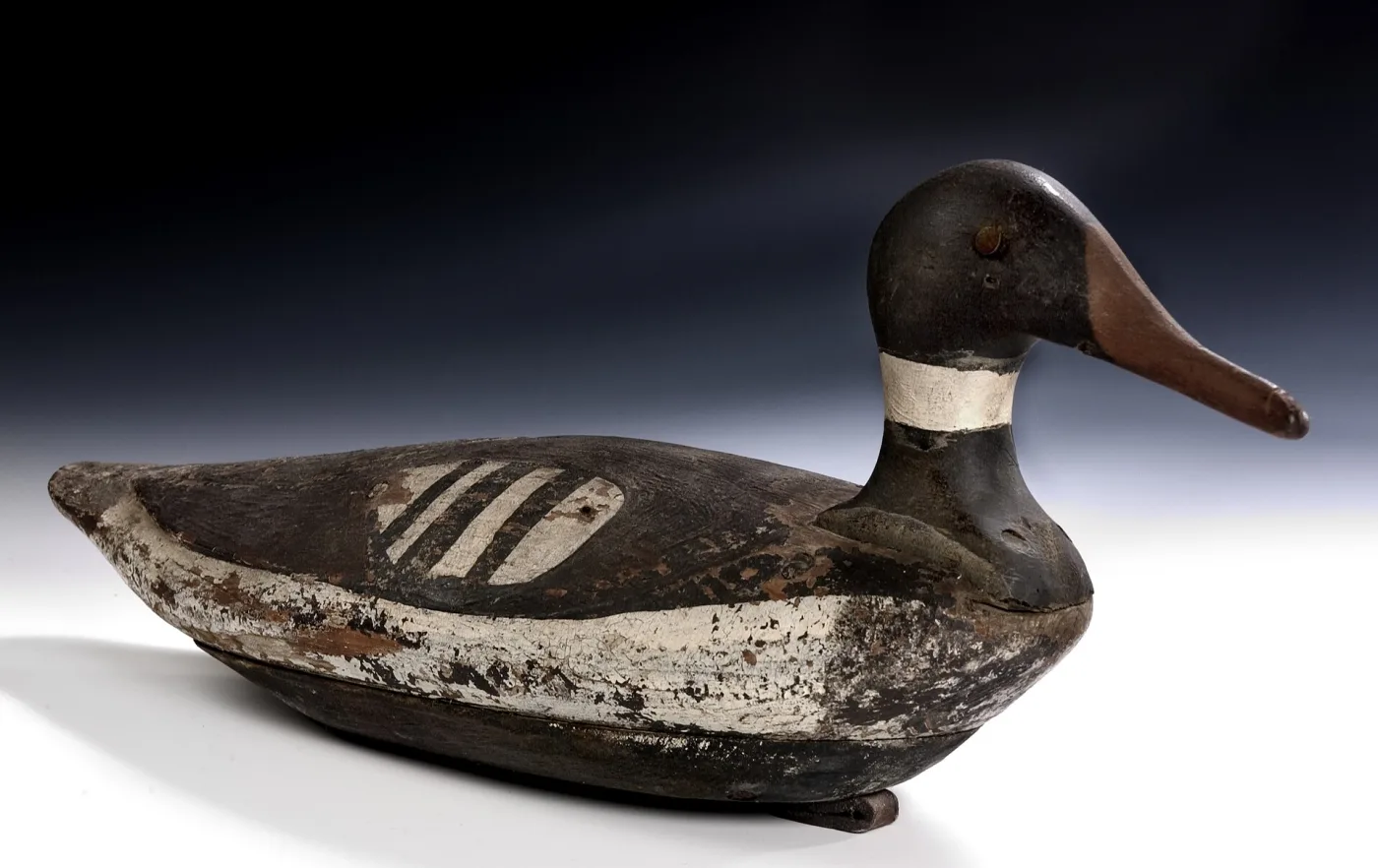
- Wear Patterns: Authentic wear occurs at predictable points: the bill tip, the top of the head, the breast, and the tail. These high-contact areas show paint loss from handling, stacking, and use in the water.
- Paint Layer Adhesion: Original paint bonds with the wood over decades, developing a characteristic bond that differs from newly applied paint.
Overpaint Detection
Many decoys have been repainted (overpainted) over their lifetimes, either for continued hunting use or in misguided restoration attempts. Detecting overpaint is essential for accurate valuation.
- Paint Edges: Look for paint ridges where new paint overlaps the original surface. These ridges are visible under magnification or raking light.
- Color Inconsistencies: Overpaint may not precisely match the original colors, and areas where the new paint has chipped can reveal different colors beneath.
- Brush Stroke Differences: The character of brush strokes can change between layers if different painters were involved.
- UV Light Examination: Under ultraviolet light, different paint layers fluoresce differently, making overpaint clearly visible.
Regional Paint Styles
Paint application varied significantly by region and maker. Recognizing these patterns aids identification.
- Chesapeake Bay: Bold, broad brushwork with strong contrast between light and dark areas. Visibility at a distance was the priority.
- New England: Generally more refined and detailed, with careful blending and attention to accurate species markings. Crowell's work represents the pinnacle of this tradition.
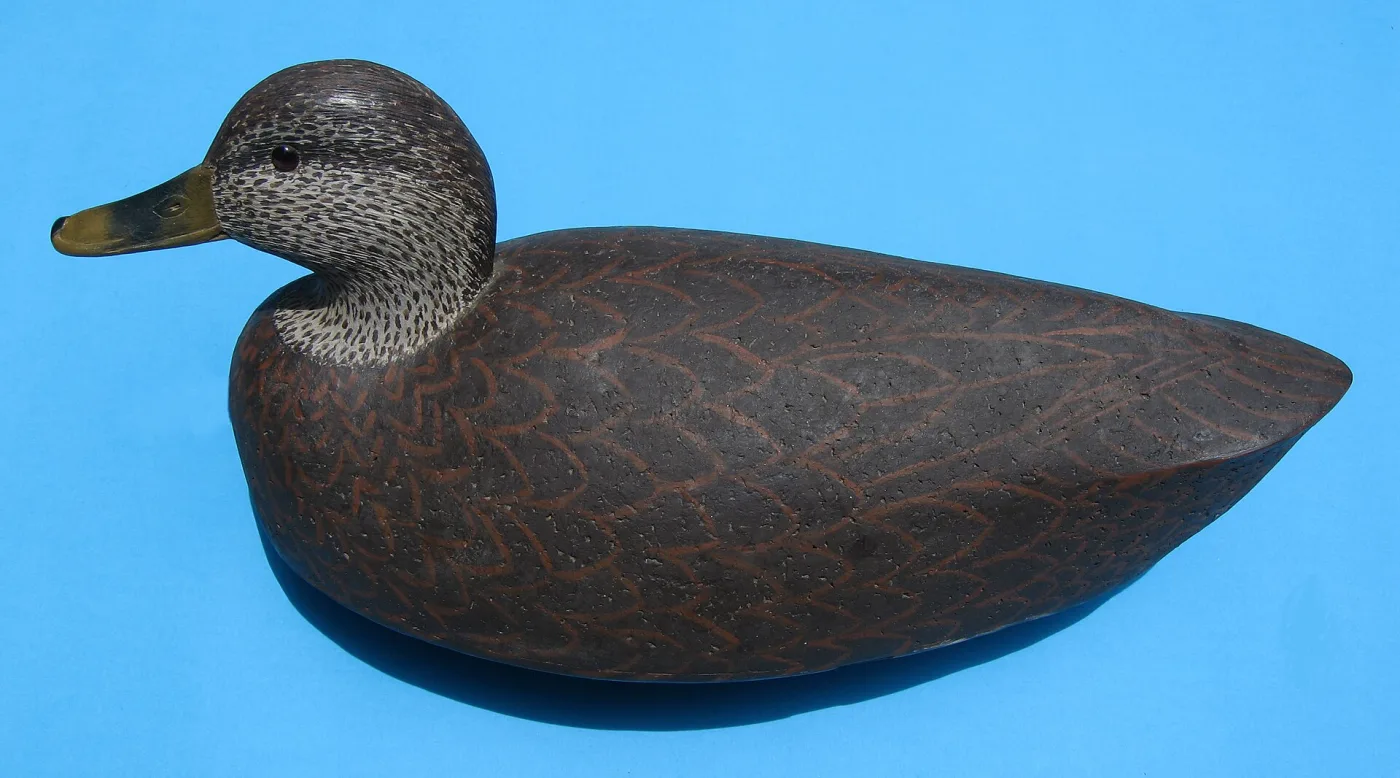
- Illinois River: Known for detailed scratch painting (combing or feathering), where a comb or stylus was drawn through wet paint to create feather patterns. This technique is a hallmark of the region.
- Louisiana: Often simple and functional, with minimal detail. Some makers used bold, graphic paint patterns that have a strong visual appeal despite their simplicity.
7. Dating Antique Decoys
Establishing the approximate age of a decoy is important for authentication, attribution, and valuation. While precise dating can be challenging, several indicators help narrow the time frame.
Pre-1850 Decoys
Decoys from before 1850 are extremely rare and represent the earliest period of American wooden decoy carving. Characteristics include:
- Very simple, blocky forms with minimal detail
- Hand-forged nails or wooden pegs for assembly
- Crude paint, often limited to basic body colors
- Heavy, solid construction from locally available wood
- No standardized form or style conventions
1850-1900 Decoys
The second half of the 19th century saw the development of recognizable regional styles and the emergence of professional carvers serving the market hunting trade.
- More refined forms with species-specific characteristics
- Cut nails (post-1830s) transitioning to wire nails (post-1880s)
- Oil-based paints with increasing detail and realism
- Regional styles becoming distinct and identifiable
- Introduction of glass eyes on higher-quality examples
- Lead keel weights becoming standard
1900-1950 Decoys
The early to mid 20th century represents the transition from market hunting to sport hunting, and from handmade to factory-produced decoys.
- Factory decoys (Mason, Dodge, Evans, Pratt, Animal Trap Company) become widely available
- Wire nails are standard; screws appear more frequently
- Commercial paints replace hand-mixed pigments
- Glass eyes become common on quality decoys
- Some makers begin signing or branding their work
- Hollow-body construction becomes more sophisticated
Post-1950 Decoys
The post-1950 period sees the rise of decorative carving and the beginning of the collecting market, alongside continued production of functional hunting decoys.
- Plastic and rubber decoys begin replacing wooden ones for hunting
- Decorative carving competitions emerge (Ward World Championship begins 1971)
- Contemporary carvers work primarily for the collector and decorative market
- Acrylic paints begin replacing oils on newer examples
- Power tools and modern adhesives become evident in construction
8. Identifying Makers & Origins
Attributing a decoy to a specific maker or region requires careful examination of multiple characteristics. No single feature is definitive; instead, identification relies on a convergence of evidence.
Brands and Stamps
Some makers branded or stamped their decoys, providing direct attribution. Look for:
- Burned Brands: Initials or names burned into the wood, usually on the bottom. Examples include the Ward Brothers "L.T. WARD & BRO." brand.
- Ink Stamps: Rubber stamp impressions, as used by A.E. Crowell. These can fade over time but may be visible under magnification.
- Carved Initials: Initials or abbreviated names carved into the bottom or keel. Many working carvers used this simple method.
- Factory Labels: Paper or painted labels identifying the manufacturer. Mason decoys sometimes retain fragments of their original labels.
- Owner's Marks: Be careful to distinguish maker's marks from owner's marks. Many hunters branded their own initials onto purchased decoys, which can be confused with maker identification.
Construction Signatures
Even unmarked decoys carry the "signatures" of their makers through consistent construction habits. Important features to examine include:
- Body Proportions: Each carver developed a characteristic sense of proportion. Head size relative to body, bill length, and tail angle are often consistent within a maker's output.
- Tool Marks: The marks left by specific tools (spokeshaves, draw knives, rasps, sandpaper) can distinguish one carver from another. Some carvers left deliberate tool marks as texture; others sanded to a smooth finish.
- Head Style: Head shape and positioning are among the most distinctive identification features. The angle of the head, the shape of the bill, and the treatment of the cheeks and crown are often unique to individual carvers.
- Bottom Construction: The way the bottom is finished, whether flat, rounded, or V-shaped, the type and placement of weight, and the method of keel attachment are all identifying features.
- Paint Application: Brush handling, color mixing preferences, and the sequence of paint application are as individual as handwriting.
Using Reference Materials
Accurate identification relies on comparison with documented examples. Essential reference resources include:
- Published decoy reference books by authors like William Mackey Jr., Adele Earnest, and Henry Fleckenstein
- Auction catalogs from major decoy sales (Guyette & Deeter, Copley Fine Art)
- Museum collections with attributed examples
- Regional collector clubs and their publications
- Online databases and forums where collectors share information and photographs
9. Authentication & Spotting Reproductions
As decoy values have risen, so has the incentive to produce fakes and forgeries. Developing the ability to distinguish authentic antique decoys from reproductions is critical for any serious collector.
Common Types of Fakes
- Outright Forgeries: Decoys carved specifically to imitate the work of known makers, complete with fake brands and artificially aged paint. These are the most dangerous fakes and require experienced eyes to detect.
- Enhanced Working Decoys: Genuine old decoys that have been repainted or had brands added to increase their attributed value. A common decoy might be repainted in the style of a famous maker, or a fake brand stamp applied.
- Married Pieces: Old heads placed on different old bodies, combining parts from different decoys or different makers to create a more desirable composite. The seam at the head-body junction often reveals this manipulation.
- Reproductions Aged and Sold as Originals: Contemporary carving done in a period style, then subjected to artificial aging processes to simulate antiquity.
Detecting Artificial Aging
Forgers use various techniques to simulate age, but careful examination can reveal their methods.
- Paint Cracking: Natural age cracks in paint (called "alligatoring" or "crazing") develop in consistent patterns over decades. Artificial cracking, produced by baking or chemical treatment, often looks too uniform and lacks the depth of genuine aging.
- Simulated Wear: Genuine wear follows logical patterns based on how a decoy was used and handled. Artificial wear is often random or applied to areas that would not normally show wear. Sandpaper abrasion looks different from decades of handling.
- Staining and Darkening: Forgers may use tea, coffee, stains, or diluted paint to simulate the darkened appearance of old wood. Genuine aging darkens wood in response to light exposure and environmental conditions, producing a different quality of color than applied stains.
- Fake Patina: A genuine patina develops slowly over decades and has depth and complexity. Applied patina tends to look flat and uniform.
Paint Testing Methods
Scientific and semi-scientific methods can help verify paint age and composition.
- Ultraviolet (UV) Light: Under UV light, old paint fluoresces differently than new paint. This is one of the simplest and most effective authentication tools available to collectors.
- Solvent Testing: Carefully applying a small amount of solvent to an inconspicuous area can reveal paint layers and composition. Modern acrylics respond differently to solvents than aged oils.
- Microscopic Examination: Magnification reveals paint layer structure, cracking patterns, pigment particles, and evidence of artificial manipulation.
- Professional Laboratory Analysis: For high-value decoys, professional paint analysis including pigment identification and binding medium analysis can definitively determine whether materials are period-appropriate.
10. Condition Assessment & Grading
Condition is second only to maker attribution in its impact on decoy value. Understanding condition terminology and assessment criteria is essential for accurate evaluation.
Paint Condition Grading
Paint condition is typically described using the following scale, though terminology can vary among dealers and auction houses.
- Mint/Near Mint Original Paint: Virtually all original paint intact with only the most minor wear. Extremely rare on working decoys and commands the highest premiums.
- Excellent Original Paint (90%+): The vast majority of original paint intact with moderate wear at typical high points. This is the best condition realistically expected for most working decoys.
- Very Good Original Paint (75-90%): Significant original paint remaining with noticeable wear but the original paint pattern still clearly readable. A strong collecting condition for most examples.
- Good Original Paint (50-75%): Substantial paint loss but enough original paint to determine the original pattern and colors. Form and attribution become more important at this level.
- Worn Original Paint (below 50%): Heavy paint loss with only traces of original paint remaining. Value is primarily in the form, the carving quality, and the attribution.
- Overpainted: Original paint covered by one or more layers of later paint. Overpainting significantly reduces value unless the overpaint is carefully removed to reveal original paint beneath.
- Repainted/Stripped: Original paint entirely removed and replaced. This condition has the most significant negative impact on value.
Structural Integrity
Beyond paint, the physical condition of the carved form matters significantly.
- Body Condition: Check for cracks, splits, wood rot, insect damage, and missing pieces. Small, tight cracks are normal and expected in old wood. Large open cracks, soft or punky wood, and missing sections are more serious concerns.
- Head Condition: Examine the head for damage to the bill (the most commonly damaged area), the neck joint, and the overall integrity of the carving. Original heads are far more desirable than replacement heads.
- Bill Condition: Bills are particularly vulnerable to breakage. An original bill, even if chipped, is preferable to a replaced or restored bill in most cases.
- Weight and Keel: Original weight systems and keels contribute to completeness and can aid in identification. Replacement weights are common but reduce value somewhat.
Repairs and Restorations
Almost all antique decoys show some evidence of repair. Evaluating repairs requires judgment about their extent, quality, and impact on the overall piece.
- Period Repairs: Repairs made during the working life of the decoy, using period-appropriate materials, are generally accepted and may even add to the decoy's character and history.
- Professional Restorations: Skilled restoration that is clearly documented and reversible is generally acceptable, though it should be reflected in the price.
- Amateur Repairs: Poorly executed repairs using modern materials (epoxy, Bondo, modern paints) can significantly reduce value and may cause further damage to the original piece over time.
11. Value Factors & Market Trends
The antique decoy market has matured significantly over the past several decades, with prices for top examples reaching seven figures. Understanding what drives value helps both buyers and sellers navigate the market effectively.
Primary Value Factors
- Maker Attribution: A confident attribution to a known, respected maker is the single most important value factor. Decoys by Crowell, the Ward Brothers, Wheeler, and other top-tier makers command the highest prices regardless of other factors.
- Paint Condition: Original paint in strong condition can multiply a decoy's value many times over. Two identical decoys by the same maker can differ in price by a factor of ten or more based on paint condition alone.
- Rarity: Uncommon species, unusual forms, or limited production runs increase desirability. A sleeping or preening posture is rarer than a standard head-up or head-forward pose.
- Form Quality: The sculptural quality of the carving, the grace of the proportions, and the lifelike quality of the pose all contribute to value. Even among the same maker's output, exceptional examples stand out.
- Provenance: A documented ownership history, particularly one linking the decoy to a known rig, a notable collection, or a specific hunting location, adds both value and confidence in authenticity.
- Eye Appeal: Ultimately, the visual impact of a decoy, its presence and character, influences what collectors are willing to pay. The best decoys command attention and admiration beyond their technical specifications.
Record Sales and Market Benchmarks
Landmark auction results illustrate the upper reaches of the decoy market.
- A preening pintail hen by A. Elmer Crowell sold for $1.13 million in 2007, setting a then-world record for any decoy.
- A red-breasted merganser hen by Lothrop Holmes sold for $856,000, demonstrating that exceptional examples by lesser-known makers can also achieve extraordinary prices.
- Mason Premier-grade wood ducks and other rare species regularly bring $50,000 to $200,000+ at major auctions.
- Important shorebird decoys by Crowell, Cobb, and Obediah Verity have sold for $300,000 to $800,000 and beyond.
Current Market Trends
The decoy market in the mid-2020s shows several notable patterns.
- Top-Tier Strength: Exceptional examples by recognized masters continue to appreciate and attract intense competition at auction.
- Mid-Market Selectivity: Collectors in the middle price range have become more selective, favoring quality over quantity and paying premiums for condition and eye appeal.
- Regional Interest: Collectors increasingly focus on specific regions or makers, driving strong prices for the best examples within those niches.
- Younger Collectors: The market is actively working to attract younger collectors through educational programs, museum outreach, and online sales platforms.
- Decorative Appeal: Decoys with strong visual presence are valued by interior designers and decorative art collectors, broadening the buyer base beyond traditional sporting art collectors.
12. Building a Decoy Collection
Whether driven by aesthetic appreciation, historical interest, or investment potential, building a meaningful decoy collection requires a thoughtful approach. The following guidelines can help new and experienced collectors alike.
Choosing a Focus
The breadth of the decoy field makes specialization important for most collectors. Common collecting strategies include:
- By Maker: Focusing on the work of a single carver or a small group of related makers. This approach allows deep expertise and meaningful comparisons among examples.
- By Region: Collecting decoys from a specific geographic area, such as the Chesapeake Bay, Cape Cod, or the Illinois River Valley. Regional collections tell a coherent story about local traditions.
- By Species: Assembling a collection focused on one or a few species, such as canvasbacks, black ducks, or shorebirds. This approach highlights the variety of interpretations different carvers brought to the same subject.
- By Type: Collecting a specific category such as shorebird decoys, confidence decoys, or fish decoys. These specialized collections can develop into important reference resources.
- Historical Rigs: Reassembling all or part of a known historical hunting rig. This approach combines research, persistence, and a love of historical narrative.
Budget Considerations
Decoy collecting is accessible at virtually any budget level, though understanding price ranges helps set realistic expectations.
- Entry Level ($50-$500): Genuine old working decoys by unknown or lesser-known makers. Many are charming, well-made, and historically interesting despite lacking attribution.
- Intermediate ($500-$5,000): Decoys by recognized regional makers, good factory decoys (Mason Challenge or Detroit grade), and attributed examples in moderate condition.
- Advanced ($5,000-$50,000): Premium examples by important makers in good to excellent condition. Mason Premier-grade decoys, Ward Brothers, and other top regional makers fall in this range.
- Museum Quality ($50,000+): Masterwork examples by the greatest carvers, rare forms, and exceptional condition. These decoys represent the pinnacle of American folk art.
Building Knowledge
The most successful collectors invest heavily in education before investing heavily in decoys. Essential steps include:
- Handling as many decoys as possible at shows, museums, and in experienced collectors' homes
- Building a reference library of key decoy books and auction catalogs
- Joining collector organizations such as regional decoy collector groups
- Attending major decoy shows and auctions to observe the market firsthand
- Developing relationships with reputable dealers who can serve as mentors
13. Care & Preservation
Proper care ensures that antique decoys survive for future generations to appreciate. Because decoys are made primarily of painted wood, they are susceptible to environmental damage if not stored and displayed correctly.
Storage Guidelines
- Temperature and Humidity: Maintain stable conditions. Rapid fluctuations in temperature and humidity cause wood to expand and contract, leading to cracking, warping, and paint loss. Ideal conditions are 65-70 degrees Fahrenheit with 45-55% relative humidity.
- Light Exposure: Avoid prolonged direct sunlight, which fades paint and can cause wood to dry and crack. UV-filtering glass or acrylic for display cases helps protect displayed decoys.
- Support: Store decoys on padded shelves or in individual padded compartments. Avoid stacking decoys directly on top of each other, which can cause paint abrasion and structural stress.
- Pest Prevention: Inspect stored decoys periodically for signs of insect activity, particularly powder post beetles and termites. Cedar shavings or blocks placed near stored decoys can help deter insects.
Display Best Practices
- Use museum-quality display stands or mounts that support the decoy without stressing the wood or touching painted surfaces
- Rotate displayed decoys periodically to minimize uneven light exposure
- Keep decoys away from heat sources such as radiators, heating vents, and fireplaces
- Avoid displaying decoys in kitchens or bathrooms where humidity fluctuates dramatically
- Consider enclosed display cases for the most valuable examples to protect against dust, accidental contact, and atmospheric pollutants
Cleaning and Maintenance
- Dusting: Use a soft, natural-bristle brush or a photographer's air blower to remove dust. Avoid feather dusters, which can catch on loose paint flakes and cause damage.
- Surface Cleaning: If needed, use a barely damp cloth with distilled water only. Never use household cleaners, solvents, or polishes on antique decoys.
- Do Not Restore Without Expert Guidance: Well-intentioned cleaning or restoration by untrained hands has destroyed more value than decades of neglect. If a decoy needs conservation work, consult a qualified conservator who specializes in painted wooden objects.
- Document Condition: Photograph your decoys regularly from multiple angles. This documentation is valuable for insurance purposes and for tracking any changes in condition over time.
14. Where to Buy & Sell Antique Decoys
The antique decoy market operates through several interconnected channels, each with its own advantages and considerations for buyers and sellers.
Specialist Auctions
Dedicated decoy auctions are the primary marketplace for important examples and the best venue for establishing market value.
- Guyette & Deeter: The leading specialist decoy auction house in the United States, conducting multiple sales annually featuring top-quality material. Their catalogs serve as essential reference resources.
- Copley Fine Art Auctions: A major auction house specializing in sporting art, including significant decoy sales. Their summer sales in Plymouth, Massachusetts, are major events in the collecting calendar.
- Decoys Unlimited: Another well-known specialist auction venue with regular sales of quality material.
- Regional Auction Houses: Smaller auction houses in decoy-rich regions often handle estate sales and consignments that include quality decoys, sometimes at more accessible prices.
Dealers and Galleries
Reputable dealers play an essential role in the market, offering curated selections, expertise, and often a guarantee of authenticity.
- Established dealers typically specialize in specific regions or price ranges
- Dealer shows and exhibitions provide opportunities to examine many decoys in person
- A good dealer relationship can provide access to desirable pieces before they reach the open market
- Ask about return policies and authenticity guarantees before purchasing
Shows and Festivals
Decoy shows bring collectors, dealers, and carvers together and are among the best venues for learning and buying.
- Easton Waterfowl Festival: One of the largest and most prestigious waterfowl and decoy events in the country, held annually in Easton, Maryland.
- Midwest Decoy Collectors Association Show: A major show for Great Lakes and Midwestern decoys, held annually in the Chicago area.
- Ohio Decoy Collectors & Carvers Show: A well-attended regional show with quality material.
- New England Decoy Collectors Shows: Several annual shows in the Northeast featuring New England and Mid-Atlantic decoys.
Online Marketplaces
The internet has expanded access to the decoy market but requires additional caution from buyers.
- Online Auctions: Major auction houses now offer online bidding, expanding their reach beyond in-person attendance.
- General Online Platforms: Sites like eBay offer a wide range of decoys at all price levels. The buyer-beware principle applies especially strongly here; request detailed photographs and provenance information before bidding.
- Collector Forums and Groups: Online collecting communities sometimes facilitate private sales among members. These can be good sources for quality material from knowledgeable sellers.
- Social Media: Some dealers and collectors use social media platforms to offer decoys for sale. Verify the seller's reputation through references and feedback from other collectors.
Estate Sales and Flea Markets
Unexpected discoveries still happen at estate sales, flea markets, antique shops, and garage sales, though finding undervalued decoys in these venues has become less common as general awareness of decoy values has increased. Nevertheless, knowledgeable collectors who understand what they are looking at can still find good buys in these less-structured markets, particularly for decoys by lesser-known regional makers that may not be recognized by general antiques dealers.
Conclusion
Antique duck decoys occupy a distinctive place in the American collectibles landscape, representing a craft tradition that is simultaneously functional, artistic, and deeply rooted in regional culture. From the earliest Native American examples to the masterworks of Crowell, the Ward Brothers, and Shang Wheeler, these carvings tell the story of America's relationship with its wetlands and waterways.
Successful identification and collecting requires a combination of hands-on experience, reference knowledge, and careful observation. By understanding construction methods, regional styles, maker signatures, and paint characteristics, you develop the ability to evaluate any decoy you encounter with confidence. Whether you are drawn to the bold simplicity of a Chesapeake Bay canvasback, the refined elegance of a New England black duck, or the folk art charm of a Louisiana marsh decoy, the world of antique decoys offers endless fascination and discovery. Take the time to learn, handle as many examples as possible, and build relationships within the collecting community. The rewards, both intellectual and aesthetic, are well worth the effort.