
Antique Spinning Wheels and Textile Tools Identification Guide: Types, Makers & Dating Techniques
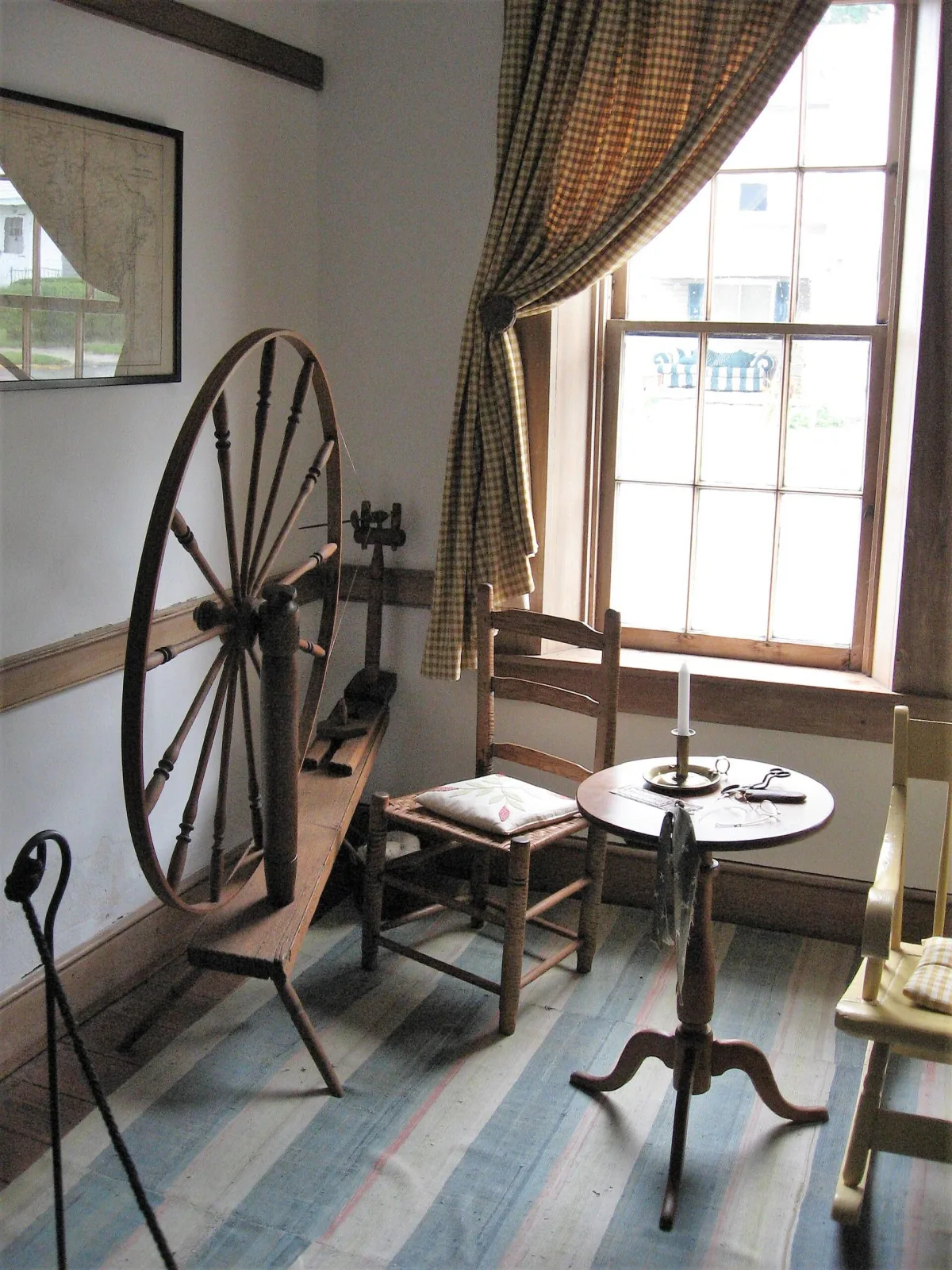
For thousands of years, spinning wheels and textile tools have been essential instruments in transforming raw fibers into yarn, thread, and fabric—the very foundation of human civilization's clothing, textiles, and decorative arts. From the simple drop spindle used in ancient civilizations to the sophisticated great wheels and Saxony wheels of the medieval and Renaissance periods, to the industrial-era production spinning wheels and the various textile tools that supported the entire fiber arts tradition, these implements represent a fascinating intersection of practical necessity, mechanical innovation, cultural tradition, and artistic craftsmanship. Antique spinning wheels and textile tools, preserved with their original mechanisms, handcrafted components, and period-appropriate materials, offer collectors and enthusiasts a tangible connection to centuries of textile production history, from the spinning wheels that graced colonial American homes to the elegant European great wheels of the 17th and 18th centuries, from the compact Norwegian wheels to the ornate Victorian-era wheels that became symbols of domestic virtue and self-sufficiency. Whether examining an intricately carved 18th-century great wheel with its massive drive wheel and delicate flyer assembly, a beautifully proportioned Saxony wheel from the Victorian era, or a collection of antique textile tools including distaffs, niddy noddies, and swift winders, these objects connect us to the daily lives and skilled labor of countless generations of spinners, weavers, and textile artisans. This comprehensive guide will teach you everything you need to know about identifying antique spinning wheels and textile tools, from understanding different wheel types and their mechanical evolution to recognizing regional styles, maker marks, dating techniques, and determining their historical significance and collector value. Whether you're examining a medieval great wheel, a 19th-century production wheel, or an early 20th-century flax wheel, modern tools like the Antique Identifier app can provide instant AI-powered identification assistance, but mastering the fundamentals of spinning wheel and textile tool identification remains essential for any serious collector or enthusiast.
Table of Contents
- Historical Context: The Evolution of Spinning and Textile Production
- Spinning Wheel Types: Great Wheels, Saxony, Norwegian & More
- Great Wheels: Identification and Characteristics
- Saxony Wheels: The Classic Spinning Wheel
- Norwegian and Castle Wheels
- Production and Industrial Spinning Wheels
- Distaffs: Types and Identification
- Antique Looms and Weaving Equipment
- Textile Tools: Niddy Noddies, Swifts, and Accessories
- Materials and Construction Techniques
- Maker Marks, Stamps, and Identification
- Dating Techniques and Period Identification
- Regional Styles and Cultural Variations
- Condition Assessment and Value Factors
- Authentication and Detecting Reproductions
- Collecting Tips and Care Guidelines
Historical Context: The Evolution of Spinning and Textile Production
Understanding the historical development of spinning wheels and textile tools provides essential context for accurate identification and dating. These tools evolved alongside changes in society, technology, and textile production needs.
Ancient and Medieval Periods: The Foundation of Spinning
Early spinning tools established traditions that influenced later wheel designs:
- Drop Spindles: Earliest spinning tools (5000 BCE); simple weighted sticks; still used today
- First Spinning Wheels: Developed in India (c. 500-1000 CE); spread to Europe via Islamic world
- Medieval Great Wheels: Large wheel (36-48 inches); hand-driven; standing operation
- European Adoption: Spinning wheels spread across Europe by 13th century; regional variations developed
- Domestic Production: Spinning primarily home-based; essential household skill; mostly women's work
- Textile Economy: Spinning central to medieval economy; guild regulations; quality standards
Renaissance and Early Modern Period: Mechanical Refinement
The Renaissance period saw significant improvements in spinning wheel design:
- Flyer and Bobbin System: Introduced c. 1480; continuous spinning possible; increased efficiency
- Saxony Wheel Development: Compact design; seated operation; flyer system standard
- Regional Variations: Distinct styles in different European regions; local craftsmanship traditions
- Great Wheel Refinement: Larger wheels; better proportions; improved efficiency
- Ornamental Elements: Carved decorations; turned finials; decorative turnings on legs and uprights
- Professional Spinning: Specialized spinners; quality yarn production; commercial operations
18th Century: The Age of Elegance and Production
The 18th century combined elegance with increased production capacity:
- Georgian Period (1714-1837): Refined proportions; elegant turnings; quality craftsmanship
- Production Wheels: Wheels designed for quantity; multiple spindles; faster spinning
- Colonial America: Imported and locally-made wheels; adapted to available materials
- Material Sophistication: Fine hardwoods; quality metal components; precision craftsmanship
- Regional Styles: Distinct American, British, European styles; local preferences
- Textile Industry Growth: Increased demand; professional spinning; quality standards
19th Century: Industrialization and Domestic Craft
The 19th century saw both industrialization and renewed interest in domestic spinning:
- Victorian Era (1837-1901): Ornate decoration; elaborate turnings; sentimental value
- Industrial Spinning: Factory production; mechanized spinning; power looms
- Domestic Revival: Spinning as domestic art; educational value; hobby interest
- Compact Designs: Norwegian wheels; castle wheels; space-efficient designs
- Mass Production: Some wheels machine-made; standardized parts; catalog sales
- Decorative Elements: Carved details; painted decoration; artistic expression
- Textile Tools: Wide variety of accessories; niddy noddies, swifts, distaffs
Early 20th Century: Decline and Preservation
The early 20th century marked a transition period:
- Industrial Dominance: Factory production dominant; hand spinning rare
- Craft Revival: Arts and Crafts movement; interest in traditional skills
- Rural Use: Spinning continued in rural areas; isolated communities
- Collector Interest: Early collecting; preservation efforts; museum collections
- Manufacturing Changes: Some commercial production; modified designs
Cultural Significance
Spinning wheels held important cultural meanings:
- Women's Work: Historically associated with women; domestic sphere; economic contribution
- Symbol of Industry: Spinning as virtue; industriousness; self-sufficiency
- Social Status: Quality wheels indicated prosperity; fine craftsmanship displayed
- Cultural Identity: Regional styles reflected local traditions; national variations
- Literary References: Spinning in folklore; fairy tales; cultural memory
- Heritage Preservation: Modern interest in traditional crafts; cultural heritage
Spinning Wheel Types: Great Wheels, Saxony, Norwegian & More
Understanding the different types of spinning wheels is fundamental to identification. Each type has distinct characteristics, mechanisms, and historical contexts.
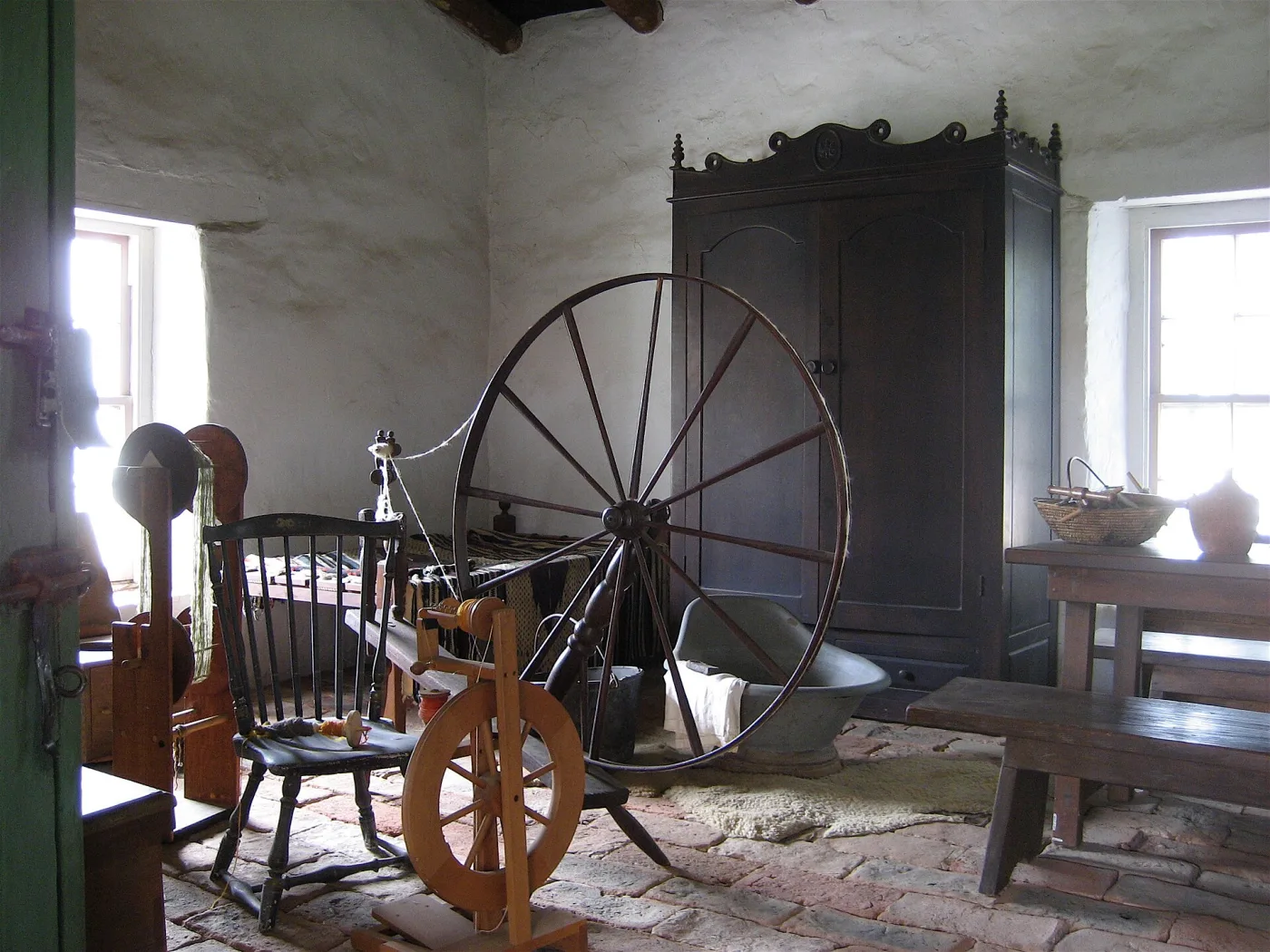
Great Wheels (Walking Wheels)
Great wheels are the oldest type of spinning wheel with continuous operation:
- Design: Large drive wheel (36-48 inches); horizontal orientation; single drive band
- Operation: Standing position; wheel turned by hand; spinner walks back and forth
- Mechanism: Spindle mounted horizontally; no flyer; manual drafting required
- Advantages: Simple construction; durable; suitable for long-staple fibers
- Age Range: Medieval through early 20th century; most common 17th-19th centuries
- Regional Variations: Size and proportions vary by region; American, British, European styles
- Materials: Typically all wood; hand-forged metal parts; turned components
- Identification: Large horizontal wheel; simple spindle; no flyer assembly
Saxony Wheels
Saxony wheels are the most familiar and common type of spinning wheel:
- Design: Three-legged base; horizontal wheel; flyer assembly on side
- Operation: Seated position; foot pedal (treadle) operates wheel; hands free for drafting
- Mechanism: Flyer and bobbin system; continuous spinning; bobbin wind-on
- Advantages: Efficient; comfortable; versatile for different fiber types
- Age Range: 16th century onwards; most common 18th-early 20th century
- Variations: Traditional Saxony; double-treadle versions; production wheels
- Materials: Hardwoods; brass or iron flyer hooks; turned components
- Identification: Three-legged base; horizontal wheel; flyer on side; treadle mechanism
Norwegian Wheels
Norwegian wheels are compact, upright designs from Scandinavia:
- Design: Vertical orientation; compact footprint; two-legged or single-post base
- Operation: Seated position; treadle operation; vertical wheel
- Mechanism: Flyer and bobbin; similar to Saxony but vertical configuration
- Advantages: Space-efficient; portable; suitable for small spaces
- Age Range: 18th-early 20th century; most common 19th century
- Regional Style: Distinct Norwegian design; painted decoration common
- Materials: Often painted; birch common; metal components
- Identification: Vertical wheel; compact design; two-legged base; often painted
Castle Wheels
Castle wheels are compact upright wheels with vertical flyer assembly:
- Design: Vertical wheel; flyer above wheel; compact rectangular base
- Operation: Seated position; treadle operation; similar to Norwegian but different configuration
- Mechanism: Flyer and bobbin; vertical assembly; efficient design
- Advantages: Compact; portable; good for fine yarns
- Age Range: 19th-early 20th century
- Regional Style: Popular in Europe; some American examples
- Materials: Hardwoods; quality construction; metal flyers
- Identification: Vertical wheel; flyer above wheel; compact base; distinctive profile
Production Wheels
Production wheels were designed for quantity spinning:
- Design: Large capacity; multiple spindles; fast operation
- Operation: Commercial use; professional spinners; high output
- Mechanism: Multiple flyers; complex drive systems; high speed
- Advantages: High production; efficient; commercial capacity
- Age Range: 18th-19th century; industrial period
- Variations: Two-spindle; four-spindle; various configurations
- Materials: Sturdy construction; industrial materials; heavy-duty
- Identification: Multiple spindles; large capacity; commercial design
Irish Tension Wheels
Irish tension wheels are a specific type with unique tensioning mechanism:
- Design: Saxony-style base; unique tension system; distinctive flyer
- Operation: Similar to Saxony but with different tension mechanism
- Mechanism: Brake band tension system; adjustable; fine control
- Advantages: Precise tension control; good for fine yarns
- Age Range: 19th-early 20th century
- Regional Style: Irish origin; some American examples
- Materials: Hardwoods; quality construction; distinctive flyer
- Identification: Saxony-style with unique tension system; brake band mechanism
Great Wheels: Identification and Characteristics
Great wheels, also known as walking wheels or wool wheels, represent the oldest continuous spinning technology. Understanding their characteristics is essential for identification.
Physical Characteristics
Great wheels have distinctive features:
- Drive Wheel: Large horizontal wheel; typically 36-48 inches diameter; wide rim
- Wheel Construction: Spokes radiating from hub; wooden rim; sometimes bound with metal
- Legs and Base: Two or three legs; horizontal base for stability; simple construction
- Spindle Assembly: Horizontal spindle; mounted on extension from base; simple design
- Drive Band: Single cord or band; wraps around wheel and spindle; simple mechanism
- Size: Overall height 4-5 feet; substantial presence; requires space
Construction Details
Examine construction for dating clues:
- Joinery: Mortise and tenon joints; hand-crafted; no machine marks
- Turning: Hand-turned components; tool marks visible; irregular surfaces
- Hardware: Hand-forged metal parts; wrought iron; simple fasteners
- Finish: Natural wood; sometimes painted; wear patterns
- Modifications: Repairs; replacements; additions over time
Regional Variations
Great wheels vary by region:
- American: Often larger wheels; hardwood construction; simple decoration
- British: Refined proportions; quality craftsmanship; elegant turnings
- European: Regional styles; local materials; cultural variations
- Size Variations: Wheel diameter varies; regional preferences
- Decorative Elements: Carved details; turned finials; painted decoration
Dating Great Wheels
Key characteristics for dating:
- Construction Methods: Hand tools indicate earlier period; machine marks suggest later
- Hardware: Wrought iron suggests pre-1850; cast iron later period
- Proportions: Older wheels often more massive; refined proportions later
- Materials: Wood species; availability; regional preferences
- Wear Patterns: Appropriate wear; use marks; patina
Condition Assessment
Evaluate condition carefully:
- Wheel Integrity: Wheel sound; no cracks; spokes tight
- Wood Condition: Dry rot; insect damage; splits
- Hardware: Original parts; replacements; missing components
- Functionality: Wheel spins freely; spindle works; drive band intact
- Restoration: Original vs. restored; quality of repairs
Saxony Wheels: The Classic Spinning Wheel
Saxony wheels are the most recognizable and commonly collected spinning wheels. Understanding their evolution and variations is crucial for identification.
Physical Characteristics
Saxony wheels have distinctive three-legged design:
- Base: Three legs; turned legs; horizontal base connecting legs
- Drive Wheel: Horizontal wheel; typically 20-28 inches; mounted on one side
- Mother-of-All: Horizontal bar supporting flyer; connects to base
- Flyer Assembly: Flyer and bobbin; mounted on mother-of-all; drive band mechanism
- Treadle: Foot pedal; operates wheel via connecting rod; spring mechanism
- Orifice: Hole in flyer; yarn passes through; guide hooks
Flyer and Bobbin System
The flyer assembly is the heart of the Saxony wheel:
- Flyer: U-shaped frame; rotates around bobbin; guide hooks for yarn
- Bobbin: Cylindrical spool; holds spun yarn; rotates independently
- Drive Band: Cord connecting wheel to flyer; speed control
- Brake Band: Controls bobbin speed; adjustable tension; yarn wind-on
- Materials: Flyer often wood; hooks brass or iron; bobbin wood
- Mechanism: Differential rotation; flyer and bobbin speeds differ
Period Styles
Saxony wheel styles evolved over time:
- 18th Century: Elegant proportions; fine turnings; quality craftsmanship
- Early 19th Century: Refined designs; decorative elements; good proportions
- Victorian (1837-1901): Ornate decoration; elaborate turnings; sentimental styling
- Late 19th Century: Some machine-made parts; standardized components
- Early 20th Century: Mixed construction; some commercial production
Decorative Elements
Saxony wheels often feature decorative details:
- Turned Finials: Decorative tops on uprights; period characteristics
- Carved Details: Decorative carving; motifs; personalization
- Painted Decoration: Painted designs; decorative painting; regional styles
- Wood Selection: Contrasting woods; inlay work; quality materials
- Ornamental Turnings: Decorative turnings on legs; period style indicators
Regional Variations
Saxony wheels vary by region:
- American: Often simpler; practical; regional variations
- British: Refined; quality craftsmanship; elegant proportions
- Continental European: Regional styles; local preferences; cultural variations
- Canadian: Similar to American; some British influence
Maker Identification
Some wheels bear maker marks:
- Branded Marks: Burned or stamped marks; maker names; dates
- Paper Labels: Glued labels; maker information; often missing
- Construction Style: Distinctive features; regional characteristics
- Provenance: Documented history; family ownership; authentication
Norwegian and Castle Wheels
Norwegian and castle wheels represent compact, vertical spinning wheel designs. Understanding their characteristics helps with identification.
Norwegian Wheel Characteristics
Norwegian wheels have distinctive vertical design:
- Vertical Wheel: Wheel mounted vertically; compact footprint; efficient design
- Base: Two-legged or single-post base; minimal footprint; space-efficient
- Flyer Assembly: Vertical flyer; similar mechanism to Saxony; compact configuration
- Treadle: Foot-operated; operates vertical wheel; space-saving
- Painted Decoration: Often painted; traditional Norwegian designs; decorative motifs
- Materials: Often birch; painted surfaces; metal components
Castle Wheel Characteristics
Castle wheels have unique configuration:
- Vertical Wheel: Wheel mounted vertically; distinctive profile
- Flyer Above Wheel: Flyer assembly mounted above wheel; unique configuration
- Compact Base: Rectangular base; minimal footprint; portable
- Treadle: Foot-operated; efficient operation; comfortable
- Profile: Rectangular or square profile; "castle" appearance
- Materials: Hardwoods; quality construction; fine craftsmanship
Regional Styles
Vertical wheels have regional characteristics:
- Norwegian: Distinctive painted decoration; traditional motifs; cultural identity
- Swedish: Similar but distinct; regional variations
- Continental: European castle wheels; quality construction
- American: Some examples; adapted designs
Dating Vertical Wheels
Characteristics for dating:
- Construction: Hand-crafted vs. machine-made; tool marks
- Decoration: Paint style; motifs; period characteristics
- Materials: Wood species; hardware types
- Proportions: Design evolution; period styles
Production and Industrial Spinning Wheels
Production wheels were designed for commercial spinning operations. Understanding their characteristics helps identify commercial vs. domestic wheels.
Production Wheel Characteristics
Production wheels have distinctive features:
- Multiple Spindles: Two or more spindles; increased output; commercial capacity
- Large Capacity: Large bobbins; high yarn capacity; production-oriented
- Heavy Construction: Sturdy build; durable; industrial materials
- Fast Operation: High-speed spinning; efficient; production-focused
- Complex Mechanisms: Multiple drive systems; sophisticated engineering
- Size: Larger than domestic wheels; substantial presence
Types of Production Wheels
Production wheels came in various configurations:
- Two-Spindle: Two flyers; doubled output; common configuration
- Four-Spindle: Four flyers; high production; less common
- Industrial Wheels: Factory wheels; power-driven; large scale
- Modified Domestic: Enhanced domestic wheels; production capacity
Commercial Use Indicators
Signs of commercial use:
- Wear Patterns: Heavy use; professional wear; production marks
- Modifications: Enhancements for production; added components
- Construction: Industrial-strength; heavy-duty; commercial quality
- Size: Larger than typical; production capacity
Dating Production Wheels
Production wheels date from industrial period:
- 18th Century: Early production wheels; hand-crafted; quality construction
- 19th Century: Industrial period; various manufacturers; commercial production
- Early 20th Century: Declining use; factory production dominant

Distaffs: Types and Identification
Distaffs are essential textile tools used to hold fibers during spinning. Understanding their types and characteristics helps with identification.
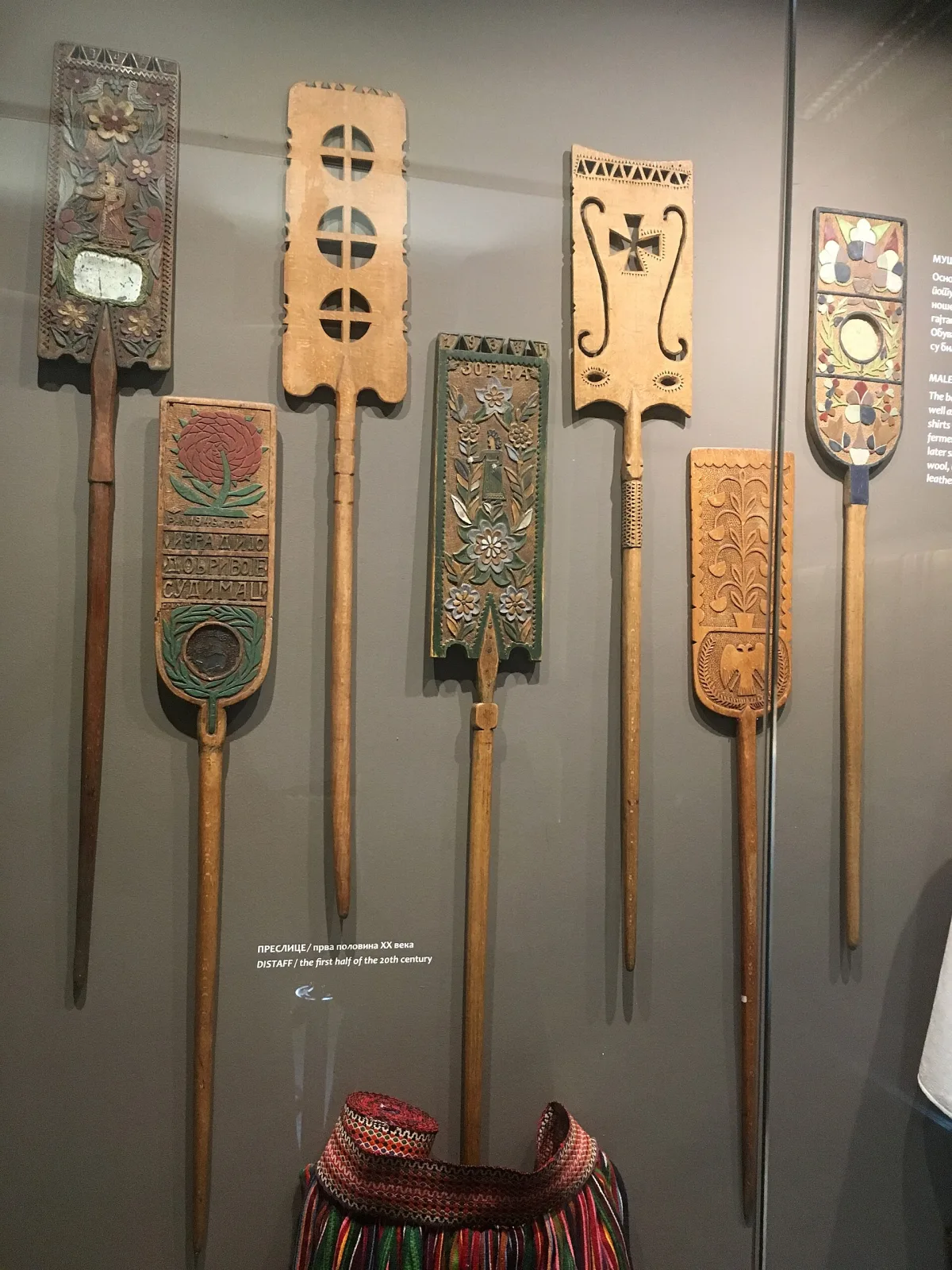
What Is a Distaff?
Distaffs are tools for holding prepared fibers:
- Function: Holds fiber ready for spinning; organizes fibers; prevents tangling
- Position: Mounted on spinning wheel or held separately; positioned near spinner
- Materials: Wood, metal, or composite; various designs
- Types: Fixed distaffs; removable distaffs; handheld distaffs
Types of Distaffs
Distaffs come in various forms:
- Fixed Distaffs: Permanently mounted on wheel; part of wheel structure
- Removable Distaffs: Can be removed; stored separately; versatile
- Handheld Distaffs: Held in hand; used with great wheels; traditional
- Comb Distaffs: Comb-like structure; holds prepared fiber; efficient
- Orb Distaffs: Round or orb-shaped; decorative; functional
Distaff Construction
Examine distaff construction:
- Materials: Wood most common; turned or carved; sometimes metal
- Mounting: How distaff attaches; mounting mechanism; stability
- Decoration: Carved details; turned elements; ornamental
- Size: Length varies; appropriate for fiber type
Regional Variations
Distaffs vary by region and culture:
- European: Elaborate distaffs; decorative; regional styles
- American: Simpler designs; practical; functional
- Scandinavian: Distinctive styles; painted decoration; cultural motifs
Dating Distaffs
Characteristics for dating:
- Construction: Hand-crafted vs. machine-made; tool marks
- Style: Period characteristics; decorative elements
- Materials: Wood species; hardware types
- Condition: Appropriate wear; patina; use marks
Antique Looms and Weaving Equipment
Looms are essential textile tools for weaving fabric. Understanding antique loom types and characteristics helps with identification.
Types of Antique Looms
Looms come in various types:
- Table Looms: Small looms; table-mounted; home use
- Floor Looms: Full-size looms; floor-standing; professional capacity
- Frame Looms: Simple frame construction; basic weaving; educational
- Tapestry Looms: Specialized for tapestry; upright; artistic use
- Rigid Heddle Looms: Simple mechanism; beginner-friendly; versatile
Loom Construction
Examine loom construction:
- Frame: Wooden frame; joinery; stability
- Heddles: Warp control; materials; mechanism
- Reed: Beater component; spacing; materials
- Shuttle: Weft carrier; materials; design
- Hardware: Metal components; fasteners; mechanisms
Dating Looms
Characteristics for dating:
- Construction: Hand-crafted vs. manufactured; tool marks
- Design: Period characteristics; evolution of design
- Materials: Wood species; hardware types
- Size: Typical sizes by period; commercial vs. domestic
Condition Assessment
Evaluate loom condition:
- Frame Integrity: Sound construction; no damage; stability
- Missing Parts: Complete vs. incomplete; replacement parts
- Functionality: Operable; mechanisms work; usable
Textile Tools: Niddy Noddies, Swifts, and Accessories
Various textile tools supported the spinning and weaving process. Understanding these tools helps with identification and dating.
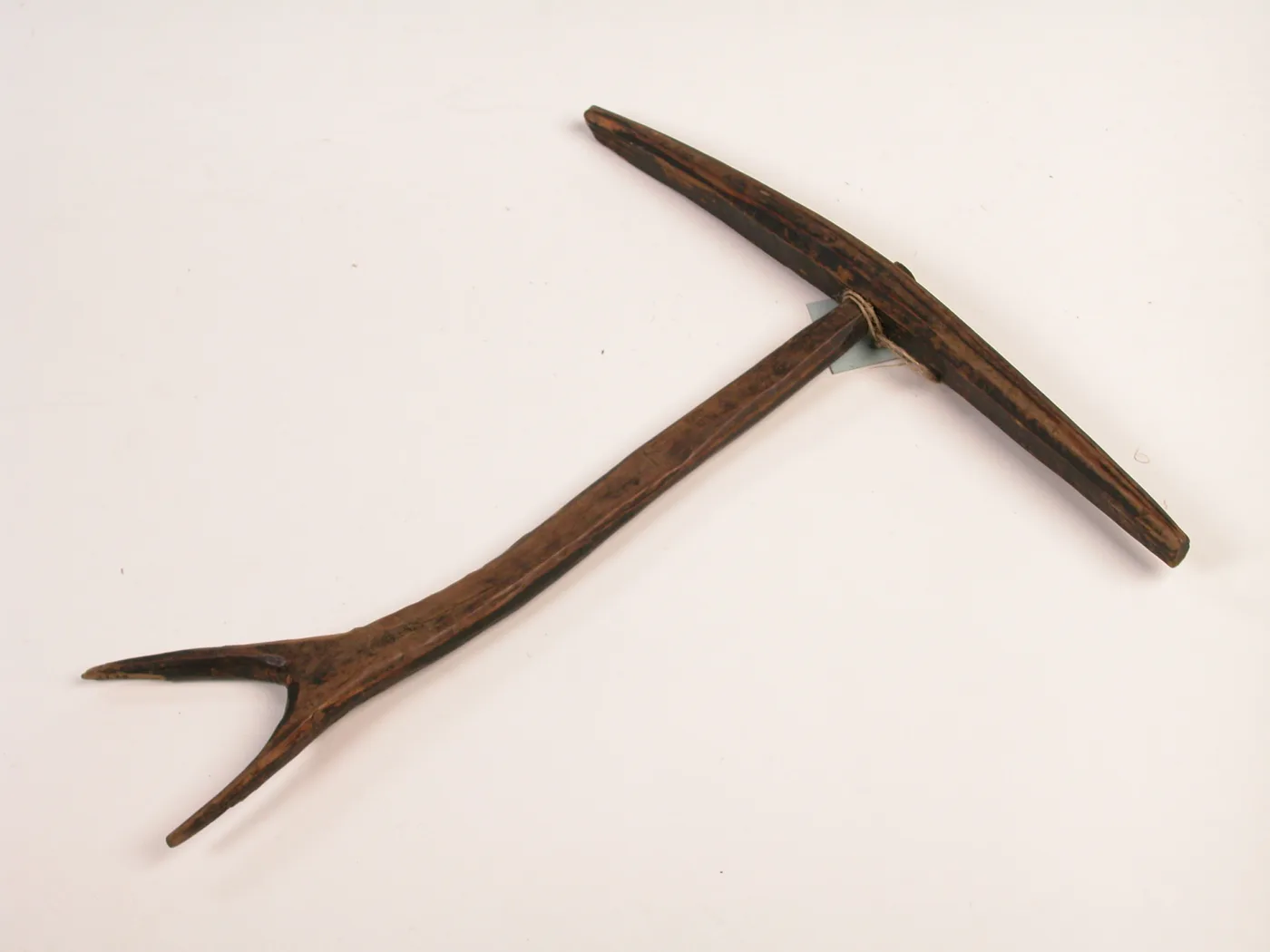
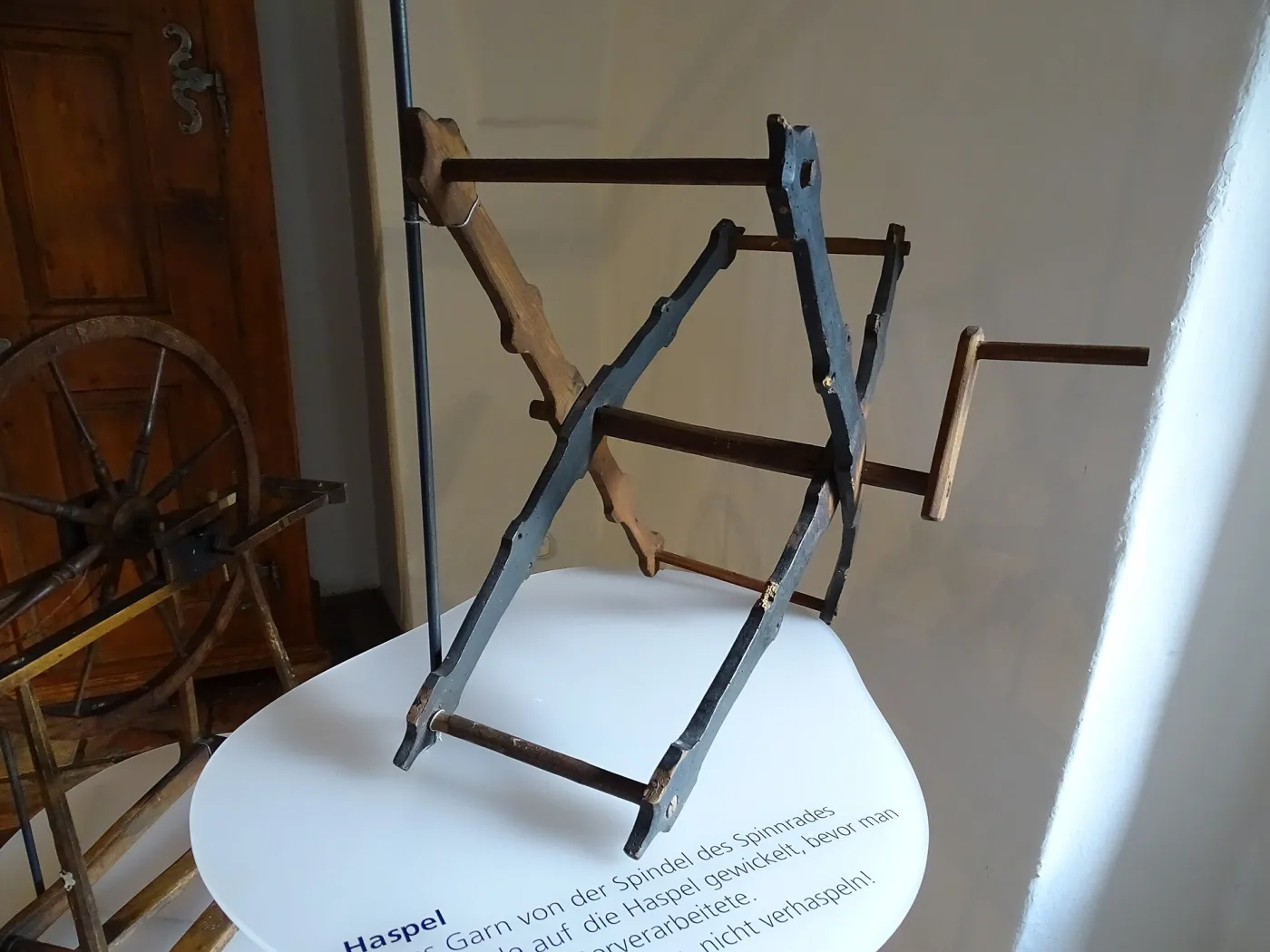
Niddy Noddies
Niddy noddies are tools for winding yarn into skeins:
- Function: Winding yarn; creating skeins; measuring length
- Design: Cross-shaped frame; rotating; hand-operated
- Materials: Wood most common; sometimes metal; simple construction
- Size: Various sizes; determines skein circumference
- Dating: Hand-crafted; period characteristics; tool marks
Yarn Swifts
Swifts are tools for holding skeins while winding:
- Function: Holds skein; expands for winding; adjustable
- Types: Umbrella swifts; clock reels; various designs
- Materials: Wood; metal; combination
- Construction: Folding; collapsible; adjustable
- Dating: Construction methods; materials; design evolution
Spindle Whorls
Whorls are weights for drop spindles:
- Function: Provides momentum; weight for spinning; balance
- Materials: Stone, clay, wood, metal; various materials
- Design: Round; pierced center; decorative
- Dating: Materials; decoration; archaeological context
Other Textile Tools
Additional tools include:
- Carders: Fiber preparation; wire brushes; hand carders
- Combs: Fiber preparation; long-tooth combs; wool combs
- Shuttles: Weaving tools; various types; materials
- Bobbin Winders: Winding tools; mechanical; hand-operated
Materials and Construction Techniques
Understanding materials and construction methods provides crucial dating and authentication information.
Wood Types
Spinning wheels were made from various woods:
- Hardwoods: Oak, maple, cherry, walnut; durable; quality examples
- Softwoods: Pine, fir; less common; regional availability
- Regional Woods: Local species; availability; cultural preferences
- Wood Quality: Grain selection; quality; craftsmanship indicator
Metal Components
Metal parts varied by period:
- Wrought Iron: Hand-forged; pre-1850; distinctive appearance
- Cast Iron: Molded; post-1850; machine-made
- Brass: Flyer hooks; decorative; corrosion-resistant
- Steel: Later period; machine-made; standardized
Construction Techniques
Examine construction for dating:
- Joinery: Mortise and tenon; dovetail; period methods
- Turning: Hand-turned; machine-turned; tool marks
- Fasteners: Wooden pegs; hand-forged nails; machine screws
- Finishing: Hand-planed; sanded; varnished; painted
Maker Marks, Stamps, and Identification
Identifying makers provides valuable authentication and dating information.
Types of Marks
Maker marks take various forms:
- Branded Marks: Burned marks; maker names; dates
- Stamped Marks: Metal stamps; impressions; maker identification
- Paper Labels: Glued labels; maker information; often missing
- Carved Marks: Hand-carved; signatures; personalization
- Construction Style: Distinctive features; regional characteristics
Researching Makers
Resources for maker identification:
- Reference Books: Maker catalogs; wheel identification guides
- Museums: Study collections; documented examples
- Collector Resources: Online databases; collector groups; experts
- Provenance: Documented history; family ownership; authentication
Dating Techniques and Period Identification
Accurate dating requires combining multiple indicators and evidence.
Construction Analysis
Examine construction for dating clues:
- Tool Marks: Hand tools vs. machine marks; period indicators
- Joinery Methods: Traditional joinery; machine joinery; period techniques
- Hardware: Hand-forged vs. machine-made; materials; period characteristics
- Finish Methods: Hand-planed; sanded; period finishing techniques
Style Analysis
Style characteristics indicate period:
- Proportions: Period styles; design evolution; regional variations
- Decorative Elements: Turnings; carvings; period motifs
- Overall Design: Period aesthetics; design language; cultural context
Material Analysis
Materials provide dating information:
- Wood Species: Availability; regional preferences; period usage
- Metal Types: Wrought iron; cast iron; period materials
- Hardware Evolution: Fastener types; manufacturing methods
Documentation
Documented evidence supports dating:
- Maker Marks: Dates on marks; maker periods
- Provenance: Family history; documented ownership; dates
- Photographic Evidence: Period photographs; historical context
Regional Styles and Cultural Variations
Spinning wheels developed distinct regional characteristics reflecting local materials, traditions, and preferences.
American Styles
American wheels have distinctive features:
- Great Wheels: Often larger; practical; simple decoration
- Saxony Wheels: Regional variations; local craftsmanship
- Materials: Available hardwoods; local species; practical
- Decoration: Often simple; functional; regional preferences
British Styles
British wheels reflect quality craftsmanship:
- Refined Design: Elegant proportions; quality construction
- Fine Turnings: Decorative elements; craftsmanship
- Materials: Quality hardwoods; fine selection
European Styles
European wheels show regional diversity:
- Scandinavian: Painted decoration; distinctive styles; cultural motifs
- Continental: Regional variations; local traditions
- Eastern European: Distinctive styles; cultural identity
Condition Assessment and Value Factors
Understanding condition and value factors is essential for collectors and appraisers.
Condition Factors
Evaluate condition carefully:
- Completeness: All parts present; missing components; replacements
- Structural Integrity: Sound construction; cracks; stability
- Wood Condition: Dry rot; insect damage; splits; warping
- Hardware: Original parts; replacements; functionality
- Functionality: Operable; mechanisms work; usable condition
- Restoration: Original vs. restored; quality of repairs
Value Factors
Factors affecting value:
- Rarity: Uncommon types; regional styles; distinctive features
- Condition: Excellent condition; original; complete
- Age: Earlier period; historical significance
- Maker: Known maker; quality craftsmanship; documented
- Provenance: Documented history; notable ownership
- Decorative Quality: Fine decoration; artistic merit
- Regional Style: Desirable styles; collector interest
Market Trends
Understanding market dynamics:
- Collector Interest: Growing interest; fiber arts community
- Functional Value: Usable wheels; working condition; spinner interest
- Decorative Value: Display pieces; aesthetic appeal
- Historical Value: Significance; provenance; documentation
Authentication and Detecting Reproductions
Authentication requires careful examination and knowledge of period characteristics.
Reproduction Indicators
Watch for signs of reproduction:
- Modern Materials: Plywood; modern hardware; contemporary materials
- Machine Construction: Consistent machine marks; no hand tool evidence
- Design Inconsistencies: Anachronistic features; modern proportions
- Finish: Modern finishes; synthetic materials; inappropriate
- Hardware: Modern fasteners; machine-made; standardized
Authenticity Indicators
Signs of authenticity:
- Period Construction: Hand tools; traditional joinery; period methods
- Appropriate Wear: Natural wear; use patterns; patina
- Materials: Period materials; appropriate woods; period hardware
- Proportions: Period-appropriate; authentic design
- Provenance: Documented history; family ownership
Expert Consultation
When to consult experts:
- High-Value Items: Significant investment; expert authentication
- Uncertainty: Unclear dating; mixed signals; need confirmation
- Rare Examples: Uncommon types; specialized knowledge needed
- Restoration Questions: Extent of restoration; original vs. replaced
Collecting Tips and Care Guidelines
Proper care and collecting strategies enhance enjoyment and preserve value.
Collecting Strategies
Develop a focused approach:
- Focus Areas: Specific types; regional styles; periods; makers
- Quality over Quantity: Better examples; condition; authenticity
- Education: Study examples; learn characteristics; develop expertise
- Documentation: Record provenance; maintain records; photograph
- Networking: Connect with collectors; join groups; share knowledge
Care and Maintenance
Proper care preserves wheels:
- Environment: Stable temperature; controlled humidity; avoid extremes
- Storage: Protected storage; avoid direct sunlight; proper support
- Cleaning: Gentle cleaning; appropriate methods; avoid damage
- Lubrication: Moving parts; appropriate lubricants; maintenance
- Protection: Dust covers; protection; prevent damage
Restoration Considerations
Approach restoration carefully:
- Preserve Original: Minimal intervention; retain original character
- Professional Work: Expert restoration; appropriate methods; reversible
- Documentation: Record restoration; before/after photos; maintain history
- Functionality: Restore function; maintain usability; preserve value
Using Digital Tools for Identification
Modern technology can assist with identification:
- Antique Identifier App: AI-powered identification from photographs; instant assistance
- Online Databases: Reference collections; auction archives; maker catalogs
- Photography: Detailed photos; documentation; comparison
- Collector Forums: Online communities; expert advice; identification help
Building Knowledge
Continuous learning resources:
- Reference Books: Specialist publications; wheel identification guides; historical references
- Museums: Study collections; documented examples; period pieces
- Auction Houses: View lots; study condition; learn values
- Collector Groups: Join societies; attend meetings; network
- Hands-On Experience: Study actual wheels; examine details; develop expertise
Conclusion
Identifying and collecting antique spinning wheels and textile tools is a rewarding pursuit that combines historical appreciation, mechanical understanding, and cultural heritage preservation. These tools, preserved from past centuries, represent not just functional objects but artifacts of daily life, skilled craftsmanship, and the essential work that sustained households and communities for generations. Whether examining the massive drive wheel of an 18th-century great wheel, the elegant proportions of a Victorian Saxony wheel, or the compact efficiency of a Norwegian wheel, each piece tells a story about the people who made and used it, the fibers they spun, and the textiles they created.
Success in antique spinning wheel and textile tool identification and collecting comes from developing a systematic approach that combines mechanical knowledge, historical understanding, and practical examination skills. By learning to recognize wheel types, understand period characteristics, identify regional styles, assess condition, and authenticate pieces, collectors can build meaningful collections while avoiding common pitfalls. The field rewards patience, education, and careful attention to detail, whether you're a beginner just starting to explore antique textile tools or an experienced collector seeking rare and exceptional pieces.
Remember that while modern tools like the Antique Identifier app provide valuable assistance through AI-powered identification, there's no substitute for developing fundamental knowledge through study, examination, and hands-on experience. The most successful collectors combine technological assistance with traditional expertise, using digital tools to supplement rather than replace their own developing skills. As you continue your journey into antique spinning wheels and textile tools, approach each piece with curiosity, appreciation for the craftsmanship and mechanical innovation these objects represent, and respect for the skilled work they supported.
The world of antique spinning wheels and textile tools offers endless opportunities for discovery, learning, and collecting pleasure. From the mechanical sophistication of flyer and bobbin systems to the elegant simplicity of great wheels, from the regional diversity of wheel styles to the functional beauty of textile accessories, these tools connect us to centuries of textile production while providing lasting enjoyment and investment potential. Whether you focus on a specific wheel type, regional style, period, or prefer to explore the full spectrum of antique textile tools, the knowledge and skills you develop will enhance your appreciation and success in this fascinating field that bridges practical necessity, mechanical innovation, and artistic craftsmanship.