
Antique Corkscrews Identification Guide: Types, Marks & Dating
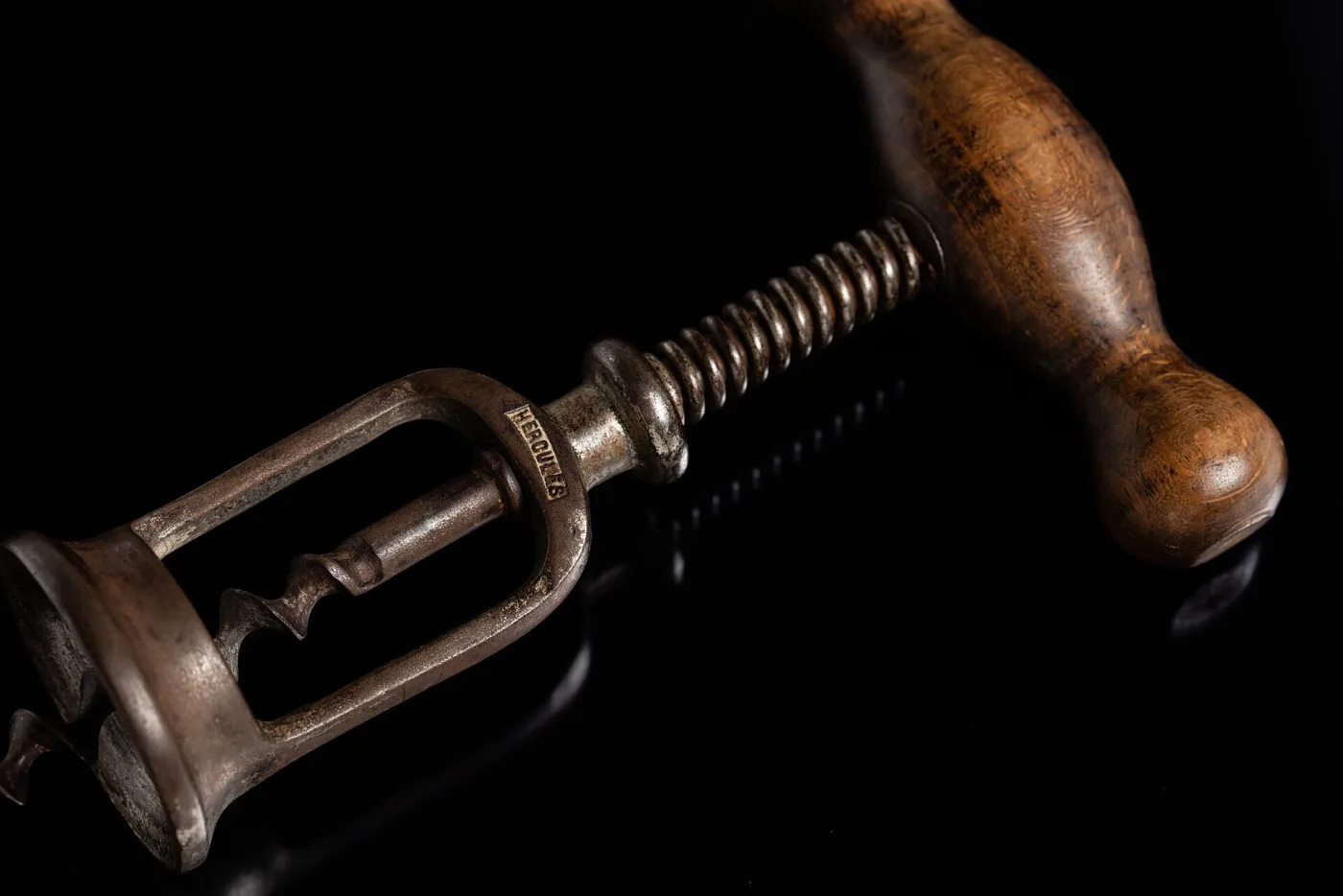
Antique corkscrews are among the most approachable mechanical collectibles: small enough to display in a cabinet, varied enough to keep research interesting, and technical enough to reward close study. At first glance, many examples seem similar because they all share a helix and a handle. In reality, tiny differences in worm geometry, hinge construction, collar design, and patent mechanics can separate a common twentieth-century tool from a scarce nineteenth-century collectible.
This guide walks you through practical, repeatable identification steps. You will learn how to sort corkscrews by mechanism family, recognize period materials, decode patent clues, and evaluate replacement parts. Whether you collect wine accessories, breweriana, bar tools, or domestic metalware, these methods will help you build better attributions and avoid costly mistakes.
Use the table of contents as a checklist when assessing a piece at auction, a flea market, or an online listing. Start with form and construction, then move to markings, wear consistency, and provenance. Taken together, these clues create a reliable dating and authentication profile.
Table of Contents
- 1) What qualifies as an antique corkscrew?
- 2) Core mechanism families and how to identify them
- 3) Worm, shaft, and thread construction clues
- 4) Handle materials and manufacturing eras
- 5) Patents, registrations, and maker marks
- 6) Dating by form and hardware details
- 7) Regional production patterns
- 8) Spotting composites and reproductions
- 9) Condition grading and value drivers
- 10) Care, cleaning, and storage best practices
- 11) Building provenance and documentation
- 12) Field checklist before you buy
1) What qualifies as an antique corkscrew?
In most collecting contexts, an antique corkscrew is a piece made before roughly 1925, with many buyers reserving the strict “antique” label for tools from the nineteenth century and earlier. The cutoff matters less than the production context. Hand-finished examples made during the transition from workshop craft to factory standardization often carry the strongest collector interest because they preserve visible evidence of their making.
Use three layers of classification at once: age bracket, mechanism type, and maker attribution. A late Victorian direct pull corkscrew with a documented Birmingham retailer stamp is easier to compare and price than a vague listing that says only “old corkscrew.” Precision in naming helps you find better reference matches in catalogs and museum records.
Collector terminology worth standardizing
Most references describe the spiral as the worm and the ring or bar used for pulling as the handle. Multi-part examples may include a sheath, bell, frame, or lever arms. Keeping terminology consistent makes it easier to communicate with dealers and to evaluate whether parts look original to one another.
2) Core mechanism families and how to identify them
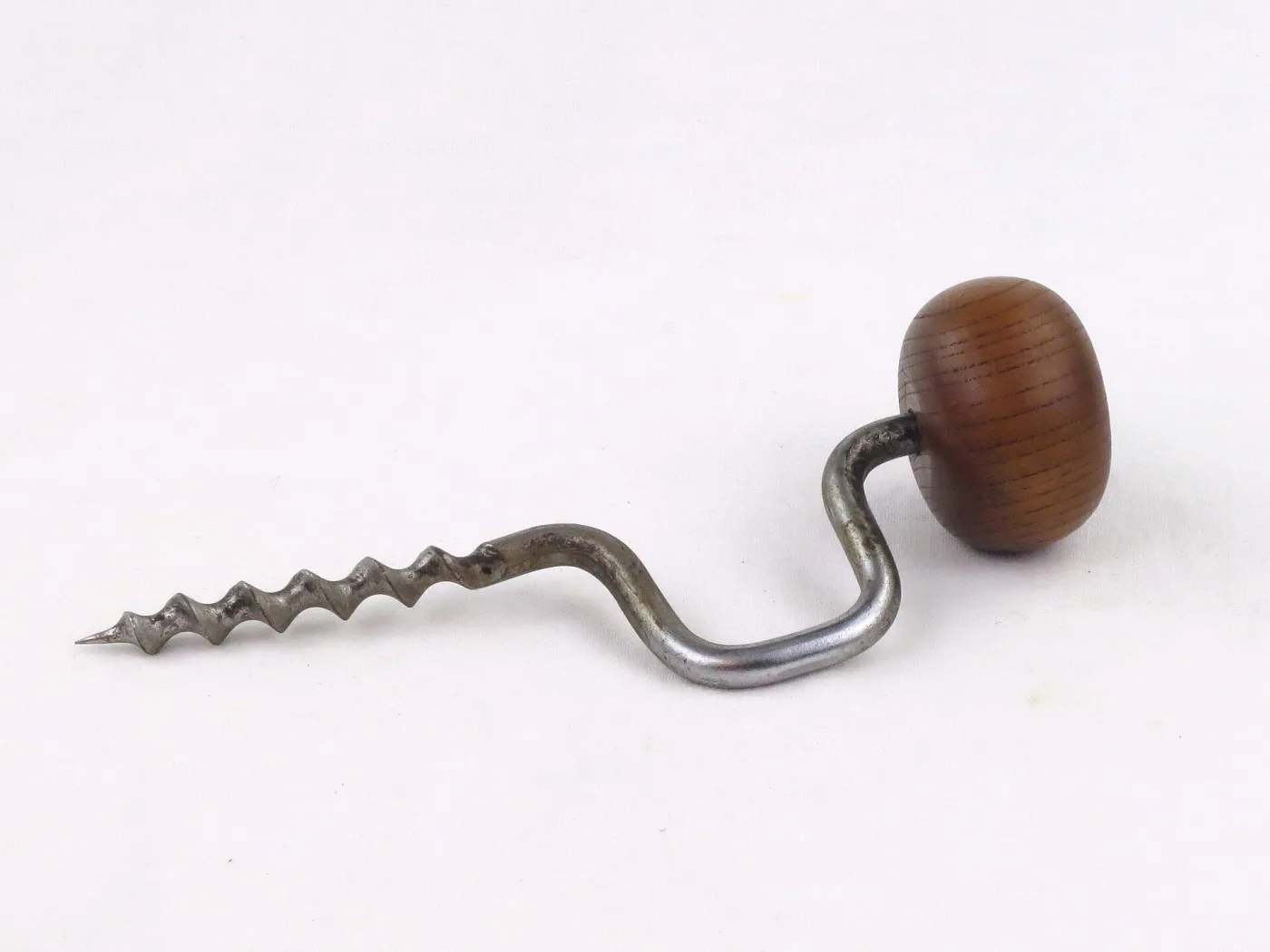
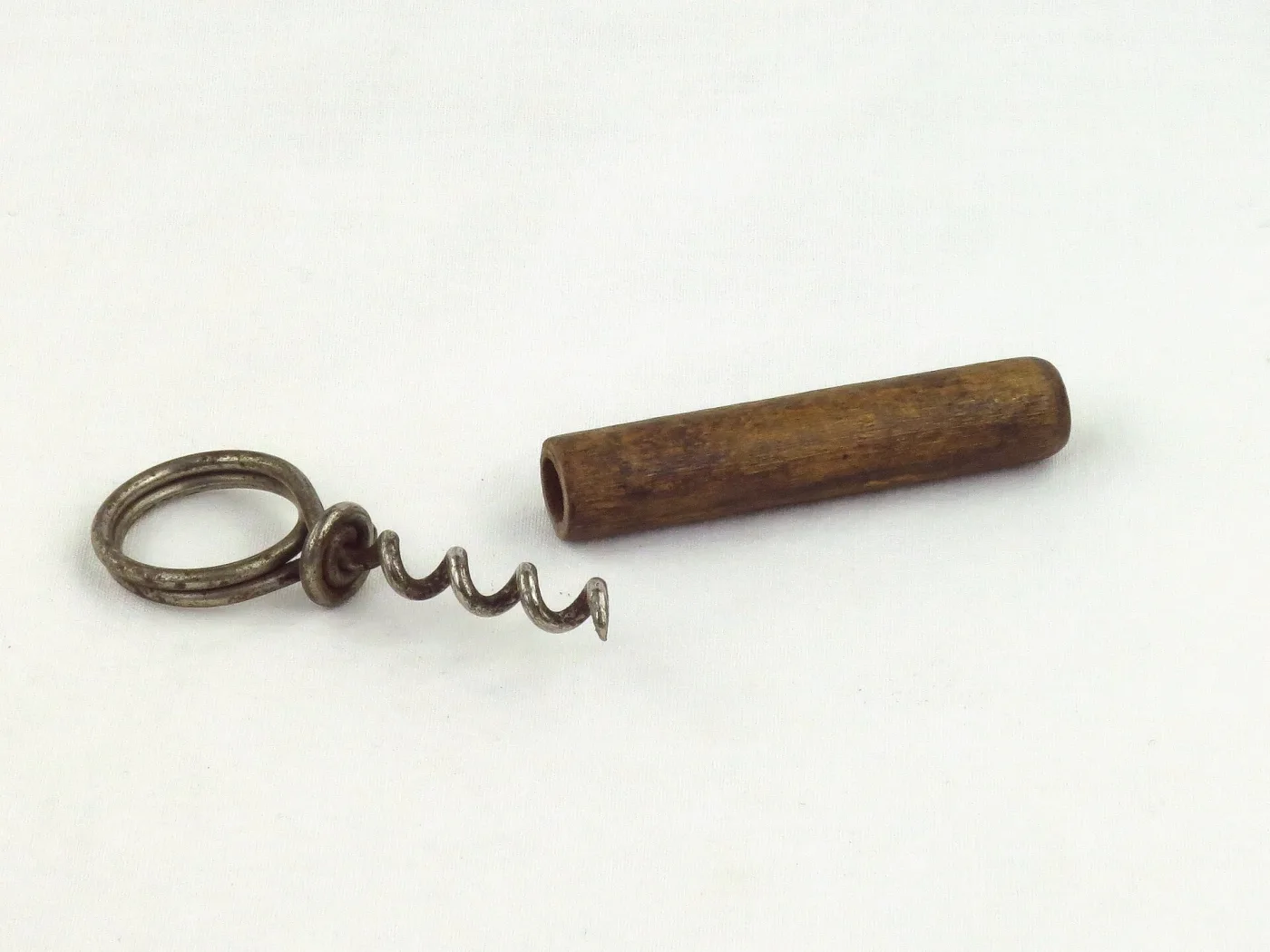
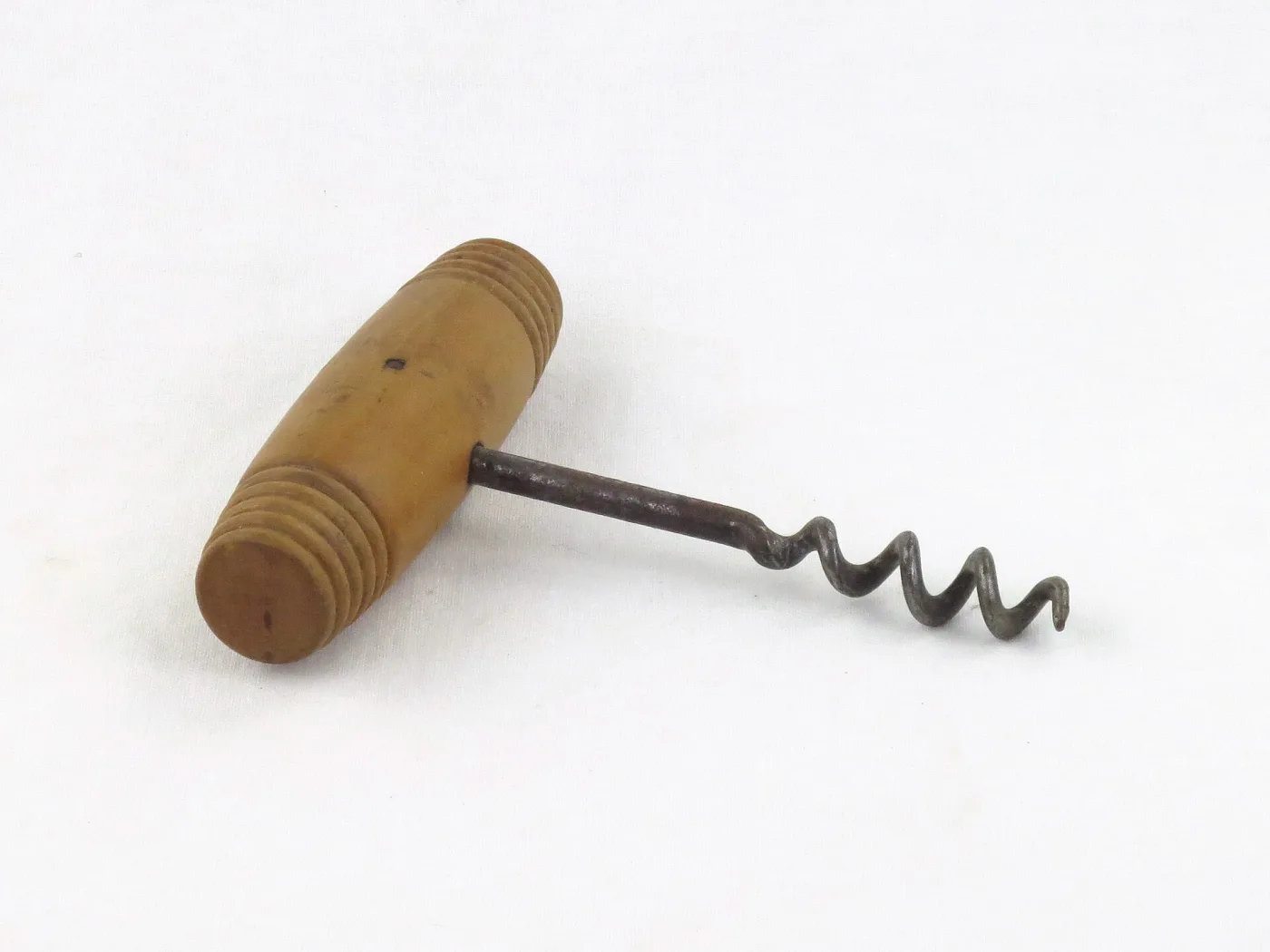
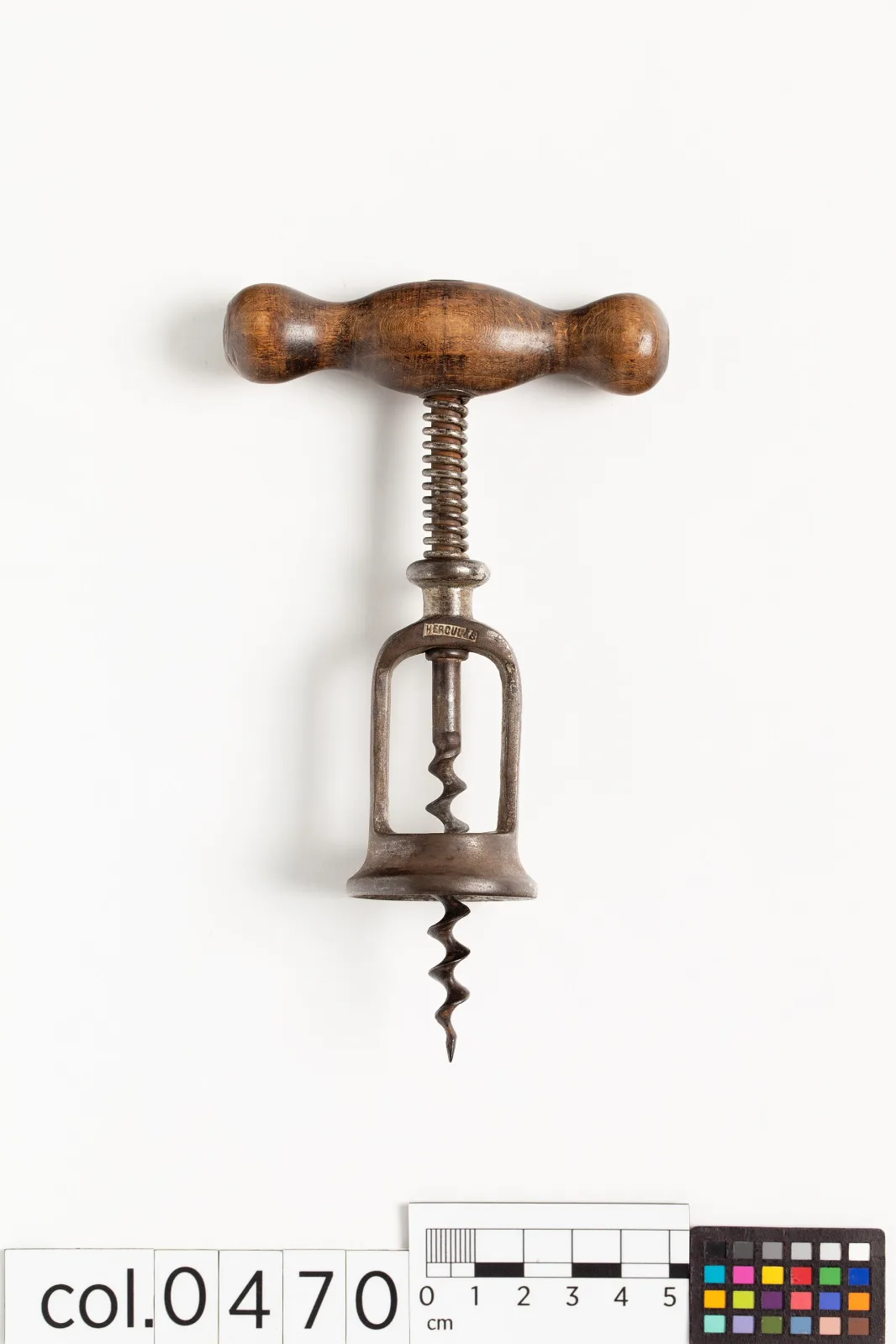
Begin identification by mechanism because it quickly narrows possible periods and makers. Direct pull corkscrews are the simplest: a worm fixed to a shaft with a T-handle, ring, or folded wire grip. Variants include pocket examples with folding handles, often sold as travel tools or gentleman’s accessories.
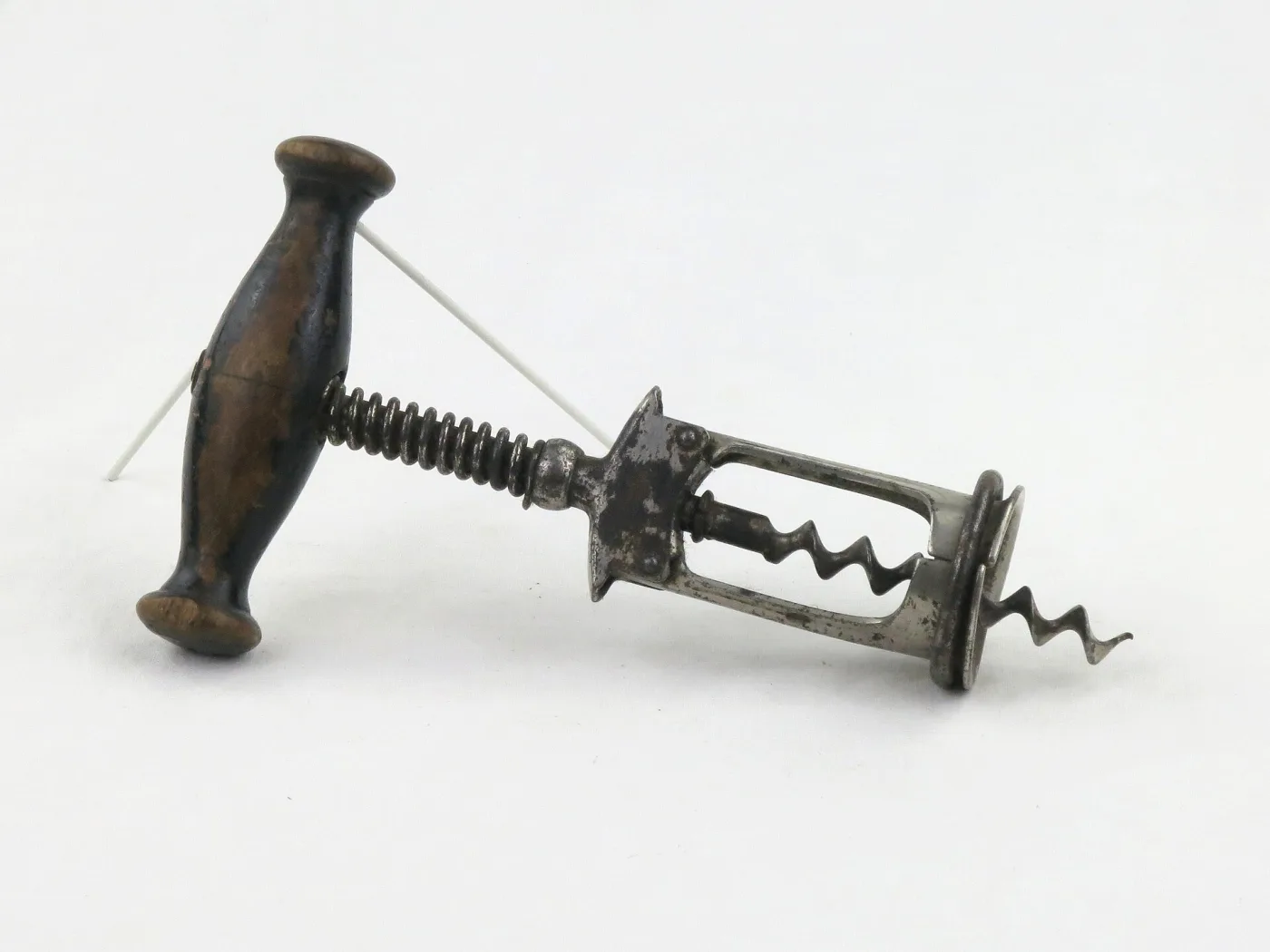
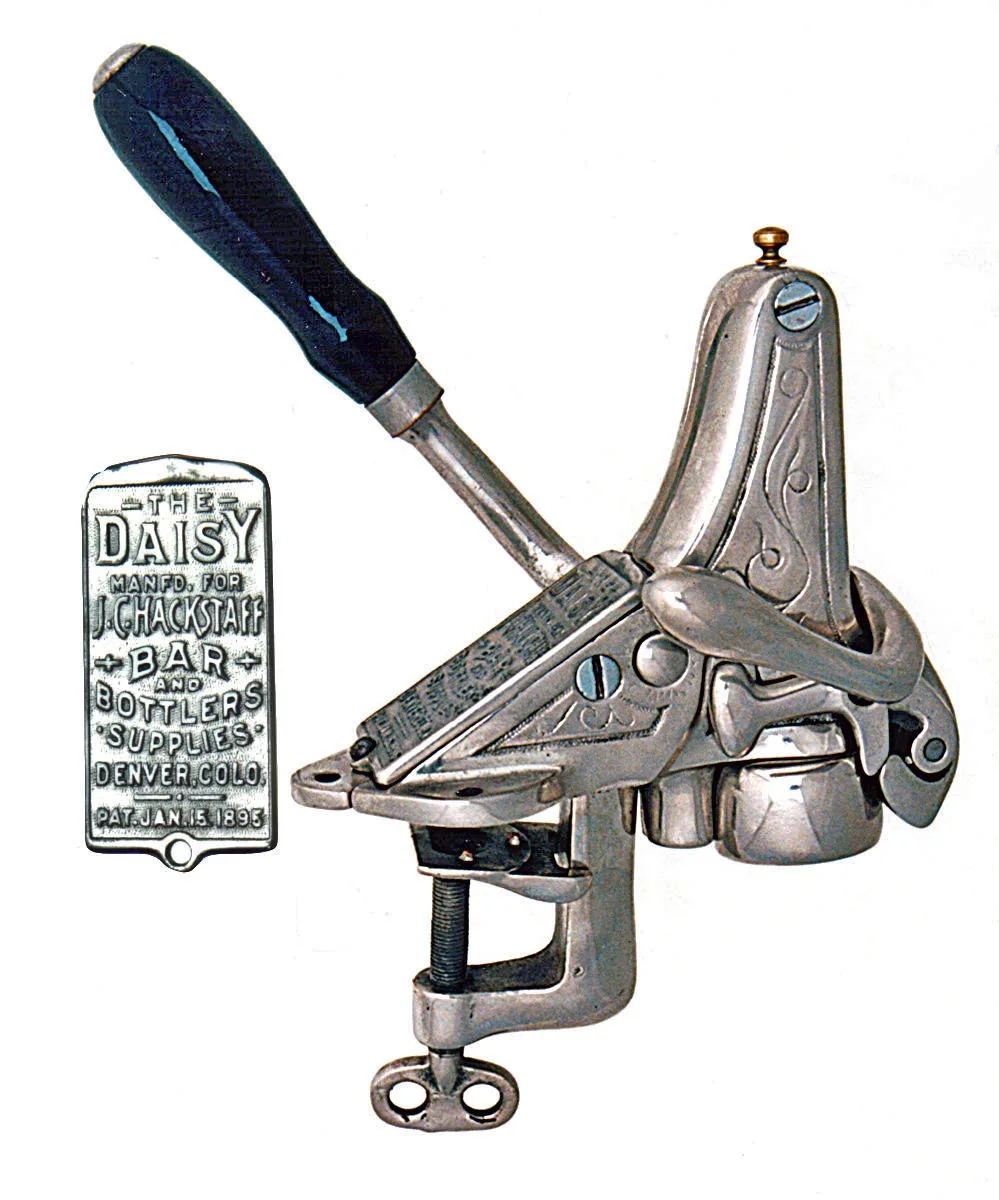
More elaborate families include bell corkscrews, where a protective bell surrounds the neck of the bottle and guides extraction; rack-and-pinion or frame systems; and double-lever forms that became especially common in the late nineteenth and early twentieth centuries. Mechanical complexity can correlate with patent activity, so unusual moving parts should trigger a focused patent search.
The two below are the ends of that range: the same task solved with no mechanism at all, and solved with one.
Recognizing hybrid and transitional designs
Some corkscrews mix design ideas from different families. A direct-pull body may include a collar to stabilize extraction, or a lever model may use a detachable sheath resembling earlier pocket forms. Transitional pieces are especially valuable for dating because they often sit close to moments of technological change and may map directly to patent diagrams.
3) Worm, shaft, and thread construction clues
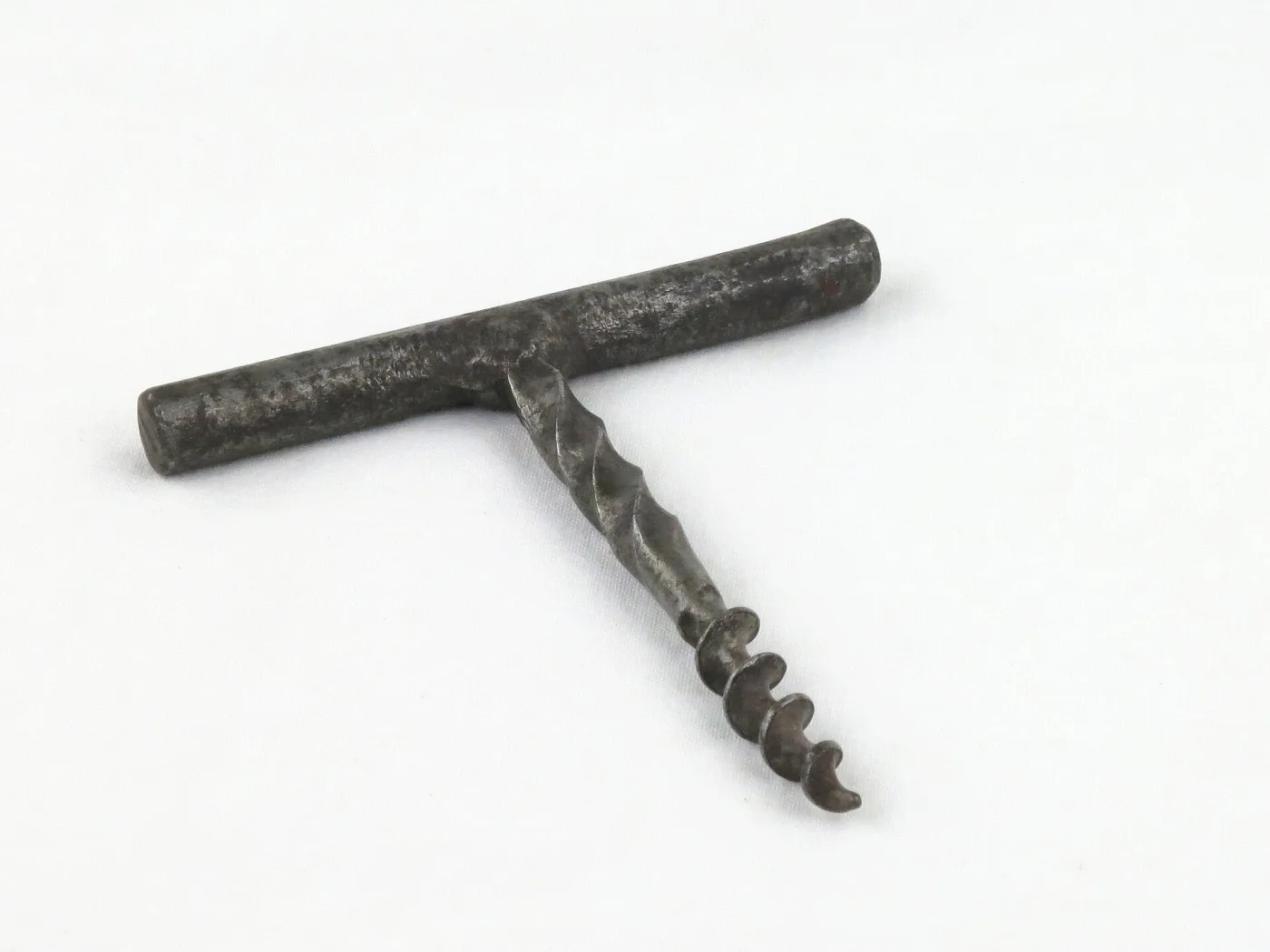
The worm provides some of the best forensic clues. Early worms are often hand-filed with slight variation in pitch and taper; later factory examples tend toward more regular thread spacing. Check the worm tip shape: knife-edge, blunt, or faceted tips can indicate period preferences and intended use with different cork qualities.
Count the number of turns and observe whether the central spine is solid or hollow. Many desirable antique examples have graceful, evenly tapered worms with cleanly finished ends where the worm joins the shank. Rough, bright, or freshly soldered joins may indicate repair or replacement.
Why metal color and patina matter
Natural aging on steel and iron appears as layered gray-brown oxidation, often concentrated in recessed areas. Uniform black paint, artificial darkening, or identical surface texture across supposedly different metals can signal modern treatment. Use magnification to inspect wear on high points; authentic wear should align with handling patterns, not random abrasion.
4) Handle materials and manufacturing eras
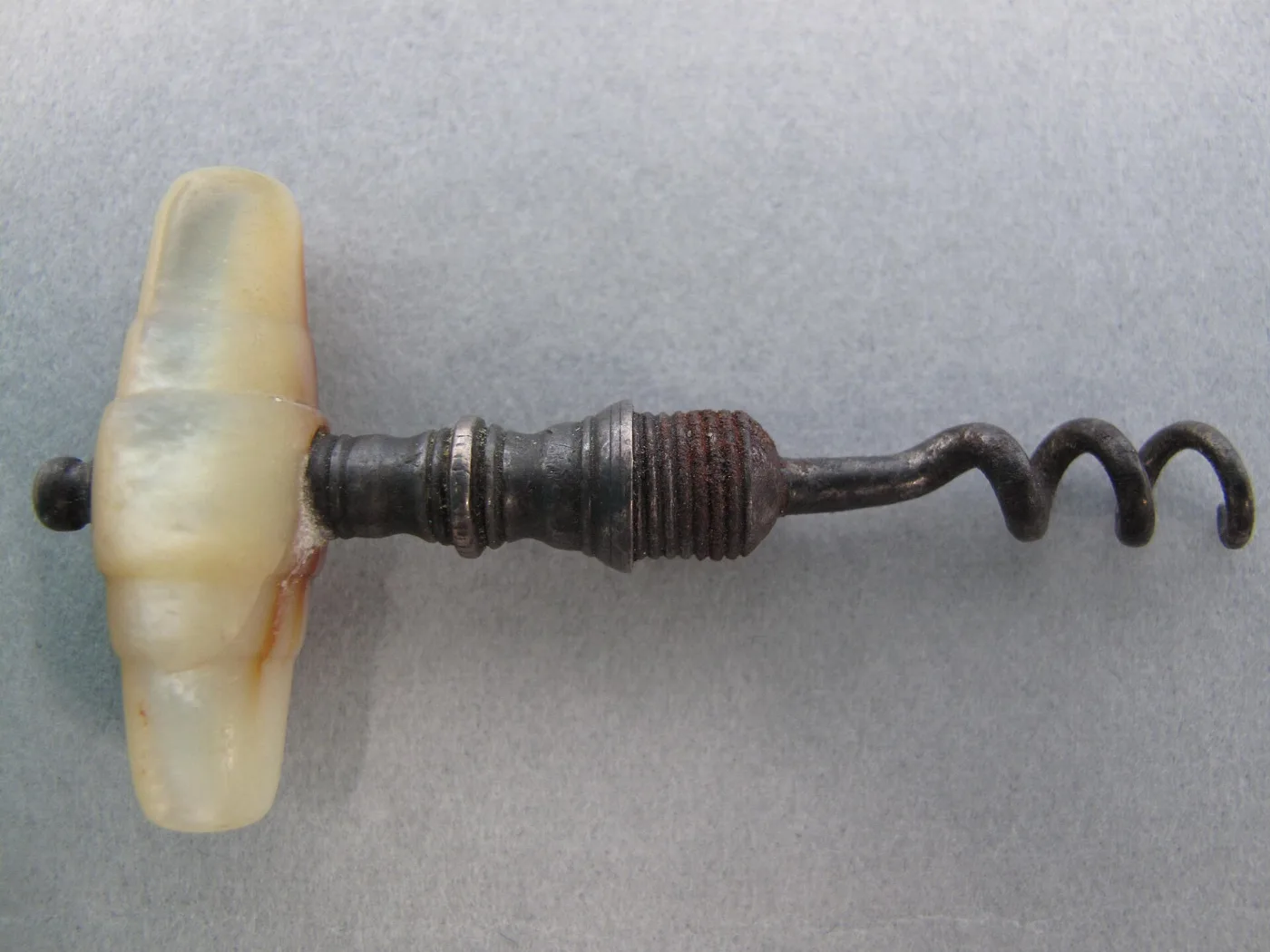
Handle material can place a corkscrew within a narrower date range. Common historic materials include turned wood, cast iron, steel, horn, bone, ivory (where legally documented), and occasionally silver mounts. Wooden handles often show shrinkage at ferrules and smooth handling polish, while horn can develop subtle translucency at thin edges.
Look closely at how the handle meets the shaft. Hand-peened rivets, threaded collars, or pinned joints each suggest different production methods. Replacement handles are common and can significantly affect value, especially when a scarce mechanism has been “improved” with a decorative but inaccurate modern grip.
Decorative treatments and novelty forms
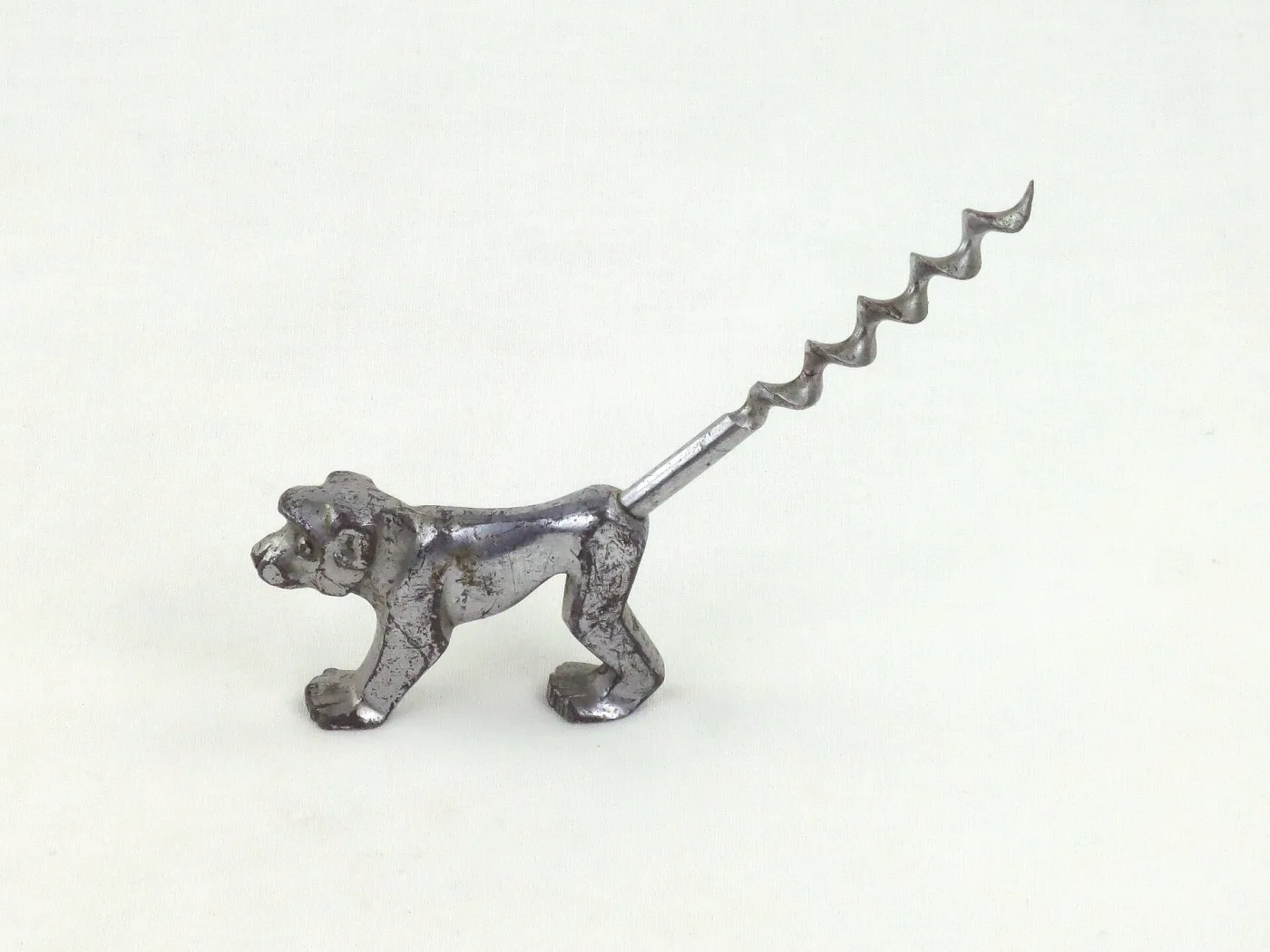
Nineteenth-century makers produced figural and novelty corkscrews shaped as boots, animals, or characters, much like the cast-metal figural nutcrackers made on the same foundry lines. These can be highly collectible, but they are also heavily reproduced. In novelty pieces, casting sharpness, seam quality, and internal mechanics are more reliable than surface decoration alone.

5) Patents, registrations, and maker marks
Patent information is a cornerstone of corkscrew dating. Many nineteenth-century British and continental makers patented extraction systems, handle locks, and bell mechanisms. Markings can appear on the shank, frame, bell, collar, or even hidden on interior surfaces. Lightly stamped marks may require angled light to read clearly.
Do not assume every number is a patent number. Some are batch codes, retailer stock numbers, or model identifiers used decades after the original invention. The safest method is to compare the physical mechanism to archived patent drawings rather than relying on a single stamped date.
Maker names commonly encountered
Collectors often encounter names like Heeley, Lund, Thomason, and other British manufacturers, plus French and German firms that produced for export markets. Spelling variants, abbreviated marks, and rebranded retailer stamps are frequent. Build a personal index of mark photographs so you can compare typography and placement across known examples.
6) Dating by form and hardware details
Dating works best as a convergence exercise. Start with broad form: direct pull, bell, frame, lever, or folding. Then refine with hardware clues such as screw thread profiles, handle fasteners, collar shapes, and machining quality. Hand-cut slots and asymmetrical finishing generally point earlier than uniformly machined components.
Also inspect wear at moving joints. On authentic period pieces, pivot points often show polished contact arcs where metal has rubbed for decades. Reproductions may mimic patina on exterior surfaces yet show crisp, unworn hinge interiors that conflict with claimed age.
Dating with catalog comparison
Trade catalogs and period advertisements are excellent references because they document how models were marketed and priced in their own time. If your corkscrew matches an illustrated pattern, confirm dimensional proportions and component count. Small mismatches can indicate later variants, export editions, or composites assembled from parts.
7) Regional production patterns
British production dominates many advanced corkscrew collections, especially for patented mechanical designs of the nineteenth century. Birmingham, Sheffield, and London retailers each contributed to distribution, and hallmarked silver-mounted examples add another layer of traceable evidence through date letters and assay marks.
French makers often emphasized elegant engineering and compact forms suitable for table service. German and Austrian workshops supplied both domestic markets and export channels with durable steel tools and novelty variants. American examples can include practical bar tools and combination implements linked to hospitality and saloon culture.
Why regional context supports authenticity
Regional context helps test plausibility. A mechanism strongly associated with British patent culture but carrying a modern fantasy French stamp should be treated cautiously. Likewise, materials and finish techniques should match regional industrial practices for the claimed period.
8) Spotting composites and reproductions
A composite corkscrew combines genuine old parts that were not originally together, such as a scarce worm assembly attached to a later replacement handle. These can still be collectible but should be described accurately. True reproductions are modern objects made to imitate earlier models, sometimes with artificially aged surfaces.
Red flags include mismatched thread standards, inconsistent oxidation, fresh tool marks in hidden areas, and improbable pairings of features from different periods. If a seller emphasizes rarity but cannot provide close photographs of joins, pivots, and marks, proceed carefully.
Practical anti-fake workflow
Request high-resolution images of every connection point and any inscriptions. Compare at least three known examples from reliable references. If possible, handle the piece in person; weight, balance, and motion quality often reveal modern manufacturing quickly.
9) Condition grading and value drivers
Value is driven by rarity, originality, condition, and desirability of mechanism or maker. A common direct pull with excellent untouched patina may outsell a scarcer form that has heavy restoration. For advanced buyers, originality of worm and moving components usually matters more than cosmetic polish.
Use a grading framework: intact and original, minor period wear, sympathetic repair, major replacement, or heavily altered. Note cracks in wood handles, worm tip loss, stripped threads, bent shafts, and seized mechanisms. Each issue affects usability and price differently depending on the type.
Market segments and buyer behavior
Entry-level collectors often buy affordable direct-pull forms, while specialists pursue patented mechanisms and documented maker variants. Novelty and figural corkscrews can attract crossover buyers from folk art and design collecting, which sometimes increases auction competition.
10) Care, cleaning, and storage best practices
Conservation should preserve evidence, not erase it. Avoid aggressive polishing that removes age indicators and can blur maker marks. For steel components, gentle dry brushing and controlled humidity are usually safer than chemical rust converters, which may leave irreversible surface changes.
Wood, horn, and bone handles need stable humidity and protection from direct sunlight. If a mechanism is seized, avoid force; penetrating oil used sparingly by a trained conservator is preferable to amateur disassembly that can shear fragile pins.
Display recommendations
Store corkscrews in padded trays or custom mounts that support both handle and worm. Keep records with each object so identification notes remain linked to the physical piece. Good documentation improves insurance descriptions and future resale credibility.
11) Building provenance and documentation
Provenance does not need to be dramatic to be useful. Receipts, auction lot numbers, dealer invoices, and old collection labels can all strengthen an attribution. Photograph each piece from standardized angles and include close-ups of marks, pivots, and construction details.
Maintain a record that separates confirmed facts from working hypotheses. For example, list “attributed to Heeley, pending patent match” rather than presenting uncertain data as definitive. Over time, this discipline creates a trustworthy collection archive.
Digital cataloging tips
Use consistent filenames and metadata fields: mechanism family, likely origin, estimated date range, material notes, and condition grade. Tagging your images with these fields makes it faster to compare new finds against known pieces.
12) Field checklist before you buy
When evaluating an antique corkscrew on the spot, run a quick checklist. Confirm mechanism family, inspect worm symmetry, test moving parts gently, and search for marks with angled light. Then verify that wear, patina, and hardware style are consistent across all components.
Next, ask targeted questions: Has it been repaired? Are any parts replaced? Is there documentation or prior sale history? Clear, specific answers are a good sign. Vague responses paired with grand claims usually justify a lower offer or a pass.
Quick buy/no-buy decision model
If mechanism integrity and originality are strong, and the asking price aligns with comparable sales, it may be worth pursuing even with minor wear. If key parts are replaced, marks are questionable, or construction feels inconsistent, treat it as a teaching example unless pricing reflects those risks.
With practice, you will identify patterns quickly and buy with more confidence. The best collections are built through disciplined comparison, not impulse. Keep notes, review references regularly, and let each acquisition improve your eye for the next one.