
Antique Locks and Keys Identification Guide: Types, Mechanisms & Historical Dating
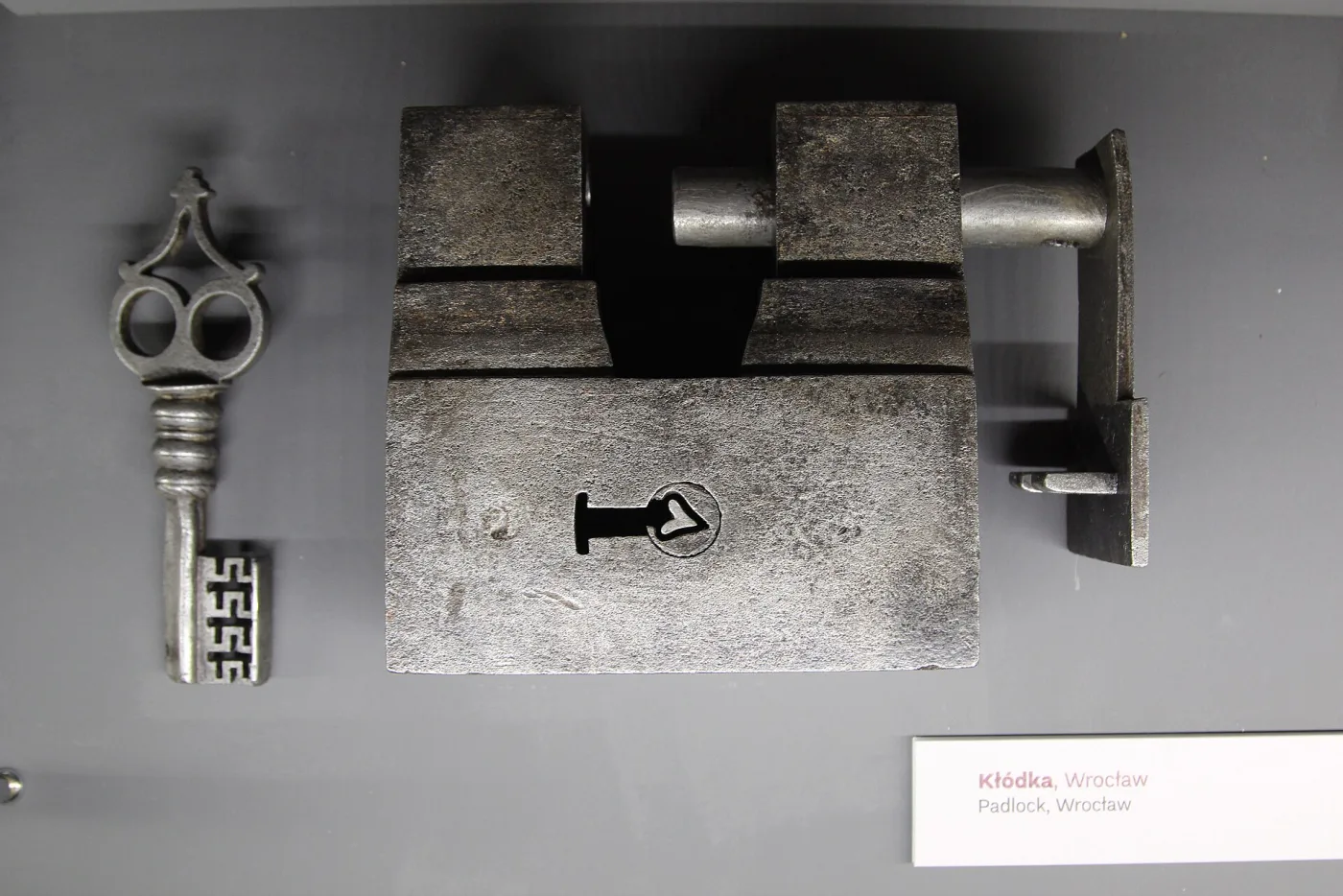
Antique locks and keys represent some of the most fascinating and historically significant mechanical objects in the world of antiques. From ancient Egyptian pin tumbler locks to ornate Victorian padlocks, each piece tells a story of security, craftsmanship, and technological innovation. Lock collecting, or "lockpicking" as a hobby, has grown in popularity, but proper identification requires understanding the evolution of lock mechanisms, historical periods, and maker marks. This comprehensive guide will teach you everything you need to know about identifying antique locks and keys, from recognizing mechanism types to understanding their historical context and determining value.
Table of Contents
- What Are Antique Locks and Keys?
- Lock Mechanisms and Types
- Historical Periods and Evolution
- Key Identification and Classification
- Materials and Construction Techniques
- Maker Marks and Manufacturer Identification
- Dating Methods and Authentication
- Regional Variations and Styles
- Value Assessment and Collecting
What Are Antique Locks and Keys?
Antique locks and keys are mechanical security devices typically 75-100 years old or older, though some collectors include items from the early 20th century. These objects combine functional design with artistic craftsmanship and represent significant technological achievements in security and metallurgy throughout history.
Categories of Antique Locks
Antique locks can be broadly categorized based on their mechanism and purpose:
- Pin Tumbler Locks: Ancient Egyptian design, pins of varying lengths
- Warded Locks: Medieval design using obstructions (wards) to block wrong keys
- Lever Tumbler Locks: Multiple levers that must be lifted to correct height
- Barrel Locks: Cylindrical mechanisms, often used for padlocks
- Combination Locks: Number or letter combinations, no key required
- Mortise Locks: Recessed into door or furniture, sophisticated mechanism
- Rim Locks: Surface-mounted on doors, decorative as well as functional
- Padlocks: Portable locks with shackles, various mechanisms
Historical Significance
Locks and keys hold historical importance for several reasons:
- Technological Evolution: Show progression of mechanical engineering
- Cultural Artifacts: Reflect social attitudes toward security and privacy
- Artistic Value: Many feature elaborate decorative elements
- Provenance: Often associated with specific buildings or historical events
- Craftsmanship: Demonstrate traditional metalworking skills
Lock Mechanisms and Types
Understanding different lock mechanisms is fundamental to accurate identification. Each mechanism type has distinct characteristics and was used during specific historical periods.
1. Pin Tumbler Locks
One of the oldest lock mechanisms, dating back to ancient Egypt around 2000 BCE:
- Mechanism: Series of pins of varying lengths that must align perfectly
- Key Design: Serrated or notched key lifts pins to correct height
- Characteristics: Simple but effective, widely used in ancient and medieval periods
- Evolution: Improved by Romans, refined through Middle Ages
- Identification: Look for keyhole with visible pins, notched key pattern
2. Warded Locks
Medieval design that remained popular through the 19th century:
- Mechanism: Fixed obstructions (wards) inside lock body block wrong keys
- Key Design: Key must have cuts matching ward pattern
- Characteristics: Relatively simple, less secure but easier to manufacture
- Usage: Common on doors, chests, and padlocks
- Identification: Large keyhole, simple key design, often decorative
3. Lever Tumbler Locks
More sophisticated mechanism developed in the 18th century:
- Mechanism: Multiple levers pivot and must be lifted to specific height
- Key Design: Bitted key lifts levers simultaneously
- Characteristics: More secure than warded locks, popular in Victorian era
- Variations: 2-lever to 10+ lever mechanisms
- Identification: Key with distinctive bitting pattern, lever count affects security
4. Barrel or Cylinder Locks
Cylindrical mechanism often used in padlocks and furniture:
- Mechanism: Rotating cylinder with tumblers or wards
- Key Design: Flat key with cuts on one or both edges
- Characteristics: Compact design, widely used in portable locks
- Evolution: Evolved into modern cylinder locks
- Identification: Round or oval keyhole, cylindrical lock body
5. Mortise Locks
Sophisticated locks recessed into doors or furniture:
- Mechanism: Complex internal mechanism with multiple components
- Key Design: Varies by mechanism type (lever, pin, or combination)
- Characteristics: High security, elegant appearance, custom-fitted
- Usage: Doors, cabinets, fine furniture
- Identification: Recessed installation, elaborate key, quality construction
6. Combination Locks
Keyless mechanisms using numbers or letters:
- Mechanism: Internal tumblers align when correct sequence entered
- Variations: Number dials, letter wheels, push-button combinations
- Characteristics: No key required, often more secure than key locks
- History: Developed in 19th century, popular for safes and padlocks
- Identification: Dial or wheel interface, no keyhole present
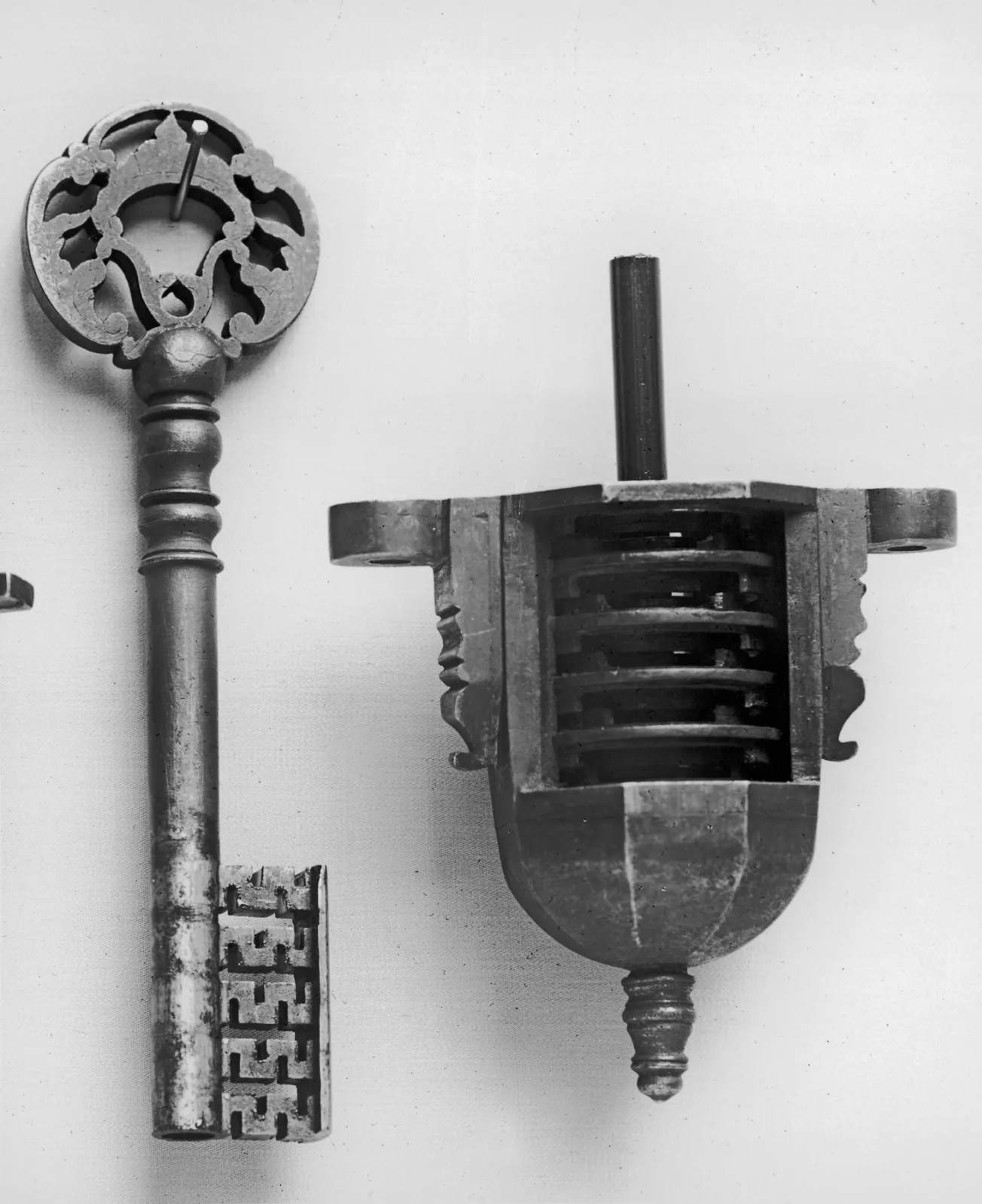
Historical Periods and Evolution
Lock and key designs evolved significantly throughout history, reflecting technological advances and changing security needs.
Ancient Period (3000 BCE - 500 CE)
The earliest known locks and keys:
- Egyptian (2000 BCE): Pin tumbler locks, wooden construction
- Greek (800-100 BCE): Improved pin tumbler mechanisms, bronze materials
- Roman (100 BCE - 500 CE): Refined pin tumbler, introduced springs, metal keys
- Characteristics: Simple mechanisms, functional design, rare surviving examples
- Materials: Wood, bronze, iron
Medieval Period (500-1500 CE)
Development of warded locks and decorative elements:
- Warded Locks: Dominant mechanism throughout Middle Ages
- Key Design: Large, ornate keys as status symbols
- Materials: Iron, brass, decorative bronze
- Usage: Castles, churches, chests, doors
- Characteristics: Elaborate decorative work, symbolic meanings
Renaissance and Baroque (1500-1750)
Artistic refinement and improved security:
- Design Evolution: More sophisticated mechanisms
- Decorative Elements: Engraved keys, ornate lock plates
- Regional Styles: Distinctive French, Italian, German designs
- Materials: Brass, iron, silver for luxury items
- Characteristics: Balance of function and aesthetics
Georgian and Federal Period (1714-1830)
Refinement of lever mechanisms and standardized production:
- Lever Locks: Development of multi-lever mechanisms
- Industrialization: Beginning of mass production techniques
- Design: Elegant, restrained decorative elements
- Key Makers: Established manufacturers like Chubb, Bramah
- Characteristics: Quality craftsmanship, functional design
Victorian Period (1837-1901)
Golden age of lock and key collecting, maximum variety and decoration:
- Mechanism Diversity: All types of locks widely available
- Decorative Excess: Ornate designs, elaborate key bows
- Manufacturers: Yale, Corbin, Sargent, and many others
- Padlocks: Great variety in design and mechanism
- Characteristics: High decoration, quality materials, collector favorites
Art Nouveau and Art Deco (1890-1940)
Modern designs reflecting new aesthetic movements:
- Art Nouveau: Organic, flowing designs, nature motifs
- Art Deco: Geometric patterns, streamlined forms
- Technology: Improved cylinder locks, combination mechanisms
- Materials: Chrome, new alloys, modern finishes
- Characteristics: Modern aesthetics, improved security

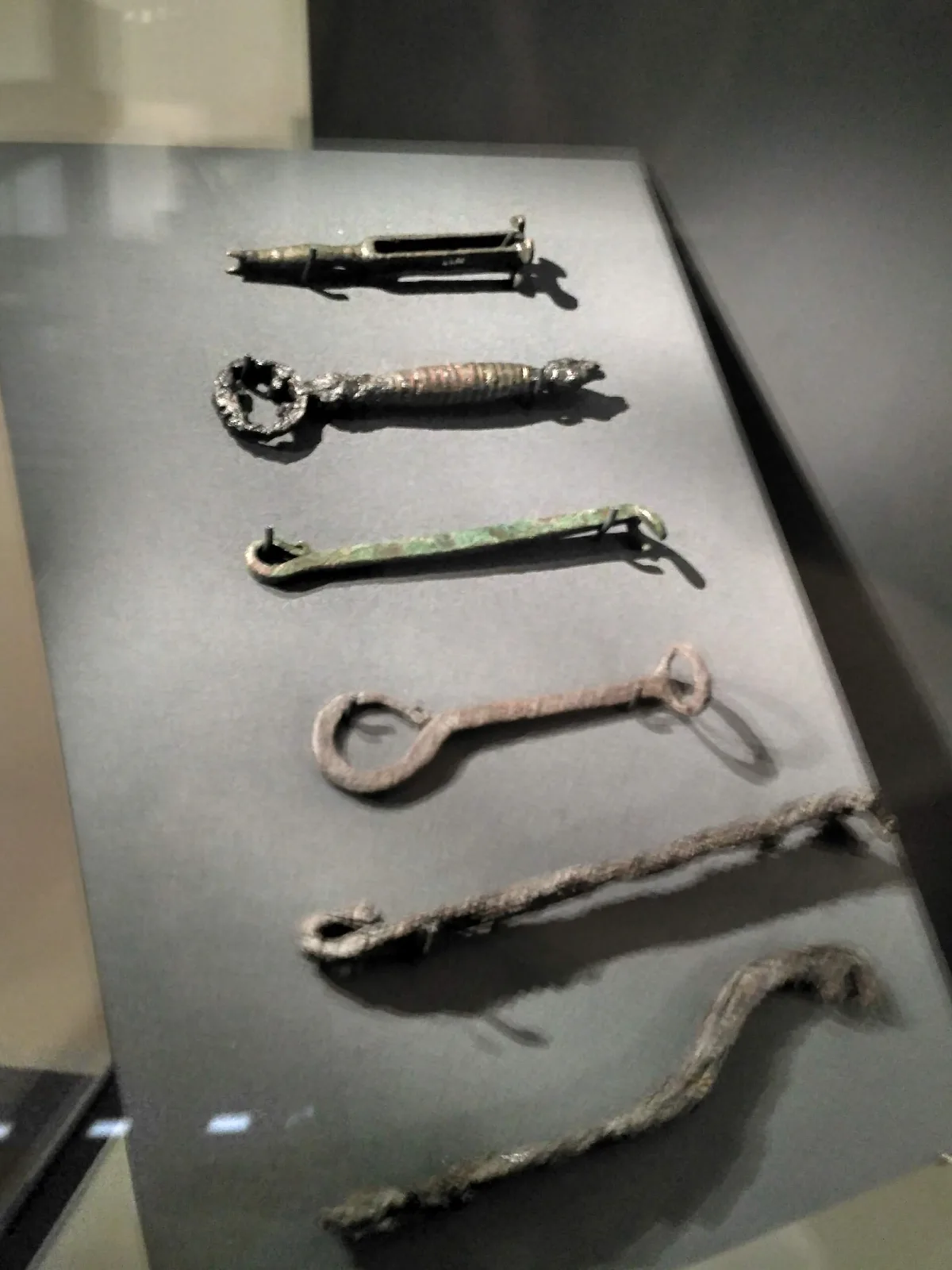
Key Identification and Classification
Keys can be identified and classified by their design, mechanism type, and decorative elements. Understanding key anatomy is crucial for proper identification.
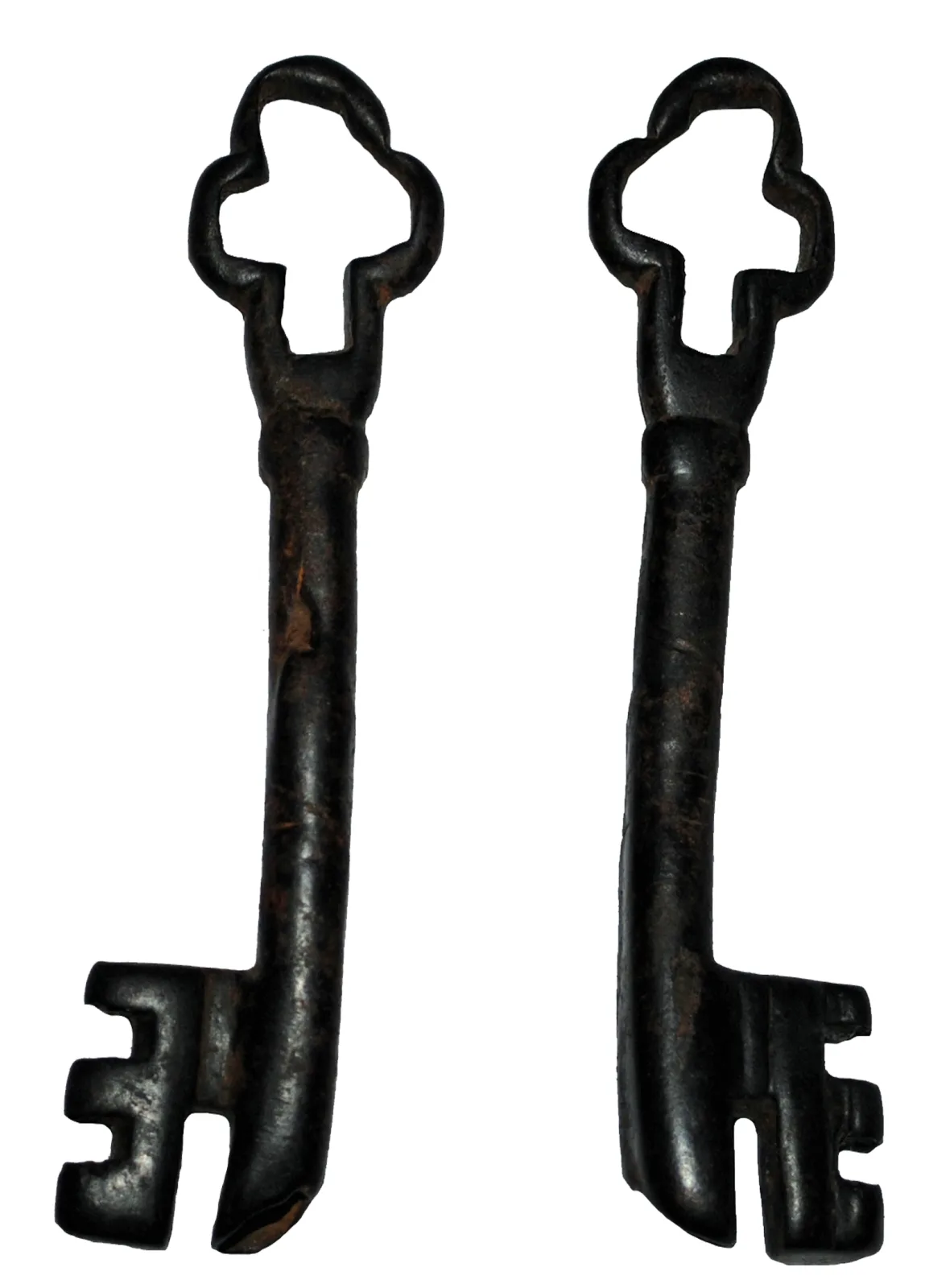
Key Anatomy
The main components of a key:
- Bow: The handle or grip area, often decorative
- Shank: The long section connecting bow to blade
- Blade: The working part with cuts or bitting
- Bit or Bitting: The cuts, notches, or teeth that interact with lock mechanism
- Shoulder: Transition point between shank and blade
- Tip: The end of the blade
Key Types by Mechanism
Different lock mechanisms require different key designs:
- Warded Keys: Simple cuts matching wards, often ornate bow
- Lever Keys: Bitted key with cuts for each lever
- Pin Tumbler Keys: Serrated or notched blade, lifts pins
- Barrel Keys: Flat blade with cuts on edges
- Safe Keys: Large, heavy keys with complex bitting
- Bit Keys: Keys with large, decorative bit at end
Decorative Key Features
Many antique keys feature elaborate decorative elements:
- Bow Designs: Ornate handles with scrolls, flowers, symbols
- Engraving: Decorative patterns on shank and bow
- Symbols: Religious, heraldic, or decorative motifs
- Inlays: Precious metals, gemstones on luxury keys
- Shapes: Heart, fleur-de-lis, geometric patterns
Key Size and Proportions
Size can indicate purpose and period:
- Large Keys: Doors, chests, medieval and earlier periods
- Medium Keys: Furniture, cabinets, 18th-19th century
- Small Keys: Jewelry boxes, diaries, modern period
- Proportions: Ratio of bow to shank to blade varies by period
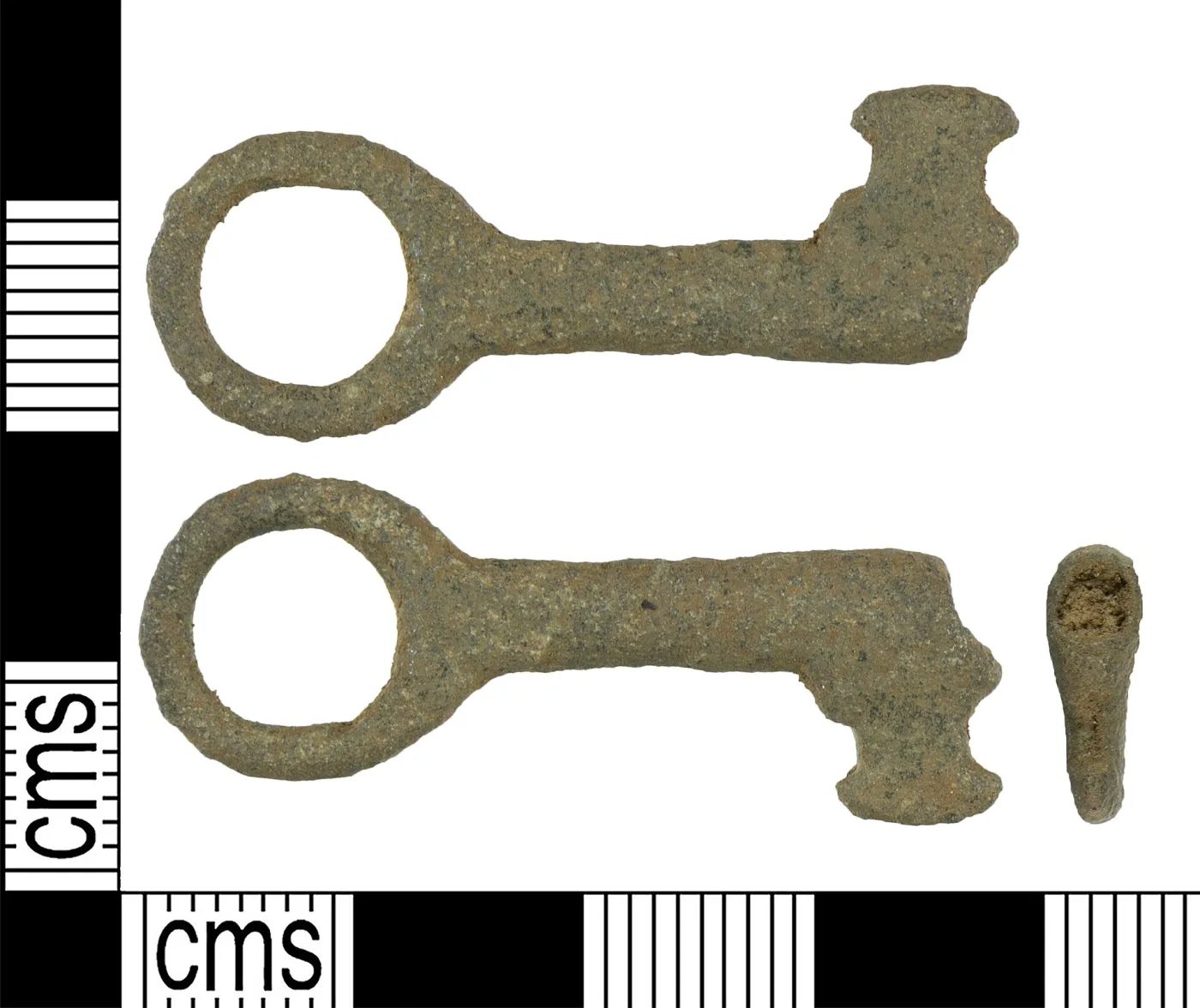
Materials and Construction Techniques
The materials used in locks and keys provide important clues about age, origin, and value. Understanding traditional metalworking techniques helps with authentication.
Common Materials
Historical locks and keys were made from various metals:
- Iron: Common for functional locks, rust-prone, often painted or plated
- Steel: Harder, more durable, used in high-security locks
- Brass: Popular for decorative items, corrosion-resistant, golden color
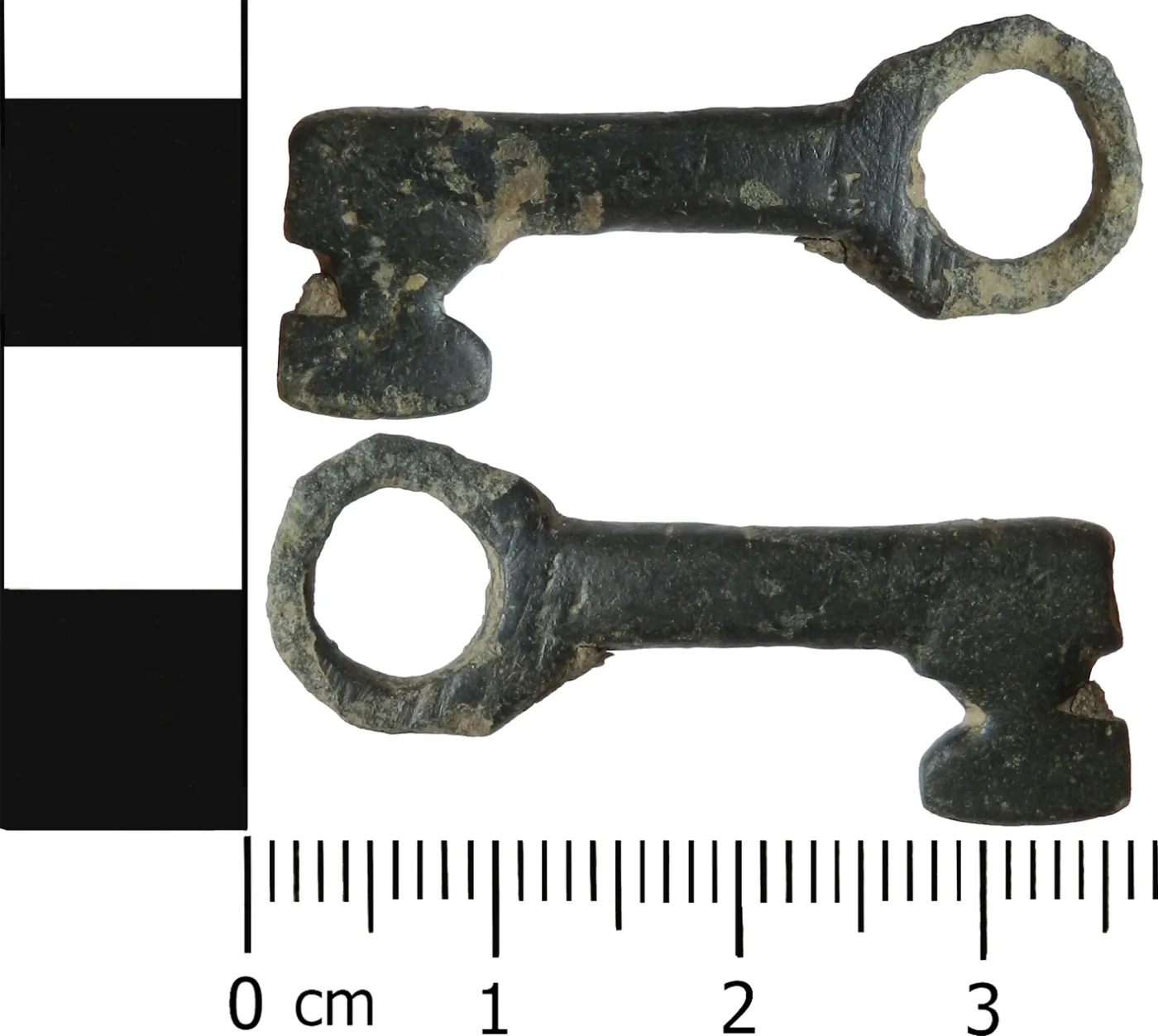
- Bronze: Ancient and early period material, durable, develops patina
- Copper: Soft metal, often used for keys, develops green patina
- Silver: Luxury keys, decorative elements, often hallmarked
- Wood: Early period locks, rare surviving examples
Construction Techniques
Understanding how locks and keys were made helps with dating:
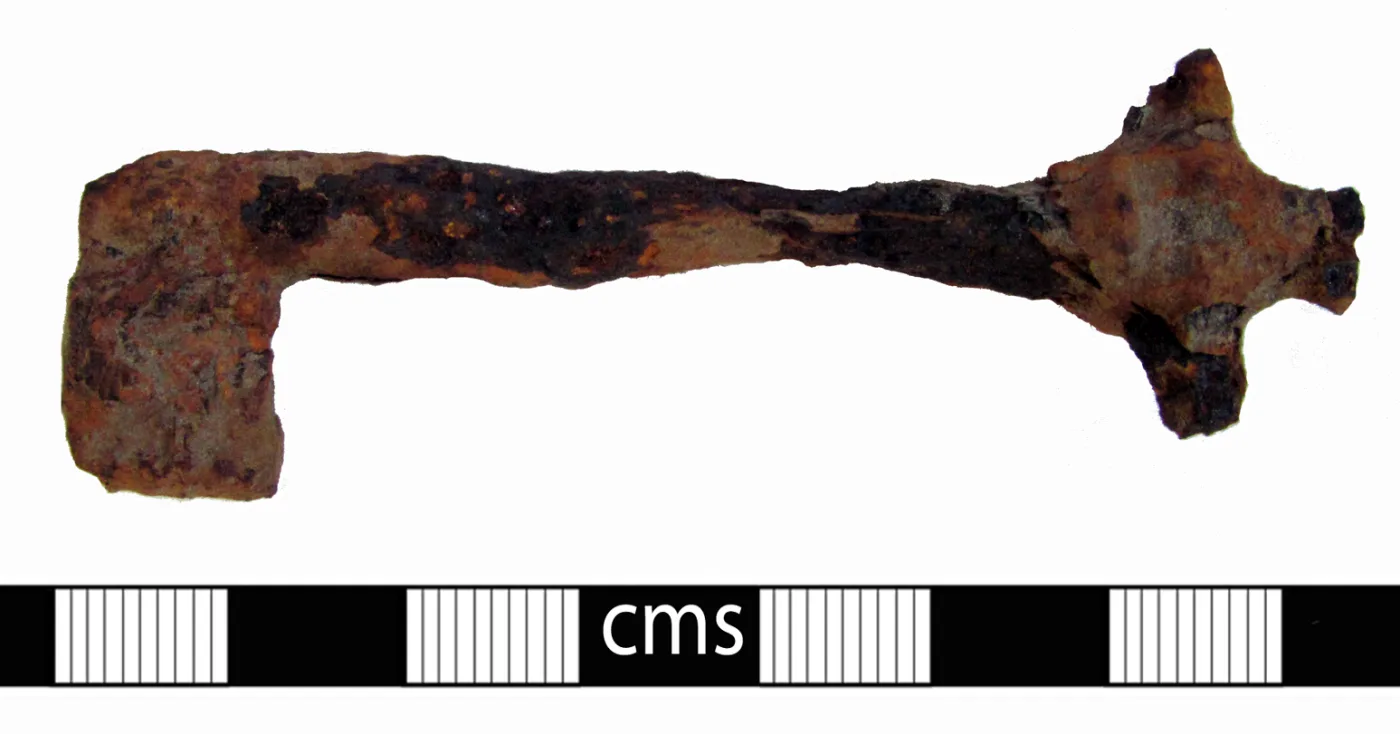
- Hand-Forging: Early periods, irregular shapes, hammer marks
- Hand-Filing: Key bitting done by hand, slight variations
- Casting: Molten metal poured into molds, used for decorative elements
- Stamping: Machine-stamped parts, uniform appearance
- Engraving: Hand or machine engraving for decoration
- Plating: Gold, silver, or nickel plating for appearance
Finishing Techniques
Surface finishes changed over time:
- Natural Patina: Age-related oxidation, authentic appearance
- Polishing: Bright finish on brass and steel
- Blackening: Chemical treatment for iron and steel
- Lacquering: Protective coating to prevent tarnishing
- Gilding: Gold leaf or gold wash for luxury items
Identifying Authentic Materials
Signs of authentic antique materials:
- Consistent Patina: Natural aging, uniform oxidation
- Tool Marks: Evidence of hand work, file marks, hammer marks
- Material Aging: Proper corrosion patterns, metal fatigue
- Construction Methods: Period-appropriate techniques
- Weight and Feel: Solid construction, quality materials
Maker Marks and Manufacturer Identification
Identifying the maker or manufacturer significantly increases value and provides historical context. Many locks and keys bear marks that help with identification.
Types of Maker Marks
Manufacturers used various marking methods:
- Stamped Marks: Company name, location, date codes
- Engraved Marks: Hand or machine engraved identification
- Cast Marks: Makers marks cast into lock body
- Etched Marks: Acid-etched identification marks
- Paper Labels: Paper tags on lock body (often missing)
Famous Lock Manufacturers
Recognizing important lock and key makers:
- Yale (USA, 1840-present): Cylinder locks, pin tumbler mechanisms
- Chubb (UK, 1818-present): Lever locks, high-security mechanisms
- Bramah (UK, 1784-present): Precision locks, challenging mechanisms
- Corbin (USA, 1849-present): Mortise locks, architectural hardware
- Sargent (USA, 1864-present): High-quality locks, furniture hardware
- Eagle Lock Company (USA, 1854-1957): Padlocks, decorative locks
- Miller Lock Company (USA, 1872-1967): Padlocks, combination locks
- Union Hardware Company (USA, 1865-1950s): Padlocks, cast iron locks
Regional Manufacturer Styles
Different regions had distinctive styles:
- American: Functional design, mass production, patent dates
- British: Quality craftsmanship, traditional designs, hallmarks
- French: Ornate decoration, artistic designs, luxury items
- German: Precision engineering, quality materials, functional beauty
- Italian: Artistic decoration, regional variations
Researching Maker Information
Resources for identifying makers:
- Reference Books: Lock and key collector guides
- Online Databases: Maker mark identification websites
- Patent Records: Historical patent documentation
- Museum Collections: High-resolution images and records
- Collector Forums: Community knowledge and expertise
Dating Methods and Authentication
Accurate dating requires multiple approaches combining style analysis, technical examination, and historical research.
Style Analysis
Design elements provide dating clues:
- Decorative Motifs: Period-specific patterns and symbols
- Proportions: Key and lock size ratios change over time
- Ornamentation: Level and type of decoration varies by period
- Overall Design: Reflects contemporary aesthetic movements
Technical Dating
Mechanical features indicate manufacturing date:
- Mechanism Type: Technology available at specific times
- Manufacturing Methods: Hand-crafted vs. machine-made
- Material Composition: Alloys and materials used in different periods
- Fastening Methods: Rivets, screws, welding techniques
Patent Dating
Patent marks provide specific date ranges:
- Patent Numbers: Can be researched for exact dates
- "Patent Pending": Indicates specific time period
- Patent Dates: Direct dating information when present
- Patent Databases: Online resources for researching patents
Provenance Research
Documented history adds authentication:
- Original Installation: Associated with specific building or furniture
- Ownership History: Family or institutional records
- Sales Documentation: Auction records, dealer receipts
- Photographs: Historical images showing locks in use
Scientific Authentication
Technical analysis for high-value items:
- Metal Analysis: X-ray fluorescence for composition
- Dating Methods: Radiocarbon for organic materials
- Tool Mark Analysis: Evidence of period-appropriate techniques
- Corrosion Analysis: Natural aging patterns
Regional Variations and Styles
Locks and keys developed distinctive regional characteristics based on local traditions, available materials, and cultural preferences.
European Styles
Europe has rich traditions of lock and key making:
- British: Quality lever locks, traditional designs, hallmarked silver keys
- French: Ornate decoration, artistic designs, luxury items
- German: Precision engineering, quality materials, functional design
- Italian: Regional variations, artistic decoration, ornate keys
- Scandinavian: Simple, functional designs, quality craftsmanship
American Styles
American lock making developed distinctive characteristics:
- Innovation Focus: Emphasis on new mechanisms and patents
- Mass Production: Standardized designs for wide distribution
- Functional Design: Practical over decorative
- Regional Manufacturers: New England, Connecticut lock-making centers
- Patent Emphasis: Many items marked with patent information
Asian Styles
Asian locks have unique characteristics:
- Chinese: Traditional padlocks, often brass, keyless combination mechanisms
- Japanese: Minimalist design, quality craftsmanship, traditional mechanisms
- Decorative Elements: Cultural symbols, calligraphy, traditional motifs
- Materials: Brass, bronze, iron, regional preferences
Colonial and Regional Variations
Colonial areas developed their own styles:
- Colonial American: Simplified European designs, local adaptations
- Australian: British influences with local innovations
- Canadian: Mix of British and American styles
- Latin American: Spanish influences with local materials
Value Assessment and Collecting
Understanding what makes locks and keys valuable helps with identification and building a meaningful collection.
Value Factors
Multiple factors influence antique lock and key value:
- Rarity: Uncommon mechanisms, rare makers, unusual designs
- Condition: Original finish, working mechanism, minimal damage
- Provenance: Famous associations, documented history
- Maker: Famous or important manufacturer
- Decorative Quality: Ornate decoration, artistic merit
- Mechanism Type: Complex or historically significant mechanisms
- Completeness: Original key with lock, matching sets
- Size: Unusual sizes, miniature or oversized examples
Collecting Focus Areas
Many collectors specialize in specific areas:
- Mechanism Types: Specializing in specific lock mechanisms
- Historical Periods: Focusing on specific time periods
- Manufacturers: Collecting items from specific makers
- Regional Styles: Focusing on geographic areas
- Decorative Types: Collecting ornate or artistic examples
- Functional Types: Focusing on specific uses (safes, padlocks, etc.)
Market Considerations
Understanding current market conditions:
- Collector Interest: Growing hobby, active collecting community
- Condition Requirements: Collectors prefer working mechanisms
- Display Value: Decorative items command higher prices
- Educational Value: Items that demonstrate lock evolution
- Online Marketplaces: Increased availability and price transparency
Care and Preservation
Proper care maintains value:
- Cleaning: Gentle methods, preserve original patina
- Storage: Dry environment, prevent corrosion
- Handling: Careful handling to prevent damage
- Documentation: Record provenance and research
- Restoration: Minimal intervention, preserve authenticity
Authentication and Appraisal
Getting professional evaluation:
- Expert Consultation: Professional appraisers and collectors
- Comparative Research: Similar items in collections and auctions
- Condition Assessment: Professional evaluation of condition
- Market Research: Recent sales of similar items
Conclusion
Antique locks and keys identification is a fascinating field that combines mechanical engineering knowledge, historical understanding, and appreciation for fine craftsmanship. These objects represent centuries of innovation in security technology while serving as beautiful examples of metalworking art. By learning to recognize mechanism types, historical periods, maker marks, and regional styles, you can develop the expertise needed to identify, authenticate, and value antique locks and keys.
Whether you're interested in the mechanical complexity of lever tumbler locks, the artistic beauty of ornate Victorian keys, or the historical significance of ancient pin tumbler mechanisms, antique locks and keys offer endless opportunities for discovery and collecting. Remember that proper identification often requires multiple pieces of evidence working together—mechanism type, decorative style, materials, maker marks, and provenance all contribute to understanding these remarkable objects.
Modern tools like the Antique Identifier app can help with initial identification by comparing your locks and keys with vast databases of examples. However, true expertise comes from combining digital tools with traditional knowledge, hands-on examination, and continued learning about the evolution of lock and key design throughout history.