
Antique Bisque Dolls Identification Guide: Marks, Makers, Dating & Value
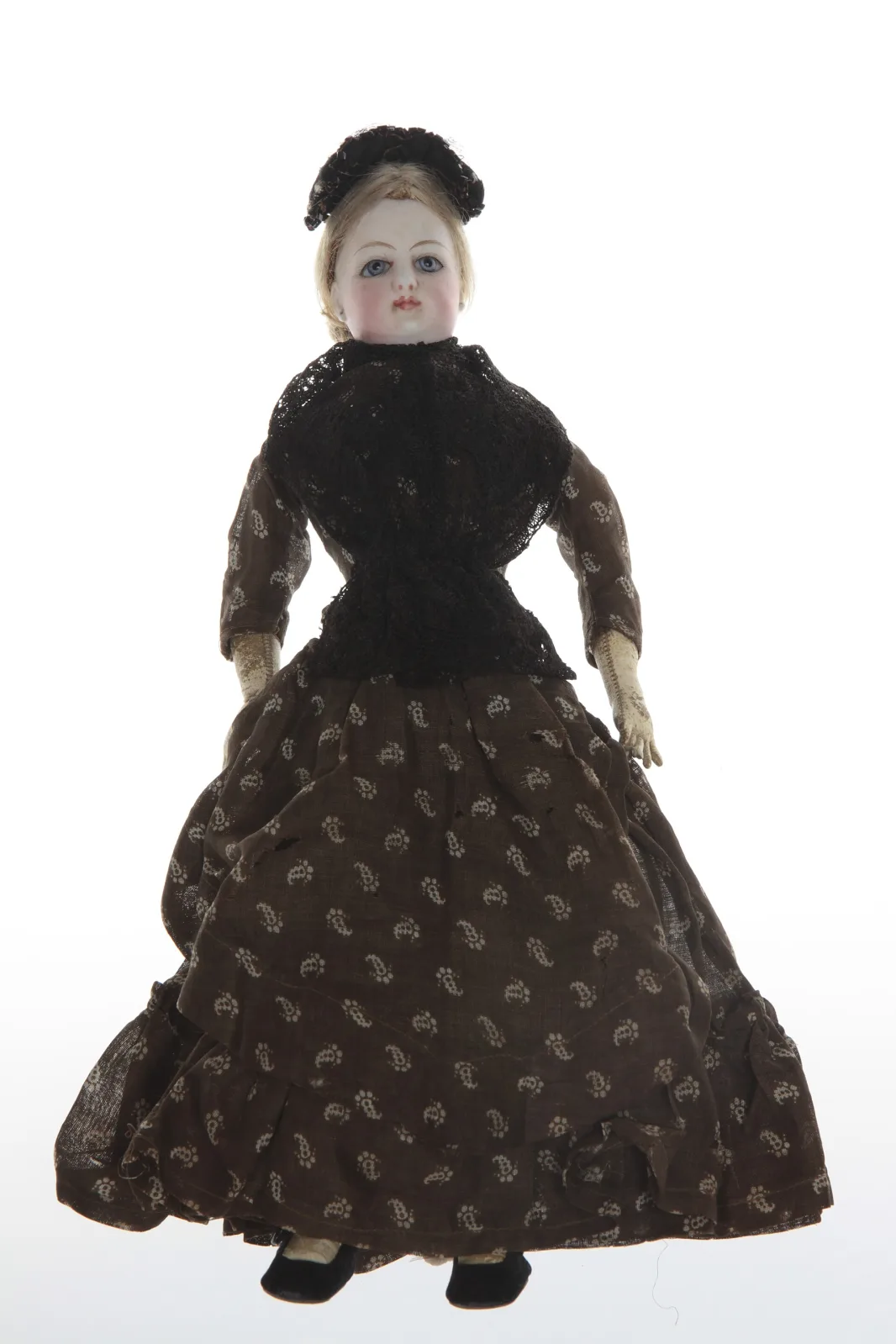
Antique bisque dolls are among the most loved and most misidentified objects in toy collecting. A single doll can involve ceramics, textile study, miniature costume history, and international trade networks from France, Germany, and the United States — many of the same Thuringian workshops that produced bisque doll heads also supplied the jointed mohair teddy bears that share disc-and-cotter-pin joint construction. Because prices range from modest to museum-level, knowing how to separate original dolls from assembled, restored, or reproduction examples is essential.
In practice, accurate identification comes from combining many clues: head marks, bisque quality, body type, eye mechanism, wig construction, and clothing evidence. No single feature should be used in isolation. Even genuine period dolls can carry later wigs or replacement bodies, while convincing reproductions may copy famous marks.
This guide gives you a practical, step-by-step framework for evaluating antique bisque dolls in the field. Use it at estate sales, auctions, online listings, and private purchases to make better buying decisions and document your collection with confidence.
Table of Contents
- What Counts as an Antique Bisque Doll?
- French vs German Bisque Doll Traditions
- Reading Head Marks Correctly
- Bisque Quality, Modeling, and Paintwork
- Body Construction and Joint Systems
- Eyes, Teeth, and Interior Head Work
- Wigs, Pates, and Hairstyle Clues
- Costume Analysis and Fabric Dating
- Spotting Reproductions and Marriage Dolls
- Condition Grading and Restoration Impact
- Value Drivers by Doll Type
- Documentation and Buying Workflow
What Counts as an Antique Bisque Doll?
Collectors usually reserve the term antique bisque doll for dolls made roughly before 1930, with strongest market interest in 1860-1915 examples. Bisque is unglazed porcelain, valued for realistic skin texture and subtle coloring. You will encounter both solid bisque dolls and dolls with bisque heads paired with composition, kid leather, or wooden bodies.
Common categories
Major categories include French fashion dolls, German character and child dolls, all-bisque mignonettes, and baby dolls with closed mouths or open mouths with teeth. Category matters because each has different expectations for body type, wig, and costume. A mismatch between category and construction often signals a parts marriage.
French vs German Bisque Doll Traditions
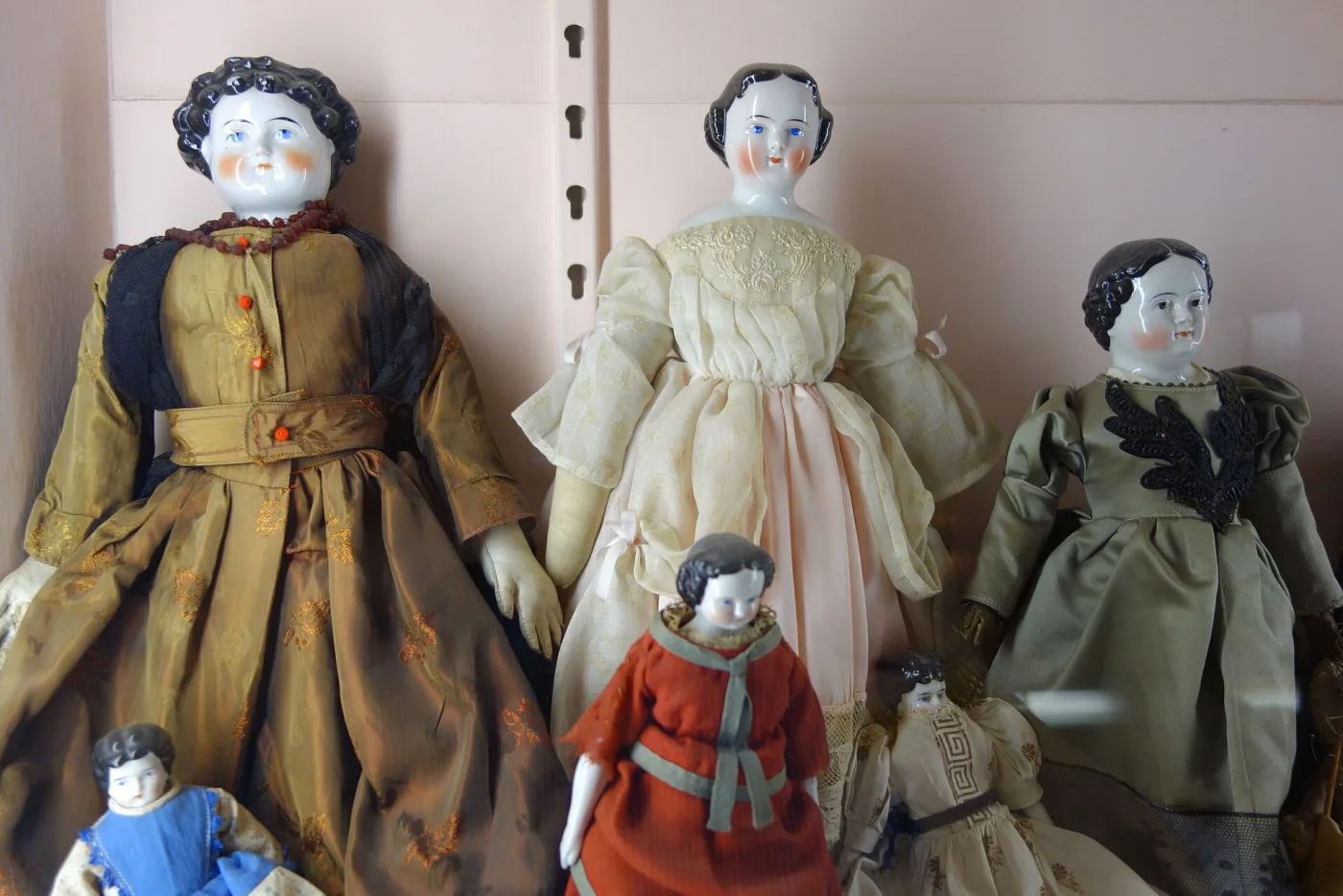
French makers such as Jumeau, Bru, and Steiner are generally associated with refined bisque, elaborate couture-style wardrobes, and luxury market positioning. German makers such as Kestner, Armand Marseille, Simon & Halbig, and Heubach served broader markets, from high-quality character dolls to mass-produced play dolls — the same industrial Bavarian and Thuringian ceramic infrastructure that later produced collectibles such as Hummel figurines.
Why origin matters
Origin affects value, but also how you interpret marks and modeling. French dolls often present finer painting and premium body craftsmanship, while German production can show wider quality bands depending on line and export tier. A practical method is to identify style family first, then use marks and construction for narrower attribution.
Reading Head Marks Correctly
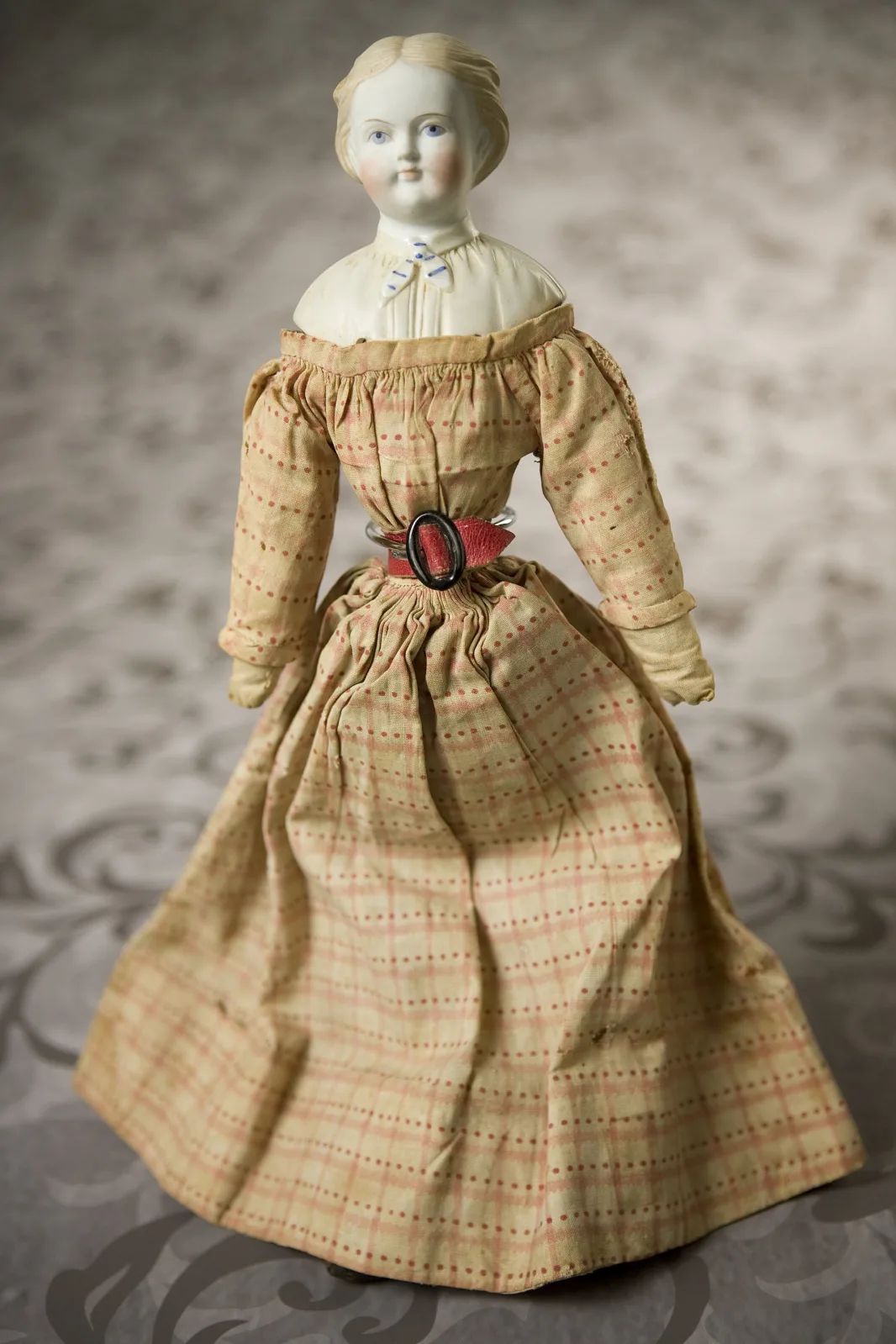
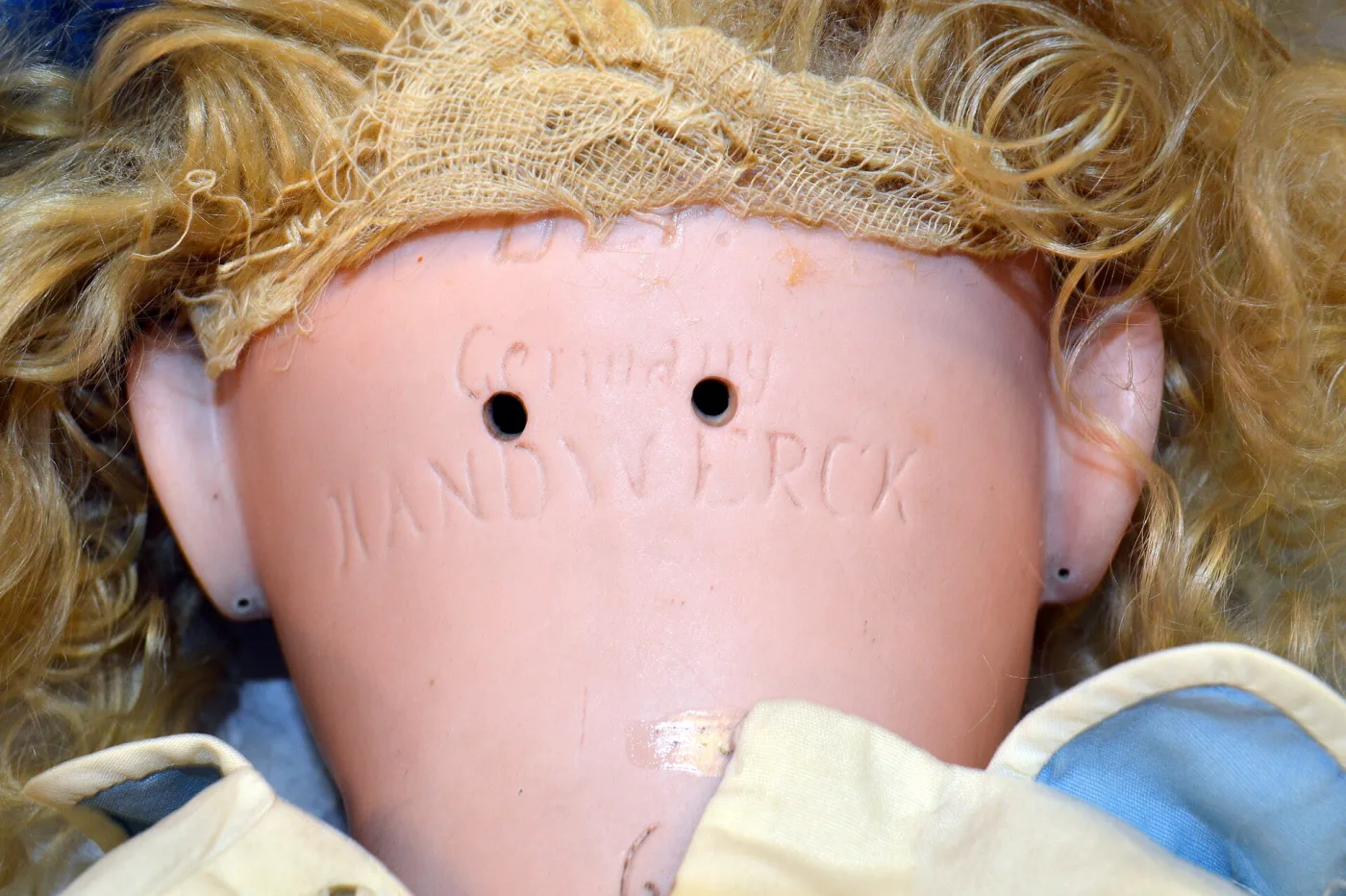
Head marks are vital but frequently misunderstood. Marks may include mold numbers, size numbers, factory initials, decorator codes, and retailer references. A short mark like "DEP" or "Made in Germany" gives broad dating context but rarely confirms premium attribution by itself.
Mark-reading checklist
Photograph marks in raking light, note font style, depth, and placement, and compare with documented examples from trusted references. Beware over-reliance on single online images. Reproduction heads can copy famous names, and altered marks appear on some repaired dolls. Always test whether the mark quality matches the bisque age and modeling quality of the full head.
Bisque Quality, Modeling, and Paintwork
High-quality antique bisque usually has a dense, matte surface with nuanced tone transitions, not flat modern spray color. Examine cheeks, nostrils, and ear modeling for crisp sculptural control. Brows and lashes on period dolls often show hand-painted variation under magnification, while many reproductions look uniform and mechanical.
Damage and hidden repairs
Use side lighting to inspect hairlines at forehead, eye cuts, ear edges, and around neck socket. Tap-testing is risky and unnecessary; visual inspection is safer. Repaint around lips or brows can mask restoration and lower value even on authentic heads, so document any overpaint with close-up photos.

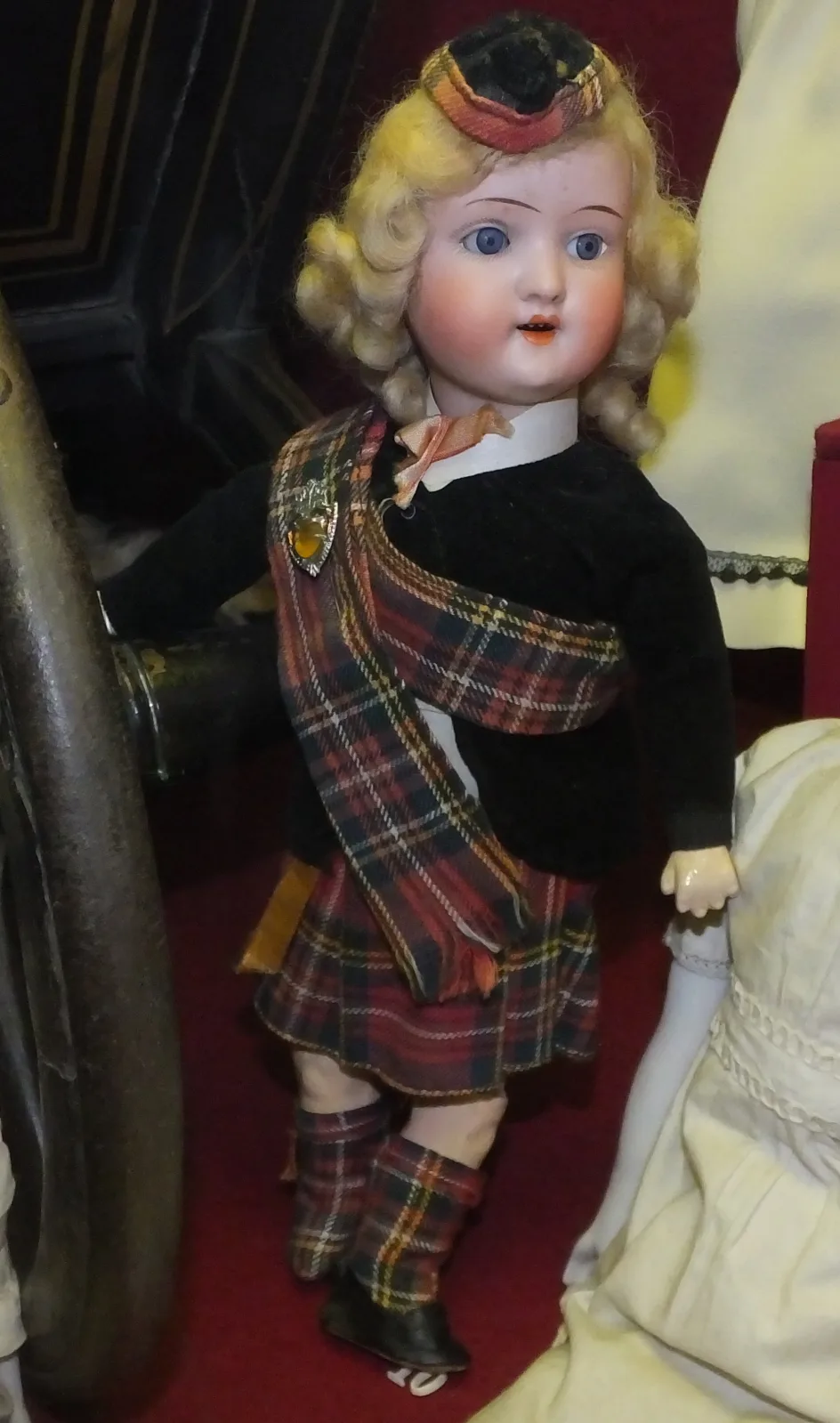
Body Construction and Joint Systems
Body style should align with head era and doll type. French fashion dolls may have kid leather or wooden articulated bodies; German child dolls often use composition and wood jointed bodies. Stringing method, shoulder plate fit, and socket proportions all provide dating evidence.
Originality checks
Look for consistent wear between head and body. A pristine body under a heavily worn head may indicate replacement. Socket fit should feel natural, not forced. Modern elastic string and fresh hardware are common service replacements and not always disqualifying, but they should be disclosed and priced accordingly.
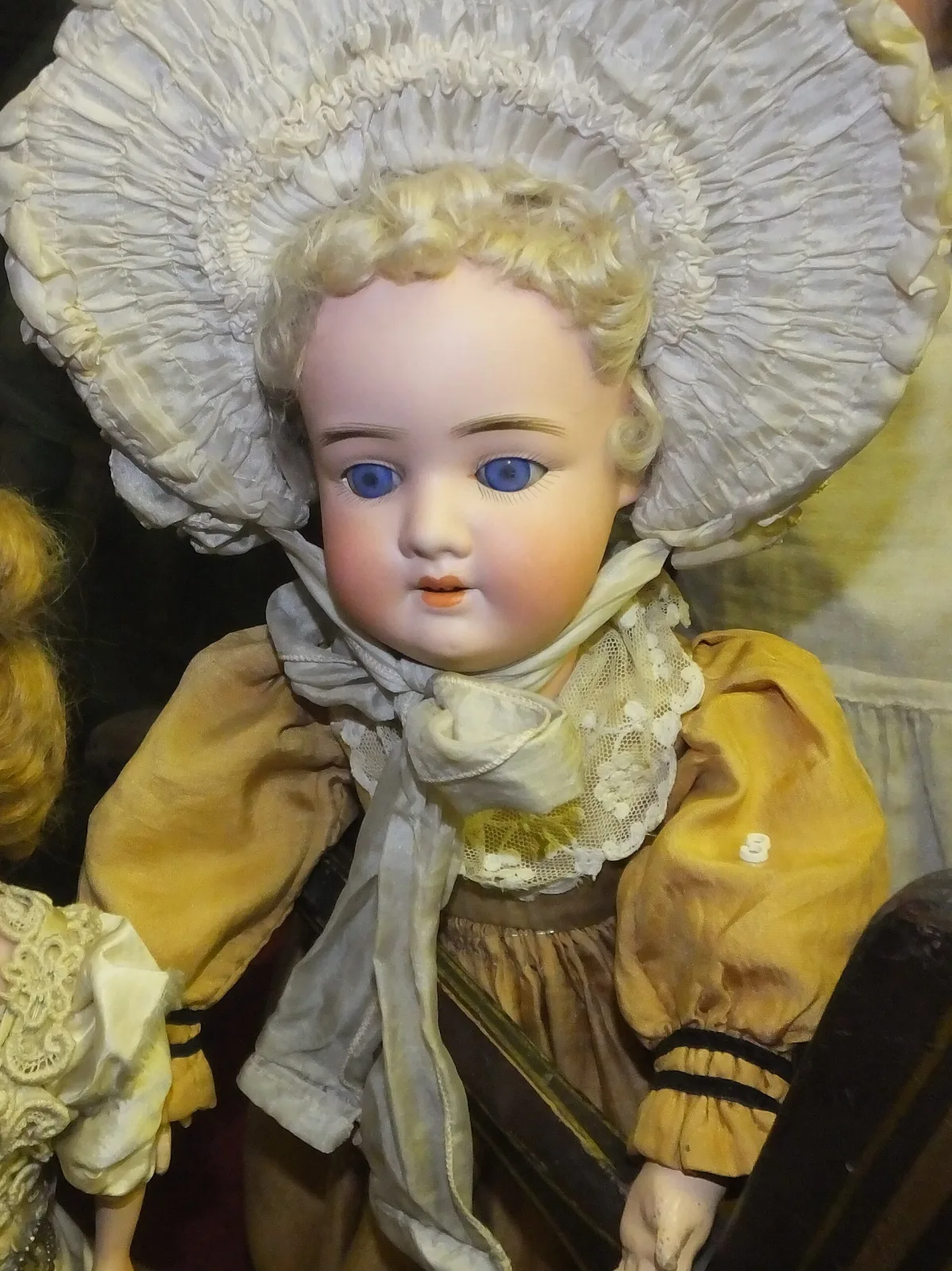
Eyes, Teeth, and Interior Head Work
Antique dolls use several eye systems: fixed paperweight eyes, set stationary glass eyes, and sleep eyes with rocker mechanisms. Eye type should match maker and period profile. Open-mouth dolls may show inset teeth; tooth material and arrangement can help distinguish factory production from later replacement.
Inside the head
Interior inspection is one of the strongest authentication tools. Check plaster set, eye weight systems, and old glue traces. Bright modern glue beads, inconsistent cut edges around eye openings, or modern foam supports can indicate later alterations. Use careful lighting and avoid invasive disassembly unless handled by a specialist.
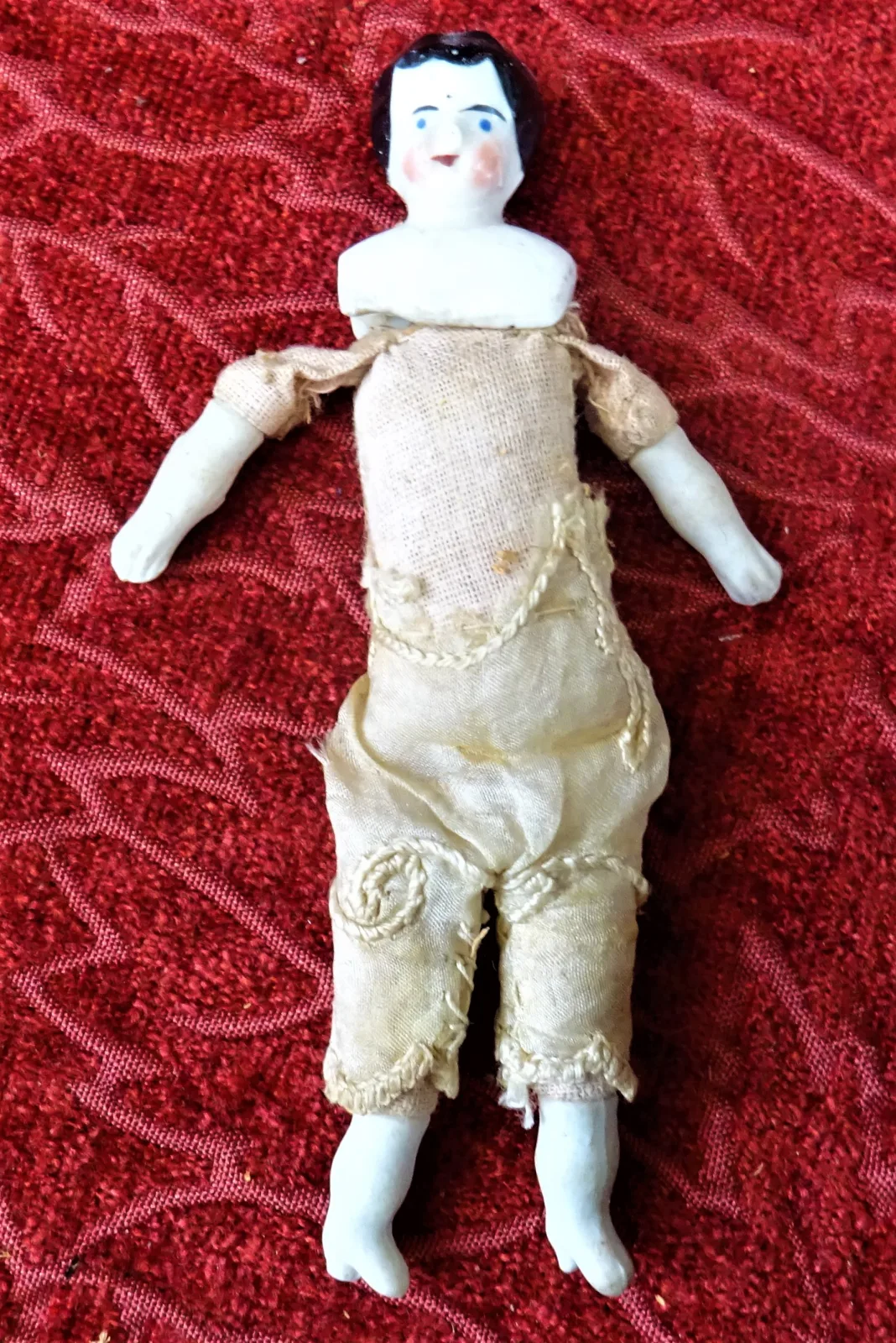
Wigs, Pates, and Hairstyle Clues
Many period dolls wore human hair or mohair wigs mounted on cork, cardboard, or composition pates. Wig originality is difficult because wigs were often replaced during long use. Evaluate attachment style, scalp glue age, and hairstyle consistency with the doll's date range.
Common wig red flags
Machine-perfect synthetic fiber, modern mesh bases, and bright new adhesive lines suggest replacement. Replacement wigs can still be acceptable for display dolls, but value should reflect lost originality. Preserve old wigs even if detached, since they may provide evidence for previous configuration and provenance.
Costume Analysis and Fabric Dating
Original clothing can significantly increase value, especially for French fashion dolls and complete presentation examples. Yet many dolls wear assembled costumes from multiple eras. Treat garments as independent artifacts: inspect seam finishes, fabric weave, closures, dyes, trims, and undergarment construction.
How to evaluate period dress
Hand stitching does not automatically mean antique, and machine stitching does not automatically mean modern. Transitional stitching patterns exist across late 19th and early 20th century garments. Focus on total evidence: period hooks, old silk oxidation behavior, natural wear at stress points, and coherent aging across all layers.
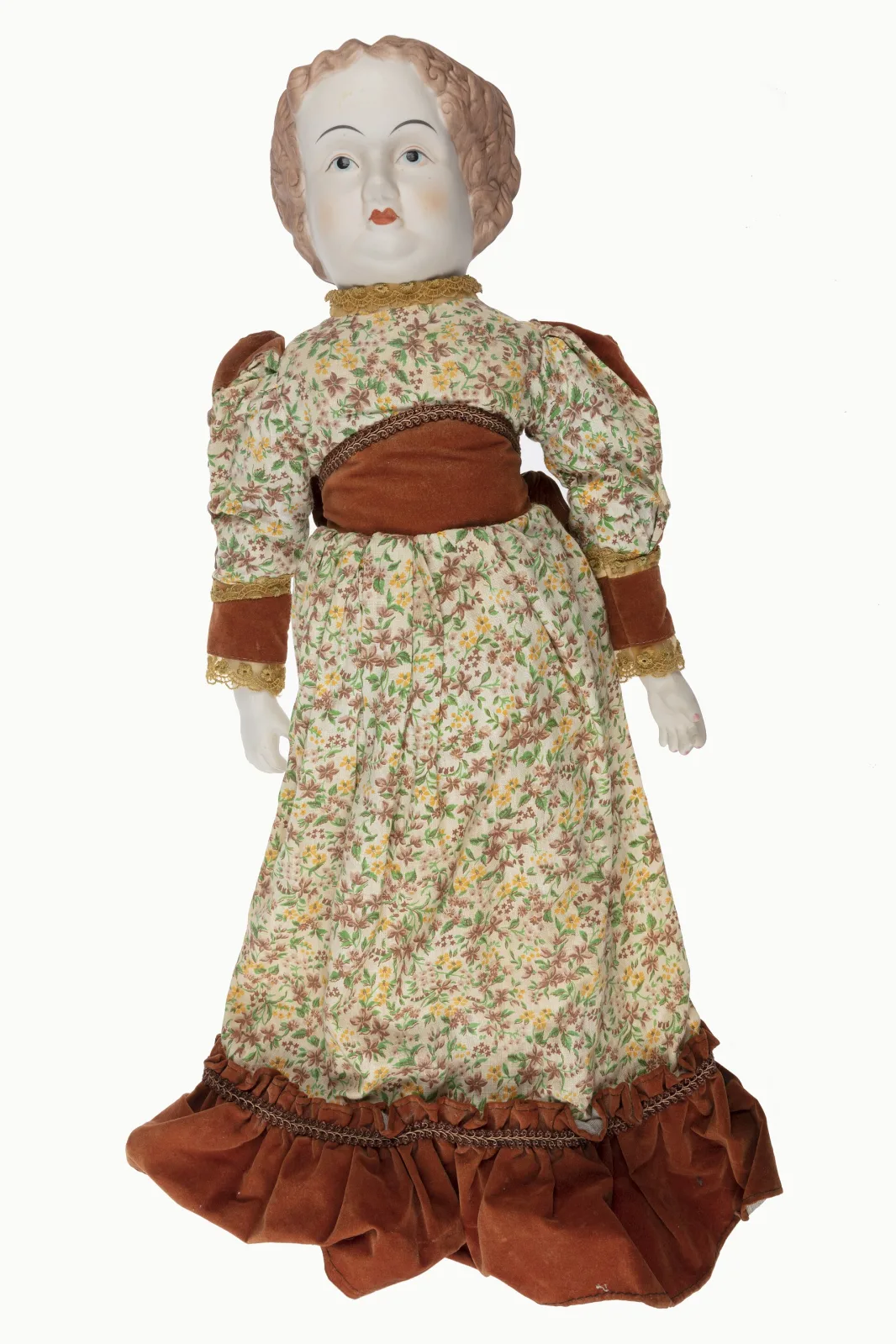
Spotting Reproductions and Marriage Dolls
Reproductions range from clearly decorative to highly deceptive. Marriage dolls, where authentic heads are paired with non-original bodies or costumes, are also common and should be valued differently from all-original examples.
High-risk warning signs
Watch for overly bright bisque tone, exaggerated crackle aging, copied premium marks, mismatched scale between head and body, and inconsistent wear distribution. If seller photos avoid back-of-head marks, neck socket, or body joints, request those images before committing. A transparent seller should provide detailed views without hesitation.
Condition Grading and Restoration Impact
Condition is a major price driver in bisque dolls. Hairlines, chips, eye replacement, repaint, and body restoration can move value substantially. Use clear grades such as excellent original, very good with minor restoration, good with notable repair, or study/display condition.
Restoration disclosure standards
Best practice is to list each intervention: eye reset, wig replacement, repaint areas, body touch-up, restringing, or costume replacement. Professional conservation with documentation is usually preferable to undocumented cosmetic fixes. For top-tier dolls, even skillful restoration can reduce peak auction value if original surface is compromised.
Value Drivers by Doll Type
Not all bisque dolls follow the same pricing logic. French luxury makers, rare character faces, complete trousseaux, and exceptional provenance can command strong premiums. Common German molds in average condition are more accessible and can still be excellent study pieces for new collectors.
What raises market confidence
Collectors pay more for coherent originality, documented maker attribution, and complete accessories that match period use. Original boxes, receipts, family photographs, or long-term collection labels add credibility. In online markets, accurate measurement photos and honest condition notes often outperform dramatic but vague listings.
Documentation and Buying Workflow
Use a repeatable workflow for every doll: front, profile, and back photos; head mark close-ups; eye mechanism views; interior head photos; body joint details; and costume construction images. Record height in centimeters and inches, then compare with maker mold references.
Practical checklist before purchase
Confirm whether the seller guarantees authenticity, ask for restoration history in writing, and request return terms. If price is significant, seek a second opinion from a doll specialist or qualified appraiser. A disciplined process helps you avoid costly mistakes and build a collection with long-term historical and financial value.