Antique Paperweights Identification Guide: Types, Makers & Dating Techniques
Antique paperweights represent some of the most exquisite and collectible decorative objects in the world of glass art. From intricate millefiori designs to delicate lampwork flowers, each paperweight tells a story of master craftsmanship, artistic innovation, and historical significance. These functional yet beautiful objects have captivated collectors for over 175 years, making them among the most sought-after antique collectibles. This comprehensive guide will teach you everything you need to know about identifying antique paperweights, from understanding manufacturing techniques to recognizing famous makers and determining authenticity and value.
Table of Contents
- Understanding Antique Paperweights
- Historical Overview and Origins
- Types of Antique Paperweights
- Glassmaking Techniques and Methods
- Major Manufacturers and Famous Makers
- Maker Identification and Signatures
- Dating Techniques and Period Identification
- Authenticity Assessment and Reproductions
- Condition Evaluation and Damage Types
- Value Assessment and Market Factors
- Collecting Tips and Best Practices
Understanding Antique Paperweights: The Basics
Before diving into identification techniques, it's essential to understand what makes a paperweight antique and how these beautiful objects were created. An antique paperweight is generally defined as one that is at least 100 years old, though the "Golden Age" of paperweight production (1845-1860) is considered the most valuable period. However, quality paperweights from the late 19th and early 20th centuries are also highly collectible.
What Makes a Paperweight Antique?
Several key characteristics distinguish antique paperweights from modern reproductions:
- Age: Typically 100+ years old, with the classic period being 1845-1860
- Manufacturing Methods: Handmade using traditional glassmaking techniques
- Materials: High-quality glass, often with lead content for clarity
- Craftsmanship: Superior artistry and attention to detail
- Historical Significance: Created during specific historical periods with distinct styles
Basic Components of Paperweights
Understanding the structure of paperweights helps with identification:
- Base: The flat bottom that provides stability
- Dome or Crown: The curved top that magnifies and protects the design
- Design Element: The decorative feature encased within (flowers, millefiori, etc.)
- Glass Body: The clear or colored glass that encases the design
- Pontil Mark: The mark left from the pontil rod during manufacturing
Historical Overview and Origins of Paperweights
The paperweight has a fascinating history that spans nearly two centuries. Understanding this history is crucial for accurate identification and dating.
The Birth of Paperweights (1840s)
Paperweights first emerged in the 1840s, likely inspired by earlier glass objects and the growing popularity of desk accessories. The first commercially successful paperweights were produced in Venice and France, with French factories quickly establishing dominance in the field. The exact origin is debated, but evidence suggests that paperweights developed as an extension of existing glassmaking techniques used for other decorative objects.
The Golden Age (1845-1860)
This period represents the pinnacle of paperweight artistry and is the most sought-after by collectors today. During this time, French glass factories perfected techniques that have never been equaled:
- Baccarat (1846-1855): Established dominance with exceptional quality and innovation
- Saint-Louis (1845-1860): Produced distinctive and highly collectible designs
- Clichy (1845-1860): Known for unique color combinations and intricate patterns
- English Factories: Whitefriars, Bacchus, and others produced quality examples
- American Makers: New England Glass Company and others began production
Decline and Revival (1860-1950)
After 1860, paperweight production declined significantly. The Industrial Revolution shifted focus to mass production, and the meticulous handcrafting required for quality paperweights became less economically viable. However, some factories continued producing paperweights, and a few collectors kept the art form alive. The period from 1860 to 1950 is often called the "dark age" of paperweights, though quality examples were still produced.
Modern Revival (1950-Present)
The mid-20th century saw a renewed interest in paperweights, leading to the "New Golden Age" with contemporary makers creating exceptional works. However, modern paperweights, while often beautiful, are distinct from antique examples in manufacturing techniques, materials, and overall character.
Types of Antique Paperweights
Paperweights can be categorized into several distinct types, each requiring different identification techniques. Understanding these categories is fundamental to proper identification.
Millefiori Paperweights
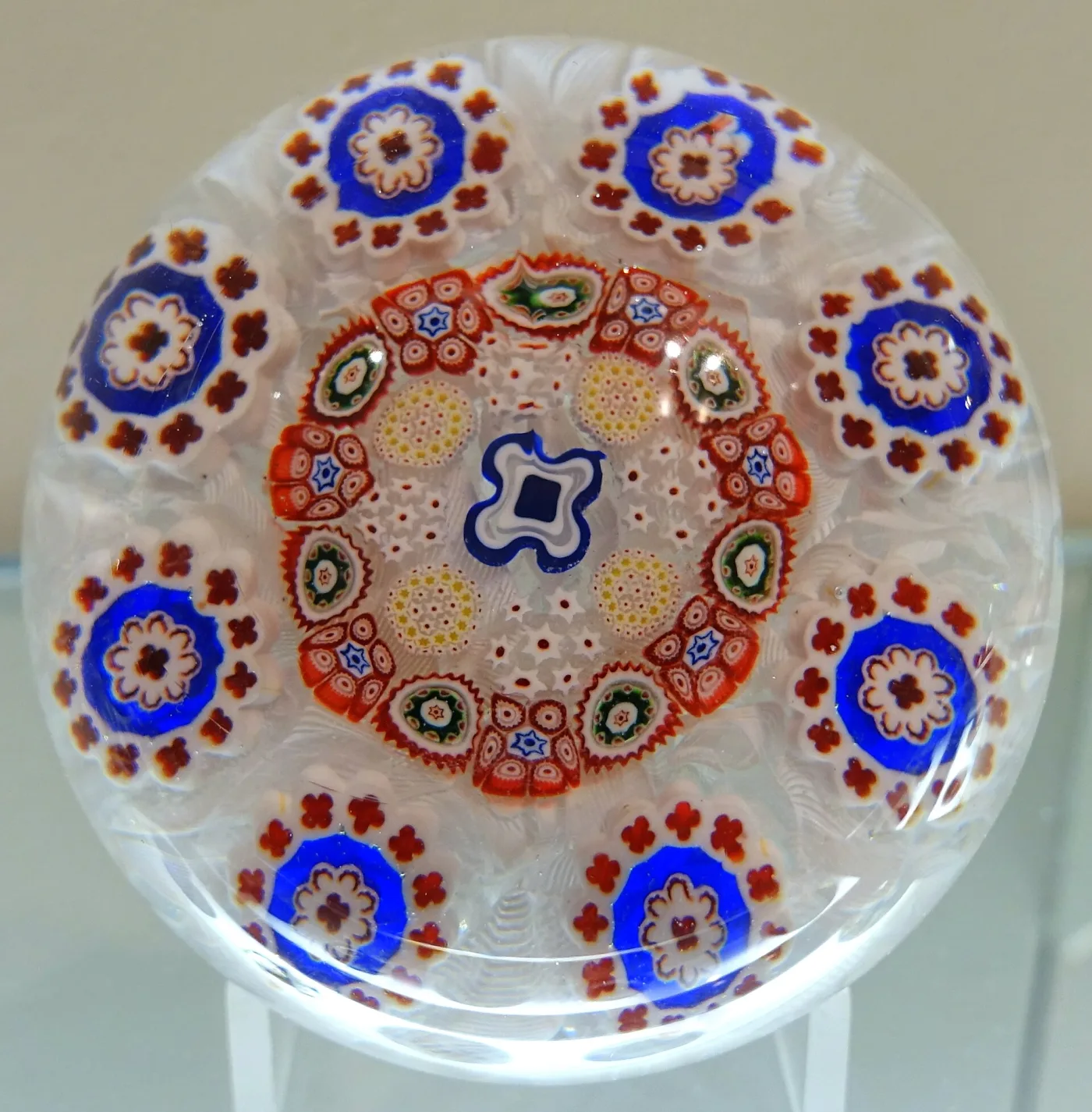
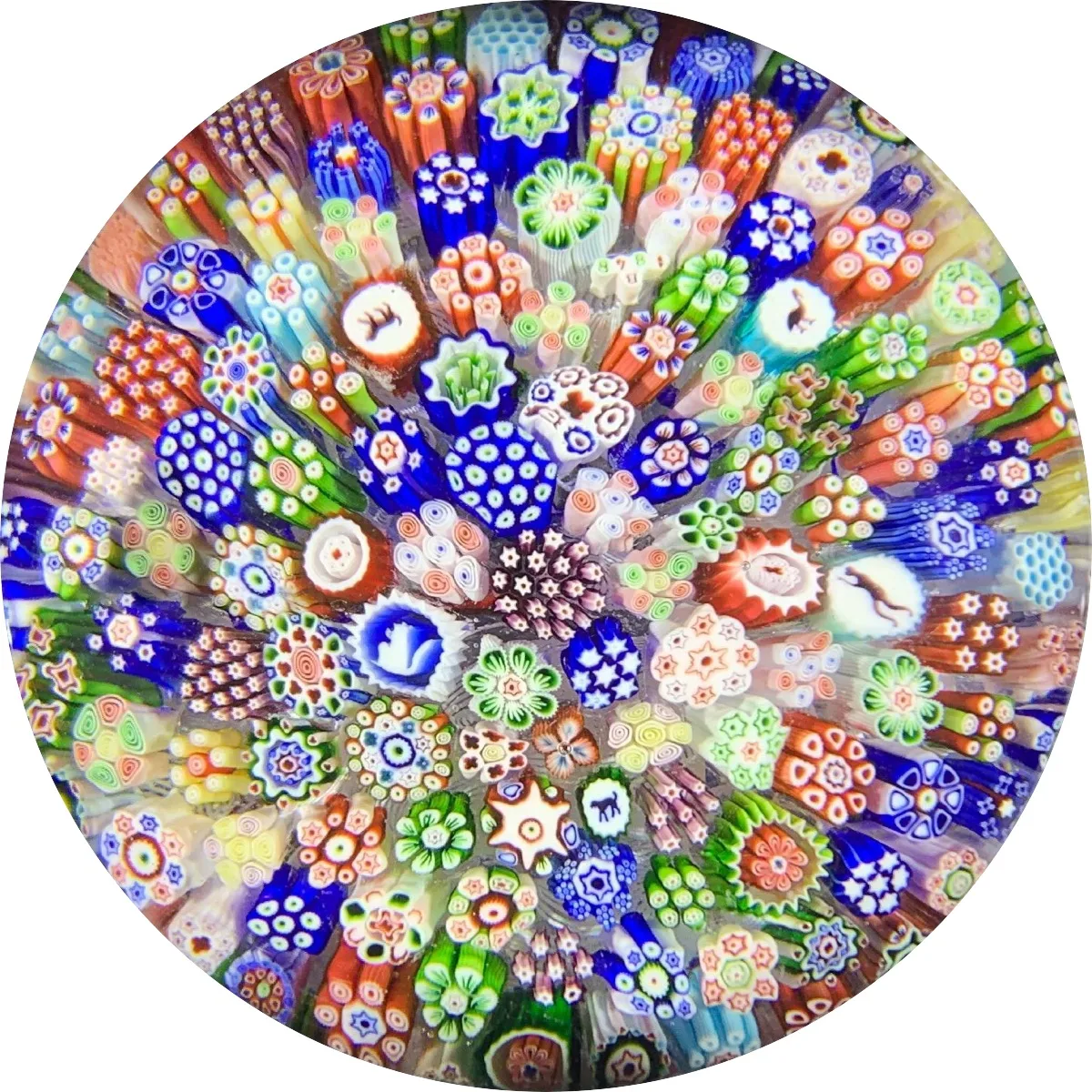
Millefiori (Italian for "thousand flowers") paperweights are among the most popular and collectible types. These feature cross-sections of colored glass canes arranged in decorative patterns:
- Close Pack: Canes tightly arranged in geometric patterns
- Scattered: Canes randomly distributed across the base
- Patterns: Canes arranged to form specific designs (stars, rosettes, etc.)
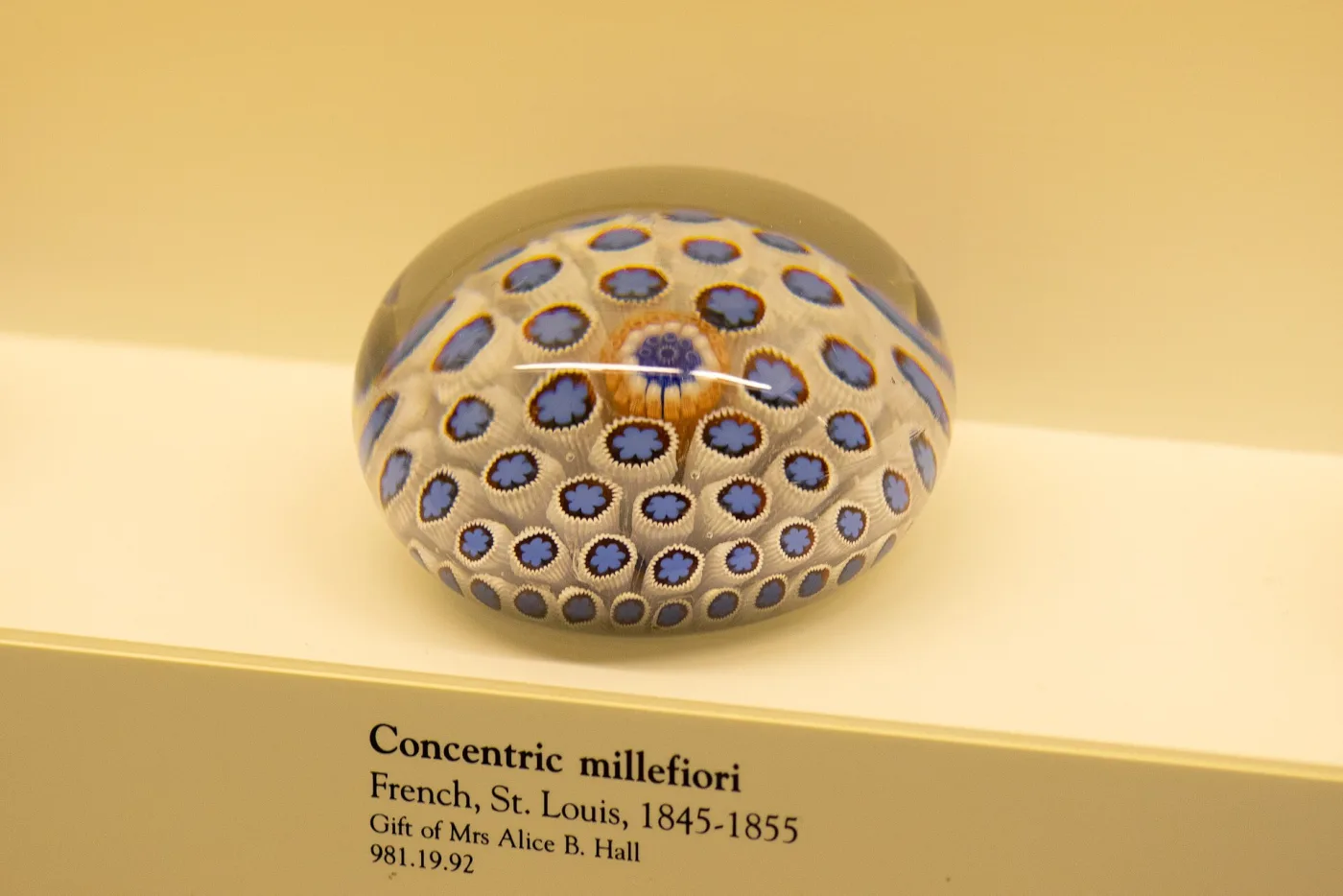
- Mushroom: Canes arranged in a circular pattern resembling a mushroom cap
- Concentric: Canes arranged in concentric circles
Identification markers include the complexity of the cane patterns, the number of colors used, and the precision of the arrangement. Antique millefiori weights often have subtle imperfections that distinguish them from modern reproductions.
Lampwork Paperweights
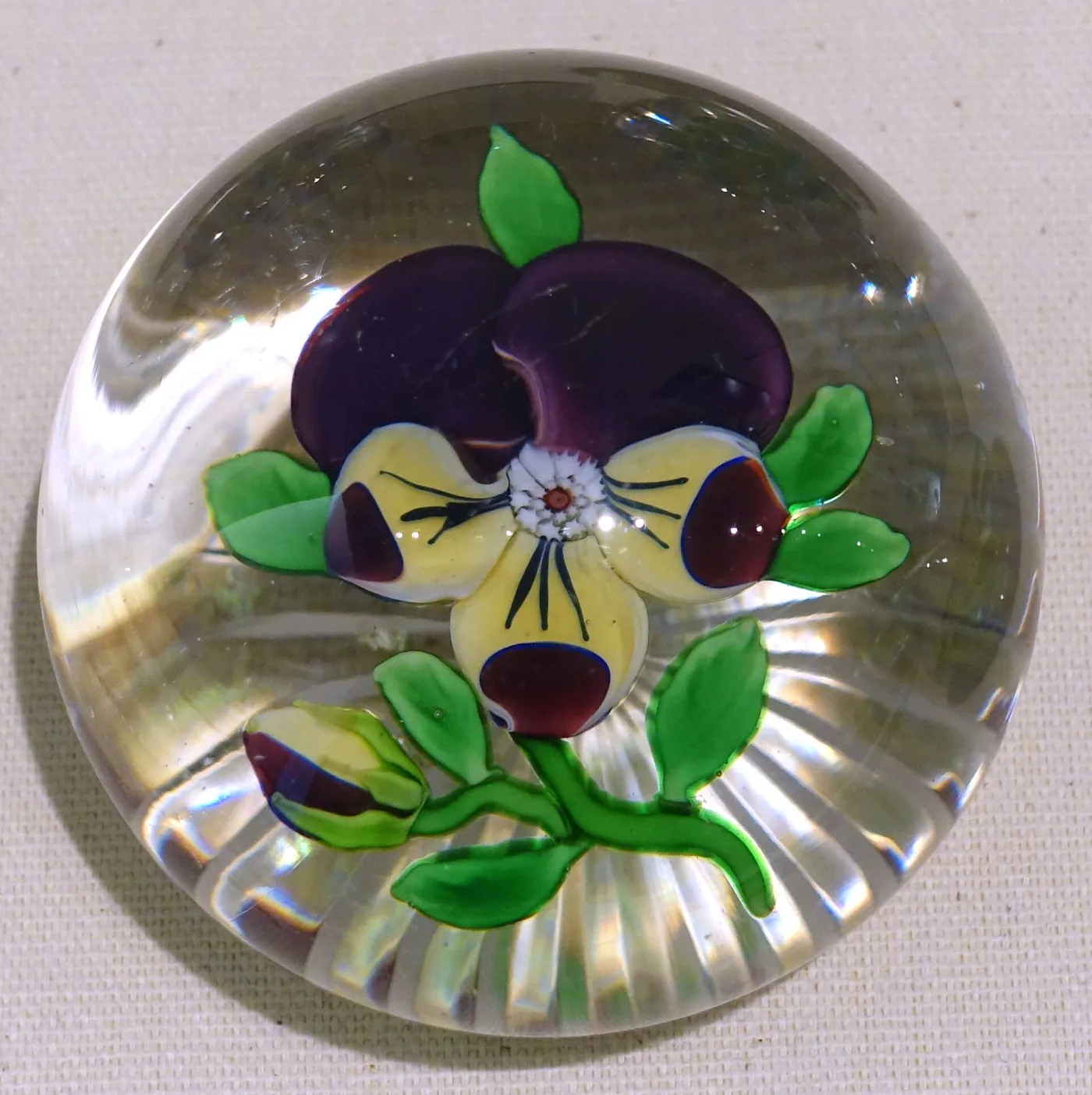
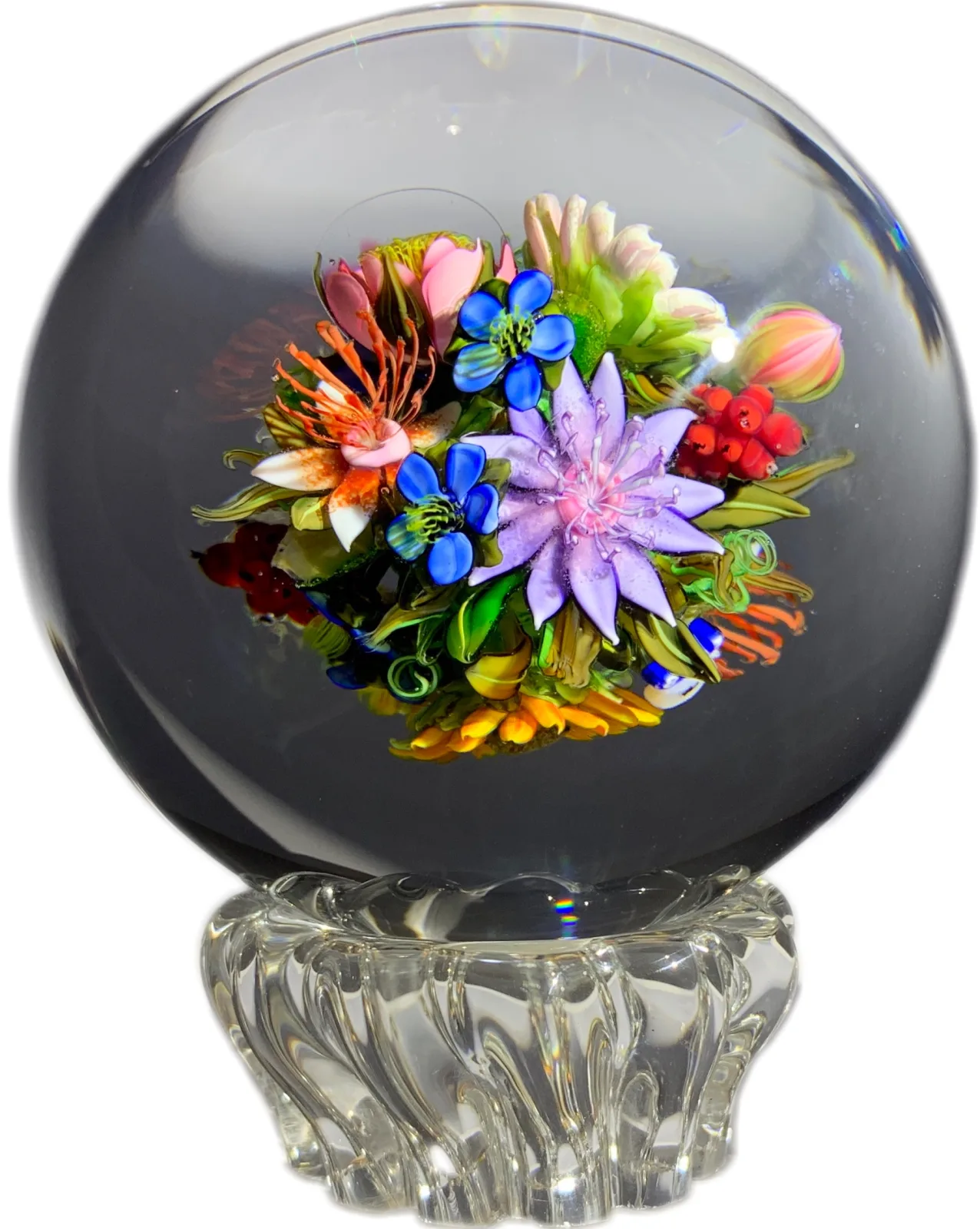
Lampwork paperweights feature delicate glass flowers, fruits, or figures created using a flame-working technique:
- Flower Weights: Realistic or stylized flowers, the most common lampwork type
- Fruit Weights: Berries, grapes, and other fruits
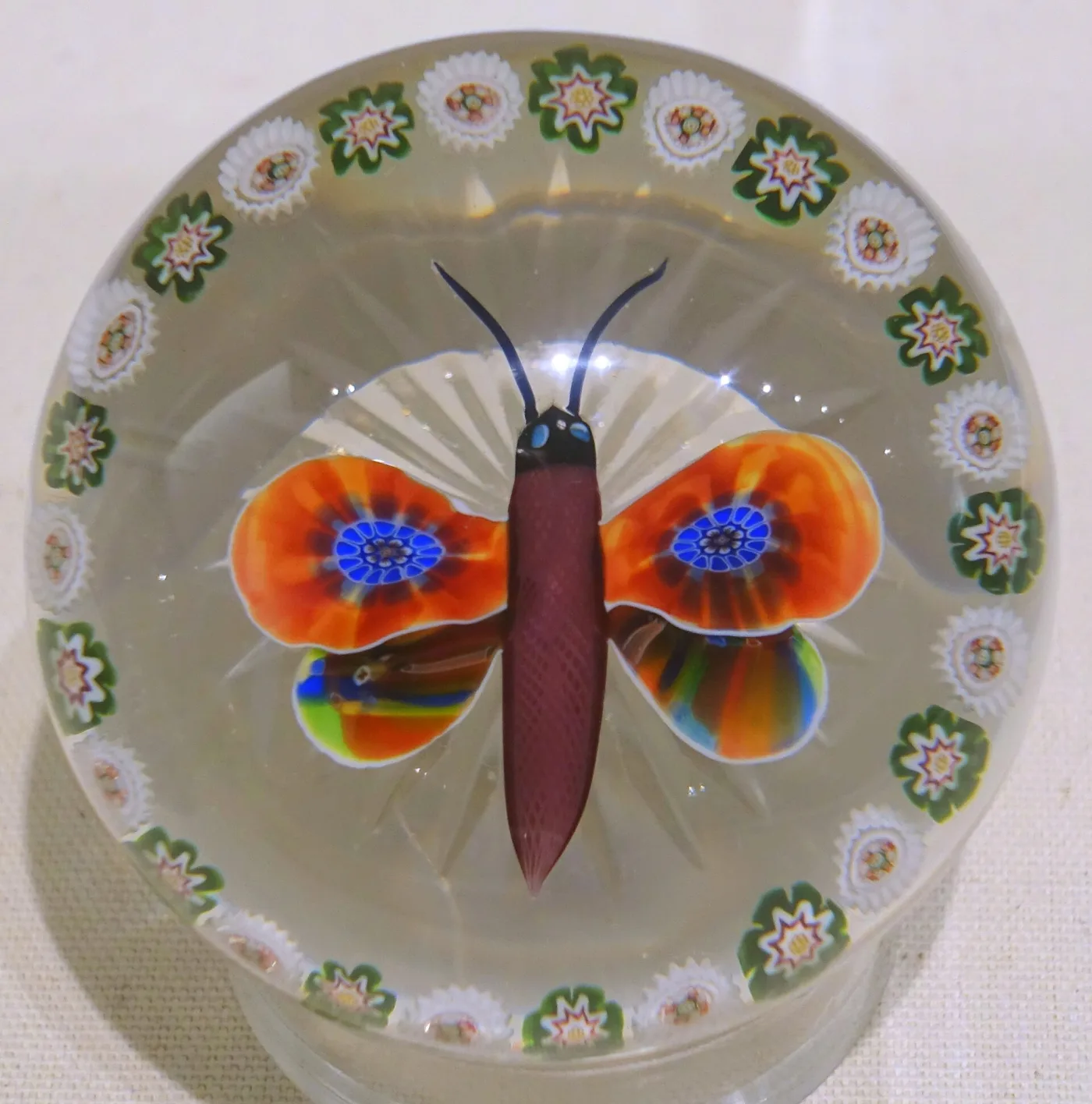
- Butterfly Weights: Delicate insects with detailed wings
- Animal Weights: Small creatures like snakes, lizards, or birds
- Miniature Scenes: Complex arrangements featuring multiple elements
Antique lampwork weights are characterized by their naturalistic appearance, attention to detail, and the use of multiple colors. The glassmaker's skill is evident in the lifelike quality of the elements.
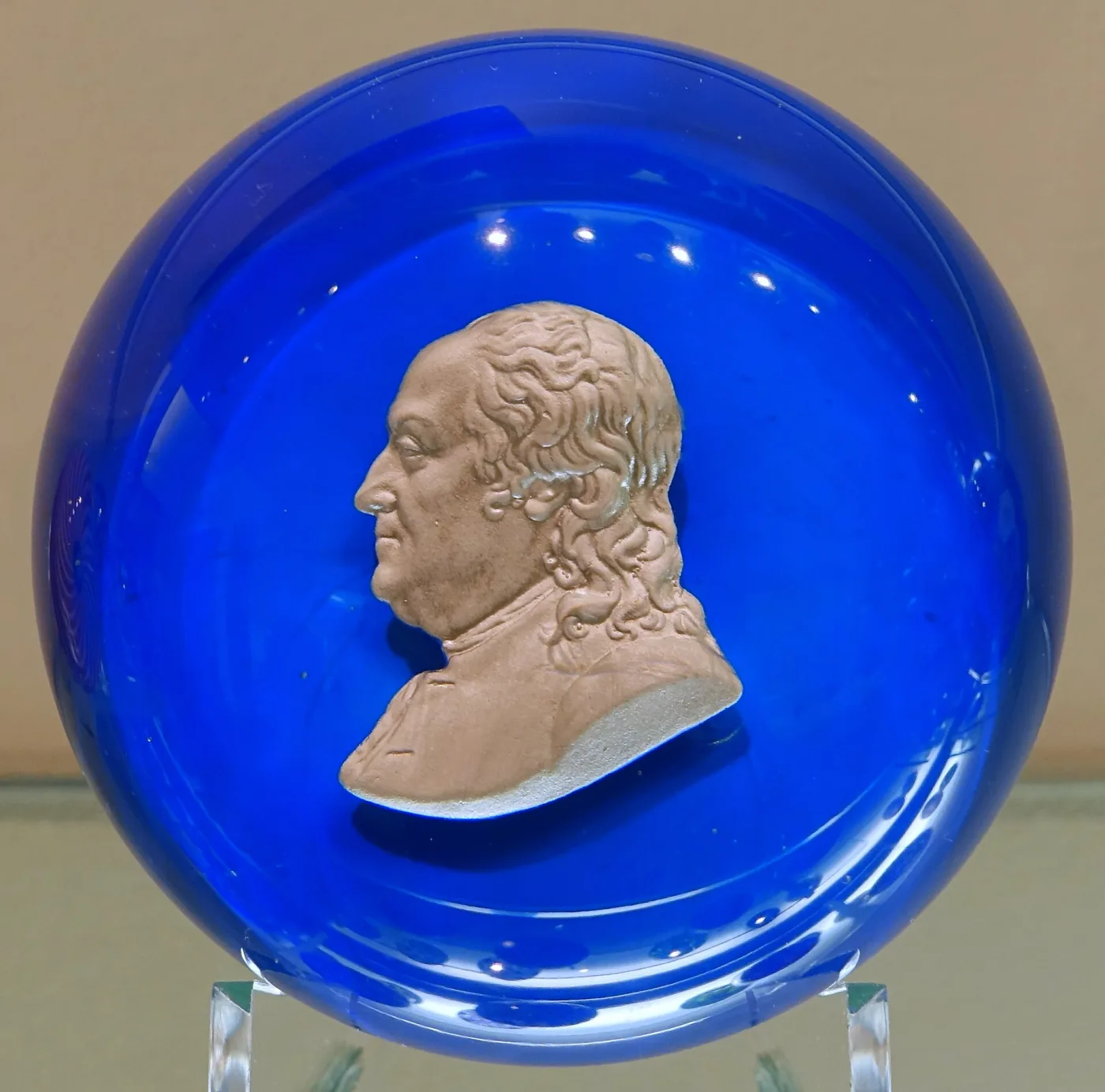
Sulphide Paperweights
Sulphide paperweights feature white porcelain cameos or medallions encased in clear or colored glass:
- Portrait Sulphides: Busts or heads of historical figures
- Mythological Sulphides: Classical gods, goddesses, and scenes
- Animal Sulphides: Dogs, horses, and other animals
- Religious Sulphides: Religious figures and symbols
Sulphide weights require careful examination to determine age, as reproductions are common. Authentic antique sulphides typically show subtle casting marks and have a distinctive matte white appearance.
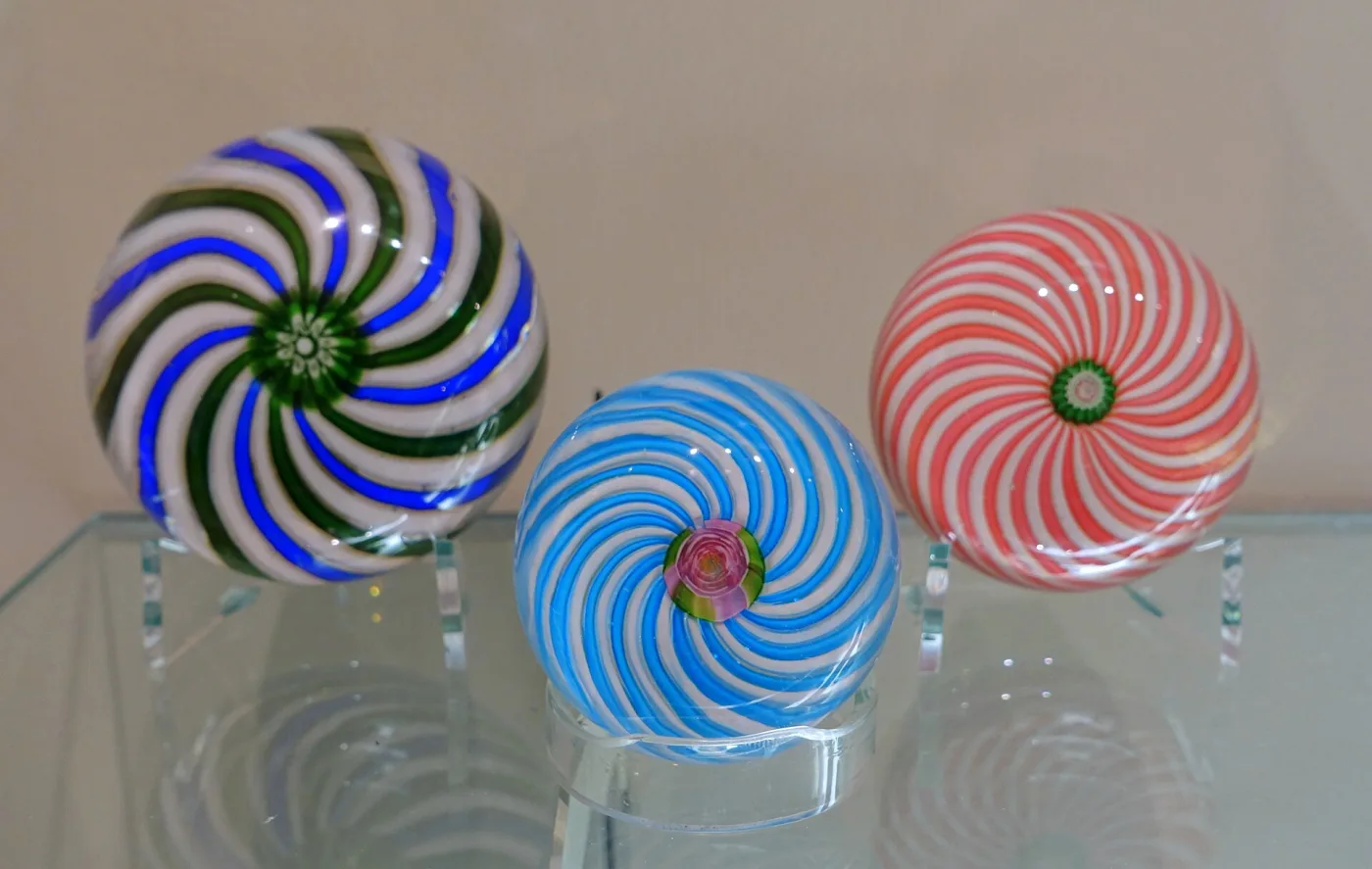
Swirled and Ribbon Paperweights
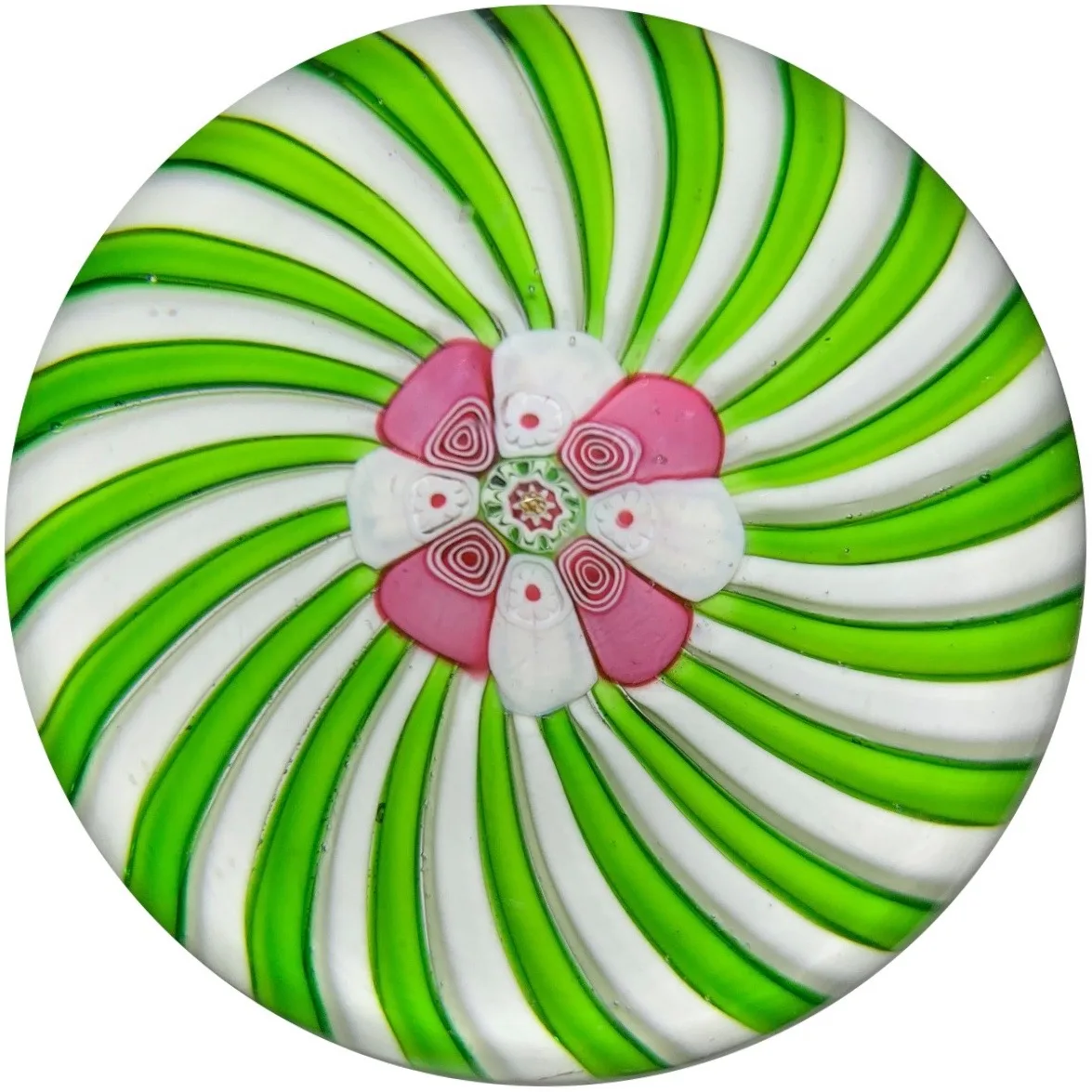
These feature colored glass ribbons or threads arranged in swirling patterns:
- Swirl Weights: Colored ribbons arranged in spiral patterns
- Twist Weights: Ribbons twisted into complex patterns
- Lattice Weights: Ribbons forming grid or lattice patterns
These weights are generally less valuable than millefiori or lampwork but can be quite beautiful when well-executed.
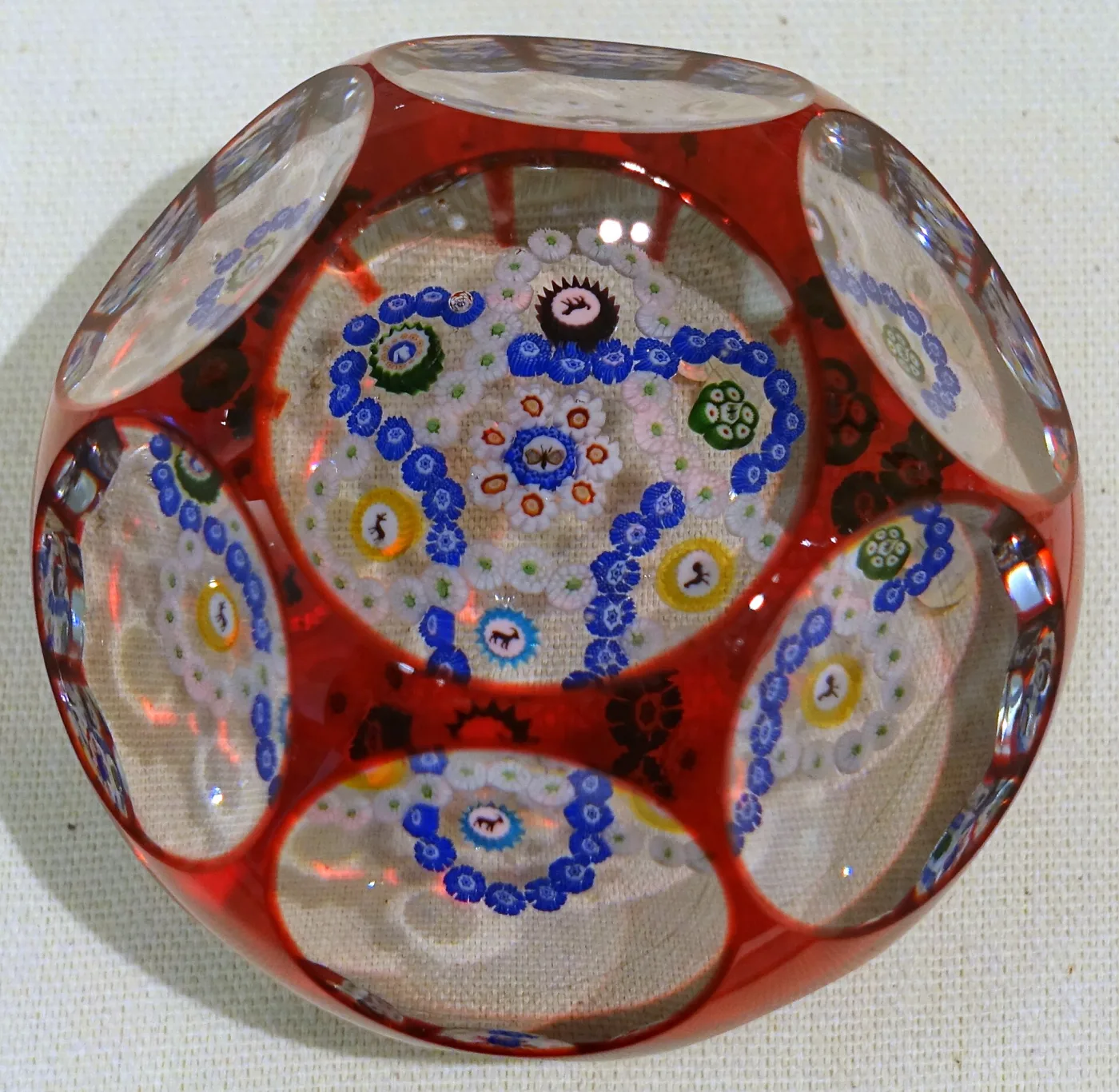
Overlay Paperweights
Overlay paperweights feature a colored glass casing over a clear glass core, often with cut-away windows revealing the design:
- Garland Overlay: Colored glass with cut-out garland patterns
- Window Overlay: Multiple cut-out windows revealing the design
- Banded Overlay: Colored bands around the weight
Overlay weights require exceptional skill to create and are highly collectible when authentically antique.
Encased Paperweights
These feature objects like coins, medals, or other small items permanently encased in glass:
- Coin Weights: Historical coins encased in glass
- Medal Weights: Commemorative medals or tokens
- Novelty Weights: Unusual objects like insects, small tools, etc.
Authentic antique encased weights are rare and valuable, making careful authentication essential.
Glassmaking Techniques and Manufacturing Methods
Understanding how antique paperweights were made provides crucial clues for identification. Different techniques were used during different periods, and these techniques leave distinctive marks that help date and authenticate pieces.
Traditional Glassblowing Methods
Antique paperweights were created using traditional glassblowing techniques that required exceptional skill:
- Gathering: Molten glass gathered on a blowpipe or pontil rod
- Shaping: The glass shaped and manipulated while hot
- Encasing: Design elements carefully placed and encased in clear glass
- Finishing: Final shaping and polishing to create the dome
- Cooling: Controlled cooling (annealing) to prevent cracking
Millefiori Cane Making
The creation of millefiori canes is a complex multi-step process:
- Cane Formation: Colored glass rods arranged in patterns and fused together
- Pulling: The pattern drawn out into long, thin canes
- Cutting: Canes cut into small cross-sections revealing the pattern
- Arrangement: Canes carefully arranged and fused into the paperweight base
Antique millefiori canes often show slight variations in size and spacing, indicating handcrafted work. Modern canes are typically more uniform.
Lampwork Techniques
Lampwork involves shaping glass using a torch or lamp flame:
- Heating: Glass rods heated until soft and pliable
- Shaping: Glass shaped using tools and gravity
- Assembly: Multiple pieces assembled to create complex designs
- Encasing: The completed design carefully encased in clear glass
Antique lampwork shows the artisan's individual style and often has subtle imperfections that add character and help identify the maker.
Identifying Manufacturing Characteristics
Several characteristics help identify antique manufacturing methods:
- Pontil Marks: Circular marks on the base where the pontil rod was attached
- Bubbles: Small air bubbles trapped during manufacturing (more common in antiques)
- Surface Finish: Hand-polished surfaces with slight irregularities
- Glass Clarity: Slight variations in clarity due to hand mixing
- Base Treatment: How the base was finished (polished, ground, etc.)

Major Manufacturers and Famous Makers
Several glass factories and individual makers are particularly important in paperweight history. Knowing their characteristics helps with identification and value assessment.
Baccarat (France, 1846-1855)
Baccarat is perhaps the most famous and collectible paperweight manufacturer:
- Millefiori: Exceptional quality with precise cane arrangements
- Lampwork: Realistic flowers with fine detail and natural colors
- Signatures: Often signed with "B" cane or full "Baccarat" cane
- Characteristics: Perfect clarity, superior craftsmanship, sophisticated designs
- Colors: Rich, deep colors with excellent glass quality
Baccarat paperweights are among the most valuable antique examples, with signed pieces commanding premium prices. The factory also produced unsigned weights that require expert identification.
Saint-Louis (France, 1845-1860)
Saint-Louis created distinctive paperweights with unique characteristics:
- Lampwork: Known for exceptional flower weights with multiple blooms
- Millefiori: Distinctive patterns including "jellyfish" and "crown" designs
- Colors: Unique color combinations, especially greens and purples
- Signatures: Often signed with "SL" cane or specific date canes
- Style: More elaborate and ornate than Baccarat examples
Saint-Louis paperweights are highly collectible, with their lampwork flower weights being particularly sought after.
Clichy (France, 1845-1860)
Clichy is known for distinctive and innovative designs:
- Millefiori: Unique patterns including the famous "Clichy rose"
- Colors: Brilliant colors, especially deep greens and blues
- Lampwork: High-quality but less common than other factories
- Signatures: Often signed with "C" cane or full "Clichy" cane
- Innovation: Created many new techniques and patterns
Clichy paperweights are rare and valuable, with their unique color combinations making them easily identifiable.
New England Glass Company (United States, 1852-1860)
One of the first American factories to produce quality paperweights:
- Style: Influenced by French designs but with American characteristics
- Lampwork: High-quality flower weights
- Millefiori: Less common but well-executed when present
- Colors: Distinctive American color preferences
- Rarity: Relatively rare, making authenticated examples valuable
Whitefriars (England, 1840s-1860s)
English factory producing quality paperweights:
- Style: Distinctive English approach to design
- Quality: Good quality but generally less refined than French examples
- Types: Primarily millefiori and simple lampwork
- Rarity: Less common than French weights
Bacchus (England, 1840s-1850s)
Another important English manufacturer:
- Millefiori: Quality examples with distinctive patterns
- Style: English interpretation of French techniques
- Rarity: Relatively rare and collectible
Individual Master Craftsmen
Some paperweights were made by individual craftsmen rather than factories:
- Nicholas Lutz: French-American master known for exceptional lampwork
- Charles Kaziun: Modern master who revived antique techniques
- Paul Stankard: Contemporary master of botanical lampwork
Individual craftsmen's works are often signed and highly valued for their artistic merit.
Maker Identification and Signatures
Identifying the maker of a paperweight significantly affects its value and collectibility. Understanding signature systems and maker marks is essential for proper identification.
Signature Canes in Millefiori Weights
Many factories incorporated signature canes into their millefiori designs:
- Baccarat: "B" cane or full "Baccarat" cane, sometimes date canes
- Saint-Louis: "SL" cane or specific date canes
- Clichy: "C" cane or full "Clichy" cane
- New England Glass: Various marks including "NEG"
Signature canes are typically integrated into the millefiori pattern and require careful examination to locate. A magnifying glass or loupe is essential for identifying these marks.
Unsigned Weights and Attribution
Many antique paperweights are unsigned but can still be attributed to specific makers through style analysis:
- Style Characteristics: Design elements unique to specific factories
- Color Preferences: Characteristic color combinations
- Technical Details: Manufacturing techniques and methods
- Pattern Recognition: Distinctive patterns associated with specific makers
Attributing unsigned weights requires extensive knowledge and comparison with known examples. Expert consultation is often recommended for valuable pieces.
Modern Signatures and Marks
Contemporary paperweight makers often sign their work clearly:
- Etched Signatures: Names or initials etched into the glass
- Signature Canes: Canes with maker's initials or name
- Paper Labels: Labels attached to the base (often removed over time)
- Certificates: Documentation provided with the paperweight
Modern signatures are generally more prominent and easier to identify than antique marks.
Counterfeit Signatures and Reproductions
Unfortunately, signature canes have been reproduced, making authentication challenging:
- Reproduction Canes: Modern copies of antique signature canes
- Added Signatures: Signatures added to unsigned weights
- Altered Weights: Modern weights made to look antique
Expert examination is essential when evaluating signed paperweights, especially high-value examples. Multiple factors must be considered, not just the signature.
Dating Techniques and Period Identification
Accurately dating a paperweight requires examining multiple factors. No single characteristic is definitive, but together they provide strong evidence of age.
Style and Design Analysis
Design styles changed over time and can help date paperweights:
- Golden Age (1845-1860): Complex, refined designs with exceptional detail
- Late 19th Century: Simpler designs, less refined execution
- Early 20th Century: Revival styles and simplified versions
- Mid-20th Century Revival: Contemporary interpretations of classic designs
- Modern Period: Innovative designs and new techniques
Technical Characteristics for Dating
Manufacturing techniques provide dating clues:
- Glass Quality: Antique glass often has slight imperfections and variations
- Base Treatment: How the base was finished changed over time
- Pontil Marks: Presence and treatment of pontil marks
- Dome Shape: Variations in dome proportions and curvature
- Clarity: Improvements in glass clarity over time
Date Canes and Time-Specific Elements
Some paperweights include date canes that can help with dating:
- Baccarat Date Canes: Canes with specific years (1848, 1849, etc.)
- Saint-Louis Date Canes: Various date indicators
- Commemorative Canes: Canes celebrating specific events
However, date canes have been reproduced, so they must be evaluated in context with other characteristics.
Historical Context and Provenance
Documentation and historical context can help establish age:
- Ownership History: Provenance tracing back to original purchase
- Historical Documentation: Period photographs, letters, or records
- Collection History: Previous ownership by known collectors
- Exhibition History: Display in museums or exhibitions
Well-documented provenance significantly increases value and helps establish authenticity.
Authenticity Assessment and Identifying Reproductions
Distinguishing authentic antique paperweights from reproductions is crucial for collectors. Modern reproductions are common, and some are quite sophisticated. Understanding the differences requires careful examination of multiple factors.
Key Indicators of Authenticity
Several characteristics indicate an authentic antique paperweight:
- Age-Related Wear: Consistent, natural wear patterns on the base
- Manufacturing Imperfections: Subtle bubbles, variations, and handcrafted characteristics
- Historical Accuracy: Design elements consistent with period styles
- Glass Quality: Characteristics matching period glassmaking
- Provenance: Documented history of ownership
Warning Signs of Reproductions
Red flags that may indicate a reproduction:
- Too Perfect: Excessive uniformity suggesting machine production
- Modern Glass Characteristics: Ultra-clear glass without period characteristics
- Inconsistent Style: Design elements from different periods mixed together
- Suspicious Signatures: Signatures that don't match known examples
- Unrealistic Condition: Perfect condition inconsistent with age
- Modern Base Treatment: Base finishing inconsistent with period methods
Common Types of Reproductions
Understanding common reproduction types helps with identification:
- Modern Copies: Contemporary recreations of classic designs
- Tourist Weights: Souvenir paperweights made to look antique
- Altered Modern Weights: Contemporary weights modified to appear older
- Composite Pieces: Parts from different weights combined
- Fake Signatures: Unsigned weights with added signature canes
Expert Authentication
For valuable paperweights, professional authentication is recommended:
- Specialist Appraisers: Experts specializing in paperweights
- Museum Curators: Curators with paperweight collections
- Certification Services: Organizations offering authentication services
- Comparative Analysis: Comparison with known authentic examples
Expert authentication provides documentation that increases value and ensures confidence in the purchase.
Condition Evaluation and Types of Damage
The condition of a paperweight significantly affects its value. Understanding different types of damage and how they impact value is essential for collectors.
Types of Damage and Their Impact
Paperweights can suffer various types of damage:
- Chips: Small pieces broken from the edge or base, significantly reducing value
- Cracks: Internal or external cracks, depending on severity
- Scratches: Surface scratches that may or may not be polishable
- Wear: Normal wear on the base from use
- Staining: Discoloration that may be permanent
- Clouding: Loss of clarity due to age or damage
Condition Grading Systems
Various grading systems are used to describe condition:
- Mint: Perfect condition, no damage or wear (extremely rare for antiques)
- Excellent: Minimal wear, no significant damage
- Very Good: Some wear, minor scratches or scuffs
- Good: Noticeable wear but no major damage
- Fair: Significant wear or minor damage
- Poor: Major damage affecting appearance or value
Condition descriptions should be specific about the type and location of any damage or wear.
Restoration and Conservation
Some damage can be addressed through restoration:
- Polishing: Removing scratches and restoring clarity
- Base Repair: Addressing chips or damage to the base
- Conservation: Stabilizing condition to prevent further deterioration
However, extensive restoration may reduce value, especially if it alters the original character. Full disclosure of restoration is essential for ethical collecting.
Factors Affecting Condition Value
How condition affects value depends on several factors:
- Rarity: Rare weights may be valuable even with damage
- Type of Damage: Some damage is more acceptable than others
- Location of Damage: Damage to the design is worse than base wear
- Restorability: Whether damage can be effectively addressed
- Historical Significance: Important pieces may retain value despite condition
Value Assessment and Market Factors
Determining the value of antique paperweights requires understanding multiple factors that influence market prices. Values can range from under $100 for common examples to tens of thousands for rare, signed pieces.
Primary Value Factors
Several key factors determine paperweight value:
- Maker: Factory or individual maker significantly affects value
- Rarity: Rare designs or types command premium prices
- Condition: Condition directly impacts value, especially for high-end pieces
- Authenticity: Verified authentic examples are more valuable
- Signatures: Signed weights are typically more valuable than unsigned
- Provenance: Documented history can significantly increase value
- Quality: Superior craftsmanship and artistry increase value
Market Value Ranges
Understanding typical value ranges helps set expectations:
- Common Antique Weights: $100-$500 for unsigned, common types
- Good Quality Antiques: $500-$2,000 for well-made unsigned examples
- Rare or Signed: $2,000-$10,000 for signed or rare examples
- Exceptional Examples: $10,000-$50,000+ for museum-quality pieces
- Record Prices: Exceptional signed Baccarat or Clichy weights can exceed $100,000
These ranges are general guidelines; actual values depend on specific characteristics and market conditions.
Market Trends and Influences
Paperweight values are influenced by various market factors:
- Collector Interest: Current trends in collecting preferences
- Economic Conditions: Overall economic health affects luxury collectibles
- Exhibition and Publication: Public exposure can increase interest and value
- New Discoveries: Previously unknown examples can affect market
- Expert Opinions: Recognition by authorities influences value
Valuation Methods
Professional appraisers use various methods:
- Comparative Sales: Recent auction results for similar pieces
- Market Analysis: Current dealer prices and asking prices
- Expert Assessment: Professional evaluation of characteristics
- Historical Data: Long-term price trends and patterns
Professional appraisals are recommended for insurance, estate planning, or significant purchases.
Collecting Tips and Best Practices
Building a meaningful paperweight collection requires knowledge, patience, and careful consideration. Following best practices helps ensure successful collecting and long-term enjoyment.
Getting Started as a Collector
New collectors should focus on building knowledge before making significant purchases:
- Study and Research: Learn about paperweight history and techniques
- Examine Authentic Examples: Visit museums, collections, and dealers
- Start Small: Begin with affordable examples to learn
- Join Organizations: Paperweight collector societies offer education and networking
- Read Reference Books: Build a library of authoritative references
What to Look For When Collecting
Focus on quality and authenticity over quantity:
- Condition: Buy the best condition you can afford
- Authenticity: Verify authenticity before purchasing
- Quality: Look for superior craftsmanship and artistry
- Documentation: Prefer pieces with provenance or certificates
- Personal Preference: Collect what you genuinely appreciate
Common Mistakes to Avoid
Avoid these pitfalls that can lead to disappointment:
- Buying Without Research: Impulse purchases often lead to problems
- Ignoring Condition: Damage significantly affects value and enjoyment
- Overpaying: Research market values before purchasing
- Neglecting Documentation: Keep records of purchases and provenance
- Relying on Signatures Alone: Signatures can be faked; examine all characteristics
Building Your Collection
Develop a collecting focus that suits your interests and budget:
- By Maker: Focus on specific factories or craftsmen
- By Type: Collect specific types (millefiori, lampwork, etc.)
- By Period: Focus on specific historical periods
- By Theme: Collect related designs or subjects
- Quality Over Quantity: Fewer, better pieces than many mediocre ones
Caring for Your Collection
Proper care preserves value and ensures long-term enjoyment:
- Display: Display in secure, protected locations
- Cleaning: Clean gently with soft cloths and appropriate cleaners
- Storage: Store in padded boxes or cases when not displayed
- Handling: Handle carefully, supporting the base
- Insurance: Insure valuable collections appropriately
Using Digital Tools for Identification
Modern technology can assist with identification:
- Antique Identifier App: AI-powered identification from photographs
- Online Databases: Reference collections and auction archives
- Magnification Tools: Digital microscopes for examining details
- Comparison Tools: Side-by-side comparison with known examples
While digital tools are helpful, they complement rather than replace traditional knowledge and expert consultation.
Conclusion
Antique paperweight identification is a fascinating field that combines historical knowledge, technical understanding, and aesthetic appreciation. These beautiful objects represent the pinnacle of 19th-century glassmaking artistry, and identifying them requires careful examination of multiple characteristics including manufacturing techniques, design elements, maker marks, and condition.
The world of antique paperweights offers incredible variety, from the intricate millefiori patterns of Baccarat to the delicate lampwork flowers of Saint-Louis. Each paperweight tells a story of craftsmanship, innovation, and artistic vision. Whether you're a seasoned collector or just beginning to explore this fascinating field, understanding identification techniques opens the door to deeper appreciation and more confident collecting.
Remember that paperweight identification often requires multiple pieces of evidence working together. A single characteristic is rarely definitive, but when combined with other indicators—manufacturing techniques, style analysis, maker identification, and condition assessment—it provides a clear picture of an item's age, origin, and value. The journey of learning to identify antique paperweights is as rewarding as building a collection, filled with discovery, appreciation, and the satisfaction of understanding these beautiful works of art.
As you explore the world of antique paperweights, remember that even experts continue learning and that careful study, hands-on examination, and consultation with knowledgeable dealers and collectors are essential to developing expertise. The Antique Identifier app can provide a helpful starting point, but traditional knowledge and expert consultation remain invaluable for serious collectors.