Antique Dolls Identification Guide: Types, Makers & Dating Techniques
Antique dolls represent some of the most cherished and collectible items in the world of antiques. From delicate porcelain bisque dolls to charming wooden playthings, each doll tells a story of childhood, craftsmanship, and cultural heritage. This comprehensive guide will teach you everything you need to know about identifying antique dolls, from recognizing different doll types and materials to understanding maker marks and determining value. Whether you're a seasoned collector or just discovering a family heirloom, this guide will help you unlock the secrets of antique doll identification.
Table of Contents
Major Doll Types and Categories
Understanding the different types of antique dolls is fundamental to accurate identification. Each category has distinctive characteristics that help date and authenticate pieces.
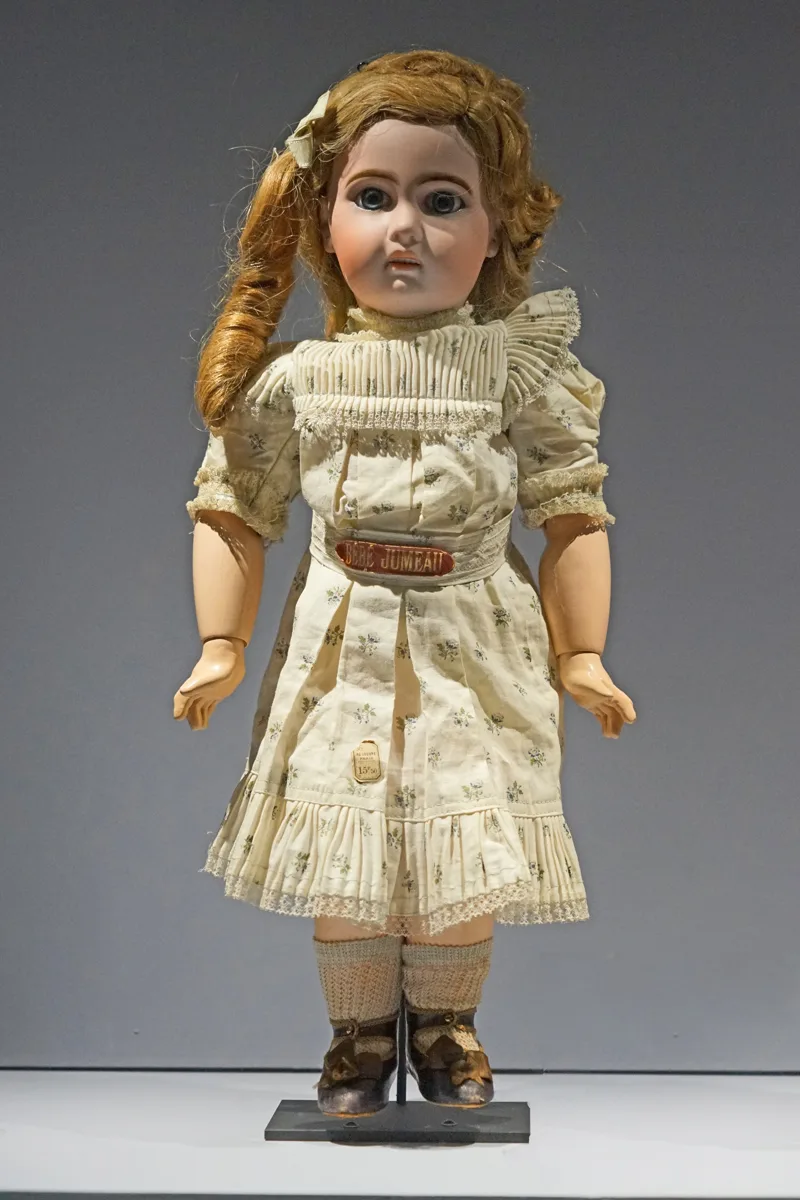
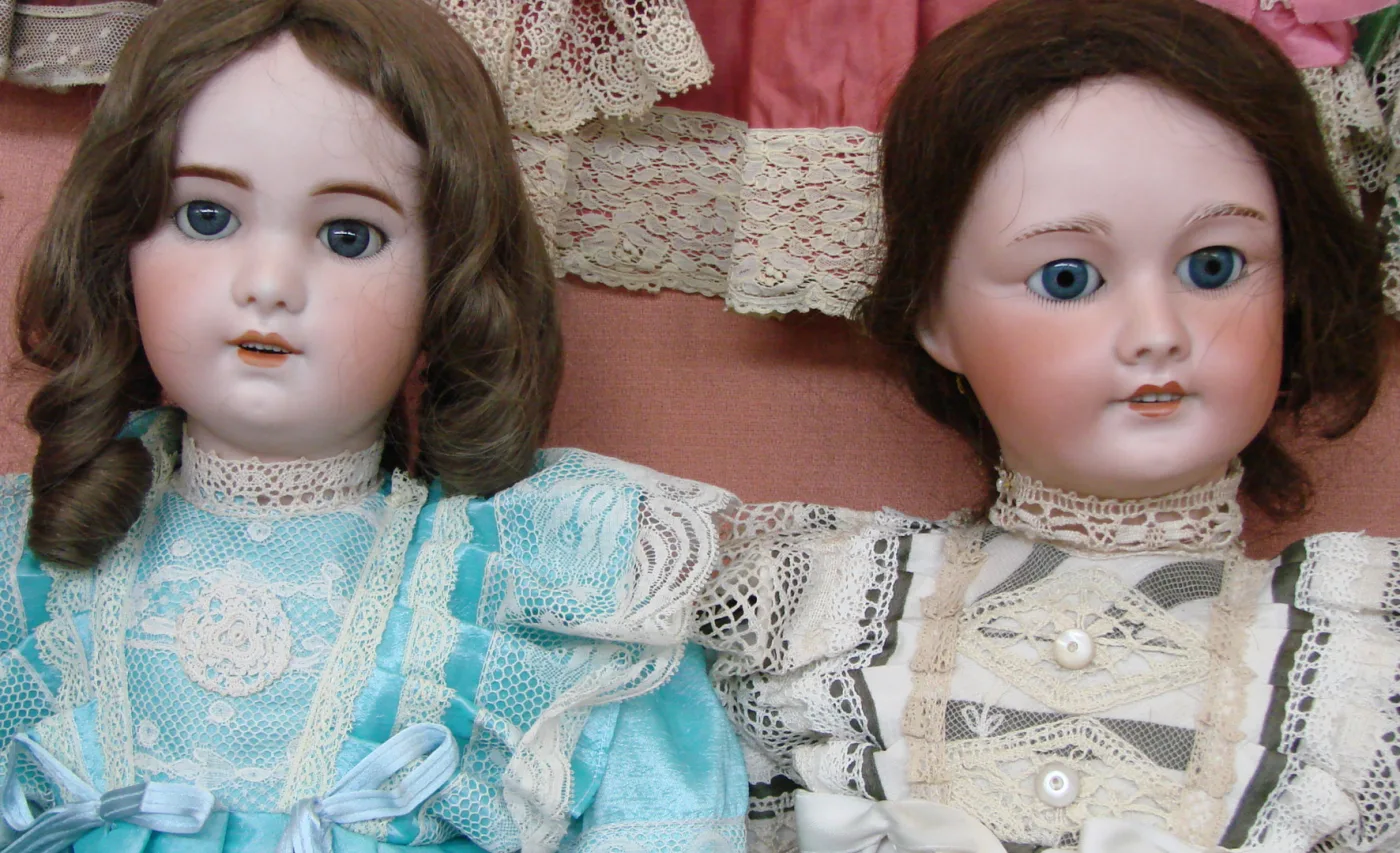
Bisque Dolls (1850-1930)
Bisque dolls are among the most collectible antique dolls, featuring unglazed porcelain heads:
- French Bisque: High-quality, detailed features, often marked
- German Bisque: Mass-produced, various quality levels
- Characteristics: Matte finish, realistic features, hand-painted details
- Makers: Jumeau, Bru, Steiner, Kestner, Armand Marseille
- Dating: 1850s-1930s, peak production 1880-1910
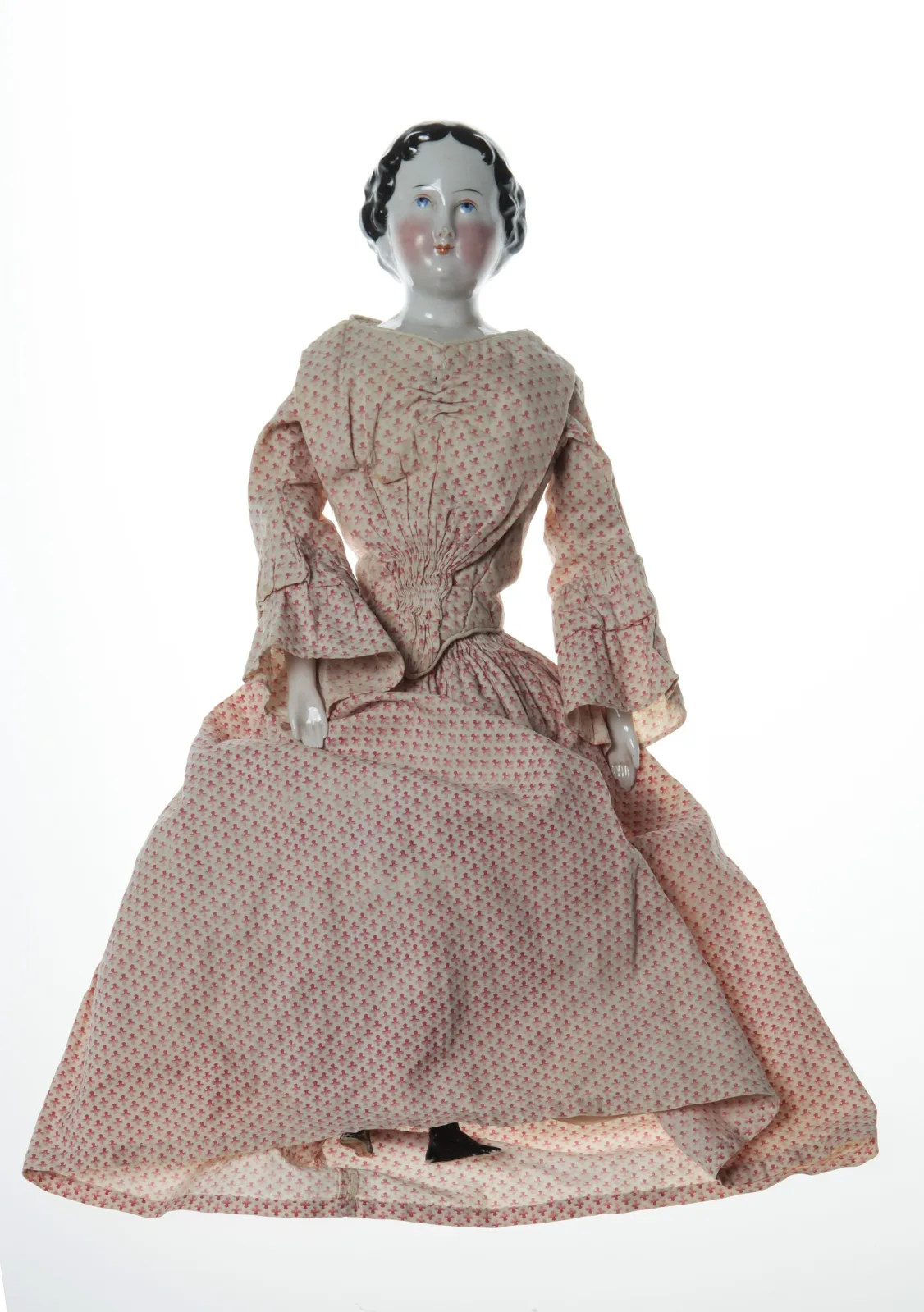
China and Porcelain Dolls (1840-1920)
Glazed porcelain dolls with shiny, smooth surfaces:
- China Heads: Glazed porcelain heads on cloth bodies
- Parian Dolls: Unglazed white porcelain, marble-like appearance
- Characteristics: Glossy finish, often simple features
- Makers: Various German and French manufacturers
- Dating: 1840s-1920s, most common 1850-1890
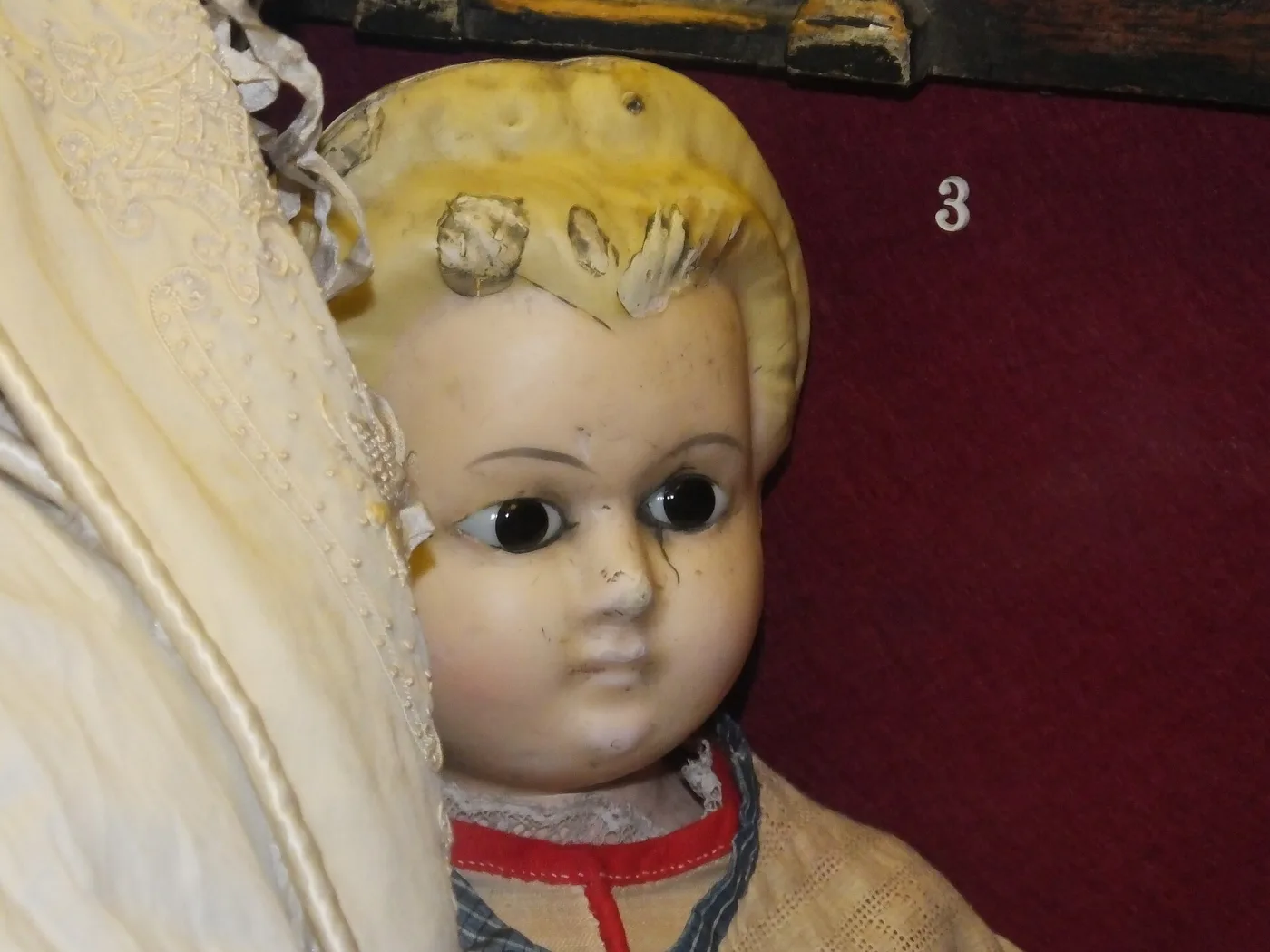
Wax Dolls (1800-1900)
Dolls with wax heads, often with realistic features:
- Solid Wax: Entire head made of wax
- Poured Wax: Wax poured over composition base
- Characteristics: Delicate, realistic skin tone, often damaged
- Makers: Montanari, Pierotti, various English makers
- Dating: 1800-1900, peak 1850-1880
Wooden Dolls (1700-1900)
Early dolls made from wood, often hand-carved:
- Peg Wooden: Simple jointed wooden dolls
- Carved Wooden: Hand-carved features and details
- Characteristics: Primitive appearance, simple features
- Makers: Various folk artists, German toymakers
- Dating: 1700s-1900s, most common 1800-1850
Composition Dolls (1900-1950)
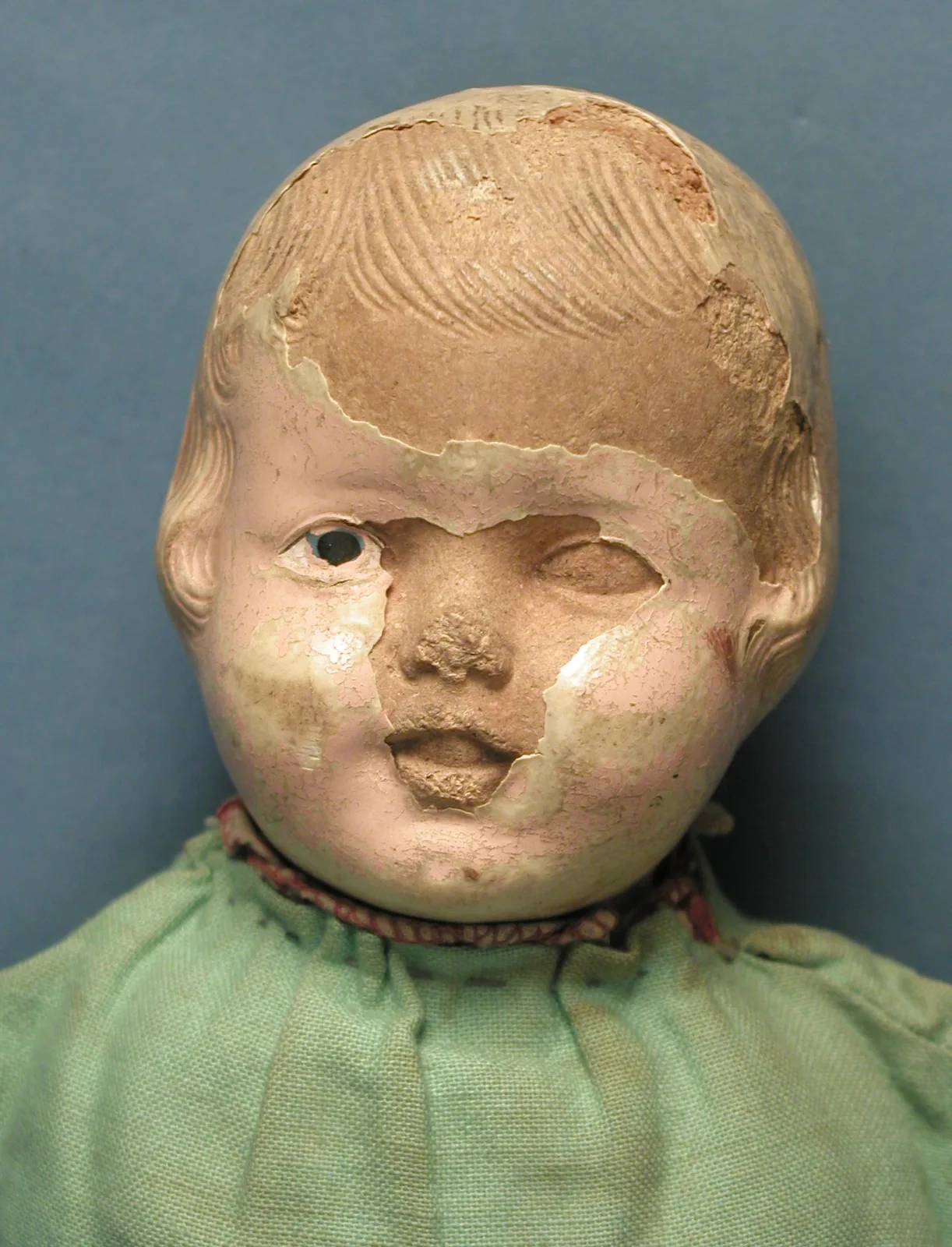
Dolls made from composition material (sawdust and glue):
- Characteristics: Durable, painted features, often cracked
- Makers: Madame Alexander, Effanbee, various American makers
- Dating: 1900-1950, peak 1920-1940
Celluloid Dolls (1890-1950)
Early plastic dolls made from celluloid:
- Characteristics: Lightweight, flammable, often discolored
- Makers: Various German and American manufacturers
- Dating: 1890-1950, peak 1920-1940
Paper Mâché Dolls (1800-1900)
Dolls with heads made from paper mâché:
- Characteristics: Lightweight, often painted, fragile
- Makers: Various European makers
- Dating: 1800-1900, most common 1850-1880
Materials and Composition Identification
Understanding the materials used in doll construction provides crucial dating clues and authenticity indicators.
Porcelain and Bisque
Porcelain materials are key to identifying many antique dolls:
- Bisque: Unglazed porcelain, matte finish, feels slightly rough
- China: Glazed porcelain, shiny finish, smooth to touch
- Parian: Unglazed white porcelain, marble-like appearance (the same body family used in Belleek Irish parian china)
- Testing: Tap test (porcelain rings), visual inspection, texture feel
Wax Identification
Wax dolls require careful handling and identification:
- Visual: Realistic skin tone, translucent quality
- Texture: Smooth but slightly soft, can dent
- Condition: Often cracked, discolored, or damaged
- Types: Solid wax, poured wax over composition
Wood Identification
Wooden dolls show characteristics of their material:
- Types: Hardwood (oak, maple), softwood (pine)
- Construction: Hand-carved vs. machine-turned
- Finish: Painted, varnished, or natural
- Joints: Peg joints, string joints, or solid construction
Composition Material
Composition dolls have distinctive characteristics:
- Material: Sawdust, glue, and other binders
- Appearance: Painted surface, often shows cracks
- Weight: Heavier than celluloid, lighter than porcelain
- Deterioration: Cracks, flaking paint, warping
Celluloid Identification
Early plastic dolls made from celluloid:
- Characteristics: Lightweight, flammable, often discolored
- Smell: Distinctive camphor-like odor
- Condition: Often cracked, warped, or discolored
- Safety: Highly flammable, requires careful storage
Maker Identification and Marks
Identifying the maker can significantly increase doll value and historical interest. Many antique dolls bear marks that help with identification.
French Doll Makers
French doll makers produced some of the finest antique dolls:
- Jumeau: Marked with "Jumeau" or "E.J." or "Bébé Jumeau", 1850-1899
- Bru: Marked with "Bru Jne" or "Bru", 1866-1899
- Steiner: Marked with "Steiner" or "S", 1855-1908
- Gaultier: Marked with "Gaultier" or "G", 1880-1920
- Huret: Marked with "Huret" or "H", 1860-1890
German Doll Makers
German manufacturers produced vast quantities of dolls:
- Kestner: Marked with "Kestner" or "JDK", 1805-1938
- Armand Marseille: Marked with "A.M." or "Armand Marseille", 1885-1930
- Simon & Halbig: Marked with "S&H" or "Simon & Halbig", 1869-1932
- Kämmer & Reinhardt: Marked with "K&R" or numbers, 1886-1952
- Heubach: Marked with "Heubach" or "Gebrüder Heubach", 1840-1920
American Doll Makers
American manufacturers produced distinctive dolls:
- Madame Alexander: Marked with "Madame Alexander" or "A", 1923-present
- Effanbee: Marked with "Effanbee" or "EFFANBEE", 1910-1970s
- Ideal: Marked with "Ideal" or "IDEAL", 1907-1980s
- Vogue: Marked with "Vogue" or "VG", 1922-1980s
Mark Locations
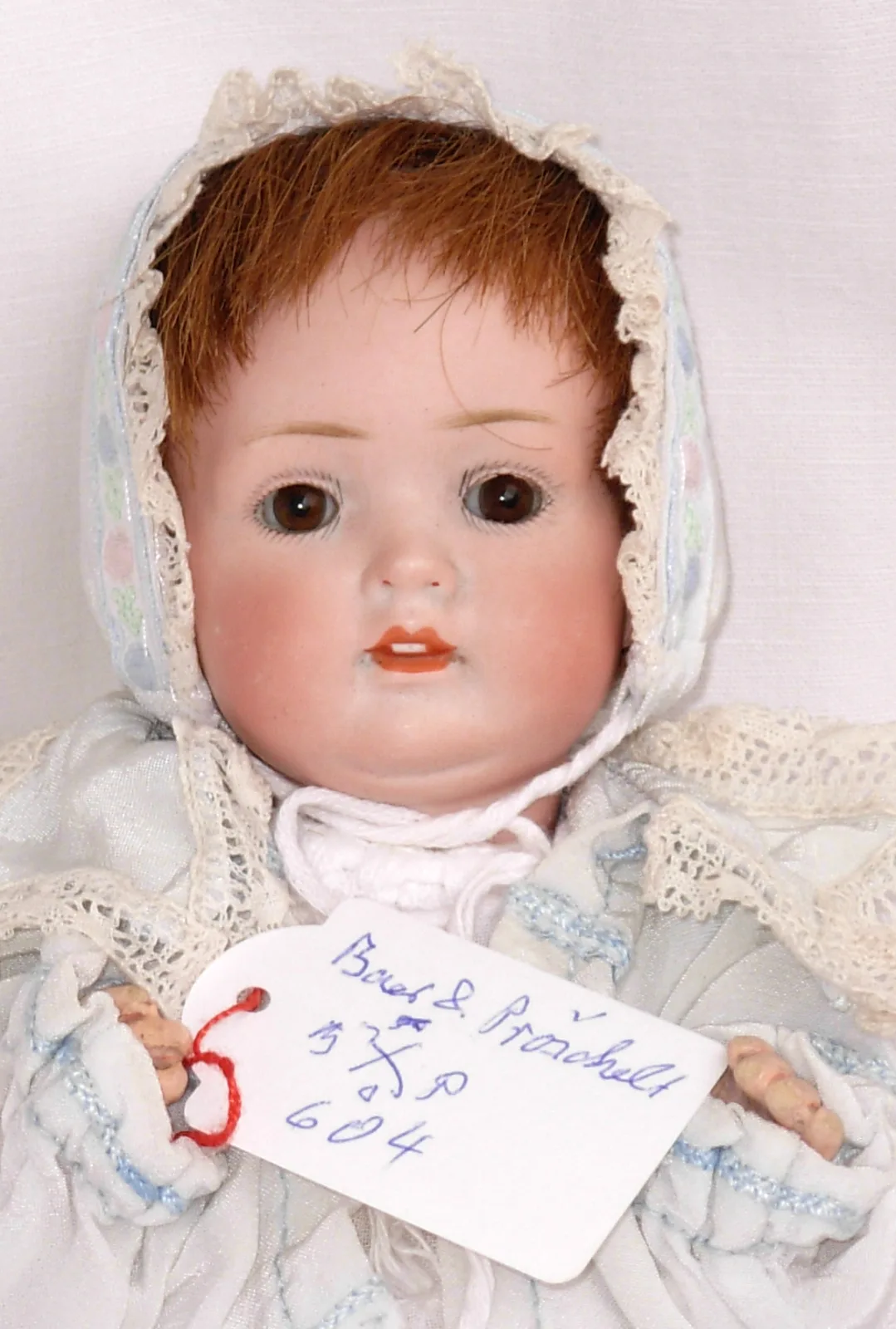
Marks can be found in various locations on dolls:
- Back of Head: Most common location for maker marks
- Back of Neck: Often found on shoulder plate
- Back of Body: Sometimes on torso or back
- Inside Head: Occasionally marked inside head cavity
- Clothing Tags: Sometimes on original clothing
Reading and Researching Marks
Understanding doll marks requires research:
- Reference Books: Doll identification guides and mark dictionaries
- Online Databases: Doll mark identification websites
- Museum Collections: Compare with documented examples
- Expert Consultation: Professional doll appraisers

Facial Features and Characteristics
Facial features provide important clues for dating and identifying antique dolls.
Eye Types
Eyes evolved significantly over time:
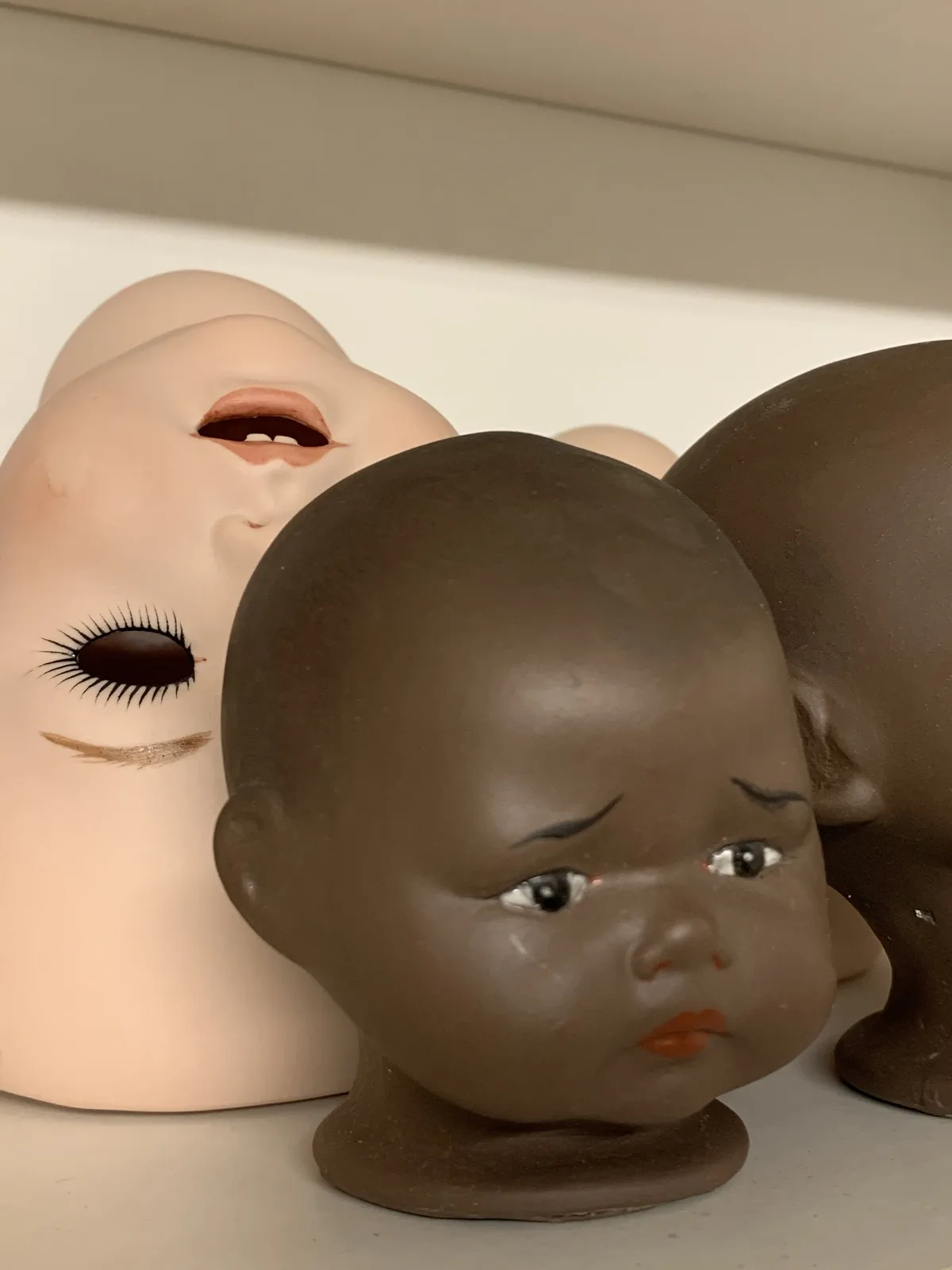
- Painted Eyes: Simple painted eyes, earliest type
- Glass Eyes: Blown glass or molded glass eyes
- Sleep Eyes: Eyes that close when doll is laid down
- Stationary Eyes: Fixed glass eyes, don't move
- Paperweight Eyes: High-quality glass eyes with depth
Hair and Wigs
Hair styles and materials changed over time:
- Painted Hair: Hair painted directly on head
- Molded Hair: Hair sculpted as part of head
- Human Hair Wigs: Real human hair wigs
- Mohair Wigs: Goat hair wigs, common on bisque dolls
- Synthetic Wigs: Modern synthetic materials
Mouth and Expression
Mouth styles help identify periods and makers:
- Closed Mouth: Lips together, earlier style
- Open Mouth: Mouth slightly open, shows teeth
- Teeth: Painted or molded teeth
- Expression: Serious, smiling, or character expressions
Complexion and Painting
Skin tone and painting techniques vary:
- Bisque Complexion: Matte finish, hand-painted details
- China Complexion: Glazed, smooth finish
- Blushing: Cheek and lip coloring
- Eyebrows: Painted or molded eyebrows
- Eyelashes: Painted or applied lashes
Body Types and Construction
Body construction provides important dating and identification clues.
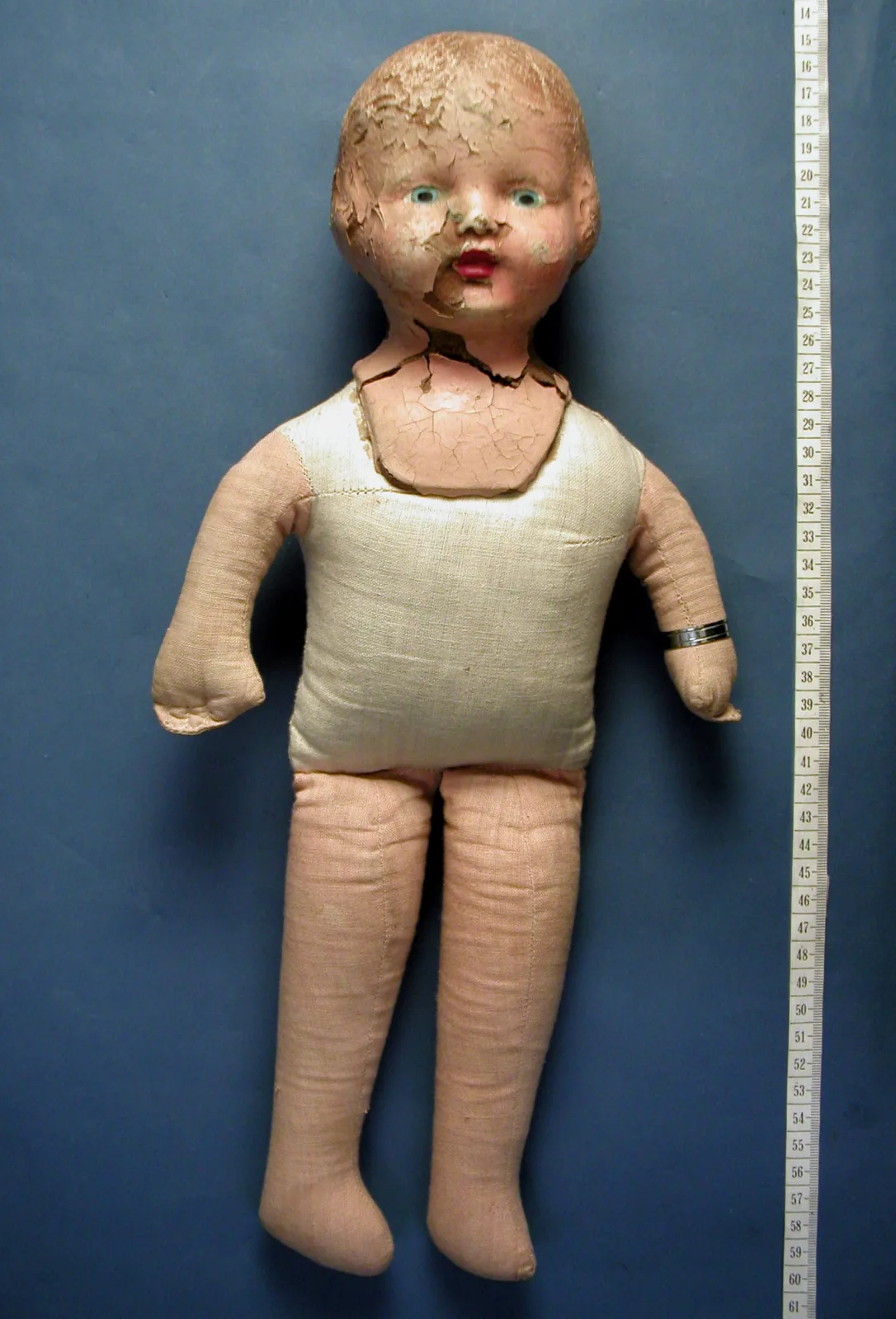
Cloth Bodies
Early dolls often had cloth bodies:
- Simple Cloth: Basic fabric body, stuffed
- Kid Body: Leather body, more durable
- Cloth with Limbs: Separate arms and legs
- Jointing: String joints or simple attachment — a related disc-and-cotter-pin system was used on jointed mohair teddy bears from the same German workshops.
Composition Bodies
Composition bodies became common in the 20th century:
- Full Composition: Entire body from composition
- Jointing: Ball joints, socket joints, or elastic
- Painted Details: Shoes, stockings, undergarments
- Condition: Often cracked or damaged
Wooden Bodies
Wooden bodies were used on various doll types:
- Peg Wooden: Simple peg joints
- Turned Wood: Machine-turned bodies
- Carved Wood: Hand-carved details
- Finish: Painted or natural wood
Bisque and Porcelain Bodies
Some dolls had porcelain or bisque bodies:
- Full Bisque: Entire doll from bisque
- Bisque Limbs: Porcelain arms and legs
- Jointing: Ball joints or elastic stringing
- Quality: Varies from simple to highly detailed
Joint Types
Understanding joint construction helps with dating:
- String Joints: Elastic or cord stringing
- Ball Joints: Socket and ball construction
- Peg Joints: Simple wooden pegs
- Hinge Joints: Metal or composition hinges
Clothing and Accessories Analysis
Original clothing and accessories can provide important dating and value clues.
Period Clothing Styles
Clothing styles reflect the era of the doll:
- Victorian: Elaborate dresses, petticoats, bonnets
- Edwardian: Lighter fabrics, simpler styles
- 1920s: Flapper styles, shorter hemlines
- 1930s-1940s: Practical clothing, simpler designs
Fabric Identification
Fabric types help date clothing:
- Silk: Fine, luxurious fabric
- Cotton: Common, various qualities
- Wool: Warm, durable fabric
- Linen: Natural, often used for undergarments
- Synthetic: Modern synthetic materials
Accessories
Accessories can add significant value:
- Shoes: Leather, composition, or fabric
- Hats: Bonnets, caps, or elaborate headwear
- Jewelry: Necklaces, bracelets, earrings
- Handbags: Small purses or bags
- Other Items: Gloves, parasols, fans
Original vs. Replacement
Determining if clothing is original:
- Condition: Age-appropriate wear and fading
- Style Match: Period-appropriate design
- Fit: Proper fit for doll size
- Materials: Period-appropriate fabrics
- Documentation: Provenance and history
Dating Techniques and Methods
Accurate dating requires multiple approaches and evidence.
Style Analysis
Design elements help date dolls:
- Facial Features: Expression, eye type, mouth style
- Hair Style: Period-appropriate hairstyles
- Body Proportions: Changes in body shape over time
- Overall Design: Period-appropriate aesthetics
Technical Dating
Construction methods provide dating clues:
- Materials: When materials were commonly used
- Construction: Manufacturing techniques
- Joint Types: Evolution of jointing methods
- Mark Styles: Changes in marking systems
Maker Research
Researching makers helps with dating:
- Company History: When makers were in business
- Mark Evolution: Changes in marks over time
- Model Numbers: Dating by model or mold numbers
- Historical Records: Company catalogs and records
Provenance Research
Documented history helps with dating:
- Family History: Ownership documentation
- Photographs: Historical images showing dolls
- Sales Records: Purchase documentation
- Insurance Records: Appraisal documentation
Value Assessment and Market Factors
Understanding what makes dolls valuable helps with identification and appraisal.
Value Factors
Multiple factors influence doll value:
- Rarity: Limited production, unique features
- Condition: Original finish, minimal damage, proper restoration
- Maker: Famous or important doll maker
- Provenance: Famous ownership, documented history
- Originality: Original clothing, accessories, and features
- Size: Larger dolls often more valuable
- Quality: Craftsmanship, materials, design excellence
Condition Considerations
Condition significantly affects value:
- Mint Condition: Perfect, as new condition
- Excellent: Minor wear, very good condition
- Good: Some wear, minor damage
- Fair: Noticeable wear, some damage
- Poor: Significant damage, restoration needed
Market Considerations
Understanding current market conditions:
- Current Trends: Popular makers and types
- Economic Factors: Market conditions, collector interest
- Geographic Demand: Regional preferences and markets
- Collector Interest: Specialized collector groups
Appraisal Methods
Professional appraisers use several approaches:
- Comparable Sales: Recent auction results, dealer prices
- Replacement Cost: Cost to recreate or replace
- Investment Potential: Future value appreciation
- Expert Opinion: Professional appraiser assessment
Common Value Ranges
Understanding typical value ranges (varies greatly by specific doll):
- Common Bisque: $100-$1,000 depending on condition
- French Bisque: $500-$10,000+ for quality examples
- Character Dolls: $200-$5,000+ depending on maker
- Rare Makers: $1,000-$50,000+ for exceptional examples
- Note: Values vary greatly based on specific doll, condition, and market
Conclusion
Antique doll identification is a fascinating field that combines historical knowledge, technical understanding, and aesthetic appreciation. By learning to recognize doll types, materials, maker marks, and construction techniques, you can develop the expertise needed to identify and authenticate antique dolls.
Remember that doll identification often requires multiple pieces of evidence working together. A single characteristic is rarely definitive, but when combined with other indicators—such as maker marks, materials, construction methods, and style analysis—it can provide a clear picture of a doll's age, origin, and authenticity.
Whether you're examining a delicate French bisque doll, a charming German character doll, or a simple wooden plaything, each antique doll has a story to tell. The more you learn about identification techniques, the better you'll become at uncovering those stories and understanding the historical and cultural significance of these cherished collectibles.
As you continue your journey into antique doll collecting, remember to handle these delicate items with care, preserve original clothing and accessories when possible, and document the provenance of your pieces. With patience, research, and experience, you'll develop the skills needed to confidently identify and appreciate antique dolls of all types and periods.