Antique Maps & Globes Identification Guide: Printing Methods, Cartographers & Value Assessment
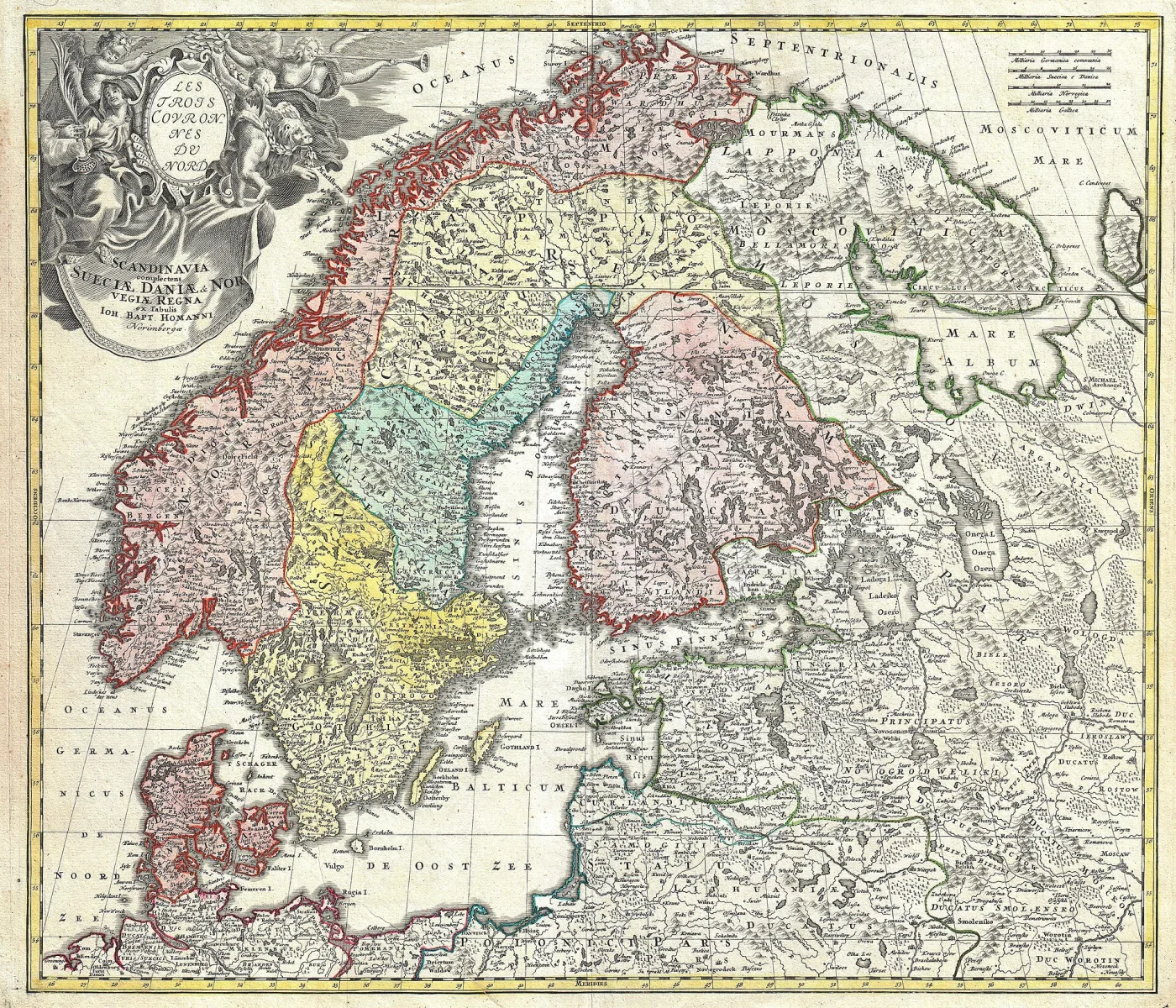
Antique maps and globes rank among the most fascinating and visually striking collectibles in the antiques world. From hand-colored copper engravings of the sixteenth century to elaborate terrestrial globes crafted by master instrument makers, these objects combine art, science, and history in ways few other antiques can match. Whether framed on a wall or displayed on a library shelf, they connect us to centuries of exploration, discovery, and evolving understanding of our planet.
Collecting antique cartographic materials requires specialized knowledge. The printing technique, paper type, coloring method, and cartographer all influence a map's age, rarity, and value. Globes add further complexity with their construction methods, gore alignment, and stand craftsmanship. A seemingly modest map from a sixteenth-century atlas can be worth thousands of dollars, while a beautifully framed reproduction might be worth almost nothing.
This guide walks you through the essential skills needed to identify, authenticate, date, and value antique maps and globes. You will learn to recognize printing techniques from woodcut to lithography, identify the work of major cartographers, assess condition accurately, and understand the factors that drive market prices. Whether you are a seasoned collector or a newcomer who has just discovered a curious old map in an attic, this guide provides the knowledge you need to evaluate what you have found.
Table of Contents
- A Brief History of Printed Maps
- Printing Techniques and How to Identify Them
- Paper and Materials Analysis
- Major Cartographers and Their Work
- Types of Antique Maps
- Original vs. Later Coloring
- Identifying Antique Globes
- Notable Globe Makers
- Dating Techniques for Maps and Globes
- Authentication and Detecting Forgeries
- Condition Assessment and Grading
- Preservation and Care
- Valuation Factors and Market Trends
- Building a Map and Globe Collection
A Brief History of Printed Maps
The history of printed maps begins with the advent of the printing press in fifteenth-century Europe. Before Gutenberg, maps existed only as hand-drawn manuscripts, painstakingly copied by monks and scholars. The printing press transformed cartography from an elite pursuit into a commercial enterprise, enabling the mass production and distribution of geographic knowledge.
The Incunabula Period (1472-1500)
The earliest printed maps appeared in the 1470s, produced using woodcut blocks. The first printed map in a book is generally considered to be the T-O map in Isidore of Seville's "Etymologiae," printed in Augsburg in 1472. These primitive representations gave way quickly to more sophisticated works. The 1477 Bologna edition of Ptolemy's "Geographia" contained the first printed maps based on classical geographic knowledge, using copper engraving to achieve finer detail than woodcuts allowed.
The Age of Exploration (1500-1700)
The sixteenth and seventeenth centuries represent the golden age of cartography. As European explorers charted new territories, mapmakers raced to incorporate discoveries into their work. The great cartographic centers of Antwerp, Amsterdam, Venice, and Nuremberg produced maps of extraordinary beauty and ambition. Abraham Ortelius published the first modern atlas, the "Theatrum Orbis Terrarum," in 1570, while Gerard Mercator developed his famous projection in 1569. Dutch publishers dominated the trade through the seventeenth century, producing lavishly decorated atlases that remain among the most sought-after cartographic works.
The Enlightenment and Scientific Cartography (1700-1850)
The eighteenth century brought increased scientific rigor to mapmaking. The French Cassini family undertook the first systematic national survey, producing detailed topographic maps based on triangulation. British Ordnance Survey maps followed a similar scientific approach. Commercial map publishers like John Cary, Aaron Arrowsmith, and the Colton family produced increasingly accurate and detailed maps for a growing middle-class market. The development of lithography in the early nineteenth century eventually replaced copper engraving as the dominant printing method.
The Modern Commercial Era (1850-1920)
Lithographic and later chromolithographic printing enabled mass production of colorful, affordable maps. Publishers like Rand McNally, George Philip, and Justus Perthes served expanding markets. Railroad maps, county atlases, and wall maps became commonplace. While less artistically distinctive than earlier works, these maps document a period of rapid geographic and political change and are widely collected today.
Printing Techniques and How to Identify Them
The printing technique used to produce a map is one of the most important clues to its age and origin. Each method leaves distinctive physical characteristics that can be identified with careful examination, often without specialized equipment.
Woodcut (1472-1600s)
Woodcut maps were produced by carving the design into a block of wood, inking the raised surface, and pressing it onto paper. This relief printing method produces characteristic features. Lines tend to be relatively thick and slightly uneven. Look for small irregularities where the wood grain affected the carving. The ink impression is usually quite dark and even, and you may notice slight indentation on the back of the paper where pressure was applied. Woodcut maps often have a bold, graphic quality with less fine detail than engraved maps. Major woodcut cartographers include Sebastian Munster, whose "Cosmographia" (1544) contained hundreds of woodcut maps.
Copper Engraving (1477-1850s)
Copper engraving became the dominant technique for map production from the late fifteenth century through the mid-nineteenth century. The engraver incised lines into a polished copper plate using a burin, then filled the grooves with ink and pressed dampened paper onto the plate under heavy pressure. This intaglio process produces distinctly different characteristics from woodcuts. Lines are finer and more precise, with a slight raised quality you can sometimes feel with your fingertip. The platemark, a rectangular indentation surrounding the printed image where the edge of the copper plate pressed into the paper, is the most reliable indicator of copper engraving. Hold the sheet at an angle to light to see this impression clearly. The ink sits slightly above the paper surface, giving engraved lines a subtle three-dimensional quality visible under magnification.
Steel Engraving (1820s-1880s)
Steel engraving replaced copper for many applications starting in the 1820s because steel plates could produce many more impressions before wearing down. Steel-engraved maps have even finer lines than copper engravings, sometimes achieving remarkable detail. The lines tend to be sharper and more uniform than copper engraving. A platemark is still present. Steel-engraved maps often have a slightly colder, more mechanical appearance compared to the warmth of copper engraving.
Lithography (1800s-present)
Alois Senefelder invented lithography in 1796, and the technique began appearing in map production by the 1820s. Lithographic maps are drawn on a flat stone surface using a greasy crayon or ink, then transferred to paper through a chemical process. Unlike engraving, lithography is a planographic process, meaning the image is neither raised nor incised. Lithographic maps have no platemark. Lines have a slightly softer, more organic quality than engraving. Under magnification, lithographic ink sits flat on the paper surface rather than being raised. Early lithographic maps were often printed in black and hand-colored, but chromolithography, which used multiple stones for different colors, became common after the 1850s. Chromolithographic maps display printed colors with characteristic subtle registration marks where different color layers meet.
Cerography and Wax Engraving (1840s-1920s)
Cerography, or wax engraving, was a specialized technique used primarily for American commercial maps. The mapmaker engraved through a thin layer of wax on a metal plate, then electrotyped the result to create a printing surface. Cerographic maps have very clean, uniform lines and a distinctive machine-made quality. They are common in American county atlases and commercial maps of the late nineteenth century.
Paper and Materials Analysis
Examining the paper itself provides crucial evidence for dating and authenticating antique maps. Paper-making technology changed significantly over the centuries, and these changes are readily observable.
Laid Paper (pre-1800)
Before the invention of the paper-making machine, all European paper was made by hand on wire mesh molds. Holding a sheet of laid paper up to a light source reveals a pattern of closely spaced horizontal lines crossed by wider-spaced vertical lines, called chain lines. This laid pattern is one of the most reliable indicators of hand-made paper. Paper made before roughly 1800 is almost always laid paper. Many sheets also contain watermarks, designs formed by wire shapes attached to the mold. Watermark catalogs can help date and locate paper production. A map printed on hand-made laid paper with a dateable watermark provides strong evidence of age.
Wove Paper (1757-present)
Wove paper, made on a finely woven wire mesh, lacks the laid line pattern and appears smooth and even when held to light. John Baskerville introduced wove paper in England in 1757, but it did not become common for map printing until the early nineteenth century. A map on wove paper is almost certainly from after 1790. Machine-made wove paper, which became dominant after about 1820, can sometimes be identified by its very uniform texture and the direction of the machine grain.
Paper Condition Indicators
Genuine old paper develops certain characteristics over time. Foxing, those brown spots caused by iron impurities reacting with moisture, is common on paper from the eighteenth and nineteenth centuries. Acid-induced browning, called toning, gradually darkens paper from the edges inward. Paper becomes more brittle with age as cellulose fibers break down. Centerfolds from binding in atlases create permanent creases. All of these features help confirm age, though none are definitive on their own. Modern forgers can artificially age paper, so these signs should be considered alongside other evidence.
Major Cartographers and Their Work
Learning to recognize the work of significant cartographers is essential for identifying and valuing antique maps. Each mapmaker had distinctive stylistic traits, and their output varies enormously in rarity and market value.
Claudius Ptolemy (2nd Century AD, Reprinted 1477-1730)
Ptolemy's "Geographia," originally written around 150 AD, was rediscovered in the fifteenth century and became the foundation of Renaissance cartography. Maps from Ptolemy atlases, printed in editions from 1477 through the early eighteenth century, are among the most collected antique maps. Early editions, particularly the 1477 Bologna, 1478 Rome, and 1482 Ulm editions, are extraordinarily valuable. Later editions by Mercator, Ortelius, and others updated Ptolemaic geography with new discoveries.
Sebastian Munster (1488-1552)
Munster's "Cosmographia," first published in 1544, was the most widely read geographical work of the sixteenth century. His woodcut maps are recognizable by their bold, decorative style, often featuring sea monsters, ships, and other embellishments. Munster maps are relatively affordable compared to other sixteenth-century cartography, making them popular with beginning collectors.
Abraham Ortelius (1527-1598)
Ortelius published the "Theatrum Orbis Terrarum" in 1570, considered the first modern atlas. His maps are copper-engraved with elegant cartouches and consistent formatting. Ortelius maps are identified by their characteristic border design and careful lettering. They are moderately expensive but frequently available on the market due to the large number of editions printed.
Gerard Mercator (1512-1594)
Mercator's contributions to cartography are immeasurable. His 1569 world map introduced the projection that bears his name, and his atlas, completed posthumously by his son Rumold, set the standard for atlas production. Mercator maps feature distinctive italic lettering and refined engraving. His atlas maps are highly sought after, with world maps and maps of the Americas commanding the highest prices.
The Blaeu Family (1596-1672)
Willem Janszoon Blaeu and his son Joan produced what many consider the finest atlases ever printed. Their "Atlas Maior" of 1662, containing over 600 maps, represents the pinnacle of Dutch golden age cartography. Blaeu maps are recognizable by their superb engraving quality, elaborate decorative cartouches, and rich hand coloring. Original Blaeu maps command premium prices, particularly those from the Atlas Maior.
Herman Moll (1654-1732)
Moll was one of the most prolific English mapmakers of the early eighteenth century. His large-format maps of the British colonies in America are particularly collectible. Moll maps are identified by their detailed geographic notation and informative text panels. His "Beaver Map" of North America (1715) is one of the most iconic maps of the colonial period.
John Speed (1552-1629)
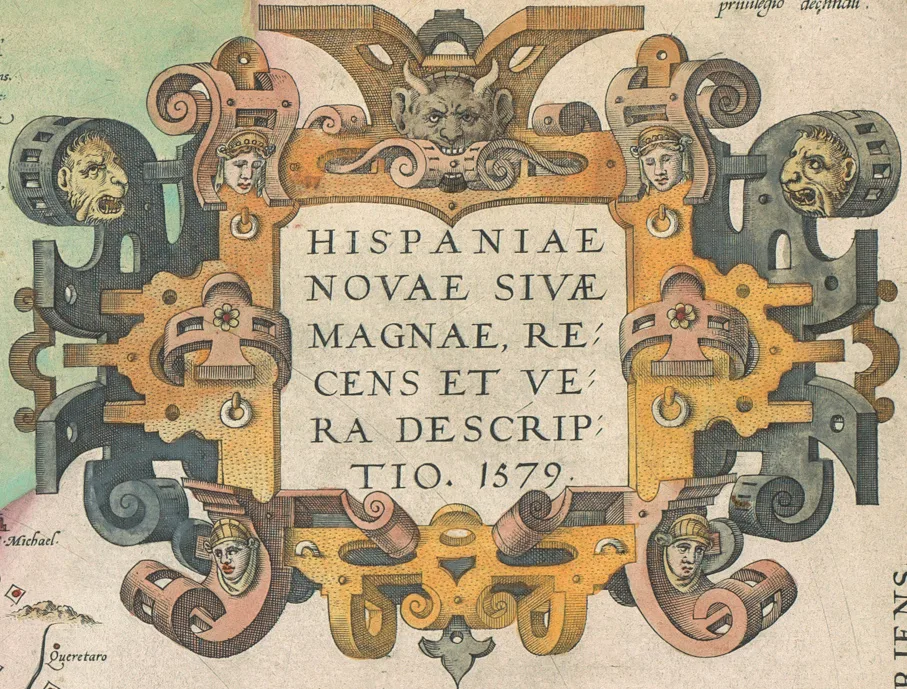
Speed's county maps of England and Wales, published in the "Theatre of the Empire of Great Britaine" (1611), are among the most popular and collected of all antique maps. They feature town plans, coats of arms, and costumed figures as decorative elements. Speed maps are readily identifiable by these distinctive border elements and remain widely available to collectors.

Types of Antique Maps
Antique maps come in many forms, each with its own collecting niche and value characteristics. Understanding these types helps collectors focus their interests and recognize what they encounter.
World Maps
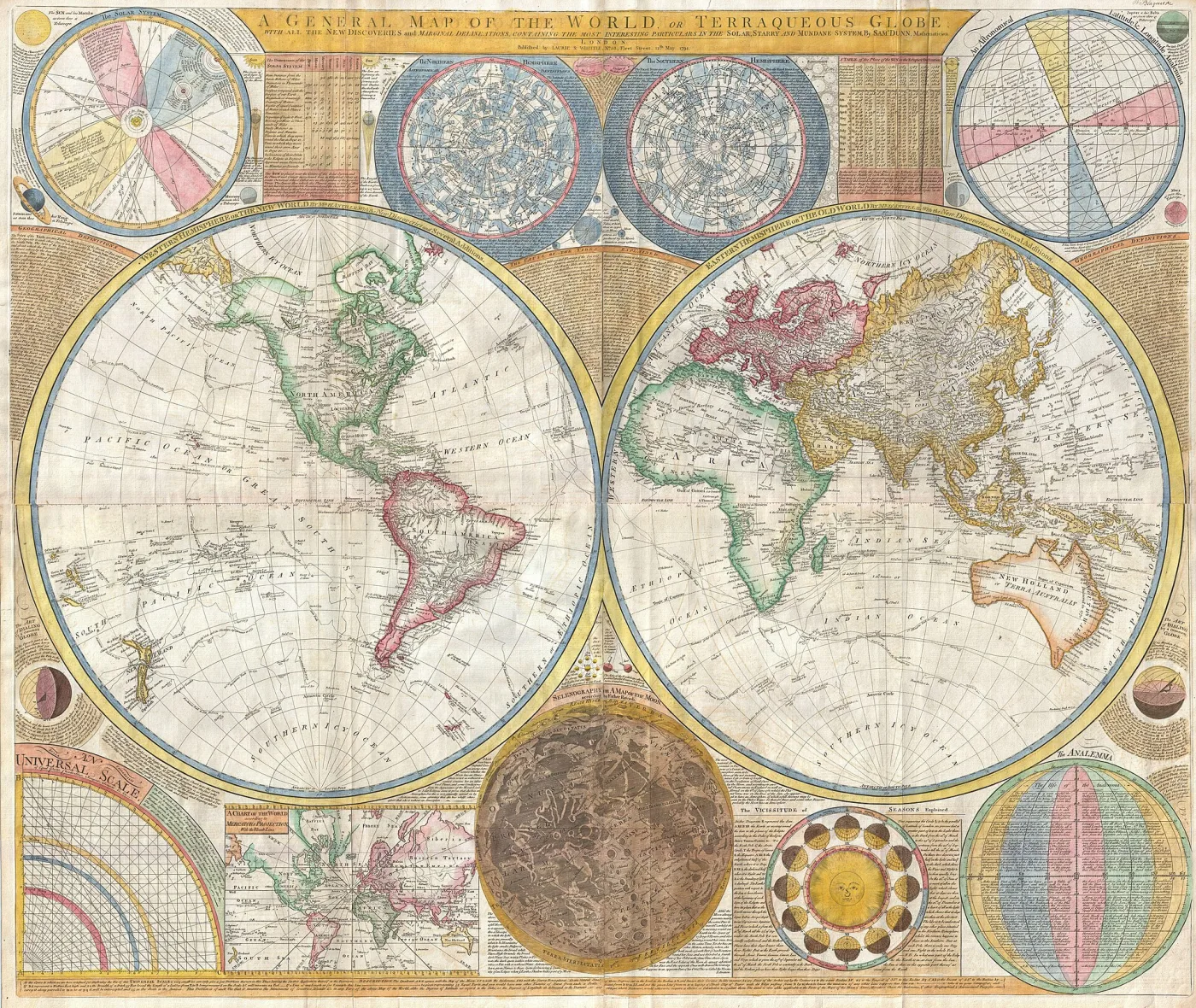
World maps, or mappae mundi, are among the most desirable of all antique maps. Early examples showing incomplete geographic knowledge, such as maps depicting California as an island or a massive southern continent called Terra Australis, are particularly valuable. Ptolemaic world maps, double-hemisphere projections, and Mercator projections each represent different approaches to depicting the entire globe on a flat surface. World maps by major cartographers like Ortelius, Mercator, Blaeu, and Moll consistently achieve strong prices at auction.
Regional and Country Maps
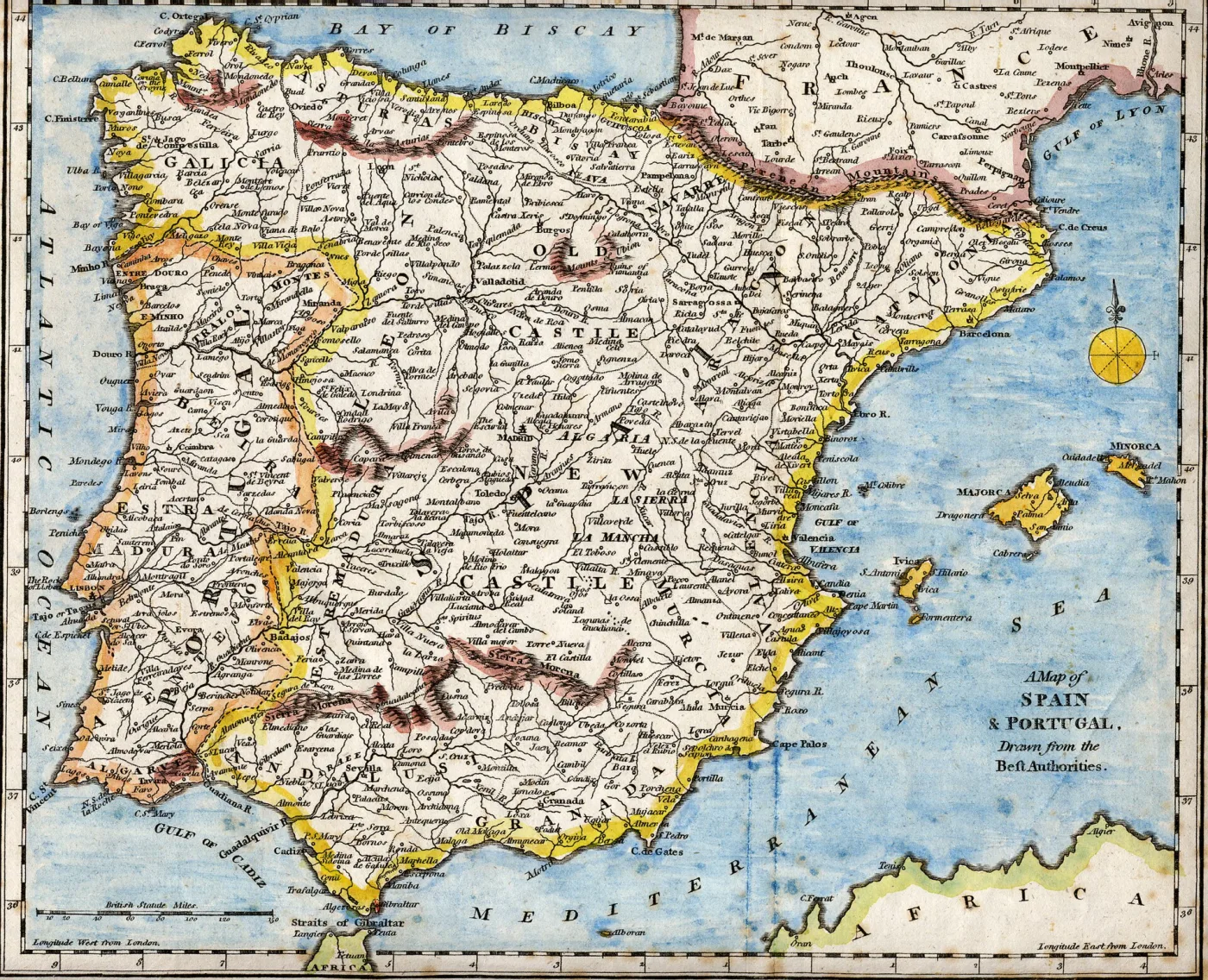
Maps of individual countries, regions, or provinces form the largest category of antique maps. Their value depends heavily on the region depicted, the cartographer, and the decorative quality. Maps of the Americas, particularly early colonial-era maps, tend to command the highest prices in the North American market. European regional maps are widely collected in their countries of origin.
Sea Charts and Nautical Maps
Sea charts, also known as portolan charts in their earliest form, were practical navigation tools. Manuscript portolan charts from the fourteenth and fifteenth centuries are museum-quality rarities. Printed sea charts by the Dutch firm of van Keulen, the English chart-maker John Seller, or the French Depot de la Marine are more accessible to collectors. Sea charts often feature compass roses, rhumb lines, and detailed coastal outlines with less interior detail, making them visually distinctive.
City Plans and Bird's-Eye Views
Detailed plans and panoramic views of cities are a specialized collecting area with strong demand. Georg Braun and Frans Hogenberg's "Civitates Orbis Terrarum" (1572-1617) is the most important early source of city views. Later bird's-eye view maps of American cities by firms like Currier and Ives are popular with collectors of Americana. City plans offer insight into urban development and are often displayed as decorative art.
Celestial Maps and Star Charts
Celestial maps depict constellations, star positions, and astronomical features. Andreas Cellarius's "Harmonia Macrocosmica" (1660) contains some of the most spectacular celestial maps ever printed, featuring elaborate baroque imagery of constellation figures. Celestial maps by Johann Gabriel Doppelmayr, Ignace-Gaston Pardies, and Alexander Jamieson are also collected. These maps appeal to both cartographic and astronomical collecting interests.
Thematic and Statistical Maps
Thematic maps depict specific subjects such as geology, climate, population, or disease distribution. Early examples from the nineteenth century, including John Snow's famous cholera map of London (1854), are historically significant and collected for their scientific importance. Geological maps, railroad maps, and military campaign maps each have dedicated collector followings.
Original vs. Later Coloring
Color is one of the most important factors in map valuation, and distinguishing original period coloring from later additions is a critical skill for collectors.
Original Hand Coloring
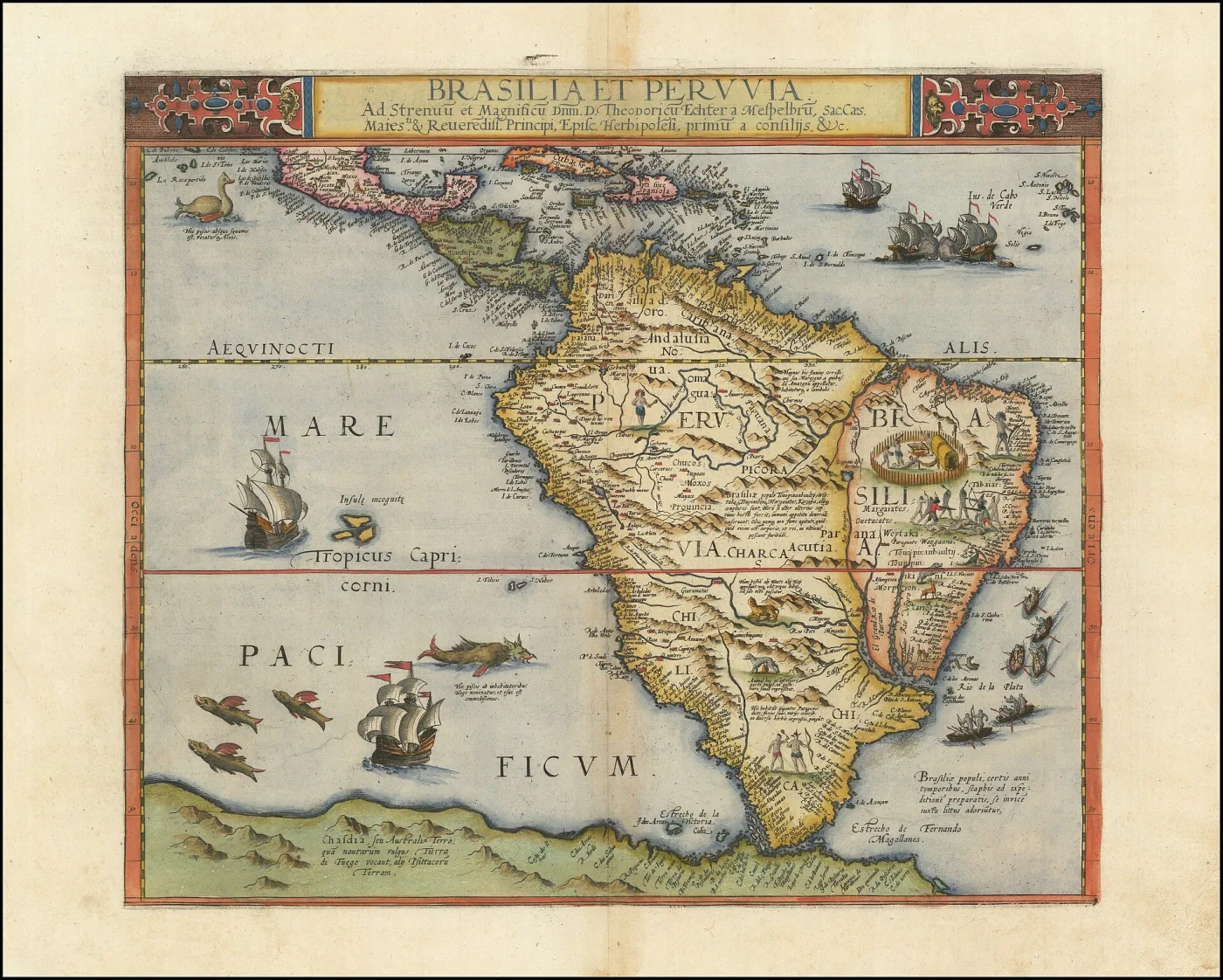
Most maps from the sixteenth through early nineteenth centuries were printed in black ink and then hand-colored by workshop colorists. Original coloring from the period of publication, known as contemporary coloring, significantly enhances a map's value. Period hand coloring typically uses a limited palette of watercolors including green, pink, yellow, and blue. The colors are usually translucent, allowing the underlying printed lines to show through clearly. Look for slight variations in color application, overlap at borders, and the characteristic slightly uneven coverage of hand-applied pigments.
Later Hand Coloring
Many maps that were originally issued uncolored or in outline coloring have been hand-colored at a later date, sometimes recently, to enhance their decorative appeal. Later coloring is often detectable by its brighter, more opaque pigments, overly precise application, or colors that do not match the palette typical of the map's period. Modern synthetic watercolors have a different quality than historical pigments. Under ultraviolet light, modern pigments often fluoresce differently than period colors. A map with later coloring is worth less than one with original coloring, though it may still be more valuable than an uncolored example.
Printed Color
Chromolithographic maps, produced from the 1850s onward, feature printed colors rather than hand-applied ones. Printed colors are perfectly uniform across the entire print run and show characteristic dot patterns under magnification. Registration marks where different color layers align are sometimes visible at sheet edges. Chromolithographic maps include the familiar multicolored commercial maps of the late nineteenth and early twentieth centuries.
Identifying Antique Globes
Antique globes are three-dimensional cartographic objects that present unique identification challenges. Unlike flat maps, globes involve complex construction methods, and their condition is affected by additional factors such as stand integrity, sphere distortion, and gore alignment.
Globe Construction
Traditional globes are constructed by applying printed paper gores, tapered strips shaped like elongated triangles, onto a spherical core. The core is typically made of papier-mache or plaster over a wooden armature. Twelve main gores plus two circular polar calottes cover the sphere. Examining how precisely the gores align at their edges reveals information about the quality of manufacture. High-quality globes by makers like Newton, Cary, or Bardin have minimal visible seams, while cheaper productions may show gaps, overlaps, or misaligned features at gore boundaries.
Types of Globes
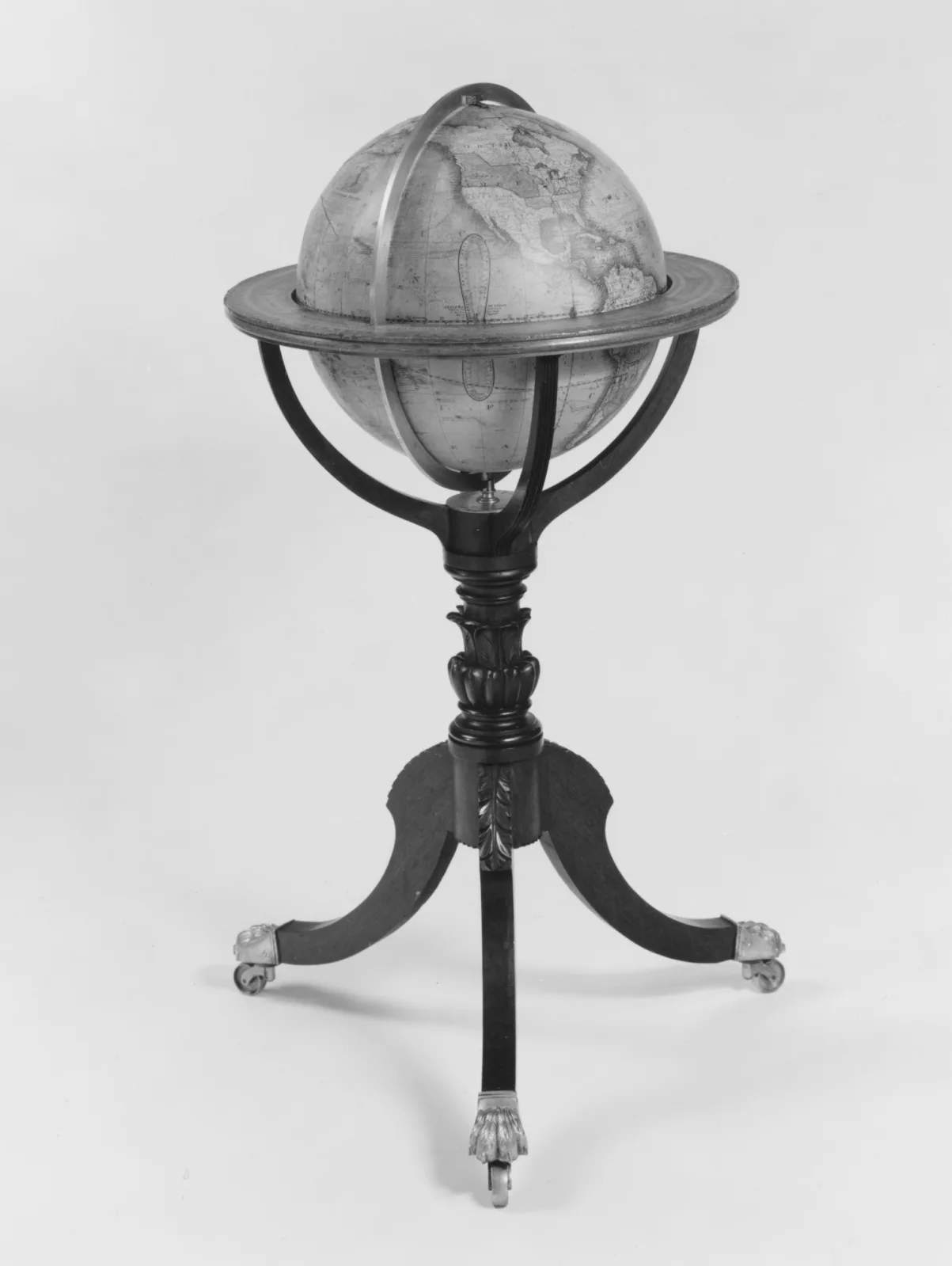
Terrestrial globes depict the Earth's surface with geographic features, political boundaries, and often exploration routes or ocean currents. Celestial globes show star positions and constellation figures as they would appear from outside the celestial sphere, meaning constellations appear reversed compared to how we see them from Earth. Pocket globes are miniature terrestrial globes, typically three inches in diameter, housed in a spherical case whose interior is lined with a celestial map. These charming objects, popular in the eighteenth century, are highly collectible. Table globes, library globes, and floor-standing globes vary primarily in size and the elaborateness of their stands.
Globe Stands and Mounting
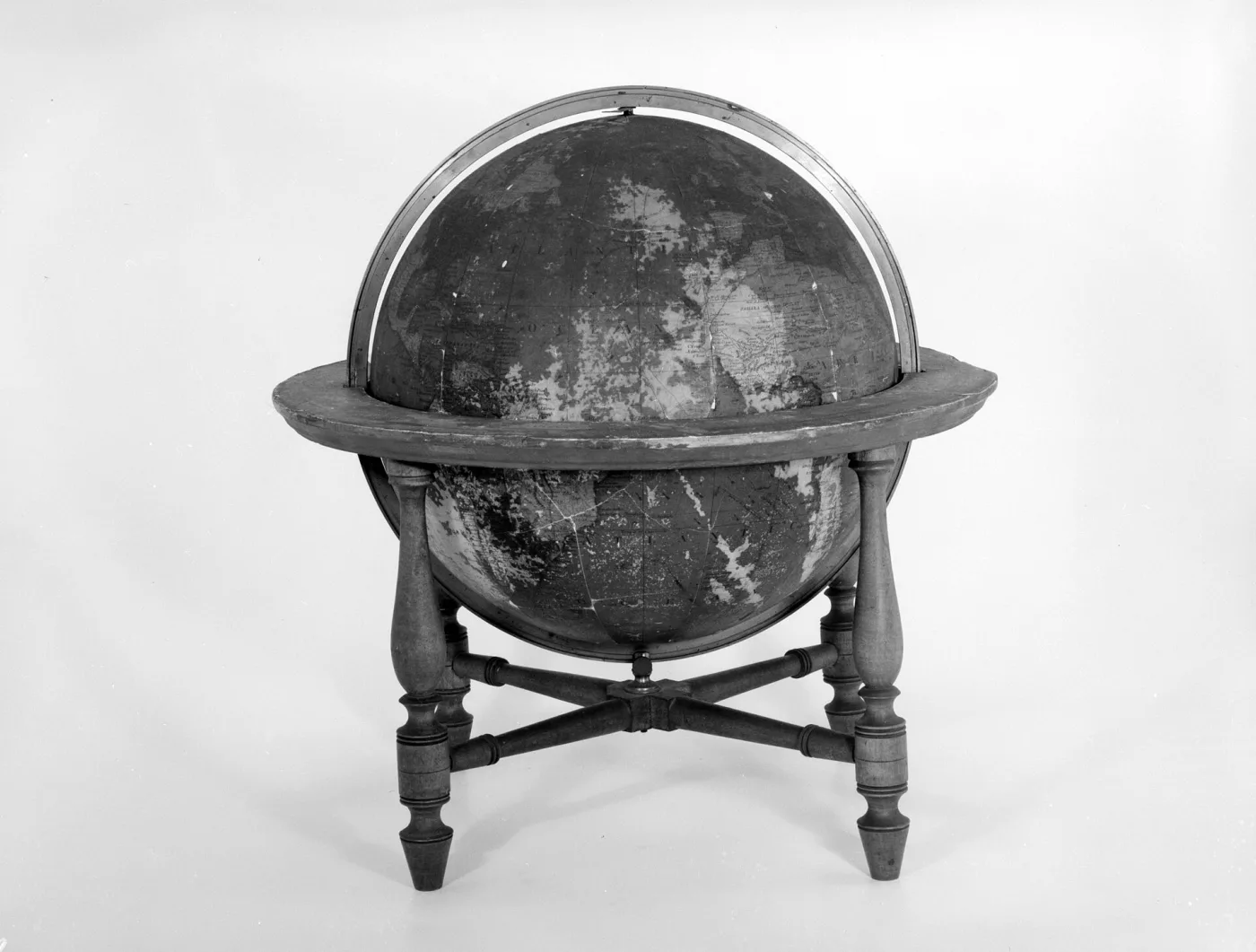
The stand is an integral part of a globe's identity and value. Period stands range from simple turned-wood tripods to elaborate mahogany cabinets with brass fittings. The meridian ring, a brass or paper-covered semicircle in which the sphere rotates, should be original to the globe. Replacement stands or meridian rings significantly reduce value. The horizon ring, a wide flat ring at the equator of the stand, often contains printed calendar, zodiac, and compass information. The style and construction of the stand help date the globe and identify the maker.
Notable Globe Makers
The globe-making trade was dominated by relatively few firms, making maker identification somewhat more straightforward than with flat maps.
Vincenzo Coronelli (1650-1718)
The Italian Franciscan friar Coronelli was perhaps the greatest globe maker in history. He constructed enormous manuscript globes for Louis XIV of France, each nearly five meters in diameter. His printed globes, produced in smaller sizes for commercial sale, are prized for their exquisite engraving and rich geographic detail. Coronelli globes are rare and command exceptional prices.
The Cary Family (1787-1850s)
John and William Cary produced some of the finest English globes of the late Georgian and Regency periods. Cary globes are known for their geographic accuracy and refined engraving. They produced both table and library-sized globes, often sold in matching terrestrial-celestial pairs. The cartouche on a Cary globe typically bears their Fleet Street address, which changed over time and helps with dating.
Newton, Son & Berry (1783-1860s)
The Newton firm was another leading English globe maker. Their globes are identified by the characteristic Newton cartouche and their Chancery Lane address. Newton globes are well-made and relatively available on the market, making them popular with collectors. Like Cary, they produced terrestrial and celestial pairs.
Gilman Joslin and the American Trade (1839-1880s)
Joslin was one of the first significant American globe makers, working in Boston. His globes reflect American geographic interests and political boundaries. Other American makers include Schedler, Andrews, and later the Weber Costello Company. American globes from the mid-nineteenth century are less common than their English counterparts and attract collector interest.
German Globe Makers
German firms including Dietrich Reimer, Ernst Schotte, and Columbus Verlag produced high-quality globes throughout the nineteenth and early twentieth centuries. German globes are often recognizable by their precise engraving, German-language labeling, and distinctive stand designs. The firm of Peter and Philip Bauer in Nuremberg produced notable early globes.
Dating Techniques for Maps and Globes
Determining the date of an antique map or globe requires analyzing multiple lines of evidence. Rarely does a single feature provide a definitive answer, but taken together, several indicators can establish a reliable date range.
Geographic Content
The geographic information depicted on a map provides terminus post quem, the earliest possible date of production. A map showing California as an island cannot predate the early seventeenth century when that misconception arose, and is unlikely to postdate about 1770 when the error was corrected. Political boundaries, newly discovered territories, recently founded cities, and the names used for geographic features all provide dating evidence. For globes, the presence or absence of specific political entities, such as the Republic of Texas (1836-1845) or the Austro-Hungarian Empire (1867-1918), narrows the date range considerably.
Publisher Imprint and Edition
Many maps bear a publisher's imprint stating the maker's name, address, and sometimes the publication date. Cartographic bibliographies and reference works catalog these imprints in detail. Changes in a publisher's address, business partners, or royal privileges help establish dates. For atlas maps, identifying the specific edition of the parent atlas is often key to precise dating.
Printing Technology
As discussed in the printing techniques section, the method of production provides broad date ranges. A woodcut map is almost certainly pre-1700. A copper-engraved map could range from the 1470s to the 1850s. A lithographic map is post-1800. These technological markers combine with other evidence to narrow the dating.
Paper Analysis
The type of paper, laid versus wove, the presence and design of watermarks, and the paper's physical characteristics all contribute to dating. Watermark reference books catalog thousands of designs by date and origin. Chain line spacing and paper thickness also provide clues. For globes, the paper gores and the materials used for the core and finish can indicate approximate age.
Authentication and Detecting Forgeries
As the value of antique maps has increased, so has the incentive for forgery and misrepresentation. Understanding common types of deception helps collectors protect themselves.
Facsimile Reproductions
High-quality facsimile reproductions of famous maps have been produced since the nineteenth century. Some were created for scholarly purposes, others as decorative items. Facsimiles can usually be identified by their paper, which lacks genuine aging characteristics, and by their printing method, which often differs from the original. Modern photographic reproductions may be printed on artificially aged paper but lack the platemark of genuine engravings. Under magnification, photographic reproduction shows a dot screen pattern rather than solid printed lines.
Altered Maps
Some dishonest dealers alter genuine maps to increase their value. Common alterations include adding hand coloring to originally uncolored maps, erasing damage and adding new paper, trimming margins to remove evidence of later publication, and removing text from the verso to disguise a map's origin in a lesser atlas. Careful examination under raking light and ultraviolet illumination can reveal many of these alterations.
Misattribution
Attributing a map to a more prestigious cartographer or an earlier edition than its actual origin is a common form of misrepresentation. Knowledge of the specific characteristics of different editions, including plate states, text on verso, and paper type, is the best defense against misattribution. Consulting standard bibliographic references for the cartographer in question is essential before making significant purchases.
Outright Forgeries
True forgeries, maps created from scratch to deceive, are relatively rare because the skill required to engrave a convincing copper plate is considerable. However, they do exist, particularly for extremely valuable maps. Scientific testing of ink and paper can help detect forgeries, but such testing is expensive and usually reserved for high-value items. Provenance research, tracing the ownership history of a map, provides additional evidence of authenticity.
Condition Assessment and Grading
Condition is a major determinant of value for antique maps and globes. Understanding condition terminology and what constitutes acceptable versus unacceptable flaws helps collectors make informed decisions.
Map Condition Factors
The most common condition issues in antique maps include foxing, toning, staining, tears, losses, creasing, trimming, and worm holes. Foxing and moderate toning are generally considered acceptable for maps of significant age and do not drastically reduce value. Tears and losses that affect the printed image are more serious than damage confined to margins. Centerfold splits from atlas binding are common and expected. Heavy staining, significant losses within the image area, and extensive restoration can reduce value by fifty percent or more.
Globe Condition Factors
Globe condition assessment is more complex because it involves both the printed gores and the three-dimensional object as a whole. Common condition issues include cracking or flaking of the surface varnish, discoloration from smoke or sunlight, abrasion to printed areas from handling, dents or distortion of the sphere, damage to or loss of the stand components, and loss or replacement of the meridian ring, horizon ring, or hour circle. A globe with intact original varnish, complete and legible gores, and its original stand in good condition commands the highest prices.
Grading Terminology
While no universally standardized grading system exists for maps, dealers commonly use terms ranging from "fine" (minimal defects, strong impression, good margins) through "very good" (minor issues that do not detract from overall appearance) and "good" (noticeable condition issues but structurally sound) to "fair" or "poor" (significant damage or restoration). When purchasing, always request a detailed condition report listing all defects, and examine photographs carefully before committing to a purchase.
Preservation and Care
Proper storage and display are essential for preserving the condition and value of antique maps and globes. These objects are made of organic materials that are sensitive to environmental conditions.
Map Storage
Unframed maps should be stored flat in acid-free folders or portfolios. Never fold a map that is currently stored flat, and avoid rolling maps, which causes surface cracking over time. Keep maps in a stable environment with moderate temperature and humidity, away from direct sunlight. If stacking maps in a portfolio, interleave them with acid-free tissue to prevent offsetting.
Framing Maps
When framing maps for display, use only conservation-grade materials. The mat board and backing should be acid-free or buffered rag board. The glass or acrylic glazing should block ultraviolet light to prevent fading and paper degradation. Never mount a valuable map directly onto a backing board with adhesive, as this causes irreversible damage. Hinges made of Japanese tissue and wheat starch paste allow the map to be safely removed from the frame in the future. Avoid displaying maps in direct sunlight or near heat sources.
Globe Care
Globes should be kept in stable environments away from direct sunlight, which causes fading and varnish deterioration. Dust globes gently with a soft, dry cloth. Never use water or cleaning solutions on the surface, as these can dissolve the original varnish and pigments. If a globe's varnish is cracking or flaking, consult a professional conservator rather than attempting repair. Handle globes by their stand or meridian ring rather than gripping the sphere, which can cause abrasion and leave fingerprints on the surface.
Valuation Factors and Market Trends
The antique map and globe market is well-established with active dealer networks, regular auctions, and growing online sales. Understanding the factors that drive value helps collectors make informed purchases and assess the worth of items they already own.
Key Value Drivers for Maps
Age alone does not determine a map's value. A sixteenth-century Ptolemaic map of a familiar European region might sell for a few hundred dollars, while an eighteenth-century map of a specific American city could bring thousands. The most important value factors are rarity, the region depicted, the cartographer's reputation, decorative quality, condition, and coloring. Maps showing the Americas, particularly early maps with geographic misconceptions, tend to command the highest prices in the Western market. Maps of Australia, the Pacific Islands, and Africa are also strongly collected. Decorative maps with elaborate cartouches, sea monsters, ships, and other embellishments typically sell for more than plain geographic maps of similar date and content.
Key Value Drivers for Globes
Globe values are influenced by age, maker, size, condition, and completeness. Pre-1800 globes are significantly rarer and more valuable than nineteenth-century examples. A matched pair of terrestrial and celestial globes is worth considerably more than either globe alone. Large library or floor-standing globes command higher prices than small table models. Original stands in good condition are essential for maximum value. The maker's reputation matters enormously, with Coronelli, Blaeu, and Cary globes at the top of the market.
Market Trends
The antique map market has shown steady appreciation over recent decades, with top-tier items setting record prices at auction. Maps of the Americas, celestial maps, and decorative Dutch golden age maps remain strongest. The market for nineteenth-century commercial maps has grown as earlier material becomes scarcer and more expensive. Online platforms have broadened the collector base but also increased the circulation of misattributed and overpriced material. Globe collecting has seen growing interest, with prices for quality examples rising significantly. Pocket globes, once modestly priced, have become increasingly competitive at auction.
Price Ranges
Entry-level collecting is possible with nineteenth-century lithographic maps, which can be found for under one hundred dollars. Decorative seventeenth and eighteenth-century maps from common atlases typically range from a few hundred to a few thousand dollars. Important maps by major cartographers can sell for tens of thousands, and exceptional rarities have crossed the million-dollar threshold at auction. Globes range from a few hundred dollars for common late nineteenth-century school globes to hundreds of thousands for important early examples by renowned makers.
Building a Map and Globe Collection
Building a meaningful collection of antique maps and globes is an achievable goal for collectors at many budget levels. A focused approach yields the most satisfying results.
Choosing a Focus
The breadth of available material makes specialization essential. Collectors might focus on a specific geographic region, a particular cartographer, a time period, a map type such as sea charts or celestial maps, or a theme such as maps showing California as an island. Having a clear focus helps develop deep expertise and creates a coherent, displayable collection. Some collectors focus on globes exclusively, pursuing either a range of makers and dates or concentrating on a specific type such as pocket globes.
Buying Sources
Reputable map dealers are the safest source for significant purchases. Established dealers provide accurate descriptions, guarantee authenticity, and offer returns if items are not as described. Major auction houses including Christie's, Sotheby's, and specialized houses like Swann Auction Galleries and Forum Auctions regularly sell antique maps and globes. Online platforms offer convenience but require greater caution. Always research the seller, request detailed condition reports and photographs, and insist on a return policy. Map fairs and shows provide opportunities to examine material in person and build relationships with dealers.
Reference Library
Serious collectors should build a reference library covering their area of interest. Essential general references include R.V. Tooley's "Maps and Map-Makers," Rodney Shirley's "The Mapping of the World," and Peter Barber's "The Map Book." For globe collecting, Elly Dekker's "Globes at Greenwich" and Sylvia Sumira's "Globes: 400 Years of Exploration, Navigation, and Power" are valuable resources. Cartographic bibliographies specific to your collecting area help with identification and dating. Many historical map resources are now available digitally through libraries and academic institutions.
Conservation and Display
Plan your storage and display strategy before acquiring significant pieces. Maps displayed on walls in proper conservation framing make striking visual statements. Globes displayed on bookshelves, mantels, or dedicated stands serve as focal points in any room. Rotate displayed items periodically to minimize light exposure. Maintain records of your collection including provenance, purchase details, condition reports, and photographs for insurance and reference purposes.