
Antique Chess Sets Identification Guide: Styles, Dating & Value
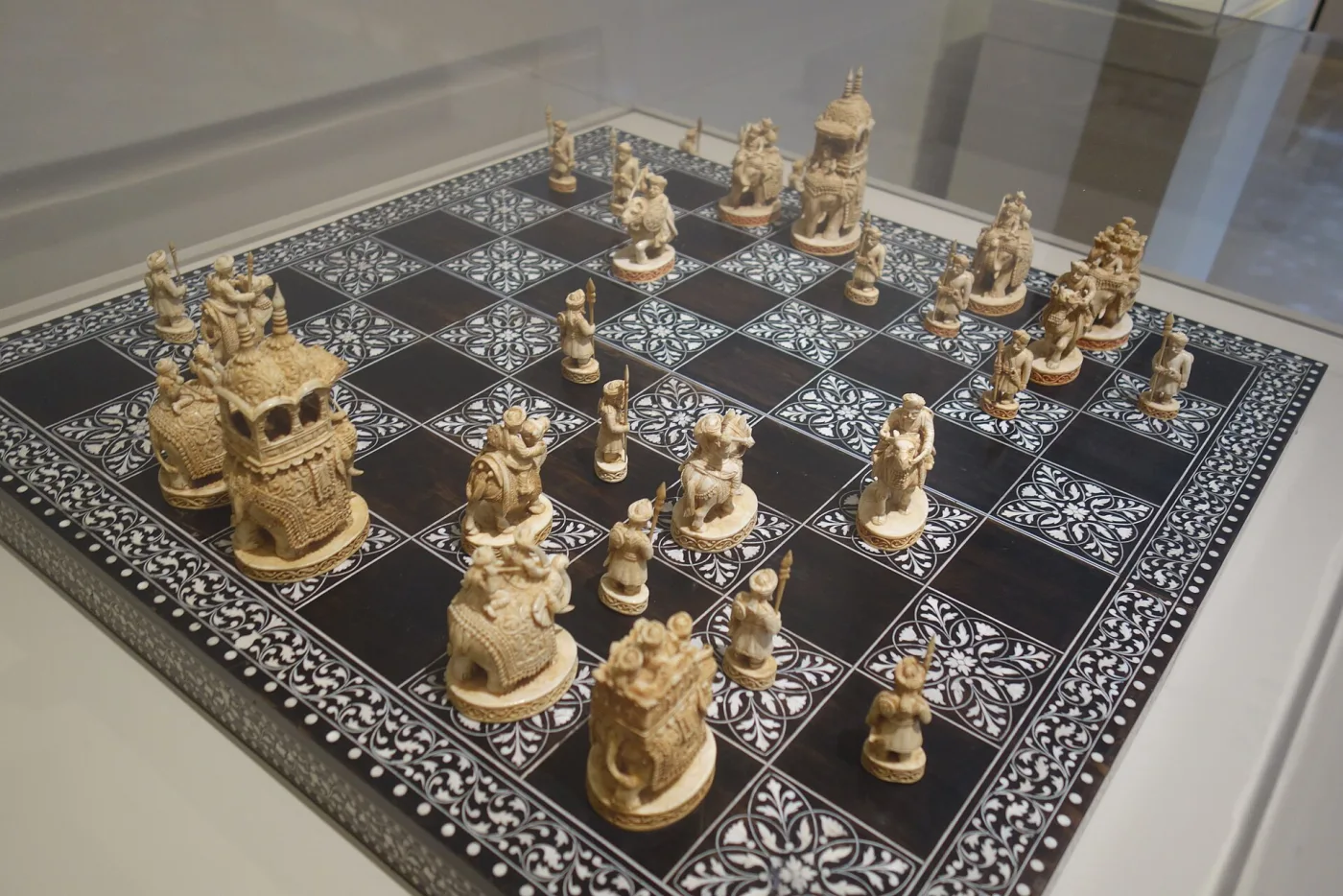
Antique chess sets combine art, craft history, and gameplay in a way few collectibles can match. A single set may reveal clues about colonial trade, woodworking traditions, military fashion, religious symbolism, or the rise of organized tournament chess. That depth is exactly why collectors love them, and why correct identification matters so much when buying, insuring, or selling.
The challenge is that thousands of reproduction sets imitate older styles. Sellers may label any hand-carved set as "Victorian" or "19th century" without evidence. Serious identification requires you to read materials, turning marks, carving style, weighting methods, patina development, and storage-case construction together rather than in isolation.
This guide walks you through practical methods used by appraisers and specialist dealers. You will learn major style families, period construction clues, maker and retailer marks, warning signs of modern distressing, and a repeatable inspection process you can use at flea markets, auctions, and online listings.
Table of Contents
- 1) Why Antique Chess Sets Are Challenging to Date
- 2) Core Style Families Every Collector Should Know
- 3) Materials: Wood, Bone, Ivory, and Early Synthetics
- 4) Construction Clues in Bases, Weights, and Felts
- 5) Maker Marks, Retail Labels, and Paper Trails
- 6) Dating by Knight Carving and Rook Profile
- 7) Regional Types: British, Indian, European, and American
- 8) Spotting Reproductions and Artificial Aging
- 9) Condition Grading and Restoration Impact
- 10) Value Drivers for Collectors and Dealers
- 11) Safe Cleaning, Storage, and Display
- 12) Field Checklist Before You Buy
1) Why Antique Chess Sets Are Challenging to Date
Chess designs are deliberately conservative. The same silhouette can stay in production for decades, especially in the Staunton tradition. A knight shape from 1880 can look similar to one from 1950 if the maker followed legacy tooling. That continuity means visual style alone rarely provides precise dating.
Documentation Is Rare
Most sets were sold without durable paperwork. Retail boxes were discarded, receipts were lost, and family stories became simplified over generations. Without marks or provenance, the best you can usually achieve is a date range based on physical evidence.
Mixed Sets Are Common
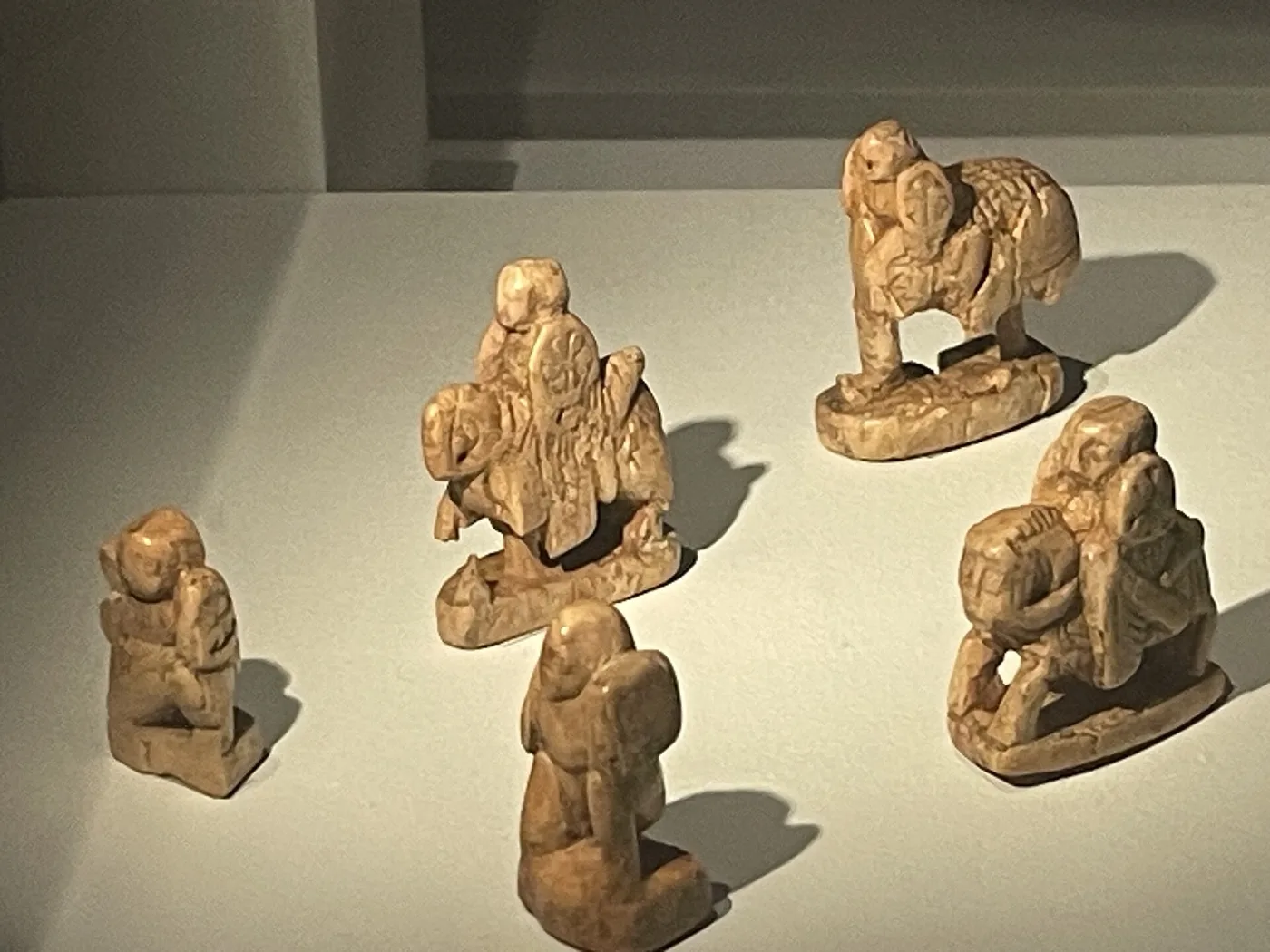
Many antique sets are now "married" combinations from different periods. One side may have replacement pawns, or a damaged king may have been swapped decades later. Authentication must check consistency across all 32 pieces, not just the most decorative ones.
2) Core Style Families Every Collector Should Know
Learning style families helps you identify whether a set is historically plausible. If the pieces combine elements from incompatible eras, that is an immediate red flag.
Staunton Pattern
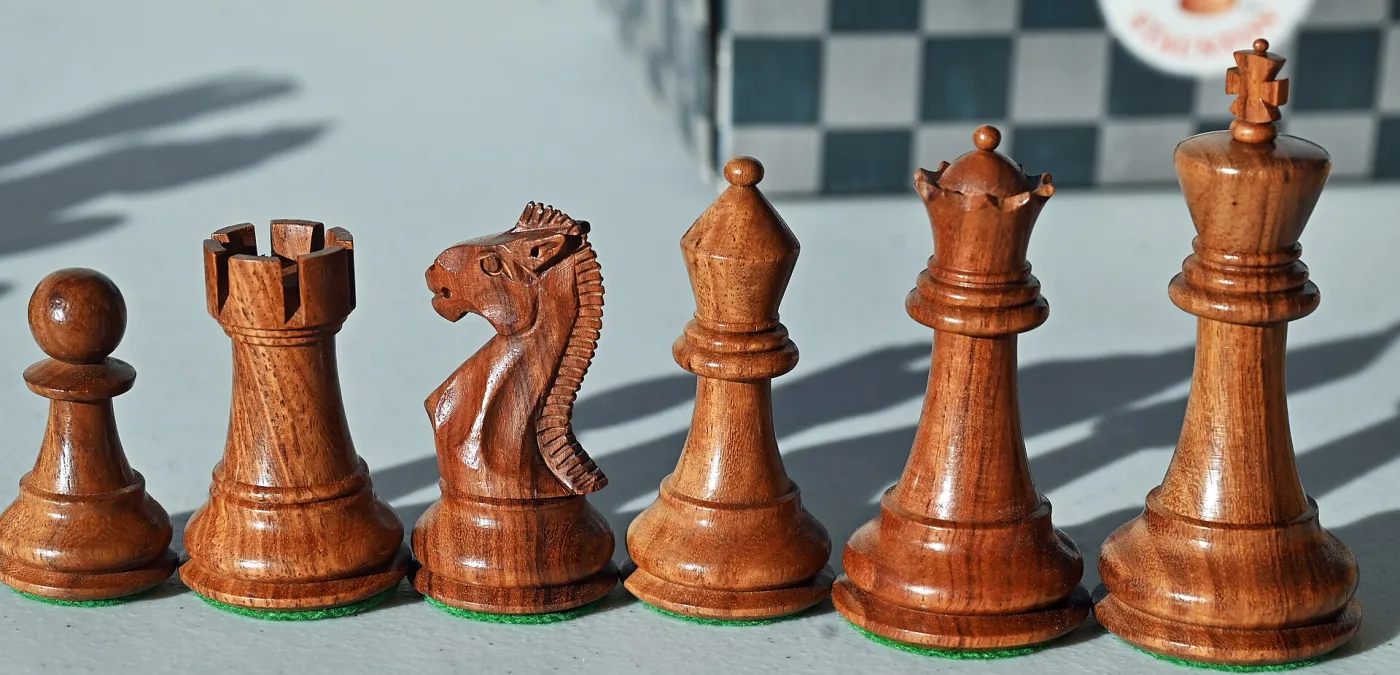
Introduced in the mid-19th century, Staunton became the competitive standard. Look for proportional hierarchy, broad stable bases, and functional piece recognition. Early examples often show finer turning transitions, richer patina, and more nuanced knight carving than modern copies.
Barleycorn and St. George Variants
Pre-Staunton and transitional English designs such as barleycorn or St. George can command strong premiums when complete and authentic. They often feature more decorative turning, narrower stability, and period-specific bishops and kings that differ from later tournament preferences.
3) Materials: Wood, Bone, Ivory, and Early Synthetics
Material analysis is one of your strongest dating tools. Each medium ages differently and reveals different tool behavior under magnification.
Common Woods in Antique Sets
Boxwood appears frequently for the light army. Dark armies may use ebony, stained boxwood, rosewood, or ebonized hardwood. True age often appears in oxidation, base shrinkage, and tonal variation in protected versus exposed areas.
Bone and Ivory Considerations
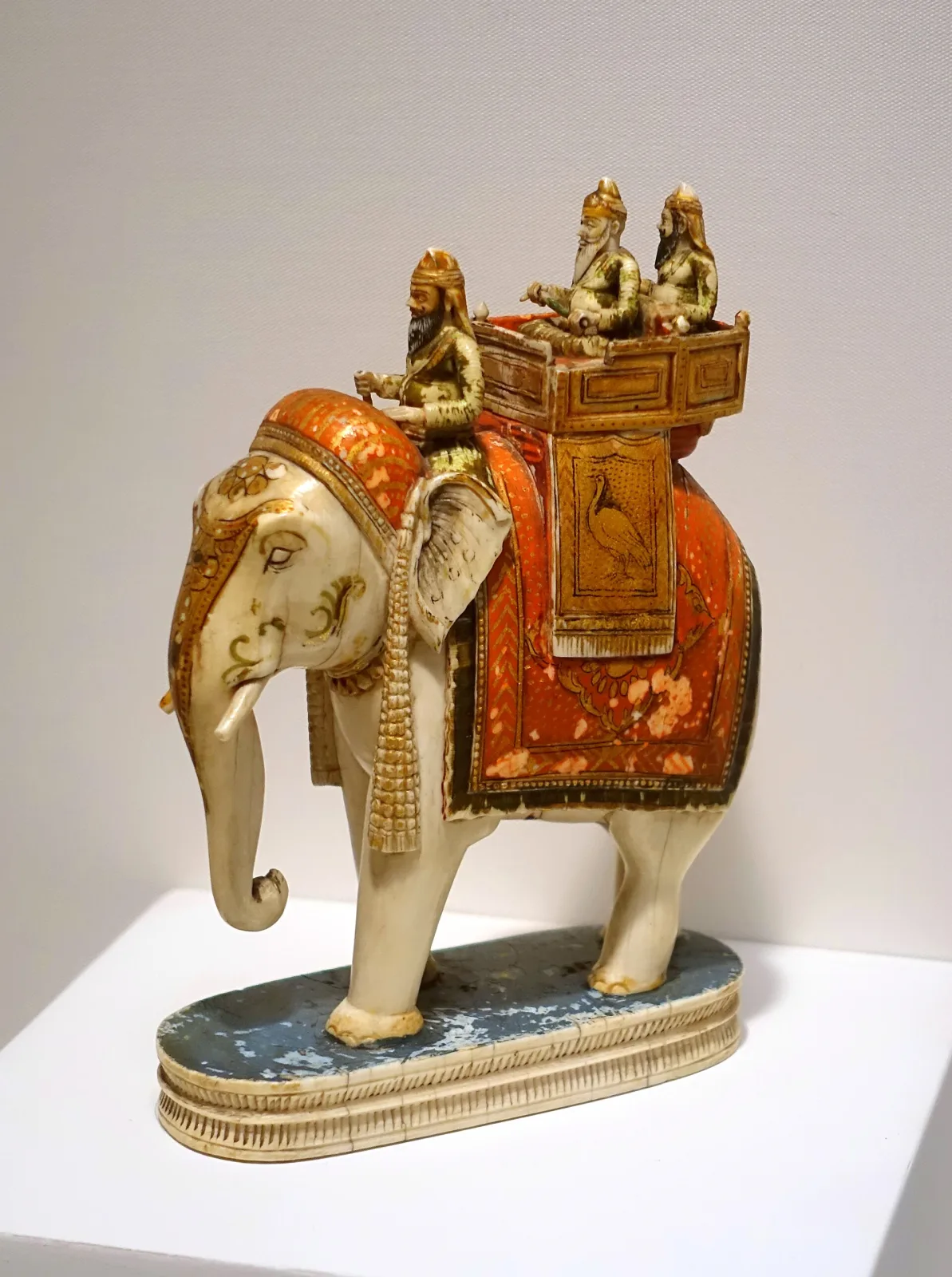
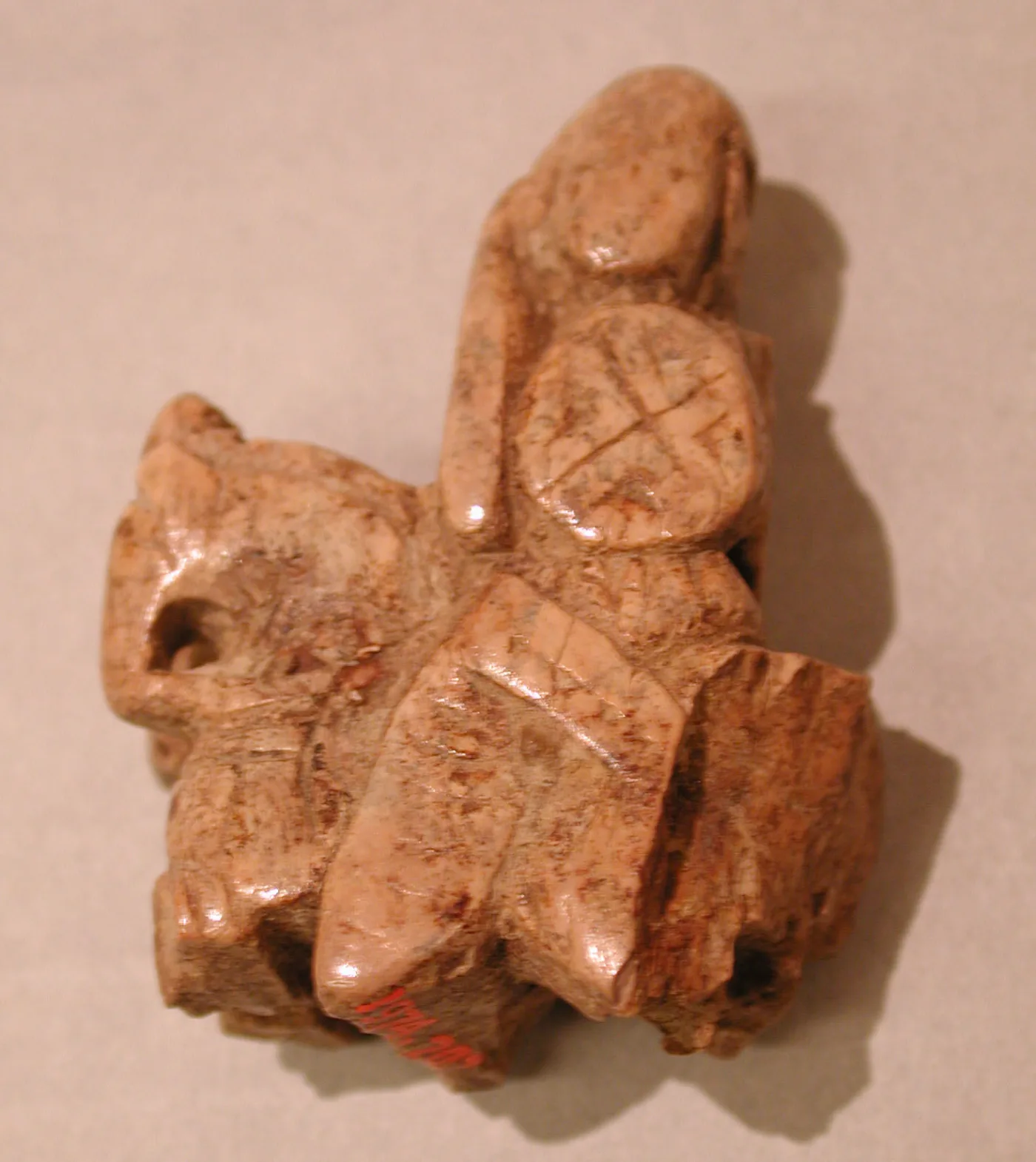
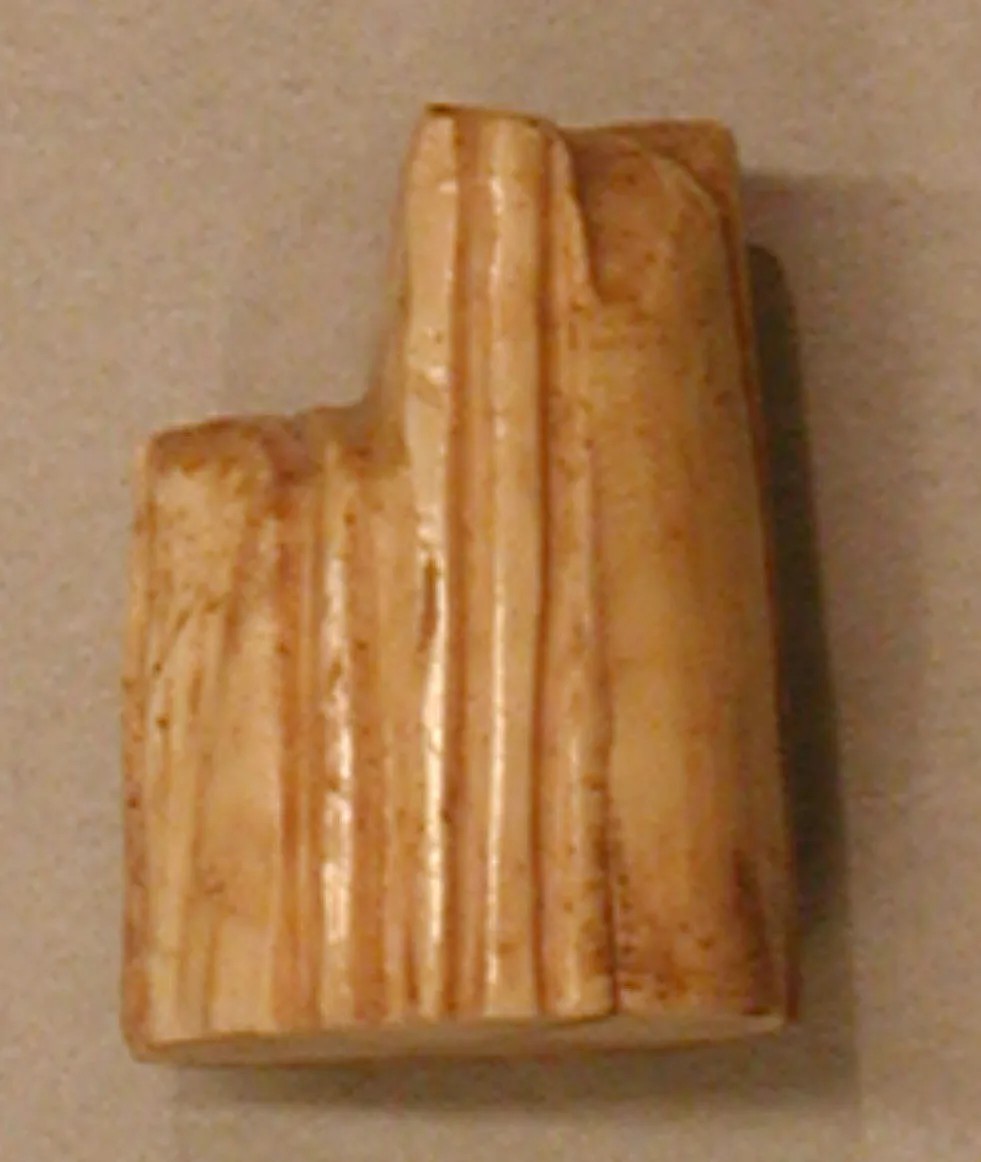
Bone and ivory were used in many 19th-century and early 20th-century sets, especially export work from India. Schreger lines, grain direction, and pore structure can help distinguish materials. Always verify legal restrictions before buying, transporting, or reselling ivory-associated pieces.
Early Plastic Look-Alikes
Bakelite, celluloid, and other early synthetics may appear in vintage sets and are collectible in their own right. They should not be misrepresented as 19th-century carved natural materials. UV response, mold seams, and uniformity can expose modern or semi-modern manufacture.
4) Construction Clues in Bases, Weights, and Felts
Turn each piece upside down. The underside often tells you more than the crown.
Weighting Systems
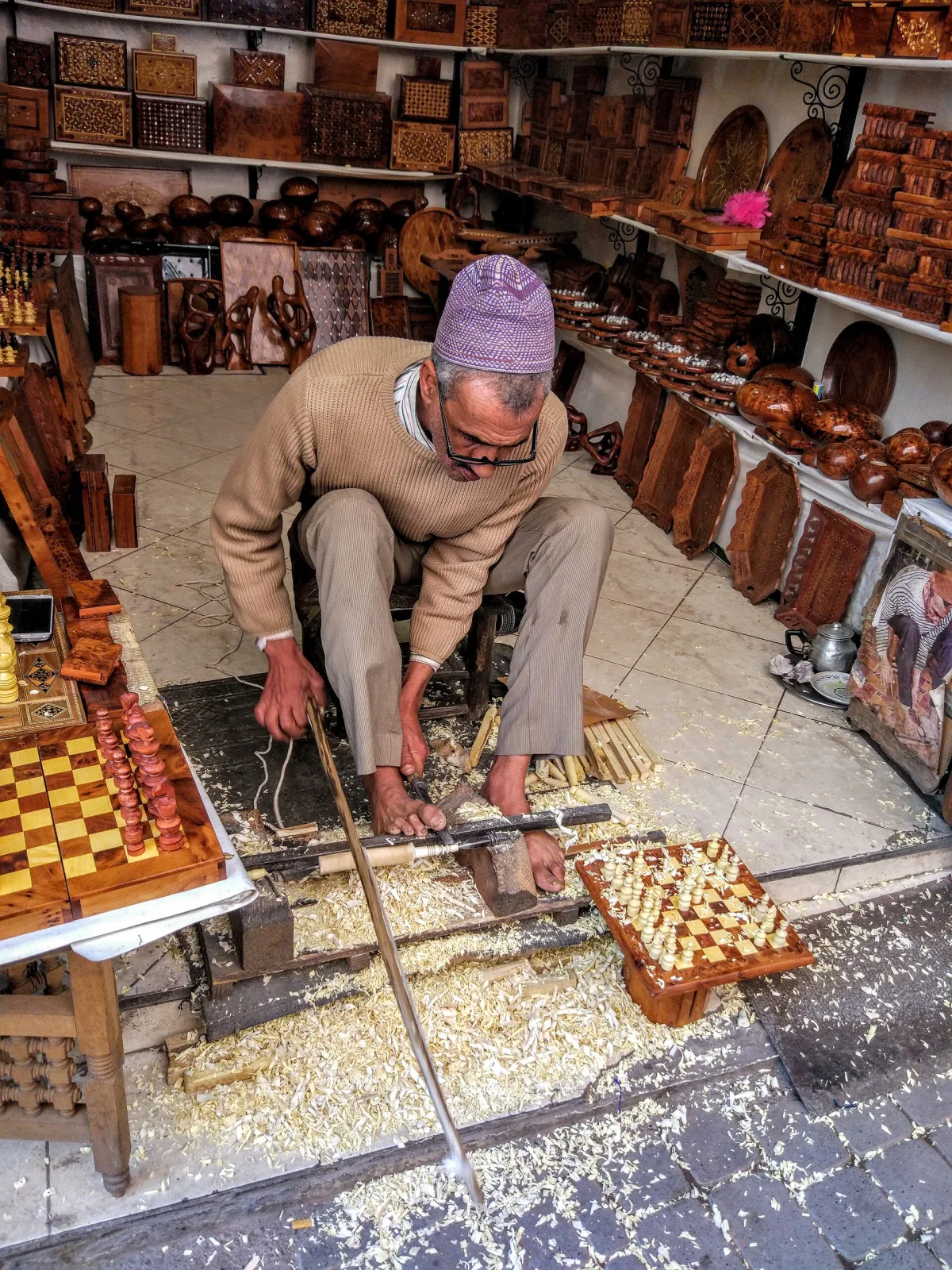
Older weighted sets may use lead plugs, iron slugs, or early composite fill. Modern reproductions often use standardized metal discs and modern adhesives that appear too clean. In authentic old sets, filler edges, oxidation, and wear patterns usually look naturally integrated.
Felt and Baize History
Original base pads can be green baize, leather, or felt depending on era and region. Replacement pads are normal, but they should be disclosed because they influence value. Fresh felt with aged sidewalls may indicate restoration, not fraud, but must be priced accordingly.

5) Maker Marks, Retail Labels, and Paper Trails
Marks are powerful when genuine and dangerous when misread. Use them alongside construction evidence.
Jaques, Lund, and Other Prestige Names
High-value names like Jaques of London attract fakes, altered stamps, and incorrectly attributed sets. Compare stamp fonts, placement, and depth with known reference examples. Mismatched typography or suspiciously crisp marks on heavily worn pieces are warning signs.
Boxes, Labels, and Trade Catalogs
Original boxes with printed labels can strengthen dating confidence. However, empty period boxes are sometimes paired with unrelated pieces. Confirm fit, wear consistency, and historical compatibility between box construction and the pieces inside.
6) Dating by Knight Carving and Rook Profile
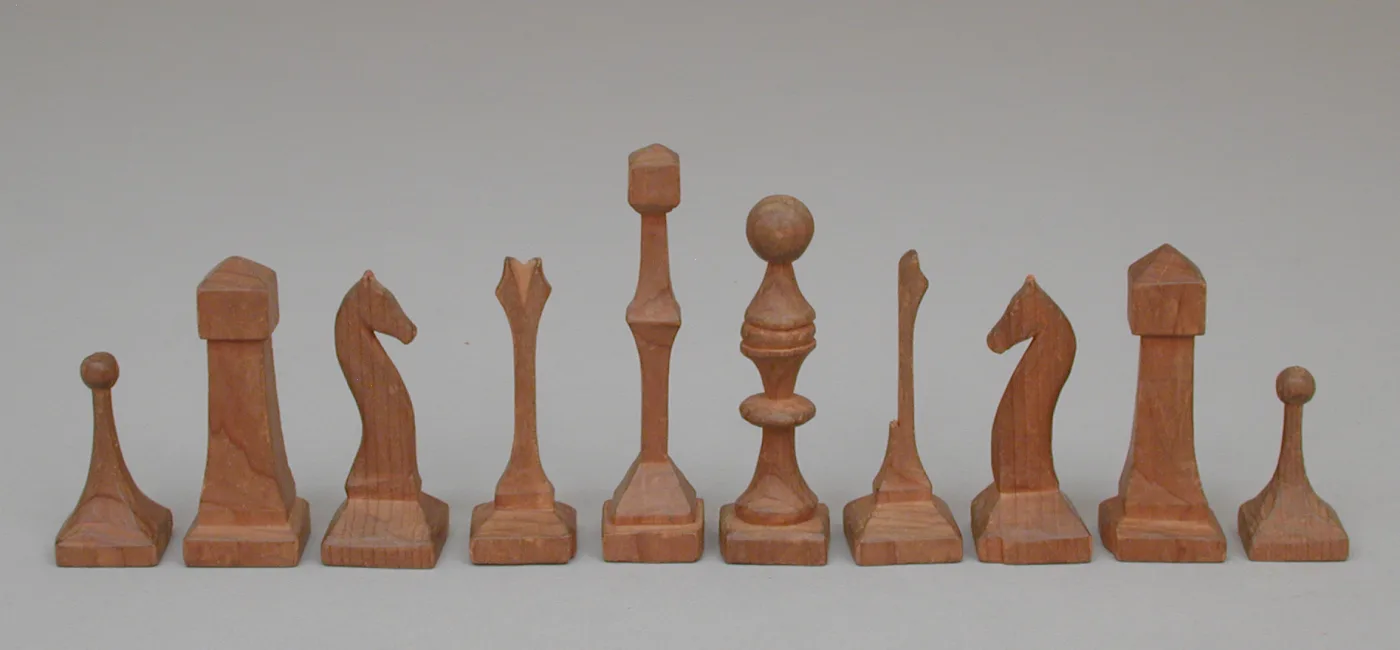
The knight is often the most diagnostic piece in hand-carved sets. It captures workshop style and labor quality in ways simple turned pieces cannot.
Knight Anatomy
Study jaw depth, nostril drilling, mane layering, ear angle, and eye treatment. Earlier high-grade carving often shows subtle asymmetry and tool discipline. Modern factory knights may look sharper at first glance but repeat identical machine-assisted patterns.
Rook Battlements and Crown Form
Rooks and kings are excellent consistency checks. In authentic sets, design language repeats coherently across all pieces. If a knight appears artisan-made but rooks look modern and generic, you may be looking at replacements or a composite set.
7) Regional Types: British, Indian, European, and American
Regional production traditions influence both aesthetics and materials. Understanding these patterns prevents overconfident attributions.
British Tournament Tradition
British makers helped standardize Staunton dimensions and tournament utility. Antique British examples often prioritize balance and durability over ornate symbolism, especially in working player sets.
Indian Export Workshops
Indian workshops have produced chess sets for centuries, including colonial export models and modern reproductions. Handwork quality can be exceptional in both eras, so age claims should rely on tool marks, patina behavior, and documented provenance rather than origin stereotypes.
Continental Carved Sets
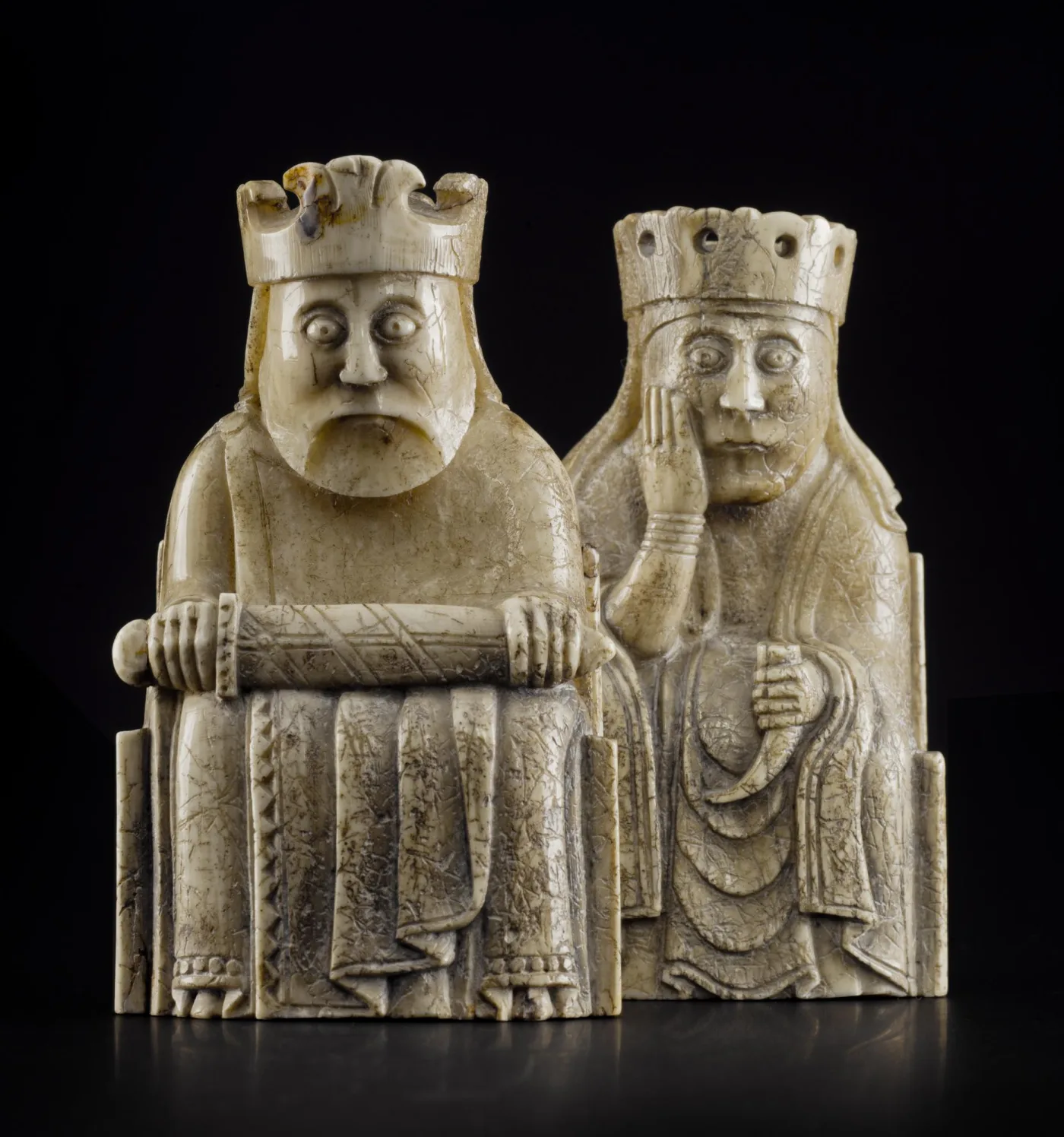
French, German, and Central European sets may include figurative motifs and more decorative thematic storytelling. These can be collectible but difficult to date because many workshops revived historical styles throughout the 20th century.
8) Spotting Reproductions and Artificial Aging
The reproduction market is broad: from honest decorative copies to deliberate frauds. Learn the typical shortcuts.
Patina Inconsistency
Natural aging accumulates where hands touch and where dust settles. Artificial aging often looks uniform, with the same tone in recesses and high points. Chemical darkening may also produce odd odors or unnatural surface tackiness.
Tooling and Symmetry Red Flags
Perfectly repeated carving on multiple knights suggests modern production templates. Overly bright machine sanding under an "aged" wax layer is another common giveaway. Use a loupe and inspect hidden zones near bases and collars.
9) Condition Grading and Restoration Impact
Condition strongly affects value, but smart restoration can preserve usability and long-term stability.
Common Issues
Frequent problems include cracked bishops, chipped knight ears, replaced finials, warped bases, and insect activity in wood. Note whether damage is structural or cosmetic. Missing major pieces usually reduce value more than equivalent surface wear.
Good vs. Bad Restoration
Conservation-quality repairs are reversible, documented, and matched in material behavior. Poor repairs often use hard modern fillers, heavy stain, or aggressive sanding that destroys original turning detail and collector interest.
10) Value Drivers for Collectors and Dealers
Two sets of similar age can differ in value by a wide margin. Market behavior depends on desirability, rarity, and confidence in attribution.
What Increases Value
Key factors include complete matching armies, original box, strong maker attribution, appealing patina, and tournament-relevant sizes. Provenance linked to known clubs, players, or estates can also add premium.
What Reduces Value
Mixed sets, heavy over-restoration, uncertain material claims, and legal complications around restricted materials can reduce liquidity. Overpriced listings often remain unsold for long periods, so compare realized sales rather than asking prices alone.
11) Safe Cleaning, Storage, and Display
Most antique chess pieces need minimal intervention. Cleaning errors are a major source of preventable value loss.
Cleaning Basics
Use a soft dry brush and microfiber cloth first. Avoid soaking, aggressive solvents, and household polishes. For stubborn grime, test any conservation-safe product on an inconspicuous area and keep moisture away from joins and weighted cavities.
Storage Environment
Stable humidity and moderate temperature are crucial. Rapid moisture swings cause cracking, warping, and joint movement. Store pieces with spacing so carved elements do not rub during transport.
12) Field Checklist Before You Buy
Use this quick process before committing to a purchase:
Five-Minute First Pass
Count all pieces, verify king and queen heights, compare carving consistency, and inspect all bases for weight and felt clues. Photograph each piece group on-site for later side-by-side review.
Evidence-Based Decision
Ask the seller for provenance details in writing, including any repairs and replacements. If attribution is high stakes, request extra photos of marks and underside construction. When uncertainty remains, price as a decorative antique set rather than a premium named-maker example.
With practice, you can identify antique chess sets confidently and avoid costly mistakes. Build your own visual reference archive, compare with museum and auction records, and rely on cumulative evidence instead of single "magic" clues.