
Identifying Bakelite, Catalin, and Early Plastics: Complete Guide 2026
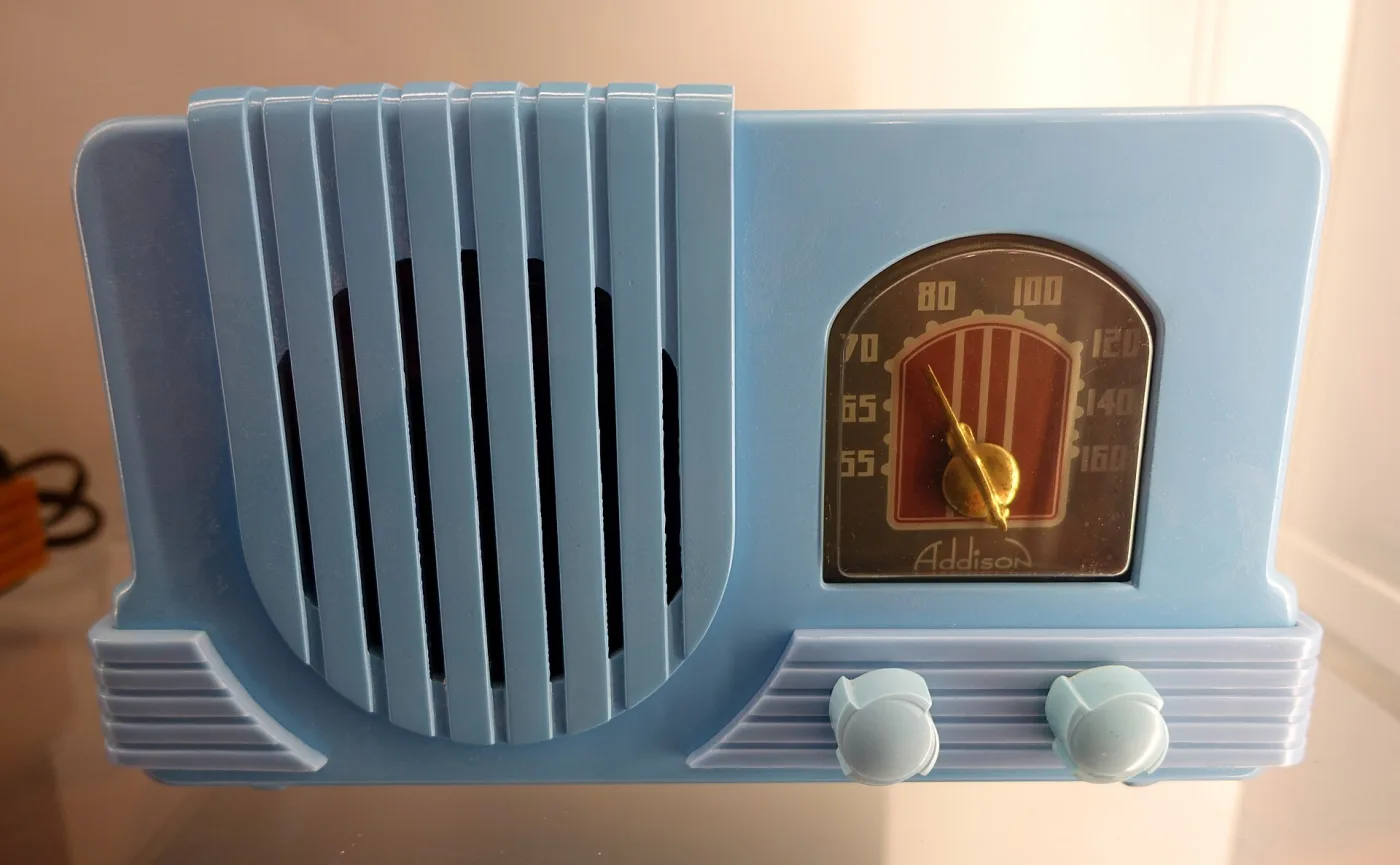
Identifying vintage plastics like Bakelite, Catalin, and early synthetic materials requires a combination of visual examination, safe testing methods, and historical knowledge. Whether you're a seasoned collector or just beginning to explore the fascinating world of early plastics, this comprehensive guide will provide you with the expertise needed to identify, authenticate, and care for these remarkable pieces of industrial history. In the modern era, tools like the Antique Identifier app can provide instant AI-powered identification, but understanding the fundamentals of vintage plastics identification is essential for any serious collector.
Table of Contents
What Are Early Plastics?
1. Understanding the Evolution of Synthetic Materials
The development of synthetic plastics represents one of the most significant technological revolutions of the 20th century. Early plastics emerged as alternatives to expensive natural materials and as solutions to specific industrial needs. Understanding their development timeline is crucial for proper identification:
- Celluloid (1869): The first commercially successful plastic, made from cellulose nitrate
- Bakelite (1907): The first truly synthetic plastic, a phenol-formaldehyde resin
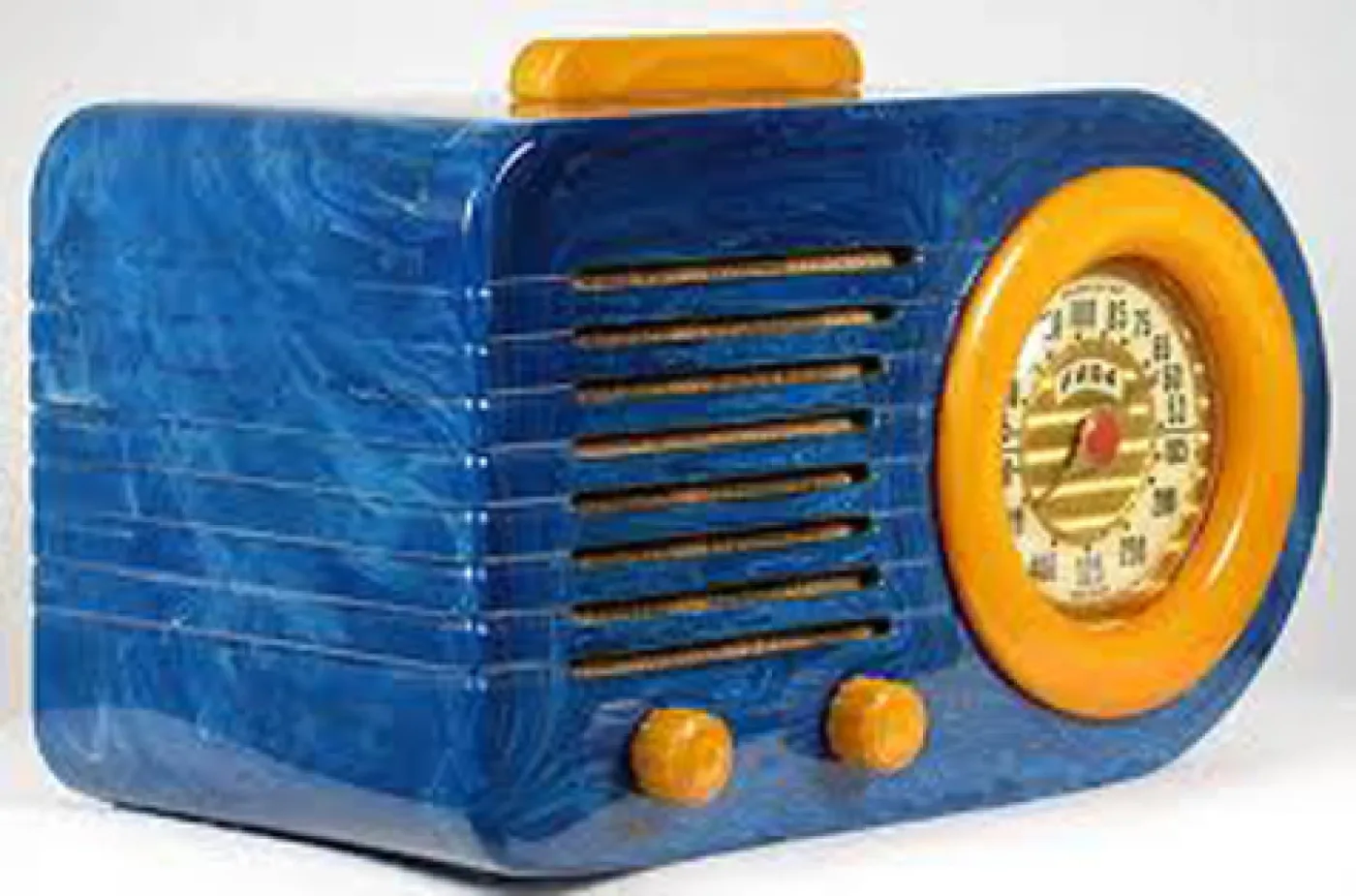
- Catalin (1927): A cast phenolic resin without fillers, allowing for vibrant colors
- Urea-formaldehyde (1920s): Used for electrical components and decorative items
- Casein (1890s): Milk protein-based plastic used for buttons and decorative items
2. Bakelite vs Catalin: Key Differences
While both Bakelite and Catalin are phenolic resins, they have distinct characteristics that affect their appearance and value:
Bakelite Characteristics:
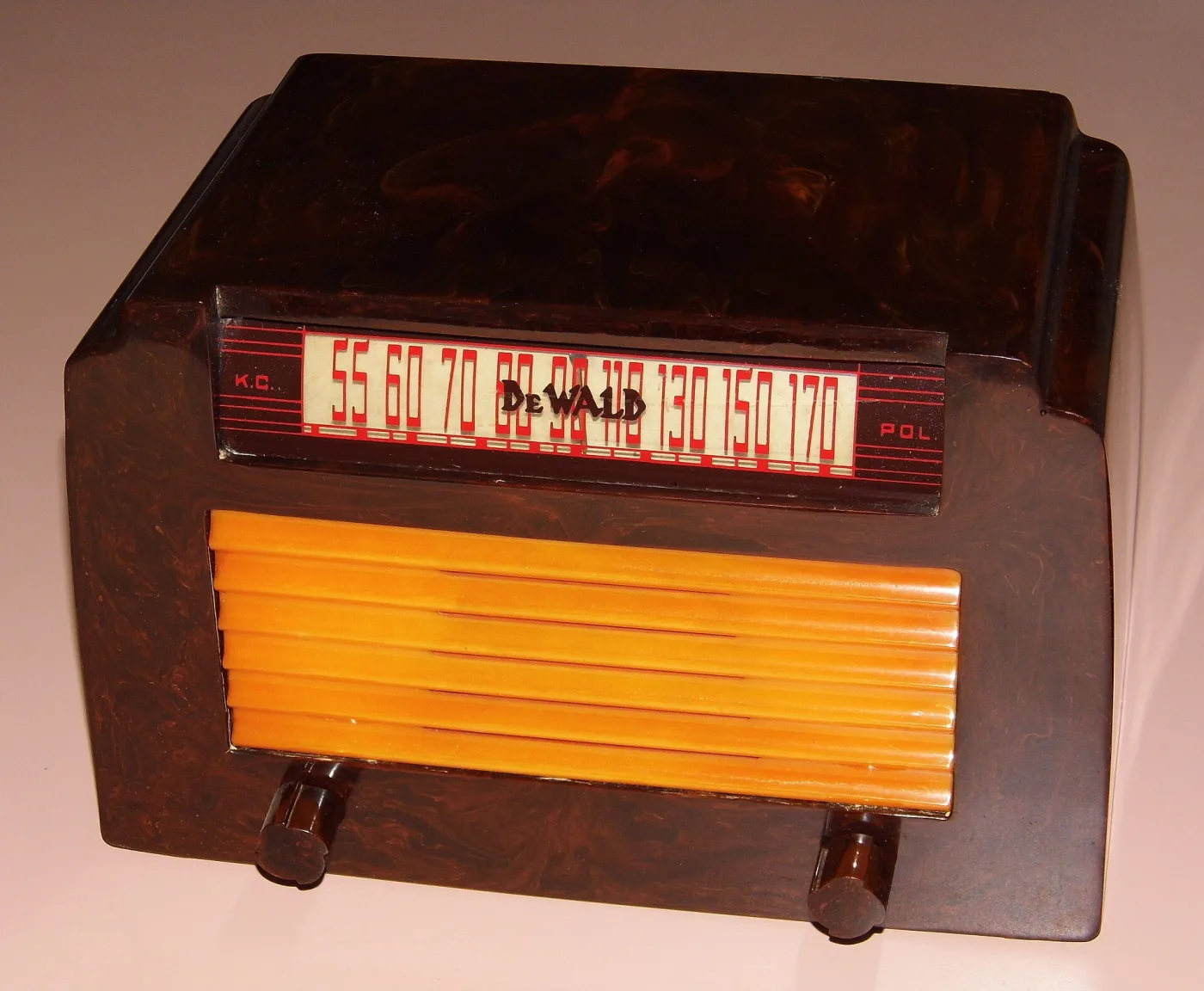
- Manufacturing process: Compression molded under high heat and pressure
- Fillers: Contains wood flour, minerals, or other materials
- Appearance: Opaque colors, often with a mottled or flecked surface
- Colors: Limited to dark, earthy tones (brown, black, dark green)
- Surface texture: Slightly rough, matte finish
Catalin Characteristics:
- Manufacturing process: Cast in molds without compression
- Fillers: No fillers, allowing for transparency and clarity
- Appearance: Translucent to transparent, vibrant colors
- Colors: Wide range including bright yellows, oranges, reds, and blues
- Surface texture: Smooth, polished finish with depth
3. Typical Uses and Applications
Early plastics were used in a wide variety of applications, each requiring specific properties:
Jewelry and Personal Items:
- Bangles and bracelets: Catalin's vibrant colors made it perfect for fashion jewelry
- Brooches and pins: Both Bakelite and Catalin were carved into intricate designs
- Buttons and buckles: Durable and colorful alternatives to natural materials
- Hair accessories: Combs, barrettes, and hair pins
Household and Industrial Items:
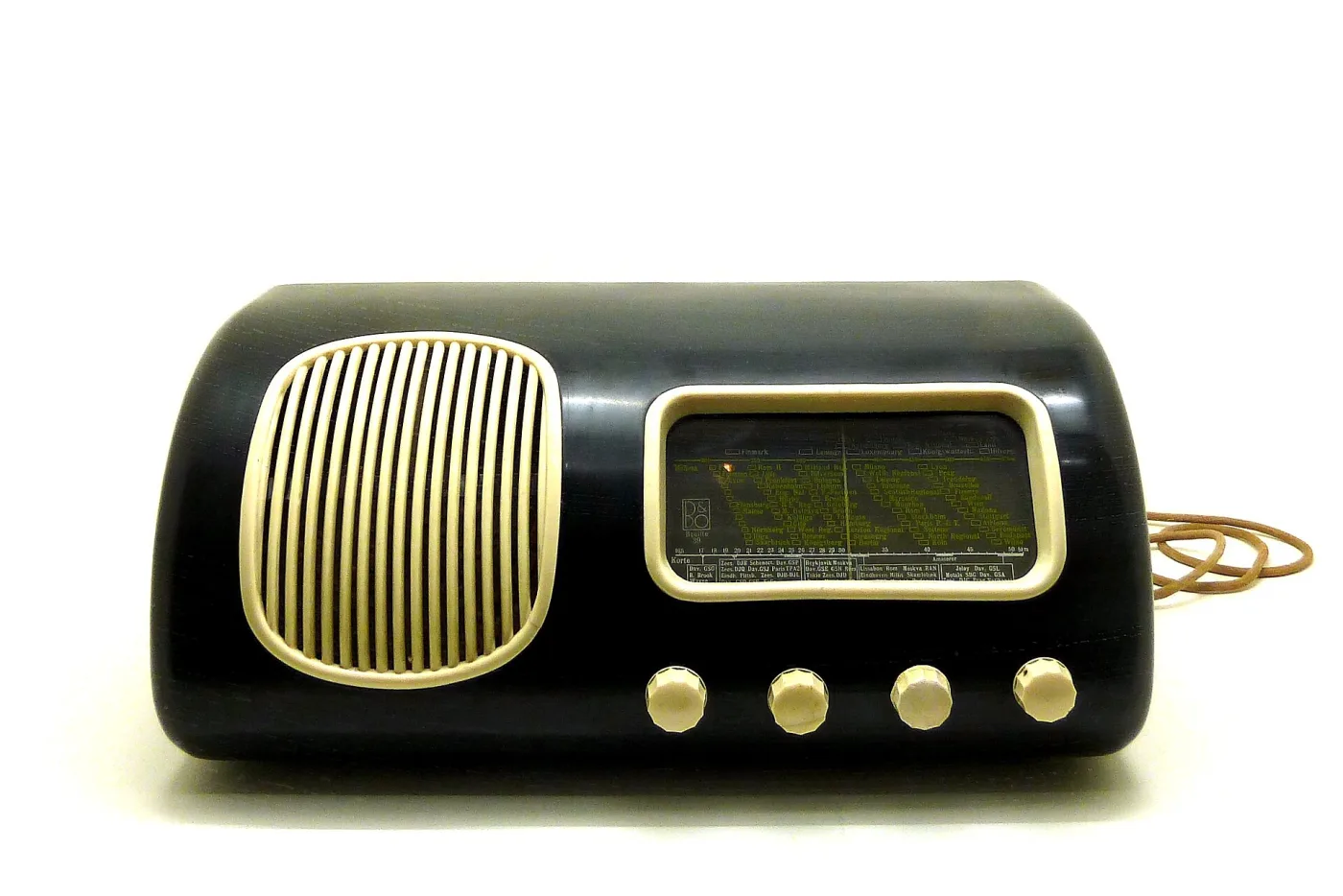
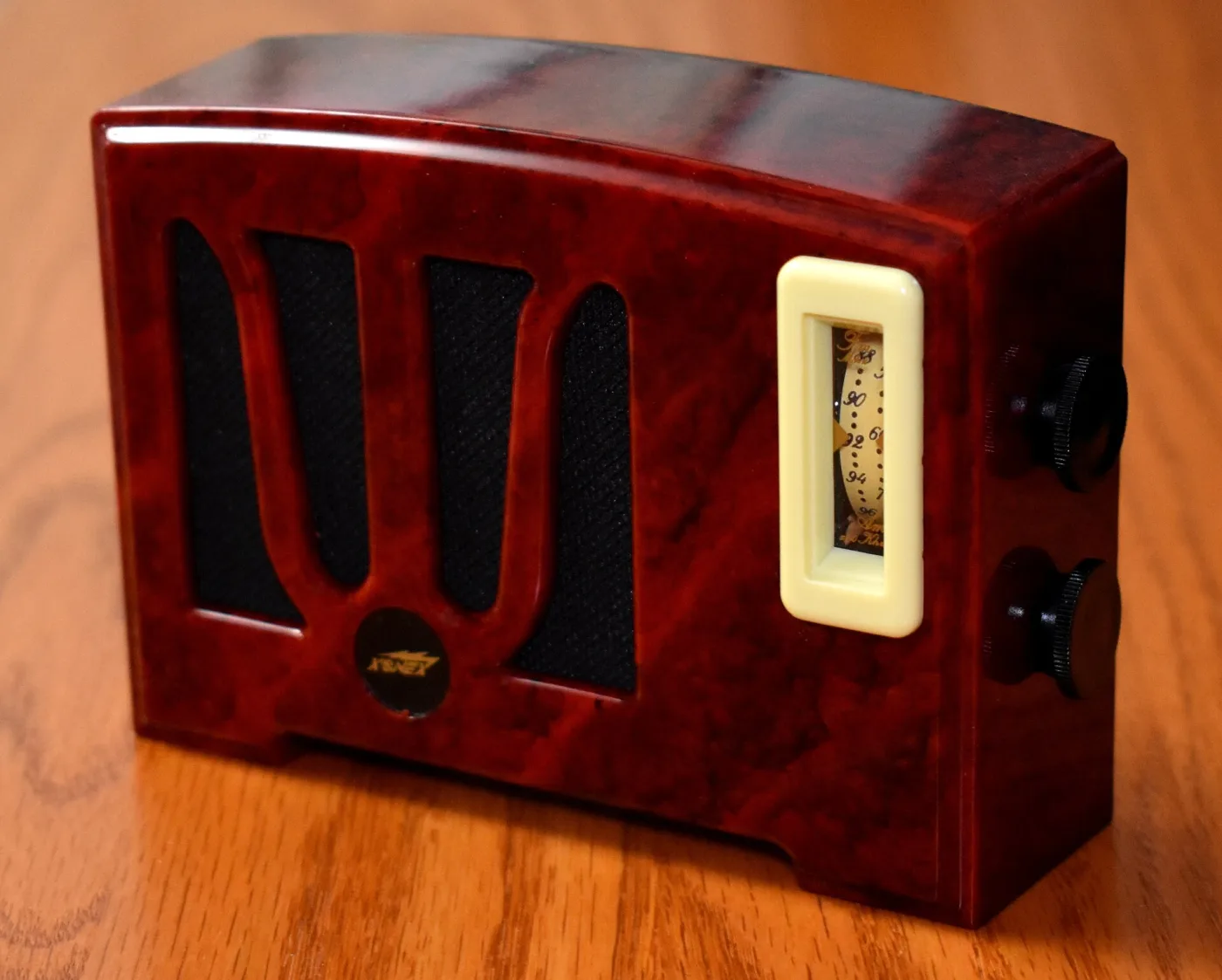
- Radio cabinets: Bakelite's electrical insulating properties made it ideal
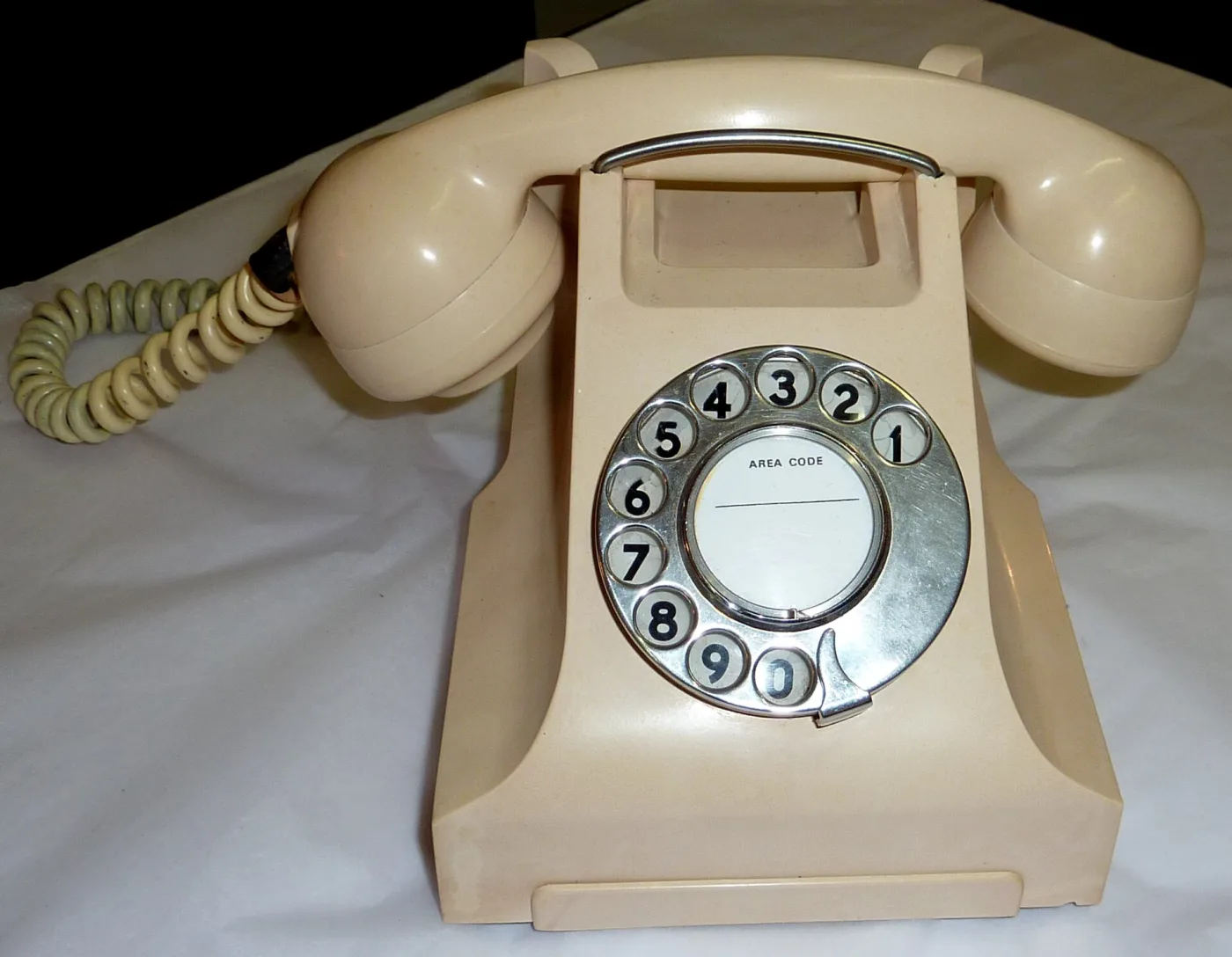
- Telephone handsets: Durable and hygienic material choice
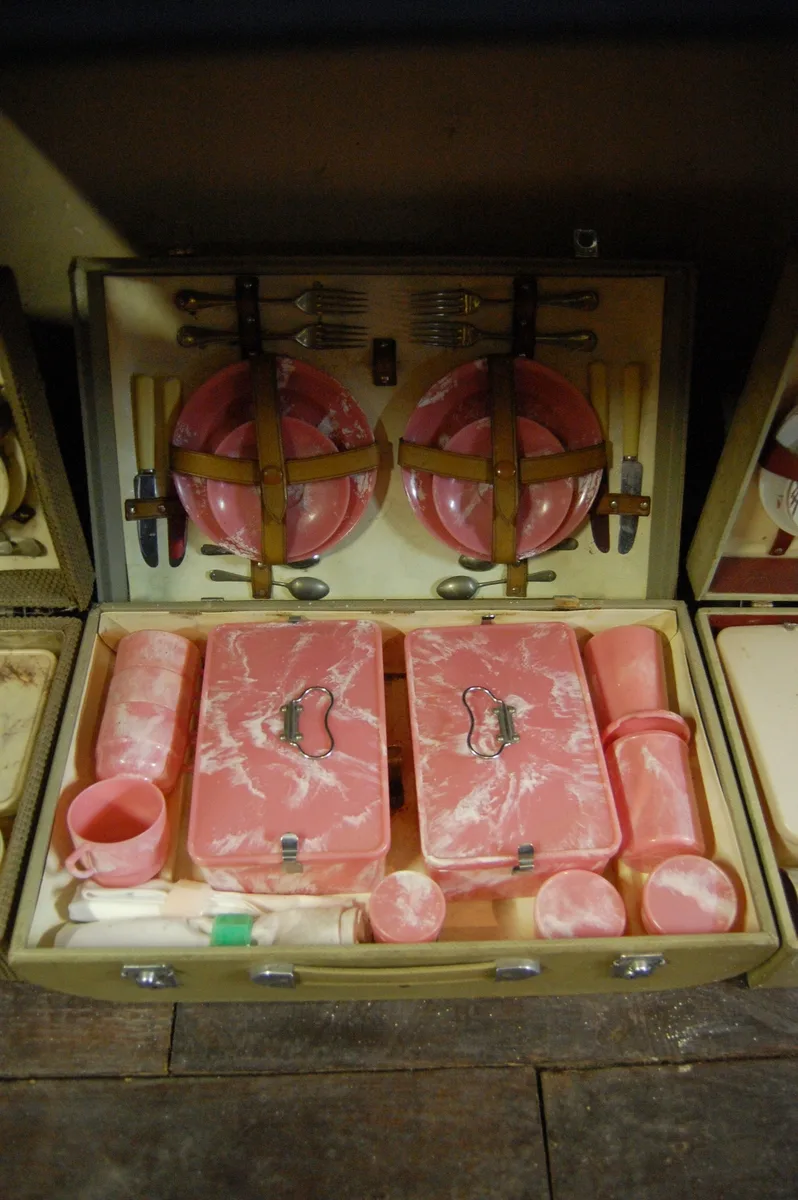
- Kitchen items: Handles, knobs, and decorative pieces
- Electrical components: Switch plates, outlet covers, and insulators
4. Aging Behavior and Patina Development
Understanding how early plastics age is crucial for identification and valuation:
Phenolic Resins (Bakelite and Catalin):
- Surface oxidation: Develops a brownish or amber cast over time
- Odor characteristics: Emit a faint phenolic/formaldehyde scent when warmed
- Color changes: Yellows and ambers may darken, whites may yellow
- Surface texture: May develop fine crazing or micro-cracks
Celluloid and Nitrate-Based Plastics:
- Chemical instability: Off-gassing of camphor and other volatile compounds
- Physical changes: Warping, shrinking, and crazing over time
- Color deterioration: Yellowing, browning, and loss of transparency
- Safety concerns: Flammable and potentially hazardous as they degrade
Identification Methods and Techniques
1. Visual Examination: The Foundation of Identification
Visual examination is the most important and safest method for identifying early plastics. A systematic approach to visual analysis can reveal many clues about authenticity and age:
Surface Characteristics:
- Marbling and swirls: Look for subtle color variations and organic patterns
- Oxidation patterns: Examine edges and high-wear areas for age-related discoloration
- Wear patterns: Check inside holes, threads, and contact points for natural wear
- Surface texture: Early plastics often have a softer, more organic feel than modern resins
Construction Details:
- Mold parting lines: Early plastics typically have softened, worn seams from age and handling
- Drill marks: Hand-drilled holes may show slight irregularities and wear
- Hardware attachment: Look for period-appropriate pins, screws, and fasteners
- Internal structure: Examine any visible internal surfaces for oxidation and wear
2. Tactile and Weight Analysis
Physical examination provides additional clues that complement visual analysis:
Temperature and Feel:
- Temperature response: Early phenolics feel warmer to the touch than glass
- Density: Vintage plastics often feel more substantial than modern alternatives
- Surface texture: Run fingers over surfaces to detect oxidation and wear
- Edge quality: Feel for natural wear and oxidation at edges and corners
Weight Considerations:
- Relative weight: Compare weight to size - vintage pieces often feel heavier
- Weight distribution: Check for even weight distribution throughout the piece
- Material consistency: Weight should be consistent with the material type
3. Sound and Acoustic Testing
Sound testing can provide additional identification clues:
Tap Testing:
- Material response: Tap two pieces together gently
- Sound characteristics: Vintage phenolic often produces a muted, glassy click
- Comparison method: Compare sound with known authentic pieces
- Caution: Use gentle taps to avoid damage
4. Photographic Analysis
Photography can reveal details not visible to the naked eye:
Lighting Techniques:
- Sidelighting: Reveals surface oxidation, micro-scratches, and texture
- Backlighting: Shows translucence and internal structure in Catalin
- Macro photography: Captures fine details and oxidation patterns
- UV photography: May reveal fluorescence patterns (use as secondary indicator)
Safe Testing Methods: Non-Destructive Identification
1. Simichrome and Polish Testing
One of the most reliable non-destructive tests for phenolic resins:
Testing Procedure:
- Preparation: Clean the test area with mild soap and water
- Application: Apply a tiny amount of Simichrome or similar polish to an inconspicuous spot
- Testing: Rub gently with a cotton swab
- Results: Yellow/brown swab suggests phenolic oxidation
Interpreting Results:
- Positive result: Yellow/brown color indicates phenolic resin
- False positives: Can occur from nicotine, dirt, or aged lacquers
- Negative result: Clean swab suggests modern resin or non-phenolic material
- Limitations: Test only small, hidden areas to preserve value
2. Hot Water and Odor Testing
A safe method that relies on material-specific odor characteristics:
Testing Procedure:
- Water temperature: Use warm, not hot water to avoid damage
- Application: Run warm water over a small area briefly
- Immediate testing: Sniff immediately for characteristic odors
- Safety: Avoid very hot water that can stress or craze plastics
Odor Characteristics:
- Phenolic resins: Emit formaldehyde/chemical scent
- Celluloid: Emits camphor scent
- Modern resins: May have no distinctive odor or chemical smell
- Interpretation: Use odor as one of several identification factors
3. UV Fluorescence Testing
Ultraviolet examination can provide additional identification clues:
Testing Considerations:
- Fluorescence patterns: Some phenolics fluoresce weakly under UV light
- Variability: Response varies between materials and formulations
- Secondary indicator: Use UV response alongside other identification methods
- Equipment: Use appropriate UV light source for testing
4. Tests to Avoid: Destructive Methods
Some traditional testing methods can damage valuable pieces:
Dangerous Tests:
- Hot pin test: Can scar surfaces and release toxic fumes
- Chemical immersion: May damage finishes and cause discoloration
- Abrasive testing: Can remove patina and reduce value
- Heat testing: May cause warping, cracking, or other damage
Why Avoid Destructive Tests:
- Value preservation: Damage reduces collector value significantly
- Safety concerns: Some tests release harmful chemicals
- Alternative methods: Non-destructive methods are often more reliable
- Professional standards: Reputable dealers and appraisers avoid destructive testing

Common Fakes and Reproductions: What to Look For
1. Modern Resins Disguised as Vintage Plastics
The market is flooded with modern reproductions that mimic classic vintage plastics:
Identification Clues:
- Sharp mold seams: Modern pieces have crisp, sharp parting lines
- Uniform coloration: Lack of natural oxidation and color variation
- Surface finish: Too perfect, lacking natural wear and patina
- Material consistency: Uniform texture without natural variations
Common Reproduction Types:
- Mass-produced jewelry: Bangles, brooches, and buttons in popular colors
- Decorative items: Figurines, boxes, and household accessories
- Fashion accessories: Hair clips, combs, and other personal items
2. Laminated and Reworked Pieces
Some pieces combine authentic and modern materials:
Detection Methods:
- Glue lines: Look for adhesive squeeze-out and modern adhesives
- Oxidation mismatch: Different aging patterns between components
- Hardware inconsistencies: Modern screws, pins, or fasteners
- Tool marks: Modern tool marks under magnification
Common Reworked Items:
- Jewelry repairs: New pin-backs on old brooches
- Component replacement: New handles on vintage items
- Decorative additions: Modern embellishments on vintage bases
3. Color-Specific Fakes
Certain colors are more commonly faked due to their popularity:
High-Risk Colors:
- "Apple juice" yellow: Popular color often reproduced
- "Butterscotch" amber: Classic color with many reproductions
- Bright reds and oranges: Vibrant colors that command high prices
- Translucent blues and greens: Rare colors that are valuable when authentic
Authenticity Indicators:
- Natural color variation: Authentic pieces show subtle color differences
- Edge oxidation: Natural aging at edges and high-wear areas
- Surface patina: Consistent aging across the entire surface
- Historical accuracy: Colors that match known vintage production
Care and Preservation: Maintaining Vintage Plastics
1. Environmental Control and Storage
Proper storage is essential for preserving vintage plastics:
Temperature and Humidity:
- Temperature range: Maintain 65-75°F (18-24°C)
- Humidity control: Keep relative humidity between 40-60%
- Avoid extremes: Prevent exposure to heat sources and direct sunlight
- Ventilation: Ensure adequate air circulation, especially for celluloid items
Storage Materials:
- Acid-free tissue: Use for wrapping and padding
- Breathable containers: Avoid airtight plastic bags
- Separate storage: Keep items separated to prevent abrasion
- Documentation: Label containers with contents and dates
2. Cleaning and Maintenance
Regular cleaning helps preserve vintage plastics:
Safe Cleaning Methods:
- Mild soap solution: Use gentle dish soap in lukewarm water
- Soft cloths: Use microfiber or cotton cloths for cleaning
- Gentle handling: Avoid excessive pressure or scrubbing
- Thorough drying: Ensure complete drying before storage
Cleaning Products to Avoid:
- Harsh chemicals: Avoid acetone, alcohol, and ammonia
- Abrasive cleaners: No scouring powders or harsh scrubbing
- Commercial polishes: Many contain chemicals that can damage vintage plastics
- Heat sources: Avoid hot water or heat-based cleaning methods
3. Handling and Display
Proper handling prevents damage during use and display:
Safe Handling Practices:
- Clean hands: Wash hands before handling to avoid transferring oils
- Support structure: Support items from below when moving
- Avoid pressure points: Don't grip fragile areas tightly
- Gentle movement: Move items slowly and deliberately
Display Considerations:
- Light exposure: Limit exposure to direct and artificial light
- Display cases: Use UV-filtering glass when possible
- Rotation: Rotate displayed items to minimize light damage
- Stability: Ensure items are stable and won't fall or tip
4. Documentation and Record Keeping
Maintaining detailed records helps with care and valuation:
Essential Documentation:
- Physical measurements: Record weight, dimensions, and condition
- Photographic records: Take detailed photos of all surfaces
- Condition notes: Document any damage, repairs, or alterations
- Provenance information: Record acquisition details and history
Value Assessment and Market Factors
1. Factors Affecting Vintage Plastic Values
Multiple factors influence the market value of vintage plastics:
Material and Rarity:
- Material type: Catalin often commands higher prices than Bakelite
- Color rarity: Unusual or rare colors increase value significantly
- Size and scale: Larger pieces and oversized items are more valuable
- Pattern complexity: Intricate carving and design work adds value
Condition and Authenticity:
- Surface condition: Intact polish and minimal damage increase value
- Original hardware: Period-appropriate fasteners and attachments
- Provenance: Documented history and famous ownership
- Restoration quality: Professional restoration can maintain or increase value
2. Condition Grading Standards
Understanding condition grading helps assess value accurately:
Excellent Condition:
- Surface finish: Intact polish with minimal wear
- Damage: No cracks, chips, or significant damage
- Wear patterns: Only minor micro-scratches from normal use
- Hardware: All original components in excellent condition
Very Good Condition:
- Surface finish: Light wear but polish still visible
- Damage: Small nicks or minor edge chips
- Wear patterns: Consistent wear appropriate to age
- Stability: No structural issues or warping
Good Condition:
- Surface finish: Visible wear but still attractive
- Damage: Some chips, cracks, or repairs
- Wear patterns: Heavy wear but structurally sound
- Functionality: Still usable and displayable
3. Market Trends and Collector Interest
Understanding current market conditions helps with valuation:
Current Market Factors:
- Collector demographics: Age and interests of current collectors
- Design trends: Popularity of specific styles and periods
- Economic conditions: Impact of inflation and disposable income
- Supply and demand: Availability of quality pieces in the market
Value Drivers:
- Matching sets: Complete sets command premium prices
- Original packaging: Boxes and original materials increase value
- Maker identification: Known manufacturers add value
- Historical significance: Items with documented historical importance
Digital Tools for Vintage Plastic Identification
1. AI-Powered Identification Apps
Modern technology has revolutionized the identification process:
Antique Identifier App Features:
- Instant identification: AI-powered analysis from photos
- Material recognition: Identifies plastic types and characteristics
- Age estimation: Provides approximate dating based on visual analysis
- Condition assessment: Analyzes wear patterns and damage
Using AI Tools Effectively:
- Multiple angles: Take photos from different perspectives
- Good lighting: Ensure adequate, even lighting for best results
- Close-up details: Include detailed shots of markings and wear
- Verification: Use AI results as a starting point, not final authority
2. Online Research Resources
Digital resources provide valuable research information:
Museum Collections:
- High-resolution images: Compare your items with museum pieces
- Detailed descriptions: Learn about materials and techniques
- Historical context: Understand the cultural significance
- Condition examples: See how authentic pieces should look
Auction Archives and Databases:
- Price history: Track value trends over time
- Condition comparisons: See how condition affects value
- Rarity assessment: Understand how common or rare items are
- Market trends: Identify current collector interests
3. Community and Expert Resources
Online communities provide valuable knowledge sharing:
Collector Forums and Groups:
- Expert advice: Access to experienced collectors and dealers
- Identification help: Post photos for community feedback
- Market information: Current trends and pricing updates
- Care tips: Preservation and maintenance advice
Expert Tips and Best Practices
1. Building Your Knowledge Base
Developing expertise in vintage plastics requires ongoing education:
Learning Resources:
- Reference books: Invest in comprehensive guides and catalogs
- Museum visits: Study authentic pieces in person
- Antique shows: Attend shows to see and handle items
- Expert consultation: Work with experienced dealers and appraisers
- Online courses: Take specialized courses in vintage materials
2. Developing Your Identification Skills
Practice and experience are essential for developing expertise:
Skill Development:
- Handle authentic pieces: Develop tactile recognition skills
- Study wear patterns: Learn to distinguish natural aging from damage
- Compare materials: Study differences between vintage and modern plastics
- Document findings: Keep detailed notes and photographs
3. Avoiding Common Mistakes
Understanding common pitfalls helps prevent identification errors:
Common Identification Errors:
- Relying on single indicators: Use multiple identification methods
- Ignoring context: Consider historical and cultural factors
- Overvaluing condition: Understand that some wear is normal and expected
- Underestimating rarity: Research thoroughly before making assumptions
4. Using Technology Wisely
Technology should complement, not replace, traditional knowledge:
Technology Integration:
- AI as starting point: Use apps like Antique Identifier for initial analysis
- Traditional verification: Confirm AI results with traditional methods
- Combined approach: Use both digital and traditional tools together
- Continuous learning: Stay updated with new identification technologies
Conclusion
Identifying Bakelite, Catalin, and early plastics is a skill that develops through study, practice, and experience. While modern tools like the Antique Identifier app can provide instant insights, they work best when combined with traditional knowledge and expert consultation. The key to successful identification lies in understanding the unique characteristics of each material type, developing a systematic approach to examination, and building a comprehensive knowledge base.
Remember that every vintage plastic piece tells a story about industrial innovation, design evolution, and cultural change. By learning to identify these materials accurately, you're not just building a collection—you're preserving a piece of technological and cultural history. Start with the fundamentals, practice regularly, and don't hesitate to seek expert advice when needed.
For more information on specific antique categories, see our guides on Antique Jewelry, Antique Furniture, and our comprehensive Antique Identification Guide.