
Antique Silhouette Portraits Identification Guide: Dating, Attribution & Value
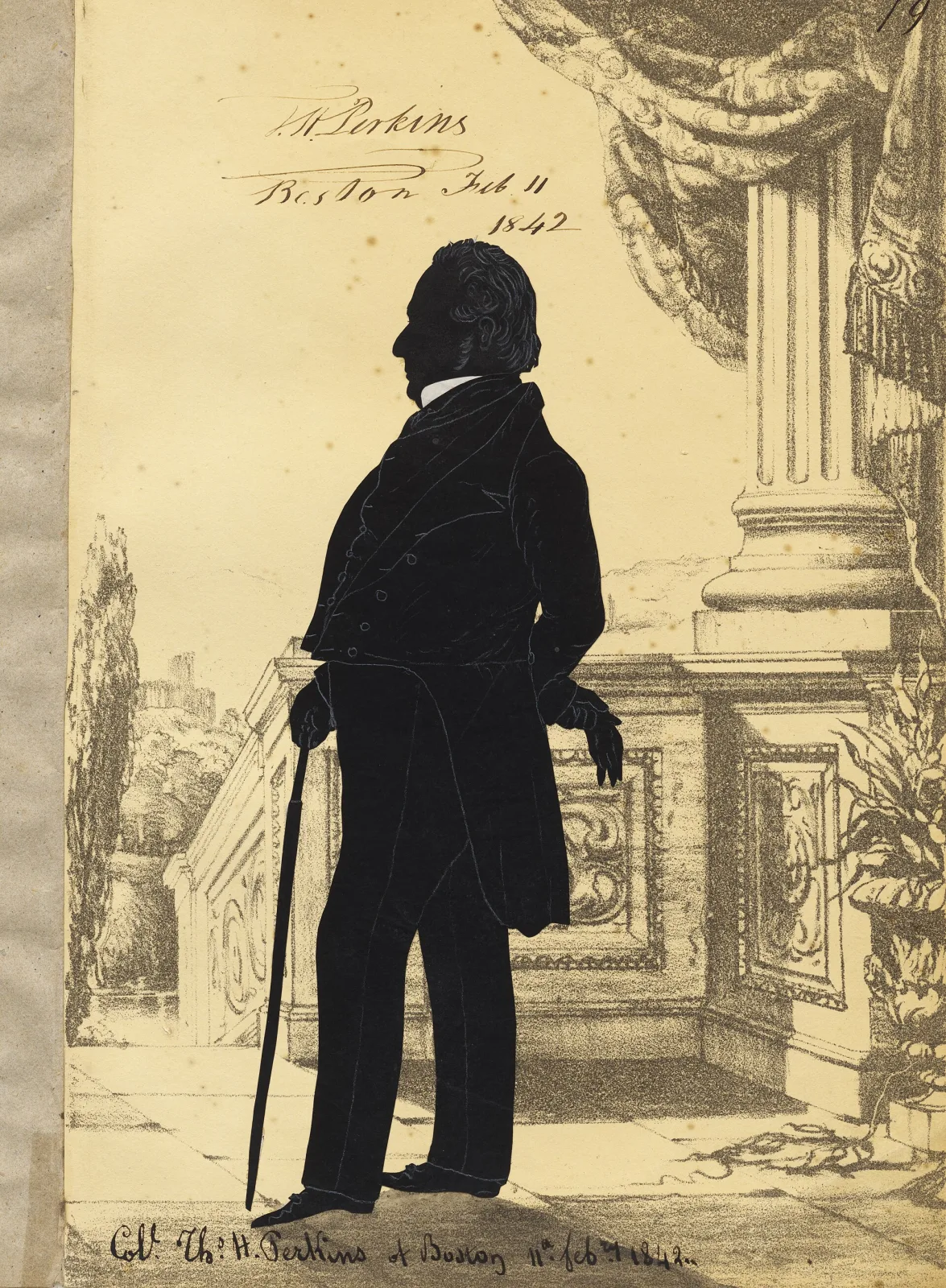
Antique silhouette portraits are among the most accessible forms of early personal art. They are often inexpensive compared with oil portraits and ivory miniatures, yet they preserve deeply personal records of families, fashion, and social history. A small profile in a black oval can hold remarkable information when you know what to examine.
Collectors encounter silhouettes in every context: loose in paper archives, mounted in gilt mats, hidden in old trunks, or framed as decorative wall groups. Some are quick folk-art pieces made by itinerant cutters at fairs. Others are refined works by listed artists, complete with studio labels and period cases. Distinguishing between these types is the foundation of accurate identification.
This guide explains how to identify silhouette techniques, date examples by materials and construction, attribute artists when possible, and evaluate condition and value. You will also learn practical handling and preservation methods so paper and painted examples survive for future generations.
Table of Contents
- What Counts as an Antique Silhouette?
- Major Silhouette Techniques
- Materials, Supports, and Backings
- Dating by Style and Construction
- Artists, Studios, and Attribution Clues
- Frames, Mats, and Case Analysis
- Condition and Authenticity Checks
- Value Drivers in Today’s Market
- Handling, Storage, and Display
- Buying Strategy for New Collectors
- How to Document Your Silhouette Collection
What Counts as an Antique Silhouette?
In strict collecting terms, a silhouette is a profile portrait represented as a dark shape against a contrasting ground. Most examples show side profile, because this format captures recognizable facial contours with minimal detail. The category includes cut-paper work, painted profiles, printed pieces, and mixed-media forms where fabric or metal foil appears behind glass.
Typical Historical Date Range
The strongest market for silhouettes lies in the late eighteenth through mid nineteenth centuries, especially Georgian, Federal, and early Victorian periods. Pieces made after that window can still be collectible, but age alone does not determine quality. Craftsmanship, originality, and attribution matter more than a simple date.
Why They Matter to Collectors
Silhouettes preserve social history at a scale ordinary families could afford. Unlike formal painted portraits, these works often depict merchants, children, apprentices, military officers, and everyday citizens. For genealogy-focused collectors, inscriptions and old framers’ labels can become critical historical evidence.
Major Silhouette Techniques
Technique is your first identification tool. Two silhouettes may look similar from a few feet away but differ completely in age and value once examined up close.
Cut-Paper and Hollow-Cut
Cut-paper silhouettes are created by hand cutting black paper into profile form and mounting it on a light backing. Hollow-cut examples reverse this process: the artist cuts the profile void from light paper, then places black paper behind it. In transmitted light, knife direction and cut rhythm can reveal handwork versus modern machine replication.
Painted and Inked Profiles
Painted silhouettes use black watercolor, ink, or gouache on paper, card, plaster, or ivory substitutes. Better examples include refined hair strands, costume edges, and highlights at collar or jewelry points. Brush behavior under magnification frequently distinguishes period hand painting from later decorative copies.
Physiognotrace and Mechanical Aids
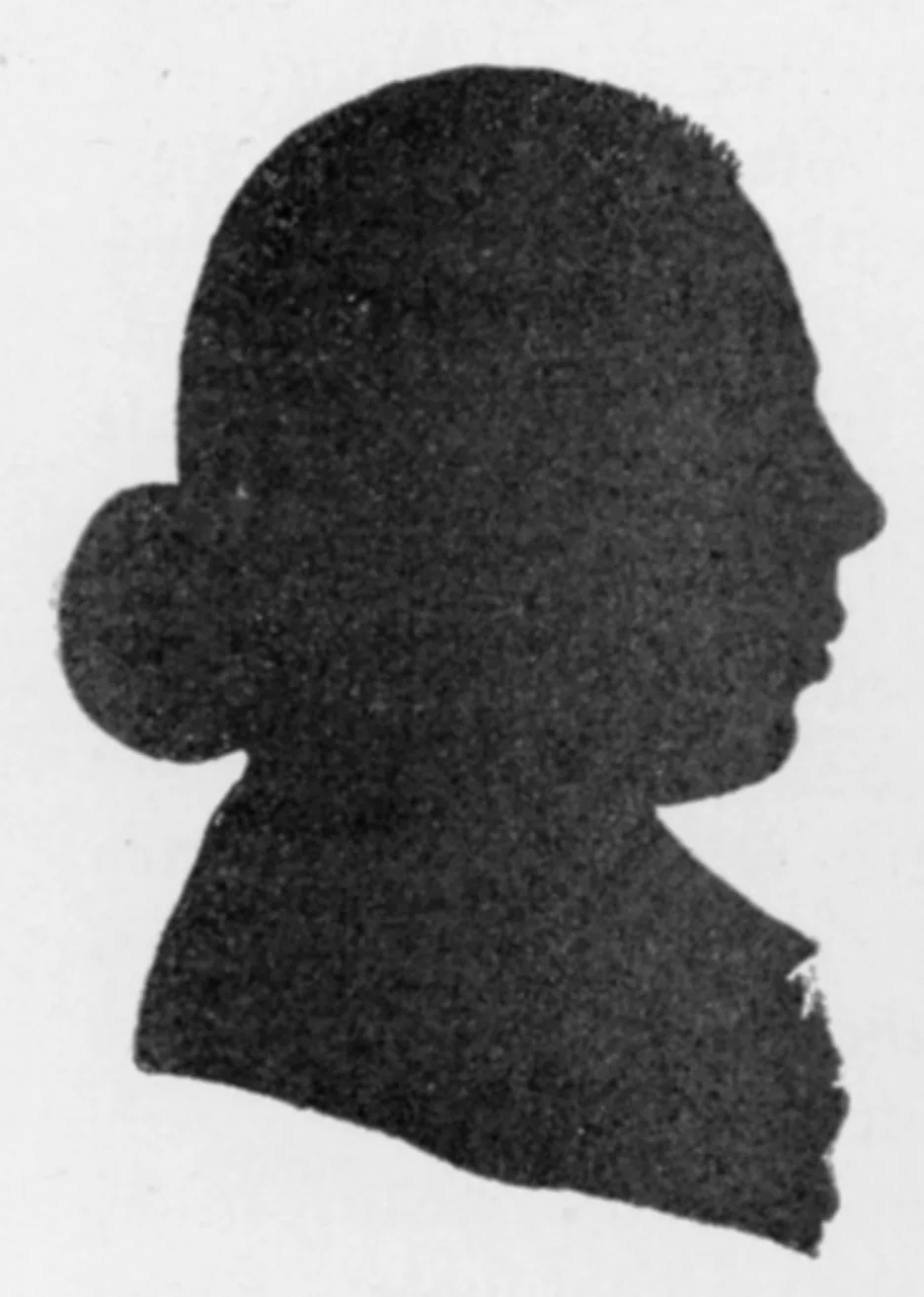
Some studios used tracing devices that converted a sitter’s profile into reduced outlines. These can produce striking consistency and appear in batches with similar size and contour style. Mechanical origin is not a flaw; historically, it reflects professional production methods and can support attribution when linked to known operators.
Materials, Supports, and Backings
Material study often settles difficult dating questions. Start by identifying what the profile is made from, then move outward to support card, backing paper, and glass.
Paper and Card Characteristics
Period papers usually show irregular fibers, subtle tone shifts, and oxidation in exposed margins. Wove and laid patterns, when visible, can assist date estimates. Later twentieth-century supports are often too bright, too uniform, and chemically stable in ways early papers rarely are.
Backing Papers and Adhesives
Older backings may include rag paper, ledger fragments, or handwritten notes reused by framers. Adhesives can range from starch paste to early glues that darken over time. Fresh, synthetic glues paired with otherwise “old” silhouettes should trigger closer authentication checks.
Dating by Style and Construction
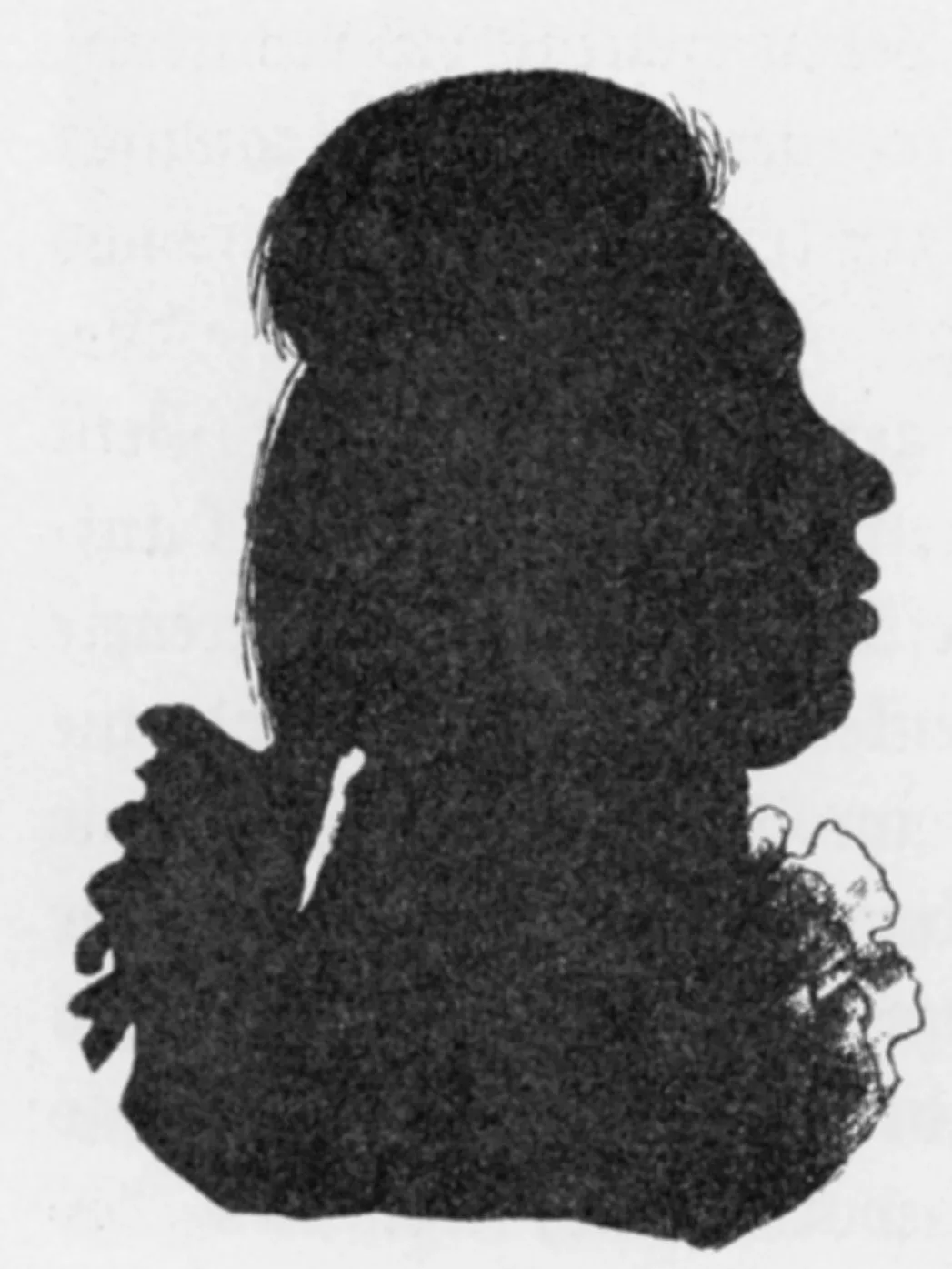
Silhouette dating works best when you combine fashion evidence with object construction. Avoid single-clue conclusions. Instead, build a timeline from costume, cutting style, mount format, and frame technology.
Hair and Costume Indicators
High collars, stock ties, and shoulder lines can narrow periods significantly in male portraits. For female sitters, bonnet shape, neckline treatment, and hairstyle volume are especially useful. Children’s silhouettes can be harder because dress conventions overlapped across decades.
Scale and Proportion Trends
Earlier silhouettes often appear in small, intimate formats intended for tabletop display. Mid nineteenth-century examples frequently move to larger wall-oriented presentations. Extremely oversized pieces may be later revival works unless supported by strong provenance.

Artists, Studios, and Attribution Clues
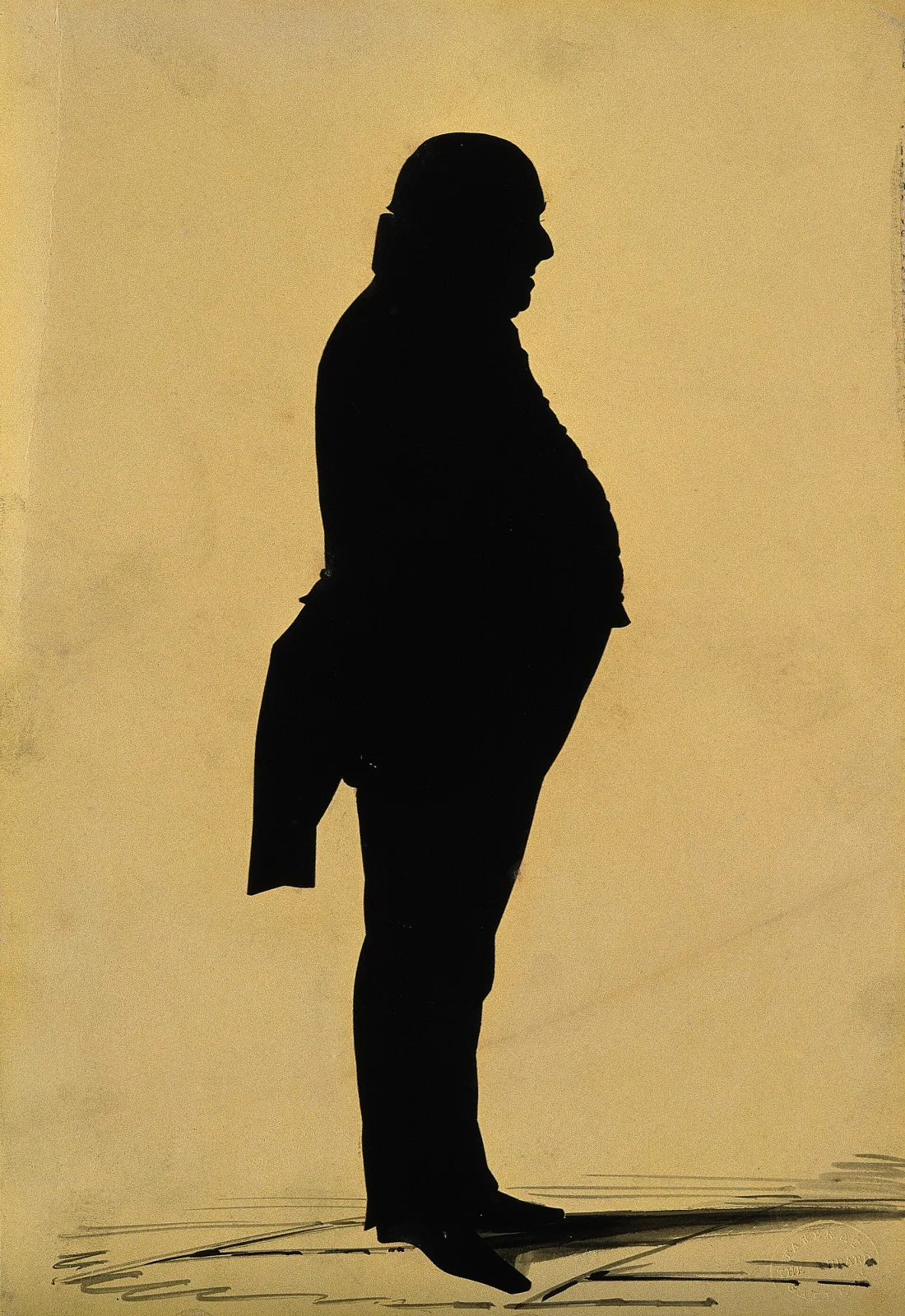
Attributed silhouettes command premiums when evidence is credible. Signatures are helpful but uncommon. Most attribution work depends on labels, printed trade slips, location notes, and stylistic comparison with documented examples.
Common Attribution Evidence
Look for inscriptions on backing boards, paper fragments bearing studio addresses, or pencil notes naming sitter and place. Auction catalog records can also help, but secondary sources should support—not replace—object-level evidence. Preserve every old paper layer during conservation; these fragments are often your best provenance trail.
Regional Schools and Traveling Cutters
Many silhouette artists worked itinerantly across towns and county fairs. Regional conventions in profile shape, eye detail, and bust-line treatment can appear in groups of works. Building a comparative image archive is one of the most effective ways to recognize recurring hands.
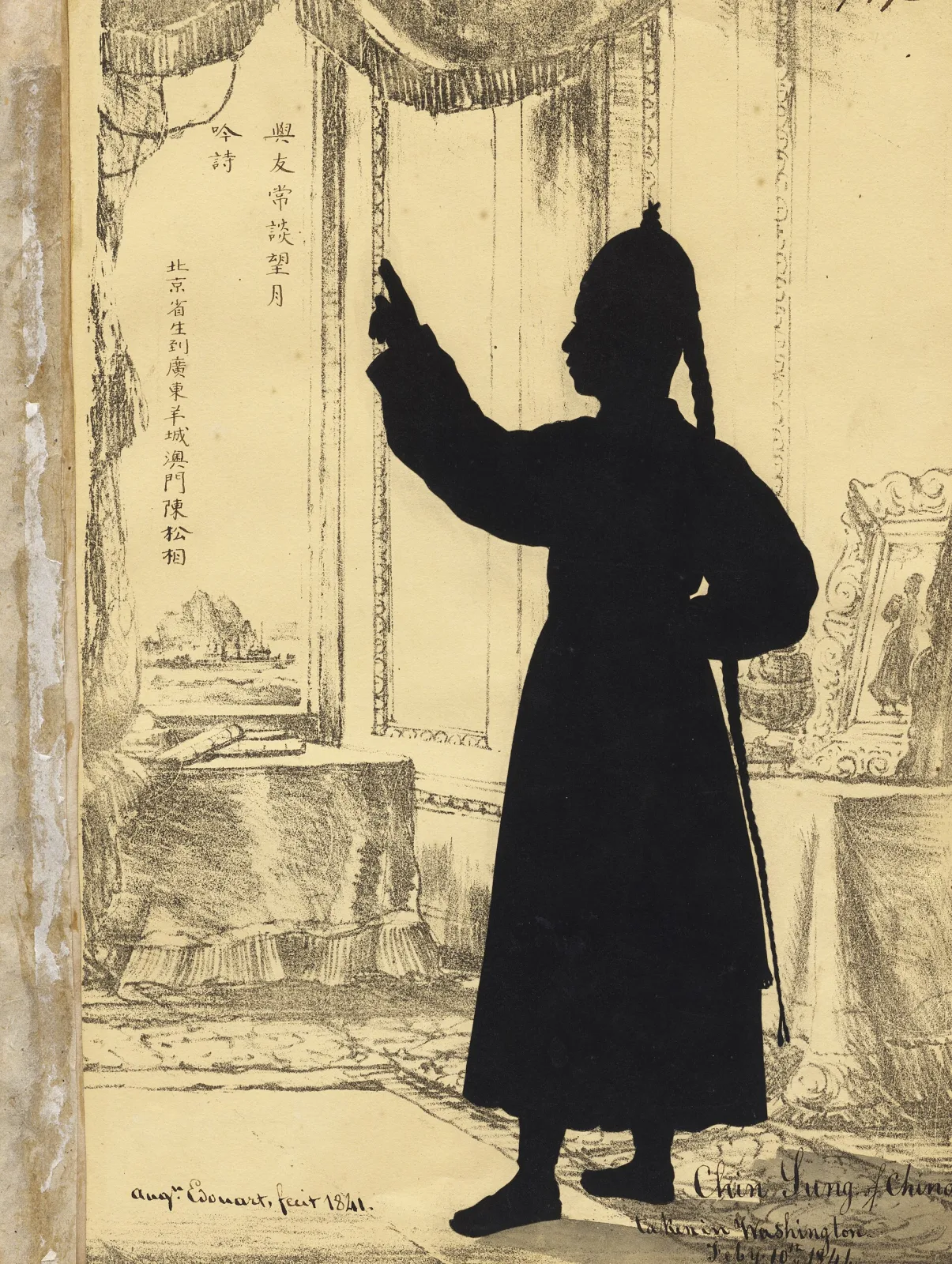
Frames, Mats, and Case Analysis
Frame analysis is essential because silhouettes are frequently reframed. A genuine early profile can sit in a later decorative frame, and a modern copy can be inserted into an old frame to simulate age.
Period Frame Types
Federal and early Victorian examples often appear in simple ebonized, gilt, or veneered frames with brass hangers and old nails. Convex “bubble” glass appears on some nineteenth-century pieces and can be original. Machine-made uniform nails, modern staples, or bright white backing boards may signal later interventions.
Mats and Spacers
Original mats may be hand-cut with minor asymmetry and oxidation around window edges. Acidic mats from later reframing campaigns can stain silhouettes and should be replaced by conservators. Always document original mat dimensions before any restoration.
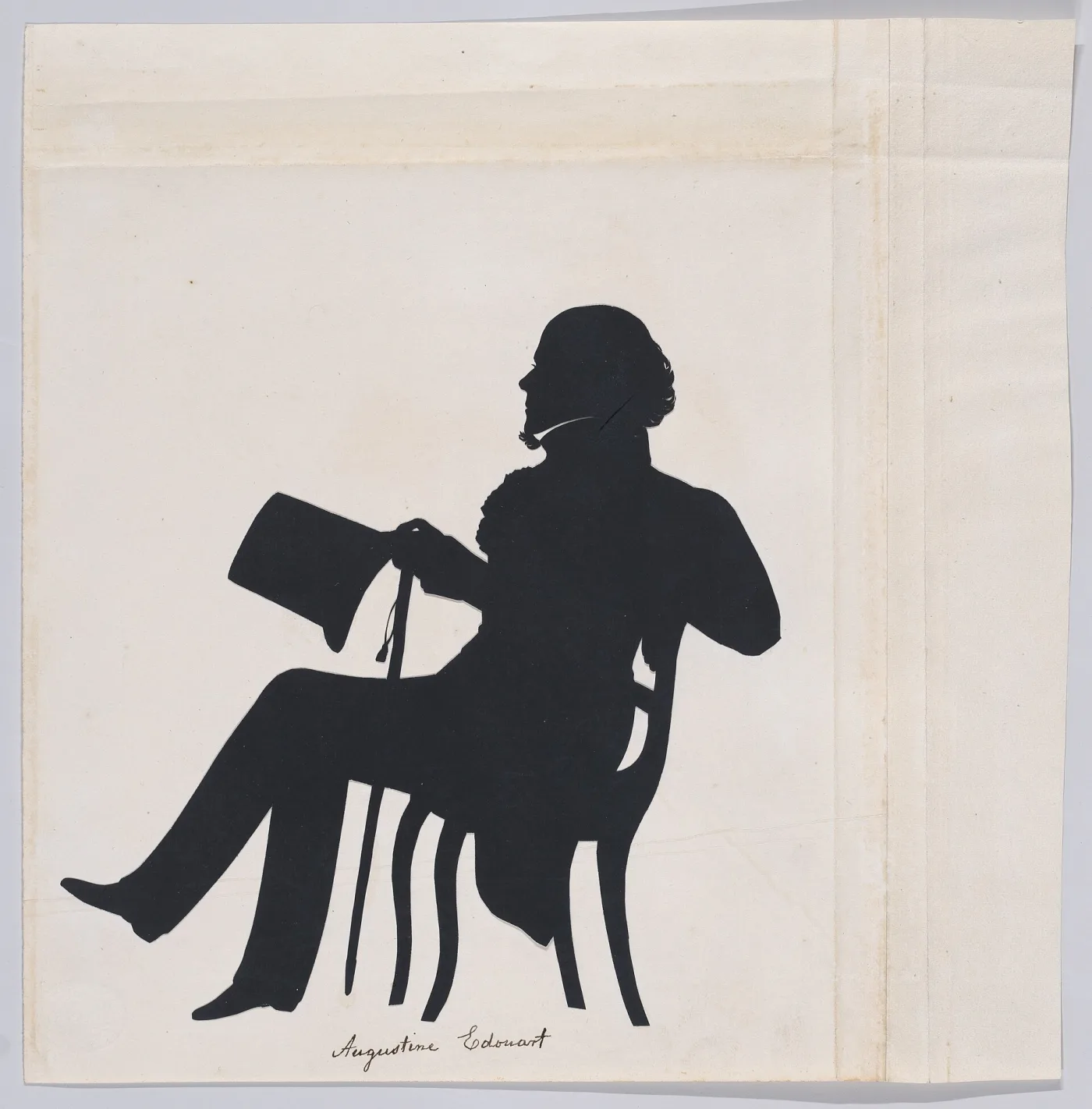
Condition and Authenticity Checks
Condition directly affects value, especially for works on paper. Examine both the portrait and its assembly. Use raking light, magnification, and careful back inspection when possible.
Common Condition Issues
Typical problems include foxing, paper embrittlement, fading, water staining, mold spotting, and adhesive bleed. Painted silhouettes may show craquelure or lifting media on unstable supports. Structural frame damage can also threaten paper by allowing dust and humidity fluctuations.
Red Flags for Reproductions
Watch for laser-cut edges that look too perfect, uniformly black modern paper without age variation, and artificial distress patterns repeated across unrelated pieces. Printed facsimiles often reveal dot screens under magnification. If provenance and materials conflict, trust the material evidence first.
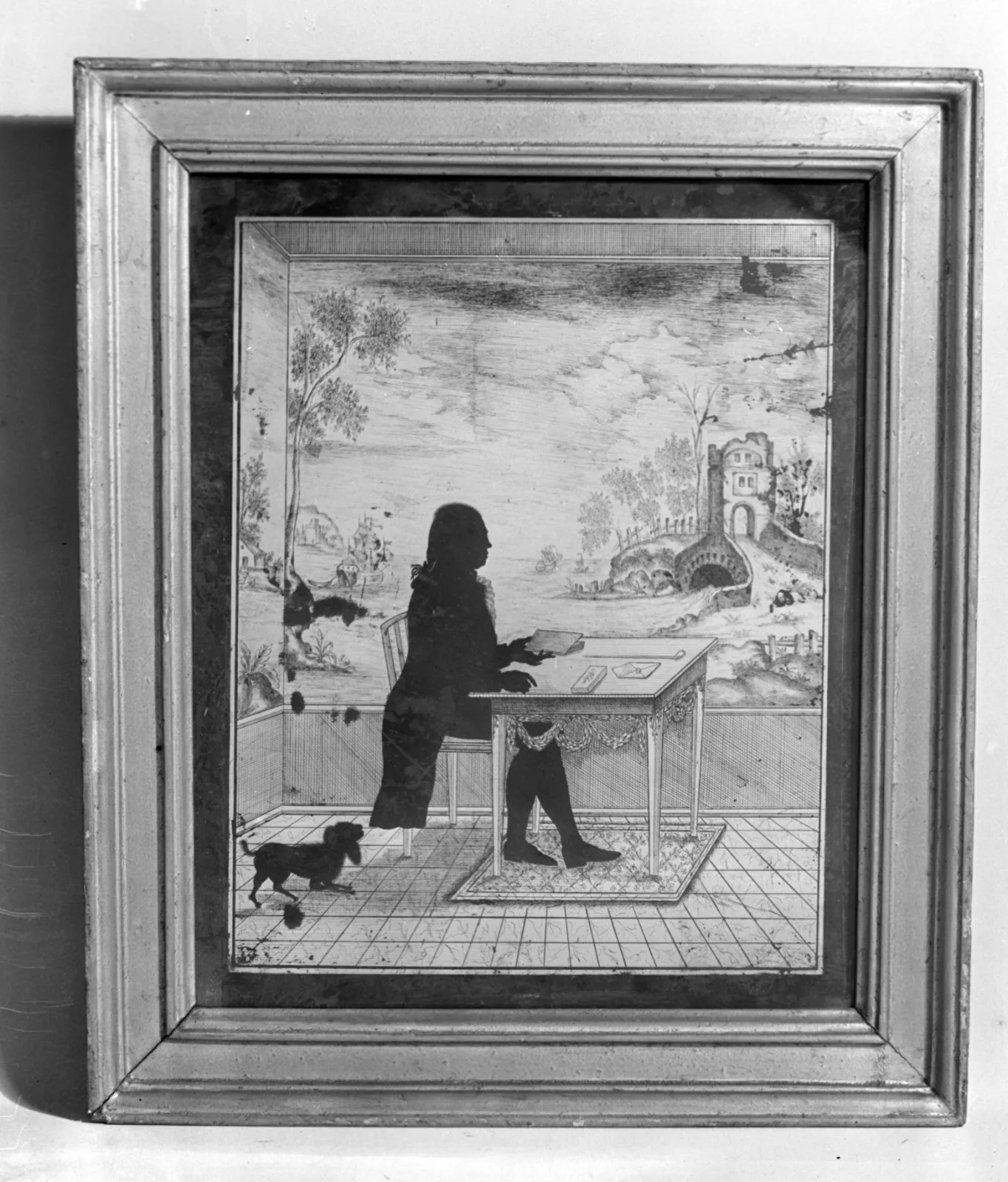
Value Drivers in Today’s Market
Silhouette values range from decorative-entry prices to significant sums for rare attributed examples. Market demand favors quality, documentation, and visual appeal.
What Usually Raises Value
Strong silhouette cutting, period frames, named sitters with documented biographies, and clean condition all increase desirability. Works by recognized practitioners and pairs of companion portraits generally perform better than anonymous single pieces.
What Usually Lowers Value
Heavy restoration, replaced backgrounds without disclosure, severe foxing, and uncertain attributions can reduce confidence and price. Overly aggressive cleaning can erase original edges and inscriptions, harming both scholarship and resale potential.
Handling, Storage, and Display
Preventive care is often more important than restoration. Silhouettes are vulnerable to light, acid migration, and moisture, so display planning matters.
Best Practices for Display
Use low-UV lighting and avoid direct sunlight. Keep pieces away from radiators, fireplaces, and exterior damp walls. If rehousing, choose archival mats and backing boards with conservation glass where possible.
Storage Recommendations
Store unframed silhouettes flat in archival folders with interleaving paper. Maintain stable temperature and relative humidity. Never use pressure-sensitive tapes or household glues near historic paper artifacts.
Buying Strategy for New Collectors
Start with quality examples in honest condition and clear descriptions. You do not need rare signatures to build a meaningful collection; consistency and documentation create long-term value.
Questions to Ask Sellers
Ask whether the profile has been removed from the frame, whether backing papers are original, and whether restoration was performed. Request close photos of cut edges, inscriptions, and frame hardware. Sellers who provide transparent details are generally lower risk.
How to Build a Focused Collection
Choose a scope: one region, one era, military sitters, children’s portraits, or artist-attributed works. A focused collecting strategy helps you compare pieces intelligently and avoid impulse purchases based only on decorative appearance.
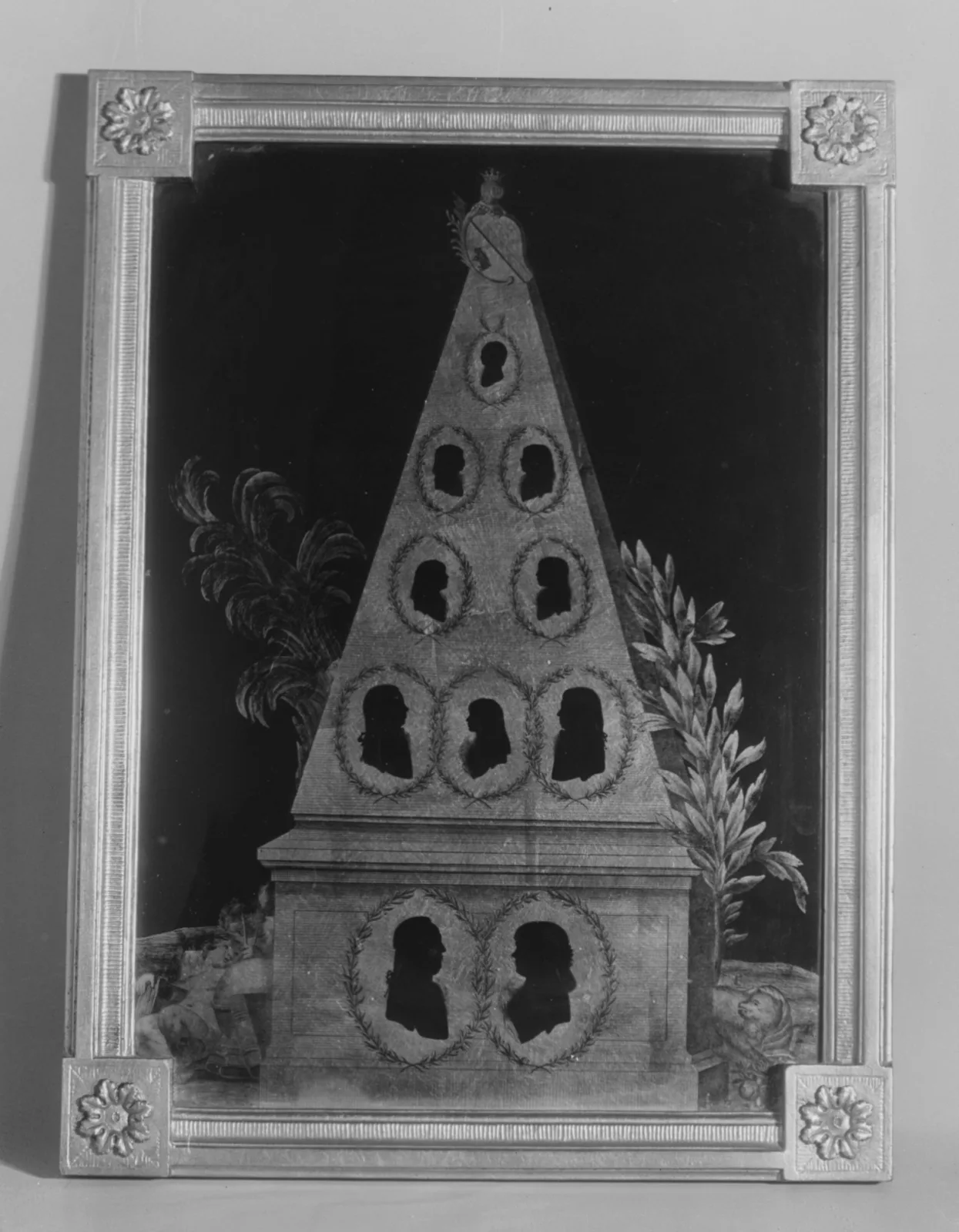
How to Document Your Silhouette Collection
Documentation protects value and simplifies insurance, estate planning, and scholarship. Build a record for every piece you own.
Essential Record Fields
Include dimensions, medium, frame measurements, visible inscriptions, purchase source, date acquired, and price paid. Photograph the front, reverse, and details under consistent lighting. Add notes about condition and any conservation work completed.
Using Identification Tools
AI-assisted tools can help generate preliminary descriptions, compare style references, and organize your catalog. Treat these outputs as starting points, then validate important attributions through specialist research and, when necessary, professional appraisal.
With careful observation and disciplined records, antique silhouette portraits become far more than decorative black profiles. They become traceable historical artifacts connected to people, places, and specific artistic practices—exactly the kind of layered evidence collectors value most.