Antique Shaving Sets & Straight Razors Identification Guide
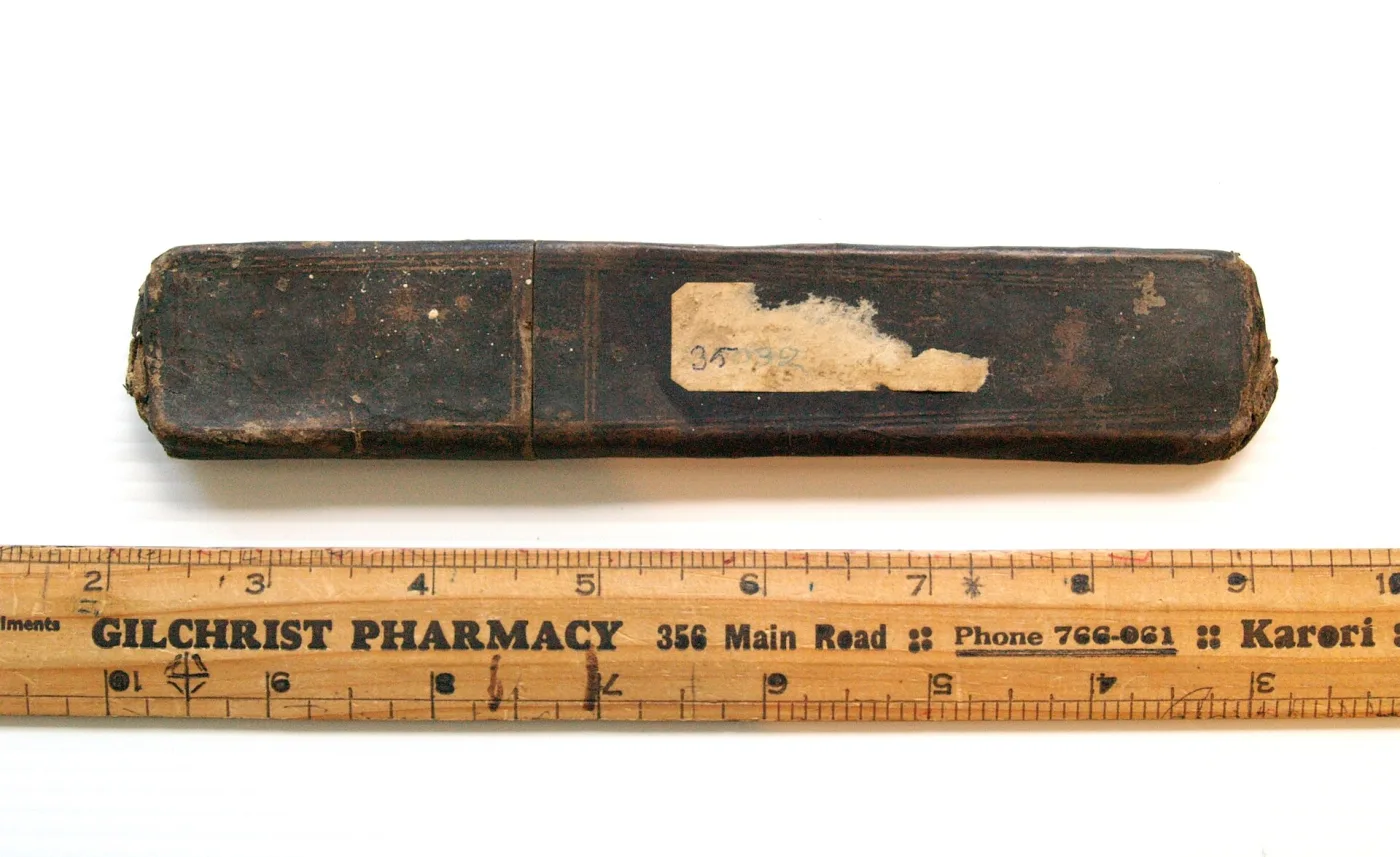
Antique shaving sets are one of the most underestimated categories in everyday-object collecting. They combine steelworking, silversmithing, travel design, and social history in one compact object group. A complete gentleman’s set might include a straight razor, strop, brush, soap dish, mirror, and fitted case, while barber shop sets can include sterilizers, hones, and multiple branded razors. Because these pieces were practical, many survived in worn condition, making high-grade examples surprisingly difficult to find.
For collectors, the challenge is not just identifying age. You also need to determine whether a set is assembled or original, whether blades are period-correct to the case, and whether restoration has reduced collector value. Small details such as a pinned scale material, a stamped steel code, or machine-cut versus hand-cut case compartments can shift the value dramatically.
This guide walks through the full identification workflow: core components, blade geometry, tang stamp dating, handle materials, shaving mug and brush clues, authentication red flags, and valuation strategies. You will also learn how to photograph and document a set so appraisers, auction houses, and insurance providers can evaluate it quickly and accurately.
Table of Contents
- What Counts as an Antique Shaving Set?
- Core Components and Period Configurations
- Straight Razor Anatomy and Grind Types
- Tang Stamps, Maker Marks, and Country Clues
- Handle Materials and Scale Construction
- Shaving Brushes, Mugs, and Accessories
- Travel Cases and Military Kits
- Barber Shop Equipment and Professional Sets
- Condition Grading and Common Damage
- Authenticity Checks and Reproduction Warnings
- Dating by Manufacturing Features
- Valuation Factors and Market Demand
- Storage, Preservation, and Safe Cleaning
- Documentation Checklist for Collectors
- Regional Styles and Export Markets
- Collector Buying Strategy by Budget
- Reference Books, Archives, and Communities
- Field Inspection Worksheet
- Case Studies: Real-World Identification Scenarios
What Counts as an Antique Shaving Set?
In most collecting contexts, an antique shaving set is more than one isolated razor. It is a coordinated grooming group produced as a functional kit, sold either for home vanity use, travel use, or professional barber service. If a seller uses the term “set,” confirm whether all pieces share matching wear, materials, and maker attributions.
Common set categories
Late 19th-century vanity sets often emphasize presentation: silverplate lids, velvet-lined trays, and decorative porcelain mugs. Early 20th-century travel sets focus on compact size, durable leather, and removable blade slots. Military and campaign variants prioritize ruggedness with stamped metal cups, bakelite-like synthetics, and simple stitched cases.
Core Components and Period Configurations
A complete period kit can include a straight razor, strop, brush, soap container, mirror, and occasionally scissors or a manicure tool. Not every set had all components, so rarity depends on original catalog design, not modern expectations. Study surviving catalog pages whenever possible.
Originality versus assembled sets
Assembled sets are common: a genuine case filled with unrelated period tools. Watch for mismatch in stamp origin, mismatch in nickel tone, or cutout cavities that do not fit included objects. Original sets usually show coherent wear patterns, including pressure marks in linings where each tool rested for decades.
Straight Razor Anatomy and Grind Types
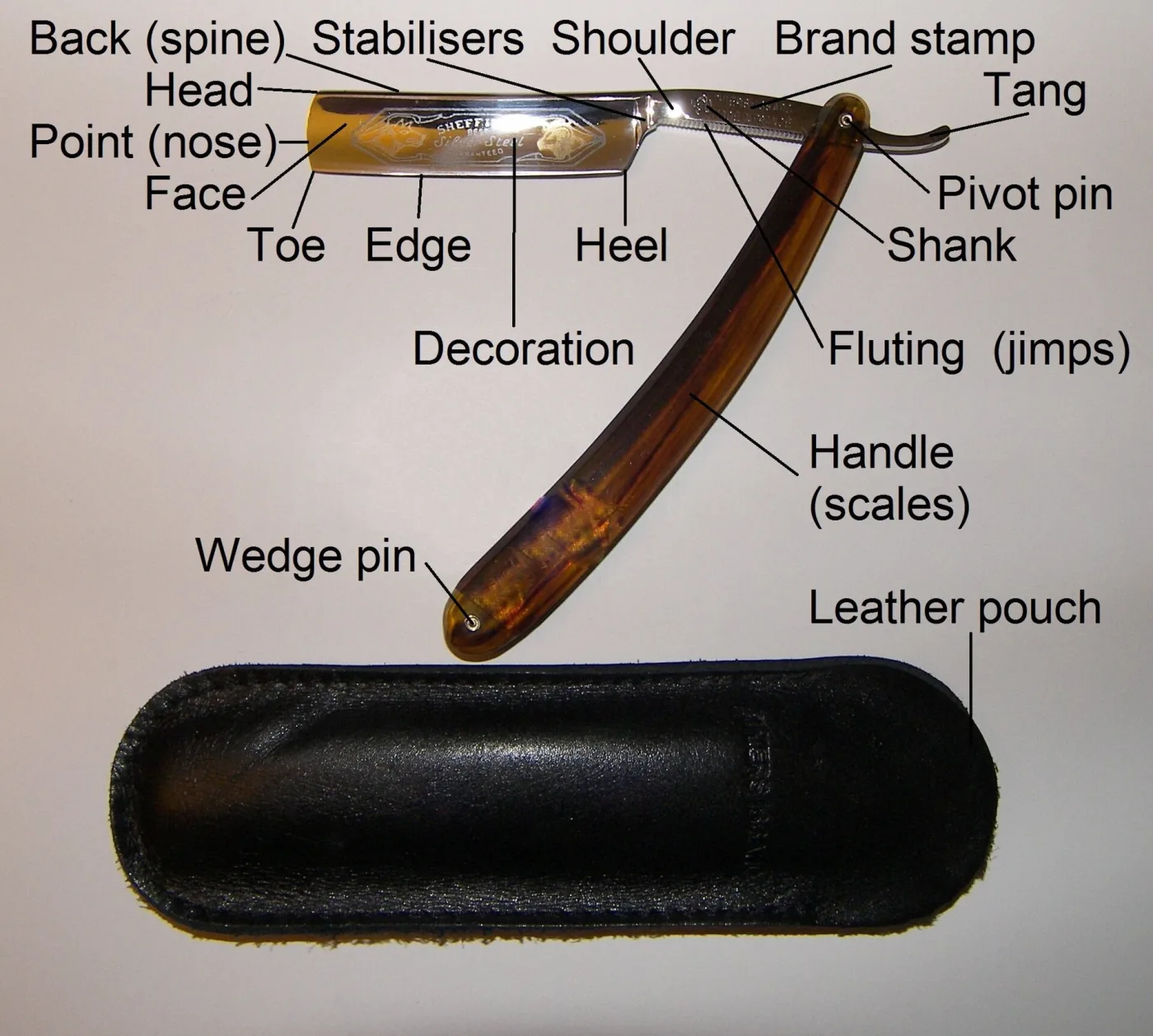
Understanding blade structure is essential for identification. The blade includes spine, face, shoulder, tang, pivot, and edge. Different grinds were marketed for different shaving preferences and can indicate production era and manufacturer specialization.
Wedge, quarter-hollow, half-hollow, full-hollow
Earlier razors are often heavier wedge or near-wedge forms, while many late 19th- and early 20th-century razors feature hollow grinds that are thinner and more flexible. A true wedge blade with hand-finished spine wear may suggest earlier manufacture, though later novelty reproductions exist.
Point profiles and collector terminology
Round point blades are common and safer for daily use; square points and French points are prized by some collectors for appearance and precision. Point profile alone does not date a razor, but when combined with tang stamp style, steel finish, and scale material, it can narrow production windows.
Tang Stamps, Maker Marks, and Country Clues
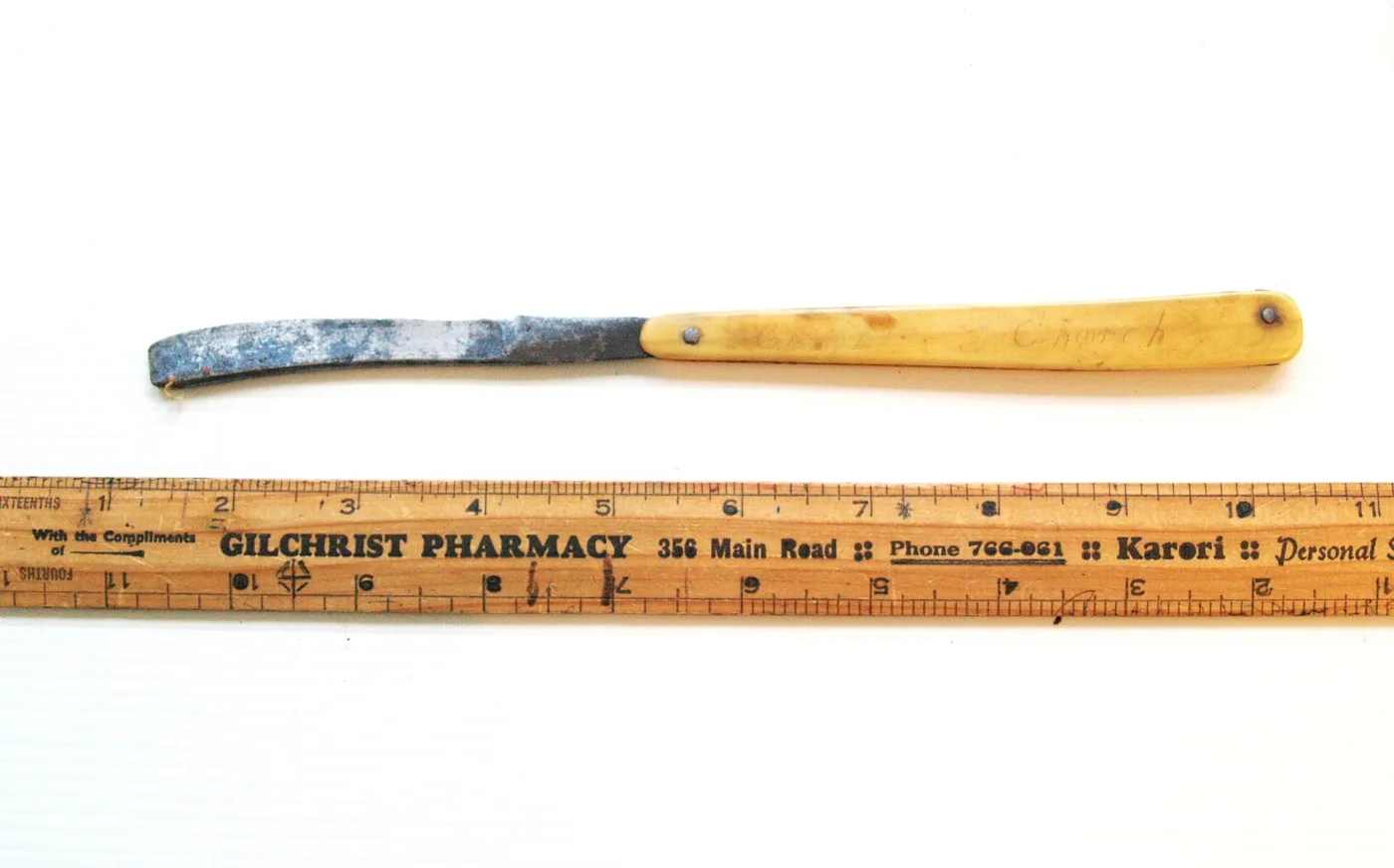
Tang stamps are the most valuable identification evidence. Sheffield, Solingen, Thiers, and American cutlery centers each used distinctive mark structures, abbreviations, and export wording. Learn to document both sides of tangs and any etching on blade faces.
Reading stamp language accurately
Wording like “Cast Steel,” “Hollow Ground,” “Extra Hollow,” or patent references can align with known chronology. Import regulations also matter; some items marked “Germany” versus “Made in Germany” can fall into specific date ranges depending on destination market requirements.

Handle Materials and Scale Construction
Razor scales are a major value driver. Materials include horn, bone, ivory, tortoiseshell, celluloid, gutta-percha, ebony, and various synthetics. Condition and originality of scales often affect value more than blade polish because replacements are common and difficult for beginners to spot.
Pinning and wedge details
Original period pinning typically shows consistent oxidation and subtle wear at pivot and tail. Freshly peened pins with bright metal on a heavily patinated blade can indicate later re-scaling. Decorative washers may be period-correct on premium pieces, but their style must match maker conventions.
Shaving Brushes, Mugs, and Accessories
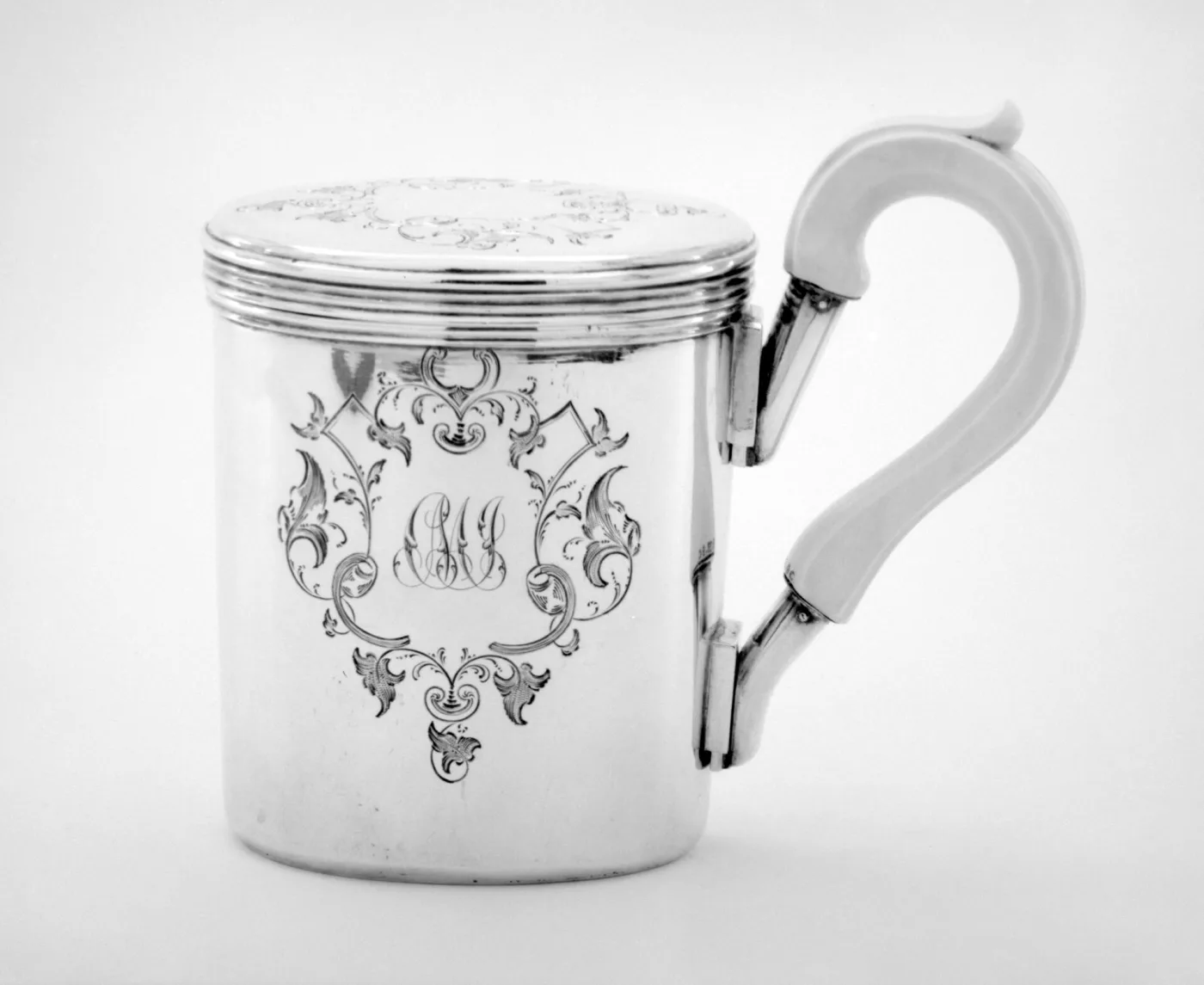
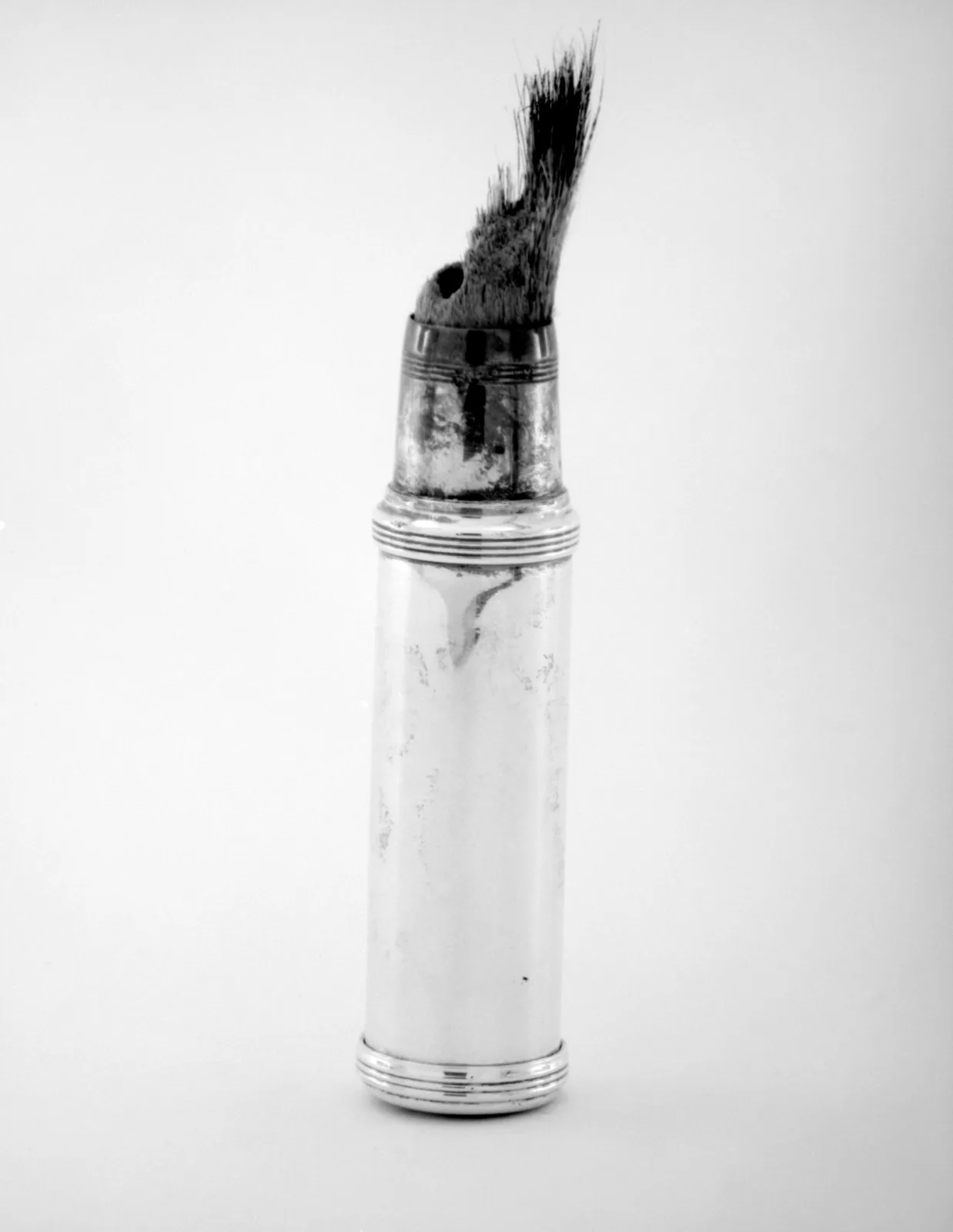
Many collectors overlook brush and mug evidence, yet these pieces can verify set integrity. Early brushes may use bone or turned wood handles with natural bristle knots; later examples incorporate vulcanite and molded synthetics. Monogrammed silver collars can indicate custom commissions.
Porcelain shaving mugs
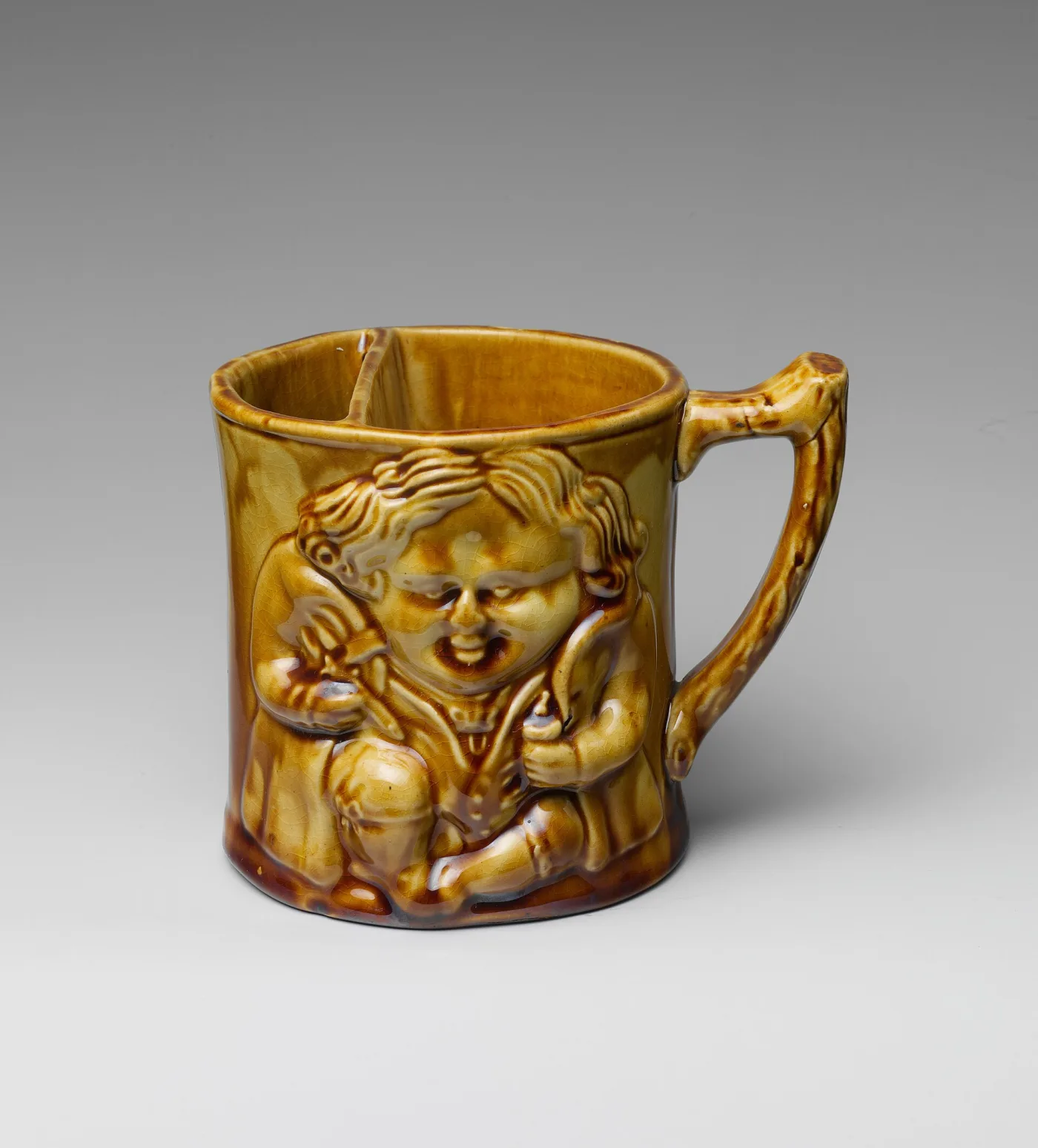
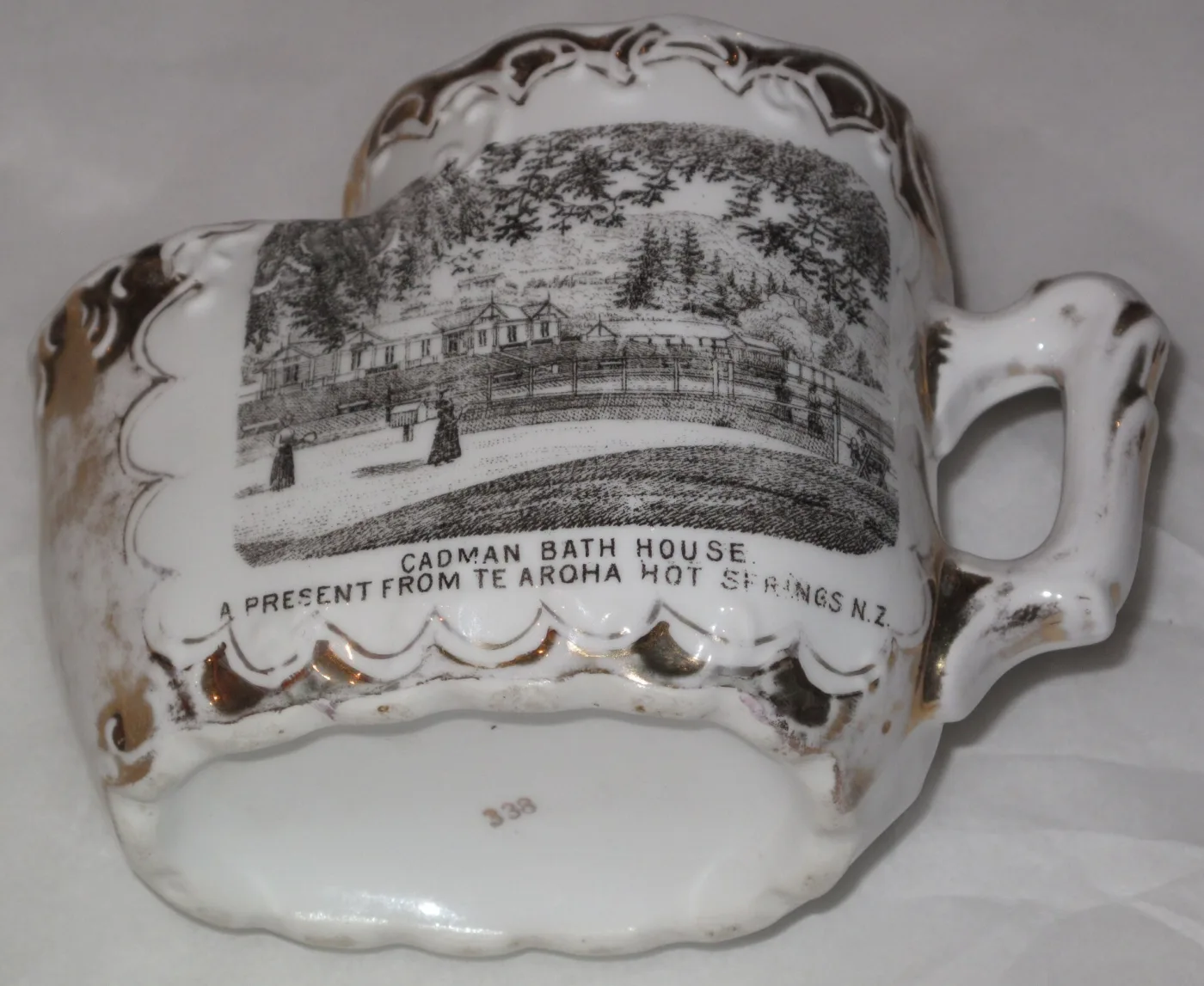
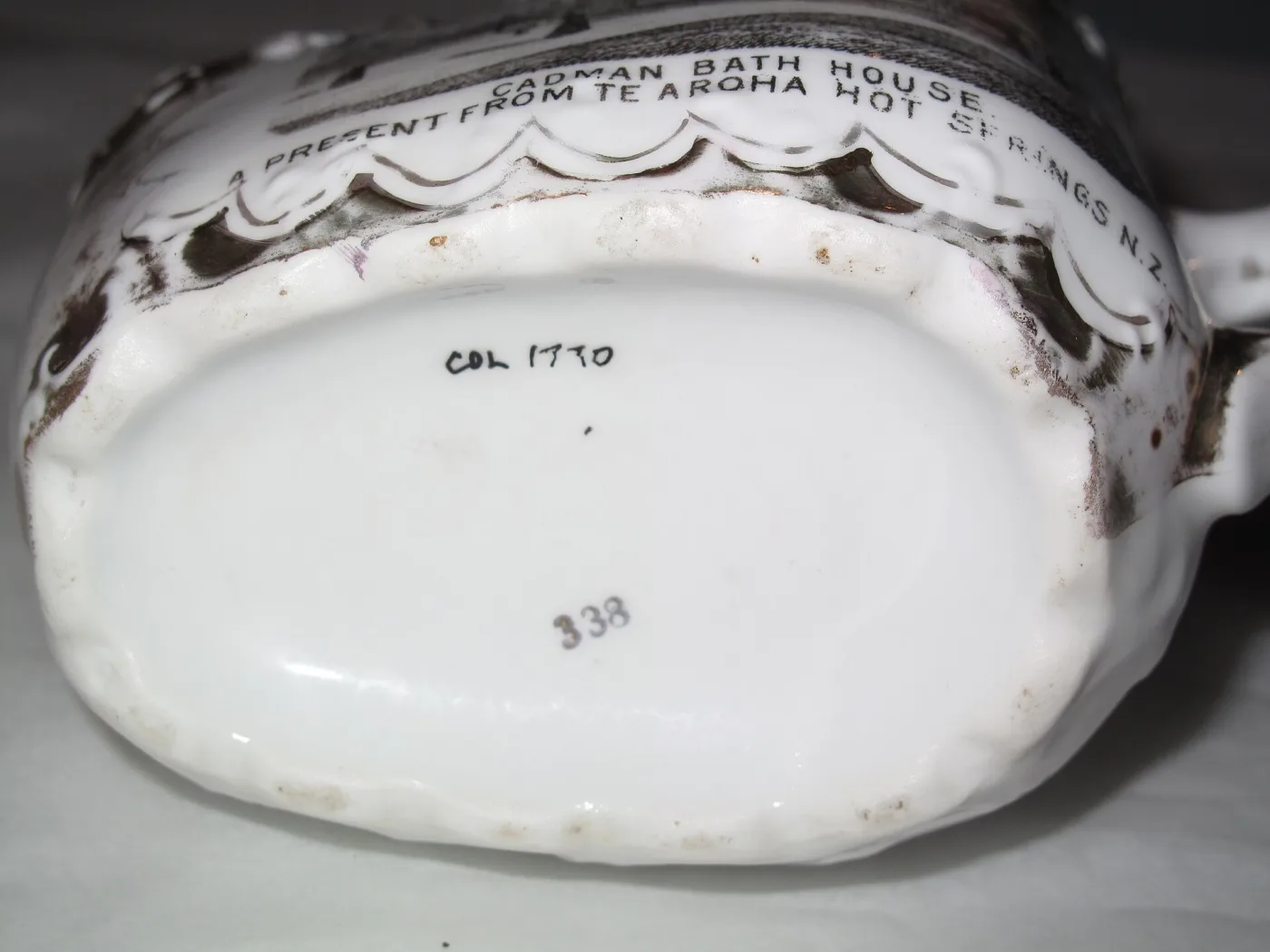
Fraternal mugs, occupational motifs, and hand-painted names are highly collectible. Examine base marks, glaze crackle, and transfer-print quality. A mug can be period-correct but unrelated to the razor, so cross-check family provenance and wear compatibility before assuming original pairing.
Travel Cases and Military Kits
Travel shaving kits are a strong subcategory because they connect to rail, maritime, and military history. Cases can be leather, vulcanized fiber, or wood with fitted interiors. Internal partitions should align exactly with tool shapes; sloppy gaps often mean later substitutions.
Material dating clues in cases
Look for hand stitching versus machine stitch regularity, brass lock hardware style, and lining textiles. Certain synthetic linings and plastic hinges strongly indicate mid-20th-century manufacture, not true antique status. Label fragments inside lids can provide retailer and city clues useful for archival research.
Barber Shop Equipment and Professional Sets
Professional barberiana includes razor displays, sterilizer cabinets, hones, strops, lather machines, and multi-razor service kits. These items were heavily used, so pristine examples are rare. Original signage and branded fixtures can carry high value even when individual razors are modest.
Shop-wear patterns that signal authenticity
Authentic barber-use tools often show repeated sharpening wear, edge geometry changes, and nicks from daily handling. Uniform “antiqued” wear across all surfaces can be suspicious. True long-term use creates uneven, function-driven wear rather than decorative distress.
Condition Grading and Common Damage
Condition grading should separate metal, scales, edge, and set completeness. Common blade issues include active red rust, pitting near the edge, over-honing (narrowed blade profile), and heavy polishing that erased etching. Scale issues include cracking at pins, warping, delamination, and replacement with modern reproductions.
Practical grading language
Use structured notes such as: “Blade 80% finish, moderate spine wear, stable dark patina, no active rust; scales original horn with minor tail crack; case complete but lid lining detached.” Clear terminology helps buyers compare offerings and reduces return disputes.
Authenticity Checks and Reproduction Warnings
Reproductions exist in both low-end souvenir format and high-end deceptive format. Some modern razors are artificially aged, then paired with period mugs to create a “complete antique set.” Learn to evaluate each component independently before assigning a single date to the group.
High-risk red flags
Warning signs include acid-etched fake marks with soft edges, chemically darkened metal in recesses but bright high points, and mismatched screw hardware that postdates the claimed era. If a supposedly untouched case smells strongly of fresh adhesive, inspect for rebuilt interiors.
Dating by Manufacturing Features
Dating is strongest when multiple evidence streams agree: tang mark typography, grind style, handle material, and case construction. One clue in isolation is rarely enough. Build a timeline for each piece, then compare for overlap to estimate probable assembly date.
Helpful timeline anchors
Examples include transition from hand-forged to more standardized machine finishing, expansion of export marks, and adoption of synthetic handle materials. Retailer labels and city directories can sometimes identify exact operating years for a shop named in a case label.
Valuation Factors and Market Demand
Market value depends on maker reputation, rarity, condition, originality, and visual appeal. A common maker in exceptional complete condition may outperform a rarer maker with heavy restoration. Provenance and presentation matter, especially in online sales where first impression drives bidding.
Where value concentrates
Collectors pay premiums for untouched matched sets, crisp tang marks, intact blade etching, premium scale materials, and documented historical ownership. Specialty auctions may reward barberiana context, while general marketplaces may undervalue complete kits unless listings include excellent photos and clear measurements.
Storage, Preservation, and Safe Cleaning
Preservation starts with humidity control. Store razors dry, lightly protected with archival-safe oil on metal surfaces, and isolated from unstable plastics or acidic paper. Avoid leather contact for long periods if leather is acidic or deteriorating, as it can accelerate corrosion.
What not to do
Do not aggressively buff blades to mirror finish if etching remains. Do not sand scales unless professional conservation is required. Do not use household rust removers on etched or plated surfaces. Gentle, reversible cleaning preserves value better than cosmetic over-restoration.
Documentation Checklist for Collectors
When buying or cataloging a shaving set, create a repeatable record package. Photograph front and back of each razor, close-up tang stamps, pin details, interior case layout, accessory marks, and any damage. Include ruler references and neutral lighting.
Recommended record fields
Track maker, country, approximate date range, blade width, grind type, point type, scale material, restoration history, and provenance notes. Add purchase source and price paid for future valuation benchmarking. This simple database approach helps identify trends and improves resale confidence.
Antique shaving sets reward close observation and patient comparison. With a structured identification process, you can separate decorative curios from historically significant grooming artifacts and build a focused, high-quality collection over time.
Regional Styles and Export Markets
Regional design language helps explain why two razors from the same decade can feel completely different in hand. Sheffield makers frequently emphasized robust grind consistency and practical utilitarian branding, while Solingen factories often pushed broad export catalogs with numerous private-label contracts. French and Spanish production introduced distinctive decorative treatments and shape preferences aimed at both local and colonial markets.
Private label and retailer branding
Many razors were sold under retailer names rather than factory names. A London or New York retailer might commission batches from German or English cutlers, resulting in mixed identity clues. In those cases, study tang typography, shoulder geometry, and grind style against known factory patterns. Even if the brand on the tang is obscure, manufacturing fingerprints can still reveal probable origin.
Export adaptation clues
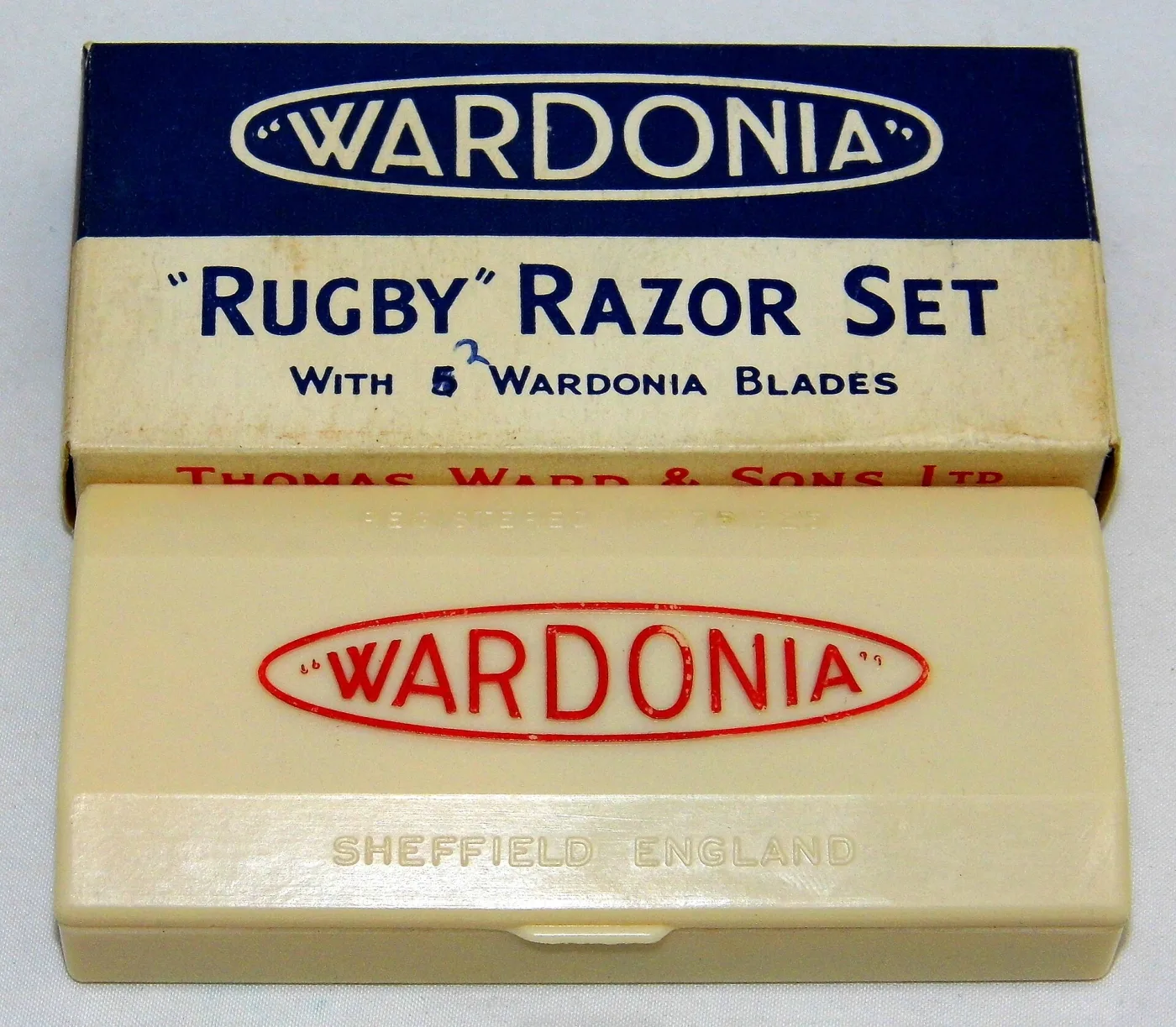
Export-focused pieces may use multilingual packaging, imperial versus metric sizing conventions, or region-specific decorative motifs on scales and boxes. Some firms changed etch language to suit destination markets, especially for North America. Collectors who understand export adaptation can avoid mislabeling an item as domestic production when it was clearly targeted abroad.
Collector Buying Strategy by Budget
Building a shaving-set collection does not require chasing top-tier museum examples immediately. A practical strategy is to define tiers: study pieces, representative maker examples, and premium investment sets. Each tier teaches different skills and helps avoid expensive mistakes made by buying too fast.
Entry-level strategy
At entry level, focus on complete but modest sets with legible marks and stable condition. Prioritize educational value over rarity. You want examples that allow you to compare scale materials, grind profiles, and case construction in hand. Avoid pieces with active rust at the edge until you gain confidence in stabilization methods.
Intermediate strategy
Intermediate collectors can target specific maker families, military travel kits, or fraternal shaving mugs paired with original accessories. At this stage, provenance starts to matter more. Keep receipts, screenshots, and auction descriptions because these records become part of your set’s long-term credibility.
Advanced strategy
Advanced buyers should emphasize exceptional originality, scarce variants, and strong documentation. Instead of buying many average examples, allocate budget to one superior set with clear chain of ownership and minimal restoration. Over long periods, quality concentration often outperforms quantity in both financial and curatorial terms.
Reference Books, Archives, and Communities
No single guide can replace specialist references and collector communities. Use period catalogs, trademark registries, patent drawings, and city directories to validate claims. Archival research can reveal when a retailer was active, when a maker changed ownership, and when a specific stamp style entered production.
How to verify information quality
Online forums and social media groups are useful but uneven. Prioritize evidence-backed posts that include clear photos, documented comparisons, and citations to catalog pages or known collections. Be cautious of repetitive myths, especially absolute dating claims based on one feature alone.
Building your own reference system
Create a personal digital archive with folders for tang stamps, scale materials, case interiors, and accessory marks. Tag each image with source and date. Over time, this private reference library becomes one of your best tools for quick authenticity checks when evaluating new listings.
Field Inspection Worksheet
When inspecting a potential purchase in person, use a repeatable worksheet. First, document complete set overview photos. Second, evaluate each component independently for maker attribution and period compatibility. Third, assign condition notes to blade, scales, accessories, and case. Fourth, calculate replacement difficulty for missing elements.
Fast scoring model
A simple 100-point model can improve consistency: originality (30), condition (25), maker significance (20), completeness (15), provenance (10). This framework does not replace deep expertise, but it helps you compare opportunities objectively across auctions, dealers, and private sales.
Final decision checklist
Before purchase, ask: Are marks authentic and legible? Is restoration disclosed? Are all components period-consistent? Does asking price align with comparable sales? Can I explain this item’s story in one clear paragraph? If you cannot answer those questions confidently, step back and continue research. Discipline is one of the strongest advantages in antique collecting.
Case Studies: Real-World Identification Scenarios
Case Study A: The mismatched estate box. A collector purchased a leather travel case advertised as a late Victorian complete set. At first glance it included a straight razor, brush, soap tin, and mirror. Closer analysis showed the razor was a 1920s export piece marked differently from the retailer label in the lid, while the brush knot was modern synthetic replacement. The case itself was period-correct, but the contents were assembled. Value dropped by nearly half compared with an original matched interior. Lesson: always evaluate each component as a standalone object before accepting the set narrative.
Case Study B: The over-polished premium razor. A respected maker name can tempt buyers to overlook condition loss. In this example, a high-status Sheffield razor retained a readable tang but had been polished so aggressively that decorative blade etching was almost erased. Spine geometry also suggested extensive honing. Although still collectible, the piece no longer represented top-tier condition and should not be priced at premium untouched levels. Lesson: maker prestige cannot fully compensate for irreversible surface loss.
Case Study C: Hidden provenance premium. A modest-looking military shaving kit sold at local auction with minimal description. The buyer later found a period service card inside a paper pocket beneath the lining, linking the kit to a documented officer with a traceable career. The object became more than grooming equipment; it became a historical personal artifact. Provenance documentation increased both curatorial significance and sale interest among militaria collectors. Lesson: inspect interiors carefully, especially beneath removable trays and liners.
Case Study D: False age through patina simulation. An online seller offered several “19th-century barbershop razors” with almost identical dark patina and artificially softened tang stamps. Microscopic review of listing photos showed uniform chemical darkening in recesses and fresh machine marks near the pivot. The stamp edges lacked natural wear transition and appeared recently acid-etched. Buyers who compared these details with verified originals recognized modern fabrication. Lesson: natural age is irregular; copied aging often looks strangely consistent.
Case Study E: The complete mid-market winner. Not every successful acquisition is rare. One collector built value by purchasing a complete, honest, mid-market set with coherent wear and detailed documentation. The maker was common, but all components matched period and style, the case was structurally sound, and no hidden repairs were present. Because the purchase was disciplined and transparent, resale later produced strong demand from buyers seeking a ready-to-display set. Lesson: completeness and credibility can outperform rarity in practical market performance.