
Phonographs and Early Radios: Complete Identification Guide 2026
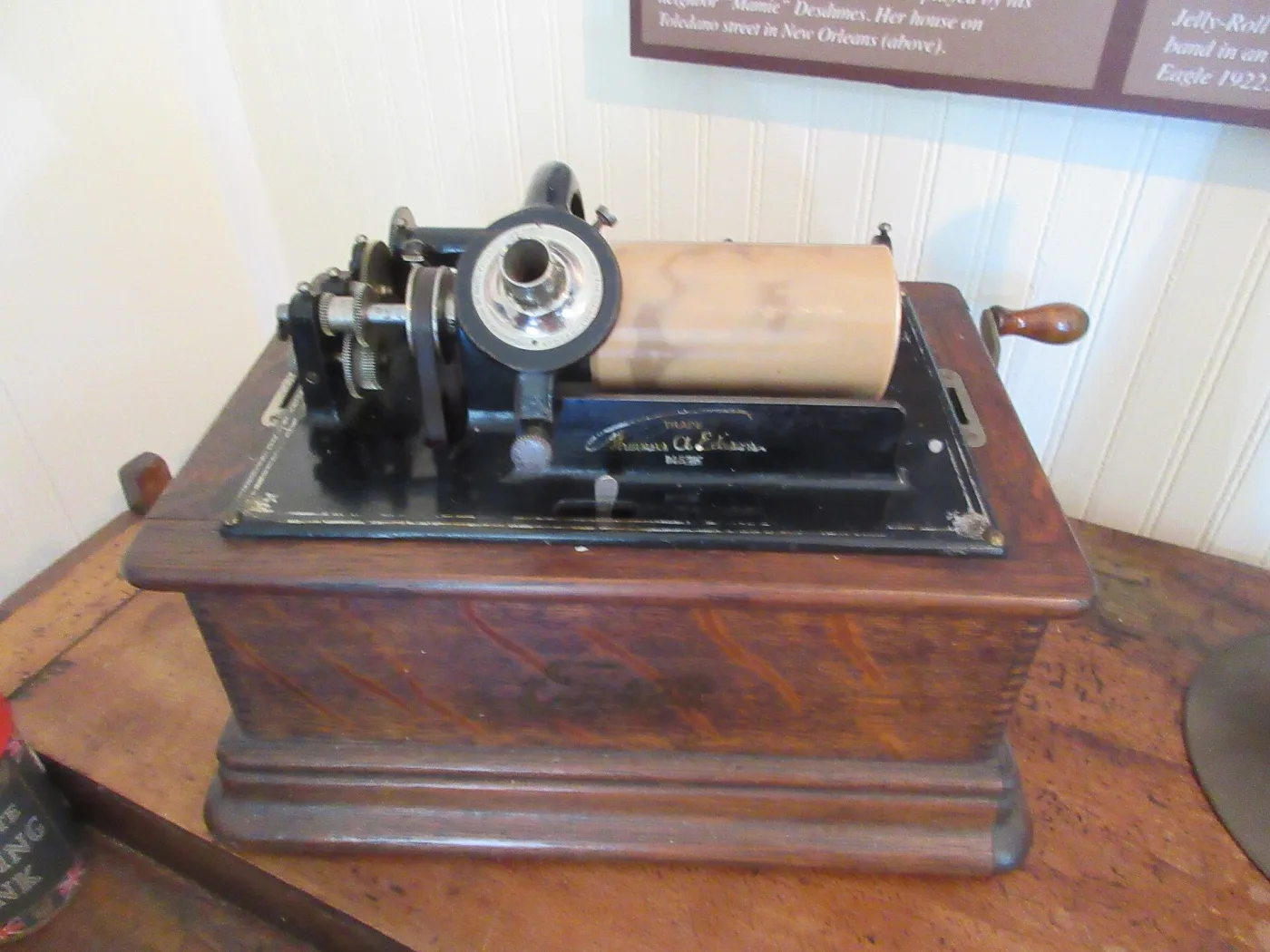
Identifying phonographs and early radios requires specialized knowledge of mechanical and electrical engineering, historical manufacturing techniques, and the evolution of audio technology. Whether you're a seasoned collector of vintage audio equipment or just beginning to explore this fascinating field, this comprehensive guide will provide you with the knowledge and tools needed to identify, authenticate, and value antique phonographs and early radio sets. Modern tools like the Antique Identifier app can provide instant AI-powered identification, but understanding the fundamentals is crucial for any serious collector of vintage audio equipment.
Table of Contents
- What Are Phonographs and Early Radios?
- Identification Methods and Techniques
- Phonograph Types and Mechanisms
- Early Radio Types and Technology
- Authentication and Dating Techniques
- Maker Identification and Markings
- Safety and Restoration Considerations
- Value Assessment and Collectibility
- Digital Tools for Identification
- Expert Tips and Best Practices
What Are Phonographs and Early Radios?
Phonographs and early radios represent the dawn of recorded sound and wireless communication technology. These devices are generally considered antique when they are 50+ years old, though some collectors consider items from the 1920s-1950s as vintage rather than antique. The key characteristics that make these items valuable include:
- Historical significance: First examples of mass-produced audio technology
- Technical innovation: Revolutionary mechanisms and circuitry
- Quality craftsmanship: Hand-assembled components and fine materials
- Rarity: Limited production runs and surviving examples
- Provenance: Documented history and original condition
Understanding the evolution of audio technology is crucial for proper identification:
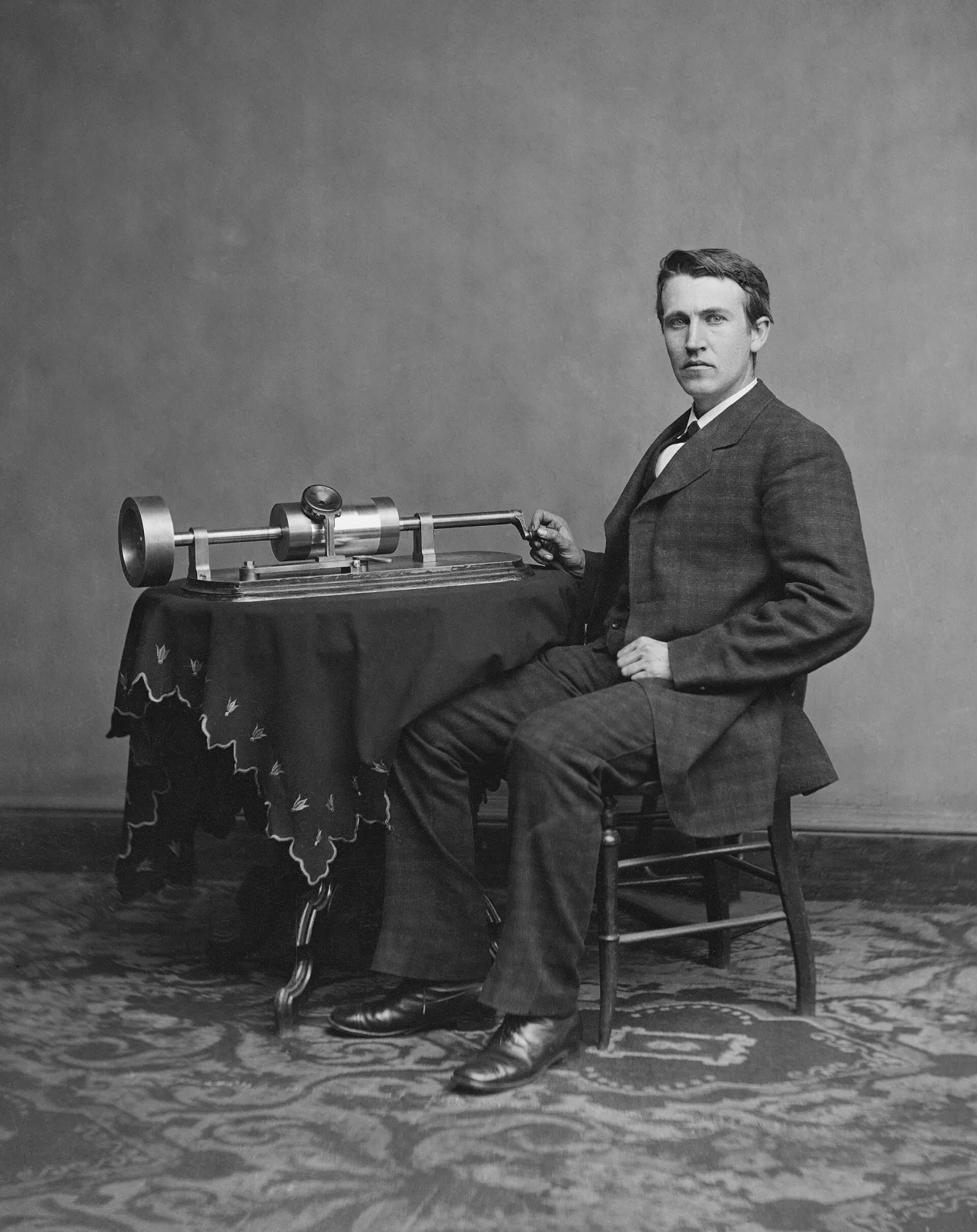
- 1877-1920s: Mechanical phonographs and crystal radio sets
- 1920s-1930s: Electric phonographs and tube radio development
- 1940s-1950s: Post-war innovation and transistor introduction
- 1960s+: Modern solid-state technology
Identification Methods and Techniques
1. Visual Examination
The first step in identifying vintage audio equipment is a thorough visual examination. Look for:
- Construction quality: Hand-finished details, precision machining, quality materials
- Component condition: Original tubes, capacitors, wiring, and mechanical parts
- Wear patterns: Natural aging, consistent use wear, maintenance history
- Design elements: Period-appropriate styling, decorative features, brand consistency
2. Mechanical and Electrical Analysis
For phonographs, examine the mechanical components:
- Motor assembly: Spring barrel count, governor mechanism, gear ratios
- Sound reproduction: Soundbox design, diaphragm material, needle mechanism
- Drive system: Belt or direct drive, speed control mechanisms
- Cabinet construction: Wood quality, joinery, finish type
For early radios, analyze the electrical components:
- Tube complement: Type and number of tubes, rectifier configuration
- Circuit design: TRF vs superheterodyne, IF frequency, tuning mechanism
- Power supply: AC/DC operation, transformer type, filter design
- Speaker system: Field coil vs permanent magnet, cone material
3. Markings and Documentation
Look for identifying marks and documentation:
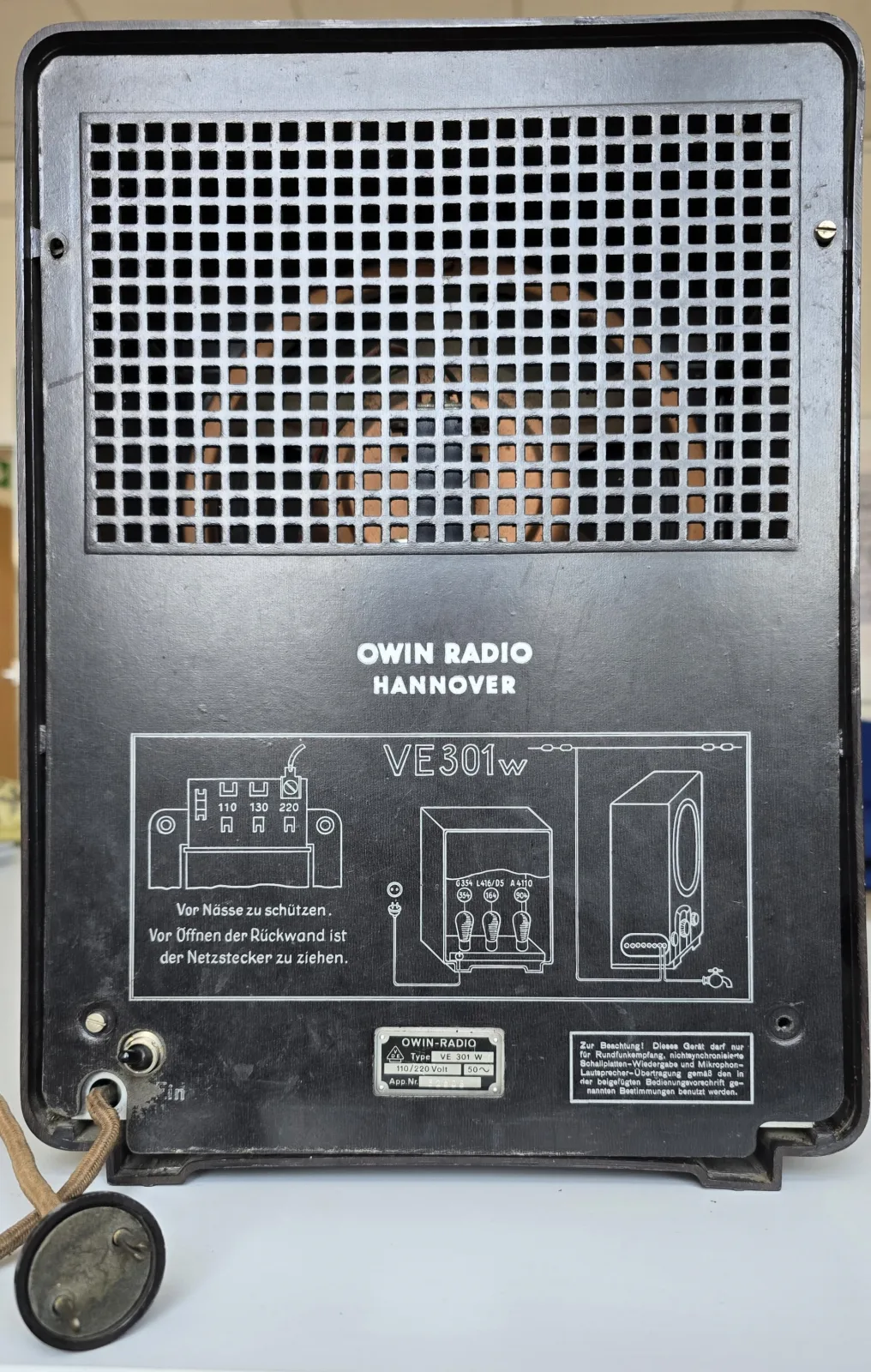
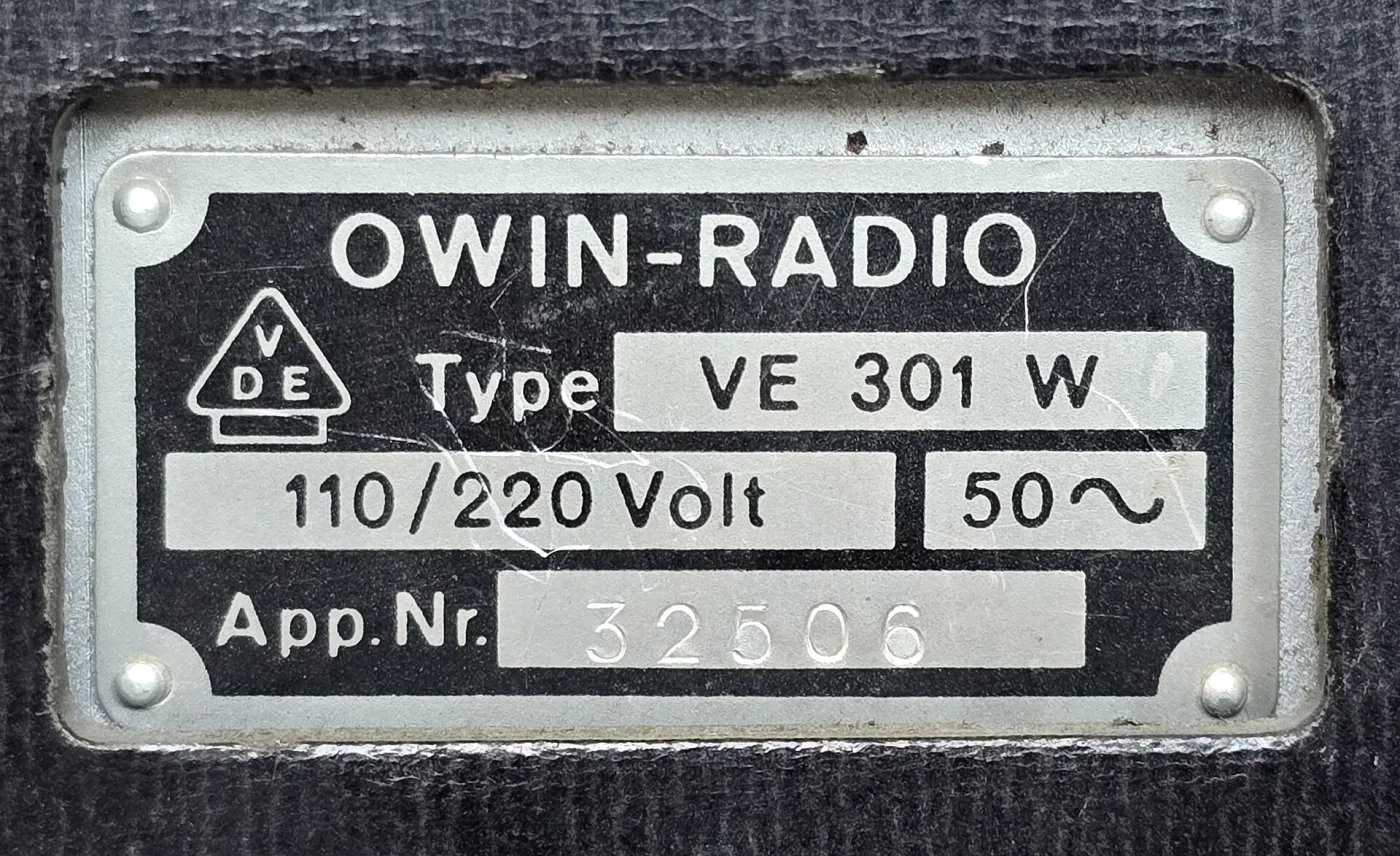
- Maker's marks: Manufacturer logos, model numbers, serial numbers
- Patent information: Patent dates, patent numbers, licensing marks
- Date codes: Manufacturing dates, component date codes
- Service marks: Repair dates, technician initials, warranty seals
Phonograph Types and Mechanisms
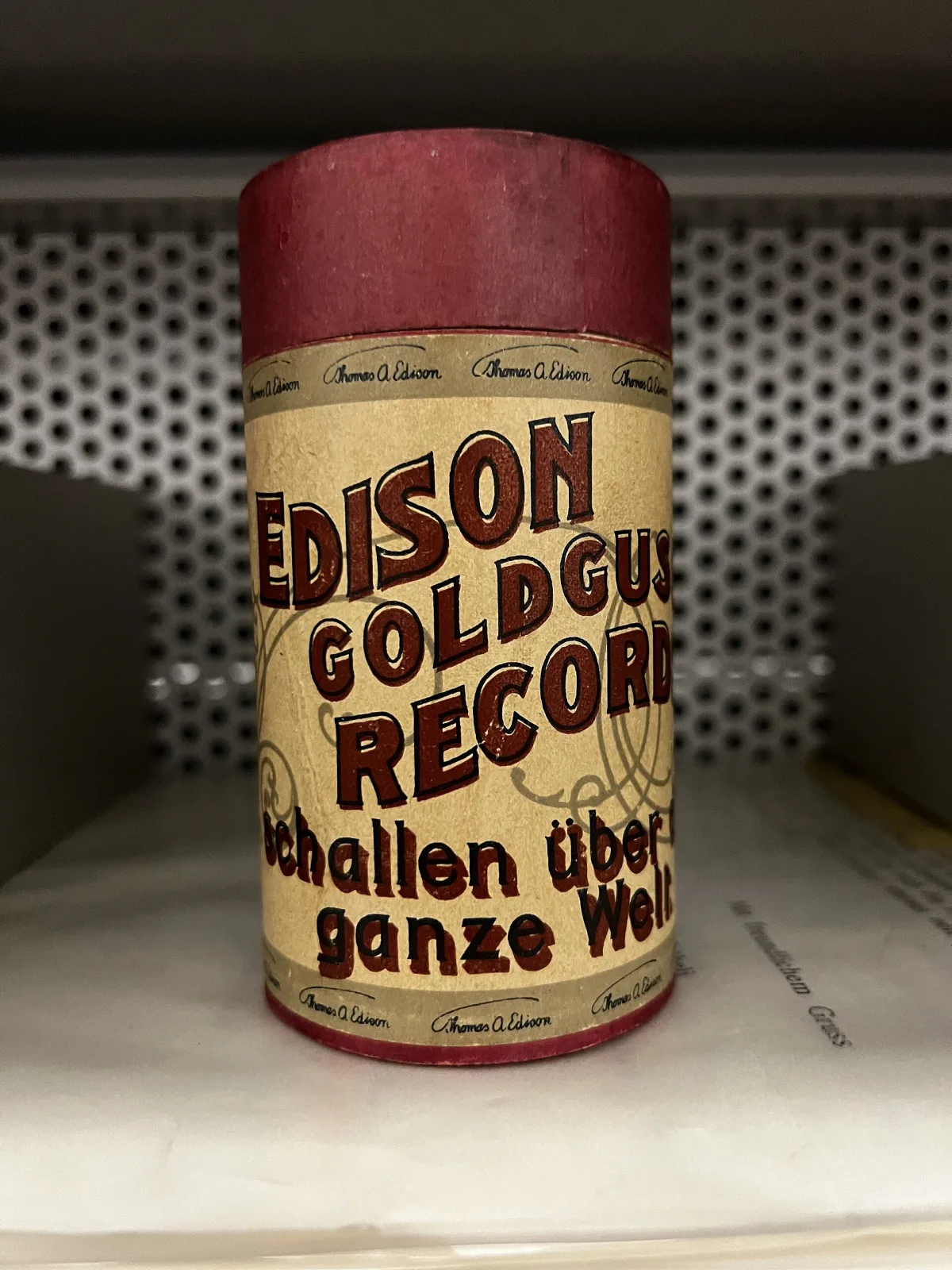
1. Cylinder Phonographs (1877-1920s)
Cylinder machines represent the earliest form of recorded sound reproduction, and the popular tunes they played also circulated as antique sheet music in households without phonographs:
- Edison cylinder machines: Standard and concert models, different cylinder sizes
- Columbia graphophones: Competing technology with improved mechanisms
- Mechanism features: Mandrel design, shaving/trimming tools, feed screw
- Sound reproduction: Lightweight soundboxes, mica diaphragms, reproducer design
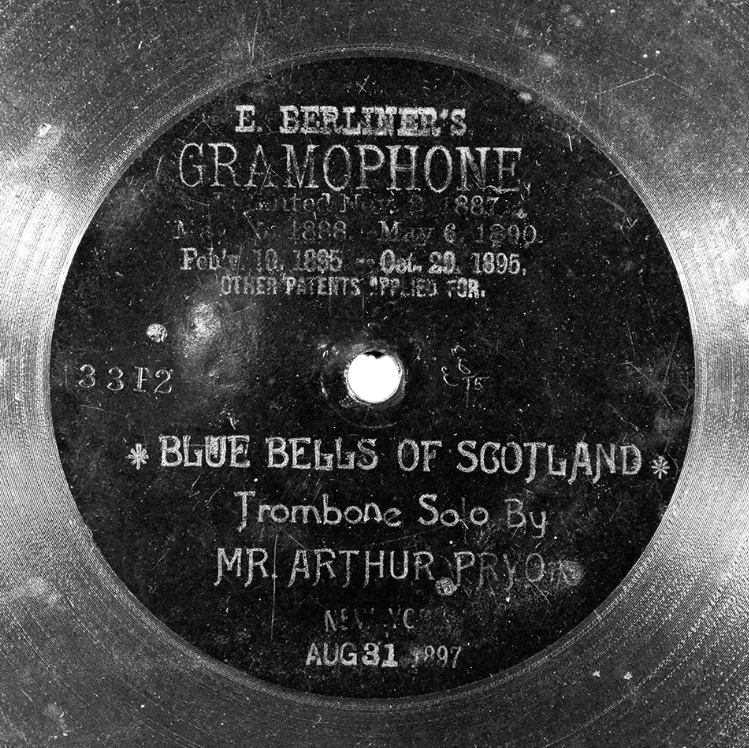
2. Disc Phonographs (1890s-1960s)
Disc machines became the dominant format and evolved significantly:
- Acoustic era (1890s-1920s): Mechanical sound reproduction, horn amplification
- Electric era (1920s-1960s): Electronic amplification, magnetic pickups
- Speed standards: 78, 45, and 33 1/3 RPM formats
- Turntable design: Belt drive, direct drive, idler wheel systems
3. Soundbox and Pickup Evolution
The sound reproduction system is crucial for identification:
- Acoustic soundboxes: Mica or aluminum diaphragms, needle bar design
- Magnetic pickups: Coil design, magnet type, stylus compatibility
- Crystal pickups: Rochelle salt crystals, ceramic elements
- Stylus types: Steel needles, sapphire, diamond, replaceable tips
Early Radio Types and Technology
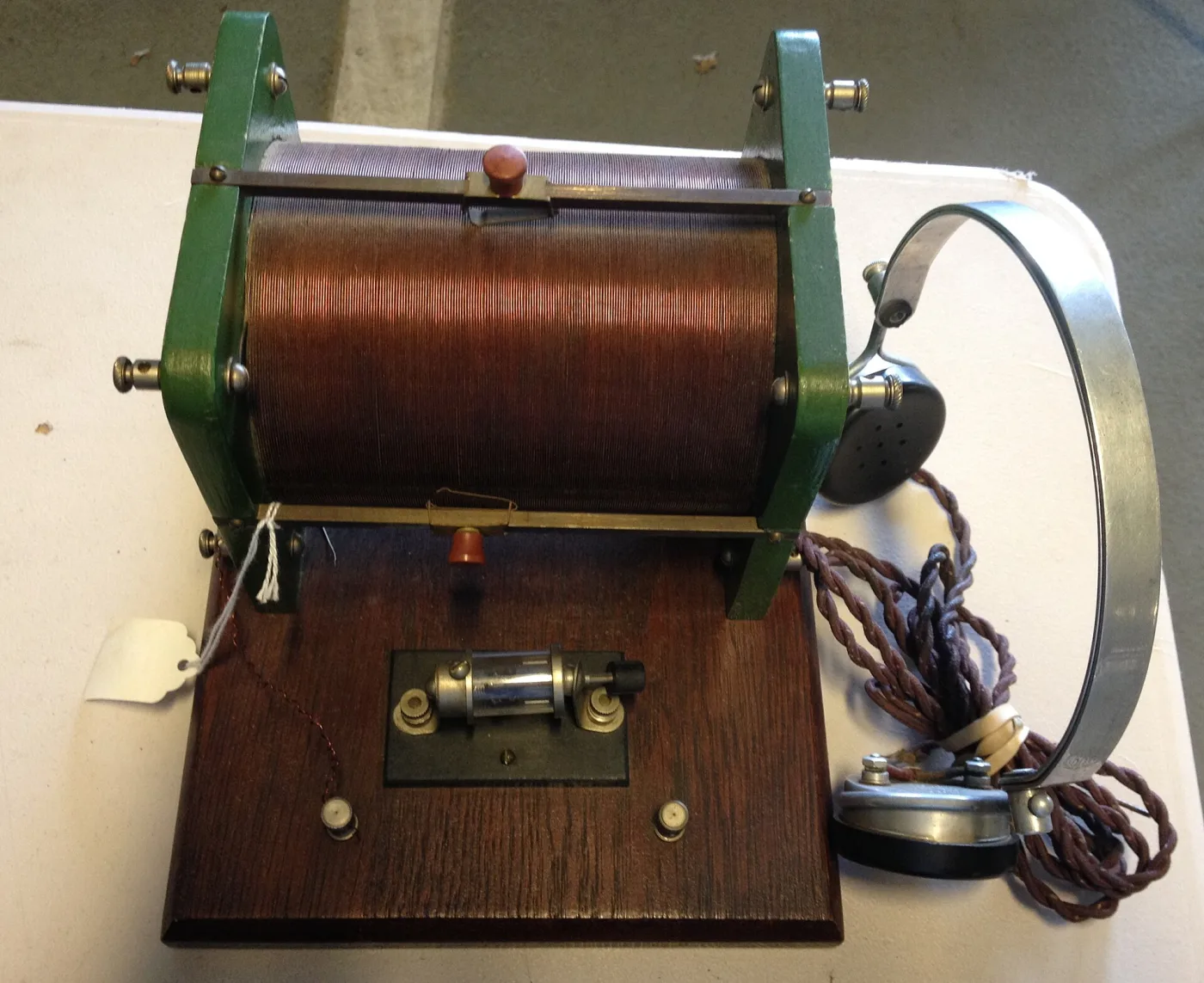
1. Crystal Radio Sets (1920s)
Crystal radios represent the simplest form of radio reception:
- Components: Crystal detector, tuning coil, antenna, ground connection
- Operation: No power source required, headphones only
- Limitations: Weak signals, limited range, no amplification
- Identification: Simple construction, no tubes or power supply
2. TRF Radios (Tuned Radio Frequency)
TRF sets were the first practical tube radios:
- Circuit design: Multiple tuned RF stages, regenerative feedback
- Tube complement: RF amplifiers, detector, audio amplifier
- Tuning mechanism: Variable capacitors, bandspread dials
- Characteristics: Good sensitivity, prone to oscillation
3. Superheterodyne Radios (1920s+)
Superheterodyne technology revolutionized radio design:
- Circuit principle: Local oscillator, mixer, IF stages, detector
- Advantages: Better selectivity, stability, image rejection
- Tube count: Typically 5-8 tubes including rectifier
- Identification: IF transformers, oscillator coils, complex tuning
4. Power Supply Evolution
Power supply design provides important dating clues:
- Battery operation: Early 1920s sets, multiple battery voltages
- AC/DC sets: 1930s-1950s, no power transformer
- Transformer power: Higher-end sets, better isolation
- Rectifier types: Tube rectifiers, selenium, silicon diodes

Authentication and Dating Techniques
1. Component Dating
Individual components can provide dating information:
- Tube dating: Date codes on tube bases, manufacturer logos
- Capacitor types: Paper, mica, electrolytic, ceramic evolution
- Resistor technology: Carbon composition, wire-wound, film types
- Wiring insulation: Cloth, rubber, plastic, Teflon evolution
2. Style and Design Analysis
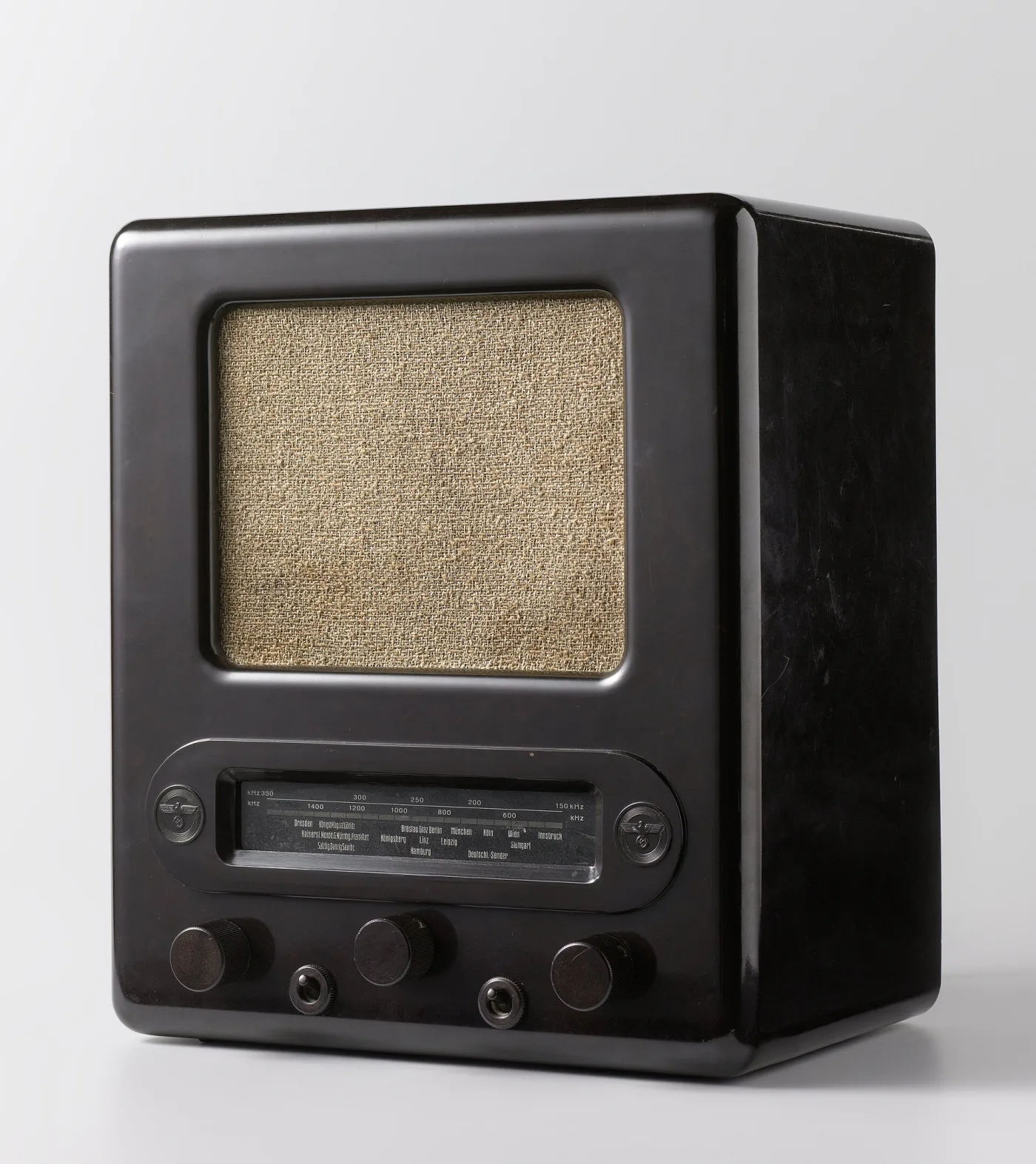
Cabinet and chassis design reflects historical periods:
- Art Deco (1920s-1930s): Geometric patterns, bold colors, chrome accents
- Streamline Moderne (1930s-1940s): Curved lines, aerodynamic shapes
- Mid-Century (1940s-1960s): Clean lines, natural wood, functional design
- Victorian revival: Ornate details, dark woods, decorative elements
3. Manufacturing Techniques
Production methods provide authenticity clues:
- Hand assembly: Individual component placement, hand-soldered joints
- Machine production: Consistent component placement, wave soldering
- Quality control: Inspection marks, test results, warranty seals
- Material quality: Wood species, metal plating, component grades
Maker Identification and Markings
1. Major Phonograph Manufacturers
Key companies and their identifying characteristics:
- Edison: Diamond logo, "Edison" script, cylinder focus
- Victor: Dog and gramophone logo, "His Master's Voice"
- Columbia: Columbia lady logo, "Columbia" script
- Brunswick: "Brunswick" script, distinctive cabinet styles
- HMV: British Victor subsidiary, similar logos
2. Early Radio Manufacturers
Pioneering radio companies and their marks:
- Atwater Kent: "AK" logo, distinctive chassis design
- Zenith: "Zenith" script, quality construction
- Philco: "Philco" logo, innovative designs
- RCA: "RCA" logo, Victor subsidiary
- General Electric: "GE" logo, diverse product line
3. Marking Locations and Types
Look for identification in these areas:
- Cabinet markings: Back panels, inside lids, bottom boards
- Chassis markings: Top plates, side panels, transformer covers
- Component markings: Tube sockets, capacitor labels, transformer tags
- Documentation: Service manuals, warranty cards, instruction sheets
Safety and Restoration Considerations
1. Electrical Safety
Vintage electronics require careful safety considerations:
- Power isolation: Use isolation transformers for AC/DC sets
- Capacitor replacement: Replace all electrolytic and paper capacitors
- Wiring inspection: Check for brittle, cracked, or deteriorated insulation
- Grounding: Ensure proper grounding and safety connections
2. Mechanical Safety
Phonograph mechanisms require careful handling:
- Spring tension: Always release spring tension before disassembly
- Moving parts: Keep fingers clear of gears and mechanisms
- Sharp edges: Be aware of sharp metal edges and points
- Weight handling: Heavy components require proper support
3. Restoration Philosophy
Approach restoration with care and documentation:
- Reversible repairs: Use methods that can be undone
- Documentation: Photograph before, during, and after restoration
- Original parts: Preserve original components when possible
- Expert consultation: Seek professional advice for complex repairs
Value Assessment and Collectibility
1. Factors Affecting Value
Multiple factors influence the value of vintage audio equipment:
- Rarity: Limited production, unique features, prototype status
- Condition: Original finish, working condition, completeness
- Provenance: Famous ownership, historical significance
- Market demand: Collector interest, current trends
- Technical significance: Innovation, engineering excellence
2. Condition Categories
Understanding condition grading:
- Mint: Perfect original condition, never used
- Excellent: Near perfect, minimal wear, fully functional
- Very Good: Minor wear, fully functional, original finish
- Good: Moderate wear, functional, may need minor repairs
- Fair: Significant wear, may need restoration
3. Market Trends
Current market conditions and factors:
- Collector demographics: Age, interests, purchasing power
- Economic factors: Interest rates, inflation, disposable income
- Cultural shifts: Nostalgia, historical interest, design appreciation
- Technology evolution: Digital vs analog appreciation
Digital Tools for Identification
1. AI-Powered Apps
Modern technology has revolutionized antique audio equipment identification:
- Antique Identifier App: Instant AI-powered identification from photos
- Component recognition: Identify tubes, capacitors, and mechanical parts
- Style matching: Match cabinet designs with known manufacturers
- Condition assessment: AI analysis of wear and damage
2. Online Databases
Digital resources for research and comparison:
- Museum collections: High-resolution images and detailed descriptions
- Service manual archives: Technical specifications and schematics
- Collector forums: Community knowledge and experience sharing
- Manufacturer archives: Company history and product catalogs
3. Virtual Restoration and Analysis
Emerging technologies in antique audio identification:
- 3D modeling: Detailed examination of complex mechanisms
- Virtual restoration: See items in their original condition
- Comparative analysis: Side-by-side component comparison
- Sound simulation: Hear how items might have sounded originally
Expert Tips and Best Practices
1. Building Your Knowledge Base
- Study period-specific service manuals and catalogs
- Visit museums with audio equipment collections
- Attend antique radio and phonograph shows
- Join collector organizations and online forums
- Take courses in electronics and mechanical engineering
2. Developing Your Technical Eye
- Examine as many authentic pieces as possible
- Learn to recognize quality components and construction
- Understand the difference between original and replacement parts
- Study the evolution of audio technology
- Practice identifying components and their functions
3. Avoiding Common Mistakes
- Don't power up unknown equipment without inspection
- Beware of "restored" items with modern components
- Always verify authenticity claims with documentation
- Get professional appraisals for valuable items
- Understand that working condition significantly affects value
4. Using Technology Wisely
- Use AI apps like Antique Identifier as a starting point
- Verify AI identifications with traditional research methods
- Combine digital tools with expert consultation
- Keep up with new identification technologies
- Document your findings for future reference
Conclusion
Identifying phonographs and early radios is a specialized skill that combines technical knowledge with historical understanding. While modern tools like the Antique Identifier app can provide instant insights, they work best when combined with traditional research methods and expert consultation. Remember that every piece of vintage audio equipment tells a story about technological innovation and cultural history.
Whether you're using traditional identification methods or cutting-edge technology, the key to successful antique audio equipment identification is patience, research, and a willingness to learn. Start with the basics, build your knowledge gradually, and don't hesitate to seek expert advice when needed. The world of vintage audio equipment offers endless opportunities for discovery and appreciation.