
Antique Weathervane Identification Guide: Folk Art, Materials & Authentication
Antique weathervanes represent one of the most celebrated categories of American folk art. These functional sculptures, once essential for farmers and mariners to read wind direction, have evolved into highly prized collectibles that can command prices from a few hundred dollars to several million at auction. The finest examples combine artistic merit, historical significance, and the unmistakable patina of age that only decades of exposure to the elements can create.
Identifying authentic antique weathervanes requires understanding the materials and construction techniques used by craftsmen from the 18th through early 20th centuries. From hand-hammered copper roosters that once crowned New England barns to elegant running horses that graced racing stables, each weathervane tells a story of American craftsmanship and regional tradition. Many of the same workshops also produced trade signs and store figures, and the two categories share carving techniques and authentication methods.
This comprehensive guide will teach you how to evaluate weathervanes for authenticity, understand the different materials and manufacturing methods, recognize valuable motifs and makers, and spot the reproductions and fakes that have flooded the market. Whether you're examining a potential purchase at an antique show or evaluating a family heirloom, these identification techniques will help you appreciate these remarkable pieces of Americana.
Table of Contents
- History of American Weathervanes
- Materials and Construction
- Popular Motifs and Subjects
- Notable Manufacturers and Makers
- Authentication Techniques
- Understanding Patina and Surface
- Spotting Reproductions and Fakes
- Dating Antique Weathervanes
- Condition Assessment
- Market Values and Collecting
- Care and Display
- Collector Resources
History of American Weathervanes
The history of weathervanes stretches back thousands of years to ancient civilizations, but the American tradition of weathervane making represents a unique chapter in folk art history. From humble beginnings as simple wind indicators to their current status as highly valued collectibles, weathervanes have captured the American spirit through their forms and craftsmanship.
Colonial Beginnings
The first American weathervane of record was created by Shem Drowne in 1716 for the Province House in Boston, Massachusetts. This copper archer figure marked the beginning of an American tradition that would flourish for the next two centuries. Colonial weathervanes served practical purposes for farmers, merchants, and mariners who needed to know wind direction for planting, sailing, and trade.
Early American weathervanes were typically:
- Handcrafted: Made by local blacksmiths and coppersmiths
- Simple designs: Basic arrows, banners, and silhouettes
- Regional styles: Reflected local occupations and interests
- One-of-a-kind: Each piece unique to its maker and location
The Golden Age (1850-1900)
The mid-19th century saw the emergence of commercial weathervane manufacturers who transformed the craft from individual artistry to industrial production. Companies like J.W. Fiske, L.W. Cushing, and A.L. Jewell began producing standardized designs that could be ordered from catalogs and shipped nationwide.
Key developments during this period included:
- Factory production: Standardized molds enabled consistent reproduction
- Expanded motifs: Horses, eagles, ships, and agricultural themes became popular
- Gilding techniques: Gold leaf application became standard for high-end pieces
- Catalog sales: Manufacturers published illustrated catalogs for nationwide distribution
Decline and Collector Revival
By the early 20th century, weathervane production declined as modern weather forecasting reduced the practical need for wind indicators. Many old weathervanes were discarded or left to deteriorate. However, beginning in the 1970s, collectors and folk art enthusiasts rediscovered these pieces, driving prices to unprecedented levels and unfortunately spawning a robust reproduction industry.
Materials and Construction
Understanding the materials used in weathervane construction is essential for authentication. Different periods and makers favored specific materials, and construction techniques evolved significantly over time.
Copper
Copper is the most prized material for antique weathervanes, valued for its workability, durability, and the beautiful verdigris patina it develops over time.
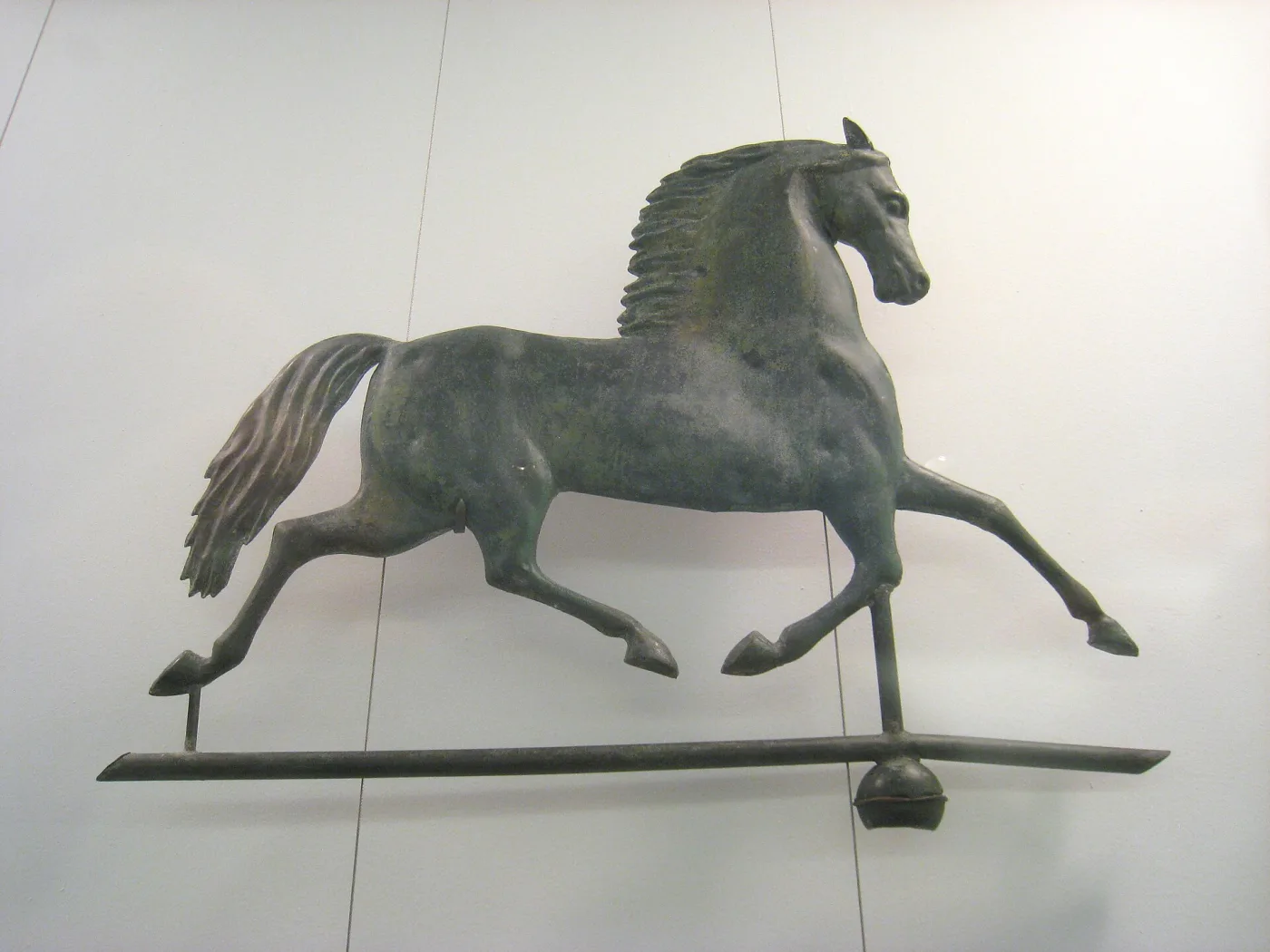
- Sheet copper: Hammered over molds to create three-dimensional forms
- Thickness: Antique copper is typically thicker than modern reproductions
- Seams: Hand-soldered with lead-tin solder; soft and oxidized on authentic pieces
- Interior: Often shows hammer marks and tool evidence
Zinc and Zinc-Copper Combinations
Many commercial manufacturers used zinc for cast elements, particularly heads and decorative details:
- Cast zinc heads: Combined with hammered copper bodies
- Full zinc castings: Less expensive alternative to copper
- Identification: Zinc has a grayer tone and different patina than copper
- Weight: Zinc pieces are heavier than equivalent copper forms
Iron and Sheet Metal
Iron weathervanes represent the earliest and most utilitarian forms:
- Wrought iron: Hand-forged by blacksmiths, often simple silhouettes
- Cast iron: Factory-produced, heavier and more detailed
- Sheet iron: Cut silhouettes, often painted
- Rust patterns: Authentic iron shows consistent oxidation
Wood
Wooden weathervanes are relatively rare and typically represent early folk art pieces:
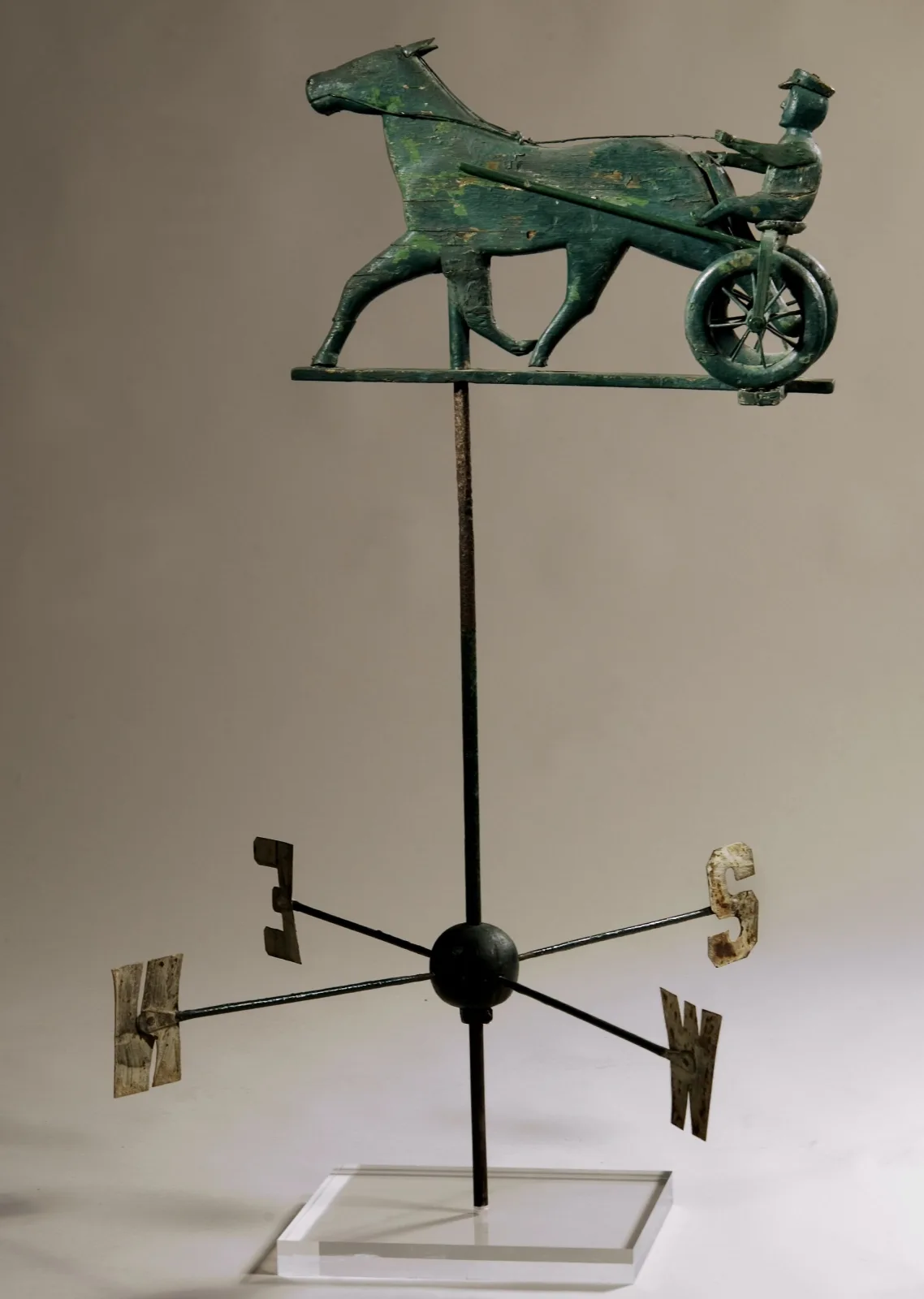
- Pine and cedar: Most common woods for their weather resistance
- Carved details: Hand-carved features indicate authenticity
- Paint: Often retains traces of original decoration
- Condition: Wood weathervanes rarely survive in good condition
Construction Techniques
The method of construction provides crucial dating information:
- Hand-hammered (pre-1850): Irregular surfaces, visible tool marks
- Mold-formed (1850-1920): Consistent shapes from metal molds
- Machine-made (post-1920): Uniform surfaces, perfect symmetry
- Seaming: Hand-soldered seams differ from modern welding
Popular Motifs and Subjects
Weathervane designs reflect American history, culture, and regional interests. Certain motifs are more desirable to collectors, while others are more commonly reproduced.
Animal Subjects
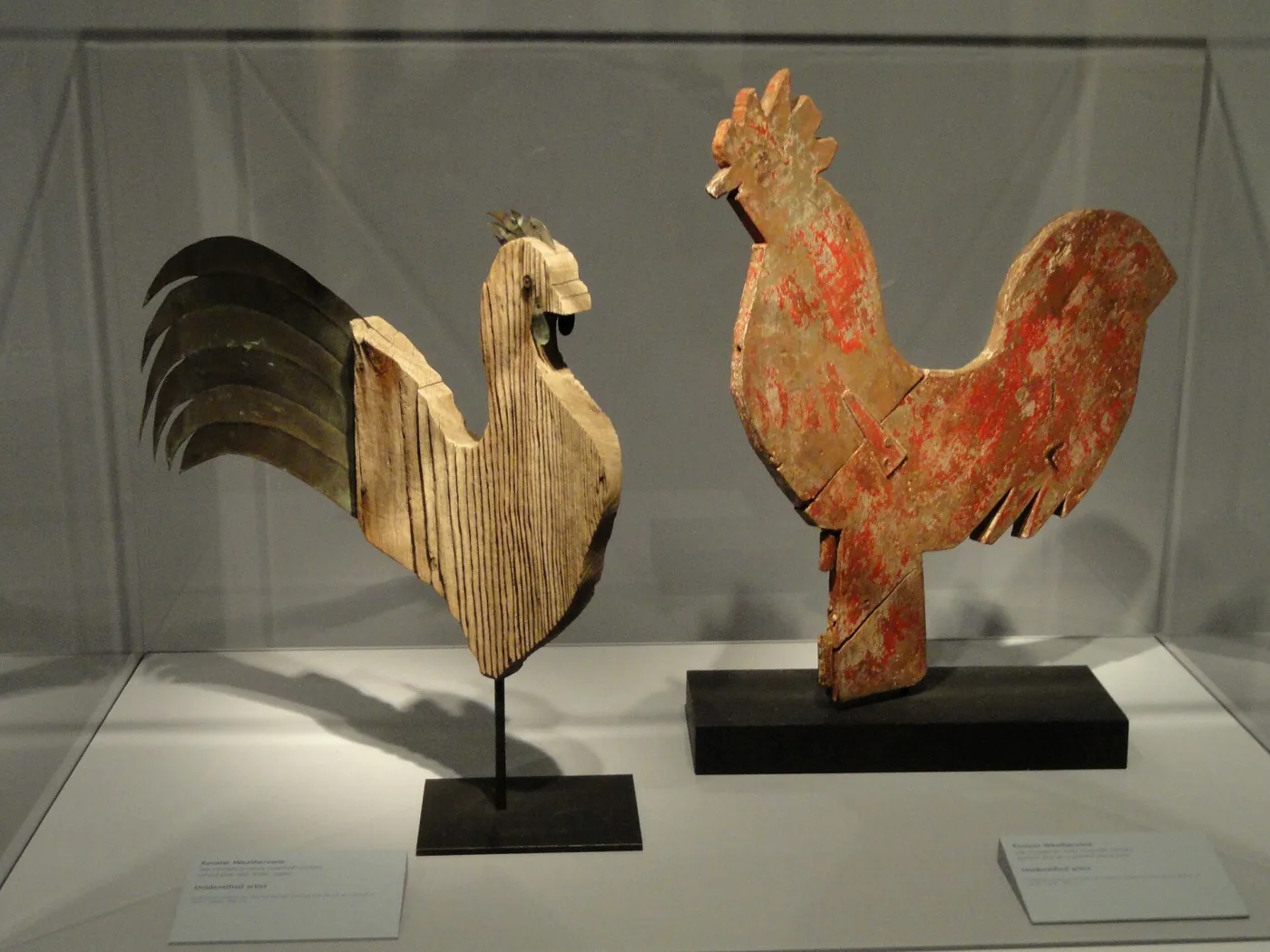
Animals dominate antique weathervane design, with horses being the most popular:
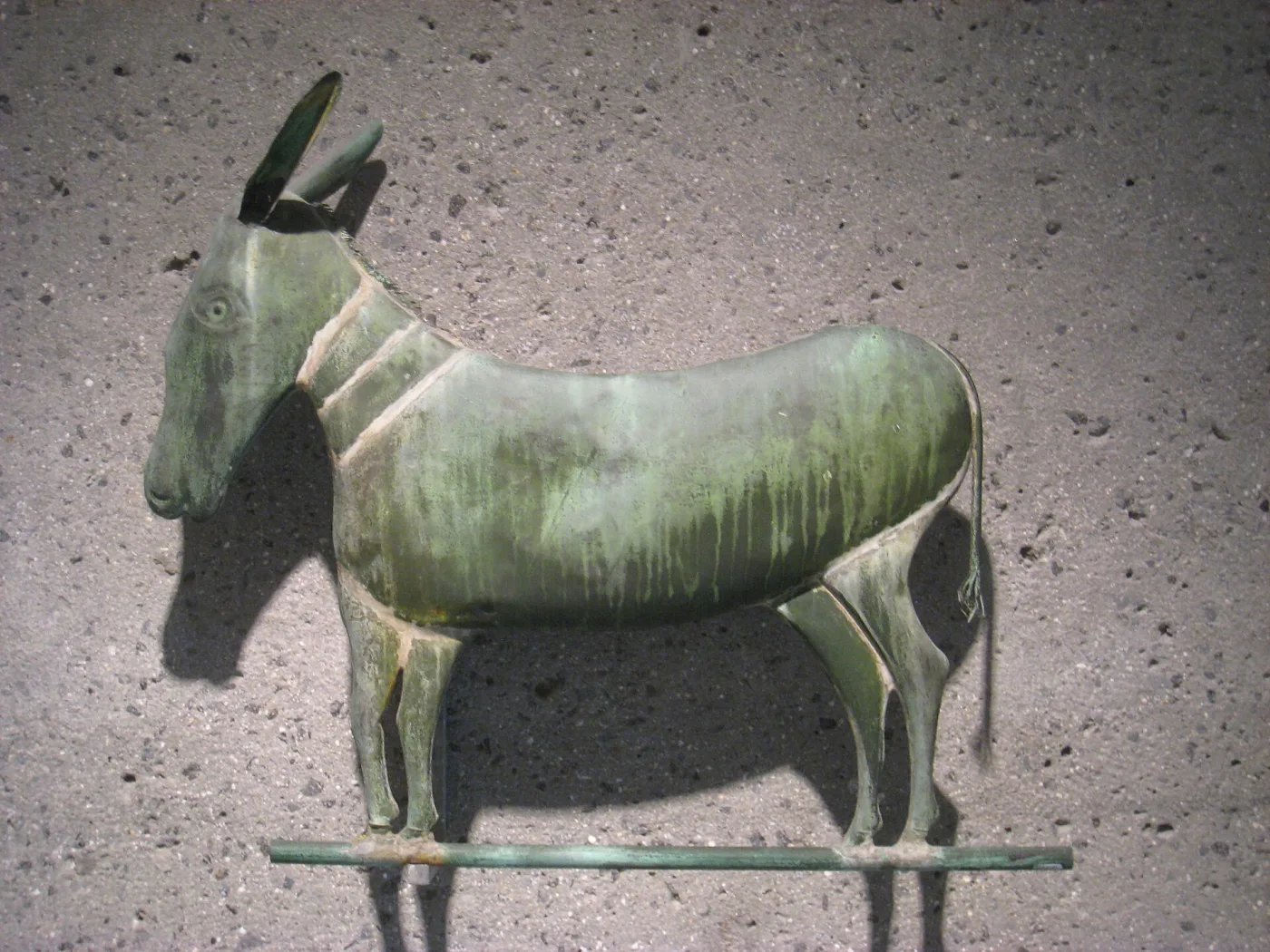
- Horses: Running horses, trotting horses, racing sulkies, and draft horses
- Roosters: Traditional barnyard symbol, extremely popular in New England
- Cows and bulls: Agricultural symbols for dairy regions
- Sheep and pigs: Less common but valuable farming motifs
- Fish: Coastal and maritime communities, including cod and whale forms
- Eagles: Patriotic symbols, popular after the Revolutionary War
Human Figures
Figural weathervanes depicting people are among the rarest and most valuable:
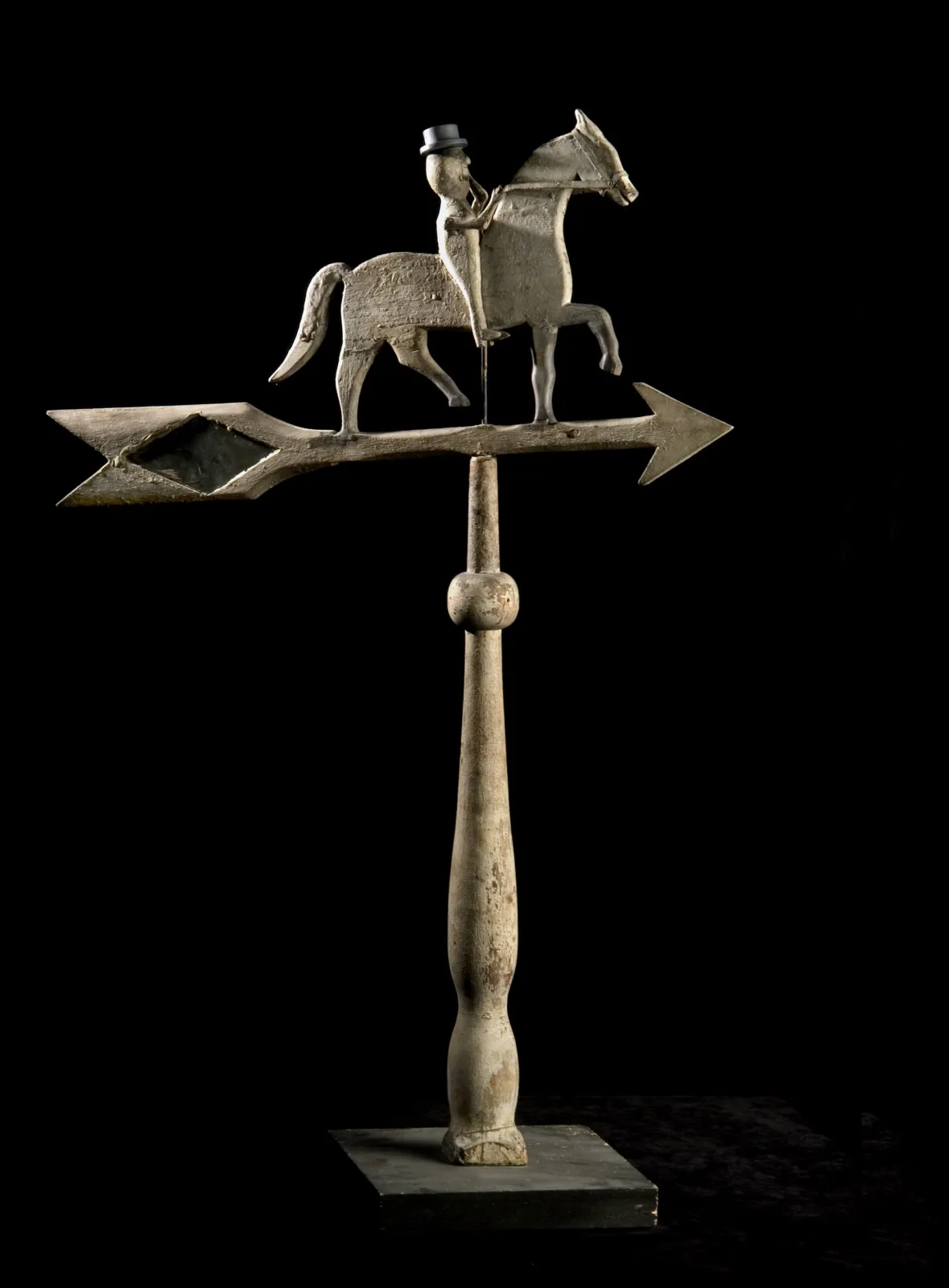
- Angel Gabriel: Religious motif popular on churches and meetinghouses
- Goddess of Liberty: Patriotic figure popular in the 19th century
- Native American figures: Archers and hunters, highly prized today
- Firemen and soldiers: Civic and military subjects
- Farmers and tradesmen: Occupational figures for specific buildings
Transportation
Vehicles and vessels reflect technological progress:
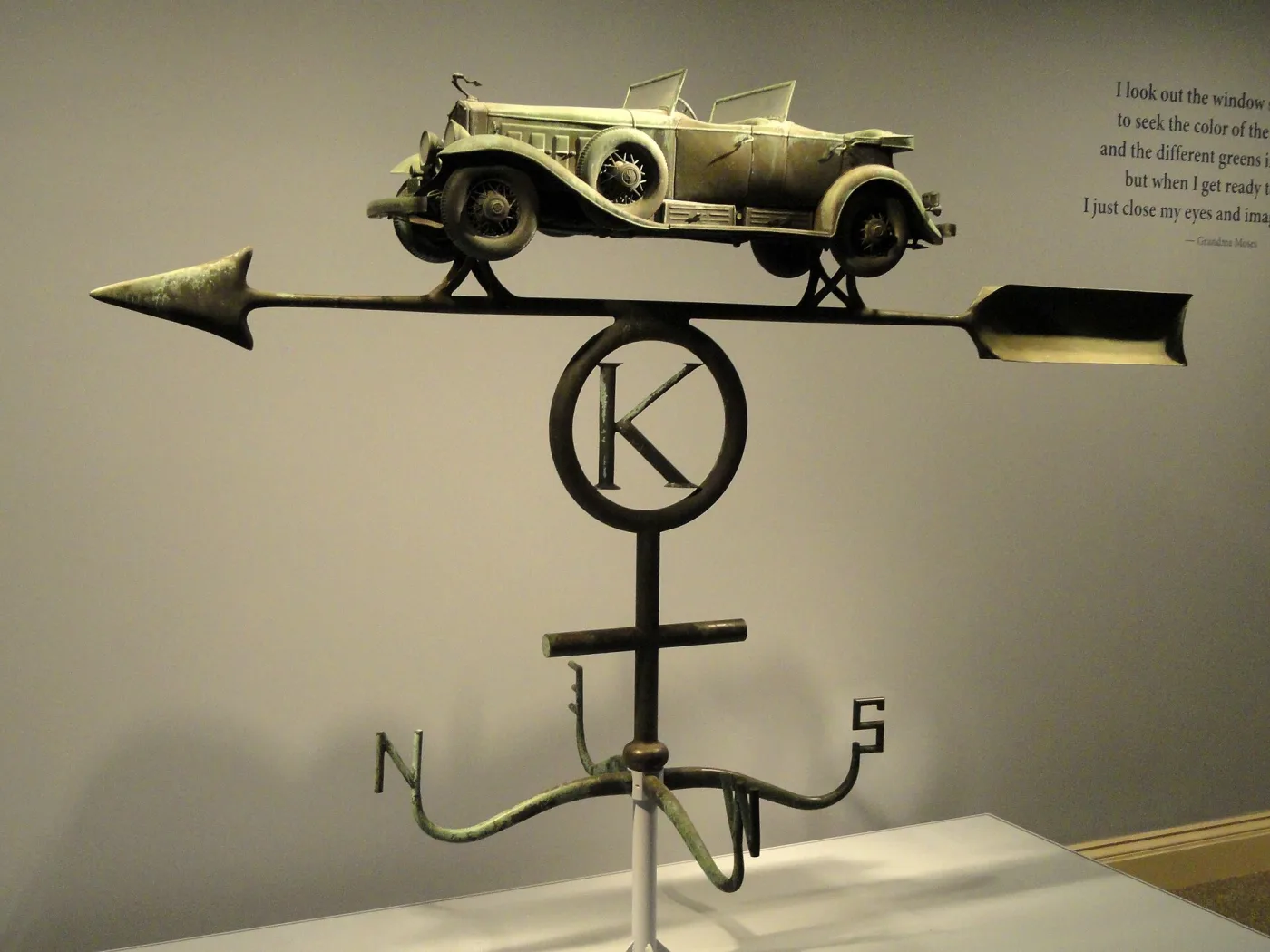
- Ships: Sailing vessels for coastal communities and yacht clubs
- Locomotives: Railroad imagery for stations and towns
- Automobiles: Early car forms, quite rare
- Airplanes: 20th-century additions to the weathervane repertoire
Arrows and Banners
The simplest and most common weathervane forms:
- Basic arrows: Functional rather than decorative, lowest collector interest
- Decorated arrows: Scrollwork and ornamentation increase value
- Banners: Flat panels with cut designs or lettering
- Combination pieces: Arrow with figural elements

Notable Manufacturers and Makers
Several manufacturers dominated the American weathervane industry during its golden age. Identifying maker attributions adds significant value and helps establish authenticity.
J.W. Fiske Ironworks (1858-1920s)
One of the most prolific and respected weathervane manufacturers:
- Location: New York City
- Specialty: High-quality copper and zinc weathervanes
- Catalogs: Published extensive illustrated catalogs
- Marking: Some pieces stamped "J.W. FISKE NEW YORK"
- Notable designs: Horses, eagles, and elaborate custom pieces
L.W. Cushing & Sons (1867-1933)
A leading Massachusetts manufacturer known for quality and variety:
- Location: Waltham, Massachusetts
- Specialty: Full-bodied copper figures with gilding
- Construction: Known for excellent hammered copper work
- Attribution: Style and construction identify their work
- Popular designs: Horses, roosters, and farm animals
A.L. Jewell & Company (1852-1867)
An important early commercial manufacturer:
- Location: Waltham, Massachusetts
- Innovation: Pioneered commercial weathervane production
- Transition: Became Harris & Company, then Cushing
- Designs: Early catalog designs still reproduced today
E.G. Washburne & Company (1853-late 1800s)
New York manufacturer specializing in copper work:
- Location: New York City, later Danvers, Massachusetts
- Known for: Quality copper figures and gilt finishing
- Catalogs: Published design catalogs
Anonymous Folk Artists
Many valuable weathervanes were made by unknown craftsmen:
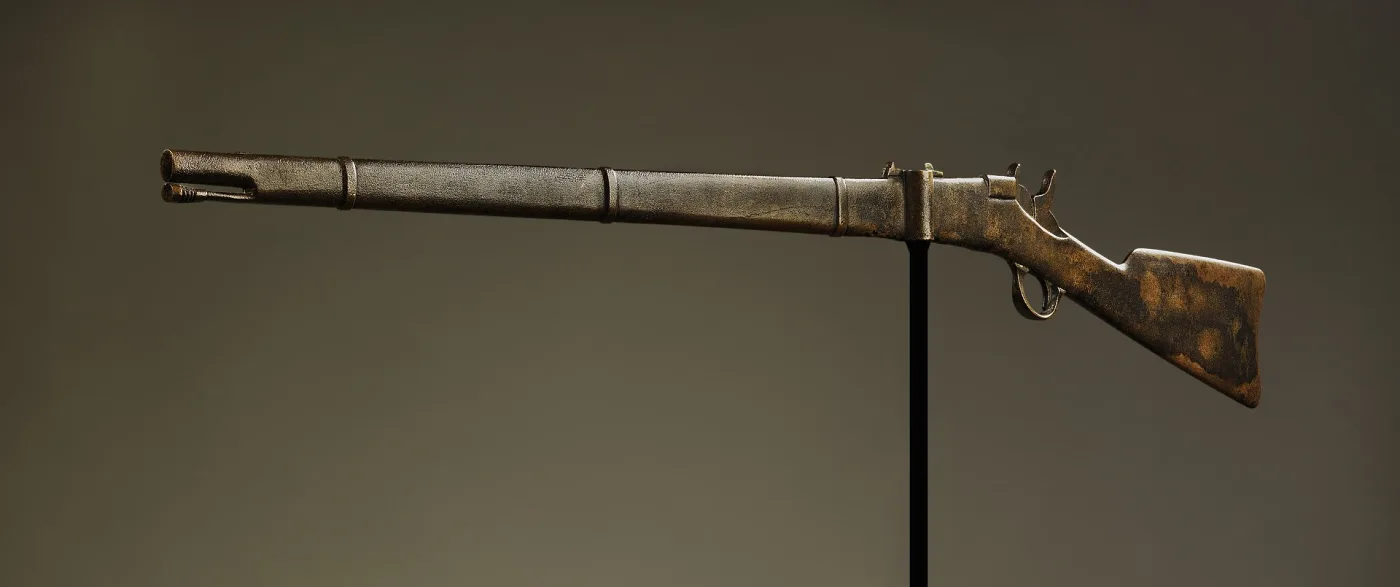
- Blacksmith-made: Hand-forged iron pieces
- One-of-a-kind: Unique designs not found in catalogs
- Regional styles: Distinctive local characteristics
- Value: Exceptional examples can exceed manufacturer pieces
Authentication Techniques
Authenticating antique weathervanes requires careful examination of multiple factors. The combination of construction details, materials, and surface characteristics determines authenticity.
Interior Examination
The interior of a weathervane often reveals the most reliable authentication evidence:
- Metal condition: Old copper shows dark oxidation, not bright shiny metal
- Solder appearance: Original solder is dull and oxidized, not bright
- Tool marks: Hand-hammering leaves irregular marks from forming tools
- Dust and debris: Accumulated dirt consistent with age and exposure
Construction Details
Manufacturing techniques provide dating evidence:
- Seam quality: Hand-soldered seams are slightly irregular
- Edge treatment: Hand-cut edges show tool marks, not laser precision
- Fasteners: Slotted screws and rivets, not Phillips head or hex bolts
- Joints: Mechanical connections consistent with period techniques
Form and Proportion
Authentic pieces show characteristic softening from age and use:
- Edges: Worn and rounded from decades of weather exposure
- Details: Slightly blurred from oxidation buildup
- Symmetry: Hand-made pieces show slight asymmetries
- Distortion: Minor warping from thermal cycling over decades
Mounting Hardware
Original mounting components support authentication:
- Directional arms: Period-appropriate construction and materials
- Collar and spindle: Wear patterns consistent with rotation
- Ball finials: Matching patina and construction style
Understanding Patina and Surface
Surface patina is one of the most important factors in weathervane authentication and valuation. The natural aging process creates effects that are extremely difficult to replicate artificially.
Copper Patina Development
Copper weathervanes develop characteristic coloration over time:
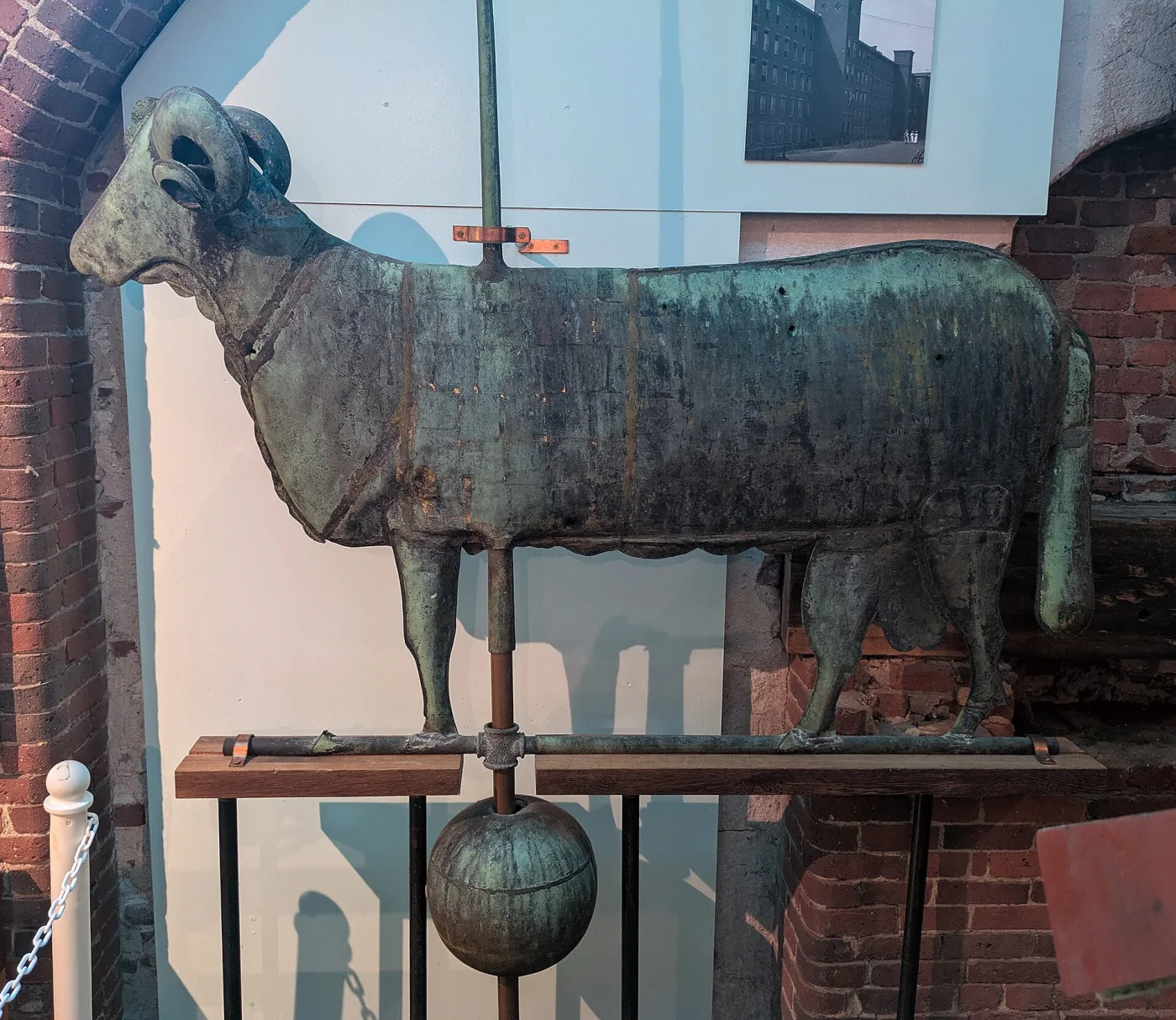
- Brown stage: Initial oxidation creates brown tones
- Green verdigris: Further exposure produces the prized green patina
- Blue-green: Extended exposure deepens to blue-green tones
- Variation: Different areas show different colors based on exposure
Patina Patterns
Authentic patina shows logical environmental patterns:
- Protected areas: Recesses and undersides show darker colors
- Exposed surfaces: Weather-facing sides show lighter oxidation
- Drip lines: Water flow creates characteristic streaking
- Wear points: Areas of mechanical contact show different aging
Gilding and Paint
Many weathervanes originally featured gold leaf or paint:
- Gold leaf: Authentic pieces show worn gilding in exposed areas
- Sizing: Period sizing materials differ from modern alternatives
- Paint traces: Original painted weathervanes may retain color in protected areas
- Overpainting: Later paint layers indicate refinishing history
Value Implications
Original surface condition significantly affects value:
- Original patina: Untouched surface commands highest prices
- Cleaned pieces: Removed patina reduces value substantially
- Refinished: Regilded or repainted pieces worth less than originals
- Stabilized: Conservation treatment may preserve value
Spotting Reproductions and Fakes
The high value of antique weathervanes has created a thriving reproduction market. Understanding common fake characteristics protects collectors from costly mistakes.
Categories of Non-Authentic Pieces
Non-original weathervanes fall into several categories:
- Exact reproductions: Direct copies of known original designs
- Stylistic imitations: New designs in antique style
- Fantasy pieces: Designs that never existed historically
- Aged reproductions: Modern pieces artificially weathered
- Composites: Original parts combined with new elements
Physical Warning Signs
Reproductions often reveal themselves through physical examination:
- Too-perfect form: Lacking the softening of genuine age
- Uniform patina: Artificial aging appears too consistent
- Bright interior: Shiny metal visible inside indicates recent manufacture
- Fresh solder: Bright, clean solder lines suggest new construction
- Modern fasteners: Phillips screws, hex bolts, or modern rivets
Material Analysis
Material composition can reveal fakes:
- Thin copper: Reproductions often use lighter-gauge material
- Wrong alloys: Modern metal compositions differ from antique
- Synthetic sizing: Modern adhesives under gilding indicate post-1912 work
- Machine marks: Modern manufacturing leaves distinctive tool evidence
Documentation and Provenance
Provenance research helps verify authenticity:
- Origin history: Where was the piece supposedly installed?
- Ownership chain: Can previous owners be verified?
- Period photographs: Images showing the piece in original location
- Catalog matching: Does the design appear in period catalogs?
Dating Antique Weathervanes
Establishing when a weathervane was made helps determine authenticity and value. Multiple dating methods can narrow the production period.
Construction Era Indicators
Manufacturing techniques evolved over time:
- Pre-1850: Entirely hand-made, irregular forms, hand-forged iron or hand-hammered copper
- 1850-1880: Early commercial production, hand-finished factory pieces
- 1880-1920: Peak commercial era, standardized designs, catalog production
- Post-1920: Declining quality, modern materials and methods
Style Dating
Design elements reflect their era:
- Colonial (pre-1800): Simple forms, basic arrows and banners
- Federal (1800-1840): Patriotic imagery, eagles, classical motifs
- Victorian (1840-1900): Elaborate detail, realistic animal forms
- Late 19th century: Industrial subjects, locomotives, machinery
Catalog Research
Period manufacturer catalogs help date commercial pieces:
- Design appearance: First catalog showing a design establishes earliest date
- Pattern numbers: Some pieces bear identifying numbers
- Size variations: Catalogs document available sizes
- Price history: Original prices provide historical context
Condition Assessment
Condition dramatically affects weathervane value. Understanding what constitutes acceptable versus problematic condition helps make informed collecting decisions.
Structural Integrity
Evaluate the physical soundness of the piece:
- Dents and distortion: Minor denting is acceptable; severe crushing is not
- Holes and losses: Bullet holes are common; large missing areas reduce value
- Seam condition: Original seams should remain largely intact
- Repairs: Period repairs may be acceptable; modern repairs are problematic
Surface Condition
Surface preservation significantly affects value:
- Original finish: Untouched original surface is most desirable
- Patina retention: Complete patina preferred over partial
- Gilding: Traces of original gold leaf add value
- Cleaning history: Aggressive cleaning reduces value substantially
Completeness
Missing elements affect collecting value:
- Directional letters: N, S, E, W arms should be present
- Mounting hardware: Original collar, spindle, and ball finial
- Appendages: Tails, ears, and other extending elements
- Documentation: Original purchase receipts or photographs
Market Values and Collecting
Weathervane values span an enormous range, from modest sums for common arrow forms to millions for exceptional folk art pieces. Understanding market factors helps collectors make informed decisions.
Value Factors
Multiple elements determine weathervane value:
- Subject matter: Rare figural subjects command highest prices
- Maker attribution: Known manufacturers add premium
- Condition: Original surface and structural integrity
- Size: Larger pieces generally more valuable
- Dimensionality: Three-dimensional forms exceed flat silhouettes
- Provenance: Documented history adds significant value
Price Ranges
General market value categories (condition dependent):
- Basic arrows: $100-500
- Simple silhouettes: $500-2,000
- Common roosters and horses: $2,000-15,000
- Fine manufacturer pieces: $15,000-100,000
- Exceptional folk art: $100,000-1,000,000+
- Museum-quality rarities: $1,000,000-5,000,000+
Auction Records
Exceptional weathervanes have achieved remarkable prices:
- Native American archer: Record sale of $5.8 million
- Rare figural pieces: Multiple seven-figure sales
- Important horse weathervanes: Six-figure results common
Collecting Strategies
Approaches for building a weathervane collection:
- Focus area: Specialize by subject, region, or manufacturer
- Quality emphasis: Fewer excellent pieces beat many mediocre ones
- Authentication: Invest in expert examination for significant purchases
- Documentation: Maintain thorough records of acquisitions
Care and Display
Proper care preserves both the condition and value of antique weathervanes. Conservation-minded handling protects these irreplaceable folk art pieces.
Display Considerations
Thoughtful display showcases weathervanes while preserving condition:
- Indoor display: Protects from further weather damage
- Mounting: Custom stands that don't damage the piece
- Lighting: UV-filtered light prevents patina damage
- Environment: Stable temperature and humidity
Handling Guidelines
Proper handling prevents damage:
- Gloves: Cotton gloves prevent oil transfer
- Support: Lift from substantial areas, not delicate extensions
- Movement: Minimize handling to prevent stress
- Storage: Padded support in stable environment
Conservation vs. Restoration
Understanding the difference protects value:
- Conservation: Stabilizing existing condition without alteration
- Restoration: Returning to earlier appearance, may reduce value
- Cleaning: Generally discouraged; removes valuable patina
- Professional advice: Consult conservators before any treatment
Collector Resources
Building expertise in weathervane collecting requires ongoing study and connection with the collector community.
Reference Books
Essential references for weathervane collectors:
- "A Gallery of American Weathervanes and Whirligigs" by Robert Bishop and Patricia Coblentz
- "Antique American Weathervanes: The Complete Illustrated Westervelt Catalog of 1883" (Dover Publications)
- "American Folk Art: A Regional Reference" covering weathervanes by region
- Period manufacturer catalogs: Fiske, Cushing, and others (reprints available)
Museums and Exhibitions
Institutions with significant weathervane collections:
- Winterthur Museum: Extensive American folk art holdings
- Shelburne Museum: Notable weathervane collection
- American Folk Art Museum: Rotating exhibitions
- Historic New England: Regional examples and context
Auction Houses and Dealers
Sources for acquiring and researching weathervanes:
- Major auction houses: Regular folk art sales
- Specialist dealers: Expertise in authentication and valuation
- Folk art shows: Opportunities to examine and compare pieces
- Online resources: Price databases and collector forums
Conclusion
Antique weathervanes occupy a unique position at the intersection of folk art, Americana, and functional design. These remarkable objects, once essential tools for reading the wind, have become treasured collectibles that command respect in the art world and appreciation from those who value American craftsmanship.
Successfully collecting weathervanes requires developing expertise in materials, construction techniques, and authentication methods. The market contains many reproductions, but armed with the knowledge in this guide, you can navigate confidently toward genuine pieces that will reward your appreciation for years to come.
Whether you're drawn to the elegant forms of running horses, the folk art charm of hand-carved roosters, or the patriotic symbolism of soaring eagles, antique weathervanes offer endless fascination. Each piece connects you to the artisans who created them and the buildings and communities they once served.