
Antique Weapons & Military Artifacts Identification: Swords, Firearms & Collectibles
Antique weapons and military artifacts represent some of the most historically significant and collectible items in the world of antiques. From elegant ceremonial swords to functional military firearms, each piece tells a story of warfare, craftsmanship, and cultural heritage. This comprehensive guide will teach you everything you need to know about identifying antique weapons and military artifacts, from recognizing sword types and firearm models to understanding maker marks, dating techniques, and determining authenticity and value.
⚠️ Important Legal Disclaimer:
This guide is intended solely for educational and identification purposes for collectors, historians, and antique enthusiasts. This article does not provide instructions on how to manufacture, modify, or operate weapons. All information is presented for historical and academic research purposes only.
Legal Compliance: Laws regarding antique weapons, firearms, and military artifacts vary significantly by country, state, and jurisdiction. It is the reader's responsibility to understand and comply with all applicable local, state, and federal laws regarding the possession, sale, purchase, import, export, and display of antique weapons and military artifacts. Always consult with legal professionals and local authorities before acquiring or transferring any antique weapons or firearms. This guide does not constitute legal advice.
Table of Contents
- Sword Identification and Classification
- Firearm Identification and Dating
- Military Artifacts and Memorabilia
- Maker Marks and Manufacturer Identification
- Dating Techniques and Historical Context
- Material Analysis and Construction Methods
- Authentication and Provenance
- Value Assessment and Market Factors
- Legal Considerations and Regulations
Sword Identification and Classification
Understanding different sword types and their characteristics is fundamental to accurate identification. Swords have evolved over thousands of years, with each period and culture producing distinctive designs.
European Swords
European swords represent a rich tradition spanning from medieval times to the modern era:
- Medieval Swords (500-1500 AD): Broad, double-edged blades, cruciform hilts, designed for cutting and thrusting
- Renaissance Swords (1400-1600): Rapiers with long, narrow blades for thrusting, elaborate hilts
- Military Swords (1600-1900): Sabers, cutlasses, and broadswords for cavalry and infantry
- Ceremonial Swords (1800-present): Ornate presentation swords, dress swords, and officer's swords
- Characteristics: Blade length, hilt design, guard style, pommel shape, and scabbard details
Asian Swords
Asian sword traditions include some of the world's most sophisticated blade designs:
- Japanese Swords: Katana (long sword), Wakizashi (short sword), Tanto (dagger), distinctive curved blades
- Chinese Swords: Jian (straight double-edged), Dao (single-edged curved), various regional styles
- Indian Swords: Talwar (curved saber), Khanda (straight double-edged), Tulwar variations
- Characteristics: Blade geometry, temper line (hamon), tang construction, handle materials, and decorative elements
Sword Components and Terminology
Understanding sword anatomy is essential for identification:
- Blade: The cutting edge, can be straight, curved, single or double-edged
- Tang: Extension of blade into handle, can be full or partial
- Hilt: Handle assembly including grip, guard, and pommel
- Guard: Protection for the hand, varies from simple cross-guard to complex basket hilts
- Pommel: Counterweight at end of hilt, often decorative
- Scabbard: Protective sheath, can be leather, wood, metal, or composite
Blade Markings and Signatures
Many swords bear maker marks or inscriptions that aid identification:
- European Makers: Solingen, Toledo, Sheffield manufacturers, often stamped on blade
- Japanese Swordsmiths: Signatures (mei) on tang, school identification, period dating
- Military Markings: Unit markings, issue numbers, proof marks, acceptance stamps
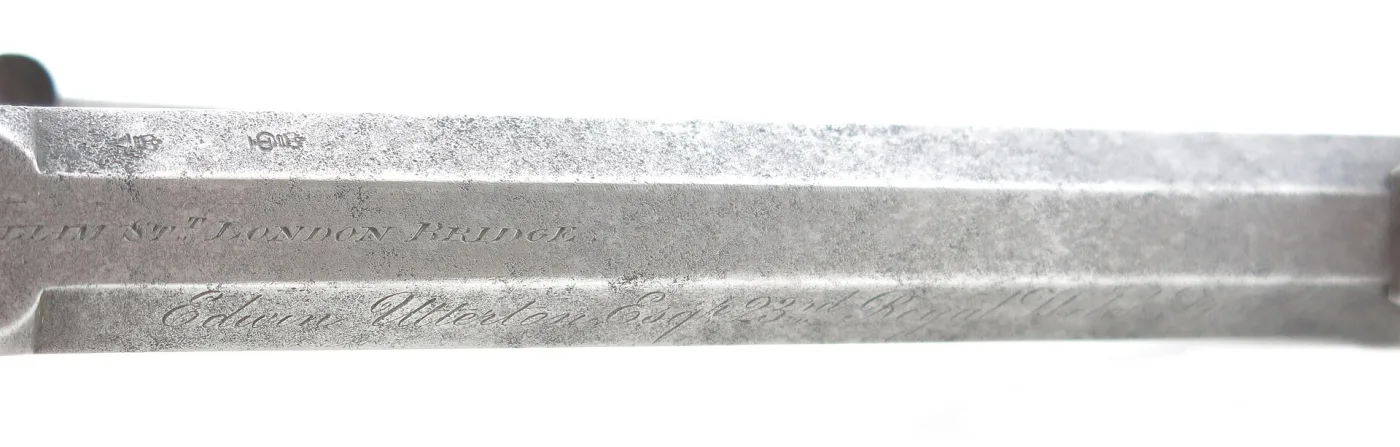
- Decorative Inscriptions: Presentation text, commemorative engravings, owner names
Firearm Identification and Dating
Antique firearms represent a complex field requiring knowledge of mechanical design, manufacturing history, and military use.
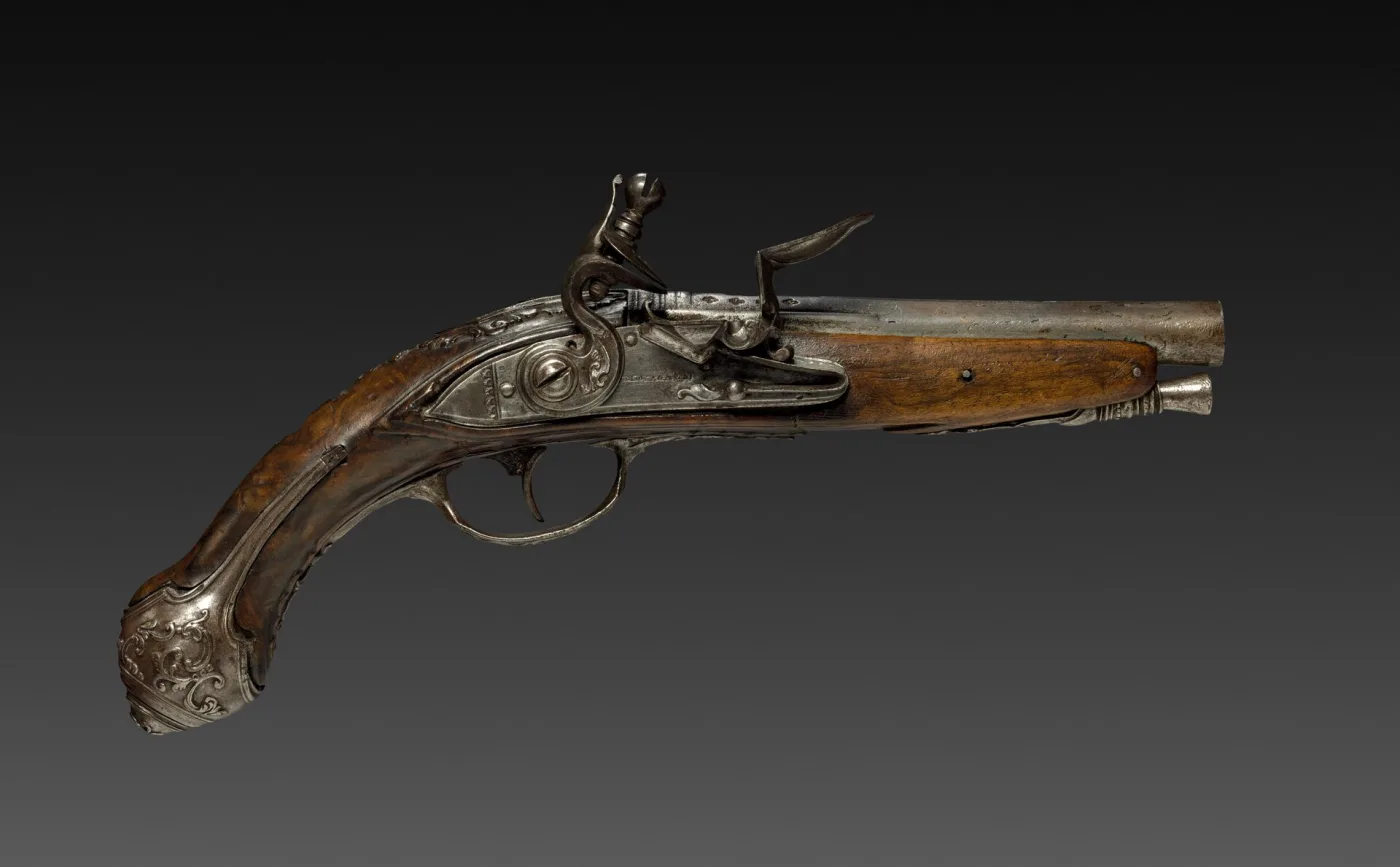
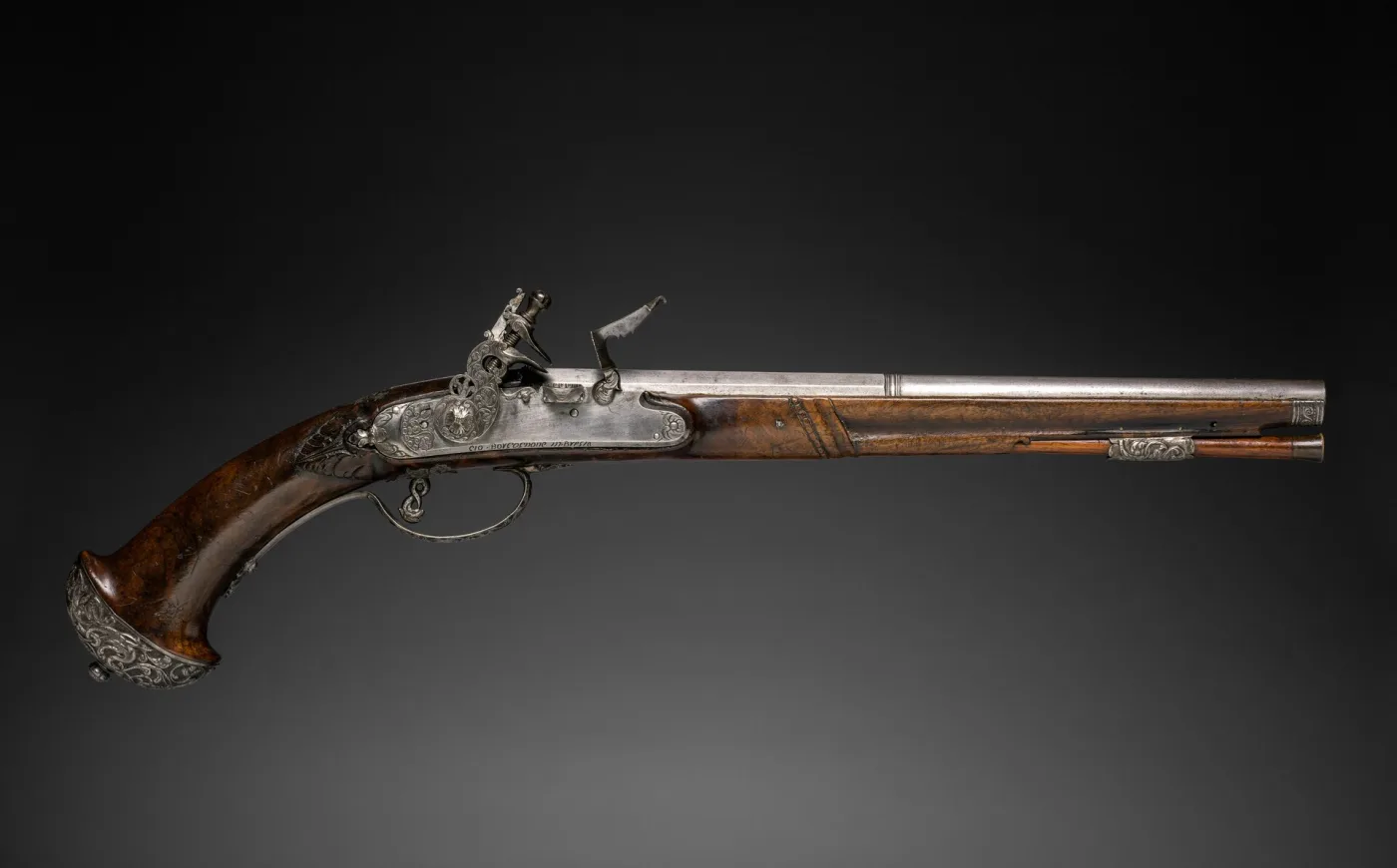
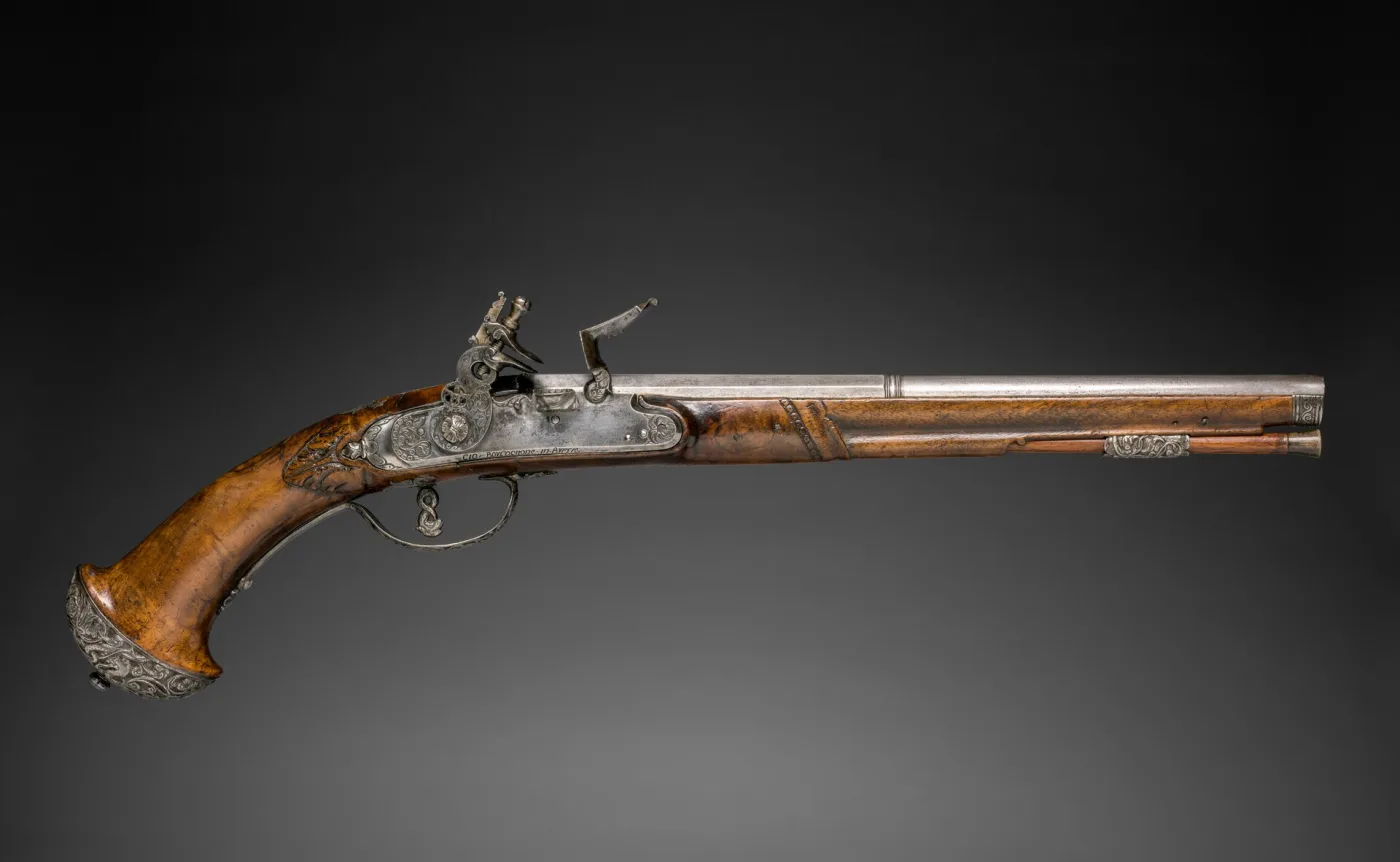
Muzzle-Loading Firearms
Early firearms loaded from the muzzle end of the barrel:
- Matchlock (1400-1700): Earliest mechanical ignition, slow match cord
- Wheellock (1500-1650): Spring-driven wheel creates sparks, more reliable
- Flintlock (1600-1850): Flint strikes steel frizzen, most common antique type
- Percussion Lock (1820-1860): Cap-fired, transition to modern firearms
- Characteristics: Lock mechanism, barrel length, stock design, caliber markings
Breech-Loading Firearms
Firearms loaded from the rear of the barrel, more efficient than muzzle-loaders:
- Single-Shot Rifles: Falling block, rolling block, trapdoor mechanisms
- Repeating Rifles: Lever-action, bolt-action, pump-action designs
- Military Rifles: Service rifles from various countries and periods
- Sporting Rifles: Hunting and target rifles, often highly decorated
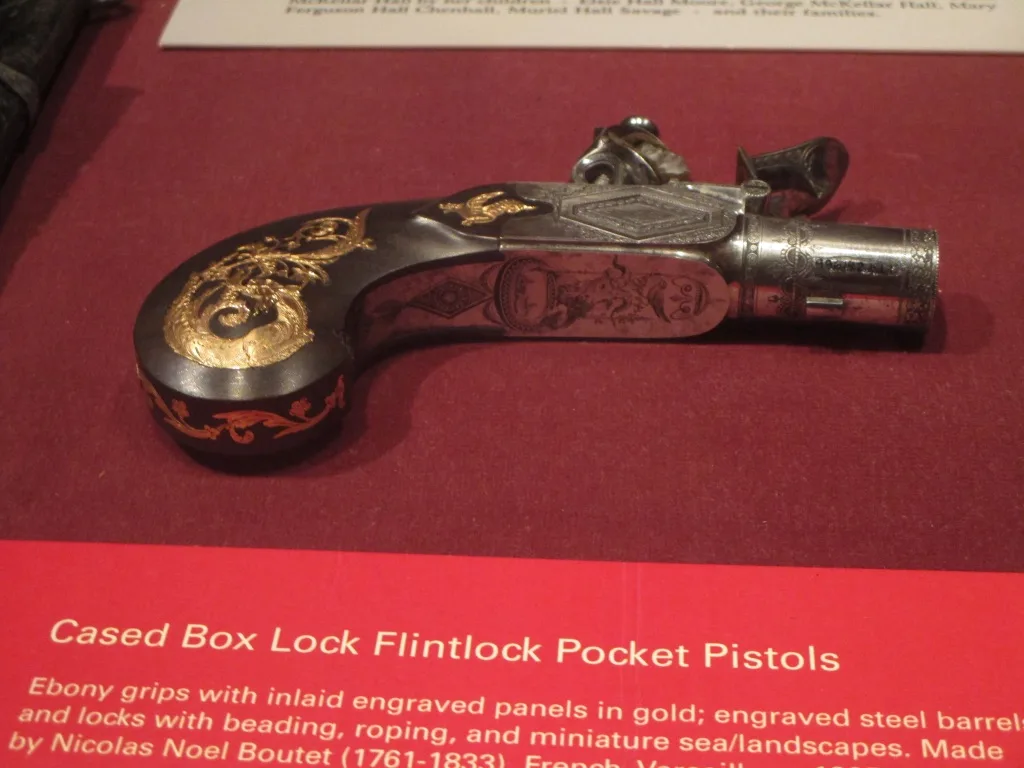
Handguns and Pistols
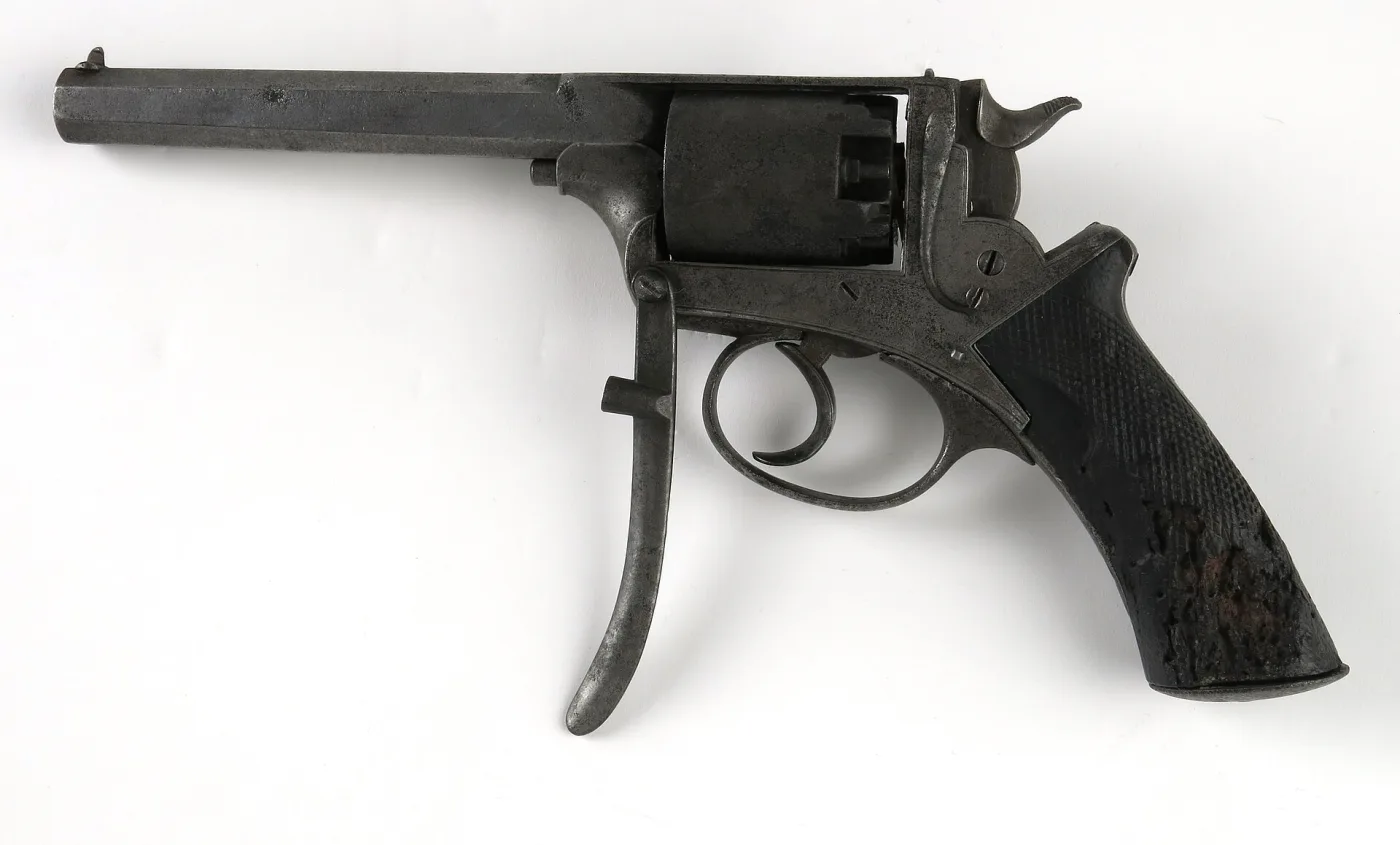
Pistols and revolvers represent a significant category of antique firearms:
- Flintlock Pistols: Single-shot, various barrel lengths and calibers
- Percussion Revolvers: Cap-and-ball revolvers, Colt, Remington designs (often paired with embossed powder flasks and horns)
- Cartridge Revolvers: Modern ammunition, various calibers and manufacturers
- Automatic Pistols: Early semi-automatic designs, military and civilian
Firearm Markings and Serial Numbers
Manufacturer markings provide crucial identification information:
- Manufacturer Names: Company names, locations, patent dates
- Serial Numbers: Production sequence, dating reference, authenticity verification
- Proof Marks: Safety testing marks, country-specific systems
- Military Markings: Service acceptance marks, unit stamps, arsenal rebuild marks
- Caliber Markings: Chamber dimensions, ammunition specifications
Famous Firearm Manufacturers
Recognizing important manufacturers helps with identification and value assessment:
- Colt: American manufacturer, revolvers and rifles, 1836-present
- Winchester: American rifles and shotguns, lever-action designs
- Remington: American firearms manufacturer, rifles and shotguns
- Mauser: German manufacturer, military rifles and pistols
- Enfield: British military rifles, various models and periods
Military Artifacts and Memorabilia
Military artifacts encompass a wide range of collectible items beyond weapons themselves. Among the most popular related collectibles are antique toy soldiers and tin figures, which depict the uniforms and equipment that military collectors study.
Uniforms and Insignia
Military uniforms and insignia provide historical context and identification:
- Uniform Components: Jackets, trousers, caps, boots, various periods and countries
- Rank Insignia: Badges, stripes, epaulettes, collar tabs indicating rank
- Unit Patches: Division, regiment, or unit identification patches
- Service Medals: Campaign medals, service ribbons, decoration awards
- Dating Clues: Fabric types, construction methods, button styles, label information
Military Equipment and Gear
Various equipment items are highly collectible:
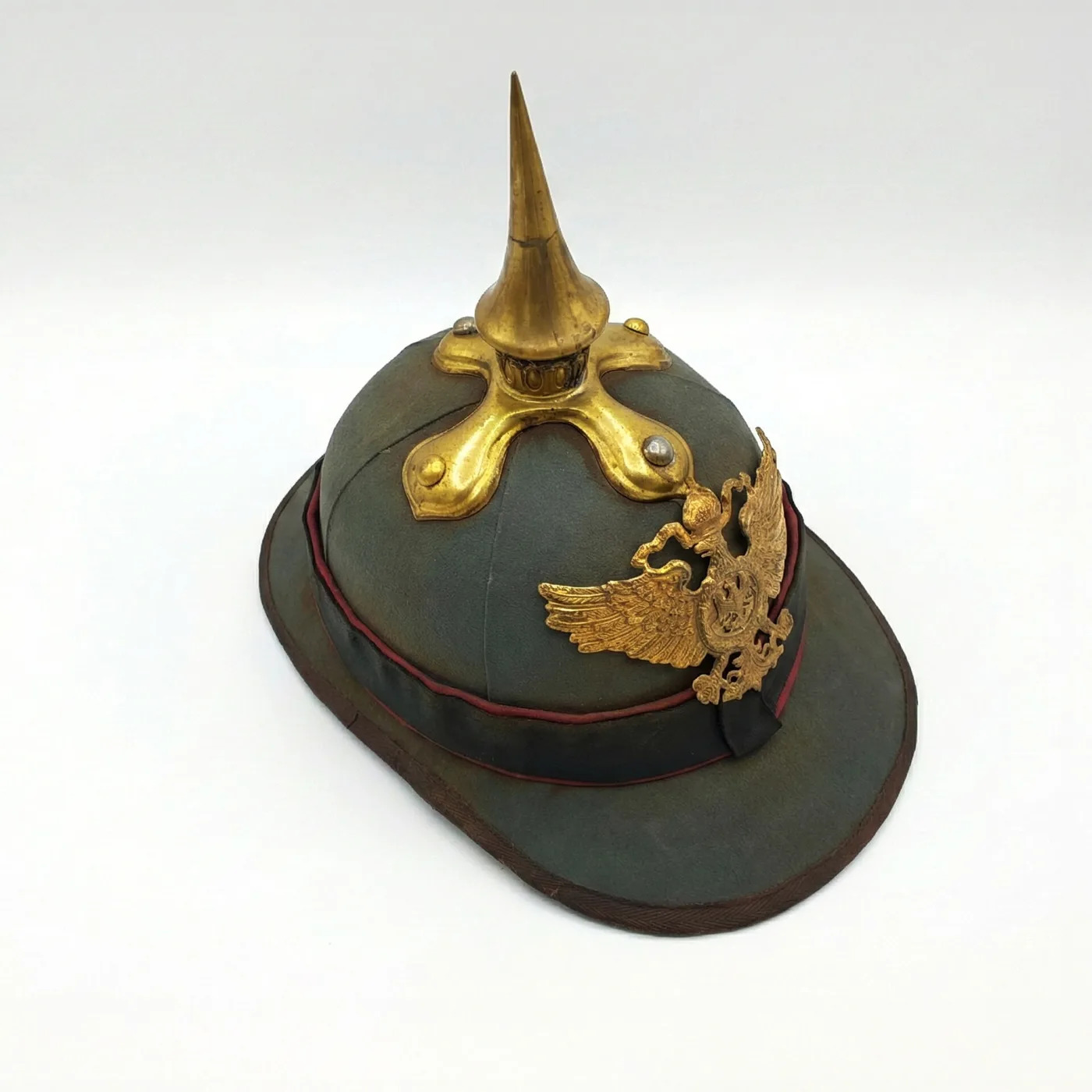
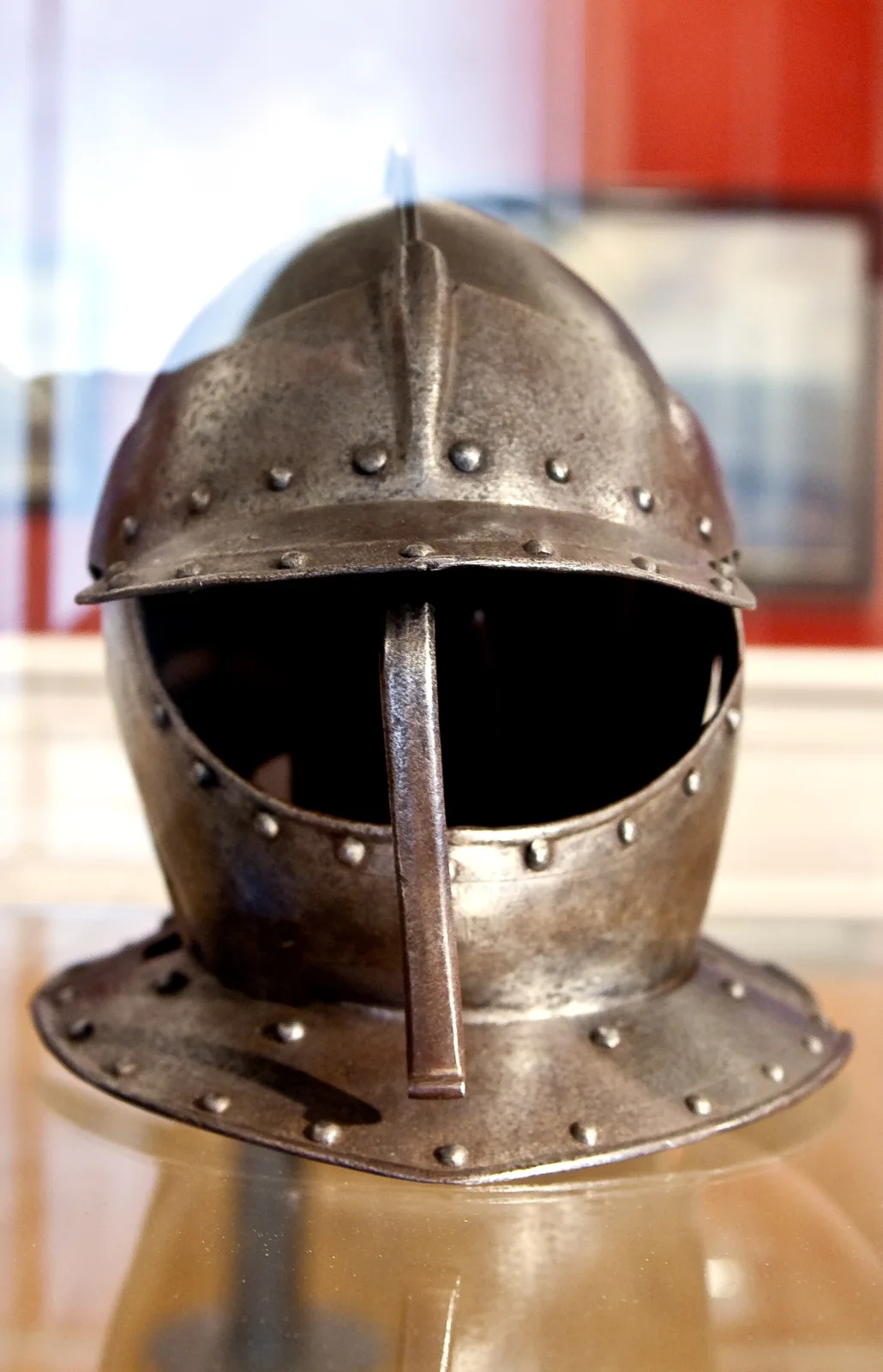
- Helmets: Combat helmets, dress helmets, various materials and designs
- Field Equipment: Canteens, mess kits, backpacks, entrenching tools
- Optical Equipment: Binoculars, compasses, rangefinders, periscopes
- Communication Equipment: Radios, field telephones, signal flags
Documents and Paperwork
Military documents provide provenance and historical value:
- Service Records: Discharge papers, service certificates, identification cards
- Maps and Charts: Battle maps, navigation charts, tactical diagrams
- Photographs: Period photographs, unit photos, action shots
- Letters and Diaries: Personal correspondence, field diaries, memoirs
Medals and Decorations
Military medals and decorations are highly collectible:
- Combat Medals: Valor awards, campaign medals, service medals
- Commemorative Medals: Event-specific medals, presentation pieces
- Badges and Pins: Qualification badges, unit pins, identification badges
- Authentication: Engraving verification, ribbon authenticity, case examination

Maker Marks and Manufacturer Identification
Identifying manufacturers and makers significantly enhances value and historical understanding.
Sword Makers and Manufacturers
Famous sword-making centers and individual makers:
- Solingen, Germany: Major European sword-making center, various manufacturers
- Toledo, Spain: Historic sword-making tradition, high-quality blades
- Sheffield, England: British sword production, military contracts
- Japanese Swordsmiths: Individual smith signatures, school identification, period dating
- American Makers: Ames, Horstmann, various military contractors
Firearm Manufacturers
Major firearm manufacturers and their identifying marks:
- Colt Manufacturing: Horse logo, Hartford address, patent dates
- Winchester Repeating Arms: WRA marking, New Haven address, model numbers
- Remington Arms: REMINGTON marking, various locations, model designations
- European Manufacturers: Mauser, Enfield, various proof marks and stamps
Military Contractors
Companies that produced military equipment under government contracts:
- Government Arsenals: Springfield, Rock Island, various national arsenals
- Private Contractors: Companies producing under military specifications
- Contract Markings: Government acceptance marks, inspector stamps
- Date Codes: Production date indicators, various coding systems
Researching Maker Information
Resources for identifying makers and manufacturers:
- Reference Books: Manufacturer directories, maker mark guides, historical references
- Online Databases: Maker mark identification websites, collector forums
- Museum Collections: High-resolution images, provenance information
- Expert Consultation: Professional appraisers, specialized dealers
Dating Techniques and Historical Context
Accurate dating requires multiple approaches combining style analysis, technical examination, and historical research.
Style and Design Dating
Design elements provide period indicators:
- Blade Shapes: Evolution of sword blade designs over time
- Hilt Styles: Guard designs, pommel shapes, grip materials
- Firearm Mechanisms: Lock types, action designs, stock styles
- Decorative Elements: Engraving styles, inlay work, ornamentation trends
Historical Context Dating
Historical events and periods influence weapon design:
- War Periods: Specific conflicts influence design and production
- Technological Advances: Manufacturing improvements, material availability
- Military Reforms: Standardization efforts, regulation changes
- Cultural Influences: Artistic movements, foreign influences, trade patterns
Technical Dating Methods
Construction and manufacturing techniques provide dating clues:
- Manufacturing Methods: Hand-forged vs. machine-made, production techniques
- Material Analysis: Steel composition, alloy types, material availability
- Tool Marks: Evidence of specific tools or manufacturing processes
- Scientific Methods: Metallurgical analysis, carbon dating, X-ray examination
Serial Number Dating
Serial numbers can provide precise dating information:
- Manufacturer Records: Production date databases, serial number ranges
- Date Codes: Encoded production dates in serial numbers
- Model Changes: Design modifications, production timeline references
- Military Records: Issue dates, service records, contract information
Material Analysis and Construction Methods
Understanding materials and construction provides crucial authentication and dating information.
Blade Materials and Construction
Sword blade materials and manufacturing techniques:
- Steel Types: Carbon steel, pattern-welded steel, various alloy compositions
- Forging Methods: Hand-forging, machine-forging, pattern welding techniques
- Heat Treatment: Hardening, tempering, differential hardening (Japanese swords)
- Surface Treatment: Polishing, etching, bluing, various finishes
Firearm Materials
Materials used in firearm construction:
- Barrel Materials: Steel types, rifling methods, proof testing
- Stock Materials: Wood types, synthetic materials, various periods
- Metal Components: Frame materials, trigger guard, various alloys
- Finishes: Bluing, browning, case-hardening, nickel plating
Handle and Grip Materials
Materials used for handles and grips:
- Wood: Various species, regional preferences, period availability
- Leather: Wrapped grips, scabbard materials, various treatments
- Metal: Wire-wrapped, metal grips, various alloys
- Composite Materials: Bakelite, early plastics, modern synthetics
Decorative Materials
Materials used for decoration and ornamentation:
- Precious Metals: Gold, silver, various alloys for inlay and decoration
- Gemstones: Various stones for pommels, grips, decorative elements
- Enamel: Colored enamel work, various techniques and periods
- Engraving: Hand-engraved decoration, machine-engraved patterns
Authentication and Provenance
Authenticating antique weapons and military artifacts requires careful examination and research.
Authenticity Indicators
Signs of genuine antique weapons:
- Age-Appropriate Wear: Consistent patina, appropriate wear patterns
- Period-Appropriate Construction: Manufacturing methods match claimed period
- Original Components: Matching parts, period-appropriate materials
- Consistent Markings: Maker marks, proof marks, military stamps
Common Fakes and Reproductions
Understanding what to look for in reproductions:
- Modern Manufacturing: Machine-made features on supposedly hand-made items
- Incorrect Materials: Modern materials on antique items
- Fake Markings: Incorrect or poorly executed maker marks
- Assembly Issues: Mismatched components, incorrect assembly methods
Provenance Research
Documenting ownership history and authenticity:
- Ownership Records: Bills of sale, inheritance records, family history
- Service Records: Military service documentation, issue records
- Photographic Evidence: Period photographs showing the item
- Expert Opinions: Professional authentication, appraisal documentation
Condition Assessment
Evaluating condition affects value and authenticity:
- Original Finish: Presence of original finish, patina development
- Damage Assessment: Battle damage, wear, restoration work
- Completeness: Missing components, replacement parts, modifications
- Preservation State: Corrosion, rust, deterioration, storage conditions
Value Assessment and Market Factors
Understanding value factors helps with identification and collecting decisions.
Value Factors
Elements that influence antique weapon value:
- Rarity: Limited production, unique features, uncommon models
- Condition: Original finish, minimal damage, completeness
- Provenance: Famous ownership, documented history, service records
- Maker: Famous or important manufacturer, master craftsman
- Period: Desirable historical era, significant conflict association
- Authenticity: Verified authenticity, expert authentication
Market Considerations
Factors affecting market value:
- Collector Interest: Popular categories, specialized collector groups
- Current Trends: Popular periods, desirable manufacturers
- Economic Factors: Market conditions, precious metal prices
- Geographic Demand: Regional preferences, international markets
Appraisal Methods
Approaches to determining value:
- Comparable Sales: Recent auction results, dealer prices
- Replacement Cost: Cost to acquire similar item
- Investment Potential: Future value appreciation, market trends
- Expert Opinion: Professional appraiser assessment
Specialized Markets
Different markets for various weapon types:
- Japanese Swords: Specialized market, authentication requirements
- Military Firearms: Service rifle collectors, specific model interest
- Antique Swords: Historical weapon collectors, reenactment community
- Medals and Decorations: Military history collectors, family historians
Legal Considerations and Regulations
Understanding legal requirements is essential for collectors and dealers of antique weapons.
Antique Firearm Definitions
Legal definitions vary by jurisdiction:
- United States: Firearms manufactured before 1899 generally considered antiques
- United Kingdom: Specific date cutoffs, deactivation requirements
- European Union: Various national regulations, EU-wide guidelines
- Other Countries: Country-specific regulations, import/export restrictions
Registration and Licensing
Requirements for owning and transferring antique weapons:
- Registration Requirements: Mandatory registration in some jurisdictions
- Licensing: Dealer licenses, collector permits, various requirements
- Transfer Regulations: Sales restrictions, background checks, waiting periods
- Documentation: Bill of sale, transfer records, ownership documentation
Import and Export Regulations
International trade in antique weapons:
- Import Permits: Required documentation, customs procedures
- Export Restrictions: Country of origin restrictions, cultural property laws
- International Agreements: CITES, UNESCO conventions, bilateral agreements
- Documentation Requirements: Certificates, permits, provenance documentation
Deactivation Requirements
Some jurisdictions require deactivation of functional weapons:
- Deactivation Standards: Specific requirements for rendering non-functional
- Certification: Official deactivation certificates, proof marks
- Reactivation Restrictions: Legal prohibitions on reactivation
- Display Requirements: Storage and display regulations
Cultural Property Laws
Protection of culturally significant items:
- National Treasures: Protected items, export restrictions
- Archaeological Artifacts: Restrictions on ancient weapons, burial goods
- Provenance Requirements: Documentation of legal acquisition
- Repatriation Issues: Return of cultural property, ethical considerations
Conclusion
Antique weapons and military artifacts identification is a complex and fascinating field that combines historical knowledge, technical understanding, and practical experience. By learning to recognize different weapon types, understand maker marks, analyze construction methods, and research historical context, you can develop the expertise needed to identify and authenticate antique weapons and military artifacts.
Remember that weapon identification often requires multiple pieces of evidence working together. A single characteristic is rarely definitive, but when combined with other indicators—such as maker marks, construction methods, style analysis, and historical context—it can provide a clear picture of an item's age, origin, and authenticity.
Always consider legal requirements when collecting antique weapons, as regulations vary significantly by jurisdiction. Proper documentation, authentication, and compliance with local laws are essential for responsible collecting. Whether you're interested in swords, firearms, military memorabilia, or other military artifacts, this guide provides the foundation for developing your identification skills and building a meaningful collection.