
Antique Vintage Advertising Identification Guide: Posters, Signs & Collectibles
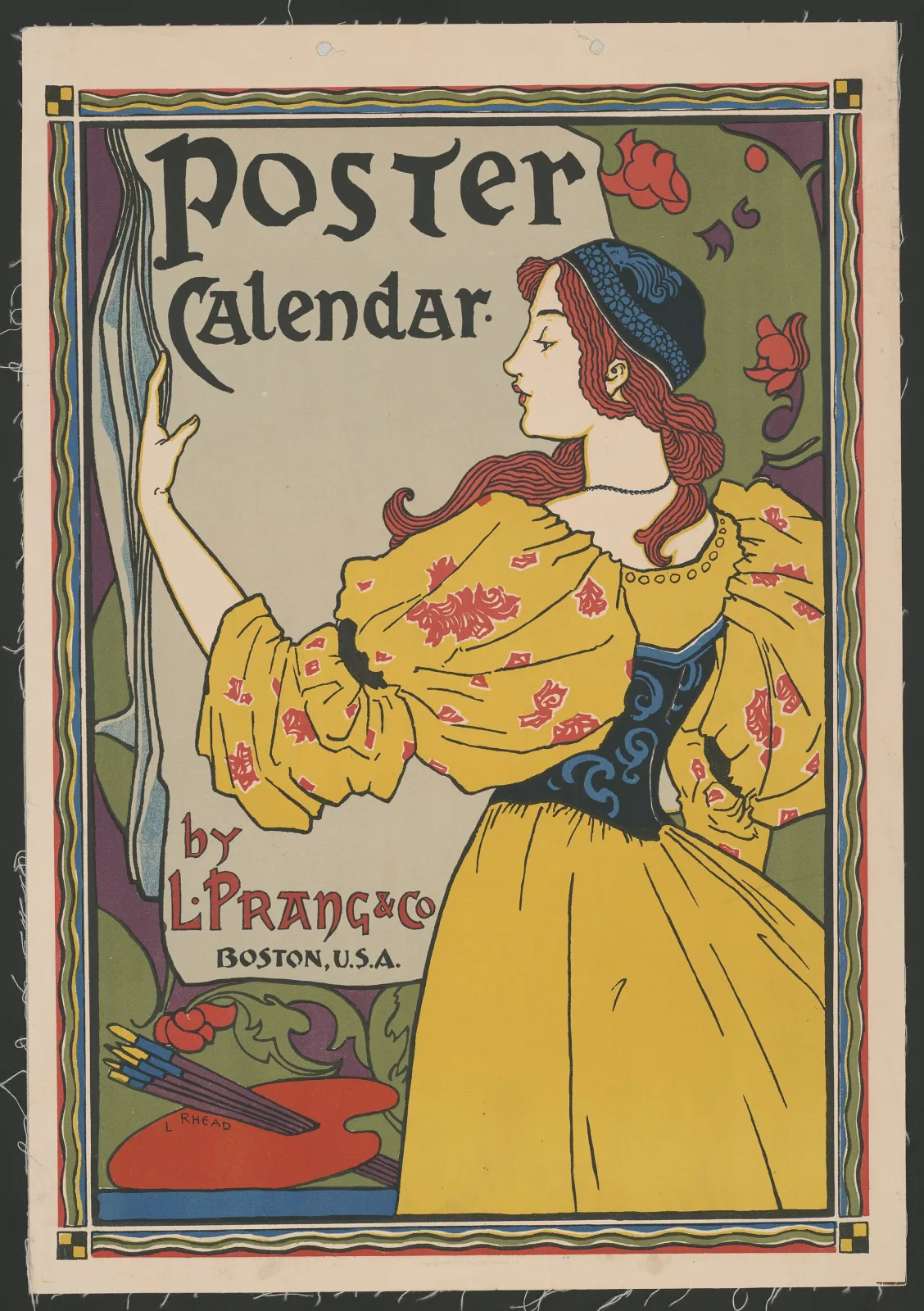
Vintage advertising represents a vibrant and historically significant category of collectibles that captures the commercial art, cultural values, and marketing evolution of past eras. From colorful lithographed posters to iconic enamel signs, these pieces offer glimpses into consumer culture, artistic movements, and technological advances in printing and manufacturing. This comprehensive guide will teach you everything you need to know about identifying vintage advertising materials, from recognizing printing techniques to understanding authentication methods and determining value.
Table of Contents
Types of Vintage Advertising Materials
Understanding the various forms of advertising collectibles is essential for accurate identification and valuation.
Posters and Lithographs
Printed advertisements designed for wall display represent some of the most sought-after advertising collectibles:
- Stone Lithograph Posters: Hand-drawn on limestone, multiple color layers, 1870s-1920s
- Offset Lithographs: Mechanically reproduced, consistent quality, 1920s onward
- Window Posters: Store display pieces, often smaller format
- Billboard Sections: Large-scale outdoor advertising pieces
- Cardboard Standees: Die-cut display figures and promotional items
Metal Signs
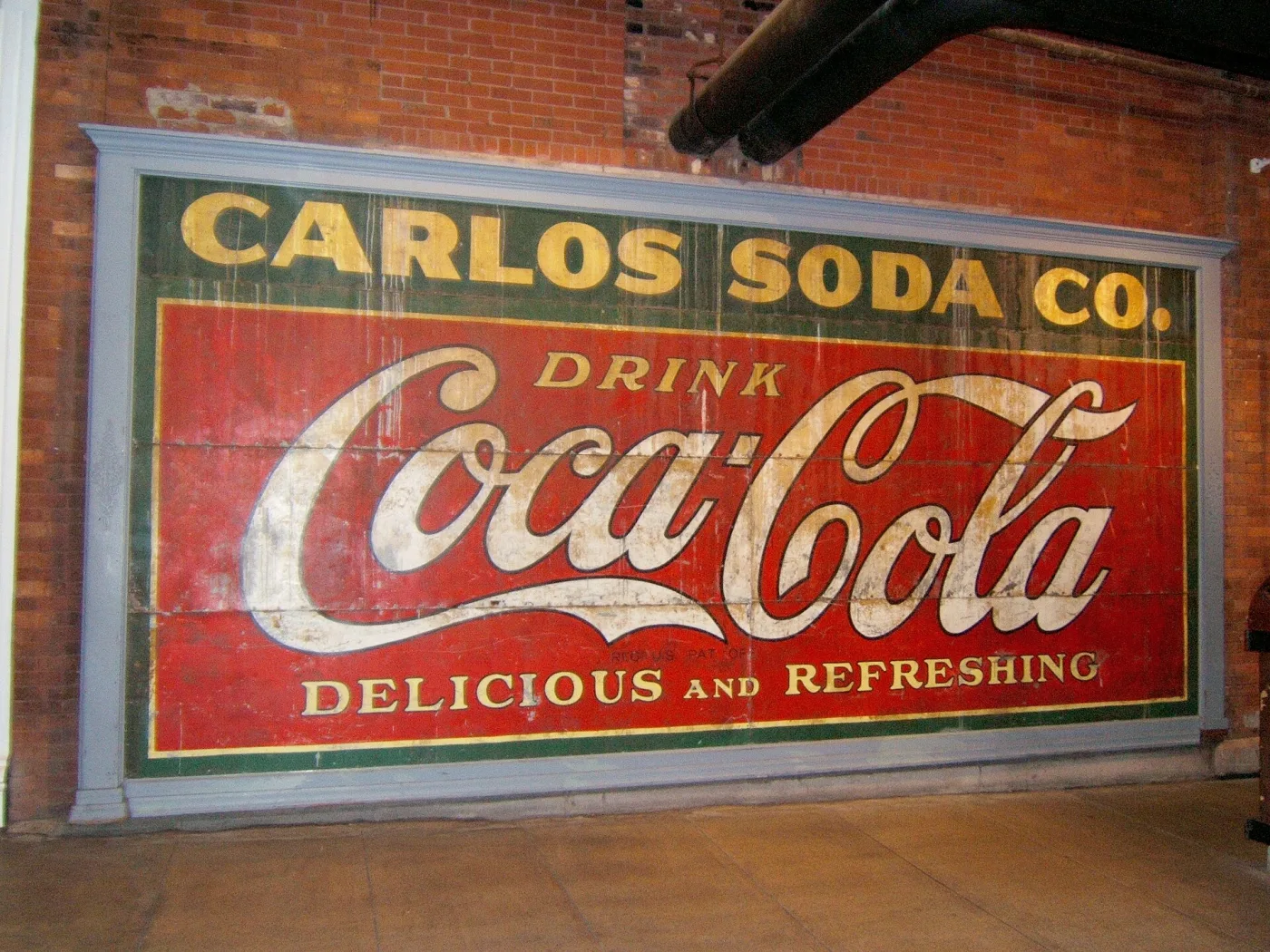
Durable advertising signs made from various metals and finishes (note that earlier hand-painted and carved trade signs and store figures predate these mass-produced examples and form their own collecting category):
- Porcelain Enamel Signs: Vitreous glass coating on steel, highly durable, 1890s-1950s
- Embossed Tin Signs: Raised lettering and designs, three-dimensional appearance
- Flat Tin Signs: Screen-printed or lithographed on tinplate
- Aluminum Signs: Lightweight alternative to steel, 1940s onward
- Neon Signs: Illuminated glass tubing, primarily 1930s-1960s
Trade Cards and Die-Cuts
Small-format advertising pieces distributed to customers:
- Victorian Trade Cards: Chromolithographed cards, 1870s-1900s, colorful imagery
- Die-Cut Advertising: Shaped promotional pieces, often figural designs
- Calendar Cards: Advertising calendars in card format
- Bookmarks and Blotters: Functional advertising giveaways
Paper Ephemera
Printed paper materials with limited intended lifespan:
- Product Catalogs: Company catalogs and promotional brochures
- Handbills and Flyers: Single-sheet promotional materials
- Magazine Advertisements: Tear sheets from periodicals
- Counter Displays: Cardboard point-of-sale materials
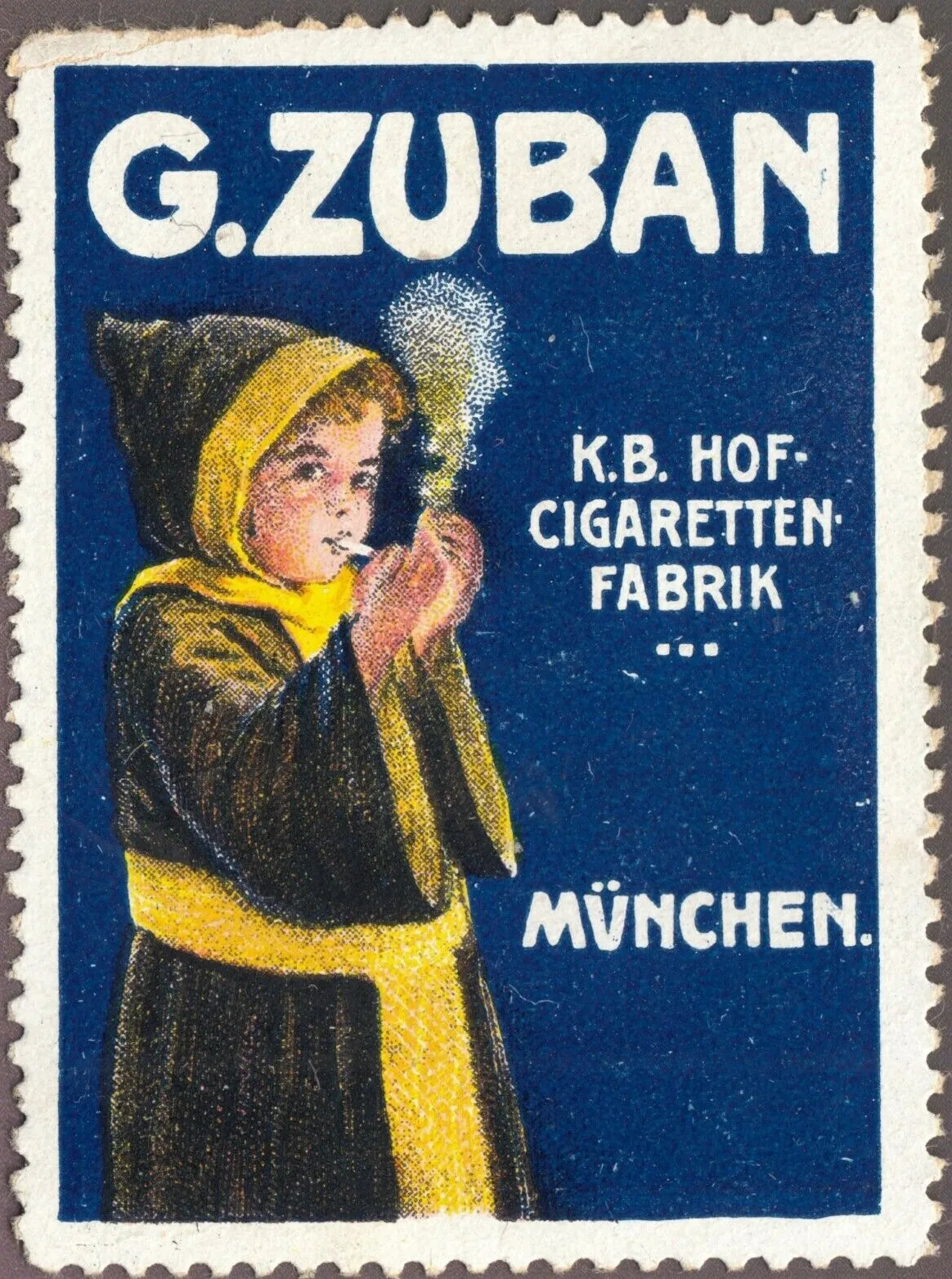
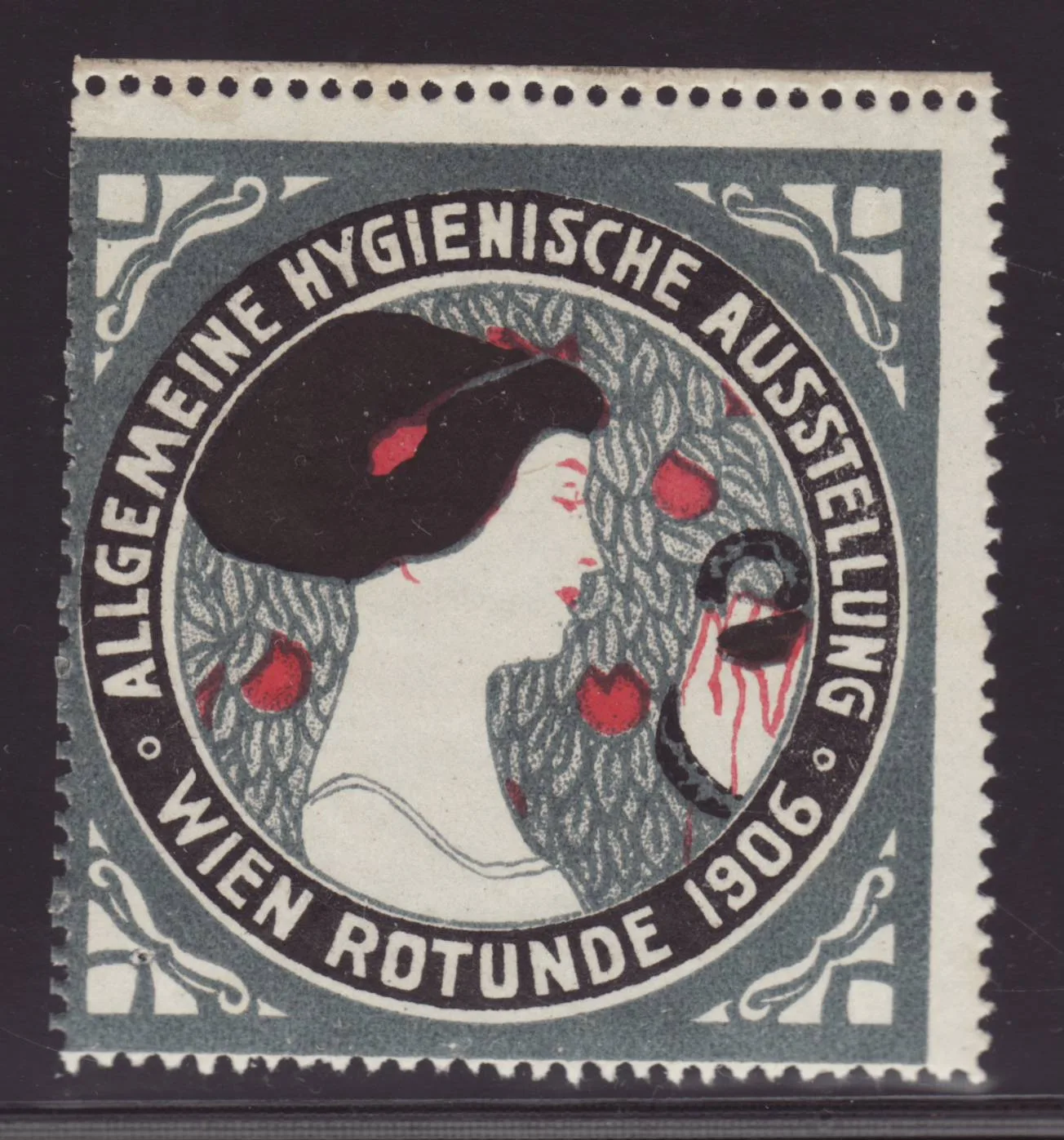
- Matchbooks and Labels: Small-format promotional items
Three-Dimensional Displays
Sculptural and interactive advertising pieces:
- Store Displays: Counter and window display pieces
- Figural Advertising: Three-dimensional product representations
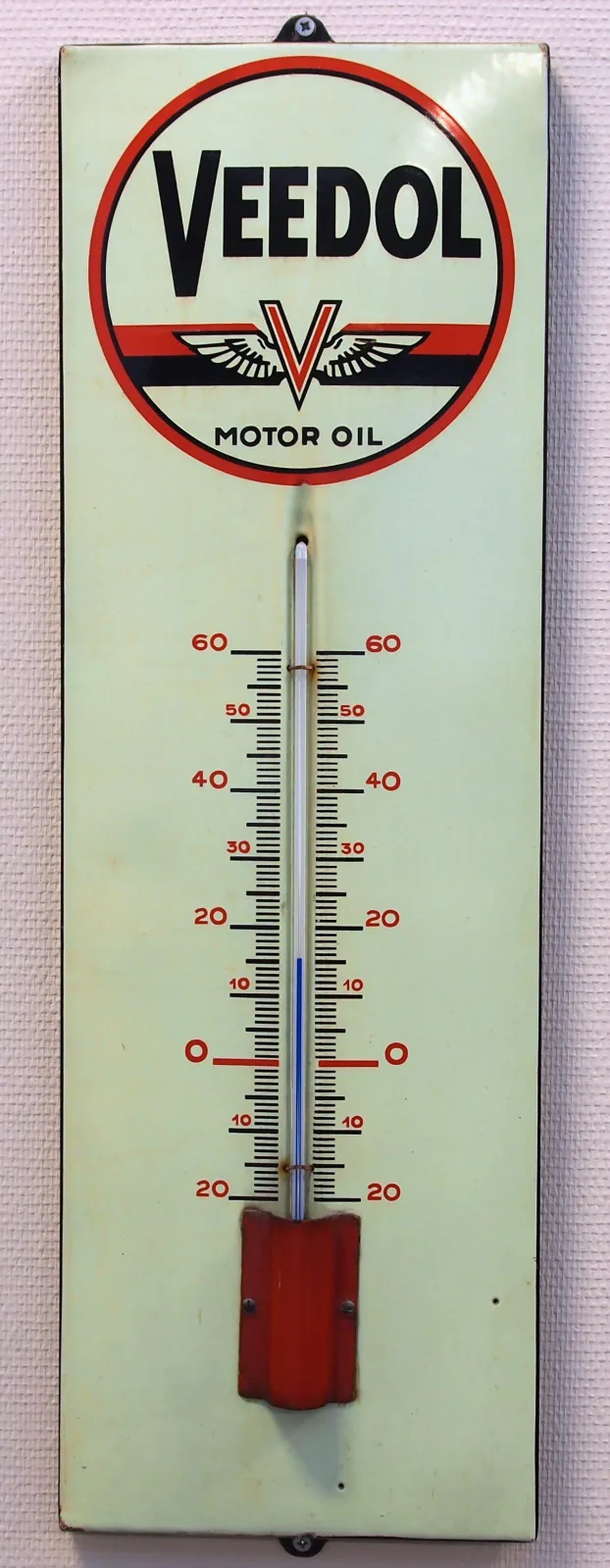
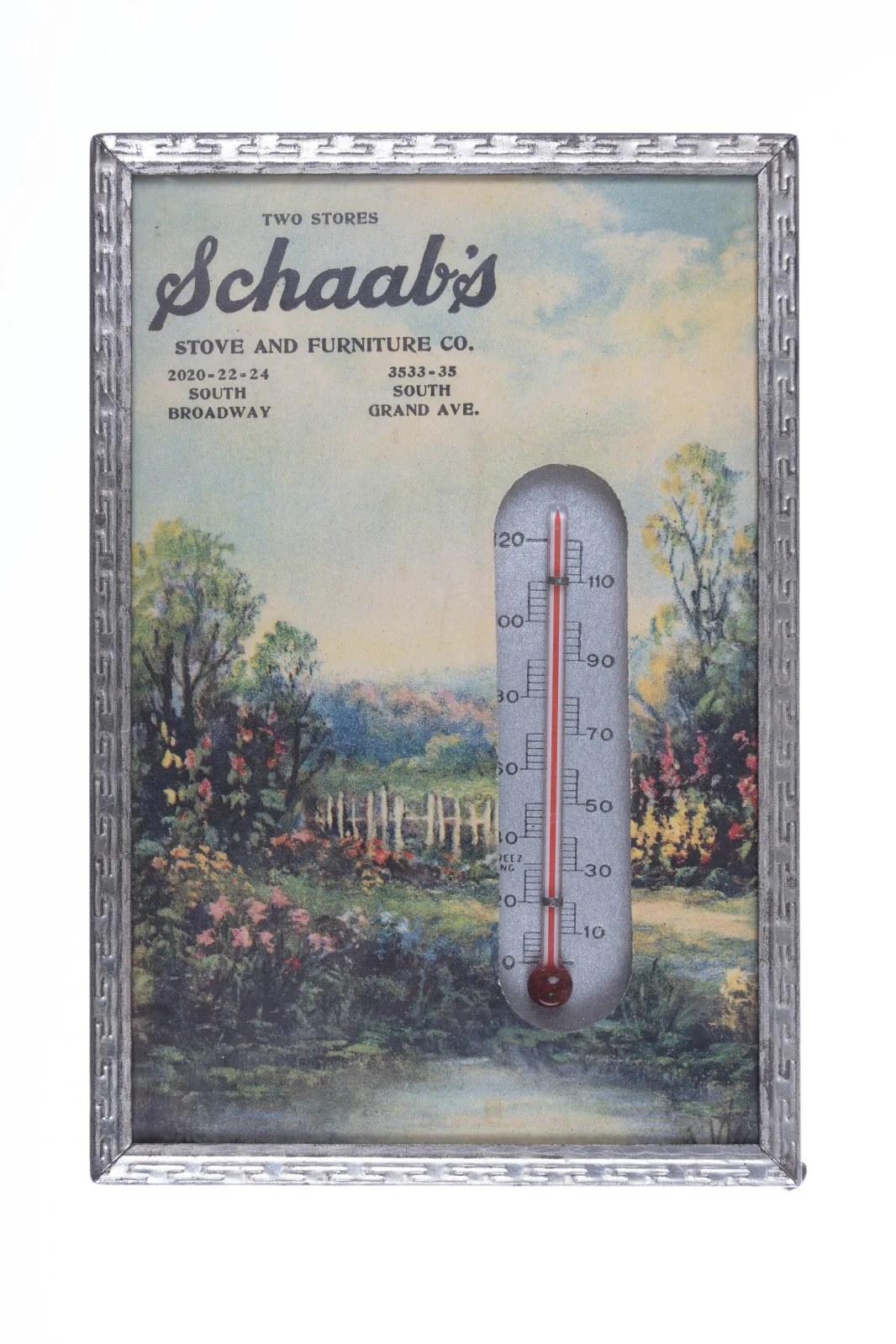
- Clocks and Thermometers: Functional advertising items, including collectible advertising thermometers in porcelain, tin, and dial formats
- Light-Up Displays: Illuminated signs and display boxes
Product Packaging
Original packaging and containers with advertising graphics:
- Tin Containers: Lithographed product tins and canisters
- Glass Bottles: Embossed or labeled product bottles
- Cardboard Boxes: Original product packaging with graphics
- Labels and Wrappers: Unused product labels and wrappers
Dating Vintage Advertising
Accurate dating requires examining multiple characteristics and understanding technological evolution.
Printing Technology Indicators
Different printing methods were prevalent during specific periods:
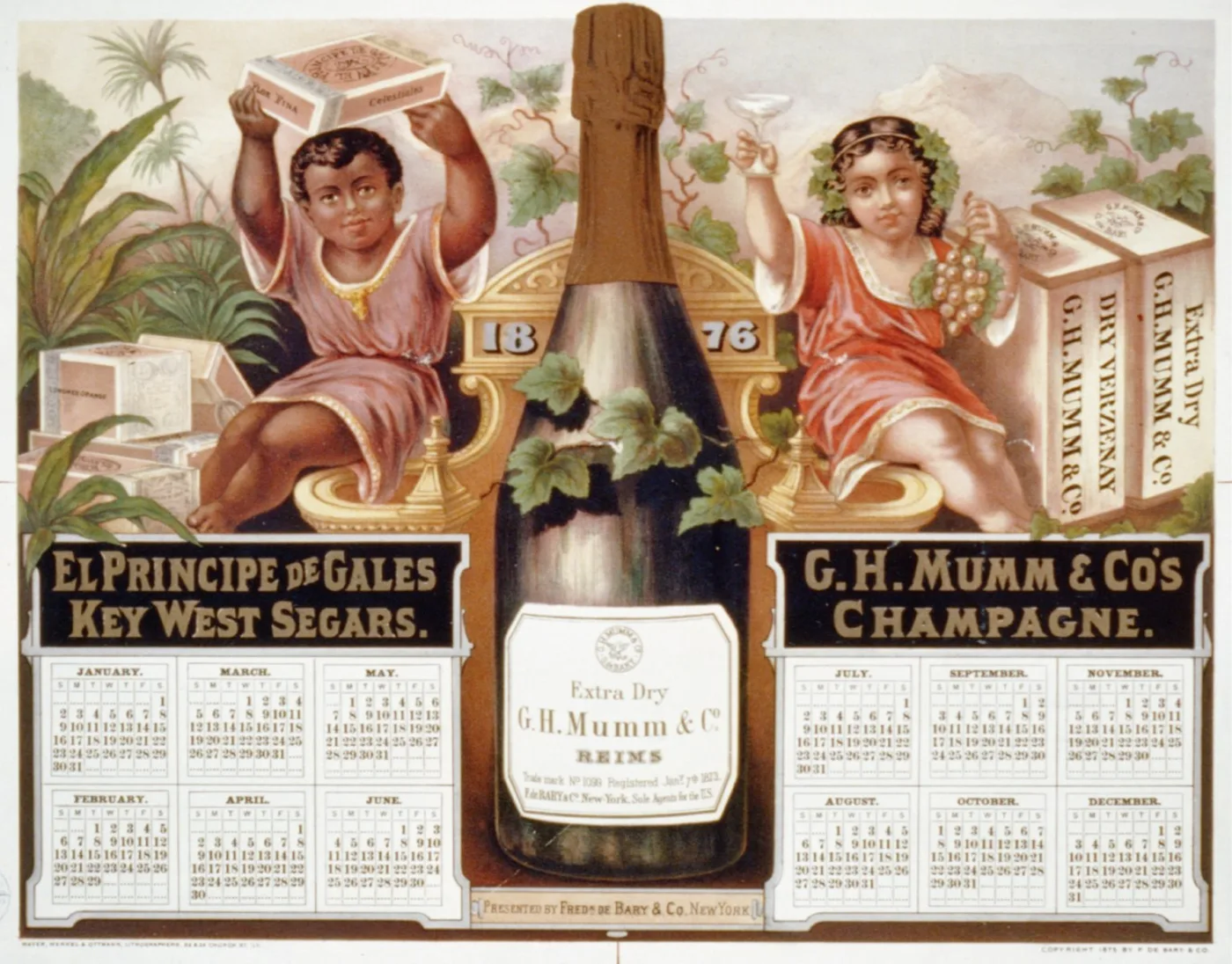
- Stone Lithography (1870s-1920s): Hand-drawn registration marks, crayon texture visible under magnification
- Early Offset Lithography (1920s-1940s): Mechanical dot patterns, precise registration
- Screen Printing (1930s onward): Thick ink deposits, limited color palette
- Four-Color Process (1940s onward): CMYK halftone dots, photographic reproduction
- Digital Printing (1990s onward): No dot pattern, consistent ink density
Typography and Design Elements
Lettering styles and design trends reflect specific eras:
- Victorian Era (1870s-1900): Ornate typography, decorative borders, chromolithography — see our dedicated guide to Victorian trade cards for the small-format advertising of this era
- Art Nouveau (1890s-1910s): Flowing organic lines, stylized natural forms
- Arts and Crafts (1900s-1920s): Simple geometric forms, hand-crafted aesthetic
- Art Deco (1920s-1940s): Bold geometric shapes, streamlined designs, metallic accents
- Mid-Century Modern (1950s-1960s): Clean lines, atomic age imagery, bright colors
- Psychedelic Era (1960s-1970s): Vibrant colors, wavy lettering, counterculture imagery
Company History and Logo Evolution
Brand marks changed over time, providing dating clues:
- Logo Versions: Research company logo evolution for specific timeframes
- Address Information: City names, zip codes, phone number formats indicate periods
- Slogans and Taglines: Marketing phrases changed with campaigns
- Product Names: Brand names and formulations evolved over time
- Patent Dates: Patent numbers and dates provide terminus post quem
Copyright and Dating Marks
Legal markings help establish production dates:
- Copyright Symbols: © symbol became standard after 1909
- Copyright Dates: Year of copyright registration on printed materials
- Printer Marks: Lithography company names and locations
- Union Labels: Labor union marks indicate production periods
- Manufacturer Codes: Date codes stamped on metal signs
Material and Manufacturing Clues
Physical characteristics reflect production era technology:
- Paper Composition: Rag content vs wood pulp, acidity levels
- Metal Types: Tin-plated steel vs aluminum, coating methods
- Fastening Methods: Grommets, mounting holes, hanging mechanisms
- Size Standards: Standard dimensions changed over decades
Printing Techniques and Authentication
Understanding production methods is crucial for authentication and dating.
Stone Lithography Characteristics
Original stone lithographs have distinctive features:
- Crayon Texture: Visible under 10x magnification, hand-drawn appearance
- Color Separation: Each color printed separately, slight misregistration
- Ink Buildup: Thicker ink deposits in darker areas
- Edge Quality: Softer edges compared to photographic processes
- Paper Selection: High-quality rag paper or specialty lithograph paper
Offset Lithography Identification
Mechanical offset printing has specific characteristics:
- Dot Patterns: Regular halftone screens visible under magnification
- Precise Registration: Exact color alignment, minimal variation
- Consistent Density: Uniform ink coverage across print run
- Photographic Detail: Ability to reproduce photographic images
- Large Print Runs: Identical copies without variation
Screen Printing Recognition
Silkscreen printing has unique visual qualities:
- Thick Ink Layer: Raised surface, tactile texture
- Solid Colors: Flat color areas without halftone dots
- Limited Palette: Fewer colors than lithographic processes
- Sharp Edges: Crisp boundaries between color areas
- Mesh Patterns: Occasionally visible screen texture
Porcelain Enamel Sign Production
Enamel signs have distinctive manufacturing characteristics:
- Glass Surface: Smooth, glassy finish over metal base
- Multiple Firings: Each color fired separately at high temperature
- Edge Chips: Reveals metal substrate beneath enamel
- Stencil Marks: Slight color overlap at stencil edges
- Rust Patterns: Authentic aging through exposed metal areas
Embossing and Die-Cutting
Three-dimensional production techniques add value:
- Raised Designs: Pressed metal creates dimensional imagery
- Custom Dies: Shaped edges cut with specialized tooling
- Detail Quality: Sharp crisp details indicate quality dies
- Reverse Impression: Back side shows inverse of embossing
Paper and Ink Analysis
Material examination reveals age and authenticity:
- Paper Aging: Yellowing, foxing, brittleness indicate age
- Ink Oxidation: Color fading, chemical changes over time
- UV Fluorescence: Modern paper brighteners glow under blacklight
- Fiber Content: Rag vs wood pulp, modern synthetic fibers
- Watermarks: Paper manufacturer marks date production

Major Categories and Iconic Brands
Certain product categories and brands dominate the vintage advertising collectibles market.
Beverage Advertising
Drink companies produced extensive advertising materials:
- Coca-Cola: Most collected brand, extensive variety from 1890s onward
- Pepsi-Cola: Early materials highly sought, logo evolution trackable
- Beer Brands: Pre-Prohibition and regional breweries, neon signs valued
- Soft Drinks: Regional bottlers, fountain syrup dispensers
- Coffee and Tea: Colorful tin containers, store displays
Tobacco Advertising
Tobacco companies were prolific advertisers until regulations restricted marketing:
- Cigarette Brands: Pre-1970s materials, famous campaigns
- Cigar Advertising: Box labels, lithographed posters
- Tobacco Tins: Pocket tins, store display tins
- Trade Cards: Victorian-era promotional cards highly collectible
Automotive and Petroleum
Transportation-related advertising includes diverse formats:
- Gasoline Brands: Porcelain pump signs, road maps, premium giveaways
- Motor Oil: Tin cans, metal signs, service station displays
- Automobile Manufacturers: Dealer signs, showroom posters
- Tire Companies: Service station signs, promotional materials
- Automotive Parts: Spark plugs, batteries, accessories advertising
Food and Household Products
Everyday consumer goods generated abundant advertising:
- Breakfast Cereals: Cardboard displays, premium offers
- Baking Products: Flour sacks, recipe booklets, tin signs
- Canned Goods: Label collections, store displays
- Soap and Cleaners: Trade cards, magazine ads, product containers
- Condiments: Bottle labels, store signs, recipe cards
Patent Medicine and Health
Medical and health products featured elaborate advertising claims:
- Cure-All Tonics: Pre-FDA regulation bottles and labels
- Pharmaceutical Companies: Drugstore displays, thermometers, brass cash registers with custom etched-glass amount indicators
- Health Products: Medical equipment advertising
- Beauty Products: Cosmetics advertising, barber shop signs
Travel and Tourism
Transportation companies produced artistic promotional materials:
- Railroad Advertising: Travel posters, timetables, route maps
- Steamship Lines: Destination posters, luggage labels
- Airlines: Travel posters from aviation's golden age
- Hotels and Resorts: Destination advertising, matchbooks
Condition Assessment and Grading
Condition significantly impacts value and requires careful evaluation.
Standard Grading Scale
Industry-standard condition grades for advertising collectibles:
- Mint (10): Perfect condition, no flaws, often unused or new old stock
- Near Mint (9): Minor storage wear only, no significant flaws
- Excellent (8): Light wear, minor edge wear or small flaws
- Very Good (7): Moderate wear, some fading or small damage
- Good (6): Obvious wear, visible damage but complete and displayable
- Fair (5): Heavy wear, significant damage, structural issues
- Poor (4 and below): Severe damage, missing pieces, restoration needed
Common Paper Damage Types
Paper advertising materials suffer specific deterioration:
- Edge Wear: Tears, chips, creasing along margins
- Foxing: Brown age spots from moisture and impurities
- Fading: Color loss from light exposure, especially fugitive dyes
- Creasing: Fold lines, handling creases reduce value
- Staining: Water damage, oil stains, adhesive residue
- Acid Burn: Yellowing and brittleness from acidic paper
- Insect Damage: Holes, edge nibbling from pests
Metal Sign Condition Issues
Metal advertising signs exhibit different deterioration patterns:
- Rust: Surface oxidation, through-rust holes, rust bleeding
- Porcelain Chips: Edge chipping exposing metal substrate
- Fading: Color loss from UV exposure, weathering
- Scratches: Surface abrasions, deep gouges
- Dents and Bends: Physical deformation, impact damage
- Mounting Holes: Original vs added holes affect value differently
Restoration vs Conservation
Treatment approaches impact authenticity and value:
- Conservation: Stabilization without alteration, preserves originality
- Restoration: Repairs and improvements, may reduce value if poorly done
- Cleaning: Gentle surface cleaning acceptable, aggressive cleaning harmful
- Repainting: Generally reduces value significantly, destroys originality
- Backing and Mounting: Proper archival methods preserve paper items
- Documentation: Record all treatments for transparency
Impact on Value
Condition affects pricing on a sliding scale:
- Mint Premium: Mint examples command 200-400% of good condition values
- Excellent Standard: Most commonly collected grade, baseline pricing
- Good Discount: Typically 40-60% of excellent condition value
- Rarity Factor: Rare items maintain value despite condition issues
- Desirability: Highly sought brands tolerate more condition issues
Value Factors and Market Trends
Multiple factors combine to determine the market value of vintage advertising.
Rarity and Scarcity
Availability strongly influences pricing:
- Limited Production: Short-lived products or regional distribution
- Survival Rate: Ephemeral items had low survival rates
- Condition Rarity: Common items in exceptional condition gain value
- Documented Quantity: Known surviving examples establish rarity
- Format Rarity: Unusual sizes or formats command premiums
Brand Recognition and Appeal
Famous brands drive collector demand:
- Iconic Brands: Coca-Cola, Harley-Davidson, automotive brands
- Nostalgic Appeal: Brands evoking childhood memories
- Cultural Significance: Products representing social movements or eras
- Regional Interest: Local brands attract regional collectors
- Crossover Collecting: Brands attracting multiple collector types
Artistic and Design Merit
Aesthetic quality adds value beyond brand recognition:
- Artist Attribution: Known commercial artists increase value
- Design Movement: Art Nouveau, Art Deco examples highly valued
- Color and Imagery: Vibrant graphics, appealing subject matter
- Typography: Exceptional lettering and layout design
- Display Quality: Visually striking pieces for home or business display
Historical Significance
Historical context enhances collectibility:
- Era Representation: Items capturing specific time periods
- Social History: Advertising reflecting cultural attitudes and values
- Technological Innovation: Early examples of new products or technologies
- Prohibition Era: Pre-Prohibition alcohol advertising especially valuable
- World War Materials: Wartime advertising and messaging
Size and Display Potential
Physical characteristics affect desirability:
- Large Format: Impressive wall display pieces command premiums
- Small Collectibles: Space-efficient items attract broad market
- Unusual Shapes: Die-cut and figural items stand out
- Three-Dimensional: Sculptural displays add visual interest
- Framing Potential: Items suitable for professional framing
Current Market Trends
Collecting patterns evolve with generational preferences:
- Mid-Century Focus: Growing interest in 1950s-1970s materials
- Petroliana Strength: Gas station and automotive advertising remains strong
- Neon Signs Rising: Illuminated advertising gaining popularity
- Regional Brands: Local history focus drives regional market
- Cross-Category Appeal: Advertising enhances other collections (Harley, Coke)
Authentication and Detecting Reproductions
The popularity of vintage advertising has spawned extensive reproduction and fantasy pieces.
Common Reproduction Red Flags
Modern reproductions often exhibit telltale characteristics:
- Too Perfect: Unnaturally perfect condition for claimed age
- Wrong Materials: Modern paper or metal substrates
- Incorrect Dimensions: Sizes not matching known originals
- Fantasy Designs: Images or slogans never used historically
- Pixelation: Digital scanning artifacts visible under magnification
- Uniform Aging: Artificially applied patina or distressing
Printing Method Analysis
Modern printing differs from period techniques:
- Digital vs Analog: Laser printer toner vs traditional ink
- Dot Patterns: Modern halftone screens differ from vintage
- Color Consistency: Computer color matching too perfect
- Ink Behavior: Modern inks don't age like period materials
- Registration Marks: Absence of traditional printer's marks
Material Testing
Physical examination reveals modern materials:
- UV Light Testing: Modern paper brighteners fluoresce
- Magnet Test: Modern steel differs from vintage tin-plated steel
- Weight Comparison: Reproductions often lighter than originals
- Edge Examination: Modern cutting methods vs period tools
- Hardware Analysis: Grommets, hangers, fasteners indicate age
Historical Accuracy Research
Verify claims through documentation:
- Logo Verification: Confirm logo version matches claimed date
- Slogan Research: Verify marketing campaigns and timeframes
- Product History: Ensure product existed during claimed period
- Company Records: Research merger dates, name changes, locations
- Reference Materials: Compare to documented examples in books and museums
Known Reproduction Categories
Certain items are heavily reproduced and require caution:
- Coca-Cola Materials: Extensively reproduced in all formats
- Gasoline Signs: Porcelain pump signs heavily faked
- Harley-Davidson: Dealer signs and promotional materials
- Beer Advertising: Tin signs and neon reproductions common
- Tobacco Tins: Pocket tins frequently reproduced
Expert Authentication
When in doubt, seek professional verification:
- Specialized Dealers: Category experts offer authentication services
- Auction House Experts: Major houses provide pre-sale authentication
- Collector Clubs: Organization members share knowledge and resources
- Reference Libraries: Museum collections and archives document originals
- Scientific Analysis: Materials testing labs for high-value items
Preservation and Display
Proper care ensures long-term survival of vintage advertising materials.
Paper Storage Best Practices
Archival storage protects fragile paper items:
- Acid-Free Materials: Use archival folders, sleeves, and boxes
- Flat Storage: Store posters and prints flat when possible
- Interleaving: Separate items with acid-free tissue
- Climate Control: Maintain 65-70°F, 40-50% relative humidity
- Light Protection: Store away from direct and indirect sunlight
- Pest Prevention: Monitor for insects, use appropriate deterrents
Metal Sign Preservation
Protect metal advertising from further deterioration:
- Rust Stabilization: Treat active rust with appropriate products
- Cleaning Methods: Gentle cleaning with appropriate solutions
- Protective Coatings: Clear coats prevent further oxidation
- Indoor Display: Avoid outdoor exposure to elements
- Mounting Methods: Use non-damaging hanging systems
Framing and Display
Professional presentation enhances and protects items:
- UV-Filtering Glass: Museum-quality glazing blocks harmful light
- Acid-Free Matting: Archival mat boards prevent acid migration
- Proper Spacing: Allow air circulation, prevent contact with glass
- Reversible Mounting: Avoid permanent adhesives and alterations
- Location Selection: Avoid direct sunlight, heat sources, moisture
Handling Guidelines
Proper handling prevents accidental damage:
- Clean Hands: Wash and dry hands or wear cotton gloves
- Support Items: Handle large pieces with both hands
- Avoid Folding: Never fold or crease paper materials
- Minimize Handling: Reduce exposure to oils and acids from skin
- Stable Surfaces: Work on clean, flat surfaces when examining items
Environmental Considerations
Control environmental factors that cause deterioration:
- Temperature Stability: Avoid fluctuations and extremes
- Humidity Control: Prevent mold growth and paper warping
- Air Quality: Filter pollutants and acidic gases
- Light Levels: Limit exposure to all light sources
- Pest Management: Regular inspections and preventive measures
Expert Tips for Collectors
Successful collecting requires knowledge, patience, and strategic planning.
Building a Focused Collection
Specialization creates more valuable and meaningful collections:
- Choose a Focus: Specific brand, product category, or era
- Research Thoroughly: Study reference books, auction results, museum collections
- Set Parameters: Define scope by date range, geography, or theme
- Quality Over Quantity: Prioritize condition and rarity over volume
- Document Everything: Photograph and record provenance information
Sourcing Strategies
Find quality pieces through diverse channels:
- Auctions: Major and regional auction houses offer authenticated materials
- Antique Shows: Meet dealers, examine items in person, network
- Online Marketplaces: eBay, specialized forums, dealer websites
- Estate Sales: Original-owner collections sometimes available
- Antique Shops: Build relationships with knowledgeable dealers
- Collector Organizations: Join clubs for access to member sales
Authentication Due Diligence
Protect your investment through careful examination:
- Request Detailed Photos: Examine corners, edges, printing details
- Ask Questions: Provenance, repairs, guarantees of authenticity
- Compare to Known Examples: Use reference materials for verification
- Understand Return Policies: Ensure ability to return if not authentic
- Start Small: Build expertise with affordable items before major purchases
Market Knowledge
Stay informed about values and trends:
- Track Auction Results: Monitor realized prices for comparable items
- Follow Market Trends: Understand which categories are rising or falling
- Network with Collectors: Share information and market intelligence
- Read Publications: Collector magazines, auction catalogs, price guides
- Attend Shows: See market in person, observe pricing trends
Investment Considerations
Collect for enjoyment while making sound financial decisions:
- Buy the Best Quality: Condition drives long-term value retention
- Seek Rarity: Scarce items appreciate better than common pieces
- Verify Authenticity: Reproductions have minimal investment value
- Consider Liquidity: Mainstream categories sell more easily
- Diversify: Don't concentrate entire collection in single category
- Enjoy the Hunt: Collect what appeals to you personally
Common Mistakes to Avoid
Learn from others' errors:
- Impulse Buying: Research before purchasing, avoid emotional decisions
- Ignoring Condition: Poor condition items rarely good investments
- Paying Retail: Understand wholesale vs retail pricing
- Neglecting Provenance: Documentation adds significant value
- Improper Storage: Damage from poor care destroys value
- Following Fads: Hot markets cool, collect for long-term interest
Conclusion
Vintage advertising identification combines historical research, technical knowledge, and aesthetic appreciation to create a rewarding collecting specialty. By learning to recognize printing techniques, understand dating methods, and authenticate materials, you can build expertise in this vibrant field of antiques.
Remember that successful identification requires examining multiple characteristics together. Printing method, paper or metal type, design elements, brand history, and condition all contribute to accurate dating and authentication. Take time to research thoroughly, handle items carefully, and seek expert guidance when needed. The world of vintage advertising offers endless opportunities for discovery and the preservation of commercial art history.