
Victorian Furniture Identification Guide: Styles, Makers & Authentication (1837-1901)
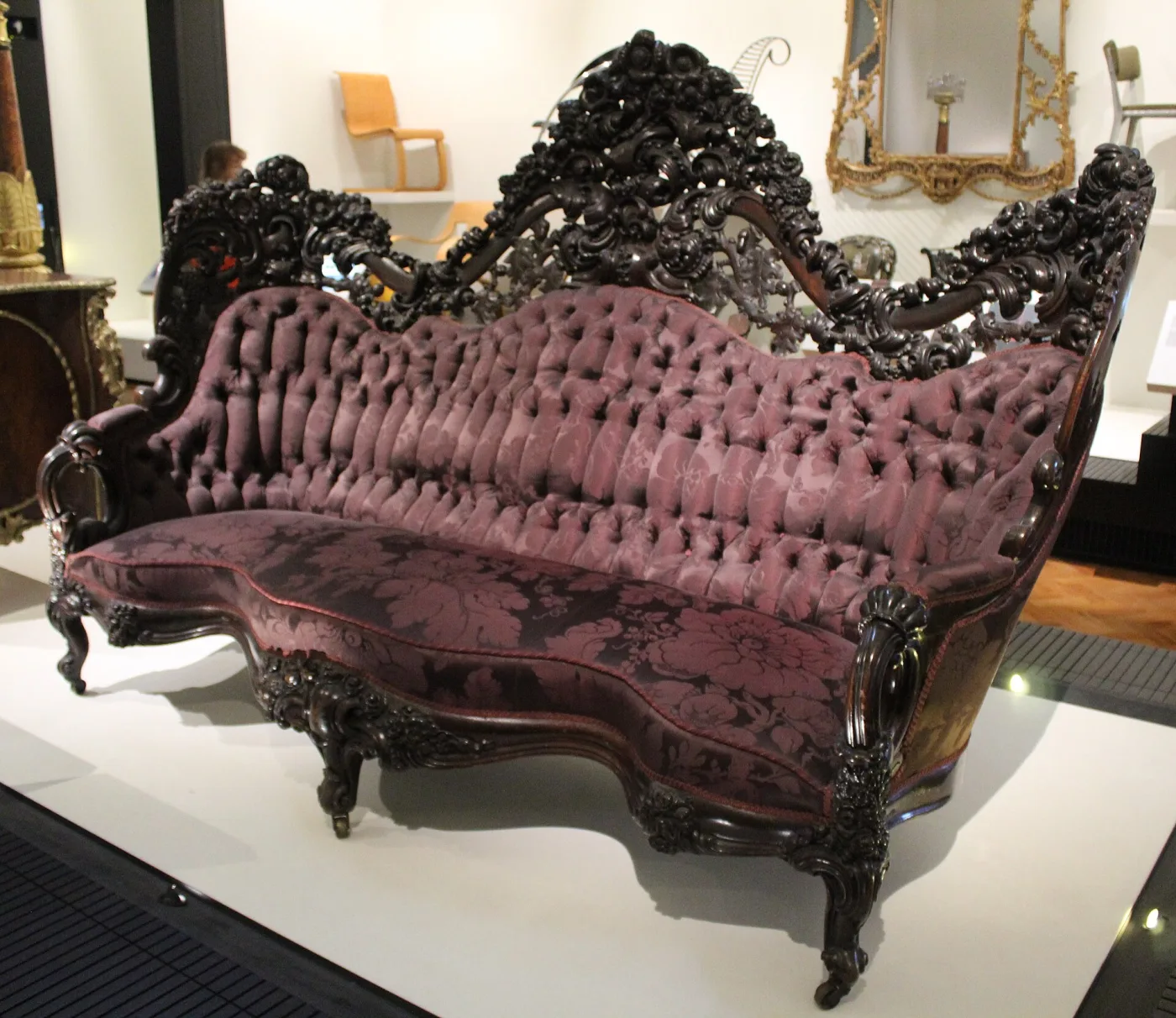
Victorian furniture represents one of the most diverse and fascinating periods in furniture history. Spanning Queen Victoria's reign from 1837 to 1901, this era saw an unprecedented explosion of styles, techniques, and innovations driven by industrialization, a newly affluent middle class, and a romantic fascination with historical periods. From the dramatic pointed arches of Gothic Revival to the sinuous curves of Rococo Revival and the restrained geometry of Eastlake, Victorian furniture offers collectors an extraordinary range of styles and price points.
Understanding Victorian furniture requires recognizing that unlike earlier periods defined by a single dominant style, the Victorian era embraced multiple competing aesthetics simultaneously. A wealthy household in 1870 might feature Gothic Revival pieces in the library, Rococo Revival furniture in the parlor, and Renaissance Revival pieces in the dining room. This eclecticism, combined with advances in mass production, created both challenges and opportunities for today's collectors and enthusiasts.
This comprehensive guide will teach you to identify the major Victorian furniture styles, recognize the work of important makers, understand construction methods and materials, authenticate period pieces, and assess condition and value. Whether you're examining a potential purchase at an antique shop or evaluating pieces you've inherited, this knowledge will help you make informed decisions about Victorian furniture.
Table of Contents
- The Victorian Era: Historical Context
- Gothic Revival Style (1830-1860)
- Rococo Revival Style (1840-1865)
- Renaissance Revival Style (1860-1890)
- Eastlake Style (1870-1890)
- Other Victorian Styles
- Woods and Materials
- Construction Methods and Joinery
- Hardware Identification
- Famous Victorian Furniture Makers
- Authentication and Spotting Reproductions
- Condition Assessment and Value Factors
- Collecting Tips and Market Insights
- Care and Preservation
The Victorian Era: Historical Context
Queen Victoria ascended to the British throne in 1837 at age eighteen and reigned until her death in 1901, making hers one of the longest reigns in British history. This sixty-four-year period witnessed the Industrial Revolution's maturation, the expansion of the British Empire, and profound social changes that transformed both British and American society.
The Rise of the Middle Class
Industrialization created unprecedented wealth and a rapidly expanding middle class eager to display their newfound prosperity through home furnishings. Unlike the aristocracy, who inherited family pieces, the Victorian middle class purchased furniture to demonstrate their status and taste. This demand drove both innovation and mass production.
Technological Advances
The Victorian era saw revolutionary advances in furniture manufacturing. Steam-powered machinery enabled mass production of carved elements that would have required months of hand labor. New laminating and bending techniques allowed complex curved forms impossible with traditional methods. These innovations made elaborate furniture available to broader markets while simultaneously encouraging demand for hand-crafted pieces among those who could afford them.
The Revivalist Impulse
Victorian designers and consumers shared a fascination with historical periods, leading to successive waves of revival styles. Rather than creating entirely new aesthetics, they reinterpreted Gothic, Rococo, Renaissance, and other historical styles through Victorian sensibilities. This romantic historicism created the era's distinctive character and the multiple competing styles that define Victorian furniture.
Timeline of Victorian Styles
While styles overlapped considerably, understanding the general timeline helps with dating:
- 1830-1860: Gothic Revival dominant in ecclesiastical and library furniture
- 1840-1865: Rococo Revival peak popularity for parlor furniture
- 1860-1890: Renaissance Revival dominates formal furniture
- 1870-1890: Eastlake style as reaction against earlier excesses
- 1880-1901: Aesthetic Movement and early Arts and Crafts overlap
Gothic Revival Style (1830-1860)
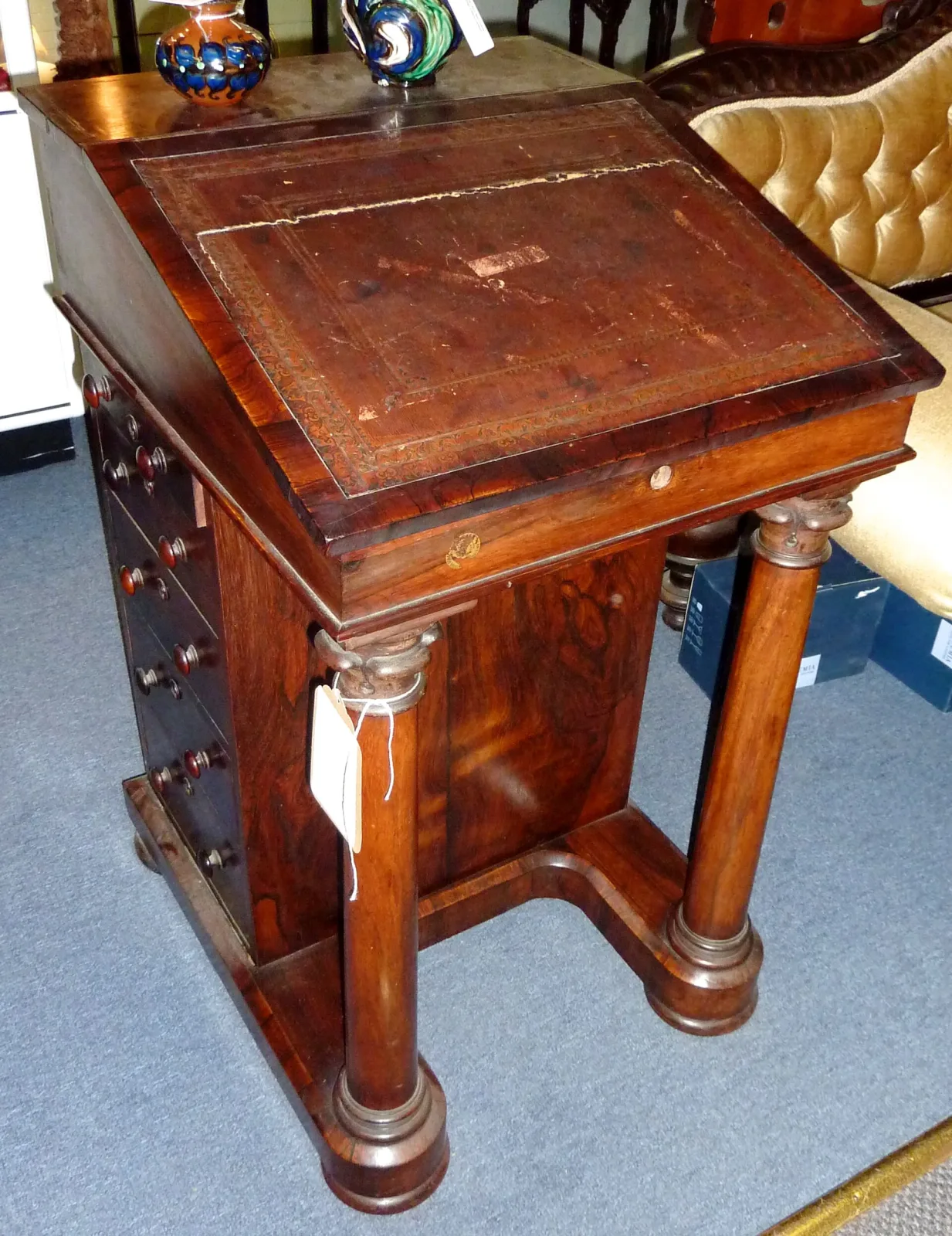
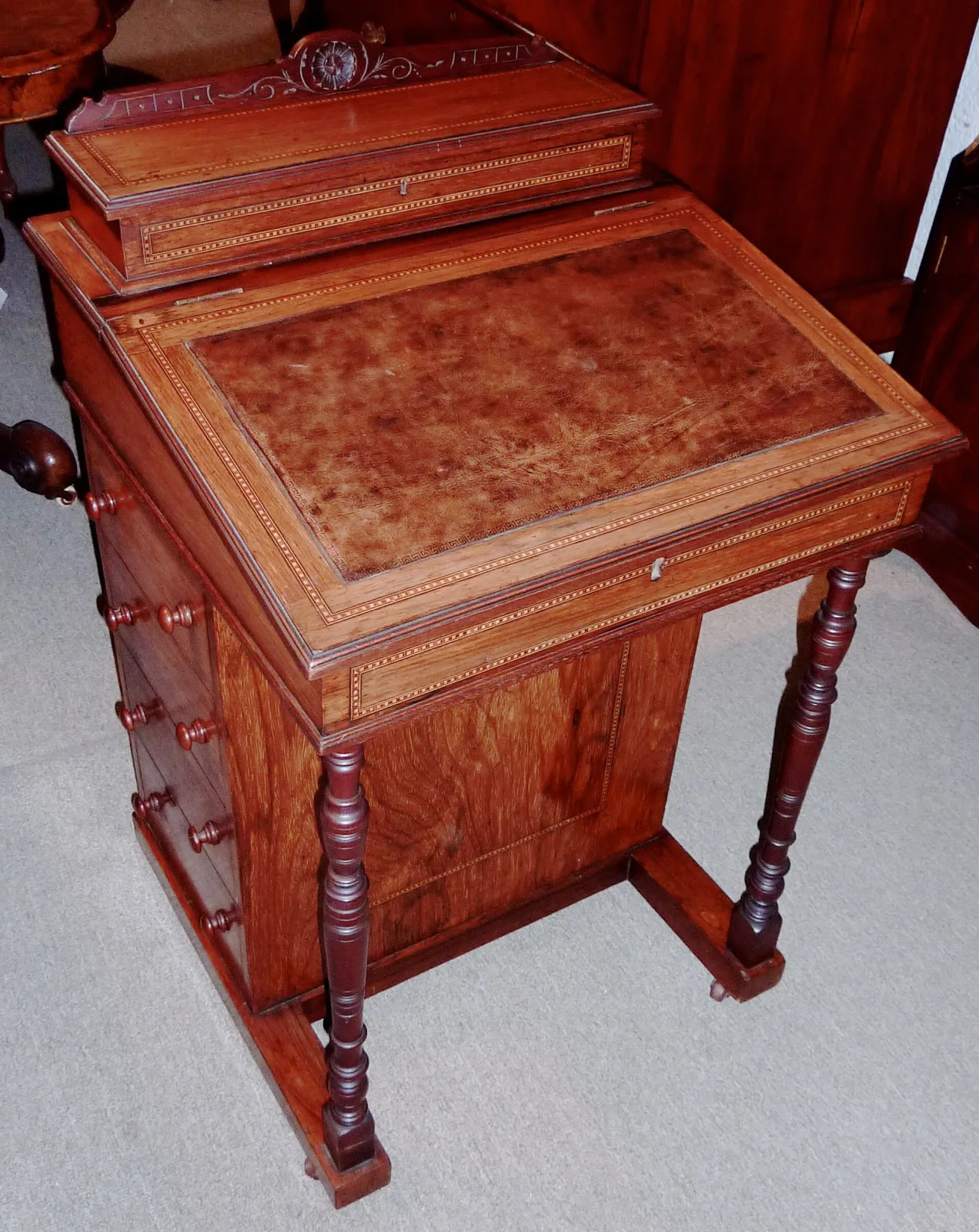
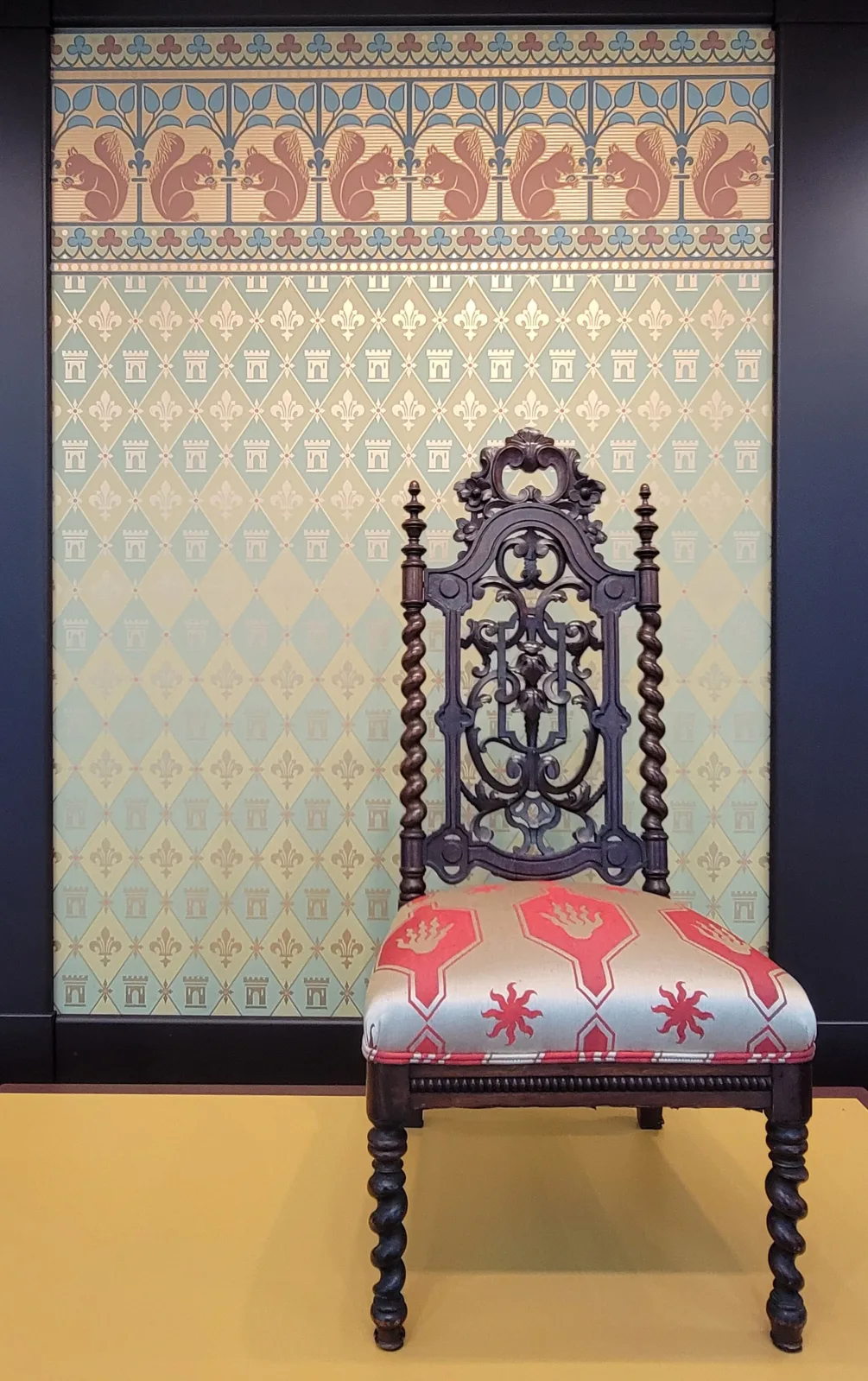
Gothic Revival furniture drew inspiration from medieval ecclesiastical architecture, bringing the pointed arches, tracery patterns, and romantic associations of Gothic cathedrals into domestic interiors. This style found particular favor for libraries, halls, and dining rooms, where its dignified, scholarly associations seemed appropriate.
Key Identification Features
Gothic Revival furniture is among the easiest Victorian styles to identify due to its distinctive architectural elements:
- Pointed arches: The most recognizable feature, appearing on chair backs, cabinet doors, headboards, and mirror frames
- Tracery patterns: Delicate, lace-like carved designs mimicking Gothic window tracery
- Quatrefoils and trefoils: Four-lobed and three-lobed decorative motifs common in medieval architecture
- Crockets and finials: Carved projecting ornaments and pointed terminal decorations
- Clustered columns: Multiple slender columns grouped together in medieval fashion
- Heavy proportions: Substantial, architectonic forms suggesting permanence and solidity
Woods and Finishes
Oak was the preferred wood for Gothic Revival furniture, valued for both its medieval associations and its excellent carving properties. The rich grain of oak complemented the architectural character of Gothic designs. Pieces typically featured dark finishes, sometimes nearly black, to evoke the age and gravitas of medieval originals. Walnut also appeared, particularly in American pieces.
Common Furniture Forms
Gothic Revival furniture encompassed:
- Hall chairs and settles with pointed arch backs
- Bookcases and library cabinets with tracery doors
- Dining tables with carved pedestal bases
- Beds with towering carved headboards
- Desks and writing tables
- Mirror frames and picture frames
Major Designers and Makers
Augustus Welby Northmore Pugin (1812-1852) was the most influential Gothic Revival designer, creating furniture for the British Houses of Parliament and establishing the principles that guided the style. In America, Alexander Jackson Davis designed Gothic Revival furniture for his architectural clients, while manufacturers like J. & J.W. Meeks produced Gothic pieces for the broader market.
Rococo Revival Style (1840-1865)
Rococo Revival represented the Victorian reinterpretation of the French Louis XV style, emphasizing curved lines, naturalistic carving, and luxurious upholstery. This became the dominant style for parlor furniture during the mid-Victorian period, expressing domestic comfort and feminine refinement.
Key Identification Features
- C-scrolls and S-scrolls: Continuous curved motifs throughout the design
- Cabriole legs: Curved legs with pronounced knee and ankle
- Naturalistic carving: Roses, grapes, leaves, shells, and fruit in high relief
- Asymmetrical arrangements: Deliberately unbalanced decorative compositions
- Tufted upholstery: Deep button-tufted seating with interior springs
- Marble tops: White marble surfaces on tables and dressers
- Finger molding: Rounded edges where wood meets upholstery
Woods and Materials
Rosewood was the luxury wood of choice for Rococo Revival furniture, prized for its dark, dramatic color and beautiful figure. Its density also made it excellent for intricate carving. Mahogany and walnut were used for more affordable pieces. The best examples featured laminated wood construction, which allowed for complex curves and intricate pierced carving that would be impossible in solid wood.
The Belter Technique
John Henry Belter (1804-1863) revolutionized Rococo Revival furniture through his patented laminating process. He glued thin layers of rosewood together with the grain alternating directions, then steamed and pressed the laminated panels into curved forms. This technique produced furniture of extraordinary lightness and strength, with carved backs that appeared impossibly delicate yet proved remarkably durable.
Common Furniture Forms
- Parlor suites (sofa, gentleman's chair, lady's chair, side chairs)
- Étagères (display shelves) with mirror backs
- Center tables with marble tops
- Beds with high carved headboards
- Dressers with attached mirrors
- Slipper chairs and conversation chairs

Renaissance Revival Style (1860-1890)
Renaissance Revival furniture borrowed freely from Italian Renaissance, French Renaissance, and other historical sources to create massive, architectonic pieces that proclaimed wealth and cultivation. This became the dominant style for formal furniture during the later Victorian period.
Key Identification Features
- Monumental scale: Large, imposing pieces designed to fill spacious Victorian rooms
- Architectural elements: Columns, pediments, pilasters, and cornices
- Carved medallions: Circular or oval carved heads, often classical profiles
- Burl veneer panels: Decorative panels of highly figured wood
- Incised gilding: Gold-filled carved lines
- Turned and fluted legs: Columnar supports with classical detailing
- Cartouches: Ornamental shields or tablets
- Cookie-cut corners: Rounded inside corners on case pieces
Woods and Materials
Walnut dominated Renaissance Revival furniture, particularly black walnut with its rich, warm tones. Burl walnut panels provided decorative interest on drawer fronts and door panels. Rosewood continued in use for the finest pieces. Marble tops remained popular, often with incised decoration. Gilding highlighted carved details.
Common Furniture Forms
- Massive bedroom suites (bed, dresser, washstand, wardrobe)
- Sideboards and servers with elaborate superstructures
- Library tables and desks
- Hall stands and hall trees
- Parlor cabinets and étagères
- Extension dining tables
Mass Production Impact
Renaissance Revival marked the first period when fine furniture designs were adapted for mass production. Grand Rapids, Michigan, emerged as America's furniture manufacturing center, producing Renaissance Revival pieces ranging from high-quality custom work to affordable factory-made suites. This democratization of design makes Renaissance Revival furniture relatively accessible to today's collectors, though quality varies enormously.
Eastlake Style (1870-1890)
The Eastlake style takes its name from Charles Locke Eastlake (1836-1906), an English architect and writer whose influential book "Hints on Household Taste" (1868) criticized the excesses of Rococo and Renaissance Revival and advocated for simpler, more honest furniture design. American manufacturers enthusiastically adopted his name and some of his principles, though Eastlake himself disliked most furniture sold under his name.
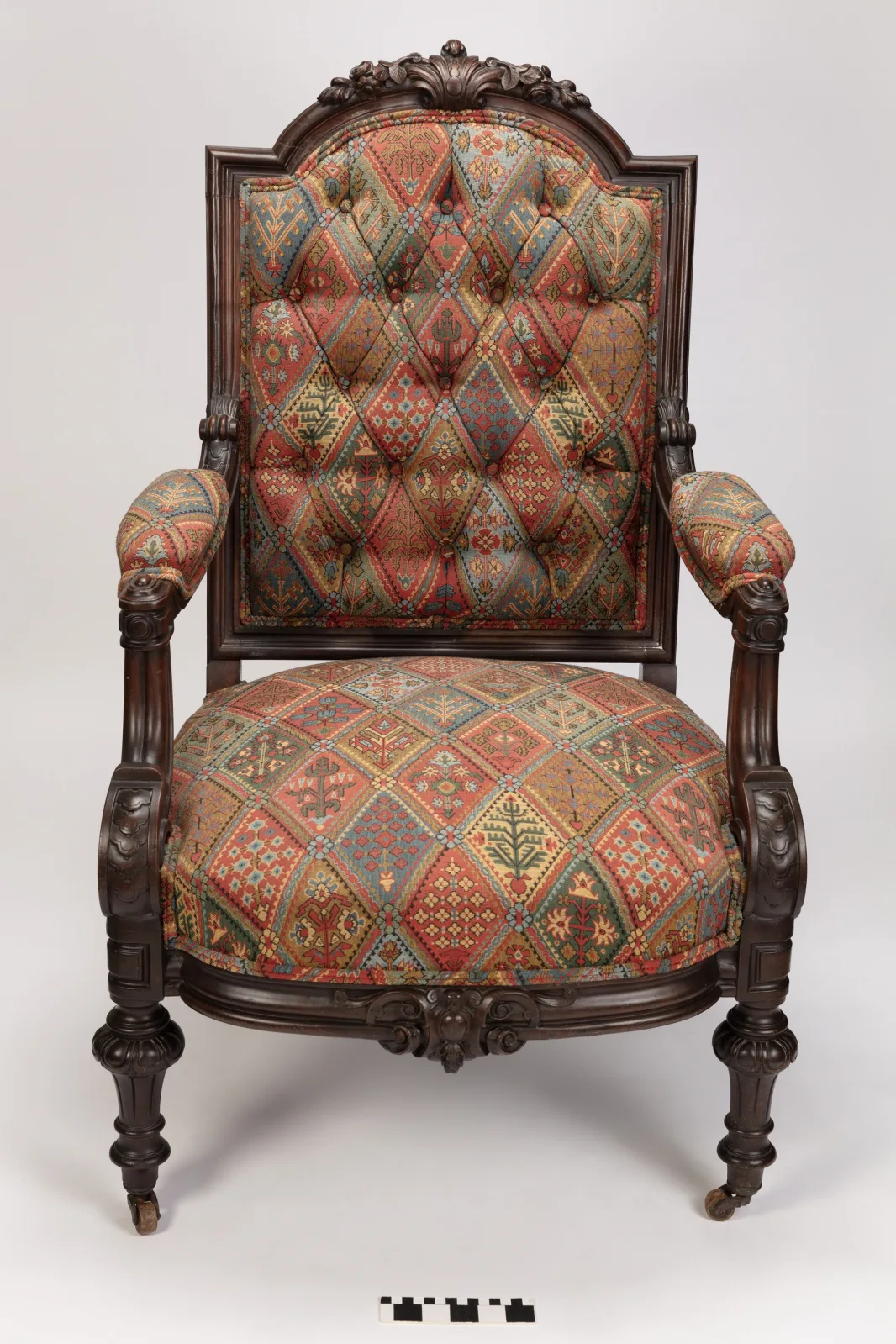
Key Identification Features
- Rectilinear forms: Straight lines replacing the curves of earlier styles
- Incised decoration: Shallow carved lines rather than high-relief carving
- Geometric patterns: Stylized designs replacing naturalistic motifs
- Turned spindles: Rows of small turned elements
- Chip carving: Simple geometric carved patterns
- Chamfered edges: Beveled corners adding visual interest
- Applied moldings: Decorative strips highlighting structure
- Gallery rails: Raised edges on shelves and tops
Woods and Finishes
Eastlake furniture typically used oak, walnut, or cherry, often with lighter finishes than earlier Victorian styles. Eastlake advocated for natural wood tones over heavy staining, and many pieces feature oil finishes rather than the dark varnishes of earlier periods. This lighter appearance helps distinguish Eastlake from earlier Victorian styles at a glance.
Hardware
Eastlake hardware is distinctive and helps with identification. Look for:
- Brass or bronze pulls with geometric or Japanese-inspired designs
- Rectangular backplates rather than shaped ones
- Incised or stamped decoration on metalwork
- Aesthetic Movement motifs (sunflowers, fans, birds)
Common Furniture Forms
- Bedroom suites with towering headboards
- Cylinder desks and secretary desks
- Bookcases with gallery tops
- Sideboards with spindle galleries
- Platform rockers and side chairs
- Parlor tables with incised decoration
Other Victorian Styles
Beyond the major styles, several other Victorian furniture types deserve recognition.
Elizabethan Revival (1840-1865)
Drawing on English Renaissance sources, this style features spiral turnings (barley twist), carved strapwork, and bulbous supports reminiscent of Elizabethan and Jacobean originals. Often used for hall furniture and dining rooms.
Egyptian Revival (1860s-1870s)
Inspired by Napoleon's Egyptian campaign and subsequent archaeological discoveries, this style incorporates sphinx heads, lotus motifs, hieroglyphics, and pyramidal forms. Relatively rare and collectible.
Aesthetic Movement (1870s-1890s)
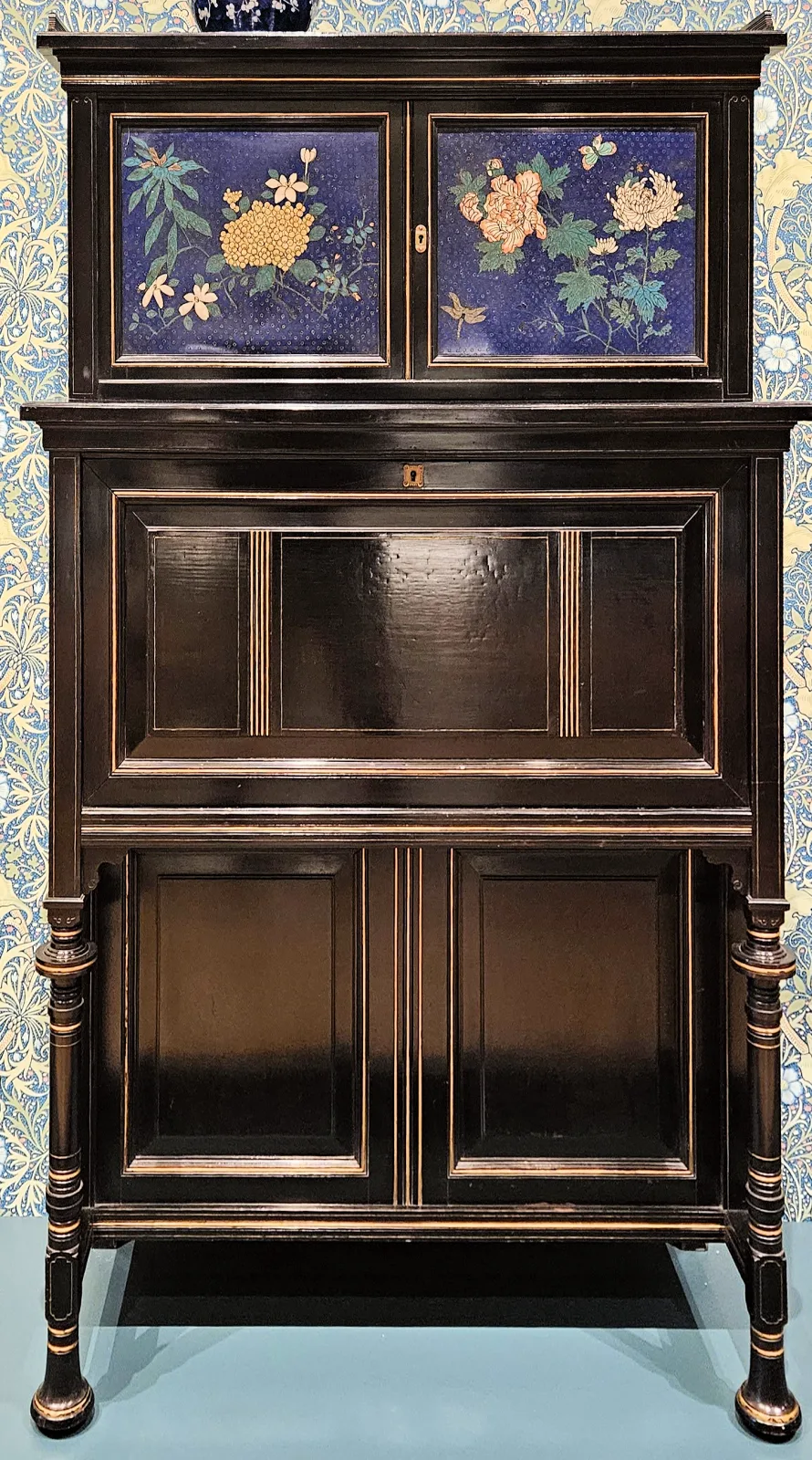
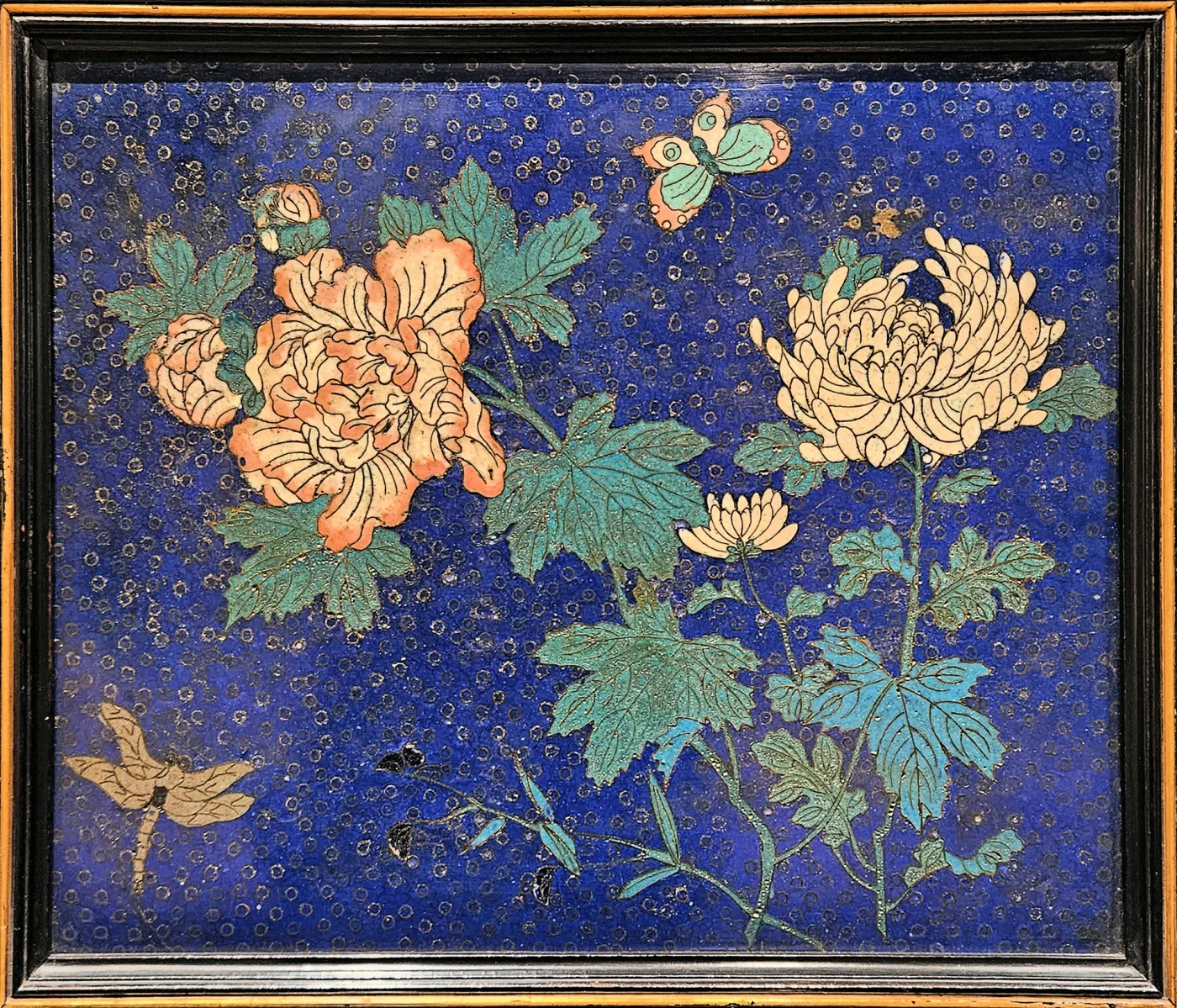
Overlapping with Eastlake, the Aesthetic Movement emphasized art for art's sake and drew heavily on Japanese design. Look for ebonized finishes, Japanese motifs (fans, peacocks, bamboo), and Anglo-Japanese design elements.
Colonial Revival (1876-1900)
America's Centennial celebration sparked renewed interest in colonial-era furniture. Colonial Revival pieces reinterpret Chippendale, Queen Anne, Federal and Duncan Phyfe, and Windsor chair forms through Victorian sensibilities, often with heavier proportions and different woods than originals.
Woods and Materials
Understanding Victorian woods helps with identification, dating, and authenticity assessment.
Primary Woods
Rosewood: The luxury wood of the mid-Victorian period, favored for Rococo Revival furniture. Deep reddish-brown to purple-black with darker streaking. Very dense and heavy. Brazilian rosewood (Dalbergia nigra) was most prized.
Walnut: Dominant from 1860-1880, especially for Renaissance Revival. American black walnut offered rich brown tones and excellent carving properties. Burl walnut provided decorative veneers.
Mahogany: Used throughout the period, particularly for earlier Victorian pieces and quality reproductions of Georgian styles. Rich reddish-brown color that darkens with age.
Oak: Preferred for Gothic Revival and later for Eastlake and Arts and Crafts Mission pieces. Quarter-sawn oak with prominent medullary rays became fashionable in the 1880s-1890s.
Cherry: American cherry appeared in quality Eastlake furniture, offering warm red-brown tones and fine grain.
Secondary Woods
Interior parts—drawer sides, bottoms, dust panels, and backboards—typically used softer, less expensive woods. Look for:
- Pine (most common for American pieces)
- Poplar (frequently used in quality American furniture)
- Oak (in English pieces and as drawer sides in quality work)
- Ash (drawer sides and structural elements)
Veneers
Victorian craftsmen made extensive use of veneers, particularly figured cuts that showed spectacular grain patterns. Burl veneers, crotch veneers, and book-matched panels were common on case pieces. The presence of veneer doesn't indicate inferior quality—it often marks finer Victorian work.
Construction Methods and Joinery
Construction details reveal much about age, quality, and authenticity.
Joinery
Dovetails: Victorian dovetails were typically hand-cut through the 1870s, showing slightly irregular spacing and angles. Machine-cut dovetails appeared in the 1880s, characterized by perfectly uniform size and spacing. Both are acceptable for period pieces—the type helps with dating.
Mortise and tenon: Quality Victorian furniture uses traditional mortise and tenon joints for structural connections. Examine table aprons, chair rails, and case piece construction for these strong, time-tested joints.
Dowels: Round dowel joints supplemented traditional joinery in many Victorian pieces, particularly in factory-produced furniture. Visible dowel ends on external surfaces may indicate repair or lesser quality original construction.
Evidence of Hand vs. Machine Work
Look for:
- Saw marks: Circular saw marks (curved lines) indicate post-1840 production; straight saw marks suggest hand-sawing or earlier techniques
- Plane marks: Gentle undulations indicate hand-planing; perfect flatness suggests machine planing
- Carving: Hand-carved details show subtle variations; machine-carved elements are perfectly uniform
- Turnings: Hand-turned elements vary slightly; machine turnings are identical
Upholstery Construction
Original Victorian upholstery featured:
- Coil springs (introduced 1850s) on webbing foundation
- Horsehair padding over springs
- Cotton batting over horsehair
- Period fabrics (horsehair, velvet, tapestry, leather)
While many pieces have been reupholstered, evidence of original upholstery construction underneath adds value.
Hardware Identification
Victorian hardware evolved significantly throughout the period and provides useful dating clues.
Early Victorian (1840-1860)
- Cast brass pulls, often with grape and leaf motifs
- Wooden knobs, especially mushroom-shaped
- Glass knobs in clear, amber, or other colors
- Rococo-style shaped backplates
Mid-Victorian (1860-1875)
- Heavy cast brass pulls with Renaissance motifs
- Teardrop pulls on pendants
- Oval and rectangular backplates
- Gilded or patinated bronze finishes
Late Victorian/Eastlake (1875-1900)
- Rectangular brass pulls with geometric designs
- Japanese-inspired motifs (fans, bamboo, birds)
- Oxidized or antique brass finishes
- Ring pulls and bail handles
Assessing Original vs. Replacement Hardware
Original hardware should show:
- Wear patterns consistent with use
- Oxidation appropriate for age
- Proper fit in existing holes
- Period-appropriate style and construction
Replacement hardware with different mounting holes, inconsistent patina, or anachronistic style reduces value.
Famous Victorian Furniture Makers
Furniture by documented makers commands premium prices.
John Henry Belter (1804-1863)
German-born Belter established his New York workshop in 1844 and became the most celebrated American furniture maker of the mid-Victorian period. His patented laminating technique produced Rococo Revival furniture of extraordinary quality. Belter pieces typically show:
- Laminated rosewood construction
- Intricate pierced carving
- Naturalistic grape, rose, and fruit motifs
- Exceptional quality throughout
While Belter rarely labeled his work, documented pieces and period photographs help establish attributions.
Herter Brothers (1864-1906)
Gustave and Christian Herter operated the most prestigious American furniture firm of the later Victorian period. They produced custom furniture in Renaissance Revival and Aesthetic Movement styles for America's wealthiest families. Look for branded or labeled pieces, exceptional materials, and sophisticated design.
Pottier & Stymus (1859-1910)
Another major New York firm producing high-quality custom furniture. Their Renaissance Revival and Eastlake pieces often rival Herter Brothers in quality. Documented pieces are highly prized.
Thomas Brooks (active 1850s-1870s)
Brooklyn-based Brooks produced elegant Renaissance Revival furniture for the New York market, including bedroom sets, cabinets, and tables. His labeled pieces are increasingly sought by collectors.
Other Notable Makers
- J. & J.W. Meeks: Major New York manufacturer of Gothic and Rococo Revival furniture
- Mitchell & Rammelsberg: Cincinnati firm known for quality Renaissance Revival
- Alexander Roux: French-born New York maker of sophisticated furniture
- George Hunzinger: Innovative designer known for patented folding and mechanical furniture
Authentication and Spotting Reproductions
Victorian furniture's popularity has spawned many reproductions. Learn to distinguish authentic period pieces from later copies.
Construction Examination
Authentic Victorian furniture shows:
- Period-appropriate joinery (hand-cut or early machine dovetails)
- Wood shrinkage across the grain (tops, panels)
- Consistent oxidation on exposed wood surfaces
- Tool marks consistent with period techniques
- No Phillips head screws (invented 1936)
- No modern glues (yellow woodworking glue, etc.)
Symmetry and Variation
Hand-made Victorian furniture shows subtle variations and imperfections that machine-made reproductions lack. Examine carved details, turnings, and moldings—perfectly identical elements suggest later machine production.
Wear Patterns
Authentic pieces show wear in logical places:
- Drawer runners worn from use
- Stretchers worn by feet
- Edges worn from handling
- Hardware showing consistent patina
Artificially distressed reproductions often show wear in illogical places or inconsistent patterns.
Red Flags
- Modern screws (Phillips head, coarse-thread drywall screws)
- Plywood or particle board anywhere in construction
- Spray-finished surfaces (overly uniform appearance)
- Synthetic upholstery materials
- Cast resin or plastic elements posing as carved wood
- Prices too good to be true
Condition Assessment and Value Factors
Multiple factors affect Victorian furniture values.
Maker and Attribution
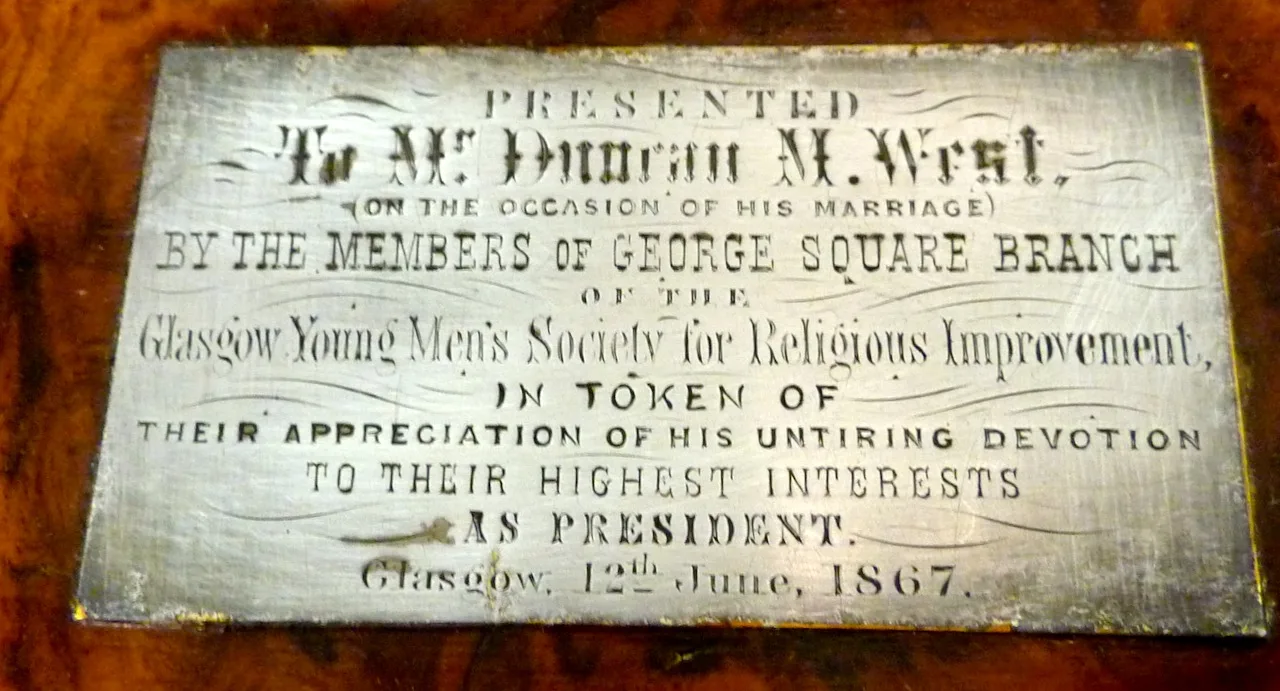
Documented pieces by major makers bring significant premiums. A labeled Herter Brothers piece can be worth ten times or more than a similar unlabeled piece. Even attribution to a known maker without labels adds value.
Style and Form
Certain styles and forms are more desirable:
- Rococo Revival parlor suites by known makers
- Gothic Revival pieces with strong architectural elements
- Unusual or rare forms
- Complete suites (bedroom sets, parlor sets)
Condition Impact
- Original finish: Highly valued; refinishing typically reduces value 25-50%
- Original hardware: Period hardware adds value; replacements detract
- Original upholstery: Rare and valuable when present; sympathetic reupholstery acceptable
- Structural integrity: Critical for usability and value
- Replaced elements: Significant repairs or replacements reduce value substantially
Market Trends
The Victorian furniture market has evolved significantly. While museum-quality pieces by major makers maintain strong values, middle-market Victorian furniture has become quite affordable. Eastlake furniture offers good value for quality period pieces. Large, dark Renaissance Revival pieces face limited demand in smaller modern homes.
Collecting Tips and Market Insights
Getting Started
- Visit museums with Victorian period rooms to study authenticated examples
- Handle pieces at antique shops to develop tactile familiarity
- Attend auctions to understand pricing and compare quality
- Build a reference library of specialized books
- Focus on one style or form to develop expertise
Buying Strategies
- Buy the best quality you can afford
- Prioritize condition and authenticity over style
- Consider pieces needing minor restoration for value
- Develop relationships with knowledgeable dealers
- Request detailed condition reports before purchase
Current Market Opportunities
Victorian furniture offers exceptional value in today's market. Quality period pieces often cost less than new reproductions while offering superior materials and craftsmanship. Eastlake furniture, once overlooked, now attracts collectors seeking authentic Victorian style without excessive ornamentation. Small-scale pieces and those in lighter finishes suit contemporary interiors better than massive dark pieces.
Care and Preservation
Environmental Conditions
- Maintain stable humidity (40-60% relative humidity)
- Avoid direct sunlight which fades finishes and dries wood
- Keep away from heating vents and radiators
- Allow air circulation around pieces
Routine Maintenance
- Dust regularly with soft cloths
- Apply quality paste wax sparingly once or twice yearly
- Avoid silicone polishes which can damage original finishes
- Address loose joints promptly before they worsen
- Protect surfaces with felt pads and coasters
Professional Conservation
For valuable pieces or significant problems, consult professional furniture conservators. Avoid refinishing original surfaces when possible—conservation cleaning and reviving often produces excellent results while preserving authenticity and value. Document any professional work performed.