
Antique Travel Items & Luggage Identification Guide: Steamer Trunks, Suitcases & Travel Accessories
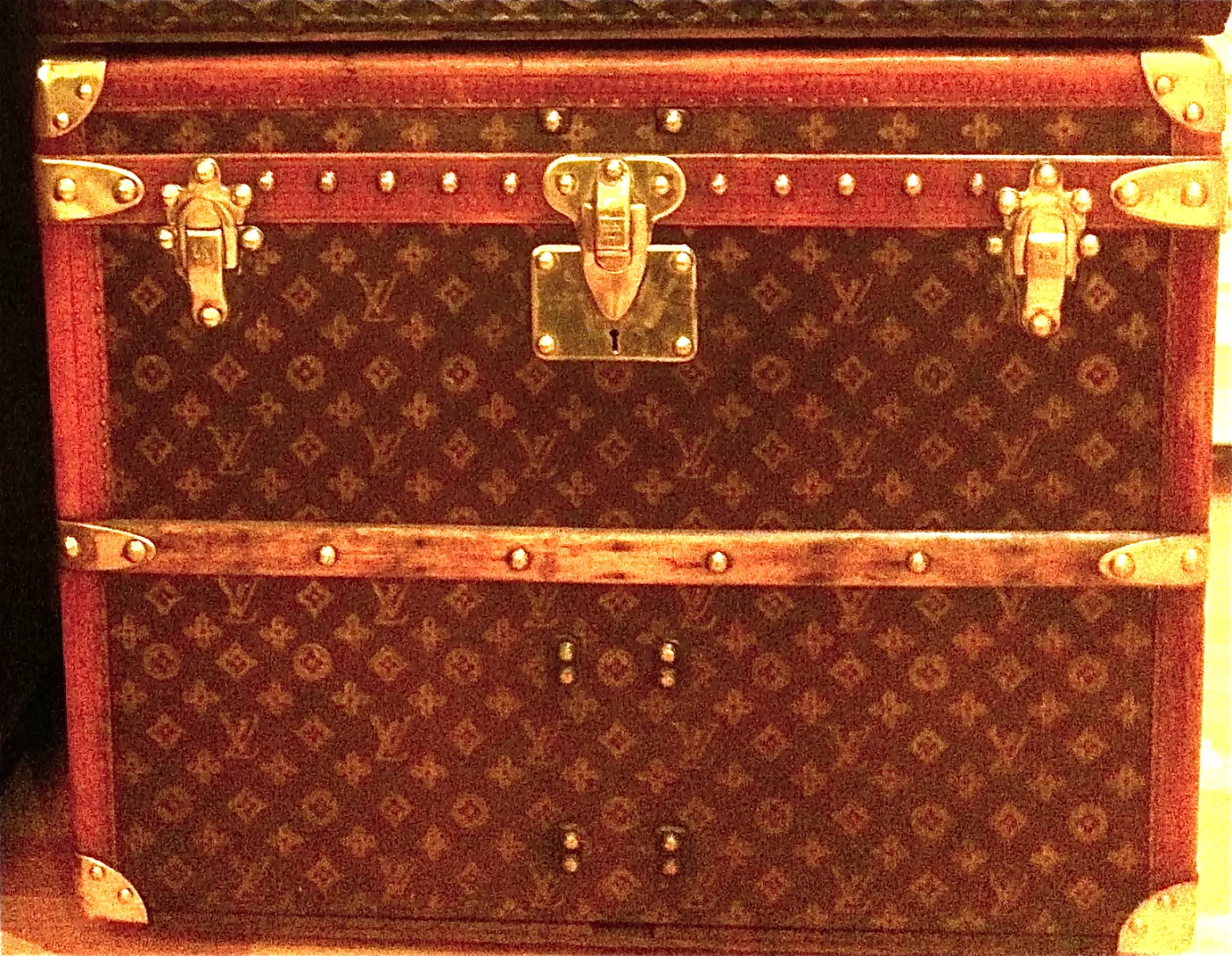
Antique travel items and luggage represent a fascinating intersection of functionality, craftsmanship, and historical significance. From elegant Victorian steamer trunks to mid-century hard-sided suitcases, these pieces tell stories of journeys, migrations, and the evolution of travel itself. This comprehensive guide will teach you everything you need to know about identifying antique travel items, from recognizing different types of luggage to understanding construction techniques, dating methods, and determining value.
Table of Contents
- Types of Antique Luggage and Travel Items
- Steamer Trunks: The Golden Age of Travel
- Vintage Suitcases and Hard-Sided Luggage
- Construction Materials and Techniques
- Hardware, Locks, and Fasteners
- Maker Marks and Manufacturer Identification
- Dating Methods and Period Identification
- Travel Accessories and Companion Items
- Condition Assessment and Restoration
- Value Assessment and Market Factors
Types of Antique Luggage and Travel Items
Understanding the different types of antique travel items is essential for accurate identification. Each type served specific purposes and reflects the travel needs of different eras.
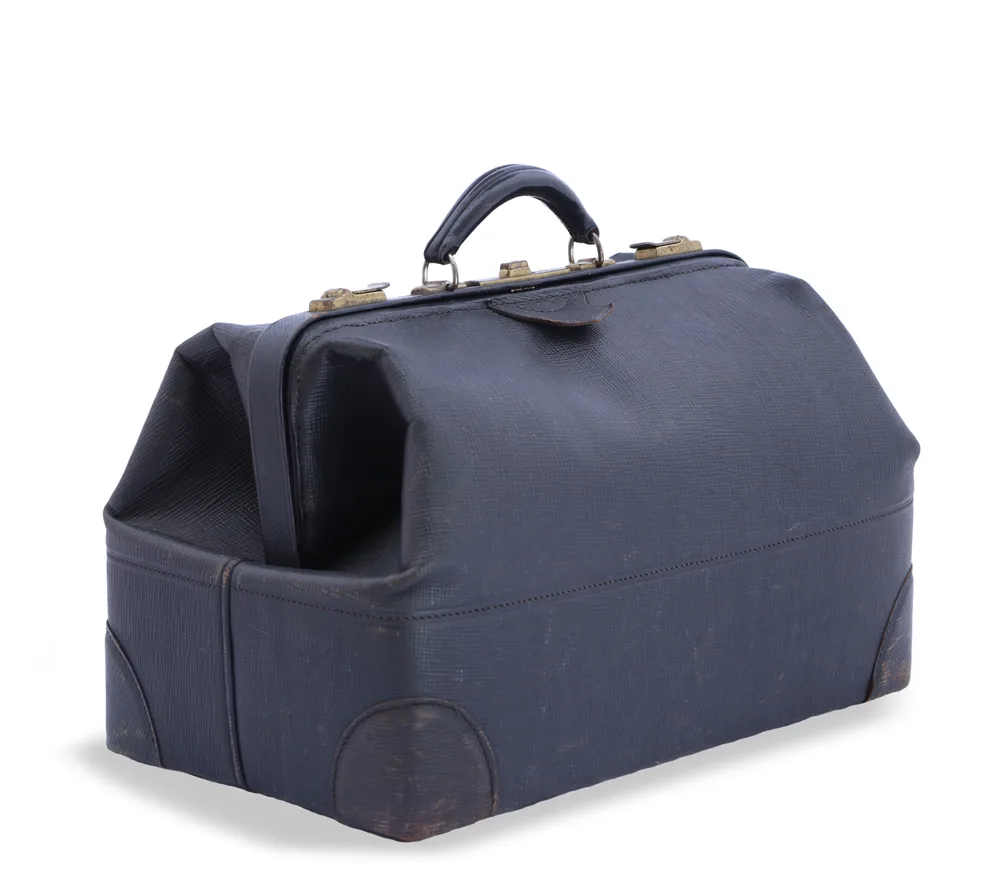
Steamer Trunks
Steamer trunks are the most iconic form of antique luggage:
- Flat-Top Trunks: Most common type, flat lid for stacking on ships
- Dome-Top Trunks: Curved lid prevents stacking, more elegant appearance
- Barrel-Top Trunks: Fully rounded top, less common but distinctive
- Wardrobe Trunks: Vertical design with hanger rod for clothing
- Hat Trunks: Specialized compartments for hats and accessories
- Size Variations: From small cabin trunks to large storage trunks
Hard-Sided Suitcases
Hard-sided suitcases evolved from trunks for more convenient travel:
- Early Suitcases (1880s-1920s): Leather-covered wood construction
- Vulcanized Fiber (1920s-1940s): Lightweight, durable material
- Fiberboard Suitcases (1930s-1950s): Cardboard-based construction
- Hardboard Cases (1940s-1960s): Pressed wood construction
- Aluminum Cases (1950s-1970s): Modern, lightweight metal
Soft-Sided Luggage
Soft luggage became popular as travel became more casual:
- Canvas Bags: Durable fabric construction
- Leather Bags: High-quality, often custom-made
- Duffel Bags: Cylindrical, drawstring or zipper closure
- Garment Bags: Long, narrow bags for hanging clothing
Specialized Travel Items
- Hat Boxes: Round or oval containers for hats
- Shoe Cases: Specialized compartments for footwear
- Train Cases: Small, portable cosmetic and toiletry cases
- Portmanteaus: Two-compartment bags that open flat
- Valises: Small, hand-carried bags
Steamer Trunks: The Golden Age of Travel
Steamer trunks represent the pinnacle of antique travel luggage, crafted during the golden age of ocean liner travel from the 1870s to the 1930s.
Historical Context
The steamer trunk era coincided with the rise of mass travel:
- Ocean Liner Travel (1870s-1930s): Transatlantic and international voyages
- Railroad Expansion: Long-distance train travel across continents
- Immigration Waves: Millions of immigrants carrying their belongings
- Grand Tours: Wealthy travelers exploring Europe and beyond
- Colonial Administration: Government officials and military personnel
Construction Characteristics
Steamer trunks have distinctive construction features:
- Wood Frame: Usually pine, cedar, or hardwood
- Covering Materials: Canvas, leather, metal, or paper
- Metal Bands: Iron or steel reinforcement strips
- Corner Reinforcements: Metal corners for protection
- Interior Lining: Paper, fabric, or wood paneling
- Compartments: Trays, drawers, and specialized sections
Decorative Styles
Steamer trunks featured various decorative treatments:
- Plain Canvas: Simple, utilitarian appearance
- Leather Covered: Full or partial leather covering
- Metal Covered: Tin, zinc, or aluminum sheeting
- Paper Covered: Decorative paper with patterns or scenes
- Slat Construction: Wood slats with metal bands
- Embossed Designs: Raised patterns on metal or leather
Interior Features
- Tray Systems: Removable or hinged trays for organization
- Drawer Compartments: Built-in drawers for small items
- Hanging Rods: In wardrobe trunks for clothing
- Mirrors: Often found in women's trunks
- Pockets and Pouches: Fabric compartments for accessories
- Lining Materials: Paper, fabric, or wood paneling
Vintage Suitcases and Hard-Sided Luggage
Hard-sided suitcases evolved to meet the needs of faster, more frequent travel in the 20th century.
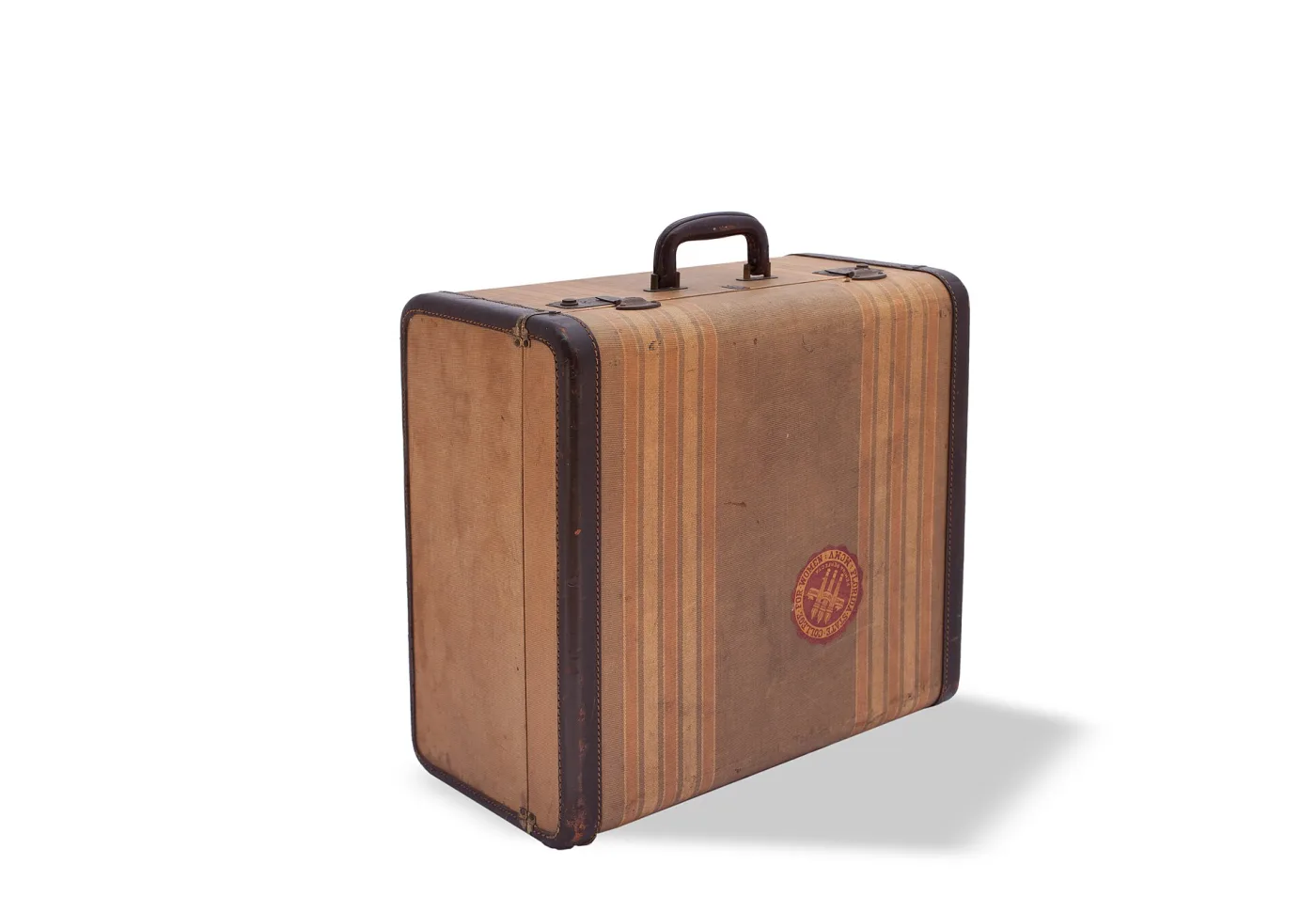
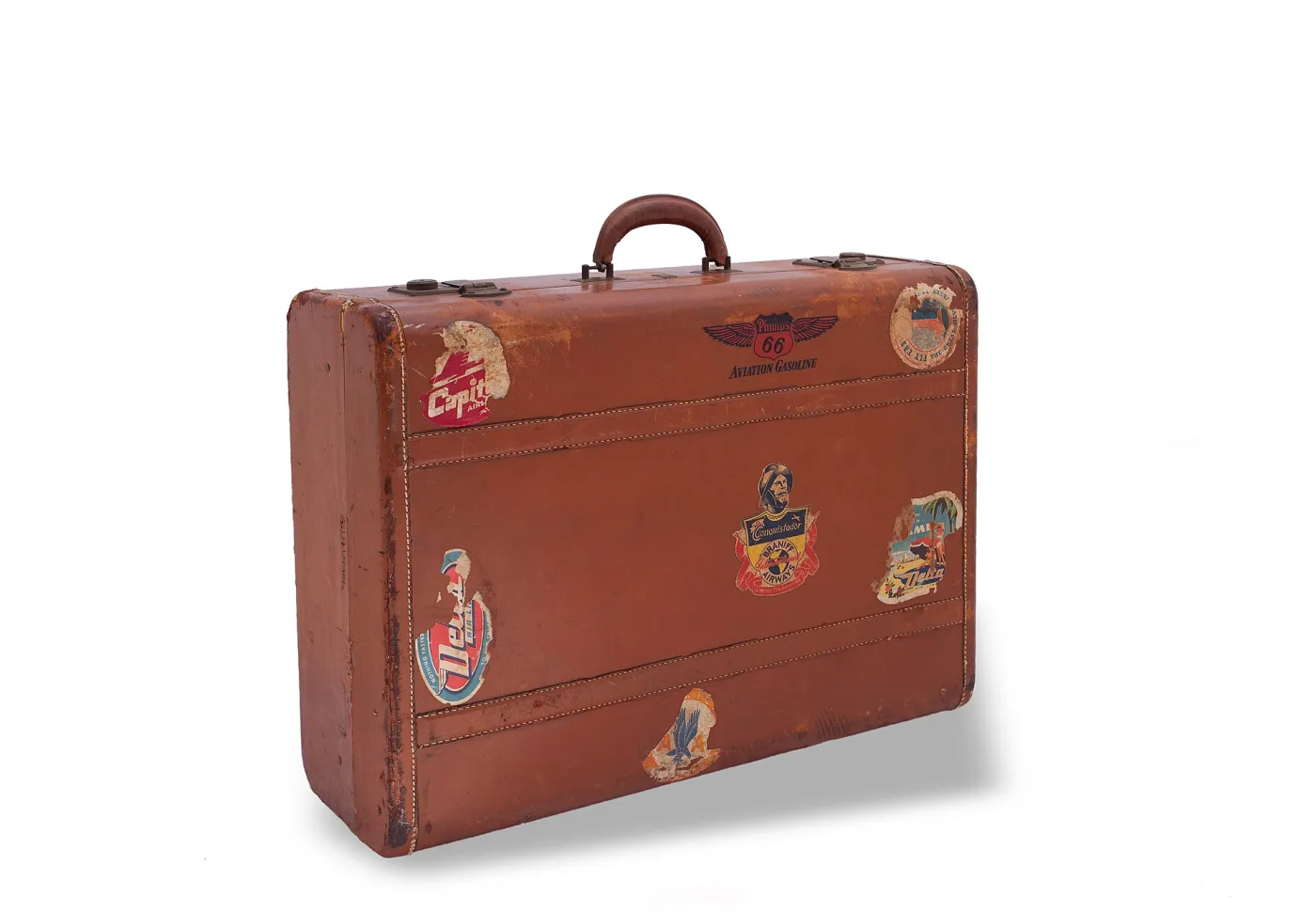
Early Suitcases (1880s-1920s)
The first suitcases were smaller, more portable versions of trunks:
- Construction: Wood frame with leather or canvas covering
- Size: Typically 18-24 inches in length
- Handles: Leather straps or metal handles
- Locks: Simple key locks or leather straps
- Design: Rectangular with rounded corners
Vulcanized Fiber Era (1920s-1940s)
Vulcanized fiber revolutionized suitcase manufacturing:
- Material: Cellulose fiber treated with zinc chloride
- Advantages: Lightweight, durable, water-resistant
- Colors: Typically black, brown, or tan
- Texture: Smooth, slightly glossy surface
- Manufacturers: Samsonite, American Tourister, Hartmann
Fiberboard and Hardboard (1930s-1960s)
Cardboard-based materials made suitcases more affordable:
- Fiberboard: Pressed cardboard with covering
- Hardboard: Denser pressed wood material
- Covering: Vinyl, leather, or fabric
- Design: Streamlined, modern appearance
- Hardware: Metal corners and edges
Aluminum Cases (1950s-1970s)
Aluminum represented the height of modern luggage design:
- Material: Lightweight aluminum construction
- Design: Sleek, modern, space-age aesthetic
- Manufacturers: Halliburton, Zero Halliburton, Skyway
- Features: Waterproof, crush-resistant
- Colors: Silver, gold, or colored anodized finishes
Construction Materials and Techniques
Understanding construction materials and techniques helps date and authenticate antique travel items.
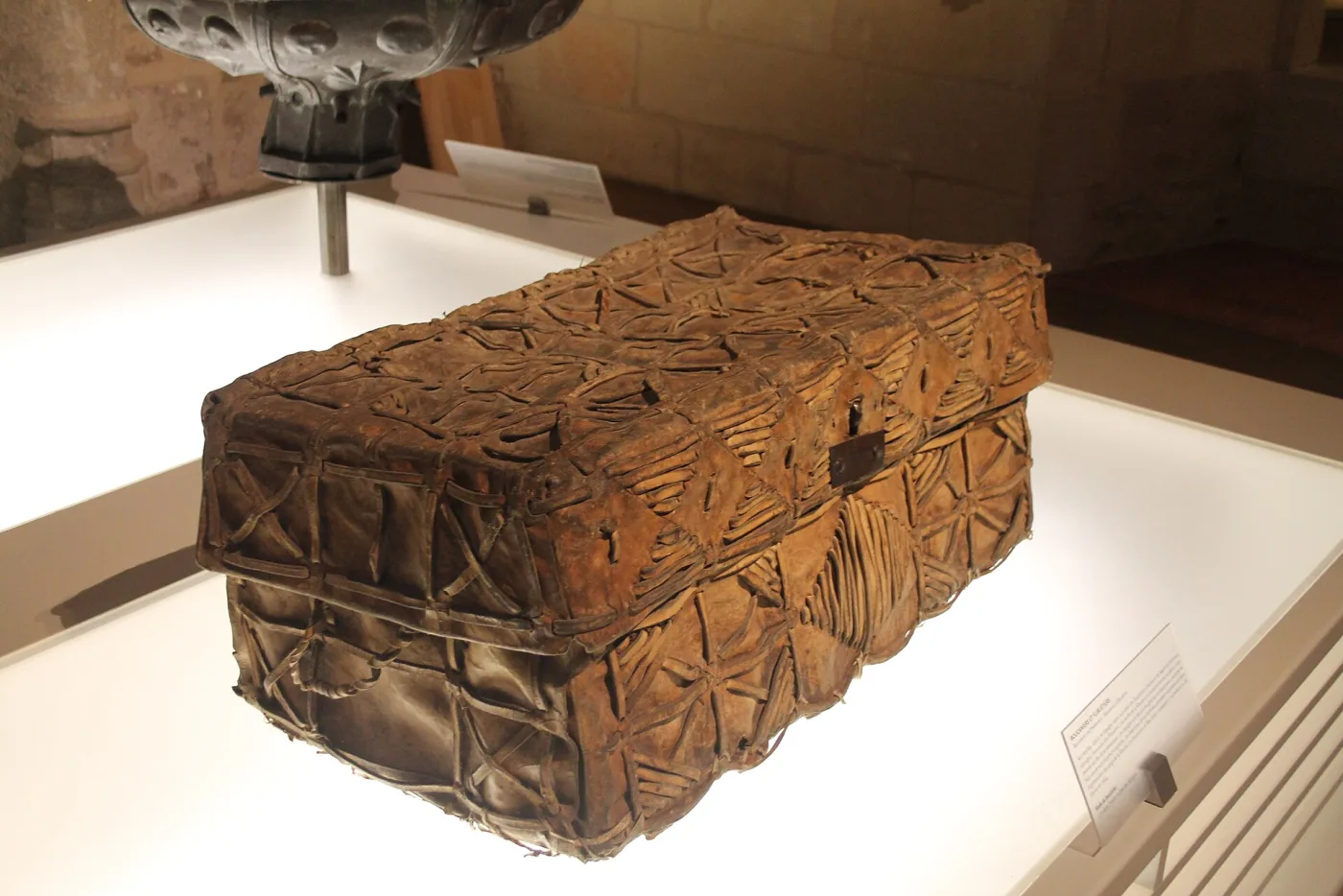
Wood Types and Characteristics
Different woods were used for different purposes:
- Pine: Common for trunk frames, lightweight, soft
- Cedar: Used for interior lining, moth-repellent properties
- Oak: Heavy-duty trunks, durable and strong
- Mahogany: High-end trunks, beautiful grain
- Plywood: Later construction, layered wood sheets
Covering Materials
- Canvas: Heavy-duty fabric, often painted or treated
- Leather: Full-grain or split leather, often embossed
- Metal: Tin, zinc, aluminum, or steel sheeting
- Paper: Decorative paper with patterns or scenes
- Vinyl: Later material, synthetic leather substitute
Joinery and Assembly
Construction methods evolved over time:
- Nailed Construction: Early trunks, hand-forged nails
- Screwed Construction: Machine-made screws, later period
- Dovetail Joints: High-quality trunks, interlocking joints
- Glued Construction: Modern adhesives, later period
- Riveted Construction: Metal trunks, permanent fasteners
Reinforcement Methods
- Metal Bands: Iron or steel strips around trunk
- Corner Reinforcements: Metal corners for protection
- Edge Binding: Metal or leather edges
- Rib Construction: Vertical or horizontal ribs
- Frame Reinforcement: Internal or external frames

Hardware, Locks, and Fasteners
Hardware provides crucial dating clues and indicates quality and authenticity.
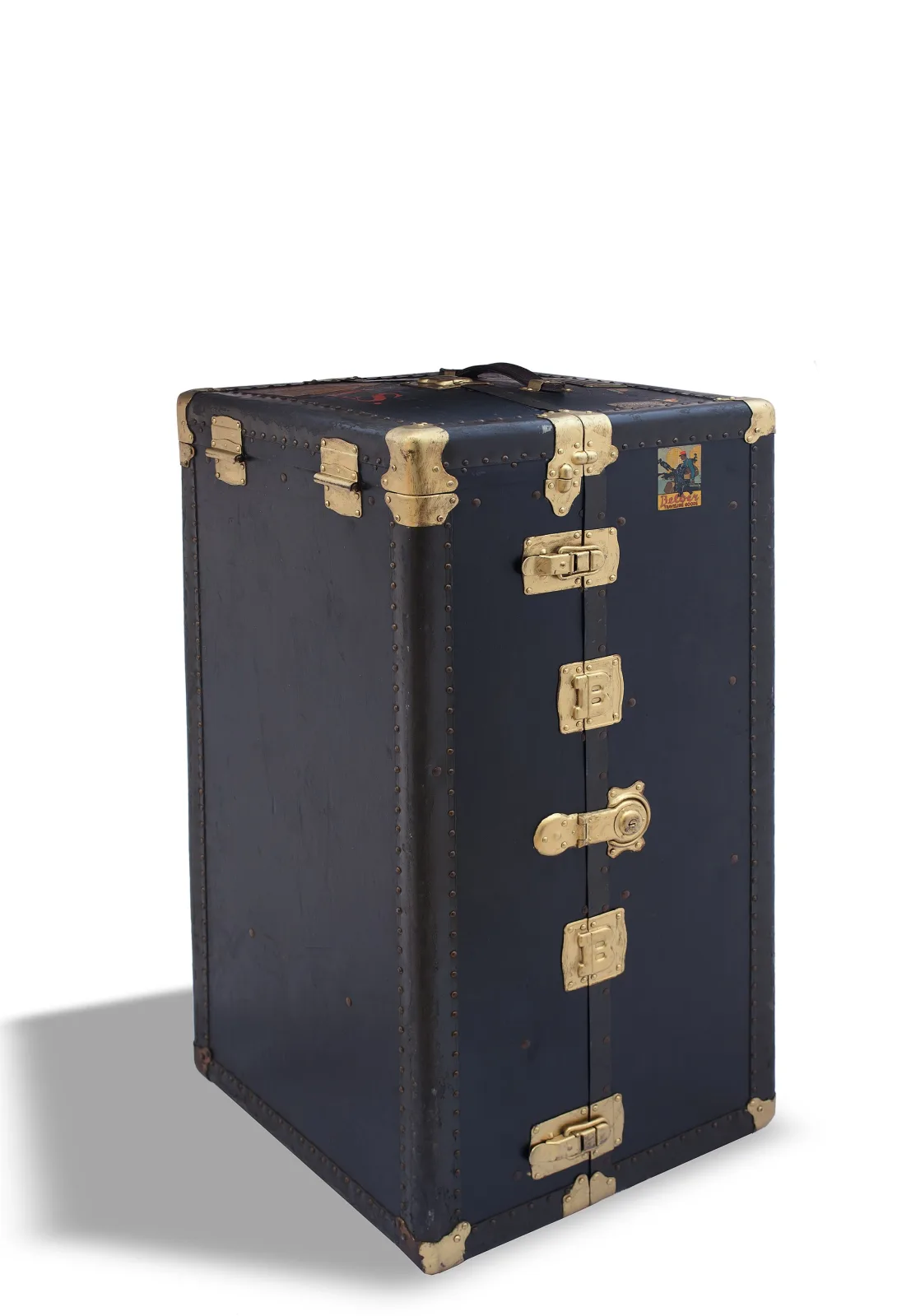
Lock Types and Evolution
Locks evolved significantly over the luggage era:
- Simple Key Locks (1870s-1900s): Basic tumbler mechanisms
- Padlock Hasps (1870s-1920s): External padlock attachment
- Combination Locks (1920s-1940s): Dial-based mechanisms
- Keyed Locks (1900s-present): Internal locking mechanisms
- Zipper Locks (1930s-present): Integrated zipper security
Handle Styles
- Leather Straps: Early trunks, simple and functional
- Metal Handles: Iron, brass, or steel handles
- Wooden Handles: Carved or turned wood
- Bakelite Handles (1930s-1950s): Early plastic material
- Retractable Handles (1950s-present): Telescoping mechanisms
Hinges and Fasteners
- Strap Hinges: Long, decorative leather or metal
- Piano Hinges: Continuous metal hinges
- Butt Hinges: Standard door-style hinges
- Leather Straps: Simple closure mechanisms
- Buckles: Metal or leather buckles
Metal Hardware Materials
- Wrought Iron: Early trunks, hand-forged appearance
- Cast Iron: Molded hardware, later period
- Brass: Decorative, corrosion-resistant
- Steel: Strong, functional hardware
- Aluminum: Lightweight, modern material
Maker Marks and Manufacturer Identification
Identifying manufacturers can significantly increase value and provide historical context.
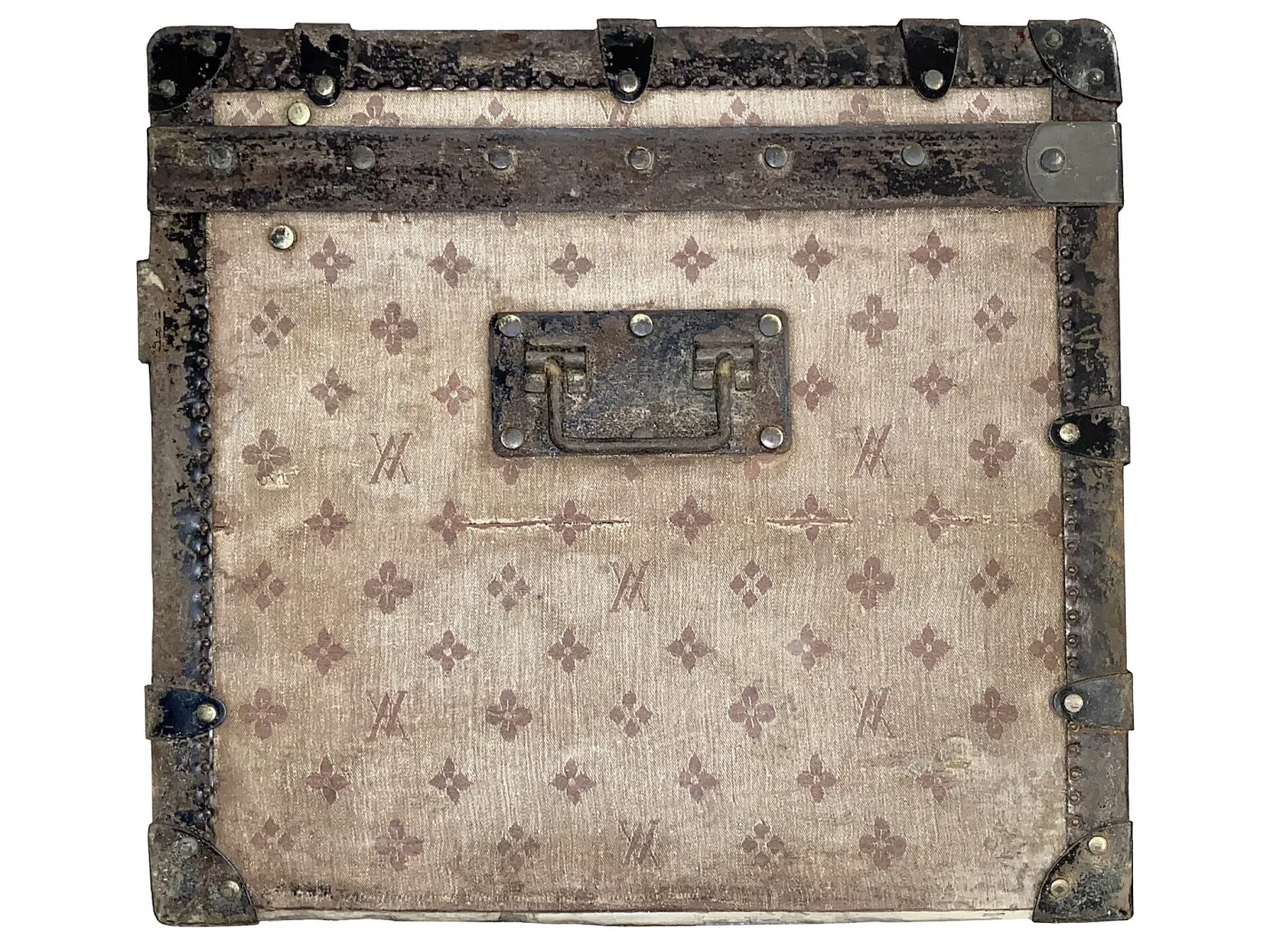
American Manufacturers
Major American luggage manufacturers:
- Louis Vuitton: French luxury, but significant American market presence
- Hartmann: American luxury luggage, founded 1877
- Samsonite: Founded 1910, vulcanized fiber pioneer
- American Tourister: Founded 1933, hard-sided luggage
- Shwayder Brothers: Early Samsonite name
- Ward & Company: Steamer trunk manufacturer
- Oshkosh Trunk Company: Wisconsin-based trunk maker
European Manufacturers
- Louis Vuitton: French luxury, founded 1854
- Goyard: French luxury luggage, founded 1853
- Globe-Trotter: British luxury, vulcanized fiber
- H. J. Cave & Sons: British trunk manufacturer
- Moynat: French luxury, founded 1849
Types of Maker Marks
- Metal Plates: Brass or steel identification plates
- Stamped Marks: Impressed into leather or metal
- Paper Labels: Inside lids or compartments
- Embossed Logos: Raised designs on leather or metal
- Printed Labels: Fabric or paper labels
Researching Manufacturer Information
- Reference Books: Luggage manufacturer directories
- Online Databases: Maker mark identification resources
- Museum Collections: High-resolution images and documentation
- Company Archives: Historical company records
- Expert Consultation: Professional appraisers and collectors
Dating Methods and Period Identification
Accurate dating requires multiple approaches and careful analysis of various elements.
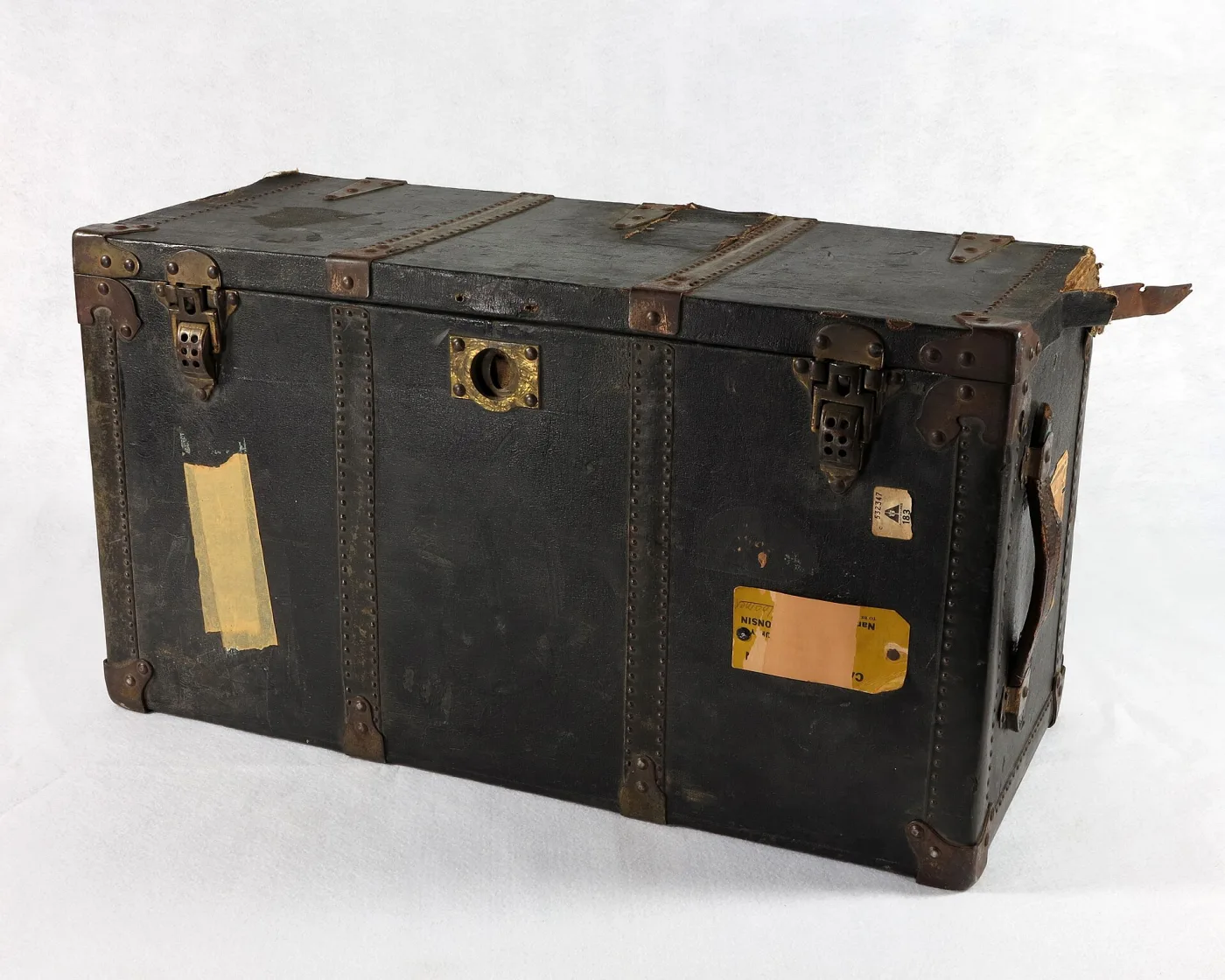
Style and Design Dating
Design elements reflect the era of manufacture:
- Victorian Era (1837-1901): Ornate, decorative, elaborate hardware
- Edwardian Era (1901-1910): Elegant, refined, lighter decoration
- Art Deco (1920s-1930s): Geometric patterns, streamlined design
- Mid-Century Modern (1940s-1960s): Clean lines, functional design
- Space Age (1950s-1970s): Aluminum, futuristic aesthetics
Material Dating
- Wood and Canvas (1870s-1920s): Early steamer trunk era
- Vulcanized Fiber (1920s-1940s): Revolutionary lightweight material
- Fiberboard (1930s-1950s): Affordable mass production
- Aluminum (1950s-1970s): Modern, space-age material
- Plastic (1960s-present): Injection-molded construction
Hardware Dating
- Hand-Forged Nails (pre-1900): Irregular, square shank
- Cut Nails (1800s-1920s): Machine-cut, rectangular shank
- Wire Nails (1890s-present): Round shank, uniform
- Machine Screws (1900s-present): Standardized threading
- Rivets (1920s-present): Permanent fasteners
Provenance Research
- Shipping Labels: Steamship or railroad company labels
- Hotel Stickers: Travel destination identification
- Customs Stamps: International travel documentation
- Owner Identification: Names, addresses, or initials
- Travel Documentation: Tickets, receipts, or tags
Travel Accessories and Companion Items
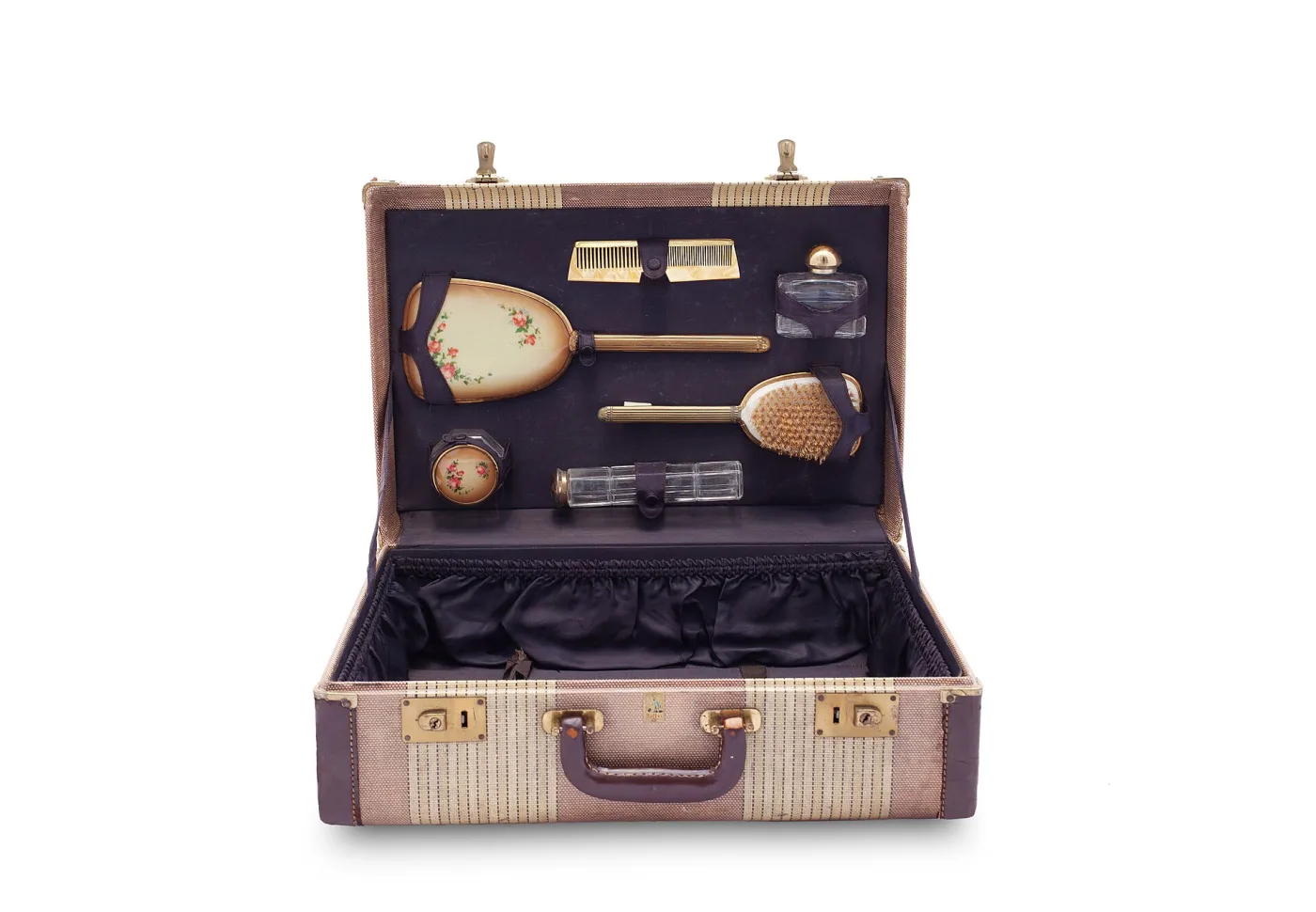
Travel accessories often accompany antique luggage and provide additional context for identification.
Luggage Tags and Labels
- Steamship Tags: Ocean liner identification
- Railroad Tags: Train travel identification
- Hotel Labels: Destination stickers
- Customs Labels: International travel documentation
- Personal Tags: Owner identification
Travel Cases and Bags
- Train Cases: Small cosmetic and toiletry cases
- Hat Boxes: Round or oval hat containers
- Shoe Cases: Specialized footwear compartments
- Portmanteaus: Two-compartment travel bags
- Valises: Small hand-carried bags
Travel Tools and Accessories
- Luggage Racks: Portable stands for trunks
- Trunk Keys: Original keys with manufacturer marks
- Locks and Padlocks: Security accessories
- Straps and Belts: Additional securing mechanisms
- Travel Guides: Period guidebooks and maps
- Travelling Clocks: Spring-driven clocks designed for the road, normally housed in a fitted leather case — see our antique carriage clocks identification guide for case styles, makers, and dating
Interior Accessories
- Trays and Compartments: Organization systems
- Hangers and Rods: Clothing storage
- Mirrors: Built-in or removable mirrors
- Pockets and Pouches: Fabric compartments
- Lining Materials: Paper, fabric, or wood
Condition Assessment and Restoration
Understanding condition and restoration history is crucial for accurate valuation and authentication.
Common Condition Issues
Antique travel items often show signs of use and age:
- Wear Patterns: Scratches, scuffs, and handling marks
- Material Deterioration: Canvas rot, leather cracking, wood warping
- Hardware Damage: Broken locks, missing handles, rust
- Structural Issues: Loose joints, broken frames, missing pieces
- Interior Damage: Torn lining, missing trays, broken compartments
Restoration Considerations
- Original vs. Restored: Value impact of restoration
- Replacement Parts: Hardware, handles, locks
- Refinishing: Paint, varnish, or covering replacement
- Structural Repairs: Frame, joints, and reinforcement
- Interior Restoration: Lining, trays, and compartments
Preservation Best Practices
- Climate Control: Stable temperature and humidity
- Cleaning Methods: Appropriate for materials
- Storage Conditions: Protection from light and pests
- Handling Guidelines: Proper lifting and moving techniques
- Documentation: Photographs and condition reports
Authenticity Indicators
- Age-Appropriate Materials: Consistent with period
- Construction Methods: Hand vs. machine work
- Wear Patterns: Natural, consistent aging
- Provenance: Documentation and history
- Maker Marks: Authentic manufacturer identification
Value Assessment and Market Factors
Understanding what makes antique travel items valuable helps with identification and appraisal.
Value Factors
- Rarity: Limited production, unique features, unusual size
- Condition: Original finish, minimal damage, complete hardware
- Provenance: Famous ownership, documented history, travel labels
- Maker: Famous or important manufacturer
- Period: Desirable historical era
- Completeness: Original trays, keys, labels, accessories
Market Considerations
- Current Trends: Popular styles and periods
- Economic Factors: Market conditions, collector interest
- Geographic Demand: Regional preferences and markets
- Collector Interest: Specialized collector groups
- Decorative Use: Furniture and home decor applications
Appraisal Methods
- Comparable Sales: Recent auction results
- Replacement Cost: Cost to recreate or replace
- Investment Potential: Future value appreciation
- Expert Opinion: Professional appraiser assessment
- Market Research: Dealer prices and collector forums
Specialty Markets
- Luxury Brands: Louis Vuitton, Goyard, high-end manufacturers
- Decorative Use: Coffee tables, storage, home decor
- Historical Significance: Immigration, travel, military use
- Collector Specialization: Specific manufacturers or periods
- Restoration Projects: DIY and professional restoration
Conclusion
Antique travel items and luggage identification is a fascinating field that combines historical knowledge, technical understanding, and practical experience. From elegant Victorian steamer trunks to sleek mid-century aluminum cases, each piece tells a story of journeys, migrations, and the evolution of travel itself. By learning to recognize different types of luggage, construction techniques, and material characteristics, you can develop the expertise needed to identify and authenticate antique travel items.
Remember that travel item identification often requires multiple pieces of evidence working together. A single characteristic is rarely definitive, but when combined with other indicators—such as construction methods, hardware types, maker marks, and provenance—it can provide a clear picture of an item's age, origin, and authenticity. Whether you're a collector, dealer, or simply someone who appreciates the history and craftsmanship of antique travel items, this guide provides the foundation for successful identification and appreciation.
Modern technology, including AI-powered identification apps like Antique Identifier, can provide valuable assistance in identifying travel items, but they work best when combined with traditional knowledge and expert consultation. The world of antique travel items offers endless opportunities for discovery, from rare luxury trunks to humble immigrant suitcases, each with its own unique story to tell.