
Antique Tiffany Lamps Identification Guide: Real vs Repro, Marks & Dating
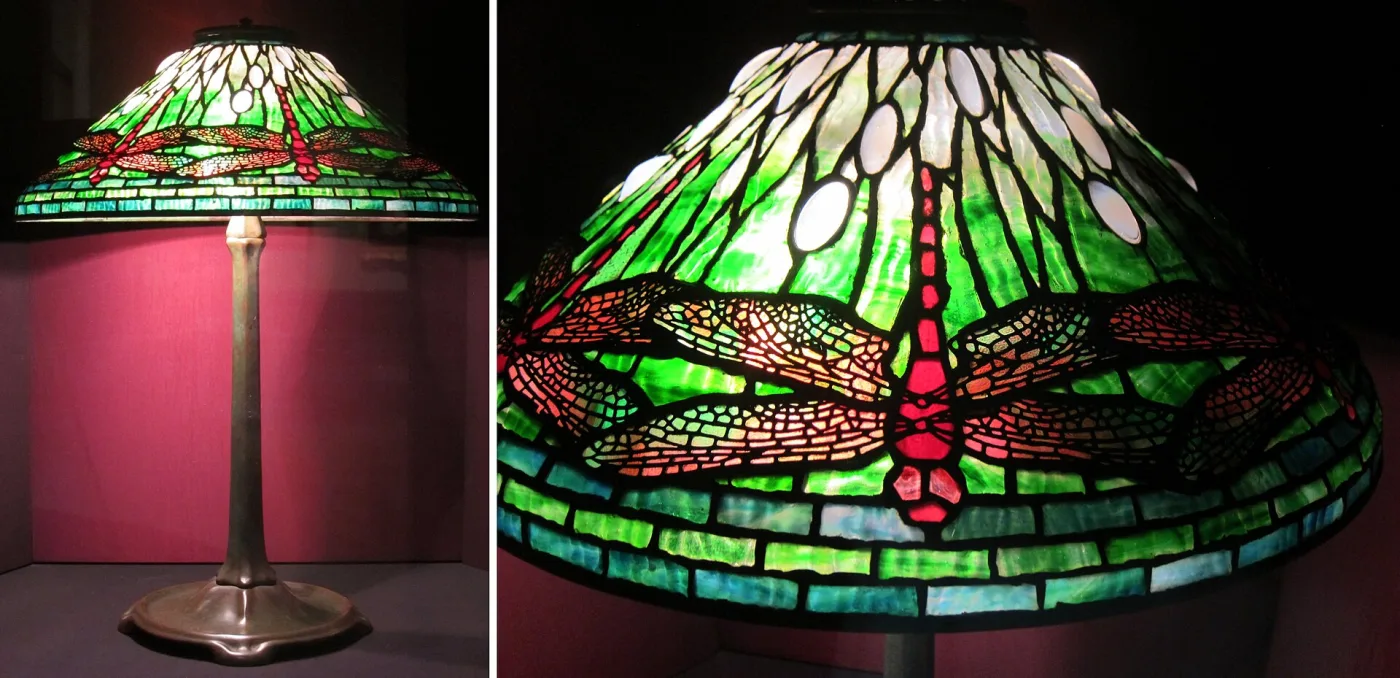
Few objects in decorative arts create as much excitement—and as much confusion—as Tiffany lamps. Original Tiffany Studios pieces can be museum-grade works worth substantial sums, while modern reproductions range from honest decorative tributes to highly deceptive fakes. For collectors, dealers, and inheritors, the challenge is learning to separate artistry, age, and authenticity without relying on one detail alone.
This guide gives you a field-tested framework to identify antique Tiffany lamps by glass selection, shade construction, base quality, signatures, patina behavior, and historical consistency. Whether you are evaluating a flea market find, a family heirloom, or an auction catalog listing, you will learn how to build confidence step by step and avoid the most expensive mistakes.
Table of Contents
- What Counts as an Antique Tiffany Lamp?
- Tiffany Studios Timeline and Lamp Eras
- Start with Shade Design Families
- Glass Quality: Color, Texture, and Light Behavior
- Leading and Construction Clues
- Base Forms, Bronze Casting, and Patina
- Marks, Signatures, and Numbering Systems
- Real vs Reproduction Red Flags
- Hardware, Sockets, and Wiring Evidence
- Condition and Restoration Impact on Value
- Provenance and Documentation Strategy
- Fast 30-Second Tiffany Lamp Triage
What Counts as an Antique Tiffany Lamp?
In strict market language, an antique is typically over 100 years old. For Tiffany lamps, this usually points to examples associated with Tiffany Studios in the late nineteenth and early twentieth centuries. However, age alone is not enough. A lamp can be old, altered, assembled from unrelated parts, or heavily restored. A true collectible attribution requires evidence that the shade, base, and structural details belong together in a historically plausible way.
Collectors should treat attribution as a probability stack. One signed element is helpful, but construction logic, materials, wear pattern, and design consistency matter just as much. The strongest identifications are holistic.
Tiffany Studios Timeline and Lamp Eras
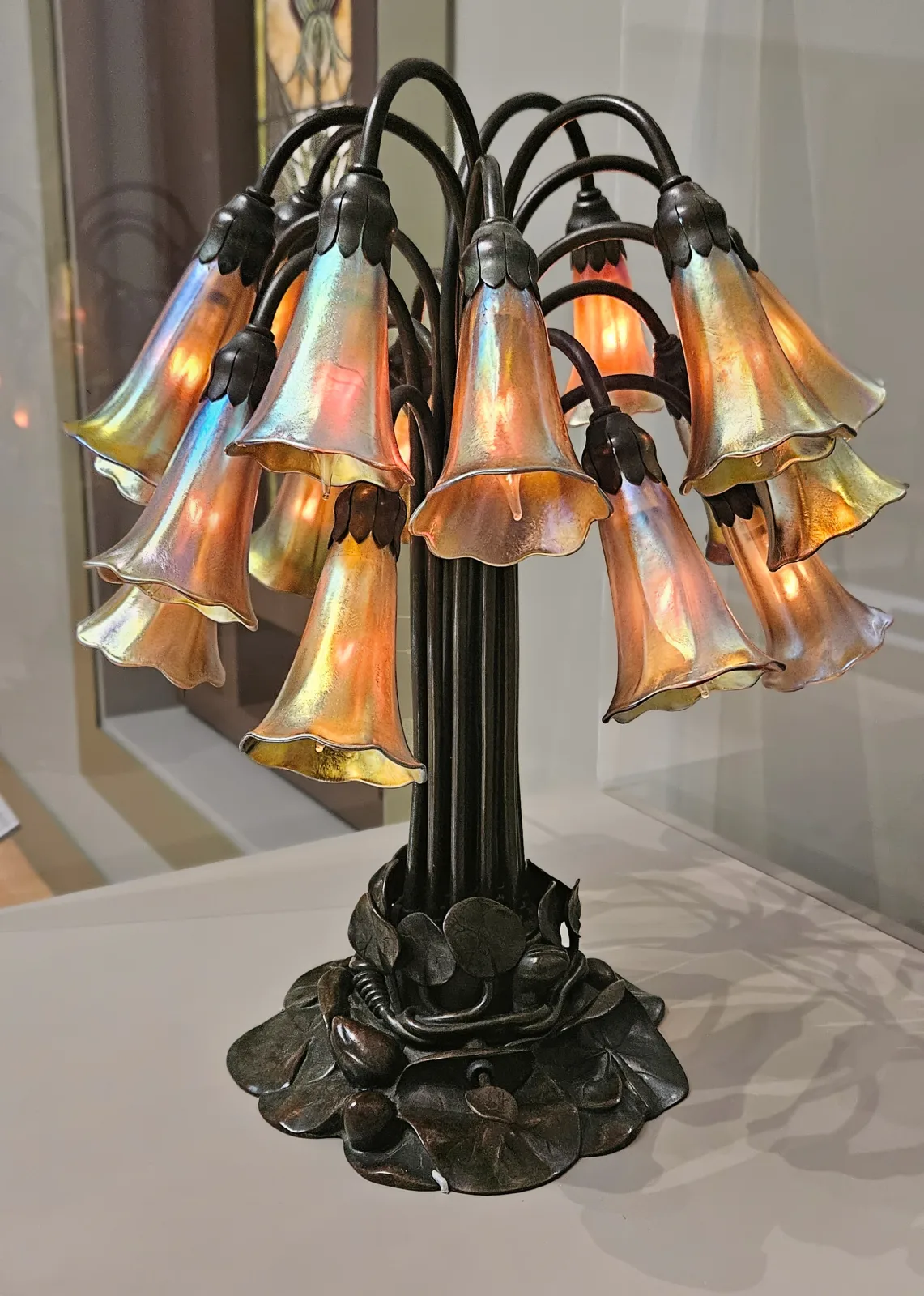
Tiffany lamp production matured during the Art Nouveau period, when nature-inspired motifs, color experimentation, and artisanal craft were central to design culture. Classic forms include floral domes, dragonfly shades, geometric leaded patterns, and landscape scenes made from carefully selected art glass. Understanding broad era traits helps you detect anachronisms quickly.
Many modern makers produce high-quality Tiffany-style lamps. These are not automatically fraudulent unless represented as original Tiffany Studios antiques. The key distinction is disclosure. Honest reproductions can be beautiful and collectible in their own category, but they should never be priced or marketed as period originals.
Start with Shade Design Families
Seasoned evaluators begin with shade family because it narrows what base types, dimensions, and hardware should accompany the lamp. Dragonfly, wisteria, peony, geometric, and border shades each have characteristic panel rhythm, leading map, and visual depth. If a claimed model has pattern proportions that feel awkward or overly repetitive, pause before accepting authenticity.
Look for artistic intention in line flow. On strong period examples, lead lines support the motif and movement of the design rather than randomly dividing color pieces. Reproductions often copy motifs but miss compositional balance, creating a flatter appearance.
Glass Quality: Color, Texture, and Light Behavior
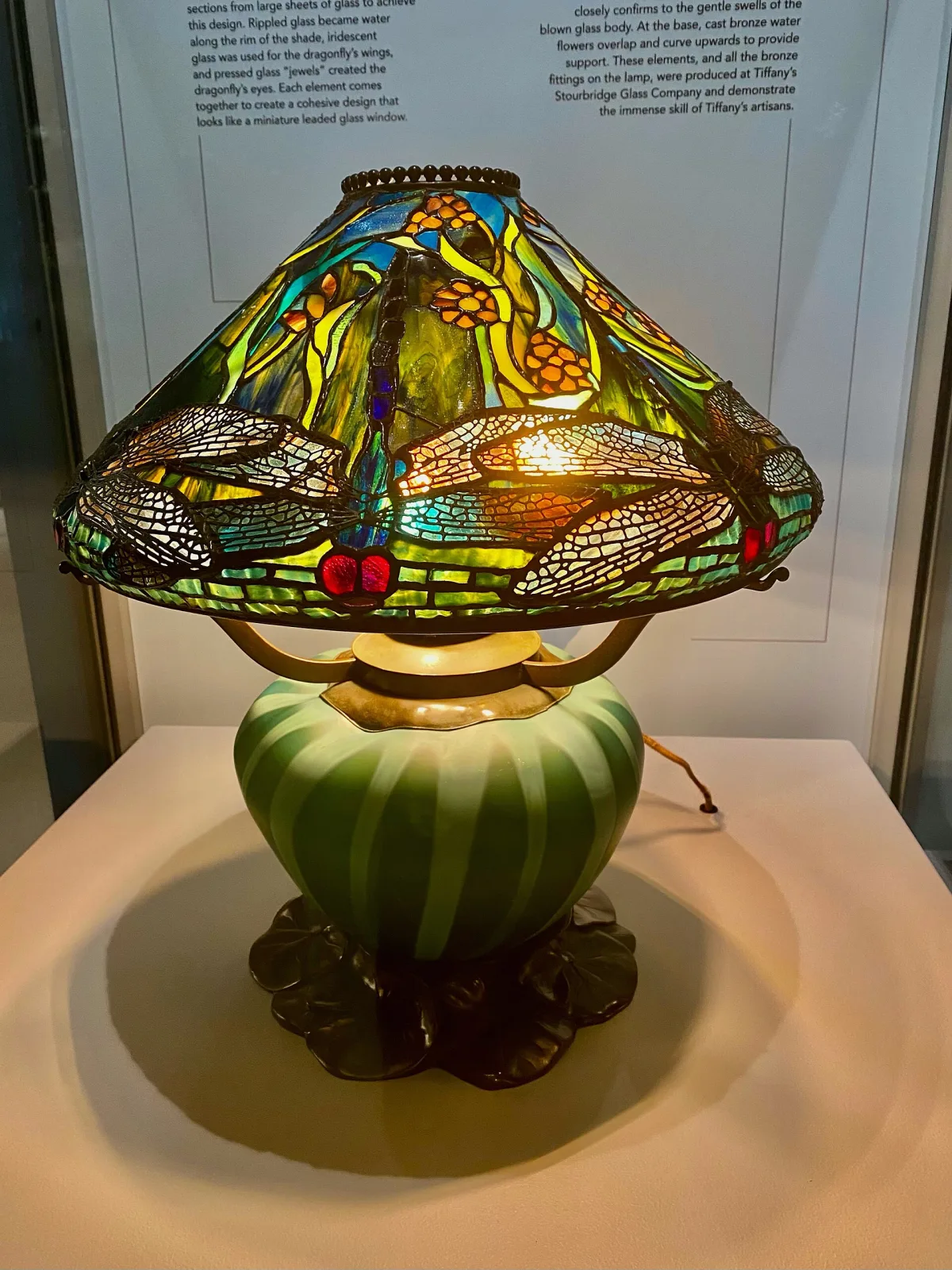
Original Tiffany-style artistry depends on sophisticated glass selection. Under natural light and then warm illumination, the best antique shades show layered color interactions rather than single-note brightness. You may see streaking, mottling, rippling, and subtle tonal transitions that give petals, wings, or foliage visual life.
Overly uniform glass is a common warning sign. Many modern reproductions use predictable color blocks with limited depth. Evaluate each panel for variation and purpose: does the glass choice enhance form and mood, or simply fill space with bright color? Authentic quality tends to feel intentional even when dramatic.

Leading and Construction Clues
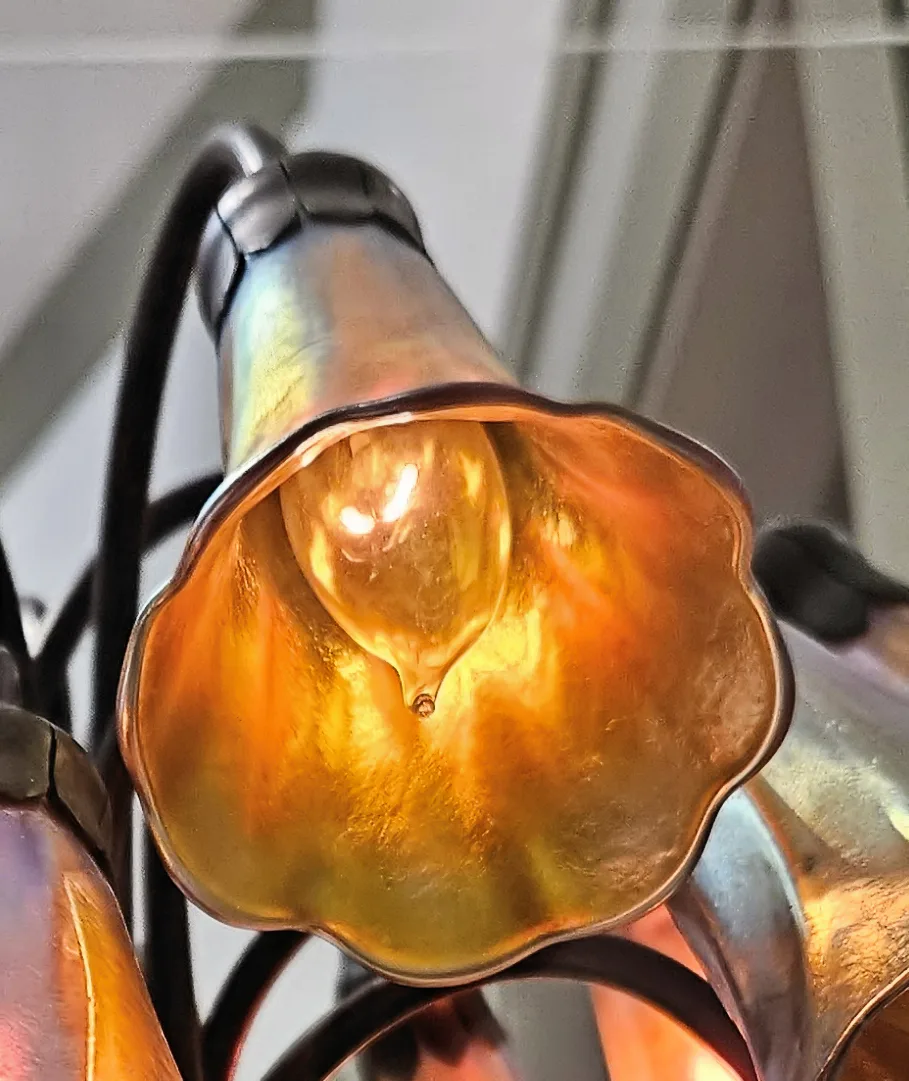
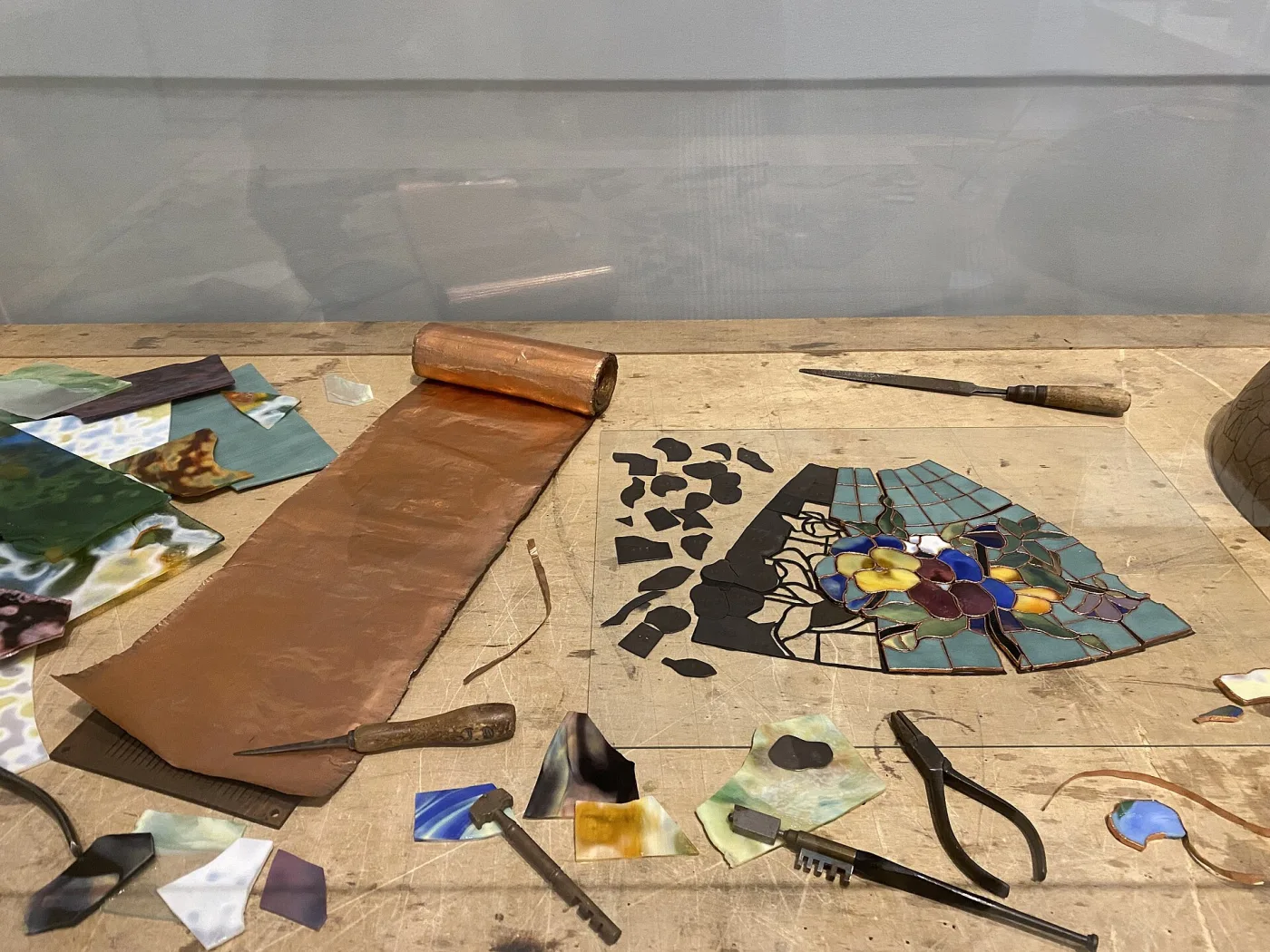
Leaded-glass construction reveals craftsmanship level and period plausibility. Study lead lines for consistent width transitions, precise joints, and smooth contour around curves. On strong older work, solder joints are controlled, not lumpy, and the structural map supports both strength and composition.
Watch for coarse leading that overwhelms delicate motifs. Thick, irregular seams combined with repetitive glass can indicate later manufacture. Also inspect interior reinforcement and edge finishing; weak internal structure is common in lower-grade reproductions.
Base Forms, Bronze Casting, and Patina
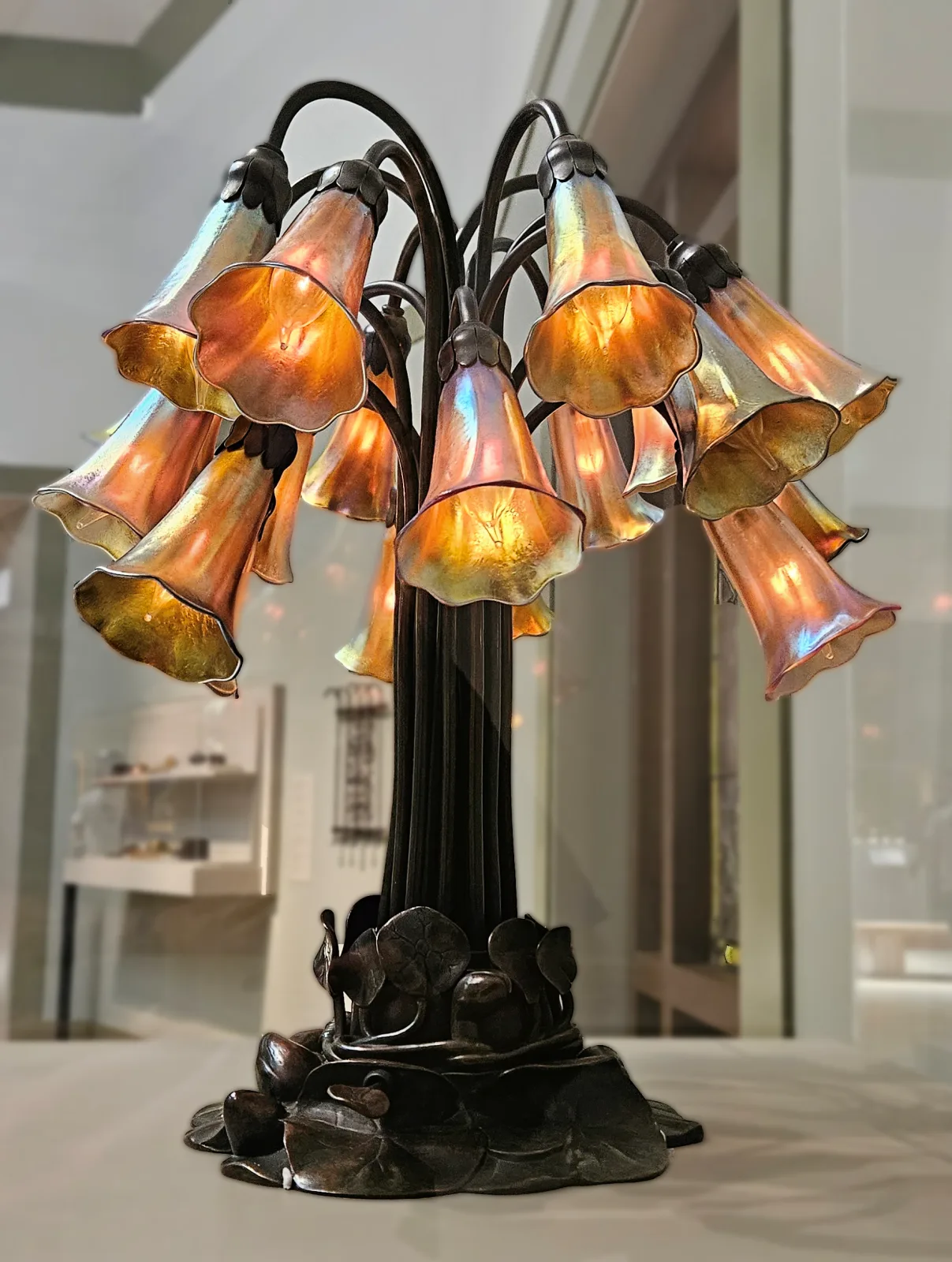
Bases matter as much as shades. Antique-quality bases typically show crisp cast details, balanced proportions, and a patina that developed over long use. Natural patina often appears layered, with high-touch areas subtly different from recesses. Artificial patination tends to look monotone or abruptly distressed.
Confirm base and shade relationship. A fine shade paired with a generic, lightweight base should trigger caution. In many misrepresented lamps, one component may be older while another is modern replacement.
Marks, Signatures, and Numbering Systems
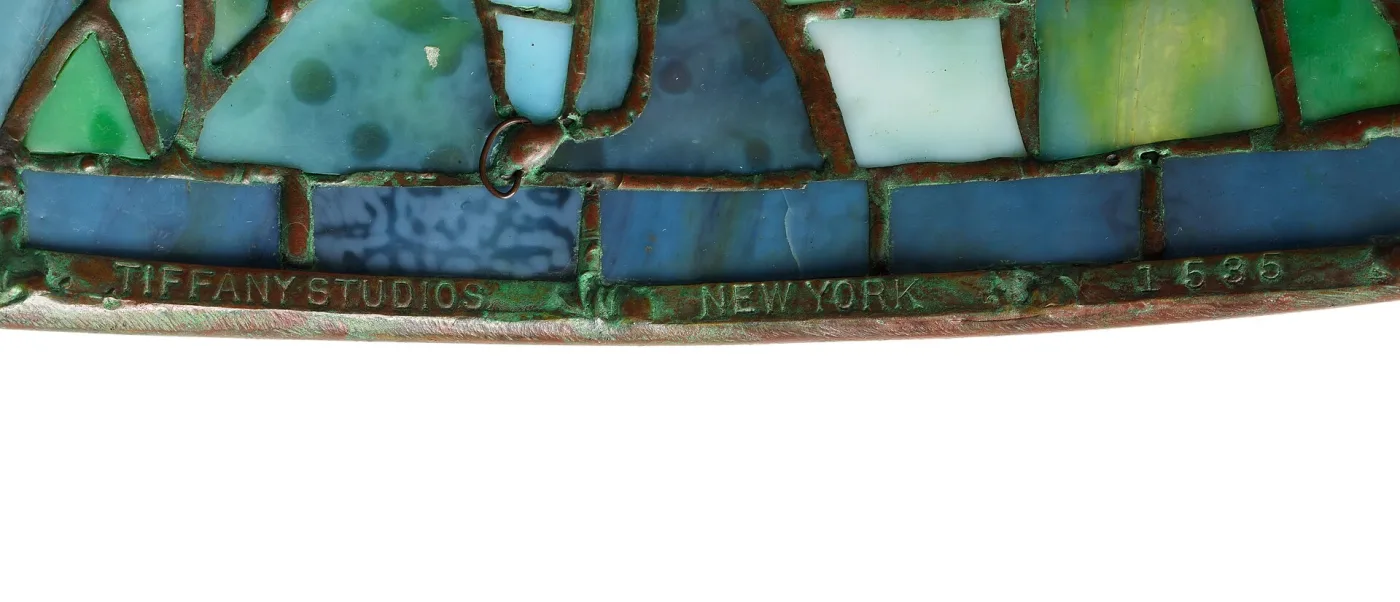
Marks can support identification, but they are frequently forged. Compare lettering style, placement, depth, and context with trusted references. Genuine-looking text on an implausible base form is not enough. Evaluate whether the mark, casting quality, and design family align with one another.
Use raking light and macro photos when documenting signatures. Poorly cut letters, awkward spacing, or freshly sharp edges on an otherwise worn object can indicate recent alteration. Always treat signatures as one data point, not final proof.
Real vs Reproduction Red Flags
The highest-risk scenarios combine emotional storytelling with weak object evidence: "estate fresh," "attic find," or "grandmother said Tiffany" without documentation. Other red flags include bright artificial patina, modern screws and fittings on supposedly untouched antiques, and glass palettes that look neon under all lighting conditions.
Price can also signal risk. Genuine antique Tiffany lamps are rarely "bargains" in open markets unless condition is poor or attribution uncertain. If the deal feels dramatically below market, increase skepticism and request additional evidence before committing funds.
Hardware, Sockets, and Wiring Evidence
Electrical components are often replaced for safety, so modern wiring alone does not disqualify an antique lamp. The important question is whether replacement work was transparent and reversible. Quality restoration should preserve historic integrity while clearly separating modern safety upgrades.
Inspect socket clusters, turn switches, and internal stems for compatibility with the claimed period. Inconsistent threading, fresh tool marks, and mixed hardware quality can point to composite assembly. Ask for restoration records whenever possible.
Condition and Restoration Impact on Value
Condition drives value dramatically. Cracked glass, large replaced panels, unstable leading, broken heat caps, or damaged base components can reduce desirability even when core parts are authentic. Professional restoration may stabilize value, but over-restoration or undocumented interventions can reduce collector confidence.
Request a clear condition map: what is original, what is repaired, and what was replaced. Serious buyers should budget for specialized conservation and factor those costs into bidding decisions.
Provenance and Documentation Strategy
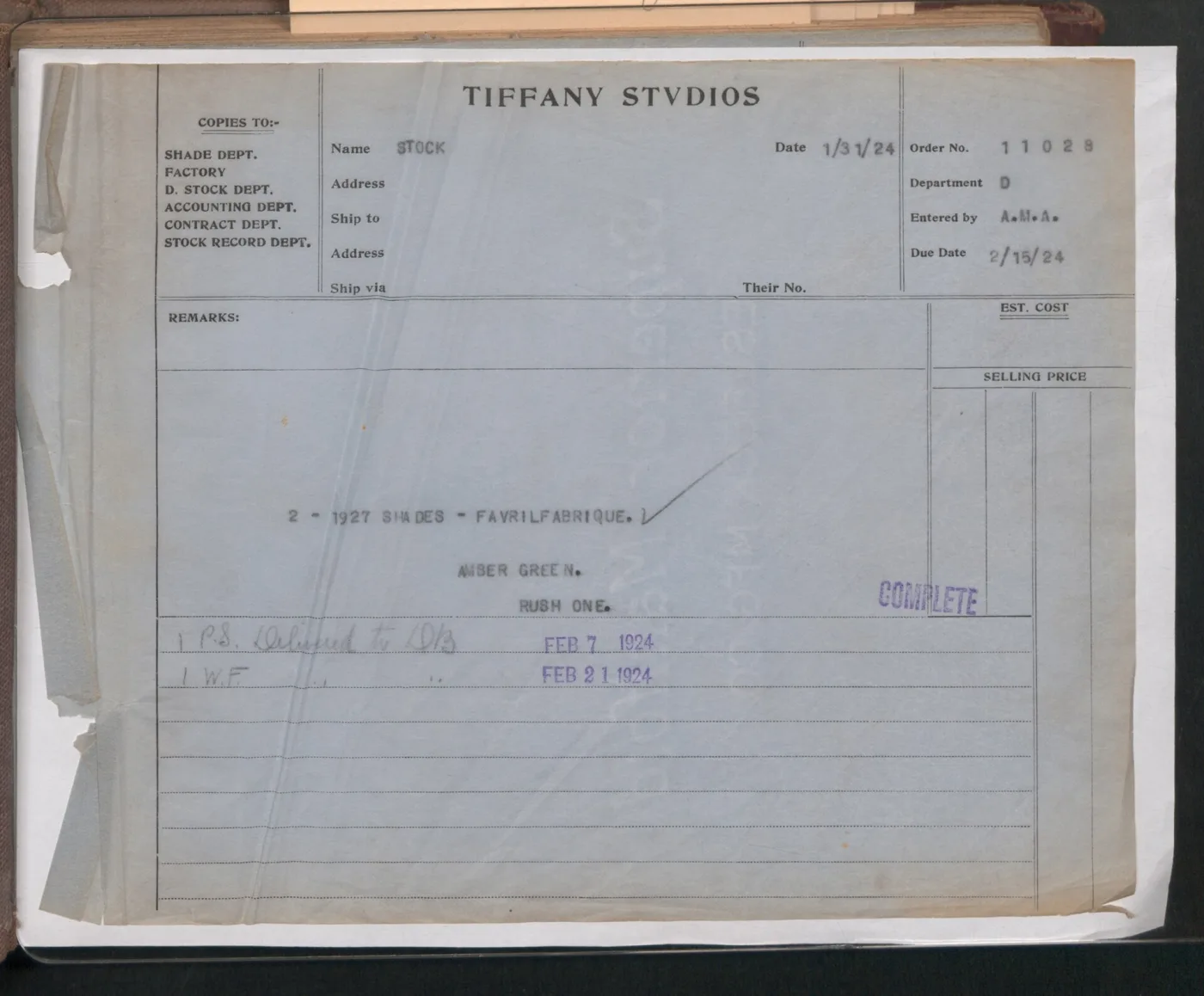
Documentation often determines whether a lamp is treated as decorative lighting or a high-value collectible. Useful provenance includes old invoices, exhibition references, family records, collection labels, and prior auction histories. Even partial provenance can strengthen attribution when object evidence is already strong.
For online purchases, create a minimum evidence policy: full shade photos lit and unlit, base close-ups, mark macro shots, underside images, and documented dimensions. If a seller refuses basic documentation, walk away.
Fast 30-Second Tiffany Lamp Triage
Use this quick checklist in shows, shops, and estate sales:
1) Shade family: Does motif and panel mapping look coherent for known Tiffany design language?
2) Glass depth: Is there layered color and texture, not just bright uniform panes?
3) Leading quality: Are seams controlled and structurally logical?
4) Base match: Do weight, casting detail, and patina align with shade quality?
5) Mark context: Is the signature plausible in style, placement, and wear?
6) Disclosure: Are repairs, rewiring, and provenance clearly documented?
If multiple points fail, classify the lamp as uncertain and price it accordingly. Disciplined triage protects your budget and improves long-term collection quality.