Antique Serving Trays and Salvers Identification Guide: Types, Materials & Dating Techniques
Antique serving trays and salvers represent some of the most elegant and functional decorative objects in the world of antique collectibles. These beautiful serving pieces were essential elements of formal dining and entertaining from the 17th century through the early 20th century, embodying both practicality and artistry. From ornate Victorian silver salvers to handcrafted Georgian mahogany trays, each piece tells a story of social customs, craftsmanship, and design evolution. These functional yet decorative objects have become highly sought-after collectibles, with examples ranging from humble but charming wooden tea trays to magnificent silver presentation salvers worth thousands of dollars. This comprehensive guide will teach you everything you need to know about identifying antique serving trays and salvers, from understanding different types and materials to recognizing maker marks and determining authenticity and value.
Table of Contents
- Understanding Antique Trays and Salvers
- Historical Overview and Evolution
- Types of Serving Trays and Salvers
- Materials and Construction Techniques
- Silver Trays and Salvers
- Wooden Trays and Platters
- Metal Trays: Brass, Copper, and Pewter
- Ceramic and Porcelain Trays
- Maker Identification and Hallmarks
- Dating Techniques and Period Identification
- Authenticity Assessment and Reproductions
- Condition Evaluation and Restoration
- Value Assessment and Market Factors
- Collecting Tips and Best Practices
Understanding Antique Trays and Salvers: The Basics
Before diving into identification techniques, it's essential to understand what makes a serving tray or salver antique and how these beautiful objects were used throughout history. An antique serving tray or salver is generally defined as one that is at least 100 years old, though quality examples from the late 19th and early 20th centuries are also highly collectible. The distinction between a tray and a salver is important for proper identification and classification.
What Makes a Tray or Salver Antique?
Several key characteristics distinguish antique serving trays and salvers from modern reproductions:
- Age: Typically 100+ years old, with the classic periods being Georgian (1714-1830), Victorian (1837-1901), and Edwardian (1901-1910)
- Manufacturing Methods: Handcrafted or early industrial production techniques
- Materials: Period-appropriate materials with historical manufacturing characteristics
- Craftsmanship: Superior artistry, attention to detail, and traditional construction methods
- Historical Significance: Created during specific historical periods with distinct styles and functions
Distinction Between Trays and Salvers
Understanding the difference between trays and salvers helps with identification:
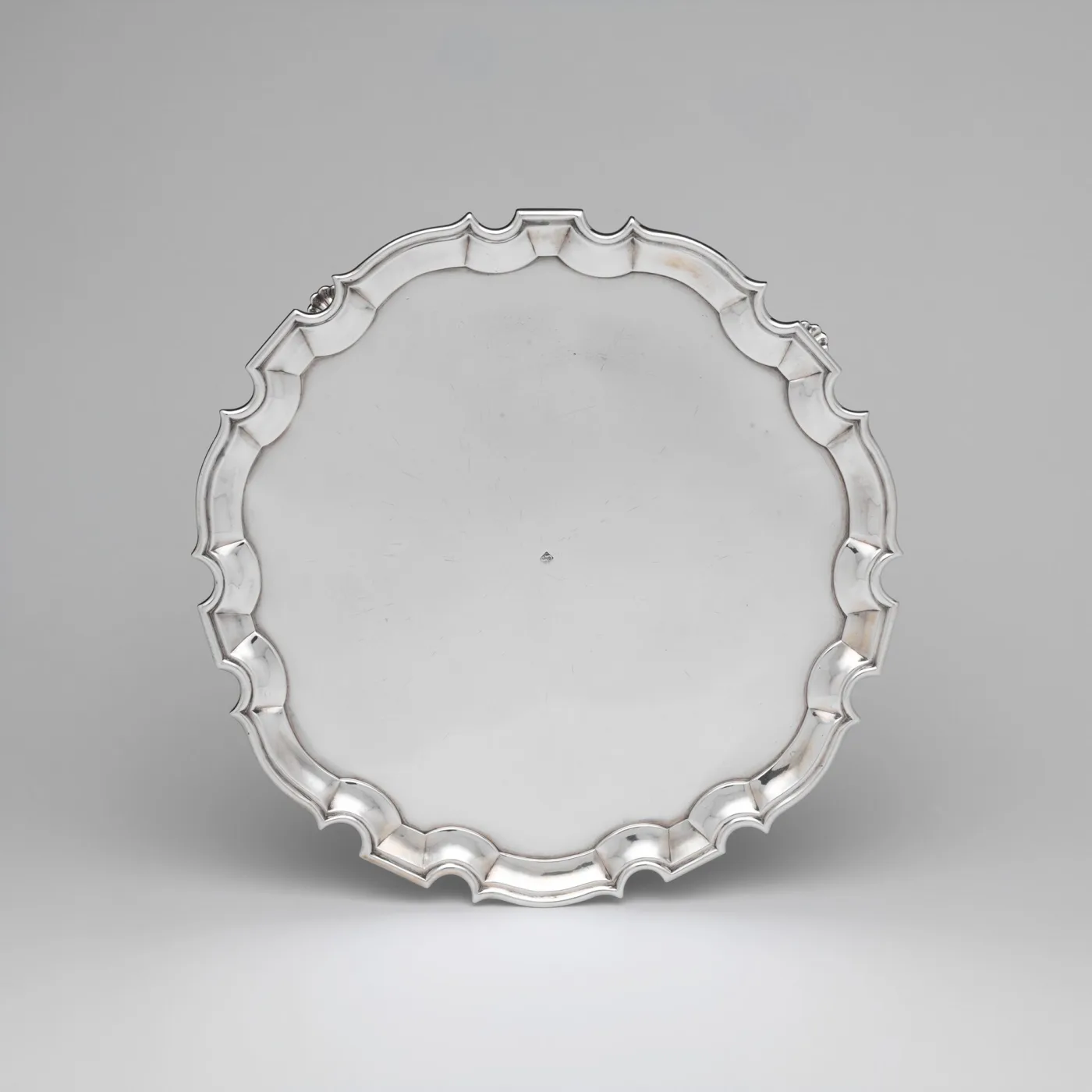
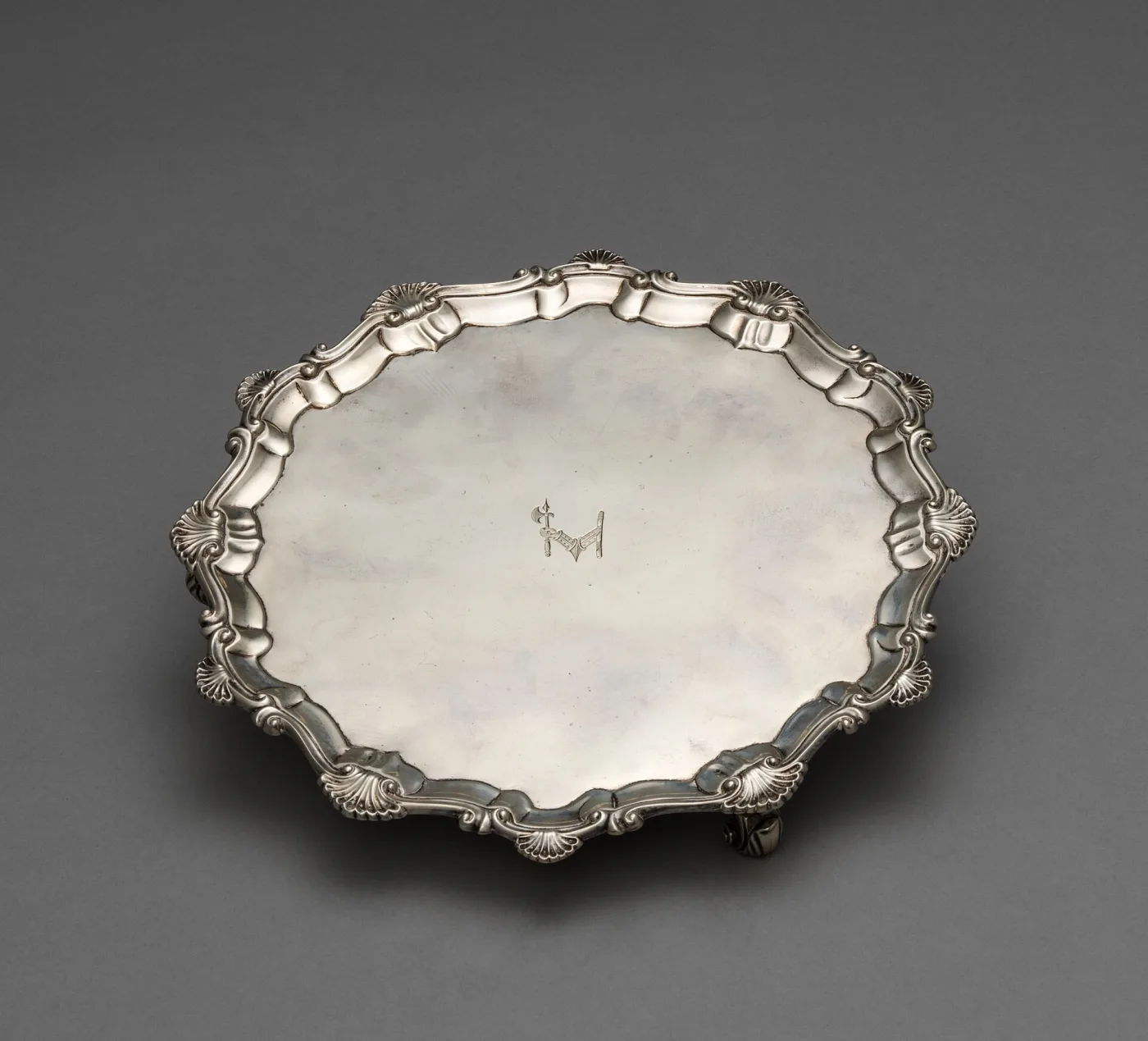
- Salvers: Flat or slightly curved plates, usually with a central foot or base, typically used for presenting letters, cards, or small items. Traditionally made of silver or other precious metals, salvers often have decorative rims and are more formal than trays.
- Trays: Flat or shallow containers with raised rims, used for carrying and serving food, drinks, or other items. Trays can have handles, be oval, rectangular, or round, and are often made from wood, metal, or other materials.
- Waiter Trays: Round or oval trays with handles, designed to be carried by servants or waiters
- Tea Trays: Large trays with handles, specifically designed for tea service, often with compartments or raised edges
- Breakfast Trays: Smaller trays with short legs or foldable supports, designed for bed or lap use
Basic Components and Construction
Understanding the structure of trays and salvers helps with identification:
- Base or Platen: The main flat surface that carries items
- Rim or Gallery: The raised edge around the perimeter, which can be plain, pierced, or elaborately decorated
- Handles: Carrying handles, which can be fixed or drop handles, often ornately designed
- Feet or Supports: Legs, feet, or bases that elevate the tray or salver
- Decorative Elements: Engraving, repoussé work, embossing, or applied decorative elements
- Interior Design: The surface decoration, which may include engraved monograms, coats of arms, or decorative patterns
Historical Overview and Evolution of Serving Trays and Salvers
The history of serving trays and salvers spans several centuries, with evolution in both design and function reflecting changing social customs, dining practices, and manufacturing capabilities. Understanding this history is crucial for accurate identification and dating.
Early Origins (17th Century)
Serving trays and salvers first emerged in the 17th century, primarily as silver objects for the wealthy. The earliest salvers were simple circular or octagonal plates used in formal settings:
- Early Salvers: Small, footed plates used for presenting letters, visiting cards, or small items to royalty and nobility
- Materials: Primarily silver, with some examples in pewter or other base metals
- Design: Simple forms with minimal decoration, often with just a coat of arms or monogram
- Function: Formal presentation pieces rather than practical serving items
These early pieces were handcrafted by silversmiths and reflect the formal, hierarchical social structure of the time.
Georgian Period (1714-1830)
The Georgian period saw significant development in tray and salver design:
- Expansion of Types: Introduction of larger serving trays, breakfast trays, and tea trays
- Design Evolution: More elaborate decoration including rococo, neoclassical, and regency styles
- Materials: Silver remained primary for salvers, but wooden trays became increasingly popular for everyday use
- Craftsmanship: Exceptional quality with refined proportions and elegant designs
- Innovations: Introduction of drop handles, pierced rims, and decorative borders
Georgian salvers and trays are highly collectible, especially silver examples from major makers like Paul Storr, Paul de Lamerie, and Hester Bateman.
Victorian Period (1837-1901)
The Victorian era represents the golden age of serving trays and salvers:
- Mass Production: Industrial manufacturing made trays more accessible to the middle class
- Material Diversity: Trays made from silver, wood (mahogany, rosewood, walnut), brass, copper, papier-mâché, and japanned metal
- Ornate Decoration: Elaborate Victorian decoration including floral motifs, naturalistic designs, and revival styles
- Functionality: Development of specialized types including tea trays, breakfast trays, and waiter trays
- Social Significance: Trays became essential for proper Victorian entertaining and tea service
Victorian trays are among the most common and varied antique examples, offering collectors many options across price ranges, and a salver often coordinated with the rest of a household's silver — from the silver flatware and cruet frame down to the engraved napkin rings that matched the service's pattern.
Edwardian Period (1901-1910)
The Edwardian period continued Victorian traditions with some refinement:
- Elegant Simplicity: Slightly less ornate than Victorian examples, with cleaner lines
- Quality Materials: Continued use of fine materials including solid silver, quality woods, and brass
- Art Nouveau Influence: Some trays show Art Nouveau decoration with flowing, organic forms
- Transitional Styles: Bridge between Victorian ornateness and modern simplicity
20th Century Evolution (1910-1950)
The early 20th century saw continued production of quality trays:
- Art Deco Period: Geometric designs, streamlined forms, and bold patterns
- Modern Materials: Introduction of new materials including Bakelite, chrome, and stainless steel
- Industrial Design: Emphasis on functionality and modern aesthetics
- Decline of Formality: Less emphasis on formal serving pieces as social customs changed
Types of Serving Trays and Salvers
Serving trays and salvers can be categorized into several distinct types, each with specific characteristics and identification markers. Understanding these categories is fundamental to proper identification.
Salvers
Salvers are the most formal type of serving piece, traditionally used for presentation:
- Presentation Salvers: Large, decorative salvers used for formal presentations, often with elaborate engraving or decoration
- Letter Salvers: Smaller salvers used for presenting letters, visiting cards, or small items
- Waiter Salvers: Large circular or oval salvers with handles, used by servants for serving
- Footed Salvers: Salvers with central feet or pedestal bases, the most traditional form
- Flat Salvers: Salvers without feet, with just a flat base and decorative rim
Salvers are typically made of silver or silver plate, though examples exist in pewter, brass, and other metals. They often feature engraved decoration, coats of arms, or monograms.
Tea Trays
Tea trays were essential for Victorian and Edwardian tea service:
- Standard Tea Trays: Large rectangular or oval trays with handles, designed to hold complete tea service
- Compartment Tea Trays: Trays with divided sections for cups, saucers, and accessories
- Folding Tea Trays: Trays with foldable legs or supports for storage
- Wooden Tea Trays: Most common type, made from mahogany, rosewood, or walnut
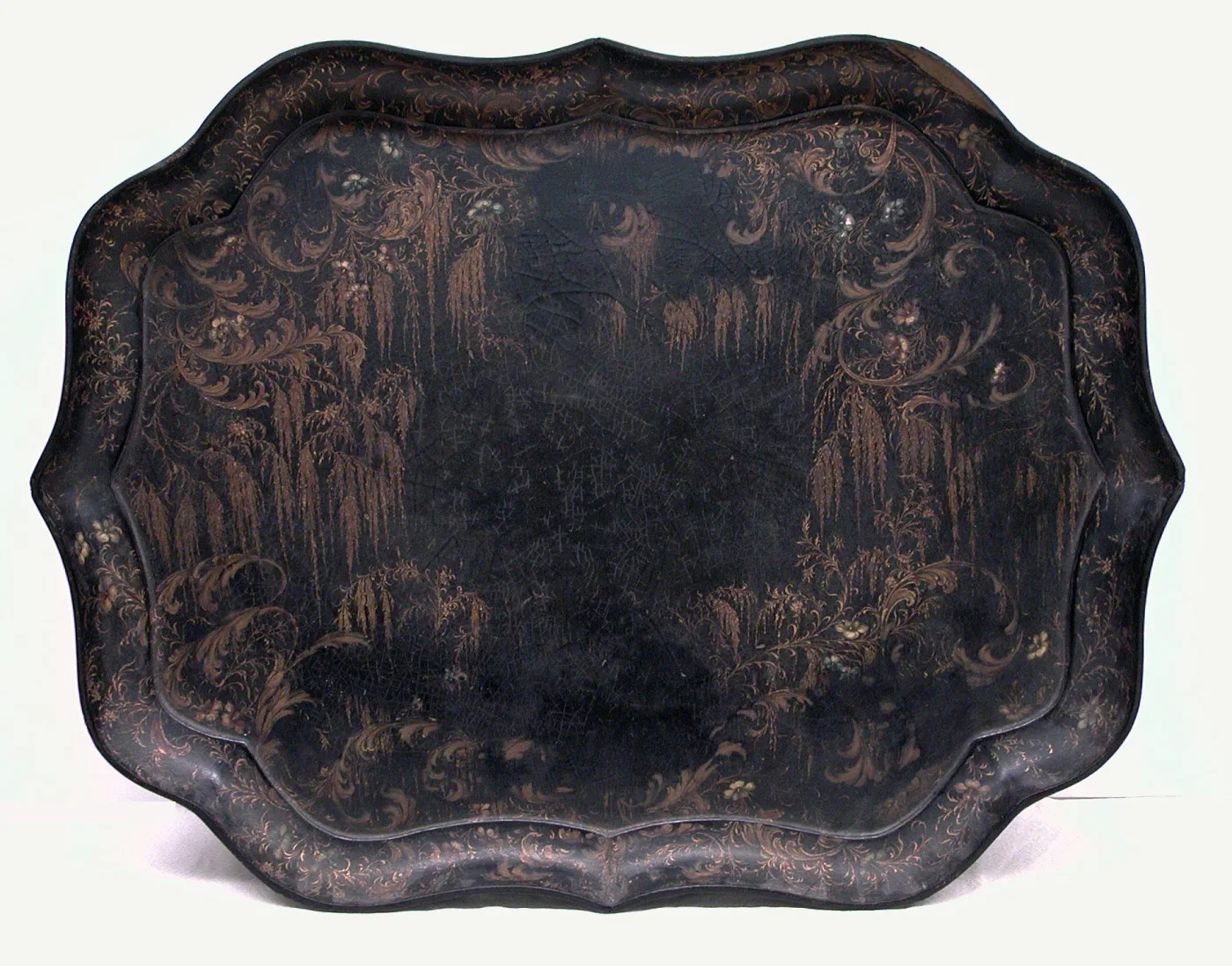
- Japanned Tea Trays: Wooden trays with painted and varnished decoration in Asian-inspired designs
Tea trays are typically larger than other tray types, often measuring 24-30 inches in length, with two substantial handles for carrying.
Breakfast Trays
Breakfast trays were designed for serving meals in bed or on the lap:
- Lap Trays: Smaller trays designed to rest on the lap, often with short legs or supports
- Bed Trays: Trays with folding legs that create a stable platform over the lap or bed
- Writing Trays: Trays with compartments for writing materials, sometimes convertible for meals
- Materials: Often made from wood, japanned metal, or silver plate
Breakfast trays are typically smaller than tea trays, usually 16-20 inches in length, and may have decorative borders or monograms.
Waiter Trays
Waiter trays were designed to be carried by servants or waiters:
- Round Waiter Trays: Circular trays with central handles, designed for one-handed carrying
- Oval Waiter Trays: Oval-shaped trays with handles at the narrow ends
- Materials: Often made from silver, silver plate, brass, or japanned metal
- Features: Typically have a raised rim or gallery to prevent items from sliding
- Decoration: May have engraved borders, monograms, or simple decorative patterns
Waiter trays are usually medium-sized, 12-18 inches in diameter or length, and designed for balance and ease of carrying.
Decorative and Presentation Trays
Various specialized tray types serve decorative or specific functions:
- Commodes Trays: Small trays used for holding personal items in bedrooms
- Card Trays: Small salvers or trays specifically designed for presenting visiting cards
- Centerpiece Trays: Large decorative trays used as table centerpieces
- Console Trays: Trays designed to be permanently displayed on console tables
- Bonbon Trays: Small, often ornate trays for serving candies or petits fours
Materials and Construction Techniques
The materials used in antique trays and salvers provide crucial identification clues. Different materials were popular during different periods, and each material has distinctive characteristics that help with dating and authentication.
Silver and Silver Plate
Silver has been the most prestigious material for salvers and formal trays:
- Sterling Silver: 92.5% pure silver, marked with hallmarks indicating maker, date, and assay office
- Britannia Silver: 95.8% pure silver, used in England 1697-1720, marked with special marks
- Continental Silver: Various standards including 800, 835, and 900 fine silver in Europe
- Silver Plate: Base metal (usually copper or nickel silver) coated with a thin layer of silver
- Electroplate: Silver plating applied through electroplating process, common from mid-19th century
- Sheffield Plate: Fused silver plating technique, used 1740s-1840s, highly collectible
Silver trays and salvers require careful examination of hallmarks and maker marks for proper identification and dating.
Wood
Wooden trays were popular for everyday use and remain highly collectible:
- Mahogany: Most common for quality Victorian and Edwardian tea trays, reddish-brown with fine grain
- Rosewood: Dark wood with distinctive grain patterns, often used for luxury trays
- Walnut: Rich brown wood, popular for Georgian and Victorian trays
- Oak: Strong, durable wood, used for sturdy everyday trays
- Pine: Often used for less expensive trays, may be painted or japanned
- Construction: May have veneered surfaces, inlaid decoration, or solid construction
Wooden trays often show signs of use including scratches, dents, and wear patterns that can help establish age.
Brass and Copper
Brass and copper trays offer durability and attractive patina:
- Brass: Alloy of copper and zinc, golden color, popular for Victorian trays
- Copper: Reddish metal, often used for kitchen and utility trays
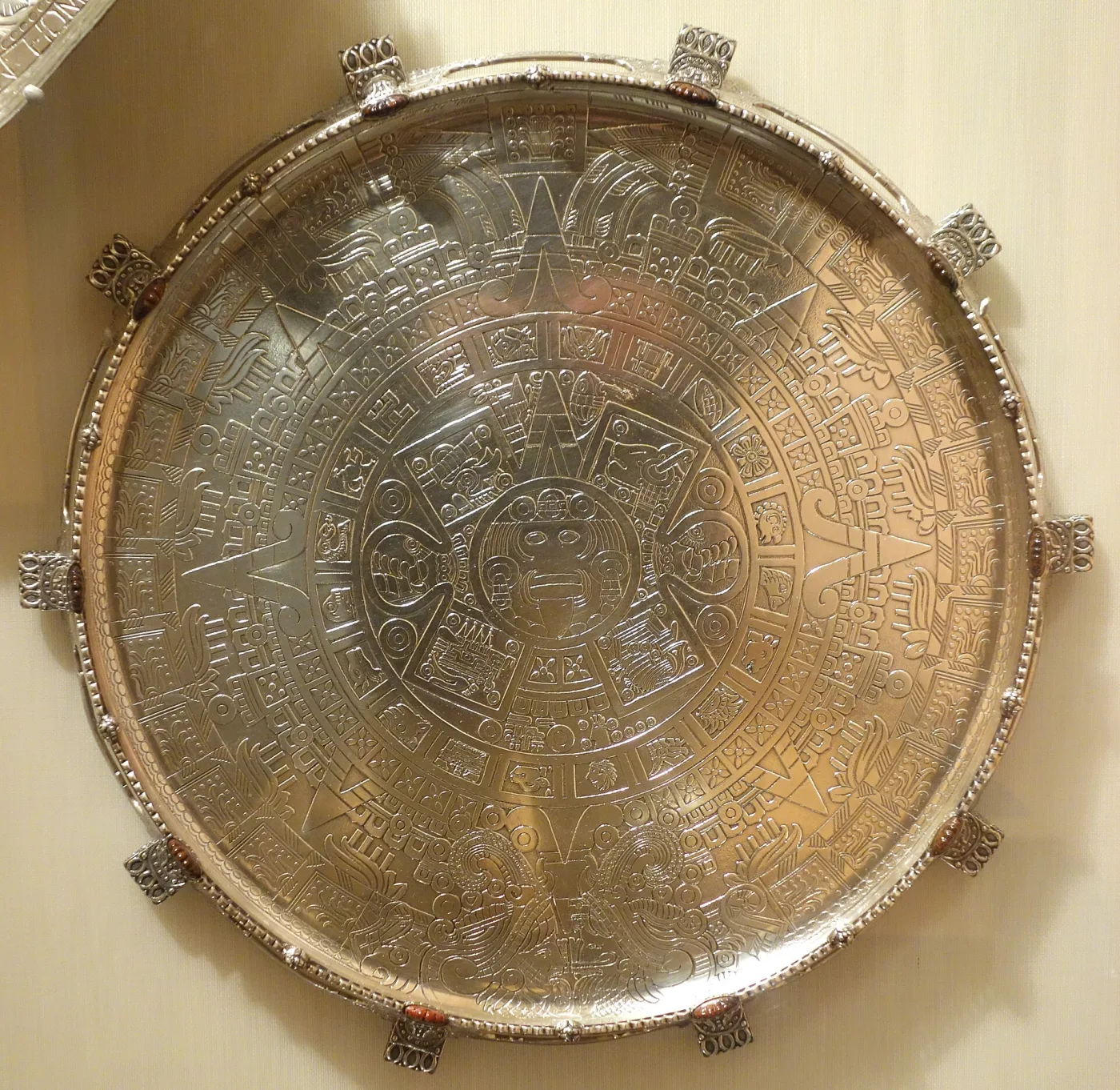
- Decorative Techniques: Engraving, repoussé work, and embossing common on metal trays
- Patina: Natural oxidation creates desirable patina on antique examples
- Repoussé: Decorative technique where metal is hammered from the reverse side
Brass and copper trays were often tinned on the interior to prevent tarnishing and contamination of food.
Pewter
Pewter was used for less expensive trays and salvers:
- Composition: Alloy primarily of tin with small amounts of copper, antimony, or lead
- Characteristics: Soft metal, gray color, develops patina over time
- History: Used from medieval times through 19th century, especially for everyday items
- Maker Marks: Often marked with maker's touch marks or stamps
Japanned and Painted Trays
Japanned trays feature painted decoration on metal or wood:
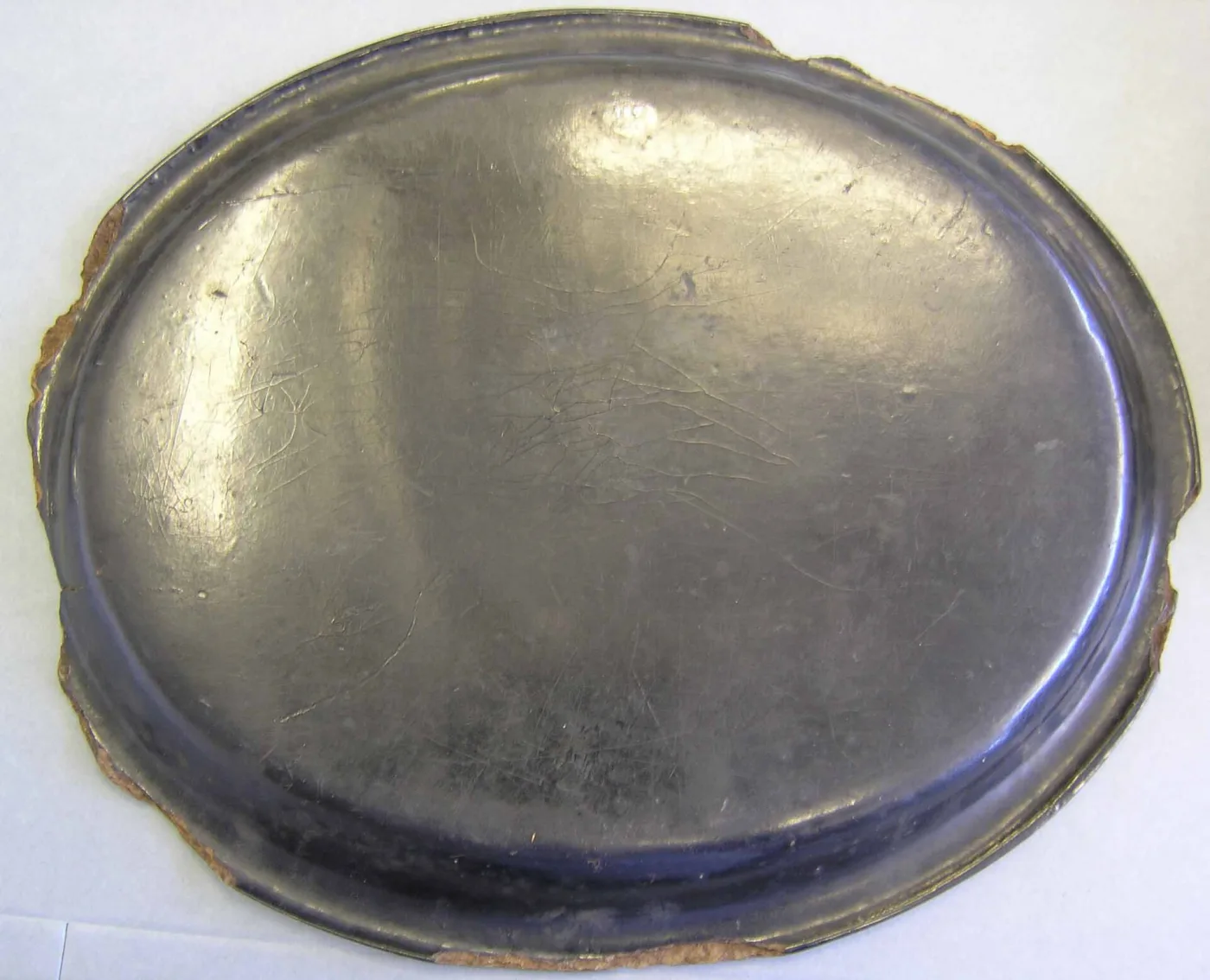
- Japanned Metal: Tin-plated iron or steel with painted and varnished decoration
- Papier-Mâché: Paper pulp molded into shapes, then japanned with decorative painting
- Designs: Often feature Asian-inspired designs, floral motifs, or scenic views
- Technique: Multiple layers of paint and varnish create depth and shine
- Condition Issues: Prone to chipping, cracking, and fading, requiring careful handling
Japanned trays were especially popular in the Victorian period and are highly collectible when in good condition.
Ceramic and Porcelain
Ceramic and porcelain trays offer decorative alternatives:
- Porcelain: Fine, translucent ceramic, often with painted decoration
- Earthenware: Coarser ceramic, may be decorated with transfer prints or hand-painting
- Majolica: Colorful glazed earthenware with raised decoration
- Use: Often used for specific purposes like serving specific foods or as decorative pieces
Silver Trays and Salvers: Identification and Hallmarks
Silver trays and salvers are among the most valuable and collectible types. Proper identification requires understanding hallmarks, maker marks, and silver standards used in different countries and periods.
British Hallmarks
British silver hallmarks provide comprehensive information for identification:
- Standard Mark: Indicates silver purity (Lion Passant for sterling, Britannia for higher standard)
- Assay Office Mark: Indicates where piece was assayed (London, Birmingham, Sheffield, Edinburgh, etc.)
- Date Letter: Letter in specific font and shape indicating year of manufacture
- Maker's Mark: Initials or symbol of the silversmith
- Sovereign's Head: Duty mark indicating tax was paid (1784-1890)
Understanding British hallmarks requires reference books or online databases to decode date letters and identify makers.
American Silver Marks
American silver marks are less standardized than British marks:
- Maker's Marks: Company names or initials (e.g., "TIFFANY & CO", "GORHAM", "REED & BARTON")
- Sterling Mark: "STERLING" or "925" indicating 92.5% silver content
- Company Marks: Often full company names rather than initials
- Pattern Names: Silver patterns often have names that help with dating
- Dating: Requires knowledge of company history and pattern production dates
Major American silver companies include Tiffany & Co., Gorham, Reed & Barton, Towle, and International Silver Company.
Continental European Silver
European silver marks vary by country and region:
- French Marks: Minerva head for sterling, maker marks, and date codes
- German Marks: Crescent and crown, maker marks, and city marks
- Dutch Marks: Lion, maker marks, and date letters
- Italian Marks: Variable marks depending on region and period
- Standards: Different purity standards (800, 835, 900, 925 fine)
Continental silver requires specialized knowledge of regional marking systems for accurate identification.
Silver Plate Identification
Silver-plated trays require different identification techniques:
- Sheffield Plate: Fused silver plating, look for worn edges revealing copper base
- Electroplate: Thinner plating, look for EPNS (Electro-Plated Nickel Silver) or EPBM marks
- Maker Marks: Companies like Elkington, Mappin & Webb, and others produced quality plate
- Wear Patterns: Plating wears differently than solid silver, showing base metal at edges
- Value: Silver plate generally less valuable than solid silver but can be collectible

Wooden Trays: Identification and Dating
Wooden trays are among the most common antique serving pieces. Identification requires understanding wood types, construction techniques, and period styles.
Wood Identification
Different woods were used during different periods and for different price points:
- Mahogany: Reddish-brown with interlocking grain, most common for quality Victorian trays
- Rosewood: Dark wood with distinctive black streaks, luxury material
- Walnut: Rich brown with sometimes figured grain, popular for Georgian and Victorian
- Oak: Strong, light to medium brown, used for sturdy everyday trays
- Pine: Light-colored softwood, often painted or japanned
- Ebony: Very dark, almost black wood, used for inlay and decoration
Wood identification helps with dating and value assessment, as some woods were more fashionable during specific periods.
Construction Techniques
Construction methods provide dating clues:
- Solid Construction: Made from solid wood boards, may show end grain
- Veneered Construction: Thin layer of fine wood over less expensive base wood
- Joinery: Look for dovetail joints, mortise-and-tenon, or modern screws
- Hand vs. Machine Made: Hand-planed surfaces vs. machine-sawn surfaces
- Hardware: Type of screws, nails, or fasteners can indicate period
Early trays show handcrafted characteristics, while later examples show machine production marks.
Decorative Techniques
Wooden trays often feature decorative elements:
- Inlay: Different woods or materials set into the surface
- Bandings: Decorative borders made from contrasting wood strips
- Stringing: Thin lines of contrasting wood set into the surface
- Marquetry: Decorative patterns created from different wood veneers
- Turned Handles: Handles turned on a lathe, often with decorative details
- Carved Decoration: Hand-carved motifs, borders, or monograms
The quality and type of decoration helps determine period and value.
Japanned Wooden Trays
Japanned decoration on wood was especially popular in the Victorian period:
- Technique: Multiple layers of paint and varnish create glossy, durable finish
- Designs: Asian-inspired motifs, floral patterns, scenic views, or geometric designs
- Colors: Often black backgrounds with gold, red, or multicolor decoration
- Condition: Prone to chipping, cracking, and wear, affecting value significantly
- Collectibility: Highly collectible when in good condition, especially with original decoration
Metal Trays: Brass, Copper, and Pewter
Metal trays made from brass, copper, and pewter offer durability and attractive appearance. Each metal has distinctive characteristics for identification.
Brass Trays
Brass was popular for Victorian and Edwardian trays:
- Appearance: Golden yellow color when polished, develops patina when aged
- Decorative Techniques: Engraving, repoussé work, and embossing common
- Construction: May be hand-hammered or machine-stamped
- Interior Coating: Often tinned on interior to prevent tarnishing and food contamination
- Handles: May have brass handles or handles made from other materials
- Value: Depends on decoration, size, and condition
Brass trays often feature elaborate repoussé decoration with floral, geometric, or naturalistic motifs.
Copper Trays
Copper trays were popular for both decorative and practical use:
- Appearance: Reddish color when new, develops green patina (verdigris) when aged
- Use: Often used for kitchen and utility purposes, but also decorative examples
- Decoration: May have hammered texture, engraved decoration, or repoussé work
- Tinning: Interior often tinned for practical food service
- Care: Requires regular polishing to maintain appearance
Pewter Trays
Pewter was used for less expensive trays, especially in earlier periods:
- Appearance: Gray color, develops dark patina over time
- Softness: Relatively soft metal, shows dents and scratches easily
- Marks: Often marked with maker's touch marks or stamps
- History: Used from medieval times through 19th century
- Collectibility: Less common than silver or brass, but collectible for historical interest
Ceramic and Porcelain Trays
Ceramic and porcelain trays offer decorative alternatives to metal and wood. Identification requires understanding ceramic types, maker marks, and decoration techniques.
Porcelain Trays
Porcelain trays were made by major ceramic manufacturers:
- Materials: Fine, translucent white ceramic, often with painted decoration
- Manufacturers: Companies like Wedgwood, Royal Worcester, Minton, and others
- Decoration: Hand-painted scenes, transfer prints, or gilded decoration
- Marks: Often marked with company marks, pattern names, and date codes
- Use: Often used for specific purposes or as decorative pieces
Earthenware Trays
Earthenware trays were more affordable alternatives:
- Materials: Coarser ceramic body, opaque when fired
- Decoration: Transfer prints, hand-painting, or simple glazed surfaces
- Use: Practical serving pieces for everyday use
Majolica Trays
Majolica offers colorful, decorative options:
- Technique: Colorful glazed earthenware with raised, molded decoration
- Designs: Naturalistic motifs including fruits, vegetables, shells, and flowers
- Manufacturers: Companies like Minton, Wedgwood, and others produced majolica
- Collectibility: Highly collectible, especially examples in good condition
Maker Identification and Hallmarks
Identifying the maker of a tray or salver significantly affects its value and collectibility. Understanding marking systems and maker identification is essential for proper evaluation.
Silver Maker Marks
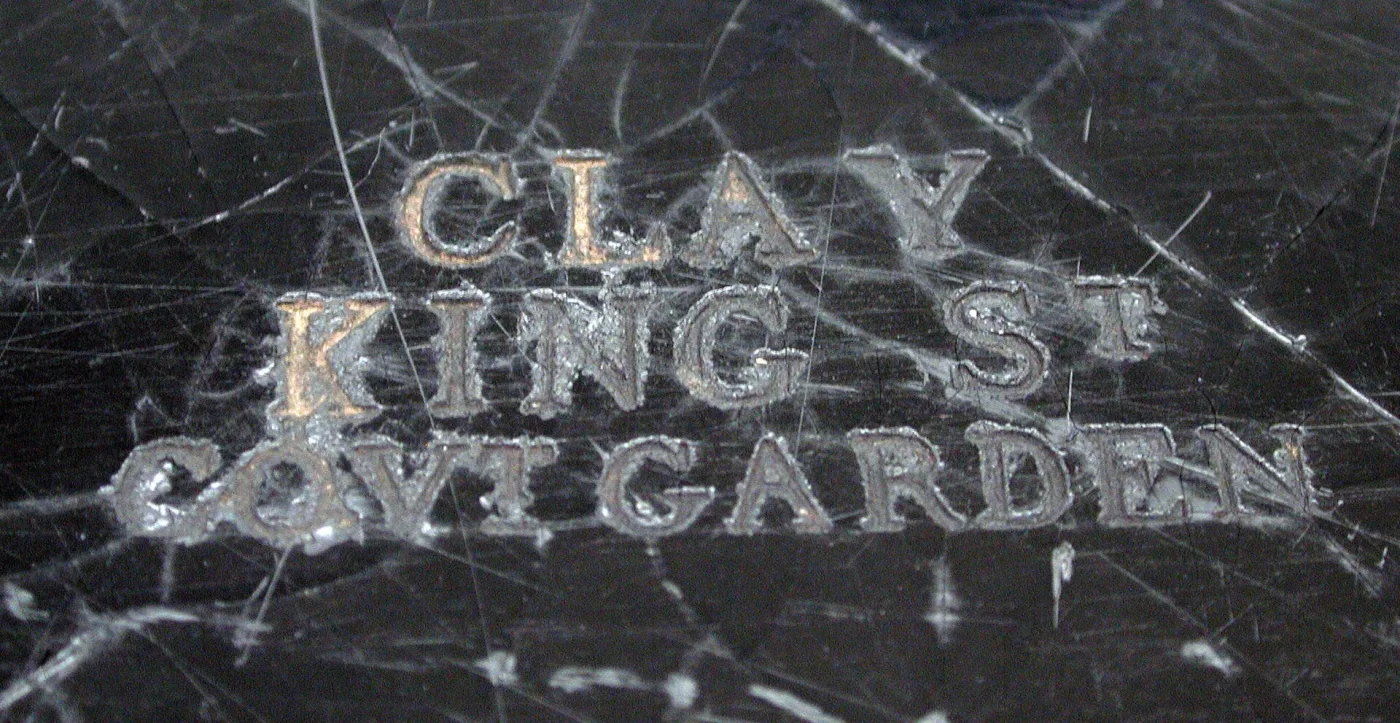
Silver trays and salvers are typically marked with maker's marks:
- British Makers: Famous makers include Paul Storr, Hester Bateman, Paul de Lamerie, and many others
- American Makers: Major companies include Tiffany & Co., Gorham, Reed & Barton, Towle, and International Silver
- Continental Makers: Numerous European makers, each with distinctive marks
- Research: Reference books and online databases essential for maker identification
- Value Impact: Famous makers significantly increase value
Wooden Tray Makers
Wooden trays are less frequently marked, but some have labels or stamps:
- Paper Labels: Some trays have paper labels that may survive in protected areas
- Stamps: Some manufacturers stamped their names on the bottom
- Retailer Marks: May have retailer labels or stamps
- Attribution: Often identified by style, construction, and wood type rather than marks
Metal Tray Makers
Brass and copper trays may have maker marks:
- Stamps: May have stamped maker names or symbols
- Engraved Marks: Some have engraved maker information
- Style Attribution: Often identified by decorative style and techniques
Research Resources
Various resources help with maker identification:
- Hallmark Reference Books: Essential for silver identification
- Online Databases: Digital resources for maker marks and hallmarks
- Museum Collections: Reference collections with documented examples
- Expert Consultation: Professional appraisers and dealers
Dating Techniques and Period Identification
Accurately dating a tray or salver requires examining multiple factors. No single characteristic is definitive, but together they provide strong evidence of age and period.
Style and Design Analysis
Design styles changed over time and can help date pieces:
- Georgian (1714-1830): Elegant proportions, classical motifs, refined decoration
- Victorian (1837-1901): Ornate decoration, naturalistic motifs, elaborate borders
- Edwardian (1901-1910): Refined Victorian style, slightly less ornate
- Art Nouveau (1890-1910): Flowing, organic forms, naturalistic decoration
- Art Deco (1920-1940): Geometric patterns, streamlined forms, bold designs
Construction Techniques for Dating
Manufacturing methods provide dating clues:
- Hand vs. Machine Production: Hand-crafted characteristics indicate earlier periods
- Joinery Methods: Dovetail joints, mortise-and-tenon indicate traditional construction
- Hardware: Type of screws, nails, and fasteners can indicate period
- Tool Marks: Hand-planed surfaces vs. machine-sawn surfaces
- Metalworking Techniques: Hand-hammered vs. machine-stamped metal
Material Characteristics
Materials and their characteristics help with dating:
- Silver Standards: Different purity standards used in different periods
- Plating Techniques: Sheffield plate vs. electroplate indicates different periods
- Wood Types: Popularity of different woods varied by period
- Finishes: Type of finish, varnish, or treatment can indicate period
Provenance and Documentation
Documentation and provenance help establish age:
- Ownership History: Provenance tracing back to original purchase
- Historical Documentation: Period photographs, letters, or records
- Family History: Oral or written family history of the piece
- Previous Collections: Ownership by known collectors or collections
Authenticity Assessment and Identifying Reproductions
Distinguishing authentic antique trays and salvers from reproductions is crucial for collectors. Modern reproductions are common, and some are quite sophisticated. Understanding the differences requires careful examination of multiple factors.
Key Indicators of Authenticity
Several characteristics indicate an authentic antique tray or salver:
- Age-Related Wear: Consistent, natural wear patterns appropriate for age
- Construction Methods: Traditional construction techniques consistent with period
- Material Characteristics: Materials and manufacturing consistent with period
- Historical Accuracy: Design elements consistent with period styles
- Hallmarks and Marks: Authentic, period-appropriate marks (for silver)
- Provenance: Documented history of ownership
Warning Signs of Reproductions
Red flags that may indicate a reproduction or fake:
- Modern Manufacturing: Machine production marks inconsistent with period
- Suspicious Marks: Hallmarks or marks that don't match known examples
- Inconsistent Style: Design elements from different periods mixed together
- Too Perfect Condition: Condition inconsistent with claimed age
- Modern Materials: Materials not available during claimed period
- Reproduction Patterns: Designs known to be modern reproductions
Common Types of Reproductions
Understanding common reproduction types helps with identification:
- Modern Copies: Contemporary recreations of classic designs
- Altered Modern Pieces: Contemporary items modified to appear older
- Fake Hallmarks: Modern pieces with fake or added hallmarks
- Composite Pieces: Parts from different pieces combined
- Replated Silver: Old silver plate re-plated to appear newer
Expert Authentication
For valuable pieces, professional authentication is recommended:
- Silver Appraisers: Experts specializing in silver identification
- Antique Dealers: Knowledgeable dealers with expertise in specific areas
- Museum Curators: Curators with relevant collections
- Hallmark Services: Services offering hallmark verification
Condition Evaluation and Restoration
The condition of a tray or salver significantly affects its value. Understanding different types of damage and how they impact value is essential for collectors.
Types of Damage and Their Impact
Trays and salvers can suffer various types of damage:
- Dents and Dings: Common on metal trays, may be repairable
- Scratches: Surface scratches that may polish out or may be permanent
- Wear: Normal wear from use, especially on bases and handles
- Tarnish and Oxidation: Natural tarnishing on silver and brass, usually cleanable
- Cracks and Breaks: Serious damage, especially on wood or ceramic
- Loss of Plating: Worn silver plate revealing base metal
- Missing Parts: Lost handles, feet, or decorative elements
- Japanned Decoration Loss: Chipped or worn painted decoration
Condition Grading
Various grading systems describe condition:
- Mint: Perfect condition, no damage or wear (extremely rare for antiques)
- Excellent: Minimal wear, no significant damage, may have minor surface wear
- Very Good: Some wear, minor scratches or scuffs, fully functional
- Good: Noticeable wear but no major damage, may need cleaning or minor repair
- Fair: Significant wear or minor damage, functional but showing age
- Poor: Major damage affecting appearance or functionality
Restoration and Conservation
Some damage can be addressed through restoration:
- Polishing: Removing tarnish and restoring shine to metal surfaces
- Dent Removal: Professional removal of dents from metal trays
- Replating: Re-plating worn silver plate (may reduce value)
- Wood Repair: Repairing cracks, replacing handles, or refinishing
- Japanned Restoration: Repainting damaged japanned decoration (requires expertise)
However, extensive restoration may reduce value, especially if it alters the original character. Full disclosure of restoration is essential for ethical collecting.
Factors Affecting Condition Value
How condition affects value depends on several factors:
- Rarity: Rare pieces may be valuable even with damage
- Type of Damage: Some damage is more acceptable than others
- Restorability: Whether damage can be effectively addressed
- Original Purpose: Functional damage less important for purely decorative pieces
- Historical Significance: Important pieces may retain value despite condition
Value Assessment and Market Factors
Determining the value of antique trays and salvers requires understanding multiple factors that influence market prices. Values can range from under $50 for common examples to tens of thousands for rare, high-quality silver salvers.
Primary Value Factors
Several key factors determine tray and salver value:
- Material: Silver generally most valuable, followed by quality woods and metals
- Maker: Famous makers significantly increase value, especially for silver
- Age and Period: Earlier periods often more valuable, especially Georgian silver
- Condition: Condition directly impacts value, especially for high-end pieces
- Rarity: Rare types, sizes, or designs command premium prices
- Decoration: Quality and extent of decoration affects value
- Provenance: Documented history can significantly increase value
- Size: Larger pieces often more valuable, especially silver salvers
Market Value Ranges
Understanding typical value ranges helps set expectations:
- Common Wooden Trays: $50-$300 for typical Victorian tea trays
- Quality Wooden Trays: $300-$1,000 for well-made examples with good decoration
- Brass and Copper Trays: $100-$500 for decorative examples
- Silver Plate Trays: $200-$1,500 depending on size and quality
- Sterling Silver Trays: $500-$5,000+ depending on maker, age, and condition
- Georgian Silver Salvers: $2,000-$20,000+ for quality examples
- Rare or Exceptional: Can exceed $50,000 for museum-quality pieces
These ranges are general guidelines; actual values depend on specific characteristics and market conditions.
Market Trends and Influences
Tray and salver values are influenced by various market factors:
- Collector Interest: Current trends in collecting preferences
- Economic Conditions: Overall economic health affects luxury collectibles
- Design Trends: Period styles currently fashionable in interior design
- Exhibition and Publication: Public exposure can increase interest and value
- Supply and Demand: Availability of similar pieces affects prices
Valuation Methods
Professional appraisers use various methods:
- Comparative Sales: Recent auction results for similar pieces
- Market Analysis: Current dealer prices and asking prices
- Expert Assessment: Professional evaluation of characteristics
- Replacement Value: Cost to replace with similar quality piece
Professional appraisals are recommended for insurance, estate planning, or significant purchases.
Collecting Tips and Best Practices
Building a meaningful collection of antique trays and salvers requires knowledge, patience, and careful consideration. Following best practices helps ensure successful collecting and long-term enjoyment.
Getting Started as a Collector
New collectors should focus on building knowledge before making significant purchases:
- Study and Research: Learn about tray history, materials, and identification
- Examine Authentic Examples: Visit museums, collections, antique shops, and dealers
- Start Small: Begin with affordable examples to learn
- Join Organizations: Collector societies and organizations offer education and networking
- Read Reference Books: Build a library of authoritative references on silver, furniture, and decorative arts
What to Look For When Collecting
Focus on quality and authenticity over quantity:
- Condition: Buy the best condition you can afford
- Authenticity: Verify authenticity before purchasing, especially for silver
- Quality: Look for superior craftsmanship and materials
- Provenance: Prefer pieces with documentation or history when possible
- Personal Preference: Collect what you genuinely appreciate and will enjoy
- Functionality: Consider whether you'll use pieces or display them
Common Mistakes to Avoid
Avoid these pitfalls that can lead to disappointment:
- Buying Without Research: Impulse purchases often lead to problems
- Ignoring Condition: Damage significantly affects value and enjoyment
- Overpaying: Research market values before purchasing
- Neglecting Documentation: Keep records of purchases, provenance, and appraisals
- Relying on Marks Alone: Marks can be faked; examine all characteristics
- Ignoring Restoration: Understand what restoration has been done and how it affects value
Building Your Collection
Develop a collecting focus that suits your interests and budget:
- By Material: Focus on silver, wood, brass, or specific materials
- By Type: Collect specific types (tea trays, salvers, breakfast trays, etc.)
- By Period: Focus on specific historical periods (Georgian, Victorian, etc.)
- By Maker: Collect pieces by specific makers or companies
- By Style: Focus on specific decorative styles or themes
- Quality Over Quantity: Fewer, better pieces than many mediocre ones
Caring for Your Collection
Proper care preserves value and ensures long-term enjoyment:
- Storage: Store in dry, stable conditions away from direct sunlight
- Cleaning: Use appropriate cleaning methods for each material
- Display: Display securely, protecting from damage and excessive handling
- Silver Care: Regular polishing or tarnish prevention for silver
- Wood Care: Occasional polishing with appropriate wood products
- Brass and Copper: Regular polishing to maintain appearance or allow natural patina
- Insurance: Insure valuable collections appropriately
Using Digital Tools for Identification
Modern technology can assist with identification:
- Antique Identifier App: AI-powered identification from photographs
- Online Databases: Reference collections, auction archives, and hallmark databases
- Magnification Tools: Digital microscopes or loupes for examining details
- Comparison Tools: Side-by-side comparison with known examples
While digital tools are helpful, they complement rather than replace traditional knowledge and expert consultation.
Conclusion
Antique serving tray and salver identification is a fascinating field that combines historical knowledge, technical understanding, and aesthetic appreciation. These beautiful objects represent the evolution of dining customs, social practices, and decorative arts from the 17th century through the early 20th century. Identifying them requires careful examination of multiple characteristics including materials, construction techniques, maker marks, decorative styles, and condition.
The world of antique trays and salvers offers incredible variety, from the elegant Georgian silver salvers of Paul Storr to the ornate Victorian japanned tea trays and the functional brass waiter trays. Each piece tells a story of craftsmanship, social history, and design evolution. Whether you're a seasoned collector or just beginning to explore this fascinating field, understanding identification techniques opens the door to deeper appreciation and more confident collecting.
Remember that tray and salver identification often requires multiple pieces of evidence working together. A single characteristic is rarely definitive, but when combined with other indicators—materials analysis, style examination, maker identification, construction techniques, and condition assessment—it provides a clear picture of an item's age, origin, and value. The journey of learning to identify antique serving pieces is as rewarding as building a collection, filled with discovery, appreciation, and the satisfaction of understanding these beautiful works of art.
As you explore the world of antique trays and salvers, remember that even experts continue learning and that careful study, hands-on examination, and consultation with knowledgeable dealers, appraisers, and collectors are essential to developing expertise. The Antique Identifier app can provide a helpful starting point for identification, but traditional knowledge, reference materials, and expert consultation remain invaluable for serious collectors. Whether you're drawn to the elegance of silver salvers, the warmth of mahogany tea trays, or the decorative appeal of japanned pieces, the world of antique serving trays and salvers offers endless opportunities for discovery and collecting enjoyment.