Antique Rugs Identification: Complete Guide 2026
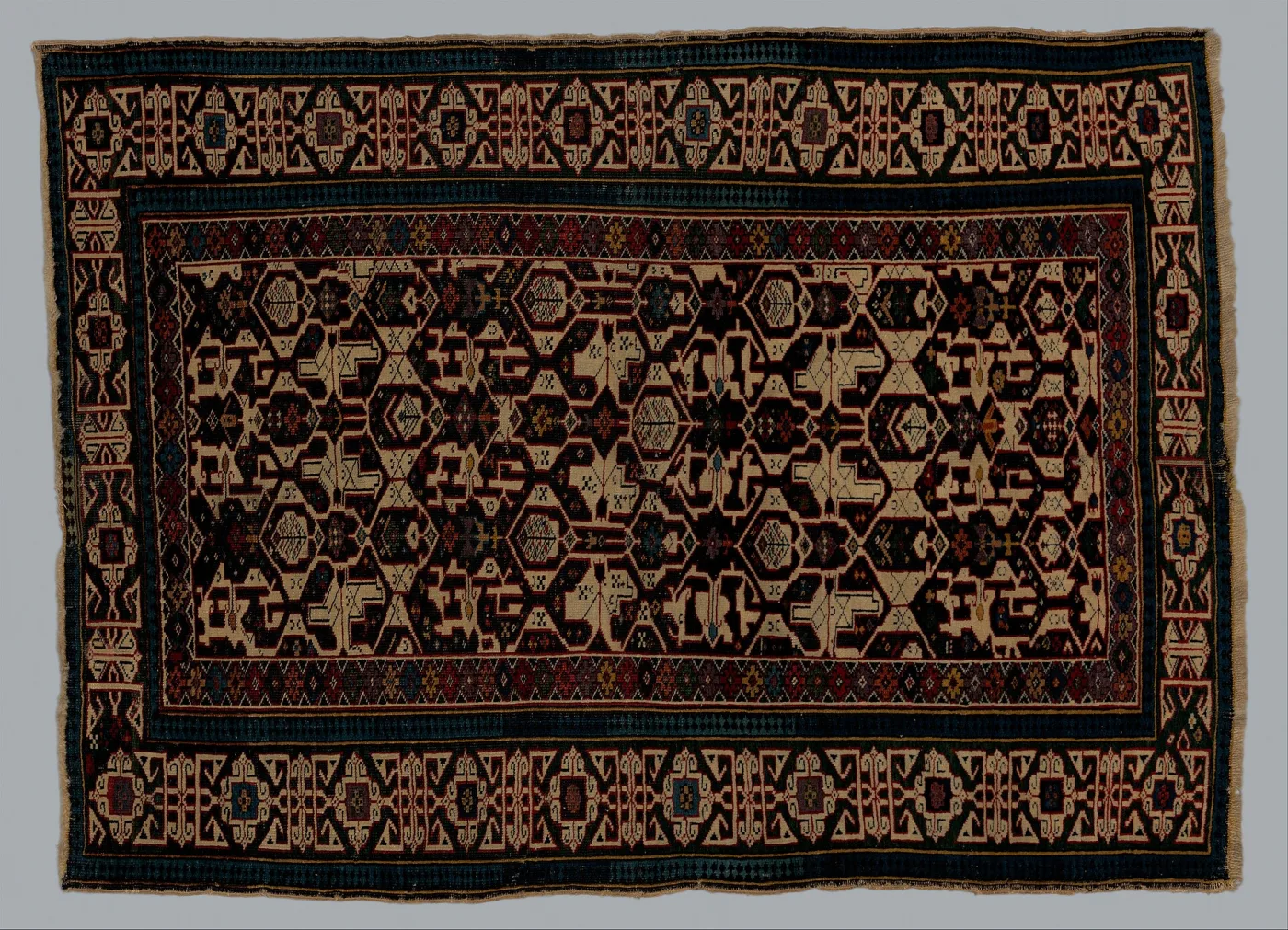
Identifying antique rugs is a specialized skill that combines art historical knowledge with technical understanding of weaving techniques. Whether you're a seasoned collector or just beginning to explore the world of antique textiles, this comprehensive guide will provide you with the knowledge and tools you need to identify, authenticate, and value antique rugs. In the digital age, tools like the Antique Identifier app can provide instant AI-powered identification, but understanding the fundamentals of rug construction and design is crucial for any serious collector.
Table of Contents
What Are Antique Rugs?
An antique rug is generally defined as a hand-woven textile that is at least 100 years old, though some experts consider rugs from the 19th century as antique. These textiles represent centuries of cultural tradition, artistic expression, and master craftsmanship. The key characteristics that make a rug truly antique include:
- Age: Typically 100+ years old, with some dating back several centuries
- Hand-crafted: Woven entirely by hand using traditional techniques
- Natural materials: Wool, silk, cotton, and natural dyes
- Cultural significance: Reflects the traditions and aesthetics of their region of origin
- Historical value: Documents weaving techniques and design evolution
Understanding what makes a rug antique helps collectors distinguish between genuine antiques, vintage pieces, and modern reproductions. This knowledge is essential for proper identification and valuation.
Construction Fundamentals
1. Basic Weaving Structure
Every hand-woven rug consists of three fundamental components:
- Warp: Vertical foundation threads that run the length of the rug
- Weft: Horizontal threads that interlace with the warp
- Pile: The visible surface created by knots tied around the warp threads
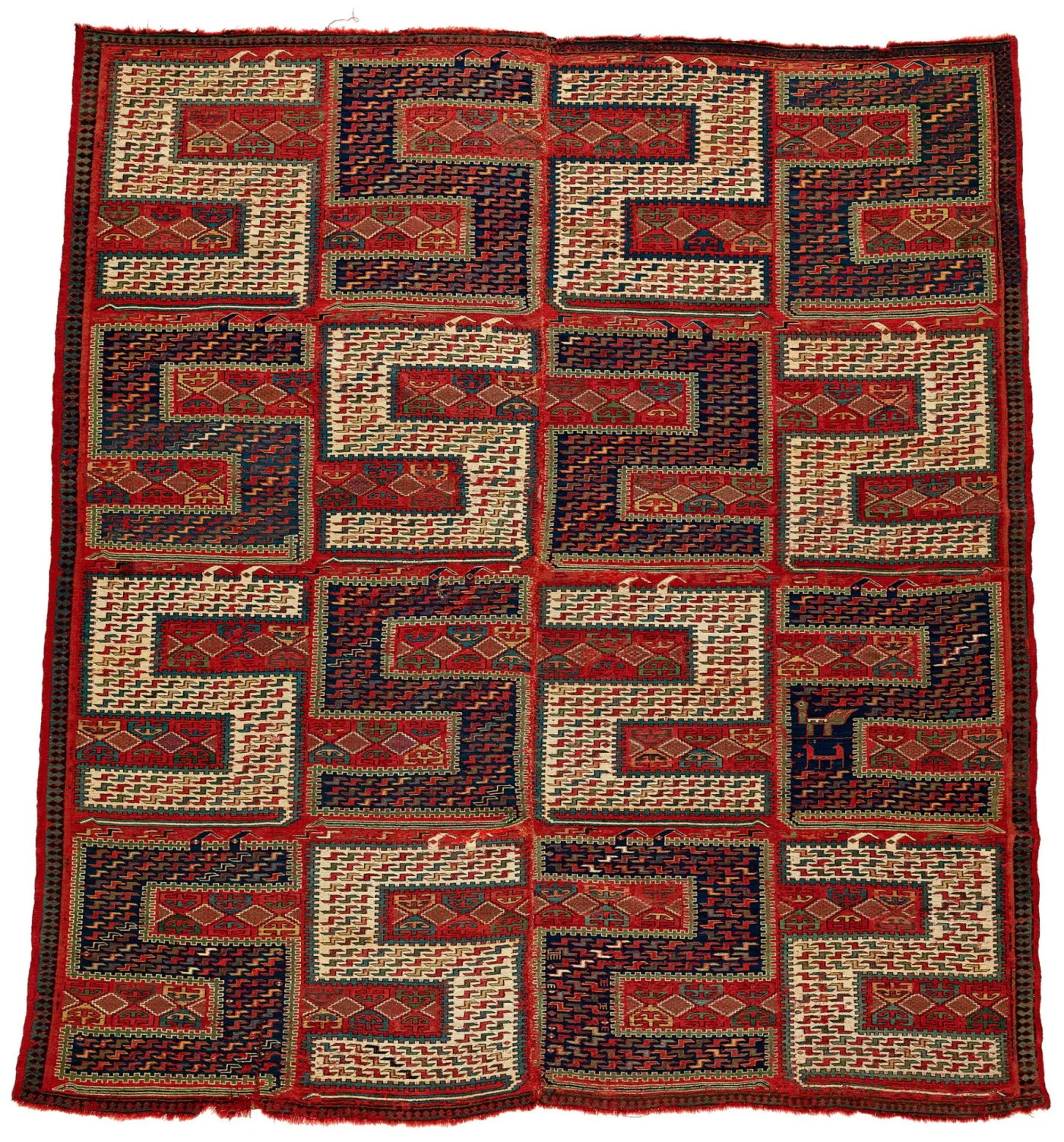
2. Knot Types and Their Significance
The type of knot used is one of the most important identification factors:
Turkish (Ghiordes) Knot
- Symmetrical knot that wraps around two warp threads
- Creates a more rigid, durable structure
- Common in Anatolian, Caucasian, and some Persian rugs
- Produces a distinctive "stepped" appearance on the back
Persian (Senneh) Knot
- Asymmetrical knot that wraps around one warp thread
- Allows for more detailed, curvilinear designs
- Traditional in Persian, Indian, and some Central Asian rugs
- Creates a smoother, more flexible pile
Jufti Knot
- Knot that wraps around four warp threads instead of two
- Used to create thicker, more durable rugs
- Common in tribal and nomadic weavings
- Can indicate specific regional traditions
3. Foundation Materials
The materials used in the foundation affect both appearance and durability:
- Wool warps: Traditional, flexible, but can stretch over time
- Cotton warps: More stable, common in workshop rugs
- Silk warps: Luxurious, used in fine workshop pieces
- Goat hair: Used for selvedges in some tribal rugs
4. Edge and End Finishes
These details provide important regional and authenticity clues:
- Selvedges: The finished edges that prevent unraveling
- Fringes: Warp ends that extend beyond the rug
- Kilim ends: Flat-woven sections at the beginning and end
- Overcasting: Wrapped edges that protect vulnerable areas
Knotted Oriental rugs are one major tradition, but North American collectors also pursue antique hooked rugs, which are made by pulling loops through a burlap or linen backing rather than tying knots—a fundamentally different construction with its own dating and attribution methodology.
Rug Identification Methods
1. Visual Examination
The first step in rug identification is a thorough visual examination:
- Front examination: Study the design, colors, and overall composition
- Back examination: Analyze knot density, foundation structure, and any repairs
- Edge examination: Look at selvedges, fringes, and end finishes
- Texture analysis: Feel the pile height, density, and overall quality
2. Technical Analysis
Use magnification and measurement tools for detailed analysis:
- Knot density: Count knots per square inch (KPSI) for quality assessment
- Pile height: Measure from foundation to pile surface
- Foundation count: Count warp and weft threads per inch
- Knot symmetry: Examine knot consistency and regularity
3. Material Testing
Various tests can help identify materials and age:
- Burn test: Wool smells like burning hair, cotton like burning paper
- Dye testing: Natural dyes age differently than synthetic ones
- Fiber analysis: Microscopic examination of fiber structure
- Chemical testing: Professional analysis for precise identification
Regional Styles and Origins
1. Persian Rugs
Persian rugs represent the pinnacle of Oriental carpet weaving:
- Tabriz: Known for detailed pictorial designs and fine workmanship
- Isfahan: Famous for silk rugs with intricate floral patterns
- Kashan: Produces medallion rugs with sophisticated designs
- Qum: Specializes in silk rugs with fine detail work
- Heriz: Known for geometric medallion designs and durability
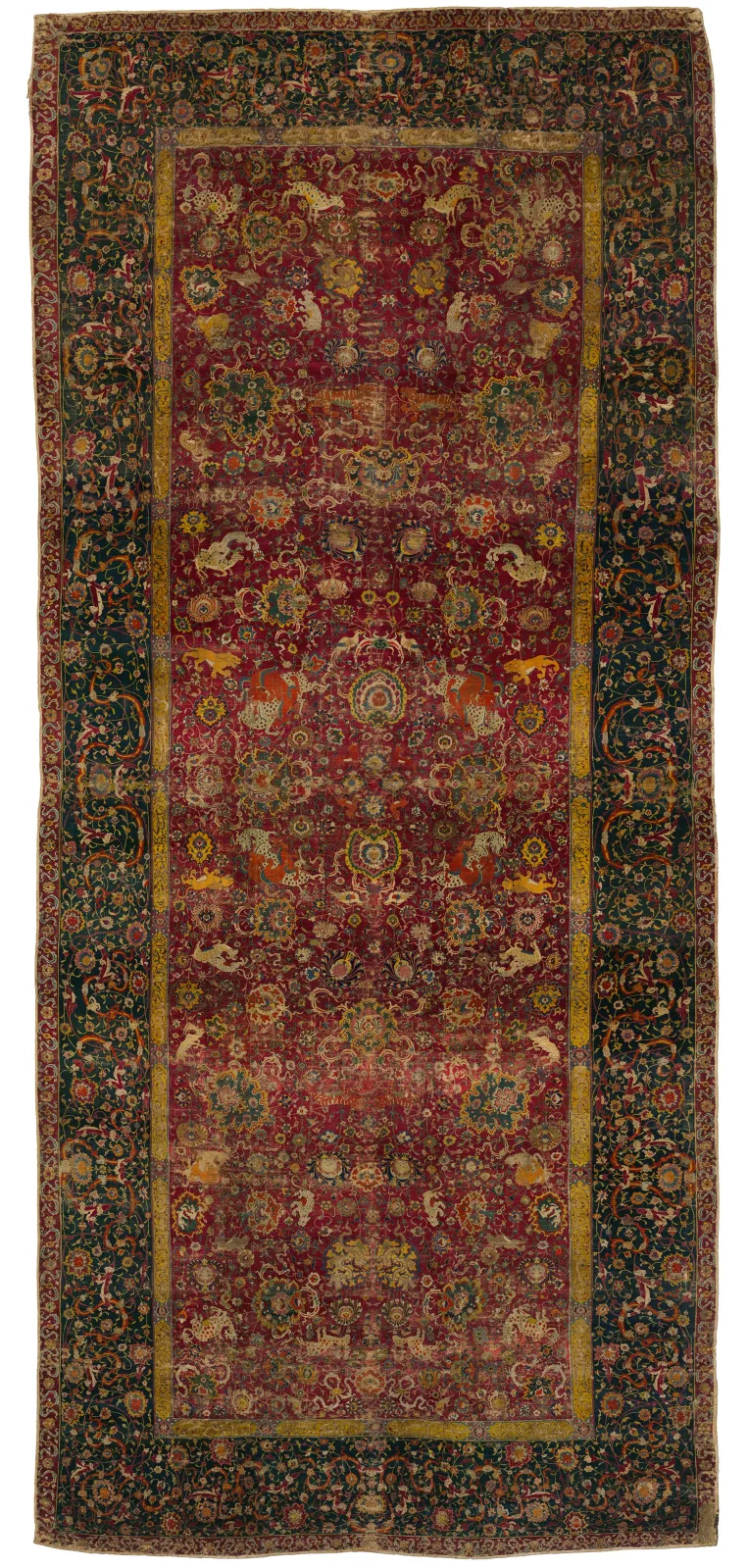
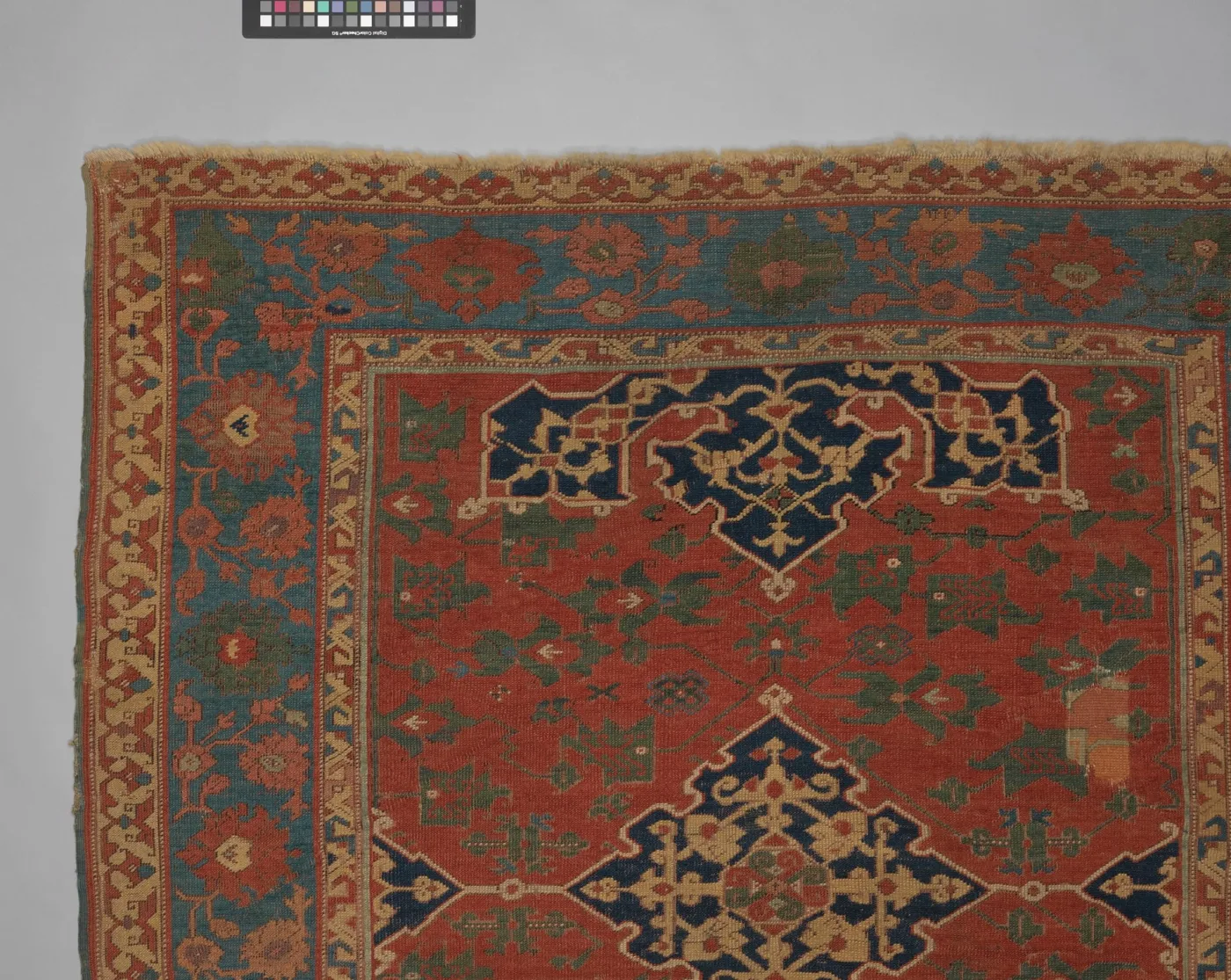
2. Anatolian (Turkish) Rugs
Turkish rugs feature distinctive geometric and floral patterns:
- Hereke: Luxury silk rugs with Ottoman court designs
- Oushak: Large-scale floral patterns in muted colors
- Konya: Tribal rugs with geometric designs
- Gordes: Prayer rugs with distinctive mihrab designs
3. Caucasian Rugs
Caucasian rugs are known for their bold geometric designs:
- Kazak: Large geometric medallions with strong colors
- Shirvan: Smaller geometric patterns in sophisticated designs
- Karabagh: Floral and geometric combinations
- Dagestan: Fine geometric patterns with detailed borders
4. Central Asian Rugs
Central Asian rugs reflect nomadic and tribal traditions:
- Turkmen: Known for gul motifs and deep red colors
- Afghan: Bold geometric designs with tribal patterns
- Baluch: Dark colors with geometric and floral motifs
- Kazakh: Large-scale geometric designs
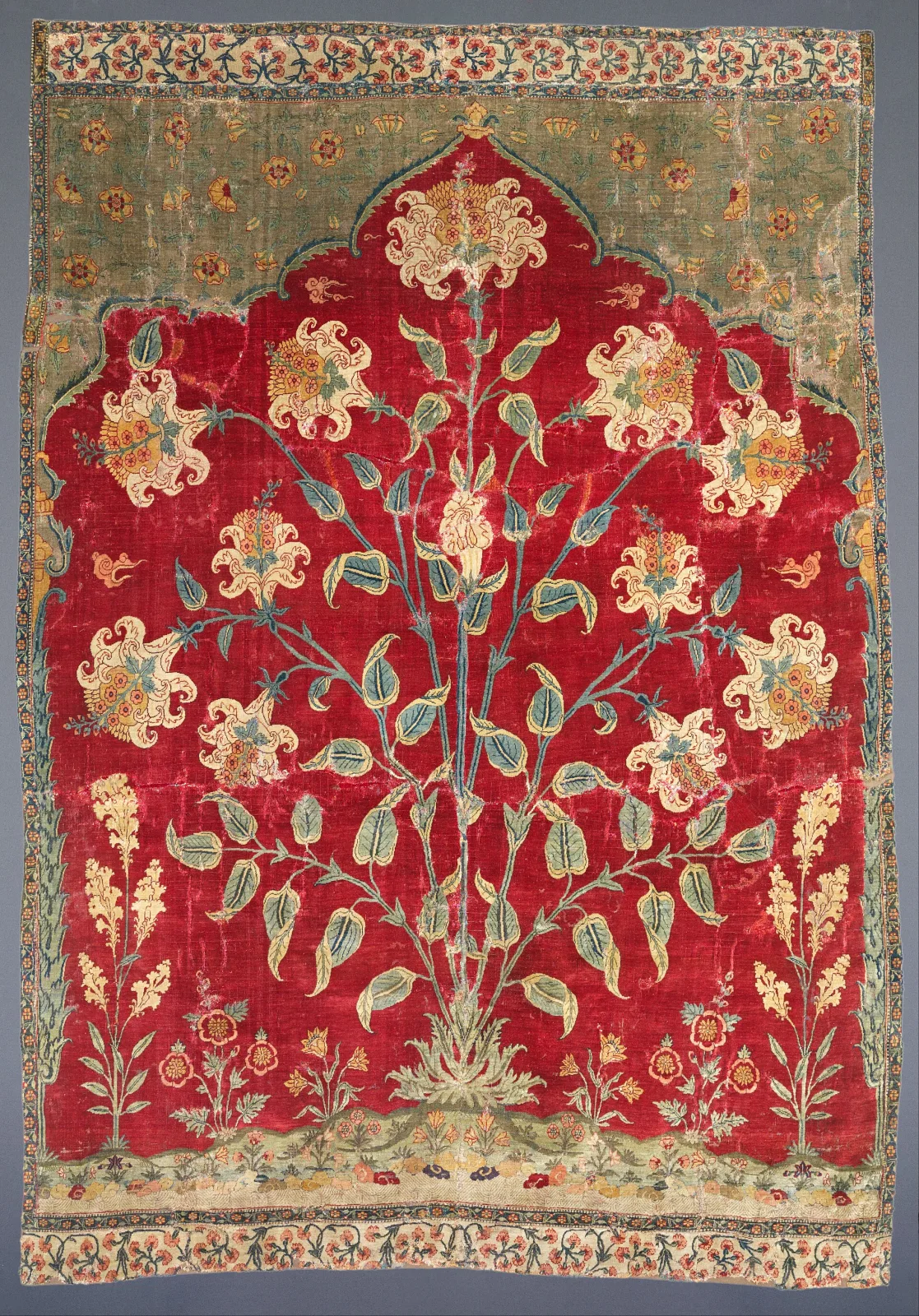
5. Indian and Pakistani Rugs
These regions produce rugs influenced by Persian and Mughal traditions:
- Mughal rugs: Floral designs with sophisticated color palettes
- Kashmir: Fine silk rugs with detailed workmanship
- Lahore: Large-scale floral patterns
- Agra: Traditional Persian-inspired designs

Design Motifs and Patterns
1. Central Medallion Designs
Medallion designs are among the most common and recognizable rug patterns:
- Shah Abbasi: Large central medallion with corner quarter-medallions
- Herati: Fish-in-pond pattern with small fish motifs
- Gul: Octagonal motifs characteristic of Turkmen rugs
- Boteh: Seed or leaf motif, precursor to the paisley pattern
2. Prayer Rug Designs
Prayer rugs feature distinctive architectural elements:
- Mihrab: Arch-shaped field representing the prayer niche
- Prayer field: Central area for prayer positioning
- Border patterns: Decorative elements surrounding the prayer area
- Directional indicators: Elements that indicate prayer direction
3. Floral and Garden Patterns
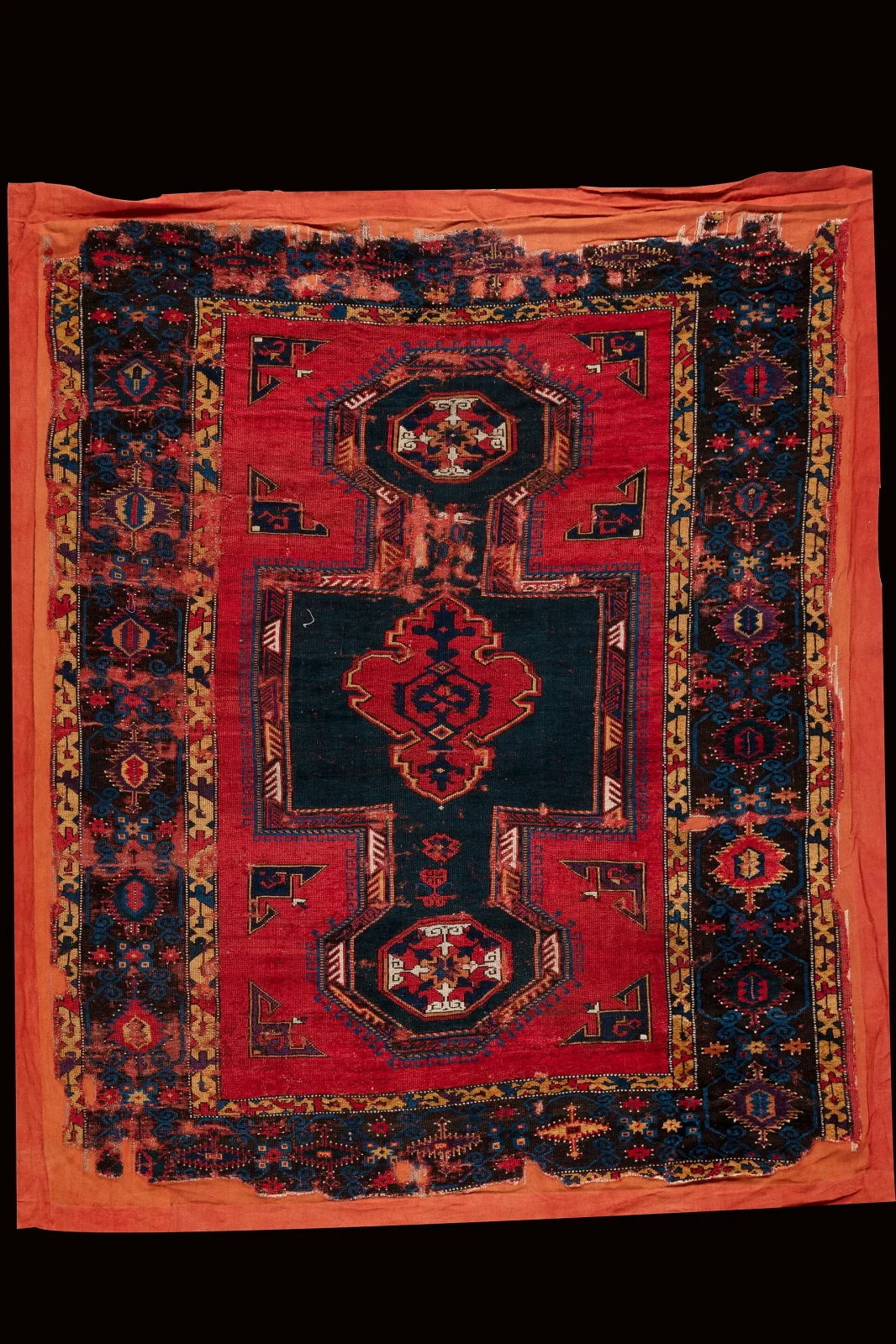
These patterns reflect the Islamic love of gardens and nature:
- Garden carpets: Depicting formal gardens and water features
- Tree of life: Symbolic tree with spiritual significance
- Vase designs: Floral arrangements emerging from vases
- Scroll patterns: Flowing vine and leaf motifs
4. Geometric Patterns
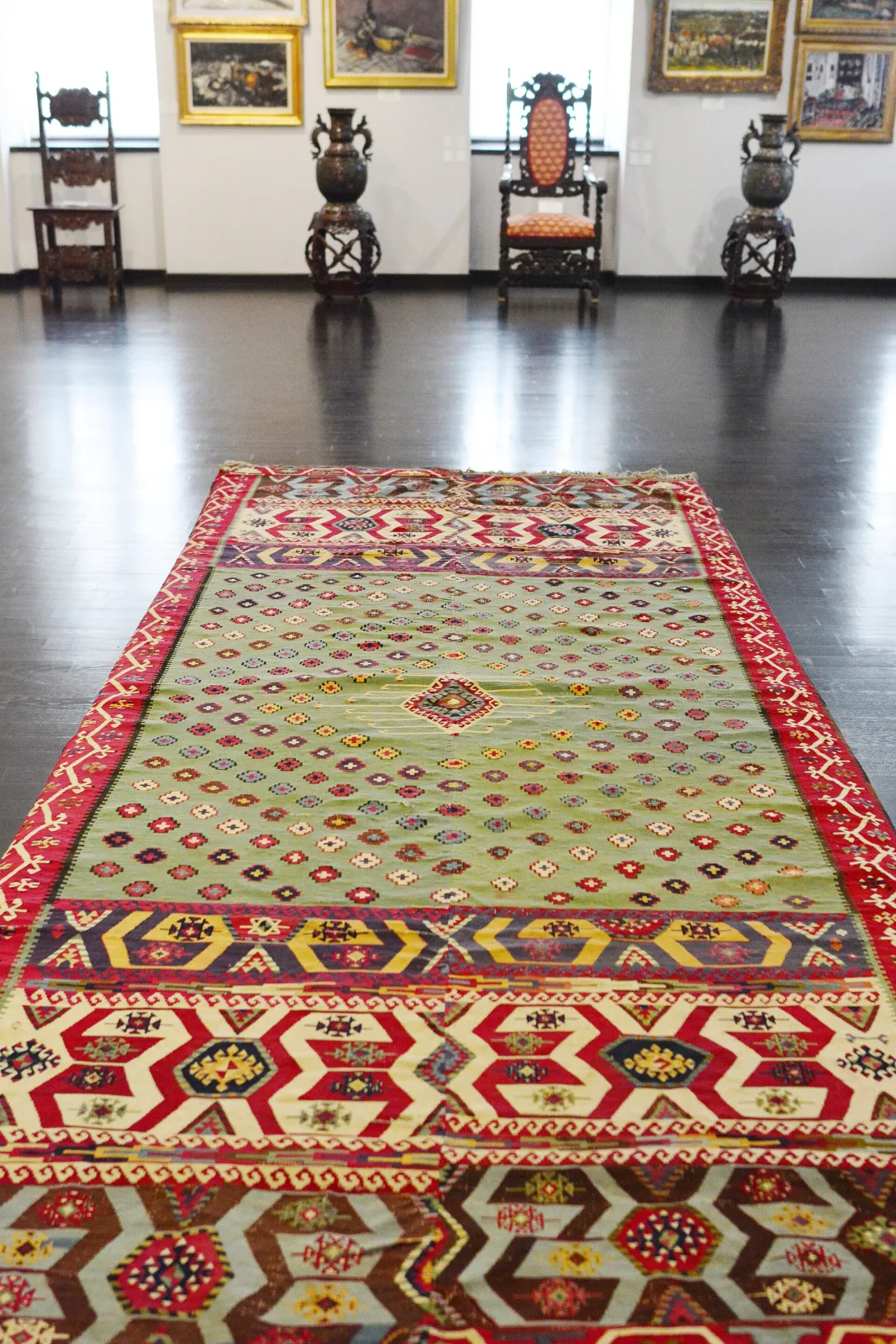
Geometric designs are characteristic of tribal and nomadic weavings:
- Diamond patterns: Repeating diamond shapes in various sizes
- Hexagonal motifs: Six-sided geometric forms
- Stepped patterns: Geometric designs with stepped edges
- Interlocking motifs: Geometric forms that fit together
5. Border Patterns
Borders provide important design and regional information:
- Running dog: Continuous border pattern with repeating elements
- Reciprocal trefoil: Three-lobed pattern that repeats
- Palmettes: Stylized palm leaf motifs
- Cartouches: Decorative frames containing inscriptions or motifs
Materials and Dyes
1. Natural Fibers
The choice of fiber affects both appearance and durability:
- Wool: Most common fiber, provides warmth and durability
- Silk: Luxurious fiber for fine detail work
- Cotton: Used in foundations and some pile weavings
- Goat hair: Used for selvedges and some tribal rugs
2. Natural Dyes
Traditional natural dyes age beautifully and provide authenticity clues:
- Madder: Produces various shades of red, from pink to deep burgundy
- Indigo: Creates blues ranging from light to deep navy
- Weld: Produces bright yellow colors
- Cochineal: Creates rich red and pink shades
- Walnut: Produces browns and blacks
- Pomegranate: Creates yellow and tan shades
3. Synthetic Dyes
Understanding synthetic dyes helps with dating and authenticity:
- Aniline dyes: Introduced in the late 19th century
- Chrome dyes: More stable than aniline, introduced in the 1920s
- Acid dyes: Modern dyes with excellent colorfastness
- Reactive dyes: Contemporary dyes with superior performance
4. Dye Aging and Abrash
Natural aging provides important authenticity indicators:
- Abrash: Color variations within the same dye lot
- Patina: Softening of colors over time
- Fading: Gradual lightening of colors
- Color migration: Movement of dyes between areas
Dating Techniques
1. Historical Context
Understanding historical events helps with dating:
- Political changes: Changes in rulers and dynasties
- Trade routes: Development of international trade
- Technological advances: Changes in weaving technology
- Economic factors: Periods of prosperity or hardship
2. Style Evolution
Design styles evolved over time, providing dating clues:
- 16th-17th centuries: Sophisticated court designs with detailed workmanship
- 18th century: Transitional period with mixed influences
- 19th century: Revival of traditional patterns with workshop production
- Early 20th century: Introduction of synthetic dyes and commercial production
3. Technical Indicators
Construction techniques provide dating information:
- Foundation materials: Cotton warps became more common in the 19th century
- Knot density: Generally increased over time with better tools
- Edge finishes: Machine overcasting indicates 20th century production
- Back appearance: Older rugs often have more irregular backs
Condition Assessment
1. Structural Condition
Evaluate the foundation and overall structure:
- Warp condition: Check for broken or weakened warp threads
- Weft stability: Ensure weft threads are secure
- Knot security: Check for loose or missing knots
- Edge integrity: Examine selvedges and fringes
2. Surface Condition
Assess the pile and decorative elements:
- Pile wear: Check for threadbare areas and traffic lanes
- Color stability: Test for dye bleeding and fading
- Moth damage: Look for holes and fiber loss
- Staining: Identify water, oil, or other stains
3. Repairs and Alterations
Document any previous work or modifications:
- Reweaving: Professional repairs that restore missing areas
- Overcasting: Edge repairs to prevent further damage
- Backing: Fabric or canvas backing for support
- Color restoration: Touch-up work on faded areas
4. Conservation Considerations
Proper care and storage are essential:
- Humidity control: Maintain 45-55% relative humidity
- Light protection: Avoid direct sunlight and UV exposure
- Regular rotation: Move rugs to prevent uneven wear
- Professional cleaning: Use experts for valuable pieces
Value Determination
1. Factors Affecting Value
Multiple factors influence antique rug value:
- Age: Generally, older rugs are more valuable
- Rarity: Unusual designs or rare regional types
- Condition: Original condition with minimal damage
- Provenance: Documented history and ownership
- Workmanship: Quality of weaving and design execution
- Materials: Use of fine materials like silk
2. Market Considerations
Current market conditions affect value:
- Collector demand: Interest in specific types or regions
- Economic factors: Overall market conditions and trends
- Supply availability: Rarity of similar pieces on the market
- Cultural significance: Historical or artistic importance
3. Valuation Methods
Professional appraisers use several approaches:
- Comparable sales: Recent auction results and dealer prices
- Replacement cost: Cost to create a similar piece
- Condition adjustment: Modifications for current condition
- Market analysis: Current trends and demand patterns
Digital Tools for Rug Identification
1. AI-Powered Apps
Modern technology has revolutionized rug identification:
- Antique Identifier App: Instant AI-powered identification from photos
- Pattern recognition: Compare designs with vast databases
- Style matching: Identify regional styles and periods
- Condition assessment: AI analysis of wear and damage
2. Online Databases
Digital resources for research and comparison:
- Museum collections: High-resolution images and detailed descriptions
- Auction archives: Historical sales data and pricing
- Collector forums: Community knowledge and experience sharing
- Expert blogs: Specialized knowledge and current trends
3. Virtual Reality and 3D Scanning
Emerging technologies in rug identification:
- 3D modeling: Detailed examination of complex weavings
- Virtual restoration: See rugs in their original condition
- Comparative analysis: Side-by-side rug comparison
- Digital archiving: Preservation of rug information
Expert Tips and Best Practices
1. Building Your Knowledge Base
- Study period-specific rug books and catalogs
- Visit museums with extensive textile collections
- Attend antique shows and rug auctions
- Join collector organizations and online forums
- Take courses in textile history and rug identification
2. Developing Your Eye
- Examine as many authentic antique rugs as possible
- Learn to recognize quality materials and craftsmanship
- Understand the difference between age and wear
- Study the evolution of regional styles and designs
- Practice identifying knot types and construction methods
3. Avoiding Common Mistakes
- Don't rely solely on online research
- Beware of "too good to be true" deals
- Always verify provenance claims
- Get professional appraisals for valuable pieces
- Understand that condition significantly affects value
- Don't clean valuable rugs without professional advice
4. Using Technology Wisely
- Use AI apps like Antique Identifier as a starting point
- Verify AI identifications with traditional methods
- Combine digital tools with expert consultation
- Keep up with new identification technologies
- Use digital tools for research and comparison
5. Professional Consultation
- Build relationships with reputable dealers and appraisers
- Seek expert opinions for significant purchases
- Use professional conservators for valuable pieces
- Join professional organizations and attend conferences
- Network with other collectors and experts
Conclusion
Antique rug identification is a skill that develops over time through study, practice, and experience. While modern tools like the Antique Identifier app can provide instant insights, they work best when combined with traditional knowledge and expert consultation. Remember that every antique rug tells a story, and the more you learn about identification techniques, the better you'll become at uncovering those stories.
Whether you're using traditional methods or cutting-edge technology, the key to successful rug identification is patience, research, and a willingness to learn. Start with the basics, build your knowledge gradually, and don't hesitate to seek expert advice when needed. The world of antique rugs is rich with history, artistry, and cultural significance, and proper identification is the key to appreciating and preserving these remarkable textiles.