
Complete Guide to Antique Restoration and Conservation 2026
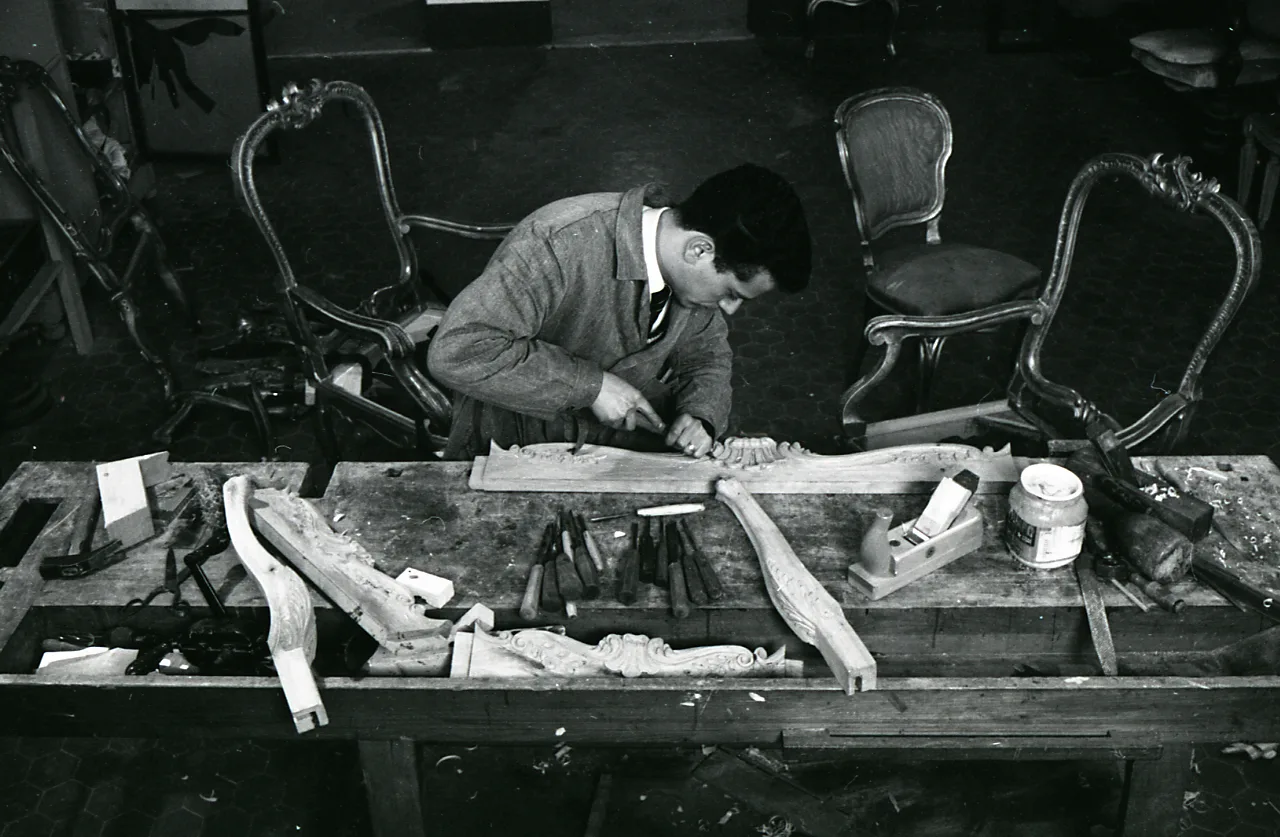
Antique restoration and conservation are essential practices for preserving historical artifacts and maintaining their value, beauty, and cultural significance. Whether you're a collector, dealer, or someone who has inherited precious antiques, understanding the principles and techniques of restoration and conservation is crucial. This comprehensive guide covers everything from basic maintenance to advanced restoration techniques, helping you make informed decisions about preserving your antique treasures. We'll explore the fundamental differences between restoration and conservation, examine various materials and their specific care requirements, discuss when professional intervention is necessary, and provide practical guidance for maintaining antiques in optimal condition. By following these expert guidelines, you can ensure your antiques remain beautiful, functional, and valuable for generations to come.
Table of Contents
- Understanding Restoration vs. Conservation
- Assessment and Evaluation Before Restoration
- Wood Furniture Restoration Techniques
- Metal Antique Restoration Methods
- Ceramic and Glass Restoration
- Textile and Fabric Conservation
- Paper and Document Conservation
- Preventive Conservation and Maintenance
- Environmental Controls and Storage
- Cleaning Techniques and Best Practices
- Structural Repairs and Stabilization
- Finish Restoration and Refinishing
- When to Seek Professional Services
- Restoration Ethics and Value Considerations
- Common Restoration Mistakes to Avoid
- Long-Term Preservation Strategies
Understanding Restoration vs. Conservation
The terms "restoration" and "conservation" are often used interchangeably, but they represent fundamentally different approaches to caring for antiques. Understanding these differences is crucial for making appropriate decisions about your items.
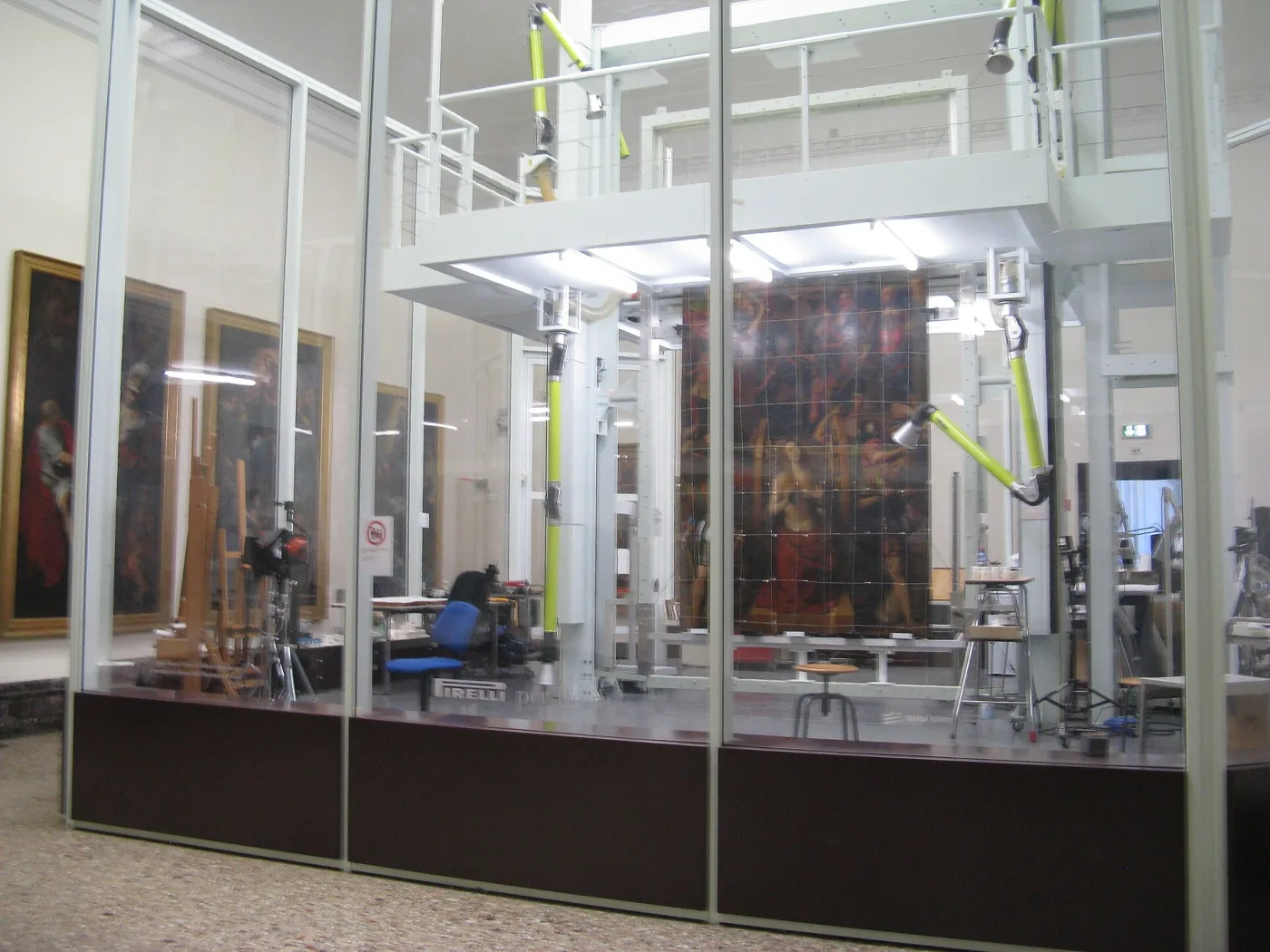
What is Conservation?
Conservation focuses on preserving the original state of an antique while preventing further deterioration:
- Minimal Intervention: Only necessary treatments to stabilize and preserve
- Reversibility: All treatments can be undone if better methods are discovered
- Documentation: Detailed records of all treatments and conditions
- Original Material Preservation: Maintaining as much original material as possible
- Preventive Focus: Emphasizing prevention of damage over repair
What is Restoration?
Restoration aims to return an item to a specific earlier state, often making it functional or aesthetically pleasing:
- Functional Repair: Restoring functionality to damaged items
- Aesthetic Improvement: Improving appearance through repair and refinishing
- Replacement Parts: May include replacing missing or damaged components
- Historical Accuracy: Restoring to period-appropriate appearance
- Use-Oriented: Focus on making items usable or displayable
Choosing the Right Approach
Selecting between conservation and restoration depends on several factors:
When to Choose Conservation
- High Historical Value: Items with significant historical importance
- Museum Quality: Pieces intended for museum or institutional collections
- Original Condition: Items in relatively good original condition
- Research Value: Items with research or scholarly significance
- Investment Preservation: Maintaining maximum value through minimal intervention
When Restoration May Be Appropriate
- Functional Needs: Items needed for daily use
- Severe Damage: Extensive damage requiring structural repair
- Personal Use: Items for personal enjoyment rather than investment
- Moderate Value: Items where restoration won't significantly impact value
- Missing Components: Items with missing parts that need replacement
The Conservation Philosophy
Modern conservation follows established ethical principles:
- Respect for Original: Honoring the original maker's intent and materials
- Minimal Intervention: Doing only what's necessary
- Reversibility: Using methods that can be reversed
- Documentation: Recording all treatments and conditions
- Stability: Ensuring long-term stability and preservation
Assessment and Evaluation Before Restoration
Before beginning any restoration or conservation work, a thorough assessment is essential. This evaluation determines the appropriate treatment approach and helps avoid costly mistakes.
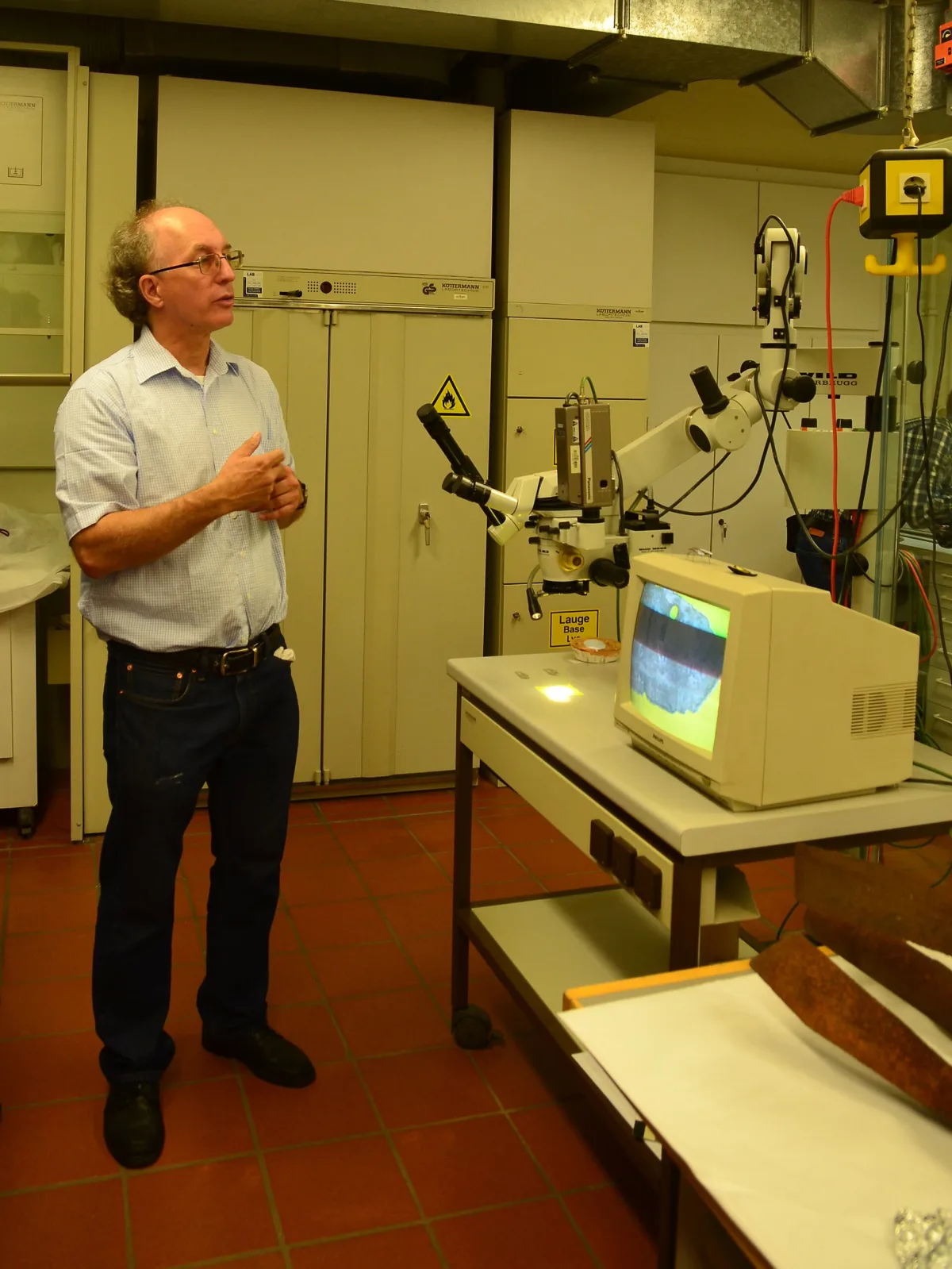
Initial Condition Assessment
Start with a comprehensive examination of the item:
Visual Inspection
- Overall Condition: General state of preservation
- Surface Condition: Finish, patina, and surface integrity
- Structural Integrity: Stability and soundness of construction
- Damage Documentation: Catalog all damage, wear, and deterioration
- Previous Repairs: Identify any previous restoration work
Material Identification
- Primary Materials: Identify all materials used in construction
- Secondary Materials: Adhesives, finishes, and hardware
- Material Condition: Assess condition of each material type
- Compatibility: Evaluate material compatibility and interactions
Documentation Requirements
Thorough documentation is essential for professional restoration:
Photographic Documentation
- Overall Views: Complete item photographs from all angles
- Detail Shots: Close-up photographs of damage and condition issues
- Before and After: Document condition before and after treatment
- Process Documentation: Photograph restoration process steps
- High Resolution: Use high-quality images for detailed analysis
Written Documentation
- Condition Reports: Detailed written condition assessments
- Treatment Plans: Document proposed treatments and methods
- Treatment Records: Record all treatments performed
- Material Records: Document all materials and products used
- Future Recommendations: Note future maintenance needs
Value Assessment
Understanding value implications is crucial before restoration:
Pre-Restoration Value
- Current Market Value: Assess value in current condition
- Historical Significance: Evaluate historical and cultural importance
- Rarity and Desirability: Consider market demand and scarcity
- Provenance Value: Assess value of documented history
Post-Restoration Value Impact
- Value Enhancement: How restoration might increase value
- Value Reduction: How restoration might decrease value
- Market Preferences: Understanding collector preferences
- Cost-Benefit Analysis: Comparing restoration costs to value impact
Risk Assessment
Evaluate risks associated with restoration:
Material Risks
- Material Sensitivity: Fragile or reactive materials
- Irreversible Damage: Risk of permanent damage from treatment
- Material Incompatibility: Risk of adverse material interactions
- Hidden Damage: Undiscovered damage that may worsen
Treatment Risks
- Over-Restoration: Risk of excessive intervention
- Inappropriate Methods: Using wrong techniques or materials
- Skill Requirements: Assessing whether professional help is needed
- Time and Cost: Realistic assessment of required resources
Wood Furniture Restoration Techniques
Wood furniture represents a significant portion of antique collections. Understanding proper restoration techniques is essential for maintaining value and preserving historical integrity.
Wood Identification and Characteristics
Different wood species require different treatment approaches:
Common Antique Woods
- Mahogany: Rich, reddish-brown, used in fine furniture
- Oak: Durable, prominent grain, traditional English furniture
- Walnut: Dark, fine-grained, used in high-quality pieces
- Cherry: Reddish-brown, smooth grain, American furniture
- Pine: Soft, light-colored, common in country furniture
- Maple: Hard, light-colored, fine-grained
Wood Condition Assessment
- Moisture Content: Check for proper moisture levels
- Wood Movement: Assess for warping, splitting, or shrinking
- Insect Damage: Check for active or past infestation
- Rot and Decay: Identify areas of deterioration
- Finish Condition: Evaluate original finish integrity
Cleaning Wood Furniture
Proper cleaning is the foundation of wood restoration:
Surface Cleaning
- Dust Removal: Use soft, lint-free cloths for regular dusting
- Gentle Cleaning: Mild soap and water for grime removal
- Avoid Harsh Chemicals: Never use harsh detergents or solvents
- Grain Direction: Always clean with the grain
- Drying: Thoroughly dry after cleaning to prevent water damage
Removing Old Finishes
- Assessment First: Determine if removal is necessary
- Chemical Strippers: Use appropriate strippers for finish type
- Mechanical Methods: Scraping and sanding when appropriate
- Safety Precautions: Proper ventilation and protective equipment
- Preserve Patina: Consider preserving original patina when possible
Structural Repairs
Addressing structural issues is often necessary for functionality:
Joint Repairs
- Loose Joints: Re-gluing with appropriate adhesives
- Broken Joints: Repairing or replacing damaged joinery
- Traditional Methods: Using period-appropriate repair techniques
- Reversible Adhesives: When possible, use reversible glues
- Structural Reinforcement: Adding support when necessary
Wood Replacement
- Minimal Replacement: Replace only what's necessary
- Matching Wood: Use matching species and grain
- Age Matching: Match color and patina of original
- Documentation: Clearly document all replacements
- Reversibility: Make replacements reversible when possible
Finish Restoration
Restoring finishes requires careful consideration:
Preserving Original Finishes
- Assessment: Evaluate if original finish can be preserved
- Cleaning: Gentle cleaning to restore luster
- Touch-Up: Minimal touch-up of damaged areas
- Protection: Apply appropriate protective coatings
- Value Preservation: Original finishes often increase value
Refinishing Considerations
- When Appropriate: Only when necessary for preservation
- Period Accuracy: Use period-appropriate finishes
- Traditional Methods: Employ traditional application techniques
- Color Matching: Match original color and appearance
- Documentation: Document all refinishing work
Veneer and Inlay Repairs
Veneer and inlay require specialized techniques:
Veneer Repairs
- Loose Veneer: Re-adhering with appropriate adhesives
- Missing Sections: Replacing with matching veneer
- Blistering: Repairing air bubbles and lifting
- Matching Grain: Careful grain and color matching
Inlay Restoration
- Missing Inlay: Replacing with matching materials
- Loose Inlay: Re-securing with appropriate adhesives
- Material Matching: Matching original inlay materials
- Pattern Accuracy: Maintaining original design patterns
Metal Antique Restoration Methods
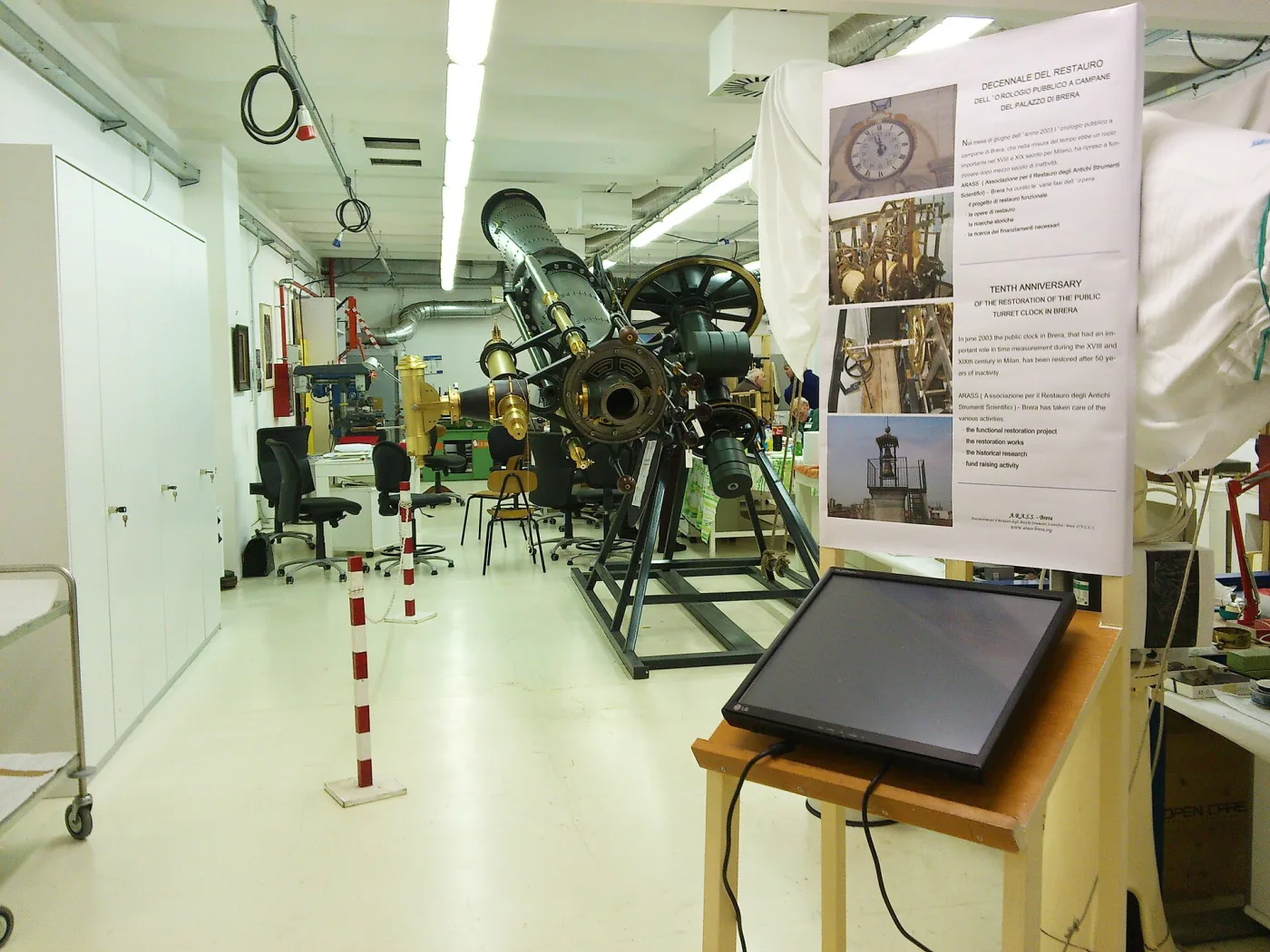
Metal antiques include everything from silverware to iron tools. Each metal type requires specific restoration approaches to preserve value and prevent damage.
Silver Restoration
Silver requires careful handling to preserve patina and value:
Silver Cleaning
- Gentle Cleaning: Use mild silver polish and soft cloths
- Preserve Patina: Consider preserving desirable patina
- Avoid Abrasives: Never use harsh abrasives that scratch
- Electrolytic Cleaning: Professional method for severe tarnish
- Regular Maintenance: Prevent tarnish with proper storage
Silver Repairs
- Soldering: Professional soldering for breaks and joints
- Dent Removal: Careful dent removal techniques
- Replacement Parts: Matching replacement components
- Hallmark Preservation: Protect hallmarks during repair
Brass and Bronze Restoration
Brass and bronze develop desirable patinas that should often be preserved:
Patina Preservation
- Assess Patina: Determine if patina is desirable
- Protective Coatings: Apply protective lacquers when appropriate
- Avoid Over-Cleaning: Don't remove valuable patina
- Documentation: Document original patina before treatment
Cleaning Brass and Bronze
- Gentle Methods: Use mild cleaners and soft materials
- Corrosion Removal: Careful removal of harmful corrosion
- Protection: Apply appropriate protective treatments
- Regular Maintenance: Prevent corrosion with proper care
Iron and Steel Restoration
Iron and steel require rust prevention and treatment:
Rust Treatment
- Rust Removal: Mechanical and chemical rust removal
- Stabilization: Preventing further rust development
- Protective Coatings: Applying rust-preventive finishes
- Original Finish: Preserving original finishes when possible
Structural Repairs
- Welding: Professional welding for breaks
- Replacement Parts: Fabricating matching replacement components
- Restoration Ethics: Balancing repair with preservation
Pewter Restoration
Pewter is soft and requires gentle handling:
Pewter Care
- Gentle Cleaning: Soft materials and mild cleaners
- Dent Repair: Careful dent removal techniques
- Oxidation Treatment: Removing harmful oxidation
- Storage: Proper storage to prevent damage
Ceramic and Glass Restoration
Ceramic and glass items are fragile and require specialized restoration techniques. Understanding these methods helps preserve valuable pieces.
Ceramic Restoration
Ceramic restoration involves careful repair and stabilization:
Cleaning Ceramics
- Gentle Cleaning: Use soft brushes and mild detergents
- Avoid Abrasives: Never use harsh scrubbing materials
- Stain Removal: Careful treatment of stains and deposits
- Glaze Protection: Protect original glazes during cleaning
Ceramic Repair
- Adhesive Selection: Choose appropriate restoration adhesives
- Fragment Reassembly: Careful alignment and bonding
- Filling Gaps: Filling missing areas with compatible materials
- Color Matching: Matching original colors and glazes
- Reversibility: Using reversible repair methods when possible
Glaze Restoration
- Glaze Assessment: Evaluate glaze condition and needs
- Minimal Intervention: Preserve original glazes when possible
- Touch-Up: Minimal touch-up of damaged glaze areas
- Professional Work: Complex glaze work requires professionals
Glass Restoration
Glass restoration requires precision and care:
Glass Cleaning
- Gentle Methods: Soft cloths and mild cleaners
- Stain Removal: Careful treatment of clouding and stains
- Edge Protection: Protect fragile edges during cleaning
- Regular Maintenance: Prevent deterioration with proper care
Glass Repair
- Adhesive Selection: Clear, stable adhesives for glass
- Fragment Alignment: Precise alignment of broken pieces
- Filling Techniques: Filling chips and missing areas
- Professional Work: Complex repairs require specialized skills
Porcelain Restoration
Porcelain requires specialized restoration techniques:
Porcelain Characteristics
- Material Properties: Understanding porcelain's unique characteristics
- Glaze Considerations: Special care for porcelain glazes
- Decoration Preservation: Protecting painted and decorated surfaces
Porcelain Repair Methods
- Professional Adhesives: Using appropriate restoration adhesives
- Decoration Matching: Matching original decoration when needed
- Structural Stability: Ensuring long-term stability
- Value Considerations: Balancing repair with value preservation
Textile and Fabric Conservation
Textiles are among the most fragile antiques, requiring specialized conservation techniques to prevent deterioration.
Textile Condition Assessment
Thorough assessment guides appropriate treatment:
Fiber Identification
- Natural Fibers: Silk, wool, cotton, linen identification
- Synthetic Fibers: Identifying modern synthetic materials
- Fiber Condition: Assessing strength and deterioration
- Treatment Implications: How fiber type affects treatment
Damage Assessment
- Structural Damage: Tears, holes, and weakened areas
- Stain Analysis: Identifying stain types and sources
- Fading and Discoloration: Assessing color stability
- Previous Repairs: Identifying and evaluating past work
Textile Cleaning
Textile cleaning requires extreme care:
Dry Cleaning Methods
- Vacuuming: Gentle vacuuming with appropriate attachments
- Surface Cleaning: Soft brushes and gentle techniques
- Professional Dry Cleaning: When professional service is needed
- Testing First: Always test cleaning methods on small areas
Wet Cleaning
- When Appropriate: Determining if wet cleaning is safe
- Water Quality: Using appropriate water quality
- Temperature Control: Controlling water temperature
- Drying Methods: Proper drying techniques to prevent damage
- Professional Work: Complex cleaning requires professionals
Textile Repairs
Textile repairs must be reversible and appropriate:
Stabilization Techniques
- Support Fabrics: Using appropriate support materials
- Stitching Methods: Conservation-appropriate stitching techniques
- Adhesive Supports: When adhesive supports are appropriate
- Reversibility: Ensuring all repairs are reversible
Restoration Stitching
- Thread Selection: Choosing appropriate thread materials
- Stitch Techniques: Using conservation stitching methods
- Color Matching: Matching thread colors to original
- Minimal Intervention: Doing only necessary repairs
Storage and Display
Proper storage and display prevent deterioration:
Storage Requirements
- Acid-Free Materials: Using acid-free storage materials
- Flat Storage: Storing flat when possible
- Rolling Techniques: Proper rolling for large textiles
- Environmental Control: Maintaining appropriate conditions
Display Considerations
- Light Protection: Protecting from harmful light exposure
- Support Systems: Using appropriate display supports
- Rotation: Rotating displayed items to prevent damage
- Monitoring: Regular condition monitoring

Paper and Document Conservation
Paper items including books, documents, prints, and photographs require specialized conservation to prevent deterioration.
Paper Condition Assessment
Understanding paper condition guides treatment:
Paper Types and Characteristics
- Historical Papers: Understanding period paper characteristics
- Acid Content: Assessing paper acidity and deterioration
- Condition Issues: Identifying tears, stains, and damage
- Media Stability: Assessing ink and pigment stability
Damage Types
- Acid Deterioration: Identifying acid-related damage
- Physical Damage: Tears, creases, and missing areas
- Stain Analysis: Identifying and assessing stains
- Mold and Pest Damage: Biological deterioration issues
Paper Cleaning
Paper cleaning requires careful techniques:
Surface Cleaning
- Dry Cleaning: Soft brushes and erasers for surface dirt
- Testing First: Always test cleaning methods
- Media Protection: Protecting inks and pigments during cleaning
- Gentle Methods: Using only gentle, appropriate techniques
Washing and Deacidification
- When Appropriate: Determining if washing is safe
- Deacidification: Neutralizing paper acidity
- Professional Work: Complex treatments require professionals
- Documentation: Recording all treatments performed
Paper Repairs
Paper repairs must be reversible and appropriate:
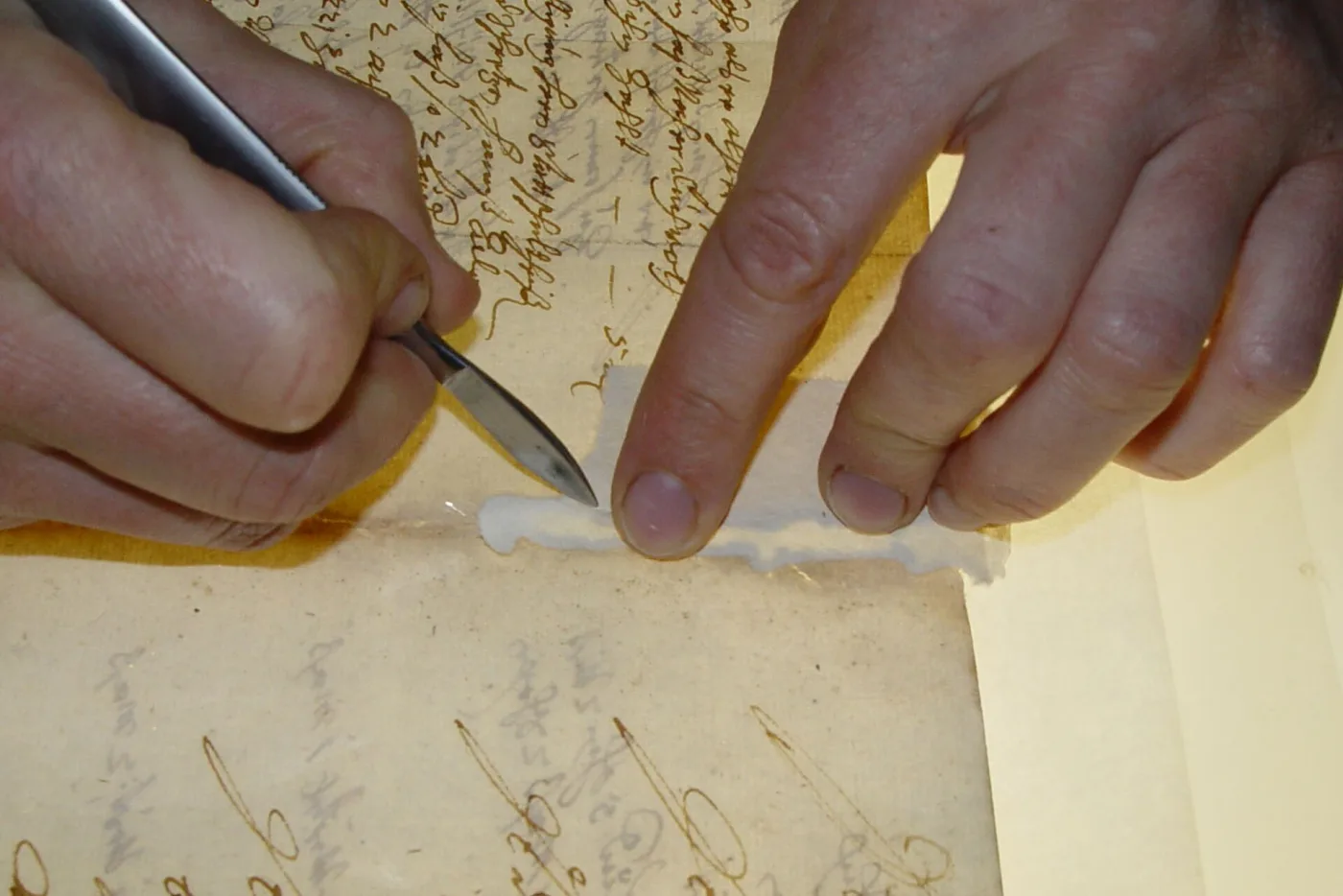
Mending Techniques
- Japanese Paper: Using appropriate mending papers
- Adhesive Selection: Choosing reversible adhesives
- Tear Repair: Mending tears with appropriate methods
- Filling Losses: Filling missing areas when appropriate
Backing and Support
- When Needed: Determining if backing is necessary
- Material Selection: Choosing appropriate support materials
- Reversibility: Ensuring all supports are reversible
- Professional Work: Complex backing requires expertise
Book Conservation
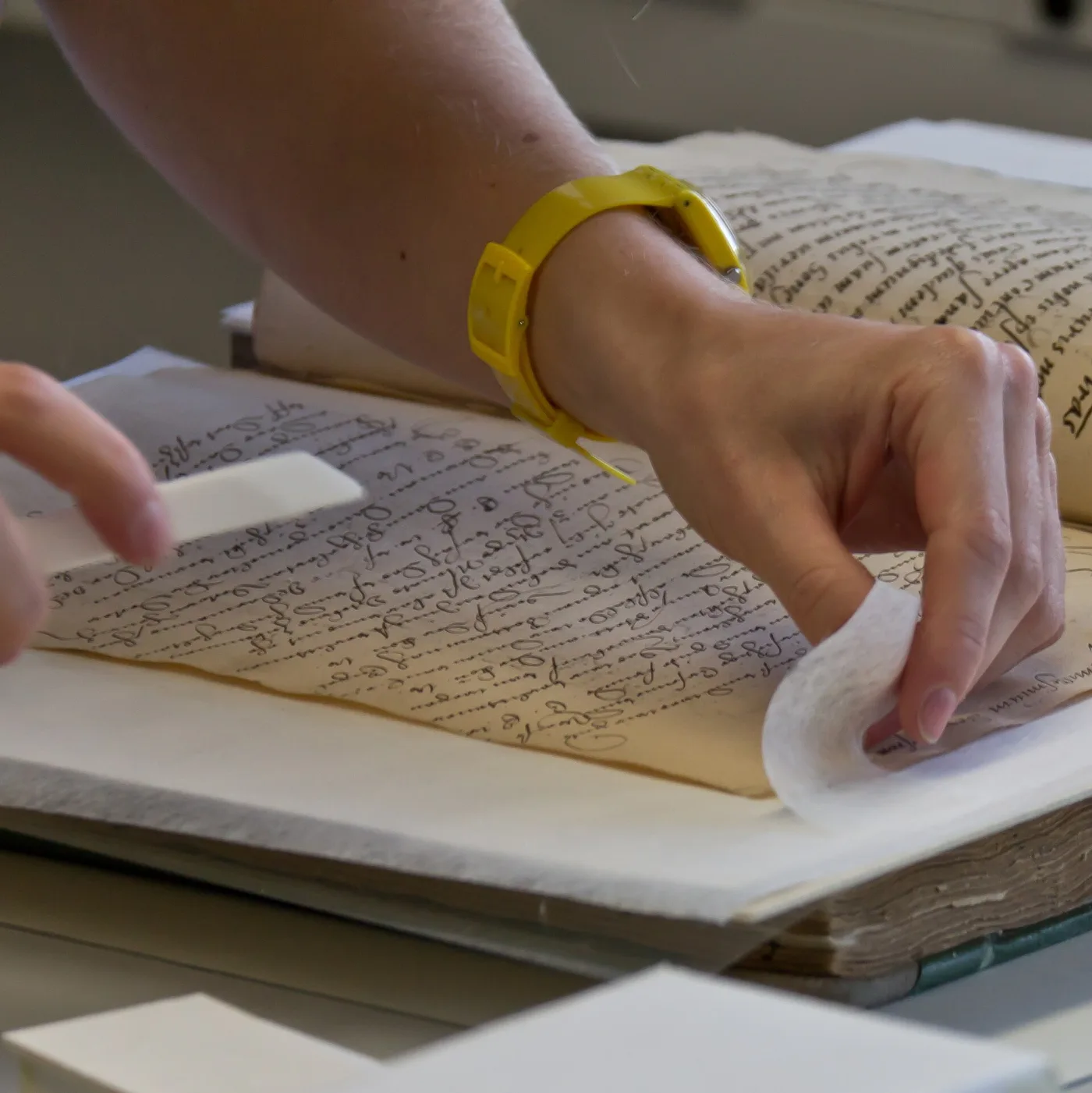
Books require specialized conservation techniques:
Binding Repairs
- Structure Assessment: Evaluating binding structure
- Repair Methods: Appropriate binding repair techniques
- Material Matching: Matching original binding materials
- Preservation Binding: When new bindings are appropriate
Page Repairs
- Individual Page Treatment: Repairing damaged pages
- Binding Integration: Integrating repairs with binding
- Documentation: Recording all book treatments
Photograph Conservation
Photographs require specialized care:
Photograph Types
- Daguerreotypes: Early photograph type requiring special care
- Albumen Prints: Common 19th-century print type
- Gelatin Silver: Modern black and white prints
- Color Photographs: Specialized conservation needs
Photograph Care
- Handling: Proper handling techniques
- Storage: Appropriate storage materials and conditions
- Display: Safe display methods
- Professional Work: Complex treatments require specialists
Preventive Conservation and Maintenance
Preventive conservation focuses on preventing damage before it occurs. This approach is often more effective and less costly than restoration after damage.
Regular Maintenance Routines
Establishing regular maintenance prevents problems:
Cleaning Schedules
- Regular Dusting: Frequent, gentle dusting prevents buildup
- Deep Cleaning: Periodic thorough cleaning
- Condition Monitoring: Regular condition assessments
- Documentation: Recording maintenance activities
Inspection Routines
- Regular Inspections: Systematic condition checks
- Problem Identification: Early detection of issues
- Preventive Action: Addressing problems before they worsen
- Record Keeping: Maintaining inspection records
Handling Practices
Proper handling prevents accidental damage:
Safe Handling Techniques
- Clean Hands: Always handle with clean, dry hands
- Support: Provide adequate support when moving items
- Two Hands: Use both hands for larger items
- Slow Movement: Move items slowly and carefully
- Clear Paths: Ensure clear paths before moving items
Handling Tools
- Gloves: Use appropriate gloves when needed
- Support Materials: Use padding and supports
- Lifting Equipment: Use proper equipment for heavy items
- Protective Coverings: Protect items during handling
Use and Display Guidelines
Appropriate use and display prevent damage:
Functional Use
- Appropriate Use: Using items within their design limits
- Weight Limits: Respecting weight and stress limits
- Protective Measures: Using protective measures during use
- Regular Maintenance: Maintaining items in use
Display Considerations
- Stable Surfaces: Displaying on stable, appropriate surfaces
- Protection: Protecting from accidental contact
- Rotation: Rotating displayed items
- Monitoring: Regular monitoring of displayed items
Environmental Controls and Storage
Controlling environmental conditions is crucial for long-term preservation. Proper storage prevents deterioration and maintains value.
Temperature and Humidity Control
Temperature and humidity significantly affect preservation:
Ideal Conditions
- Temperature: Stable temperatures, typically 65-70°F (18-21°C)
- Humidity: Relative humidity 45-55% for most materials
- Stability: Avoiding rapid fluctuations
- Monitoring: Regular monitoring of conditions
Material-Specific Requirements
- Wood: Moderate humidity to prevent cracking
- Metal: Low humidity to prevent corrosion
- Textiles: Stable, moderate conditions
- Paper: Cool, stable conditions
- Organic Materials: Specific requirements for each type
Light Control
Light exposure causes fading and deterioration:
Light Types and Effects
- UV Light: Most damaging, causes fading and deterioration
- Visible Light: Can cause fading over time
- Infrared: Can cause heat damage
- Natural Light: Contains harmful UV radiation
Light Protection
- UV Filters: Using UV-filtering window films
- Low Light Levels: Maintaining appropriate light levels
- Rotation: Rotating items to limit exposure
- Storage: Storing light-sensitive items in darkness
Storage Solutions
Appropriate storage prevents damage and deterioration:
Storage Materials
- Acid-Free Materials: Using acid-free boxes and papers
- Archival Quality: Using archival-quality storage materials
- Breathable Materials: Allowing appropriate air circulation
- Protective Wrapping: Appropriate wrapping materials
Storage Organization
- Proper Support: Supporting items appropriately
- Separation: Separating incompatible materials
- Accessibility: Organizing for safe access
- Documentation: Labeling and documenting stored items
Pest and Mold Prevention
Preventing biological threats is essential:
Pest Prevention
- Regular Inspection: Checking for pest activity
- Clean Environment: Maintaining clean storage areas
- Barriers: Using appropriate barriers and treatments
- Professional Treatment: Seeking professional help when needed
Mold Prevention
- Humidity Control: Maintaining appropriate humidity levels
- Ventilation: Ensuring adequate air circulation
- Monitoring: Regular inspection for mold growth
- Professional Treatment: Professional remediation when needed
Cleaning Techniques and Best Practices
Proper cleaning is fundamental to antique care. Understanding appropriate techniques prevents damage and maintains value.
General Cleaning Principles
Follow these principles for safe cleaning:
Assessment Before Cleaning
- Condition Evaluation: Assess condition before cleaning
- Material Identification: Identify all materials present
- Test First: Always test cleaning methods on small areas
- Documentation: Document condition before cleaning
Gentle Methods First
- Start Gentle: Begin with gentlest methods
- Progressive Approach: Progress to stronger methods only if needed
- Avoid Harsh Chemicals: Never use harsh or inappropriate chemicals
- Protect Original Materials: Preserve original finishes and patinas
Material-Specific Cleaning
Different materials require different approaches:
Wood Cleaning
- Dusting: Regular dusting with soft cloths
- Gentle Cleaning: Mild soap and water when needed
- Finish Protection: Protecting original finishes
- Grain Direction: Cleaning with the grain
Metal Cleaning
- Appropriate Cleaners: Using material-appropriate cleaners
- Patina Consideration: Preserving desirable patinas
- Corrosion Removal: Removing harmful corrosion carefully
- Protection: Applying protective treatments after cleaning
Ceramic and Glass Cleaning
- Gentle Methods: Soft materials and mild cleaners
- Stain Treatment: Careful treatment of stains
- Glaze Protection: Protecting glazes and decorations
- Edge Care: Careful handling of fragile edges
Stain Removal
Stain removal requires careful techniques:
Stain Identification
- Stain Types: Identifying different stain types
- Source Analysis: Understanding stain sources
- Material Impact: How stains affect different materials
- Removal Feasibility: Assessing if removal is possible
Removal Techniques
- Appropriate Methods: Using stain-appropriate removal methods
- Testing: Testing removal methods first
- Professional Help: Seeking professional help for difficult stains
- Documentation: Documenting removal attempts and results
Professional Cleaning Services
Sometimes professional cleaning is necessary:
When to Seek Professionals
- Complex Cleaning: Complex or specialized cleaning needs
- High Value Items: Valuable items requiring expert care
- Uncertainty: When unsure about appropriate methods
- Specialized Materials: Items requiring specialized expertise
Selecting Professional Services
- Qualifications: Verifying professional qualifications
- Experience: Checking experience with similar items
- References: Seeking references and reviews
- Documentation: Ensuring proper documentation of work
Structural Repairs and Stabilization
Structural repairs restore stability and functionality while preserving historical integrity. Understanding proper techniques is essential.
Assessment of Structural Issues
Thorough assessment guides repair decisions:
Structural Evaluation
- Stability Assessment: Evaluating overall structural stability
- Damage Identification: Identifying all structural damage
- Root Cause Analysis: Understanding causes of damage
- Repair Feasibility: Assessing if repair is possible and appropriate
Prioritizing Repairs
- Critical Repairs: Addressing critical stability issues first
- Preventive Repairs: Preventing further deterioration
- Aesthetic Repairs: Addressing aesthetic issues when appropriate
- Cost-Benefit Analysis: Evaluating repair costs versus benefits
Adhesive Selection and Use
Choosing appropriate adhesives is crucial:
Adhesive Types
- Reversible Adhesives: Using reversible adhesives when possible
- Period-Appropriate: Using period-appropriate adhesives when appropriate
- Material Compatibility: Ensuring adhesive compatibility with materials
- Strength Requirements: Matching adhesive strength to needs
Application Techniques
- Proper Preparation: Preparing surfaces appropriately
- Application Methods: Using correct application techniques
- Curing Conditions: Providing appropriate curing conditions
- Excess Removal: Removing excess adhesive properly
Replacement Parts
Replacing missing or damaged parts requires care:
When Replacement is Appropriate
- Functionality: When replacement restores functionality
- Stability: When replacement improves stability
- Value Impact: When replacement doesn't significantly reduce value
- Documentation: When replacements can be clearly documented
Replacement Techniques
- Material Matching: Matching original materials closely
- Style Matching: Matching original style and appearance
- Age Matching: Matching age-appropriate appearance
- Reversibility: Making replacements reversible when possible
- Documentation: Clearly documenting all replacements
Stabilization Techniques
Stabilization prevents further deterioration:
Structural Stabilization
- Support Systems: Adding appropriate supports
- Reinforcement: Reinforcing weakened areas
- Minimal Intervention: Using minimal necessary intervention
- Reversibility: Ensuring stabilization is reversible
Material Stabilization
- Consolidation: Stabilizing deteriorated materials
- Protective Coatings: Applying protective treatments
- Environmental Control: Controlling environmental conditions
- Monitoring: Regular monitoring of stabilized items
Finish Restoration and Refinishing
Finish restoration requires careful consideration of value, authenticity, and preservation. Understanding when and how to restore finishes is essential.
Finish Assessment
Evaluating finish condition guides treatment decisions:
Original Finish Evaluation
- Finish Type: Identifying original finish type
- Condition Assessment: Evaluating finish condition
- Preservation Potential: Assessing if original finish can be preserved
- Value Impact: Understanding how finish affects value
Previous Finishes
- Identifying Layers: Identifying multiple finish layers
- Historical Significance: Evaluating historical significance of finishes
- Removal Considerations: Deciding if removal is appropriate
- Documentation: Documenting all finish layers
Preserving Original Finishes
Preserving original finishes often maintains maximum value:
Cleaning and Revitalization
- Gentle Cleaning: Cleaning to restore luster
- Conditioning: Applying appropriate conditioners
- Touch-Up: Minimal touch-up of damaged areas
- Protection: Applying protective treatments
Repair Techniques
- Spot Repairs: Repairing small damaged areas
- Color Matching: Matching original colors closely
- Texture Matching: Matching original finish texture
- Minimal Intervention: Doing only necessary repairs
Refinishing Considerations
Refinishing should be approached with caution:
When Refinishing May Be Appropriate
- Severe Damage: When original finish is severely damaged
- Functionality: When refinishing improves functionality
- Personal Use: For items intended for personal use
- Moderate Value: When value impact is acceptable
Refinishing Techniques
- Finish Removal: Appropriate removal of old finishes
- Surface Preparation: Proper preparation of surfaces
- Period-Appropriate Finishes: Using period-appropriate finish types
- Application Methods: Using traditional application methods
- Color Matching: Matching original colors and appearance
Traditional Finish Types
Understanding traditional finishes aids restoration:
Shellac Finishes
- Historical Use: Common in 18th and 19th centuries
- Characteristics: Warm, amber appearance
- Application: French polish and other traditional methods
- Restoration: Appropriate restoration techniques
Varnish Finishes
- Types: Various varnish types and formulations
- Characteristics: Durable, protective finishes
- Application: Traditional varnish application methods
- Restoration: Varnish restoration techniques
Oil Finishes
- Types: Linseed oil, tung oil, and other oil finishes
- Characteristics: Natural, penetrating finishes
- Application: Traditional oil finish application
- Maintenance: Ongoing maintenance requirements
When to Seek Professional Services
Knowing when to seek professional restoration and conservation services protects your antiques and ensures appropriate treatment.
Indicators for Professional Help
Several situations require professional intervention:
Complex Repairs
- Structural Complexity: Complex structural repairs
- Specialized Techniques: Repairs requiring specialized skills
- Material Complexity: Multiple materials requiring different treatments
- Irreversible Risks: High risk of irreversible damage
High-Value Items
- Significant Value: Items of substantial monetary value
- Historical Importance: Items of historical significance
- Investment Protection: Protecting investment value
- Insurance Requirements: Meeting insurance documentation needs
Uncertainty
- Uncertain Methods: When appropriate methods are unclear
- Material Identification: When materials cannot be identified
- Condition Assessment: When condition assessment is difficult
- Value Impact: When value impact is uncertain
Finding Qualified Professionals
Selecting the right professional is crucial:
Professional Qualifications
- Education and Training: Relevant education and professional training
- Experience: Extensive experience with similar items
- Certifications: Professional certifications and memberships
- Specialization: Specialization in relevant areas
Professional Sources
- Professional Associations: Conservation and restoration organizations
- Museum Recommendations: Recommendations from museums
- Dealer Referrals: Referrals from reputable dealers
- References: Checking references and past work
Working with Professionals
Effective collaboration ensures best results:
Communication
- Clear Expectations: Establishing clear expectations
- Treatment Plans: Reviewing and approving treatment plans
- Regular Updates: Requesting regular progress updates
- Questions: Asking questions and seeking clarification
Documentation
- Written Agreements: Having written treatment agreements
- Treatment Records: Receiving detailed treatment records
- Photographic Documentation: Before, during, and after photographs
- Future Recommendations: Receiving maintenance recommendations
Cost Considerations
Understanding costs helps make informed decisions:
Cost Factors
- Complexity: Complexity of required work
- Time Requirements: Time needed for proper treatment
- Material Costs: Costs of materials and supplies
- Expertise Level: Level of expertise required
Value Assessment
- Cost-Benefit Analysis: Comparing costs to value impact
- Market Value: Understanding market value implications
- Long-Term Value: Considering long-term value preservation
- Investment Protection: Protecting investment value
Restoration Ethics and Value Considerations
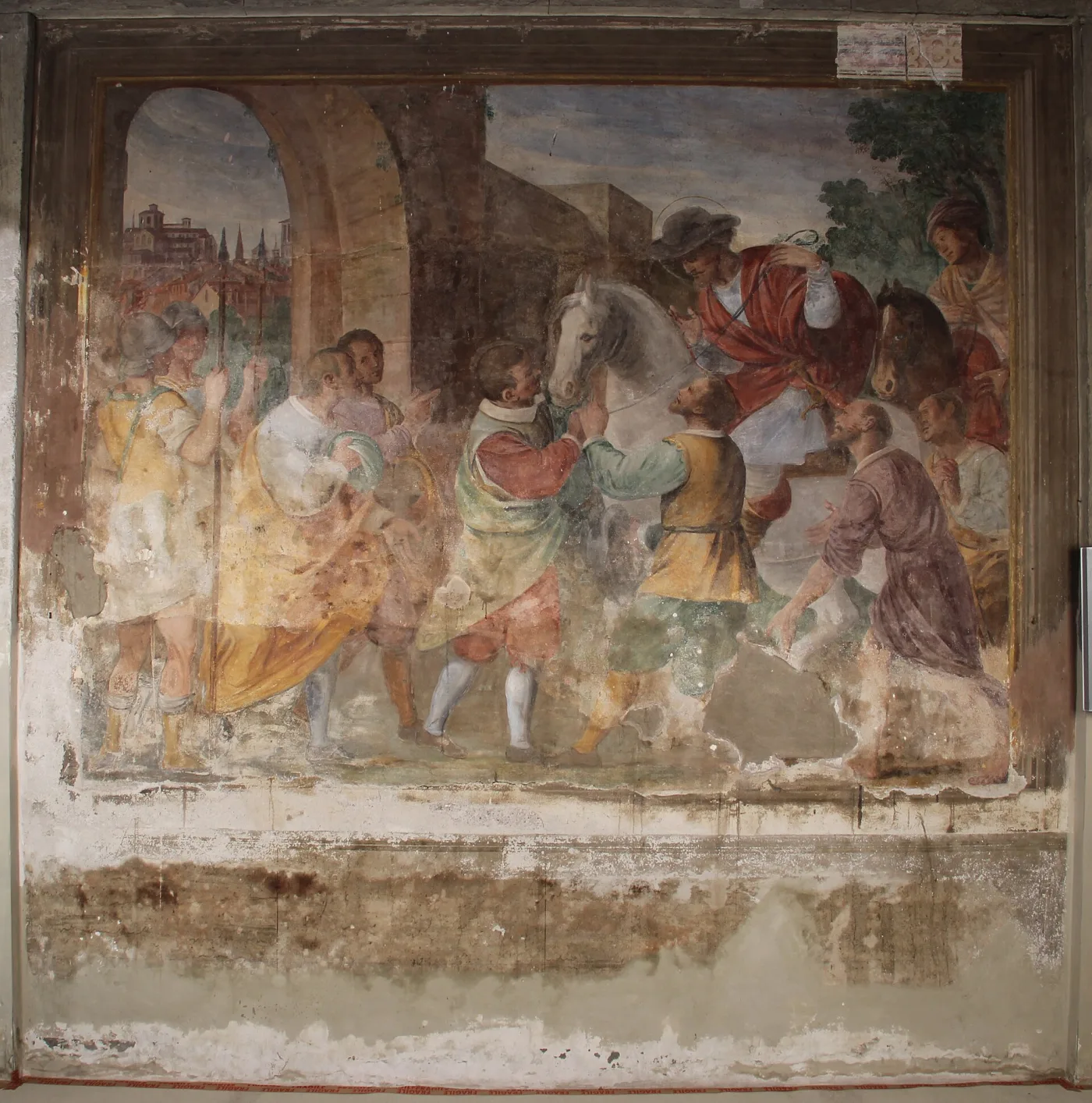
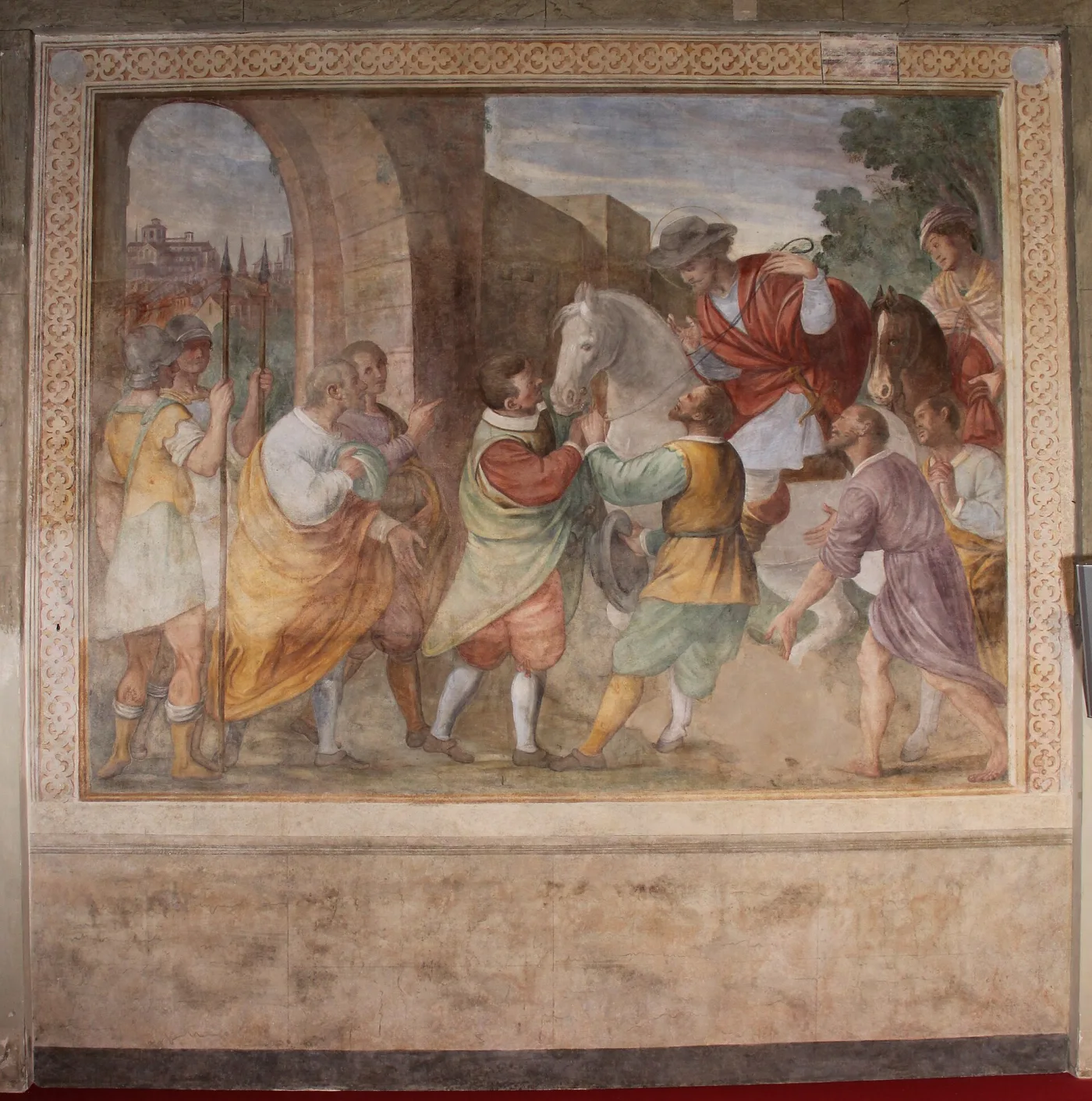
Ethical restoration practices protect historical integrity and maintain value. Understanding these principles guides appropriate decision-making.
Ethical Principles
Following ethical principles ensures appropriate treatment:
Minimal Intervention
- Do Only What's Necessary: Minimal necessary intervention
- Preserve Original Material: Preserving as much original material as possible
- Reversibility: Using reversible methods when possible
- Documentation: Documenting all interventions
Honesty and Transparency
- Accurate Representation: Accurately representing all work performed
- Documentation: Maintaining complete documentation
- Disclosure: Disclosing all restoration work
- Transparency: Being transparent about methods and materials
Value Impact Considerations
Understanding how restoration affects value is crucial:
Value Enhancement
- Stabilization: Stabilization can enhance value
- Functionality: Restoring functionality can increase value
- Appearance: Appropriate restoration can improve appearance
- Documentation: Proper documentation adds value
Value Reduction
- Over-Restoration: Excessive restoration can reduce value
- Original Finish Loss: Removing original finishes often reduces value
- Inappropriate Methods: Wrong techniques can damage value
- Poor Workmanship: Poor quality work reduces value
Market Preferences
Understanding market preferences guides decisions:
Collector Preferences
- Original Condition: Many collectors prefer original condition
- Documented Restoration: Properly documented restoration is acceptable
- Quality Work: High-quality restoration is valued
- Reversibility: Reversible work is often preferred
Market Categories
- Museum Quality: Highest standards for museum pieces
- Investment Grade: High standards for investment pieces
- Collector Grade: Appropriate standards for collector pieces
- Personal Use: Different standards for personal use items
Documentation Standards
Proper documentation protects value and integrity:
Documentation Requirements
- Complete Records: Maintaining complete treatment records
- Photographic Documentation: Before, during, and after photographs
- Material Documentation: Documenting all materials used
- Method Documentation: Recording all methods employed
Documentation Value
- Value Protection: Documentation protects and can enhance value
- Transparency: Provides transparency for future owners
- Historical Record: Contributes to historical record
- Legal Protection: Provides legal protection and evidence
Common Restoration Mistakes to Avoid
Understanding common mistakes helps prevent costly errors and damage. Learning from others' experiences improves restoration outcomes.
Over-Restoration
Excessive restoration is a common and costly mistake:
Signs of Over-Restoration
- Removing Original Finishes: Unnecessarily removing original finishes
- Excessive Refinishing: Over-refinishing when cleaning would suffice
- Replacing Too Much: Replacing materials that could be preserved
- Modernizing: Modernizing items inappropriately
Preventing Over-Restoration
- Assessment First: Thorough assessment before beginning work
- Minimal Approach: Starting with minimal intervention
- Expert Consultation: Consulting experts for valuable items
- Value Consideration: Considering value impact before work
Inappropriate Materials and Methods
Using wrong materials or methods causes damage:
Common Material Mistakes
- Modern Adhesives: Using inappropriate modern adhesives
- Harsh Cleaners: Using harsh or inappropriate cleaners
- Wrong Finishes: Using finishes inappropriate for period or material
- Incompatible Materials: Using materials incompatible with originals
Preventing Material Mistakes
- Research: Researching appropriate materials
- Testing: Testing materials before use
- Expert Advice: Seeking expert advice on materials
- Documentation: Documenting material choices
Insufficient Documentation
Poor documentation reduces value and creates problems:
Documentation Mistakes
- No Records: Failing to document work performed
- Incomplete Records: Incomplete or inadequate documentation
- Poor Photographs: Low-quality or missing photographs
- Lost Documentation: Failing to maintain documentation
Proper Documentation
- Complete Records: Maintaining complete treatment records
- High-Quality Photos: Taking high-quality before and after photos
- Material Records: Documenting all materials used
- Maintenance: Maintaining and organizing documentation
Ignoring Professional Advice
Failing to seek or follow professional advice causes problems:
When Professional Help is Needed
- High-Value Items: Valuable items require professional care
- Complex Repairs: Complex repairs need professional expertise
- Uncertainty: When uncertain about appropriate methods
- Specialized Materials: Items requiring specialized knowledge
Benefits of Professional Help
- Expertise: Access to specialized knowledge and skills
- Appropriate Methods: Using correct and appropriate methods
- Value Protection: Protecting and potentially enhancing value
- Documentation: Professional documentation standards
Rushing the Process
Rushing restoration causes mistakes and damage:
Problems with Rushing
- Insufficient Assessment: Failing to properly assess condition
- Poor Planning: Inadequate planning and preparation
- Mistakes: Increased likelihood of errors
- Poor Results: Inferior restoration results
Taking Appropriate Time
- Thorough Assessment: Taking time for proper assessment
- Careful Planning: Planning work carefully
- Patient Execution: Executing work patiently and carefully
- Quality Results: Achieving quality restoration results
Long-Term Preservation Strategies
Long-term preservation requires ongoing attention and care. Establishing effective preservation strategies ensures antiques remain in excellent condition for future generations.
Ongoing Maintenance Programs
Regular maintenance prevents problems and preserves condition:
Maintenance Schedules
- Regular Inspections: Scheduled condition inspections
- Cleaning Routines: Regular cleaning schedules
- Environmental Monitoring: Regular monitoring of environmental conditions
- Documentation Updates: Regular documentation updates
Preventive Maintenance
- Early Problem Detection: Identifying problems early
- Preventive Treatments: Applying preventive treatments
- Condition Monitoring: Monitoring condition changes
- Proactive Care: Taking proactive care measures
Environmental Management
Maintaining appropriate environmental conditions is essential:
Ongoing Environmental Control
- Temperature Monitoring: Regular temperature monitoring and adjustment
- Humidity Control: Maintaining appropriate humidity levels
- Light Management: Ongoing light level management
- Air Quality: Monitoring and maintaining air quality
Environmental Improvements
- System Upgrades: Upgrading environmental control systems
- Storage Improvements: Improving storage conditions
- Protection Measures: Implementing additional protection measures
- Monitoring Equipment: Using appropriate monitoring equipment
Condition Monitoring
Regular condition monitoring detects problems early:
Monitoring Methods
- Visual Inspection: Regular visual condition inspections
- Photographic Records: Periodic photographic documentation
- Condition Reports: Regular written condition reports
- Comparative Analysis: Comparing current condition to previous records
Problem Response
- Early Intervention: Addressing problems when first detected
- Appropriate Treatment: Using appropriate treatment methods
- Professional Consultation: Consulting professionals when needed
- Documentation: Documenting all treatments and changes
Education and Training
Ongoing education improves preservation practices:
Continuous Learning
- Staying Current: Keeping up with new research and techniques
- Professional Development: Participating in professional development
- Networking: Connecting with other collectors and professionals
- Resource Access: Accessing current resources and publications
Skill Development
- Handling Skills: Developing proper handling skills
- Assessment Skills: Improving condition assessment abilities
- Maintenance Skills: Developing maintenance capabilities
- Documentation Skills: Improving documentation practices
Succession Planning
Planning for future care ensures long-term preservation:
Documentation for Future Care
- Complete Records: Maintaining complete care records
- Care Instructions: Providing clear care instructions
- Contact Information: Including professional contact information
- Value Documentation: Documenting value and significance
Future Owner Preparation
- Education: Educating future owners about care requirements
- Resources: Providing resources and references
- Professional Contacts: Sharing professional contact information
- Documentation Transfer: Ensuring documentation transfer
Conclusion: Preserving Antiques for Future Generations
Antique restoration and conservation are essential practices for preserving our cultural heritage and maintaining the value and beauty of historical artifacts. Whether you're caring for a family heirloom, building a collection, or preserving items for future generations, understanding proper restoration and conservation techniques is crucial. The key to successful preservation lies in balancing intervention with preservation, understanding when to act and when to leave items alone, and always prioritizing the long-term health of the artifact over short-term aesthetic improvements.
Remember these fundamental principles:
- Assessment First: Always thoroughly assess before beginning any work
- Minimal Intervention: Do only what's necessary to preserve and stabilize
- Reversibility: Use reversible methods whenever possible
- Documentation: Maintain complete documentation of all work
- Professional Consultation: Seek professional help for valuable or complex items
- Preventive Care: Focus on preventing damage through proper care and storage
- Ethical Practice: Follow ethical principles in all restoration work
- Long-Term Perspective: Consider long-term preservation in all decisions
Modern tools like the Antique Identifier app can help you identify and understand your antiques, providing valuable information that guides appropriate care and restoration decisions. However, understanding these fundamental restoration and conservation principles is essential for anyone serious about preserving antiques.
Every antique tells a story and represents a connection to our past. Your role as a caretaker is to preserve these stories and connections for future generations. By following the principles and techniques outlined in this guide, you can ensure that your antiques remain beautiful, functional, and valuable while maintaining their historical integrity and cultural significance.
As you continue your journey in antique care and preservation, remember that restoration and conservation are ongoing processes. Regular maintenance, careful handling, appropriate storage, and professional consultation when needed all contribute to successful long-term preservation. The most successful collectors and caretakers are those who approach preservation with patience, knowledge, and respect for the historical artifacts in their care.