
Antique Postcard Identification Guide: Dating, Valuing & Collecting Vintage Postcards
Antique postcards offer a fascinating window into the past, capturing moments of history, culture, and everyday life through both images and handwritten messages. From the elegant chromolithographs of the Pioneer Era to the vivid real photo postcards of small-town America, these small pieces of cardboard have documented everything from world's fairs and natural disasters to local street scenes and family celebrations. The hobby of postcard collecting, known as deltiology, has attracted enthusiasts worldwide who appreciate these artifacts not only for their aesthetic appeal but also for their historical, social, and cultural significance.
Identifying and dating antique postcards requires understanding the evolution of postal regulations, printing technologies, photographic processes, and design trends that changed dramatically over more than a century. Whether you've discovered a shoebox of old postcards in your attic, inherited a collection from a family member, or are actively building a specialized collection, knowing how to accurately identify and evaluate vintage postcards is essential for understanding their context, authenticity, and value.
This comprehensive guide will walk you through the various eras of postcard production, teach you to recognize different printing techniques and photographic processes, help you identify valuable categories and rarities, and provide practical strategies for dating, authenticating, and assessing the market value of antique postcards. From Pioneer Era gems to Golden Age masterpieces, you'll learn to recognize the characteristics that make postcards significant and collectible.
Table of Contents
- History and Evolution of Postcards
- Major Postcard Eras and Their Characteristics
- Printing Techniques and Processes
- Real Photo Postcards (RPPCs)
- Divided Back and Postal Regulations
- Valuable Postcard Categories
- Publisher Identification and Marks
- Condition Grading Standards
- Dating Methods and Techniques
- Authentication and Reproduction Detection
- Value Assessment and Market Factors
- Collecting Strategies and Specialization
- Preservation and Storage Best Practices
- Digital Tools for Postcard Identification
History and Evolution of Postcards
The postcard as we know it today emerged in the late 19th century, though its origins can be traced to even earlier postal innovations. Understanding this evolution is crucial for identifying and dating antique postcards accurately.
Early Postal Cards (1840s-1860s)
The concept of illustrated postal stationery began in the 1840s with the introduction of pictorial envelopes, particularly popular in Britain after the Penny Post reform. These early illustrated envelopes, often called "Mulready envelopes" after their designer, featured elaborate decorative borders and allegorical scenes. While not postcards in the modern sense, they established the precedent for combining postal service with visual imagery.
The Birth of the Postcard (1869-1873)
The first official postcard was issued in Austria-Hungary in 1869, called a "Correspondenz-Karte." This plain card allowed brief messages to be sent at lower postal rates than sealed letters. The concept quickly spread across Europe and to the United States, where the government issued the first postal cards in 1873. These early cards were plain and utilitarian, featuring only the postal indicia and space for address and message.
Private Mailing Cards (1893-1898)
In 1893, at the World's Columbian Exposition in Chicago, private printers began producing illustrated cards called "souvenir cards" or "private mailing cards." These required a two-cent stamp (double the rate of government postal cards) and could only have the address on one side, with the entire reverse reserved for the image. This period saw the first widespread commercial production of pictorial postcards in America, though the format was limited by postal regulations.
The Pioneer Era and Beyond
The postcard truly came into its own after 1898 when postal regulations began evolving to allow more flexible formats. This evolution continued through the early 20th century, with each era bringing new printing technologies, design trends, and collecting enthusiasms. The progression through Pioneer, Private Mailing Card, Undivided Back, Divided Back, White Border, Linen, and Photochrome eras reflects not only changes in postal regulations but also advances in printing technology and shifts in popular taste.
Major Postcard Eras and Their Characteristics
Postcard collectors and historians have established a standard chronology of postcard eras, primarily based on U.S. postal regulations and printing trends. Each era has distinctive characteristics that aid in identification and dating.
Pioneer Era (1893-1898)
The Pioneer Era represents the earliest privately produced postcards in America. These cards are characterized by undivided backs with the entire space designated for the address only. The image occupied the front of the card, often with small decorative borders. Messages had to be written on the image side, sometimes in margins or blank spaces within the design. Pioneer Era cards are highly collectible today due to their scarcity and historical significance.
Identifying features include the inscription "Private Mailing Card" (required by postal regulations), sometimes "Authorized by Act of Congress of May 19, 1898," and the use of chromolithography or other early color printing processes. Subject matter often featured exposition souvenirs, advertising, greetings, and early tourist views. Most Pioneer Era cards show considerable wear due to their age and the postal system use they experienced.
Private Mailing Card Era (1898-1901)
In 1898, the Private Mailing Card Act allowed private printers to use the one-cent postal rate, equalizing their cards with government postal cards. Cards from this brief era still featured undivided backs, requiring messages to be written on the front. The phrase "Private Mailing Card" continued to appear on the back, serving as a key identifier.
This era saw increased production of postcards, with improved printing quality and a wider variety of subjects. Chromolithography reached new levels of sophistication, and publishers began establishing the categories that would dominate postcard collecting: views, greetings, advertising, and novelty cards. German printers, particularly from Saxony, dominated high-quality color postcard production during this period.
Undivided Back Era (1901-1907)
On December 24, 1901, U.S. postal regulations permitted private cards to use the designation "Post Card" (note the two words), previously reserved for government-issued cards. However, the back remained undivided, with the entire space still designated for the address only. This meant correspondents continued writing messages on the front of cards, often across the image itself.
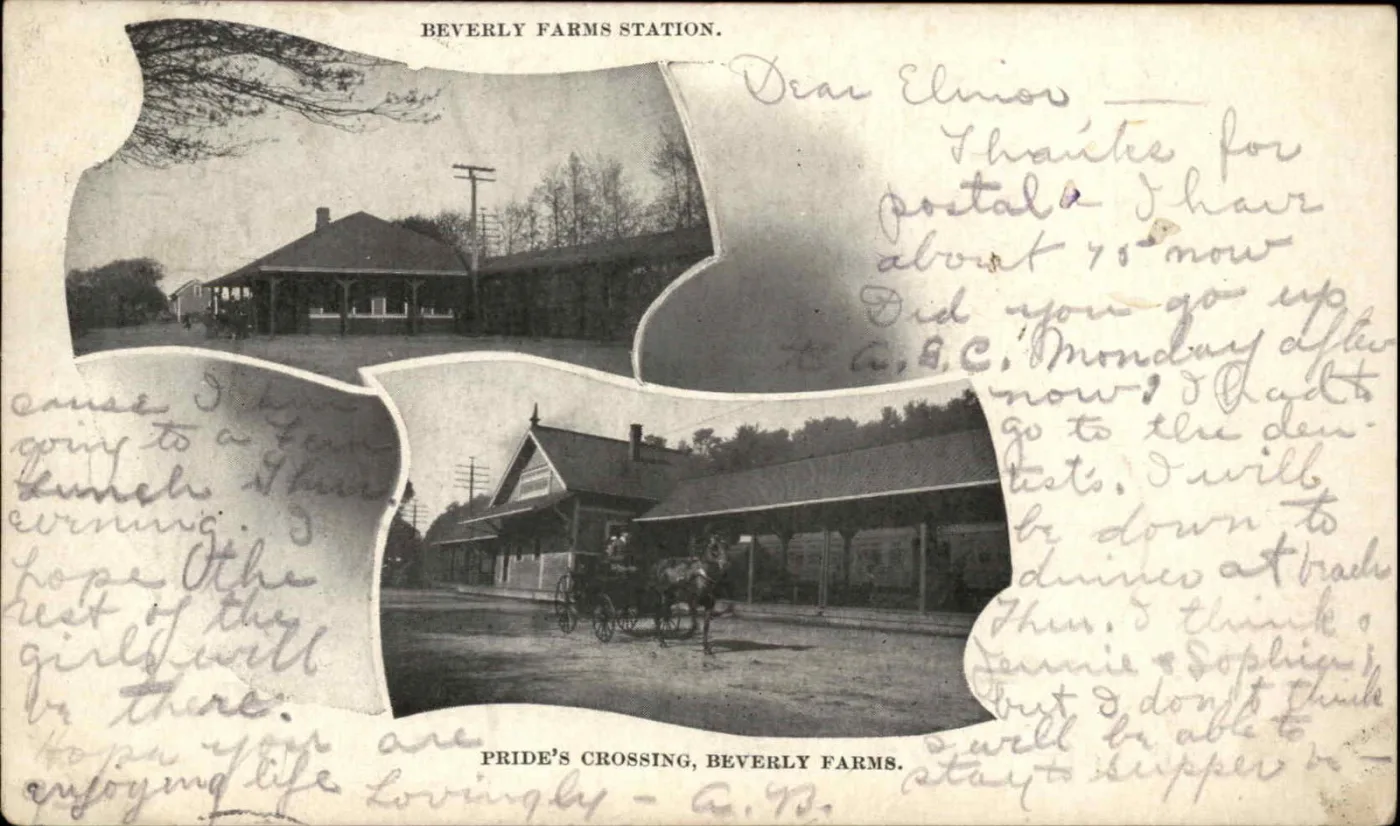
The Undivided Back Era saw the "Golden Age" of chromolithography, with German publishers producing exquisitely detailed and colorful cards. Subject matter diversified significantly, with topical categories becoming well-established. Holiday greetings, especially Christmas cards with elaborate embossing and glitter, became extremely popular. The artistic quality of cards from this era often exceeded what came later, making them highly prized by collectors today — the same chromolithographic shops also produced the most spectacular antique sheet music covers and the small Victorian trade cards of the period.
Divided Back Era (1907-1915)
The most significant regulatory change came on March 1, 1907, when the U.S. Post Office Department allowed the back of postcards to be divided, with one half for the address and the other for a message. This seemingly simple change revolutionized postcard design, as the entire front could now be devoted to the image without messages written across it.
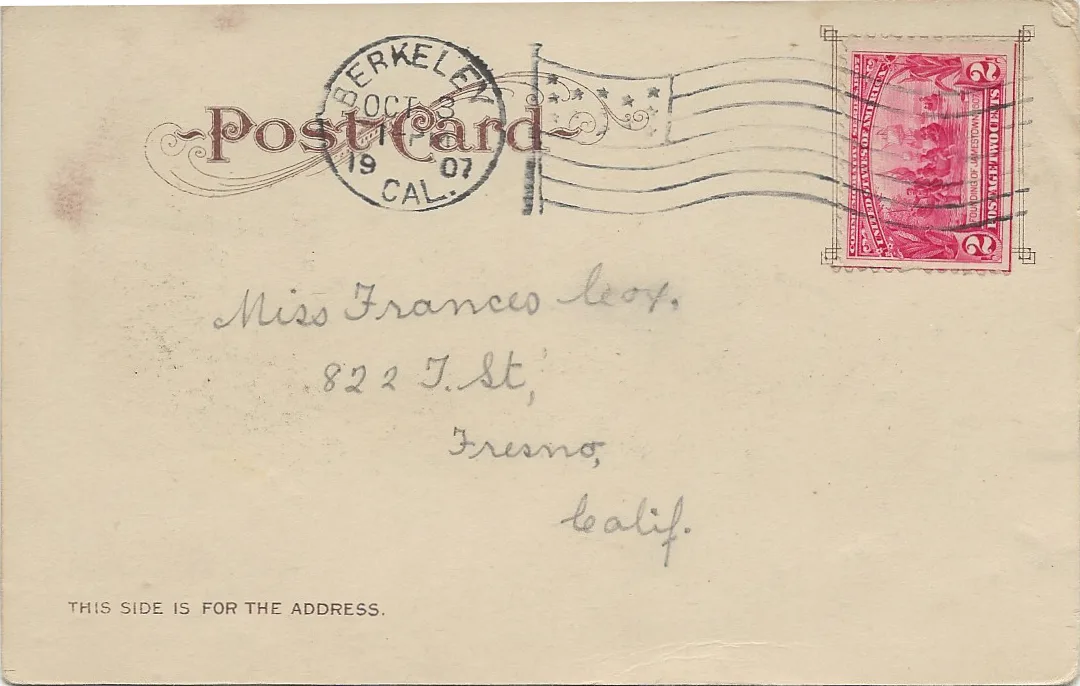
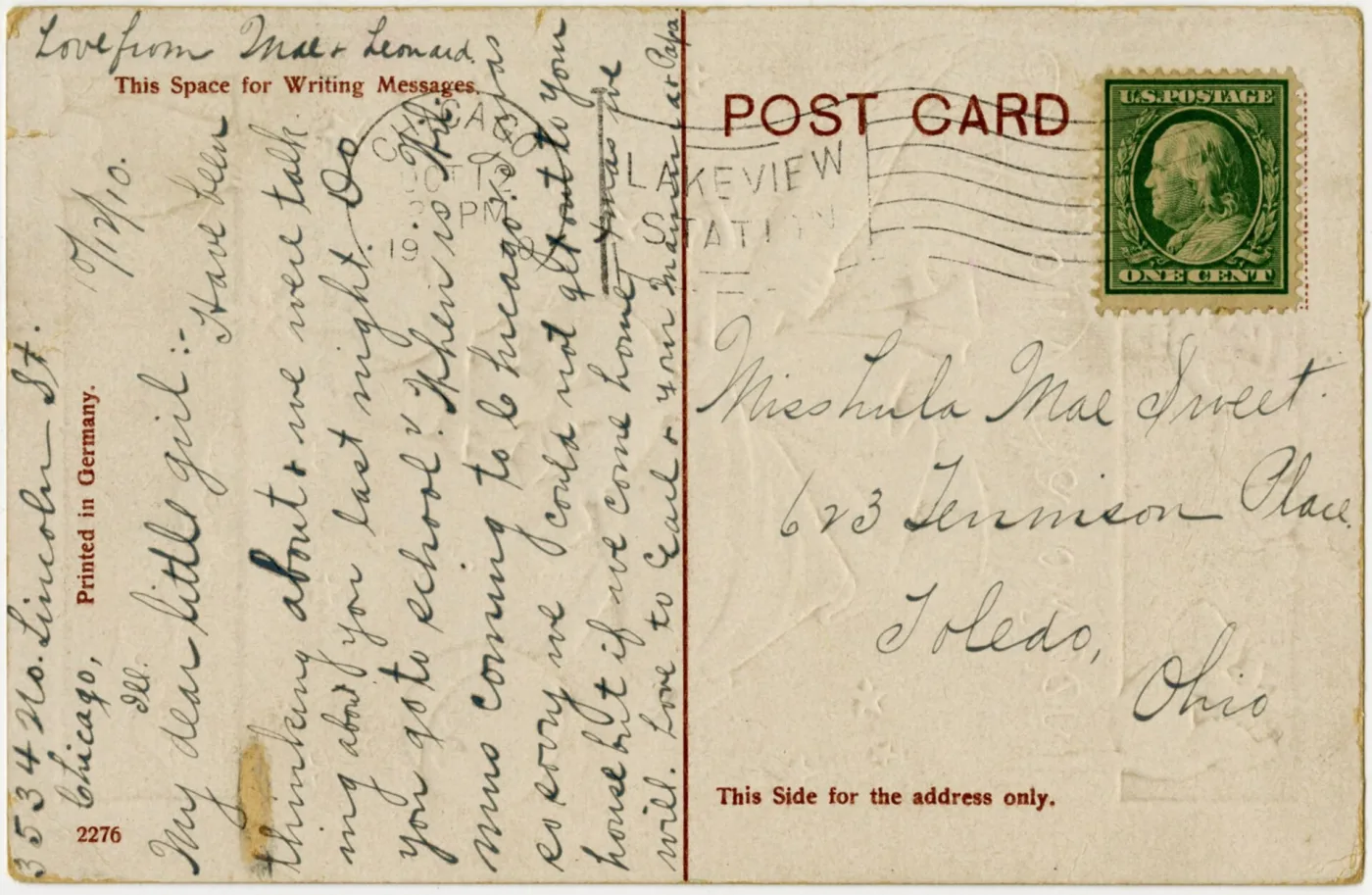
The Divided Back Era represents the true Golden Age of postcards, with production and mailing reaching unprecedented levels. Cards from this period often featured rich colors, sharp detail, and high-quality printing, primarily still from German publishers. The divided back typically shows a vertical line separating address and message spaces, with instructions like "This side for address only" or "This space may be used for correspondence." Real photo postcards (RPPCs) became increasingly common during this era, documenting local scenes, events, and everyday life with photographic authenticity.
World War I dramatically affected postcard production, as German imports ceased and American publishers ramped up domestic production. Late Divided Back Era cards (1914-1915) may show declining quality as publishers adjusted to wartime conditions and the American printing industry developed its capabilities.
White Border Era (1915-1930)
Following World War I, American publishers dominated postcard production, but often with reduced quality compared to earlier German cards. To save ink, publishers left white borders around images, giving this era its name. The White Border Era is sometimes called the "dull period" of postcards, as the vibrant colors and fine detail of earlier years gave way to cruder printing and less artistic designs.
However, this era shouldn't be dismissed entirely. Real photo postcards flourished during this period, capturing invaluable documentation of small-town America, local businesses, street scenes, disasters, and social events. View cards of cities, towns, and tourist attractions continued to be popular. The format of white-bordered cards makes them instantly recognizable, and despite generally lower production values, rare subjects or unusual content can still be quite valuable.
Linen Era (1930-1945)
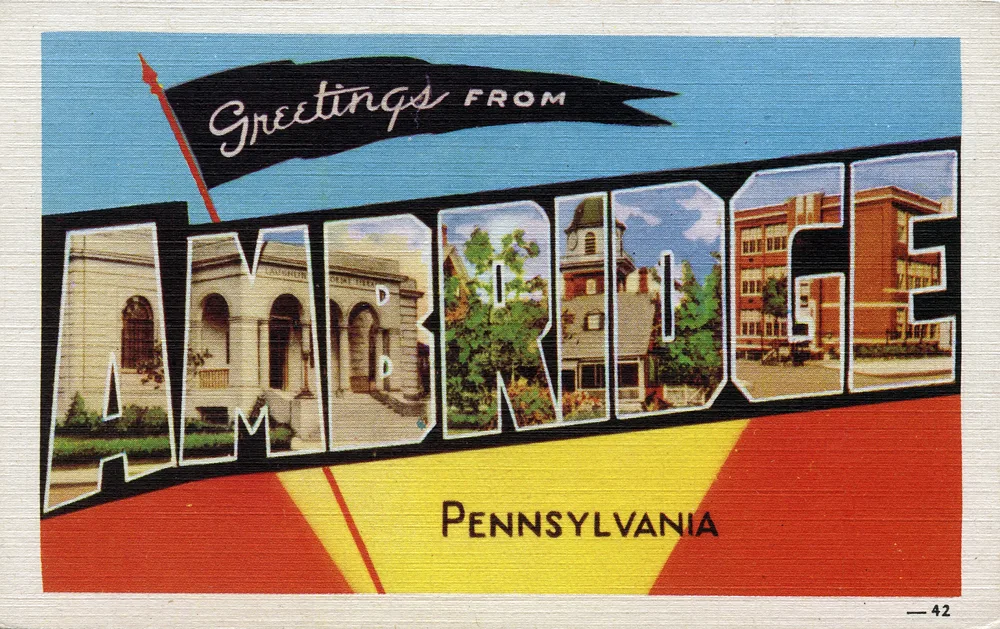
A new printing technology emerged in the early 1930s that gave postcards a textured, fabric-like surface resembling linen cloth. These "linen" postcards featured bright, often garish colors achieved through offset lithography on high-rag content paper stock. The Linen Era brought a distinctive aesthetic that collectors either love or hate, with highly saturated colors, simplified designs, and a characteristic tactile surface.
Linen postcards documented the Depression, World War II, and America's early highway culture. "Large letter" greetings ("Greetings from..."), roadside attractions, diners, motels, and tourist camps became popular subjects. Curt Teich Company of Chicago became the dominant American publisher, producing billions of linen cards. The format remained popular through the early postwar period, gradually giving way to photochrome cards in the late 1940s.

Photochrome (Chrome) Era (1945-Present)
The development of color photography and improved printing processes led to photochrome or "chrome" postcards, which began appearing in the late 1940s and dominated production by the 1960s. These cards featured glossy surfaces and photographic-quality color images, replacing the stylized illustrations of earlier eras. While not yet considered "antique" by traditional standards, early chrome cards from the 1950s and 1960s are increasingly collectible, particularly those documenting mid-century modern architecture, vintage automobiles, and cultural scenes.
Printing Techniques and Processes
Understanding the various printing techniques used for postcards helps with both dating and authentication. Different processes create distinctive visual and tactile characteristics that are key identification factors.
Chromolithography
Chromolithography, or color lithography, was the dominant printing process for high-quality postcards from the 1890s through the early 1910s. This process involved creating separate lithographic stones (or later, metal plates) for each color, with images built up through multiple printing passes. German publishers, particularly those in Saxony, achieved remarkable results with chromolithography, producing cards with subtle color gradations, fine detail, and often 10 or more separate color layers.
Examining a chromolithographed card under magnification reveals the stone-ground texture characteristic of the process, with colors appearing as solid areas rather than dot patterns. The slight misregistration between colors sometimes creates rainbow-like edges where colors meet. The richness and complexity of chromolithographic printing is difficult to reproduce, making it a useful authentication tool. Cards printed in Germany often state "Printed in Germany" or "Made in Saxony" and may include publisher codes.
Halftone Process
The halftone process, developed in the 1880s, allowed continuous-tone photographs to be reproduced using printing presses. This technique converts the photograph into a pattern of dots of varying sizes, creating the illusion of different tones when viewed at normal distance. Black-and-white postcards often used halftone printing, as did some color cards that combined halftone images with flat color areas.
Under magnification, halftone printing reveals a clear dot pattern, usually in a regular screen grid. The fineness of the screen (measured in lines per inch) indicates the quality level, with finer screens producing more detailed images. Early halftone postcards may show relatively coarse screens, while later examples achieved much finer detail. This process was particularly common for newspaper-style printing and some view cards.
Collotype
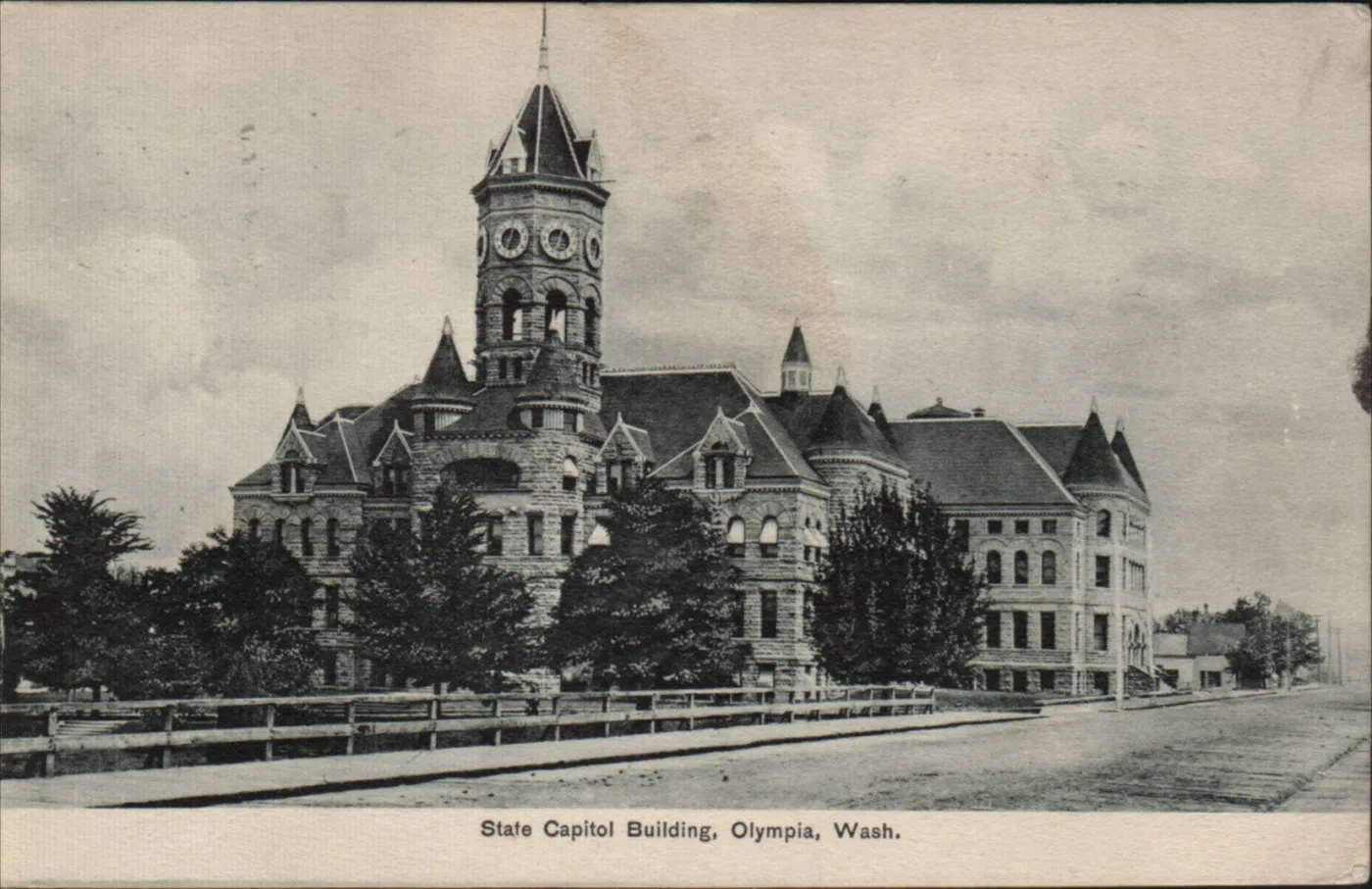
Collotype, also called photogelatin printing, was a photomechanical process capable of producing continuous-tone images without visible dot patterns. This method was expensive and time-consuming but produced high-quality results with subtle tonal gradations. Collotype postcards were typically produced in limited quantities, often for specialized publishers or art reproductions.
Identifying collotype cards requires careful examination under magnification. Rather than regular dot patterns, collotype shows a characteristic reticulated or cracked pattern, somewhat resembling crocodile skin. The tonal range is continuous, with no visible screening. Collotype postcards are relatively uncommon and often feature art reproductions, portrait photographs, or high-end view cards.
Offset Lithography
Offset lithography became the dominant printing method for linen-era postcards and remained standard for later production. This process transfers ink from a plate to a rubber blanket, then to the printing surface. For linen cards, offset lithography was used on textured paper stock, creating the characteristic linen appearance with bright, solid colors.
Offset-printed cards typically show some dot pattern under magnification, though different from halftone screens. Colors are more uniform and less nuanced than chromolithography. The process allowed for economical mass production, which contributed to the ubiquity of linen postcards. Modern offset printing continues for many contemporary postcards, though digital printing has increasingly supplanted it.
Rotogravure
Rotogravure, an intaglio printing process using engraved cylinders, was sometimes used for postcard production, particularly in Europe. This method produces rich, velvety blacks and smooth tonal gradations. Under magnification, rotogravure shows a distinctive pattern of cells or wells that hold the ink, different from halftone dots or lithographic textures.
Real Photo Postcards (RPPCs)
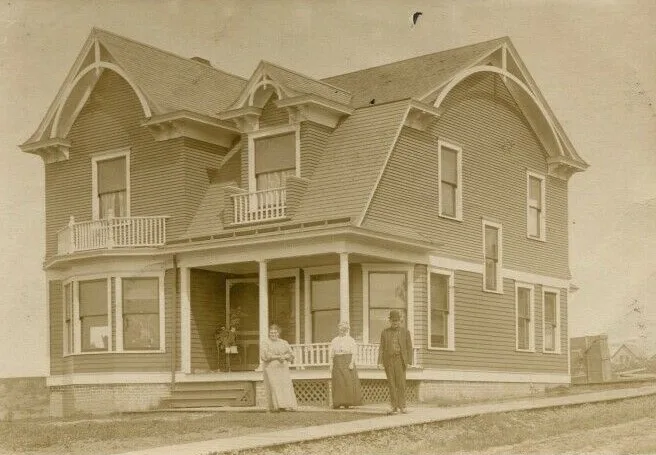
Real photo postcards, often abbreviated as RPPCs, represent a special category that deserves particular attention from collectors and historians. Unlike printed postcards, RPPCs are actual photographic prints on postcard-weight paper with postcard backs, making each card a unique or limited-run photographic document.
Production Process
RPPCs were produced using standard photographic processes, typically on commercially available postcard paper such as Eastman Kodak's AZO or VELOX papers. A photographer would take a picture using a large-format camera, create a negative, and then make photographic prints on postcard stock. The resulting card had a true continuous-tone photographic image with no printing dots or screens.
Professional photographers, photo studios, and amateur photographers all produced RPPCs. Some were made in quantity for commercial sale (such as view cards of local scenes), while others were created as personal correspondence, essentially illustrated letters. The accessibility of RPPC production meant that countless unique moments, places, and people were documented, creating an invaluable historical record.
Identifying RPPCs
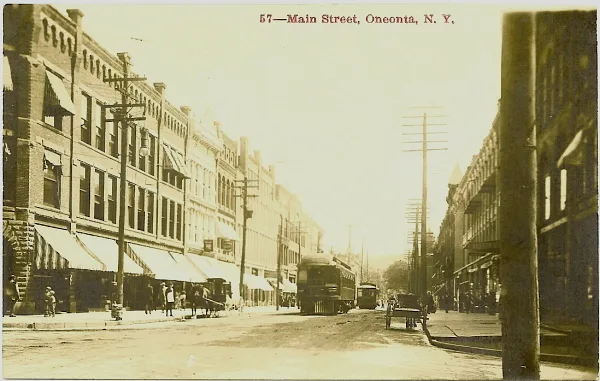
Distinguishing RPPCs from printed postcards is usually straightforward with practice. Under magnification, RPPCs show continuous photographic grain without any regular dot pattern or printing texture. The tonal range is smooth and continuous, with subtle gradations that printing processes struggle to replicate. The surface typically has the characteristic glossy or matte finish of photographic paper.
The back of the card often provides definitive evidence. Many RPPC papers bear printed information from the manufacturer, most commonly "AZO" (produced from 1904 to 1960s with different versions) or "VELOX" (another Kodak product). The specific design and typography of these paper designations can help date the card precisely. For example, AZO paper with two triangles pointing up dates to 1904-1918, with four triangles (two up, two down) to 1918-1930, and so on. Reference guides document these variations, making paper backs an excellent dating tool.
Types of RPPCs
Real photo postcards encompass a vast range of subjects and purposes. Street scenes and town views captured main streets, commercial districts, and evolving urban landscapes. Disaster documentation recorded floods, fires, tornadoes, train wrecks, and other dramatic events, often produced quickly while local interest was high. Occupational RPPCs showed workers, shops, factories, farms, and businesses, providing valuable documentation of work life and commercial history.
Social documentation RPPCs captured parades, celebrations, gatherings, schools, churches, and community events. Transportation subjects included railroads, automobiles, ships, bridges, and stations. Military RPPCs documented camps, training, units, and soldiers, particularly abundant during World War I. Personal and family RPPCs served as photographic correspondence, showing homes, relatives, vacations, and daily life. Novelty and staged RPPCs featured trick photography, humorous setups, oversized vegetables, and other creative compositions.
Value and Collectibility
RPPCs can range from common to extremely valuable depending on subject matter, location, condition, and uniqueness. Common subjects like generic street scenes from large cities or standard tourist views may have modest value. However, specific subjects can command premium prices. Unusual occupational scenes, particularly showing trades or industries no longer common, are highly sought after. Disaster documentation, especially of significant or well-known events, attracts strong collector interest.
Small-town documentation, particularly main streets and businesses from towns where little other photographic documentation exists, has a dedicated collector base. Transportation subjects, especially railroad material, aviation, and early automobiles, appeal to crossover collectors from those specialized fields. Unusual or quirky subjects, social history documentation, and cards with interesting identified people all enhance value. African American life and culture, when respectfully documented, is increasingly recognized as important historical material.
Divided Back and Postal Regulations
Understanding postal regulations and how they changed over time is crucial for accurately dating postcards. The physical format of the back of a postcard directly reflects postal rules in effect when it was produced.
Back Formats as Dating Tools
The evolution of postcard backs provides one of the most reliable methods for establishing date ranges. Undivided backs, with the entire space reserved for the address, immediately identify cards from 1901-1907. The presence of "Private Mailing Card" rather than "Post Card" further narrows dating to 1898-1901. A divided back with space for both address and message indicates 1907 or later.
Beyond the basic division, many other details help with dating. Postal rate information, when present, provides specific dating evidence. Instructions to correspondents, such as "This side for address only" or "This space may be used for correspondence," changed in wording and typography over time. The style and placement of printed text, borders, publisher information, and logos all evolved, creating distinctive period appearances that experienced collectors recognize instantly.
International Variations
While the U.S. timeline is standard for American collectors, other countries had different regulations and timetables. European postcards often adopted the divided back format earlier than the United States. British cards, for example, allowed divided backs from 1902. Canadian postal regulations generally followed the British system. Understanding these international variations is important when collecting or dating foreign postcards.
Postal Markings
Postmarks, stamps, and other postal markings provide definitive dating evidence when present. A clearly legible postmark with date and location offers both temporal and geographic documentation. However, not all postcards were mailed, and some that were mailed have illegible or missing postmarks. Additionally, cards could be kept for months or even years before mailing, so postmarks provide a "no earlier than" date rather than a manufacturing date.
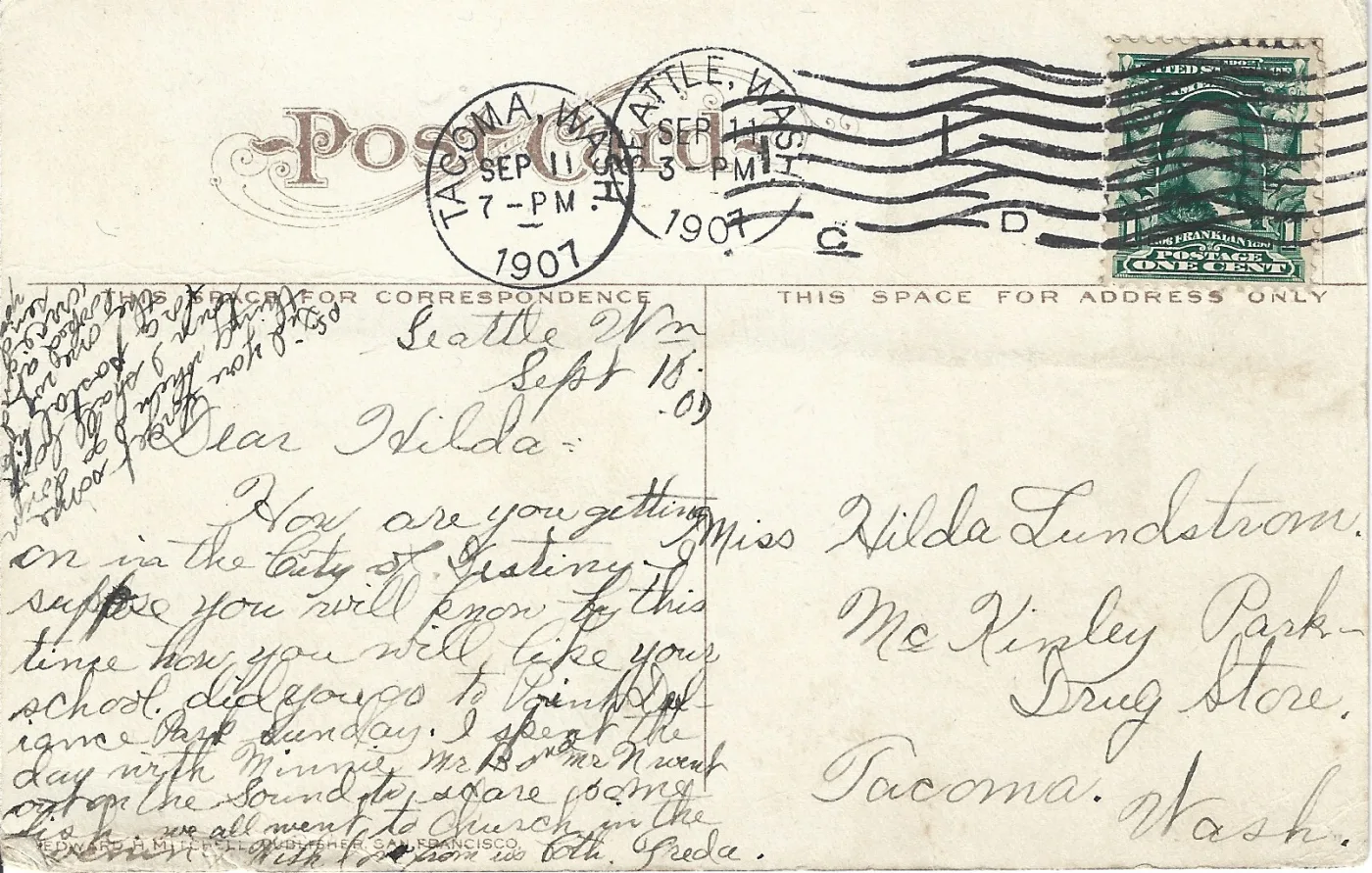
Stamps themselves offer dating clues through their design, denomination, and cancellation marks. Philatelic references can identify specific stamp issues and their periods of use. Multiple postal markings may appear on cards that traveled through different post offices or required additional postage.
Messages and Handwriting
The messages written on postcards, when present, can provide valuable dating and contextual information. References to historical events, dated entries, contemporary slang, and even handwriting styles all offer clues. However, this information should be used carefully, as messages might have been added later, and handwriting analysis requires expertise to avoid misidentification.

Valuable Postcard Categories
Certain postcard categories consistently command higher prices and collector interest than others. Understanding these categories helps with both collecting focus and value assessment.
Hold-to-Light Postcards
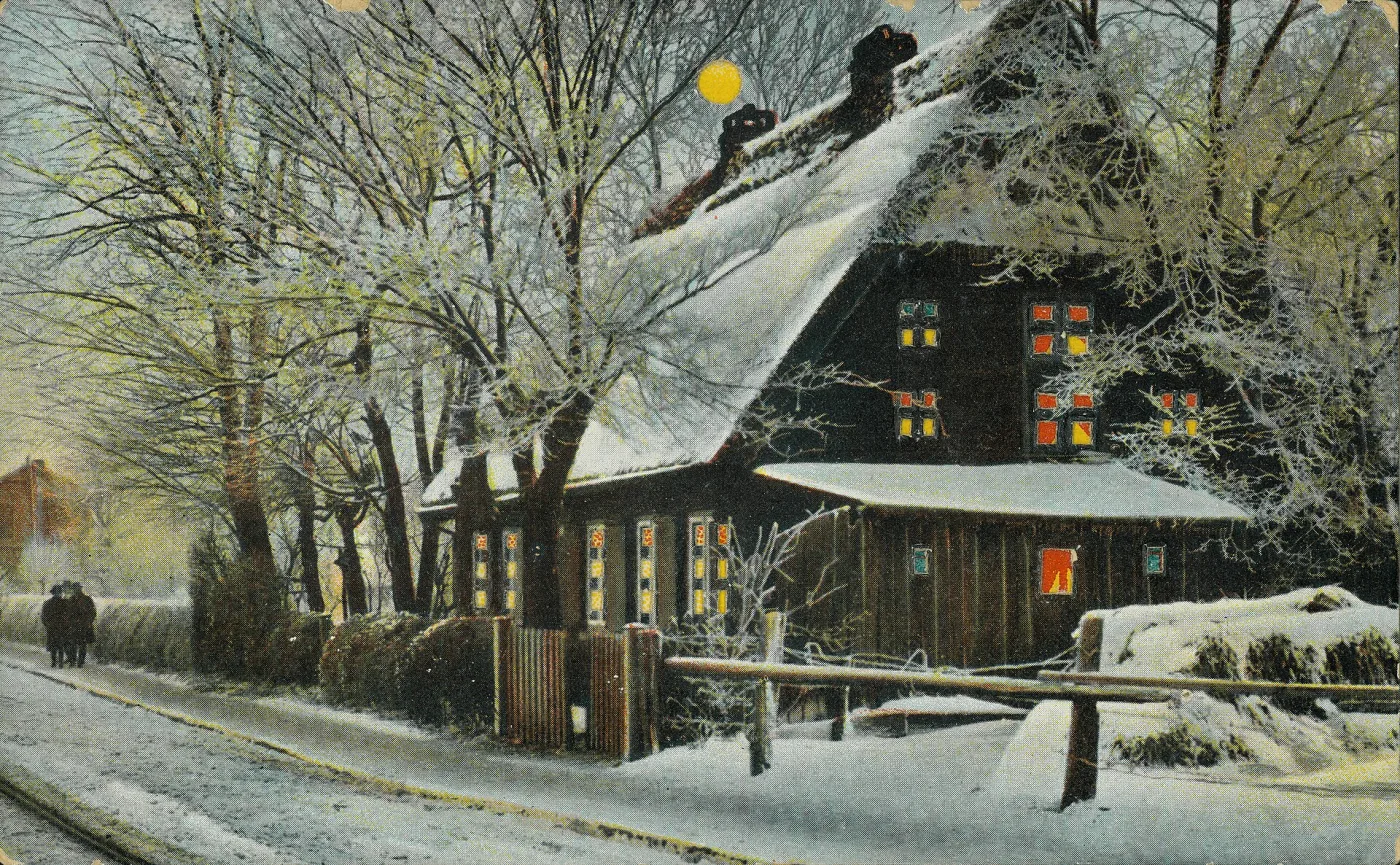
Hold-to-light postcards contain translucent or die-cut elements that create special visual effects when held up to light. The most common type shows a scene that appears to be daytime in normal light but reveals illuminated windows, stars, moons, or other glowing elements when backlit. More elaborate versions used multiple layers or color transparencies to create dramatic transformation effects. These novelty cards required specialized production and are relatively scarce, making them highly collectible today.
Mechanical and Novelty Cards
Mechanical postcards incorporated moving parts, pull-tabs, pop-ups, or other interactive elements. These might include wheels that change images when rotated, levers that make figures move, or folded constructions that create three-dimensional scenes. The mechanical complexity and fragility of these cards mean that many were damaged or destroyed, making surviving examples in good condition particularly valuable.
Woven and embroidered silk postcards form another prized novelty category, accepted for mailing only from 1903 onward; the woven examples include the patriotic "Hands Across the Sea" flag cards and ship designs related to the woven silk pictures of Thomas Stevens of Coventry, while many First World War silk cards were hand-embroidered by Continental workers instead.
Santa Claus and Christmas Cards
Early Christmas and Santa Claus postcards, particularly those from the Golden Age (1901-1915), are among the most collectible postcard categories. Cards featuring unusual Santa depictions, elaborate embossing, applied glitter or tinsel, hold-to-light effects, or rare subject matter can command premium prices. European cards with Father Christmas or other international holiday figures add cultural variety to this collecting field.
Halloween Postcards
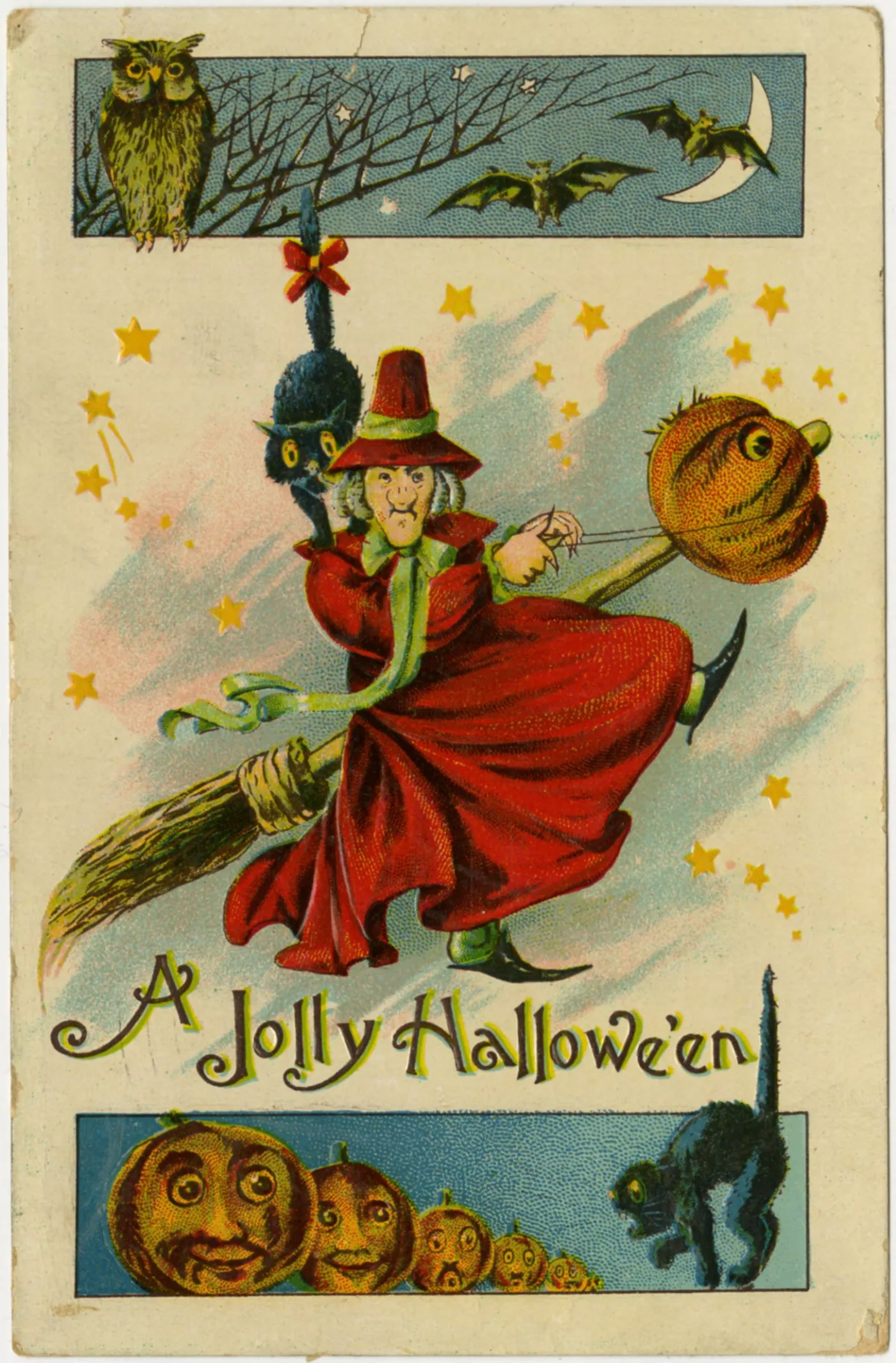
Halloween postcards from the early 20th century have developed a devoted following among both postcard specialists and collectors of vintage Halloween collectibles. The Golden Age Halloween cards featured witches, black cats, jack-o'-lanterns, fortune-telling scenes, and romantic or humorous Halloween themes. Artists like Ellen Clapsaddle, Frances Brundage, and others created distinctive Halloween designs that are now highly sought after. Mechanical Halloween cards or those with unusual imagery command particularly strong prices.
Artist-Signed Cards
Postcards signed by notable illustrators or artists carry premium value, especially when featuring the artist's distinctive style. Important postcard artists include Ellen Clapsaddle (children and holidays), Frances Brundage (children), Bernhardt Wall (comic and beautiful women), Harrison Fisher (beautiful women), Philip Boileau (beautiful women), and Raphael Kirchner (glamour and Art Nouveau). European artists such as Alphonse Mucha and other Art Nouveau designers created highly collectible cards. Identifying genuine artist-signed cards versus unsigned work by the same artist or unsigned similar designs requires familiarity with specific artists' signatures and styles.
Transportation
Transportation postcards attract crossover collectors from specialized fields. Railroad cards, particularly those showing specific locomotives, railroad stations, train wrecks, or interior views of passenger cars, appeal to railroad enthusiasts. Early automobile cards, especially those depicting specific makes and models, racing scenes, or automotive manufacturing, interest car collectors. Aviation cards, particularly those from the pioneer era through World War I, command strong prices. Ocean liner cards, especially featuring famous vessels like the Titanic (pre-disaster cards are extremely rare and valuable), attract maritime collectors. Streetcars, subways, bridges, and other transportation infrastructure all have dedicated collector bases.
Advertising Cards
Early advertising postcards served as promotional material for businesses, products, and services. These cards often featured product illustrations, brand mascots, company buildings, or endorsements. Advertising categories that attract particular interest include food and beverage brands (especially early soft drinks, beer, and whiskey), tobacco products, patent medicines, and nostalgic products no longer made. Beautiful women or children used in advertising illustrations, humorous advertising, and cards with historically significant brands or products all enhance value.
Exaggeration and Tall Tale Cards
A distinctly American postcard category, exaggeration or "tall tale" cards depicted oversized vegetables, giant fish, enormous grasshoppers, and other humorous impossibilities, often with titles like "Everything grows bigger in..." These cards celebrated regional boosterism and American frontier humor. Photography was manipulated through multiple exposures, photo montage, or retouching to create the impossible scenes. While once dismissed as lowbrow humor, these cards are now recognized as folk art and social documentation, with some examples commanding substantial prices, particularly those with unusual subjects or superior photographic quality.
Expositions and World's Fairs
Postcards from major expositions and world's fairs document these spectacular events and are highly collectible. The 1904 Louisiana Purchase Exposition in St. Louis generated thousands of different postcard designs. Other important fairs include the 1893 Columbian Exposition (though predating the main postcard era), the 1901 Pan-American Exposition in Buffalo, the 1915 Panama-Pacific International Exposition in San Francisco, and many others. Complete sets from specific fairs, cards showing buildings no longer extant, and rare views or subjects command premium prices.
Ethnic and Racial Material
Postcards depicting ethnic groups, racial minorities, and indigenous peoples require sensitive handling by collectors and dealers. Some cards respectfully document cultural practices, traditional dress, daily life, and communities. Others reflect the prejudices and stereotypes of their era, ranging from mildly insensitive to overtly racist caricatures. Collectors and institutions interested in social history and cultural documentation seek cards showing African American life, Native American subjects, and other ethnic groups, particularly those cards that treat subjects with dignity and provide valuable historical documentation. Racist caricatures and offensive stereotypes should be recognized as historical artifacts that document ugly aspects of the past, but collectors should approach this material thoughtfully and contextually.
Publisher Identification and Marks
Identifying postcard publishers helps with dating, authentication, and value assessment. Major publishers had distinctive styles, subject specialties, and periods of operation.
German Publishers
Before World War I, German publishers dominated high-quality postcard production worldwide. Important German firms included Paul Finkenrath of Berlin (PFB), John Winsch (holiday and greeting cards), International Art Publishing Company (I.A.P.C.), and numerous Saxony lithographers. These publishers typically printed their names, cities, and sometimes codes or series numbers on the backs of cards. The phrase "Printed in Germany" or "Made in Germany" identifies these imports.
German printing quality generally exceeded American production of the same era, with chromolithography achieving exceptional results. When World War I cut off German imports, American publishers quickly ramped up domestic production, but often with initially inferior quality. Recognizing German publishing marks helps identify cards likely to have superior printing and potentially higher collector value.
American Publishers
Major American publishers that emerged or expanded after 1914 included Curt Teich Company of Chicago (dominant producer of linen-era cards, with coded dating systems), Detroit Publishing Company (high-quality photomechanical view cards, code-dated), Edward H. Mitchell Company of San Francisco (Western views), Valentine & Sons (originally British, American operations from 1906), and H.H. Tammen (Denver-based publisher of Western subjects). Smaller regional publishers produced cards for local markets, often specialized by geography or subject matter.
Curt Teich coded their cards with date codes that allow precise dating. For example, a card with the code "8B-H1234" was produced in 1948 (the "8B" indicating the year). Learning to decode publisher markings provides valuable dating and identification information.
British Publishers
British postcard publishers such as Raphael Tuck & Sons (prolific producer of high-quality art cards, "oilettes," and greetings), Valentine & Sons (Scottish firm known for view cards), and Bamforth & Company (comic cards and song cards) all exported cards internationally or established American operations. British cards often have distinctive back designs and series numbering systems.
Condition Grading Standards
Condition dramatically affects postcard value. The postcard collecting community has established grading standards similar to those used for other collectibles.
Grading Scale
The standard grading scale ranges from Mint to Poor, with specific criteria for each grade. Mint or Near Mint cards appear as if they just came from the printer, with sharp corners, no wear, perfect registration, and pristine surfaces. Excellent cards show minimal signs of age or handling, with very slight corner or edge wear and no creases, stains, or writing beyond perhaps a light postmark. Very Good cards show light wear, slight corner rounding, possible light album marks or soil, but remain attractive with no significant damage. Good cards have moderate wear, corner rounding, light creases, postmarks, or writing that don't severely affect the image, and remain acceptable for filling collection gaps. Fair cards show substantial wear, creasing, soil, heavy postmarks, or edge damage, acceptable only for rare material. Poor cards have severe damage, heavy creasing, staining, tears, or missing pieces, suitable only for extremely rare items where no better examples exist.
Specific Condition Factors
Corner and edge condition significantly impacts grades. Sharp, pristine corners indicate careful preservation, while rounded, bumped, or creased corners lower value. Surface condition includes scratches, abrasions, soil, stains, foxing (brown age spots), and fading. Writing on the front or back affects condition grades, though historical messages may add interest for some collectors. Postmarks can either detract from condition or add historical value, depending on legibility and collector focus. Creases and bends, even if slight, lower grades significantly. Album marks from corner mounts or adhesive residue indicate previous collection mounting. For real photo postcards, photographic damage such as silvering out (loss of silver emulsion creating light spots) or chemical staining particularly affects value.
Grading Philosophy
Collectors must balance condition perfectionism with collecting goals. For common cards, condition is paramount, as better examples are readily available. For rare material, collectors may accept lower condition grades when superior examples don't exist or are prohibitively expensive. Understanding condition standards helps with making informed purchasing decisions and accurately representing condition when selling.
Dating Methods and Techniques
Accurately dating postcards combines multiple evidence types. No single factor definitively dates most cards, but combining several indicators narrows the timeframe significantly.
Back Format
As discussed earlier, the divided versus undivided back immediately establishes broad date ranges. Undivided backs indicate 1901-1907 (or earlier for Pioneer Era), while divided backs indicate 1907 or later. The specific wording, typography, and design of backs evolved over time, allowing more precise dating with experience.
Postmark and Stamps
Clear postmarks provide definitive evidence for "no earlier than" dating. The card existed and was mailed on or before the postmark date. Stamp designs, denominations, and cancellation marks all provide dating clues through philatelic references. However, remember that cards could be produced years before mailing, so postmarks establish latest possible dates rather than manufacturing dates.
Publisher Information
Publisher codes, copyright dates, and company information help date cards. Some publishers, particularly Curt Teich, used systematic dating codes. Copyright dates, when present, indicate the year of copyright registration, though cards might be printed from the same design for years afterward. Publisher names and addresses changed as businesses moved or changed ownership, creating dating markers.
Printing Processes
Different printing processes dominated different eras. Chromolithography peaked from the 1890s through around 1915. White border cards characterized 1915-1930. Linen texture indicated 1930-1945. Photochrome cards began in the late 1940s and dominated thereafter. Identifying the printing process immediately suggests a likely era.
Subject Matter and Style
The subjects depicted and artistic styles provide dating context. Automobiles, fashions, architectural styles, signage, and other period details visible in images help date cards. View cards showing buildings or streets can often be dated by comparing with other documented photographs or historical records. Changes in artistic styles, particularly for greeting cards and artist-signed material, reflect period aesthetics.
Paper and Cardstock
The weight, thickness, texture, and color of cardstock changed over time. Early cards used heavier stock, while wartime and later cards might be thinner. Linen cards have distinctive textured paper. Real photo postcard paper, particularly branded papers like AZO, can be dated precisely by the style of the back printing.
Combining Evidence
Effective dating combines multiple factors. A card with an undivided back, chromolithographic printing, German publisher marks, and subject matter showing fashions from around 1905 can be confidently dated to approximately 1902-1907. A white-bordered card with no postmark but showing automobiles from the 1920s and an American publisher mark fits the 1915-1930 timeframe. Building familiarity with these overlapping indicators develops dating skill.
Authentication and Reproduction Detection
As with any collectible, postcards face the risk of reproductions, fakes, and fraudulent representations. Learning to recognize authentic cards versus reproductions protects collectors from costly mistakes.
Modern Reproductions
Modern reproductions of vintage postcards are common, often sold legitimately as decorative items or nostalgic souvenirs. These reproductions typically use modern printing processes that differ from period techniques. Under magnification, modern digital printing shows different dot patterns than historical processes. The paper weight, surface finish, and aging characteristics differ from genuine antique cards. Many reproductions include disclaimers on the back, though unscrupulous sellers might remove or obscure these.
Key Authentication Factors
Examining printing processes carefully distinguishes originals from reproductions. Period chromolithography, halftone screens, or photographic continuous tone cannot be perfectly replicated by modern processes. Paper and cardstock aging shows characteristic yellowing, foxing, or wear that's difficult to fake convincingly. Period postal markings, when present, should match appropriate dates, stamp designs, and cancellation styles. Publisher information should be consistent with known references.
Suspicious Indicators
Several red flags suggest potential reproductions or manipulations. Anachronistic elements such as incorrect paper types, modern printing artifacts, or inconsistent aging patterns warrant skepticism. Cards lacking any signs of age but purporting to be antique should be questioned. Prices that seem too good to be true for genuinely rare material deserve careful examination. Sellers unable or unwilling to provide detailed images or answer specific questions about printing processes and condition may be concealing problems.
Fantasy and Souvenir Cards
Some modern cards mimic antique styles without claiming to be genuine antiques. These "fantasy" or "souvenir" postcards might use sepia tones, vintage-style designs, or nostalgic subjects but are honestly marketed as contemporary products. Collectors should understand the difference between legitimate modern cards and deceptive reproductions.
Value Assessment and Market Factors
Postcard values range from pennies for common cards to thousands of dollars for rare examples. Understanding the factors that drive value helps collectors make informed decisions.
Rarity and Availability
As with most collectibles, rarity drives value. Cards produced in limited quantities, from small publishers, for local events, or depicting unusual subjects tend to be rarer than mass-produced view cards from major publishers. However, rarity alone doesn't guarantee value; there must also be collector demand for the subject matter.
Subject Matter
Subject matter profoundly affects value. The most valuable categories include significant disasters, unusual occupations, rare transportation subjects, important historical events, celebrity-related material, African American life and culture, Native American subjects, early aviation, advertising for collectible brands, unusual hold-to-light or mechanical cards, early Christmas and Halloween cards by desirable artists, and significant regional documentation for areas where material is scarce.
Condition
Condition impacts value dramatically. For common cards, only examples in excellent or better condition maintain significant value. For rare material, collectors accept lower grades, but even then, condition differences affect price substantially. A card in excellent condition might sell for three to five times the price of the same card in only good condition.
Artistic Merit and Printing Quality
Artistically superior cards, particularly those by notable illustrators or showing exceptional chromolithography, command premium prices. Golden Age chromolithographic cards generally bring higher prices than cruder White Border examples of similar subjects. Beautiful women series by important artists, Art Nouveau designs, and exceptionally well-executed greetings all benefit from artistic quality.
Historical Significance
Postcards documenting important historical events, significant locations, or cultural moments carry enhanced value. Cards showing buildings or businesses before they were destroyed or altered, documentation of disasters or significant events, views of places that changed dramatically over time, and social documentation of historical importance all appeal to both postcard collectors and crossover buyers interested in local or social history.
Market Demand
Current collector interests shift over time, affecting values. While classic high-demand categories like artist-signed cards, Halloween, and transportation remain strong, newer collecting interests emerge. Mid-century modern architecture, vintage neon signs, Route 66 and roadside Americana, diners and drive-ins, and early color chrome cards have all seen increased collector interest in recent years.
Local Interest
Postcards depicting specific locations often have enhanced value in those local markets. A card showing a small town's main street might be worth only a dollar or two nationally but command $20-50 or more to local collectors or historical societies in that town. Understanding local interest helps both sellers reach appropriate markets and collectors find material at fair prices.
Collecting Strategies and Specialization
Successful postcard collecting usually involves developing a focus or specialty rather than attempting to collect everything. Specialization creates collecting goals, builds expertise, and makes the hobby more manageable and satisfying.
Geographic Collecting
Many collectors focus on specific geographic areas. This might be hometown or regional collecting, state-by-state collections, specific cities or tourist destinations, or international focus on particular countries or regions. Geographic collecting often appeals to personal connections, provides manageable scope, and allows collectors to develop deep knowledge of local history and landmarks.
Topical Collecting
Topical collecting focuses on specific subjects across all geographic areas. Popular topics include transportation (railroads, automobiles, ships, aviation), holiday and greeting cards (Christmas, Halloween, birthday, Valentine's Day), advertising postcards, occupational subjects, disaster documentation, artist-signed cards by specific illustrators, hold-to-light and mechanical cards, and exaggeration and tall tale cards. Topical collections allow thematic coherence and appeal to crossover interests.
Publisher Collecting
Some collectors focus on specific publishers or imprints. This might include Curt Teich Company production, Detroit Publishing Company views, Raphael Tuck art cards, or small regional publishers. Publisher collecting develops expertise in specific styles, dating codes, and production methods.
Era and Process Collecting
Collections focused on specific postcard eras document technological and stylistic evolution. Pioneer Era, Golden Age chromolithographs, real photo postcards, linen cards, and early chrome cards each offer distinct collecting opportunities. This approach emphasizes understanding production methods and historical context.
Building a Collection
Starting a collection involves several strategic decisions. Defining focus and scope prevents aimless accumulation and creates clear collecting goals. Setting condition standards appropriate to chosen subjects balances quality with affordability. Establishing a budget helps prevent overspending while allowing for occasional splurges on special items. Developing knowledge through antique books, clubs, and online resources builds expertise. Networking with other collectors, dealers, and postcard show vendors provides access to material and knowledge. Documenting collections through cataloging, photographing, and recording provenance preserves information and aids future research or disposition.
Preservation and Storage Best Practices
Proper preservation ensures that postcards survive for future generations while maintaining condition and value. Following archival best practices protects collections from damage.
Storage Materials
Use archival-quality storage materials designed for paper collectibles. Acid-free postcard sleeves made from polyethylene, polypropylene, or polyester protect cards from handling, dust, and environmental contaminants while allowing viewing. Avoid PVC plastic sleeves, which can emit acids that damage paper over time. Archival-quality storage boxes, preferably acid-free cardboard or plastic, protect sleeved cards from light, dust, and physical damage. Store boxes in stable environments away from temperature extremes, high humidity, and direct light.
Handling Best Practices
Handle postcards carefully to prevent damage. Always work over clean, flat surfaces to prevent dropping cards. Hold cards by edges to avoid fingerprints and skin oils on faces. Use clean, dry hands or cotton gloves when handling particularly valuable or fragile cards. Avoid bending, flexing, or stacking unsupported cards that might crease or damage them. Never use tape, glue, or adhesives on postcards, as these cause permanent damage. Do not write on cards unless using soft pencil on backs and only when necessary for documentation.
Environmental Control
Store postcards in stable environments with controlled temperature and humidity. Ideal conditions approximate 65-70°F with 30-50% relative humidity, avoiding extremes and fluctuations. Keep cards away from direct sunlight and strong artificial light, which cause fading and paper degradation. Avoid basements prone to flooding, dampness, or mold, and attics with temperature extremes. Keep cards away from potential water damage, including leaking pipes, windows, or roofs.
Display Considerations
If displaying postcards, use UV-filtering glass or acrylic to prevent light damage. Frame using acid-free mats and backing materials. Rotate displayed cards periodically to limit light exposure. Consider displaying reproduction copies of valuable cards while keeping originals in archival storage. Digital photography creates backup documentation and allows sharing without handling originals.
Organization Systems
Organize collections logically for easy access and enjoyment. Common organization methods include geographic arrangement by state, county, or city, topical arrangement by subject categories, chronological arrangement by period or date, and publisher or printer arrangement. Consistent organization makes finding specific cards easier and helps identify gaps in collections. Document collections through spreadsheets, databases, or specialized collecting software that records details like descriptions, dates, publishers, conditions, acquisition information, and valuations.
Digital Tools for Postcard Identification
Modern technology offers powerful tools for postcard identification, research, and documentation. The Antique Identifier app exemplifies how digital innovation enhances traditional collecting.
Antique Identifier App
The Antique Identifier app brings artificial intelligence to postcard identification and evaluation. Simply photograph your postcard using your smartphone, and the app's advanced image recognition technology analyzes the image, printing technique, design elements, and visible characteristics. The AI identifies likely era, printing process, publisher information when visible, subject category, condition factors, and estimated value ranges.
For postcard collectors, the app offers several key advantages. Instant identification helps evaluate potential purchases at antique shops, estate sales, or online auctions without extensive prior research. Dating assistance using back formats, printing processes, and visual clues narrows timeframes quickly. Value estimation provides baseline price expectations for buying or selling decisions. Condition documentation through photographs creates visual records of collection condition over time. The app's learning database improves continuously as more postcards are analyzed, making identification increasingly accurate.
Online Databases and Resources
Numerous online resources support postcard research and identification. MetropostCard.com offers extensive postcard archives searchable by location, publisher, and subject. CardCow.com provides a massive searchable database of postcards with current market prices. Delcampe.net, an international auction site, shows realized prices for comparable cards. PostcardCollectors.com and other club websites offer articles, dating guides, and community forums. Publisher-specific resources document companies like Curt Teich, Detroit Publishing, and others in depth. Real photo postcard paper dating guides help identify RPPC papers by back designs.
Digital Photography Best Practices
When photographing postcards for identification apps or documentation, use good lighting (natural indirect light or daylight-balanced artificial light), lay cards flat on neutral backgrounds, capture entire cards including backs for complete documentation, photograph at sufficient resolution to show detail, and capture both overall images and close-ups of signatures, publisher marks, or other important details. Well-documented photographic records serve multiple purposes including identification, insurance documentation, online selling, and sharing with other collectors.
Social Media and Community
Online communities connect postcard collectors worldwide. Facebook groups, Reddit communities, Instagram hashtags, and specialized forums all provide venues for sharing discoveries, asking identification questions, discussing values, and connecting with other enthusiasts. These communities offer collective knowledge that can help identify obscure cards or answer specific questions.