
Antique Pocket Watch Identification: Movements, Jewels, Cases, Serial Dating, and Value
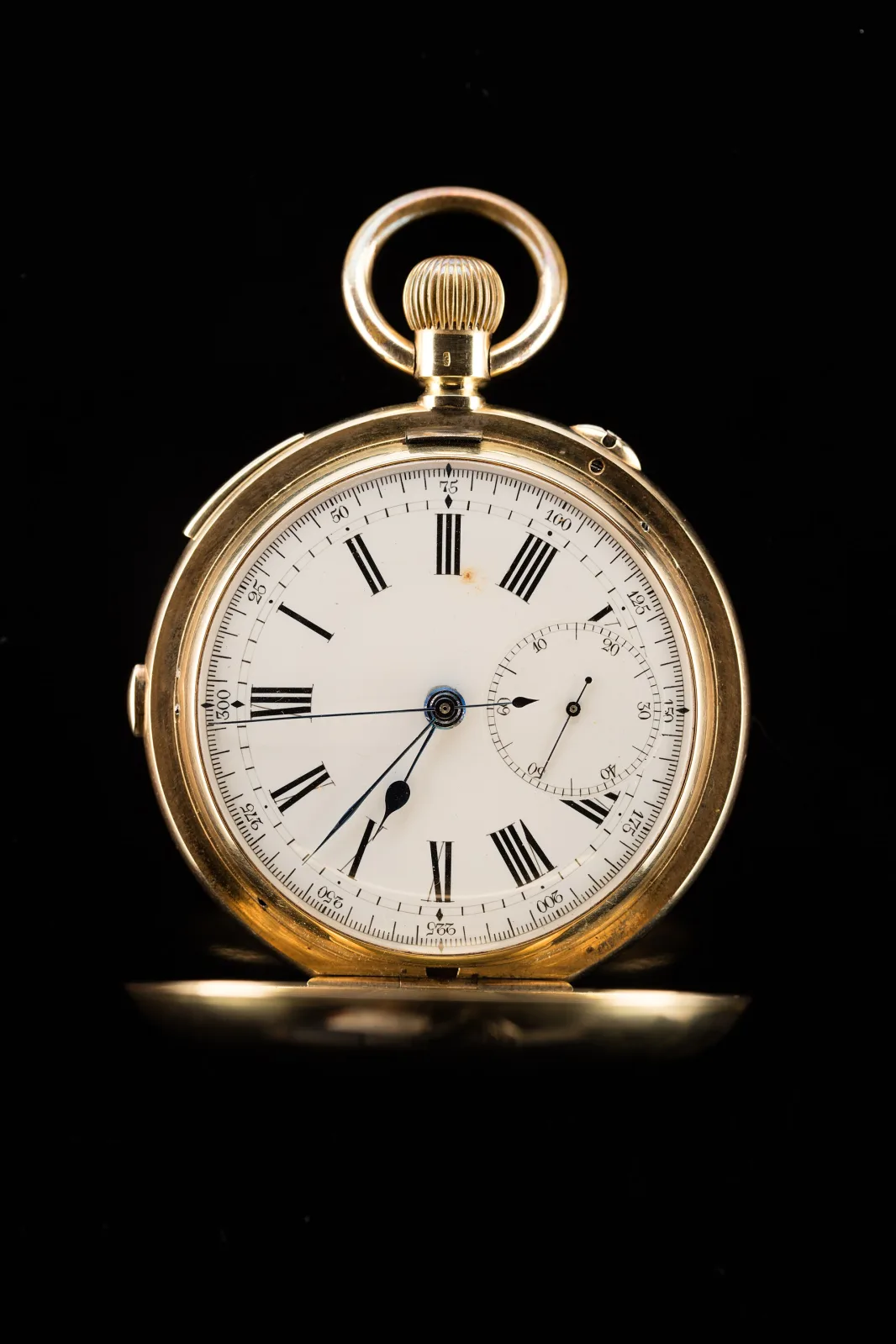
Antique pocket watches combine engineering precision with decorative artistry. Correct identification requires a systematic look at the movement, jewel count, adjustments, setting and winding mechanisms, case materials and hallmarks, dial and hands, and the relationship between the movement and case. This guide walks you through each step and shows how to use serial numbers, grade names, and maker marks to date and evaluate pocket watches accurately.
Table of Contents
- Movement Types and Setting Systems
- Jewel Counts, Adjustments, and Grades
- Case Materials, Hallmarks, and Construction
- Dial, Hands, and Railroad Requirements
- Serial Numbers and Dating Methods
- Authenticity Checks: Movement-Case Relationship
- Condition Grading and Value Drivers
- Care, Service, and Safe Handling
- Quick Identification Checklist
Movement Types and Setting Systems
The movement is the heart of the watch and your primary identification target.
- Key-wind / Key-set (c. 1850-1890): Wound and/or set with a key from the back or front; older American and European pieces.
- Stem-wind / Lever-set (railroad grade): Crown winds; a lever near the dial edge must be pulled to set time—adopted for reliability and to prevent accidental setting.
- Stem-wind / Pendant-set: Crown both winds and sets; common on non-railroad watches.
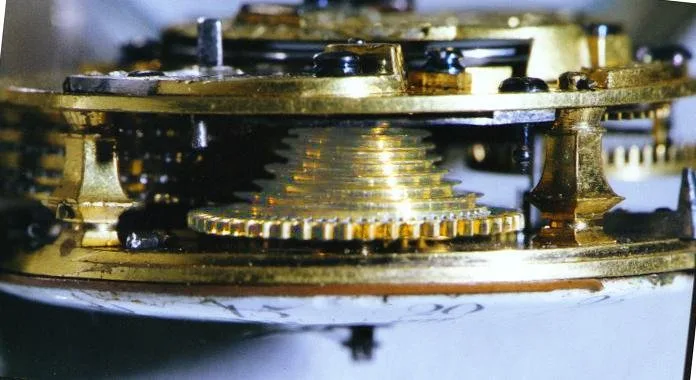
- Full-plate vs. 3/4-plate/Bridge: Plate style aids maker identification; American full-plate common in earlier production, later bridge styles show jeweled train.
Jewel Counts, Adjustments, and Grades
Jewel count and adjustments indicate quality.
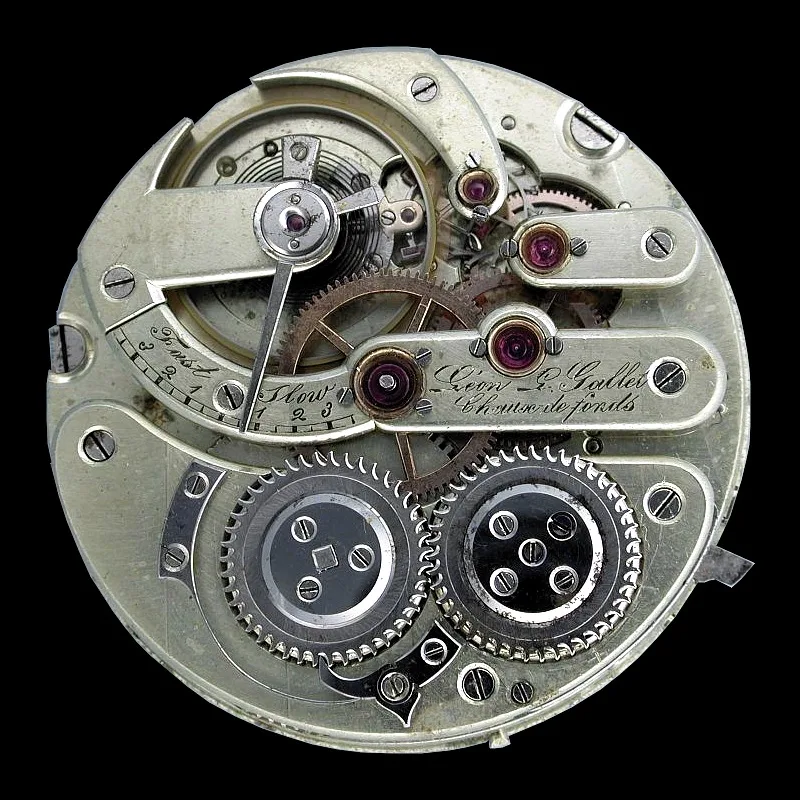
- Jewel counts: 7-11 jewels (entry), 15-17 jewels (mid), 19-23+ jewels (high grade). Look for cap jewels on escape and balance pivots.
- Adjustments: Markings like "Adjusted," "Adj. Temp & 5 Positions," or "Heat Cold Isochronism" indicate higher precision.
- Grades and model names: Makers used grade numbers/names (e.g., "B.W. Raymond," "992," "Van Buren"). Cross-reference grades to date ranges.
Case Materials, Hallmarks, and Construction
Cases were often made by specialized case companies and may not match the movement maker.
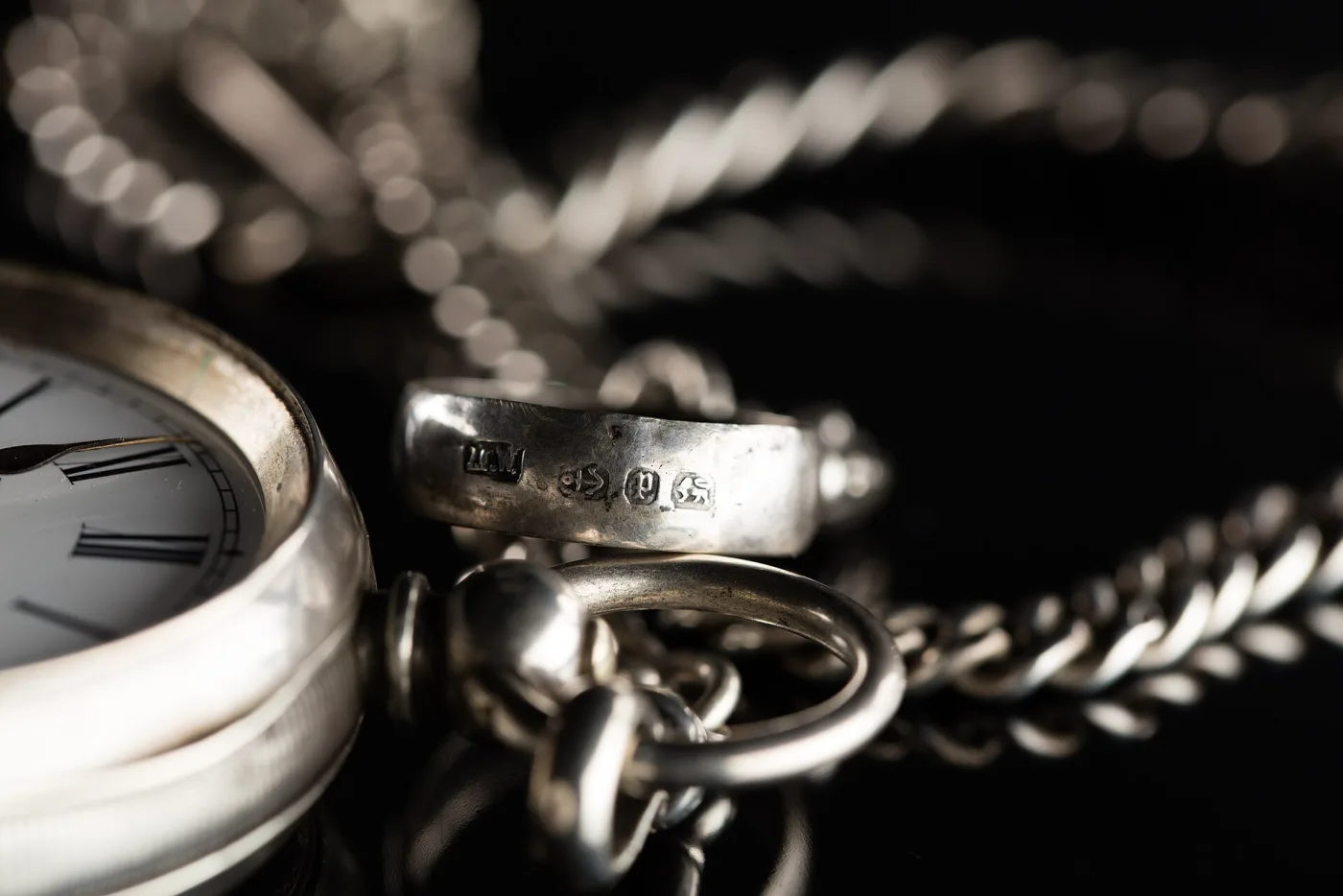
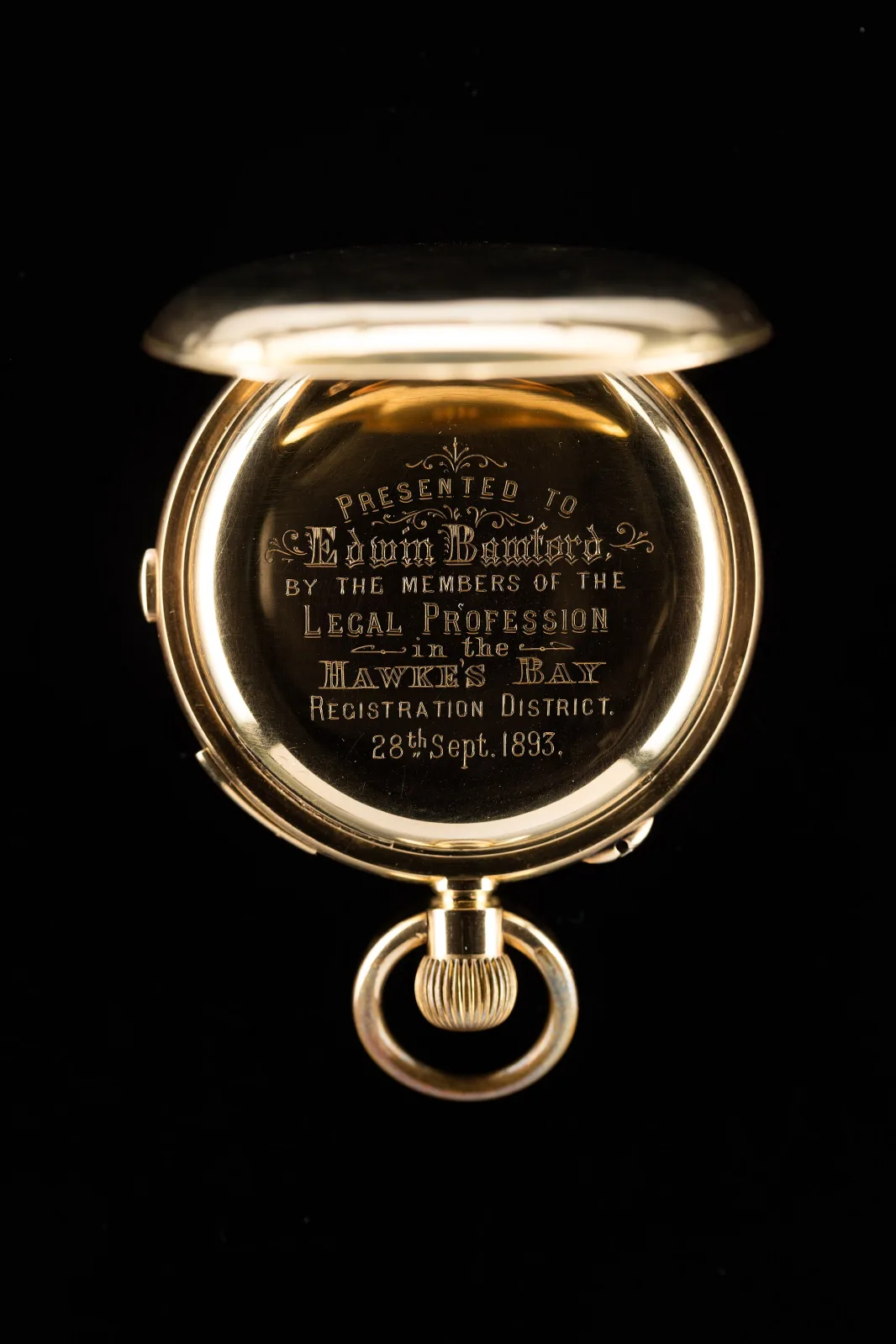
- Solid gold/silver: Hallmarks inside back covers; karat marks (14K/18K), sterling (.925), and assay symbols for British/Continental cases.
- Gold-filled/rolled gold plate: Stamped "GF," "RGP," or brand marks (e.g., "Wadsworth," "Keystone," "Dueber"). Wear through at edges reveals brass base.
- Nickel/coin silver: Coin silver often marked "COIN" or .900; nickel cases bright and durable.
- Hunter vs. Open-face: Hunter has a metal lid; open-face exposes the crystal. Stem position differs between designs (open-face typically at 12 o'clock).
- Case serials and style names: Some case makers provide catalogs; hinge styles (swing-out, screw-back/bezel) help date.

Dial, Hands, and Railroad Requirements
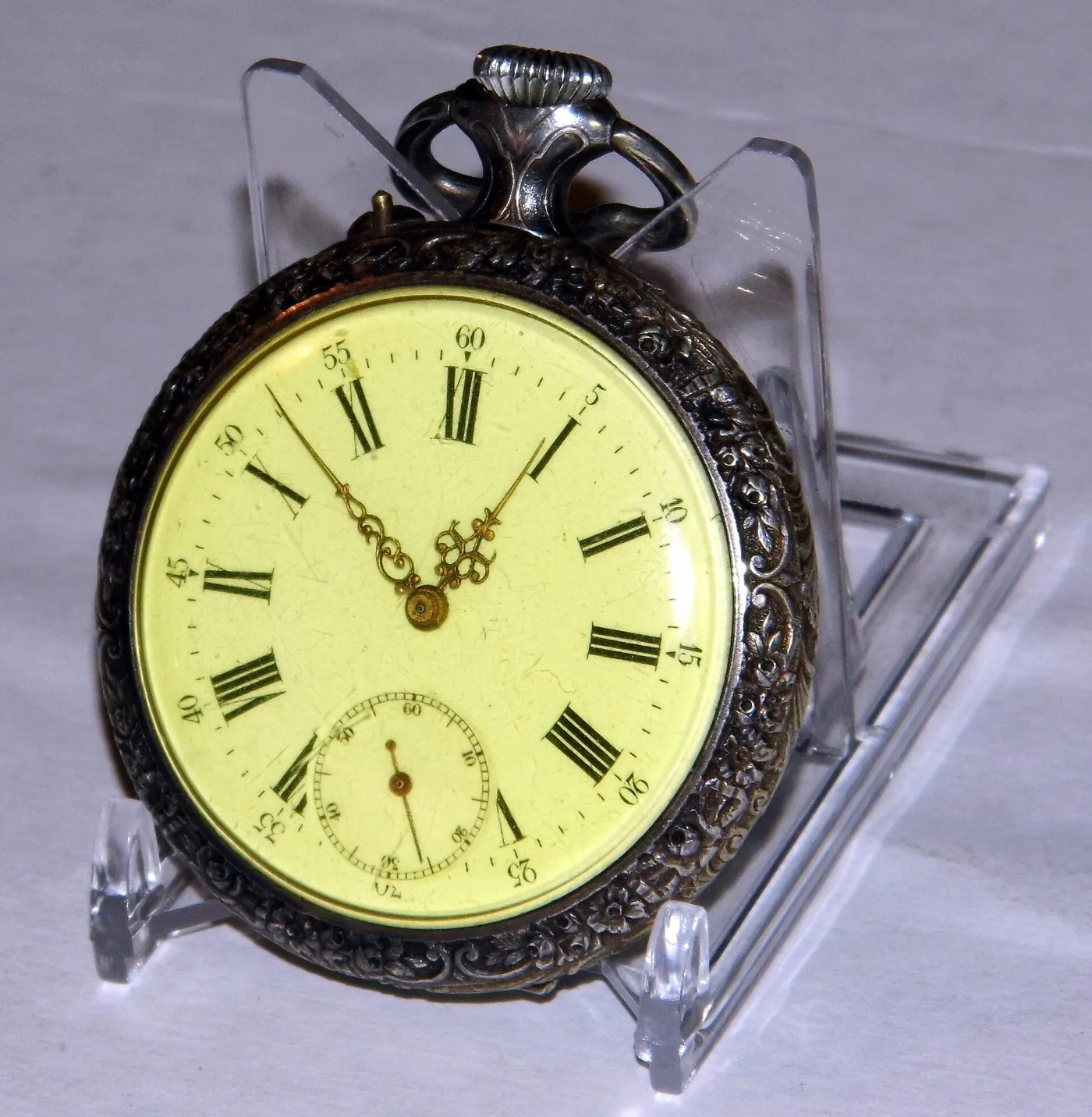
- Enamel dials: Multi-piece enamel with sunk seconds. Hairlines and chips affect value.
- Hands: Spade, cathedral, moon, and baton styles; blued steel common.
- Railroad standards (USA): Typically 16s/18s, lever-set, 17+ jewels, adjusted to 5+ positions, bold Arabic numerals, open-face orientation. Railroad-grade watches are among the most sought-after railroad collectibles and were essential to safe railway operations.
Serial Numbers and Dating Methods
Use movement serial numbers—not case serials—to date watches for most American makers.
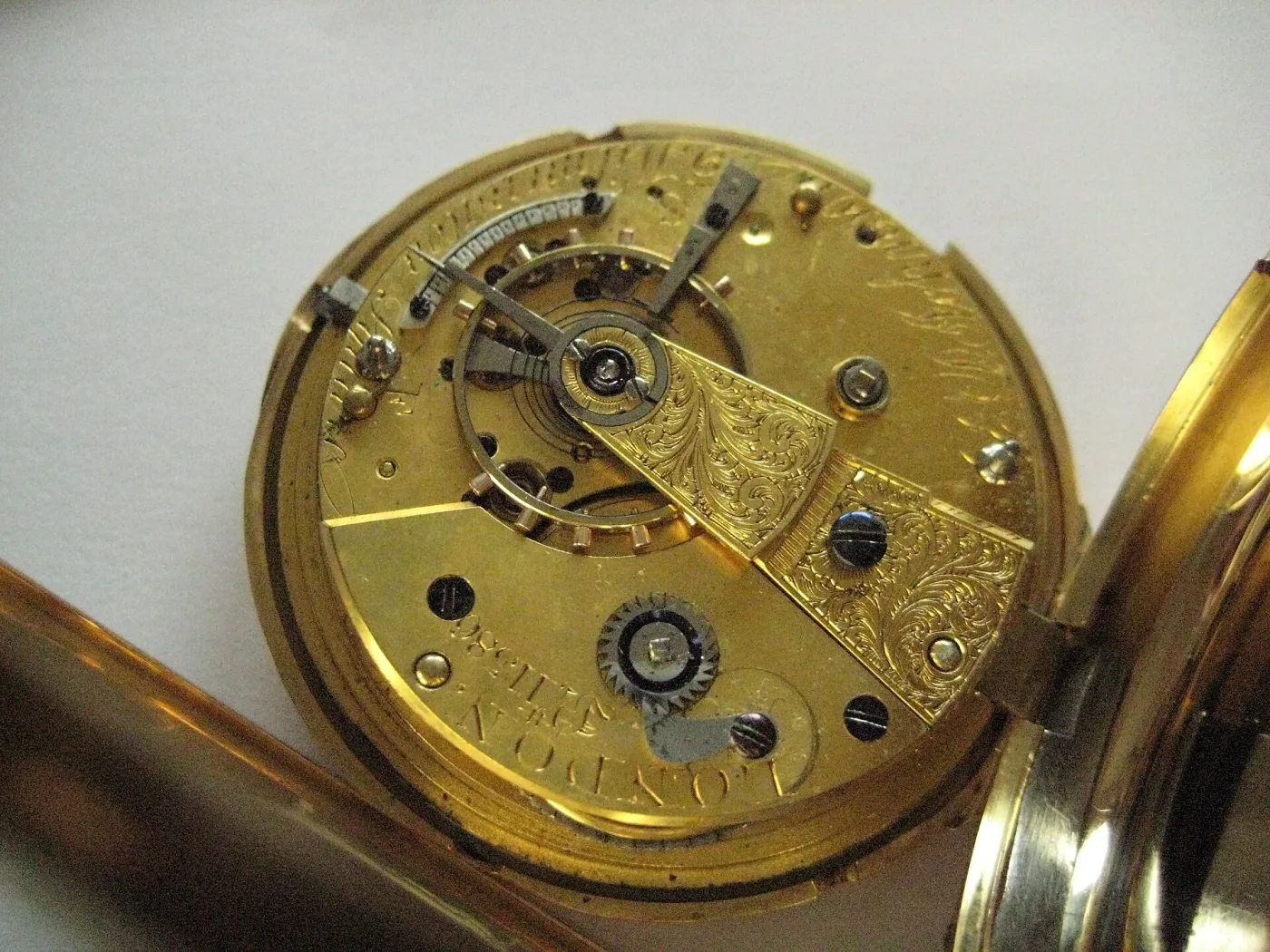
- Movement serial: Engraved on the movement plate. Match to published ranges by maker to estimate production year.
- Case serial: Useful only for case maker dating; cases were commonly swapped during service.
- Maker-specific cues: Plate shapes, regulator types (e.g., Reed's), and damaskeening patterns help confirm maker and grade.
- European watches: Hallmarks and assay office marks on cases, maker's cartouches, and key-wind survivals are strong dating clues.
Authenticity Checks: Movement-Case Relationship
- Matching wear: Consistent wear on hinges, bezels, and pendant areas; recent case swaps show mismatched patina and fit.
- Dial signature vs movement: Re-cased watches may have retailer-signed dials with a different movement maker; acceptable historically but affects originality premiums.
- Correct stem position: Open-face movements at 12 o'clock; hunter movements at 3 o'clock. Mismatches indicate conversions.
Condition Grading and Value Drivers
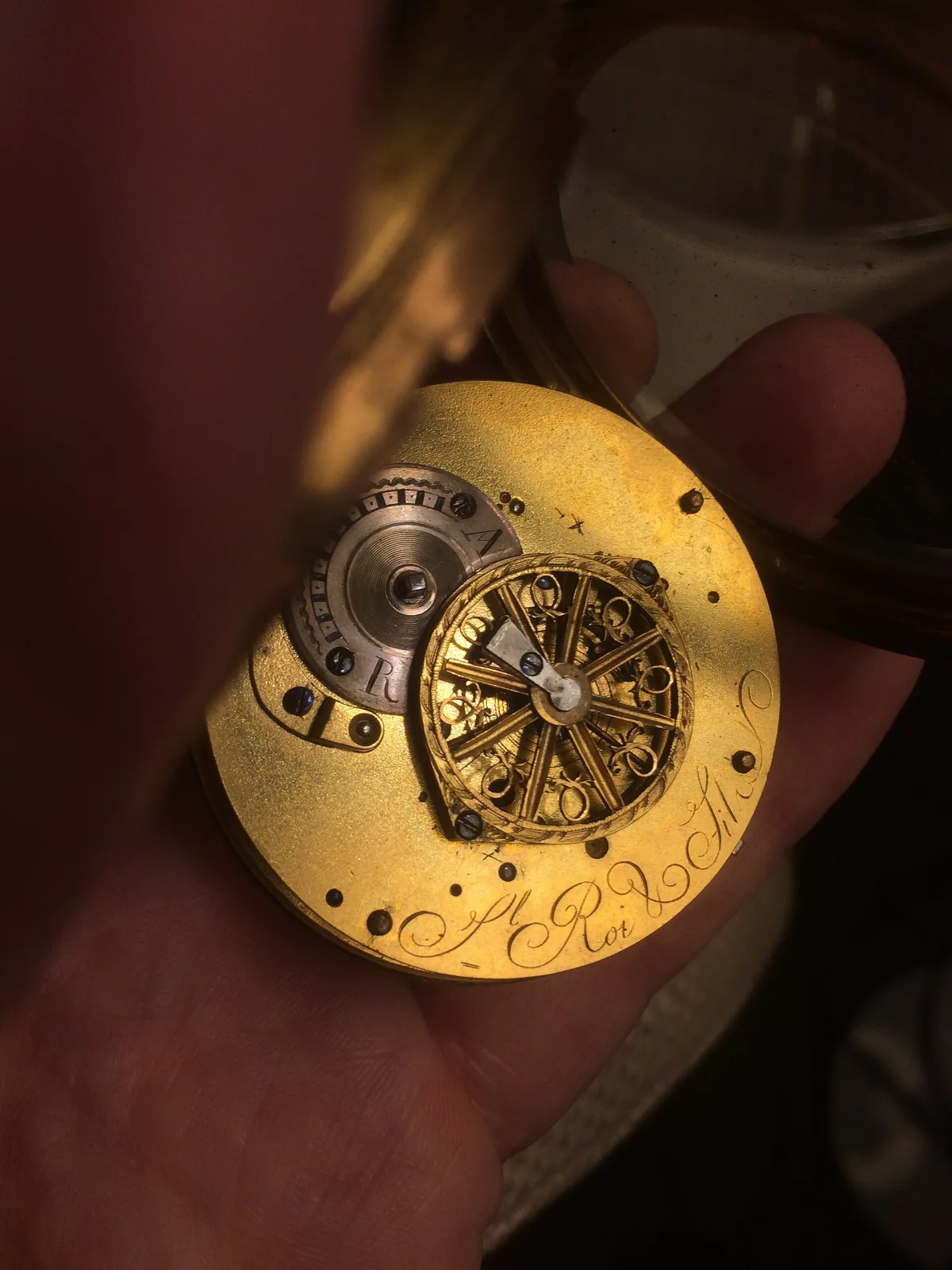
- Movement: Clean plates, intact jewel settings, tight balance staff, proper amplitude; corrosion or missing screws reduce value.
- Case: Dents, brassing on gold-filled, hinge looseness, replaced crystals; solid gold weight has intrinsic value.
- Dial/Hands: Enamel hairlines, chips, replaced hands affect desirability.
- Completeness: Original boxes, papers, and proven railroad service documentation increase premiums.
- Maker & grade: High-grade adjusted movements by respected makers command the strongest prices.
Care, Service, and Safe Handling
- Service interval: Every 3-5 years for running watches; dried oils cause wear.
- Winding: Wind gently to firm stop; avoid over-winding myths—breakage occurs from force and lack of lubrication.
- Storage: Keep away from magnets and temperature extremes; display open-face watches crystal-up.
Quick Identification Checklist
- Open back to photograph the movement safely (use a soft surface).
- Record movement serial, jewel count, grade/markings, plate layout.
- Note setting system: lever-set or pendant-set; key-wind/key-set if applicable.
- Document case hallmarks, material, and style (hunter/open-face).
- Assess condition of movement, case, dial, and hands.
- Cross-reference movement serial and grade with maker catalogs or databases to date.
Conclusion
Antique pocket watches reward careful observation. By focusing on the movement, serial numbers, jewel count, adjustments, and case details, you can identify and date most watches with confidence. The same movement-and-serial discipline carries directly over to the vintage wristwatch that superseded the pocket watch in the twentieth century. As with all antiques, originality, condition, and documented history drive value—so take your time, document thoroughly, and compare to verified examples.
Whether you're examining a simple key-wind watch or a complex railroad-grade timepiece, the systematic approach outlined in this guide will help you uncover the story behind each antique pocket watch. Remember that the Antique Identifier app can provide additional assistance with movement identification and maker research.