
Antique Pipes & Tobacco Accessories Identification Guide: Dating, Valuing & Collecting
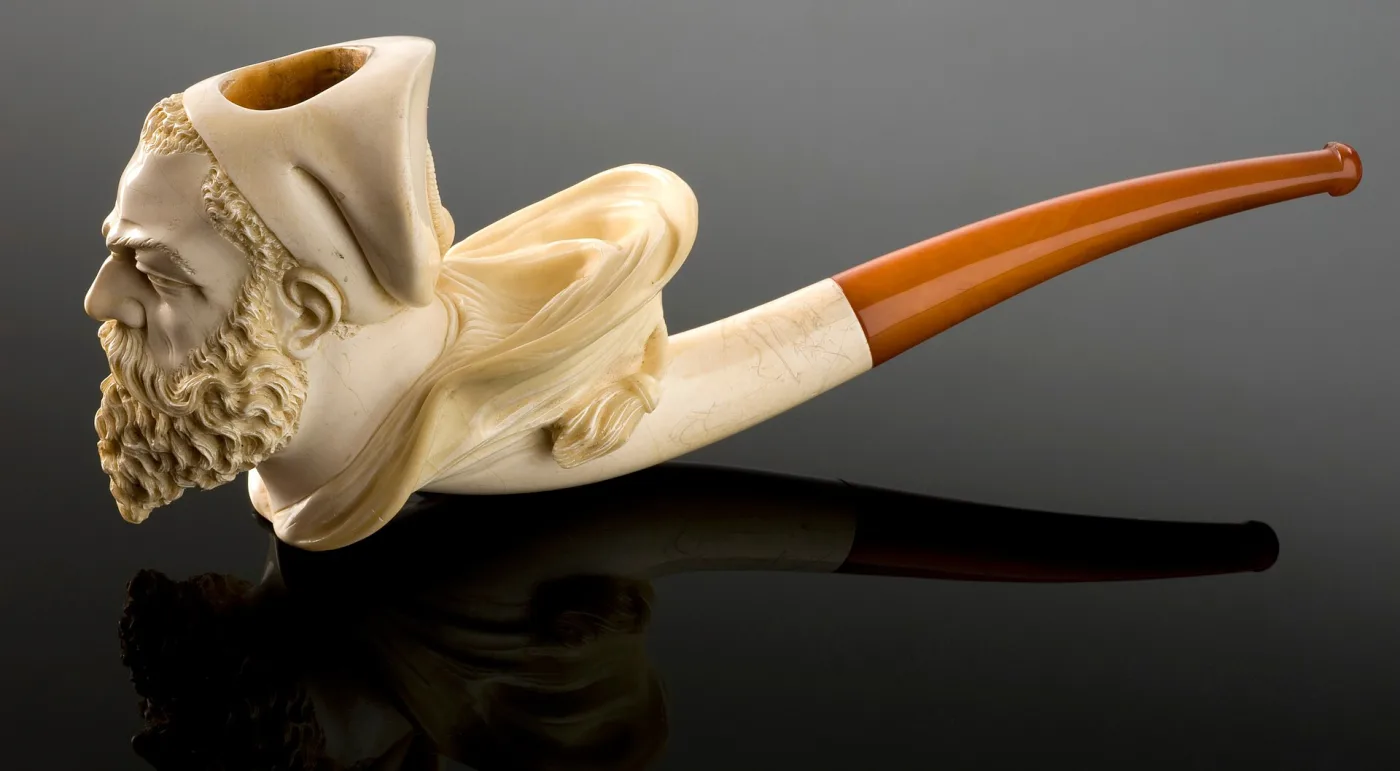
Antique pipes and tobacco accessories represent a fascinating collecting category that combines artistry, craftsmanship, and social history. From elaborately carved meerschaum masterpieces to elegant briar pipes bearing prestigious makers' marks, these smoking artifacts document centuries of tobacco culture and decorative arts. While smoking has declined in modern society, the historical significance and artistic merit of antique tobacco-related items have made them increasingly collectible, with rare pieces commanding impressive prices at auction and specialized dealers.
The world of antique smoking collectibles encompasses far more than just pipes. Tobacco jars, humidors, cigar cases, matchsafes, cigarette holders, ashtrays, lighters, and advertising memorabilia all form part of this rich collecting field. Each category requires specific knowledge to identify materials, recognize quality craftsmanship, date pieces accurately, and distinguish valuable examples from common items. Whether examining an intricately carved 19th-century meerschaum pipe, a silver-mounted malacca walking stick concealing a pipe bowl, or an Art Deco cigarette case from the 1920s, understanding the characteristics that determine authenticity and value is essential.
This comprehensive guide explores the identification, dating, and valuation of antique pipes and tobacco accessories. You'll learn to recognize different pipe materials and their characteristics, identify prestigious makers and their marks, understand construction methods that indicate age and quality, evaluate condition factors that affect value, distinguish authentic antiques from later reproductions, and navigate the specialized market for tobacco collectibles with confidence.
Table of Contents
- History of Tobacco Culture and Smoking Accessories
- Pipe Materials and Identification
- Meerschaum Pipes: The Collector's Favorite
- Briar Pipes and Prestigious Makers
- Clay Pipes: Dating and Historical Significance
- Specialty Pipes: Porcelain, Ivory, and Exotic Materials
- Pipe Construction and Quality Indicators
- Makers' Marks and Manufacturer Identification
- Tobacco Jars and Humidors
- Cigar Accessories and Cutters
- Cigarette Cases and Holders
- Lighting Devices: Matchsafes, Vestas, and Lighters
- Tobacco Advertising and Memorabilia
- Dating Methods and Age Indicators
- Condition Assessment and Restoration
- Authentication and Reproduction Detection
- Value Assessment and Market Trends
- Collecting Strategies and Specialization
- Preservation and Display
- Digital Tools for Pipe Identification
History of Tobacco Culture and Smoking Accessories
Understanding the historical context of tobacco use helps collectors appreciate the evolution of pipes and smoking accessories, dating pieces accurately, and recognizing culturally significant examples.
Early European Tobacco Culture (16th-17th Centuries)
Tobacco reached Europe from the Americas in the mid-16th century, initially adopted as a medicinal plant before becoming a social custom among the upper classes. Early pipes were primarily made from clay, following indigenous American traditions but adapted to European aesthetic preferences. The Dutch became particularly associated with pipe smoking, developing distinctive long-stemmed clay pipes called "churchwarden" or "tavern" pipes by the 17th century.
The 17th century saw pipe smoking spread across all social classes in Europe. Clay pipe production became a major industry, particularly in England and the Netherlands, with pipes evolving from crude early forms to more refined products bearing makers' marks. Silver-mounted pipes began appearing among wealthy smokers, and the custom of smoking in coffeehouses and taverns became firmly established in British and Continental culture.
The Golden Age of Pipe Smoking (18th-19th Centuries)
The 18th and 19th centuries represented the golden age of decorative pipe making. Meerschaum, a soft white mineral ideal for carving, was introduced to Europe from Turkey and quickly became prized for luxury pipes. Master carvers created elaborate figurative designs, portraits, historical scenes, and allegorical subjects that elevated pipe-making to an art form. These carved meerschaum pipes were treasured possessions, often kept in fitted cases and passed down as family heirlooms.
Simultaneously, pipe technology advanced with the introduction of briar (wood from the Mediterranean heath tree's root burl) in the mid-19th century. Briar proved naturally heat-resistant, durable, and pleasant-tasting, quickly becoming the standard material for high-quality smoking pipes. French Saint-Claude became the center of briar pipe manufacturing, establishing techniques and standards that influenced pipe-making worldwide.
This era also saw proliferation of tobacco accessories: decorative tobacco jars to maintain humidity, elaborate pipe racks and cabinets, silver and gold cigar cutters, ornate matchsafes (match holders), and smoking stands combining various functions. The smoking room or gentleman's study became an established feature in upper-class homes, furnished with specialized smoking furniture and accessories.
Victorian and Edwardian Era (1837-1914)
The Victorian period brought tobacco culture to its zenith among European and American middle and upper classes. Elaborate smoking rituals developed, with specific accessories for different contexts. Cigars became associated with success and leisure, spawning a whole category of cigar-related accessories including humidors, cutters, pierces, and cedar-lined cases.
Art movements influenced tobacco accessory design. Art Nouveau brought organic, flowing designs to silver cigarette cases, pipe stands, and tobacco jars. Arts and Crafts ideals valued handcraftsmanship, leading to revival of hand-carved pipes and artisan-made accessories. The Edwardian period emphasized refinement and luxury, with gold-mounted accessories, engine-turned silver cases, and prestigious makers commanding premium prices.
20th Century Evolution
The early 20th century saw cigarettes gradually supersede pipes and cigars as the dominant tobacco consumption method, particularly after World War I when mass-produced cigarettes became ubiquitous among soldiers. This shift created new accessory categories: cigarette cases, lighters, holders, and decorative ashtrays. Art Deco styling dominated 1920s-1930s smoking accessories, characterized by geometric designs, enamel work, and streamlined forms.
Pipe smoking remained popular among certain demographics through the mid-20th century, with prestigious makers like Dunhill, Peterson, and Charatan maintaining high standards. However, declining social acceptance of smoking from the 1970s onward gradually transformed tobacco accessories from everyday items to collectibles. Today, antique pipes and smoking accessories are valued primarily as decorative objects, historical artifacts, and examples of fine craftsmanship rather than functional items.
Pipe Materials and Identification
Pipes have been crafted from numerous materials, each with distinctive characteristics, aging properties, and value implications. Learning to identify materials accurately is fundamental to pipe collecting.
Meerschaum (Sepiolite)
Meerschaum, from the German "sea foam," is a soft, porous mineral (hydrated magnesium silicate) found primarily in Turkey. When new, meerschaum is white or cream-colored with a slightly waxy feel. Its softness when quarried allows intricate carving, but it hardens with exposure to air. The material's key identifying characteristics include its lightweight nature compared to similarly sized objects, porosity visible under magnification, and most distinctively, its coloring properties: meerschaum gradually develops a rich golden to amber patina when used, as tobacco oils and waxes absorbed during smoking cause color changes.
Genuine meerschaum feels warm to the touch (unlike cold stone or hard plastics) and has a slightly grainy texture when examined closely. Under UV light, meerschaum may show slight fluorescence, though this varies by specific mineral composition. The coloring pattern from use should be uneven, typically darker where the smoker's hands held the pipe and around the bowl where heat concentrated. Uniformly colored "aged" meerschaum pipes may have been artificially darkened, reducing value for serious collectors who prize natural coloring.
Briar Wood
Briar comes from the root burl of the white heath tree (Erica arborea) growing in Mediterranean regions. The dense, tightly-grained wood resists burning, absorbs moisture, and provides excellent smoking qualities. Identifying genuine briar requires examining the grain pattern: authentic briar shows tight, irregular grain patterns in cross-section, often with beautiful flame, bird's-eye, or straight-grain figures valued by collectors. The wood should feel substantial but not excessively heavy, with a slight natural oil content evident in well-maintained pieces.
High-quality briar pipes show clean, uniform grain without fills or putty repairs (common in lower-grade briar where natural pits are filled). The best grades, particularly "straight grain" where grain runs vertically along the bowl, command premium prices. Aged briar develops a beautiful patina, darkening gracefully with use and proper care. The wood's natural warmth distinguishes it from substitute materials like pressed wood products or composition materials sometimes used in cheaper pipes.
Clay
Clay pipes have the longest European history, dating from the early 17th century. These pipes are easily identified by their material: white, light gray, or reddish clay that feels cool to the touch, brittle and easily broken, and often quite lightweight. Historical clay pipes show distinctive characteristics: early pipes (17th century) typically have small bowls, reflecting expensive tobacco; later pipes (18th-19th century) feature larger bowls as tobacco became more affordable; and makers' marks, often impressed in the heel (bottom) of the bowl or on the stem.
Genuine old clay pipes develop characteristic discoloration from use, with brown staining inside the bowl and sometimes on the stem. They may show surface crazing, mineral deposits, or soil staining if archaeological in origin. The fragile nature means complete examples, especially with intact long stems, are increasingly rare and valuable.
Porcelain
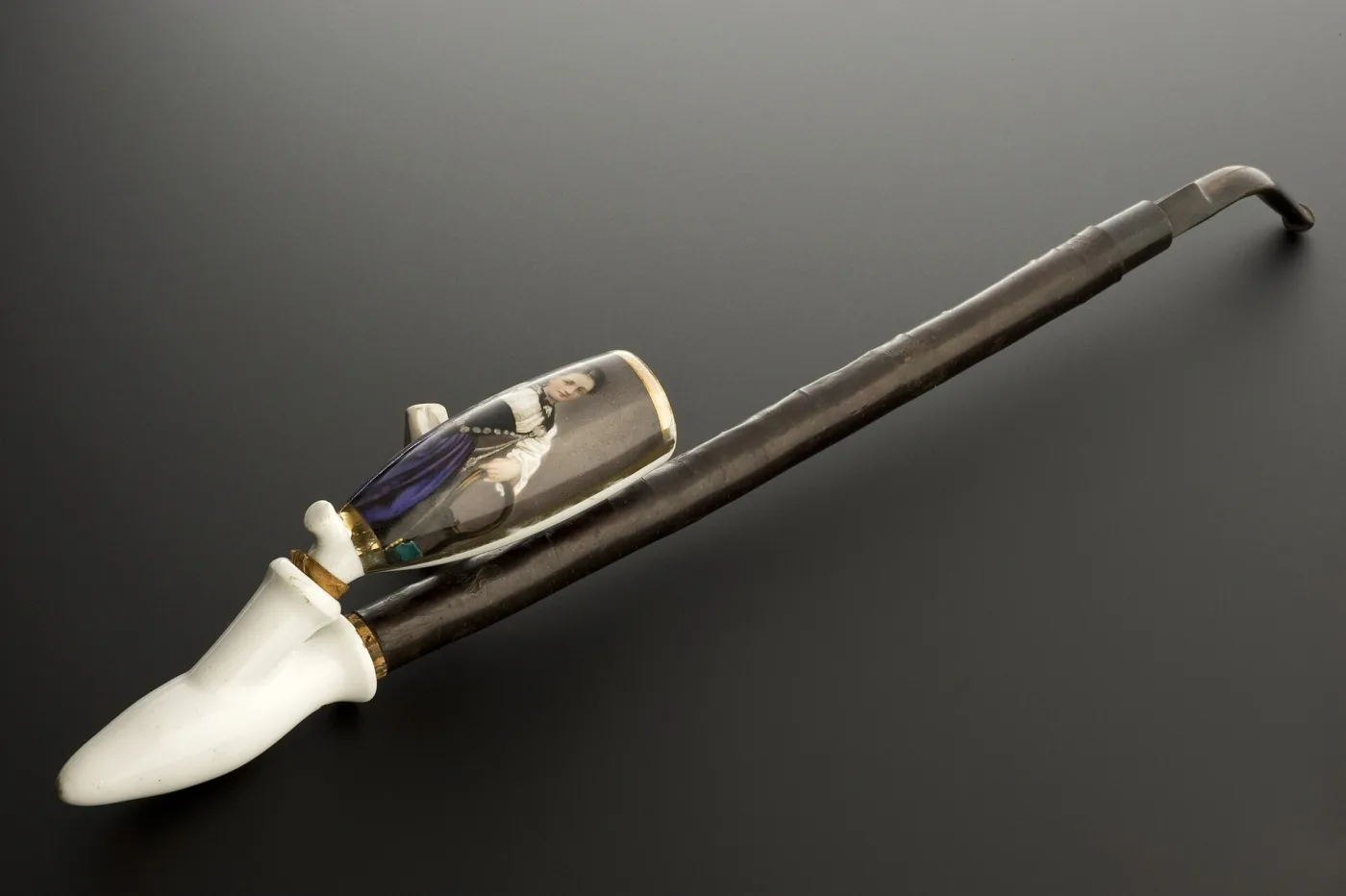
Porcelain pipes, particularly popular in Central Europe during the 19th century, are identified by their ceramic composition: hard, vitreous body that feels cold and smooth, often translucent when thin, and typically decorated with painted, transfer-printed, or relief designs. German porcelain pipes often feature elaborate decoration including hand-painted scenes, military or hunting themes, university or fraternal insignia, and gilt or enamel highlights.
Quality porcelain pipes bear manufacturers' marks on the bowl or mounting, particularly from prestigious makers like KPM Berlin, Meissen, or various Bavarian factories. The painted decoration quality, subject matter, and completeness of gilt or enamel details all affect value. Chips or cracks significantly reduce value in porcelain pipes, as do later repairs.
Other Materials
Various other materials appear in antique pipes, each with specific identification characteristics. Ivory pipes, now restricted by CITES regulations, show grain structure and warm coloring distinct from bone or composition materials. Amber mouthpieces, particularly prized on briar or meerschaum pipes, can be tested by their warmth to touch and slight static properties. Bone pipes, less valuable than ivory, show Haversian canal structure under magnification. Horn pipes display the characteristic layered structure of horn material. Wooden pipes from materials other than briar (cherry, walnut, maple) lack briar's tight grain and heat resistance. Metal pipes, including silver, brass, or even gold, are usually ceremonial or decorative rather than functional smoking pipes.
Meerschaum Pipes: The Collector's Favorite
Meerschaum pipes represent the pinnacle of pipe artistry and remain among the most sought-after antique smoking collectibles. Understanding meerschaum carving styles, quality indicators, and dating methods is essential for serious collectors.
Carving Styles and Subjects
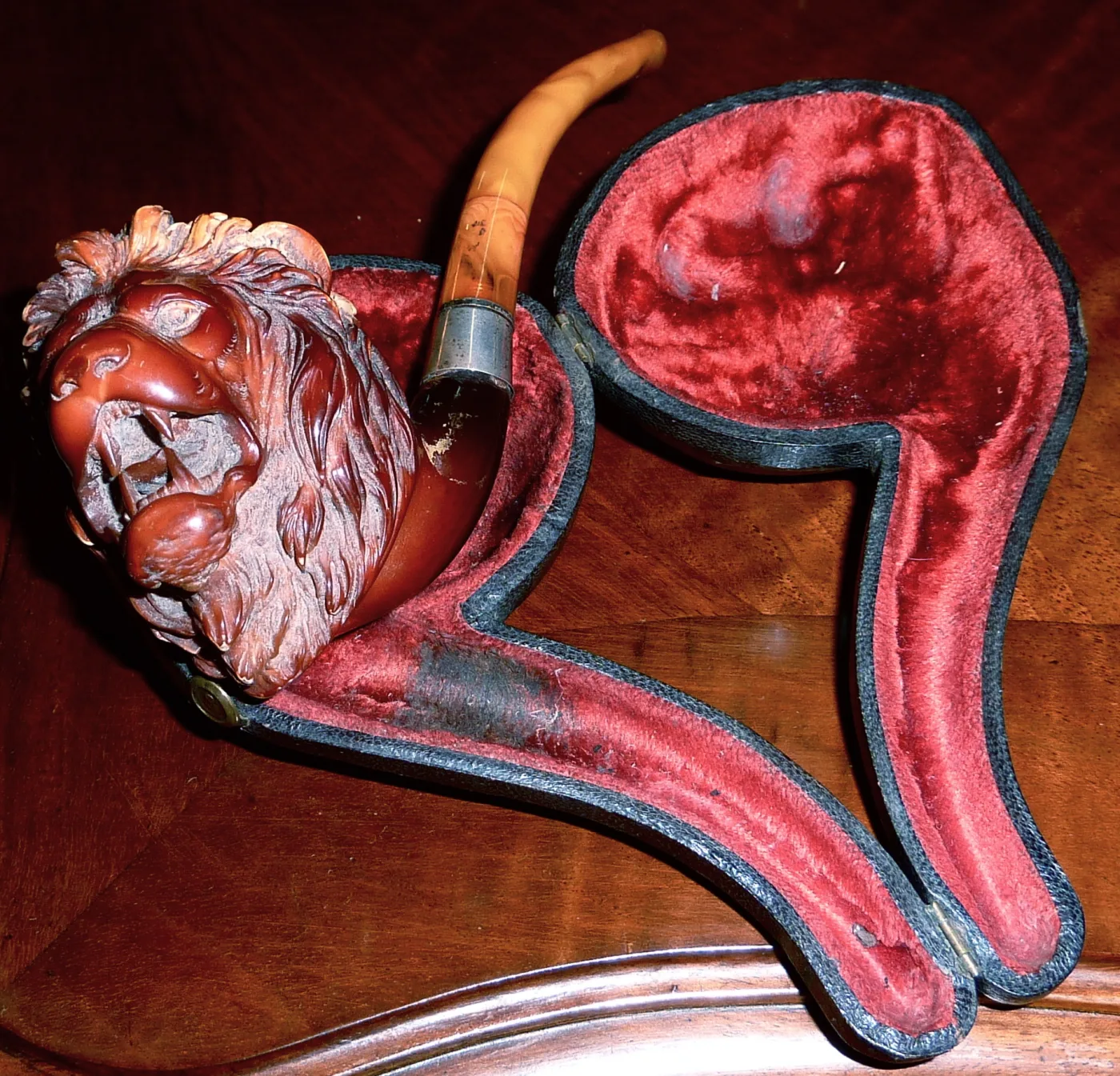
Meerschaum pipes fall into several carving categories, each with different value implications. Figural carvings represent the most elaborate and valuable category, featuring full three-dimensional carved figures including human heads and busts (Turkish subjects, military figures, beautiful women, historical personalities), full-figure compositions (hunters, soldiers, workers engaged in activities), animal subjects (horses, dogs, lions, eagles, mythological creatures), and allegorical or mythological scenes. The complexity, artistic skill, and subject matter all affect value, with unusual or particularly well-executed carvings commanding premium prices.
Relief-carved pipes feature designs carved in bas-relief rather than fully three-dimensional, typically showing hunting scenes, historical events, military subjects, floral and foliate designs, or geometric patterns. These are generally less valuable than figural pipes but can be quite desirable when finely executed. Plain or lightly decorated pipes, including smooth bowls with minimal carving, geometric or basketweave patterns, or simple paneled designs, typically represent more affordable collecting categories, though examples from prestigious makers or with exceptional aging can still be valuable.
Construction and Quality Indicators
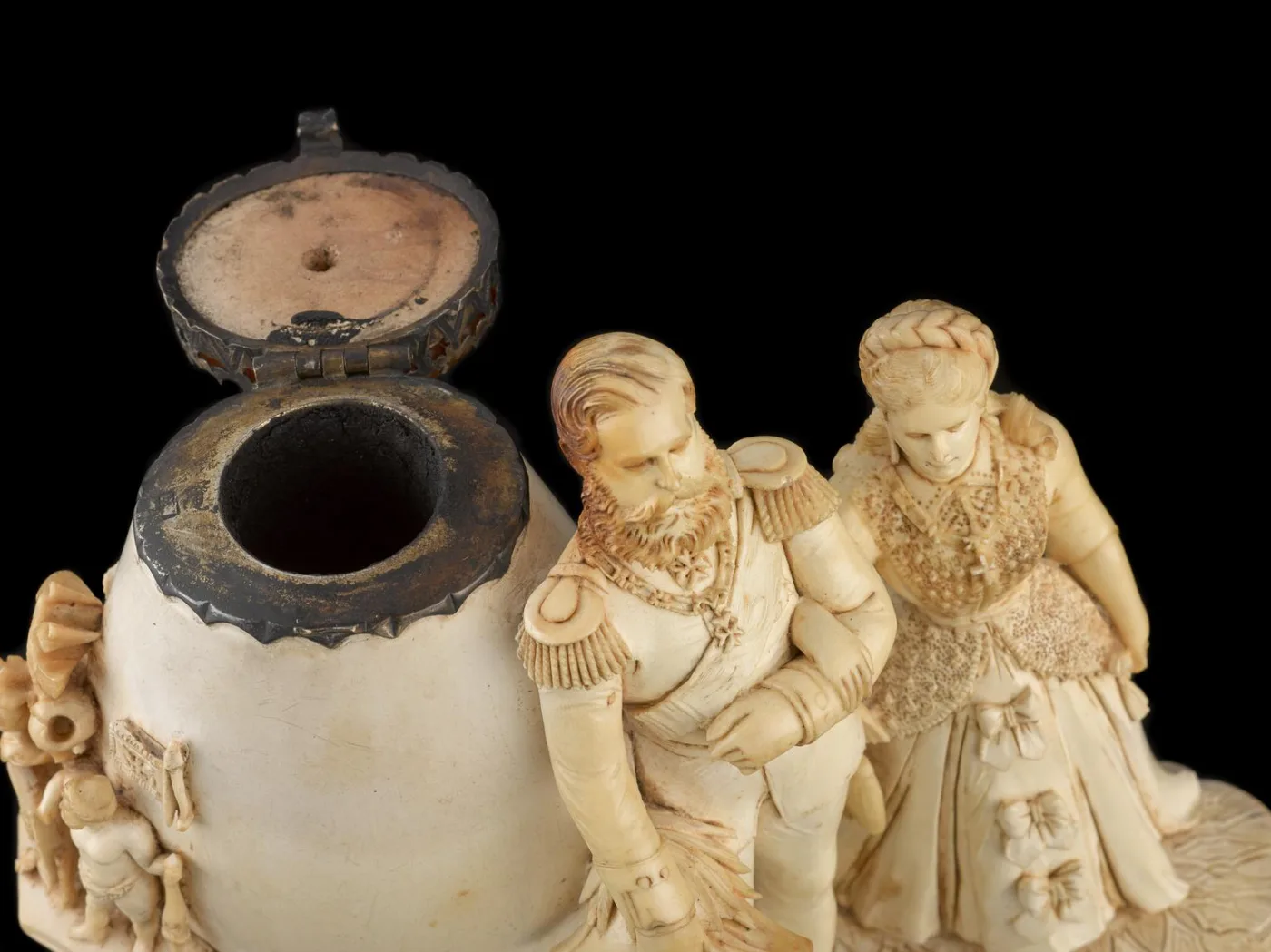
Examining meerschaum pipe construction helps assess quality and authenticity. The finest meerschaum pipes are carved from single blocks of stone, with the bowl, shank, and any figural elements all integral to one piece. This "block meerschaum" construction is identified by continuous grain throughout the pipe, natural color variations within the stone, and superior carving detail possible in solid material. Lesser pipes may use "pressed meerschaum" or "reconstructed meerschaum," composed of meerschaum dust and binding agents pressed into shapes. These show uniform coloring, lack of natural grain variation, less crisp detail in carving, and different aging characteristics (usually more uniform coloring).
Quality meerschaum pipes typically feature silver or gilt metal mounts at the shank, protecting the delicate stone where the stem attaches. These mounts often bear hallmarks, makers' marks, or silver purity marks that aid dating and authentication. The fitted case, often lined with velvet or satin, protected valuable meerschaum pipes and adds to collector appeal when present. Original cases fitted to the specific pipe increase value substantially.
Dating Meerschaum Pipes
Several factors help date meerschaum pipes. Carving style and subject matter reflect period aesthetics: early 19th-century pipes often feature Neoclassical themes, mid-19th century saw romantic and exotic subjects become popular, late 19th-early 20th century brought Art Nouveau influences, and Victorian pipes often showed great elaboration and detail. Metal mounts, when hallmarked, provide definitive dating evidence through silver marks. Stem materials evolved over time: early mouthpieces used horn or wood, amber became fashionable in the 19th century, and vulcanite (hard rubber) appeared from the 1850s onward.
The degree and pattern of coloring provides dating clues but must be interpreted carefully. Deeper, more even coloring suggests extensive use over many years, though artificial aging methods complicate this indicator. The fitted case style, when original, reflects period manufacturing and presentation customs. However, cases could be replaced, so case condition and age should be evaluated independently of the pipe itself.
Value Factors
Meerschaum pipe values vary enormously based on several criteria. Carving quality and complexity top the list: masterfully carved figural pipes can command thousands of dollars, while simple designs may bring only modest prices. Subject matter significantly affects value, with unusual subjects, identified historical figures, finely carved beautiful women, and artistic excellence all increasing desirability. Size matters, with larger pipes generally more valuable than smaller examples of similar quality. Condition is crucial: cracks, chips, or repairs substantially reduce value; original stems and mounts are highly desirable; and fitted cases increase value when original and in good condition. Natural coloring achieved through careful use enhances value compared to artificially darkened examples. Attribution to known carvers or prestigious retailers adds premium value when documented.
Briar Pipes and Prestigious Makers
Briar pipes, particularly those from prestigious makers, form a cornerstone of serious pipe collecting. Understanding maker identification, quality grades, and period characteristics is essential for collectors.
Major Makers and Their Marks
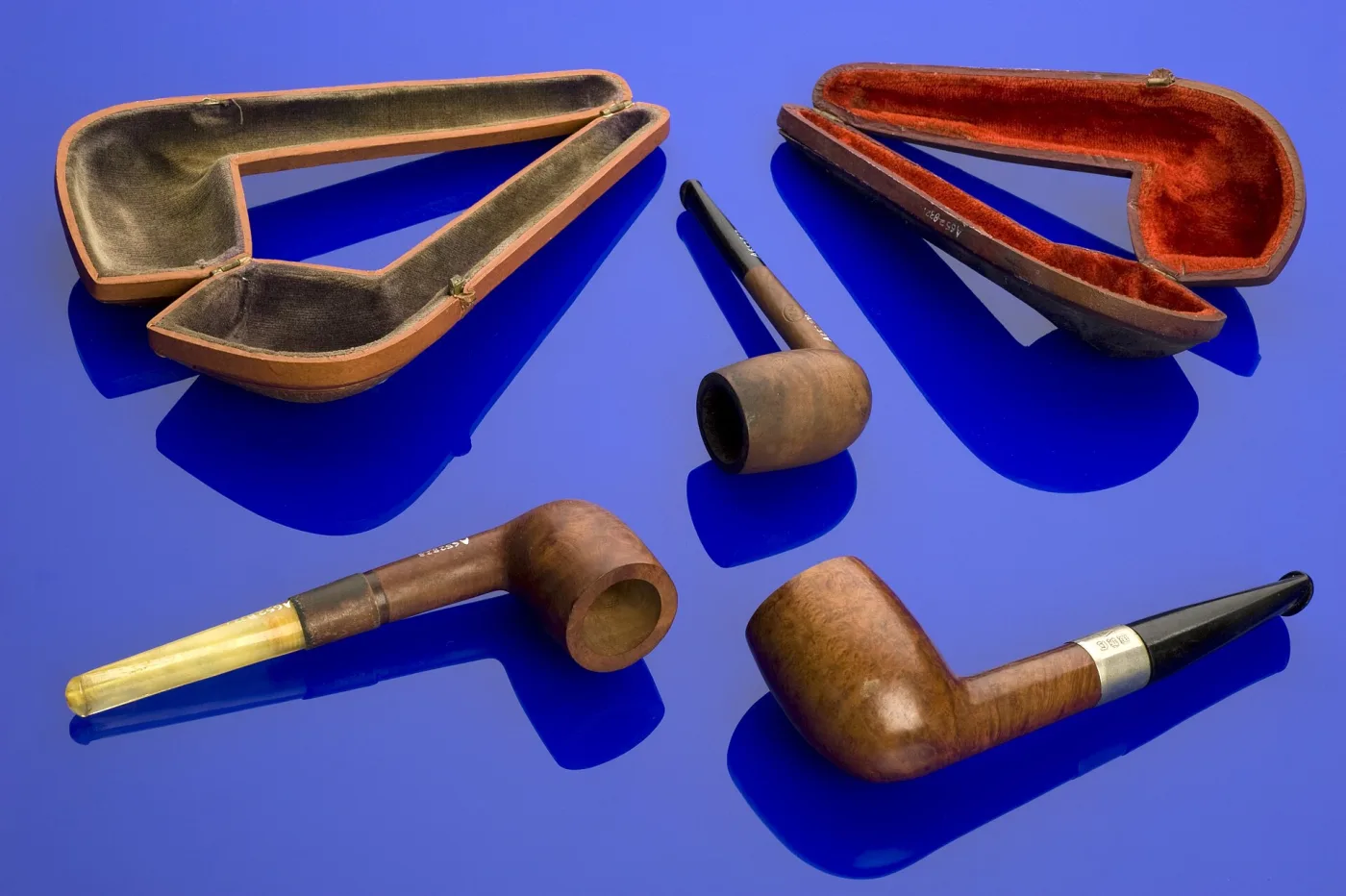
Several makers achieved legendary status in briar pipe manufacturing, with their marked pipes commanding premium prices. Alfred Dunhill of London, established in 1907, became synonymous with luxury pipes. Dunhill pipes bear stamped markings indicating model, size, and often production date codes. Pre-1950s Dunhills, particularly the "Shell" finish introduced in 1917 or "Root" grain examples, are highly collectible. The white spot on Dunhill stems has become an iconic marker, with different spot configurations indicating different production periods.
Peterson of Dublin (Kapp & Peterson), founded in the 19th century, created distinctive pipes featuring the patented "System" moisture-condensing design and characteristic military-style mounts. Peterson stamps included the shamrock logo and various grade indicators. Charatan of London, another prestigious British maker, produced pipes from the late 19th century onward, with pre-1960s examples particularly valued. Barling, Comoy's, GBD, and Sasieni represent other important British makers whose marked pipes attract collectors.
French makers from the Saint-Claude region, including Butz-Choquin, Chacom, and Ropp, produced excellent briar pipes, often at more accessible prices than British makes. Danish pipe makers, particularly those associated with the "Danish Modern" movement from the 1960s-1970s (Bang, Stanwell, Nording), created distinctive freehand designs highly valued today. American makers like Kaywoodie, Medico, and Dr. Grabow produced quality commercial pipes, while artisan makers created unique pieces.
Quality Grades and Grains
Briar pipe makers used grading systems to categorize pipes by wood quality and grain pattern. Understanding these grades helps assess value. The highest grades featured straight grain, where growth rings run vertically along the bowl, creating parallel lines. This rare grain pattern commands premium prices. Flame grain shows dramatic vertical patterns resembling flames, also highly prized. Bird's-eye grain displays tight swirling patterns, valued for visual appeal. Cross grain and mixed grain patterns, while still attractive, typically indicate lower grade (and lower price) pipes.
Makers used various marking systems to indicate grades. Dunhill used numbers and letters (higher numbers indicating better grades), with special designations like "ODA" (Old Dark Algerian) for exceptional wood. Peterson employed numeric grades (higher numbers better) along with descriptive terms. Other makers used stars, crowns, or proprietary designations. Learning specific makers' grading systems helps identify quality and value.
Finishes and Styles
Briar pipe finishes evolved over time and affect both identification and value. Smooth finishes showcase the natural grain, with fine sandpaper or buffing creating a glossy surface highlighting the wood's figure. These finishes appear on highest-grade pipes with superior grain. Sandblast (or rustication) finishes, created by sandblasting the wood surface to create texture, became popular in the early 20th century. Dunhill's "Shell" finish exemplifies this category. While originally used to salvage lower-grade briar with fills or imperfections, sandblasting became an aesthetic choice, and quality sandblast pipes command respect.
Carved or rusticated finishes involve hand-carving texture into the bowl, ranging from simple ring patterns to elaborate designs. Stained and painted finishes vary from subtle stains enhancing natural color to opaque paints (often black) covering the grain. While painted finishes sometimes indicate lower grades, some quality makers used them effectively. Period styles changed over time, with classic shapes (billiard, apple, bulldog, dublin) remaining constant, but freehand and organic designs emerging in the 20th century, particularly from Danish makers. Art Deco influences appeared in 1920s-1930s pipes. Modern styles from mid-century onward emphasized handcrafted, artistic designs.
Dating Briar Pipes
Several factors help date briar pipes. Maker's marks and stampings changed over time, with detailed reference works documenting these variations. Stem materials evolved from vulcanite (hard rubber, used from 1850s onward but prone to oxidation and discoloration) to acrylic and lucite (introduced mid-20th century, more durable and colorfast). Mouthpiece styles changed, with saddle, tapered, and fishtail configurations indicating different periods. Patent dates, when stamped, provide firm dating evidence. Style and proportions reflected period aesthetics. Finish types and techniques evolved, with certain finishes characteristic of specific eras. Original packaging, boxes, or cases bearing period graphics and text help establish age.
Clay Pipes: Dating and Historical Significance
Clay pipes, while often overlooked compared to more glamorous meerschaum or briar pipes, offer fascinating collecting opportunities with strong historical associations and clear dating indicators.
Evolution of Clay Pipe Forms
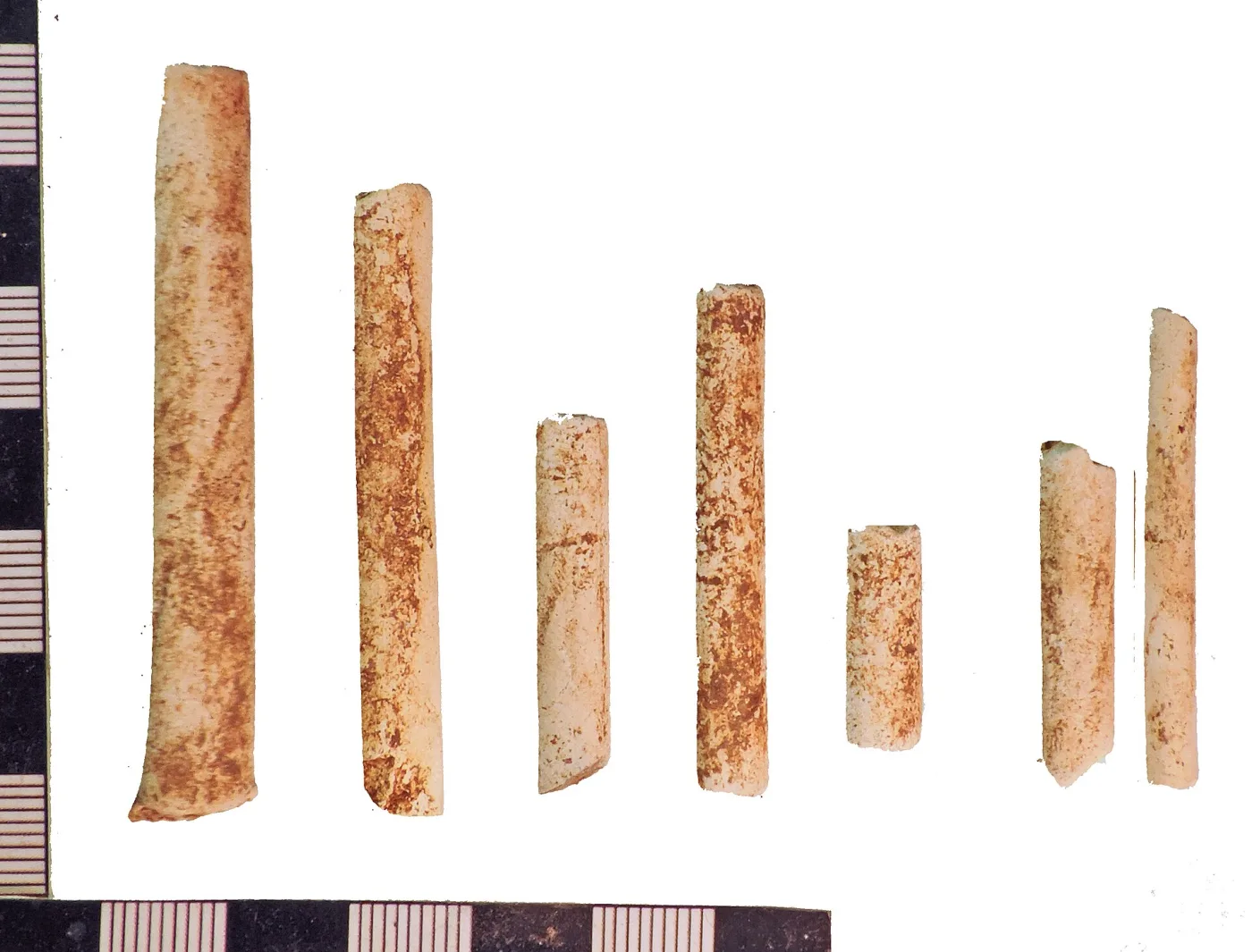
Clay pipes evolved systematically over centuries, with bowl size and shape providing reliable dating evidence. Early 17th-century pipes featured very small bowls (often called "fairy pipes"), reflecting tobacco's expense when first introduced. As the 17th century progressed, bowls gradually increased in size. By the 18th century, bowls had grown substantially larger. The 19th century saw further evolution, with Victorian pipes often featuring quite large bowls and shorter stems than earlier periods.
The bowl angle also changed over time, with early pipes having bowls nearly parallel to the stem and later pipes showing increasingly forward-tilted bowls. Heel shapes (the projection at the bowl's base) and spur configurations (replaced heels on some pipes) also evolved in datable patterns. Specialist references document these changes in detail, allowing archaeologists and collectors to date plain clay pipes quite precisely based on morphological features alone.
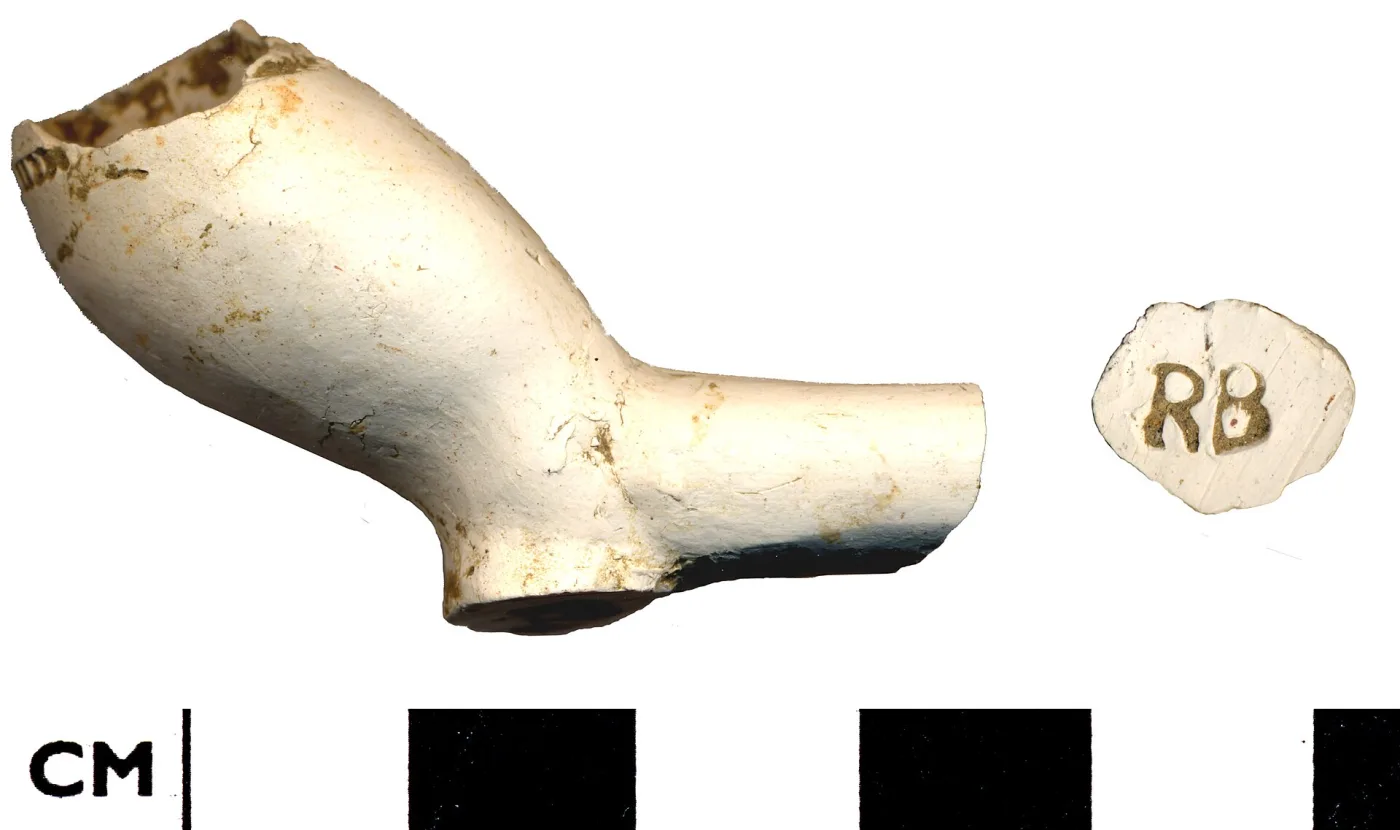
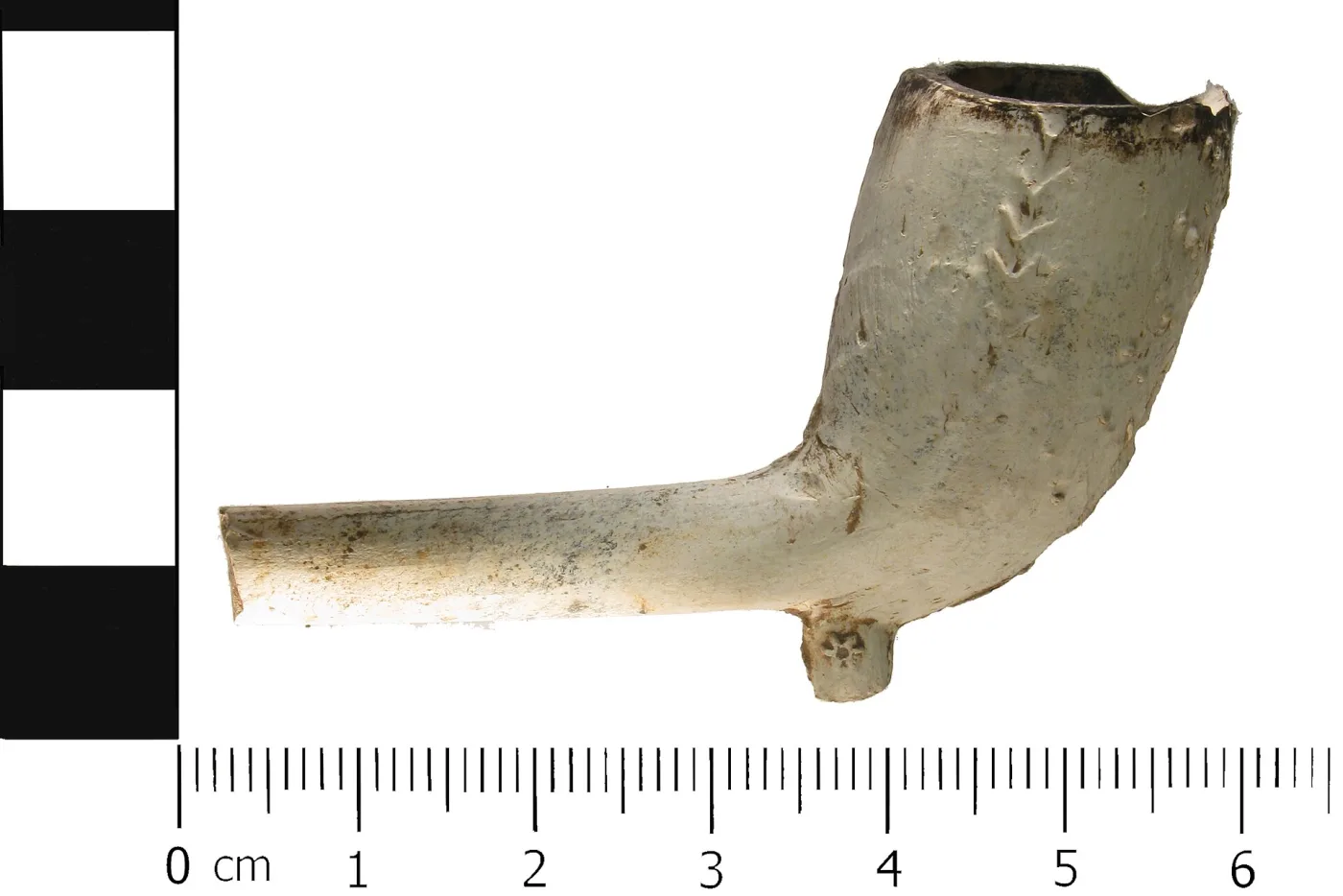
Put those two side by side and the dating method stops being abstract. Roughly sixty years separates them, and the evidence is bowl volume, the angle the bowl leaves the stem at, and whether the base is a flat heel or a pointed spur — all readable on a fragment with no mark at all. The mark, when there is one, refines the answer rather than supplying it: "RB" narrows the field to a handful of documented workshops, but the bowl already said mid-17th century before the stamp was read.
Makers' Marks and Attribution
Many clay pipe makers impressed marks into their pipes, typically on the heel or stem. These marks might include the maker's initials, full name, town of manufacture, or decorative devices. British clay pipe research has identified thousands of makers and their marks, creating detailed references for collectors. Important clay pipe manufacturing centers included London (from the 17th century), Bristol (major center from the 18th century), and numerous other British, Dutch, and American towns.
Decorated clay pipes, featuring molded relief designs on the bowl or stem, often indicated military regiments, fraternal organizations, political campaigns, or commemorative events. These decorated pipes are particularly collectible, with examples relating to significant historical events or well-documented military units commanding premium prices.
Collectibility and Value
While many plain clay pipes have modest value, several categories attract serious collecting interest. Complete long-stemmed pipes from the 17th or early 18th century are increasingly rare and valuable. Pipes bearing identifiable makers' marks, particularly from early periods or small potteries, interest specialist collectors. Decorated or figural clay pipes showing unusual subjects or fine molding quality bring premium prices. Pipes with clear historical associations or provenance command special interest. Archaeological examples, when legally acquired and properly documented, provide historical context valued by collectors and institutions.
Condition significantly affects clay pipe values. Complete examples with intact stems are much more desirable than bowls alone. Surface condition, including clarity of marks, sharpness of molding, and absence of severe damage, impacts value. Some collectors specialize in excavated examples with historical patina, while others prefer clean, unused pipes.
Specialty Pipes: Porcelain, Ivory, and Exotic Materials
Beyond the main categories of meerschaum, briar, and clay, numerous specialty pipe types offer unique collecting opportunities, each with distinct identification requirements.
Porcelain Pipes
Porcelain pipes flourished in Central Europe, particularly Germany and Austria, during the 19th and early 20th centuries. These pipes range from simple white bowls to elaborately painted and gilded examples. Quality porcelain pipes feature hand-painted decoration showing landscapes, portraits, military scenes, university insignia, or fraternal symbols. The finest examples rival miniature porcelain paintings in artistic quality. Gilt mounts, often silver or brass, protect the delicate porcelain and add decorative appeal. Maker's marks from prestigious porcelain manufacturers significantly enhance value.
Student association pipes (German "Studentenverbindung") represent a specialized collecting area, bearing colorful ribbons and insignia of university societies. Military reserve pipes commemorated service in various regiments. Occupational pipes showed trades or professions. These thematic categories attract specialist collectors beyond general pipe enthusiasts.
Ivory and Bone Pipes
Ivory pipes, carved from elephant or walrus tusk ivory, represent luxury examples that are now subject to strict international trade regulations under CITES. Collectors must ensure legal provenance and compliance with regulations when acquiring ivory pipes. Genuine antique ivory pipes show characteristic grain structure, natural color variations, and aging patina that distinguish them from bone or synthetic materials. Testing requires expertise and appropriate permissions.
Bone pipes, more common than ivory and not regulated, served as more affordable alternatives. Careful examination distinguishes bone's visible Haversian canal structure from ivory's finer grain. While less valuable than ivory, well-carved bone pipes still interest collectors, particularly those with unusual subjects or exceptional craftsmanship.
Curiosity and Novelty Pipes
Numerous novelty and curiosity pipes attract collectors for their unusual forms or mechanisms. System pipes incorporated moisture-condensing mechanisms, filters, or other technological improvements. The Peterson System pipes exemplify this category. Puzzle pipes required solving a mechanical puzzle to smoke them. Figural pipes shaped like human heads, animals, shoes, or other objects combined functional smoking with whimsical design. Multi-bowl pipes allowed smoking different tobaccos or shared smoking. Combination pipes incorporated multiple functions: pipes combined with walking sticks, weapons, or other objects.
These curiosity pipes often have stronger appeal for their novelty than smoking quality, but unusual, well-made, or historically interesting examples can command impressive prices. Provenance and documentation enhance value, particularly for pieces with unusual histories.
Pipe Construction and Quality Indicators
Understanding pipe construction helps assess quality, date pieces, and recognize makers' techniques that distinguish fine pipes from ordinary examples.
Bowl and Chamber
The tobacco chamber's size, shape, and finish indicate quality and period. Hand-reamed chambers show slight irregularities consistent with manual work, while machine-reamed chambers display uniform, precise dimensions. Wall thickness affects smoking properties and durability, with quality pipes maintaining adequate thickness for heat insulation while maximizing chamber size. Chamber finishes might be left raw, coated with carbon pre-coating, or finished with special treatments, varying by maker and period.
Shank and Stem Connection
How the stem connects to the shank reveals construction quality and affects functionality. Push stems, the most common type, simply push into the shank mortise. Quality examples fit precisely with no wobble. Threaded stems screw into the shank, providing secure connection but requiring careful alignment. Military mounts use a threaded metal sleeve over the shank, particularly associated with Peterson pipes. Stingers, metal tubes extending into the stem to condense moisture, appeared on some American pipes. Metal reinforcements on delicate materials (meerschaum, porcelain) protect against cracking. The fitting quality and precision indicate craftsmanship level.
Mouthpiece and Stem
Stem materials and construction evolved over time and vary by quality level. Vulcanite (hard rubber), used from the mid-19th century, provides excellent bite comfort but oxidizes over time to greenish-brown unless maintained. Acrylic and lucite, introduced mid-20th century, resist oxidation and maintain appearance better. Amber, highly prized but expensive, appeared on luxury pipes. Horn and bone served on earlier or less expensive pipes. Cumberland, a type of vulcanite with swirled coloring, became popular in the early 20th century.
Mouthpiece styles include saddle (flat, comfortable bite), tapered (gradually narrowing), and fishtail (flat, wide opening). The style often indicates period and maker preferences. High-quality stems show smooth, comfortable bit shapes, precise drilling for good airflow, and perfect alignment with the shank. Logos, marks, or decorative elements might be applied to stems, sometimes indicating maker or grade.
Finish and Craftsmanship
Surface finish quality distinguishes fine pipes from ordinary production. Smooth finishes on quality pipes show meticulous sanding and polishing, perfect grain alignment, and no fills or putty hiding defects. Sandblast or rusticated finishes should show even, well-executed texturing with crisp definition. Staining should be uniform and enhance the wood without obscuring grain. Wax or oil finishes protect wood while displaying natural beauty. Hardware (bands, mounts, caps) should fit precisely with clean joints and quality materials. Overall proportions should be balanced and aesthetically pleasing. These details separate mass-produced pipes from quality craftsmanship.
Makers' Marks and Manufacturer Identification
Identifying makers' marks is crucial for dating, authentication, and valuation. Different makers used various marking systems that evolved over time.
Stamping Methods and Locations
Pipe makers used several methods to mark their products. Hand-stamped marks, impressed into the wood or other materials while soft, create slightly uneven, handmade appearance, typical of earlier periods and artisan makers. Machine-stamped marks show precise, uniform impression, indicating factory production. Inlaid marks, particularly on meerschaum pipes, might be silver or other metal set into the material. Laser engraving, a modern technique, should not appear on genuinely antique pipes. Paper labels, now often lost, sometimes provided maker information on stems or shanks. Marks typically appear on the shank (most common for briar), the bottom of the bowl, the stem, or on metal mounts or bands.
Interpreting Maker Markings
Understanding what marks indicate requires familiarity with specific makers' systems. Maker's name or logo identifies the manufacturer, with famous names commanding premium prices. Location marks indicate manufacturing location, sometimes changing as businesses moved or opened branches. Grade indicators, using numbers, letters, stars, or words, denote quality levels within a maker's line. Model numbers or names identify specific shapes or lines. Date codes, used by some makers like Dunhill, allow precise dating. Patent numbers or dates provide dating evidence and indicate special features. Metal mounts might bear silver hallmarks or purity marks that help with dating and authentication.
Important Maker References
Several comprehensive references document pipe makers and their marks. Specialized books cover major makers like Dunhill, Peterson, and Charatan in detail. General pipe reference works list hundreds of manufacturers. Online databases and collector forums share information about marks and makers. Auction records help identify rare or unusual marks. However, marks alone don't guarantee authenticity or value. Fakers have reproduced prestigious makers' marks on inferior pipes. Complete evaluation requires examining construction, materials, and overall quality in addition to marks.

Tobacco Jars and Humidors
Tobacco jars and humidors, essential accessories for maintaining tobacco condition, often display fine craftsmanship and decorative artistry that makes them collectible independent of pipes.
Tobacco Jar Materials and Styles
Tobacco jars appear in numerous materials, each with characteristic identification features. Ceramic jars, including earthenware, stoneware, majolica, and porcelain, range from simple utilitarian forms to elaborate decorative pieces. Many feature pipe or tobacco-themed decoration, humorous scenes, or period advertising. Marks on bases help identify makers and date pieces. Glass jars, often with painted decoration, transfer prints, or cut designs, include clear, colored, or opaque glass. Metal lids often accompany glass jars. Wood jars, typically with interior liners to maintain humidity, show various woods and carving styles, from simple turned forms to elaborate carved pieces. Metal jars in brass, copper, silver, or silver plate might feature repousse, engraved, or embossed decoration. Oriental tobacco jars from China or Japan often display cloisonne, porcelain, or lacquer work.
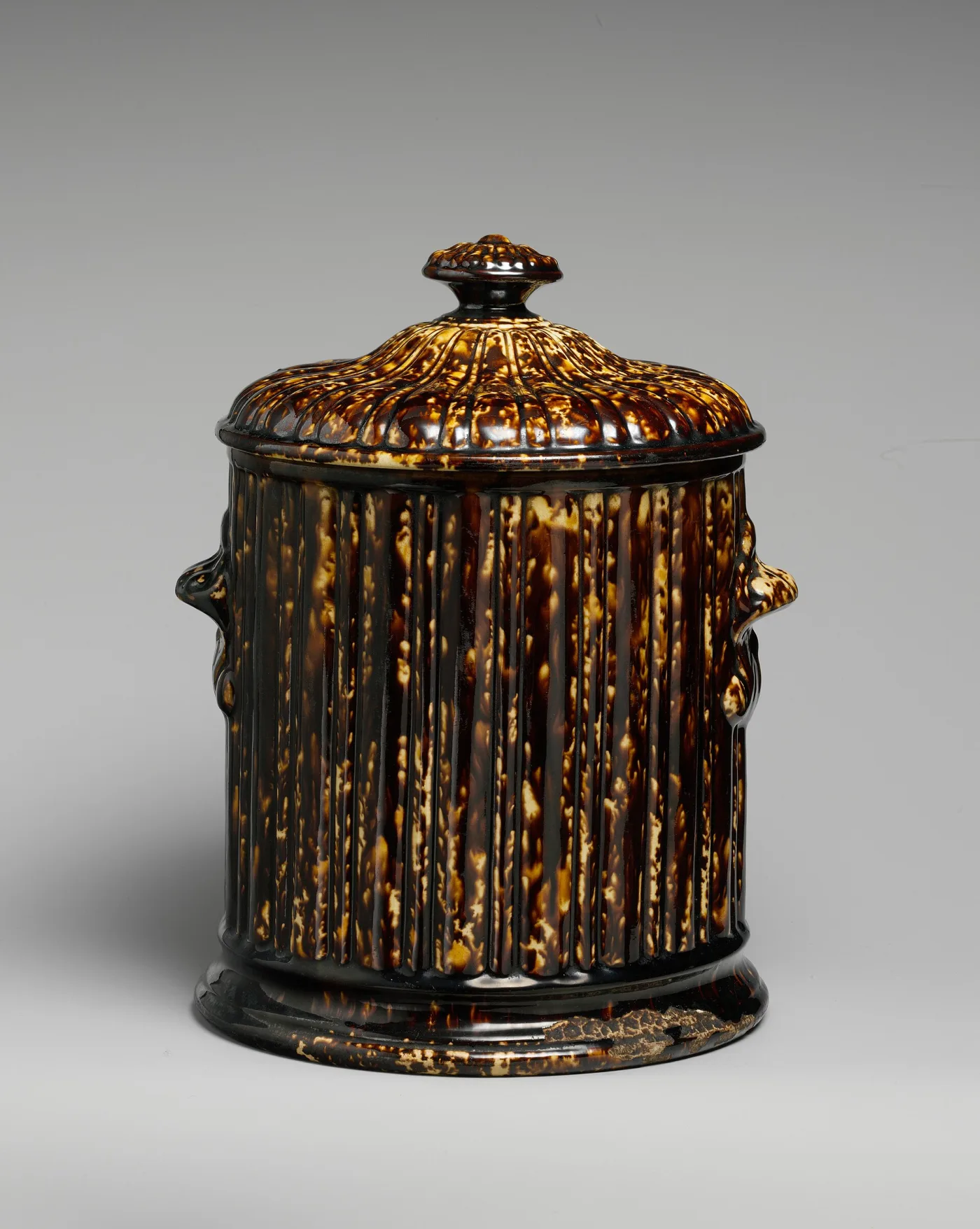
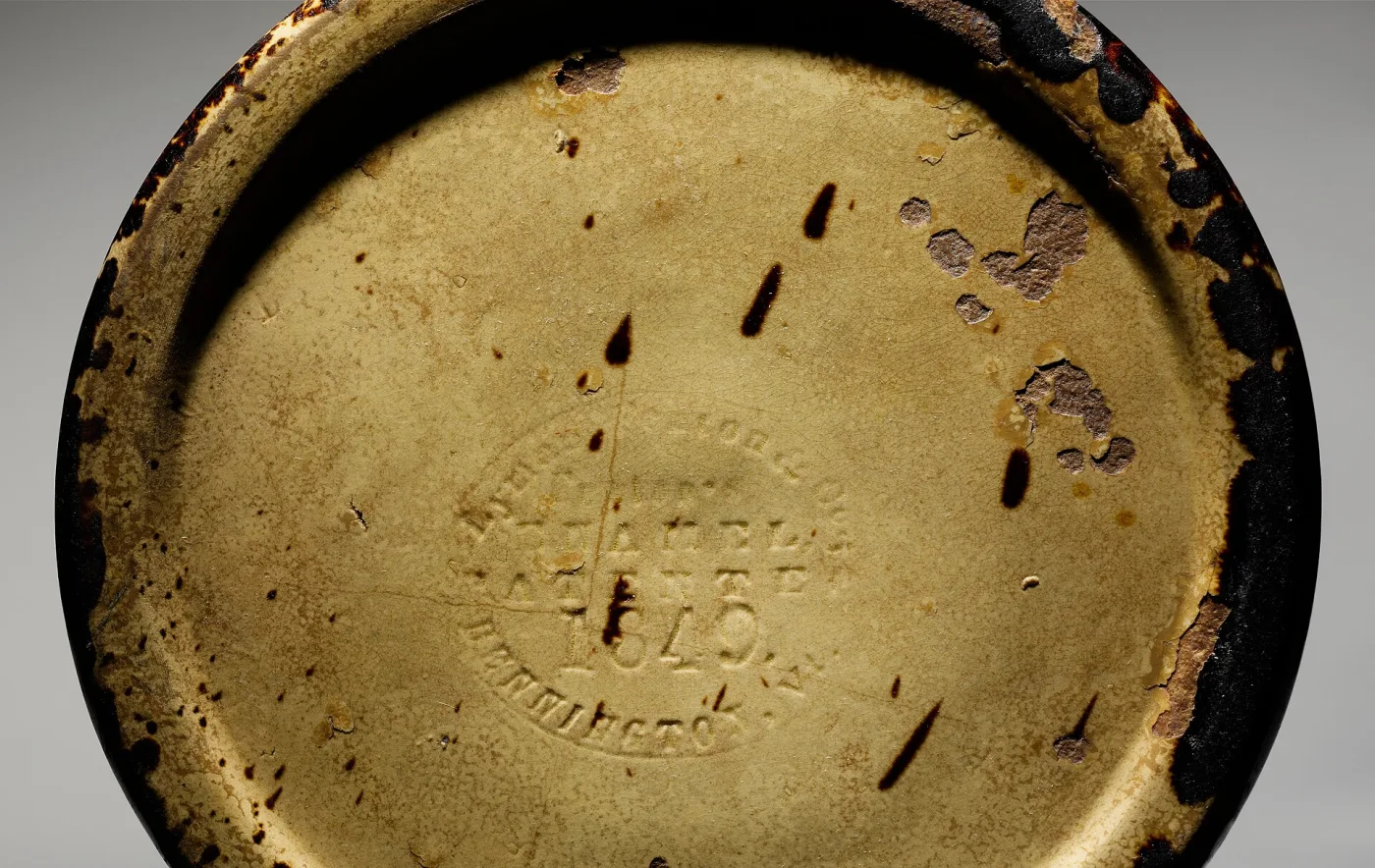
The glaze alone would only get you to "Rockingham-type, mid-19th century, possibly American" — a description that fits a great deal of cheap later ware, including 20th-century revivals. Turning the jar over settles it. Impressed marks like this one sit in the unglazed or thinly glazed foot ring, are often faint, and photograph best in raking light from one side; a printed or transfer-applied mark in the same position on a "Rockingham" jar is a warning, because the technique of the mark should match the technique of the pot.
Humidor Construction
Humidors, specifically designed to maintain cigar humidity, typically feature more sophisticated construction than simple tobacco jars — see our dedicated antique humidors identification guide for wood species, hygrometer dating, and maker attribution. Quality humidors have Spanish cedar lining, which regulates humidity and enhances cigar flavor. The seal quality between lid and body determines functionality, with better humidors showing precise fitting. Humidity mechanisms, particularly in later examples, might include sponge holders or other devices. Hygrometers in some humidors monitor humidity levels. Size varies from small desktop models to large cabinet humidors. Materials include exotic woods, leather, metal, or combinations. Decoration ranges from simple to extremely elaborate, with inlay, marquetry, carving, or applied metalwork.
Collectibility and Value Factors
Tobacco jar and humidor values depend on several factors. Material and construction quality form the foundation: fine porcelain, quality woods, or silver command premium prices. Maker attribution significantly affects value, with pieces from prestigious manufacturers or marked examples more valuable. Decorative quality, including painting, carving, or metalwork excellence, enhances appeal. Size and complexity generally increase value. Original condition, particularly for humidors where functional seals and linings matter, is important. Thematic interest, such as advertising examples for collectible tobacco brands, creates crossover appeal. Completeness, including original lids, liners, or mechanisms, affects value substantially.
Cigar Accessories and Cutters
The golden age of cigar smoking produced an array of specialized accessories, many displaying fine craftsmanship and materials that make them highly collectible.
Cigar Cutters
Cigar cutters evolved from simple blades to elaborate mechanisms, offering varied collecting opportunities. Guillotine cutters, the most common type, use one or two blades to cut the cigar cap cleanly. Victorian and Edwardian examples often feature decorative handles in ivory, mother-of-pearl, silver, or exotic woods. Pocket cutters, designed for portability, might be quite plain or elaborately decorated. Desktop cutters, larger and more substantial, sometimes incorporated cigar rests, ashtrays, or other functions. Punch cutters create a small hole rather than removing the cap entirely. Scissors-style cutters resemble small scissors with curved blades sized for cigars.
Quality and value factors for cigar cutters include material quality (precious metals, ivory, fine woods), mechanical excellence (sharp blades, smooth action, precision fit), decorative artistry (engraving, enameling, stone settings), maker attribution (prestigious jewelers or metalworkers), completeness and condition, and size and elaboration. Unusual forms or mechanisms command particular interest.
Cigar Cases
Cigar cases, ranging from simple leather pouches to elaborate metal examples, protected cigars during transport. Leather cases with cedar linings represented the most common type, ranging from plain to tooled or exotic leather. Metal cases in silver, silver plate, brass, or even gold often featured engine-turning, engraving, or applied decoration. Tortoiseshell, increasingly restricted, appeared on luxury cases. Combination materials might include leather with silver mounts, wood with metal trim, or other creative combinations. Sizes varied from single-cigar to cases holding multiple cigars.
Collectible cigar cases often bear maker's marks, initials or monograms of original owners, presentation inscriptions, or hallmarks indicating precious metal content. Condition matters significantly, particularly for leather examples prone to deterioration.
Other Cigar Accessories
Various other cigar-related accessories interest collectors. Cigar holders allowed smoking cigars down to the stub without burning fingers. Materials ranged from simple wood to elaborate meerschaum or amber. Cigar rests, sometimes incorporated into ashtrays, provided a place to set cigars while burning. Desktop cigar lamps offered lighting specifically designed for cigars. Cigar piercers created holes for drawing smoke. Traveling humidors, compact cases with humidity control, protected cigars during journeys. All these accessories appear in varying quality levels and materials, with finest examples commanding collector attention.
Cigarette Cases and Holders
As cigarettes became fashionable in the early 20th century, particularly during the Art Deco period, cigarette cases and holders evolved into sophisticated accessories combining functionality with artistic design.
Cigarette Cases
Cigarette cases reached their zenith during the 1920s-1940s, when smoking was socially acceptable and often glamorized. These cases range from simple utilitarian holders to elaborate works of decorative art. Materials include silver or gold (often with hallmarks indicating purity and maker), silver plate or gold plate on base metal, engine-turned or engraved decoration, enamel work (particularly Art Deco geometric designs or pictorial scenes), precious or semi-precious stone inlays, exotic materials like tortoiseshell, shagreen, or lacquer, and combination materials creating complex decorative effects.
Art Deco cases represent the most collectible category, characterized by geometric designs, stylized motifs, bold color combinations in enamel work, streamlined forms, and often featuring exotic materials or innovative construction. These cases, particularly those from prestigious makers like Cartier, Van Cleef & Arpels, or other renowned jewelers, can command substantial prices.
Value factors for cigarette cases include maker attribution and marks (prestigious makers significantly increase value), precious metal content (gold cases obviously worth more than silver or plate), decorative quality (fine enameling, engraving, or stone work), period and style (Art Deco examples generally most valuable), condition (enamel damage, dents, or missing parts reduce value), mechanical quality (smooth hinge, secure clasp, precise fit), and provenance (association with notable individuals). Presentation inscriptions might enhance or reduce value depending on historical significance.
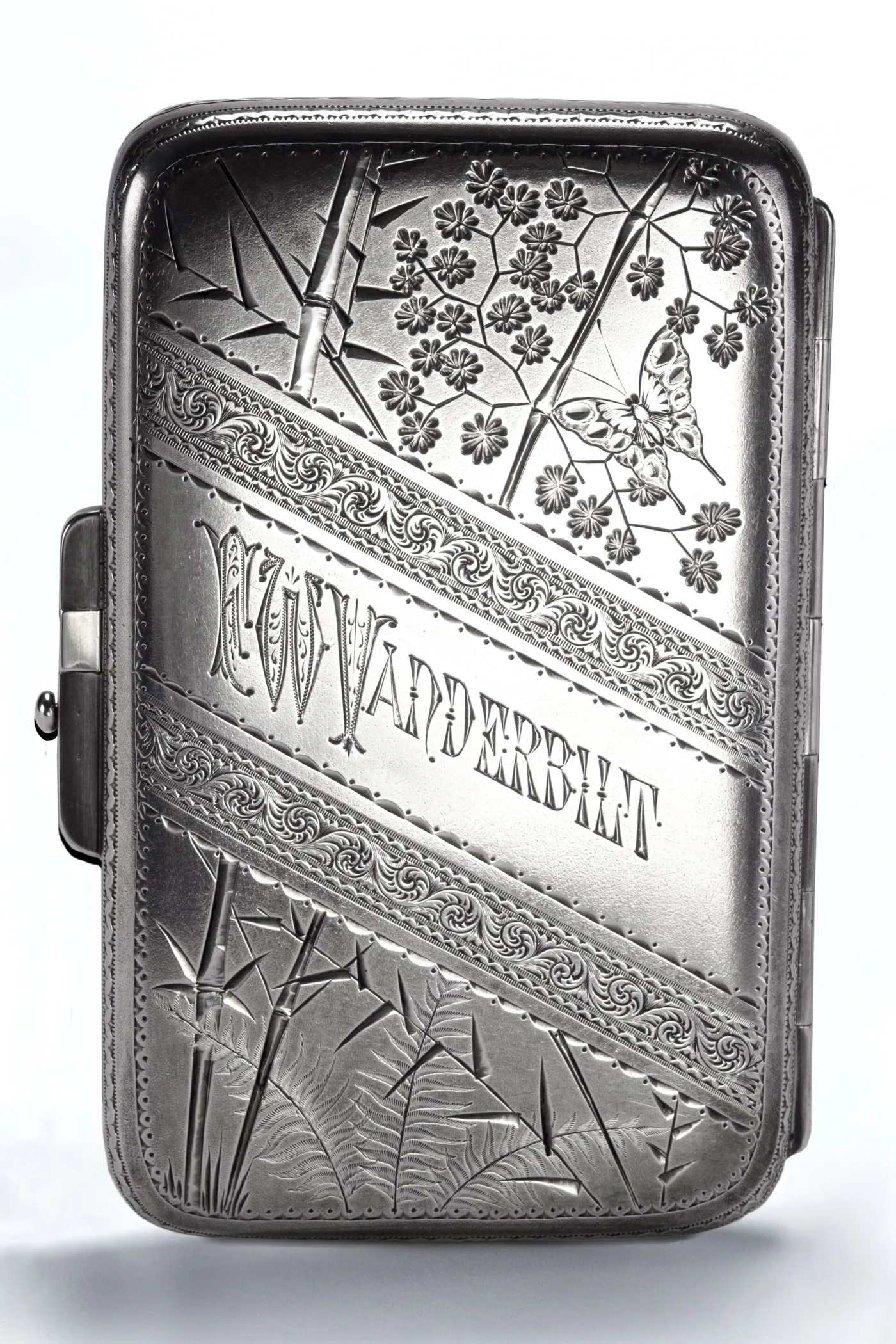
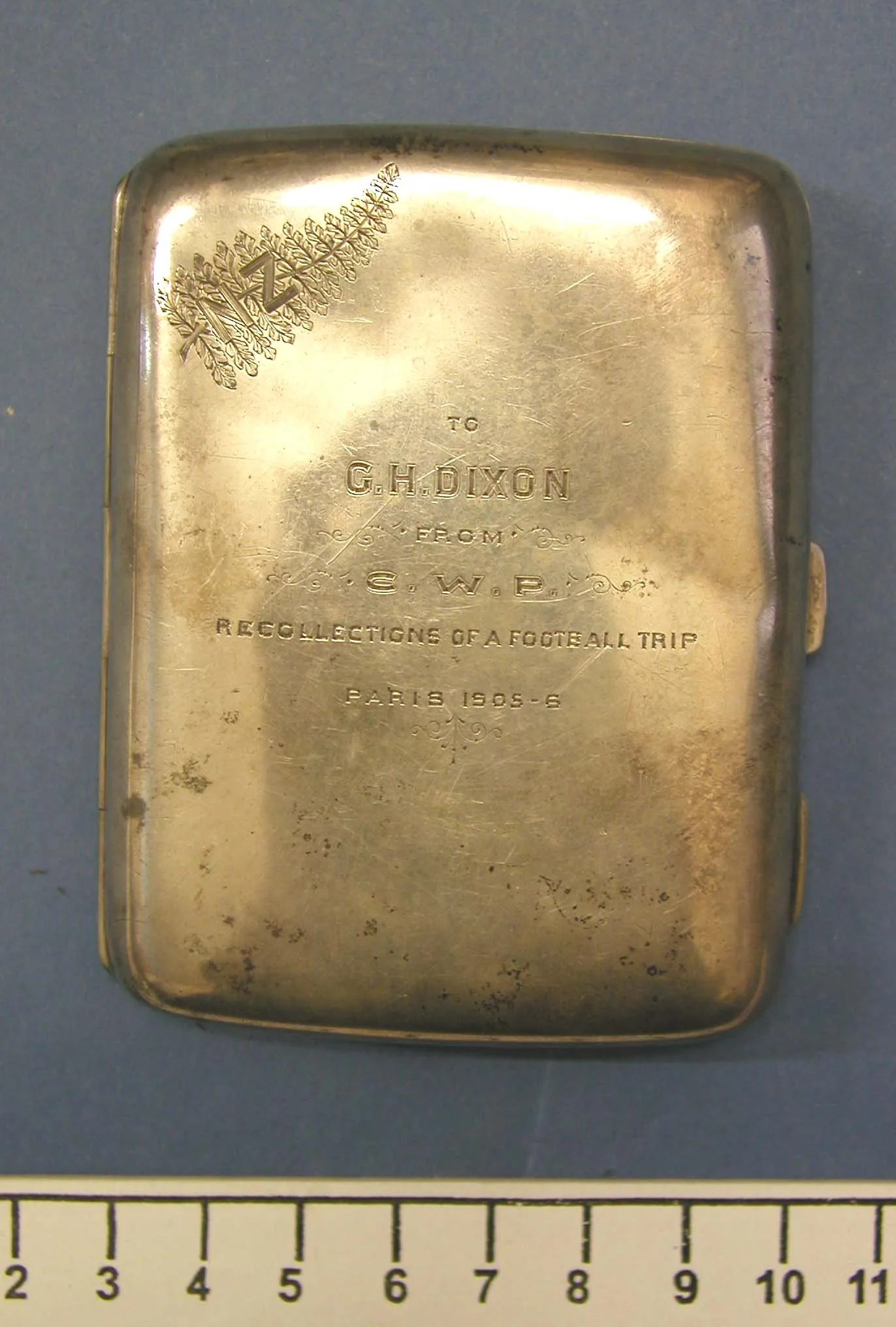
Both are engraved, and the difference matters commercially. The left-hand case treats the name as part of the design, cut by the same hand and in the same period as the ornament — that reads as original and, with a documented owner behind it, adds value. The right-hand inscription is the other kind: plain-field engraving added for a specific occasion, which fixes the date beyond argument but narrows the buyers to people who want that story. Neither is a fault. What is a fault is an inscription whose lettering cuts through the surrounding pattern or sits brighter and shallower than it — that is a later addition, and on a case attributed to a prestigious maker it is the first thing to test.
Cigarette Holders
Cigarette holders, particularly fashionable in the early-to-mid 20th century, offered a sophisticated way to smoke. These holders vary enormously in length (from short to very long, as seen in films of the period), material (amber, ivory, jade, meerschaum, precious metals, bakelite, or combinations), and decoration (from plain to elaborately decorated with stones, enamel, or carving). Quality holders featured secure cigarette grips, comfortable mouthpieces, and balanced weight. Luxury holders might incorporate telescoping mechanisms, filters, or decorative cases.
Amber and jade holders, particularly those with fine color and translucency, attract strong collector interest. Meerschaum holders, sometimes quite elaborately carved, appeal to pipe collectors as well. Bakelite and early plastic holders, especially in unusual colors or Art Deco designs, have developed collecting followings. Celebrity associations, particularly holders linked to famous smokers captured in iconic photographs, create special value.
Lighting Devices: Matchsafes, Vestas, and Lighters
Lighting devices for tobacco evolved from simple tinderboxes to sophisticated lighters, offering diverse collecting opportunities across centuries of development.
Matchsafes and Vestas
Before modern lighters became ubiquitous, smokers carried matches in small containers called matchsafes (American term) or vesta cases (British term). These small boxes or containers, typically pocket-sized, protected matches from moisture and accidental ignition. They often featured striking surfaces on one face. Materials ranged widely: silver or gold (often hallmarked), silver plate or brass, enameled metal with decorative designs, advertising examples promoting products or businesses, figural examples shaped like animals, people, or objects, and combination materials creating decorative effects.
Matchsafes became canvases for decorative arts, with examples featuring Art Nouveau designs, erotic or risqué imagery, fraternal or organizational emblems, commemorative subjects documenting events, sporting themes, and whimsical or humorous decoration. Size, maker, subject matter, condition, and material all affect value. Advertising matchsafes showing rare or desirable brands command particular interest from crossover collectors.
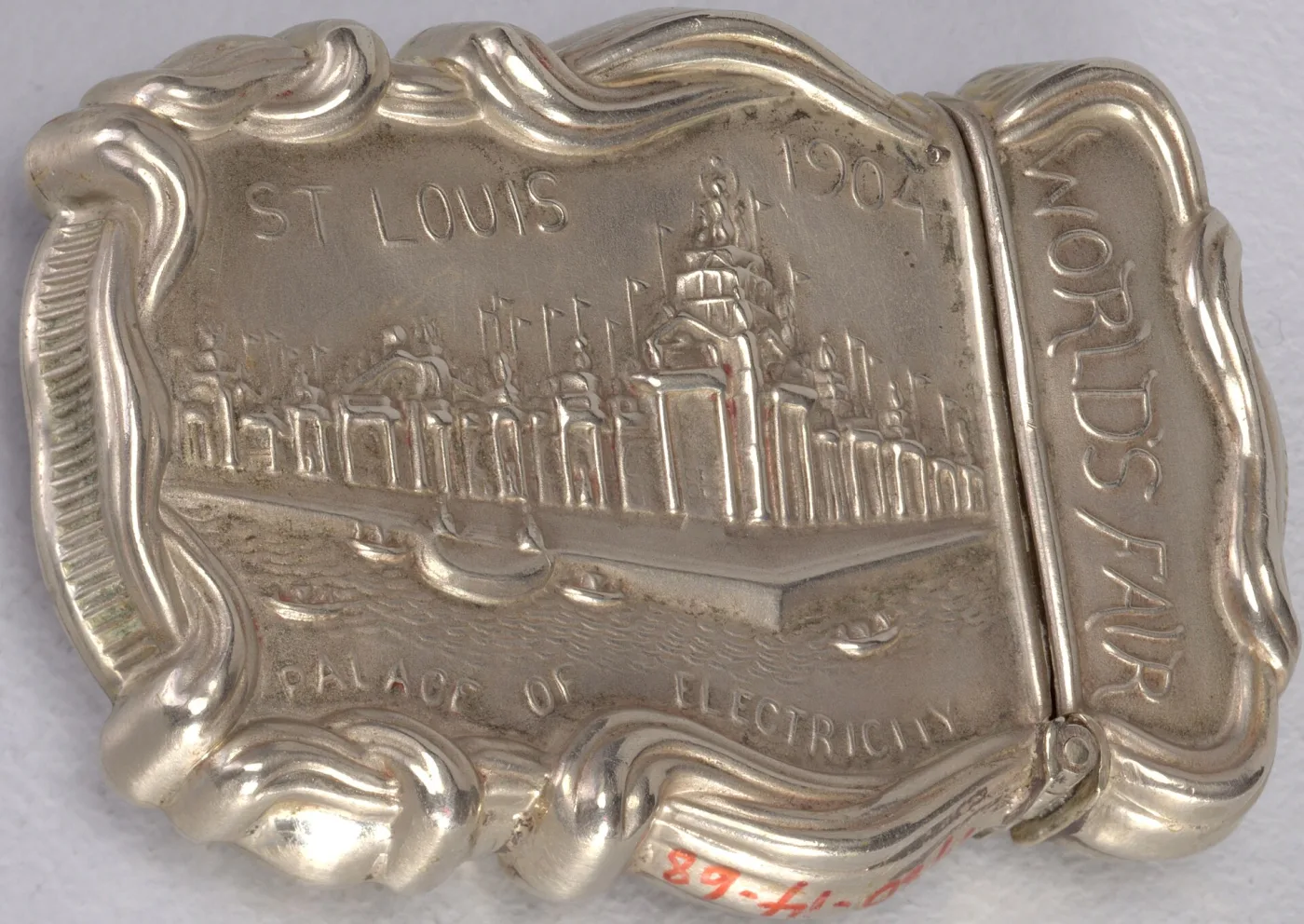
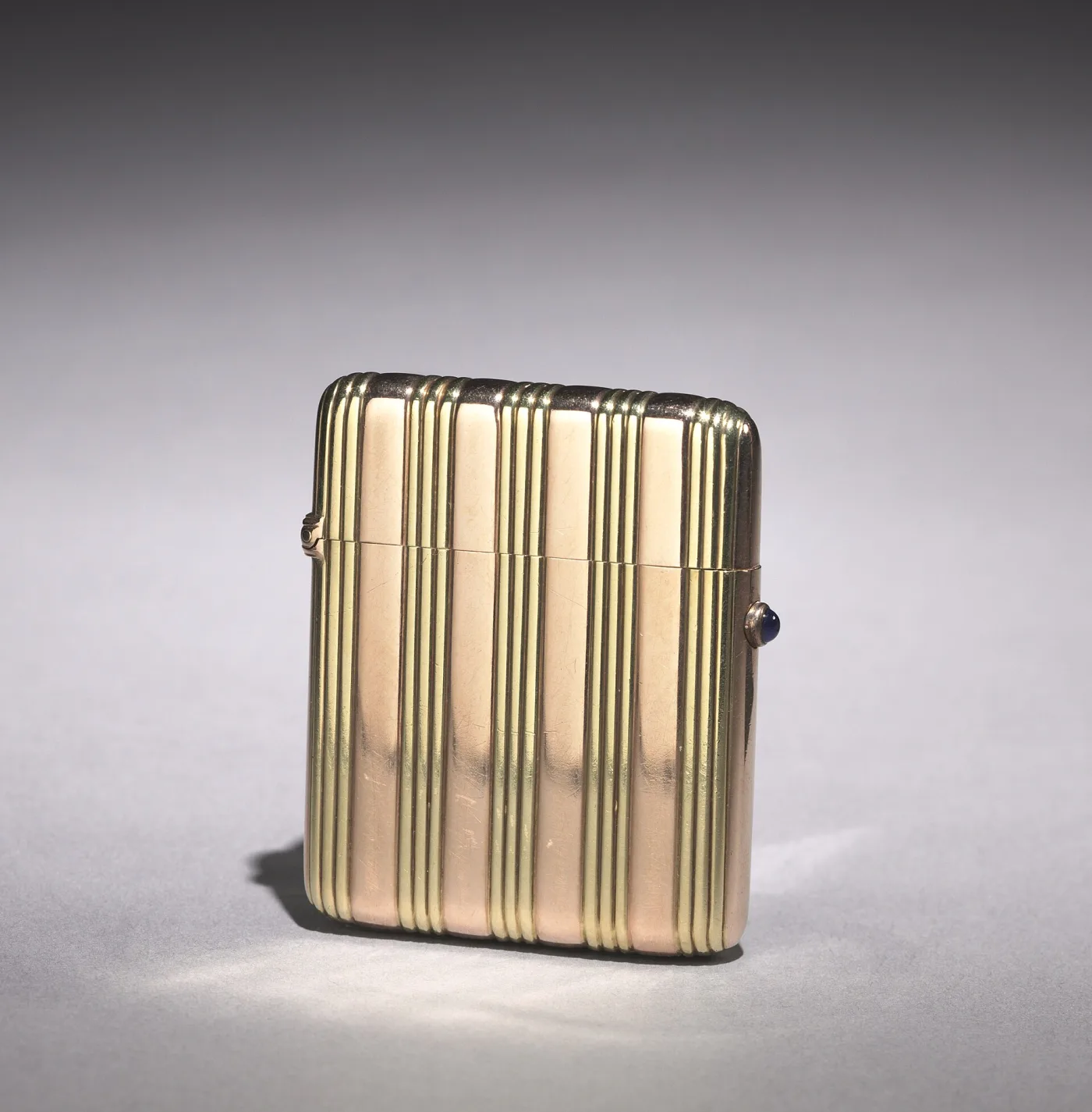
These two mark the ends of the field. Souvenir and advertising matchsafes were struck in quantity from thin silver or plate, and their value rides almost entirely on subject — a named fair, a rare brand, a risqué scene — so condition of the image matters more than the metal. The luxury end inverts that: no subject, a cabochon push-piece, and value resting on the maker's mark, the gold standard mark and the workmaster's initials, all of which live on the rim or inside the lid. Whichever end you are holding, open it and look at the base for the ribbed striker; a matchsafe with no striking surface anywhere is usually a card case or a sovereign case being sold as one.
Early Lighters
Early cigarette lighters, developed from the late 19th century onward, evolved from laboratory curiosities to practical devices. Early lighters used various fuel sources including naphtha (most common in early devices), petrol or gasoline, acetylene gas, and eventually butane in later examples. Ignition mechanisms progressed from flint and wheel (most common historic method) to various semi-automatic mechanisms and eventually piezoelectric ignition in modern lighters.
Collectible early lighters include those from prestigious makers like Dunhill (whose luxury lighters matched their pipe quality), Cartier, Ronson (pioneered automatic lighting mechanisms), Zippo (iconic American design from 1932 onward), and numerous other manufacturers. Value depends on maker and rarity, mechanical complexity and innovation, decorative quality, precious metal content, working condition, and completeness with original boxes or cases. Zippo lighters, while not antique, have developed strong collecting interest, with date codes and maker marks that allow precise dating and limited editions creating rarity.
Tobacco Advertising and Memorabilia
Tobacco advertising and promotional items form a vast collecting field that intersects with pipe and accessory collecting, offering historical documentation and graphic design interest.
Advertising Categories
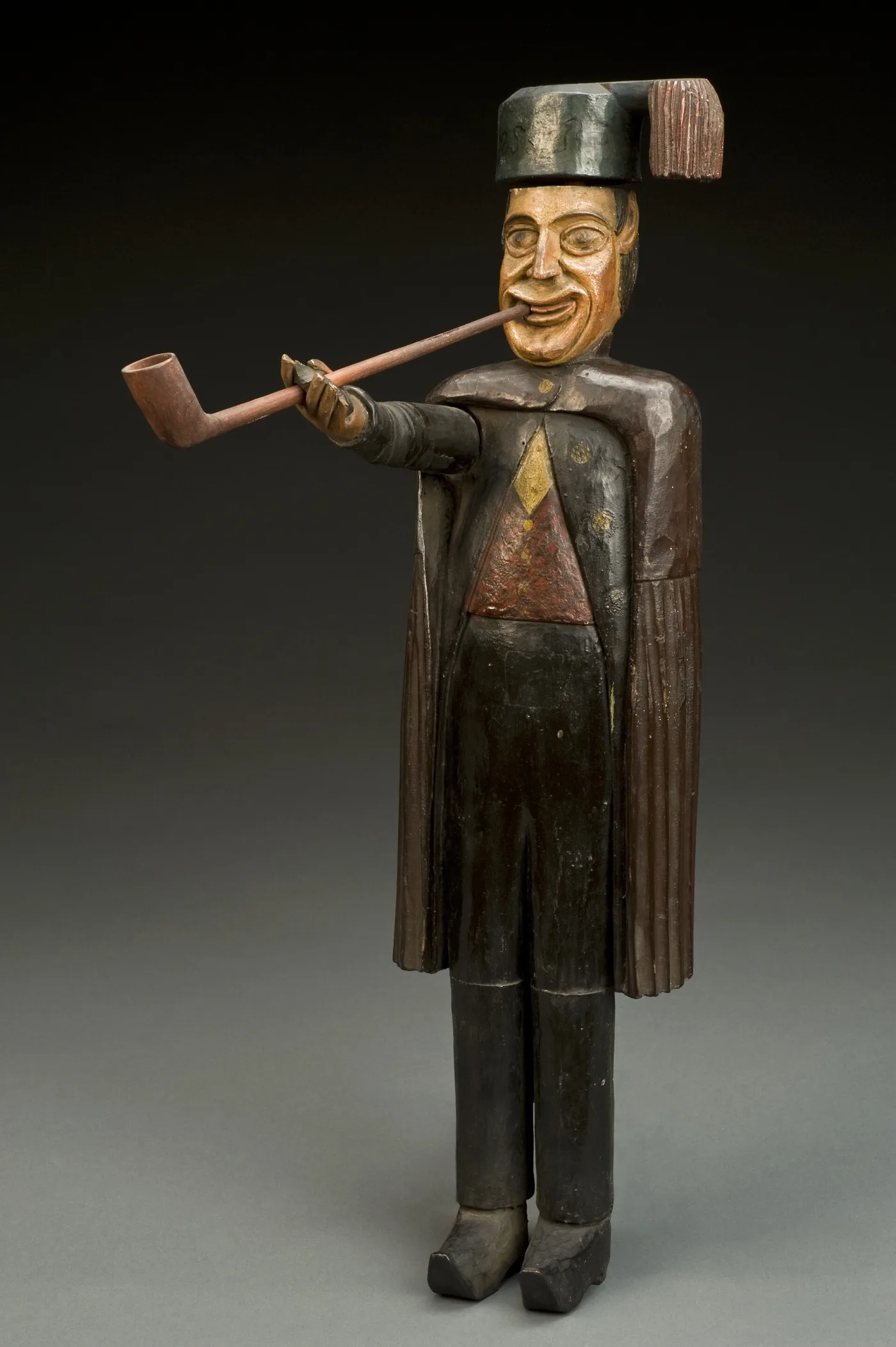
Tobacco advertising appeared in numerous forms, many now highly collectible. Tin signs advertising pipe tobacco, cigarettes, or cigars, particularly enamel signs from the late 19th and early 20th centuries, attract strong collector interest. Cardboard and paper advertisements, including posters, counter displays, and print advertisements, document changing marketing approaches. Store displays, including figural displays, product dispensers, and counter pieces, create three-dimensional collecting opportunities. Trade cards and cigarette cards, particularly those from significant series or rare brands, interest both tobacco collectors and card collectors. Branded tobacco tins and packaging, especially rare brands or unusual lithographed designs, have dedicated collecting communities. Promotional items including giveaway pipes, ashtrays, match holders, and other branded accessories extend tobacco advertising into functional objects.
Value and Collectibility
Tobacco advertising values depend on brand significance (famous or historically important brands more valuable), rarity (limited production or few surviving examples), visual appeal (strong graphics, colors, and design), condition (particularly for paper and tin items prone to damage), size and format (larger items generally command higher prices), and age (older items typically more valuable). Cross-collecting interests also drive values: cigar advertising attracts cigar box collectors, cigarette cards interest card collectors, and vintage advertising appeals to general advertising collectors. This cross-market demand often elevates prices beyond pure tobacco collecting circles.
Dating Methods and Age Indicators
Accurately dating pipes and tobacco accessories requires combining multiple evidence types. Few items bear definitive date marks, so collectors must interpret various indicators.
Material-Specific Dating
Different materials offer specific dating clues. Meerschaum coloring patterns suggest use duration but can be artificially induced. Natural aging shows uneven, gradual darkening. Briar aging shows natural darkening and development of "cake" (carbon layer inside bowl). Excessive cake suggests long use. Stem materials help date pipes: early vulcanite dates to mid-19th century onward, acrylic/lucite indicates mid-20th century or later, and amber appears across periods but particularly on luxury pieces. Clay pipe morphology provides quite precise dating through systematic bowl size and shape evolution. Porcelain decoration styles and techniques reflect period aesthetics and manufacturing capabilities.
Construction and Manufacturing Evidence
How pieces were made indicates period and quality level. Hand manufacture shows slight irregularities, tool marks, and individual craftsmanship, typical of earlier periods and artisan work. Machine manufacture displays uniform dimensions, precise fits, and standardized forms, becoming dominant in later periods. Joining techniques evolved over time, with different solders, adhesives, or mechanical methods indicating periods. Screw threads cut by hand versus machine show different characteristics. Finishing quality and methods changed as technology advanced.
Style and Design Dating
Stylistic analysis helps establish period ranges. Victorian pipes and accessories show characteristic decoration, proportions, and aesthetic reflecting 1837-1901 tastes. Art Nouveau pieces (circa 1890-1910) display organic, flowing designs, natural motifs, and characteristic asymmetry. Art Deco items (1920s-1930s) feature geometric patterns, streamlined forms, and bold colors. Mid-century modern pieces emphasize clean lines, organic forms, and innovative materials. Understanding these stylistic movements helps date unmarked pieces and authenticate attributed examples.
Marks and Inscriptions
Various marks provide dating evidence. Maker's marks changed over time as businesses evolved, moved, or changed ownership. Tracking these changes helps date pieces. Patent dates and numbers, when present, provide firm date ranges. Registry marks (particularly British diamond marks used 1842-1883) allow precise dating. Silver hallmarks include date letters allowing exact dating. Material purity marks indicate regulations in force when marked. Import marks show when and where items entered countries. Catalog numbers might be cross-referenced with surviving catalogs or references. Ownership inscriptions occasionally include dates.
Condition Assessment and Restoration
Condition dramatically affects value in pipe and tobacco accessory collecting. Understanding condition issues, their impact on value, and appropriate restoration approaches is essential.
Common Condition Issues
Different materials suffer characteristic problems. Meerschaum pipes may show cracks from dropping or stress, chips particularly around delicate carved areas, repairs visible under close examination, artificial coloring creating unnaturally even darkening, and staining from improper storage. Briar pipes develop burnout (holes burned through chamber walls), cake buildup sometimes excessive or uneven, stem oxidation particularly on vulcanite, teeth marks on mouthpieces, and fills or putty repairs indicating wood defects. Clay pipes are particularly prone to breaks, chips, and cracks, with stem breaks most common. Porcelain faces chips, cracks, and crazing, with paint or gilt loss from use or cleaning. Metal items suffer from dents, corrosion or tarnish, broken mechanisms, and solder repairs. Tobacco jars and humidors show cracks, chips, missing lids or liners, and damaged seals affecting humidity control.
Grading Standards
Pipe collectors use grading systems similar to other collectibles. Mint or unsmoked pipes appear as new, with no evidence of use, original packaging when applicable, and pristine condition throughout. Excellent pipes show minimal evidence of light use, no damage or repairs, good structural condition, and perhaps light patina consistent with age. Very good pipes have moderate use evidence, possible minor imperfections, generally sound structure, and acceptable overall appearance. Good pipes show substantial use, possible minor damage or repairs, functional condition, and acceptable for common examples or display. Fair pipes have significant damage or repairs, heavily used or worn, and acceptable only for rare examples. Poor pipes show severe damage, extensive repairs, or structural problems, and are suitable only for extremely rare pieces where better examples are unavailable.
Restoration Considerations
Restoration decisions require balancing preservation, functionality, and value. Some interventions are generally acceptable: cleaning to remove soil or accumulated residue using appropriate methods, minor repairs to prevent further damage, replacing damaged stems with period-appropriate materials, and conservation treatments to stabilize materials. Controversial or value-reducing restorations include repainting or refinishing original surfaces, extensive repairs or replacements, modifications altering original form, and overcleaning removing desirable patina.
For valuable pieces, professional conservation is advisable. Specialists understand material properties and appropriate treatment methods. Amateur restoration attempts often cause irreversible damage. Documentation of restoration work, including before/after photography and treatment descriptions, helps future owners understand the piece's history. Disclosure of restoration work is ethically required when selling pieces.
Authentication and Reproduction Detection
As with any collectible category, pipes and tobacco accessories face reproduction and fakery issues. Learning to distinguish authentic pieces from modern copies, fantasy pieces, or fraudulent representations protects collectors from costly mistakes.
Common Reproduction Categories
Several types of reproductions appear in the market. Honest reproductions or fantasy pieces, sold as decorative items without claims of age, create problems only when later misrepresented. Copies of famous makers' products sometimes bear imitation marks intended to deceive. Assembled or "married" pieces combine authentic old components with modern elements or parts from different objects. Enhanced or restored pieces have extensive modern intervention presented as largely original. Aged or distressed new pieces receive artificial wear or patina to simulate age.
Authentication Techniques
Careful examination using multiple criteria helps identify authenticity. Material analysis determines whether materials match period availability and characteristics. Construction techniques should align with period manufacturing methods, with hand work versus machine work, joining methods, and tool marks all providing evidence. Wear patterns should appear consistent with age and natural use rather than artificial distressing. Marks and inscriptions must match known examples, with proper depth, technique, and placement. Patina and aging should appear natural, gradual, and consistent across the piece. Proportions and design should match period aesthetics and known examples. Comparison with documented authentic examples helps identify discrepancies. Scientific analysis, including metallurgy, dating methods, or material composition testing, might resolve questions about valuable pieces.
Specific Concerns by Category
Different pipe categories face specific authentication challenges. Meerschaum pipes are often reproduced, with pressed meerschaum sometimes fraudulently presented as block meerschaum. Artificial aging creates suspicious coloring patterns. Fantasy subjects never produced historically sometimes appear. High-grade briar pipes bearing fake Dunhill or other prestigious marks have been produced. Modern pipes artificially aged to appear antique fool novice collectors. Dating code systems are sometimes forged on otherwise unmarked pipes. Porcelain pipes with printed marks mimicking hand-painted examples, later-added decoration on plain antique blanks, and modern pieces copying antique styles create confusion. Silver-marked items face hallmark forgery issues common to all silver collecting.
Value Assessment and Market Trends
Understanding what drives value in pipe and tobacco accessory markets helps collectors make informed acquisition decisions and properly assess collection worth.
Primary Value Determinants
Several factors fundamentally affect value. Maker and attribution create enormous value differences, with prestigious makers commanding multiples of similar unattributed pieces. Material quality matters significantly: block meerschaum versus pressed, straight-grain briar versus lower grades, and precious metals versus base metals all affect pricing. Artistic merit, particularly for carved meerschaum or decorated accessories, directly impacts value. Rarity increases value, whether through limited production, survival rates, or unusual variants. Condition remains crucial, with damage or restoration substantially reducing value. Completeness, including original cases, packaging, or component parts, enhances worth. Size generally correlates with value, all else equal. Provenance or historical associations create premium value for documented examples.
Market Segments and Trends
The pipe and tobacco accessory market includes several distinct segments with different dynamics. High-end collectors pursue museum-quality carved meerschaums, pipes from legendary makers, or rare tobacco accessories, with these pieces bringing thousands to tens of thousands of dollars. Mid-range collectors focus on quality briar pipes from recognized makers, nice carved meerschaum pipes, or interesting accessories, with prices typically hundreds to low thousands of dollars. Entry-level collecting emphasizes affordable examples for beginning collections, restored or lower-grade pieces, or common but attractive items at tens to hundreds of dollars. Crossover markets exist where cigar collectors seek humidors and cutters, silver collectors pursue hallmarked accessories, advertising collectors want tobacco memorabilia, and historical collectors desire pieces with documented associations.
Market trends in recent years show declining interest in common pipes as the smoking population ages, but steady or increasing prices for finest examples from prestigious makers. Strong market for carved meerschaum pipes continues among serious collectors. Art Deco cigarette cases and lighters maintain robust interest. Tobacco advertising and memorabilia remain popular with broader collecting market. Regional variations exist, with certain makers or styles stronger in particular markets.
Pricing Resources and Sales Venues
Several resources help establish current market values. Auction results from major houses handling estates provide public pricing information for quality pieces. Specialized pipe dealer catalogs and websites show retail asking prices. Online auction sites like eBay show realized prices across quality levels. Pipe shows and antique shows offer direct market contact and price discovery. Collector forums and organizations share pricing information. Appraisal services provide formal valuations for insurance or estate purposes. Reference books may include pricing guides, though these date quickly. Factors affecting prices include sales venue (auction versus retail versus private sale), market conditions and timing, and buyer competition for particularly desirable pieces.
Collecting Strategies and Specialization
Successful collecting usually involves developing focus rather than attempting to collect everything. Specialization builds expertise, creates collecting goals, and makes the hobby manageable and satisfying.
Collecting by Material
Material-focused collections emphasize particular substances. Meerschaum specialists pursue carved pipes across styles and periods, often developing deep knowledge of carving techniques and subject categories. Briar collectors might focus on particular makers, grain patterns, or periods, building comprehensive runs of specific marques. Porcelain pipe collectors appreciate ceramic artistry and often overlap with general porcelain collecting. Clay pipe enthusiasts often pursue archaeological interest alongside collecting. Ivory or exotic material collectors face special challenges regarding regulations and authentication.
Collecting by Maker
Maker-focused collecting develops deep expertise in specific manufacturers. Dunhill collectors pursue examples across the maker's long history, learning dating codes and model variations. Peterson enthusiasts appreciate the Irish maker's distinctive System pipes and classic shapes. Other prestigious makers each have devoted followings. This approach builds comprehensive knowledge and often creates camaraderie with fellow collectors of the same marque.
Collecting by Subject or Theme
Thematic collections focus on particular subjects or accessory types. Figural meerschaum collectors pursue specific subject categories: military subjects, animals, beautiful women, ethnic or cultural themes, or mythological subjects. Tobacco jar specialists collect across materials and periods, focusing on the object type rather than a single material. Cigar accessory collectors assemble cutters, cases, and humidors documenting cigar culture. Advertising collectors pursue tobacco-related promotional items and memorabilia. Military collectors seek pipes and accessories with regimental associations. These thematic approaches allow creative collection building beyond single material or maker categories.
Period or Style Collecting
Some collectors focus on particular historical periods or artistic movements. Victorian-era collections document 19th-century smoking culture across materials and forms. Art Nouveau specialists pursue characteristic designs from that movement. Art Deco enthusiasts collect cigarette cases, lighters, and accessories reflecting that aesthetic. Mid-century modern collectors appreciate Danish and American pipe design innovations. This approach often parallels broader decorative arts collecting across categories.
Building and Managing Collections
Effective collecting requires planning and discipline. Define collecting focus and scope to provide direction and limits. Set quality standards appropriate to chosen specialty and budget. Establish acquisition budgets to prevent overspending while allowing occasional special purchases. Develop knowledge through books, clubs, shows, and online resources. Network with dealers, collectors, and specialists who provide access to material and expertise. Document collections through photography, cataloging, and provenance records. Store and display properly to preserve condition and allow enjoyment. Plan for eventual disposition, whether through sale, gift, or bequest, ensuring collections survive intact.
Preservation and Display
Proper care ensures pipes and tobacco accessories survive for future generations while maintaining condition and value.
Storage Considerations
Different materials require specific storage approaches. Meerschaum pipes should be kept in fitted cases when available, stored away from direct light which can affect coloring, protected from temperature extremes or rapid changes, and kept dry, as meerschaum is porous and moisture-sensitive. Briar pipes benefit from allowing used pipes to rest between smokes, storing upright or in racks to prevent warping, keeping away from extreme heat or cold, and protecting stems from light causing vulcanite oxidation. Porcelain, glass, and ceramic items need protection from impact or pressure, secure shelving preventing falls, and padding between pieces preventing contact damage. Metal accessories require climate control preventing corrosion, tarnish prevention through appropriate storage, and separation of different metals preventing galvanic corrosion. Tobacco jars and humidors should be cleaned and dried if previously used and stored empty to prevent mold or deterioration of interior materials.
Environmental Control
Stable environments preserve collection materials. Maintain moderate, stable temperatures, ideally 60-70°F, avoiding extremes and fluctuations that stress materials. Control humidity at 40-50% relative humidity, preventing excessive dryness or dampness. Minimize light exposure, particularly UV light which fades, degrades, and causes material deterioration. Ensure clean air, avoiding tobacco smoke (ironically), cooking fumes, or chemical vapors. Provide security through locked cabinets, alarm systems, or insurance documentation.
Display Methods
Displaying collections allows enjoyment while requiring protection considerations. Glass-fronted cabinets protect from dust and handling while allowing viewing, with UV-filtering glass minimizing light damage. Pipe racks or stands designed for display show pieces attractively while providing support, ranging from simple wall racks to elaborate rotating stands. Shallow drawers or display cases allow flat storage with visibility for accessories. Rotation of displayed items limits light exposure to any single piece. Museum-quality display for valuable pieces might include special lighting, climate control, and security measures. Photography creates visual records for insurance and enjoyment without handling originals.
Handling and Maintenance
Careful handling preserves condition. Always use clean, dry hands or cotton gloves when handling. Work over padded surfaces preventing damage from drops. Support pieces properly, particularly delicate carved meerschaum or thin-walled porcelain. Avoid touching decorated surfaces, particularly gilt or painted decoration. Clean gently using appropriate methods for specific materials, avoiding harsh chemicals or abrasive techniques. Inspect regularly for condition changes, pest damage, or developing problems. Professional conservation addresses serious condition issues or valuable pieces.
Digital Tools for Pipe Identification
Modern technology provides powerful resources for pipe and tobacco accessory identification, research, and documentation.
The Antique Identifier App
The Antique Identifier app brings AI-powered identification to pipe collecting. Simply photograph your pipe or tobacco accessory using your smartphone, and the app's advanced image recognition technology analyzes multiple factors to provide identification assistance. The AI examines material characteristics helping distinguish meerschaum from pressed substitutes, briar from other woods, and genuine materials from reproductions. It identifies style and period based on visual characteristics, proportions, and decorative elements. For marked pieces, the app helps interpret makers' marks, though clear photography of marks is essential. Construction analysis evaluates quality indicators and manufacturing methods visible in images. The app provides condition assessment noting visible damage, repairs, or condition issues, and offers value estimates based on comparable sales and current market data.
For pipe collectors, the app offers several advantages. Instant field identification helps evaluate potential purchases at antique shops, estate sales, or auctions without extensive prior research. Dating assistance using style, materials, and construction narrows timeframes quickly. Market value information provides baseline expectations for buying or selling. Documentation through photographs creates visual inventory records. The learning database improves continuously as more items are analyzed and expert knowledge is incorporated.
Online Resources and Databases
Numerous websites support pipe research. Pipedia.org offers extensive information on pipe makers, marks, and history. PipesMagazine.com forum provides community discussion, identification help, and collecting advice. eBay and other auction sites show current market prices and sold listings. Worthpoint subscription service searches historical auction results. Maker-specific websites and collector clubs document particular manufacturers. Museum collections, particularly those with online databases, provide research material. Patent databases reveal pipe-related innovations and their dates. These resources complement hands-on learning and direct examination of pipes.
Digital Photography for Documentation
High-quality photography serves multiple purposes for collectors. Overall views document the piece from multiple angles showing form, proportions, and overall condition. Detail shots capture marks, signatures, decorative elements, and construction details. Close-ups of damage, repairs, or condition issues create condition records. Measuring devices in photographs document scale. Lighting techniques reveal surface textures, carving depth, and material characteristics. Photo organization systems with metadata allow searching and cataloging collections. Backup storage protects documentation from loss. Well-photographed items support insurance claims, sales listings, or research inquiries.
Community and Social Media
Online communities connect pipe collectors worldwide. Facebook groups dedicated to pipe collecting offer identification help, discussion, and buying/selling opportunities. Instagram hashtags allow sharing collections and discoveries. Reddit communities provide forums for questions and discussion. These platforms create collective knowledge resources where experienced collectors help newcomers, rare items can be identified through crowdsourcing, and market information flows freely. However, online advice should be verified through additional research, as not all internet sources are equally reliable.