
Antique Pine Furniture Identification: Complete Guide for Collectors
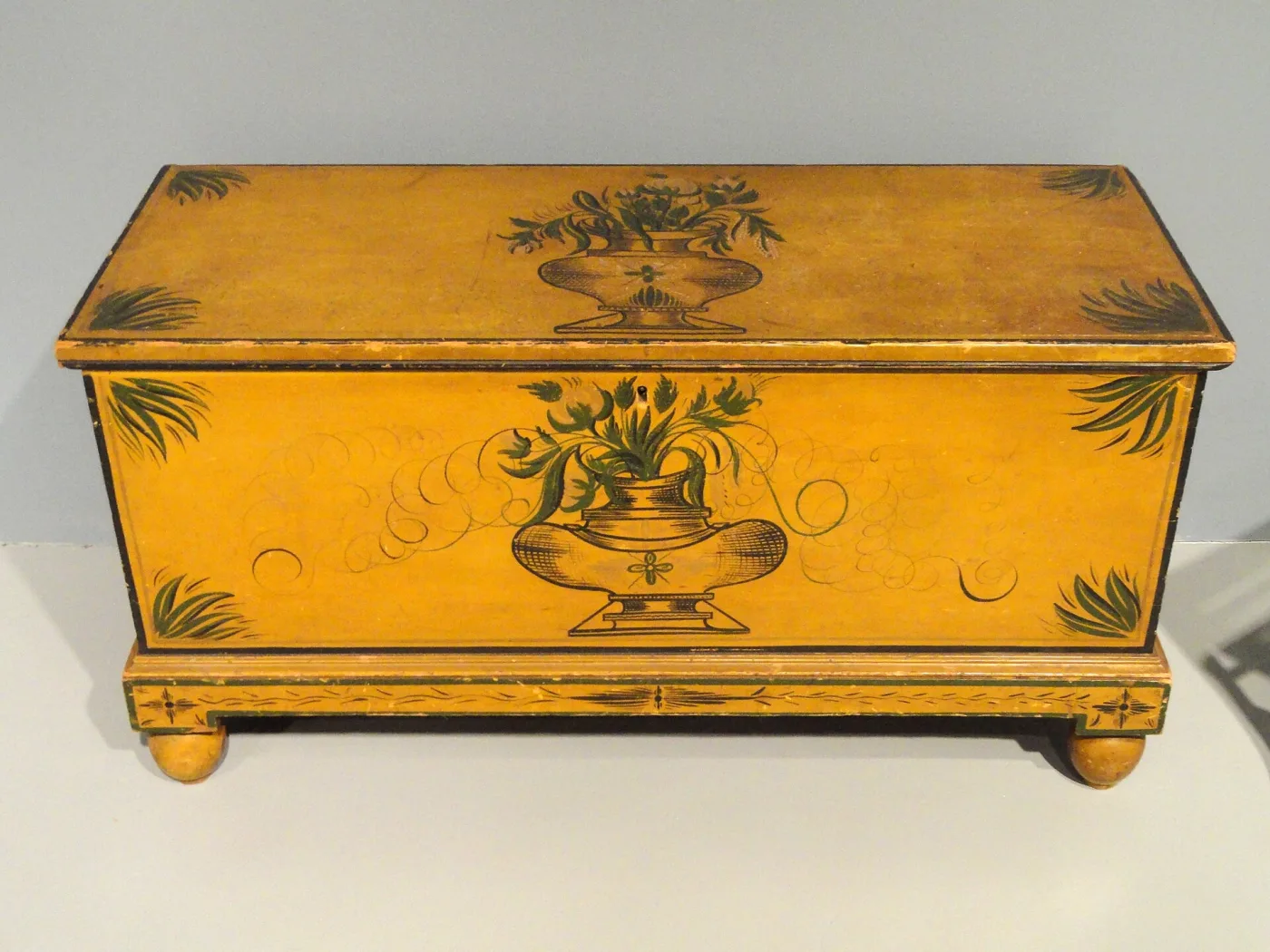
Antique pine furniture represents one of the most accessible and rewarding areas of antique collecting. Once considered humble country furniture, pine pieces are now celebrated for their warmth, honest craftsmanship, and quiet charm. From American colonial blanket chests to English Victorian dressers and Scandinavian painted cupboards, pine furniture tells the story of everyday life across centuries and continents.
Unlike the fine hardwood furniture made for wealthy patrons, pine furniture was crafted for practical use in farmhouses, cottages, and working-class homes. This utilitarian heritage means that antique pine pieces often display genuine wear patterns, original painted surfaces, and construction techniques that reveal their age and authenticity. Understanding these characteristics is essential for any collector seeking to distinguish genuine antiques from later reproductions.
This comprehensive guide will teach you how to identify antique pine furniture through construction analysis, patina examination, hardware dating, and regional style recognition. Whether you are drawn to the painted charm of Scandinavian country pieces or the rugged simplicity of American primitive furniture, mastering these identification skills will help you build a meaningful collection while avoiding costly mistakes.
Table of Contents
- Understanding Pine as Furniture Wood
- Construction Techniques by Era
- Patina and Wear Analysis
- Hardware Dating and Authentication
- Regional Styles and Origins
- Common Pine Furniture Forms
- Painted Surfaces and Original Finishes
- Identifying Reproductions and Fakes
- Condition Assessment and Grading
- Value Factors and Market Trends
- Care and Preservation
- Building Your Pine Collection
Understanding Pine as Furniture Wood
Pine belongs to the softwood family and has been used in furniture making for centuries due to its availability, workability, and affordability. Understanding the characteristics of different pine species helps collectors identify the origin and age of furniture pieces.
Pine Species in Antique Furniture
Several pine species appear in antique furniture, each with distinctive characteristics:
Eastern White Pine (Pinus strobus) was the primary wood for American colonial and early republic furniture. This species features a fine, even grain with few knots when quarter-sawn. The wood ranges from cream to light reddish-brown and develops a rich honey patina with age. White pine was especially prized for large case pieces because trees could yield wide boards without knots.
Yellow Pine (Pinus palustris and related species) encompasses several Southern pine varieties with distinctive resinous properties. Yellow pine displays prominent grain patterns and is heavier and harder than white pine. It was commonly used in Southern American furniture and often appears in utilitarian pieces like pie safes and plantation furniture.
Scots Pine (Pinus sylvestris) dominated European furniture making, particularly in Scandinavia, Britain, and Germany. This species has a more pronounced grain than white pine and typically shows more knots. European pine furniture often features this species, which develops a warm amber tone over time.
Sugar Pine (Pinus lambertiana) was used in American Western furniture during the 19th century. It resembles Eastern white pine but has a slightly coarser grain. Sugar pine was particularly popular for California and Pacific Northwest furniture.
Characteristics of Aged Pine
Genuine antique pine develops distinctive characteristics that help distinguish it from newer wood:
- Color deepening: Pine darkens significantly with age, moving from pale cream toward honey, amber, or deep orange tones
- Surface oxidation: Exposed surfaces oxidize to a darker color than protected areas, creating natural contrast
- Resin crystallization: Old pine often shows crystallized resin deposits that appear as amber-colored spots or streaks
- Shrinkage patterns: Antique pine shows shrinkage across the grain, causing boards to become slightly narrower than when new
- Checking and crazing: Fine surface cracks develop from decades of humidity changes
Construction Techniques by Era
The methods used to construct pine furniture evolved significantly over time, providing valuable dating clues for collectors. Examining joints, tool marks, and assembly techniques reveals the approximate age of a piece.
Pre-Industrial Era (Before 1830)
Furniture made before the Industrial Revolution shows unmistakable signs of hand craftsmanship:
Dovetail joints in early pieces are irregular and widely spaced. Hand-cut dovetails vary in size and angle, unlike the uniform machine-cut versions that appeared later. The pins (narrow parts) are typically larger than in later furniture, and the spacing between tails is uneven.
Saw marks from this era show straight, parallel lines from pit saws or up-and-down sash saws. Look for these marks on the backs of case pieces and drawer bottoms. The marks run perpendicular to the board length and show slight irregularities in spacing.
Plane marks appear as subtle ridges running along the grain. Hand planes leave slightly scalloped surfaces that catch light differently than machine-planed wood. Feel drawer bottoms and backboards for these telltale ridges.
Pegged construction was common in early pine furniture. Look for wooden pegs securing mortise-and-tenon joints in table legs, chair stretchers, and case piece frames. These pegs often stand slightly proud of the surface or have shrunk below it over time.
Early Industrial Era (1830-1880)
The introduction of circular saws and early machinery changed furniture construction:
Circular saw marks appear as curved, arc-shaped lines on secondary surfaces. These marks run at an angle to the board and have a distinctive curved pattern. Circular saws came into common use during the 1830s, so their presence indicates a piece was made after this date.
Machine-cut dovetails began appearing in the 1870s but did not become widespread until later. Transitional pieces may show a combination of hand and machine techniques. Machine dovetails are more uniform in size and spacing than hand-cut examples.
Wire nails gradually replaced hand-forged and cut nails during this period. Cut nails (rectangular in cross-section) dominated from about 1790 to 1890, while round wire nails became common after 1880. Finding cut nails strongly suggests a pre-1890 date.
Late Victorian to Early Modern (1880-1920)
Mass production techniques became standard during this period:
Uniform machine dovetails are evenly spaced with identical angles. The pins are typically much smaller than in earlier hand-cut work. Multiple dovetails of exactly the same size and spacing indicate machine production.
Band saw marks show relatively straight parallel lines, but they are thinner and more uniform than pit saw marks. Band saws became common in the 1870s and remained in use for rough cutting.
Standardized dimensions emerge in this era. Boards are cut to uniform thicknesses, drawer parts are interchangeable, and overall proportions become more consistent than in earlier handmade pieces.
Patina and Wear Analysis
Genuine patina and wear patterns are among the most important indicators of authenticity in antique pine furniture. These characteristics develop naturally over decades of use and cannot be perfectly replicated.
Understanding Natural Patina
Patina refers to the surface changes that occur through aging, oxidation, and use. Authentic patina on pine furniture has several distinctive qualities:
Differential coloring occurs because exposed surfaces oxidize and darken faster than protected areas. The top of a table will be darker than the underside. Drawer interiors remain lighter than exterior surfaces. This contrast develops naturally and is difficult to fake convincingly.
Gradual transitions characterize genuine patina. Color changes occur smoothly rather than in abrupt lines. Where a hand regularly touched a drawer pull, the surrounding wood shows gradual darkening that fades into lighter areas. Fake patina often shows harsh demarcation lines.
Depth and luminosity distinguish old surfaces from artificially aged ones. Genuine patina seems to glow from within the wood rather than sitting as a layer on top. This depth develops from years of polish, wax, and handling that work into the wood grain.
Wear Pattern Analysis
Authentic wear occurs in logical locations based on how furniture was used:
Feet and base rails show wear from floor contact and cleaning. Look for rounded edges, scuff marks, and uneven wear where feet contacted floor surfaces. The wear should correspond to how the piece would have been used and moved.
Drawer runners develop grooves where drawers slide. These wear patterns should match the drawer dimensions. Check that both runners show similar wear - asymmetric wear patterns may indicate replaced parts.
Edges and corners round naturally from handling. Table edges, chair arms, and case piece corners lose their crisp edges over time. This rounding should be consistent with the overall age of the piece.
Surface wear on tabletops, chair seats, and work surfaces shows use patterns. A kitchen table shows different wear than a parlor table. Knife marks, ring stains, and wear patterns should be consistent with the furniture type and purported age.
Red Flags in Patina
Certain characteristics suggest artificial aging or recent manufacture:
- Uniform color on all surfaces, including protected areas
- Patina that wipes off or appears as a surface coating
- Wear in illogical locations that would not see use
- Sharp edges and corners on supposedly old pieces
- Color matching between replaced parts and original sections
- Distressing marks that appear random rather than consistent with use
Hardware Dating and Authentication
Hardware provides valuable dating evidence for pine furniture. Hinges, pulls, latches, and locks evolved over time, and their characteristics help establish when a piece was made.
Hinge Evolution
Strap hinges with hand-forged construction dominated early furniture. Look for irregular hammer marks, tapered points, and hand-filed pivot holes. The iron should show deep corrosion pitting consistent with age.
H and HL hinges appeared on better-quality colonial furniture. These cast or forged hinges attach with hand-cut screws or clinched nails. The mounting holes often show filing marks from hand fitting.
Butt hinges became common in the 19th century. Early examples were heavier and less uniform than modern versions. Check for cast rather than stamped construction and hand-cut screw slots.
Drawer Pulls and Handles
Wooden knobs were common on country pine furniture throughout its history. Original knobs show wear patterns where hands gripped them and often display color that differs from the drawer front due to handling oils.
Iron and brass pulls can help date pieces when original:
- Bail pulls with solid brass backs (pre-1830)
- Pressed brass with stamped backs (1830-1890)
- Cast iron and milk glass (1840-1880)
- Spool and mushroom turned wood (throughout 19th century)
Locks and Latches
Early locks were hand-forged with distinctive characteristics. The keyhole surrounds (escutcheons) evolved from hand-cut plates to stamped brass designs. Original locks often show wear inside the mechanism from key use and may retain period keys.
Latches on country furniture range from simple wooden turn buttons to iron thumb latches. Hand-forged latches show hammer marks and irregular shapes. Cast iron latches became common after 1840.

Regional Styles and Origins
Pine furniture developed distinctive regional characteristics based on local traditions, available materials, and immigrant influences. Recognizing these regional styles helps identify origins and assess authenticity.
American Colonial and Federal
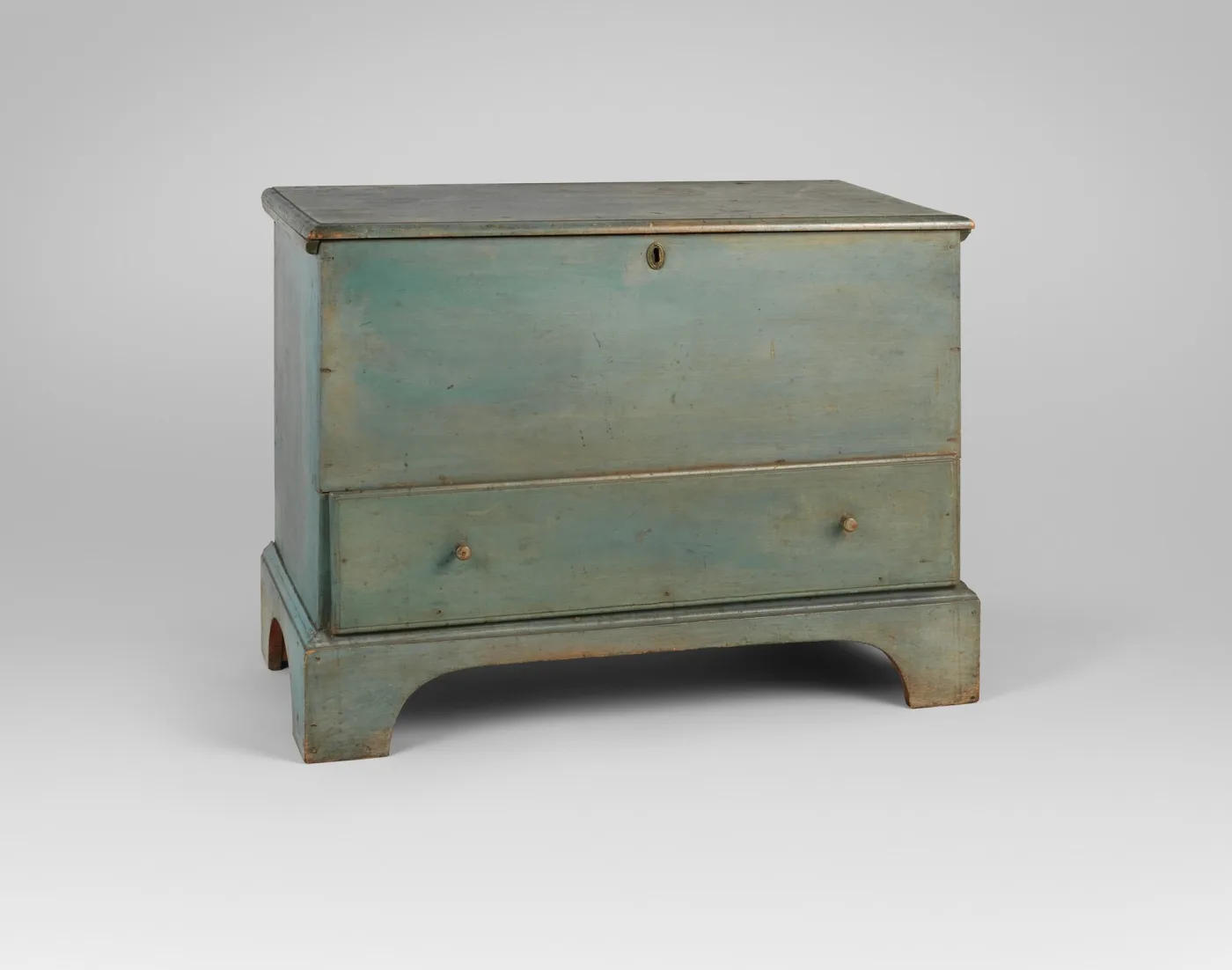
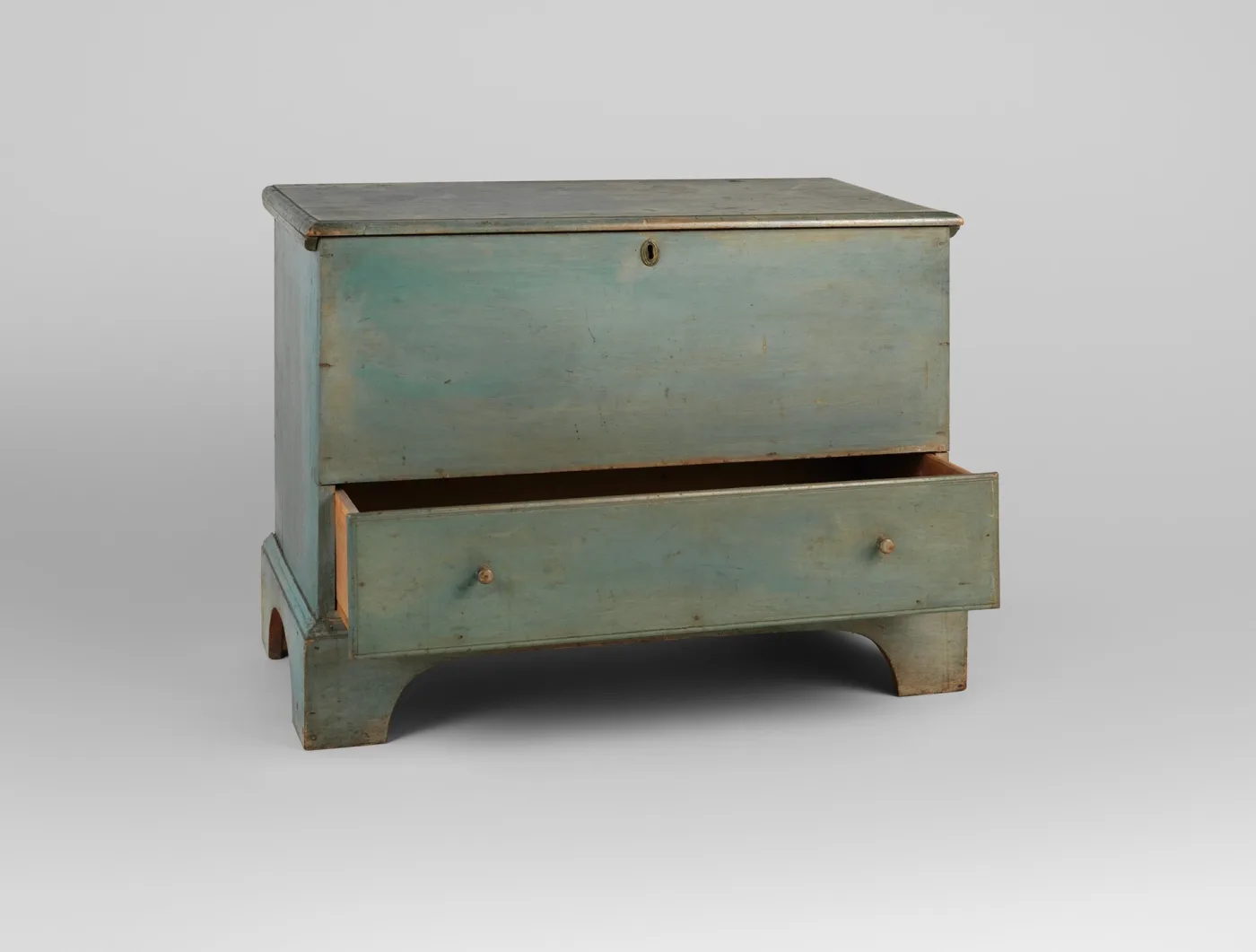
New England pine furniture emphasizes simplicity and function. Pieces typically feature clean lines, minimal decoration, and practical construction. Painted finishes in red, blue, and green were common. Look for wide Eastern white pine boards and hand-forged hardware.
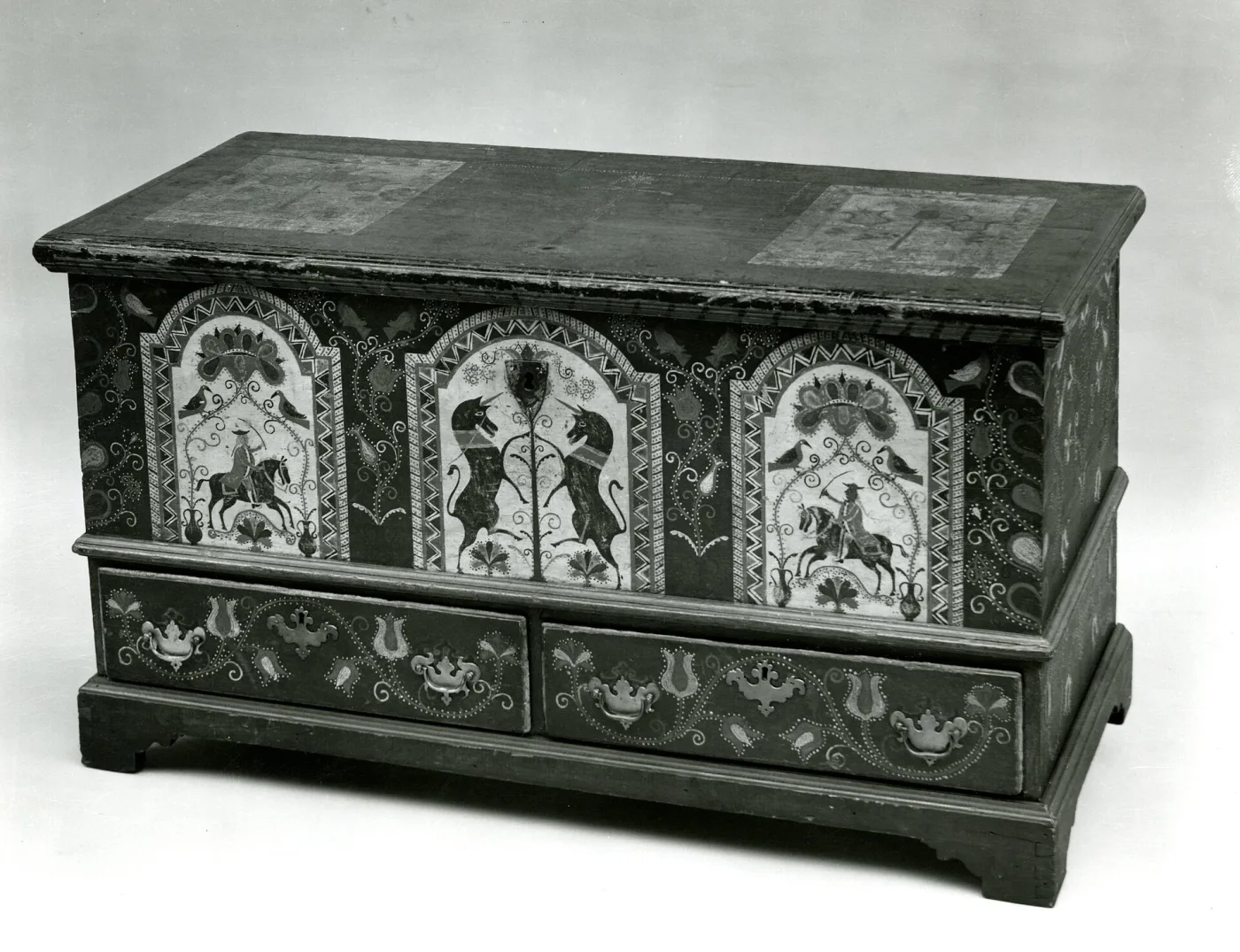
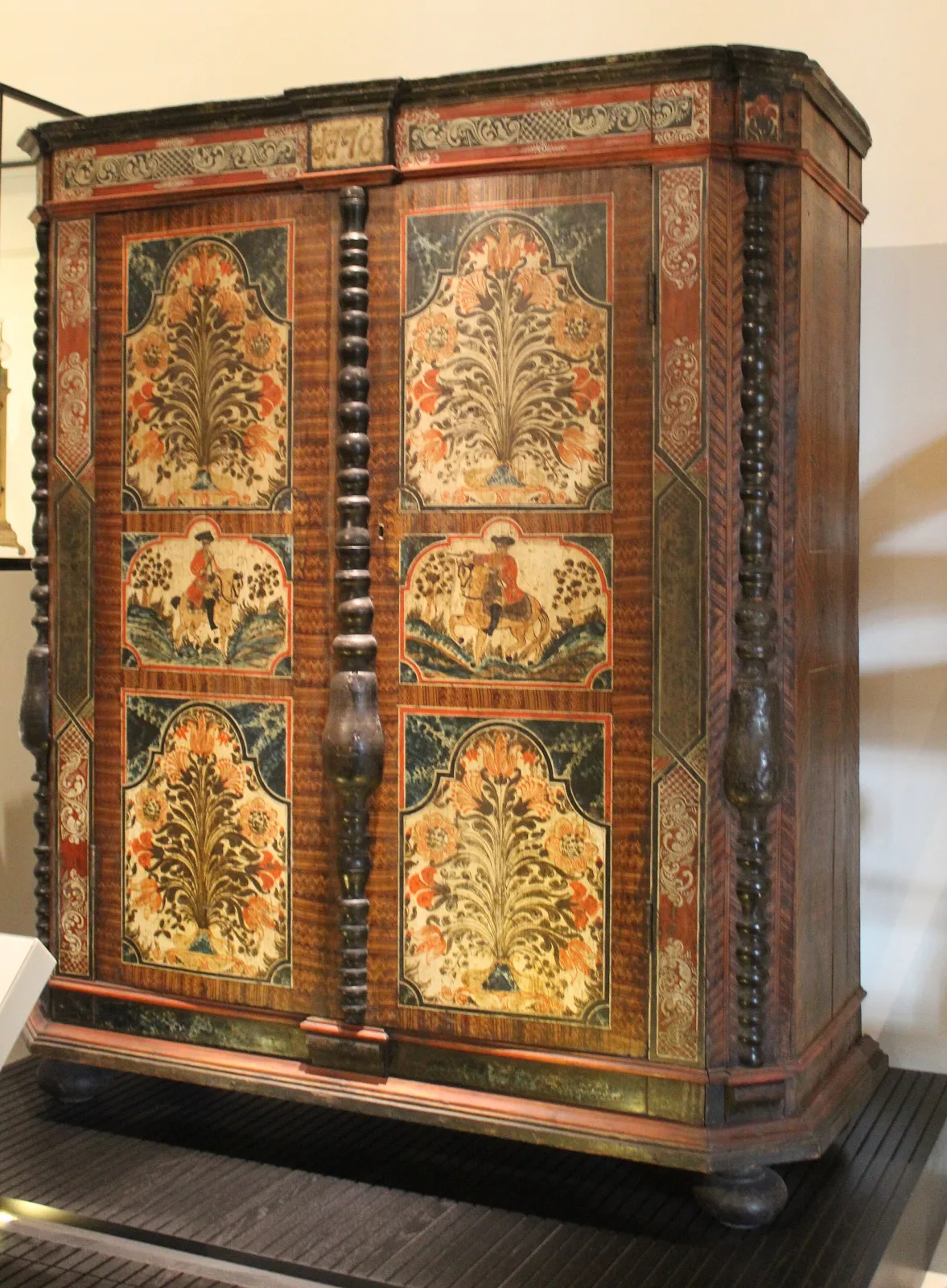
Pennsylvania German furniture shows Continental European influence. Decorative painted motifs including tulips, hearts, and geometric patterns distinguish this tradition. Construction often combines pine with other woods like poplar and walnut. Distinctive forms include dower chests, schranks (wardrobes), and sawbuck tables.
Southern pine furniture tends toward larger, more robust construction. Yellow pine was common due to availability. Pie safes with decorative tin panels, plantation pieces, and sugar chests are characteristic forms. Hardware was often simpler than Northern examples.
British Isles Traditions
English pine furniture from the Victorian era often features turned legs, bracket feet, and decorative moldings. Pine dressers (hutches), washstands, and chests of drawers were common household pieces. Much English pine was originally painted and has been stripped in modern times.
Irish pine tends toward heavier construction with distinctive regional forms. Food cupboards with ventilated doors, settles (benches with high backs), and cricket tables are characteristic. The pine is often from Scots pine imported from Scotland or Scandinavia.
Scottish pine furniture shows both Highland and Lowland traditions. Highland pieces tend toward simpler, more primitive construction, while Lowland furniture shows more sophisticated joinery. Box beds, kists (chests), and dressers are common forms.
Scandinavian Traditions
Swedish painted furniture is among the most sought-after pine. Gustavian pieces feature carved details, fluted legs, and distinctive paint colors including gray-blue, cream, and pale green. Folk painted furniture from Dalarna and other regions displays colorful floral motifs.
Norwegian pine furniture often shows rosemaling (decorative painting) with distinctive regional variations. Rose painting from Telemark, Hallingdal, and Rogaland can be identified by specific stylistic elements. Kubbestols (log chairs) and carved ale bowls represent distinctive Norwegian forms.
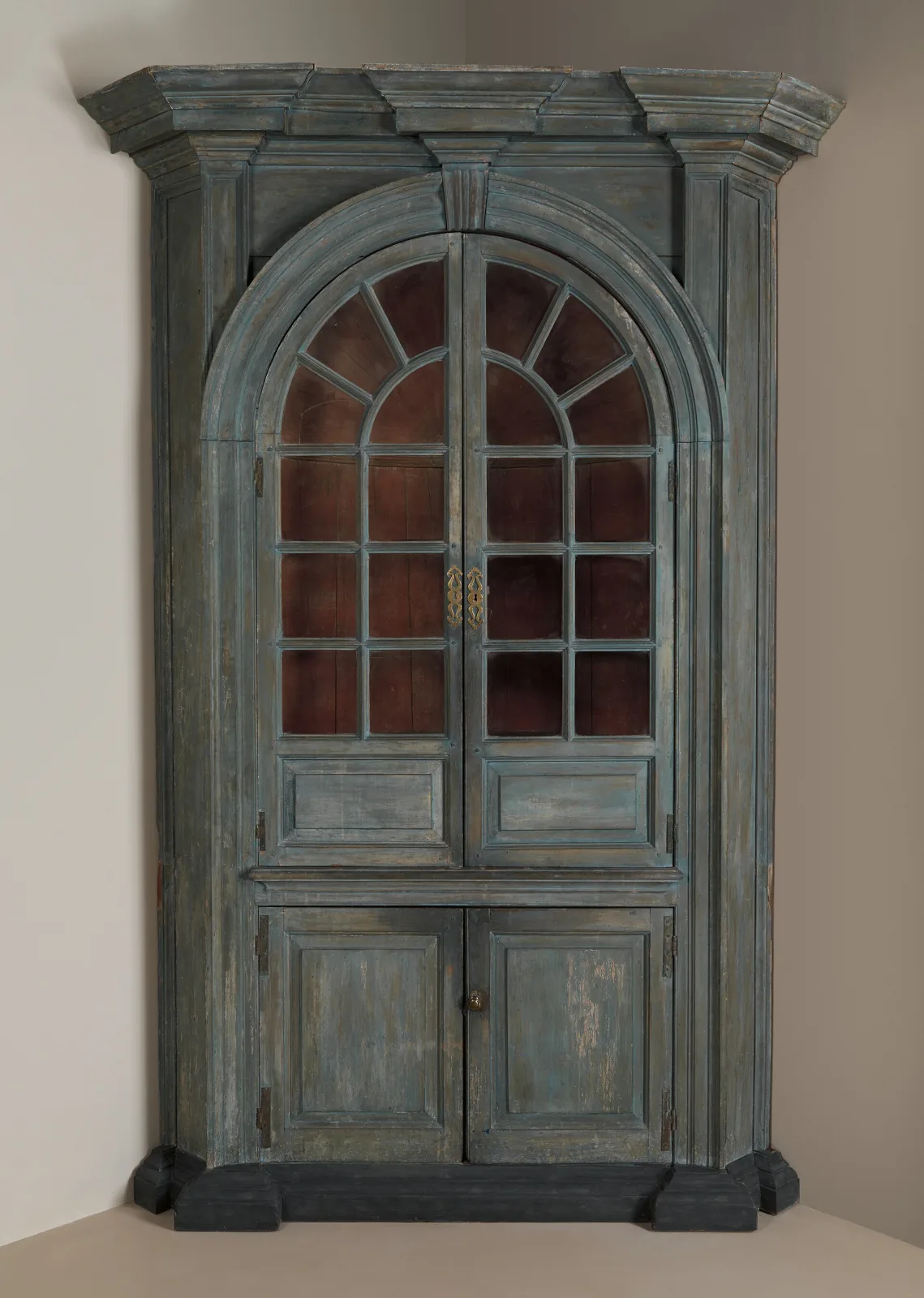
Danish country furniture tends toward simpler decoration than Swedish examples. Red-painted finishes were popular in rural areas. Characteristic forms include benches with storage, corner cupboards, and hanging cabinets.
Continental European Styles
French Provincial pine furniture from regions like Brittany and Provence features distinctive carved details and painted finishes. Armoires, buffets, and farm tables are characteristic forms. The pine is often from various European species.
German and Austrian pine furniture shows both peasant and bourgeois traditions. Painted furniture with floral designs, blue and green color schemes, and dated inscriptions helps identify specific regions and periods. Massive schranks and decorated marriage chests are typical forms.
Common Pine Furniture Forms
Understanding the typical forms and functions of pine furniture helps collectors identify pieces and assess authenticity. Each form has characteristic construction features and proportions.
Storage Furniture
Blanket chests are among the earliest and most common pine furniture forms. Six-board chests (four sides, bottom, and lid) represent the simplest construction. Better examples feature bracket bases, carved fronts, or painted decoration. Look for iron strap hinges, original till boxes, and appropriate wear patterns.
Cupboards and wardrobes range from simple single-door cabinets to elaborate two-part pieces. Early cupboards often show pegged construction and hand-forged hardware. Check that proportions match period examples and that backboards show appropriate saw marks and aging.
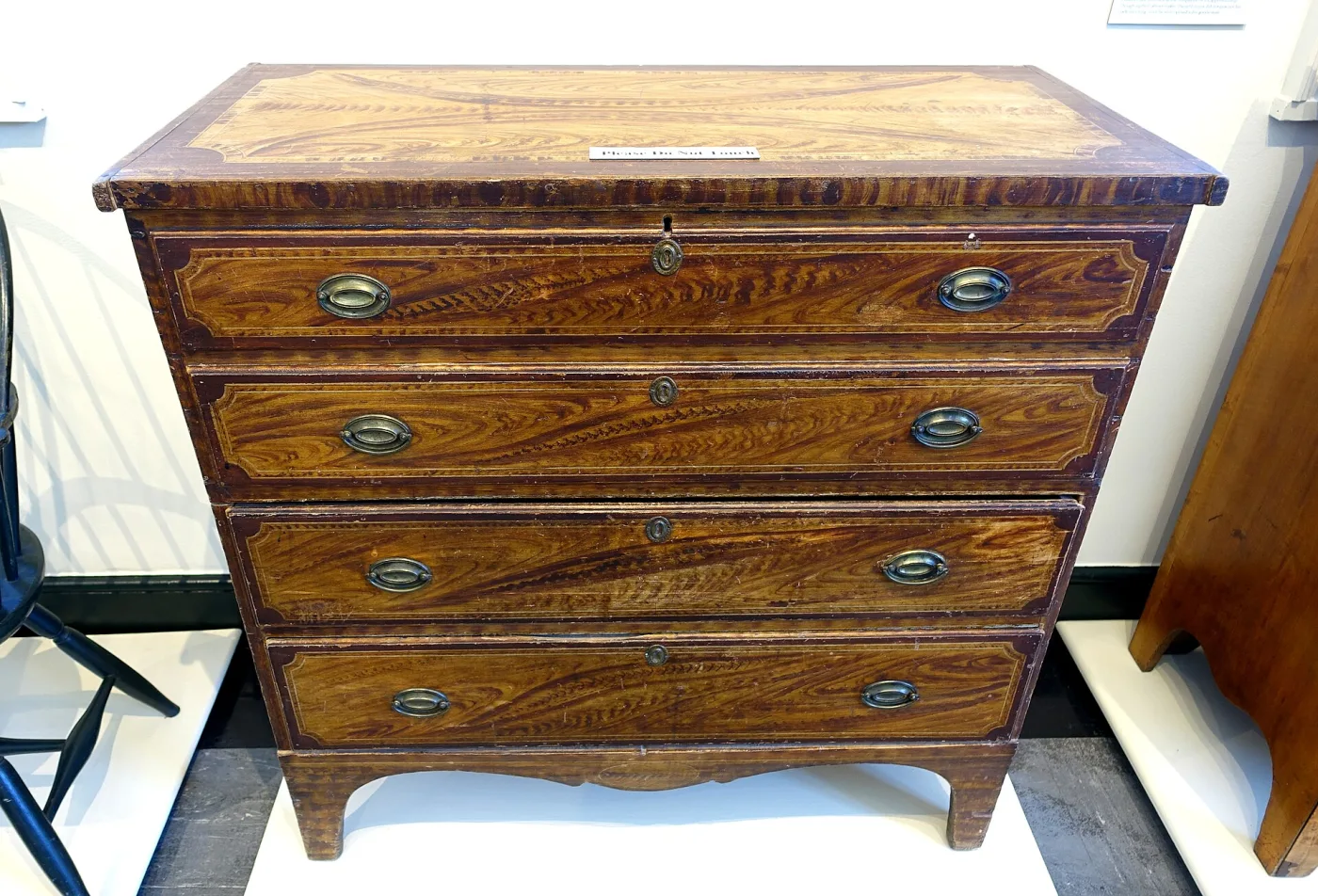
Chests of drawers in pine follow similar design evolution as hardwood examples but with simpler construction. Country pieces often have plain bracket or turned feet. Examine dovetails, drawer runners, and backboards for construction dating clues.
Tables
Tavern and kitchen tables feature sturdy construction designed for heavy use. Look for stretcher bases, turned or square legs, and two-board or three-board tops with breadboard ends. Authentic examples show extensive wear on tops and stretchers.
Sawbuck tables feature X-shaped trestle bases. This form appears in German American furniture and Scandinavian traditions. Original examples show wear where feet contacted floors and where aprons attach to the base.
Drop-leaf and gate-leg tables in pine served smaller households. The hinged leaves required careful joinery that should show consistent wear on all parts. Rule joints (shaped edges where leaves meet) should fit properly and show appropriate wear.
Seating
Benches and settles were essential in country homes. Long benches with backboards, corner benches with storage, and settles with high backs protected sitters from drafts. Look for consistent wear on seats and backrests.
Chairs in pine are less common than in hardwoods but appear in rustic traditions. Plank-seat chairs, simple ladder-backs with pine slats, and children's chairs were made from pine. Construction tends toward simplicity.
Kitchen and Utility Pieces
Pie safes feature ventilated doors with decorative tin panels. These American forms protected baked goods while allowing air circulation. Original tins show hand-punched patterns and appropriate oxidation.
Dry sinks held wash basins in kitchens before indoor plumbing. The recessed top contained splashing water. Look for zinc or copper liners in better examples and water damage consistent with use.
Dough boxes feature deep, angled sides and fitted lids. Originally used for raising bread dough, these pieces show flour residue and wear patterns from regular use. Some examples have turned legs and serve as occasional tables.
Painted Surfaces and Original Finishes
Many pine furniture pieces were originally painted, and original paint significantly increases value and collectibility. Understanding historic paint characteristics helps identify genuine surfaces.
Historic Paint Characteristics
Milk paint (casein paint) was common on American furniture from colonial times through the 19th century. This paint creates a flat, slightly chalky surface that bonds directly to the wood. Milk paint wears to reveal wood beneath rather than flaking in layers like oil paint.
Oil-based paints produce harder, glossier surfaces than milk paint. Early oil paints used lead white and natural pigments including red ochre, yellow ochre, Prussian blue, and verdigris green. These paints develop fine crackle patterns called craquelure with age.
Color selection was limited by available pigments. Red (from iron oxides), blue (from indigo or Prussian blue), green (verdigris or mixtures), yellow (ochre), and black (carbon) were most common. Bright colors like orange and purple suggest later dates when synthetic pigments became available.
Identifying Original Paint
Several characteristics indicate original painted surfaces:
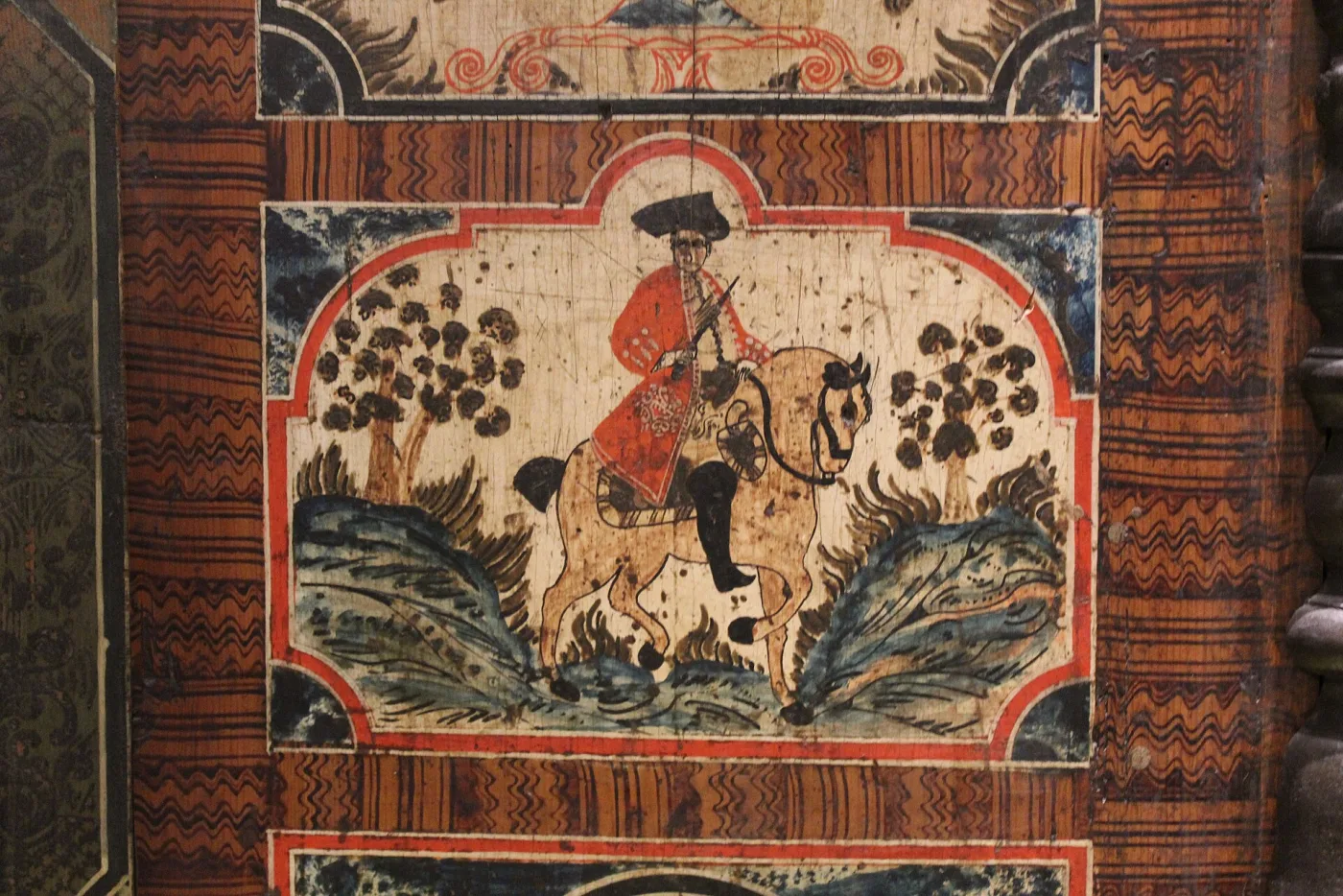
- Consistent wear patterns: Paint wears where hands touched, edges rubbed, and surfaces contacted other objects
- Appropriate colors: Pigments should be consistent with period availability
- Crackle patterns: Old oil paint develops fine cracks that follow the wood grain
- Paint in crevices: Original paint fills carved details and construction joints
- Layer history: Multiple old paint layers indicate long use, but each layer should show period-appropriate characteristics
Stripped and Refinished Pieces
Much pine furniture was stripped of original paint during the 1960s-1980s stripping craze. Stripped pieces typically show:
- Raised grain from chemical strippers or water
- Paint residue in carved details and corners
- Bleached appearance from stripping chemicals
- Later wax or oil finishes applied over stripped wood
Stripped furniture generally has lower value than pieces with original surfaces but remains collectible if the form and construction are genuine. Some collectors prefer the natural wood appearance, while purists favor original painted surfaces.
Identifying Reproductions and Fakes
The popularity of country pine furniture has led to extensive reproduction and intentional faking. Learning to spot these pieces protects collectors from costly mistakes.
Modern Reproductions
Quality reproductions made honestly as new furniture are not problematic when sold as such. However, some reproductions are aged artificially and misrepresented as antiques. Common signs include:
- Uniform construction: Parts are too consistent in dimension and finish
- Modern hardware: Phillips head screws, modern hinges, and stamped hardware
- Plantation-grown pine: Fast-growth rings are wider and less dense than old-growth timber
- Perfect joints: Machine-cut dovetails and router-cut mortises
- Artificial distressing: Random dents, scratches, and wormholes that do not correspond to use patterns
Artificially Aged Pieces
Fakers use various techniques to simulate age:
Surface aging may involve staining, glazing, or chemical treatment to simulate patina. Scraping protected surfaces may reveal unnaturally light wood beneath the colored surface. Chemical aging often produces uniform color without the natural variation of genuine patina.
Mechanical distressing creates artificial wear. Look for chains or tools used to create dents, random scratches without logical use patterns, and edges that are rounded in unusual locations. Authentic wear follows predictable patterns based on use.
Fake worm damage is created by drilling or using actual woodworms on new furniture. Real worm holes tend to be irregular in size and follow grain patterns. Drilled holes are too uniform and often too numerous.
Married Pieces and Parts Furniture
Composite pieces combine genuine old elements with later additions:
- Tops from one table added to a different base
- New backs on genuine case pieces
- Feet replaced on chests and cupboards
- Drawers from multiple pieces assembled into one
Check that all parts show consistent construction techniques, wood species, patina, and wear. Examine joints carefully for signs of recent assembly. Hardware that does not fit original holes suggests alterations.
Condition Assessment and Grading
Properly assessing condition requires understanding what constitutes appropriate wear versus damage, and what repairs are acceptable versus those that diminish value.
Acceptable Age-Related Wear
Genuine antique furniture should show evidence of age and use. Acceptable characteristics include:
- Surface scratches, dents, and minor damage consistent with use
- Wear on feet, runners, and contact surfaces
- Patina, oxidation, and color changes
- Minor shrinkage cracks and checks
- Loose joints from wood movement
- Hardware wear and appropriate replacements
Condition Problems
Certain conditions require attention or significantly affect value:
Structural damage including broken joints, split boards, and insect damage may require professional restoration. Active woodworm infestation should be treated immediately to prevent spread.
Missing parts such as drawers, doors, hardware, or feet reduce value. Period replacement parts are more acceptable than modern reproductions.
Poor repairs can be worse than unrepaired damage. Modern screws, nails, and adhesives detract from authenticity. Replaced sections that do not match the original in wood species, grain, or color are obvious.
Restoration Considerations
Professional restoration can stabilize and preserve furniture without diminishing value when done properly:
- Reversible treatments are preferred over permanent alterations
- Conservation of original surfaces is better than refinishing
- Structural repairs should use period-appropriate techniques
- Replacement hardware should be clearly identifiable as such
- Documentation of all work protects future buyers
Value Factors and Market Trends
The market for antique pine furniture has evolved significantly, and understanding value factors helps collectors make informed purchasing decisions.
Primary Value Factors
Original surface is typically the most important value factor. Furniture retaining original paint or finish commands premium prices. Each stripping, refinishing, or repainting reduces value.
Rarity and form affect value significantly. Unusual forms, regional rarities, and exceptional examples bring higher prices than common types in average condition.
Provenance or documented history can multiply value, especially for pieces with connections to notable makers, families, or historical events.
Condition matters, but original condition with wear is more valuable than restored condition without character. Heavy restoration reduces value even when done well.
Market Trends
The antique pine market has seen several shifts:
Scandinavian painted furniture, particularly Swedish Gustavian pieces, commands premium prices among designers and collectors. American folk painted furniture also maintains strong demand.
English Victorian pine stripped in the 1970s-1980s has decreased in value as tastes have shifted toward original surfaces. However, well-proportioned pieces with good patina remain collectible.
American primitive and country furniture attracts both traditional collectors and decorators seeking authentic character. Early New England pieces and Pennsylvania German furniture remain strong categories.
Care and Preservation
Proper care preserves both the value and beauty of antique pine furniture. Understanding appropriate cleaning, environmental control, and maintenance prevents damage.
Environmental Considerations
Humidity control is essential for wood furniture. Maintain relative humidity between 45-55% to prevent excessive shrinkage or swelling. Avoid placing furniture near heat sources, air conditioning vents, or exterior walls in climates with extreme temperature variations.
Light exposure can fade and damage painted surfaces. Avoid direct sunlight on antique pine, particularly painted pieces. UV-filtering window treatments help protect furniture in bright rooms.
Cleaning and Maintenance
Regular dusting with a soft, dry cloth prevents accumulation of grit that can scratch surfaces. Avoid feather dusters that can catch on loose paint or splinters.
Gentle cleaning when needed uses minimal moisture. Slightly damp cloths can remove accumulated grime, but avoid soaking the wood. Dry immediately after cleaning.
Wax application protects natural wood surfaces. Apply paste wax sparingly once or twice yearly, buffing to a soft sheen. Avoid modern furniture polishes containing silicones that can build up and cause problems.
Painted surfaces require special care. Do not wax painted furniture unless the paint is stable. Clean gently with minimal moisture. Consult a conservator before attempting to clean valuable painted pieces.
Building Your Pine Collection
Successful collecting requires patience, education, and a clear vision. These strategies help new collectors develop expertise and build meaningful collections.
Education and Research
Before making significant purchases:
- Visit museums with strong furniture collections to study authentic examples
- Handle as many pieces as possible at shows, shops, and auctions
- Build a reference library including regional studies and maker surveys
- Join collector organizations and attend meetings and events
- Develop relationships with reputable dealers who can mentor new collectors
Developing Your Eye
Expertise develops through exposure to both genuine antiques and reproductions:
- Examine construction details on every piece you encounter
- Compare pieces of different ages to understand evolution
- Visit reproduction furniture makers to understand how new furniture looks
- Learn to recognize specific regional characteristics
- Trust developing instincts while continuing to verify with research
Purchasing Strategies
Buy from reputable sources that provide accurate descriptions and stand behind their merchandise. Established dealers, vetted antique shows, and major auction houses offer more protection than casual sources.
Request condition reports and ask specific questions about restoration, replaced parts, and provenance. Reputable sellers welcome informed questions.
Buy quality over quantity. One exceptional piece with original surface is more valuable and satisfying than several mediocre examples.
Document your collection with photographs, purchase records, and condition notes. This documentation protects your investment and assists future owners.