
Antique Picture Frames Identification Guide: Periods, Styles, Materials & Dating Techniques
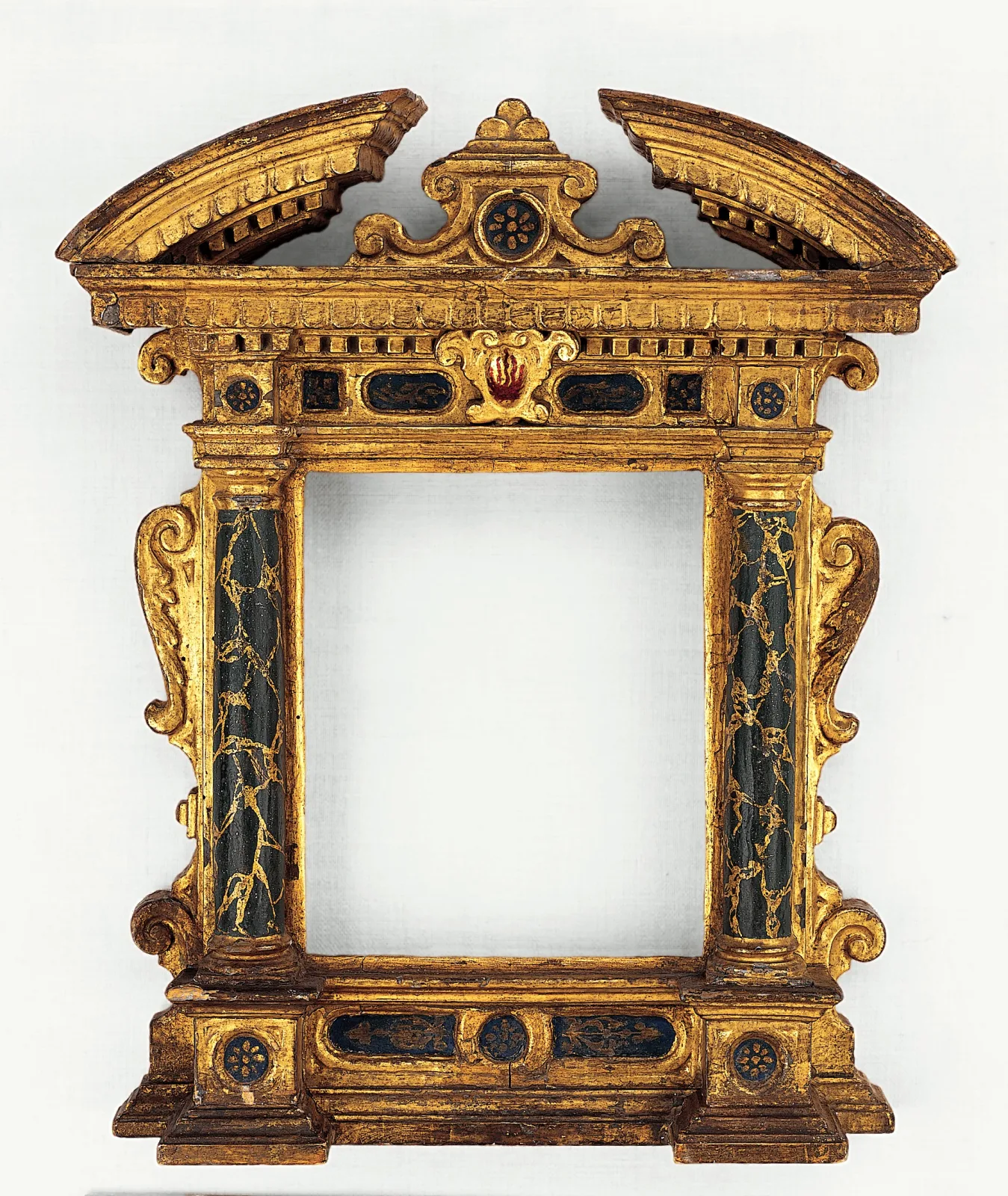
Antique picture frames represent some of the most elegant and historically significant decorative objects in the world of antiques, serving not only as functional borders for artwork but as works of art themselves. From the ornate gilded frames of the Baroque period to the sleek minimalist designs of the Mid-Century Modern era, picture frames have evolved dramatically over centuries, reflecting changing artistic tastes, technological advances, and cultural values. These frames, with their intricate carvings, delicate gilding, sophisticated molding profiles, and fine craftsmanship, tell the story of how societies have chosen to present and preserve their visual heritage. Whether examining a hand-carved 17th-century Italian frame, a gilded Victorian frame with elaborate ornamentation, or an Arts & Crafts frame emphasizing natural wood grain, antique picture frames offer collectors and enthusiasts a tangible connection to artistic movements, craftsmanship traditions, and historical periods. The identification of these historical artifacts requires understanding of period styles, construction techniques, materials and gilding methods, maker marks and provenance, regional variations, and the complex evolution of frame design through different artistic movements. This comprehensive guide will teach you everything you need to know about identifying antique picture frames, from recognizing major periods and styles to understanding construction methods, dating techniques, authentication, and determining their historical significance and collector value. Whether you're examining a Georgian gilded frame, a French Art Nouveau frame, or an American Arts & Crafts frame, modern tools like the Antique Identifier app can provide instant AI-powered identification assistance, but mastering the fundamentals of frame identification remains essential for any serious collector or enthusiast.
Table of Contents
- Historical Context: The Evolution of Picture Frames
- Major Periods and Styles: From Baroque to Modern
- Frame Construction Techniques and Methods
- Materials Identification: Wood, Metal, and Composition
- Molding Profiles and Frame Shapes
- Gilding and Surface Finishes
- Maker Marks, Signatures, and Provenance
- Dating Techniques: Style Analysis and Construction Methods
- Regional Variations: American, European, and International Styles
- Condition Assessment and Restoration Considerations
- Authentication: Detecting Reproductions and Period Markers
- Value Assessment and Market Factors
- Collecting Tips and Care Guidelines
Historical Context: The Evolution of Picture Frames
Understanding the historical development of picture frames provides essential context for identification and dating. Frame design evolved dramatically from simple functional borders to elaborate decorative objects that became integral parts of the artwork they contained.
Early Frames (14th-16th Centuries)
The earliest picture frames were architectural in nature, often integral parts of altarpieces and religious panels:
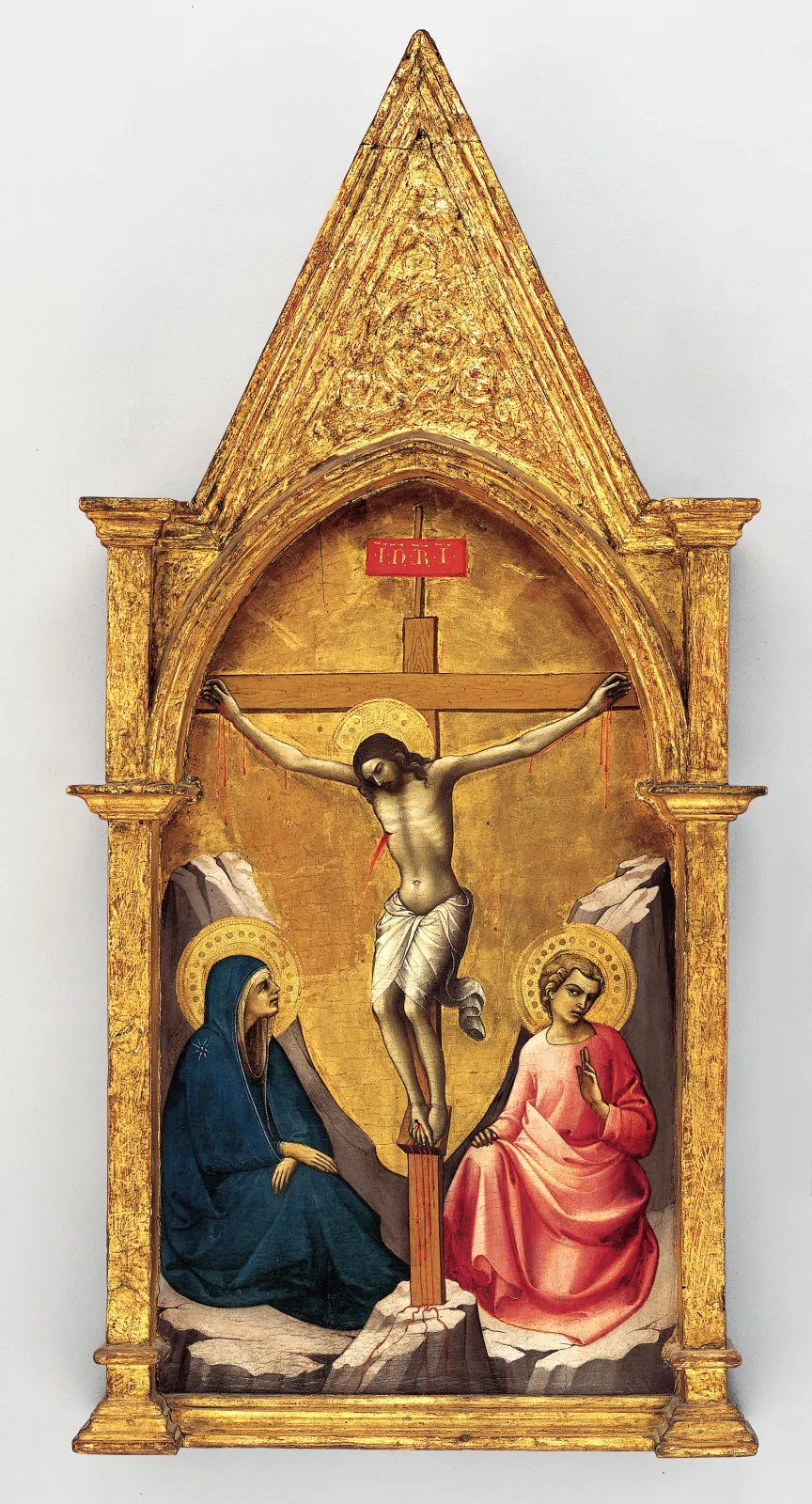
- 14th-15th Centuries: Frames were architectural extensions of the artwork, often carved from the same wood panel
- Materials: Primarily wood, often oak, with carved decoration matching the artwork
- Function: Part of religious altarpieces, architectural integration with the painting
- Design: Simple geometric shapes, architectural elements (columns, arches, pinnacles)
- Construction: Hand-carved, integral with the panel, no separate frame structure
- Gilding: Early gilding techniques, gold leaf applied to carved surfaces
Renaissance Frames (15th-16th Centuries)
The Renaissance period saw frames become separate architectural elements with increased sophistication:
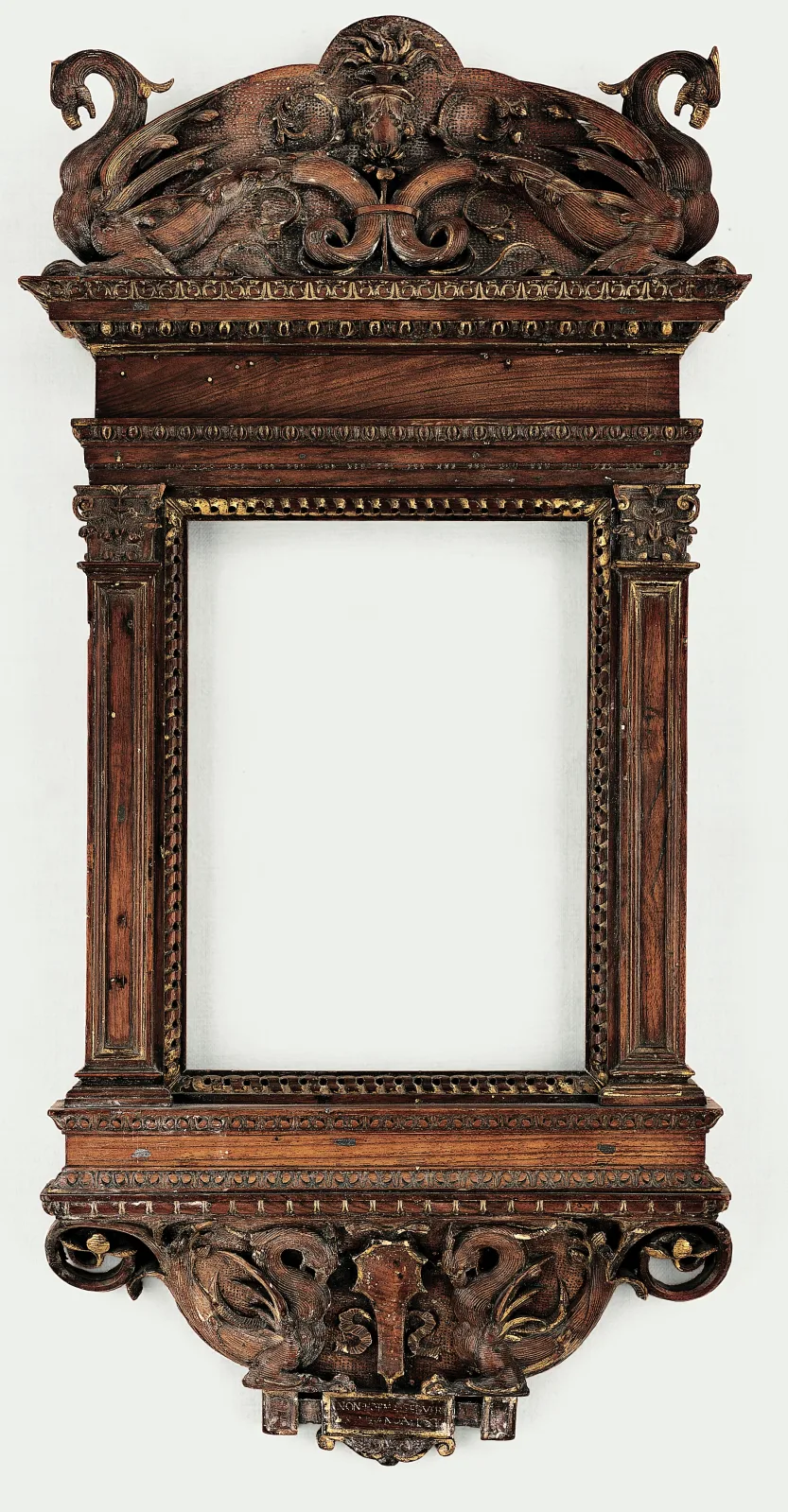
- 15th Century: Frames became separate architectural elements, still architectural in character
- Italian Renaissance: Classical architectural orders (Doric, Ionic, Corinthian) applied to frames
- Northern Renaissance: More elaborate carving, detailed decorative motifs
- Materials: Walnut, oak, poplar; extensive gilding with gold leaf
- Design Elements: Architectural moldings, columns, pilasters, entablatures
- Gilding Techniques: Water gilding perfected, burnished and matte gold surfaces
Baroque and Rococo Frames (17th-18th Centuries)
The Baroque period produced some of the most elaborate and ornate frames in history:
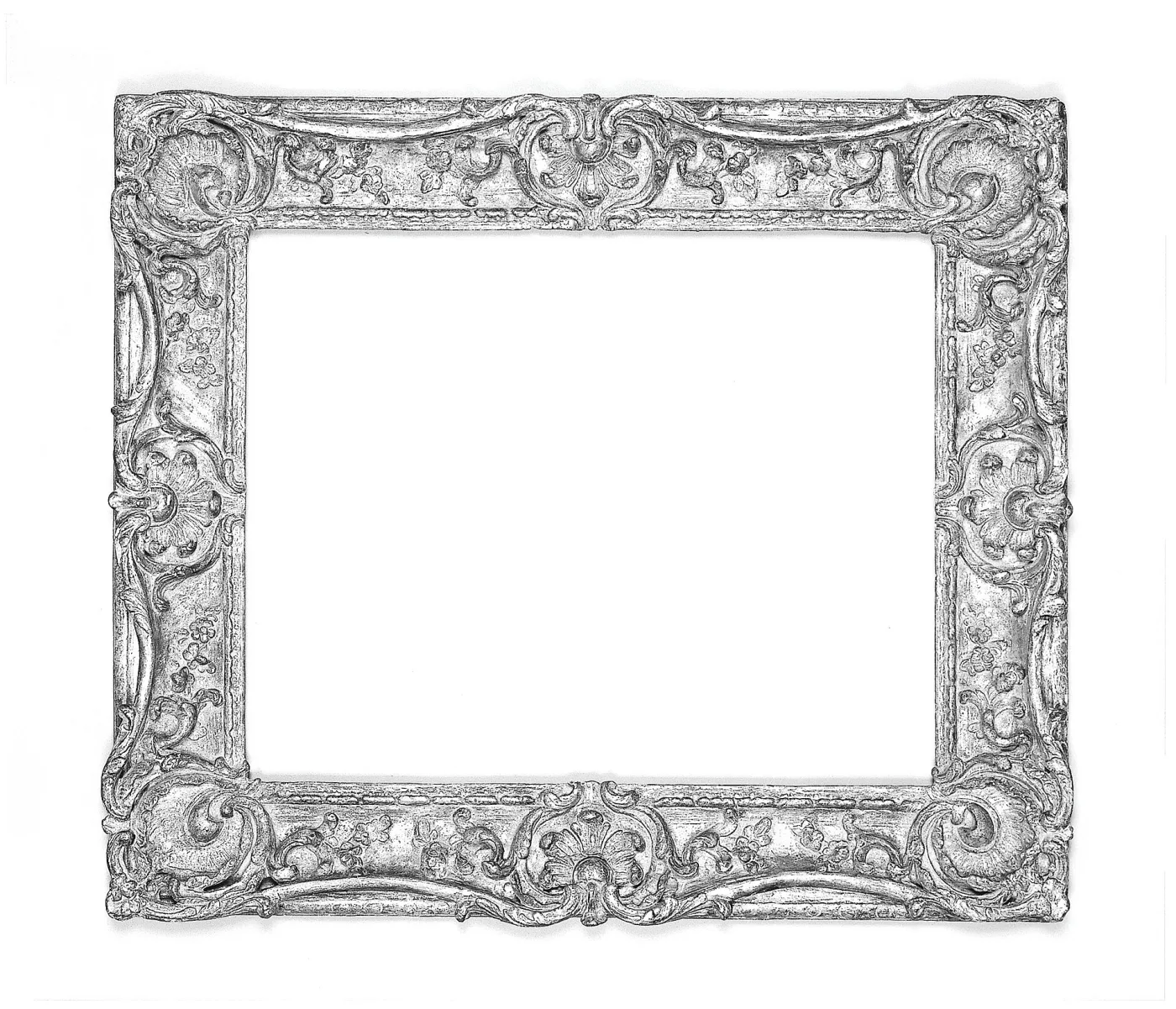
- 17th Century Baroque: Massive, elaborate frames with dramatic curves and deep relief carving
- French Frames: Extremely ornate, asymmetric designs, elaborate gilding
- Italian Frames: Bold, sculptural frames with dramatic shadows and highlights
- 18th Century Rococo: Lighter, more playful designs with asymmetric curves and natural motifs
- Materials: Fine hardwoods, extensive gilding, composition ornament
- Design Elements: Scrolls, shells, flowers, foliage, asymmetric curves, deep carving
- Gilding: Water gilding with burnished highlights and matte recesses, multiple gold tones
Neoclassical Frames (Late 18th-Early 19th Centuries)
Neoclassicism brought a return to classical simplicity and order:
- Late 18th Century: Reaction against Rococo excess, return to classical principles
- Design Philosophy: Symmetry, geometric forms, classical motifs
- French Neoclassical: Louis XVI style frames with classical ornament
- English Neoclassical: Adam style frames with delicate classical motifs
- Materials: Mahogany, gilded frames with classical ornament
- Design Elements: Egg-and-dart, Greek key, laurel wreaths, urns, columns
- Gilding: Refined gilding, often with ebonized or stained wood accents
Victorian Frames (Mid 19th Century)
The Victorian era produced frames reflecting eclectic historical revival styles:
- Mid-Late 19th Century: Revival of historical styles, eclectic mixing
- Gothic Revival: Pointed arches, tracery, medieval motifs
- Renaissance Revival: Classical motifs, architectural elements
- Rococo Revival: Elaborate scrolls and curves, but heavier than original Rococo
- Materials: Oak, walnut, mahogany; extensive gilding, composition ornament
- Design Elements: Heavy ornamentation, multiple moldings, elaborate corners
- Mass Production: Introduction of machine-made frames, composition molding
Arts & Crafts and Art Nouveau Frames (Late 19th-Early 20th Centuries)
Reaction against Victorian excess led to new frame philosophies:
- Arts & Crafts Movement (1880s-1920s): Emphasis on honest materials, handcrafted quality
- Art Nouveau (1890s-1910s): Organic, flowing lines inspired by nature
- Materials: Natural wood finishes, copper, brass; minimal or no gilding
- Design Philosophy: Form follows function, honest construction, visible joinery
- Design Elements: Natural wood grain, simple lines, organic curves, nature motifs
Modern Frames (20th Century)
The 20th century brought radical changes to frame design:
- Art Deco (1920s-1940s): Geometric patterns, streamlined forms, exotic materials
- Mid-Century Modern (1940s-1970s): Minimalist designs, simple profiles, natural materials
- Materials: Chrome, Bakelite, plastics, simple wood frames
- Design Philosophy: Minimal decoration, function over ornament
- Mass Production: Factory-made frames became standard
Major Periods and Styles: From Baroque to Modern
Understanding period styles is fundamental to accurate frame identification. Each era has distinctive characteristics that help date and authenticate frames.
Georgian Frames (1714-1837)
Georgian frames reflect the sophistication and refinement of the era:
- Early Georgian (1714-1750): Heavy, ornate frames with Baroque influences
- Mid Georgian (1750-1770): Neoclassical influences, classical proportions
- Late Georgian (1770-1837): Refined neoclassical designs, lighter proportions
- Materials: Mahogany, walnut, gilded frames with classical ornament
- Design Elements: Classical motifs (egg-and-dart, Greek key), architectural moldings, symmetry
- Gilding: Water gilding, burnished and matte surfaces, ebonized accents
- Construction: Hand-carved, mitered corners, quality joinery
Victorian Frames (1837-1901)
Victorian frames reflect the eclectic tastes and historical revival styles of the era:
- Early Victorian (1837-1860): Gothic Revival, Renaissance Revival styles
- Mid Victorian (1860-1880): Heavy ornamentation, multiple moldings, composition ornament
- Late Victorian (1880-1901): Aesthetic Movement, lighter designs, Japanese influences
- Materials: Oak, walnut, mahogany, rosewood; extensive gilding, composition molding
- Design Elements: Elaborate ornamentation, multiple profiles, heavy corners, historical motifs
- Gilding: Rich gilding, often with color washes, multiple gold tones
- Manufacturing: Machine-made elements, composition ornament, mass production
Arts & Crafts Frames (1880-1920)
Reaction against Victorian excess emphasized honest materials and craftsmanship:
- Philosophy: Handcrafted quality, honest construction, natural materials
- Designers: William Morris, Gustav Stickley, Charles Rennie Mackintosh
- Materials: Oak, walnut, mahogany; natural finishes, minimal gilding
- Design Elements: Simple lines, visible joinery, natural wood grain, geometric patterns
- Construction: Handcrafted, visible joinery, quality craftsmanship
- Finishes: Oil finishes, wax, fumed oak; emphasis on wood grain
Art Nouveau Frames (1890-1910)
Organic, flowing designs inspired by nature:
- Characteristics: Curved lines, nature motifs, asymmetric designs
- Designers: Hector Guimard, Louis Majorelle, Emile Galle
- Materials: Exotic woods, metals (copper, brass), minimal gilding
- Design Elements: Flowers, vines, flowing curves, organic forms
- Construction: Handcrafted, carved organic forms
- Finishes: Natural wood, patinated metal, subtle gilding
Art Deco Frames (1920-1940)
Geometric, modern designs reflecting the Machine Age:
- Characteristics: Geometric patterns, streamlined forms, bold designs
- Materials: Exotic woods, chrome, Bakelite, lacquer
- Design Elements: Zigzags, chevrons, sunbursts, stepped profiles
- Construction: Machine-made, precise geometric forms
- Finishes: High-gloss lacquer, polished chrome, exotic wood veneers
Mid-Century Modern Frames (1940s-1970s)
Minimalist designs emphasizing function and simplicity:
- Characteristics: Simple profiles, minimal decoration, clean lines
- Materials: Natural wood, aluminum, simple finishes
- Design Elements: Straight lines, simple shapes, functional forms
- Construction: Factory-made, standardized sizes
- Finishes: Natural wood, clear finishes, painted metal
Frame Construction Techniques and Methods
Understanding how frames were constructed provides crucial dating clues and authenticity indicators. Construction methods evolved significantly from handcrafted to machine-made techniques.
Traditional Joinery Methods
The quality and type of joinery often indicates the age and authenticity of frames:
- Mitered Corners: Most common joint type, 45-degree angles, joined with glue and nails or screws
- Butt Joints: Simpler joints, ends butted together, less common in quality frames
- Dovetail Joints: Rare but found in high-quality frames, interlocking wedge-shaped joints
- Spline Reinforced Miters: Mitered corners reinforced with wood splines, stronger joints
- Corner Blocks: Internal corner reinforcements, common in larger frames
- Nails and Screws: Hand-forged nails indicate early frames, machine-cut nails indicate 19th century, modern screws indicate 20th century
Molding Profiles and Shapes
Molding profiles evolved through periods and provide important identification clues:
- Simple Profiles: Basic rectangular or rounded profiles, common in early and modern frames
- Complex Profiles: Multiple moldings, stepped profiles, elaborate shapes
- Cove Molding: Concave curved profile, common in classical frames
- Ogee Molding: S-curved profile, common in Georgian and Victorian frames
- Stepped Profiles: Art Deco style, geometric stepped forms
- Carved Profiles: Hand-carved decorative elements, indicates handcrafted frame
- Machine-Made Profiles: Uniform, repetitive patterns, indicates factory production
Backing Systems and Hardware
Frame backing and hardware provide dating and authenticity information:
- Wood Backing: Solid wood backboards, common in early frames
- Cardboard Backing: Introduced in 19th century, became standard
- Hanging Hardware: Wire, chains, or rings for wall mounting
- Corner Braces: Metal or wood braces reinforcing corners
- Keyed Corners: Expandable corners with keys, allows frame expansion for different artwork sizes
- Spring Clips: Modern method for holding artwork in frame
- Nails and Tacks: Early methods for securing artwork, small tacks indicate handcrafted frame
Hand-Carved vs. Machine-Made Elements
Distinguishing between hand-carved and machine-made elements helps date frames:
- Hand-Carved Indicators: Slight variations, tool marks, irregular spacing, depth variations
- Machine-Made Indicators: Perfect uniformity, repetitive patterns, no tool marks, consistent depth
- Composition Ornament: Pressed or molded decorative elements, common from mid-19th century
- Hand-Applied Ornament: Individually applied decorative elements, indicates handcrafted frame
- Carving Techniques: Chisel marks, gouge marks, hand-finishing details
- Molding Machines: Introduced in 19th century, produced uniform moldings
Materials Identification: Wood, Metal, and Composition
Identifying frame materials provides crucial information about age, origin, and value. Different periods favored different materials, and material choice often reflects the frame's intended purpose and economic value.
Wood Types and Identification
Wood selection varied by period, region, and frame quality:
- Oak: Durable hardwood, common in early frames, English and American frames
- Walnut: Fine hardwood, popular in Renaissance and Baroque frames, rich brown color
- Mahogany: Luxury wood, common in Georgian and Victorian frames, reddish-brown color
- Pine: Softwood, common in American frames, often painted or gilded
- Poplar: Softwood, common in Italian frames, often gilded
- Cherry: Fine hardwood, American frames, reddish-brown with age
- Rosewood: Exotic hardwood, Victorian frames, dark brown with darker streaks
- Grain Patterns: Help identify wood types, look at end grain and surface grain
- Color Changes: Wood darkens with age, helps distinguish old from new
Metal Frames
Metal frames represent a distinct category with their own identification characteristics:
- Brass Frames: Yellow-gold color, common in Victorian and Art Nouveau frames
- Bronze Frames: Reddish-brown color, patinated surfaces, Art Deco and modern frames
- Silver Frames: Rare, luxury frames, tarnishes to dark gray or black
- Copper Frames: Reddish color, patinated green, Arts & Crafts and Art Nouveau frames
- Chrome Frames: Silver-colored, Art Deco and modern frames, shiny finish
- Aluminum Frames: Lightweight, modern frames, silver-gray color
- Patination: Natural aging of metal surfaces, indicates age and authenticity
- Casting vs. Fabrication: Cast frames show casting marks, fabricated frames show joints
Gesso and Composition Materials
Gesso and composition materials were used as bases for gilding and decoration:
- Gesso: Mixture of chalk or gypsum and animal glue, applied as base for gilding
- Traditional Gesso: Multiple layers, hand-applied, smooth surface
- Composition: Pressed or molded decorative elements, introduced mid-19th century
- Composition Ornament: Reproduces carved elements, used on machine-made frames
- Plaster: Used for decorative elements, heavier than composition
- Identifying Gesso: Chalky texture, white or off-white color, smooth surface
- Gesso Application: Hand-applied shows brush marks, machine-applied is uniform
Gilding Materials and Techniques
Gilding materials and application methods varied by period and quality:
- Gold Leaf: Real gold beaten into thin sheets, highest quality gilding
- Dutch Metal: Copper-zinc alloy, looks like gold but tarnishes, cheaper alternative
- Gold Paint: Powdered gold in binder, less expensive, less durable
- Water Gilding: Traditional technique, gold leaf applied over wet gesso, burnished finish
- Oil Gilding: Gold leaf applied over oil-based size, matte finish, less durable
- Mordant Gilding: Gold leaf applied over sticky varnish, intermediate quality
- Burnished Gold: Polished to high shine, indicates water gilding
- Matte Gold: Unpolished surface, indicates oil gilding
- Patination: Intentional darkening or aging of gilded surfaces
Molding Profiles and Frame Shapes
Molding profiles and frame shapes provide important clues for identification and dating. Different periods favored different profiles, and understanding these variations helps determine age and style.
Basic Profile Types
Fundamental profile shapes that form the basis of frame design:
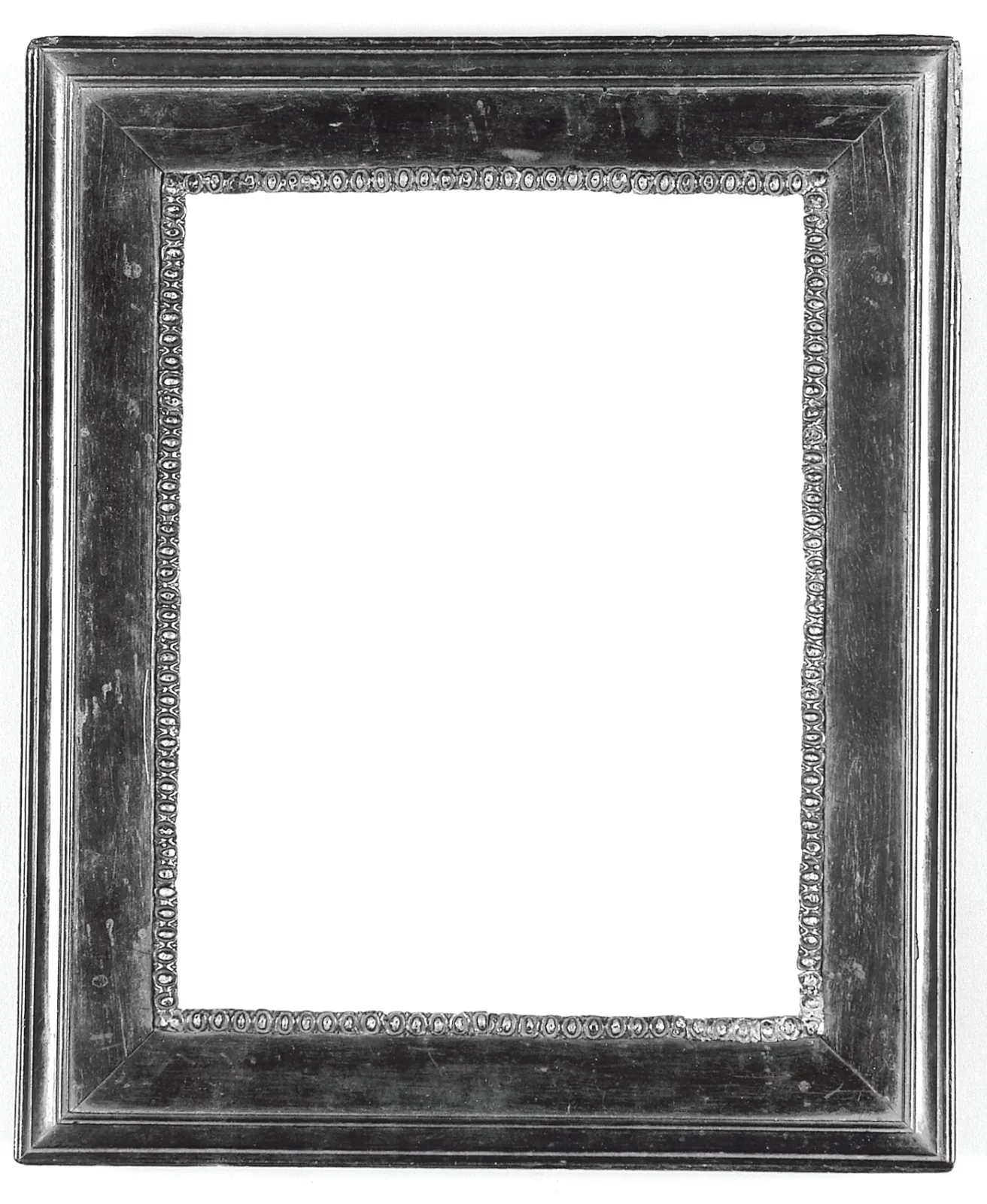
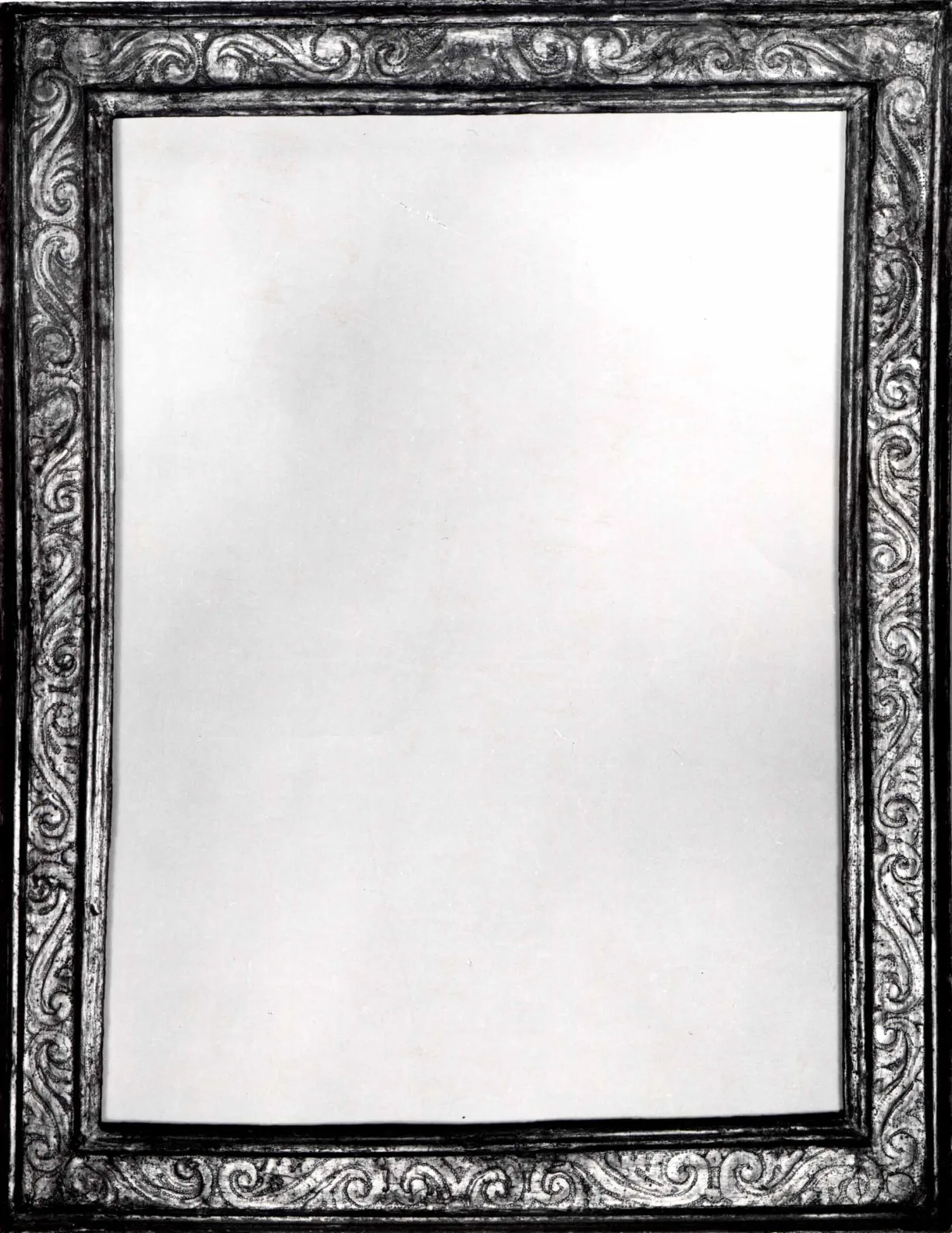
- Flat Profile: Simple rectangular cross-section, minimal decoration
- Cove Profile: Concave curved profile, common in classical frames
- Ogee Profile: S-curved profile, common in Georgian and Victorian frames
- Stepped Profile: Geometric stepped forms, Art Deco style
- Beaded Profile: Rounded bead molding, classical and neoclassical frames
- Reeded Profile: Parallel rounded ridges, classical and neoclassical frames
- Fluted Profile: Parallel concave grooves, classical frames
Complex Molding Combinations
Higher-quality frames often combine multiple molding profiles:
- Multiple Moldings: Several profiles combined in one frame
- Liner Frames: Inner frame within outer frame, creates depth
- Stepped Moldings: Multiple levels creating stepped effect
- Reverse Profiles: Profiles that step inward rather than outward
- Combination Profiles: Mixing convex and concave elements
- Ornamented Moldings: Moldings with applied decorative elements
Frame Shapes and Formats
Frame shapes varied by artwork type and period:
- Rectangular Frames: Most common shape, standard proportions
- Square Frames: Less common, modern and contemporary artwork
- Oval Frames: Popular in 18th and 19th centuries, portraits
- Round Frames: Tondos, less common, classical and modern
- Octagonal Frames: Unusual shape, specific periods and styles
- Multiple Opening Frames: Frames with multiple artwork spaces
- Tabernacle Frames: Architectural frames with pediments and columns
Corner Treatments
Corner treatments provide important style and period indicators:
- Simple Miters: Standard 45-degree mitered corners
- Ornate Corners: Decorative corner elements, rosettes, flowers, scrolls
- Corner Blocks: Applied corner decorations, common in Victorian frames
- Carved Corners: Hand-carved corner decorations
- Composition Corners: Pressed or molded corner elements
- Continuous Ornament: Ornament flows continuously around corners

Gilding and Surface Finishes
Gilding techniques and surface finishes are among the most important aspects of frame identification. Understanding different gilding methods helps determine age, quality, and authenticity.
Water Gilding (Traditional Gilding)
Water gilding is the highest quality and most traditional gilding technique:
- Process: Gold leaf applied over wet gesso and bole (clay) layer
- Surface Preparation: Multiple layers of gesso, polished smooth, bole layer applied
- Application: Gold leaf applied with water, burnished after application
- Burnishing: Polished with agate or hematite burnisher, creates high shine
- Characteristics: Smooth, highly reflective surface, durable, expensive
- Identification: Highly polished areas (burnished), matte recesses, smooth surface
- Period Use: Traditional method, used from Renaissance through present
- Quality Indicator: Burnished highlights with matte recesses indicate quality work
Oil Gilding
Oil gilding is less expensive and less durable than water gilding:
- Process: Gold leaf applied over oil-based size (adhesive)
- Surface Preparation: Less preparation than water gilding, applied over paint or gesso
- Application: Gold leaf applied directly to sticky size
- Finish: Matte finish, cannot be burnished
- Characteristics: Matte surface, less durable, less expensive
- Identification: Uniform matte surface, no burnishing, less smooth
- Period Use: Common from 18th century, used for less expensive frames
Mordant Gilding
Mordant gilding uses varnish-based size:
- Process: Gold leaf applied over varnish-based mordant (adhesive)
- Characteristics: Intermediate between water and oil gilding
- Finish: Can achieve some shine, but less than water gilding
- Durability: More durable than oil gilding, less than water gilding
Patination and Aging
Patination refers to the intentional or natural aging of gilded surfaces:
- Natural Patination: Gilding darkens and dulls with age, accumulates dirt and grime
- Intentional Patination: Artificially aged surface, applied during original gilding
- Glazing: Transparent color washes applied over gilding for effect
- Distressing: Intentional wear and aging, modern technique
- Identification: Natural patination is irregular, intentional patination is more uniform
- Age Indicators: Deep patination indicates age, but can be faked
Original vs. Restored Finishes
Distinguishing original finishes from restorations is important for value and authenticity:
- Original Gilding: Consistent with period, natural aging, original materials
- Regilding: New gilding over original or new surface, often too perfect
- Overgilding: Gilding applied over existing gilding, builds up thickness
- Repairs: Touch-ups and repairs, often visible as patches
- Identifying Restoration: Too-perfect condition, inconsistent with age, modern materials
- Value Impact: Original finish generally more valuable than restored
Non-Gilded Finishes
Not all frames are gilded; other finishes provide identification clues:
- Stained Wood: Natural wood with stain, common in Arts & Crafts frames
- Painted Frames: Paint applied over wood, various colors and finishes
- Varnished Wood: Clear or tinted varnish, protects and enhances wood
- Wax Finish: Wax applied over wood, soft luster, common in antique frames
- Ebonized Wood: Blackened wood, common in neoclassical frames
- Natural Finishes: Unfinished or minimally finished wood, modern frames
Maker Marks, Signatures, and Provenance
Maker marks, signatures, and provenance information provide valuable identification and authentication clues. While many frames lack marks, those with documentation are highly valued.
Frame Maker Marks
Frame makers sometimes marked their work, though marks are relatively rare:
- Branded Marks: Burned or branded marks on back or inside of frame
- Stamped Marks: Metal stamps impressed into wood
- Written Marks: Hand-written signatures or labels
- Location: Marks usually on back, inside edge, or corner blocks
- Frequency: More common on quality frames, less common on mass-produced frames
- Identification: Research frame maker names, dates, and styles
Gallery and Dealer Labels
Gallery and dealer labels provide provenance and dating information:
- Gallery Labels: Labels from art galleries, often on back of frame
- Dealer Labels: Labels from frame dealers or art dealers
- Exhibition Labels: Labels from museum or gallery exhibitions
- Location: Usually on back of frame, sometimes on backing board
- Information: May include gallery name, address, dates, artwork information
- Value: Adds provenance and can increase value
Provenance Documentation
Provenance documentation helps authenticate and value frames:
- Sales Receipts: Original purchase receipts, frame shop receipts
- Photographs: Historical photographs showing frame in use
- Inventory Records: Estate inventories, museum records
- Family Records: Family history, ownership records
- Exhibition Records: Museum or gallery exhibition records
- Appraisal Records: Previous appraisals with frame documentation
- Value: Strong provenance significantly increases value and authenticity
Identifying Unknown Makers
Research methods for identifying frames without maker marks:
- Style Analysis: Compare frame style to known maker styles
- Regional Characteristics: Identify regional style characteristics
- Period Analysis: Determine period based on style and construction
- Material Analysis: Identify materials typical of certain makers or regions
- Reference Materials: Consult frame identification books and databases
- Expert Consultation: Consult frame experts or appraisers
Dating Techniques: Style Analysis and Construction Methods
Accurately dating picture frames requires analyzing multiple factors. Style, construction methods, materials, and historical context all provide dating clues.
Style Analysis
Style analysis is the primary method for dating frames:
- Period Styles: Match frame style to known historical periods
- Design Elements: Identify period-specific decorative motifs
- Proportions: Analyze frame proportions and dimensions
- Ornamentation: Compare ornamentation to period examples
- Comparison: Compare to dated examples in museums and reference books
- Evolution: Understand how styles evolved and changed over time
Construction Method Analysis
Construction methods changed over time and provide dating clues:
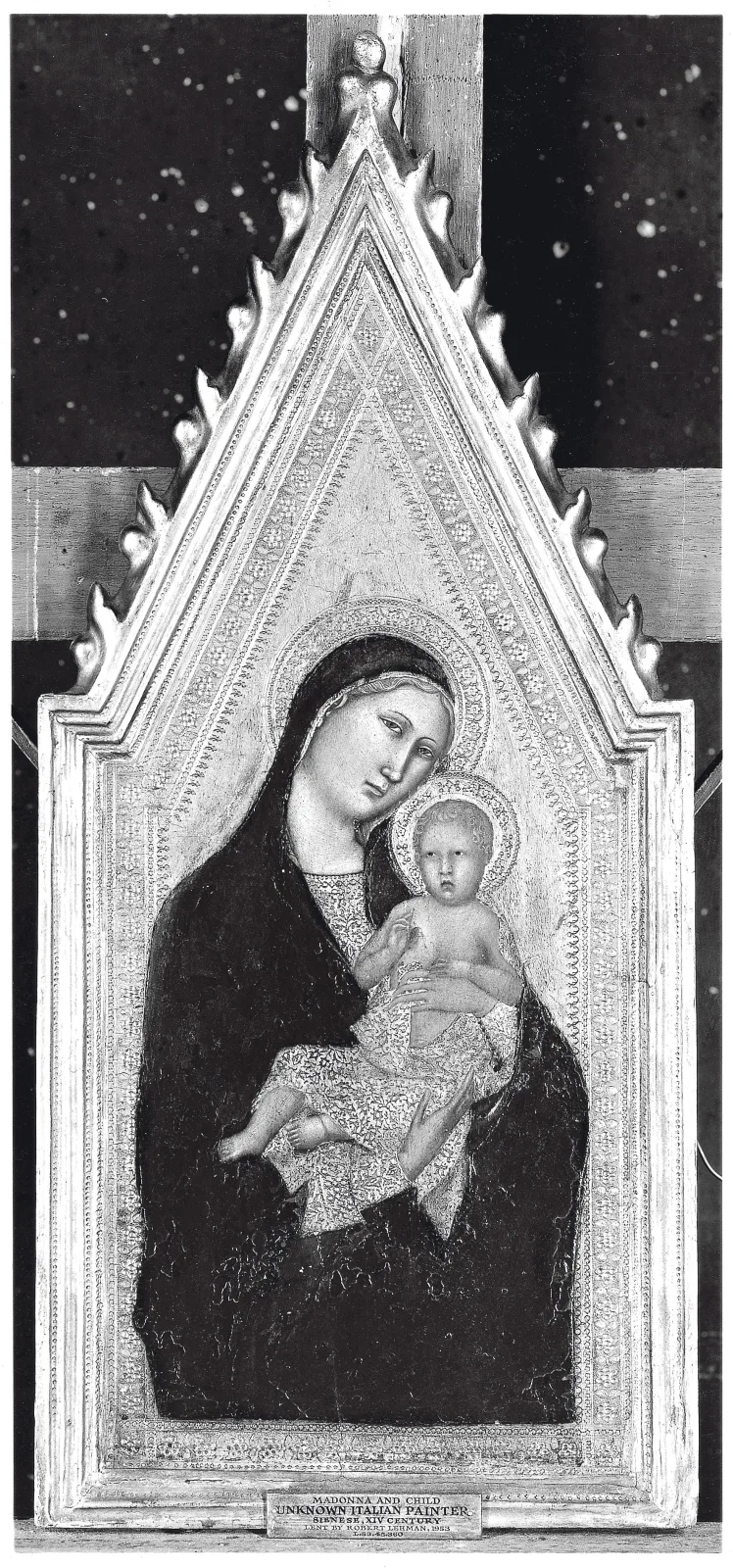
- Hand-Carved Elements: Indicates pre-1850 or high-quality frame
- Machine-Made Elements: Indicates post-1850, mass production
- Joinery Techniques: Nail types, joint methods, corner construction
- Molding Production: Hand-planed vs. machine-molded profiles
- Composition Ornament: Indicates mid-19th century or later
- Tool Marks: Hand tools vs. machine tools leave different marks
Material Analysis
Materials used in frames changed over time:
- Wood Types: Different periods favored different woods
- Gilding Materials: Gold leaf vs. Dutch metal vs. gold paint
- Gilding Techniques: Water gilding vs. oil gilding methods
- Backing Materials: Wood backing vs. cardboard backing
- Hardware: Nail types, screw types, hanging hardware
- Adhesives: Animal glue vs. modern adhesives
Historical Context
Understanding historical context helps date frames:
- Artistic Movements: Frames reflect artistic movements and periods
- Technological Changes: Manufacturing changes affected frame production
- Economic Factors: Economic conditions influenced frame styles and materials
- Cultural Trends: Cultural preferences affected frame design
- Regional Variations: Different regions had different styles and timelines
- Fashion Cycles: Frame styles followed fashion and artistic trends
Dendrochronology and Scientific Dating
Scientific methods can sometimes provide precise dating:
- Dendrochronology: Tree-ring dating for wooden frames
- Radiocarbon Dating: For organic materials in frames
- Material Analysis: Chemical analysis of paints, gilding, adhesives
- Tool Mark Analysis: Analysis of tool marks and manufacturing methods
- Limitations: Scientific dating is expensive and not always applicable
Regional Variations: American, European, and International Styles
Frame styles varied significantly by region, reflecting local tastes, materials, and traditions. Understanding regional characteristics helps identify origin and date.
English Frames
English frames have distinctive characteristics:
- Georgian Frames: Neoclassical designs, mahogany and gilded frames, classical motifs
- Victorian Frames: Heavy ornamentation, oak frames, elaborate designs
- Arts & Crafts Frames: Oak frames, natural finishes, simple designs
- Materials: Oak, mahogany, walnut; quality craftsmanship
- Characteristics: Solid construction, quality joinery, refined designs
- Makers: Many quality frame makers, well-documented
French Frames
French frames are known for elegance and sophistication:
- Baroque Frames: Extremely ornate, elaborate carving, dramatic designs
- Rococo Frames: Light, playful, asymmetric curves, natural motifs
- Neoclassical Frames: Refined classical designs, Louis XVI style
- Art Nouveau Frames: Organic curves, nature motifs, flowing designs
- Materials: Fine hardwoods, extensive gilding, quality craftsmanship
- Characteristics: Elegant designs, sophisticated ornamentation, high quality
Italian Frames
Italian frames reflect rich artistic traditions:
- Renaissance Frames: Architectural designs, classical elements
- Baroque Frames: Bold, sculptural, dramatic designs
- Materials: Poplar (often gilded), walnut, fine hardwoods
- Characteristics: Bold designs, quality carving, architectural elements
- Regional Styles: Venetian, Florentine, Roman styles differ
American Frames
American frames show European influences adapted to local materials and tastes:
- Colonial Frames: Simple designs, local woods, European influences
- Federal Frames: Neoclassical designs, refined styles
- Victorian Frames: Elaborate designs, mass production, composition ornament
- Arts & Crafts Frames: Natural wood, simple designs, honest construction
- Materials: Pine, oak, cherry, walnut; often painted or stained
- Characteristics: Adaptations of European styles, practical designs
Other European Styles
Other European regions developed distinct frame styles:
- Dutch Frames: Simple, elegant designs, quality craftsmanship
- German Frames: Solid construction, sometimes elaborate Baroque styles
- Spanish Frames: Elaborate designs, Moorish influences, heavy ornamentation
- Scandinavian Frames: Simple, functional designs, natural materials
Condition Assessment and Restoration Considerations
Assessing frame condition is crucial for determining value and deciding on restoration. Understanding different types of damage and appropriate restoration methods helps preserve frames while maintaining their historical integrity.
Types of Damage
Frames can suffer various types of damage over time:
- Structural Damage: Broken corners, loose joints, warping, splitting
- Gilding Damage: Loss of gilding, flaking, discoloration, wear
- Wood Damage: Cracks, splits, warping, insect damage, rot
- Surface Damage: Scratches, dents, stains, water damage
- Ornament Damage: Missing or broken decorative elements
- Hardware Damage: Missing or damaged hanging hardware, corner braces
- Backing Damage: Damaged backing boards, missing backing
Original Finish Preservation
Preserving original finishes is important for value and authenticity:
- Original Gilding: Preserve original gilding when possible, minimal intervention
- Patination: Preserve natural patination, part of frame's history
- Surface Cleaning: Gentle cleaning, avoid harsh chemicals, preserve patina
- Stabilization: Stabilize deteriorating surfaces, prevent further damage
- Documentation: Document original condition before any restoration
- Reversibility: Restoration should be reversible when possible
Restoration Considerations
Deciding when and how to restore frames requires careful consideration:
- Restoration vs. Conservation: Conservation preserves, restoration repairs
- Minimal Intervention: Prefer minimal intervention, preserve original materials
- Reversibility: Restoration methods should be reversible
- Documentation: Document all restoration work
- Professional Work: Important restorations should be done by professionals
- Material Matching: Use period-appropriate materials and methods
- Value Impact: Consider impact of restoration on value
Common Restoration Issues
Common problems to avoid in frame restoration:
- Over-Restoration: Too much restoration destroys character and value
- Inappropriate Materials: Using modern materials that don't match period
- Poor Workmanship: Sloppy restoration work reduces value
- Loss of Patina: Removing natural patination destroys historical character
- Inconsistent Restoration: Partial restoration creates inconsistencies
- Non-Reversible Methods: Using methods that cannot be reversed
Condition Grades
Standard condition descriptions help assess frame condition:
- Excellent: Original condition, minimal wear, no damage
- Very Good: Minor wear, small imperfections, overall excellent condition
- Good: Some wear, minor damage, may need minor restoration
- Fair: Moderate wear, some damage, may need restoration
- Poor: Significant damage, major restoration needed
Authentication: Detecting Reproductions and Period Markers
Authenticating frames requires careful examination of multiple factors. Reproductions and fakes exist, and understanding period markers helps distinguish authentic frames from modern reproductions.
Period Markers and Authenticity Indicators
Certain characteristics indicate period authenticity:
- Construction Methods: Period-appropriate construction techniques
- Tool Marks: Hand tool marks vs. machine tool marks
- Material Age: Evidence of natural aging in materials
- Patination: Natural patination consistent with age
- Wear Patterns: Natural wear patterns consistent with age and use
- Historical Consistency: Style, materials, and construction consistent with period
Detecting Reproductions
Recognizing reproductions requires understanding modern manufacturing:
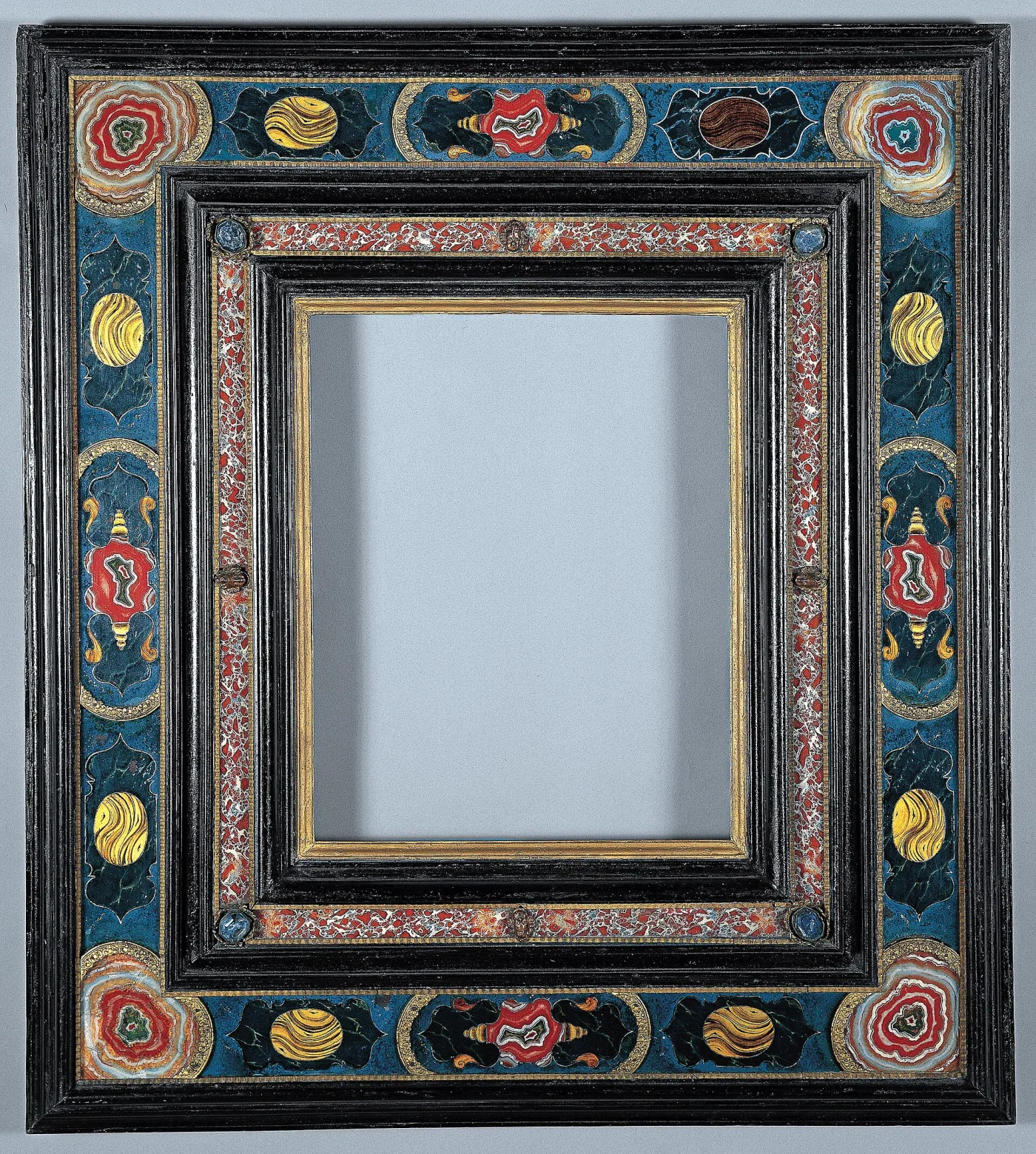
- Too-Perfect Condition: Reproductions often lack natural aging and wear
- Machine-Made Indicators: Perfect uniformity, no tool marks, modern manufacturing
- Modern Materials: Use of modern materials, adhesives, finishes
- Inconsistent Aging: Aging that doesn't match supposed age
- Style Anachronisms: Style elements from different periods mixed together
- Mass Production: Evidence of mass production in supposed handcrafted frame
Reproduction Techniques
Understanding how reproductions are made helps identify them:
- Molding: Modern molding techniques create perfect uniformity
- Distressing: Artificial aging techniques, often too uniform
- Modern Gilding: Modern gilding materials and techniques
- Machine Carving: CNC and machine carving create perfect, uniform results
- Composition: Modern composition materials and methods
- Finishing: Modern finishes that don't match period techniques
Age Verification Methods
Methods for verifying frame age:
- Style Analysis: Compare to known period examples
- Construction Analysis: Analyze construction methods and techniques
- Material Analysis: Examine materials for age-appropriateness
- Provenance Research: Research documented history and ownership
- Expert Consultation: Consult frame experts and appraisers
- Scientific Analysis: Dendrochronology, material analysis when applicable
Red Flags and Warning Signs
Warning signs that may indicate reproduction or problems:
- Perfect Condition: Too-perfect condition for supposed age
- Price Too Low: Suspiciously low price for supposed quality and age
- No Provenance: Lack of documentation or provenance
- Inconsistencies: Inconsistencies between style, materials, and construction
- Modern Features: Features that indicate modern manufacture
- Seller Issues: Unreliable seller, lack of knowledge, pressure to buy
Value Assessment and Market Factors
Assessing frame value requires understanding multiple factors. Market value depends on age, condition, rarity, quality, provenance, and current market demand.
Factors Affecting Value
Multiple factors influence frame value:
- Age: Generally, older frames are more valuable, but quality matters more
- Condition: Original condition, minimal damage, proper restoration
- Rarity: Uncommon styles, rare makers, unusual designs
- Quality: Craftsmanship, materials, design sophistication
- Provenance: Documented history, famous associations, gallery labels
- Size: Larger frames often more valuable, but condition and quality matter more
- Style: Popular styles command higher prices
- Maker: Known makers or high-quality work increases value
Market Trends
Understanding current market trends helps assess value:
- Period Preferences: Certain periods more popular than others
- Style Trends: Fashion trends affect frame popularity and value
- Collector Demographics: Age and interests of collectors affect demand
- Economic Factors: Economic conditions affect collecting and prices
- Regional Markets: Different markets have different preferences and prices
- Supply and Demand: Availability and demand affect prices
Valuation Methods
Professional appraisers use several valuation approaches:
- Comparable Sales: Compare to similar frames sold recently
- Market Research: Research current market prices for similar frames
- Condition Adjustment: Adjust for condition differences
- Provenance Value: Add value for significant provenance
- Expert Appraisal: Professional appraiser assessment
- Auction Records: Review auction sale records for similar frames
Price Ranges
General price ranges for different frame categories (prices vary significantly):
- Mass-Produced Frames: $50-$500, depending on age and condition
- Quality Period Frames: $500-$5,000, depending on period, condition, and quality
- High-Quality Antique Frames: $5,000-$50,000, rare and exceptional examples
- Museum-Quality Frames: $50,000+, exceptional rarity, quality, and provenance
- Factors: Many factors affect price, these are general guidelines only
Investment Considerations
Frames as investments require careful consideration:
- Long-Term Value: Quality frames tend to hold or increase value
- Condition Importance: Condition significantly affects value retention
- Provenance Value: Provenance adds value and marketability
- Market Volatility: Market values can fluctuate with trends
- Expertise Required: Knowledge and expertise important for successful collecting
- Enjoyment Factor: Collect for enjoyment, not just investment
Collecting Tips and Care Guidelines
Successful frame collecting requires knowledge, patience, and proper care. Following best practices helps build a quality collection while preserving historical artifacts for future generations.
Collecting Strategies
Effective approaches to building a frame collection:
- Focus Areas: Collect specific periods, styles, or types of frames
- Quality Over Quantity: Prefer quality examples over many pieces
- Education: Study frame history, styles, and construction techniques
- Networking: Connect with other collectors, dealers, and experts
- Patience: Wait for right examples, avoid impulse purchases
- Documentation: Keep records of purchases, provenance, and research
- Budget Management: Set budget limits and stick to them
What to Look For
Key factors to consider when purchasing frames:
- Condition: Prefer original condition, minimal damage
- Authenticity: Verify authenticity, avoid reproductions
- Quality: Look for quality craftsmanship and materials
- Provenance: Provenance adds value and interest
- Size and Proportions: Consider size for your collection and display
- Style: Choose styles that appeal to you and fit your collection
- Price: Ensure price is fair for condition and quality
Care and Preservation
Proper care preserves frame value and historical integrity:
- Display Conditions: Stable temperature and humidity, avoid direct sunlight
- Cleaning: Gentle cleaning, appropriate for materials, avoid harsh chemicals
- Handling: Handle carefully, support properly, avoid dropping
- Storage: Safe storage, protection from damage, proper support
- Restoration: Appropriate restoration only, preserve original elements
- Documentation: Document condition, keep restoration records
- Protection: Protect from pests, moisture, and physical damage
Display Considerations
Proper display enhances frame appreciation and preservation:
- Lighting: Appropriate lighting, avoid direct sunlight, use UV-filtered light
- Mounting: Secure mounting, appropriate for frame weight and size
- Grouping: Group frames appropriately, consider style and period compatibility
- Spacing: Appropriate spacing between frames for visual appeal
- Environment: Stable environment, appropriate temperature and humidity
- Security: Secure display, protection from theft and damage
Resources for Collectors
Valuable resources for frame collectors:
- Reference Books: Frame identification guides, historical references, style books
- Online Resources: Collector websites, forums, databases, museum collections
- Museums: Museum collections for study and comparison
- Organizations: Collector clubs, historical societies, frame maker associations
- Auctions and Dealers: Sources for acquisitions, market information, expertise
- Experts: Frame experts, appraisers, conservators for advice and services
Building Expertise
Developing frame identification and collecting expertise:
- Study: Read books, study examples, learn frame history and styles
- Examine: Examine as many frames as possible, study details
- Compare: Compare frames, note differences and similarities
- Ask Questions: Ask dealers, experts, and other collectors
- Practice: Practice identification skills, start with easier examples
- Learn from Mistakes: Learn from purchases and identification mistakes
Conclusion
Identifying antique picture frames is a rewarding pursuit that combines historical research, aesthetic appreciation, and technical knowledge. From the ornate gilded frames of the Baroque period to the minimalist designs of the Mid-Century Modern era, each frame tells a story of artistic movements, craftsmanship traditions, and cultural values. Whether you're examining a hand-carved 17th-century Italian frame, a gilded Victorian frame with elaborate ornamentation, or an Arts & Crafts frame emphasizing natural wood grain, the skills covered in this guide—recognizing period styles, understanding construction techniques, identifying materials and gilding methods, interpreting maker marks and provenance, assessing condition, and determining value—will serve you well in building a meaningful collection. Remember that while modern tools like the Antique Identifier app can provide instant AI-powered identification assistance, nothing replaces the knowledge gained from careful examination, historical research, and hands-on experience. The world of antique picture frames offers endless opportunities for discovery, learning, and appreciation of these remarkable decorative objects that have enhanced and protected artwork for centuries, continuing to fascinate collectors and enthusiasts today.