Antique Perpetual Calendar Identification Guide: Makers, Materials & Dating
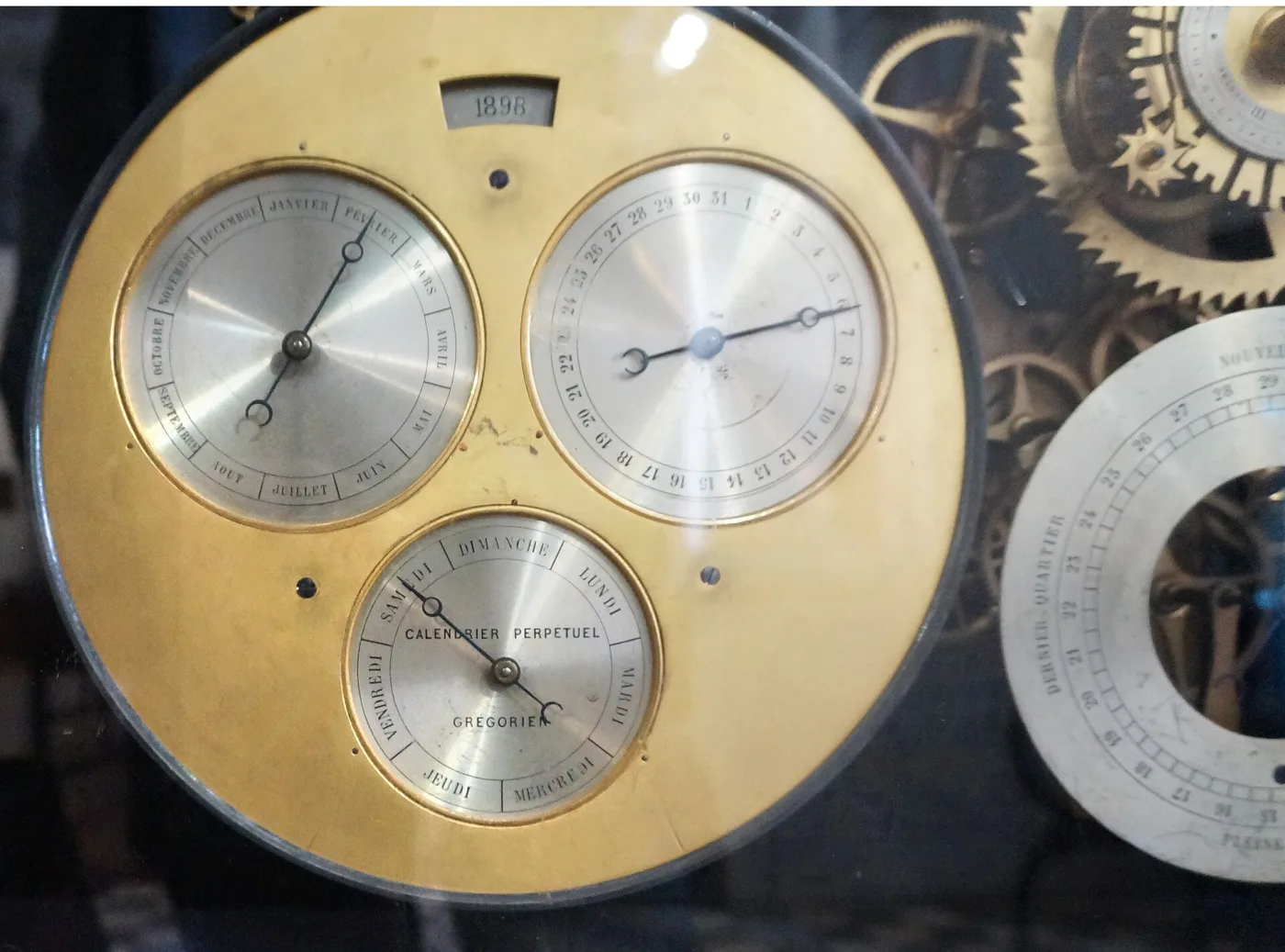
Antique perpetual calendars represent a fascinating intersection of mechanical ingenuity and decorative artistry that has captivated collectors for generations. These clever devices, designed to display the date indefinitely without batteries or winding, emerged during the Victorian era and reached their artistic peak during the Edwardian and Art Deco periods. From elegant sterling silver desk accessories by luxury houses like Asprey and Cartier to practical brass examples by Park Sherman, perpetual calendars offer collectors a tangible connection to the analog past.
The resurgence of interest in perpetual calendars reflects a broader cultural shift toward analog devices and sustainable, long-lasting objects. Unlike digital calendars that require power and updates, these mechanical marvels function purely through manual adjustment and thoughtful design. Understanding how to identify, date, and authenticate these pieces is essential for collectors navigating a market where reproductions and marriages of mismatched components are increasingly common.
This comprehensive guide covers everything from recognizing prestigious makers and their distinctive marks to understanding the evolution of materials and mechanisms across different eras. Whether you've inherited a family heirloom or discovered a potential treasure at an estate sale, the knowledge presented here will help you accurately identify and value antique perpetual calendars.
Table of Contents
- Understanding Perpetual Calendars
- Types and Mechanisms
- Notable Makers and Manufacturers
- Materials and Construction
- Style Periods and Design Evolution
- Dating Techniques and Methods
- Maker Marks and Signatures
- Condition Assessment and Value
- Authentication and Spotting Fakes
- Market Values and Collecting Tips
- Care and Preservation
- Digital Tools for Identification
Understanding Perpetual Calendars
Perpetual calendars are mechanical devices designed to display the current date through a system of rotating drums, sliding panels, or turn knobs. Unlike conventional calendars that must be replaced annually, these ingenious devices can theoretically function indefinitely with proper care and manual daily adjustment.
How Perpetual Calendars Work
The fundamental design involves separate display elements for the day of the week, date number, and month. Users manually advance each element as days pass, typically through one of several mechanisms:
- Rotating Drums: Cylindrical drums with days, dates, or months printed on their surfaces rotate within a frame with viewing windows
- Sliding Panels: Flat cards or metal plates slide through slots to reveal the current information
- Turn Knobs: External knobs rotate internal discs or drums to change the display
- Flip Mechanisms: Individual numbered tiles flip forward or backward, similar to departure board displays
- Dial Systems: Rotating dial faces with fixed pointers indicate the current date elements
Historical Development
The concept of perpetual calendars dates back centuries, with early examples appearing in astronomical instruments and complex clockwork. However, the desk perpetual calendar as a discrete accessory emerged primarily during the mid-to-late 19th century. The Victorian obsession with mechanical gadgetry and organized living created ideal conditions for these practical yet decorative items.
By the Edwardian era, perpetual calendars had become standard fixtures in well-appointed offices and homes. Luxury retailers like Asprey, Tiffany & Co., and Cartier offered elaborate examples in precious metals, while manufacturers like Park Sherman produced more accessible brass and oak versions for the broader market.
Terminology for Collectors
Understanding the correct terminology helps when researching and discussing these items:
- Perpetual Calendar: Any calendar mechanism designed for ongoing use across multiple years
- Desk Calendar: A calendar designed to sit on a desk or table surface
- Block Calendar: A style using cube-shaped blocks to display date numbers
- Tile Calendar: Features individual numbered tiles that flip or rotate
- Drum Calendar: Uses rotating cylindrical drums for display
- Indicator: The pointer or frame element that shows the current selection
Types and Mechanisms
Perpetual calendars come in numerous configurations, each with distinctive characteristics that help with identification and dating.
Rotating Drum Calendars
The most common type features three or four rotating drums visible through apertures in the front face:
- Three-Drum Design: Displays day, date, and month on separate drums
- Four-Drum Design: Adds a year drum for extended tracking
- Materials: Drums typically made from painted metal, celluloid, or paper-covered wood
- Operation: Knobs on the sides or rear rotate individual drums
Block and Cube Calendars
These use cubic blocks that can be rotated to show different numbers:
- Two-Block Design: Uses two cubes to display dates 01-31
- Clever Numbering: Each cube has numbers arranged so any valid date can be displayed
- Popular in Art Deco: Geometric forms suited the modernist aesthetic
- Materials: Often made from Bakelite, wood, or metal
Tile and Flip Calendars
Individual tiles flip forward to reveal the next number or letter:
- Mechanical Action: Lever or button advances tiles in sequence
- Display Style: Resembles railway departure boards
- Materials: Tiles usually metal or plastic with painted numbers
- Era: Most common from 1920s-1950s
Dial and Pointer Calendars
Rotating dials with fixed or moving pointers indicate the current date:
- Clock-Like Appearance: Often resembles watch or clock faces
- Multiple Dials: Separate dials for day, date, and month
- Concentric Design: Sometimes uses nested rotating rings
- Prestige Items: Often found in expensive silver or gold examples
Combination Calendars
Many perpetual calendars combine multiple functions:
- Calendar-Thermometer: Includes a thermometer element
- Calendar-Barometer: Combined with weather instruments
- Calendar-Clock: Integrated with timepiece movements
- Calendar-Inkwell: Serves dual function on the desk
Notable Makers and Manufacturers
Identifying the maker significantly impacts value and helps establish authenticity. Here are the most important manufacturers and retailers to know.
Luxury Brands and Retailers
Premium perpetual calendars from prestigious houses command the highest prices:
- Asprey (London): Founded 1781, known for elegant silver and leather desk accessories. Their perpetual calendars often feature engine-turned decoration and fine hallmarks.
- Cartier (Paris): Luxury jeweler producing exceptional desk accessories from the early 20th century. Look for the Cartier Paris signature and French hallmarks.
- Tiffany & Co. (New York): American luxury retailer offering silver and bronze calendars. Marked "Tiffany & Co." with sterling marks.
- Hermès (Paris): Known for Art Deco examples designed by Paul Dupré-Lafon, often combining silver with exotic materials like shagreen.
- Mappin & Webb (London): British silversmiths producing quality desk accessories throughout the Victorian and Edwardian periods.
Major Manufacturers
These companies produced perpetual calendars in larger quantities for broader markets:
- Park Sherman (USA): Major American manufacturer active from approximately 1920-1950, known for brass and bronze calendars often with Art Deco styling.
- Danese Milano (Italy): Mid-century Italian design company, famous for the Enzo Mari perpetual calendar still produced today.
- Dunhill (London): Luxury accessories brand producing desk items including perpetual calendars from the 1920s onward.
- Ronson (USA): Known primarily for lighters but also produced desk accessories including calendars.
Clock and Watch Companies
Some timepiece manufacturers also produced perpetual calendars:
- Jaeger-LeCoultre: Occasionally produced desk calendars alongside their clock range
- Chelsea Clock (USA): American clock company with some calendar production
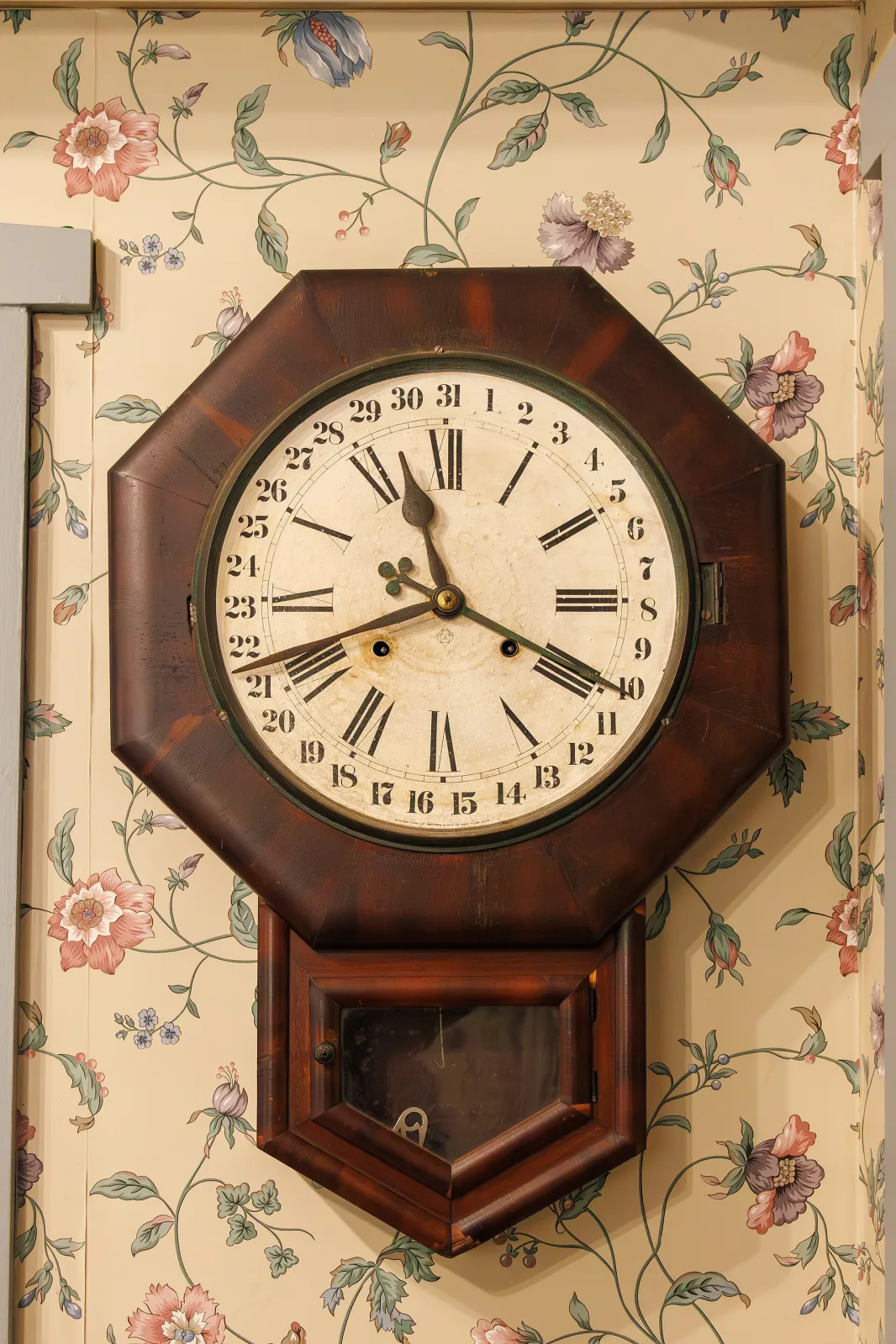
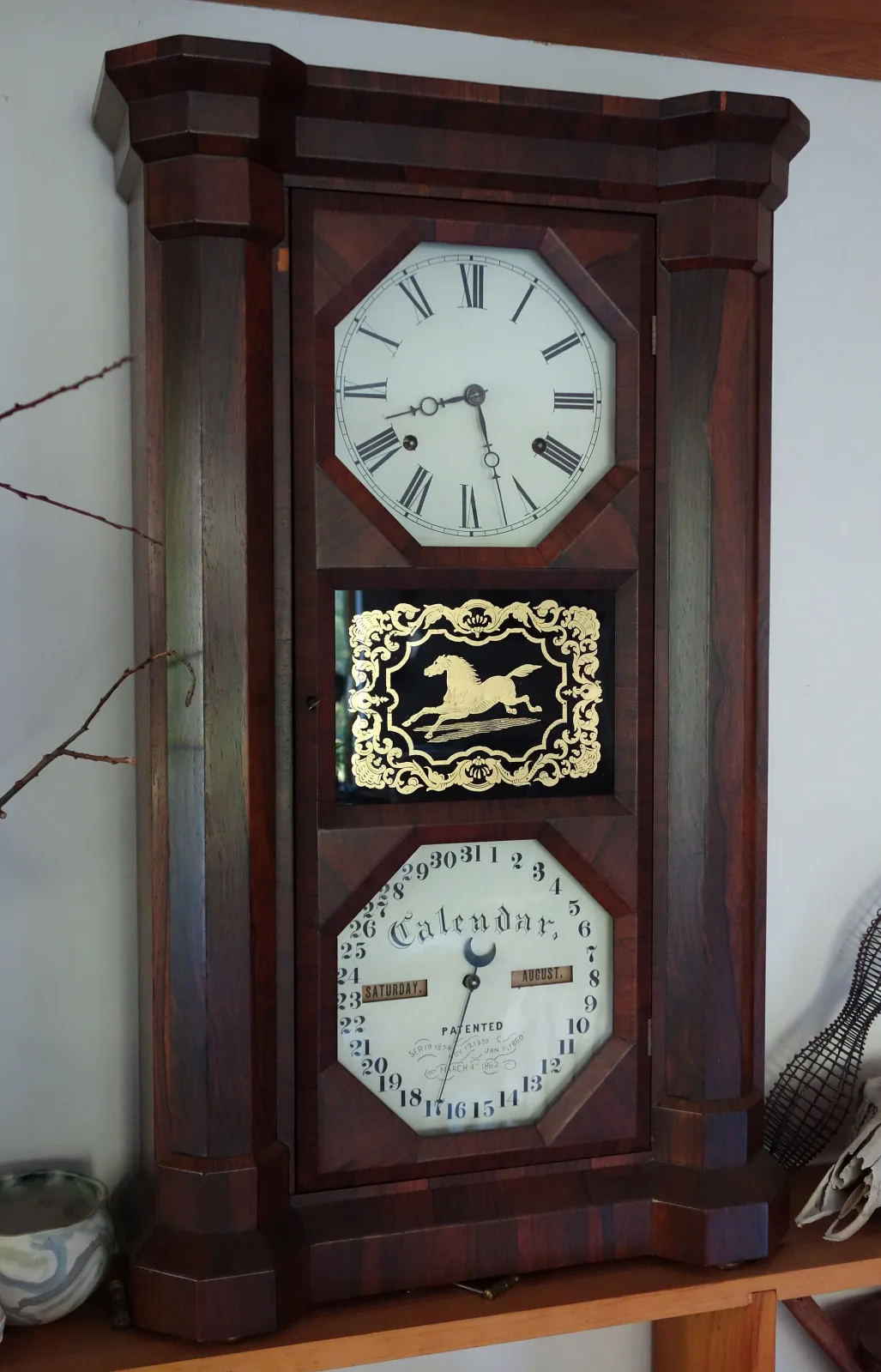
- Sessions Clock (USA): Produced combination clock-calendars, often built into the same mantel and shelf clock cases the Connecticut factories were known for

Materials and Construction
The materials used in perpetual calendar construction provide valuable clues for dating and authentication.
Metal Materials
Metals were the primary material for quality perpetual calendars:
- Sterling Silver: Used by luxury makers for premium examples. Look for hallmarks including lion passant (British), 925 (international), or maker's marks.
- Silver Plate: EPNS (electroplated nickel silver) or Sheffield plate for more affordable pieces.
- Brass: Common for mid-range examples, often lacquered to prevent tarnishing. Park Sherman frequently used brass.
- Bronze: Heavier and more substantial than brass, often with brown or green patina.
- Chrome: Popular from 1930s onward for Art Deco pieces, creates bright reflective surface.
- Nickel: Used for plating and occasionally as base metal.
Wood Materials
Wooden calendars span from Victorian through mid-century periods:
- Oak: Most common for Victorian and Edwardian examples. English oak has distinctive grain.
- Mahogany: Premium wood choice indicating quality manufacture.
- Walnut: Common in American-made examples.
- Teak: Popular in mid-century Scandinavian designs.
- Ebonized Wood: Black-stained wood simulating ebony.
Early Plastics
Synthetic materials date examples to specific periods:
- Bakelite (1907-1940s): Hard, opaque phenolic plastic in browns, blacks, and sometimes bright colors. Common in Art Deco calendars.
- Catalin (1930s-1940s): Cast phenolic resin in bright colors including butterscotch, red, and green.
- Celluloid: Early plastic used for drum facings and decorative elements.
- Lucite/Acrylic: Clear plastic appearing from 1940s onward.
Leather and Exotic Materials
Premium examples often incorporated luxury materials:
- Morocco Leather: Fine goatskin leather in various colors.
- Shagreen: Shark or ray skin, popular in Art Deco pieces.
- Crocodile/Alligator: Exotic leather for luxury accessories.
- Tortoiseshell: Used in Victorian and Edwardian examples (now protected).
Style Periods and Design Evolution
Understanding stylistic evolution helps date perpetual calendars even without visible marks.
Victorian Era (1837-1901)
Victorian perpetual calendars exhibit period characteristics:
- Ornate Decoration: Heavy embossing, engraving, and decorative flourishes
- Gothic Revival: Pointed arches, tracery patterns, medieval motifs
- Natural Forms: Leaves, flowers, scrollwork abundantly featured
- Dark Woods: Oak and mahogany predominate
- Substantial Weight: Solid construction emphasizing permanence
- Multiple Functions: Often combined with inkwells, letter holders
Edwardian Era (1901-1910)
Edwardian design brought lighter elegance:
- Refined Proportions: More delicate than Victorian examples
- Adam Style Revival: Classical motifs, swags, urns
- Engine Turning: Machine-engraved geometric patterns popular on silver
- Lighter Woods: Satinwood and maple more common
- Simpler Forms: Less crowded decoration than Victorian
Art Nouveau (1890-1910)
Overlapping with Edwardian, Art Nouveau brought organic forms:
- Flowing Lines: Sinuous, organic curves inspired by nature
- Whiplash Motifs: Distinctive curved line patterns
- Female Figures: Maidens with flowing hair
- Natural Imagery: Flowers, vines, insects, birds
- Bronze and Copper: Warm metals suited the aesthetic
Art Deco (1920-1940)
Art Deco produced some of the most collectible perpetual calendars:
- Geometric Forms: Strong angles, stepped designs, zigzag patterns
- Streamlined Shapes: Aerodynamic curves influenced by machinery
- Bold Colors: Bright Bakelite, chrome, and contrasting materials
- Exotic Materials: Shagreen, lacquer, macassar ebony
- Symmetrical Designs: Balanced, often mirror-image compositions
- Egyptian Motifs: Following Tutankhamun discovery (1922)
Mid-Century Modern (1945-1970)
Post-war design emphasized functionality:
- Clean Lines: Minimal ornamentation
- New Materials: Plastics, aluminum, teak wood
- Scandinavian Influence: Simple, functional design
- Pop Art Elements: Bright colors, playful forms (1960s)
- Industrial Design: Mass-production influenced aesthetics
Dating Techniques and Methods
Accurate dating requires analyzing multiple factors together.
Hallmark Analysis
Silver hallmarks provide specific dating information:
- British Hallmarks: Date letters in shields changed annually, allowing precise dating
- Assay Office Marks: London leopard head, Birmingham anchor, Sheffield crown
- Sterling Standard: Lion passant indicates .925 silver content
- Duty Marks: Monarch's head indicates duty paid (various periods)
- Maker's Marks: Initials or symbols identify manufacturer
Patent Numbers and Dates
Patent information helps establish production dates:
- US Patents: Patent numbers can be researched online for exact dates
- British Patents: "Pat." or "Patent Applied For" with numbers
- Design Patents: "Des. Pat." indicates registered design
Typography Analysis
Fonts and lettering styles evolved over time:
- Victorian: Ornate, decorative typefaces
- Edwardian: More refined serif fonts
- Art Deco: Bold geometric sans-serif or stylized serif
- Mid-Century: Clean Helvetica-style sans-serif
Construction Methods
Manufacturing techniques indicate era of production:
- Hand Engraving: Irregular lines, earlier examples
- Machine Engraving: Regular, consistent patterns (engine turning)
- Die Stamping: Industrial production from late 19th century
- Screw Types: Slotted screws earlier, Phillips from 1930s
Maker Marks and Signatures
Identifying marks are crucial for authentication and valuation.
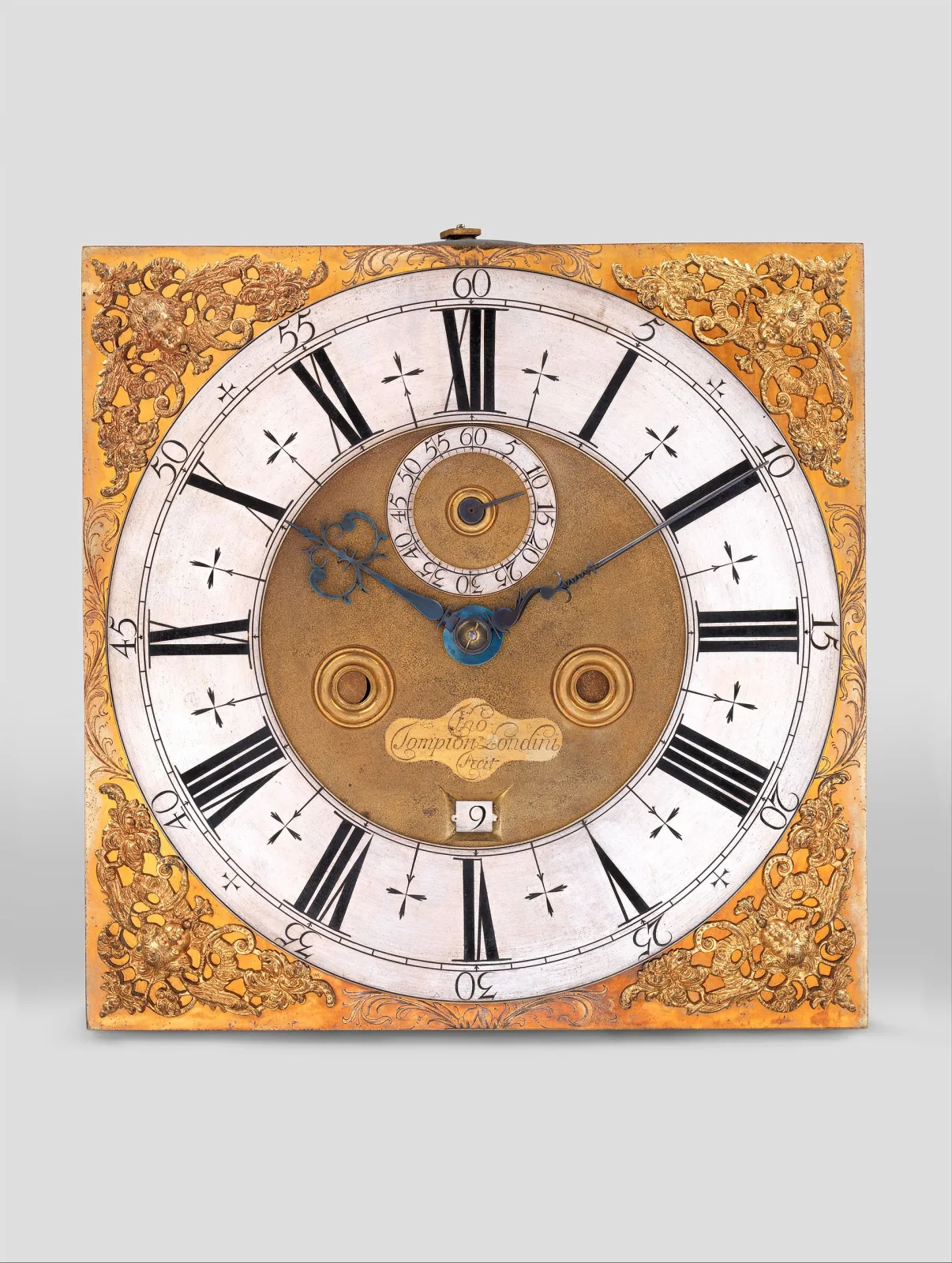
Where to Find Marks
Check these locations for maker identification:
- Base: Most common location for stamps and hallmarks
- Back Panel: Often has manufacturer labels or stamps
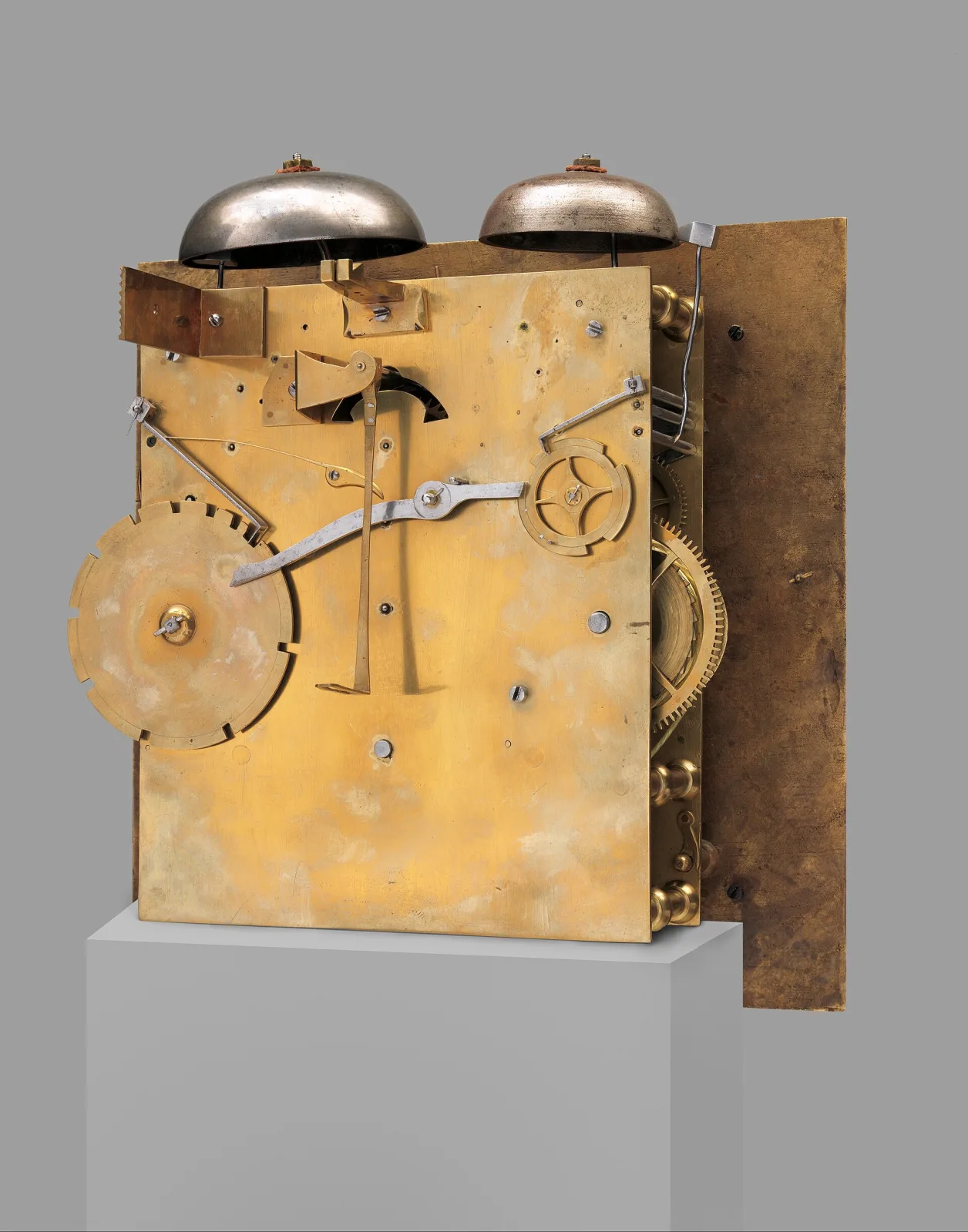
- Inside Mechanism: Sometimes marked on internal components
- Dial Face: Retailer or maker names sometimes printed
- Drum Interiors: Paper labels inside rotating drums
Common Mark Types
- Stamped Marks: Impressed into metal surfaces
- Engraved Marks: Cut into surface with engraving tool
- Applied Labels: Paper or foil labels (often lost or damaged)
- Cast Marks: Molded into cast metal pieces
- Printed Marks: On paper drums or facings
Researching Unknown Marks
Resources for identifying unfamiliar marks:
- Hallmark References: Jackson's Silver & Gold Marks of England, Scotland and Ireland
- Online Databases: 925-1000.com for silver marks, kovels.com for general antiques
- Patent Records: USPTO and EPO databases for patent research
- Trade Directories: Historical business directories list manufacturers
- Collector Forums: Specialized groups for desk accessories
Condition Assessment and Value
Condition dramatically affects value in the perpetual calendar market.
Condition Grades
- Mint/Near Mint: Appears unused, all original components, no damage. Commands premium prices.
- Excellent: Light wear consistent with age, fully functional, no repairs. Strong values.
- Very Good: Moderate wear, minor issues, mechanism works correctly. Fair market prices.
- Good: Obvious wear, possible minor repairs, may have issues. Reduced values.
- Fair/Poor: Heavy wear, damage, missing parts, non-functional. Minimal value except rare examples.
Common Condition Issues
Watch for these problems when evaluating:
- Missing Drums: Lost or replaced rotating elements
- Faded Printing: Numbers or text worn from drums
- Broken Mechanisms: Knobs or levers that don't function
- Dents and Scratches: Surface damage to metal frames
- Cracked Bakelite: Plastic components prone to cracking
- Missing Glass: Protective glass panels lost
- Polished Away Details: Over-cleaning removing patina or marks
- Married Components: Parts from different calendars combined
Value Factors
Elements that increase or decrease value:
- Prestigious Maker: Asprey, Cartier, Tiffany command premiums
- Rare Materials: Unusual materials increase value
- Complete Originality: All-original examples worth more
- Provenance: Documented history adds value
- Aesthetic Appeal: Attractive designs bring higher prices
- Functional Condition: Working mechanisms essential
Authentication and Spotting Fakes
The market contains reproductions and misattributed pieces requiring careful evaluation.
Common Red Flags
- Inconsistent Wear: New-looking parts on supposedly old items
- Modern Screws: Phillips head screws on "Victorian" examples
- Wrong Materials: Plastics on pieces claimed from pre-plastic era
- Suspicious Marks: Poorly executed or incorrect hallmarks
- Style Anachronisms: Design elements from wrong period
Known Reproductions
Be aware of commonly reproduced items:
- Edwardian Oak Calendars: Many modern reproductions in Asian import market
- Art Deco Chrome: New manufacturing in vintage styles
- Fake Luxury Brands: Fraudulent Asprey, Cartier marks added to generic pieces
Authentication Steps
Systematic evaluation approach:
- Examine Marks: Compare to verified examples in reference books
- Check Materials: Ensure consistency with claimed period
- Evaluate Wear Patterns: Authentic wear appears in expected locations
- Test Mechanism: Original mechanisms have distinctive feel
- Research Provenance: Trace history if possible
- Seek Expert Opinion: Consult specialists for high-value items
Market Values and Collecting Tips
Understanding the market helps make informed collecting decisions.
Current Market Overview
Price ranges for different categories (as of 2026):
- Basic Brass Examples: $50-150 for common Park Sherman types
- Edwardian Oak: $100-400 depending on condition and maker
- Art Deco Chrome/Bakelite: $75-300 for typical examples
- Silver Plate: $100-500 depending on maker and condition
- Sterling Silver: $200-1,500 for quality examples
- Luxury Brands: $500-2,750+ for Asprey, Cartier, Hermès
- Exceptional Rarities: $3,000+ for museum-quality pieces
Collecting Strategies
- Focus Areas: Specialize in one maker, period, or material
- Buy Quality: One excellent piece beats several mediocre ones
- Research First: Learn before making major purchases
- Condition Priority: Original, working examples retain value
- Document Everything: Keep purchase records and provenance
Where to Find Perpetual Calendars
- Auction Houses: Major and regional auctions often include desk accessories
- Antique Shows: Desk accessory specialists attend major shows
- Online Platforms: 1stDibs, Ruby Lane, Etsy for higher-end pieces
- eBay: Bargains possible but requires careful evaluation
- Estate Sales: Often overlooked by other buyers
- Antique Shops: General antique dealers may not know values
Care and Preservation
Proper care maintains value and extends life of antique calendars.
General Maintenance
- Regular Dusting: Soft brush or cloth to remove dust
- Careful Handling: Support base when moving
- Climate Control: Avoid extreme temperature and humidity changes
- Gentle Operation: Don't force stiff mechanisms
Material-Specific Care
- Silver: Polish sparingly with appropriate silver cleaner; store in anti-tarnish cloth
- Brass: Light polish if desired, or allow patina to develop
- Wood: Occasional furniture polish, avoid water
- Bakelite: Clean with mild soap and water only, avoid solvents
- Leather: Condition periodically with appropriate leather care products
What to Avoid
- Harsh Chemicals: Never use abrasive cleaners
- Over-Polishing: Removes patina and can damage marks
- Direct Sunlight: Fades printed elements and damages plastics
- Moisture: Causes corrosion and paper damage
- Amateur Repairs: Can reduce value significantly
Digital Tools for Identification
Modern technology aids in identifying and researching perpetual calendars.
AI-Powered Identification
The Antique Identifier app offers instant analysis:
- Photo Recognition: AI identifies style, period, and potential makers
- Material Analysis: Helps determine construction materials
- Similar Examples: Finds comparable pieces for reference
- Value Estimates: Provides market value ranges
Online Research Resources
- Auction Archives: Search past sales for comparable examples
- Museum Collections: Victoria & Albert, Met Museum online databases
- Collector Forums: Community knowledge for obscure pieces
- Patent Databases: Research mechanism patents for dating
Documentation Best Practices
- Photograph Thoroughly: Capture all angles, marks, and details
- Measure Precisely: Record all dimensions
- Note Condition: Document any damage or repairs
- Save Research: Keep copies of relevant reference materials
Conclusion
Antique perpetual calendars offer collectors a unique combination of mechanical ingenuity, decorative artistry, and historical significance. From elegant Edwardian silver examples to striking Art Deco Bakelite pieces, these functional objects bridge the gap between utility and beauty. Their current resurgence in popularity reflects a broader appreciation for analog devices and sustainable, long-lasting objects.
Success in collecting perpetual calendars comes from developing expertise in materials, makers, and mechanisms. By studying the characteristics outlined in this guide and using modern tools like the Antique Identifier app alongside traditional research methods, collectors can confidently navigate the market, authenticate finds, and build meaningful collections that will continue to mark the passage of time for generations to come.