
Antique Opera Glasses Identification Guide: Dating & Valuation
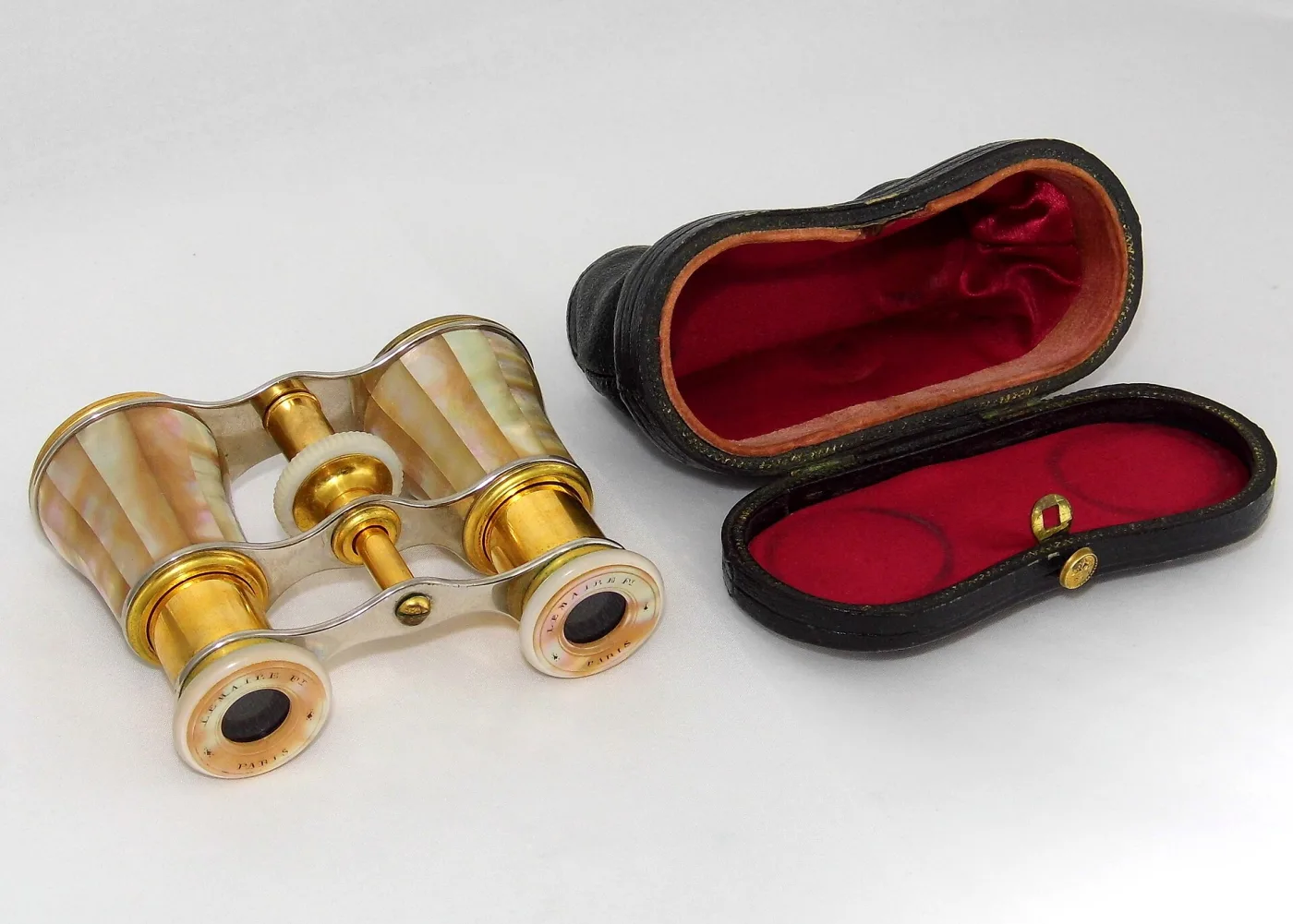
Antique opera glasses represent a fascinating intersection of fashion, technology, and social history. These elegant optical instruments, also known as theater binoculars or Galilean binoculars, were essential accessories for the cultured elite attending operas, theaters, and social events from the early 19th century through the early 20th century. Far more than mere magnification devices, opera glasses were status symbols, often featuring exquisite materials like mother-of-pearl, tortoiseshell, gold, and enamel work that reflected the owner's wealth and taste.
Unlike modern binoculars, opera glasses are compact, low-power optical devices typically offering 2x to 3x magnification. Their small size made them perfect for discreet viewing in crowded theater boxes, while their ornamental design complemented evening attire. The craftsmanship of antique opera glasses varies dramatically, from simple brass models to elaborate pieces featuring precious metals, intricate engravings, and jeweled embellishments. Understanding how to identify, date, and value these pieces requires knowledge of optical design, maker's marks, materials, and historical context.
This comprehensive guide will walk you through everything you need to know about antique opera glasses identification, from recognizing important makers and understanding construction techniques to dating pieces accurately and determining their market value. Whether you've inherited a pair, discovered them at an estate sale, or are considering starting a collection, this guide will provide you with the expertise to appreciate these remarkable optical antiques.
Table of Contents
- History and Evolution of Opera Glasses
- Types of Opera Glasses
- Optical Construction and Mechanics
- Notable Makers and Manufacturers
- Materials and Decorative Elements
- Identifying Maker's Marks and Signatures
- Dating Antique Opera Glasses
- French Opera Glasses
- Victorian and Edwardian Opera Glasses
- Lorgnettes and Handle Styles
- Original Cases and Presentation
- Condition Assessment
- Authentication and Reproductions
- Valuation Factors
- Current Market and Collecting Trends
- Care and Preservation
- Building a Collection
- Resources and References
History and Evolution of Opera Glasses
The story of opera glasses begins in the early 19th century with the growing popularity of opera and theater as fashionable entertainment among the European elite. The first binocular opera glasses were invented in 1823 in Vienna, Austria, representing a significant advancement in portable optical technology. These early designs provided a practical solution for theater-goers who wanted to see stage performances more clearly without the cumbersome telescopes that had previously been used.
A pivotal moment in opera glass history occurred in 1825 when Pierre Lemaire (sometimes spelled Lemiere), a Parisian optical instrument maker, revolutionized the design by introducing the center focus wheel mechanism. This innovation allowed users to adjust both barrels simultaneously with a single movement, making the glasses much more convenient to use during performances. Lemaire's design became the standard, and his company became one of the most prestigious makers of opera glasses throughout the 19th century.
The Golden Age: 1850-1910
The period from the mid-19th century to the early 20th century represents the golden age of opera glass production. During this era, attending the opera or theater was a central social activity for the upper and middle classes, and opera glasses became essential accessories. Manufacturers competed to create increasingly elaborate and beautiful designs, incorporating precious materials and intricate decorative elements. The glasses served not only a practical function but also as fashion statements and markers of social status.
Manufacturing Centers
Most opera glass production was concentrated on the European mainland, particularly in France, Austria, and Russia. Paris became the undisputed center of high-quality opera glass manufacturing, with renowned makers like Lemaire, Chevalier, Bardou, and others establishing workshops. French opera glasses were especially prized for their optical quality and decorative artistry. Vienna continued to be an important production center, as was St. Petersburg, where opera glasses were often made with distinctive Russian decorative elements including enamel work and Cyrillic inscriptions.
Decline and Modern Era
The popularity of opera glasses began to decline in the early 20th century as theater design changed and other forms of entertainment emerged. The First World War disrupted production, and by the 1920s and 1930s, opera glasses had become less fashionable. However, they continued to be produced in smaller quantities through the mid-20th century. Today, antique opera glasses from the golden age are sought after by collectors for their historical significance, optical quality, and decorative appeal.
Types of Opera Glasses
Opera glasses can be categorized into four main types, each with distinct characteristics that affect identification, value, and collectibility. Understanding these categories is essential for proper identification and appraisal.
Regular Opera Glasses
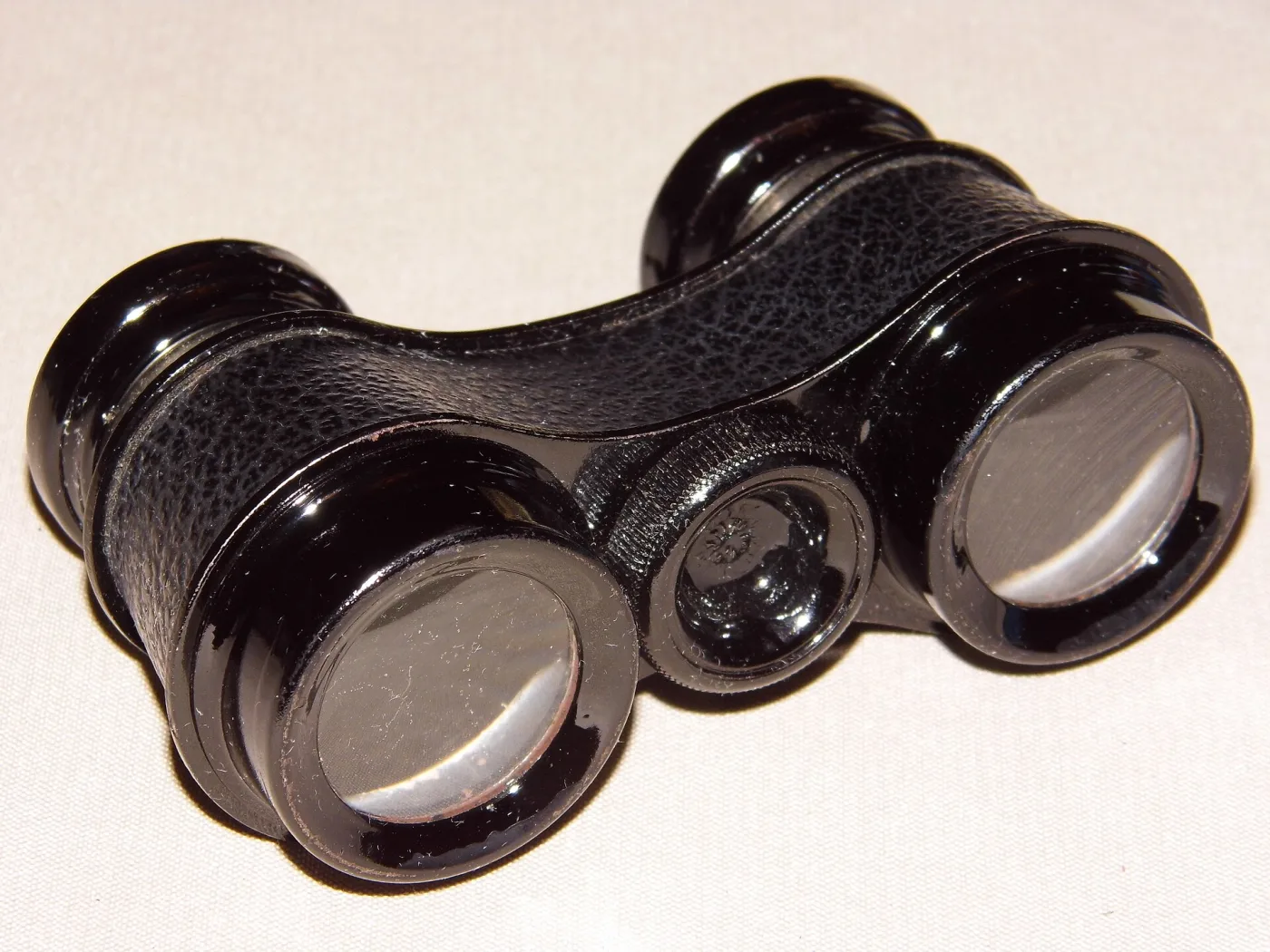
Regular opera glasses are the most common type, featuring two parallel barrels connected by a bridge, with a central focus wheel. These typically measure between 7 and 12 centimeters in length and were designed to be held with both hands. Regular opera glasses were produced in the widest variety of materials and decorative styles, from simple brass models to elaborate pieces featuring mother-of-pearl, tortoiseshell, or enamel. They represent the standard form that most people associate with opera glasses and are the most numerous in the antique market today.
Lorgnette Opera Glasses
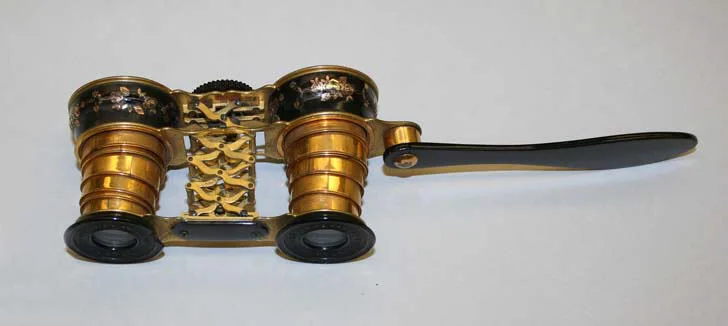
Lorgnettes are opera glasses fitted with an extended handle, allowing them to be held with one hand in an elegant, refined manner. This style was particularly popular among women in the late 19th and early 20th centuries as it allowed for graceful, feminine gestures while viewing performances. The handles were often elaborately decorated and could fold or telescope for compact storage. Lorgnette opera glasses typically command higher prices than regular types due to their relative scarcity and the additional craftsmanship required for the handle mechanism.
Miniature Opera Glasses
Miniature opera glasses are exceptionally small examples, typically measuring 3 to 4 centimeters in height or less. These tiny instruments represent remarkable feats of optical and mechanical engineering, packing functional optics into an incredibly compact form. Miniatures were often carried as jewelry, suspended from chains or ribbons, and served as much as decorative accessories as functional viewing instruments. Due to their rarity, technical achievement, and delicate charm, miniature opera glasses are highly prized by collectors and can command premium prices.
Unusual and Specialty Types
This category includes various uncommon forms such as "jealousy glasses" (opera glasses with offset eyepieces allowing discreet sideways viewing), adjustable or folding designs, combination pieces incorporating other functions like a fan or perfume bottle, and opera glasses with built-in compasses or other novelty features. These unusual types are particularly sought after by collectors for their uniqueness and ingenuity, often fetching prices well above standard examples due to their rarity and interesting mechanisms.
Optical Construction and Mechanics
Understanding the optical and mechanical construction of opera glasses is crucial for identification and authentication. Opera glasses use Galilean optical systems, which differ fundamentally from the prism-based systems used in modern binoculars.
Galilean Optical System
Opera glasses employ a simple Galilean telescope design in each barrel, consisting of a convex objective lens at the front and a concave eyepiece lens. This configuration produces an upright, non-inverted image without requiring prisms, which is why opera glasses can be so compact. The Galilean system typically provides 2x to 3x magnification with a relatively narrow field of view, which was considered adequate for theater viewing distances of 20 to 50 meters. While this optical design is less sophisticated than modern prism binoculars, it was perfectly suited to its purpose and allowed for elegant, portable construction.
Focus Mechanism
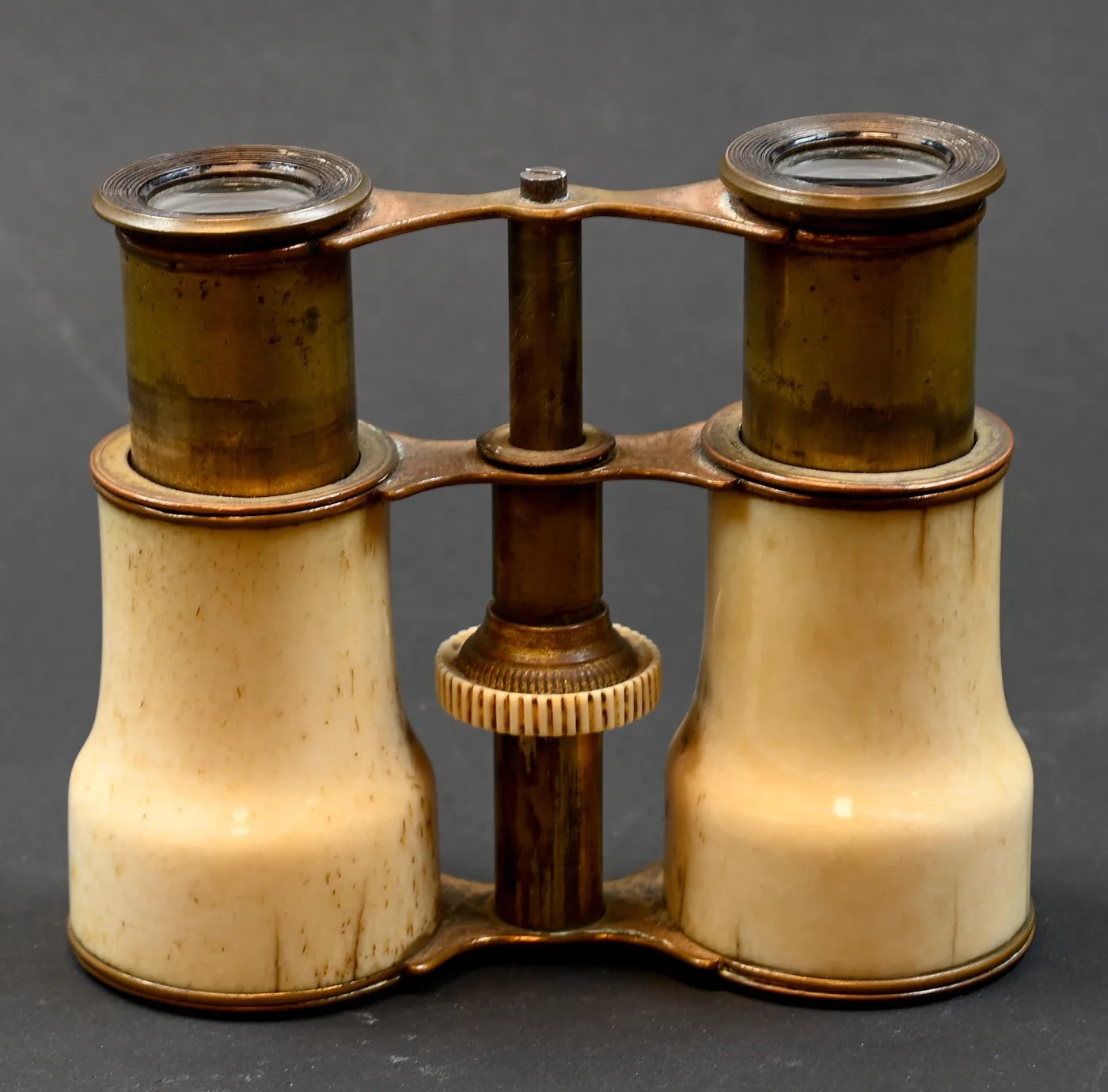
The defining mechanical feature of most opera glasses is the center focus wheel, introduced by Pierre Lemaire in 1825. This wheel, located on the bridge between the two barrels, operates a threaded mechanism that simultaneously moves both eyepiece tubes in or out to achieve focus. The focus wheel typically features decorative knurling or patterning for grip and often bears the maker's mark or logo. Earlier pre-1825 examples and some miniature models may have individual focus adjustment for each barrel, which is a key dating feature.
Barrel Construction
Opera glass barrels are typically constructed from brass tubes that may be left plain, lacquered, gilded, or covered with decorative materials. The objective lenses are mounted at the front of each barrel in brass or gilt bezels, which may feature decorative knurling or engraving. The barrels are connected by a bridge piece that houses the focus mechanism and provides structural rigidity. Quality construction is evident in smooth, precise movement of the focus mechanism and properly aligned optical axes that produce a comfortable, unified image when viewing.
Eyepiece Design
The eyepieces of antique opera glasses show considerable variation in design. Simple examples have plain brass or gilt eyecups, while more elaborate pieces feature decorative elements matching the overall design theme. Some opera glasses have fold-down or sliding eyecups to adjust for eyeglass wearers. The distance between the eyepieces (interpupillary distance) is typically fixed, though some higher-quality examples have hinged barrels allowing adjustment for different users. Examining eyepiece construction and condition is important for authenticity and value assessment.
Notable Makers and Manufacturers
Identifying the maker of antique opera glasses is one of the most important factors in determining authenticity, date, and value. Certain manufacturers are renowned for superior optical quality, innovative designs, and exquisite craftsmanship.
Pierre Lemaire (Paris)
Pierre Lemaire is perhaps the most famous name in opera glass history, having invented the center focus wheel mechanism in 1825. Lemaire's company continued operating through much of the 19th century, producing high-quality opera glasses that are highly sought after today. Lemaire glasses often feature a distinctive bee logo, which was the company's trademark. Look for markings including "Lemaire Paris," "Lemaire Fab't," or the bee symbol, typically found on the focus wheel or under the bridge. Lemaire opera glasses with clear maker's marks and original cases can command significant premiums in today's market.
Dollond (London)
Dollond was one of Britain's most prestigious optical instrument makers, founded in the 18th century and continuing well into the 20th century. While British opera glasses are less common than Continental examples, Dollond pieces are especially prized for their optical excellence and British manufacturing quality. Markings typically include "Dollond London" or "Dollond & Co London" engraved on the barrels or bridge. Dollond opera glasses were often supplied in high-quality leather or shagreen cases with fitted velvet interiors.
Ross (London)
Ross was another distinguished British maker, particularly noted for scientific and optical instruments. Ross opera glasses are characterized by excellent optical quality and solid, practical construction. They are typically less ornate than French examples but represent superior British engineering. Marks include "Ross London" or "Ross & Co." Collectors particularly value Ross lorgnettes and folding models for their ingenious mechanical designs.
Voigtländer (Vienna/Braunschweig)
Voigtländer was one of the oldest and most respected optical companies in Europe, founded in Vienna in 1756 and later operating from Braunschweig, Germany. Voigtländer opera glasses represent Germanic precision engineering and are typically well-constructed with excellent optics. Marks include "Voigtländer & Sohn" in various configurations. Austrian and German opera glasses by Voigtländer are somewhat less common than French examples and are valued by collectors who appreciate technical excellence.
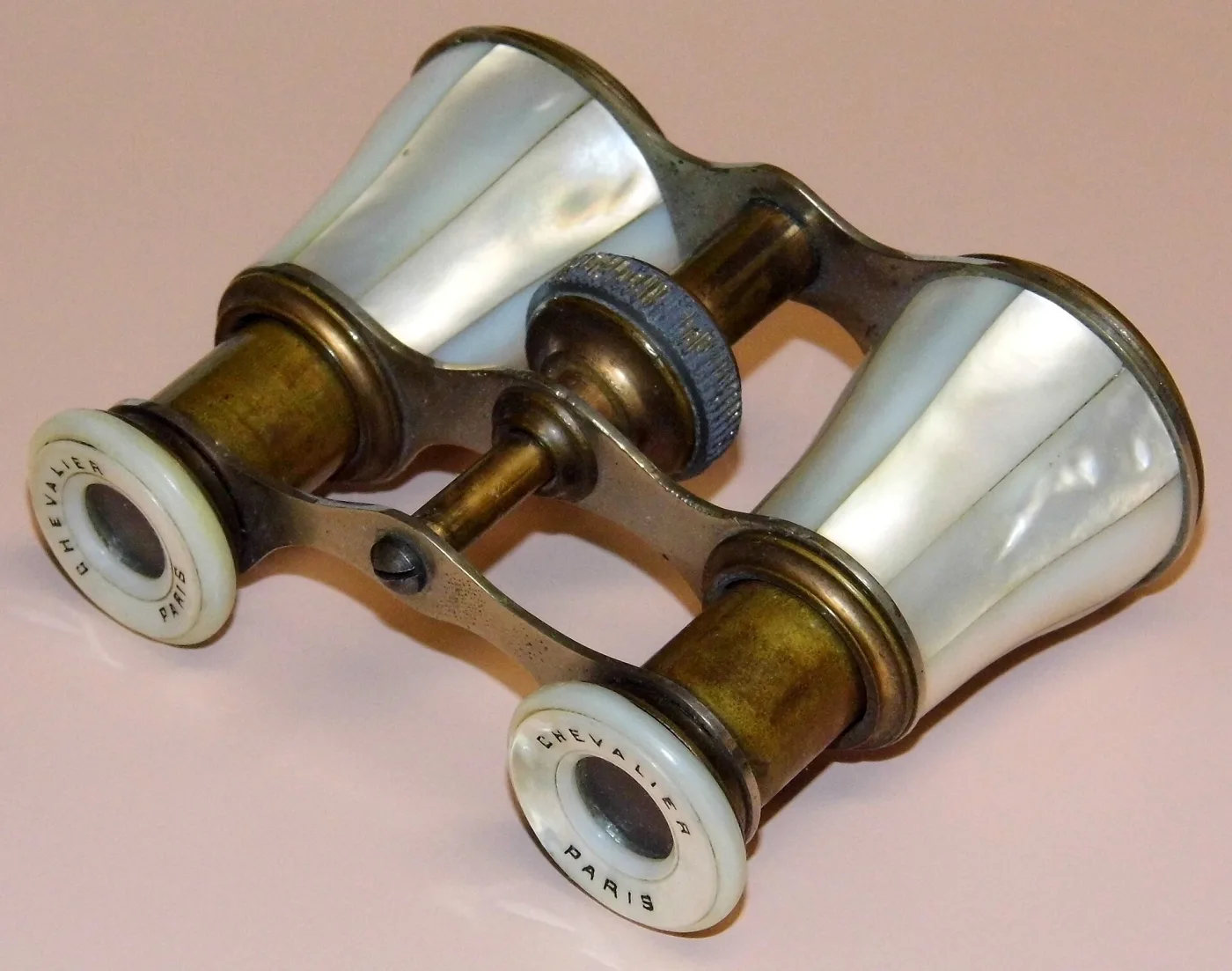
Chevalier (Paris)
Chevalier was a prominent Parisian optical maker particularly active in the mid-19th century. The company produced both scientific instruments and elegant opera glasses for the luxury market. Chevalier glasses often feature fine decorative work and are marked "Chevalier Opticien Paris" or similar variations. Original Chevalier pieces in good condition with cases are valued by collectors of French optical instruments.
French Provincial Makers
Numerous smaller French manufacturers produced opera glasses throughout the 19th century, often unmarked or bearing obscure workshop names. While these pieces may lack the prestige of major makers, they can still be attractive and functional. Look for any French markings, city names, or small maker's marks that can help with attribution. Provincial French opera glasses are generally more affordable entry points for collectors while still offering authentic period craftsmanship.
Russian Makers
Russian opera glasses, often produced in St. Petersburg or Moscow, represent a distinct category. These pieces may feature Cyrillic inscriptions, Russian enamel work, and distinctive decorative styles. Major Russian makers include firms like Fritsche. Russian opera glasses are particularly sought after by collectors specializing in Russian decorative arts and can command premium prices, especially examples with exceptional enamel work or Imperial provenance.
Materials and Decorative Elements
The materials used in antique opera glasses range from simple brass to precious metals and exotic substances. Understanding these materials is essential for proper identification, dating, and valuation.
Brass and Gilt Metal
Brass is the fundamental material for opera glass construction, used for barrels, mechanisms, and frames. Simple examples may have exposed brass, either polished or lacquered to prevent tarnishing. More decorative pieces feature brass covered with gold plating or gilt, which may show wear over time, revealing the brass beneath. The quality and thickness of gilding varies considerably and affects both appearance and value. High-quality French pieces often have thick, durable gilding that has survived well, while cheaper examples may show extensive gilt loss.
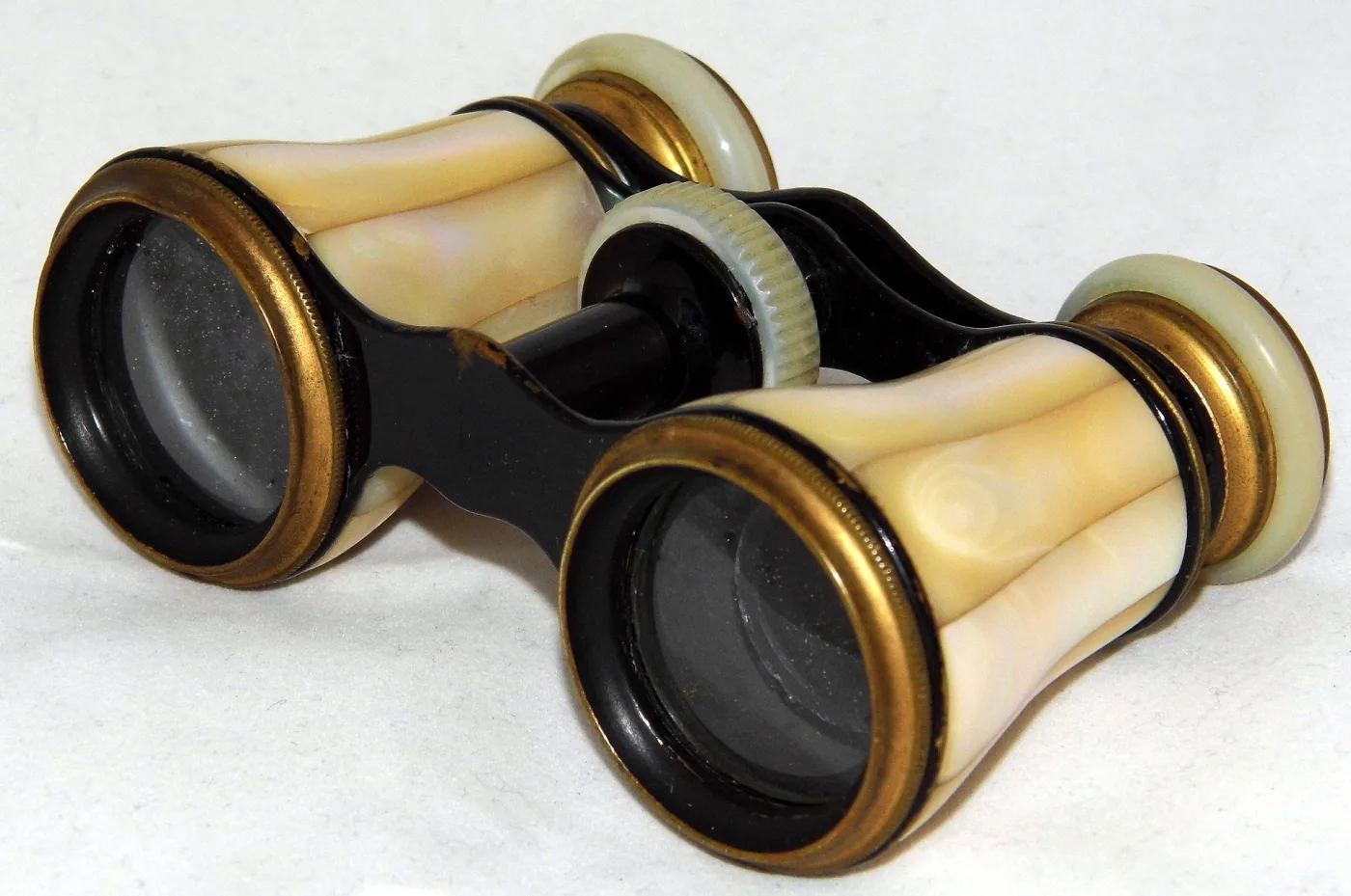
Mother-of-Pearl
Mother-of-pearl covering is one of the most elegant decorative treatments for opera glasses, particularly popular from the 1860s through the early 1900s. Thin sheets of pearl shell were carefully cut, shaped, and applied over the brass barrels, often with beautiful iridescence. Mother-of-pearl opera glasses range from simple, monochromatic pieces to elaborate examples featuring carved or inlaid designs. The pearl may be white, cream, or show rainbow iridescence depending on the shell species used. Condition is crucial for mother-of-pearl pieces, as the material is fragile and prone to flaking, cracking, or losses over time.
Tortoiseshell and Horn
Genuine tortoiseshell, typically from hawksbill sea turtles, was prized for its rich amber-brown coloring with darker mottling. Tortoiseshell opera glasses represent luxury items and are now subject to wildlife protection regulations regarding sale and transport. Authentic tortoiseshell has a distinctive appearance and warmth to the touch that distinguishes it from plastic imitations. Some opera glasses feature horn covering, which has a similar appearance to tortoiseshell but typically with less pronounced patterning and translucency.
Enamel Work
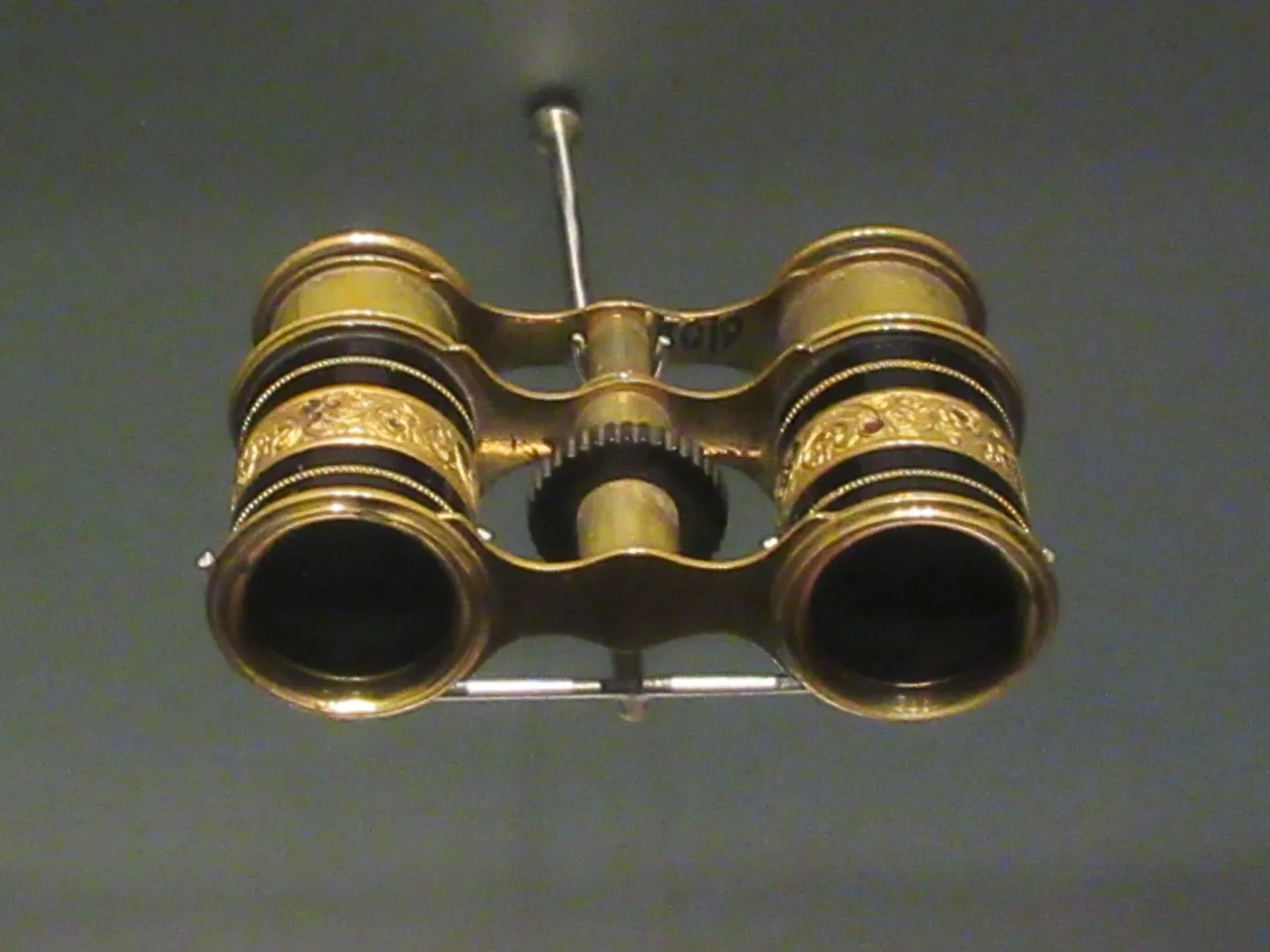
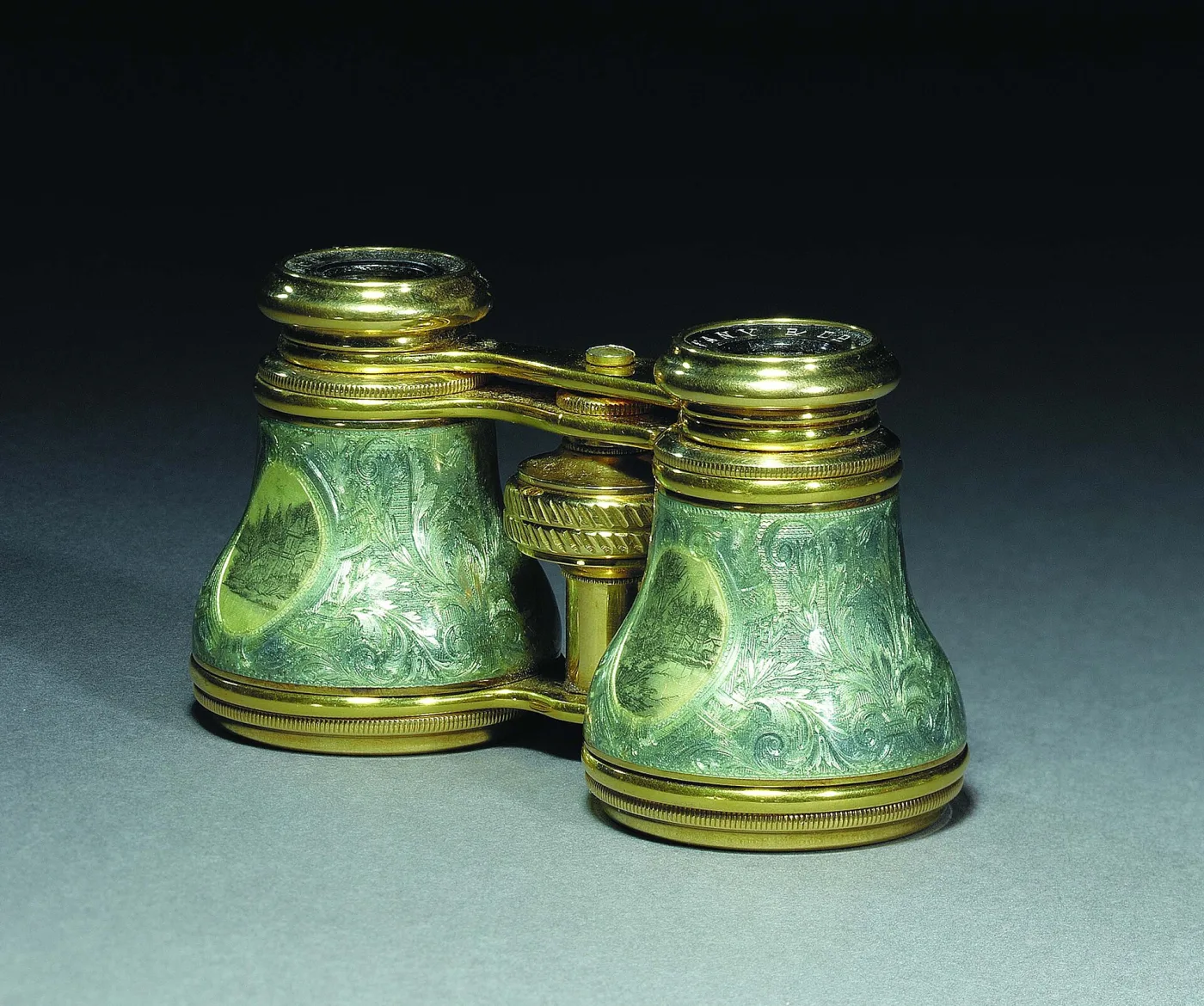
Enamel decoration on opera glasses represents the highest level of artistry and value. French and Russian makers particularly excelled at enamel work, creating pieces featuring cloisonné, champlevé, or painted enamel scenes. Common motifs include floral designs, pastoral scenes, classical figures, and geometric patterns. Enamel opera glasses require exceptional skill to produce and are consequently rare and valuable. Condition is critical, as enamel is prone to chipping and cracking. Examples with intact, vibrant enamel in excellent condition command premium prices.
Precious Metals
While most opera glasses have brass bases with gilt covering, some exceptional pieces were made with solid gold or silver components. These are rare and extremely valuable. Look for hallmarks indicating precious metal content, typically stamped on the body or internal mechanisms. Silver opera glasses may show tarnishing but can be professionally cleaned. Gold examples are exceptionally rare and represent the absolute top tier of opera glass collecting.
Leather and Fabric Covering
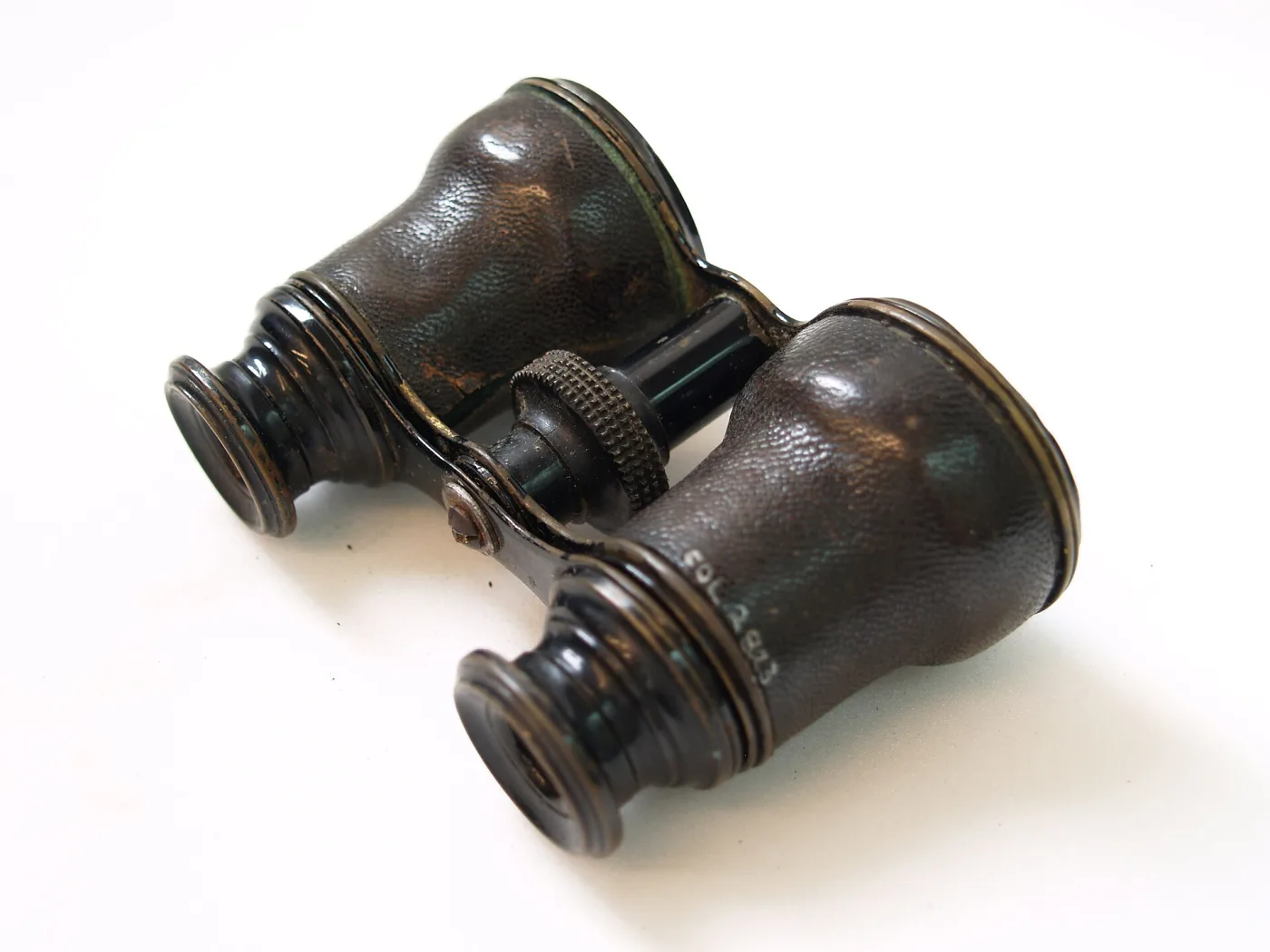
Some opera glasses, particularly British examples, feature leather or morocco covering over the barrels, often in black, brown, or occasionally colored leather. The leather may be plain, textured, or embossed with patterns. French examples sometimes have silk or velvet covering, though this is less durable and often shows significant wear. Leather-covered opera glasses are generally more modest in value than pearl or enamel examples but can be attractive and are often more affordable for collectors.
Decorative Elements
Beyond primary materials, opera glasses may feature additional decorative elements including engraved or etched patterns on metal surfaces, applied filigree work, jeweled embellishments (typically glass rather than genuine gemstones), carved or painted scenes, applied medallions or cameos, and decorative chains or ribbons for wearing. These embellishments significantly affect value, with more elaborate decoration generally commanding higher prices if well-executed and in good condition.
Identifying Maker's Marks and Signatures
Locating and interpreting maker's marks is crucial for identifying and dating antique opera glasses. However, finding these marks can be challenging as they are often small and placed in inconspicuous locations.
Common Mark Locations
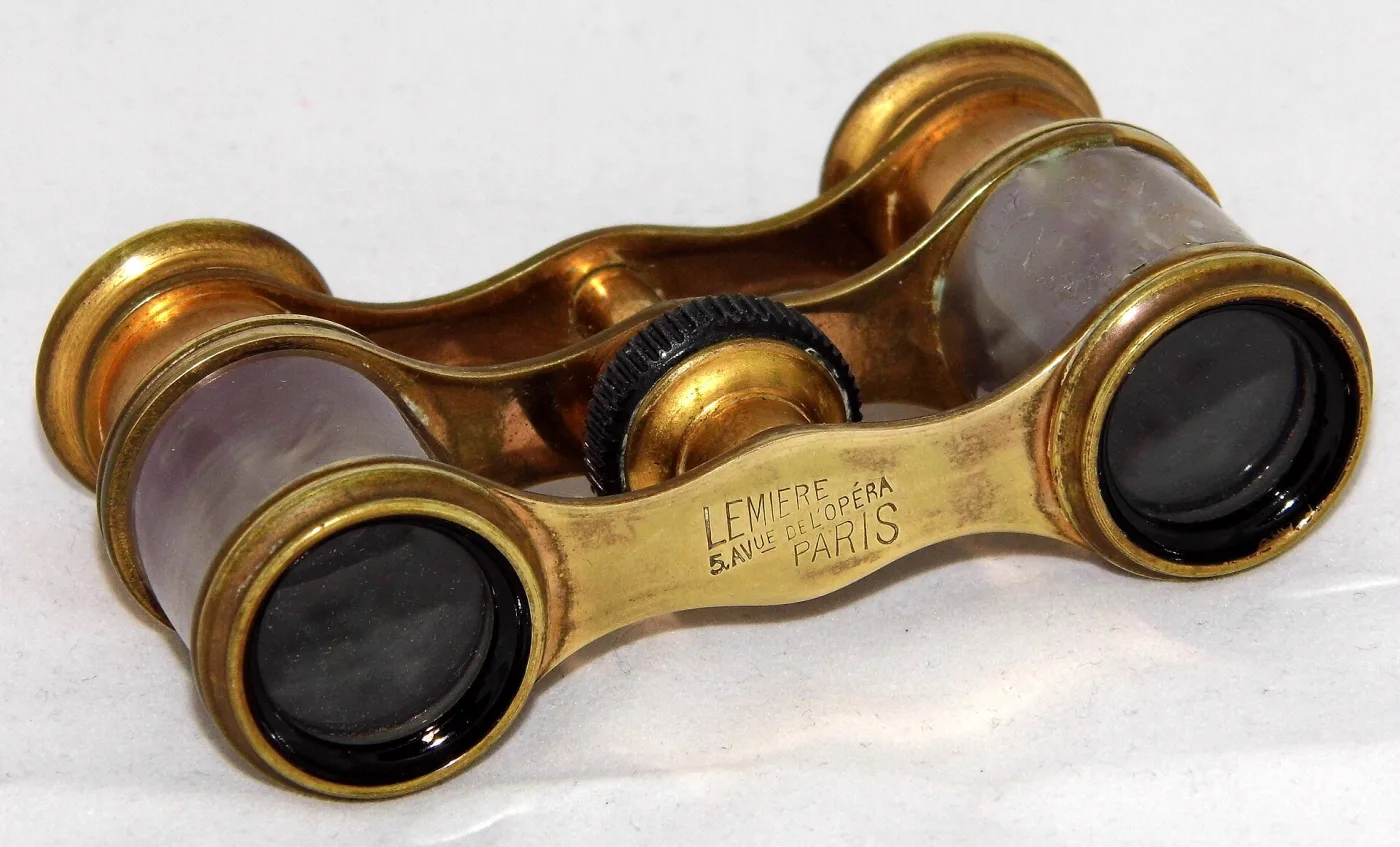
When examining opera glasses for marks, check the following locations systematically. The center focus wheel often bears the maker's name or logo engraved or embossed on the rim or face. The bridge connecting the two barrels may have marks on the top surface or underneath. The area around the eyepieces sometimes features small engraved marks or numbers. The objective lens bezels occasionally bear maker's information. On French binoculars, particularly antique examples, check under the bridges for tiny markings by turning the focus wheel all the way and examining with magnification. Some makers stamped marks on the internal brass barrels visible only when the eyepieces are fully extended.
Types of Marks
Maker's marks appear in various forms including full company names such as "Lemaire Paris" or "Dollond London," abbreviated names or initials, maker's logos or symbols like Lemaire's famous bee, city names indicating place of manufacture, patent numbers or dates, serial numbers, and quality marks or retailer stamps. The presence and clarity of marks significantly affect value, with well-marked pieces by famous makers commanding premiums over unmarked examples.
Interpreting French Marks
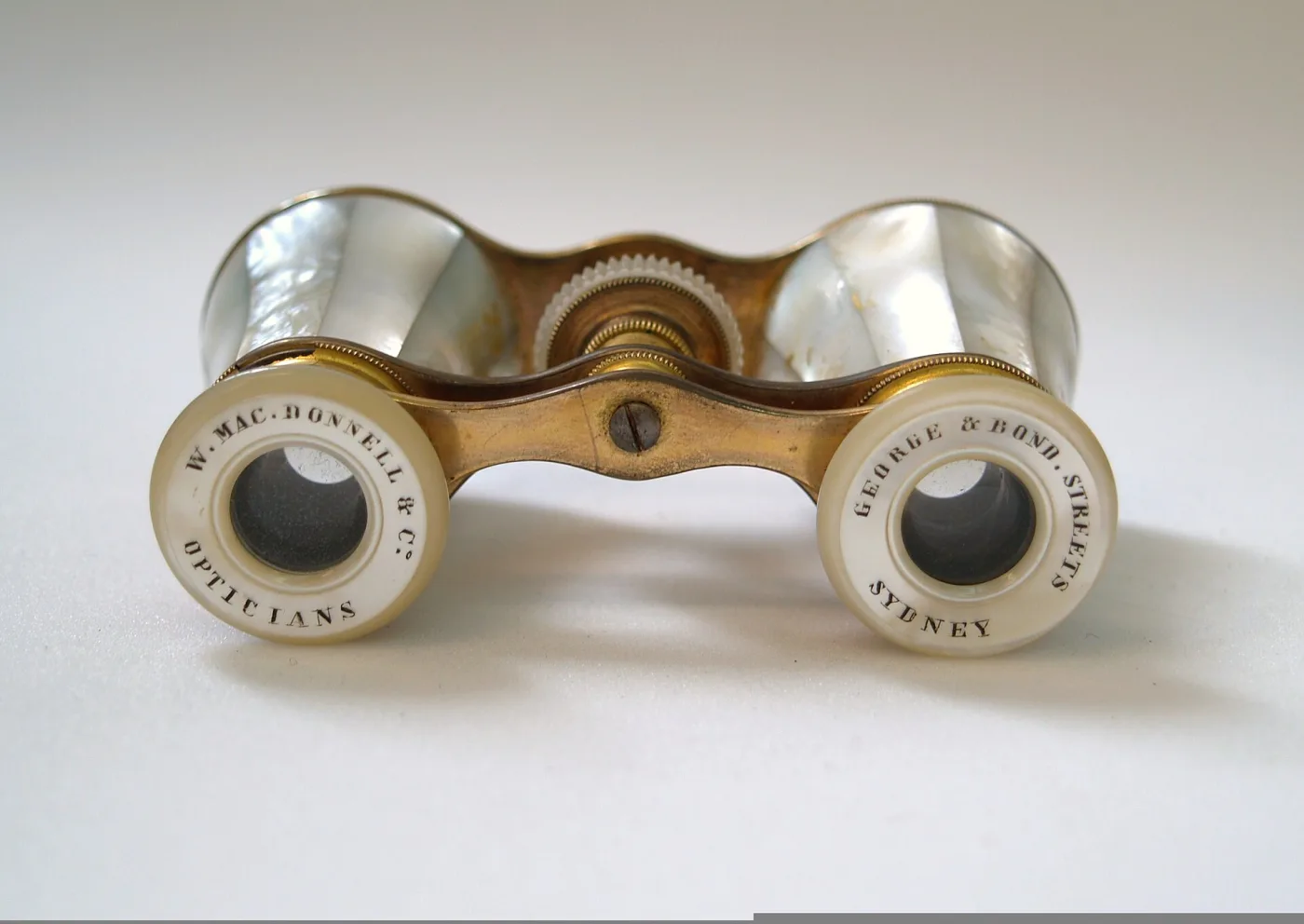
French opera glasses often have particularly small and subtle marks. Look for "Paris" or "Fab't" (abbreviation for fabricant, meaning manufacturer) combined with a maker's name. French marks may include decorative elements like stars, fleurs-de-lis, or the bee symbol. Some pieces have retailer marks in addition to or instead of maker's marks, indicating they were sold by prestigious optical shops. Numbers on French glasses may indicate model numbers, pattern numbers, or production sequences rather than dates.
British Marks
British opera glasses typically have clearer, more prominent markings than Continental examples. Look for the maker's name followed by "London" or occasionally other British cities. British makers often included street addresses, which can help with dating by researching when the company operated from that location. Some British pieces have hallmarks if they incorporate sterling silver components, which can provide precise dating.
Unmarked Opera Glasses
Many antique opera glasses, particularly less expensive or later production examples, bear no maker's marks. Unmarked glasses can still have value and collectibility based on materials, condition, and decorative appeal, though they typically sell for less than comparable marked pieces. Attribution of unmarked examples requires careful analysis of construction methods, materials, optical design, and stylistic elements to determine likely origin and period.
Dating Antique Opera Glasses
Accurately dating opera glasses requires examining multiple factors including optical design, mechanical features, materials, decorative styles, and maker's marks. Understanding the evolution of design and technology helps place pieces within specific time periods.
Early Period (1823-1850)
The earliest opera glasses from this period are quite rare. They feature simpler designs with less elaborate decoration than later examples. Pre-1825 pieces lack the center focus wheel and have individual barrel focusing. Early center focus examples from the 1820s-1840s have relatively crude mechanisms compared to later refinements. Materials are typically brass with simple covering or no covering at all. These early examples are highly prized by serious collectors for their historical significance despite often having less aesthetic appeal than later pieces.
Mid-Victorian Era (1850-1880)
This period saw increasingly elaborate decoration and refined manufacturing. Mother-of-pearl covering became popular and widely used. Gilt brass became standard for quality pieces. The decorative style reflects Victorian taste for ornament, with engraving, applied decoration, and elaborate cases becoming common. Optical quality improved with better lens grinding and coating techniques. Opera glasses from this period often represent the best combination of craftsmanship, materials, and functionality.
Late Victorian and Edwardian (1880-1914)
This era represents the peak of opera glass production and variety. Art Nouveau influence appears in French examples with flowing, organic decorative motifs. Enamel work reaches its highest level of refinement, particularly in French and Russian pieces. Miniature and novelty forms proliferate as makers compete for market share. Mass production techniques begin to influence construction, with some loss of individual craftsmanship but greater availability. This period offers collectors the widest variety of styles and price points.
Interwar Period (1918-1939)
Opera glass production declined significantly after World War I. Art Deco influence appears in some examples with geometric patterns and streamlined designs. Materials often show cost-cutting measures compared to earlier periods. Some pieces were produced primarily as souvenirs or novelties rather than serious optical instruments. Quality varies considerably, from continuation of traditional craftsmanship to cheap tourist items. Collecting focus for this period tends toward Art Deco examples with strong period design elements.
Dating Clues
Several specific features help narrow dating. The presence or absence of a center focus wheel indicates pre or post-1825. Decorative style follows broader artistic movements Victorian historicism, Art Nouveau, Art Deco. Patent numbers or dates if present provide direct dating evidence. Maker's addresses can be researched to determine when a company operated from that location. Materials and construction techniques reflect the technology and aesthetics of specific periods. Original cases with dated labels or receipts provide definitive dating evidence.

French Opera Glasses
French opera glasses represent the pinnacle of the form, combining superior optical quality with exquisite decorative artistry. Paris was the undisputed center of fine opera glass production throughout the 19th century, and French pieces are particularly prized by collectors today.
Characteristics of French Opera Glasses
French opera glasses can be identified by several typical characteristics. The optical quality is generally superior with well-ground lenses producing clear, bright images. Decorative work is often more elaborate and artistic than British or American examples. Materials include mother-of-pearl, enamel, and fine gilt in higher proportions. The mechanical execution shows refined engineering with smooth, precise focus mechanisms. French taste favored elegance and beauty, making even moderately priced French opera glasses attractive collectibles.
Parisian Makers
The concentration of skilled optical makers in Paris produced numerous important manufacturers including Lemaire the pioneer of the center focus mechanism, Chevalier known for scientific and luxury optics, Bardou a significant producer of quality pieces, Iris producing pieces often marked with an iris flower logo, and numerous smaller workshops producing both marked and unmarked pieces. Parisian pieces often command premium prices, particularly those with clear marks and excellent condition.
French Decorative Styles
French opera glasses showcase several distinct decorative approaches. Empire and Second Empire styles feature neoclassical motifs with gilt bronze, sphinxes, and architectural elements. Art Nouveau examples include flowing lines, floral motifs, and naturalistic forms, particularly from the 1890s-1910s. Belle Époque pieces emphasize luxury materials and refined elegance for the fashionable classes. Provincial French styles show regional variations, often more restrained than Parisian examples. Understanding these style categories helps with dating and valuation.
Finding French Marks
As noted earlier, French marks can be challenging to locate. They are often tiny and placed in inconspicuous locations. Use strong magnification and good lighting to check all possible mark locations. The undersides of bridges are a particularly common location for French marks. Look for the bee symbol associated with Lemaire, which may appear without text. Even unmarked pieces can often be attributed to French origin based on construction style, optical characteristics, and decorative elements. French opera glasses without clear marks sell for less than comparable marked pieces but still have value based on quality and aesthetics.
Victorian and Edwardian Opera Glasses
British opera glasses from the Victorian and Edwardian periods reflect British manufacturing excellence and taste. While generally less ornate than French examples, they represent solid construction and reliable optics.
Victorian British Characteristics
Victorian British opera glasses typically exhibit practical, well-engineered construction with emphasis on functionality over pure decoration. Common features include leather or morocco covering in black or brown, often with gold tooling, solid brass construction with less gilt than French examples, clear maker's marks typically including London addresses, and fitted cases in leather or wood with velvet-lined interiors. British pieces are valued for quality construction and clear provenance rather than elaborate decoration.
British Makers to Look For
Several British makers produced notable opera glasses. Dollond, mentioned earlier, is the most prestigious name in British optical instruments. Ross produced excellent quality scientific and consumer optics. Negretti & Zambra made instruments and opera glasses with good construction. J. H. Steward supplied military and civilian optical goods. Watkins & Hill operated in Charing Cross, London, producing quality pieces. British maker's marks are typically clear and prominently placed, making identification straightforward.
Edwardian Refinement
Opera glasses from the Edwardian period (1901-1910) show subtle evolution from Victorian styles. They often feature slightly lighter construction reflecting changing fashion, Art Nouveau influence in decorative elements on some pieces, continued emphasis on quality optics and mechanisms, and use of more varied materials including colored leather and decorative metals. Edwardian pieces represent the last flowering of traditional craftsmanship before World War I disrupted production.
Collecting British Opera Glasses
British examples offer excellent value for collectors, often being less expensive than comparable French pieces while still offering solid quality. Look for pieces by major makers with clear marks, original cases which add significant value to British pieces, and good optical condition as British lenses can deteriorate if stored poorly. British opera glasses make excellent starter pieces for new collectors and offer reliable quality at modest prices.
Lorgnettes and Handle Styles
Lorgnette opera glasses with their distinctive handles represent an elegant variation that was particularly fashionable among women in the late 19th and early 20th centuries. The handle allowed for graceful, one-handed use and added to the decorative appeal.
Handle Mechanisms
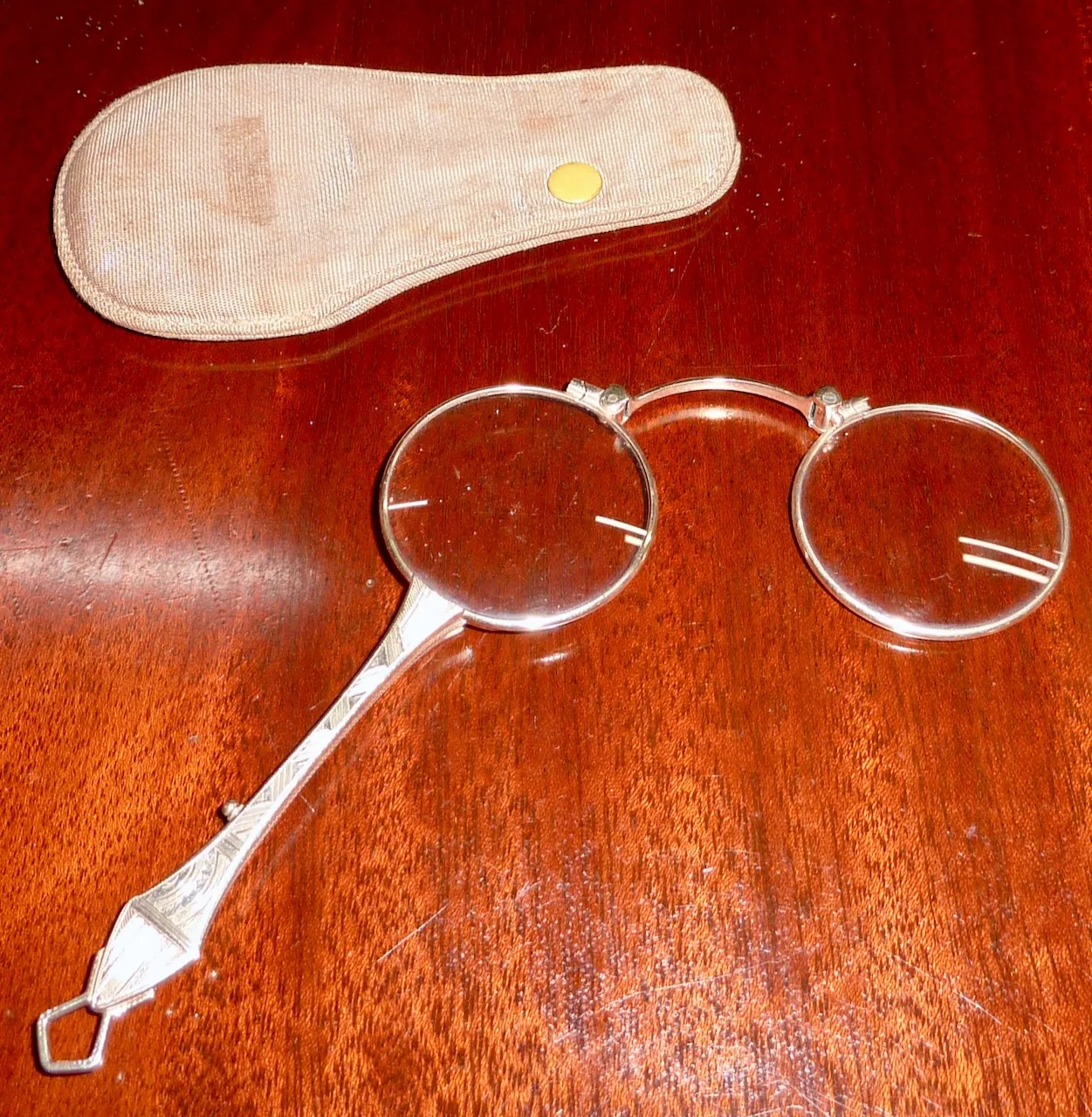
Lorgnette handles employ various mechanical solutions for storage and use. Folding handles pivot at the base and fold alongside the barrels when not in use, securing with a small catch. Telescoping handles slide into the body of the glasses when collapsed and extend for use. Fixed handles remain in a permanent extended position, making for elegant but less portable pieces. Rotating handles can swivel to different positions for comfortable viewing angles. The complexity and execution of the handle mechanism significantly affects value, with smoothly operating, well-designed examples commanding premiums.
Handle Materials and Decoration
Lorgnette handles showcase the same range of decorative materials as the glasses themselves. Mother-of-pearl handles often feature carved or engraved designs matching the barrel decoration. Tortoiseshell handles provide elegant contrast with gilt metal fittings. Enamel work on handles represents the height of luxury with painted scenes or geometric patterns. Gilt metal handles may have engraved decoration, filigree work, or applied ornaments. Some exceptional pieces have handles incorporating gemstones, though these are extremely rare. The condition of handle decoration is crucial for value, as handles were subject to considerable handling and wear.
Regional Lorgnette Styles
Different regions developed distinct lorgnette styles reflecting national tastes. French lorgnettes tend toward elaborate decoration with mother-of-pearl and enamel being particularly common. British examples are typically more restrained with leather or simple metal handles. Russian lorgnettes may feature distinctive enamel work and Cyrillic inscriptions. Austrian pieces often show Germanic precision engineering in the handle mechanisms. Understanding regional characteristics helps with attribution and dating of unmarked examples.
Valuation of Lorgnettes
Lorgnettes generally command higher prices than comparable regular opera glasses due to their relative scarcity and the additional craftsmanship required. A properly functioning handle mechanism is essential for full value, as repairs can be difficult and expensive. Handle decoration should match or complement the barrel decoration for maximum value. Original lorgnette cases are rarer than regular cases and add significant value. The best lorgnettes combine excellent optical quality, beautiful decoration, and smoothly functioning mechanisms.
Original Cases and Presentation
Original cases are important accessories that protect opera glasses and significantly enhance their value and collectibility. Understanding case types and their proper matching to glasses helps collectors identify complete sets and assess value accurately.
Types of Opera Glass Cases
Several case styles were used for opera glasses. Leather cases are the most common, ranging from simple black leather to elaborate morocco with gold tooling and embossing. Hardshell cases feature papier-mâché, wood, or pressed leather construction covered in leather, velvet, or decorative paper. Metal cases, typically in brass or silver-plate, were used for finer pieces and offer superior protection. Silk or velvet pouches provided basic protection for less expensive glasses. Combination cases incorporated storage for glasses plus accessories like theater programs or compacts. The case should be appropriately sized and styled for the glasses, with better quality glasses typically having more elaborate cases.
Case Interiors
Case interiors reveal much about quality and authenticity. Better cases feature velvet or silk lining, typically in purple, cream, or other rich colors. The lining should have shaped recesses or cushioning specifically fitted to the opera glasses. Maker's or retailer's labels may be present on the interior lid, providing valuable identification information. Some cases include compartments for accessories or spare lenses. The quality of case construction and lining should match the quality of the glasses themselves.
Matching Cases to Glasses
Determining whether a case is original to a particular pair of opera glasses requires careful observation. The glasses should fit precisely in the case recesses without excessive movement or gaps. Wear patterns on the case interior should correspond to the glasses' shape and decorative elements. The case style and materials should be appropriate to the period and quality of the glasses. Maker's marks or retailer names on both glasses and case that match or are compatible suggest originality. A proper marriage between glasses and case adds 20-40% to value compared to glasses alone, while mismatched or replacement cases add minimal value.
Case Condition Issues
Opera glass cases are subject to specific condition problems that affect value. Leather deterioration including cracking, flaking, or desiccation is common in old cases. Interior lining may show fading, staining, or separation from the case structure. Hinges and clasps often show wear or breakage from repeated opening. Labels may be damaged, faded, or missing entirely. Mold or mildew damage can affect both exterior and interior. Cases in excellent condition are increasingly scarce and add significant value. Moderate condition issues are acceptable to most collectors if the case is original and the damage is not severe.
Condition Assessment
Accurately assessing the condition of antique opera glasses is essential for determining value and making informed collecting decisions. Opera glasses are subject to various forms of deterioration that affect both aesthetics and functionality.
Optical Condition
The optical elements require careful examination. Lenses should be inspected for clarity without excessive cloudiness, scratches, chips, or cracks. Internal fungus growth appears as fuzzy white or gray patches and compromises image quality. Separation or delamination of lens elements occurs in some older pieces where multi-element lenses were used. Lens coatings on later pieces may show deterioration. Proper optical alignment is essential, with both barrels producing a unified image without double vision. Optical problems can be difficult and expensive to repair, significantly affecting value.
Mechanical Condition
The focus mechanism should operate smoothly without excessive looseness, binding, or grinding sensations. Check that both barrels move together uniformly when the focus wheel is turned. Lorgnette handles should operate smoothly with catches engaging properly. Any folding or extending mechanisms should function as designed without forcing. Internal mechanisms should not rattle or have excessive play. Mechanical repairs can often be performed by skilled craftspeople but should be reflected in valuation.
Decorative Surface Condition
Decorative materials require detailed examination. Mother-of-pearl should be assessed for cracks, chips, flaking, losses, and separation from the brass substrate. Enamel work should be examined for chips, cracks, color loss, or areas of complete loss. Gilt surfaces typically show wear, particularly on raised areas and the focus wheel, with moderate wear acceptable but extensive gilt loss affecting value. Tortoiseshell should be checked for cracks, lifting, losses, or repairs. Leather covering may show cracking, losses, staining, or separation. The degree of decorative condition problems directly correlates with value reduction.
Structural Condition
The basic structure should be sound without cracks, dents, or deformation in the brass barrels or bridge. Verify that screws are present and secure. Check that eyecups are intact without chips or losses. Ensure objective bezels are secure without looseness. Look for previous repairs which may or may not have been executed properly. Structural damage can compromise both appearance and functionality and requires careful evaluation of repairability.
Condition Grading
Collectors use several condition grades when describing opera glasses. Excellent or museum quality indicates minimal wear with all decorative elements intact, optics clear, mechanism perfect, and original case in fine condition. Very good condition shows light wear appropriate to age, small imperfections in decoration, good optical and mechanical function. Good condition has moderate wear with some losses to decoration, optics functional but perhaps not perfect, mechanism working but may need adjustment. Fair condition exhibits significant wear, notable decorative losses, optical or mechanical problems, missing case or damaged case. Poor condition indicates extensive damage, non-functional optics or mechanism, severe decorative losses. Honest condition assessment is crucial for fair pricing.
Authentication and Reproductions
The antique opera glass market includes reproductions, fakes, and misrepresented pieces that collectors must learn to identify. Understanding authentication is essential for making sound purchases.
Modern Reproductions
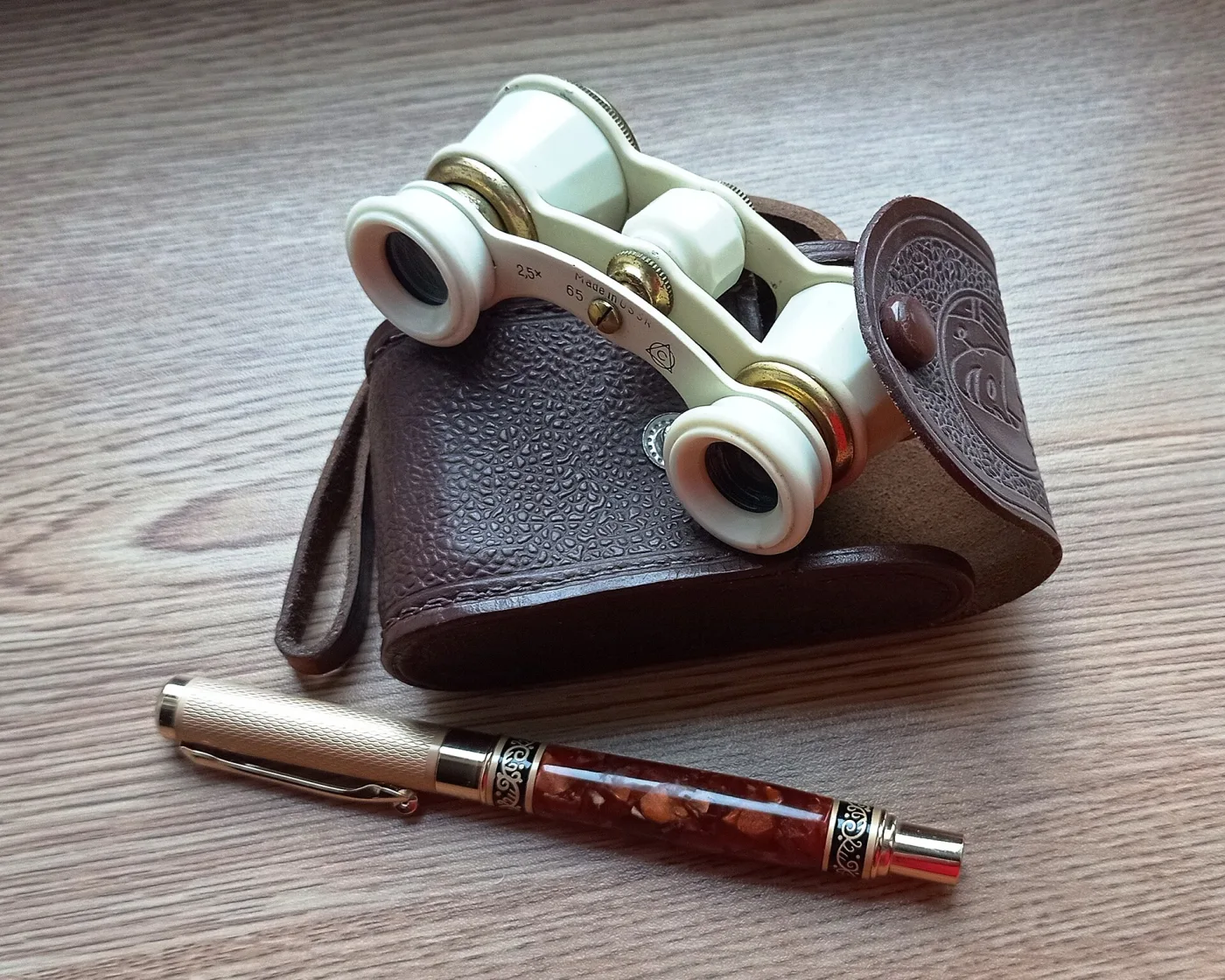
Numerous modern reproductions of opera glasses exist, produced both as honest decorative items and as deliberate fakes. Modern pieces often show several telltale signs including overly perfect condition inappropriate for age, plastic components particularly in eyepieces or decoration, machine-made precision lacking hand-finishing details, modern adhesives visible under magnification, optical quality either too good or too poor for purported period, and fake or copied marks often poorly executed. Genuine antique opera glasses show wear patterns consistent with age and use, while reproductions may have artificial aging or suspiciously pristine condition.
Married Pieces and Replaced Components
Some opera glasses have had components replaced or have been assembled from parts of different examples. Look for mismatched decoration or materials between components, variation in gilding color or quality between parts, improper fit of eyepieces or other elements, marks on some parts but not others where marks would be expected, and modern screws or fittings mixed with antique components. Married pieces have reduced value compared to completely original examples and should be priced accordingly.
Enhanced or Over-Restored Pieces
Some antique opera glasses have been over-restored or enhanced beyond their original condition. Problems include regilding which removes original patina and surface character, replaced decorative elements not original to the piece, re-enameling or touchup that differs from original work, modern mother-of-pearl or tortoiseshell replacing damaged original material, and aggressive polishing that removes patina and softens details. While careful conservation is acceptable and sometimes necessary, extensive restoration should be disclosed and reflected in pricing. Original surface and patina are valued by serious collectors.
Fake Marks and Misattributions
Some pieces have had marks added or altered to suggest prestigious makers. Examine marks carefully with magnification, comparing them to documented examples of the maker's genuine marks. Fake marks often show incorrect fonts, proportions, or placement, evidence of modern engraving techniques, marks on unusual locations where the maker didn't typically sign, or marks inconsistent with the piece's construction or style. Unmarked pieces honestly sold as such are preferable to pieces with questionable marks.
Developing Authentication Skills
Collectors can develop authentication skills through several approaches. Study documented examples in museums and quality reference books to understand genuine pieces. Handle and examine as many authenticated pieces as possible to develop a feel for proper weight, construction, and finish. Learn about appropriate construction techniques and materials for different periods. Consult with experienced collectors, dealers, or appraisers when uncertain. Join collecting clubs or online communities to share knowledge and ask questions. When in doubt about authenticity, seek expert opinion before making significant purchases.
Valuation Factors
Determining the value of antique opera glasses involves weighing multiple factors including maker, materials, condition, rarity, and current market demand. Understanding these factors helps collectors make informed buying and selling decisions.
Maker and Marks
The manufacturer significantly impacts value. Top-tier makers like Lemaire, particularly with clear marks, command premium prices often £100-500 or more for excellent examples. Prestigious British makers like Dollond or Ross typically sell for £80-300 depending on model and condition. Other known makers with clear marks generally range £40-150 based on quality and materials. Unmarked or obscure maker pieces typically sell £20-80 unless exceptional in materials or decoration. Clear, well-placed marks add 30-50% to value compared to unmarked equivalents.
Materials and Decoration
Decorative materials dramatically affect value. Enamel work in excellent condition represents the highest value tier, often £300-1000+ for fine examples. Mother-of-pearl in excellent condition typically ranges £80-250 depending on elaborateness. Tortoiseshell examples generally sell £60-200 based on quality and size. Gilt brass with good gilding preservation ranges £30-120. Plain brass or leather-covered examples typically sell £20-60. Exceptional decoration or rare materials can push values considerably higher.
Type and Form
The form of the opera glasses influences value. Lorgnettes with well-functioning mechanisms and good decoration typically command 30-50% premiums over regular glasses. Miniature examples less than 4cm in excellent condition can sell for £150-400 due to rarity and charm. Unusual or novelty forms command premiums based on ingenuity and rarity. Regular standard form pieces represent the baseline value determined by other factors.
Condition Impact
Condition dramatically affects value. Excellent condition pieces command full market value. Very good condition typically sees 15-25% reduction from excellent. Good condition results in 30-50% reduction. Fair condition brings 50-70% reduction. Poor condition pieces may have minimal value unless exceptionally rare. Optical problems typically reduce value 20-40%. Significant mechanical issues reduce value 25-50%. Extensive decorative losses can reduce value 40-70%.
Completeness and Provenance
Original, properly fitted cases add 20-40% to value. Documentation including original receipts, ownership history, or maker's papers adds 10-30%. Known provenance from significant collections or historical figures can substantially increase value. Complete sets with original accessories enhance value.
Market Factors
Current market values reflect several trends. Interest in optical collectibles remains steady with dedicated collector base. French pieces generally command premiums over British equivalents. Enameled examples are increasingly sought after with rising prices. Simple examples have become more affordable entry points. Regional variations exist with stronger markets in Europe than North America. Online selling has expanded market reach but also increased competition.
Current Market and Collecting Trends
The market for antique opera glasses reflects broader trends in antique collecting while maintaining specific characteristics particular to optical instruments and decorative antiques.
Price Ranges and Market Segments
The opera glass market segments into distinct price tiers. Entry-level pieces including simple brass or leather-covered examples with no marks and average condition typically sell for £20-60 and offer accessible collecting opportunities. Mid-range collectibles such as marked examples by known makers with mother-of-pearl or gilt decoration in good condition generally sell for £60-200 and represent the core collecting market. Premium pieces including lorgnettes, enamel work, miniatures, and examples by prestigious makers in excellent condition with cases range £200-500. Investment-grade rarities featuring exceptional enamel, documented important provenance, and pristine condition can exceed £500-1000+.
Where to Buy and Sell
Several market venues serve opera glass collectors. Auction houses, both major international houses and regional auctioneers, regularly offer opera glasses with documented provenance and condition reports. Antique dealers specializing in scientific instruments or optical collectibles provide expertise and guarantees. Online marketplaces including dedicated sites and general platforms offer wide selection but require buyer caution. Antique shows and fairs allow hands-on examination before purchase. Estate sales occasionally yield finds, often at favorable prices. Each venue has advantages and considerations regarding price, selection, and buyer protection.
Collecting Specializations
Many collectors focus on specific aspects of opera glasses. Some specialize by maker, collecting examples from one prestigious manufacturer. Others focus on materials such as mother-of-pearl, enamel work, or tortoiseshell. Some collect by nationality, assembling French, British, or Russian examples. Lorgnette specialists focus exclusively on handled examples. Miniature collectors seek the smallest, most intricate pieces. Thematic collectors might focus on specific decorative motifs or periods. Specialized collecting allows development of deep expertise and can lead to important reference collections.
Investment Considerations
Opera glasses can be considered for investment purposes with appropriate expectations. Quality pieces by important makers have shown steady value appreciation over decades. Rare forms and exceptional decoration provide best investment potential. The market is relatively stable without dramatic fluctuations. Liquidity is moderate, requiring time to find appropriate buyers for premium pieces. Condition is critical for maintaining and appreciating value. Investment-grade pieces should have excellent provenance, documentation, and condition. Collectors should focus primarily on personal enjoyment rather than pure investment, viewing any appreciation as a bonus.
Future Market Trends
Several trends may shape the future opera glass market. Interest in optical collectibles shows sustained demand from dedicated collectors. Appreciation for craftsmanship and decorative arts supports values for quality pieces. Supply of premium examples may tighten as collections are formed and held. Younger collectors show interest in accessible entry-level pieces. Museum interest in comprehensive optical collections may increase competition for exceptional examples. Documentation and provenance will likely become increasingly important for premium pieces. Online markets will continue expanding access while potentially increasing price transparency and competition.
Care and Preservation
Proper care of antique opera glasses preserves both their functionality and value. These delicate optical instruments require specific handling and storage to prevent deterioration.
Handling Antique Opera Glasses
Always handle opera glasses with clean, dry hands or cotton gloves to prevent transferring oils and acids. Hold pieces by the barrels rather than decorative elements which may be fragile. Avoid excessive manipulation of mechanisms to prevent wear. Use gentle pressure when operating focus wheels. Support lorgnette handles carefully as mechanisms can be fragile. Never force any mechanism that doesn't move smoothly. When examining pieces, work over a soft surface to prevent damage if dropped.
Cleaning and Maintenance
Cleaning should be minimal and careful. Dust can be removed with a soft brush or compressed air. Exterior metal surfaces can be very gently wiped with a slightly damp soft cloth, then immediately dried. Never use metal polishes on antique gilding as they remove precious original finish. Lenses should be cleaned only when necessary using proper optical cleaning solutions and microfiber cloths. Mother-of-pearl should never be immersed in water but can be very gently wiped if necessary. Enamel should be dusted only, never scrubbed. Leather covering can be lightly cleaned with specialized leather cleaners after testing on an inconspicuous area. When in doubt, leave cleaning to professional conservators.
Storage Conditions
Proper storage prevents deterioration. Opera glasses should be stored in their original cases when possible, providing protection and appropriate environment. If no case is available, wrap pieces in acid-free tissue in a clean box. Storage areas should maintain stable temperature and humidity, ideally 60-70°F and 40-50% relative humidity. Avoid attics, basements, or other areas with extreme or fluctuating conditions. Keep pieces away from direct sunlight which can fade decoration and damage materials. Store in locations with good air circulation to prevent mold. Check stored pieces periodically for any developing condition issues.
Display Considerations
If displaying opera glasses, take precautions to ensure preservation. Use display cases or cabinets that protect from dust and handling. Position pieces away from direct sunlight and strong artificial light. Maintain stable environmental conditions in display areas. Support pieces properly to prevent stress on mechanical parts. Rotate displayed items periodically to give pieces rest periods in dark storage. Consider using UV-filtering glass or acrylic in display cases. Label pieces clearly to discourage unnecessary handling.
Professional Conservation
Some condition issues require professional intervention. Optical problems including fungus, separated elements, or significant scratches need expert optical repair. Mechanical issues such as broken focus mechanisms, frozen screws, or damaged lorgnette handles require skilled mechanical work. Decorative restoration for losses to mother-of-pearl, enamel repairs, or tortoiseshell conservation should be performed by qualified conservators. Always use conservators experienced with optical instruments and decorative antiques. Document all conservation work with written reports and photographs. Understand that improper restoration can damage pieces and reduce value more than leaving them in original condition.
Building a Collection
Starting and developing an opera glass collection can be a rewarding pursuit combining historical research, aesthetic appreciation, and the thrill of discovery. Thoughtful collecting strategies enhance enjoyment and potential long-term value.
Starting Your Collection
New collectors should begin by educating themselves through reading reference books, visiting museum collections, attending antique shows to handle pieces, and joining collector organizations. Start with affordable entry-level pieces to learn about construction, condition issues, and market values without major financial risk. Consider focusing on a specific area such as a particular maker, nationality, material, or form to develop expertise. Set a realistic budget appropriate to your circumstances. Buy the best quality you can afford in your chosen collecting area. Keep detailed records of purchases including source, price, condition notes, and any historical information.
Developing Expertise
As your collection grows, deepen your knowledge by researching manufacturers' histories and production periods, learning to identify genuine marks and spot reproductions, understanding how different materials age and deteriorate, studying auction records to track market values, networking with other collectors to share knowledge, reading period sources to understand original use and social context, and examining as many pieces as possible to develop a trained eye. Expertise develops gradually through study and hands-on experience.
Upgrading Your Collection
Many collectors periodically upgrade by selling earlier purchases to fund better examples. This natural process allows refinement of focus and improvement of quality. Consider selling when you've learned enough to recognize that early pieces were poor value, you've found significantly better examples of similar types, your collecting focus has changed, or you need funds for an exceptional opportunity. Established collectors typically own fewer but finer pieces than beginners. Quality ultimately provides more satisfaction than quantity.
Documentation and Research
Maintain thorough documentation of your collection including detailed photographs from multiple angles, written descriptions noting all marks, dimensions, materials, and condition issues, purchase information with source, date, and price paid, research notes on maker history, provenance, or technical details, and conservation records for any restoration work. Good documentation enhances both enjoyment and value of your collection. Consider photographing pieces with scale references for accurate size documentation.
Collection Goals and Philosophy
Define what you want from collecting. Some collectors focus on historical completeness, assembling representative examples of different makers, periods, and types. Others pursue aesthetic appeal, collecting only pieces that speak to their personal taste. Investment-oriented collectors emphasize rarity, condition, and market potential. Many collectors combine approaches, seeking pieces that satisfy multiple criteria. Clear goals help guide purchasing decisions and build coherent, satisfying collections. Remember that the best collection is one that brings you personal satisfaction and joy.
Resources and References
Developing expertise in antique opera glasses requires consulting various resources and references. The following materials and organizations support collectors and researchers.
Reference Books
Several specialized books cover opera glasses and related optical collectibles. "Opera Glasses: Collections and History" provides comprehensive coverage of major examples and makers. "Antique Binoculars and Opera Glasses" offers technical information and identification guidance. General books on scientific instruments often include sections on opera glasses. Auction house catalogs from major sales provide documented examples with condition reports and realized prices. Book dealers specializing in scientific and optical works can help locate out-of-print references.
Museums and Exhibitions
Several museums maintain significant collections of optical instruments including opera glasses. Science museums worldwide often display historical optical instruments in their technology collections. Decorative arts museums may show opera glasses as examples of 19th-century luxury goods. Private museums dedicated to optical history exist in Europe. Temporary exhibitions occasionally focus on optical instruments and social history. Visiting museum collections provides opportunities to examine authenticated, documented examples and develop understanding of quality and condition standards.
Collector Organizations
Joining collector organizations provides access to expertise and community. The Scientific Instrument Society welcomes members interested in all forms of scientific and optical instruments. Various national antique clubs include members interested in opera glasses. Online forums and social media groups connect collectors worldwide for information sharing. Local antique collector clubs often have members with optical instrument interests. Organization newsletters, meetings, and conferences provide learning opportunities and networking with experienced collectors.
Online Resources
Digital resources support research and collecting. Online databases of maker's marks help identify unknown pieces. Auction archives allow tracking of market prices and researching similar examples. Specialized websites devoted to optical collectibles offer identification help and community forums. Digital libraries provide access to historical catalogs and technical literature. Online marketplaces allow market research even if not purchasing. Social media groups enable quick consultation with knowledgeable collectors worldwide.
Appraisal and Authentication Services
Professional services assist with evaluation and authentication. Specialized antique appraisers with optical instrument expertise provide formal written appraisals for insurance or estate purposes. Auction house specialists offer opinions and estimates for potential consignments. Museum curators may provide informal opinions on significant or unusual pieces. Conservation labs can analyze materials and construction methods for authentication. Professional services typically charge fees but provide valuable expert opinions for important pieces or authentication concerns.
Continuing Education
Ongoing learning enhances collecting success and enjoyment. Attend lectures and conferences on decorative arts and scientific instruments. Take courses on antiques identification or specific periods and styles. Visit dealers and auction previews regularly to examine pieces and ask questions. Read widely about the social history of theater, fashion, and optical technology. Engage with the collecting community through clubs and online forums. Build relationships with knowledgeable dealers and collectors who can serve as mentors. The most successful collectors remain perpetual students, always learning and refining their expertise.