
Antique Miniature Portrait Identification Guide: Artists, Materials & Valuation
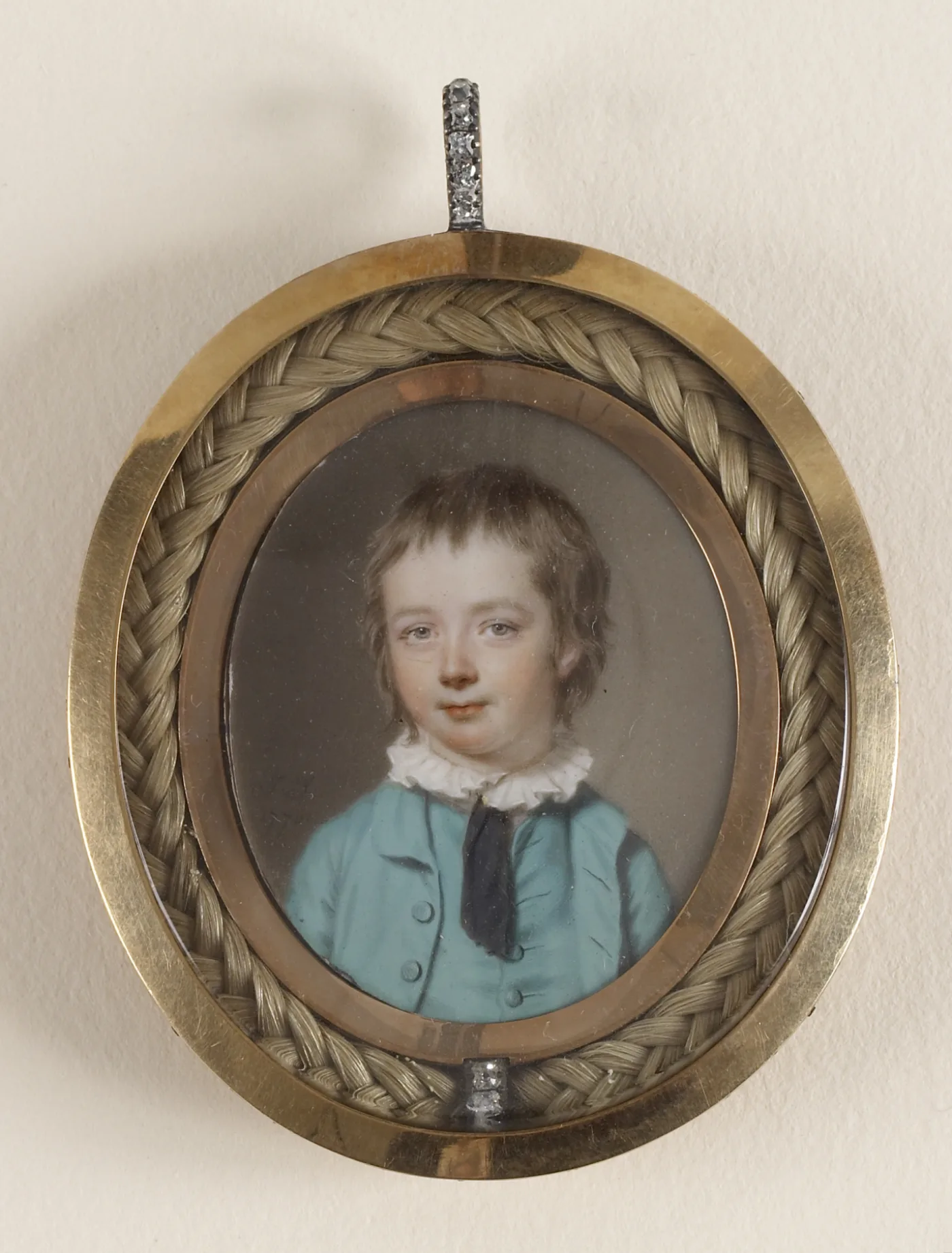
Portrait miniatures represent one of the most intimate and technically demanding art forms in collecting history. These exquisite pocket-sized paintings—often no larger than a playing card—served as personal keepsakes, love tokens, mourning jewelry, and diplomatic gifts for nearly four centuries. Painted on ivory, vellum, enamel, or copper with microscopic brushwork, each miniature captures not only a likeness but also the artistic conventions, social customs, and technological capabilities of its era. This comprehensive guide will equip you with the knowledge to identify, authenticate, date, and value antique portrait miniatures with scholarly precision and collector confidence.
Table of Contents
- Understanding Portrait Miniatures: History and Purpose
- Support Materials: Ivory, Vellum, Enamel, and Beyond
- Painting Techniques and Artistic Methods
- Cases, Frames, and Presentation Formats
- Artist Identification and Attribution
- Dating Methods and Period Characteristics
- Condition Assessment and Conservation
- Market Valuation and Collecting Strategies
- Frequently Asked Questions
Understanding Portrait Miniatures: History and Purpose
Portrait miniatures emerged during the Renaissance as a portable means of preserving and sharing likenesses in an age before photography. Their development mirrors broader social, technological, and artistic shifts across European and American history.
Historical Origins
The art of portrait miniature painting evolved from medieval manuscript illumination traditions:
- 16th Century Origins: The term "limning" derives from "illuminating," connecting miniatures to their manuscript heritage. Early Tudor court painters like Lucas Horenbout and Hans Holbein the Younger established the form in England.
- Continental Development: French and Italian courts simultaneously cultivated miniature traditions, with Jean Clouet and his son François creating remarkable works for the Valois court.
- Technical Evolution: Early miniatures on vellum gave way to ivory supports in the early 18th century, revolutionizing the medium's luminosity and precision.
- Global Expansion: The tradition spread to colonial America, India under the British Raj, and throughout European aristocratic networks.
Social Functions and Uses
Understanding why miniatures were commissioned helps contextualize their design and condition:
- Love Tokens: Exchanged between couples, often worn close to the heart in lockets or concealed in jewelry.
- Mourning Memorials: Commissioned after death, frequently incorporating hair of the deceased or symbolic imagery like urns and willows.
- Diplomatic Gifts: Monarchs exchanged portrait miniatures set in jeweled cases as symbols of alliance or matrimonial negotiation.
- Family Records: Served as portable family portraits, particularly valuable for military officers, sailors, and travelers.
- Status Symbols: Owning multiple miniatures by renowned artists demonstrated wealth, taste, and social connections.
Period Milestones
- 1520–1600: Tudor and Elizabethan limning on vellum, jewel-like colors, symbolic backgrounds.
- 1600–1700: Stuart and Continental Baroque styles, increased naturalism, enamel techniques perfected.
- 1700–1780: Georgian elegance, ivory becomes dominant support, powdered hair and pastel palette.
- 1780–1840: Golden age of miniature painting, larger formats, sophisticated compositions, sentimental themes.
- 1840–1900: Decline due to photography, but continued as luxury art form and revival pieces.
Support Materials: Ivory, Vellum, Enamel, and Beyond
The base material upon which a miniature is painted provides essential dating evidence and affects authentication strategies. Each support has distinctive characteristics that experienced collectors learn to recognize.
Ivory Supports
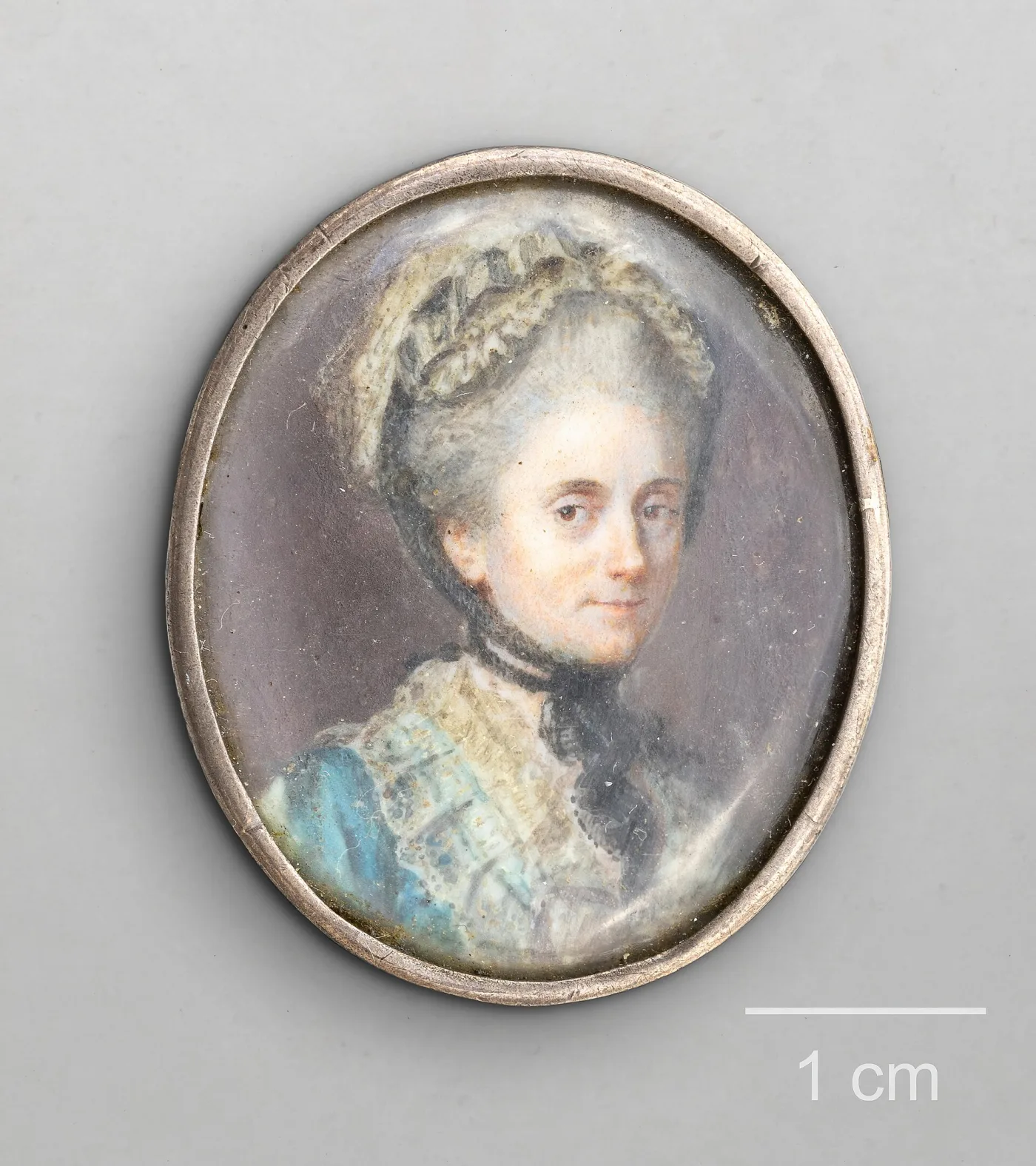
Thin slices of elephant ivory became the preferred support from approximately 1700 onward:
- Physical Characteristics: Genuine antique ivory shows fine grain lines running in one direction, warm cream coloring that deepens with age, and slight translucency when backlit.
- Thickness Variations: 18th century ivories are typically thinner (0.5–1mm) than 19th century examples, which often exceed 1.5mm.
- Cross-Hatched Grain: Elephant ivory displays a distinctive cross-hatched pattern (Schreger lines) visible under magnification, distinguishing it from bone or synthetic alternatives.
- Warping and Cracking: Ivory is hygroscopic; humidity fluctuations cause characteristic curved warping and fine stress cracks parallel to the grain.
- Legal Considerations: CITES regulations govern ivory trade; pre-1947 documented antiques typically qualify for exemptions, but verification requirements vary by jurisdiction.
Vellum and Parchment
Prepared animal skin was the original miniature support and remained in use throughout the tradition:
- Material Characteristics: Vellum shows fibrous texture under magnification, accepts paint differently than ivory, and exhibits age-related buckling.
- Card Mounting: Vellum was typically stretched over playing cards or specially prepared card stock for rigidity.
- Dating Implications: Vellum supports suggest earlier production (pre-1720) or deliberate archaism in later periods.
- Surface Preparation: Historic primers included pounce (ground pumice or cuttlefish bone) to improve paint adhesion.
Enamel Supports
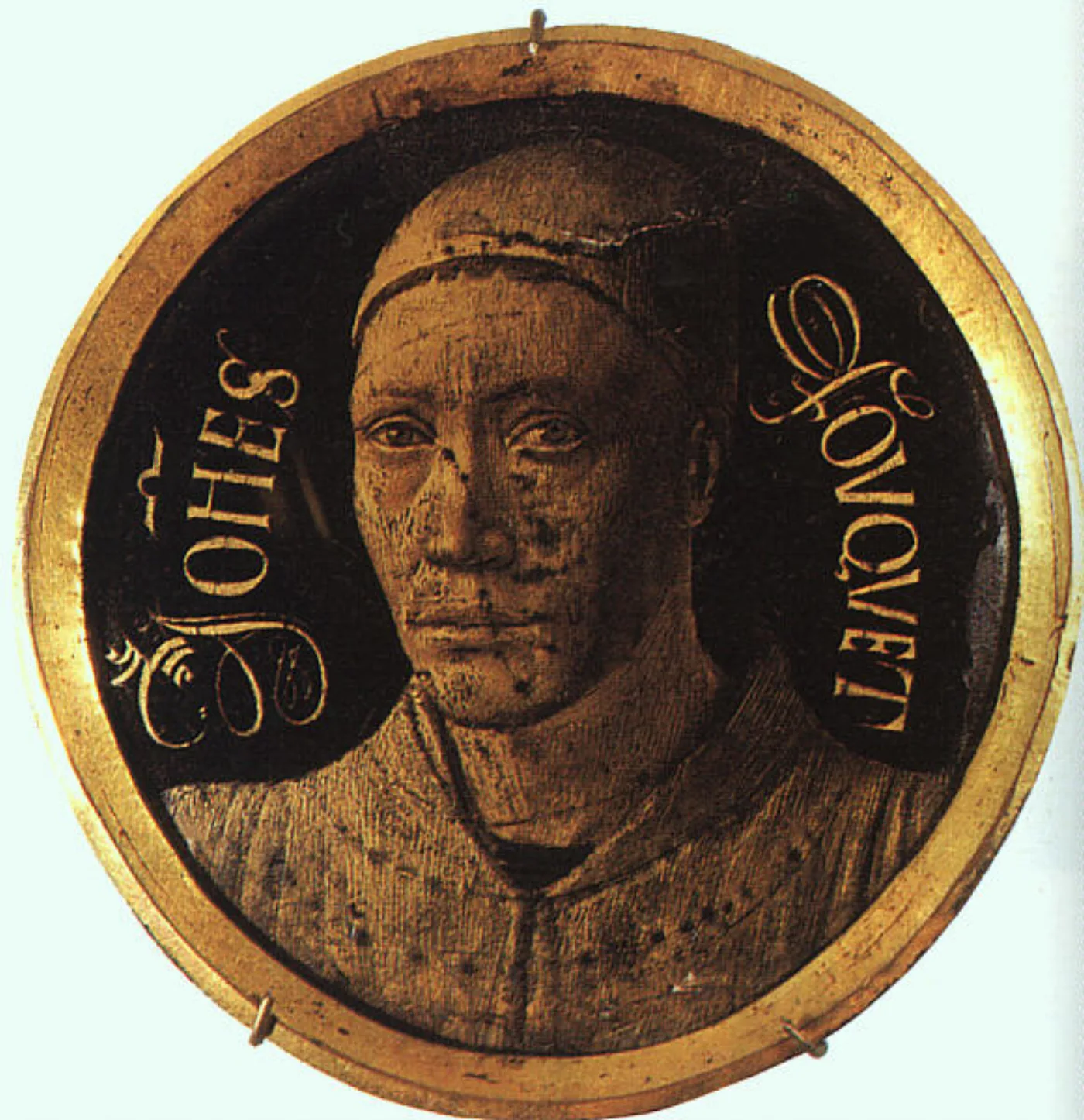
Vitreous enamel fused to copper or gold bases produced miniatures of exceptional durability and brilliance:
- Grisaille Technique: Early enamel portraits used gray underpainting with translucent color overlays.
- Petitot Tradition: Jean Petitot perfected enamel portraiture at the French and English courts, establishing standards that endured for centuries.
- Firing Evidence: Genuine enamel shows fused, glassy surface without brushwork texture; examine edges for kiln-formed characteristics.
- Color Stability: Unlike watercolor on ivory, enamel colors resist fading, making condition assessment different from other supports.
Alternative Supports
- Copper Plates: Oil-painted miniatures on copper were popular in Continental traditions, particularly Dutch and Flemish schools.
- Paper and Card: Amateur works and less expensive commissions sometimes used paper, now often brittle and foxed.
- Porcelain Plaques: 19th century Continental factories produced painted porcelain miniatures, distinct from true limning traditions.
- Celluloid and Ivorine: Late 19th and early 20th century synthetic ivory substitutes can be identified by uniform texture and characteristic smell when heated.
Painting Techniques and Artistic Methods
The technical execution of portrait miniatures evolved significantly over four centuries. Recognizing period-appropriate techniques helps authenticate works and identify later copies or forgeries.
Watercolor on Ivory Techniques
The dominant method from 1700 onward required specialized skills:
- Stippling: Fine dots of pigment built up flesh tones gradually, allowing the ivory's luminosity to show through. Density and regularity of stippling evolved over time.
- Hatching: Parallel brushstrokes created modeling in fabrics, hair, and backgrounds. Cross-hatching was common in earlier works.
- Glazing: Transparent washes over stippled areas added depth and color intensity, particularly in shadows.
- Gum Arabic Medium: Watercolor bound with gum arabic was standard; later works sometimes used newer binding agents with different surface characteristics.
Period-Specific Technical Indicators
- Early 18th Century: Dense stippling, opaque backgrounds, limited palette, formal poses.
- Mid-18th Century: Looser brushwork, sky backgrounds, increased color range, Richard Cosway's distinctive techniques.
- Late 18th Century: Large formats, elaborate compositions, virtuoso handling of fabrics and hair.
- Regency Period: Dramatic skies, romantic backgrounds, Andrew Robertson's broad stippling technique.
- Victorian Era: Photography influence, tighter technique, often after photographs.
Brushwork Analysis
Examination under magnification reveals technical signatures:
- Brush Size: Period brushes varied; some artists used single-hair brushes for eye details while others worked with slightly larger tools.
- Stroke Direction: Consistent stroke patterns suggest confident workshop practice; hesitant or irregular marks may indicate copies.
- Layering Sequence: Professional limners worked from background to foreground, face to costume; reversed sequences suggest amateur work.
- Underdrawing: Infrared examination sometimes reveals preliminary graphite sketches, providing evidence of working methods.
Pigment Analysis
- Period Pigments: Prussian blue (post-1706), chrome yellow (post-1797), and synthetic ultramarine (post-1828) provide dating termini.
- Fading Patterns: Carmine and other organic reds fade characteristically; fresh-looking reds on otherwise aged works warrant suspicion.
- White Lead: Traditional white lead darkens in sulfurous atmospheres; zinc white (post-1834) behaves differently.
- Scientific Testing: X-ray fluorescence and Raman spectroscopy can identify pigments definitively in museum-quality assessments.

Cases, Frames, and Presentation Formats
The housing of a portrait miniature often provides dating evidence independent of the painting itself. Original cases add significant value and historical context.
Locket and Pendant Formats
- Gold Lockets: Hallmarks on gold cases can precisely date British examples; French poinçons and Continental marks require specialized knowledge.
- Glazing: Convex glass protects the painting; flat or concave glass suggests replacement or later mounting.
- Hair Compartments: Reverse compartments for woven or braided hair indicate sentimental or mourning function.
- Enamel Borders: Guilloche enamel frames in blue, white, or green date primarily to 1780–1830.
- Pearl and Gemstone Borders: Seed pearl, paste, or precious stone surrounds indicate luxury commissions.
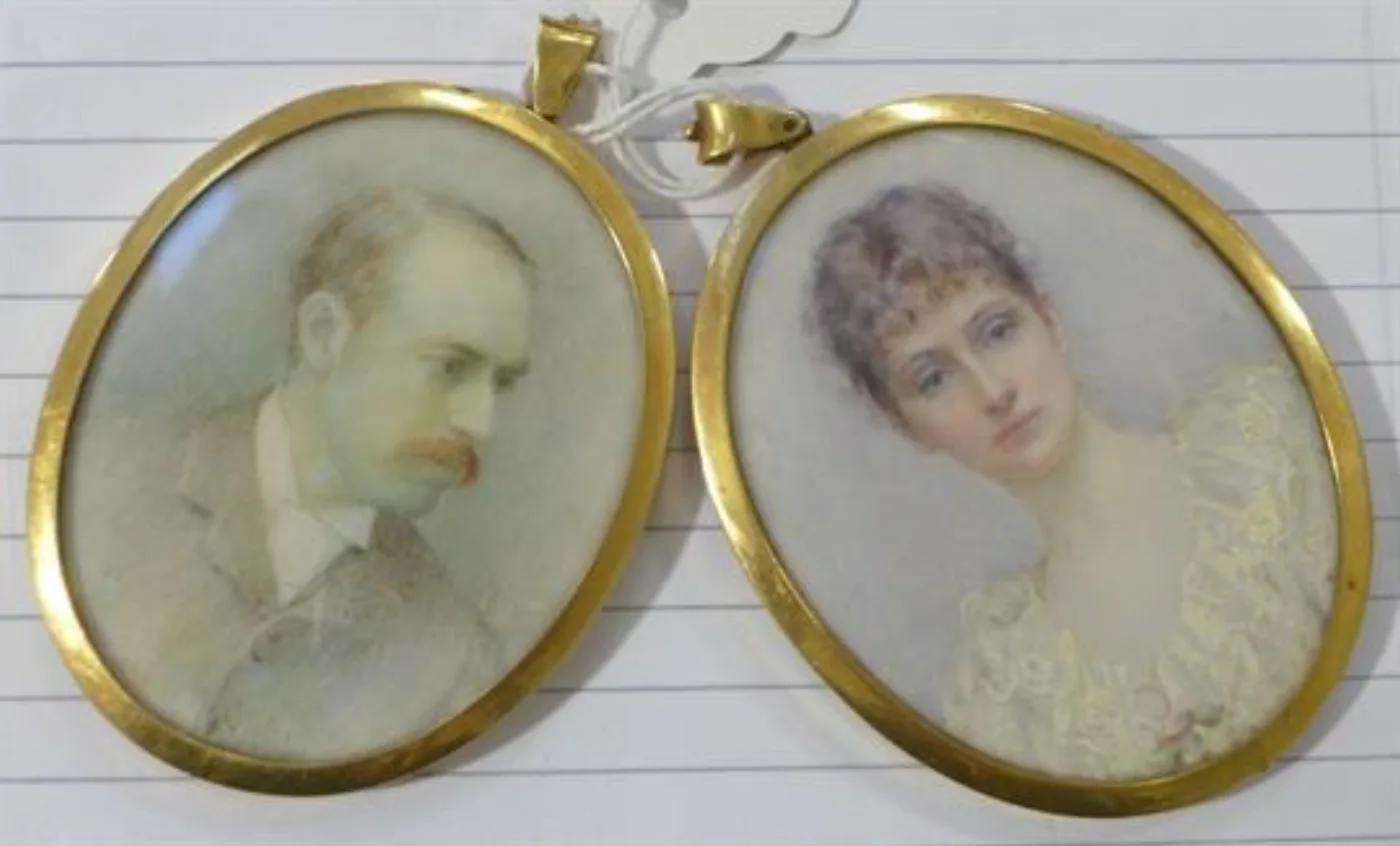
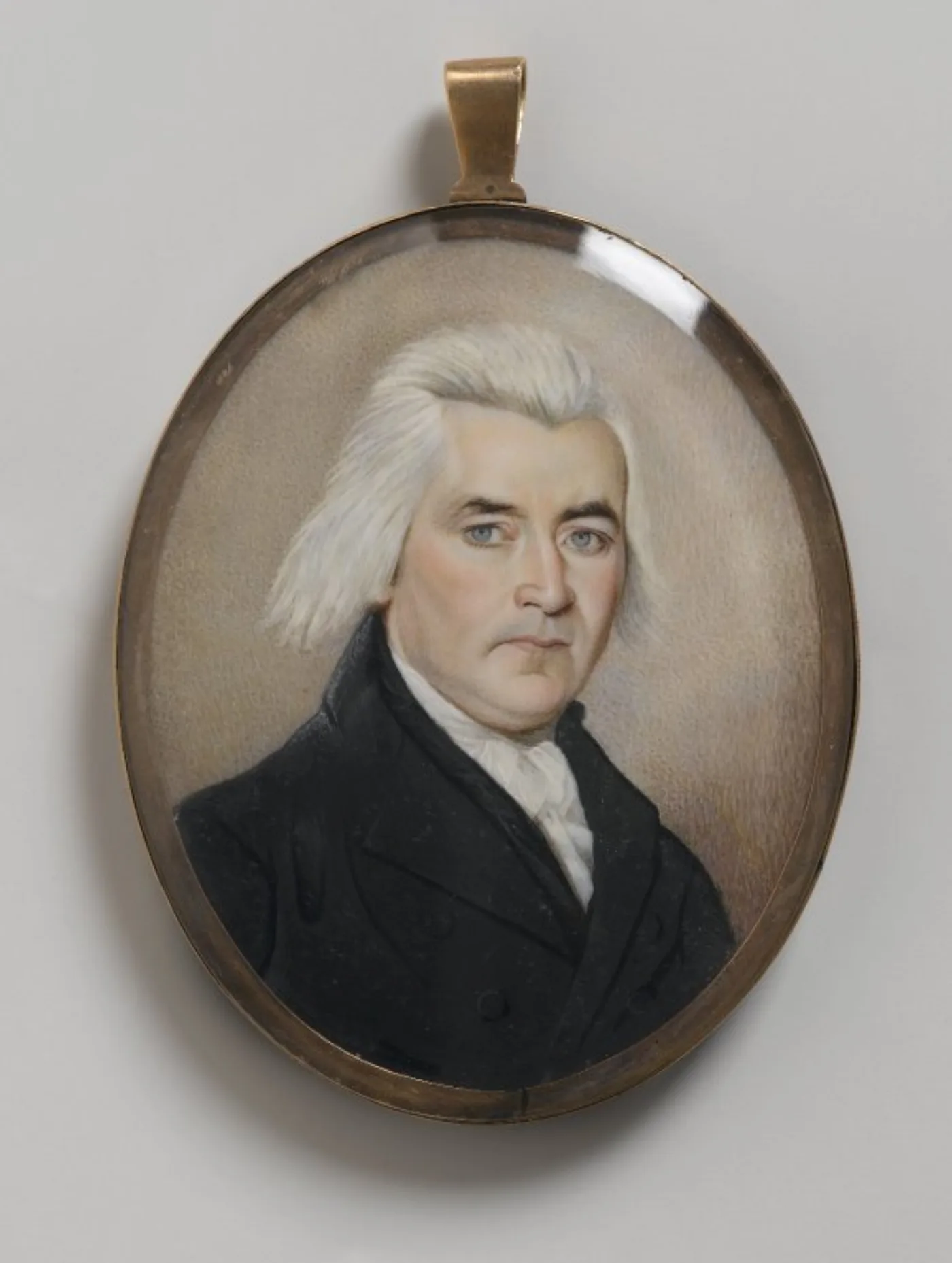
Pairs are worth far more together than apart, and they are separated constantly — by division of an estate, or by a dealer who can sell two lots more easily than one. If you are offered a single miniature whose frame, glazing and dimensions look like half of something, ask. Reuniting a split pair is one of the few ways a collector can add value rather than just pay for it.
Rectangular and Oval Frames
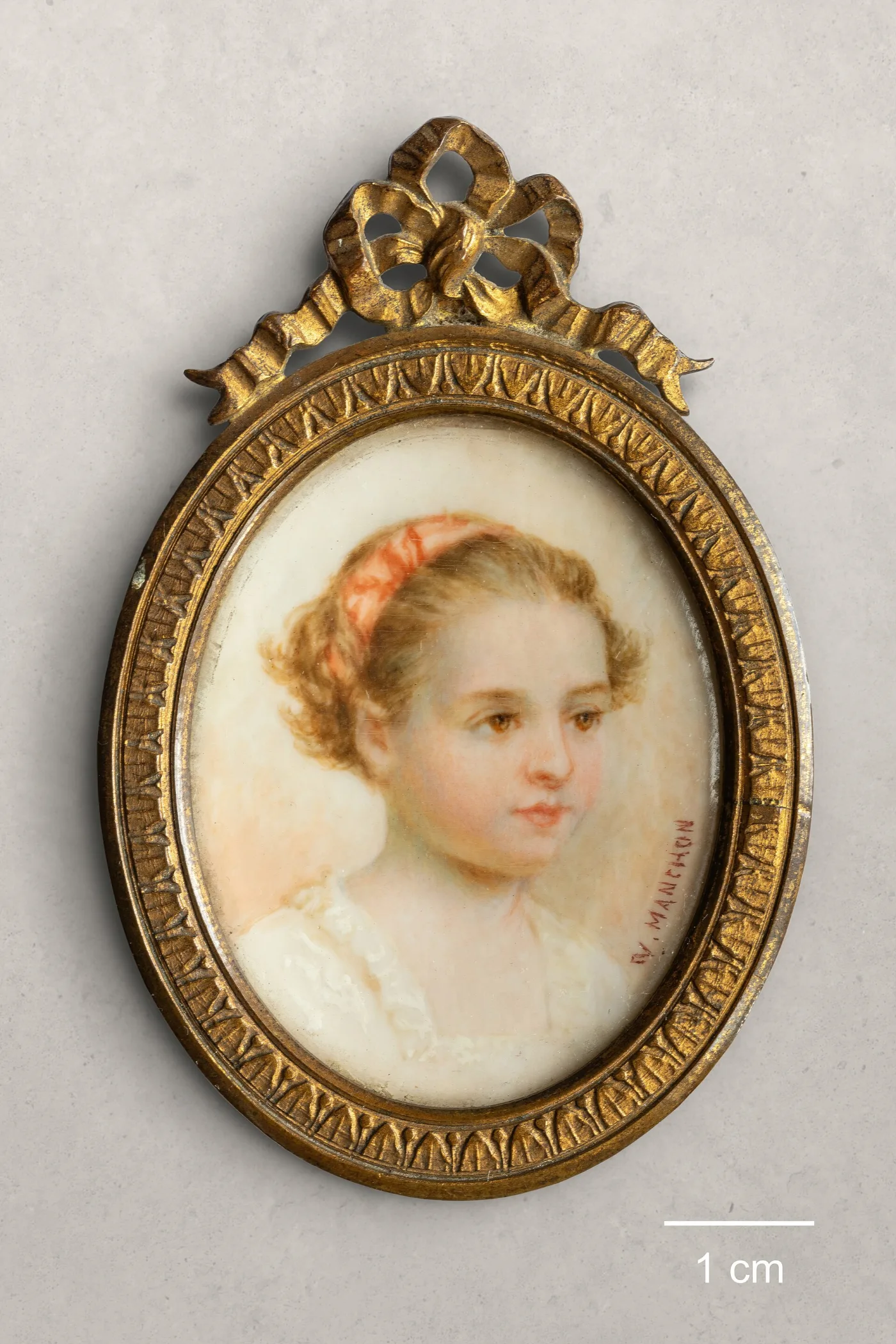
- Turned Ivory Frames: Ivory frames with tortoiseshell backs were popular for larger format 19th century miniatures.
- Papier-Mâché Cases: Pressed paper cases with velvet or silk linings were standard for mid-range works.
- Red Morocco Leather: Hinged leather cases suggest traveling or presentation pieces.
- Brass Table Frames: Late Victorian and Edwardian display frames converted earlier locket miniatures for tabletop display.
Special Formats
- Snuff Box Lids: Miniatures set into snuff box covers combined portraiture with practical luxury objects.
- Bracelet Clasps: Multiple small miniatures were set into articulated gold bracelets, particularly during the 1820s–1840s.
- Ring Bezels: Extremely small miniatures in ring settings represent the pinnacle of microscopic painting skill.
- Cabinet Frames: Elaborate carved gilt frames housing multiple family miniatures indicate collection formation.
Case Analysis Tips
- Period Consistency: Assess whether case style matches painting date; mismatched components affect value.
- Hinge and Clasp Wear: Original hinges show consistent wear patterns; replaced hardware is often visually distinct.
- Interior Marks: Engraved names, dates, or inscriptions on case interiors provide provenance evidence.
- Glass Condition: Original glass may show fine scratches, iridescence, or characteristic bubbles.
Artist Identification and Attribution
Attributing portrait miniatures to specific artists dramatically affects value and requires careful comparative analysis.
Documented Artists
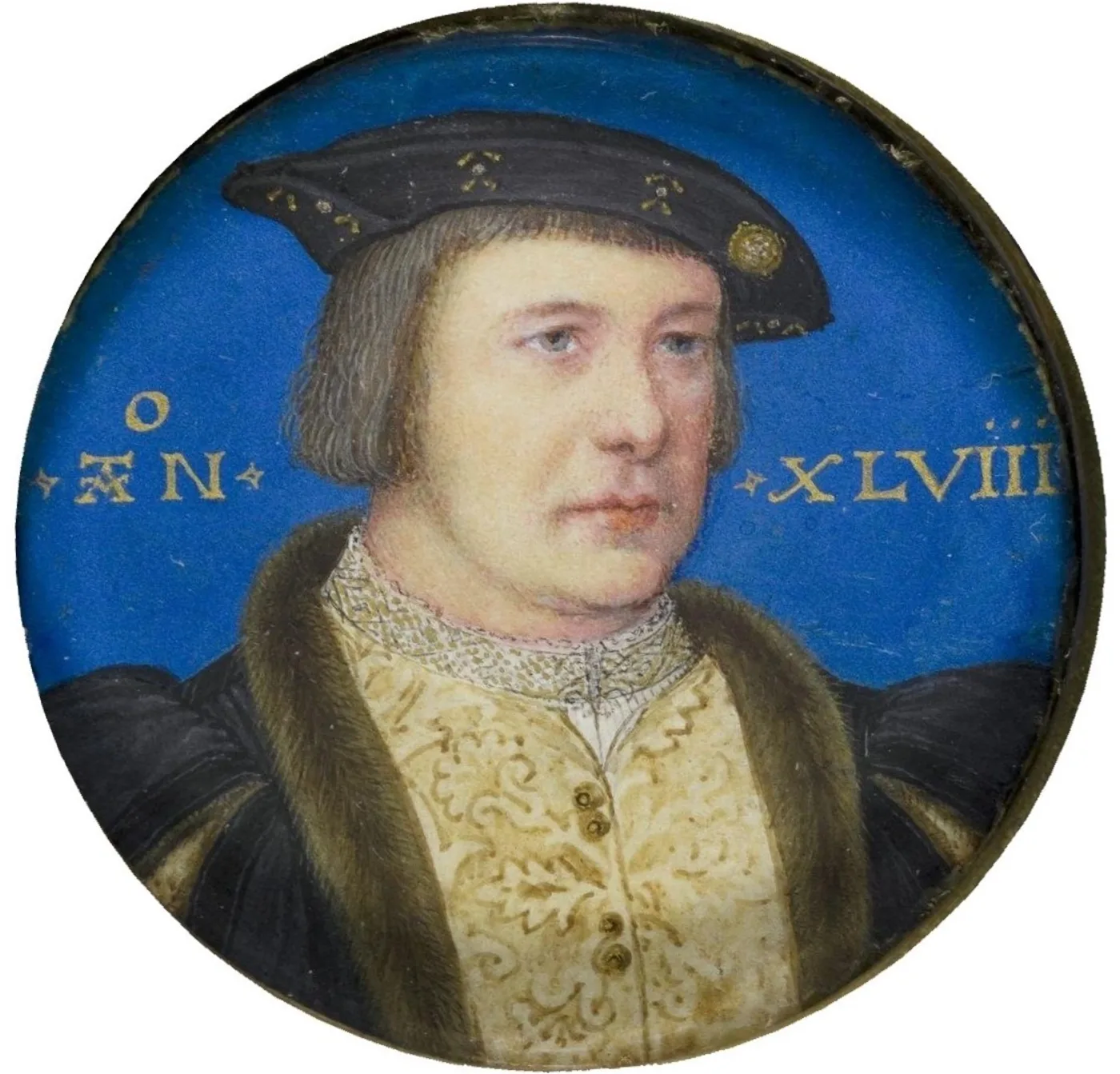
Major miniaturists whose work commands premium prices include:
- Nicholas Hilliard (1547–1619): Father of English limning, celebrated for Elizabethan jewel-like portraits with symbolic backgrounds.
- Isaac Oliver (c.1565–1617): Hilliard's rival, known for more naturalistic modeling and Continental influences.
- Samuel Cooper (1609–1672): The greatest 17th century English miniaturist, whose psychological penetration and bravura technique set new standards.
- Richard Cosway (1742–1821): Quintessential Georgian miniaturist, famous for diaphanous technique, sky backgrounds, and aristocratic clientele.
- John Smart (1741–1811): Cosway's contemporary, known for precise draftsmanship and extensive work in India.
- George Engleheart (1750–1829): Prolific miniaturist who maintained detailed fee books documenting his extensive output.
- Andrew Robertson (1777–1845): Scottish miniaturist who developed larger rectangular formats with atmospheric effects.
- Edward Miles (1752–1828): Traveled extensively, working in America and Russia with distinctive delicate style.
Attribution Methodology
- Stylistic Comparison: Compare treatment of eyes, hair, fabrics, and backgrounds with documented works in museum collections.
- Technical Signatures: Individual artists developed recognizable stippling patterns, color palettes, and compositional preferences.
- Documentary Evidence: Exhibition catalogs, fee books, sitter records, and contemporary correspondence help confirm attributions.
- Inscriptions: Signatures, dates, and sitter identifications on case backs or miniature reverses provide primary evidence.
Red Flags for Misattribution
- Signature Inconsistency: Forged signatures often differ from documented examples in letter formation or placement.
- Anachronistic Details: Costume or hairstyle inconsistent with supposed date suggests later copy or forgery.
- Technical Implausibility: Techniques unknown in the supposed period indicate misattribution.
- Provenance Gaps: Unexplained ownership history for supposedly major works warrants caution.
Regional Schools
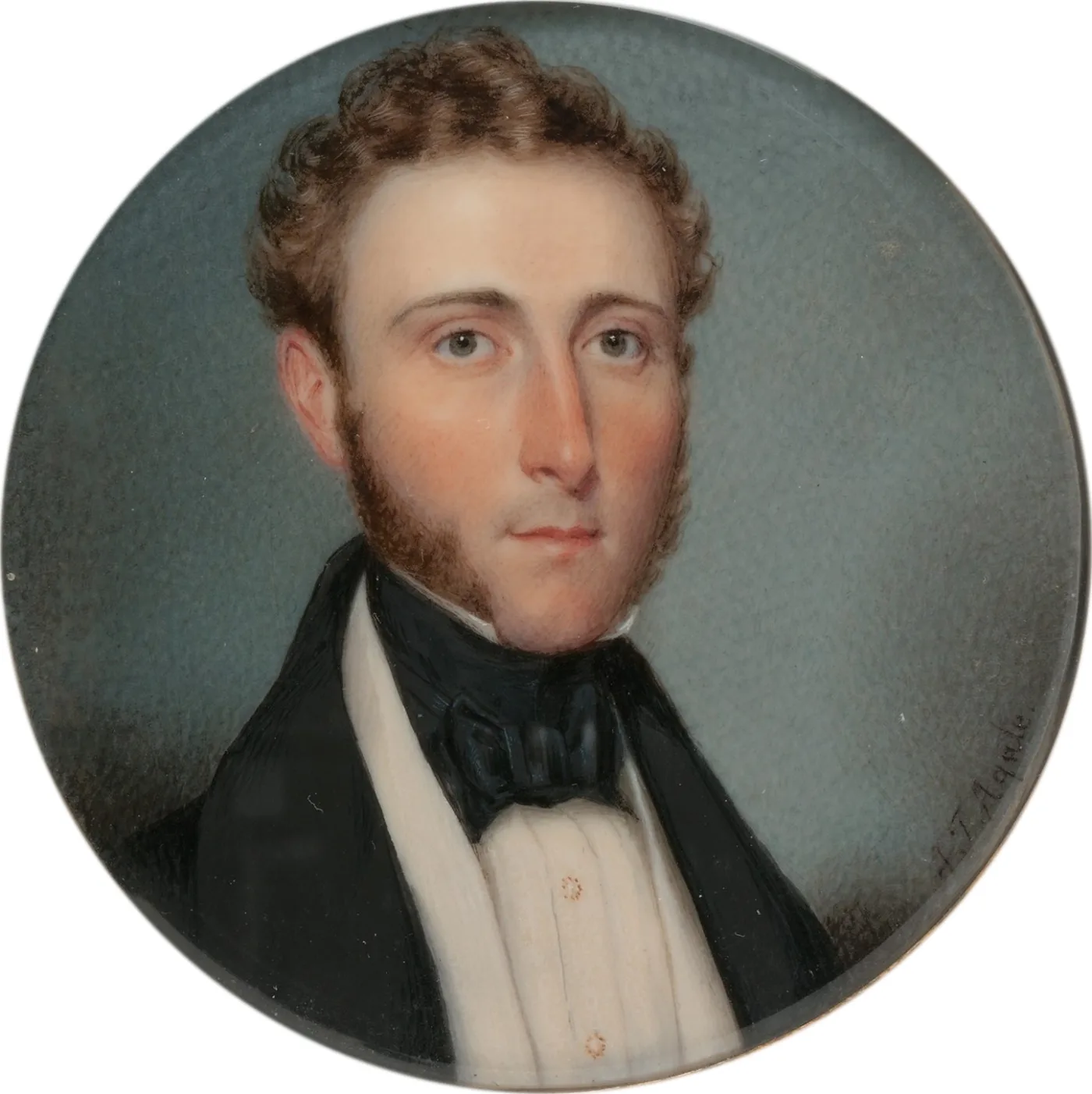
Beyond named artists, distinct regional traditions are identifiable:
- American School: Charles Willson Peale, Edward Greene Malbone, and Benjamin Trott led distinctive American traditions.
- French School: Jean-Baptiste Isabey dominated Napoleonic era portraiture with theatrical compositions.
- German and Austrian Schools: Heinrich Friedrich Füger and Moritz Michael Daffinger served Habsburg courts.
- Russian School: European-trained artists developed distinctive traditions serving the Romanov court.
- Indian School: European miniaturists in British India and local artists adapting the form created a rich hybrid tradition.
Dating Methods and Period Characteristics
Accurate dating requires synthesizing evidence from multiple categories: costume, hairstyle, artistic style, materials, and case construction.
Costume Dating
- Neck and Collar Styles: Standing ruffs (1560–1620), falling bands (1620–1680), cravats (1680–1780), high collars (1790–1820), wing collars (1840+).
- Female Necklines: Square bodices (Tudor), pearl ropes (Stuart), low décolletage (Georgian), high waists (Regency), fitted bodices (Victorian).
- Military Uniforms: Regimental details can date military portraits precisely when cross-referenced with uniform regulations.
- Medals and Orders: Decorations shown can provide dating termini based on when awarded or instituted.
Hairstyle Dating
- Men's Hair: Long curls (1660–1700), powdered wigs (1700–1780), unpowdered with side curls (1780–1800), short Brutus cut (1800–1820).
- Women's Hair: Elaborate high styles (1770–1790), classical ringlets (1790–1810), center parts with side curls (1830–1850), elaborate Victorian arrangements (1850+).
- Regional Variations: American and Colonial fashions sometimes lagged or diverged from European capitals.
Artistic Style Evolution
- Background Treatment: Solid colored (early), sky backgrounds (Georgian), atmospheric landscapes (Romantic), neutral academic (Victorian).
- Pose Conventions: Frontal formal (early), three-quarter (Georgian), romantic profiles (Regency), photographic poses (Victorian).
- Format Changes: Oval dominant (18th century), rectangular increasingly popular (19th century).
- Size Evolution: Generally increasing from early small formats to larger cabinet pieces by the 1820s.
Material Dating
- Support Material: Vellum (pre-1720), ivory (1700+), increasing ivory thickness (19th century).
- Pigment Availability: Certain synthetic pigments provide definite earliest possible dates.
- Case Materials: Gold purity marks, enamel techniques, and glass technology all evolved with datable patterns.
Inscriptions and Documentation
- Date Inscriptions: Period dates on reverses or cases should be verified against stylistic evidence.
- Handwriting Analysis: Script styles and spelling conventions help date inscriptions independently.
- Paper Labels: Dealer or restorer labels can provide ownership history evidence.
Condition Assessment and Conservation
Portrait miniatures are exceptionally fragile objects requiring careful handling and specialized conservation approaches.
Common Condition Issues
- Ivory Warping: Humidity fluctuations cause characteristic curved distortion; severe warping can crack the paint layer.
- Ivory Cracking: Stress fractures parallel to grain direction are common; cracks through the painted surface severely affect value.
- Paint Flaking: Loss of adhesion between watercolor and ivory support causes microscopic or visible paint loss.
- Fading: Light exposure degrades organic pigments, particularly reds and certain blues; uniform fading suggests long display exposure.
- Foxing and Spotting: Fungal growth causes brown spots, particularly where miniatures were stored in damp conditions.
- Case Damage: Worn gilt, missing stones, broken hinges, and replaced glass all affect completeness and value.
Condition Grading
- Excellent: Minimal wear, no paint loss, original case complete, colors fresh.
- Very Good: Minor wear consistent with age, slight fading, case intact with minor marks.
- Good: Moderate wear, some fading, minor paint losses, case present but with some damage.
- Fair: Significant wear, noticeable fading or losses, case damaged or replacement.
- Poor: Major damage, substantial paint loss, cracked ivory, missing case or major case damage.
Conservation Considerations
- Professional Assessment: Only qualified paper or paintings conservators should examine or treat miniatures.
- Environmental Stability: Maintain 45–55% relative humidity; avoid temperature extremes and rapid changes.
- Light Exposure: Display in low light conditions; rotate displayed pieces to minimize cumulative fading.
- Handling Protocols: Always handle by case edges; avoid touching painted surface or ivory directly.
- Storage: Archival tissue wrapping, acid-free boxes, and climate-controlled environments preserve condition.
Value Impact of Condition
- Excellent Condition: Commands full market value for artist and period.
- Minor Condition Issues: 10–25% reduction from comparable excellent examples.
- Moderate Damage: 25–50% reduction, depending on visibility and reversibility.
- Significant Damage: 50–80% reduction; scholarly or decorative value only.
- Original Case Presence: Adds 20–40% to value compared to miniature alone.
Market Valuation and Collecting Strategies
The portrait miniature market rewards knowledge and patience. Understanding value drivers helps collectors build meaningful collections within budget constraints.
Key Value Factors
- Artist Attribution: Documented works by major artists command premiums often 10–100 times higher than anonymous examples.
- Sitter Identification: Portraits of identified sitters, especially notable historical figures, achieve premium prices.
- Period and Rarity: Early works (pre-1700) are inherently scarce; golden age pieces (1780–1820) by known artists are most sought.
- Quality of Execution: Exceptional artistic merit transcends attribution; superb anonymous works outperform mediocre attributed pieces.
- Condition: Fresh condition significantly enhances value at all price levels.
- Case Quality: Original jeweled cases, important maker cases, and intact presentation formats add substantial value.
- Provenance: Documented collection history, particularly from notable collections, increases desirability.
Price Ranges by Category
- Anonymous 19th Century: $200–$2,000 depending on quality and condition.
- Attributed Minor Artists: $1,000–$10,000 for documented examples in good condition.
- Major Artists, Typical Works: $10,000–$50,000 for characteristic examples with documentation.
- Major Artists, Exceptional Works: $50,000–$500,000 for masterworks with important sitters or outstanding quality.
- Historic Significance: Royal portraits, unique historical documentation, or extreme rarity can exceed $1,000,000.
Collecting Strategies
- Specialize Thoughtfully: Focus on a period, school, or theme to develop expertise and recognition in the market.
- Prioritize Quality: One exceptional example outperforms multiple mediocre pieces for long-term value and satisfaction.
- Verify Attributions: Obtain independent scholarly opinions before major purchases; optimistic attributions are common.
- Document Everything: Maintain detailed photography, condition reports, and provenance documentation for insurance and resale.
- Build Relationships: Develop connections with reputable dealers, auction specialists, and fellow collectors.
Market Trends and Outlook
- Scholarly Interest: Academic attention to miniatures remains strong, supporting attribution research and market values.
- Institutional Acquisitions: Museums continue acquiring important examples, removing them from the market.
- Decorative Appeal: Interior designers increasingly value miniatures as intimate accent pieces.
- Generational Shift: Younger collectors are discovering the form, though overall collector base remains specialized.
- Technology Impact: Digital imaging and AI-assisted analysis improve authentication capabilities and market transparency.
Research Resources
- Museum Collections: Victoria and Albert Museum, Metropolitan Museum of Art, Cleveland Museum of Art, and Fitzwilliam Museum hold major study collections.
- Reference Literature: Foskett's dictionaries, Graham Reynolds' studies, and specialized exhibition catalogs provide essential references.
- Auction Records: Major auction houses publish detailed catalog entries and maintain price archives.
- Specialist Dealers: Established miniature dealers offer expertise, guarantees, and market access.
- Digital Tools: Use the Antique Identifier app for preliminary assessments and comparable analysis.
Conclusion
Antique portrait miniatures offer collectors the opportunity to own intimate masterpieces of technical virtuosity and historical significance. These pocket-sized treasures preserve not only likenesses but also the emotional lives of past generations—their loves, losses, ambitions, and memories made tangible and portable.
By developing expertise in materials, techniques, period characteristics, and artist identification, collectors can navigate this specialized market with confidence. Each miniature rewards close study, revealing layers of meaning in its execution, presentation, and provenance. Whether you seek Tudor limnings, Georgian masterworks, or Victorian keepsakes, the field offers rich opportunities for discovery and appreciation.
Remember that miniature collecting combines art historical scholarship with intimate appreciation. The best collections reflect not just market knowledge but also genuine connection with these remarkable objects and the stories they carry across centuries.
Frequently Asked Questions
How can I tell if a portrait miniature is painted on ivory or on card?
Hold it to a light source at the edge. Ivory is slightly translucent and shows fine parallel grain lines running in one direction; card is opaque and shows fibres rather than grain. Under magnification elephant ivory reveals crosshatched Schreger lines that no substitute reproduces. Ivory also warps in a characteristic curve when humidity changes, and fine cracks run parallel to the grain — damage that is a nuisance for the owner but useful evidence of the support.
Is my miniature a genuine painting or a printed reproduction?
Use a loupe. A painted miniature is built from individual strokes — stipple, hatching, or fine washes — and the marks are irregular under magnification. A print shows a regular dot pattern or a flat, even film of ink with no raised paint at all. Photographic reproductions hand-tinted to look like miniatures were produced in quantity from the 1860s onward and are the most common thing mistaken for the real object.
How old is a portrait miniature likely to be if it is on ivory?
Ivory came into general use around 1700 and dominated until photography displaced the form in the mid-19th century. So an ivory support broadly indicates 1700–1860. Earlier miniatures are on vellum stretched over card, and enamel runs alongside both from the 17th century. This only sets an outer bracket — costume, hairstyle, frame type and painting technique will narrow the date far more tightly than the support alone.
Does an unsigned miniature have any value?
Yes, and most miniatures are unsigned. Quality of execution drives value more than a signature does: an outstanding anonymous work will outperform a mediocre attributed one. An identified sitter can matter as much as an identified artist, particularly for a historically notable one. Be wary of signatures on miniatures generally — a signature is the easiest thing on the object to add later, and a suspiciously prominent one on an otherwise ordinary painting is a warning rather than a reassurance.
Can I clean a portrait miniature myself?
No. Watercolour on ivory is soluble, unvarnished and extraordinarily fragile, and cleaning attempts are the most common cause of catastrophic loss. Do not open a sealed case either: the seal is what keeps humidity out, and opening it can trigger warping within days. Keep it away from direct light, which fades the pigments irreversibly, and take anything that needs attention to a conservator who specialises in miniatures rather than a general paintings restorer.