Antique Match Strikers Identification Guide: Collecting Pyrogènes & Vestas
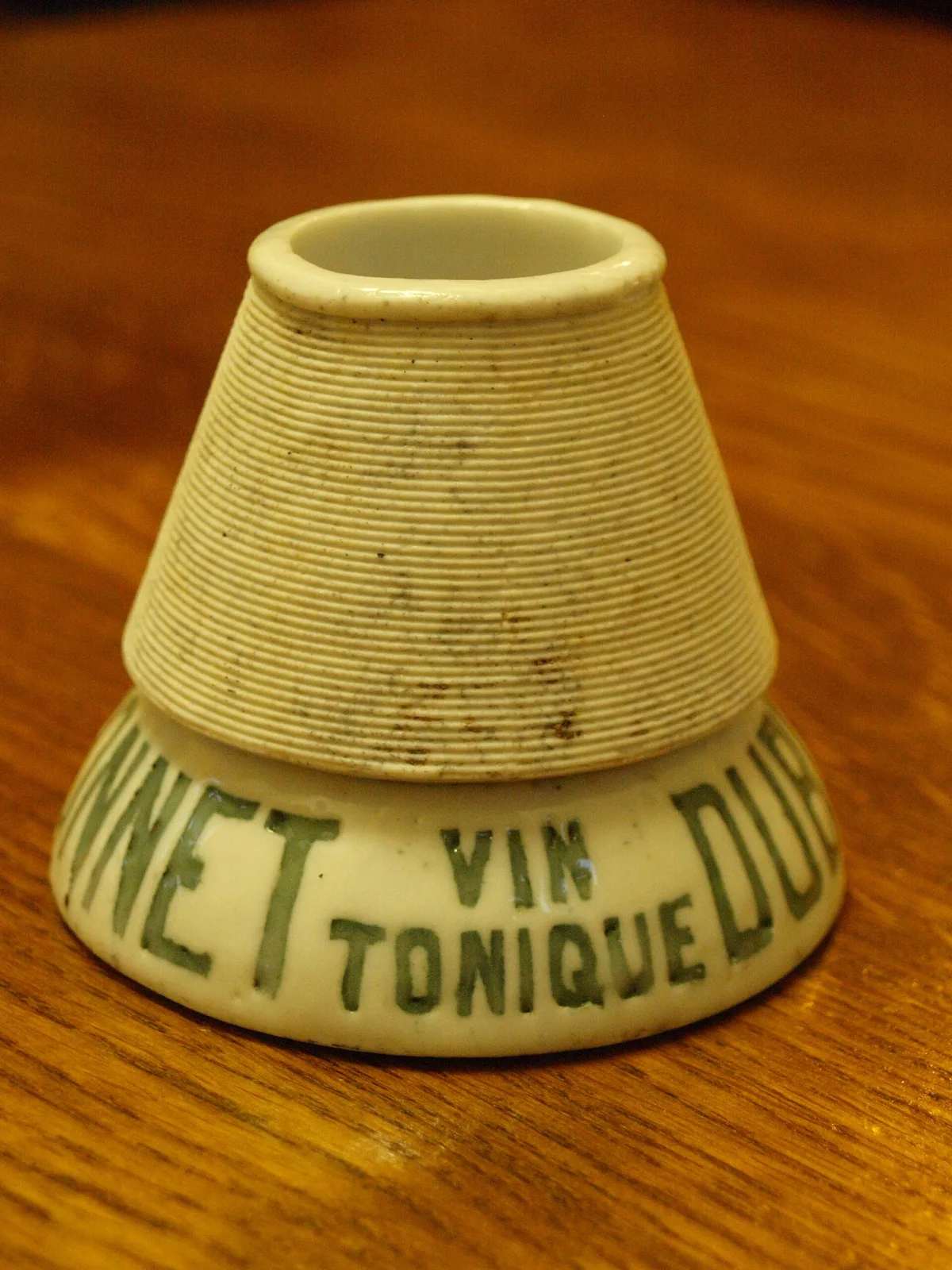
Antique match strikers represent a fascinating niche in the world of collectible smoking accessories and decorative objects. These small, functional pieces—often called pyrogènes in France or vestas in England—were once standard fixtures in bistros, bars, restaurants, and homes from the late 19th through early 20th centuries. Match strikers combined practical utility with artistic design, featuring a container to hold strike-anywhere matches and a rough, textured surface on which to ignite them.
Trending strongly in 2026 among collectors of vintage advertising, bistro memorabilia, and smoking paraphernalia, antique match strikers have become highly sought-after for their charm, historical significance, and decorative appeal. Yet identification can be challenging: many pieces are unmarked, and the variety of materials, forms, and origins requires careful examination. Understanding the key characteristics, materials, makers, and regional styles is essential for collectors, dealers, and enthusiasts.
This comprehensive guide will walk you through everything you need to know about identifying antique match strikers. You'll learn to distinguish French advertising pyrogènes from English porcelain pieces, recognize materials from ceramic to cut glass, identify unmarked examples, date pieces accurately, and assess their value in today's market. Whether you're a phillumenist (collector of match-related items), a vintage advertising enthusiast, or simply curious about these charming relics, this guide provides the knowledge you need to confidently identify and appreciate antique match strikers.
Table of Contents
- What Are Antique Match Strikers?
- History and Evolution of Match Strikers
- Types and Forms of Match Strikers
- Materials and Construction
- French Pyrogènes and Bistro Strikers
- English Manufacturers and Styles
- American and Other European Examples
- Advertising and Commercial Match Strikers
- Figural and Novelty Designs
- Identifying Unmarked Match Strikers
- Dating Techniques and Period Characteristics
- Makers' Marks and Signatures
- Condition Assessment
- Value and Market Trends
- Collecting Strategies
- Authentication and Avoiding Reproductions
- Display and Care
- Resources and References
What Are Antique Match Strikers?
Antique match strikers are small containers designed to hold strike-anywhere matches conveniently and provide a rough surface on which to ignite them. These functional yet decorative objects were essential household and commercial items from the 1870s through the 1930s, before the widespread adoption of safety matches and the rise of the pocket mechanical cigarette lighter.
Primary Functions
Match strikers served two key purposes: they stored matches in a dry, accessible location and provided a dedicated striking surface that prevented damage to furniture or walls. The striking surface was typically made of rough ceramic, textured glass, metal mesh, or emery paper.
Common Uses
These objects were used to light cigars, cigarettes, pipes, candles, oil lamps, gas mantles, fireplaces, and stoves. In commercial settings like restaurants and bars, they were placed on tables for customer convenience. In homes, they appeared in kitchens, dining rooms, parlors, and bedrooms.
Terminology Variations
Match strikers are known by several terms depending on region and specific form. In France, they're called pyrogènes (from the Greek for "fire generator"). In England, vesta is a common term, though technically a vesta refers more specifically to a small portable match safe. Match safe, match holder, and allumette holder are also used, though these terms can overlap with containers that lack striking surfaces.
Distinction from Match Safes
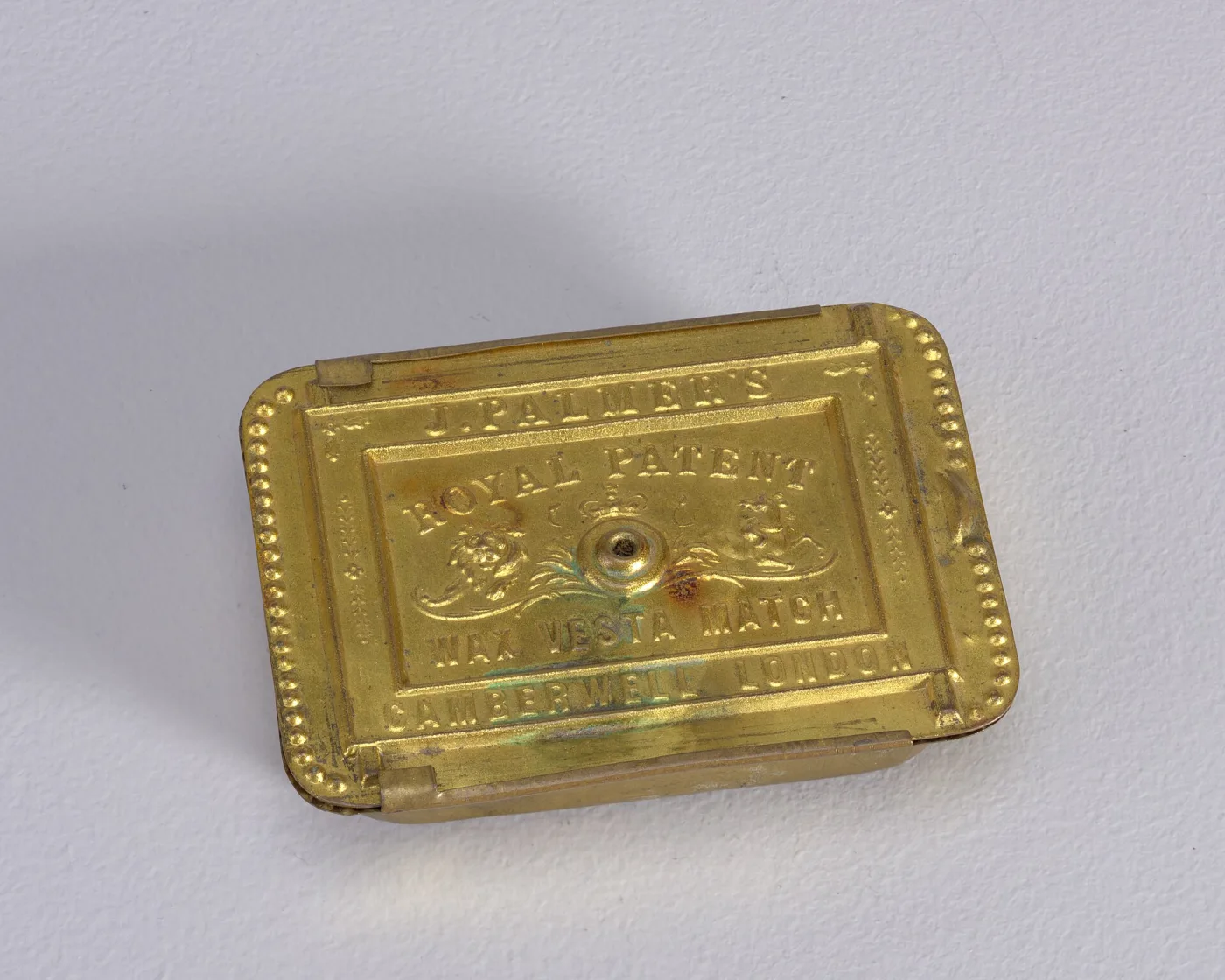
It's important to distinguish match strikers from match safes (or vesta cases). Match safes are small, portable containers—often pocket-sized and made of metal—designed to safely carry matches. While some match safes include striking surfaces, match strikers are typically larger, designed for stationary use, and always include a striking surface as a defining feature.
History and Evolution of Match Strikers
The history of match strikers is closely tied to the development of friction matches in the 19th century and the social customs surrounding smoking, lighting, and hospitality.
The Invention of Friction Matches
Friction matches were invented in the 1820s-1830s, with the first practical strike-anywhere matches developed by John Walker in England in 1826. Early matches were dangerous and unpredictable, often igniting spontaneously or producing toxic fumes. By the 1850s-1860s, safer formulations using red phosphorus became standard, and matches became household staples.
The Golden Age: 1870s-1920s
Match strikers reached their peak popularity from the 1870s through the 1920s. During this period, smoking was widespread and socially acceptable, oil and gas lighting required frequent match use, and decorative household objects reflected Victorian and Edwardian tastes. Manufacturers produced match strikers in enormous variety, from utilitarian stoneware to elaborate porcelain, cut glass, and figural designs.
French Bistro Culture
In France, pyrogènes became iconic fixtures of bistro and café culture. Ceramic match strikers emblazoned with advertising for wines, spirits, aperitifs, and tobacco brands were placed on every table. These advertising pieces are among the most collectible match strikers today, valued for their graphic design, typography, and nostalgic appeal.
English Domestic Production
In England, prestigious porcelain and pottery manufacturers like Wedgwood, Royal Doulton, Doulton Lambeth, and others produced match strikers as part of their tableware and decorative lines. These pieces often featured refined designs in jasperware, relief decoration, or elegant glasswork with sterling silver rims.
Decline and Obsolescence
By the 1920s-1930s, safety matches (which could only be struck on special surfaces on the matchbox) became dominant, reducing the need for separate striking surfaces. The rise of electric lighting diminished match usage, and changing social attitudes toward smoking eventually made match strikers obsolete. By the mid-20th century, they had largely disappeared from daily use, surviving primarily as collectibles and decorative antiques.
Revival as Collectibles
Today, antique match strikers are experiencing renewed interest. Phillumenists (collectors of match-related ephemera), advertising collectors, and enthusiasts of bistro and bar memorabilia actively seek these pieces. The 2026 trend toward vintage tableware, small decorative collectibles, and nostalgic Americana has further boosted demand and values.
Types and Forms of Match Strikers
Match strikers were produced in a remarkable variety of forms, each suited to specific settings and aesthetic preferences.
Cylindrical Table Strikers
The most common form, especially in French bistros, is the cylindrical table striker. This design features a tall, narrow cylinder (typically 3-5 inches high) with a match container at the top and a textured or ribbed exterior surface for striking. Advertising text often wraps around the cylinder.
Wall-Mounted Strikers
Wall-mounted match strikers include a backplate with a hole or hook for hanging. The match container projects forward, and the striking surface is typically on the lower portion. These were popular in kitchens and work areas where countertop space was limited.
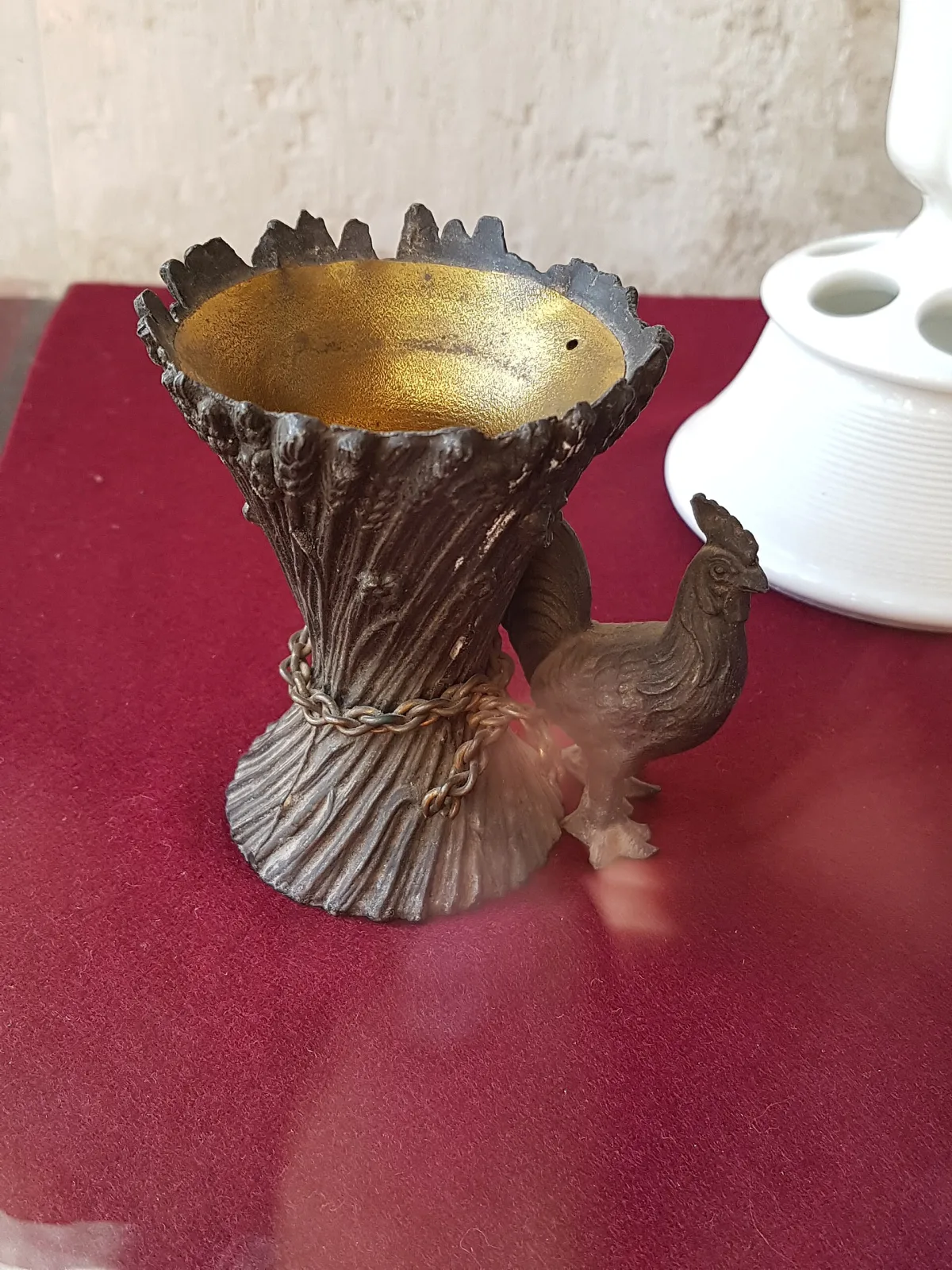
Figural Strikers
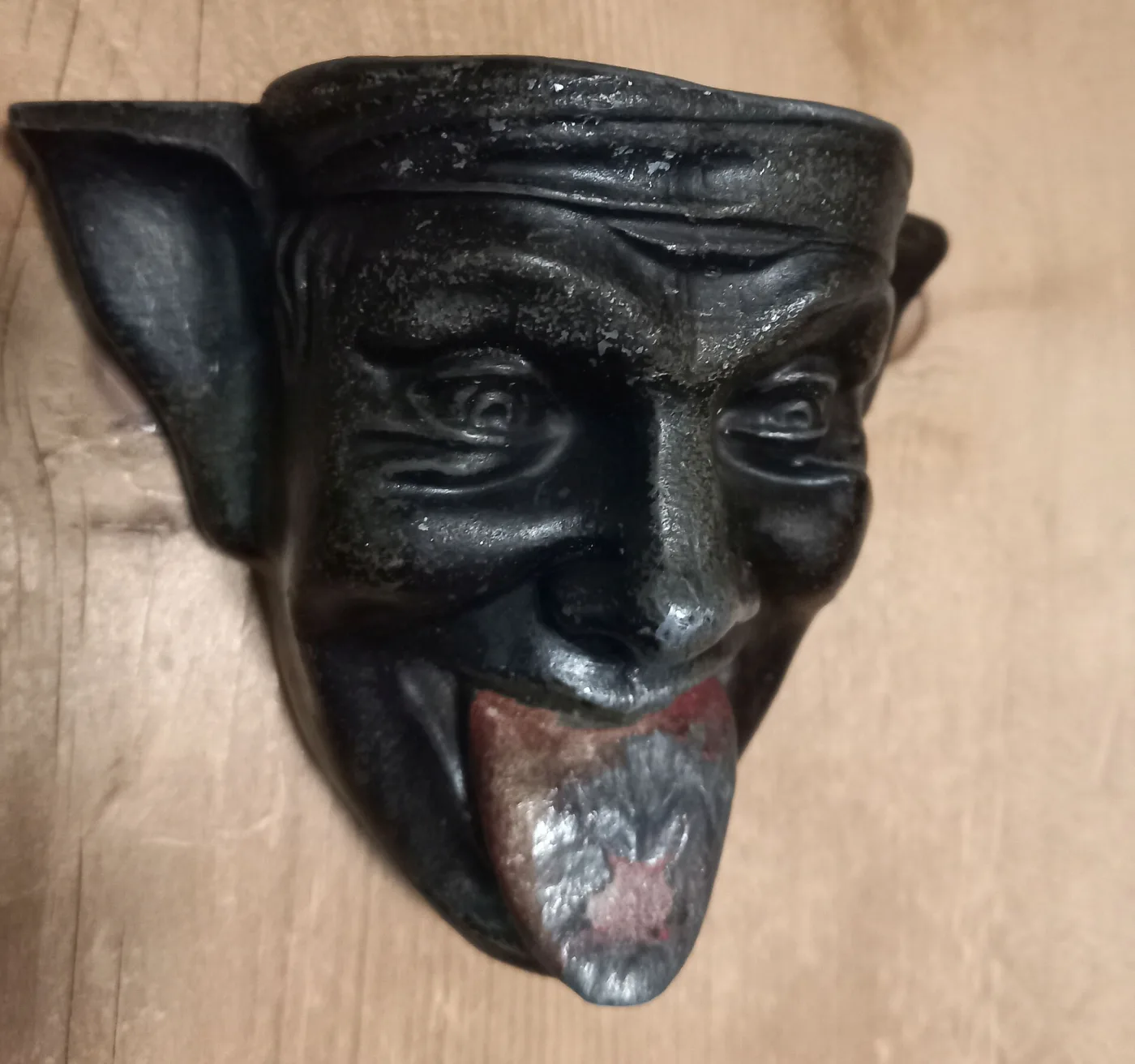
Figural match strikers are shaped like animals, people, shoes, hats, buildings, or other whimsical forms. The match container and striking surface are integrated into the design. Figural examples are highly collectible and often command premium prices.
Ashtray-Striker Combinations
Many match strikers were designed as combination pieces, incorporating an ashtray, cigar rest, or cigarette holder. These were especially popular in smoking lounges and gentlemen's clubs.
Tabletop Box Strikers
Rectangular or square box-shaped strikers with a hinged or removable lid. The striking surface is typically on one or more exterior sides. These often featured decorative finishes or advertising graphics.
Hanging Pocket Strikers
Smaller, decorative wall-mounted holders with a pocket or slot for matches and a striking surface below. These were common in hallways and entryways.
Cut Glass and Crystal Strikers
Elegant cut glass or crystal match holders with sterling silver or silver-plated rims and lids. The glass itself, when textured, served as the striking surface. These were status symbols in wealthy households.
Stoneware Crocks
Simple, utilitarian stoneware crocks with a rough exterior glaze for striking. These were common in American kitchens and farmhouses.
Materials and Construction
Antique match strikers were crafted from a wide range of materials, each offering distinct characteristics for identification.
Ceramic and Pottery
The majority of match strikers are ceramic. French advertising pyrogènes are typically earthenware or stoneware with colorful glazes and lithographed or hand-painted advertising. English examples include fine porcelain, bone china, and jasperware from renowned makers. The ceramic body provides weight and stability, while the glazed or unglazed exterior offers a natural striking surface.
Porcelain
High-quality porcelain match strikers were produced by prestigious manufacturers. These pieces often feature delicate painting, transfer prints, relief decoration, or gilding. Porcelain strikers are translucent when held to light and have a refined, smooth texture.
Glass and Crystal
Cut glass, pressed glass, and crystal match strikers showcase intricate patterns and brilliant clarity. The glass is often textured or ribbed to serve as the striking surface. Sterling silver or silver-plated rims, lids, and bases were common embellishments on high-end glass strikers.
Stoneware
Salt-glazed stoneware and other robust stoneware bodies were popular for utilitarian match strikers. The rough, durable surface is ideal for striking, and the material is highly resistant to heat and moisture. American and German stoneware strikers are especially collectible.
Metal
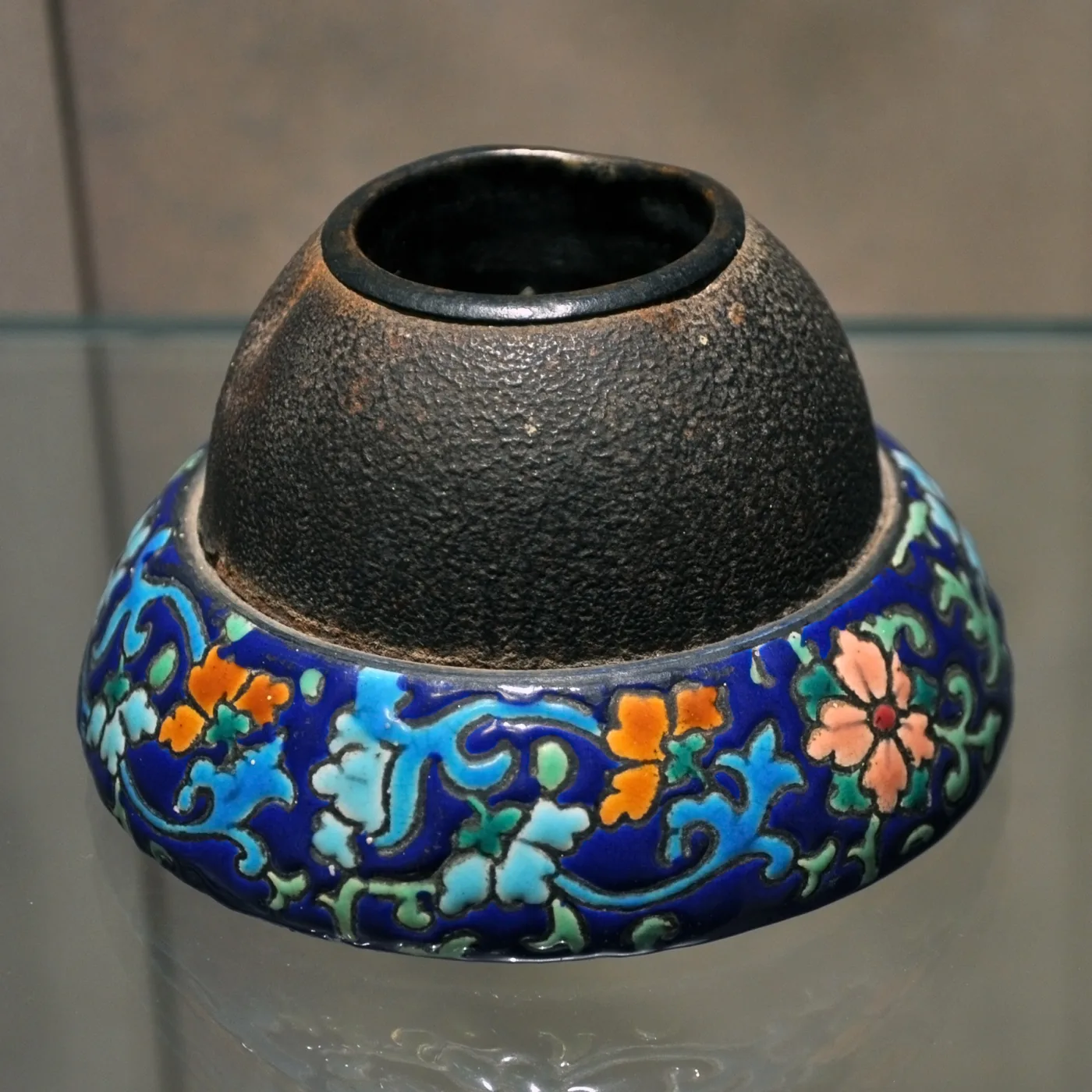
While less common than ceramic, metal match strikers were produced in brass, copper, bronze, silver plate, and cast iron. Metal pieces often feature embossing, engraving, or enameling. The striking surface might be a separate ribbed panel or a textured area of the metal.
Combination Materials
Many match strikers combine materials: porcelain bodies with sterling silver rims, glass containers with brass bases, or ceramic holders with metal hanging hardware. These combinations offer both aesthetic appeal and functional durability.
Striking Surfaces
The striking surface is a defining characteristic. Common types include ribbed or textured ceramic glaze, rough unglazed bisque, emery paper or cloth inserts, metal mesh or file strips, and textured or cut glass. Identifying the striking surface type can help date and attribute a piece.
French Pyrogènes and Bistro Strikers
French advertising pyrogènes are among the most sought-after and recognizable match strikers, iconic symbols of Belle Époque and early 20th-century bistro culture.
Characteristics of French Pyrogènes
French pyrogènes are typically cylindrical, standing 3-5 inches tall, with a wide opening at the top for matches. The exterior is decorated with vibrant advertising graphics—brand names, product images, slogans, and stylized typography. The striking surface is the ribbed or rough exterior glaze.
Common Advertising Themes
French match strikers advertised a wide range of products, most commonly aperitifs and spirits like Pernod, Ricard, Byrrh, Dubonnet, and St. Raphaël, wines and champagnes, tobacco brands and cigarettes, coffee and chocolate brands, and restaurants and cafés. The advertising text and imagery are often beautifully designed, reflecting the graphic arts movements of the period.
Manufacturers
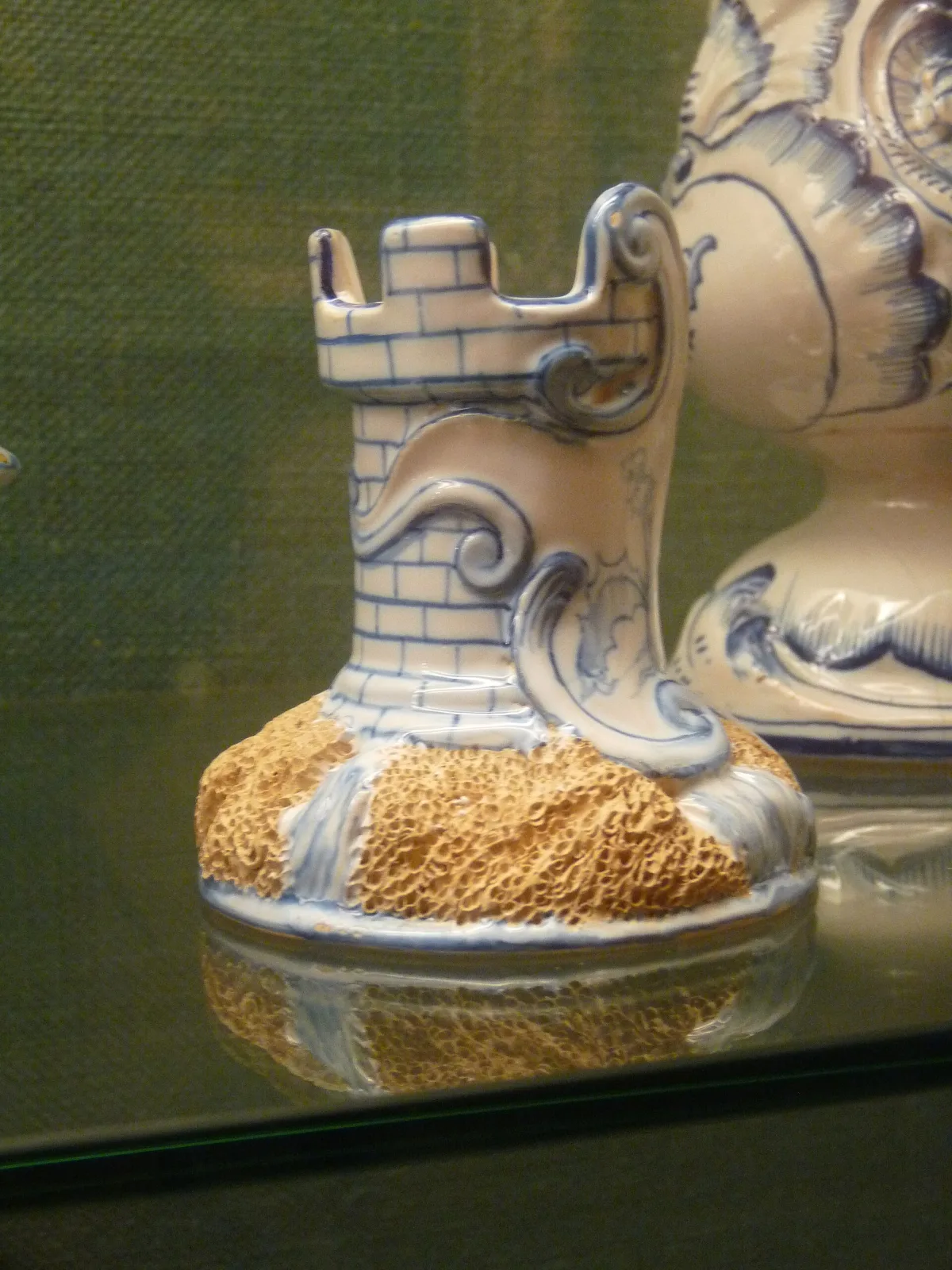
Many French pyrogènes are unmarked, but some bear the names or marks of ceramic manufacturers such as Sarreguemines, Longwy, Gien, and Quimper. Identifying the manufacturer can help establish authenticity and value.
Dating French Pyrogènes
Dating is based on advertising content, typography style, and ceramic techniques. Pre-1900 examples often have hand-painted decoration or early lithography. 1900-1920s pieces feature bold Art Nouveau or early Art Deco graphics. Post-1920s examples may show modernist or streamlined design influences. The presence of certain brand names or slogans can narrow the date range.
Condition Considerations
French bistro strikers saw heavy use and often show wear: faded or chipped graphics, crazing in the glaze, chips or cracks, and staining from match use. Minor wear is expected and acceptable, but pieces with intact, vibrant graphics command the highest prices.
Collecting French Pyrogènes
Collectors often specialize in specific brands (e.g., all Pernod strikers), particular graphic styles, or regional French ceramics. Rare brands, early examples, and pieces with exceptional graphic design are most valuable. Prices range from $50 for common, worn examples to $300-500 or more for rare or pristine pieces.
English Manufacturers and Styles
English match strikers reflect the high standards of British porcelain and pottery, with production by some of the most prestigious names in ceramics.
Wedgwood
Wedgwood produced elegant match strikers in jasperware, creamware, and other signature bodies. Jasperware examples feature classical relief decoration in white on blue, green, or lilac grounds. Many Wedgwood strikers are marked with the standard Wedgwood backstamp and can be dated by mark variations.
Royal Doulton and Doulton Lambeth
Doulton produced a range of match strikers from utilitarian stoneware to decorative porcelain. Doulton Lambeth stoneware strikers often feature brown salt glaze, relief molding, and impressed marks. Royal Doulton porcelain examples include hand-painted scenes, transfer prints, and character designs.
Ribbed Glass with Sterling Rims
A distinctly English style is the cut or ribbed glass match striker with a sterling silver rim and lid. The glass provides the striking surface, while the silver components add elegance. These pieces are typically hallmarked, allowing precise dating and attribution to silversmiths.
Other Notable Makers
Other English manufacturers include Moorcroft (art pottery with distinctive tube-lined glazes), Minton (fine porcelain with intricate decoration), Worcester (porcelain with refined painting), and Staffordshire potteries (transfer-printed earthenware). Each maker has recognizable style and marking conventions.
English Dating and Marks
English ceramics are often well-marked with manufacturer names, pattern numbers, and registration marks. The British Registry Mark system (diamond-shaped marks used 1842-1883, then registration numbers from 1884) can provide precise dating. Silver hallmarks include year letters and assay office marks.
American and Other European Examples
Beyond France and England, match strikers were produced across Europe and in the United States, each region contributing unique styles.
American Stoneware
American match strikers are often utilitarian stoneware crocks with simple salt glaze or Albany slip finishes. Makers include Red Wing, Western Stoneware, and Robinson Clay Products. These pieces are typically marked with impressed or stenciled maker names. They reflect American farmhouse and country store aesthetics.
American Advertising Strikers
American advertising match strikers promoted tobacco brands, hotels, saloons, and regional businesses. Porcelain enamel signs with built-in match strikers were used in country stores. These pieces are highly collectible in the Americana and vintage advertising markets.
German and Austrian Production
German and Austrian ceramics factories produced match strikers with a variety of decorative styles, from folk art motifs to figural designs. Pieces may be marked with maker names like Villeroy & Boch or regional identifiers.
Italian and Scandinavian Examples
Italian ceramics from regions like Deruta or Faenza sometimes include match strikers with majolica glazes. Scandinavian examples tend toward simpler, functional designs with muted colors and clean lines.
Asian Export Strikers
Some match strikers were produced in Japan or China for export to Western markets. These often imitate European styles but may show subtle differences in glazing, decoration, or form. Marks can include "Nippon," "Made in Japan," or Chinese characters.

Advertising and Commercial Match Strikers
Advertising match strikers are among the most collectible and visually striking examples, valued for their graphic design, historical branding, and nostalgic appeal.
Brand Advertising
Match strikers were used to advertise alcoholic beverages (aperitifs, beers, wines, spirits), tobacco products (cigarettes, cigars, pipe tobacco), food and beverages (coffee, chocolate, soft drinks), and hotels, restaurants, and saloons. The branding was prominently displayed, often with colorful graphics, logos, and slogans.
Graphic Design and Typography
The graphic design of advertising strikers reflects the aesthetic trends of their era. Art Nouveau (flowing lines, organic motifs), Art Deco (geometric patterns, bold colors), and Victorian typography (ornate lettering, decorative borders) all appear. Collectors prize pieces with exceptional design quality.
Regional and Historical Significance
Advertising strikers offer insights into regional economies, consumer culture, and social history. A striker advertising a long-defunct local brewery or a now-forgotten aperitif brand becomes a historical artifact, not just a collectible.
Condition and Completeness
The condition of the advertising graphics is critical to value. Fading, chipping, or wear significantly reduces desirability. Pieces with crisp, vivid graphics and minimal damage command premium prices.
Reproductions and Fakes
Popular advertising brands have been reproduced. Modern reproductions often have too-bright colors, lack wear consistent with age, or show printing techniques (like offset printing) not used in the original period. Always examine carefully.
Figural and Novelty Designs
Figural and novelty match strikers are whimsical, charming, and highly collectible, often commanding premium prices due to their rarity and visual appeal.
Animal Figures
Common figural forms include dogs, cats, frogs, owls, and other animals. The match container is typically concealed in the body, and the striking surface is on the base or side. These pieces were popular in Victorian and Edwardian parlors.
Human Figures
Figural strikers depicting people—sailors, clowns, monks, children—are also found. Some have movable parts or humorous designs. Quality and detail vary widely, from crude folk art to finely modeled porcelain figures.
Objects and Symbols
Novelty strikers shaped like shoes, boots, hats, barrels, lanterns, and other everyday objects are popular. These were often souvenir items or gifts.
Regional and Souvenir Strikers
Many figural strikers were sold as souvenirs from tourist destinations, marked with place names or local symbols. These are collected both as match strikers and as travel memorabilia.
Maker and Quality
High-quality figural strikers from known makers (like Royal Doulton, Goebel, or Schafer & Vater) are more valuable than unmarked, mass-produced examples. Look for fine detail, quality glazing, and maker's marks.
Identifying Unmarked Match Strikers
Many antique match strikers, especially French bistro examples and utilitarian pieces, lack maker's marks. Identification relies on recognizing materials, forms, decorative styles, and construction techniques.
Material Analysis
Examine the ceramic body, glaze, and weight. French earthenware has a distinctive porous, off-white body. English porcelain is harder, whiter, and translucent. American stoneware is dense and salt-glazed. Knowing these material characteristics helps narrow the origin.
Form and Function
The form itself can indicate origin. Cylindrical advertising strikers are almost certainly French. Wall-mounted examples with backplates are common in American kitchens. Glass strikers with silver rims suggest English or American high-end production.
Decorative Style
Art Nouveau motifs suggest late 19th/early 20th century, likely French or European. Victorian transfer prints indicate English pottery. Bold, colorful advertising graphics point to French bistro use. Folk art decoration suggests regional, possibly American or German, origin.
Construction Techniques
Hand-painted decoration, especially in vibrant enamels, indicates earlier production or higher quality. Lithographed or transfer-printed designs suggest mass production from the 1880s onward. Mold seams, kiln marks, and glaze application all provide clues.
Comparative Research
Compare unmarked pieces to documented examples in auction catalogs, museum collections, and reference books. Online databases and collector forums can help identify similar pieces.
Consulting Experts
When in doubt, consult antique dealers, auction house specialists, or ceramic experts. Providing clear photographs of all sides, the base, and any markings will aid identification.
Dating Techniques and Period Characteristics
Accurate dating of match strikers enhances understanding and value. Several techniques help establish the period of manufacture.
Maker's Marks and Registration Numbers
Marked pieces can often be dated precisely using backstamp references. English Registry Marks (diamond marks 1842-1883, then registration numbers) provide exact dates. Silver hallmarks include year letters. Refer to standard mark reference books like Kovel's or Miller's guides.
Advertising Content
The brand, product, or slogan on advertising strikers can indicate date ranges. Research when the advertised product was produced, rebranded, or discontinued. Trademark registrations and historical advertising records help.
Decorative Style
Artistic movements provide dating clues. Victorian (1837-1901) includes ornate decoration, heavy forms. Art Nouveau (c.1890-1910) features flowing, organic lines. Art Deco (c.1920-1940) shows geometric patterns, bold colors. Modernist (1930s onward) emphasizes simplicity and function.
Materials and Manufacturing Techniques
Certain materials and methods correspond to specific periods. Early hand-painting gives way to transfer printing (widespread by 1850s), then lithography and decals (common by 1880s-1900s). Synthetic enamels and bright, consistent colors suggest 20th-century production.
Match Types and Technology
Strike-anywhere matches (requiring a striker) were dominant from the 1850s-1920s. Safety matches (requiring the matchbox) became standard by the 1930s. The decline of strikers as household items post-1930s helps establish upper date limits.
Wear and Patina
Genuine antique match strikers show age-appropriate wear. Examine for natural patina, crazing, discoloration from use, and consistent wear patterns. Lack of wear on an ostensibly old piece is suspicious.
Makers' Marks and Signatures
Identifying makers' marks is essential for attribution, dating, and establishing value. Many match strikers are marked, though marks can be small, faint, or located in obscure places.
Where to Look for Marks
Check the base or underside, inside the match container, on the backplate of wall-mounted examples, on metal rims or lids, and impressed into the ceramic body. Use strong light and magnification to find small or worn marks.
Types of Marks
Marks include impressed maker names or initials, printed or stamped backstamps, registration numbers or symbols, silver hallmarks on metal components, and paper labels (often lost over time).
English Ceramic Marks
English pottery and porcelain marks are well-documented. Key references include Wedgwood marks (variations indicate date ranges), Royal Doulton marks (include "Royal Doulton" from 1902 onward), and Staffordshire marks (many small potteries used pattern names or initials).
French Ceramic Marks
French marks are less standardized. Look for names like Sarreguemines, Longwy, Gien, or regional identifiers. Some marks include "France" (indicating post-1891 export to the U.S.) or "Déposé" (registered design).
American Marks
American stoneware is often marked with impressed maker names: Red Wing, Western Stoneware, or Robinson Clay Products. Some pieces include capacity marks or pattern numbers.
Silver Hallmarks
English silver hallmarks include a maker's mark (initials or symbol), assay office mark (indicating city), date letter (indicating year), and standard mark (indicating purity). Decoding these marks provides precise dating and attribution. Use online hallmark databases or reference books.
Researching Marks
Reference books such as Kovel's New Dictionary of Marks, Miller's Pottery & Porcelain Marks, and Encyclopedia of British Pottery and Porcelain Marks are invaluable. Online databases like Marks4Antiques and manufacturer archives also help.
Condition Assessment
Condition significantly affects the value and collectibility of antique match strikers. Careful assessment helps determine authenticity and fair pricing.
Structural Integrity
Examine for cracks, chips, or breaks. Hairline cracks in ceramic bodies, chips on rims or bases, and breaks repaired with glue or rivets all reduce value. Severe damage may render a piece uncollectible except as a study example.
Surface Condition
Check for crazing (fine crack networks in glaze), staining from match use or moisture, fading or loss of decoration, and wear to gilding or painted details. Minor crazing is common and acceptable in older ceramics. Severe staining or fading diminishes desirability.
Advertising Graphics
For advertising strikers, the condition of the graphics is paramount. Look for sharpness of text and images, color vibrancy, completeness of design, and absence of scratches or abrasions. Pristine graphics command premium prices.
Striking Surface
The striking surface often shows heavy wear from use. Excessive smoothing or loss of texture affects authenticity and character. Some wear is expected and adds to the piece's history.
Metal Components
On pieces with metal rims, lids, or bases, check for tarnish (normal and can be polished), corrosion or pitting (reduces value), loss of silver plating (common, affects appearance), and damage to hinges or clasps.
Restoration and Repair
Look for signs of professional or amateur restoration such as over-painting or touched-up decoration, glued repairs, filled chips or cracks, and replacement parts. Disclosed, professional restoration may be acceptable depending on the piece's rarity and value. Undisclosed or poor-quality repairs are problematic.
Overall Desirability
The best examples combine good structural condition with minimal damage, clear, vibrant decoration, appropriate wear consistent with age, and original, unaltered components. Mint or near-mint pieces are rare and highly prized.
Value and Market Trends
The market for antique match strikers has grown steadily, with 2026 seeing renewed interest driven by trends in vintage advertising, bistro decor, and small collectibles.
Current Market Overview
Antique match strikers are actively traded at antique shows, auctions, online marketplaces, and specialty dealers. Prices range from under $50 for common, worn examples to several hundred or even thousands of dollars for rare, pristine, or exceptional pieces.
Price Ranges by Type
French advertising pyrogènes typically sell for $50-$150 for common brands with moderate wear, $150-$300 for rare brands or excellent graphics, and $300-$500+ for exceptional or early examples. English porcelain strikers from makers like Wedgwood or Royal Doulton range from $75-$200 for standard designs, $200-$400 for high-quality or marked pieces, and $400-$800+ for rare patterns or sterling-rimmed glass. American stoneware strikers go for $40-$100 for common makers, $100-$250 for rare or regionally significant pieces. Figural and novelty strikers sell for $100-$300 for quality examples, $300-$1,000+ for rare or finely modeled pieces.
Factors Affecting Value
Key value drivers include rarity (limited production, unusual designs), maker and provenance (pieces from prestigious manufacturers), condition (pristine examples command premiums), graphic design (exceptional advertising graphics), historical significance (brands, regional history), and completeness (original lids, metal components).
Market Trends for 2026
French bistro memorabilia is trending strongly, with demand for authentic pyrogènes increasing. Vintage advertising collectibles continue to appreciate, especially pieces with bold graphics. Small decorative items for home styling are popular, fitting the 2026 trend toward eclectic, personalized decor. Phillumeny (match-related collecting) remains a dedicated niche with active collectors.
Investment Potential
High-quality, rare, or historically significant match strikers have good long-term investment potential. Focus on pieces with strong provenance, exceptional condition, and desirable makers or brands. The market is stable but not speculative; buy for enjoyment and historical interest, not solely for profit.
Selling and Buying
Reputable antique dealers, specialized auction houses, online platforms like eBay or Etsy, and collector forums are good venues. Provide detailed photographs and descriptions, including marks, condition, and measurements. Authenticity and transparency are critical for building trust and achieving fair prices.
Collecting Strategies
Building a meaningful collection of antique match strikers requires focus, knowledge, and patience. Whether you're a beginner or experienced collector, strategic approaches enhance enjoyment and value.
Define Your Focus
Specializing helps build expertise and a cohesive collection. Consider focusing on French advertising pyrogènes (by brand, region, or period), English porcelain (by maker or style), American stoneware (by region or manufacturer), figural and novelty designs, or advertising brands (tobacco, spirits, etc.).
Research and Education
Study reference books, auction catalogs, museum collections, and online resources. Join collector groups, attend antique shows, and visit specialty dealers. The more you learn, the better you'll identify quality and value.
Condition vs. Rarity
Decide whether to prioritize pristine condition or accept wear on rare pieces. Some collectors prefer only mint examples; others value rarity and historical interest over cosmetic perfection.
Authenticity and Verification
Always verify authenticity before purchasing. Examine marks, construction, wear, and materials carefully. When in doubt, consult experts or request a condition report from sellers.
Budget and Value
Set a budget and stick to it. Antique match strikers are available at all price points, so there's no need to overspend. Focus on quality and desirability within your budget.
Documentation and Provenance
Keep records of where and when you acquired each piece, condition reports, and any historical information. Provenance adds value and context to your collection.
Display and Enjoyment
Display your collection where you can enjoy it daily. Use shelves, shadow boxes, or glass cabinets. Proper display also protects pieces from damage.
Networking with Collectors
Join phillumeny clubs, antique advertising groups, or online forums. Networking provides buying opportunities, knowledge sharing, and camaraderie with fellow enthusiasts.
Authentication and Avoiding Reproductions
As with all collectibles, reproductions and fakes exist in the match striker market. Learning to distinguish authentic antiques from modern copies is essential.
Common Reproductions
Popular French advertising brands have been reproduced, especially Pernod, Ricard, and other aperitifs. Figural strikers, particularly whimsical animals, are also reproduced. Some reproductions are sold as decorative items, not as antiques, but unscrupulous sellers may misrepresent them.
Red Flags for Reproductions
Be wary of colors that are too bright or uniform (modern printing techniques), lack of age-appropriate wear (new pieces artificially aged), inconsistent materials (modern ceramics feel different), printing techniques (offset printing wasn't used in the period), and prices too good to be true (genuine rarities command fair market prices).
Examining Materials and Construction
Authentic antique ceramics have period-appropriate clay bodies, glazes, and firing techniques. Modern reproductions may use different clays, brighter glazes, or kilns that produce different results. Handle and compare authentic and reproduction pieces to learn the differences.
Marks and Signatures
Reproductions may include fake marks or lack marks entirely. Compare marks to known examples in reference books. Be suspicious of marks that look too crisp or are incorrectly formatted.
Wear and Patina
Genuine age produces consistent wear: crazing in predictable patterns, staining from use, wear to high points, and patina on metal components. Artificial aging (sanding, staining, distressing) looks different under close examination.
Provenance and Source
Buy from reputable dealers, established auction houses, and trusted sellers. Ask for provenance and return policies. Avoid sellers who cannot or will not answer questions about authenticity.
Using Technology
Photography and magnification help reveal details invisible to the naked eye. Ultraviolet light can sometimes reveal modern adhesives, paints, or repairs. While not foolproof, these tools aid authentication.
Display and Care
Proper care ensures that your antique match strikers remain in good condition for future generations.
Display Considerations
Display strikers in stable environments away from direct sunlight, which can fade colors and damage glazes. Use shelves, shadow boxes, or glass-front cabinets to protect from dust and handling. Ensure displays are secure to prevent falls and breakage.
Handling
Always handle with clean, dry hands. Support ceramic pieces fully, avoiding stress on delicate areas. Never pick up by handles, lids, or protruding elements alone.
Cleaning
Dust gently with a soft brush or microfiber cloth. For more thorough cleaning, use lukewarm water and a mild, pH-neutral soap. Avoid abrasive cleaners, harsh chemicals, or soaking. Rinse thoroughly and dry completely. Do not put antique ceramics in dishwashers.
Metal Components
Clean tarnished silver or silver plate with appropriate metal polish. Test on an inconspicuous area first. Rinse and dry thoroughly. Avoid over-polishing, which can remove plating or detail.
Storage
If storing, wrap pieces individually in acid-free tissue or soft cloth. Use sturdy boxes with padding. Store in a stable environment with moderate temperature and humidity. Avoid basements, attics, or areas prone to moisture or extreme temperature fluctuations.
Conservation and Repair
For valuable or damaged pieces, consult a professional conservator. Do not attempt repairs yourself unless you have appropriate skills and materials. Poor repairs can permanently damage or devalue antiques.
Resources and References
Expanding your knowledge through books, online resources, and community engagement enhances your collecting experience.
Reference Books
Key resources include Kovel's Antiques & Collectibles Price Guide (updated annually with pricing and identification), Miller's Antiques Handbook & Price Guide (comprehensive reference for British and European antiques), Encyclopedia of British Pottery and Porcelain Marks by Geoffrey A. Godden (essential for English ceramics), and The Official Price Guide to Pottery and Porcelain by Harvey Duke (American and European pottery).
Online Databases and Resources
Useful websites include WorthPoint (auction results and price database), Marks4Antiques (ceramic marks identification), and LiveAuctioneers (auction catalogs and results). Online collector forums and social media groups provide community support and information sharing.
Museums and Collections
Many museums include match strikers in their decorative arts collections. The Victoria and Albert Museum in London, the Musée des Arts Décoratifs in Paris, and regional historical museums often have examples on display. Visiting these collections provides firsthand study opportunities.
Collector Organizations
Join phillumeny clubs, advertising collectibles associations, or general antique collector groups. These organizations offer newsletters, conventions, and networking opportunities.
Antique Shows and Auctions
Attend antique shows, flea markets, and auctions to see diverse examples, meet dealers and collectors, and gain hands-on experience. Major auction houses like Sotheby's, Christie's, and regional auctioneers periodically offer match strikers in their sales.
Professional Appraisers
For valuable pieces or collection insurance, consult a certified appraiser specializing in ceramics or decorative arts. Organizations like the International Society of Appraisers (ISA) or the American Society of Appraisers (ASA) provide directories of qualified professionals.