
Antique Kitchenware & Utensils Identification: Materials, Makers & Dating Techniques
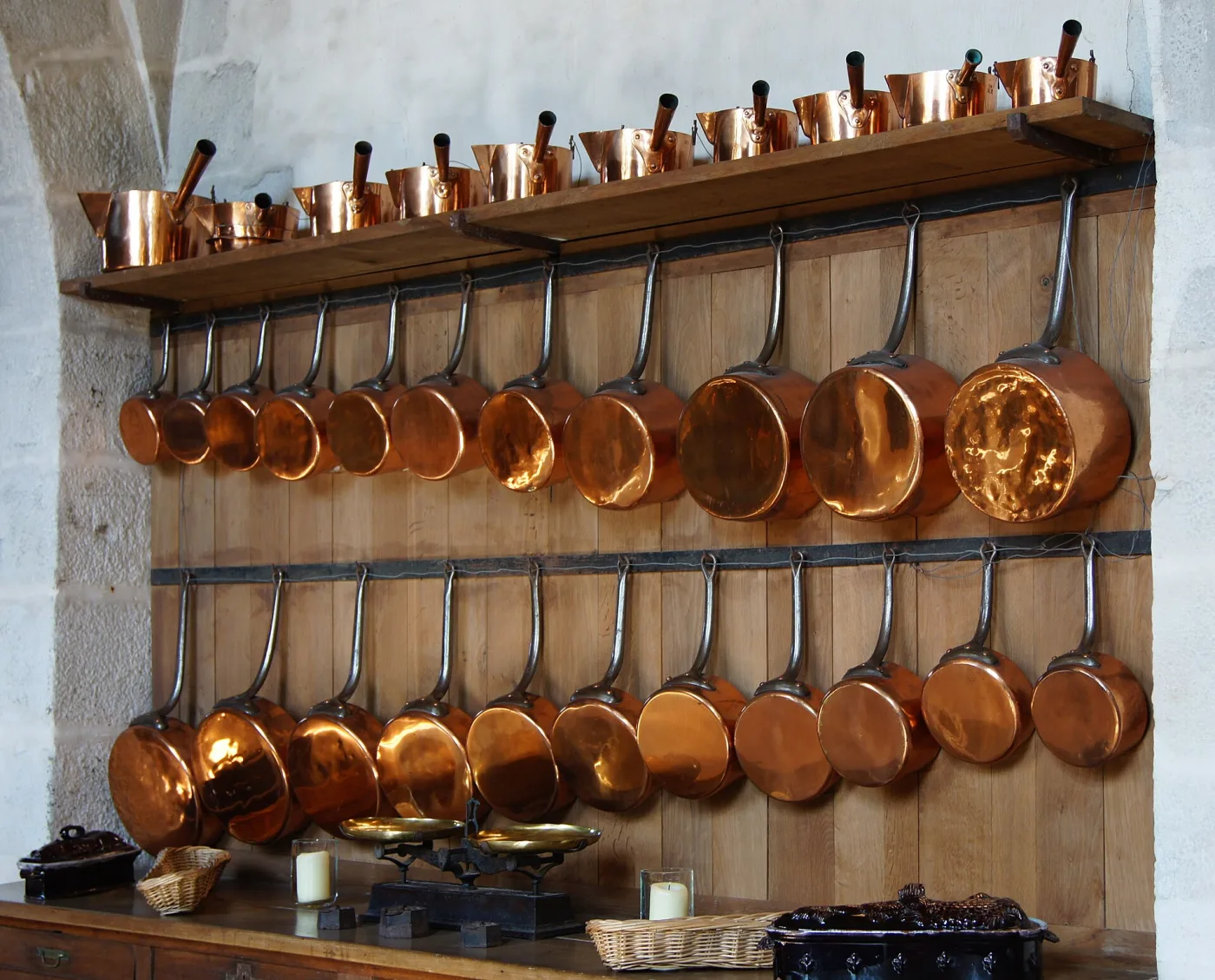
Antique kitchenware and utensils represent some of the most practical and historically significant items in the world of antiques. From cast iron skillets to copper pots, from wooden spoons to silver serving pieces, each item tells a story of culinary evolution, craftsmanship, and daily life throughout history — many of them once organized inside the flour bins and drawers of a Hoosier kitchen cabinet. This comprehensive guide will teach you everything you need to know about identifying antique kitchenware and utensils, from recognizing materials and maker marks to understanding construction techniques and determining value.
Table of Contents
- Materials Overview and Identification
- Cast Iron Cookware Identification
- Copper Cookware and Utensils
- Enamelware and Graniteware
- Wooden Utensils and Kitchen Tools
- Silver and Silver-Plated Utensils
- Ceramic and Pottery Cookware
- Maker Marks and Manufacturer Identification
- Dating Techniques and Methods
- Value Assessment and Collectibility
Materials Overview and Identification
Understanding the materials used in antique kitchenware is fundamental to accurate identification. Different materials were popular during different periods and can help date items.
Common Antique Kitchenware Materials
Kitchenware has been made from various materials throughout history:
- Cast Iron: Durable, heat-retaining, popular from 18th century to present
- Copper: Excellent heat conduction, used for centuries
- Tin: Lightweight, used for baking pans and storage
- Enamelware: Porcelain enamel on iron or steel, 19th-20th century
- Wood: Traditional material for utensils and bowls
- Silver: Luxury serving pieces and utensils
- Ceramic: Earthenware, stoneware, and porcelain cookware
- Aluminum: Modern material, became popular in early 20th century
Material Dating Clues
Materials can provide important dating information:
- Cast Iron: Manufacturing techniques changed over time
- Copper: Lining materials and construction methods evolved
- Enamelware: Colors and patterns indicate specific periods
- Wood: Types of wood and construction methods vary by era
- Plastics: Early plastics like Bakelite date to early 20th century
Identifying Material Composition
Visual and physical examination helps identify materials:
- Weight: Cast iron is heavy, aluminum is light
- Magnetism: Iron and steel are magnetic, copper and aluminum are not
- Color: Copper is reddish, cast iron is dark gray/black
- Sound: Different materials produce different sounds when tapped
- Patina: Natural aging creates distinctive surface characteristics
Cast Iron Cookware Identification
Cast iron cookware is among the most collectible and durable antique kitchen items. Understanding its characteristics helps with identification and dating.
History of Cast Iron Cookware
Cast iron has been used for cookware for centuries:
- 18th Century: Early cast iron pots and kettles, hand-crafted
- 19th Century: Mass production begins, foundries expand
- Early 20th Century: Peak of cast iron cookware popularity
- Mid 20th Century: Decline with introduction of non-stick cookware
- Modern Era: Resurgence in popularity for collectors
Identifying Cast Iron Makers
Many cast iron pieces bear maker marks or identifying characteristics:
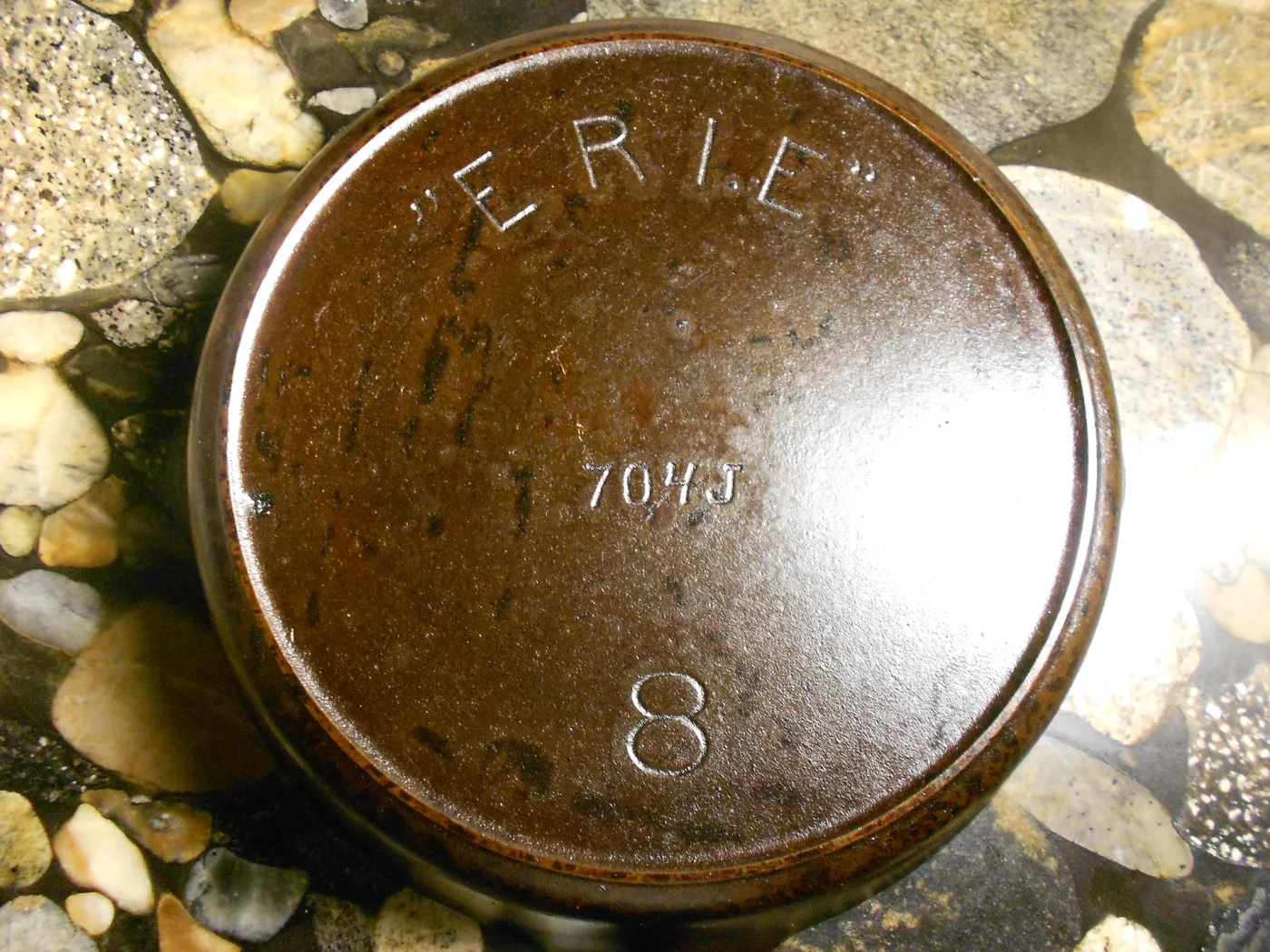
- Griswold: Erie, Pennsylvania, known for quality, "Erie" or "Griswold" marks
- Wagner: Sidney, Ohio, "Wagner Ware" and "Magnalite" brands
- Lodge: Tennessee, still in production, "Lodge" mark
- Favorite Piqua: Ohio, "Favorite" and "Piqua" marks
- Wapak: Ohio, distinctive Indian head logo
- Unmarked Pieces: Often from smaller foundries or earlier periods
Cast Iron Construction Features
Construction details help identify age and quality:
- Gate Marks: Small raised marks from casting process, pre-1900
- Heat Rings: Raised rings on bottom, indicate age and maker
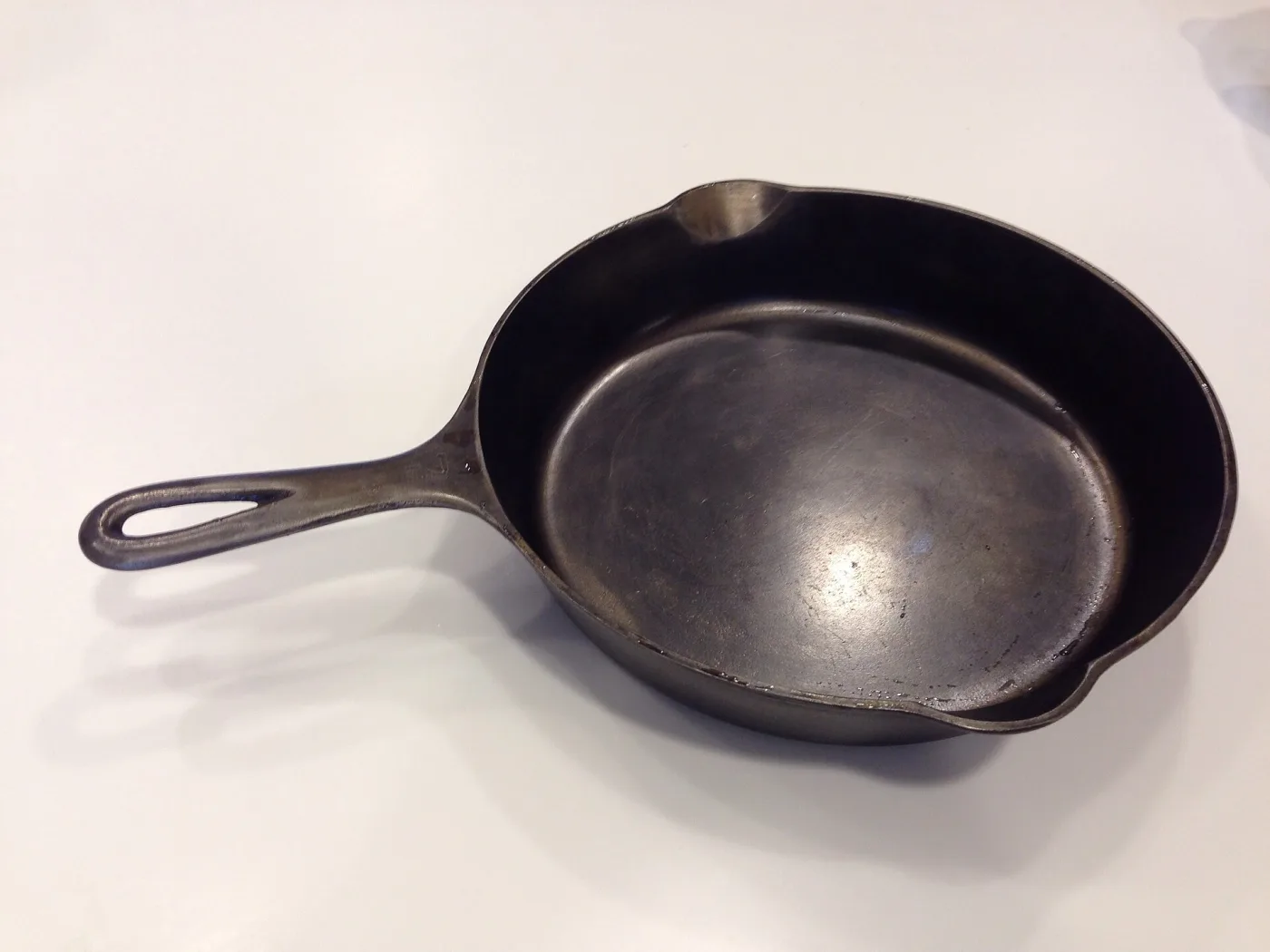
- Spouts: Design and placement vary by period
- Handles: Shape and attachment methods indicate age
- Surface Finish: Smooth vs. rough indicates quality and period
Cast Iron Skillet Sizes and Types
Understanding skillet types and sizes:
- Numbered Sizes: #3 through #14, indicating diameter
- Chicken Fryers: Deep skillets with lids
- Dutch Ovens: Heavy pots with tight-fitting lids
- Griddles: Flat cooking surfaces, often reversible
- Specialty Pieces: Cornbread pans, gem pans, waffle irons
Copper Cookware and Utensils
Copper cookware represents some of the finest and most valuable antique kitchen items. Its identification requires understanding of materials and construction.
History of Copper Cookware
Copper has been prized for cookware for its excellent heat conduction:
- Ancient Times: Used by Romans and other ancient civilizations
- Medieval Period: Luxury item for wealthy households
- 18th-19th Century: Peak of copper cookware craftsmanship
- 20th Century: Decline with introduction of aluminum and stainless steel
- Modern Era: Highly collectible and valuable
Copper Lining Materials
Copper cookware requires lining to prevent toxicity:
- Tin Lining: Traditional lining, needs periodic re-tinning
- Silver Lining: Luxury option, more durable than tin
- Stainless Steel Lining: Modern alternative, doesn't need replacement
- Unlined Copper: Rare, often decorative or for specific uses
Identifying Copper Makers
Many copper pieces bear maker marks or stamps:
- French Makers: Mauviel, Dehillerin, Gaillard
- British Makers: Falkirk, Birmingham manufacturers
- American Makers: Revere, various regional manufacturers
- Unmarked Pieces: Often from smaller workshops or earlier periods
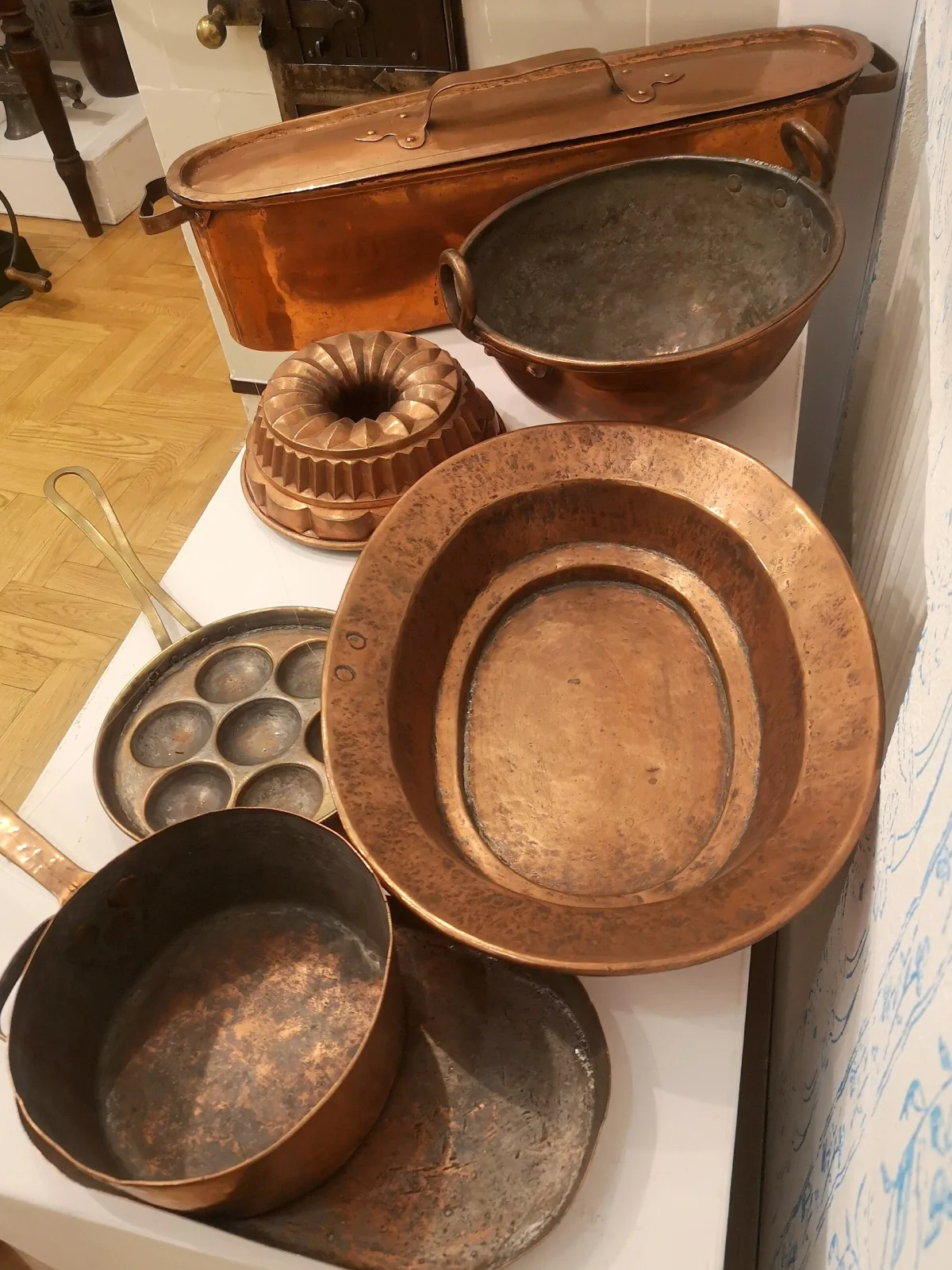
Copper Construction Features
Construction details indicate quality and age:
- Thickness: Thicker copper indicates higher quality
- Rivets: Hand-hammered vs. machine-made rivets
- Handles: Material and attachment methods vary by period
- Patina: Natural oxidation creates distinctive colors
- Dents and Wear: Consistent wear patterns indicate age
Enamelware and Graniteware
Enamelware, also known as graniteware, represents a significant category of antique kitchenware with distinctive characteristics.
What is Enamelware?
Enamelware is iron or steel coated with porcelain enamel:
- Base Material: Iron or steel
- Coating: Porcelain enamel, glass-like finish
- Durability: Resistant to rust and corrosion
- Colors: Various colors and patterns available
Enamelware Patterns and Colors
Patterns and colors help identify periods and makers:
- Speckled Graniteware: Classic pattern, various color combinations
- Solid Colors: White, blue, red, green, and other colors
- Floral Patterns: Decorative patterns popular in late 19th century
- Geometric Patterns: Art Deco influences in 1920s-1930s
- Advertising Ware: Items with company logos and advertisements
Enamelware Makers and Manufacturers
Several companies produced enamelware:
- Agate Ware: Early enamelware, often unmarked
- Wear-Ever: American manufacturer, aluminum and enamelware
- Le Creuset: French manufacturer, still in production
- Various European Makers: German, French, and other manufacturers
Common Enamelware Items
Enamelware was used for various kitchen items:
- Coffee Pots: Drip pots, percolators, and matching enamelware sets often paired with the era's cast iron coffee grinders
- Tea Kettles: Stovetop kettles, various sizes
- Baking Pans: Cake pans, bread pans, cookie sheets
- Storage Containers: Canisters, bins, various sizes
- Dinnerware: Plates, bowls, cups, serving pieces

Wooden Utensils and Kitchen Tools
Wooden utensils represent some of the oldest and most traditional kitchen tools. Their identification requires understanding of wood types and construction methods.
History of Wooden Kitchen Utensils
Wood has been used for kitchen tools for millennia:
- Ancient Times: Earliest kitchen tools were wooden
- Medieval Period: Hand-carved utensils, regional variations
- 18th-19th Century: Mass production begins, standardized designs
- 20th Century: Decline with introduction of metal and plastic
- Modern Era: Resurgence in popularity for health and environmental reasons
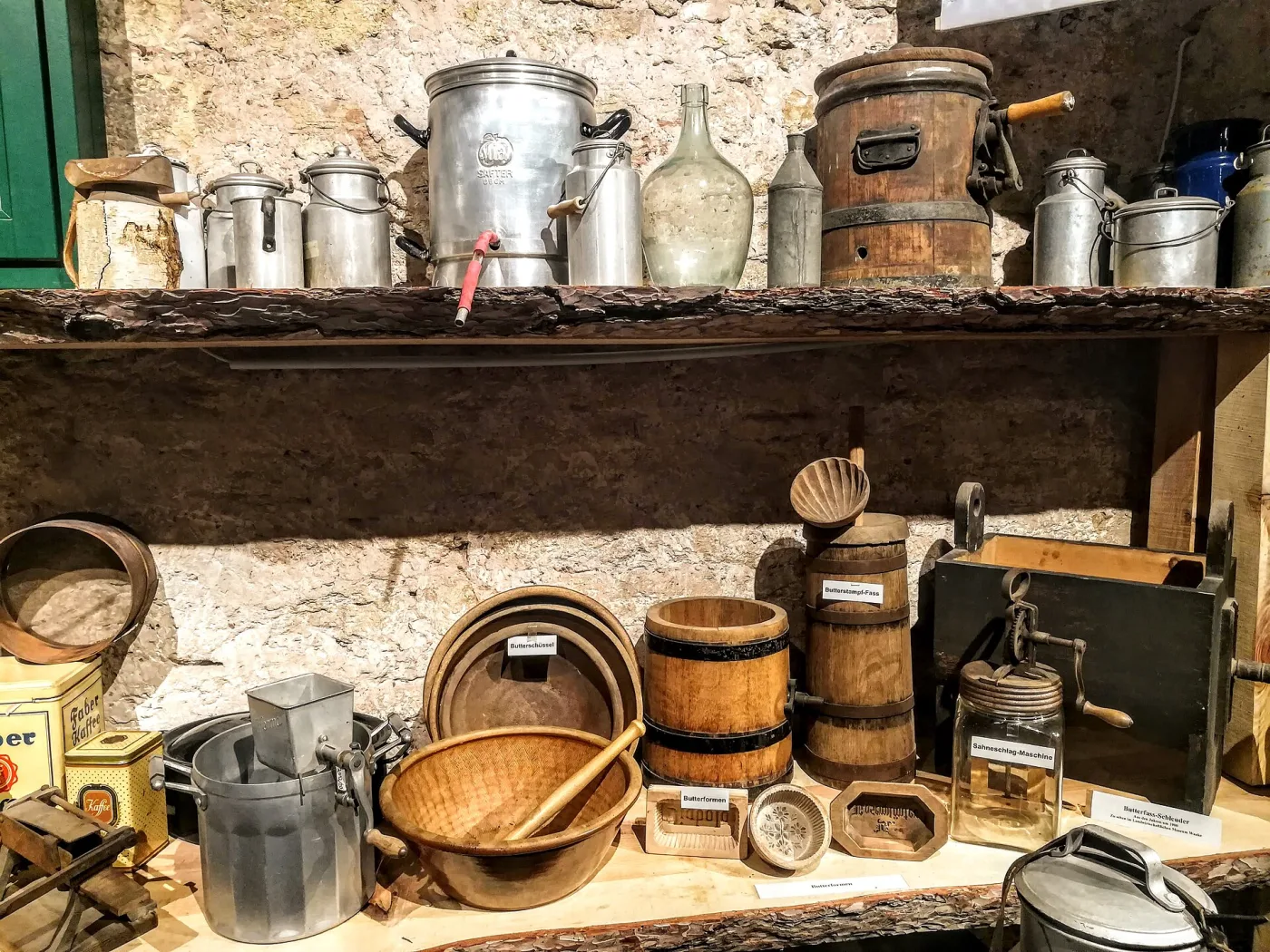
Wood Types Used in Kitchen Utensils
Different woods were used for different purposes:
- Hardwoods: Maple, oak, cherry, walnut - durable, long-lasting
- Softwoods: Pine, cedar - lighter, less durable
- Exotic Woods: Olive wood, teak - luxury options
- Regional Woods: Local availability influenced wood choices
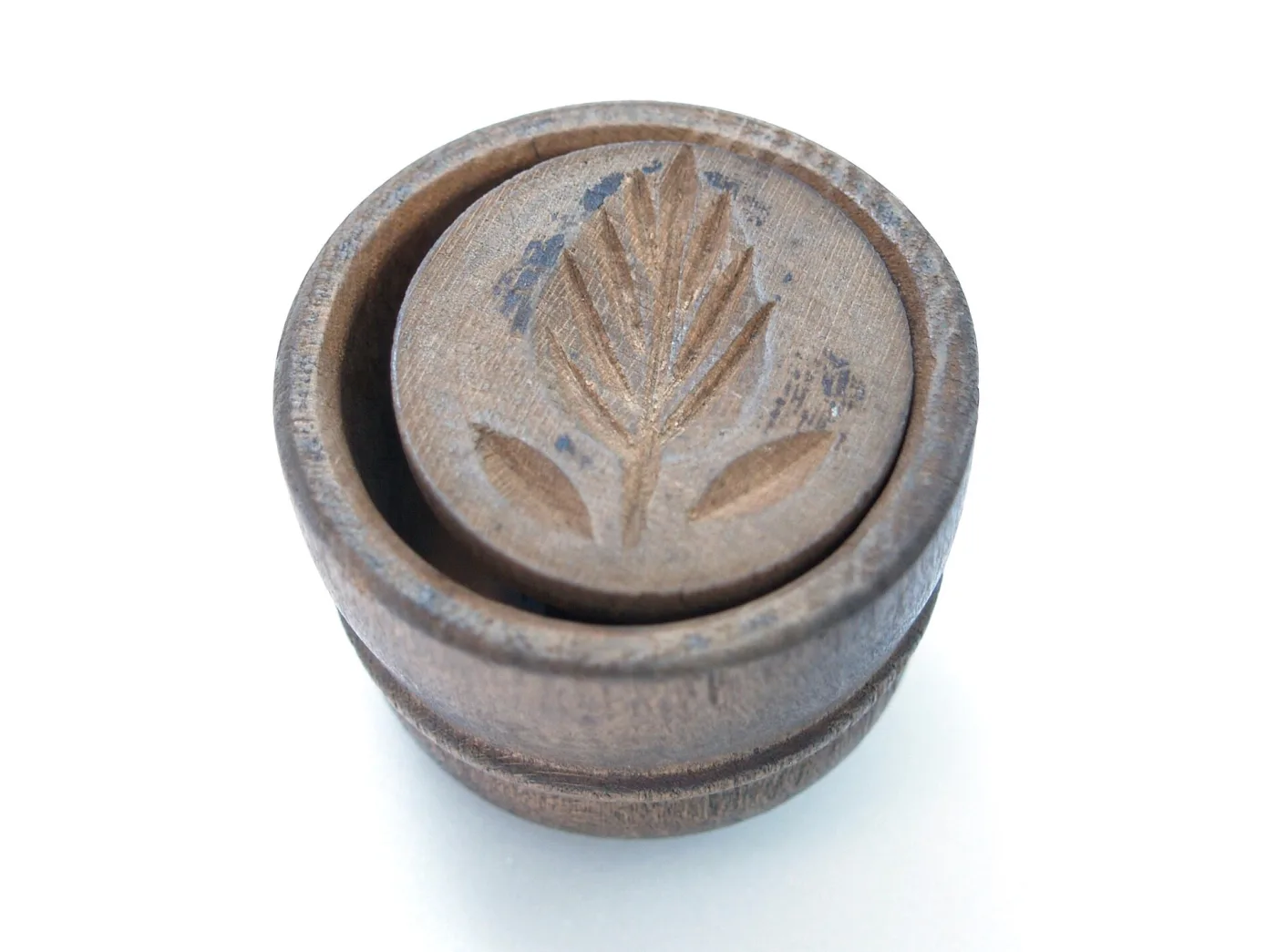
Types of Wooden Utensils
Wooden utensils came in various forms:
- Spoons: Various sizes, from teaspoons to serving spoons
- Spurtles: Scottish stirring sticks, traditional design
- Bowls: Mixing bowls, serving bowls, various sizes
- Cutting Boards: Butcher blocks, bread boards
- Nutcrackers: Turned screw types and carved figural designs
- Rolling Pins: Various designs, with and without handles
- Mortar and Pestles: Grinding and crushing tools
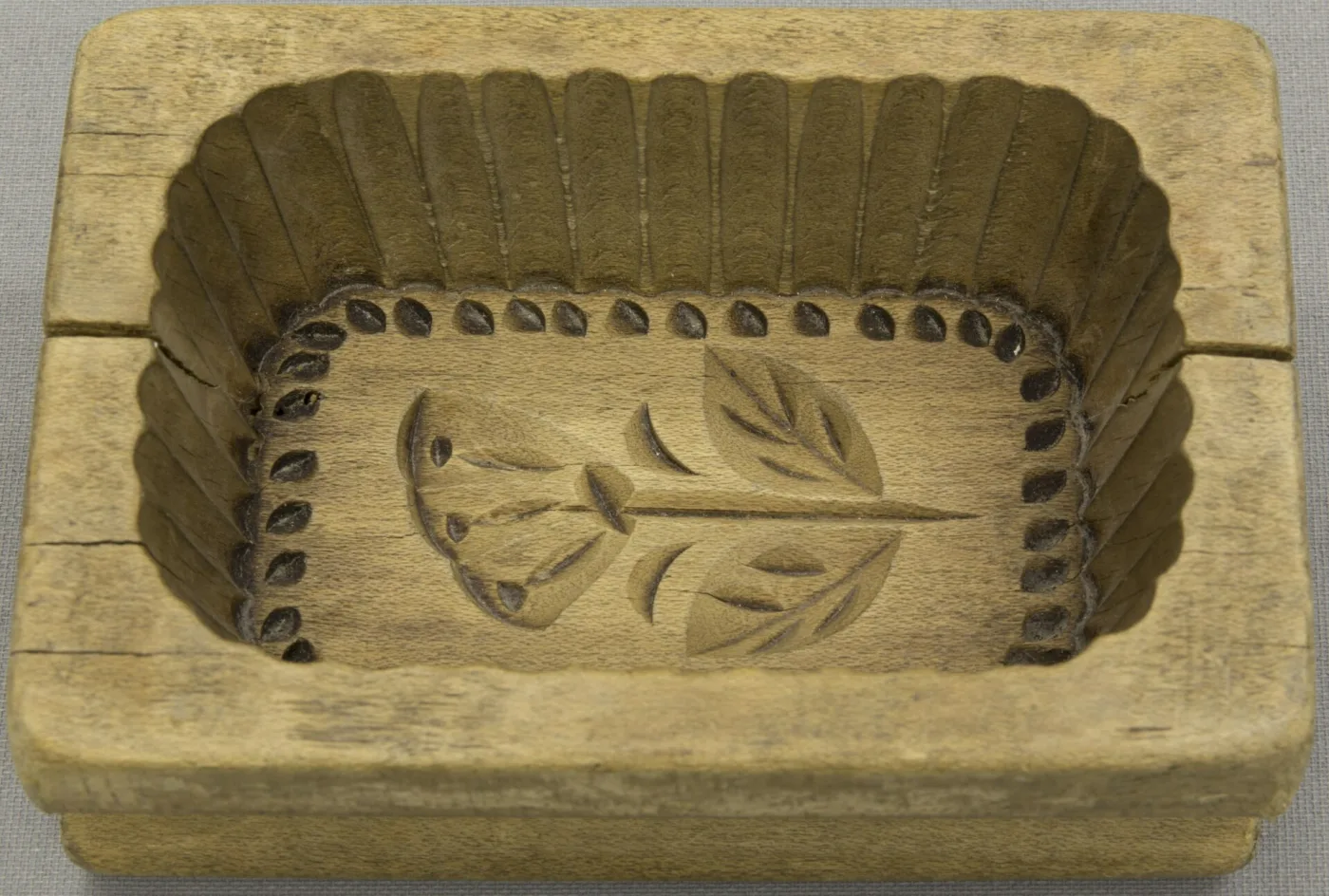
Identifying Antique Wooden Utensils
Characteristics that indicate age and authenticity:
- Tool Marks: Hand-carved vs. machine-made marks
- Wear Patterns: Consistent wear from use
- Patina: Natural darkening and aging of wood
- Construction: Joinery methods, single piece vs. assembled
- Design: Period-appropriate shapes and proportions
Silver and Silver-Plated Utensils
Silver and silver-plated utensils represent luxury kitchen and dining items. Their identification requires understanding of hallmarks and plating techniques.
Sterling Silver Utensils
Sterling silver utensils are made from solid silver:
- Composition: 92.5% silver, 7.5% copper
- Hallmarks: Official marks indicating purity and maker
- Value: Higher value than plated items
- Care: Requires regular polishing to prevent tarnish
Silver-Plated Utensils
Silver-plated items have a thin layer of silver over base metal:
- Base Metal: Usually copper, brass, or nickel silver
- Plating Methods: Electroplating, Sheffield plate
- Thickness: Varies, affects durability and value
- Wear: Plating can wear through with use
Sheffield Plate
Sheffield plate is a historical plating technique:
- Method: Silver fused to copper base
- Period: 1740s to 1840s, replaced by electroplating
- Identification: Distinctive characteristics and marks
- Value: Highly collectible and valuable
Silver Utensil Patterns
Silver and plated utensils came in various patterns:
- Georgian Patterns: Simple, elegant designs
- Victorian Patterns: Ornate, decorative designs
- Art Deco Patterns: Geometric, modern designs
- Modern Patterns: Contemporary, streamlined designs
Identifying Silver Makers
Many silver pieces bear maker marks:
- British Makers: Various silversmiths with distinctive marks
- American Makers: Gorham, Tiffany, Reed & Barton, others
- European Makers: French, German, Italian silversmiths
- Pattern Names: Many patterns have specific names
Ceramic and Pottery Cookware
Ceramic and pottery cookware represents a significant category of antique kitchen items with diverse materials and styles.
Types of Ceramic Cookware
Ceramic cookware comes in various forms:
- Earthenware: Porous, lower firing temperature
- Stoneware: Dense, higher firing temperature, more durable
- Porcelain: Fine, white, high firing temperature
- Terracotta: Unglazed earthenware, traditional cooking
Historical Ceramic Cookware
Ceramic cookware has been used for centuries:
- Ancient Times: Earliest cooking vessels were ceramic
- Medieval Period: Regional pottery traditions develop
- 18th-19th Century: Industrial production begins
- 20th Century: Modern glazes and production methods
Identifying Ceramic Makers
Many ceramic pieces bear maker marks:
- British Makers: Wedgwood, Spode, Royal Doulton, others
- American Makers: Various regional potteries
- European Makers: French, German, Italian manufacturers
- Asian Makers: Chinese, Japanese, Korean ceramics
Ceramic Cookware Types
Ceramic was used for various cooking items:
- Casseroles: Baking dishes, various sizes
- Bean Pots: Traditional slow-cooking vessels
- Baking Dishes: Pie plates, cake pans, bread pans
- Storage Jars: Canning jars and mason jars, storage containers
- Tea Pots: Ceramic tea pots, various styles
Maker Marks and Manufacturer Identification
Identifying makers and manufacturers significantly enhances the value and historical interest of antique kitchenware.
Types of Maker Marks
Maker marks come in various forms:
- Stamped Marks: Impressed into metal or cast into pieces
- Printed Marks: Ink stamps on ceramic or enamelware
- Engraved Marks: Hand-engraved signatures or marks
- Mold Marks: Cast into ceramic or cast iron pieces
- Paper Labels: Often found on wooden items
Cast Iron Maker Marks
Famous cast iron manufacturers and their marks:
- Griswold: "Erie" or "Griswold" with size numbers
- Wagner: "Wagner Ware" with various logos
- Lodge: "Lodge" with size numbers, still in production
- Favorite Piqua: "Favorite" or "Piqua" marks
- Wapak: Indian head logo, distinctive mark
Silver and Plated Utensil Makers
Important silver and plated utensil manufacturers:
- Gorham: American silver company, various patterns
- Tiffany & Co.: Luxury silver and utensils
- Reed & Barton: Traditional American silver
- Oneida: Silver-plated and stainless steel
- International Silver: Large American manufacturer
Researching Maker Information
Resources for identifying makers:
- Reference Books: Manufacturer guides and catalogs
- Online Databases: Maker mark identification websites
- Museum Collections: High-resolution images and provenance
- Collector Forums: Community knowledge and experience
- Expert Consultation: Professional appraisers and dealers
Dating Techniques and Methods
Accurate dating of antique kitchenware requires multiple approaches and careful analysis of various characteristics.
Style Analysis
Design elements indicate specific periods:
- Decorative Elements: Ornamentation, patterns, motifs
- Proportions: Shape and size characteristics
- Historical Context: Social, economic, and cultural influences
- Regional Variations: Local styles and preferences
- Fashion Trends: Popular styles and their evolution
Construction Analysis
Construction methods provide dating clues:
- Manufacturing Techniques: Hand-crafted vs. machine-made
- Joinery Methods: How pieces are assembled
- Tool Marks: Evidence of hand vs. machine work
- Material Processing: How materials were worked
- Finishing Methods: Surface treatment and finishing
Material Dating
Materials and their characteristics indicate age:
- Metal Composition: Alloy ratios and purity standards
- Wood Types: Species availability and preferences
- Ceramic Bodies: Clay composition and firing methods
- Plastic Materials: Early plastics indicate 20th century
- Coating Materials: Enamel, plating, and finish types
Patina and Wear Analysis
Natural aging creates distinctive characteristics:
- Surface Patina: Natural oxidation and aging
- Wear Patterns: Consistent use patterns
- Color Changes: Materials darken or change with age
- Damage Patterns: Age-appropriate wear and damage
- Repair Evidence: Historical repair methods
Provenance Research
Documentation and history help with dating:
- Family History: Ownership documentation
- Sales Records: Auction and dealer records
- Photographs: Historical images showing items
- Catalogs: Manufacturer catalogs and advertisements
- Insurance Records: Appraisal documentation
Value Assessment and Collectibility
Understanding what makes kitchenware valuable helps with identification and appraisal.
Value Factors
Several factors influence the value of antique kitchenware:
- Rarity: Limited production, unique features, discontinued items
- Condition: Original finish, minimal damage, completeness
- Maker: Famous or important manufacturer
- Provenance: Famous ownership, documented history
- Age: Older items often more valuable
- Completeness: Sets and complete items more valuable
- Design: Attractive or distinctive designs
Highly Collectible Items
Certain types of kitchenware are particularly collectible:
- Griswold Cast Iron: Highly sought after by collectors
- Wagner Cast Iron: Quality pieces, good collectibility
- Copper Cookware: Especially French and high-quality pieces
- Sheffield Plate: Historical significance, high value
- Enamelware: Specific patterns and colors
- Wooden Utensils: Hand-carved, regional pieces
- Ceramic Cookware: Named makers, attractive designs
Market Considerations
Market factors affect value:
- Current Trends: Popular styles and periods
- Economic Factors: Market conditions, material prices
- Geographic Demand: Regional preferences and markets
- Collector Interest: Specialized collector groups
- Functional Value: Items still usable often more valuable
Appraisal Methods
Various methods for determining value:
- Comparable Sales: Recent auction and dealer results
- Replacement Cost: Cost to recreate or replace
- Investment Potential: Future value appreciation
- Expert Opinion: Professional appraiser assessment
- Online Research: Price guides and databases
Care and Preservation
Proper care maintains value:
- Cleaning: Appropriate methods for each material
- Storage: Proper storage prevents damage
- Restoration: When and how to restore items
- Documentation: Keeping records of provenance and care
- Insurance: Protecting valuable collections
Conclusion
Antique kitchenware and utensils identification is a fascinating field that combines historical knowledge, technical understanding, and practical appreciation. By learning to recognize materials, maker marks, construction techniques, and period styles, you can develop the expertise needed to identify and authenticate antique kitchen items.
Remember that kitchenware identification often requires multiple pieces of evidence working together. A single characteristic is rarely definitive, but when combined with other indicators, it can provide a clear picture of an item's age, origin, and authenticity. Whether you're collecting cast iron skillets, copper pots, wooden utensils, or silver serving pieces, understanding the history and characteristics of these items enhances both their value and your appreciation of them.
The world of antique kitchenware offers something for every collector, from the practical beauty of cast iron cookware to the elegant luxury of sterling silver utensils. Each piece represents a connection to the past, a window into how people lived and cooked throughout history. With the knowledge gained from this guide, you're well-equipped to begin identifying and collecting these fascinating historical artifacts.