
Antique Ice Cream Scoops and Molds Identification Guide: Makers, Patents & Dating
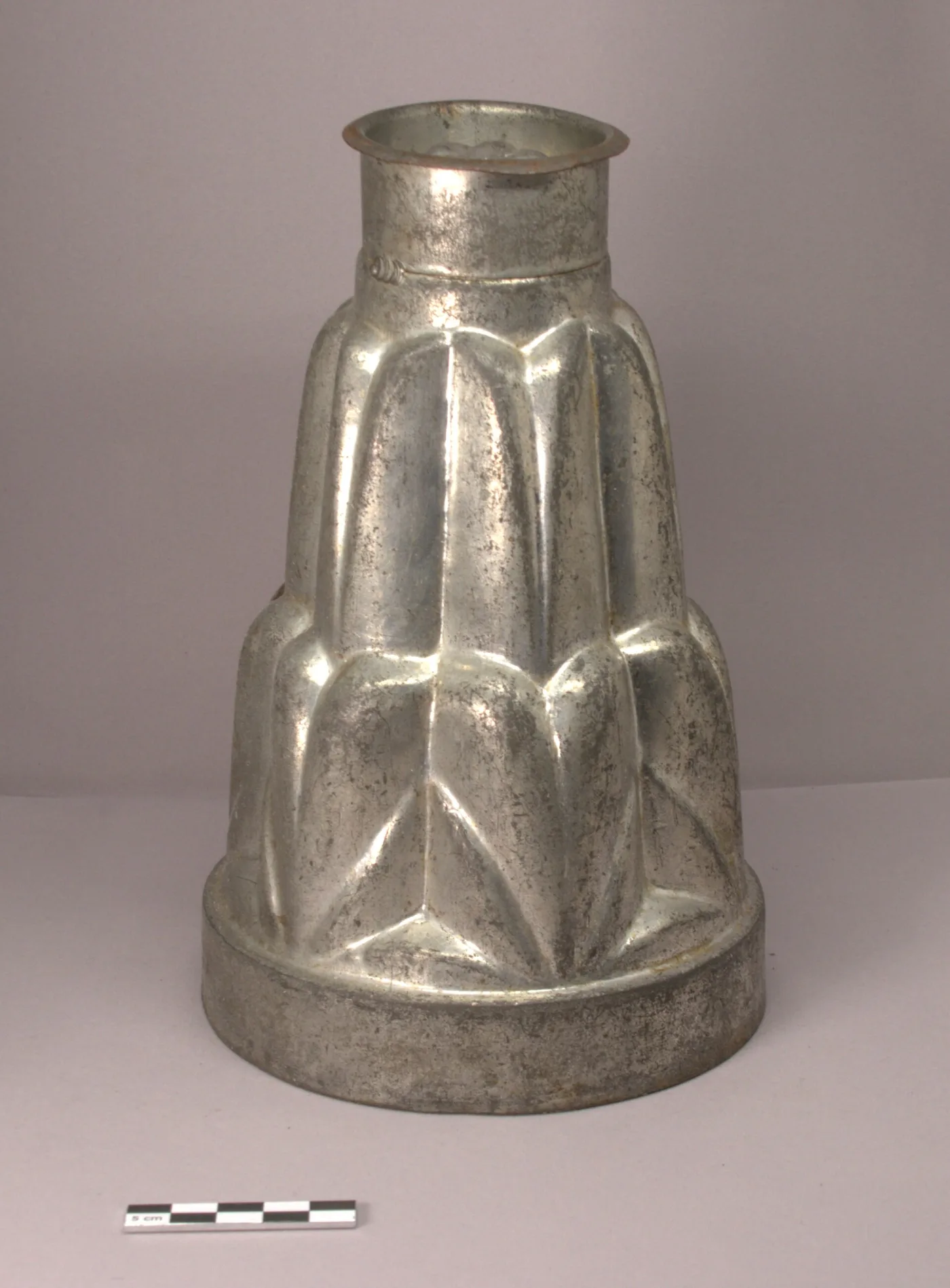
Antique ice cream scoops and molds represent a fascinating collecting category that combines mechanical ingenuity, social history, and nostalgic appeal. From the elaborate pewter molds of Victorian-era entertaining to the innovative spring-action dishers of early 20th-century soda fountains, these implements tell the story of America's love affair with frozen desserts. Collectors prize these pieces not only for their functionality but also for the remarkable variety of mechanisms, materials, and designs developed during the golden age of ice cream parlor culture.
The period from the 1870s through the 1940s witnessed an explosion of ice cream scoop patents as inventors competed to create the perfect dishing mechanism. Companies like Gilchrist, Dover, and later Zeroll became household names, producing scoops that ranged from simple spoon-like implements to complex spring-loaded contraptions with multiple moving parts. Meanwhile, pewter and chocolate molds in hundreds of decorative shapes allowed home cooks and professional caterers to create elaborate frozen centerpieces for special occasions.
This guide provides collectors with comprehensive information for identifying, dating, and evaluating antique ice cream scoops and molds. You'll learn to recognize key manufacturers, understand patent dating systems, decode size markings, distinguish genuine antiques from reproductions, and assess condition and value factors that determine collectibility in today's robust market for ice cream memorabilia.
Table of Contents
- History and Evolution
- Ice Cream Scoops and Dishers
- Major Manufacturers
- Gilchrist Company
- Zeroll and Dover
- Scoop Mechanisms and Types
- Patent Dating Systems
- Size Markings and Numbers
- Ice Cream Molds
- Pewter Molds
- Chocolate and Metal Molds
- Popular Mold Shapes and Designs
- Materials and Construction
- Identification Marks and Signatures
- Condition Assessment
- Authentication and Reproductions
- Value Factors
- Collecting Strategies
- Care and Preservation
- Market Resources
History and Evolution
The history of ice cream implements mirrors the democratization of frozen desserts in America and Europe. What began as a luxury reserved for the wealthy gradually became accessible to the middle class, then finally emerged as an everyday treat available to all. This transformation required not only advances in refrigeration technology but also the development of practical tools for serving and shaping ice cream efficiently.
Early Ice Cream Service
Before specialized scoops existed, ice cream was served with ordinary spoons or small paddles, often shaped by hand into rough portions. This labor-intensive process worked adequately for small-scale home service but proved impractical for commercial establishments or large social events. The need for faster, more uniform serving tools drove innovation beginning in the mid-19th century.
Early serving implements included modified kitchen spoons with deeper bowls and occasionally serrated edges for penetrating hard-frozen desserts. Some featured long handles to reach deep into storage containers. While functional, these primitive tools lacked mechanisms for releasing the ice cream cleanly, often requiring the server to push or scrape the portion from the spoon with another implement.
The Patent Era Begins
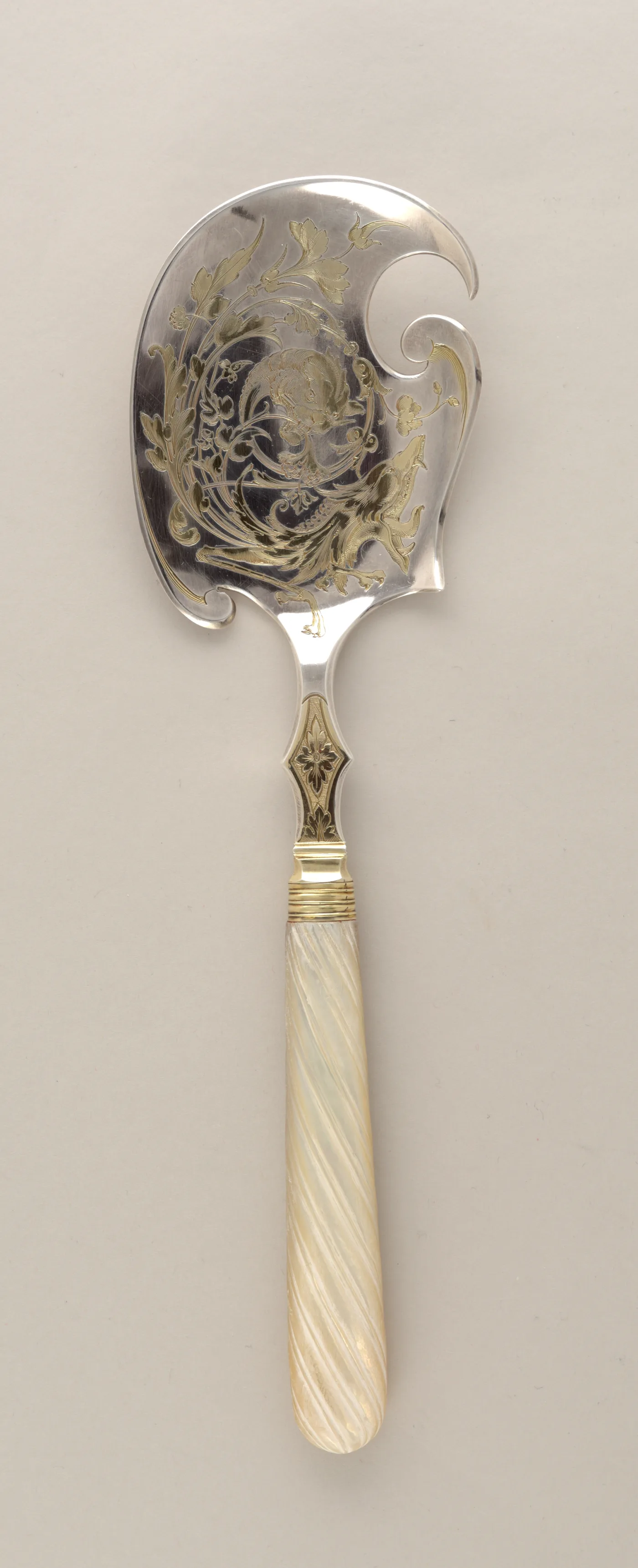
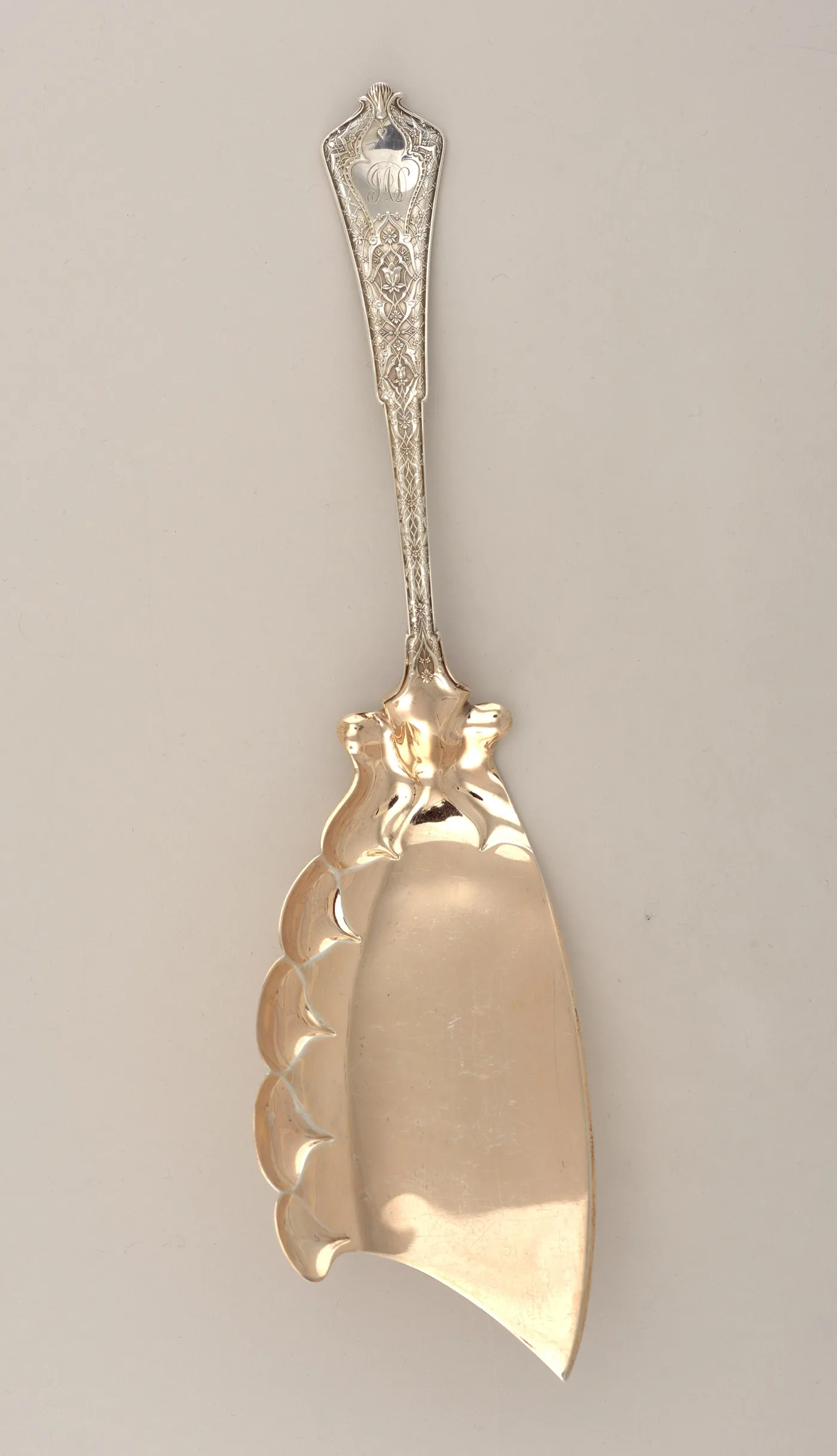
The first patent for an ice cream disher was issued to William Clewell of Reading, Pennsylvania, in 1876. This pioneering design incorporated a mechanical scraper operated by thumb pressure to release the ice cream from the scoop bowl. Clewell's invention established the basic principle that would guide hundreds of subsequent patents: combining a shaped bowl with a mechanism for clean, efficient portion release.
The period from 1876 through the 1930s witnessed extraordinary creativity in scoop design. The United States Patent Office received hundreds of applications for ice cream serving devices, each claiming improvements in scooping efficiency, portion uniformity, ease of operation, or durability. This golden age of scoop innovation produced both practical designs that remained in production for decades and elaborate mechanisms that proved too complex or fragile for commercial success.
Soda Fountain Culture
The explosive growth of soda fountains in American drugstores and ice cream parlors between 1900 and 1930 created enormous demand for efficient ice cream serving equipment. Fountain operators needed tools that could portion ice cream quickly and uniformly, withstand constant use, and minimize waste. This commercial pressure drove manufacturers to refine designs, improve materials, and standardize sizes for portion control.
The soda fountain era also established ice cream service as a skilled trade. Fountain operators took pride in their technique, learning to temper their scooping motion for different ice cream hardnesses and practicing artistic presentations. The tools they used became badges of professional competency, with experienced operators often preferring specific scoop models and maintaining their equipment meticulously.
Ice Cream Mold Traditions
Parallel to scoop development, decorative ice cream molds evolved from European confectionery traditions. French craftsmen began producing pewter molds in the 1830s, with the Cadot company of Paris leading production from 1832 onward. These molds allowed wealthy households and professional caterers to create elaborate frozen sculptures for impressive table presentations, transforming ice cream from a simple dessert into edible art.
Mold production spread to other European countries and eventually to America, where companies manufactured molds in hundreds of shapes: fruits, animals, flowers, holiday symbols, and geometric forms. The Victorian and Edwardian eras represented the peak of decorative ice cream mold popularity, when elaborate frozen desserts served as social status symbols and demonstration of household refinement.
Decline and Collecting Revival
The decline of soda fountain culture after World War II and the rise of pre-packaged ice cream reduced demand for commercial scoops and decorative molds. Manufacturing shifted toward simpler, less expensive designs suited to home use. Many classic scoop models disappeared from production, and pewter mold making essentially ceased as a commercial enterprise.
Interest in ice cream collectibles revived in the 1980s as nostalgia for soda fountain culture grew and antique kitchen tools gained recognition as legitimate collecting categories. Organizations like The Ice Screamers, founded in 1982, brought together enthusiasts to preserve ice cream history and memorabilia. Today, antique ice cream implements enjoy an active collecting community with specialized dealers, reference resources, and growing market values for rare or exceptional examples.
Ice Cream Scoops and Dishers
The terms "scoop," "disher," and "dipper" are often used interchangeably in collecting circles, though some purists make distinctions. Generally, "disher" refers to commercial portion-control implements with mechanical release mechanisms, while "scoop" describes simpler spoon-like tools. "Dipper" originally designated implements for dipping ice cream from containers but evolved to describe various designs.
Basic Design Components
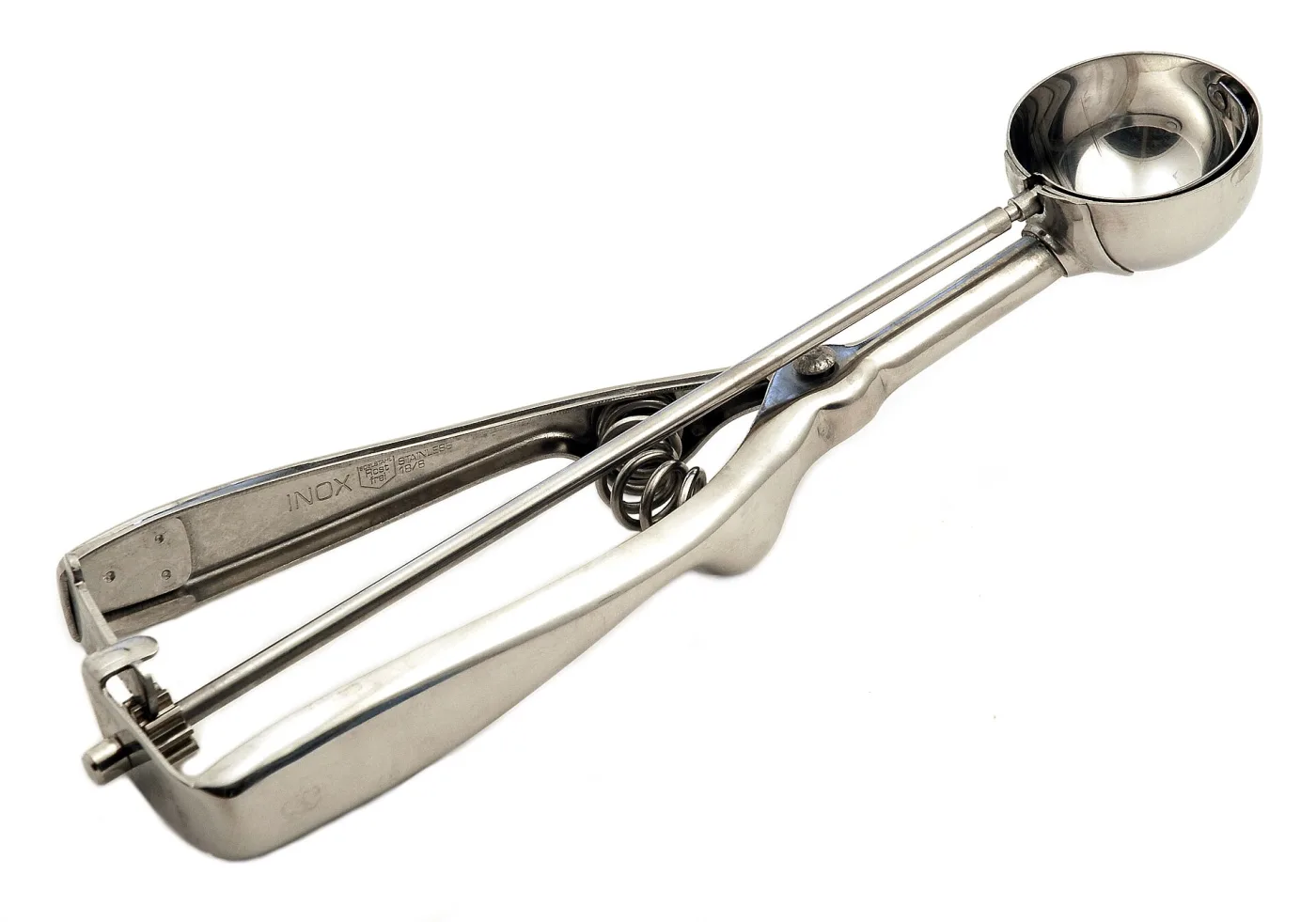
Antique ice cream scoops consist of several key components, each subject to design variation and innovation. The bowl forms the primary working element, shaped to penetrate and portion ice cream while providing the desired portion size and form. Bowl designs range from hemispherical to conical, with some featuring internal mechanisms while others remain simple shells.
The handle connects the bowl to the operator's hand, varying from simple wood or metal cylinders to elaborately shaped grips designed for comfort and leverage. Handle materials include turned wood, cast metal, Bakelite, and occasionally decorative materials like celluloid or mother-of-pearl. Handle length varies based on intended use, with commercial dishers typically featuring shorter handles for control while home implements sometimes incorporated longer handles for reaching deep containers.
The release mechanism, when present, distinguishes mechanical dishers from simple scoops. These mechanisms range from thumb-operated levers to squeeze handles, rotating scraper blades, or self-defrosting heat-transfer designs. The complexity and effectiveness of release mechanisms significantly impact both historical value and collector desirability.
Functional Categories
Collectors classify scoops into several functional categories based on design philosophy and intended use. Spade or paddle scoops feature flat or slightly curved blades without mechanical parts, relying on the operator's technique to form and release portions. These simple designs dominated early ice cream service and continued in home use throughout the 20th century.
Cone-forming dishers incorporate conical bowls designed to create ice cream portions shaped perfectly for serving in cones. These typically feature squeeze-handle or thumb-lever mechanisms to release the formed portion. The conical shape became standard for commercial service once ice cream cones gained popularity after their introduction at the 1904 St. Louis World's Fair.
Round bowl dishers produce spherical or hemispherical portions ideal for serving in dishes or cups. These often incorporated sophisticated release mechanisms with internal scraper blades that swept around the bowl's interior, cleanly separating the ice cream from the metal surface. Round dishers particularly suited sundae service, where presentation appearance mattered significantly.
Specialized Designs
Beyond standard service scoops, specialized designs addressed particular needs or attempted to solve specific problems. Layer cake dishers featured extremely shallow bowls designed to spread ice cream into thin, uniform layers for frozen dessert assembly. These rare implements appeal to collectors due to their unusual forms and limited production.
Sandwich scoops or wafer dishers produced flat, square portions intended for placement between wafers or cookies. Some featured built-in cutters to form perfectly sized portions, while others simply shaped portions that operators then cut manually. The specialized nature of these tools makes them desirable collectibles when found in good condition.
Sample or tasting scoops in miniature sizes allowed customers to try flavors before committing to full portions. These tiny implements, sometimes just two or three inches long, charm collectors with their diminutive scale while maintaining full mechanical functionality in better examples. Their small size made them prone to loss, contributing to relative scarcity today.
Major Manufacturers
The ice cream scoop industry featured dozens of manufacturers during its peak period, but several companies dominated production through innovation, marketing, and manufacturing excellence. Understanding the major players helps collectors identify, date, and value examples accurately.
Market Leaders
The Gilchrist Company of Newark, New Jersey, emerged as the industry's preeminent manufacturer during the 1910s and 1920s, producing more ice cream scoops than any other single company. Gilchrist's success stemmed from reliable mechanical designs, effective marketing to commercial establishments, and a product line offering multiple models and sizes for different applications.
The Dover Manufacturing Company of Boston, Massachusetts, represented another major producer, with scoops dating from 1900 onward. Dover implements often featured distinctive designs and solid construction that earned professional operators' loyalty. The company's products remained in production and use for decades, with some designs becoming industry standards.
The Hamilton Beach Manufacturing Company, though better known for electric appliances, produced notable ice cream dishers incorporating their expertise in mechanical design and manufacturing. Hamilton Beach scoops often featured refined mechanisms and comfortable handles that reflected the company's attention to user experience.
Regional Manufacturers
Numerous smaller regional manufacturers produced scoops for local or regional markets. The Automatic Cone Company, Erie Specialty Company, Gem Spoon Company, and dozens of others contributed designs ranging from simple copies of popular models to innovative original mechanisms. These regional products often exhibit interesting variations and sometimes achieve high collectible value due to relative scarcity.
Many regional manufacturers operated briefly, producing limited quantities before ceasing scoop production or going out of business entirely. Scoops from short-lived companies or those with limited distribution become particularly desirable to collectors seeking unusual examples. Documentation for these smaller manufacturers is often limited, making definitive identification challenging but adding to the research appeal for serious collectors.
Foreign Manufacturers
While American companies dominated the ice cream scoop market, European and Canadian manufacturers also produced notable examples. English manufacturers like Ovaline Industries created distinctive designs incorporating European aesthetic sensibilities. Canadian companies, particularly in Ontario, produced scoops primarily for domestic markets but occasionally exported to the United States.
German and French manufacturers specialized more in ice cream molds than scoops, though some produced serving implements incorporating Continental design elements. These international examples add geographical diversity to collections and often feature construction or styling details distinguishing them from American products.
Gilchrist Company
The Gilchrist Company deserves special attention as the most successful and prolific ice cream scoop manufacturer of the early 20th century. Founded by Raymond Gilchrist, the company exemplified American manufacturing ingenuity and dominated the commercial ice cream serving implement market during its peak years.
Company History
Raymond Gilchrist established the Gilchrist Company in Newark, New Jersey, in 1902, initially operating as a hardware store. By the 1910s, the business had shifted focus to manufacturing ice cream scoops, leveraging Gilchrist's talent for mechanical design and his understanding of soda fountain operators' needs. The company's motto, "Better Than Need Be," reflected its commitment to quality construction and reliable operation that exceeded basic functional requirements.
Gilchrist's success stemmed from producing scoops that balanced functionality, durability, and ease of maintenance. The company understood that commercial operators needed implements that could withstand intensive daily use, maintain consistent performance through thousands of scoops, and allow field repair when components wore or broke. This practical focus, combined with effective marketing to wholesale supply houses and direct to soda fountains, established Gilchrist as the industry standard.
The company remained in operation from 1902 through 1931, when it ceased ice cream scoop production. During those three decades, Gilchrist produced millions of scoops in numerous models and sizes, establishing such market dominance that "Gilchrist" became nearly synonymous with "ice cream scoop" among fountain operators. This widespread use means Gilchrist scoops remain relatively common in the antique market today, though certain models and sizes command premium prices.
Key Models
The Gilchrist Model 31 stands as the company's most successful and historically significant design. Patented in 1915, the No. 31 featured a conical bowl with a thumb-operated scraper mechanism that swept the bowl's interior to release the ice cream cleanly. This design proved so successful that it's often credited as one of the most popular and widely-used ice cream scoops in history. The Model 31 came in nine sizes, numbered according to how many scoops filled a quart, providing precise portion control for commercial operators.
The Gilchrist Model 30, with patent filed in 1907 but not issued until 1914, represented an earlier design incorporating a rotating scraper mechanism. While less common than the Model 31, the No. 30 demonstrates the company's ongoing design development and offers collectors an example of Gilchrist's evolutionary approach to improving scoop functionality.
The Model 33, patented in 1914 though the application was filed in 1910, featured yet another variation on the mechanical release theme. The Model 44, introduced after 1910, rounded out Gilchrist's primary product line. Each model addressed slightly different operational preferences or attempted to improve on previous designs' perceived shortcomings.
Construction Quality
Gilchrist scoops exemplify the quality construction that established the company's reputation. Bowls were formed from heavy-gauge metal, typically nickel-plated brass or steel, providing durability while maintaining smooth surfaces that released ice cream cleanly. The mechanical components featured precision machining and robust springs that maintained tension through extended use.
Handles typically consisted of turned hardwood, most commonly birch or maple, shaped for comfortable grip and attached to the bowl assembly with threaded metal fittings. The wood received finishing treatment to resist moisture absorption from ice cream contact, though these finishes deteriorated over decades of use and cleaning. Gilchrist's attention to handle comfort distinguished its scoops from competitors offering similar mechanical designs but less ergonomic grips.
Identifying Gilchrist Scoops
Authentic Gilchrist scoops bear the company name and model number stamped into the metal, typically on the bowl's exterior or occasionally on internal mechanism components. Markings might include "GILCHRIST CO.," "GILCHRIST NEWARK N.J.," model numbers like "No. 31" or "No. 30," and size numbers indicating portion dimensions. Patent dates sometimes appear, helping establish manufacturing periods.
The presence of clear, deep stampings indicates earlier production when marking dies remained sharp, while weak or partially illegible marks suggest later manufacture after die wear. Some Gilchrist scoops lack visible markings due to wear or polishing but can still be identified through distinctive mechanical design elements and construction details that remained consistent across production runs.
Zeroll and Dover
Zeroll Company
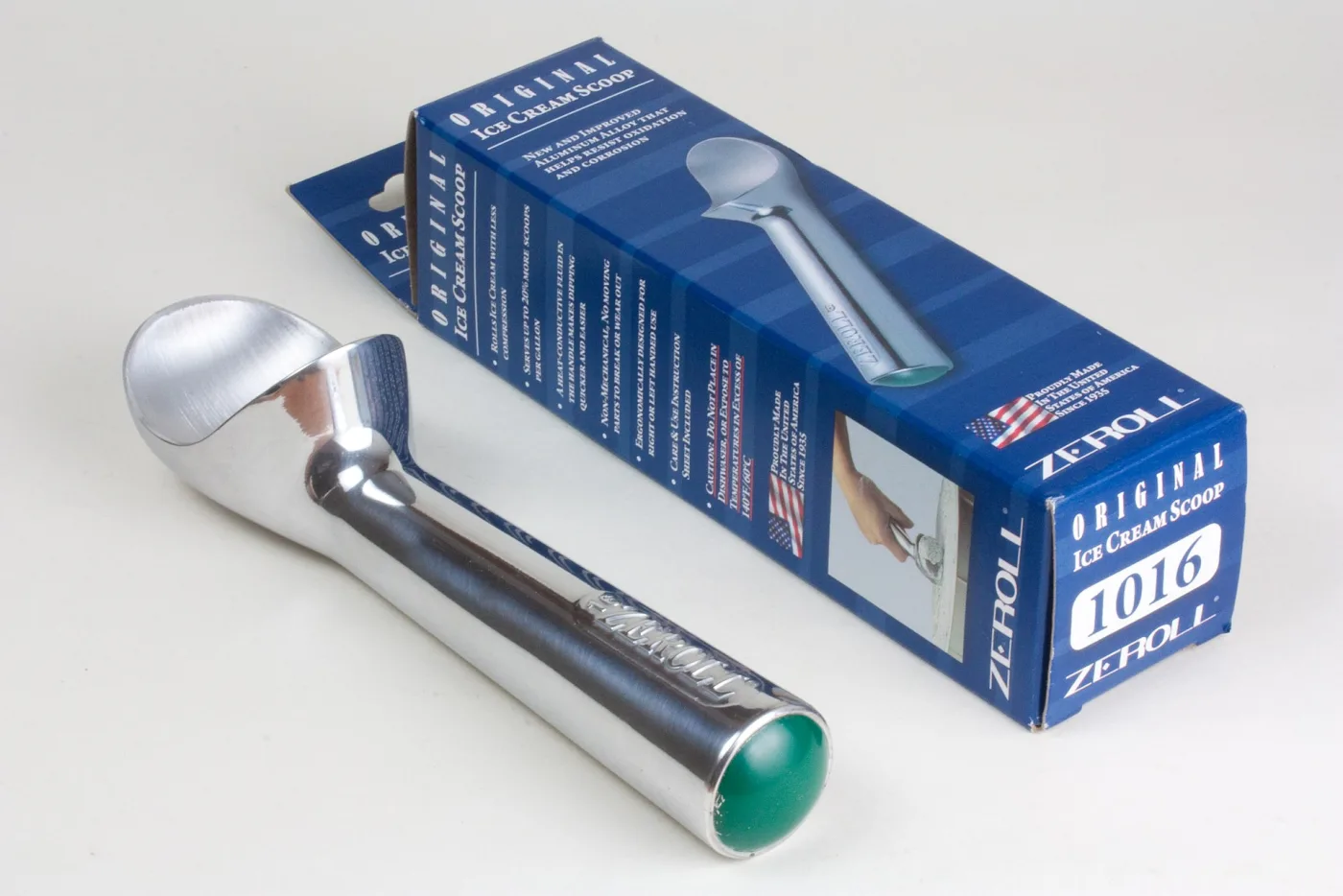
The Zeroll Company revolutionized ice cream scoop design in the 1930s with its introduction of the first one-piece, self-defrosting dipper. This innovative approach abandoned complex mechanical release mechanisms in favor of heat-transfer technology that used the operator's hand warmth to slightly soften ice cream where it contacted the scoop, allowing easier release.
Zeroll's design philosophy emphasized simplicity and durability. By eliminating moving parts, springs, and scraper mechanisms, the company created an implement that couldn't break mechanically and required no maintenance beyond basic cleaning. The one-piece aluminum construction proved lightweight yet strong, and the hollow handle filled with a heat-conductive fluid enhanced the heat-transfer effect.
These self-defrosting scoops achieved immediate commercial success and remain in production today, making Zeroll one of the rare ice cream scoop manufacturers to survive from the golden age into the modern era. Early Zeroll examples from the 1930s through 1950s possess collectible value, particularly those in original condition with intact markings and undamaged handles.
Dover Manufacturing
Dover Manufacturing Company of Boston produced ice cream scoops from approximately 1900 through the 1940s, offering designs that competed directly with Gilchrist and other major manufacturers. Dover scoops typically featured robust construction and reliable mechanical systems that earned professional operators' respect.
Dover implements often incorporated distinctive design elements that aid identification. Handle shapes, bowl profiles, and mechanism configurations frequently differed subtly from competitors' products, reflecting Dover's independent design philosophy. The company produced both simple and complex models, ranging from basic spade-type scoops to elaborate mechanical dishers with multiple moving parts.
Dating Dover scoops requires examining patent dates when present, comparing construction details against documented examples, and assessing materials and manufacturing techniques. Dover's long production history means examples span several decades and technological eras, from early hand-finished pieces to later mass-produced implements incorporating simplified assembly methods.
Other Notable Manufacturers
Several other manufacturers produced significant quantities of scoops or created particularly innovative designs worthy of collector attention. The Manos Company of Toronto developed distinctive scoop mechanisms and achieved substantial Canadian market presence. The Automatic Cone Company created specialized cone-forming dishers that became standard equipment in many ice cream parlors.
The Erie Specialty Company, operating in Erie, Pennsylvania, produced various kitchen implements including ice cream scoops that combined functional design with attractive presentation. Erie products often featured nickel plating and decorative handle treatments that appealed to home users seeking attractive serving pieces rather than purely utilitarian commercial tools.
Companies like Icypi, Jiffy, and Indestructo each contributed unique designs or manufacturing innovations, though their smaller production volumes mean examples appear less frequently in today's market. This relative scarcity can make these secondary manufacturers' products particularly desirable to collectors seeking unusual pieces or attempting comprehensive representation of different makers.
Scoop Mechanisms and Types
Understanding the various mechanical systems employed in antique ice cream scoops helps collectors appreciate the ingenuity invested in these implements and aids accurate identification and dating. Dozens of different mechanism types appeared during the patent era, ranging from brilliantly simple to bewilderingly complex.
Thumb-Lever Mechanisms
The thumb-lever mechanism represents one of the most common and successful designs for mechanical ice cream release. The operator places their thumb on a lever protruding from the scoop's top or side, and pressing the lever activates a scraper blade that sweeps around or across the bowl's interior, pushing the ice cream portion free. This design allows one-handed operation while providing excellent control over the release action.
Thumb-lever mechanisms vary considerably in their internal workings. Some employ pivoting scraper blades mounted on the bowl's center axis, rotating when the lever moves to sweep ice cream toward the opening. Others use sliding scrapers that push straight across the bowl. The connection between lever and scraper might incorporate simple mechanical links, geared mechanisms, or spring-return systems that automatically reset the scraper after release.
Squeeze-Handle Mechanisms
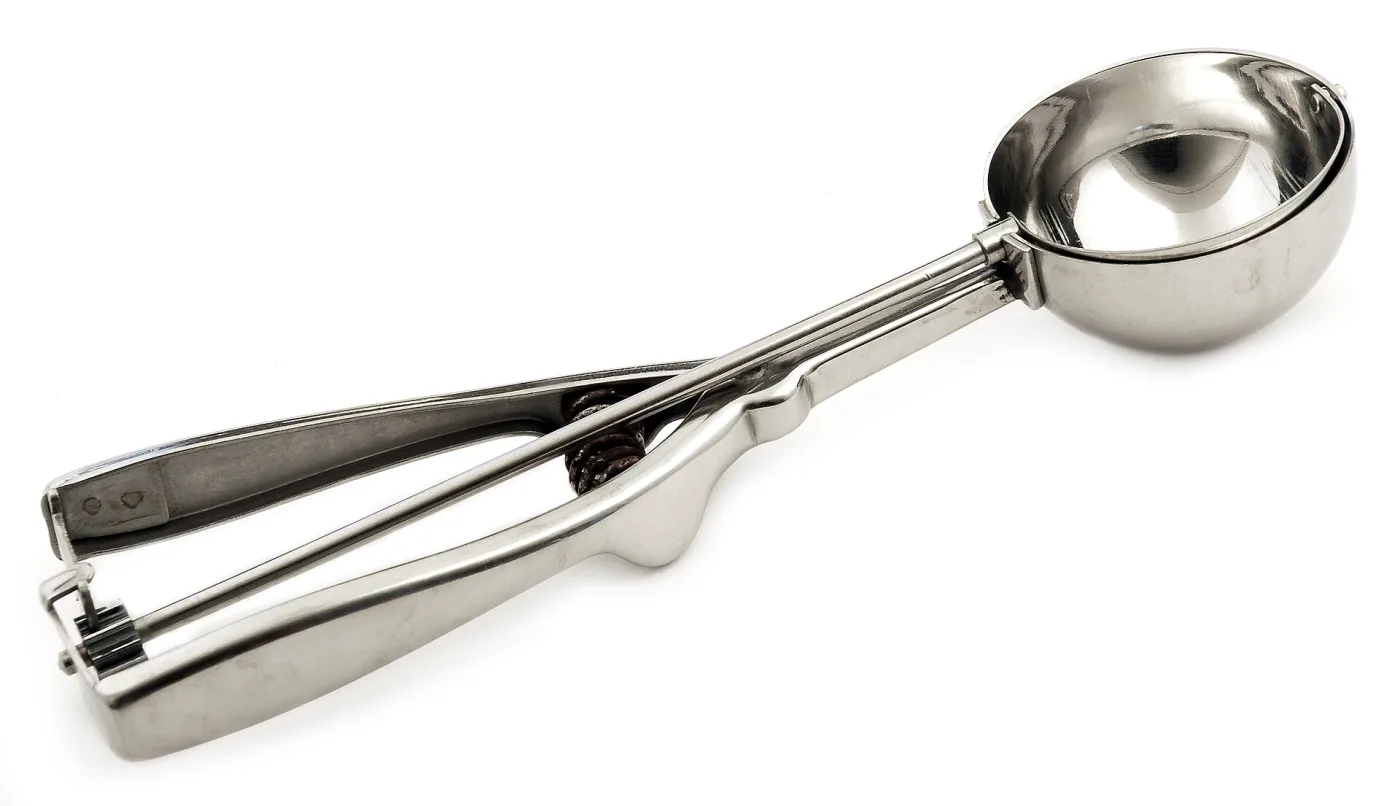
Squeeze-handle designs integrate the release mechanism into the handle itself, typically using a two-piece handle that the operator squeezes to activate the scraper. This approach provides excellent leverage and allows the scooping and releasing actions to flow naturally as parts of a single motion. However, squeeze handles require more complex construction and can develop mechanical problems if the spring mechanism weakens or linkages wear.
The mechanical sophistication of squeeze-handle mechanisms varies widely. Simple designs directly connect the handle squeeze to a pivoting scraper through basic linkages. More elaborate versions incorporate compound leverage systems, multiple linkages, or geared mechanisms intended to provide mechanical advantage or control the scraper's motion precisely. The complexity of these mechanisms often correlates with manufacturing cost and, consequently, the original selling price.
Rotating Mechanisms
Some scoops feature rotating bowl sections or scraper blades operated by twisting the handle or turning a separate control. These mechanisms typically provide very thorough ice cream release since the rotating action ensures the scraper contacts the entire bowl interior. However, the rotary motion requires two-handed operation in most designs, making these scoops less practical for rapid commercial service.
Rotating mechanisms appear in various configurations. Some designs mount a hemispherical scraper on a central axis, rotating 180 degrees or more to sweep the bowl clean. Others use full bowl rotation against a fixed scraper blade. The seals between rotating and stationary components posed significant engineering challenges, as any gaps allowed ice cream penetration that could freeze and jam the mechanism.
Key-Wind Mechanisms
A few manufacturers produced scoops with key-wound spring mechanisms that powered automatic release or assisted the scraper action. These clockwork-like designs appealed through their mechanical sophistication and demonstrated the optimistic engineering spirit of the patent era. However, the delicate spring mechanisms proved vulnerable to damage from hard use, temperature extremes, and rough handling, meaning working examples are relatively rare today.
Key-wind scoops typically featured a prominent winding key on the handle or bowl assembly, often incorporating decorative elements that doubled as functional components. The wound spring stored energy that released upon trigger activation, driving the scraper mechanism with consistent force regardless of the operator's hand strength. While impressive mechanically, these complex designs generally proved less reliable than simpler mechanisms in demanding commercial service.
Self-Defrosting Designs
The self-defrosting approach pioneered by Zeroll in the 1930s represents a fundamentally different philosophy, eliminating mechanical release mechanisms entirely. These scoops rely on heat transfer from the operator's hand through the handle and bowl to slightly warm the ice cream contact surface, reducing adhesion and allowing the ice cream to release when the scoop tilts and the portion's weight overcomes remaining resistance.
Self-defrosting scoops achieve heat transfer through various methods. The most common design features a hollow handle filled with heat-conductive fluid that quickly absorbs hand warmth and distributes it throughout the scoop. Others use solid construction from materials with excellent thermal conductivity, like aluminum or specific aluminum alloys. The effectiveness of heat transfer depends on material properties, bowl thickness, and the temperature differential between the operator's hand and the frozen ice cream.
Patent Dating Systems
Patent dates stamped on ice cream scoops provide crucial dating information, though understanding how to interpret these markings requires knowledge of patent application and approval processes. The dates appearing on scoops may represent patent application dates, approval dates, or dates of specific improvements, each implying different manufacturing timelines.
Understanding Patent Markings
When a scoop bears a patent date, this indicates that the design incorporated a feature protected by a United States patent issued on that date. However, the patent date doesn't necessarily indicate when that particular scoop was manufactured. Patent protection lasted fourteen years (for design patents) or seventeen years (for utility patents) during the relevant period, meaning manufacture could have occurred any time from the patent date through years or even decades later.
Multiple dates on a single scoop indicate either multiple patents covering different features or sequential improvements patented over time. For example, a scoop might show both an 1894 date for the basic bowl design and a 1902 date for an improved release mechanism. Manufacturers often continued stamping early patent dates even after later improvements were made, as the presence of multiple dates suggested ongoing innovation and extensive patent protection.
Patent Pending Markings
Scoops marked "PAT. PENDING" or "PATENT APPLIED FOR" indicate manufacture while patent applications were under review but before approval. The Patent Office sometimes took years to approve applications, particularly for complex mechanical designs requiring extensive examination. Patent pending markings allow approximate dating by researching when specific manufacturers filed applications for identifiable designs.
Once patents were approved, manufacturers typically began stamping the actual patent dates rather than continuing to use pending language. Therefore, scoops marked patent pending generally predate those showing issued patent dates for the same design. However, manufacturers didn't always update marking dies immediately after patent approval, so some overlap periods existed where both pending and issued-patent versions of the same model appeared simultaneously.
Common Patent Dates
Certain patent dates appear frequently on ice cream scoops because they cover fundamental design features or represent scoops produced in large quantities over extended periods. Understanding these common dates helps collectors quickly place scoops within approximate periods and identify major manufacturers or design innovations.
The Gilchrist Model 31's 1915 patent date appears on countless scoops since this became one of the most successful commercial designs ever produced. Similarly, various Gilchrist, Dover, and other major manufacturers' key patents from the 1900-1920 period show up regularly. Less common dates often indicate either limited-production models or designs that achieved less commercial success, sometimes making these scoops more valuable to collectors despite (or because of) their relative scarcity.
Research Resources
The United States Patent and Trademark Office maintains searchable databases of historical patents, allowing collectors to research specific patent numbers or dates to identify inventions, understand claimed innovations, and view detailed drawings of mechanisms. These records prove invaluable for understanding how scoops functioned, identifying manufacturers, and appreciating the ingenuity invested in these everyday implements.
Specialized collecting resources, including books about ice cream collectibles and online databases maintained by collector organizations, compile patent information with photographs of actual scoops, making identification easier than searching patent records directly. These resources often include collector insights about rarity, market values, and interesting historical details not present in dry patent documents.
Size Markings and Numbers
Size markings on commercial ice cream scoops provide essential information about portion control and help collectors understand how these implements functioned in commercial service. The numbering system, while initially confusing to modern collectors, represented a straightforward portion measurement standard understood throughout the ice cream industry.
The Quart System
Most commercial ice cream scoops bear size numbers indicating how many level scoops were needed to fill one quart. For example, a scoop marked "20" or "No. 20" produced portions sized such that twenty scoops equaled one quart of ice cream. Larger numbers indicated smaller portions, while smaller numbers denoted larger portions. This system provided operators with precise portion control for consistent serving sizes and cost management.
Common sizes ranged from 6 (very large portions, approximately 5.3 ounces each) through 40 (small portions, about 0.8 ounces each). The most popular commercial sizes were typically 16, 20, and 24, representing portions of approximately 2 ounces, 1.6 ounces, and 1.3 ounces respectively. These sizes balanced customer satisfaction with cost control, providing portions that appeared generous while managing expensive ice cream inventory efficiently.
Location and Format
Size markings typically appear stamped into the metal near the manufacturer's name and patent dates, often on the bowl's exterior or on the mechanical assembly. The format might be simply a number ("20"), a number with "No." prefix ("No. 20"), or occasionally descriptive text indicating size. Some manufacturers used proprietary sizing systems that don't correspond directly to the standard quart measurement, requiring reference to manufacturer-specific documentation for interpretation.
Stamped markings vary in depth and clarity depending on original stamping force, die sharpness, and subsequent wear or polishing. Earlier production typically shows deeper, clearer stamps, while later manufacture might exhibit lighter impressions as dies wore. Heavily used scoops sometimes develop surface wear that partially or completely obscures size markings, particularly in areas receiving frequent handling or cleaning abrasion.
Size and Collectibility
Certain sizes command premium prices from collectors due to relative scarcity. Extremely large sizes (6, 8, 10) saw limited commercial use since few establishments served such generous portions, making these uncommon in today's market. Very small sizes (40 and above) also appear infrequently as they were typically used only for specialized applications like sample portions or garnishes. Mid-range sizes (16-24) are most common, having been standard for general service.
Collectors pursuing complete sets of a particular model often find certain sizes challenging to locate. Manufacturers didn't produce all models in all sizes, and commercial operators purchased only sizes relevant to their portion standards. This variable availability makes completing size runs interesting challenges that can take years of patient searching and significant investment for rare examples.
Alternative Marking Systems
Not all scoops use the quart-based numbering system. Some European or Canadian manufacturers employed metric measurements or proprietary sizing schemes. Home-use scoops sometimes lack size markings entirely, as precise portion control mattered less in domestic service. Unmarked scoops require measuring bowl capacity to determine size, though approximate sizing suffices for most collecting purposes unless assembling precise sets.
Specialized scoops like sandwich or layer cake dishers might use entirely different size designations reflecting their specific applications. Understanding these alternative systems requires consulting manufacturer literature or specialized collecting references that document non-standard marking schemes and explain their relationships to actual portion sizes.

Ice Cream Molds
Ice cream molds represent a distinct collecting category within ice cream memorabilia, focusing on the decorative presentation aspect rather than serving efficiency. These molds allowed creation of elaborate frozen sculptures that transformed dessert service into artistic display, particularly during the Victorian and Edwardian eras when elaborate entertaining reached peak complexity.
Mold Functions and Use
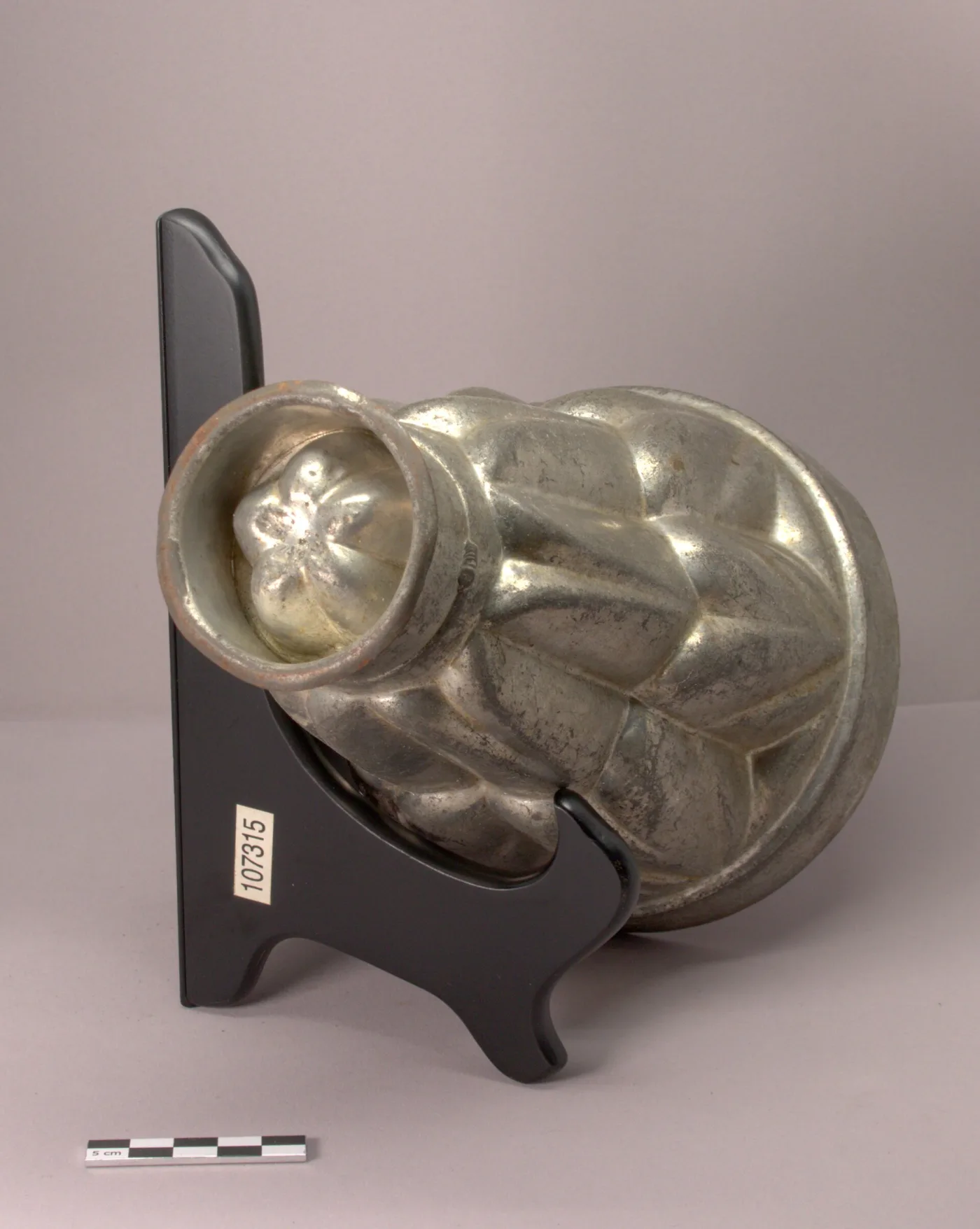
Ice cream molds consisted of hinged two-part forms into which softened ice cream was packed firmly, eliminating air pockets that would compromise the final shape's integrity. After packing, the filled mold was refrozen until solid, then opened carefully to release the shaped ice cream onto a serving dish. The molds' interior detail transferred to the ice cream surface, creating three-dimensional forms with remarkable detail when properly executed.
Using molds successfully required considerable skill and patience. The ice cream needed proper consistency—soft enough to pack thoroughly but not so soft that it melted during the packing process. Temperature control proved critical, as molds too warm would begin melting the ice cream while excessively cold molds caused ice cream to freeze to the metal, making release difficult. Experienced cooks developed intuition for proper timing and technique that separated successful presentations from disappointing failures.
Historical Context
Molded ice cream represented the pinnacle of Victorian dessert presentation, demonstrating both the household's access to expensive ingredients (ice cream required fresh dairy, sugar, and ice for freezing) and the skill of its cook or caterer. Elaborate frozen centerpieces at formal dinners showcased hosts' refinement and resources, making molded ice cream desserts as much about social display as culinary enjoyment.
The tradition of molded frozen desserts extended beyond ice cream to include water ices, sherbets, and blancmange, all shaped using similar molds. This dessert artistry represented the culmination of centuries of European confectionery tradition, adapted to frozen desserts as improved ice harvesting and storage made frozen sweets more accessible to upper-middle-class households beyond just the aristocracy.
Mold Types and Materials
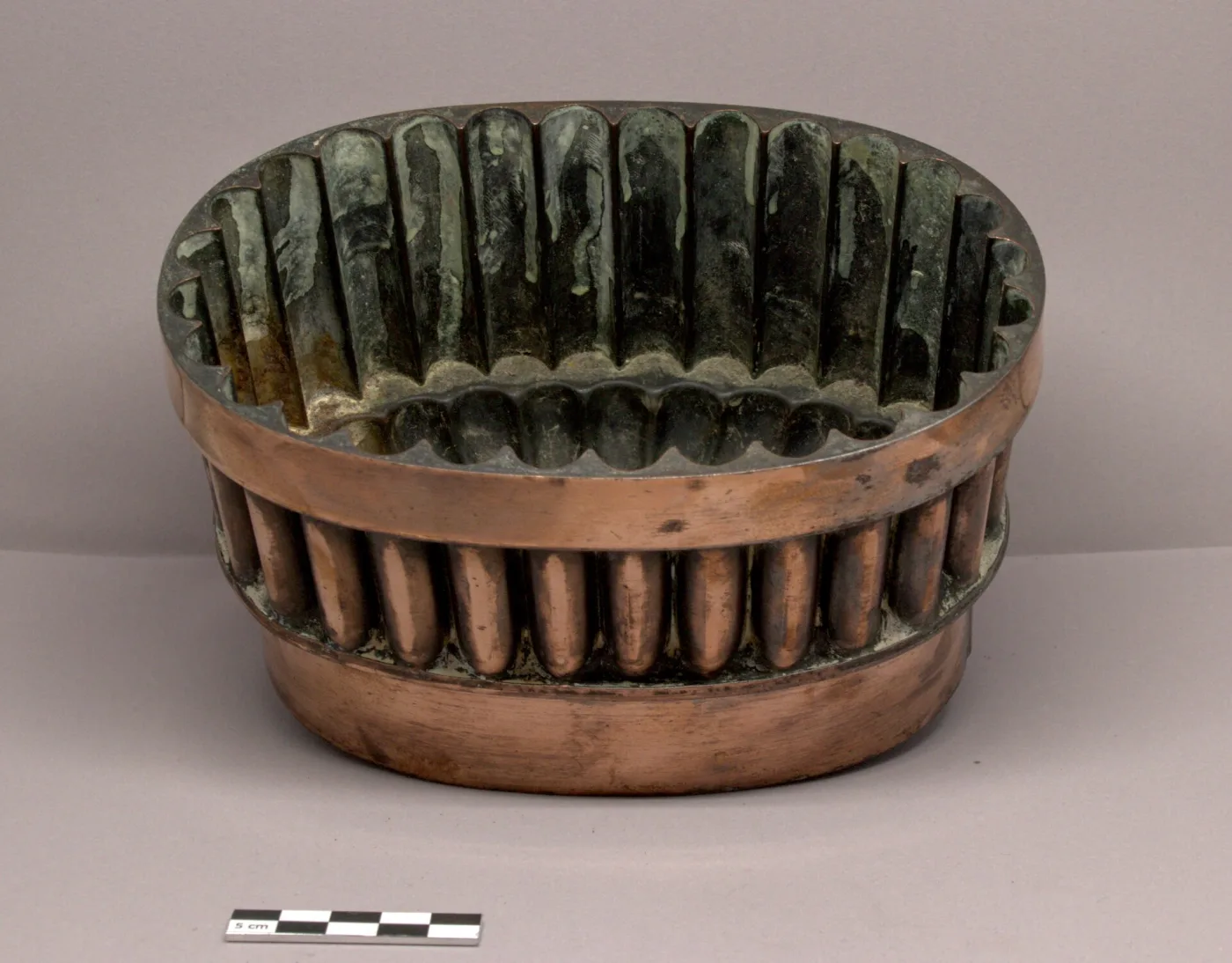
Ice cream molds came in several material types, each with distinct characteristics and collecting appeal. Pewter molds, particularly those from French manufacturers like Cadot, represent the highest quality and most collectible examples. Tin-lined copper molds offered excellent heat transfer properties while preventing metallic taste. Plain tin molds provided economical alternatives that performed adequately though they lacked the durability and detail reproduction of pewter.
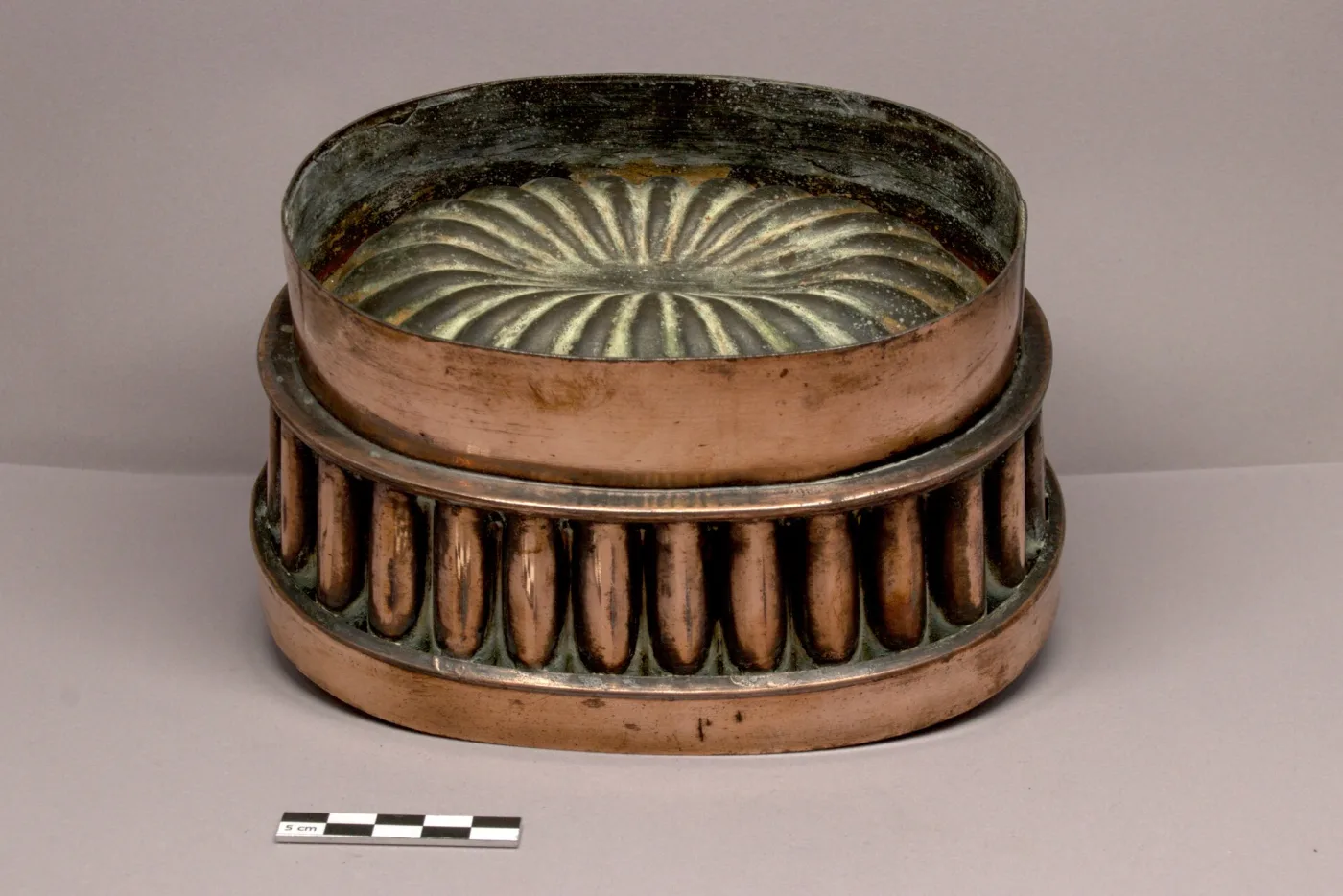
Mold construction usually featured hinged two-piece designs that opened to release the frozen shape. The hinge mechanism varied from simple external hinges with pins to internal hinge rods that remained invisible when the mold was closed. Latches or clips held the halves together during filling and freezing, with designs ranging from simple hooks to sophisticated locking mechanisms on larger or more expensive molds.
Pewter Molds
Pewter ice cream molds represent the premium category in mold collecting, prized for their superior detail reproduction, historical significance, and the artistry of their designs. French manufacturers particularly excelled in pewter mold production, establishing quality standards that influenced the industry worldwide.
French Manufacturing Excellence
The Cadot company of Paris began producing pewter ice cream molds in 1832, establishing manufacturing techniques and design standards that dominated the industry throughout the 19th century. Cadot molds featured exceptional detail work, precise hinging mechanisms, and pewter alloys formulated for optimal casting properties and durability. The company maintained production through the early 20th century, creating an extensive catalog of designs that collectors still pursue today.
Other French manufacturers including Létang and smaller regional producers contributed to pewter mold development, sometimes specializing in particular subject categories or price ranges. French molds generally featured more refined aesthetic sensibilities than their American counterparts, reflecting European confectionery traditions and the artistic training common among French craftsmen.
Design and Construction
Pewter molds were created by casting molten pewter alloy into master molds that formed both halves of the final product. This casting process allowed reproduction of intricate details like flower petals, animal features, or architectural elements with remarkable precision. After casting, skilled workers finished the molds by hand, refining details, fitting hinges, and polishing surfaces to ensure proper ice cream release.
The hinges on quality pewter molds represented significant engineering, as they needed to maintain precise alignment through repeated temperature cycling, mechanical stress from opening and closing, and potential corrosion from moisture exposure. Well-made hinges remained functional through decades or even centuries of use, while inferior construction led to misalignment, binding, or complete failure that could ruin expensive ingredients during dessert preparation.
Safety Considerations
Modern collectors should be aware that antique pewter molds may contain lead in their alloy composition, as lead was commonly used to lower melting temperature and improve casting properties during the 19th and early 20th centuries. These lead-containing molds are not safe for contact with food and should be treated purely as decorative collectibles and historical artifacts.
Testing pewter molds for lead requires specialized equipment or testing services beyond simple home test kits. The safest approach treats all antique pewter molds as potentially containing lead and avoiding any food use. This restriction doesn't diminish their collectible value, as most collectors acquire molds for display and historical interest rather than functional use. The decorative appeal and historical significance of these implements remains unaffected by food-safety considerations.
Identifying Pewter Molds
Authentic antique pewter molds exhibit specific characteristics that distinguish them from reproductions or molds made from alternative materials. The weight of pewter provides the first clue—genuine pewter molds feel substantially heavier than tin or aluminum alternatives of similar size. The surface character shows pewter's distinctive color and patina, with a soft gray tone quite different from tin's silvery appearance or aluminum's lighter hue.
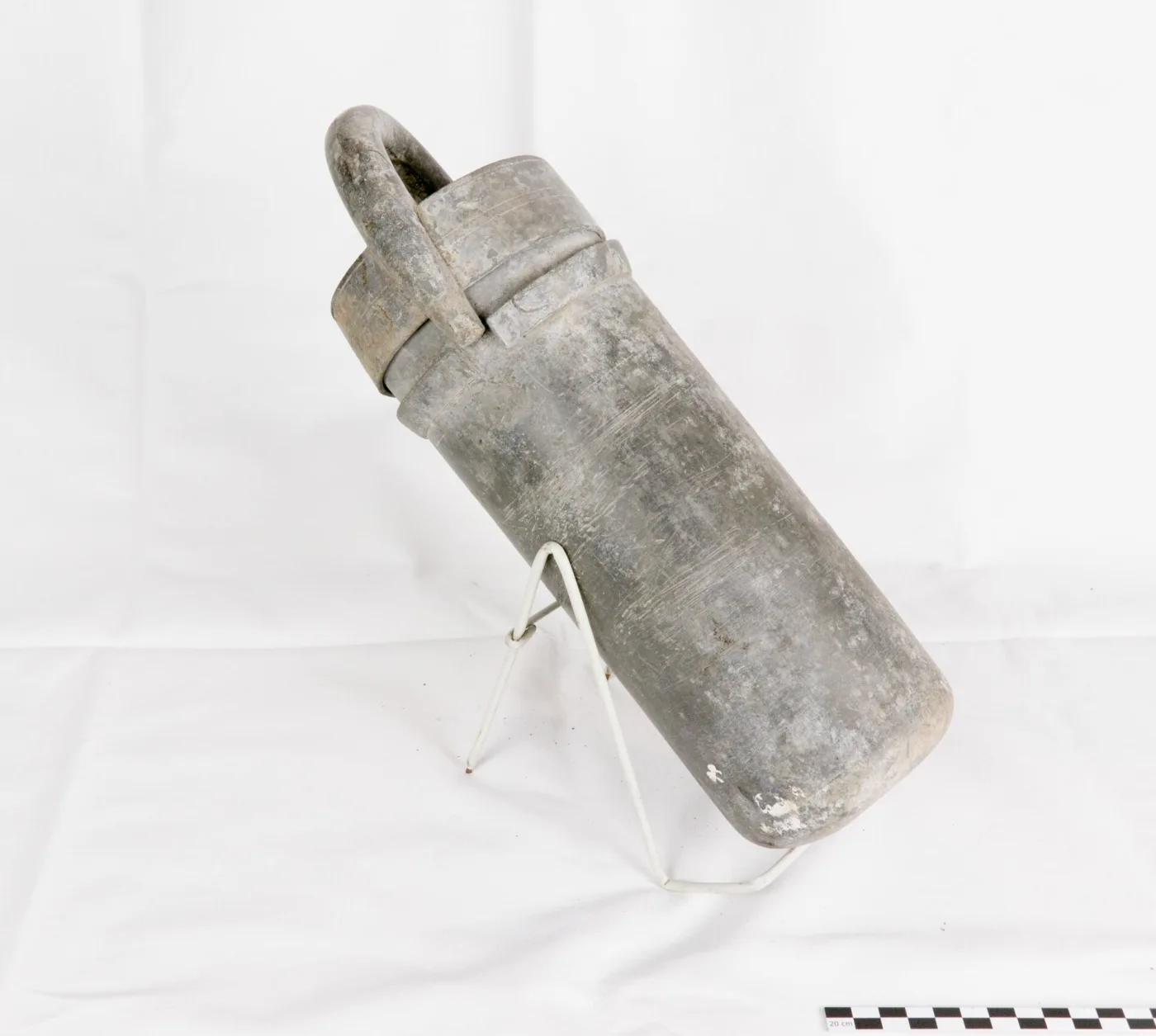
Quality pewter molds bear maker's marks, typically stamped on the exterior or occasionally inside one half. These marks might include company names, location information, pattern numbers, or decorative stamps. Cadot molds frequently show "CADOT PARIS" or similar markings. Unmarked molds require authentication through construction details, design characteristics, and comparison to documented examples.
Chocolate and Metal Molds
Chocolate Molds for Ice Cream
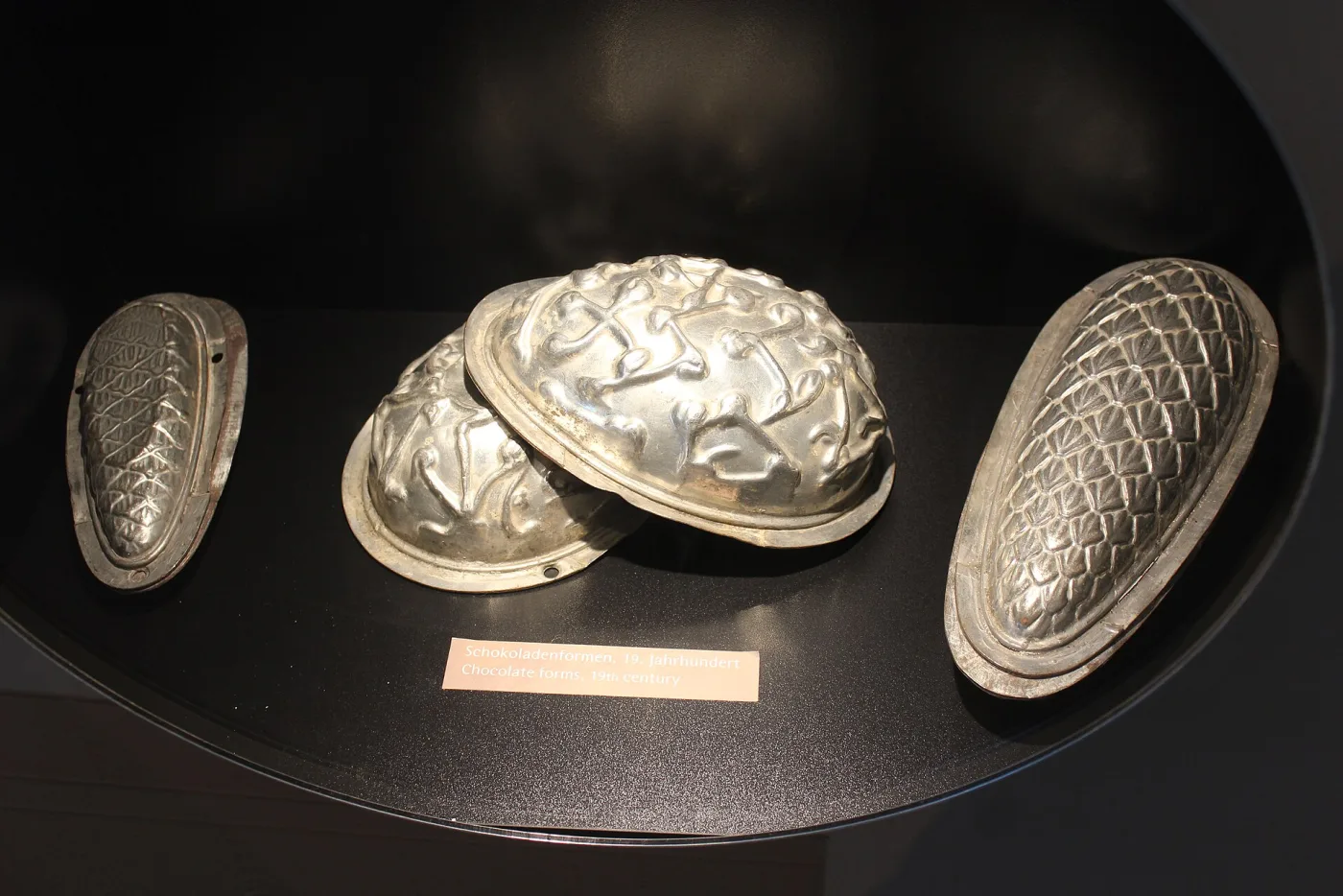
While primarily designed for chocolate work, many metal chocolate molds also served for ice cream shaping, particularly for smaller decorative elements or individual servings. These molds often came from the same manufacturers that produced dedicated ice cream molds, using similar designs but sometimes in different size ranges or with construction details optimized for chocolate's different properties.
Chocolate molds typically featured thinner metal construction than ice cream molds since chocolate's lower mass and quicker setting time created less structural stress. However, the thinner construction worked adequately for ice cream applications when handled carefully. Some collectors specifically seek molds usable for both purposes, appreciating the versatility these pieces offered to historical users.
Tin Molds
Plain tin molds provided economical alternatives to pewter, making decorative frozen desserts accessible to middle-class households that couldn't justify expensive pewter molds' cost. American manufacturers particularly embraced tin mold production, creating extensive catalogs offering hundreds of designs at prices within reach of average families.
Tin molds typically show less refined detail than pewter examples, as tin's properties and manufacturing methods didn't allow the same precision. However, competent designs still produced recognizable forms adequate for impressive dessert presentations. Tin's lighter weight made these molds easier to handle, though the thinner construction also made them more vulnerable to denting or crushing if stored carelessly.
Collectors value tin molds somewhat less than pewter equivalents, reflected in generally lower market prices. However, unusual designs, rare makers, or examples in exceptional condition command respectable prices. Complete sets of tin molds in their original storage boxes particularly appeal to collectors, as the boxes often featured illustrated labels showing the molds' intended final appearance.
Aluminum Molds
Aluminum ice cream molds appeared during the early 20th century as aluminum became commercially available and affordable. These molds offered advantages of light weight, excellent thermal conductivity, and resistance to corrosion. However, aluminum's softness made molds prone to denting, and its value as scrap metal during World War II led to many aluminum molds being melted down, contributing to relative scarcity today.
Dating aluminum molds requires understanding when aluminum manufacturing made the metal practical for consumer goods production. Most aluminum ice cream molds date from the 1920s through 1950s, with earlier examples being rare. Construction details, design motifs, and any patent dates or maker's marks help establish more specific dating within this range.
Popular Mold Shapes and Designs
Ice cream molds came in hundreds of designs, ranging from realistic representations of fruits and vegetables to whimsical animals, seasonal symbols, and geometric forms. Understanding the popular categories and their historical contexts enriches collecting and adds layers of meaning to these decorative implements.
Fruit and Vegetable Forms
Fruit molds represented some of the most popular and widely produced designs, offering natural dessert associations and seasonal appeal. Strawberries, pears, apples, grapes, peaches, and melons all appeared as ice cream molds, often with remarkable botanical accuracy including surface textures representing seeds, skin characteristics, or leaf details. These molds allowed creative presentation where the frozen dessert's flavor could match its form—strawberry ice cream shaped as a strawberry—or provide contrast through unexpected combinations.
Vegetable molds might seem unexpected for desserts but appeared regularly in mold manufacturers' catalogs. Corn ears, asparagus bundles, peas in pods, and other vegetables served as molds for savory frozen mousses or provided novelty appeal through the incongruity of sweet desserts in vegetable forms. Victorian sensibilities appreciated such playful reversals of expectation at elaborate dinners.
Animal Designs
Animals provided endless mold design inspiration, from barnyard creatures to wild animals and fantasy creatures. Rabbits proved perennially popular, particularly for Easter celebrations. Chickens, roosters, lambs, and pigs represented farm life. Lions, bears, and elephants brought exotic appeal. Birds including chickens, ducks, and eagles appeared frequently, sometimes with impressive detail work representing feathers and anatomical features.
Fish molds enjoyed particular popularity, as frozen fish-shaped desserts suited elaborate dinner parties where the dessert course echoed earlier seafood courses through playful visual references. Manufacturers produced fish molds in various species, sizes, and poses, from realistic salmon to decorative goldfish to stylized dolphins.
Seasonal and Holiday Symbols
Holiday-themed molds allowed hosts to customize dessert presentations for specific celebrations. Christmas brought Santa Claus, Christmas tree, and ornament molds. Easter featured eggs, rabbits, and chicks. Patriotic celebrations called for flags, eagles, and shields. Halloween pumpkins, Thanksgiving turkeys, and Valentine hearts rounded out the calendar of celebration-specific designs.
These seasonal molds command particular collector interest, especially in complete sets representing multiple holidays or in rare holiday designs that saw limited production. Condition matters significantly for holiday molds, as they typically saw concentrated use during specific seasons, potentially suffering storage damage during long off-season periods.
Flowers and Plants
Floral molds brought natural beauty to dessert presentations, with roses, lilies, and other flowers appearing in various sizes and design interpretations. Some molds reproduced botanical accuracy while others offered stylized artistic versions emphasizing decorative appeal over realism. Large elaborate molds might create centerpiece flowers with multiple petals and dimensional depth, while smaller molds produced individual flower servings.
Plant molds sometimes included non-floral vegetation like leaves, ferns, or decorative foliage arrangements. These often served as garnish elements for larger compositions or provided elegant individual dessert presentations. The Victorian language of flowers added symbolic dimensions, as particular flower choices could convey specific sentiments during elaborate dinners.
Geometric and Architectural Forms
Not all molds pursued representational designs. Geometric molds in shapes like pyramids, columns, rings, and abstract forms offered elegant presentations emphasizing pure form over naturalistic representation. These appealed to more modern aesthetic sensibilities and provided versatile designs suitable for various occasions without specific seasonal or thematic associations.
Architectural molds recreated buildings, monuments, or structural elements, allowing dessert presentations with classical or contemporary architectural references. Columns, arches, castles, and temples appeared as mold designs, sometimes sized large enough to create impressive centerpieces. These specialized molds typically saw limited production, making them attractive to collectors seeking unusual examples.
Materials and Construction
Understanding the materials used in antique ice cream implements and their construction methods aids authentication, dating, and condition assessment. Materials evolved as manufacturing technology advanced and new alloys became available, creating chronological indicators for collectors.
Metals and Alloys
Nickel-plated brass or steel provided the standard material for commercial ice cream scoop bowls and mechanical components during the late 19th and early 20th centuries. Nickel plating created durable, smooth surfaces that resisted corrosion, released ice cream cleanly, and maintained sanitary conditions through repeated washing. The underlying brass or steel provided strength and ductility for forming complex shapes and withstanding mechanical stresses.
Plating wear reveals underlying base metal, with brass showing as yellow-gold color while steel appears gray. The extent and pattern of plating wear helps assess condition and provides clues about use history. Heavy wear in predictable locations like bowl rims or mechanical contact points indicates genuine use rather than artificial aging.
Handle Materials
Wood handles, typically turned from hardwoods like maple or birch, dominated scoop construction through the early 20th century. Wood provided comfortable grip, natural insulation preventing hand heat transfer to the ice cream, and economical production through established woodworking techniques. Handle shapes varied from simple cylinders to ergonomically contoured forms designed for comfortable sustained use.
Bakelite and early plastics appeared in handles beginning in the 1920s, offering moldable alternatives that could incorporate decorative colors or complex shapes impractical in wood. These early plastic handles sometimes show deterioration from age, including discoloration, surface crazing, or brittleness. The presence of Bakelite or similar early plastics helps date scoops to the 1920s through 1940s period.
Manufacturing Techniques
Construction methods evolved from hand-fabrication and assembly to increasingly mechanized production as the industry matured. Early scoops show evidence of hand-filing, hand-fitted joints, and individual assembly requiring skilled workers. Later production incorporated stamped components, automated machining, and simplified assembly methods allowing less-skilled workers to maintain production quality.
Examining construction details reveals manufacturing period and quality level. Hand-finished components with file marks or slight irregularities indicate earlier production or higher-quality manufacture. Perfectly uniform stamped parts and simplified assembly suggest later mass production. Neither approach is inherently superior—both produced functional scoops—but understanding these differences aids dating and authentication.
Fasteners and Hardware
The screws, rivets, and other fasteners used in scoop construction provide dating clues. Thread patterns, head styles, and manufacturing methods changed over time as screw manufacturing technology evolved. Early screws show irregular hand-cut threads and simple slotted heads. Later production used machine-cut threads with uniform pitch and might incorporate Phillips-head screws (introduced in the 1930s) or other specialized drive types.
Rivet construction similarly evolved from hand-formed rivets requiring individual heading to factory-produced rivets with pre-formed heads needing only compression during installation. The uniformity and finish quality of rivets and other fasteners reflects manufacturing period and production methods, contributing to overall dating assessments.
Identification Marks and Signatures
Manufacturer's marks, patent dates, model numbers, and other stampings provide crucial identification information for collectors. Learning to locate, interpret, and research these markings transforms anonymous implements into documented examples with known provenance and historical context.
Typical Marking Locations
Manufacturers typically stamped identification information on scoop bowls' exterior surfaces where markings remained visible during use but didn't contact food directly. Common locations include the bowl's upper surface near the handle attachment, the bowl's exterior sides, or occasionally on the handle collar or mechanical assemblies. Mold markings typically appear on exterior surfaces, often near hinges or on flat areas where stamps wouldn't compromise interior detail.
Finding markings sometimes requires careful examination, as stamping depth varies and surface wear or corrosion can obscure text. Angling pieces under directional light often reveals faint stampings invisible under flat lighting. Gentle cleaning may improve marking visibility, though aggressive polishing risks removing shallow stamps entirely. Photography with raking light sometimes captures markings difficult to discern directly.
Decoding Markings
Markings typically include manufacturer names or initials, location information, patent dates, model numbers, and size numbers. The format and completeness vary by manufacturer and production period. Early pieces often show detailed information including full company names and addresses, while later production might use abbreviated markings or simple logo stamps.
Interpreting markings requires understanding abbreviations and naming conventions. "CO." indicates company, "MFG." or "MFG. CO." means manufacturing or manufacturing company, "PAT." signals patent information. Location abbreviations follow standard state and city codes. Model and size numbers usually appear as numerals sometimes preceded by "NO." or similar indicators.
Unmarked Pieces
Not all antique ice cream implements bear clear markings. Markings may have worn away through use, been removed by over-zealous polishing, or never existed on some inexpensive products. Unmarked pieces require attribution through design characteristics, construction details, material analysis, and comparison to documented examples. While lack of markings complicates identification, it doesn't necessarily indicate lesser quality or value—many excellent implements simply lack manufacturer markings.
Reproduction Markings
Reproduction pieces sometimes carry markings copying or suggesting antique origins. Learning to distinguish authentic period markings from reproduction stamps aids authentication. Genuine antique markings show appropriate wear patterns, stamping depth and character consistent with period manufacturing, and logical placement relative to design elements. Reproduction markings often appear too crisp, show inappropriate fonts or formats, or occupy locations that wouldn't make sense on genuine period production.
Condition Assessment
Evaluating condition accurately requires understanding what constitutes acceptable wear versus damage that significantly affects value. Ice cream implements were utilitarian tools, so some evidence of use is normal and expected, while certain damage types substantially diminish collectibility.
Mechanical Function
For scoops with release mechanisms, functional condition significantly impacts value. Mechanisms should operate smoothly without binding, springs should maintain proper tension, and moving parts should show minimal looseness or wear. Complete non-function severely reduces value except for very rare models where the scoop maintains interest primarily as a display piece.
Testing mechanisms requires gentle operation without force that could damage weakened components. Operating through the full range of motion reveals binding, spring weakness, or parts that don't return to proper positions. Some stiffness from old lubricant or minor corrosion may respond to careful cleaning and lubrication, but forcing stuck mechanisms risks breaking components.
Surface Condition
Metal surfaces should be evaluated for plating condition, corrosion, pitting, and general wear. Some plating wear in high-contact areas is acceptable and expected on used scoops. Extensive plating loss, deep pitting, or active corrosion reduces value and may indicate storage in damp conditions. Minor surface rust on steel components can often be addressed through careful cleaning without substantially affecting value.
Wood handles develop natural patina from handling and exposure over time. This patina typically enhances character rather than diminishing value. However, handles showing splits, cracks, severe staining, or wood rot present condition problems. Missing handles dramatically reduce value, though replacement with period-appropriate handles may be acceptable for common models.
Structural Integrity
Examine scoops for cracks, breaks, or repairs in bowls, handles, or mechanical assemblies. Even small cracks can compromise structural integrity and may propagate with use or handling. Repairs should be disclosed and typically reduce value, though professional conservation of rare pieces may be acceptable to preserve examples that would otherwise be unusable.
Molds require assessment of hinge function, latch operation, and proper alignment of halves. Hinges should operate smoothly and maintain correct alignment when closed. Missing or broken latches reduce functionality and value. Dents or major distortions in mold bodies prevent proper ice cream release and seriously compromise both function and collectibility.
Completeness
Complete scoops with all original components naturally command higher values than incomplete examples. Missing pieces include handles, mechanical parts like spring assemblies or scraper blades, screws or rivets, and decorative elements. The impact of incompleteness depends on the specific component and whether replacement parts are available. Common models with missing easily-replaced screws suffer minimal value reduction, while rare scoops missing unique mechanical components lose considerable worth.
Authentication and Reproductions
As values for antique ice cream collectibles have increased, reproductions and fakes have entered the market. Developing authentication skills protects collectors from expensive mistakes and preserves market integrity.
Reproduction Indicators
Modern reproductions often reveal themselves through several telltale characteristics. New metal lacks the surface character and patina of genuine antiques, appearing too bright, uniform, or artificially aged. Examine surfaces carefully for natural wear patterns versus artificially induced "aging" that appears random or concentrated in illogical locations.
Manufacturing methods provide crucial clues. Modern reproductions may use contemporary manufacturing techniques that leave different marks than period production. Machining marks, casting characteristics, and assembly methods should align with known period practices. Anachronistic features like Phillips-head screws in supposedly 19th-century pieces indicate reproduction or later modification.
Artificial Aging
Deliberate artificial aging attempts include chemical treatments to darken metal, mechanical abrasion to simulate wear, and various patination techniques. Genuine age-related changes occur gradually and naturally, creating characteristic patterns based on handling, use, and environmental exposure. Artificial aging often appears too uniform, too dramatic, or distributed illogically given how pieces would actually have been used and stored.
Compare suspected pieces to documented authentic examples when possible. Museum collections, reference books, and knowledgeable dealers provide benchmarks for assessing authenticity. Developing familiarity with genuine pieces trains observation to recognize inconsistencies in reproductions.
Fantasy Pieces
Some modern pieces aren't reproductions of genuine antiques but rather fantasy items created in antique styles but never actually manufactured historically. These pieces may bear fictitious manufacturer names, impossible patent dates, or design elements that seem period but don't correspond to any documented historical production. Research manufacturer names and patent dates to verify authenticity.
Enhanced or Modified Pieces
Some pieces undergo modification or enhancement after manufacture, including added decorations, altered markings, or component replacements. While not necessarily fraudulent if disclosed, such modifications affect value and collectibility. Learning to recognize original versus later additions protects collectors from overpaying for modified pieces misrepresented as completely original.
Value Factors
Understanding what drives value in the ice cream collectibles market helps collectors make informed acquisition decisions and build meaningful collections within budget constraints.
Rarity and Desirability
Rarity doesn't automatically equal value—desirability matters equally. A rare scoop from an obscure manufacturer might command less than a relatively common Gilchrist model if collectors don't particularly seek the rare example. The most valuable pieces combine genuine scarcity with high collector demand, often representing significant manufacturers' unusual models, rare sizes, or pieces with exceptional aesthetic appeal.
Condition Impact
Condition dramatically affects value, with excellent condition pieces commanding substantial premiums over similar examples in lesser condition. The gap between excellent and poor condition can represent multiples of value difference. However, condition standards are somewhat forgiving for utilitarian items like scoops, with most collectors accepting appropriate use wear as long as function remains good and major damage is absent.
Completeness
Complete examples with all original components, clear markings, and proper function bring premium prices. Missing handles, broken mechanisms, or replaced parts reduce value proportionally to their significance. Complete sets of multiple sizes for a single model command premiums over individual pieces, as assembling sets requires significant time and effort.
Historical Significance
Pieces with documented provenance, historical associations, or representative importance to collecting categories achieve values beyond their basic rarity or condition merits. First patents, innovative mechanisms, or examples from significant manufacturers all carry premiums. Documentation establishing interesting provenance enhances value and collector interest.
Aesthetic Appeal
Ultimately, aesthetic appeal drives much collecting activity. Visually striking pieces with unusual forms, interesting mechanisms, or attractive designs command attention and premium prices regardless of strict rarity considerations. Collectors often pay substantially more for pieces that display well and represent the category impressively in their collections.
Collecting Strategies
Successful collecting requires developing knowledge, defining focus, building relationships, and making thoughtful acquisition decisions. Whether collecting for investment, decoration, or historical interest, strategic approaches yield more satisfying results.
Defining Collection Focus
Most successful collections have focus rather than attempting comprehensive acquisition of all ice cream collectibles. Focus might emphasize specific manufacturers like Gilchrist, particular mechanism types, size runs of specific models, molds representing certain categories, or pieces from particular periods. Clear focus guides acquisition decisions and prevents collections from becoming unfocused accumulations.
Education and Research
Study before buying protects from expensive mistakes. Examine pieces in museums and historical societies when possible. Read specialized publications about ice cream collectibles. Join collector organizations to access expertise and networking. Handle authenticated examples to develop tactile familiarity with genuine pieces. This education accelerates learning and builds confidence for independent acquisition decisions.
Acquisition Sources
Multiple sources offer ice cream collectibles. Specialized dealers provide expertise and authenticated pieces at premium prices. General antique dealers offer occasional pieces at potentially better prices but with less expert knowledge. Auctions create competitive pricing but require confident authentication skills. Online marketplaces expand access but increase authentication challenges since direct examination isn't possible before purchase.
Building Collections Over Time
Recognize that building meaningful collections takes time. Rare pieces don't appear daily, and developing connoisseurship requires handling many examples. Early acquisitions provide learning opportunities, and many collectors eventually upgrade as standards increase and knowledge grows. This evolution is natural and healthy, allowing collections to mature alongside collector expertise.
Documentation and Insurance
Document collections thoroughly through photographs, acquisition records, and condition notes. This documentation aids insurance claims if loss or damage occurs, assists future sales if desired, and creates valuable historical records. Update documentation regularly as collections grow or pieces undergo conservation.
Care and Preservation
Proper care ensures ice cream collectibles remain in stable condition for future enjoyment and preservation of historical value. Conservative approaches that respect original materials and surfaces are strongly preferred.
Cleaning Guidelines
Clean conservatively using gentle methods that minimize material removal or surface alteration. For metal components, mild soap and warm water with soft cloths remove accumulated dirt without damaging surfaces. Avoid abrasive cleaners or aggressive polishing that removes plating, patina, or softens stampings. Wood handles benefit from occasional light oil application using products appropriate for antique wood.
Storage Conditions
Store pieces in stable environments avoiding temperature and humidity extremes. Rapid environmental changes can cause condensation leading to corrosion, while chronically damp conditions promote rust and wood deterioration. Display in locations protected from direct sunlight to prevent fading of any painted surfaces or colored components. Provide adequate spacing between pieces to prevent contact damage.
Handling Practices
Handle with care, supporting pieces adequately to prevent stress on weakened joints or mechanical components. Wear clean cotton gloves when handling frequently to prevent skin oils from accelerating corrosion on metal surfaces. Operate mechanisms gently, respecting age-weakened springs or corroded moving parts that could break under force.
Conservation Decisions
Approach major conservation decisions carefully, consulting professional conservators for valuable or historically significant pieces. While stabilizing active deterioration is appropriate, over-restoration that removes historical character or evidence of age damages collectible value. The goal is preservation rather than restoration to "like new" condition that erases history.
Market Resources
Numerous resources support ice cream collectibles enthusiasts, from specialized organizations to reference publications to dealer networks. Knowing where to find information, expertise, and available pieces facilitates collecting success.
Collector Organizations
The Ice Screamers, founded in 1982, remains the primary organization dedicated to preserving ice cream and soda fountain history and memorabilia. Membership provides access to knowledgeable collectors, annual meetings, publications, and networking opportunities. The organization maintains archives and reference materials that assist identification and authentication efforts.
Reference Literature
Several books document ice cream collectibles, providing photographs, historical information, and identification guidance. These references prove invaluable for learning about manufacturers, dating pieces, and understanding market values. Building a reference library supports collecting and increases enjoyment through deeper understanding of pieces' historical and cultural contexts.
Online Resources
Internet resources include collector websites, online databases of patents and manufacturers, auction archives showing past sales and prices, and discussion forums where collectors share information and experiences. These resources make research easier and provide access to widely distributed knowledge that previously required extensive library research or personal networking to access.
Museums and Historical Societies
Museums with ice cream industry collections or broader kitchen implement collections often include ice cream scoops and molds. Visiting these collections provides opportunities to study authenticated examples and compare pieces in person. Historical societies in areas with ice cream manufacturing history may maintain archives with company records, catalogs, and other documentation valuable for research.
Market Trends
The ice cream collectibles market remains active with steady collector interest and gradually appreciating values for quality pieces. Unusual examples, complete sets, and pieces in exceptional condition command premium prices, while common scoops in average condition remain affordable for beginning collectors. Understanding market trends helps collectors time acquisitions and make informed buying decisions.