
Antique Fountain Pen Identification: Complete Guide 2026
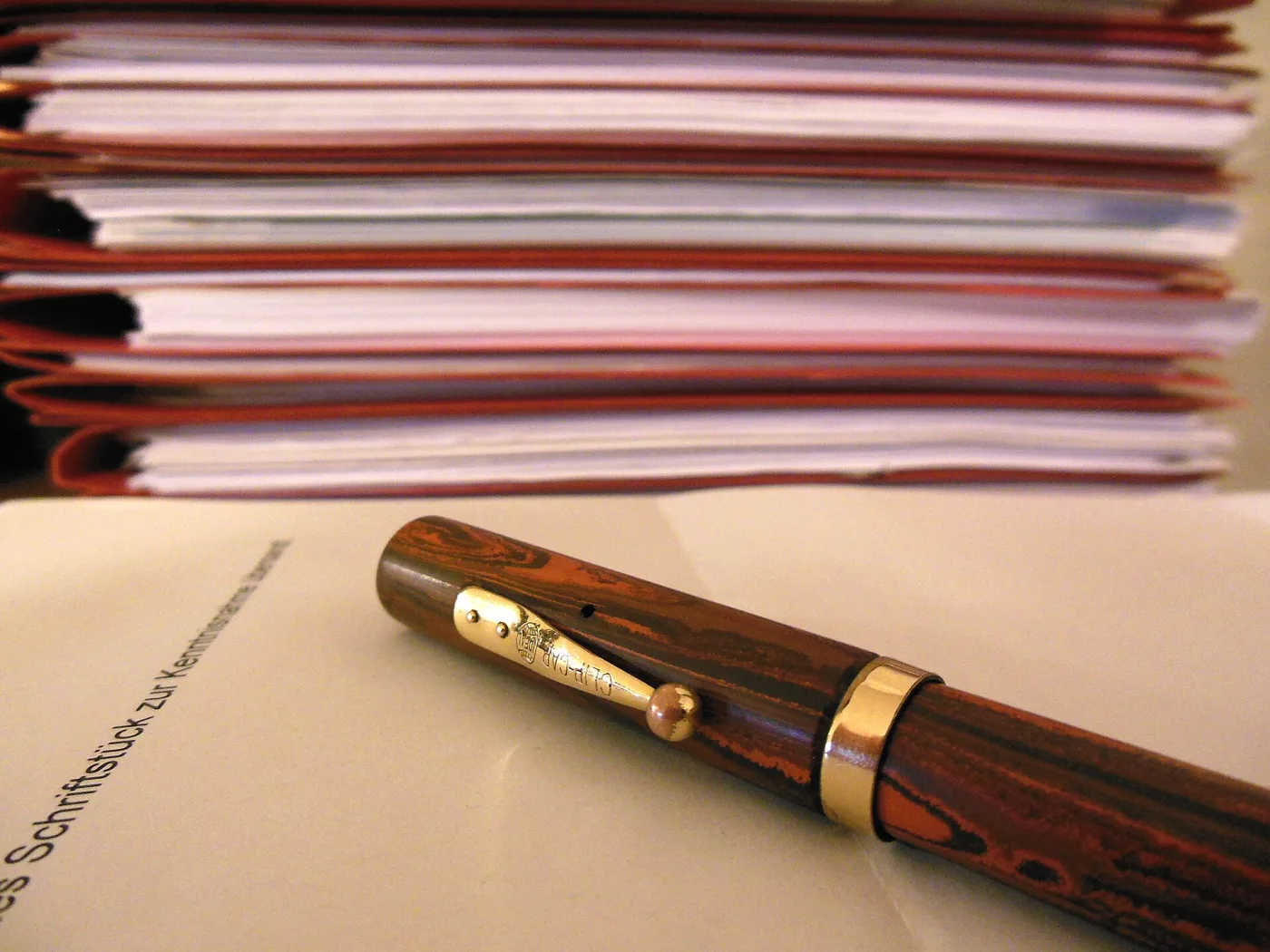
Identifying antique fountain pens requires a deep understanding of their construction, materials, and historical context. Whether you're a seasoned collector or just beginning your journey into vintage writing instruments, this comprehensive guide will provide you with the knowledge and techniques needed to identify, authenticate, and appreciate antique fountain pens. Modern tools like the Antique Identifier app can provide instant AI-powered identification, but understanding the fundamentals is essential for any serious collector.
Table of Contents
What Are Antique Fountain Pens?
Antique fountain pens are writing instruments that typically date from the late 19th century through the mid-20th century, representing a golden age of writing instrument innovation and craftsmanship. These pens are characterized by their self-contained ink supply systems and the use of traditional materials that have largely been replaced in modern manufacturing.
The key characteristics that define antique fountain pens include:
- Age: Generally 50+ years old, with many dating from the 1920s-1950s
- Materials: Hard rubber (ebonite), celluloid, precious metals, and early plastics
- Filling systems: Eyedropper, lever, button, piston, and vacuum mechanisms
- Craftsmanship: Hand-finished details, precision engineering, and quality materials
- Historical significance: Representing technological and design evolution
Understanding what makes a fountain pen truly antique helps collectors distinguish between vintage pieces and modern reproductions, ensuring proper identification and valuation.
Anatomy and Terminology
1. Basic Components
Every fountain pen consists of several key components that collectors must understand:
- Nib: The writing tip, typically made of gold or steel with various flex characteristics
- Feed: The component that regulates ink flow from the reservoir to the nib
- Section: The grip area where the nib and feed are housed
- Barrel: The main body of the pen that contains the ink reservoir
- Cap: The protective covering for the nib when not in use
- Clip: The attachment mechanism for securing the pen to clothing
2. Advanced Features
Antique fountain pens often feature sophisticated design elements:
- Inner cap: A secondary cap that seals the nib more effectively
- Cap liners: Protective materials that prevent damage to the nib
- Cap bands: Decorative and structural rings around the cap
- Thread patterns: The specific threading used to secure cap to barrel
- Breather holes: Small openings in the nib that aid ink flow
3. Condition Indicators
Understanding wear patterns helps assess authenticity and value:
- Posting wear: Damage to the barrel end from posting the cap
- Cap lip cracks: Stress fractures around the cap opening
- Thread wear: Smoothing of threads from repeated capping
- Clip tension: The spring strength of the clip mechanism

Materials Identification
1. Hard Rubber (Ebonite)
Hard rubber was the primary material for early fountain pens and has distinctive characteristics:
- Color changes: Oxidizes from black to brown/olive under UV exposure
- Surface texture: Smooth, slightly matte finish when new
- Odor: Distinctive rubber smell, especially when warmed
- Restoration: Gentle polishing can restore original color
- Dating: Most common from 1880s to 1930s
2. Celluloid
Celluloid introduced vibrant colors and patterns to fountain pen design:
- Identification: Camphor smell when warmed, translucent appearance
- Patterns: Marbled, pearl, and solid color variations
- Vulnerabilities: Sensitive to solvents, heat, and UV light
- Stress marks: Crazing around threads and stress points
- Era: Popular from 1920s through 1950s
3. Early Plastics and Composites
Later periods introduced various synthetic materials:
- Bakelite: Early thermoset plastic with distinctive appearance
- Catalin: Colorful, translucent plastic used in premium pens
- Metal overlays: Precious metal coverings on base materials
- Injection molding: Later manufacturing technique with specific characteristics
4. Material Testing Methods
Professional collectors use several techniques to identify materials:
- UV examination: Reveals oxidation patterns and repairs
- Odor testing: Warming materials releases characteristic smells
- Surface analysis: Examining texture, porosity, and wear patterns
- Chemical testing: Professional analysis for uncertain cases
Filling Systems and Mechanisms
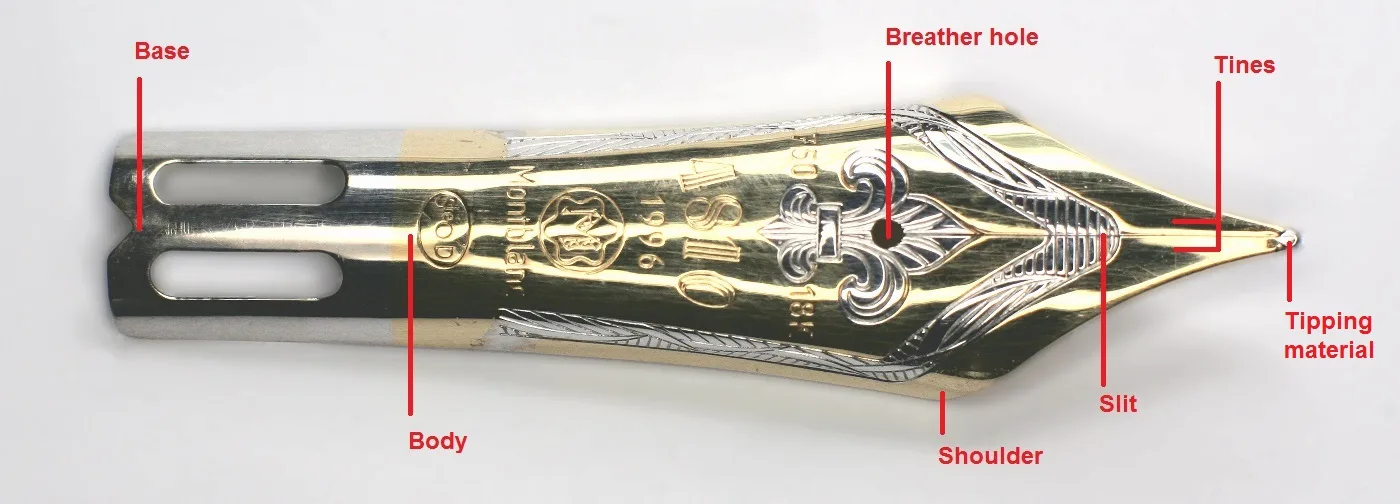
1. Eyedropper System
The earliest and simplest filling mechanism:
- Operation: Direct ink application through the barrel opening
- Identification: No visible filling mechanism, simple barrel design
- Era: 1880s to 1920s, though some modern pens use this system
- Advantages: Large ink capacity, simple construction
- Disadvantages: Messy filling, prone to leaks
2. Lever Filler System
The most common filling system in vintage pens:
- Operation: Lever compresses rubber sac to expel air, then draws in ink
- Identification: Visible lever on the barrel, often with decorative lever box
- Era: 1900s to 1950s, with peak popularity in 1920s-1940s
- Variations: Different lever box designs indicate manufacturer and era
- Maintenance: Requires periodic sac replacement
3. Button Filler System
A sophisticated variation of the lever system:
- Operation: Button under blind cap compresses sac
- Identification: Blind cap at barrel end, no visible lever
- Era: 1920s to 1950s, used in premium pens
- Advantages: Cleaner appearance, more sophisticated mechanism
- Disadvantages: More complex to repair
4. Piston and Vacuum Systems
Advanced filling mechanisms for premium pens:
- Piston operation: Screw mechanism moves piston to create vacuum
- Vacuum operation: Plunger creates vacuum to draw ink
- Identification: Visible filling knob or plunger mechanism
- Era: 1930s to present, with vintage examples being highly collectible
- Maintenance: Requires intact seals and proper lubrication
5. Sac and Seal Materials
Understanding the materials used in filling systems:
- Latex sacs: Traditional material that hardens over decades
- Silicone sacs: Modern alternative with longer lifespan
- Seal materials: Cork, rubber, and synthetic compounds
- Replacement indicators: Brittle texture, rubber dust, poor ink flow

Nibs, Feeds, and Performance
1. Nib Types and Characteristics
Nibs are the heart of any fountain pen and vary significantly:
- Flex nibs: Provide line variation through pressure, highly valued by collectors
- Stub nibs: Wide, flat tips that create distinctive line variation
- Oblique nibs: Angled tips for specific writing styles
- Rigid nibs: Consistent line width, good for everyday writing
- Music nibs: Extra-wide tips for musical notation
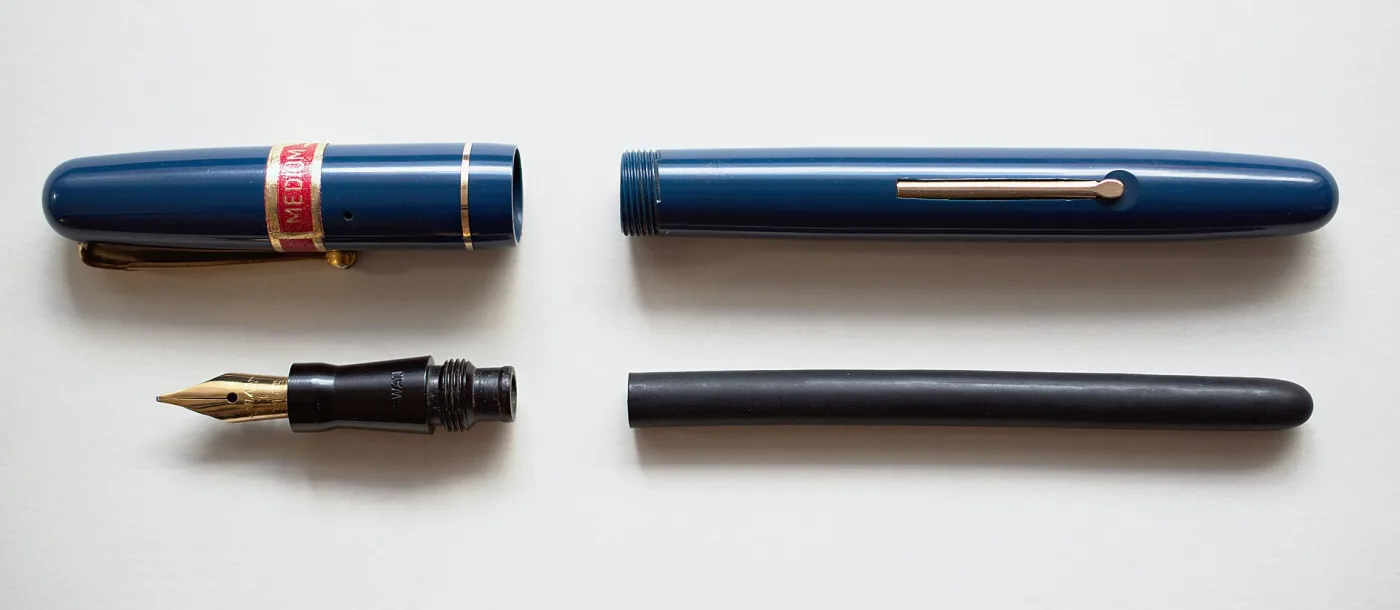
2. Nib Materials and Markings
Understanding nib composition and identification:
- Gold content: Karat marks (14K, 18K) indicate gold percentage
- Tipping material: Iridium or other hard metals for durability
- Size markings: Fine, Medium, Broad, and specialty designations
- Manufacturer stamps: Company logos and model numbers
- Date codes: Manufacturing dates in various formats
3. Feed Systems and Ink Flow
The feed is crucial for consistent writing performance:
- Ebonite feeds: Traditional material that can be heat-set for optimal performance
- Plastic feeds: Modern alternative with consistent properties
- Capillary channels: Fine grooves that regulate ink flow
- Breather holes: Heart-shaped or round openings in the nib
- Flow adjustment: Modifying feed contact and channel dimensions
4. Performance Assessment
Evaluating nib condition and performance:
- Visual inspection: 10× magnification reveals damage and wear
- Sprung tines: Separated tines that reduce ink flow
- Misaligned tipping: Uneven wear that affects smoothness
- Ink flow testing: Writing samples reveal performance issues
- Restoration potential: Assessing whether damage can be repaired
Maker Marks and Dating
1. Manufacturer Identification
Understanding the major fountain pen manufacturers:
- American manufacturers: Parker, Sheaffer, Waterman, Wahl-Eversharp
- European manufacturers: Montblanc, Pelikan, Conway Stewart
- Japanese manufacturers: Pilot, Sailor, Platinum
- Specialty makers: Custom and limited production pens
2. Marking Systems and Evolution
How manufacturers identified their products over time:
- Barrel imprints: Company names, model numbers, and patent dates
- Cap markings: Brand identification and decorative elements
- Clip designs: Distinctive shapes that indicate manufacturer and era
- Cap bands: Decorative and structural elements with dating significance
- Patent numbers: Specific dates that establish earliest possible manufacture
3. Dating Techniques
Methods for establishing pen age and period:
- Patent research: Cross-referencing patent numbers with filing dates
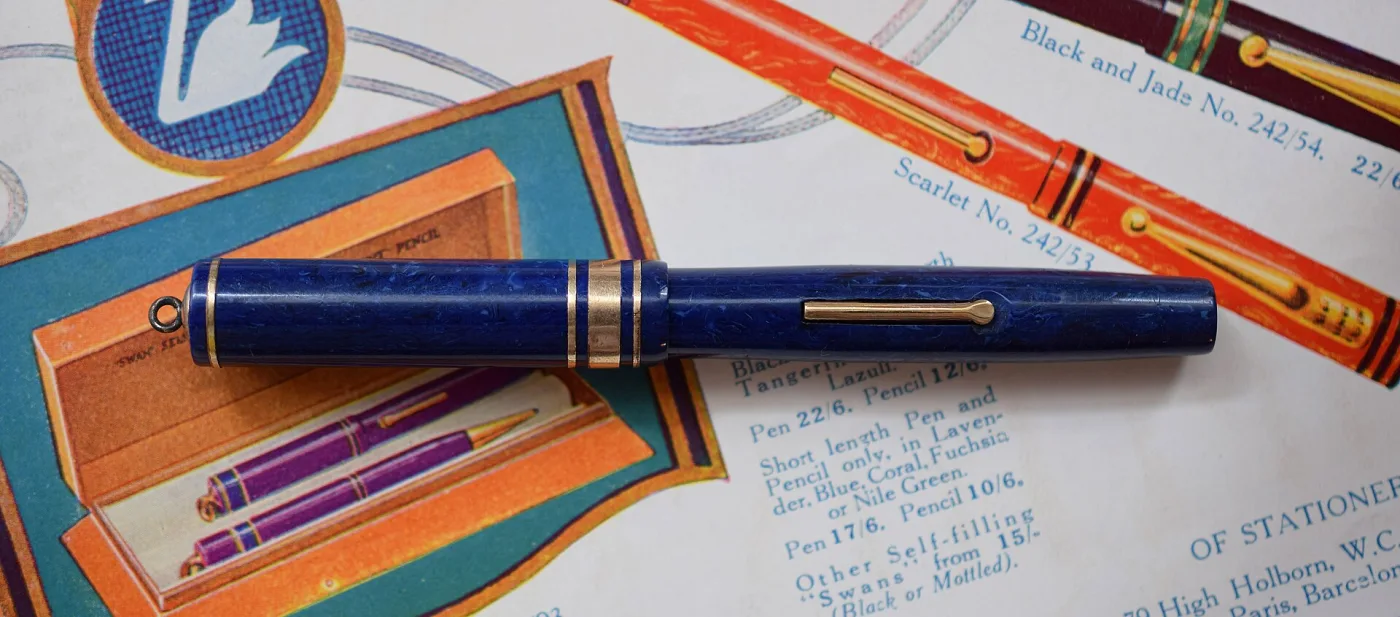
- Catalog comparison: Matching pens to period advertisements
- Style evolution: Understanding design changes over time
- Material progression: Tracking material usage by period
- Historical context: Relating pens to historical events and trends
4. Model Identification
Determining specific pen models and variations:
- Size variations: Standard, oversize, and pocket models
- Color options: Available finishes and their rarity
- Special editions: Limited production and commemorative models
- Accessory matching: Boxes, papers, and promotional materials
Care and Maintenance
1. Cleaning and Flushing
Proper maintenance ensures long-term preservation:
- Regular flushing: Lukewarm water removes old ink and debris
- Cleaning solutions: Pen-safe cleaners for stubborn deposits
- Ultrasonic cleaning: Professional technique for deep cleaning
- Drying procedures: Proper air drying prevents damage
- Frequency: Clean after each ink change and before storage
2. Ink Selection and Compatibility
Choosing appropriate inks for vintage pens:
- pH considerations: Neutral pH inks are safest for vintage materials
- Avoid pigmented inks: Can clog vintage feed systems
- Iridescent inks: May contain particles that damage feeds
- Modern alternatives: Many contemporary inks are vintage-safe
- Testing procedures: Small samples before full filling
3. Storage and Preservation
Long-term care for antique fountain pens:
- Storage position: Nib up to prevent ink leakage
- Environment control: Stable temperature and humidity
- Ventilation: Especially important for celluloid pens
- Protection from light: UV exposure damages many materials
- Regular inspection: Periodic checks for condition changes
4. Restoration and Repair
When and how to restore vintage pens:
- Sac replacement: Essential maintenance for lever and button fillers
- Seal restoration: Repairing piston and vacuum mechanisms
- Nib adjustment: Professional service for performance issues
- Material restoration: Careful cleaning and polishing
- Professional services: Complex repairs require expert attention
Value Assessment
1. Factors Affecting Value
Multiple elements influence antique fountain pen pricing:
- Manufacturer reputation: Well-known brands command premium prices
- Model rarity: Limited production and unusual variations
- Nib characteristics: Flex nibs and specialty tips increase value
- Condition quality: Original finish and minimal wear
- Color and pattern: Unusual or attractive finishes
- Historical significance: Association with events or famous users
2. Market Trends and Demand
Understanding current collector preferences:
- Flex nib demand: High interest in flexible writing characteristics
- Material preferences: Celluloid and hard rubber remain popular
- Size trends: Oversize pens often command premium prices
- Color popularity: Certain colors and patterns are more sought-after
- Geographic variations: Different markets value different characteristics
3. Valuation Methods
Professional approaches to determining pen value:
- Comparable sales: Recent auction and dealer results
- Condition assessment: Professional evaluation of pen state
- Rarity analysis: Understanding production numbers and survival rates
- Market timing: Current demand and economic conditions
- Expert consultation: Professional appraiser opinions
Digital Tools for Identification
1. AI-Powered Apps
Modern technology has revolutionized fountain pen identification:
- Antique Identifier App: Instant AI-powered identification from photos
- Image recognition: Compare pens with vast databases
- Style matching: Identify design periods and influences
- Condition assessment: AI analysis of wear and damage
- Maker identification: Automated recognition of manufacturer marks
2. Online Databases and Resources
Digital resources for research and comparison:
- Manufacturer catalogs: Scanned historical documents and advertisements
- Auction archives: Historical sales data and pricing information
- Collector forums: Community knowledge and experience sharing
- Expert blogs: Specialized knowledge and current trends
- Museum collections: High-resolution images for comparison
3. Social Media and Community
Leveraging online communities for identification help:
- Facebook groups: Specialized fountain pen collector communities
- Reddit forums: r/fountainpens and related subreddits
- Instagram accounts: Visual identification and style analysis
- YouTube channels: Video demonstrations and tutorials
- Discord servers: Real-time discussion and identification help
Expert Tips and Best Practices
1. Building Your Knowledge Base
- Study manufacturer catalogs and historical advertisements
- Visit pen shows and collector gatherings
- Examine as many authentic pieces as possible
- Join collector organizations and online communities
- Take courses in writing instrument history
2. Developing Your Identification Skills
- Learn to recognize quality materials and craftsmanship
- Understand the evolution of design styles over time
- Practice identifying subtle differences between models
- Study the relationship between form and function
- Develop an eye for period-appropriate details
3. Avoiding Common Mistakes
- Don't rely solely on online research for complex identifications
- Beware of "too good to be true" deals on rare pens
- Always verify provenance claims with documentation
- Get professional appraisals for valuable items
- Understand that condition significantly affects value
4. Using Technology Wisely
- Use AI apps like Antique Identifier as a starting point
- Verify AI identifications with traditional research methods
- Combine digital tools with expert consultation
- Keep up with new identification technologies
- Cross-reference multiple sources for accuracy
5. Photography for Identification
- Take clear, well-lit photos of all pen components
- Include close-ups of maker marks and serial numbers
- Document filling mechanisms and internal components
- Show the pen from multiple angles
- Use consistent lighting and background for comparison
Conclusion
Antique fountain pen identification is a specialized skill that combines historical knowledge, material science, and practical experience. While modern tools like the Antique Identifier app can provide instant insights, they work best when combined with traditional research methods and expert consultation. Remember that every vintage fountain pen tells a story of innovation, craftsmanship, and the evolution of writing technology.
Whether you're using traditional identification methods or cutting-edge technology, the key to successful fountain pen identification is patience, research, and a willingness to learn. Start with the basics, build your knowledge gradually, and don't hesitate to seek expert advice when needed. The world of antique fountain pens offers endless opportunities for discovery and appreciation.