Antique Decorative Objects & Objets d'Art Identification Guide: Dating & Authentication
Antique decorative objects and objets d'art represent some of the most fascinating and diverse categories in the world of antiques. From elegant Art Nouveau vases to intricate Victorian figurines, from ornate bronze sculptures to delicate glass ornaments, these pieces transform ordinary spaces into showcases of historical artistry and cultural heritage. This comprehensive guide will teach you everything you need to know about identifying antique decorative objects, from understanding different categories and materials to mastering dating techniques and determining authenticity and value.
Table of Contents
- Understanding Objets d'Art and Decorative Objects
- Categories and Types of Decorative Objects
- Material Identification and Characteristics
- Period Styles and Design Movements
- Maker Marks and Artist Signatures
- Dating Techniques and Methods
- Authentication and Provenance Research
- Condition Assessment and Restoration
- Value Assessment and Market Factors
- Digital Tools for Identification
- Expert Tips and Best Practices
Understanding Objets d'Art and Decorative Objects
Before diving into identification, it's essential to understand what constitutes decorative objects and objets d'art, and how they differ from functional antiques.
What are Objets d'Art?
Objets d'art (French for "art objects") are decorative items created primarily for aesthetic purposes rather than practical function:
- Primary Purpose: Decoration and artistic expression
- Materials: Often fine materials like bronze, porcelain, glass, or precious metals
- Craftsmanship: Typically high-quality, sometimes by renowned artists or manufacturers
- Cultural Significance: Reflect artistic movements and historical periods
- Collectibility: Valued for beauty, rarity, and historical importance
Decorative Objects vs. Functional Antiques
Understanding the distinction helps with identification and valuation:
- Decorative Objects: Created primarily for display and aesthetic appeal
- Functional Antiques: Items with practical purposes (furniture, tools, utensils)
- Hybrid Items: Beautiful objects that also serve functions (ornamental boxes, decorative vases)
- Value Factors: Decorative objects often valued for artistry over utility
Historical Context
Decorative objects have evolved throughout history:
- Ancient Times: Religious and ceremonial objects, status symbols
- Medieval Period: Ecclesiastical art, heraldic objects
- Renaissance: Classical revival, humanist themes
- 18th-19th Centuries: Mass production, middle-class collecting
- Modern Era: Art movements, designer objects, limited editions
Categories and Types of Decorative Objects
Decorative objects encompass an enormous range of items. Understanding categories helps narrow identification focus.
Sculptures and Figurines
Three-dimensional artistic objects in various materials:
- Bronze Sculptures: Cast metal figures, often patinated
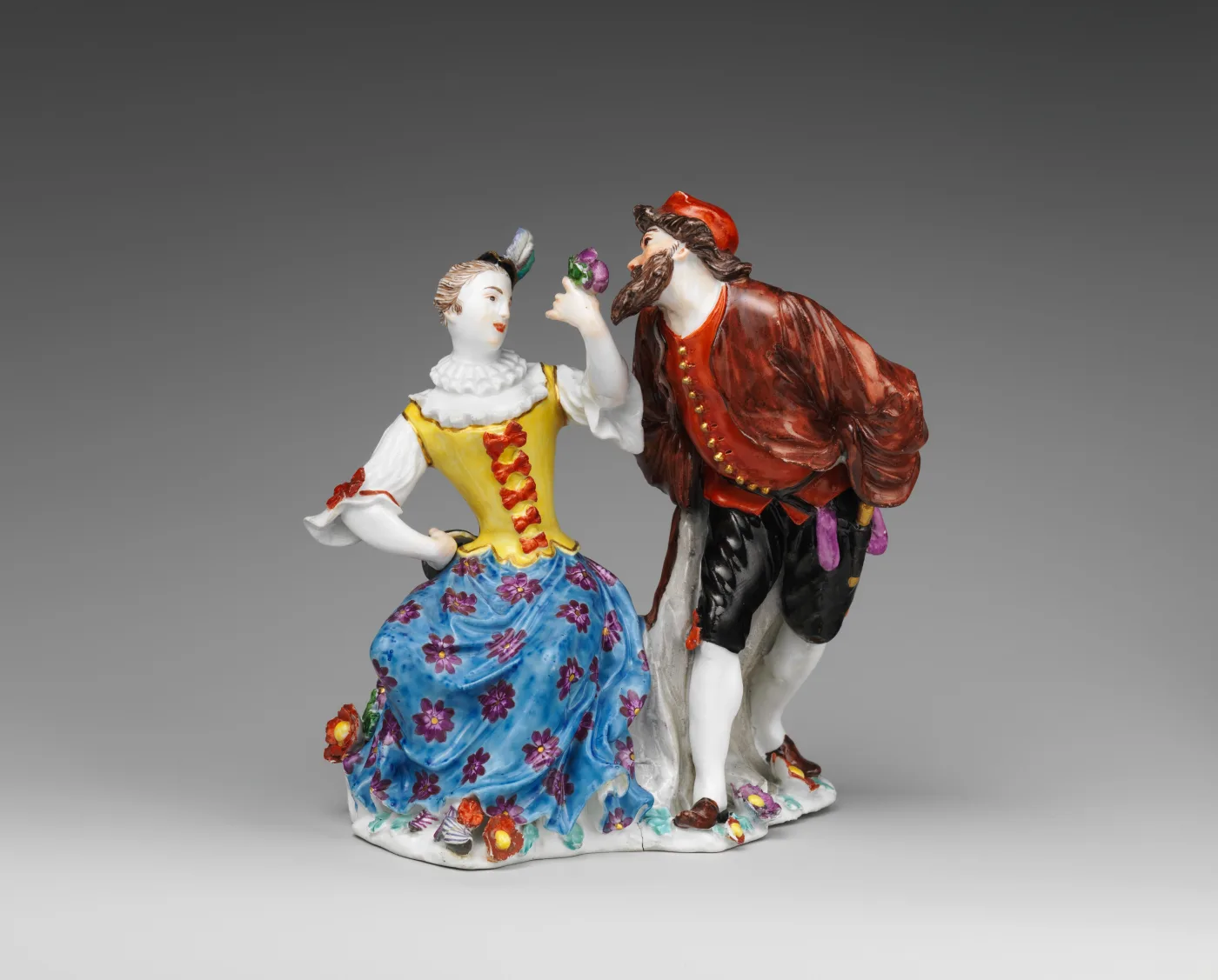
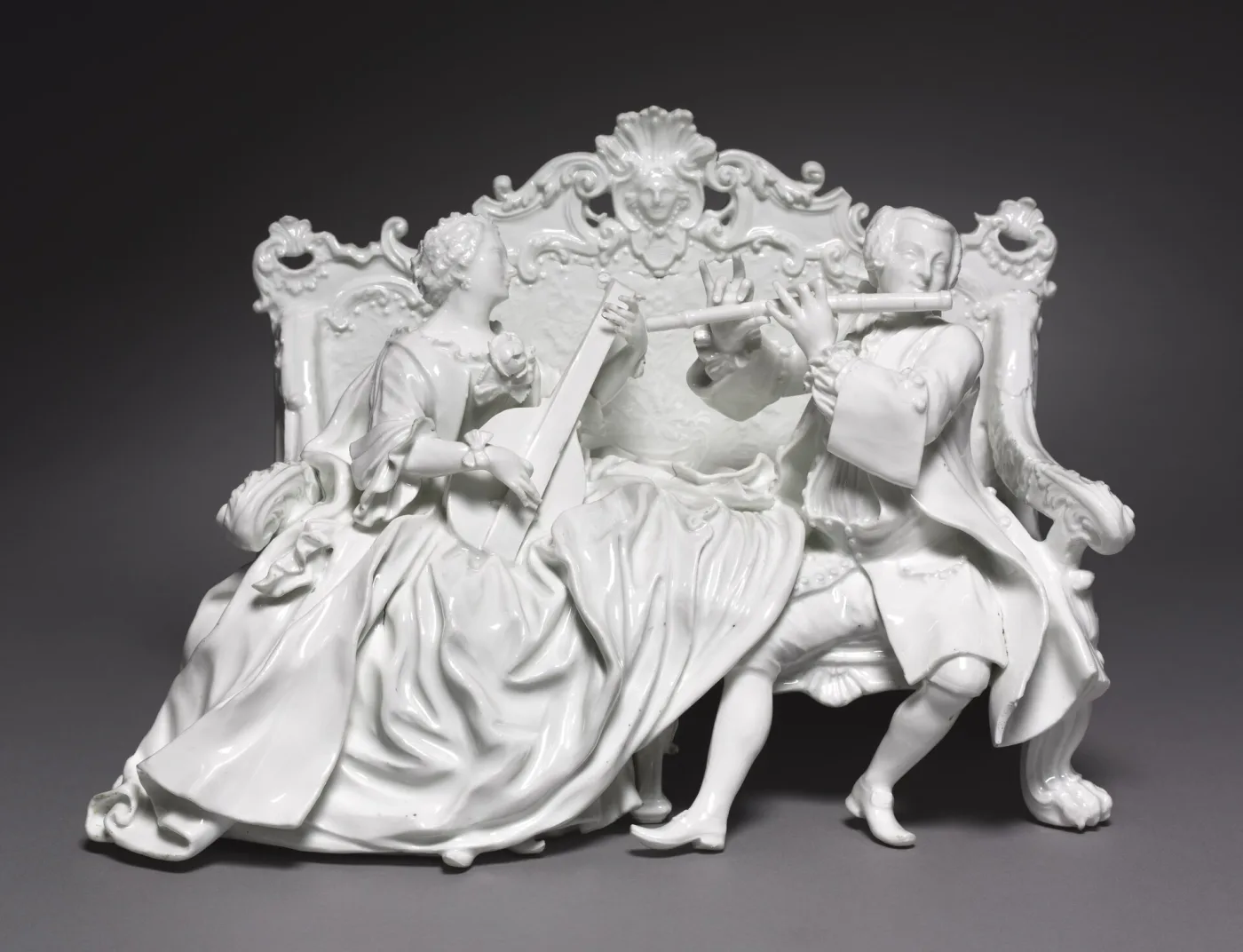
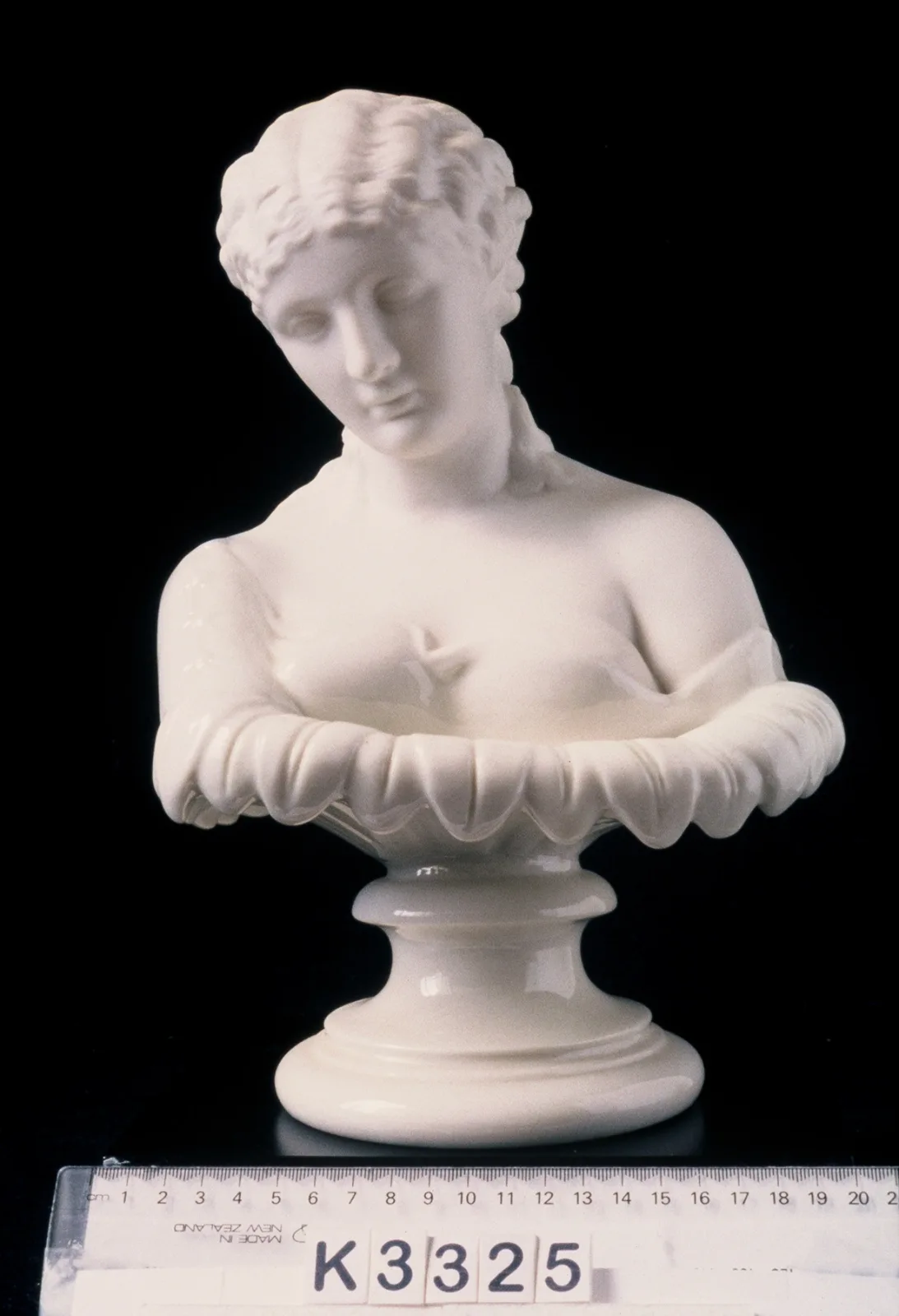
- Porcelain Figurines: Delicate ceramic figures, often from European factories, including the flower-encrusted rococo Capodimonte porcelain figures and groups
- Marble Sculptures: Carved stone figures and busts
- Ivory Carvings: Carved animal figures and decorative objects
- Wood Carvings: Hand-carved wooden figures and reliefs
- Bisque Figures: Unglazed porcelain figures, including 20th-century collectible lines such as Goebel Hummel figurines
Vases and Vessels
Decorative containers in various forms and materials:
- Art Glass Vases: Hand-blown or pressed glass, often with decorative techniques
- Porcelain Vases: Ceramic vases with painted or molded decoration
- Bronze Vessels: Metal vases and urns with patination
- Pottery Vases: Earthenware and stoneware decorative vessels
- Cloisonné Vases: Enameled metal vases with wire partitions
Ornaments and Trinkets
Small decorative items for display:
- Paperweights: Glass or stone decorative weights
- Miniatures: Small-scale decorative objects
- Ornamental Boxes: Decorative containers for small items
- Decorative Plates: Wall plates and display ceramics
- Decorative Mirrors: Ornate framed mirrors for display
Wall Art and Decorative Panels
Two-dimensional decorative objects:
- Decorative Plaques: Ceramic, metal, or wood wall decorations
- Relief Panels: Carved or molded decorative panels
- Decorative Tiles: Ornate ceramic tiles for display
- Wall Sconces: Decorative wall-mounted lighting fixtures
Clocks and Timepieces
Decorative timekeeping objects:
- Mantel Clocks: Decorative tabletop clocks
- Ornate Wall Clocks: Decorative timepieces for walls
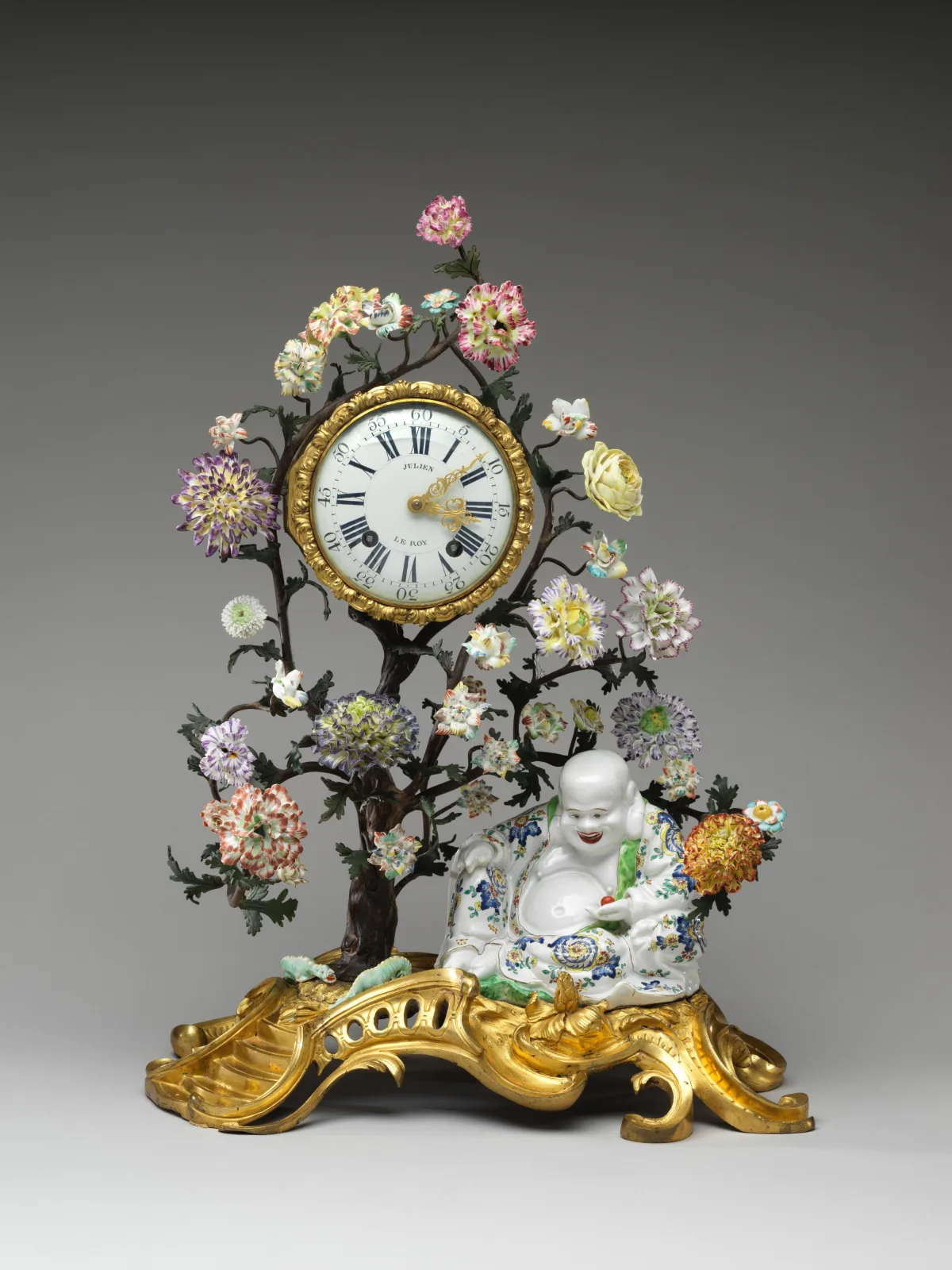
- Figural Clocks: Clocks incorporated into sculptures
Material Identification and Characteristics
Different materials have distinct characteristics that help with identification and dating.
Bronze and Brass
Metal decorative objects are common and have distinctive features:
- Bronze: Copper-tin alloy, develops green patina, heavy
- Brass: Copper-zinc alloy, yellow-gold color, lighter than bronze
- Spelter: Zinc alloy, often bronze-plated, lighter weight
- Patinas: Natural or artificial surface oxidation
- Casting Marks: Seam lines, foundry marks, edition numbers
Porcelain and Ceramics
Ceramic decorative objects have specific identification markers:
- Hard Paste Porcelain: Translucent, white, high-fired
- Soft Paste Porcelain: More opaque, lower-fired
- Bone China: Very white, translucent, contains bone ash
- Earthenware: Porous, opaque, lower-fired
- Factory Marks: Backstamps, impressed marks, painted signatures
Glass
Glass decorative objects vary widely in technique and style:
- Blown Glass: Hand-blown, often with pontil marks
- Pressed Glass: Machine-pressed, mold seams visible
- Cut Glass: Faceted decoration, polished surfaces
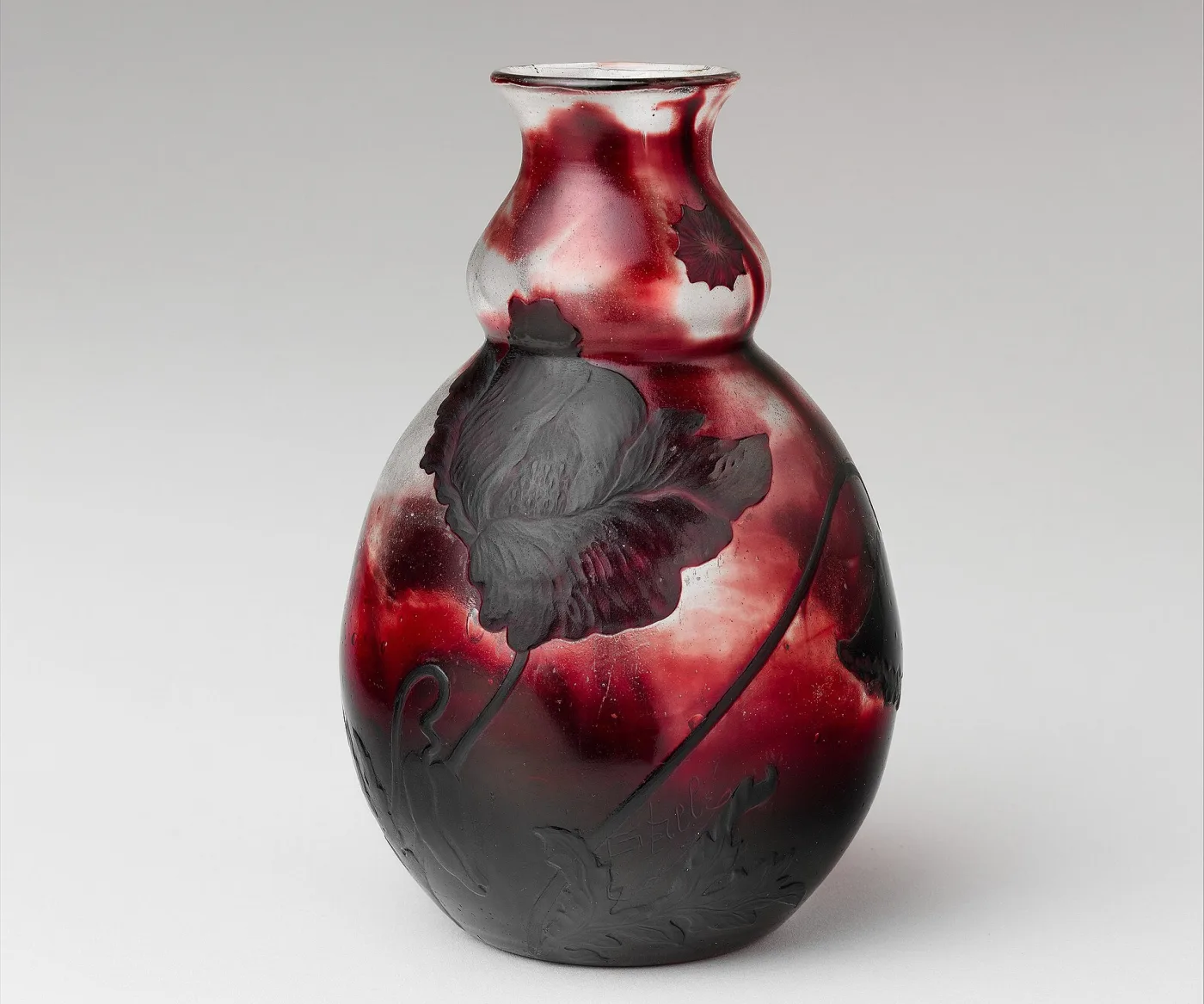
- Art Glass: Specialized techniques (cameo, iridescent, opalescent)
- Signatures: Etched, engraved, or applied marks
Other Materials
Various other materials appear in decorative objects:
- Ivory: Carved animal tusk, now restricted trade
- Wood: Carved or turned decorative objects
- Stone: Marble, alabaster, jade carvings
- Enamel: Fused glass on metal surfaces
- Bakelite and Early Plastics: 20th-century synthetic materials
Period Styles and Design Movements
Understanding design movements helps date and authenticate decorative objects.
Rococo (1730-1770)
Ornate, asymmetrical, playful style:
- Characteristics: Curved lines, shell motifs, asymmetry
- Materials: Gilded bronze, porcelain, ormolu
- Motifs: Shells, flowers, scrolls, cherubs
- Colors: Pastels, gold, white
Neoclassical (1760-1830)
Classical revival with symmetry and restraint:
- Characteristics: Symmetrical designs, classical motifs
- Materials: Marble, bronze, porcelain
- Motifs: Greek and Roman elements, urns, columns
- Colors: White, gold, classical color palette
Victorian (1837-1901)
Eclectic, ornate, sentimental style:
- Characteristics: Heavy ornamentation, sentimental themes
- Materials: Porcelain, bronze, glass, various materials
- Motifs: Flowers, animals, romantic scenes
- Colors: Rich colors, gold accents
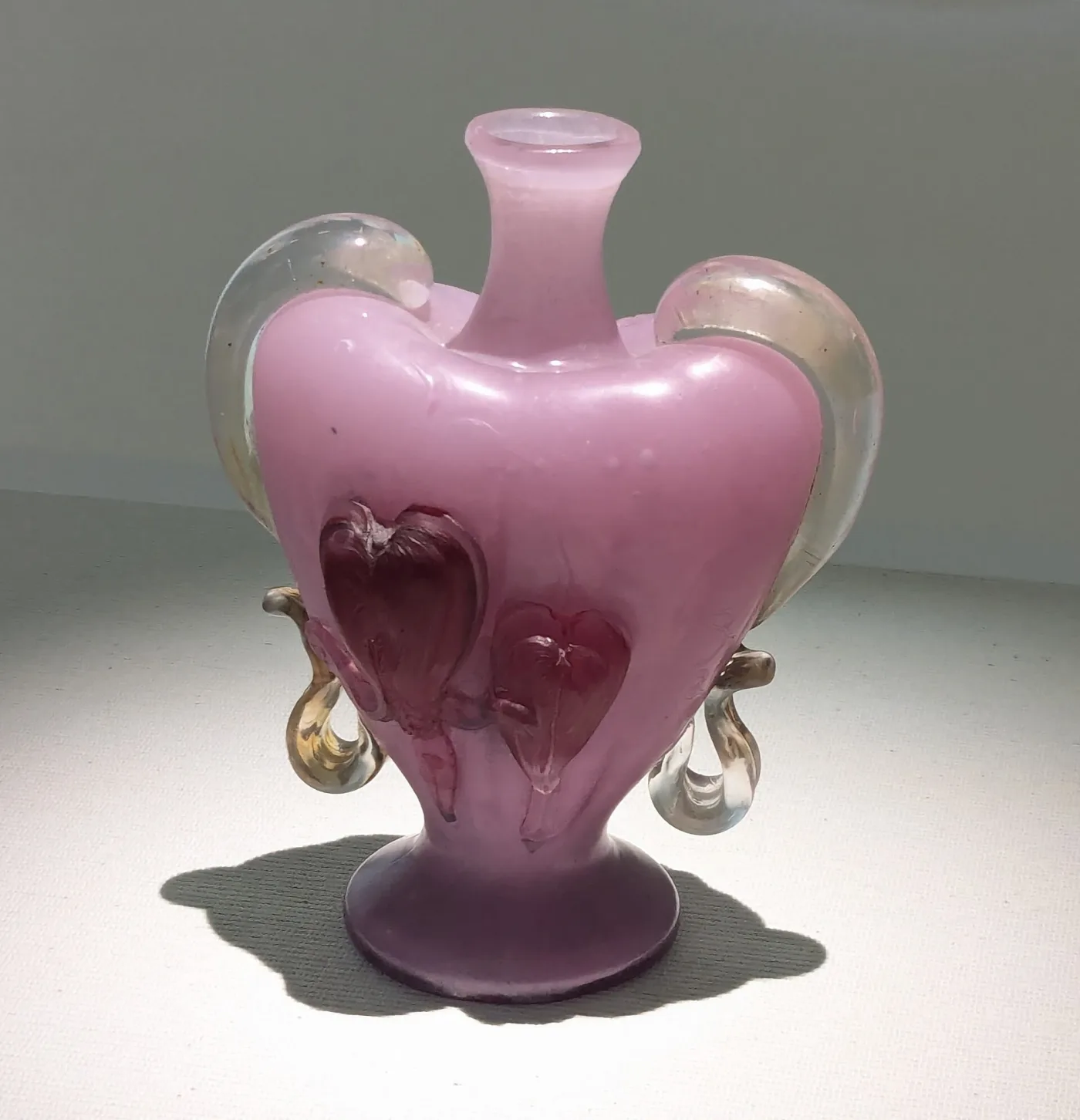
Art Nouveau (1890-1910)
Organic, flowing, nature-inspired style:
- Characteristics: Curved lines, nature motifs, asymmetry
- Materials: Glass, bronze, porcelain, various
- Motifs: Flowers, vines, female figures, flowing hair
- Designers: Émile Gallé, Louis Comfort Tiffany, René Lalique
Art Deco (1920-1940)
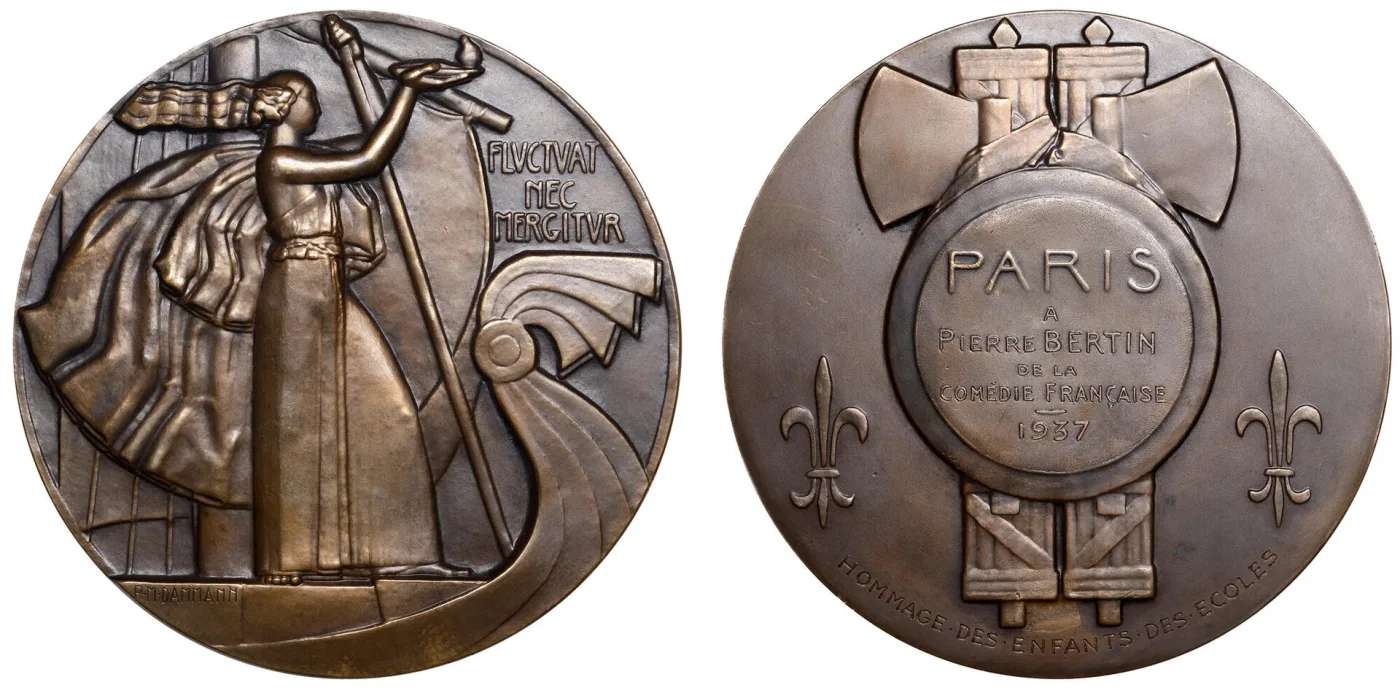
Geometric, modern, streamlined style:
- Characteristics: Geometric patterns, bold forms, modern
- Materials: Chrome, glass, exotic woods, lacquer
- Motifs: Zigzags, chevrons, sunbursts, Egyptian influences
- Designers: Jacques-Émile Ruhlmann, Jean Dunand
Mid-Century Modern (1940-1970)
Clean lines, organic forms, functional beauty:
- Characteristics: Simple forms, natural materials, functionality
- Materials: Teak, chrome, glass, ceramics
- Motifs: Abstract forms, nature-inspired shapes
- Designers: Scandinavian and American designers

Maker Marks and Artist Signatures
Identifying makers and artists significantly increases value and authenticity.
Types of Marks
- Artist Signatures: Hand-signed by the creator
- Factory Marks: Company logos and symbols
- Foundry Marks: Bronze casting foundry identification
- Edition Numbers: Limited edition numbering
- Date Marks: Year of manufacture
- Pattern Numbers: Design identification codes
Famous Makers and Artists
Recognizing important creators increases value:
- Glass Artists: Louis Comfort Tiffany, Émile Gallé, René Lalique, Steuben
- Porcelain Factories: Meissen, Sèvres, Royal Copenhagen, Wedgwood
- Bronze Foundries: Barbedienne, Susse Frères, various art foundries
- Designers: Art Nouveau and Art Deco period designers
Mark Locations
Marks appear in various locations:
- Base or Bottom: Most common location for marks
- Side or Edge: Less common but important
- Hidden Areas: Inside boxes, under lids
- Multiple Marks: Some objects have multiple identification marks
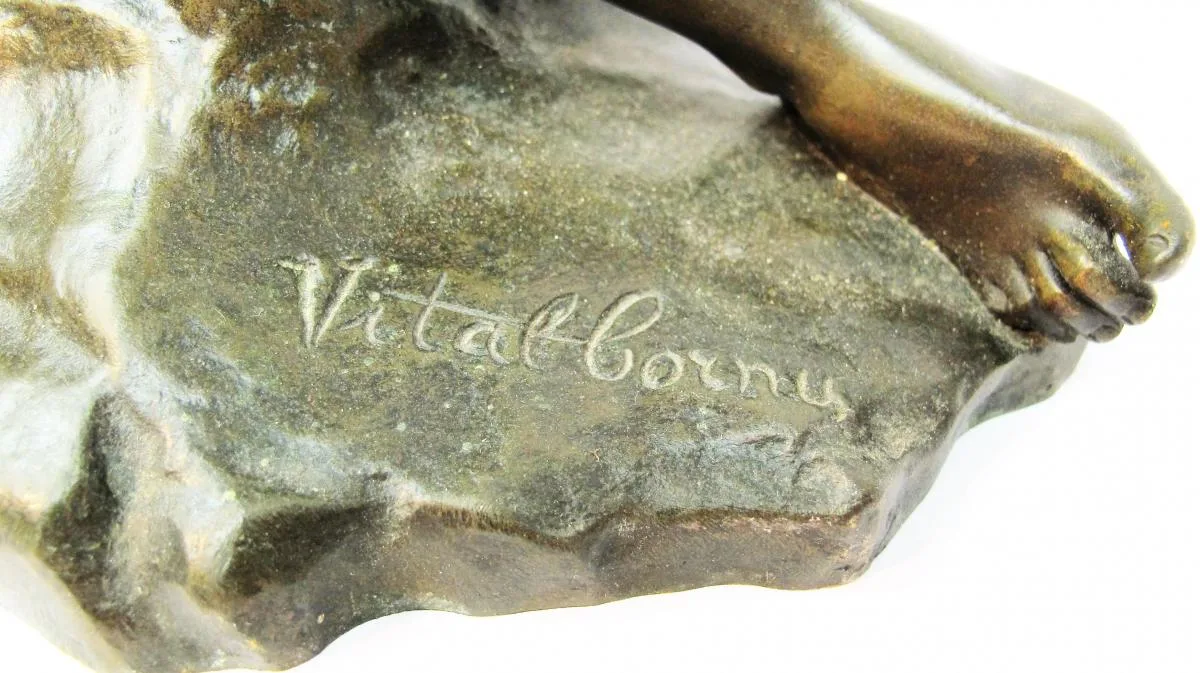
Researching Makers
- Reference Books: Maker mark dictionaries and artist catalogs
- Online Databases: Mark identification websites and museum collections
- Museum Collections: High-resolution images and provenance
- Expert Consultation: Professional appraisers and dealers
Dating Techniques and Methods
Accurate dating requires multiple approaches and careful analysis of various factors.
Style Analysis
- Design Elements: Ornamentation, proportions, motifs
- Historical Context: Political, social, economic influences
- Regional Variations: Local styles and preferences
- Fashion Trends: Popular styles and their evolution
- Cross-Reference: Compare with dated examples
Technical Dating
- Construction Methods: Manufacturing techniques, tool marks
- Material Analysis: Material composition, alloy ratios
- Surface Examination: Patina, wear patterns, aging
- Scientific Testing: X-ray fluorescence, thermoluminescence
- Mark Evolution: How maker marks changed over time
Provenance Research
- Ownership History: Previous owners and collections
- Exhibition Records: Museum and gallery exhibitions
- Publication References: Books, catalogs, articles
- Sales Records: Auction house and dealer records
- Documentation: Certificates, receipts, letters
Comparative Analysis
- Similar Objects: Compare with authenticated examples
- Museum Collections: Study pieces in museum collections
- Auction Records: Review similar items sold at auction
- Expert Opinion: Consult specialists in the field
Authentication and Provenance Research
Authenticating decorative objects requires careful examination and research.
Authenticity Indicators
- Quality of Craftsmanship: Consistent with period and maker
- Material Authenticity: Materials appropriate for period
- Age-Appropriate Wear: Natural aging and patination
- Consistent Styling: Design elements match period
- Proper Marks: Marks consistent with maker and period
Red Flags and Warning Signs
- Too Perfect Condition: Suspiciously pristine for claimed age
- Inconsistent Materials: Materials not used in claimed period
- Modern Manufacturing Marks: Evidence of modern production
- Fake Patinas: Artificially created aging
- Reproduction Marks: Marks that don't match originals
- Suspicious Provenance: Unverifiable ownership history
Provenance Documentation
- Ownership Chain: Documented history of ownership
- Exhibition History: Museum and gallery exhibitions
- Publication History: References in books and catalogs
- Sales History: Auction and dealer sales records
- Expert Certifications: Professional authentication documents
Professional Authentication
- When to Seek Help: High-value items, complex identifications
- Types of Experts: Appraisers, dealers, museum curators
- Certification Services: Professional authentication services
- Cost Considerations: Authentication fees and value assessment
Condition Assessment and Restoration
Understanding condition is crucial for valuation and collecting decisions.
Condition Categories
- Mint: Perfect original condition, no damage
- Excellent: Minor wear, no significant damage
- Very Good: Some wear, minor damage, well-maintained
- Good: Noticeable wear, some damage, still presentable
- Fair: Significant wear, damage, may need restoration
- Poor: Extensive damage, may not be restorable
Common Condition Issues
- Surface Damage: Scratches, chips, cracks
- Structural Damage: Breaks, missing parts, instability
- Finish Issues: Fading, discoloration, loss of patina
- Restoration: Previous repairs, replacements, overpainting
- Missing Elements: Lost parts, broken attachments
Restoration Considerations
- When to Restore: Value increase vs. cost considerations
- Types of Restoration: Conservation, repair, reconstruction
- Professional Restoration: When to use experts
- Reversibility: Importance of reversible restoration
- Documentation: Recording restoration work
Preservation Best Practices
- Display Conditions: Proper lighting, temperature, humidity
- Handling: Safe handling techniques
- Cleaning: Appropriate cleaning methods
- Storage: Proper storage conditions
- Insurance: Protecting valuable collections
Value Assessment and Market Factors
Understanding what makes decorative objects valuable helps with identification and collecting.
Value Factors
- Rarity: Limited production, unique designs, discontinued items
- Condition: Original finish, minimal damage, completeness
- Provenance: Famous ownership, documented history, exhibitions
- Maker or Artist: Famous or important creators
- Period: Desirable historical era or design movement
- Quality: Craftsmanship, materials, artistic merit
- Completeness: Original parts, matching sets, original boxes
Market Considerations
- Current Trends: Popular styles, periods, and makers
- Economic Factors: Market conditions, interest rates, collector spending
- Geographic Demand: Regional preferences and markets
- Collector Interest: Specialized collector groups and communities
- Media Influence: Television shows, publications, exhibitions
Appraisal Methods
- Comparable Sales: Recent auction results and dealer sales
- Replacement Cost: Cost to recreate or replace
- Investment Potential: Future value appreciation
- Expert Opinion: Professional appraiser assessment
- Insurance Value: Replacement value for insurance purposes
Market Trends
- Rising Categories: Currently appreciating decorative objects
- Stable Markets: Consistent value categories
- Declining Categories: Decreasing interest areas
- Emerging Trends: New collecting categories
Digital Tools for Decorative Objects Identification
1. AI-Powered Identification Apps
Modern technology has revolutionized decorative object identification:
- Antique Identifier App: Instant AI-powered identification from photos
- Image Recognition: Compare objects with vast databases of decorative art
- Style Matching: Identify design periods and artistic movements
- Maker Recognition: AI analysis of signatures and marks
- Material Identification: AI assessment of materials and techniques
- Condition Assessment: AI analysis of wear, damage, and restoration
- Value Estimation: AI-powered market value assessments
2. Online Databases and Resources
Digital resources for decorative object research and comparison:
- Museum Collections: High-resolution images of authenticated pieces
- Auction Archives: Historical sales data and pricing information
- Maker Databases: Comprehensive mark and signature identification systems
- Collector Forums: Community knowledge and experience sharing
- Expert Blogs: Specialized knowledge and current market trends
- Virtual Exhibitions: Online museum and gallery exhibitions
3. Advanced Imaging Technology
Emerging technologies in decorative object identification:
- High-Resolution Photography: Detailed examination of marks, signatures, and details
- 3D Scanning: Comprehensive analysis of complex three-dimensional objects
- X-Ray Imaging: Non-destructive examination of internal structure
- Spectroscopic Analysis: Chemical composition verification
- UV and Infrared Imaging: Detection of restorations and alterations
- Macro Photography: Extreme close-up examination of details
4. Social Media and Community Platforms
Modern platforms for identification and learning:
- Collector Groups: Specialized groups for different categories
- Expert Q&A: Direct access to specialists and appraisers
- Photo Sharing: Share images for community identification
- Market Updates: Current trends and pricing information
Expert Tips and Best Practices
1. Building Your Knowledge Base
- Study period-specific decorative arts books and catalogs
- Visit museums with extensive decorative arts collections
- Attend antique shows, auctions, and decorative arts fairs
- Join collector organizations and specialized forums
- Take courses in art history and decorative arts identification
- Read auction catalogs and dealer listings regularly
- Study maker mark reference books and databases
2. Developing Your Eye
- Examine as many authentic decorative objects as possible
- Learn to recognize quality materials and craftsmanship
- Understand the difference between age-related wear and damage
- Study the evolution of decorative styles and movements
- Practice identifying marks, signatures, and maker characteristics
- Learn to recognize period-appropriate materials and techniques
- Develop an understanding of market values and trends
3. Avoiding Common Mistakes
- Don't rely solely on online research for complex identifications
- Beware of "too good to be true" decorative object deals
- Always verify provenance claims and maker marks
- Get professional appraisals for valuable decorative objects
- Understand that condition significantly affects value
- Be cautious of modern reproductions with fake marks
- Don't over-restore objects, as it can decrease value
- Verify authenticity before making significant purchases
4. Using Technology Wisely
- Use AI apps like Antique Identifier as a starting point for identification
- Verify AI identifications with traditional research methods
- Combine digital tools with expert consultation for important items
- Keep up with new identification technologies and databases
- Cross-reference multiple digital sources for accuracy
- Use high-quality photography for best AI identification results
- Understand the limitations of technology and when to seek expert help
5. Building a Collection
- Focus on a specific category or period to develop expertise
- Buy the best quality you can afford within your focus area
- Document your collection with photographs and provenance
- Insure valuable pieces appropriately
- Display and store objects properly to preserve condition
- Network with other collectors and dealers in your area
- Continuously educate yourself about your collecting focus
Conclusion
Antique decorative objects and objets d'art identification is a fascinating field that combines historical knowledge, technical understanding, aesthetic appreciation, and practical experience. From elegant Art Nouveau glass vases to intricate Victorian Staffordshire figurines, from ornate bronze sculptures to delicate ceramic ornaments, each piece tells a story of artistic expression, cultural heritage, and historical significance.
By learning to recognize different categories, materials, period styles, and maker characteristics, you can develop the expertise needed to identify and authenticate decorative objects. Remember that identification often requires multiple pieces of evidence working together—style analysis, material examination, mark identification, and provenance research all contribute to a complete picture of an object's age, origin, and authenticity.
Whether you're using traditional methods, modern digital tools like the Antique Identifier app, or a combination of both, the key to successful decorative object identification is patience, research, and a willingness to learn. Start with understanding the basics of different categories and materials, build your knowledge of period styles and design movements, study maker marks and signatures, and don't hesitate to seek expert advice when needed. The world of antique decorative objects offers endless opportunities for discovery, appreciation, and collecting.