
Complete Antique Coin Identification Guide: How to Identify, Date, and Value Ancient Coins
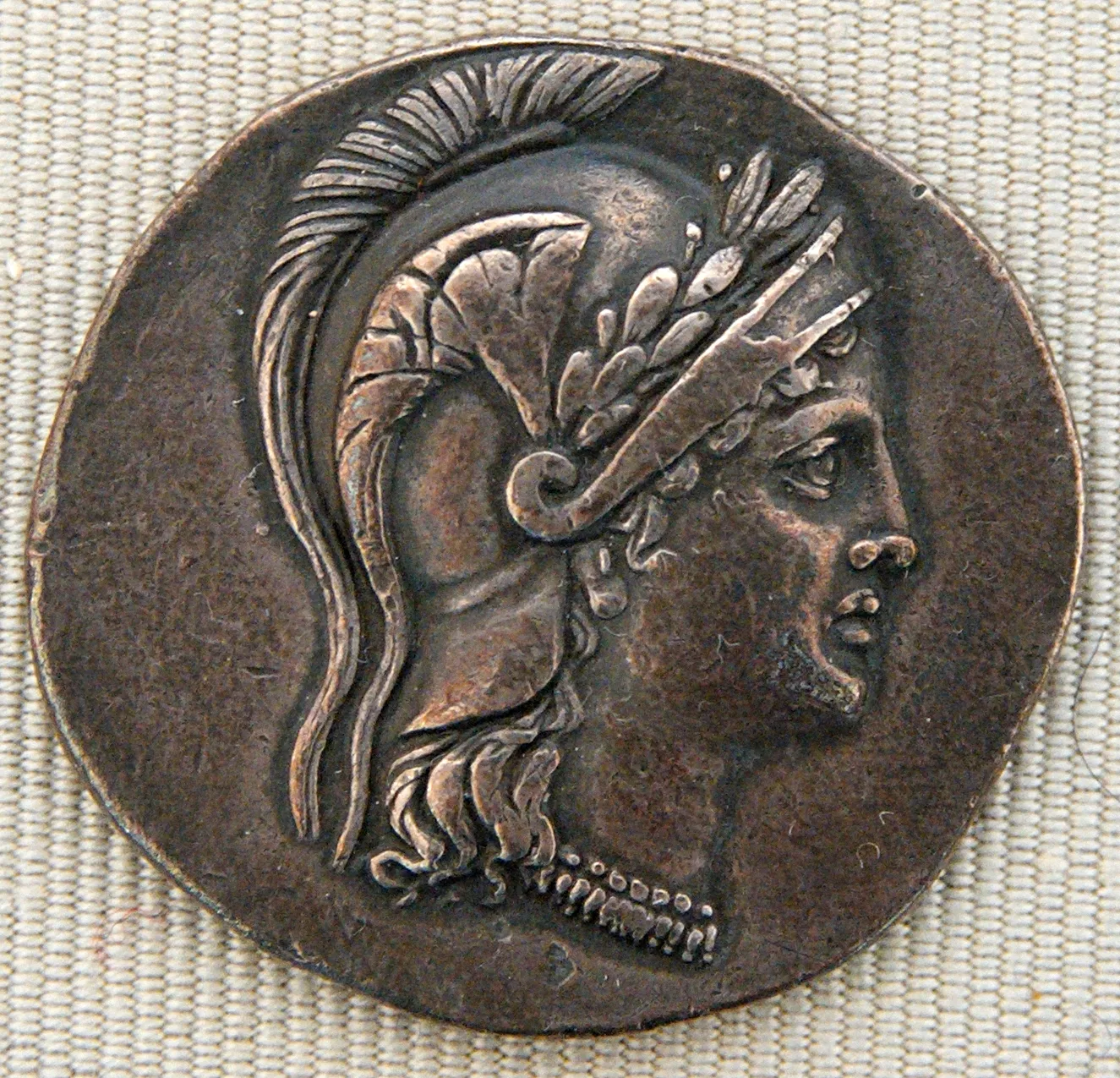
Antique coins are fascinating windows into human history, bearing the marks of ancient civilizations, powerful rulers, and significant historical events. Whether you're a seasoned collector or just beginning your numismatic journey, learning to properly identify antique coins is essential for understanding their historical significance and determining their true value. In the digital age, tools like the Antique Identifier app can provide instant AI-powered identification, but understanding the fundamentals is crucial for any serious collector.
Table of Contents
- Understanding Antique Coins: A Historical Perspective
- Essential Tools for Antique Coin Identification
- Step-by-Step Coin Identification Process
- Major Categories of Antique Coins
- Advanced Identification Techniques
- Common Identification Challenges and Solutions
- Dating Antique Coins
- Valuation and Market Considerations
- Preservation and Care
- Building Your Numismatic Knowledge
- Legal and Ethical Considerations
Understanding Antique Coins: A Historical Perspective
Antique coins have been used as currency, propaganda tools, and artistic expressions for thousands of years. The earliest coins appeared in ancient Lydia (modern-day Turkey) around 600 BCE, made of electrum, a natural alloy of gold and silver. From there, coinage spread throughout the ancient world, with each civilization developing its own distinctive styles and techniques.
Ancient Greek coins, for example, often featured gods, goddesses, and mythological creatures, while Roman coins typically bore the portraits of emperors and important state officials. Chinese coins, with their distinctive square holes, served both practical and symbolic purposes. Understanding these historical contexts is crucial for proper identification.
Essential Tools for Antique Coin Identification
Before diving into identification techniques, you'll need several essential tools to properly examine and identify antique coins:
1. Magnification Equipment
- Jeweler's Loupe (10x magnification): Essential for examining fine details, inscriptions, and mint marks
- Digital Microscope: For high-resolution imaging and detailed analysis
- Handheld Magnifier: For general examination and quick identification
2. Reference Materials
- Coin Catalogs: Krause's "Standard Catalog of World Coins" and similar reference works
- Online Databases: Numista, CoinArchives, and specialized numismatic websites
- Historical References: Books on ancient civilizations, rulers, and historical periods
3. Measurement Tools
- Digital Calipers: For precise diameter and thickness measurements
- Coin Scale: For accurate weight measurements (crucial for authentication)
- Ruler with Metric and Imperial Units: For quick size comparisons
Step-by-Step Coin Identification Process
Proper coin identification follows a systematic approach that examines multiple characteristics. Here's the comprehensive process:
1. Visual Examination
Begin with a thorough visual examination of both sides of the coin:
- Obverse (Front): Usually features the portrait of a ruler, deity, or national symbol
- Reverse (Back): Often contains inscriptions, dates, or symbolic imagery
- Edge: May have reeding, inscriptions, or decorative patterns
2. Metal Composition Analysis
Determine the coin's metal composition, which provides important clues about its origin and period:
- Gold Coins: Typically high-value coins from prosperous periods
- Silver Coins: Most common for everyday transactions and trade
- Copper/Bronze Coins: Usually lower denominations and later periods
- Electrum: Natural gold-silver alloy used in earliest coinage
3. Inscription and Language Analysis
Examine any inscriptions or text on the coin:
- Latin: Common on Roman and medieval European coins
- Greek: Found on ancient Greek and Byzantine coins
- Arabic: Present on Islamic coins and some medieval European issues
- Chinese Characters: On Chinese and East Asian coins
4. Iconography and Symbolism
Analyze the images and symbols depicted on the coin:
- Portraits: Identify rulers, deities, or important figures
- Symbols: Look for national emblems, religious symbols, or trade marks
- Architectural Elements: Buildings, temples, or monuments may indicate origin
- Animals and Plants: Often represent regional characteristics or royal symbols
Major Categories of Antique Coins
Understanding the major categories of antique coins helps narrow down identification possibilities:
1. Ancient Greek Coins (600 BCE - 100 CE)
Greek coins are renowned for their artistic beauty and historical significance. Key identification features include:
- City-State Coins: Often feature local deities, animals, or symbols
- Alexander the Great Coins: Widely circulated, featuring the conqueror's portrait
- Mythological Themes: Gods, goddesses, and legendary creatures
- High Relief: Distinctive three-dimensional appearance
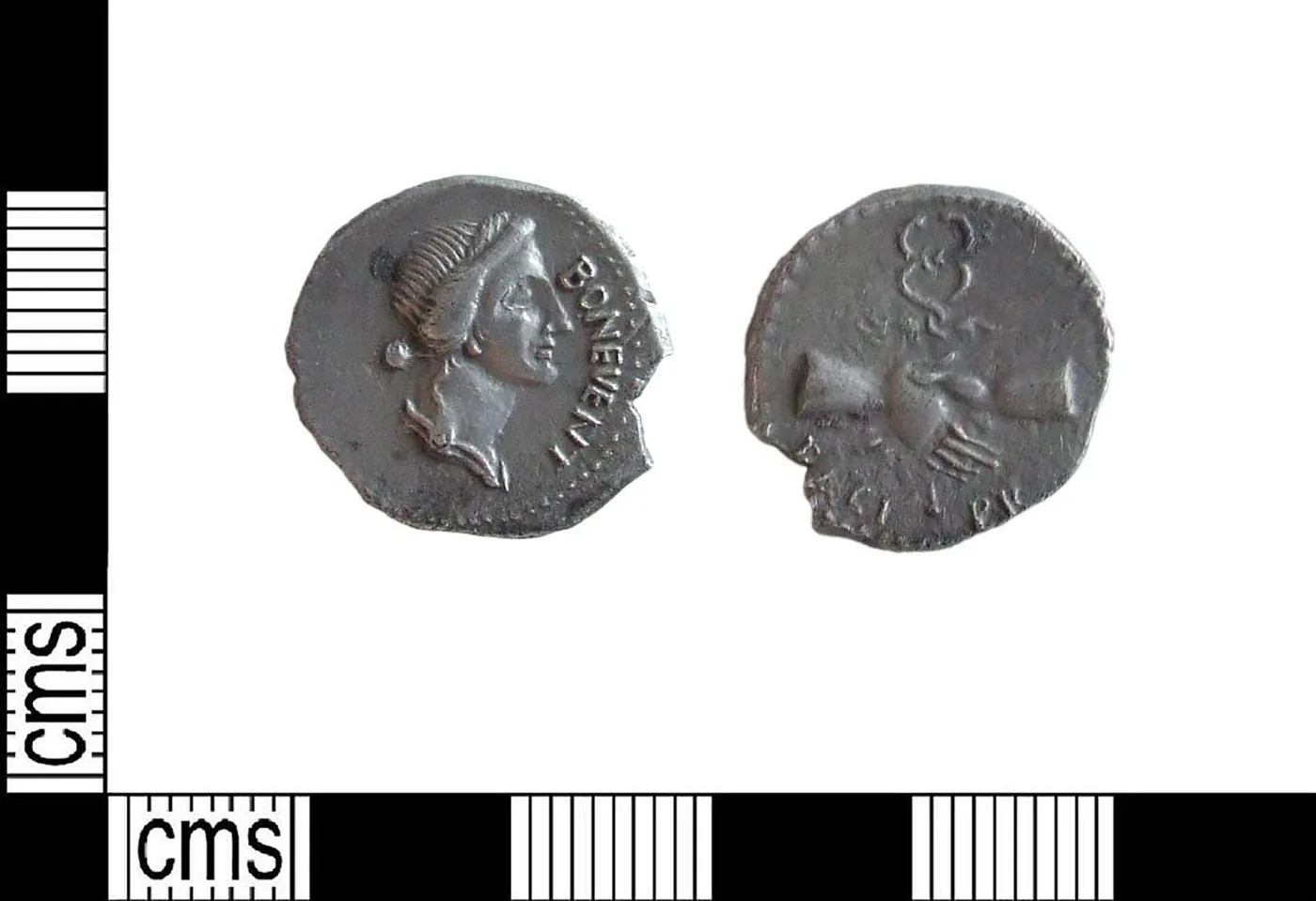
2. Roman Coins (300 BCE - 476 CE)
Roman coins provide a comprehensive record of imperial history. Identification focuses on:
- Imperial Portraits: Each emperor had distinctive features
- Inscriptions: Latin text often includes emperor's name and titles
- Reverse Types: Military victories, religious ceremonies, or public works
- Mint Marks: Indicate where the coin was produced
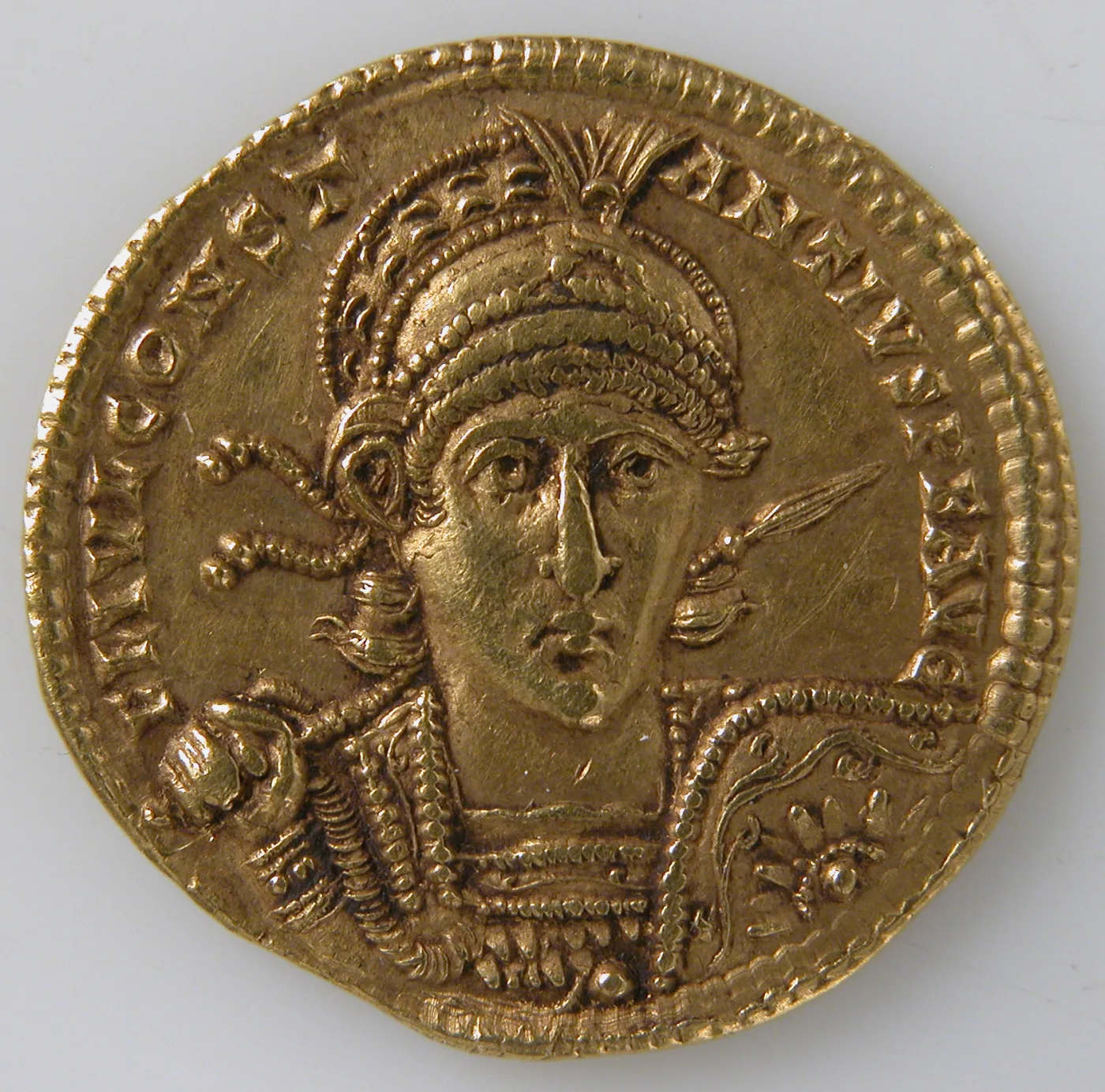
3. Byzantine Coins (330-1453 CE)
Byzantine coins continued Roman traditions with Christian influences:
- Christian Symbols: Crosses, saints, and religious imagery
- Greek Inscriptions: Language shifted from Latin to Greek
- Imperial Portraits: Often shown with religious symbols
- Gold Solidus: Standard gold coin of the Byzantine Empire
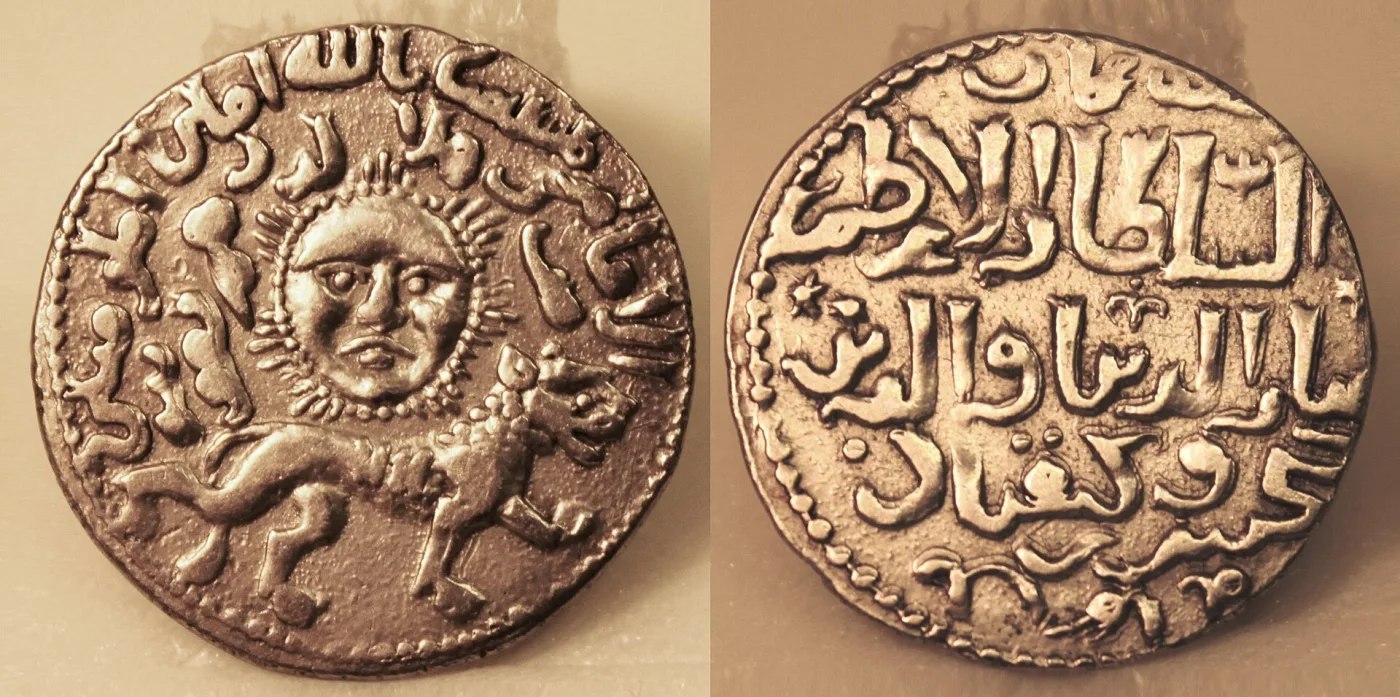
4. Islamic Coins (7th-19th centuries)
Islamic coins feature distinctive calligraphic and geometric designs:
- Calligraphic Inscriptions: Arabic text, often religious in nature
- Geometric Patterns: Abstract designs avoiding human representation
- Date Systems: Islamic calendar dates (Hijri)
- Mint Locations: Often indicated in Arabic script
5. Medieval European Coins (500-1500 CE)
Medieval coins reflect the feudal system and religious influence:
- Feudal Lords: Local rulers often issued their own coinage
- Religious Themes: Crosses, saints, and church symbols
- Heraldic Devices: Family coats of arms and symbols
- Variable Quality: Standards varied greatly between regions

Advanced Identification Techniques
Beyond basic visual examination, several advanced techniques can help with difficult identifications:
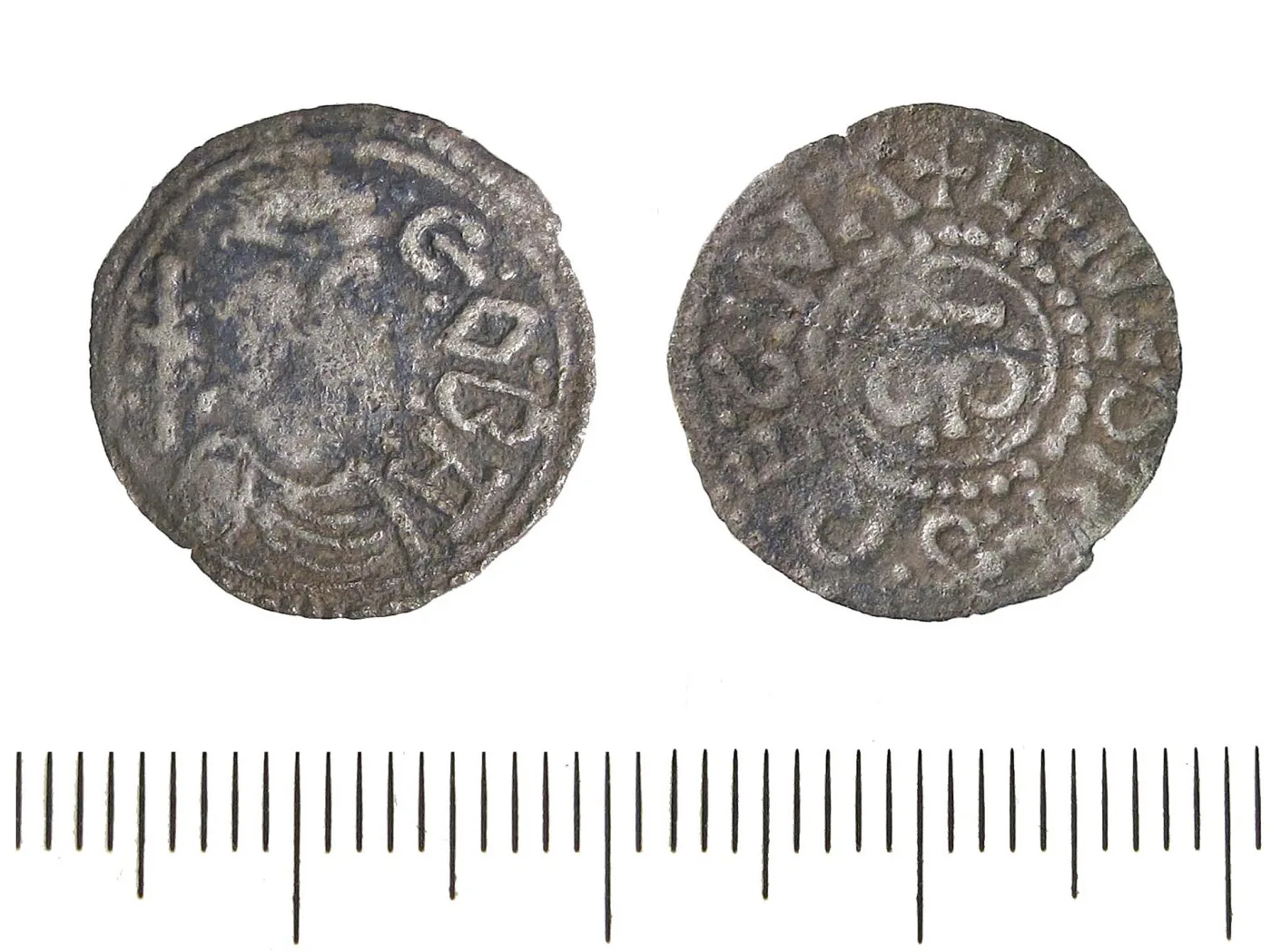
1. Die Analysis
Die analysis examines the individual characteristics of coin dies (the tools used to strike coins):
- Die Varieties: Minor differences in die preparation
- Die States: Changes in die condition over time
- Die Links: Connecting coins struck from the same die
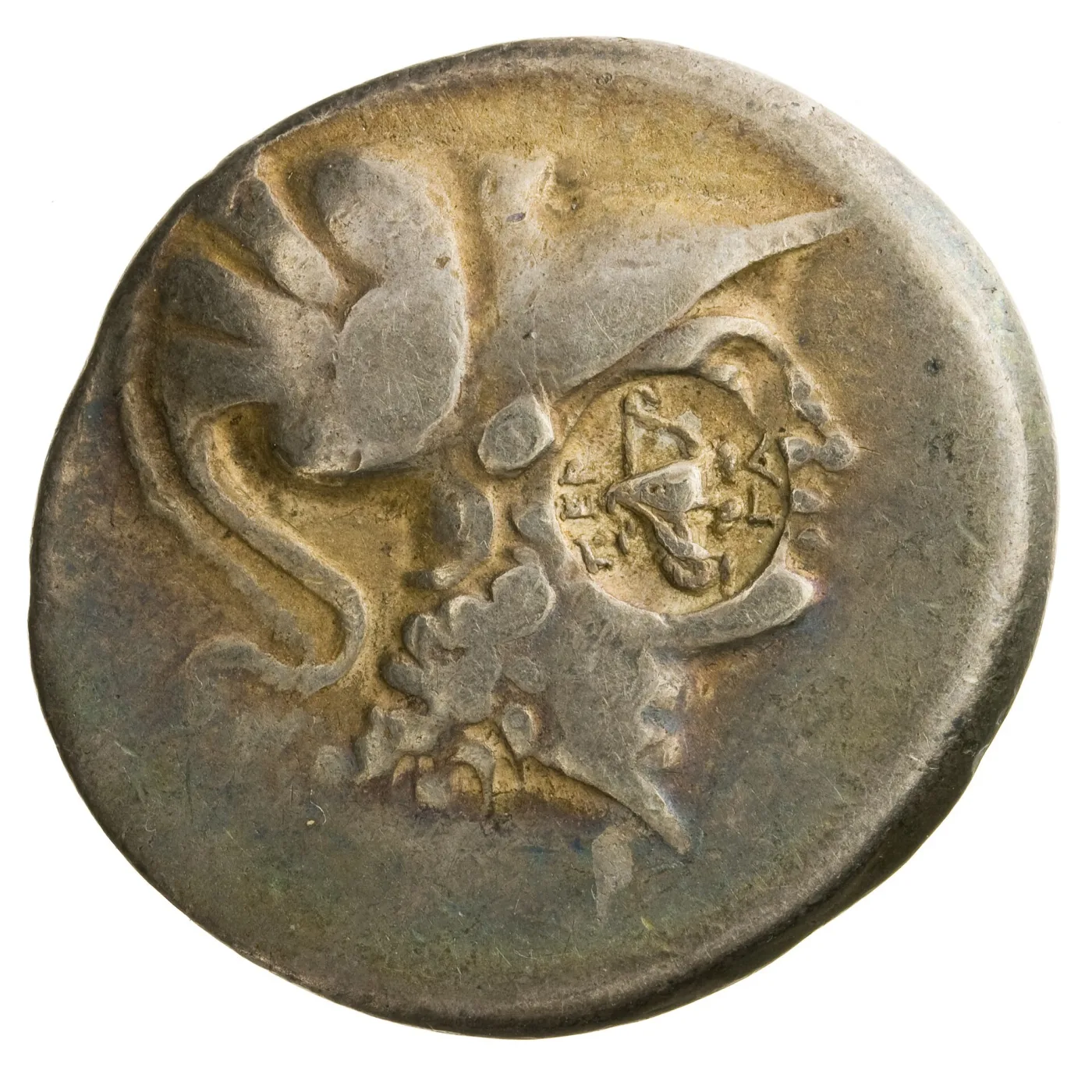
2. Metallurgical Analysis
Scientific analysis can reveal important information about coin composition:
- X-Ray Fluorescence (XRF): Non-destructive elemental analysis
- Specific Gravity Testing: Determines metal purity
- Surface Analysis: Examines patina and corrosion
3. Style and Art Historical Analysis
Art historical knowledge helps date and authenticate coins:
- Portrait Styles: Evolution of artistic representation over time
- Iconographic Development: Changes in symbolic meaning
- Regional Variations: Local artistic traditions and influences
Common Identification Challenges and Solutions
Even experienced collectors face identification challenges. Here are common problems and solutions:
1. Worn or Damaged Coins
Heavily worn coins can be difficult to identify:
- Use Multiple Light Sources: Different angles reveal different details
- Examine the Edge: Often less worn than faces
- Look for Partial Inscriptions: Even fragments can provide clues
- Compare with Reference Images: Use catalogs and databases
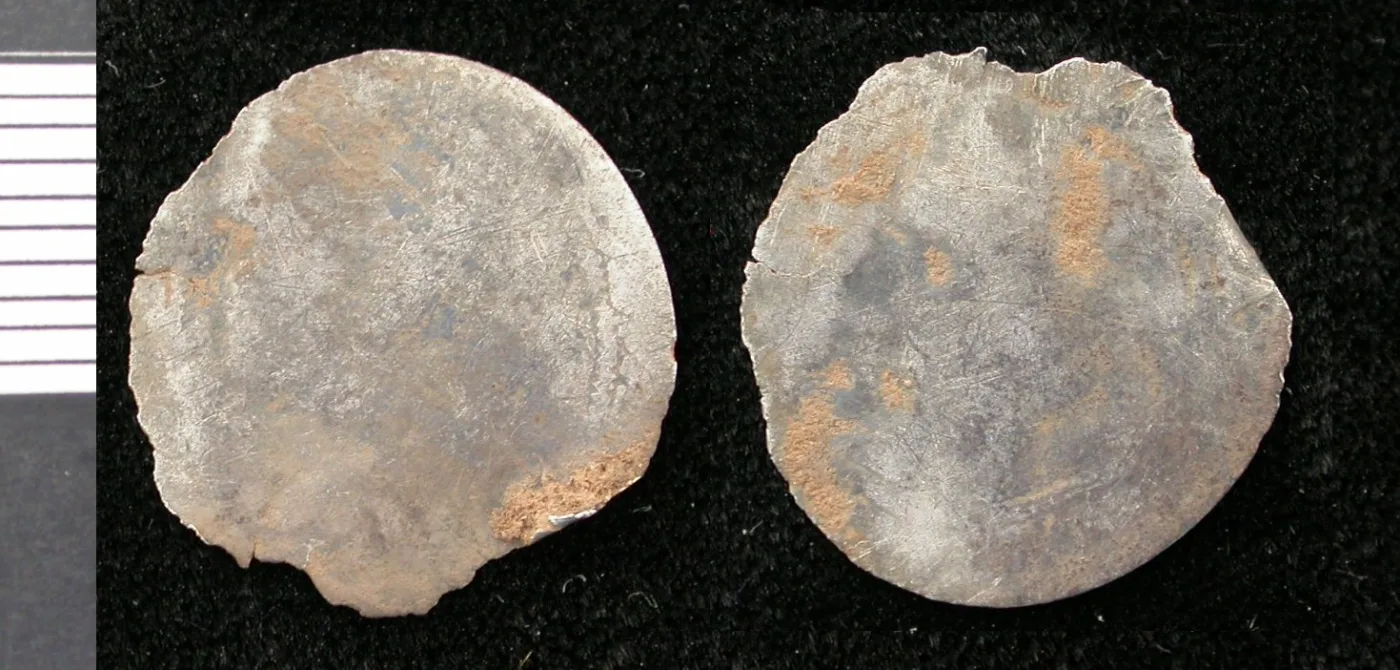
2. Counterfeit Detection
Fake coins are unfortunately common in the antique market:
- Weight and Size: Counterfeits often have incorrect dimensions
- Metal Composition: Modern alloys may differ from historical ones
- Tool Marks: Look for signs of modern manufacturing
- Professional Authentication: When in doubt, consult experts
3. Unusual or Rare Varieties
Some coins may be unique or extremely rare:
- Consult Multiple Sources: Don't rely on single references
- Seek Expert Opinion: Professional numismatists can help
- Document Everything: Photograph and record all details
- Join Collector Groups: Online forums and local clubs
Dating Antique Coins: Methods and Techniques
Determining the age of antique coins involves multiple approaches:
1. Inscribed Dates
Many coins bear dates, but understanding the dating system is crucial:
- Gregorian Calendar: Standard Western dating system
- Islamic Calendar: Hijri dates (AH) - add 622 to convert to CE
- Chinese Calendar: Reign years and cyclical dating
- Roman Dating: Often uses consular years or imperial reigns
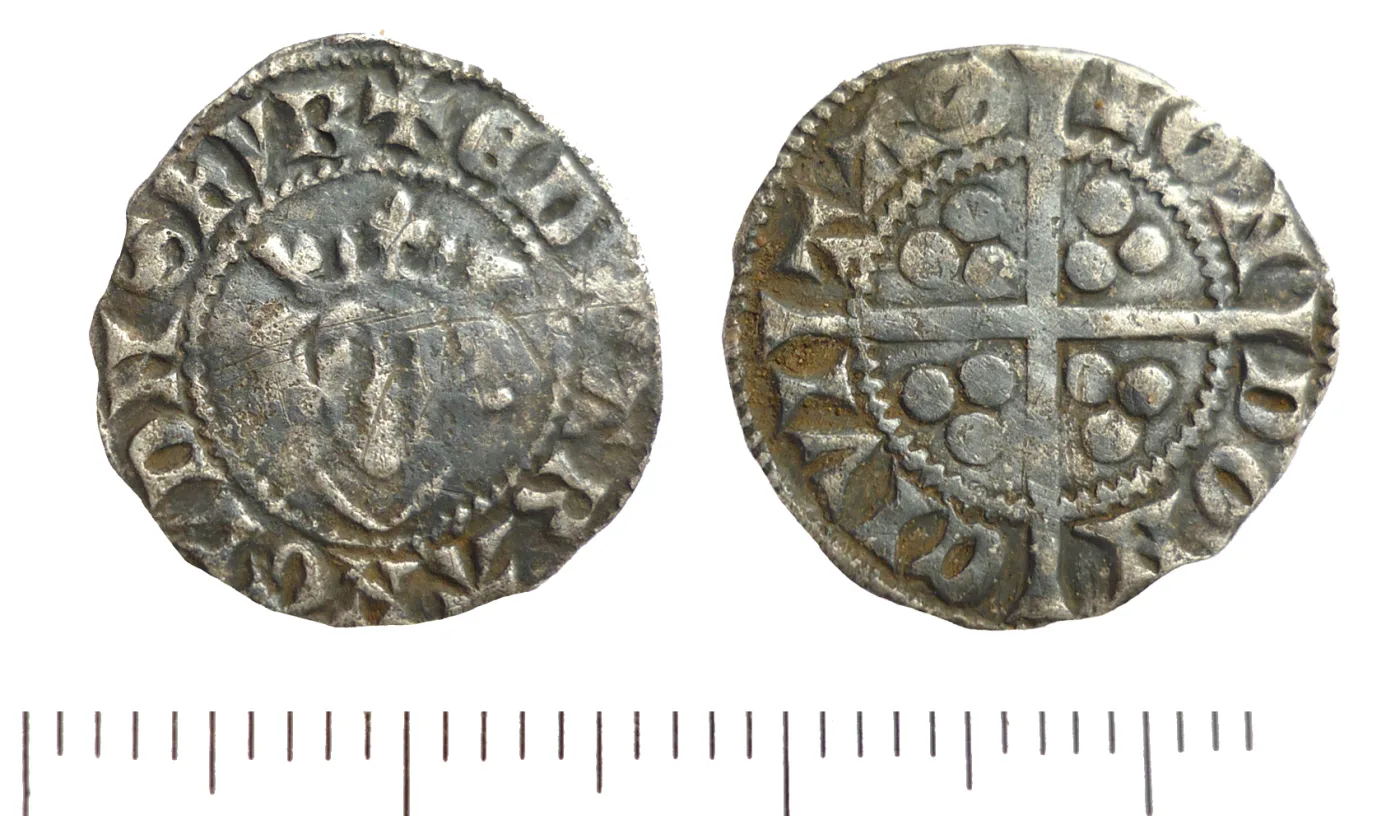
2. Ruler Identification
Portraits and inscriptions often identify specific rulers:
- Imperial Names: Roman emperors often included full titles
- Regnal Years: Years of a ruler's reign
- Succession Patterns: Understanding royal lineages
- Historical Context: Major events and periods
3. Style and Technology Dating
Artistic and technical characteristics help date coins:
- Minting Techniques: Evolution of coin production methods
- Artistic Styles: Changes in representation over time
- Material Changes: Shifts in metal availability and preferences
- Regional Developments: Local innovations and influences
Valuation and Market Considerations
Understanding coin value requires knowledge of multiple factors:
1. Condition Grading
Coin condition significantly affects value:
- Mint State (MS): Perfect condition, no wear
- About Uncirculated (AU): Minimal wear, excellent detail
- Extremely Fine (EF/XF): Light wear, most details visible
- Very Fine (VF): Moderate wear, major details clear
- Fine (F): Significant wear, basic design visible
2. Rarity Factors
Several factors determine coin rarity:
- Survival Rate: How many examples exist today
- Original Mintage: How many were originally produced
- Historical Significance: Connection to important events
- Artistic Merit: Quality of design and execution
3. Market Dynamics
Market conditions influence coin values:
- Collector Demand: Popularity of specific types or periods
- Economic Factors: Precious metal prices and inflation
- Market Trends: Shifting collector preferences
- Geographic Factors: Regional demand variations
Preservation and Care
Proper care ensures your antique coins maintain their value and historical integrity:
1. Storage Solutions
Proper storage prevents damage and deterioration:
- Acid-Free Materials: Use archival-quality holders and albums
- Climate Control: Maintain stable temperature and humidity
- Protection from Light: UV radiation can damage coins
- Secure Storage: Protect from theft and physical damage
2. Cleaning and Conservation
Cleaning should be approached with extreme caution:
- Never Clean Valuable Coins: Professional conservation only
- Gentle Methods: Distilled water and soft brushes for common coins
- Avoid Chemicals: Harsh cleaners can damage surfaces
- Document Changes: Record any cleaning or conservation work
3. Handling Guidelines
Proper handling prevents damage:
- Clean Hands: Wash hands before handling
- Hold by Edges: Avoid touching faces when possible
- Use Gloves: Cotton gloves for valuable coins
- Secure Surface: Handle over soft, clean surfaces
Building Your Numismatic Knowledge
Continuous learning is essential for successful coin identification:
1. Educational Resources
Numerous resources can expand your knowledge:
- Books and Publications: Standard catalogs and specialized studies
- Online Databases: Comprehensive coin information websites
- Specialized Guides: In-depth resources for specific coin types, such as Morgan Silver Dollar identification, Buffalo Nickel collecting, and Indian Head Penny dating
- Museum Collections: Study authentic examples
- Academic Courses: University and museum programs
2. Professional Organizations
Joining professional groups provides valuable support:
- American Numismatic Association (ANA): Largest U.S. coin organization
- Royal Numismatic Society: British and international focus
- Local Clubs: Regional collector groups
- Online Forums: Digital communities for collectors
3. Expert Consultation
Professional help is valuable for complex identifications:
- Professional Grading Services: PCGS, NGC, and similar companies
- Museum Curators: Specialists in specific coin types
- Academic Experts: University professors and researchers
- Professional Dealers: Experienced coin merchants
Legal and Ethical Considerations
Coin collecting involves important legal and ethical responsibilities:
1. Cultural Heritage Laws
Many countries have laws protecting cultural heritage:
- Export Restrictions: Some countries limit coin exports
- Archaeological Protection: Laws against looting archaeological sites
- Cultural Property: International agreements on cultural heritage
- Provenance Requirements: Documentation of legal acquisition
2. Ethical Collecting
Responsible collecting practices ensure the hobby's future:
- Legal Acquisition: Only purchase legally obtained coins
- Documentation: Maintain records of purchases and provenance
- Cultural Respect: Respect the cultural significance of coins
- Education: Share knowledge and promote responsible collecting
Conclusion
Antique coin identification is both an art and a science, requiring patience, knowledge, and continuous learning. By mastering the techniques outlined in this guide, you'll be able to unlock the secrets hidden in these fascinating pieces of history. Remember that every coin tells a story, and proper identification is the key to understanding and appreciating that story.
Whether you're examining a worn Roman denarius, a beautiful Greek tetradrachm, or a mysterious medieval penny, the skills you develop will enhance your appreciation of numismatics and help you build a valuable collection. Start with the basics, practice regularly, and never hesitate to seek expert advice when needed.
The world of antique coins is vast and endlessly fascinating. With dedication and the right approach, you can become proficient in identifying these historical treasures and contribute to the preservation of our shared cultural heritage.