
Antique Camera Identification Guide: Types, Dating & Authentication
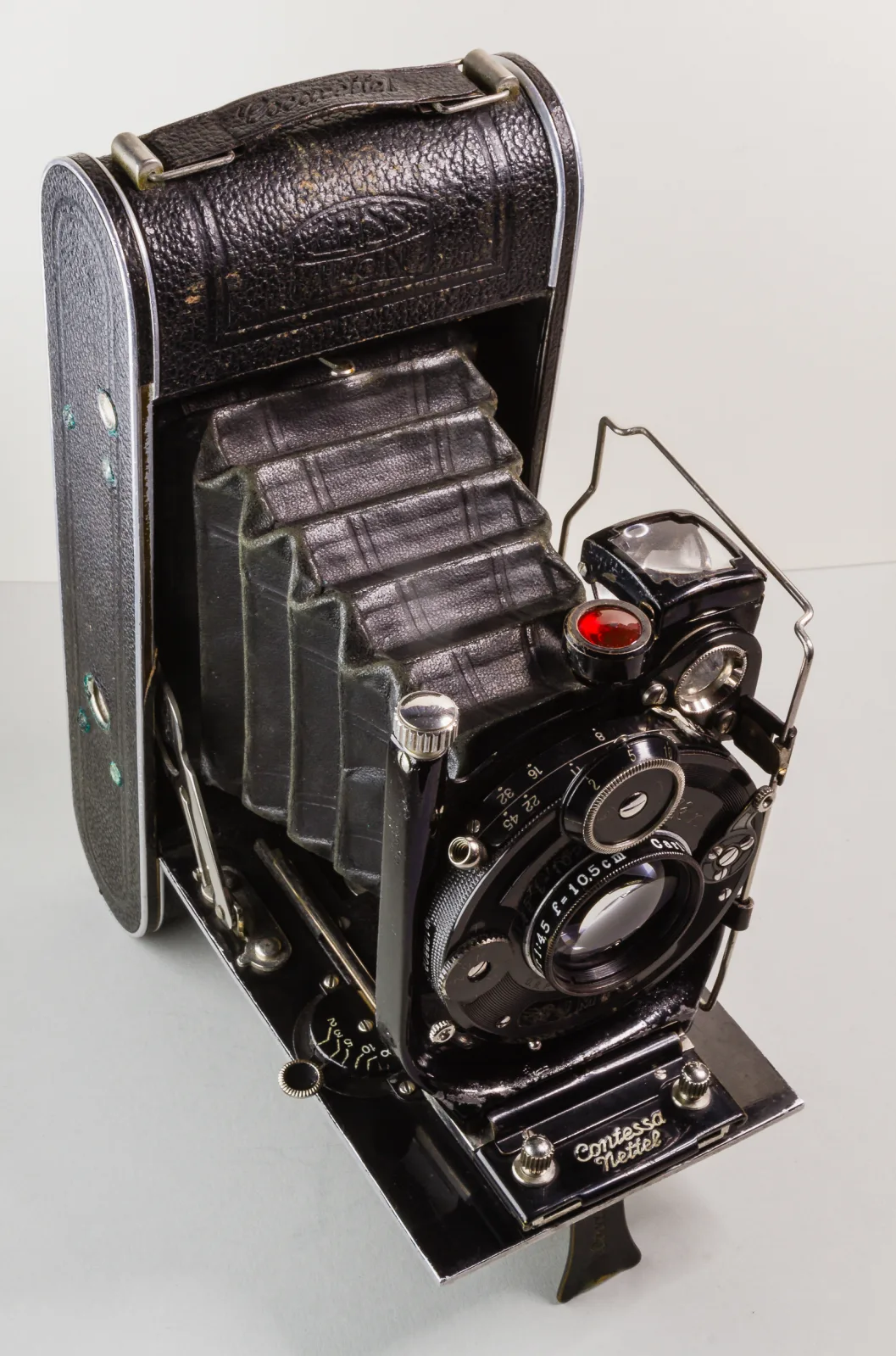
Antique cameras represent some of the most fascinating and historically significant pieces in the world of antiques. From early daguerreotype cameras to classic 35mm rangefinders, each camera tells a story of technological innovation, artistic vision, and cultural heritage. This comprehensive guide will teach you everything you need to know about identifying antique cameras, from understanding camera types to recognizing manufacturer marks and determining value.
Table of Contents
- Understanding Cameras and Their Components
- Types of Antique Cameras
- Manufacturer Identification and Marks
- Technology Evolution and Dating
- Film Format Identification
- Dating Techniques and Methods
- Condition Assessment and Value
- Market Factors and Trends
- Digital Tools for Camera Identification
- Expert Tips and Best Practices
Understanding Cameras and Their Components
Before diving into identification, it's essential to understand what makes up a camera and how it functions. Antique cameras represent a fascinating intersection of art, science, and engineering, with each component telling a story about the technological capabilities and design philosophies of their era.
Basic Camera Components
Every camera consists of several key parts, each with its own identification significance:
- Body: Main housing that contains the mechanism - can be made of wood, metal, leather, or plastic depending on the era
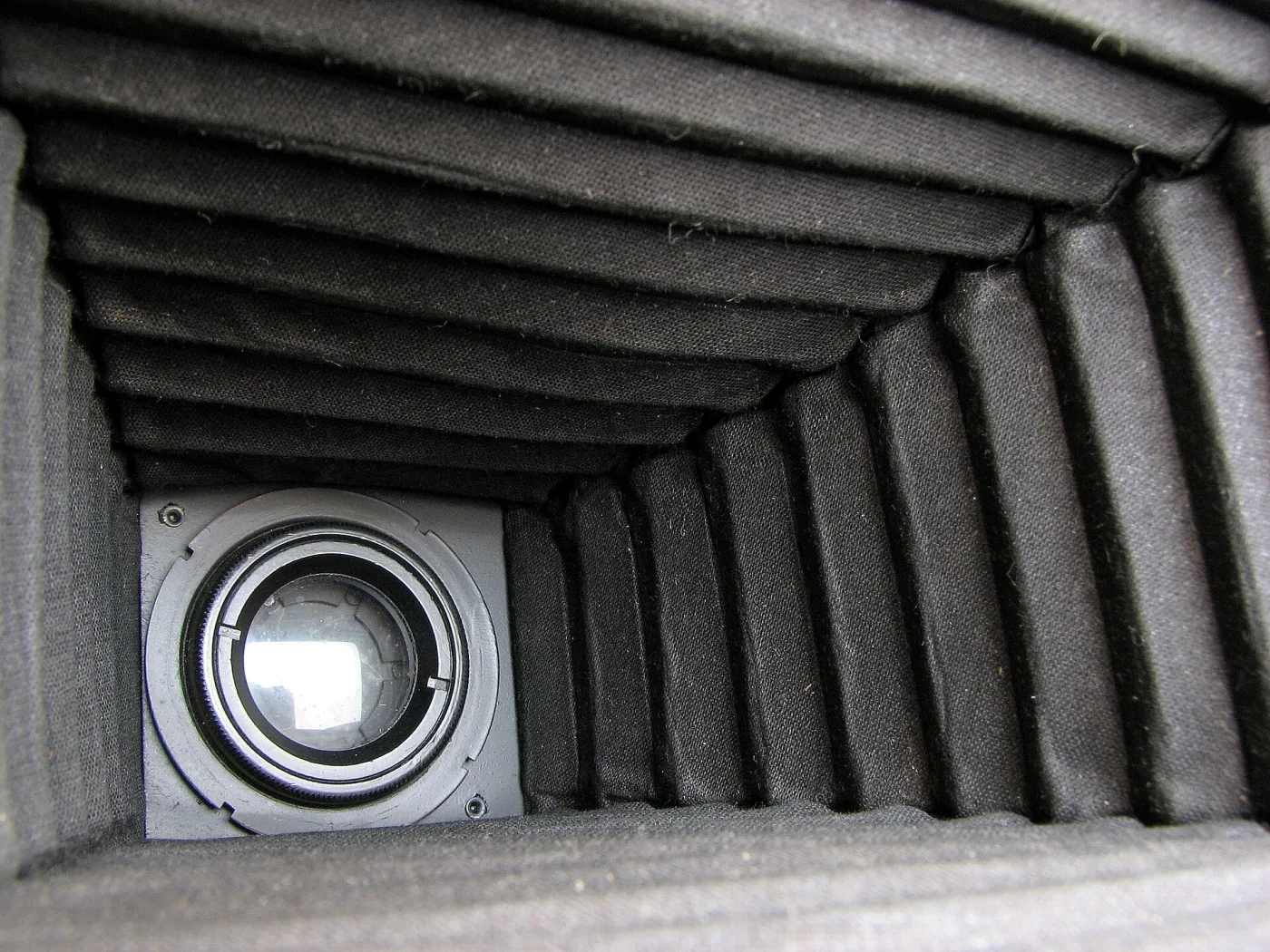
- Lens: Optical system that focuses light - early lenses were simple meniscus designs, later becoming complex multi-element systems
- Shutter: Mechanism that controls exposure time - evolved from simple sliding plates to complex focal plane and leaf shutters
- Viewfinder: System for composing the image - from simple wire frames to sophisticated rangefinder systems
- Film Chamber: Area where film is loaded - design indicates the film format and loading method
- Focusing Mechanism: System for adjusting lens position - can be fixed, scale focus, or rangefinder coupled
- Film Advance: Mechanism for moving film between exposures - from manual to automatic systems
Camera Functions and Their Evolution
Understanding what a camera does helps with identification, and how these functions evolved over time:
- Image Capture: Recording light on film or plate - from daguerreotype plates to modern roll film
- Focus Control: Adjusting lens for sharp images - evolved from fixed focus to sophisticated rangefinder systems
- Exposure Control: Managing light and shutter speed - from manual estimation to automatic exposure systems
- Film Advancement: Moving film between exposures - from manual winding to motorized advance
- Image Format: Determining the size and shape of captured images - from large format plates to miniature 35mm frames
Distinguishing Cameras from Similar Devices
Understanding the differences helps avoid misidentification:
- Cameras: Image capture devices with film/plate - designed to record images permanently
- Projectors: Image display devices - designed to project existing images onto screens
- Viewers: Image viewing devices - designed to examine existing images or transparencies
- Enlargers: Image reproduction devices - designed to create larger prints from negatives
- Copy Stands: Reproduction devices - designed to copy documents and flat artwork
Historical Context of Camera Development
Understanding the timeline of camera evolution helps with dating:
- Early Period (1839-1880): Daguerreotype and wet plate cameras, wooden construction, large formats
- Transitional Period (1880-1920): Dry plate cameras, roll film introduction, metal construction begins
- Modern Period (1920-1960): 35mm cameras, rangefinders, sophisticated mechanisms
- Contemporary Period (1960+): SLR cameras, automation, electronic features
Types of Antique Cameras
Understanding different camera types helps with identification and dating. Each camera type represents a specific technological approach and historical period, making type identification a crucial first step in the authentication process.
Early Photography Cameras (1839-1900)
These represent the birth of photography and are among the most valuable antique cameras:
- Daguerreotype Cameras (1839-1860): First practical photography system, using silver-plated copper plates. Characterized by wooden construction, large format (typically 6.5x8.5 inches), and simple lens systems. Often have distinctive brass fittings and leather bellows.
- Wet Plate Cameras (1851-1880): Collodion process cameras using glass plates. Features include wooden construction, adjustable focusing, and various plate sizes from 4x5 to 11x14 inches. Many have distinctive dark slides and plate holders.
- Dry Plate Cameras (1870-1900): Gelatin process cameras that allowed pre-coated plates. More portable than wet plate cameras, with improved focusing mechanisms and standardized plate sizes. Often feature metal components alongside wood.
- Common Characteristics: Large format, wooden construction, brass fittings, leather bellows, simple meniscus lenses, manual focusing, and distinctive plate holders.
Box Cameras (1880-1960)
These represent the democratization of photography, making it accessible to the general public:
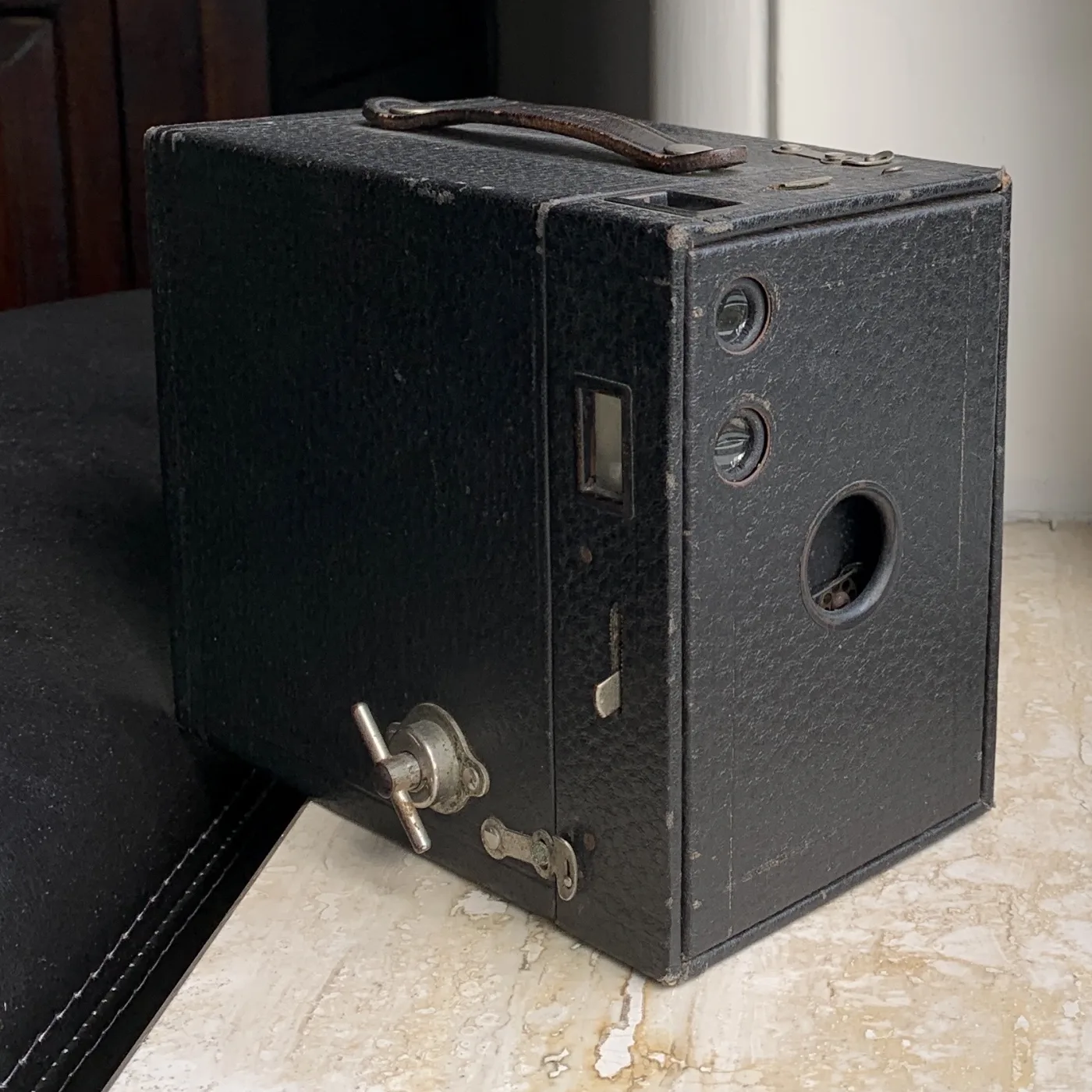
- Design Characteristics: Simple, box-shaped design with minimal controls. Often made of cardboard, wood, or early plastics. Rectangular shape with rounded corners and simple viewfinders.
- Historical Period: From the introduction of roll film in 1888 through the 1960s. Peak popularity was 1900-1940.
- Major Manufacturers: Kodak (Brownie series), Ansco (Buster Brown), Agfa (Billy), and many others. Each had distinctive design elements and branding.
- Technical Features: Fixed focus lenses, simple shutter mechanisms (usually single speed), basic viewfinders, and roll film loading. Many had distinctive film advance knobs and exposure counters.
- Identification Clues: Look for manufacturer logos, model names, patent dates, and distinctive design elements like film advance mechanisms and viewfinder designs.
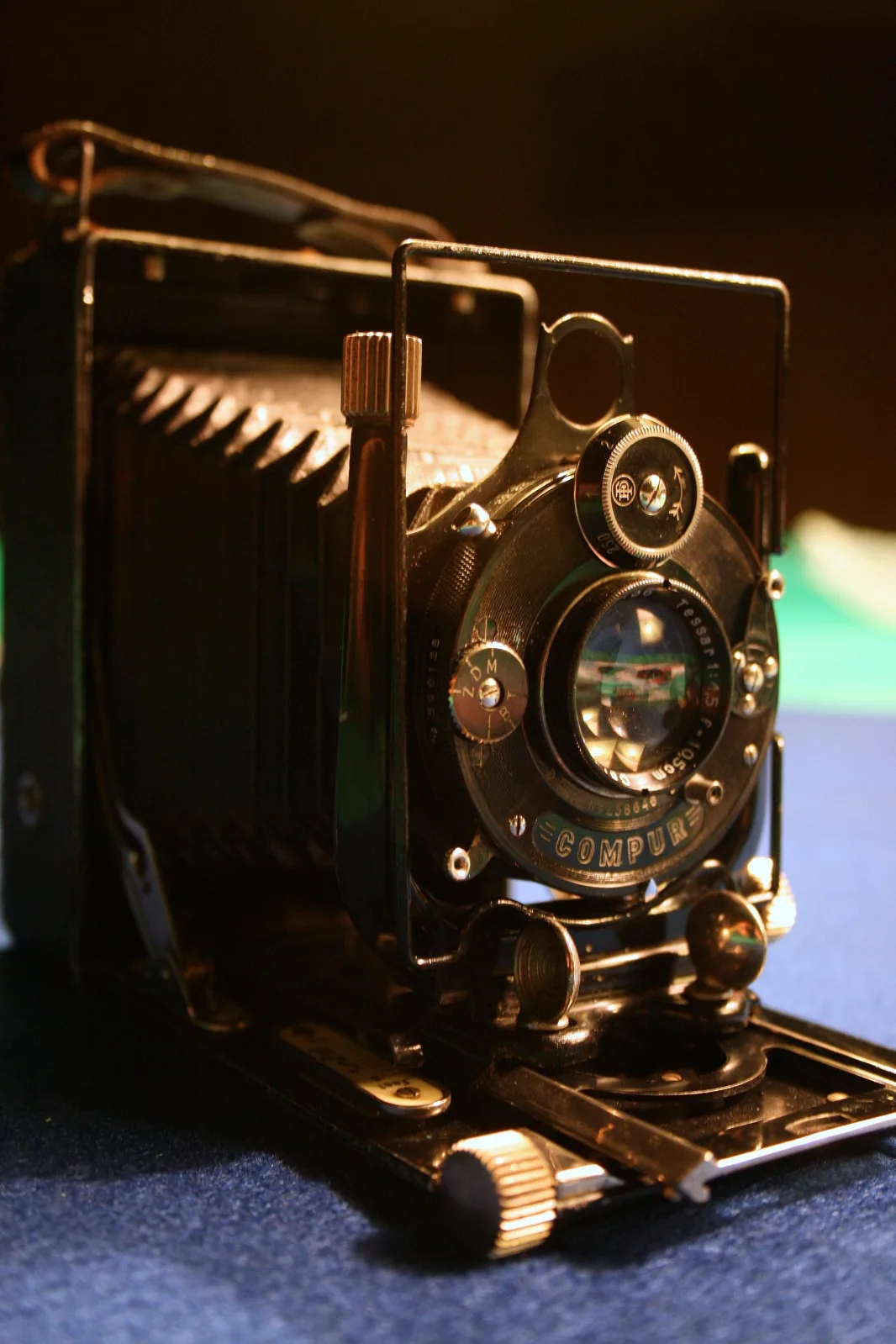
Folding Cameras (1890-1950)
These represent a significant advancement in portability and versatility:
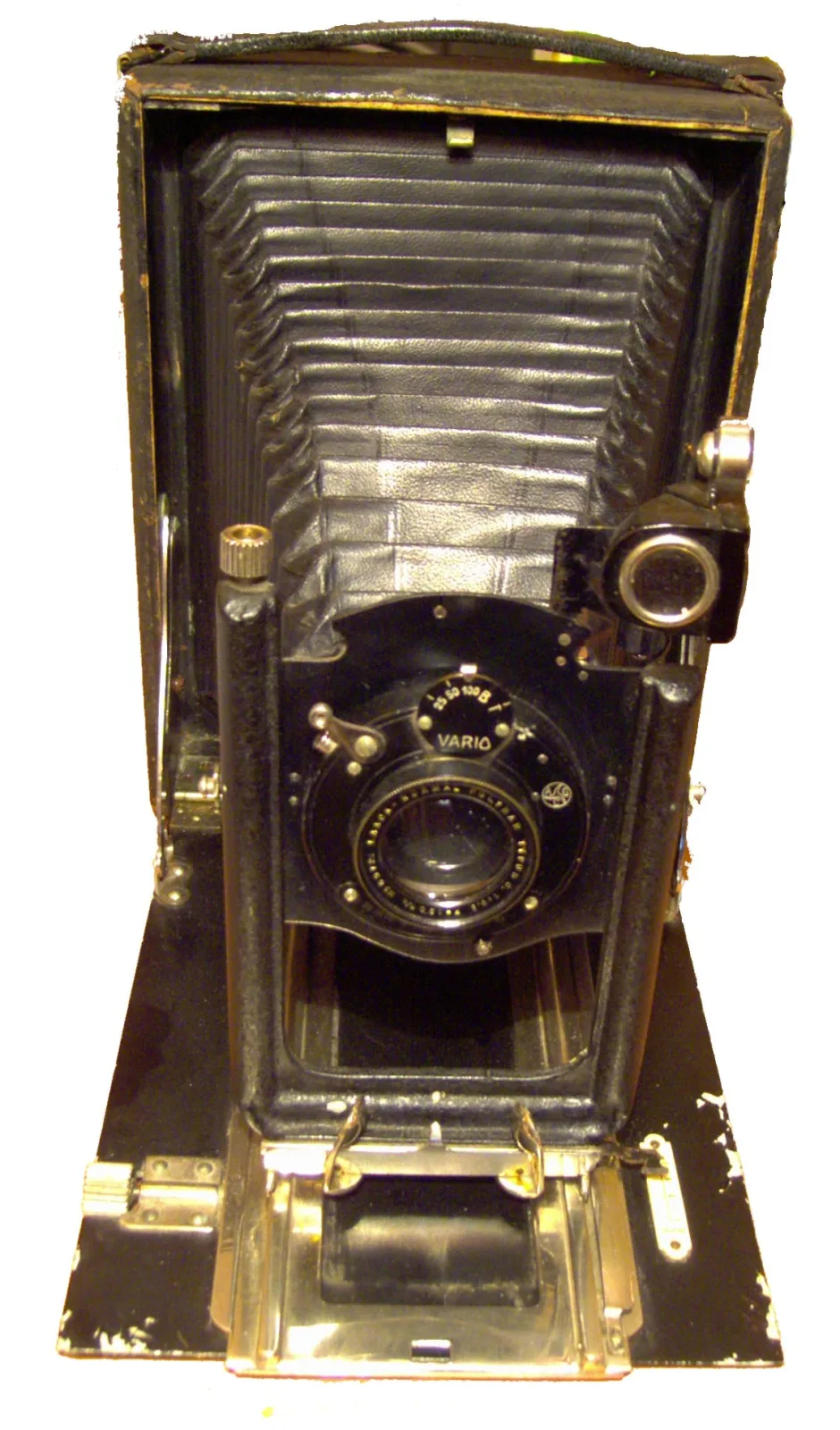
- Design Characteristics: Collapsible bellows design that folds flat for storage and transport. Metal body construction with leather bellows. Various sizes from pocket cameras to large format field cameras.
- Historical Period: Peak popularity was 1900-1940, though some models continued into the 1950s. Represented the transition from large format to smaller, more portable cameras.
- Portability Advantages: Could be carried in pockets or bags, making them popular for travel and outdoor photography. Bellows design allowed for various focal lengths and focusing distances.
- Types and Variations: Pocket cameras (120 film), field cameras (large format), press cameras (4x5 inch), and specialized models for specific purposes. Each type had distinctive features and construction methods.
- Identification Features: Look for manufacturer marks, model numbers, patent dates, distinctive bellows patterns, and lens specifications engraved on the lens barrel.
Rangefinder Cameras (1930-1970)
These represent the pinnacle of mechanical camera engineering before the digital era:
- Design Characteristics: Optical distance measurement system using a rangefinder mechanism. Usually metal construction with sophisticated mechanical systems. Often feature interchangeable lenses and advanced shutter mechanisms.
- Historical Period: Peak development was 1930-1970, though some models continue to be produced today. Represented the transition from simple cameras to sophisticated photographic tools.
- Major Manufacturers: Leica (M series), Zeiss (Contax), Canon (P series), Nikon (S series), and many others. Each had distinctive design philosophies and technical innovations.
- Technical Features: Precise focusing through rangefinder coupling, interchangeable lenses, sophisticated shutter systems, and often advanced film advance mechanisms. Many featured built-in light meters and exposure automation.
- Identification Clues: Look for manufacturer logos, model numbers, serial numbers, lens specifications, and distinctive design elements like viewfinder windows and focusing mechanisms.
Single Lens Reflex (SLR) Cameras (1950-1980)
These represent the final evolution of film camera technology:
- Design Characteristics: Mirror-based viewing system that shows exactly what the lens sees. Usually metal construction with sophisticated mechanical and later electronic systems.
- Historical Period: Major development began in the 1950s and continued through the 1980s. Represented the transition from mechanical to electronic camera systems.
- Major Manufacturers: Nikon (F series), Canon (F-1, AE-1), Pentax (Spotmatic), Minolta (SR-T), and many others. Each had distinctive design elements and technical innovations.
- Technical Features: Through-the-lens viewing, interchangeable lenses, sophisticated metering systems, and often automatic exposure and focusing. Many featured motor drives and advanced film handling.
- Identification Features: Look for manufacturer logos, model names, serial numbers, distinctive prism housings, and technical specifications engraved on the camera body.
Manufacturer Identification and Marks
Identifying the manufacturer can significantly increase camera value and historical interest. Manufacturer marks are often the most reliable indicators of a camera's origin, age, and quality. Understanding these marks requires knowledge of company histories, logo evolution, and marking systems.
Types of Manufacturer Marks and Their Significance
Different types of marks provide different levels of information:
- Company Names: Full manufacturer names - often engraved or stamped on camera bodies, lenses, or accessories. These provide definitive identification and can help with dating through company name changes.
- Brand Logos: Company symbols and emblems - can be embossed, engraved, or applied as decals. Logo evolution often provides dating clues, as companies updated their visual identity over time.
- Model Numbers: Specific camera designations - usually engraved on camera bodies or viewfinders. Model numbers help identify specific camera types and can provide dating information through production records.
- Serial Numbers: Individual unit identification - often engraved on camera bodies, lenses, or film chambers. Serial numbers can provide precise dating information when cross-referenced with manufacturer records.
- Patent Numbers: Invention protection marks - indicate when specific features were developed and patented. Patent dates provide upper limits for camera dating.
- Country of Origin Marks: Import/export stamps - indicate where cameras were manufactured or imported from. These can help identify cameras made in specific countries or regions.
Famous Camera Manufacturers and Their Characteristics
Recognizing important camera companies and their distinctive features:
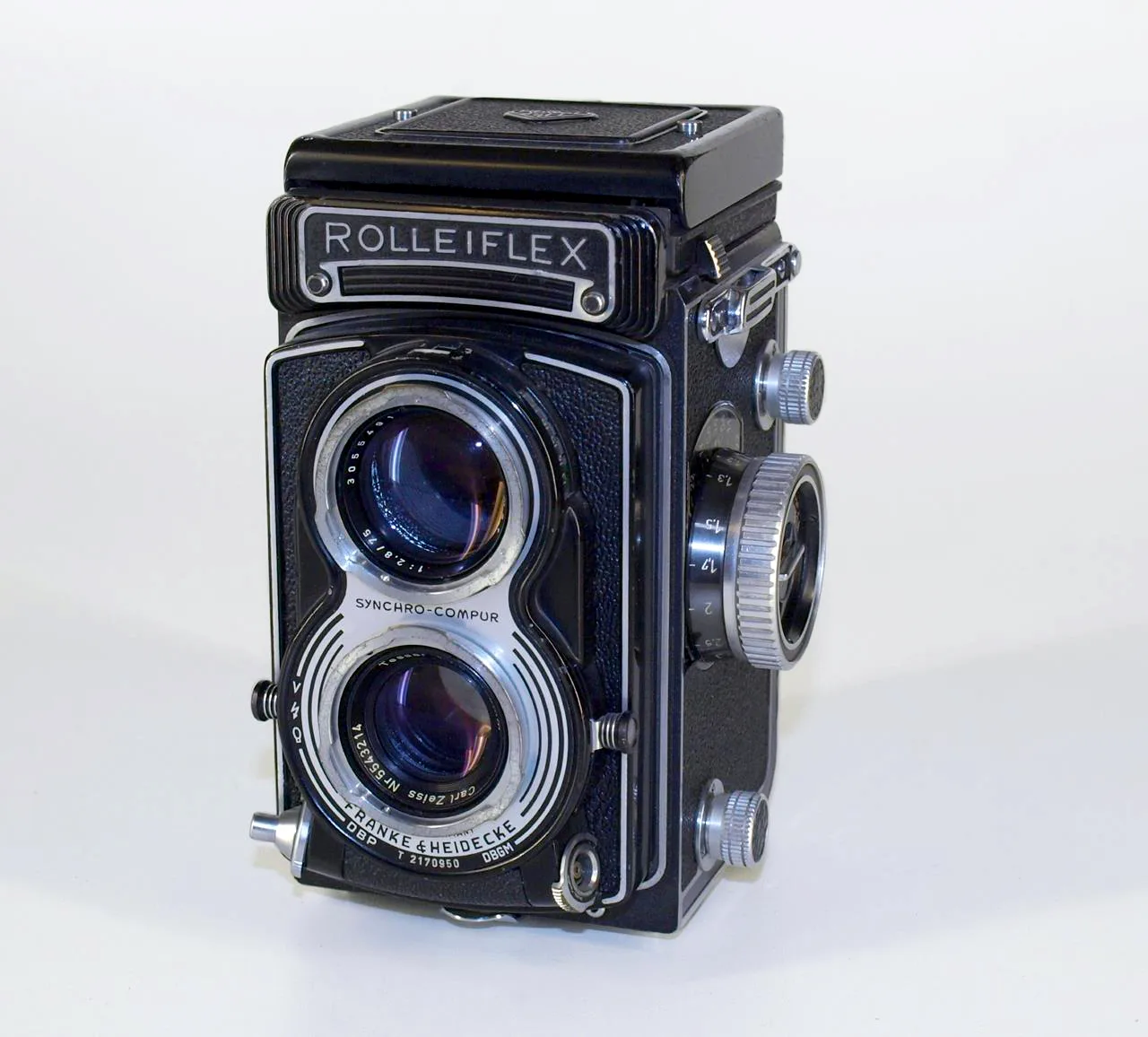
- German Manufacturers: Known for precision engineering and optical excellence. Leica (M series rangefinders), Zeiss (Contax cameras and lenses), Voigtländer (Bessa series), and Rollei (twin-lens reflex cameras). German cameras often feature distinctive design elements and high-quality construction.
- American Manufacturers: Known for innovation and mass production. Kodak (Brownie series, Retina cameras), Graflex (large format press cameras), Argus (C3 rangefinder), and Polaroid (instant cameras). American cameras often feature practical design and accessibility.
- Japanese Manufacturers: Known for technical innovation and quality control. Canon (P series rangefinders, F-1 SLR), Nikon (S series rangefinders, F series SLR), Pentax (Spotmatic series), and Minolta (SR-T series). Japanese cameras often feature advanced technology and reliable construction.
- European Manufacturers: Known for specialized designs and craftsmanship. Hasselblad (medium format SLR), Alpa (precision rangefinders), and various Swiss and French manufacturers. European cameras often feature unique design philosophies and specialized applications.
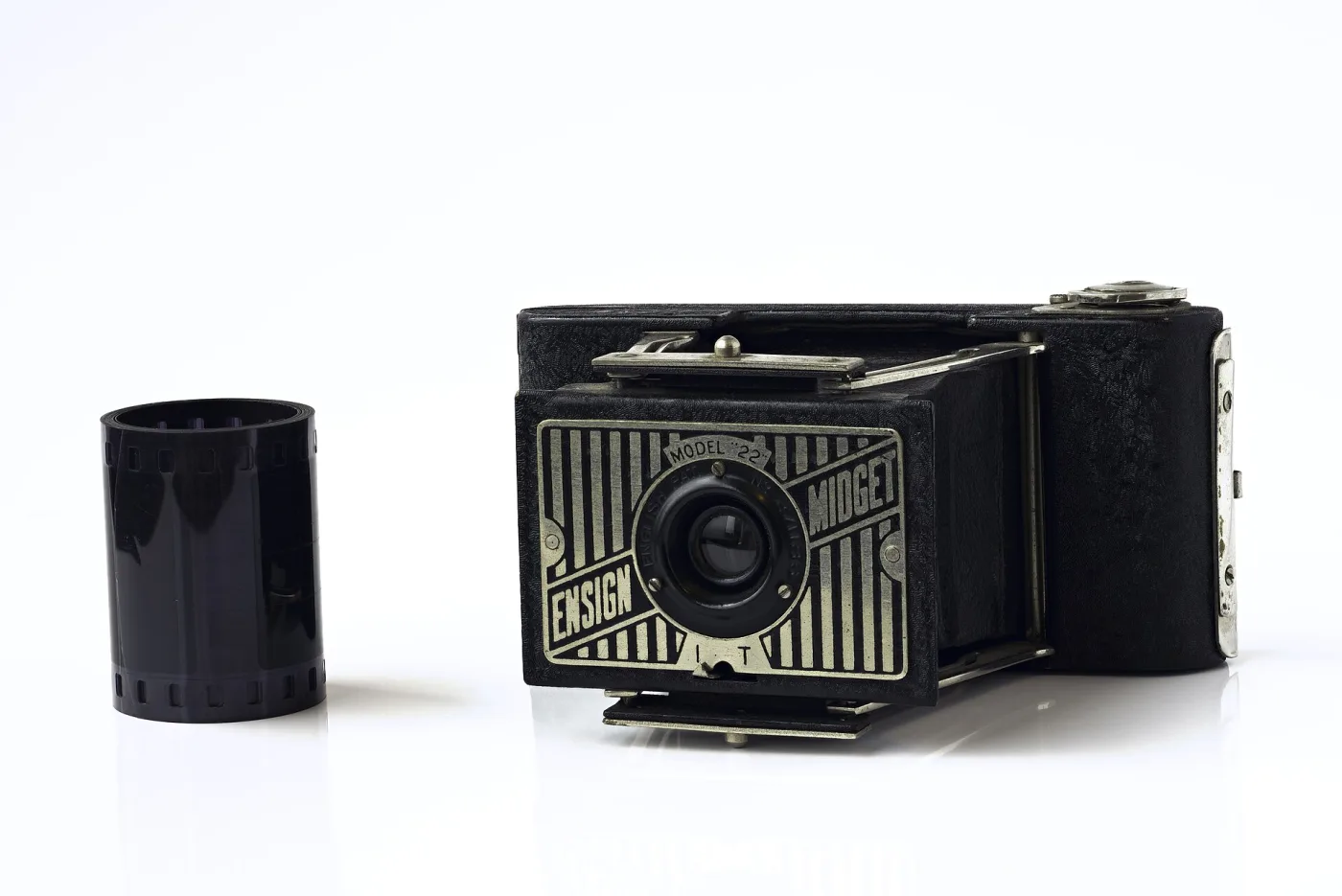
- British Manufacturers: Known for traditional design and quality materials. Thornton-Pickard (large format cameras), Ensign (folding cameras), and various other British companies. British cameras often feature distinctive design elements and high-quality materials.
Researching Manufacturer Information and History
Comprehensive research requires multiple sources and approaches:
- Reference Books and Catalogs: Camera manufacturer guides, company catalogs, and historical documentation. These provide detailed information about specific models, production dates, and technical specifications.
- Online Databases and Resources: Camera identification websites, manufacturer archives, and collector forums. These provide access to vast amounts of information and community knowledge.
- Museum Collections and Archives: High-resolution images, detailed descriptions, and historical context. Museums often have the most comprehensive collections and documentation.
- Expert Consultation and Appraisal: Camera historians, specialized dealers, and professional appraisers. These experts can provide insights not available through research alone.
- Company Archives and Records: Historical documentation, production records, and company histories. These provide the most authoritative information about specific manufacturers and models.
- Patent Records and Technical Literature: Invention documentation, technical specifications, and innovation timelines. These provide insights into technological development and feature dating.
Common Marking Locations and Identification Techniques
Knowing where to look for marks is crucial for identification:
- Camera Body Markings: Usually found on the top plate, front plate, or bottom plate. Look for engraved or stamped manufacturer names, model numbers, and serial numbers.
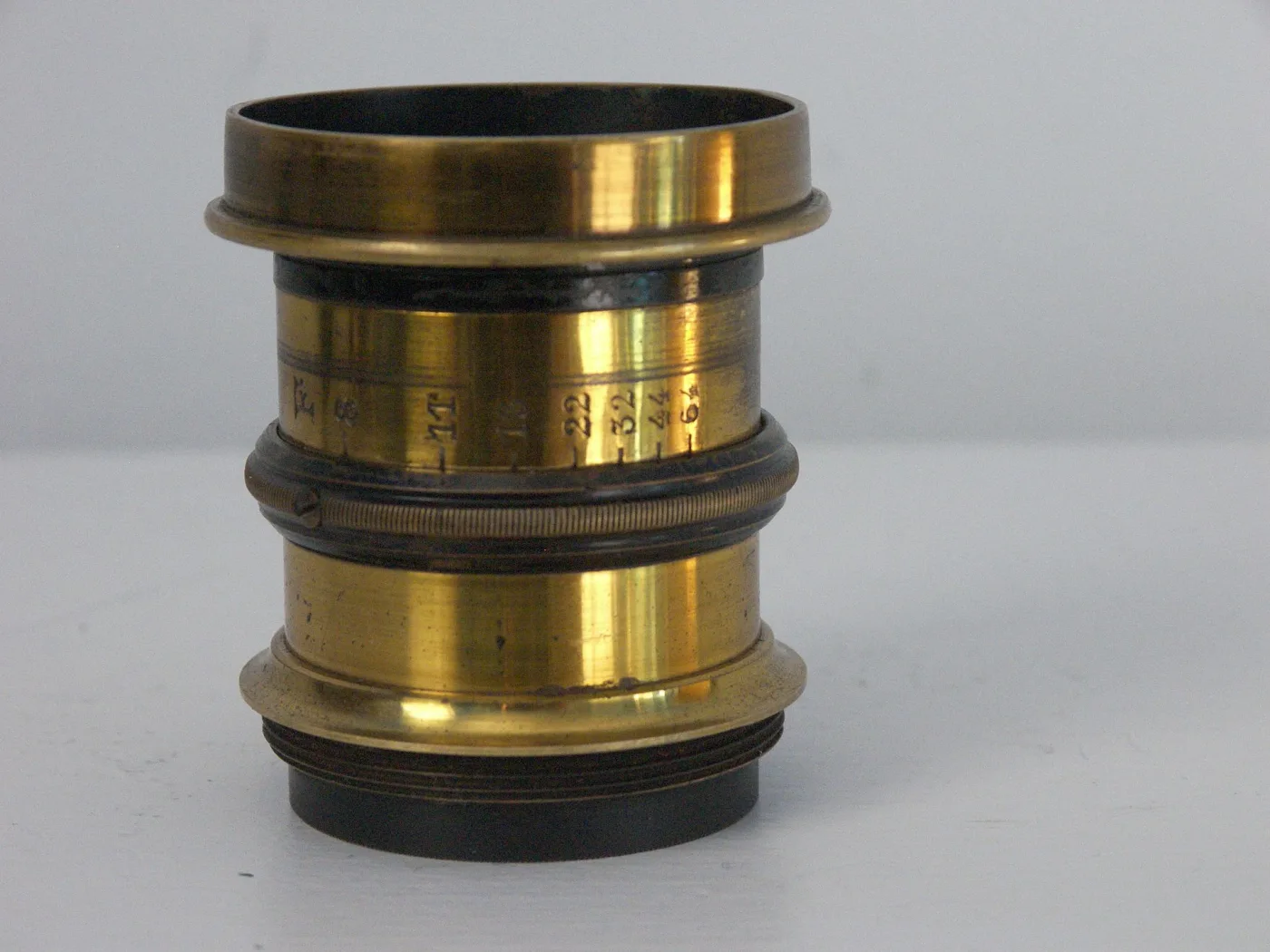
- Lens Markings: Usually found on the lens barrel or front element. Look for manufacturer names, focal lengths, apertures, and serial numbers.
- Viewfinder Markings: Often found on the viewfinder housing or eyepiece. Look for model information and technical specifications.
- Accessory Markings: Found on lens caps, cases, and other accessories. These can provide additional identification information.
- Hidden Markings: Sometimes found inside film chambers, under leatherette, or in other concealed locations. These may require careful examination to discover.
Technology Evolution and Dating
Understanding camera technology helps with dating and authentication. The evolution of photographic technology provides a reliable timeline for dating cameras, as technological innovations were typically adopted quickly by manufacturers and often patented, providing precise dating information.
Photographic Process Evolution and Its Impact on Camera Design
The development of new photographic processes directly influenced camera design and construction:
- Daguerreotype (1839-1860): Silver-plated copper plates requiring long exposure times. Cameras were large, wooden, with simple meniscus lenses and basic focusing mechanisms. Often featured distinctive brass fittings and leather bellows for light-tight construction.
- Wet Collodion (1851-1880): Glass plates with collodion emulsion requiring immediate processing. Cameras featured dark slides, plate holders, and more sophisticated focusing systems. Many had distinctive dark cloths and portable darkroom equipment.
- Dry Plate (1871-1900): Gelatin-coated glass plates allowing pre-coated storage. Cameras became more portable with improved focusing and exposure controls. Often featured metal components alongside traditional wooden construction.
- Roll Film (1888+): Flexible film on spools enabling continuous shooting. Cameras became much smaller and more portable, leading to the development of box cameras, folding cameras, and eventually 35mm cameras.
- Color Film (1935+): Multi-layer color emulsions requiring different exposure considerations. Cameras began featuring more sophisticated metering systems and exposure controls.
Camera Technology Advances and Their Chronological Development
Understanding the timeline of technological innovation helps with precise dating:
- Shutter Systems (1839-1980): Evolution from simple sliding plates to complex focal plane and leaf shutters. Early shutters were manually operated, later becoming spring-driven, and eventually featuring electronic control. Shutter speed ranges expanded from single speeds to sophisticated multi-speed systems.
- Focusing Methods (1839-1980): Development from fixed focus to scale focus to rangefinder coupling to through-the-lens focusing. Each advancement provided more precise focusing capabilities and can be used for dating purposes.
- Film Formats (1839-1980): Evolution from large format plates (8x10 inches) through medium format (6x6 cm) to small format (35mm). Format changes often coincided with technological advances and can provide dating clues.
- Lens Systems (1839-1980): Progression from simple meniscus lenses to complex multi-element designs. Lens coatings, aperture systems, and focal length ranges all evolved over time, providing dating information.
- Exposure Control (1839-1980): Development from manual estimation to built-in light meters to automatic exposure systems. The introduction of selenium cells, CdS meters, and eventually TTL metering provides clear dating markers.
Technology Dating Clues and Their Reliability
Different technological features provide varying levels of dating accuracy:
- Shutter Types and Dating: Simple sliding plate shutters (1839-1860), guillotine shutters (1860-1880), focal plane shutters (1880+), and leaf shutters (1890+). Each type has a specific introduction date and can provide reliable dating information.
- Focusing Systems and Evolution: Fixed focus (1839-1880), scale focus (1880-1930), rangefinder coupling (1930+), and through-the-lens focusing (1950+). The presence of specific focusing systems can narrow down production dates significantly.
- Film Handling Mechanisms: Plate holders (1839-1900), roll film spools (1888+), film cassettes (1930+), and automatic film advance (1960+). Film handling systems provide clear dating markers.
- Construction Materials and Methods: Wooden construction (1839-1920), metal construction (1900+), plastic components (1950+), and electronic components (1970+). Material changes often coincide with technological advances.
- Light Metering Systems: No built-in meters (1839-1930), selenium meters (1930-1960), CdS meters (1960-1970), and TTL metering (1960+). Metering technology provides precise dating information.
Patent Information and Its Role in Dating
Patent records provide some of the most reliable dating information:
- Patent Numbers: Often engraved on cameras and can be cross-referenced with patent office records to determine exact invention dates.
- Patent Dates: Provide upper limits for camera dating, as cameras cannot predate their patented features.
- Patent Searches: Can reveal the development timeline of specific features and help authenticate unusual or rare cameras.
- International Patents: Help track the global spread of technological innovations and can provide dating information for cameras from different countries.

Film Format Identification
Understanding film formats helps with camera identification and dating.
Large Format Cameras
- 8x10 inch: Professional studio cameras
- 5x7 inch: Portrait and landscape cameras
- 4x5 inch: Press and field cameras
- Characteristics: High quality, slow operation
Medium Format Cameras
- 6x9 cm: Large medium format
- 6x6 cm: Square format cameras
- 6x4.5 cm: Rectangular medium format
- Advantages: Good quality, portable
Small Format Cameras
- 35mm: Standard 35mm film
- Half-frame: 18x24mm format
- 110 Film: Pocket camera format
- 126 Film: Instamatic format
Dating Techniques and Methods
Accurate dating of antique cameras requires multiple approaches and careful analysis.
Style Analysis
- Design Elements: Aesthetic and functional features
- Construction Methods: Hand vs. machine production
- Material Use: Wood, metal, leather, plastic
- Decoration: Ornamental elements and finishes
Technical Dating
- Technology Analysis: Shutter and focusing systems
- Material Analysis: Construction materials and methods
- Serial Number Research: Manufacturer dating systems
- Patent Research: Invention and patent dates
Historical Context
- Manufacturer Records: Company establishment dates
- Historical Events: Wars, economic changes
- Technological Advances: Innovation timeline
- Market Changes: Consumer preferences and trends
Condition Assessment and Value
Understanding camera condition is crucial for value determination.
Condition Categories
- Mint: Perfect condition, no damage
- Excellent: Minor wear, no significant damage
- Very Good: Some wear, minor repairs acceptable
- Good: Moderate wear, some damage
- Fair: Significant damage, reduced value
Common Damage Types
- Mechanical Damage: Broken parts, worn mechanisms
- Surface Damage: Scratches, dents, corrosion
- Lens Problems: Scratches, fungus, separation
- Missing Parts: Lost components and accessories
Value Impact
- Minor Damage: 10-25% value reduction
- Major Damage: 50-80% value reduction
- Non-Functional: 60-90% value reduction
- Missing Parts: 40-70% value reduction
Market Factors and Trends
Understanding market dynamics helps with camera valuation and collecting.
Value Factors
- Rarity: Limited production, unique models
- Condition: Original state, minimal damage
- Provenance: Famous ownership, documented history
- Manufacturer: Famous or important company
- Period: Desirable historical era
Market Considerations
- Current Trends: Popular brands and models
- Economic Factors: Market conditions, collector interest
- Geographic Demand: Regional preferences and markets
- Collector Interest: Specialized collector groups
Investment Potential
- Quality Cameras: Better long-term value retention
- Rare Models: Higher appreciation potential
- Market Timing: Buy during market downturns
- Diversification: Spread risk across categories
Digital Tools for Camera Identification
1. AI-Powered Apps
Modern technology has revolutionized antique camera identification:
- Antique Identifier App: Instant AI-powered identification from photos
- Image recognition: Compare cameras with vast databases
- Style matching: Identify camera periods and influences
- Condition assessment: AI analysis of wear and damage
2. Online Databases
Digital resources for camera research and comparison:
- Museum collections: High-resolution images and detailed descriptions
- Auction archives: Historical sales data and pricing
- Collector forums: Community knowledge and experience sharing
- Expert blogs: Specialized knowledge and current trends
3. Virtual Reality and 3D Scanning
Emerging technologies in camera identification:
- 3D modeling: Detailed examination of complex camera mechanisms
- Virtual restoration: See cameras in their original condition
- Comparative analysis: Side-by-side camera comparison
Expert Tips and Best Practices
1. Building Your Camera Knowledge Base
- Study period-specific camera catalogs and manuals
- Visit photography museums and historical sites
- Attend camera shows and photography auctions
- Join camera collector organizations and forums
- Take courses in photography history and camera technology
2. Developing Your Eye for Cameras
- Examine as many authentic camera pieces as possible
- Learn to recognize quality materials and craftsmanship
- Understand the difference between age and wear
- Study the evolution of camera design styles
3. Avoiding Common Camera Identification Mistakes
- Don't rely solely on online research
- Beware of "too good to be true" camera deals
- Always verify camera provenance claims
- Get professional appraisals for valuable cameras
- Understand that condition significantly affects camera value
4. Using Technology Wisely for Camera Identification
- Use AI apps like Antique Identifier as a starting point
- Verify AI identifications with traditional methods
- Combine digital tools with expert consultation
- Keep up with new camera identification technologies
Conclusion
Antique camera identification is a fascinating field that combines historical knowledge, technical understanding, and aesthetic appreciation. By learning to recognize camera types, manufacturer marks, and technological features, you can develop the expertise needed to identify and authenticate antique camera pieces.
Remember that camera identification often requires multiple pieces of evidence working together. A single characteristic is rarely definitive, but when combined with other indicators, it can provide a clear picture of an item's age, origin, and authenticity.
Whether you're using traditional methods or cutting-edge technology, the key to successful camera identification is patience, research, and a willingness to learn. Start with the basics, build your knowledge gradually, and don't hesitate to seek expert advice when needed.