
Complete Guide to Antique Buying and Selling Strategies 2026
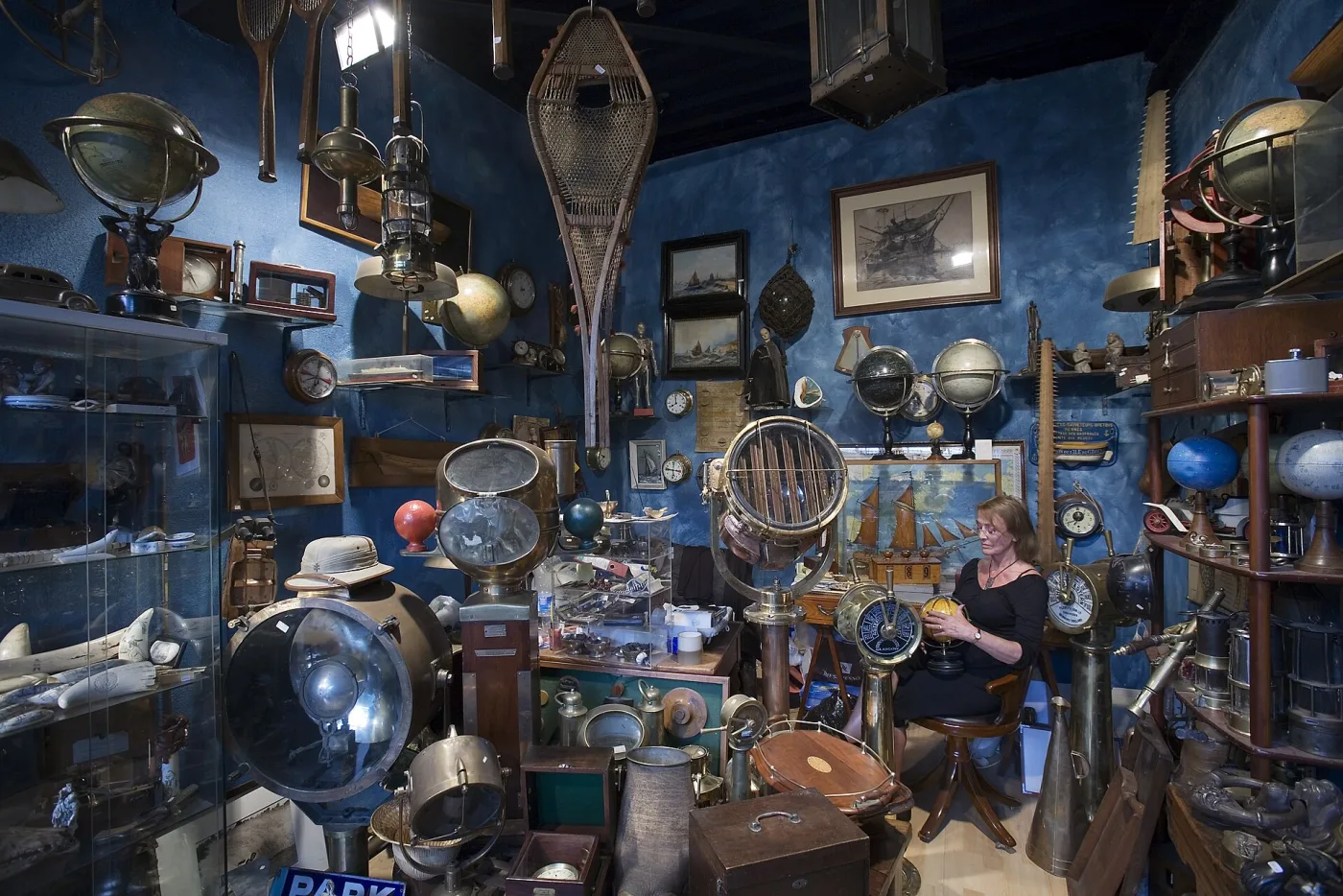
Successfully buying and selling antiques requires a combination of knowledge, strategy, and practical skills. Whether you're a seasoned collector, a first-time buyer, or someone looking to sell inherited items, understanding the nuances of the antique market is essential for making informed decisions and maximizing value. This comprehensive guide covers everything from finding the best sources for antiques to mastering negotiation techniques, from choosing the right selling platform to protecting yourself from common pitfalls. We'll explore auction strategies, dealer relationships, online marketplaces, authentication methods, pricing strategies, legal considerations, and shipping best practices. By following these expert guidelines and strategies, you can navigate the antique market with confidence, make smart purchasing decisions, and achieve optimal results when selling your items. Whether you're building a collection, investing in antiques, or simply looking to buy or sell individual pieces, this guide provides the knowledge and tools you need to succeed in the fascinating world of antiques.
Table of Contents
- Where to Buy Antiques: Best Sources and Marketplaces
- Evaluating Items Before Purchase
- Buying Strategies and Negotiation Techniques
- Authentication and Verification When Buying
- Pricing and Valuation for Sellers
- Where to Sell Antiques: Platforms and Options
- Selling Strategies and Best Practices
- Legal Considerations and Protections
- Shipping and Handling Best Practices
- Building Dealer Relationships
- Online Buying and Selling Strategies
- Auction Strategies and Techniques
- Common Mistakes to Avoid
Where to Buy Antiques: Best Sources and Marketplaces
Finding quality antiques requires knowing where to look. Different sources offer different advantages, price points, and levels of expertise. Understanding the characteristics of each buying source helps you make informed decisions and find the best items for your collection or investment.
Auction Houses
Auction houses are excellent sources for authenticated, catalogued antiques:
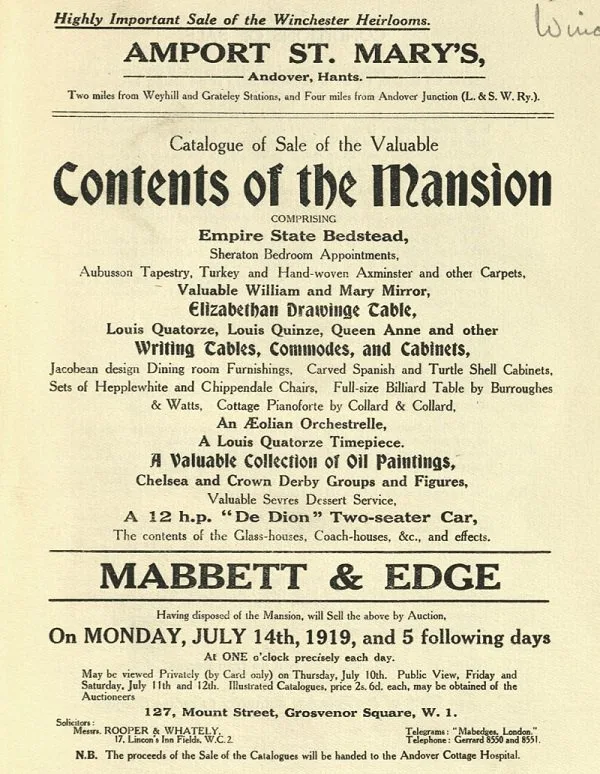
- Major Auction Houses: Sotheby's, Christie's, Bonhams offer high-end items with expert authentication
- Regional Auction Houses: Often feature quality items at more accessible price points
- Online Auctions: LiveAuctioneers, Invaluable provide access to auctions worldwide
- Estate Auctions: Offer complete collections and often include provenance
- Advantages: Authentication, cataloguing, competitive pricing, access to rare items
- Considerations: Buyer's premiums (typically 15-25%), need for pre-auction research, competitive bidding
Antique Dealers
Dealers provide expertise, curation, and often guarantee authenticity:

- Brick-and-Mortar Shops: Physical inspection, personal service, established relationships
- Specialty Dealers: Focus on specific categories (furniture, jewelry, ceramics, etc.)
- High-End Dealers: Museum-quality pieces, extensive expertise, authentication services
- Advantages: Expert knowledge, authenticity guarantees, return policies, education
- Considerations: Higher prices (retail markup), need to verify dealer reputation
Estate Sales
Estate sales offer opportunities to buy directly from original owners:
- Estate Sale Companies: Professional sales with organized pricing and display
- Family Estate Sales: Direct sales, often better prices, less organization
- Advantages: Often lower prices, access to complete collections, potential provenance
- Considerations: Competitive environment, need for early arrival, condition varies
Antique Shows and Fairs
Shows bring together multiple dealers in one location:

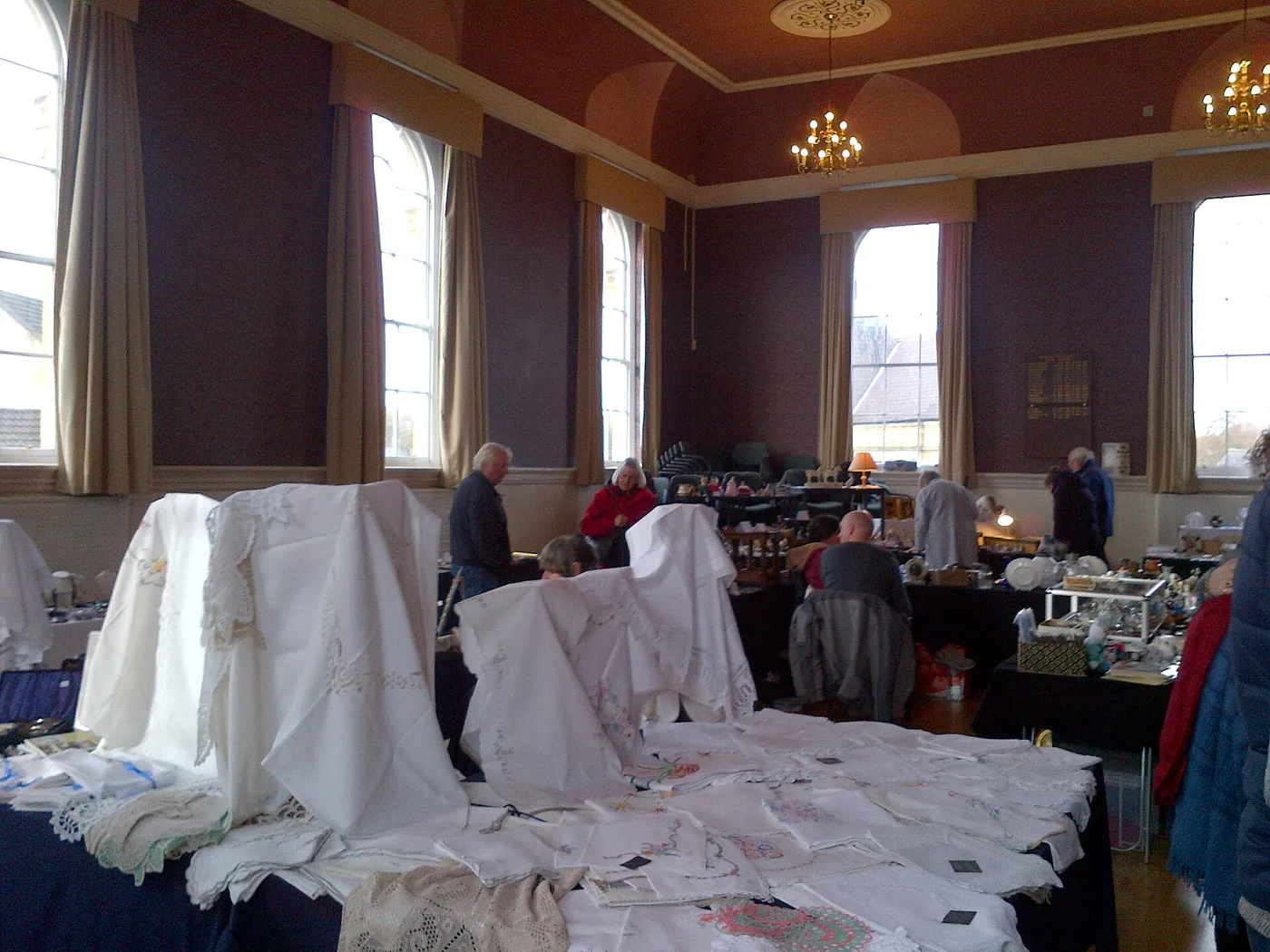
- Major Shows: Large events with hundreds of dealers, authentication services
- Regional Shows: Smaller, more accessible, local dealers
- Advantages: Wide selection, comparison shopping, networking opportunities
- Considerations: Entry fees, competitive buying, need for quick decisions
Online Marketplaces
Online platforms offer convenience and global access:
- eBay: Large selection, auction and fixed-price formats, buyer protection
- 1stDibs: Curated high-end antiques, dealer network, authentication
- Chairish: Vintage and antique furniture, design-focused
- Ruby Lane: Antique dealers, curated selection, authentication
- Advantages: Convenience, global access, price comparison, detailed photos
- Considerations: Cannot inspect in person, shipping costs, authentication challenges
Private Sales
Buying directly from individuals offers unique opportunities:
- Word of Mouth: Referrals from friends, family, collectors
- Classified Ads: Local newspapers, online classifieds
- Social Media: Facebook groups, Instagram, specialized platforms
- Advantages: Often best prices, direct negotiation, potential provenance
- Considerations: No guarantees, need for authentication, limited recourse
Flea Markets and Antique Malls
These venues offer diverse selections at various price points:
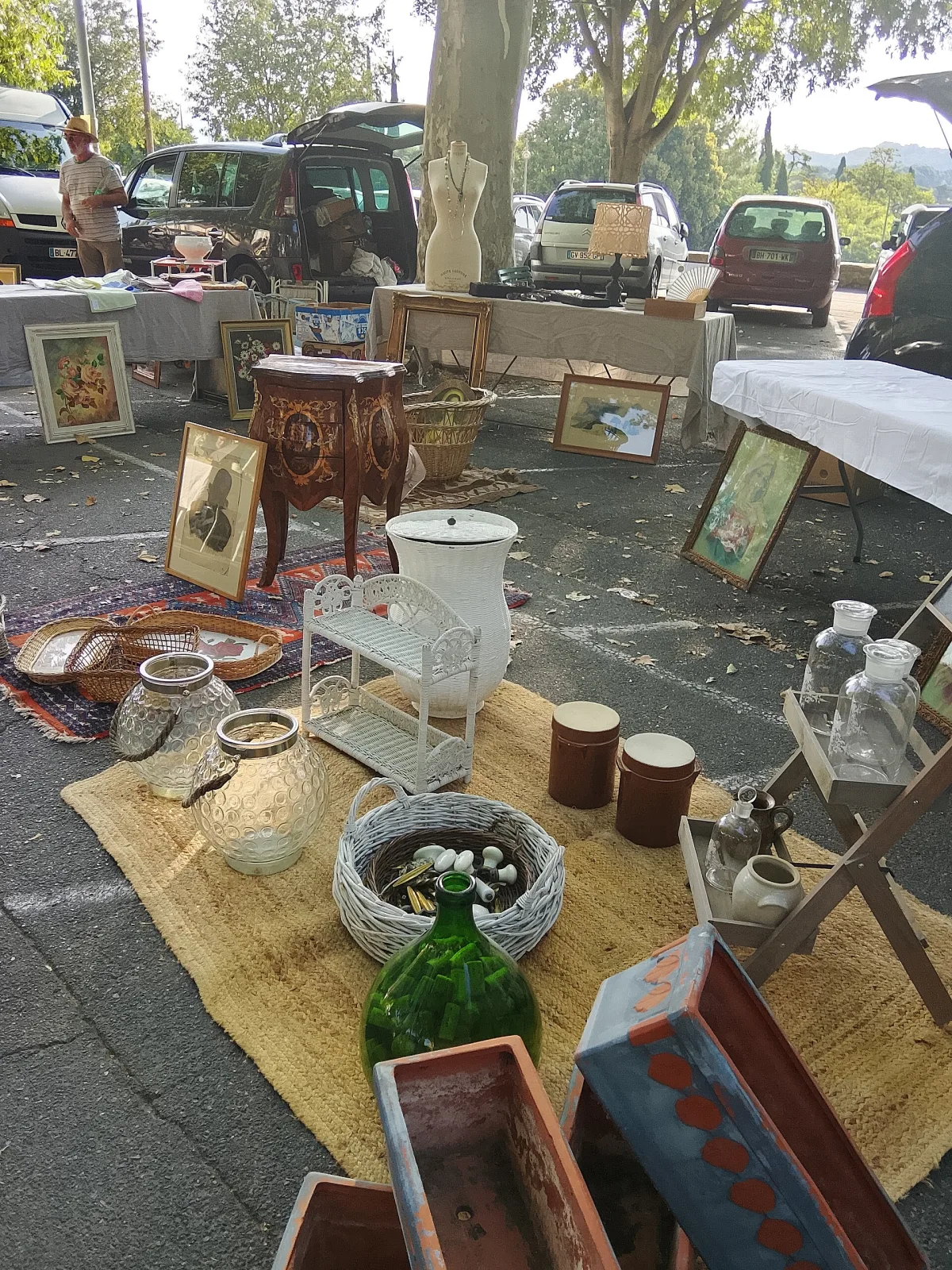
- Flea Markets: Mix of antiques and collectibles, bargaining expected
- Antique Malls: Multiple dealers, fixed prices, wide variety
- Advantages: Affordable prices, diverse selection, casual atmosphere
- Considerations: Varying quality, need for expertise, limited authentication
Evaluating Items Before Purchase
Thorough evaluation before purchase is essential for making informed buying decisions. Proper evaluation helps you assess condition, authenticity, value, and suitability for your collection or investment goals.
Condition Assessment
Accurate condition assessment is crucial for value determination:
Physical Inspection
- Overall Condition: Examine entire item for damage, wear, repairs
- Structural Integrity: Check for cracks, breaks, loose joints, stability
- Surface Condition: Assess finish, patina, scratches, stains, fading
- Missing Parts: Identify missing components, hardware, decorations
- Restoration Work: Detect repairs, refinishing, replacements
Condition Grading
- Mint: Perfect, unused condition
- Excellent: Near-perfect with minimal wear
- Very Good: Good condition with expected wear
- Good: Functional with noticeable wear
- Fair: Significant wear but restorable
- Poor: Extensive damage requiring restoration
Authenticity Verification
Verifying authenticity protects against fakes and reproductions:
Examination Points
- Maker's Marks: Verify marks match known maker signatures
- Construction Methods: Check for period-appropriate techniques
- Materials: Verify materials match period and maker
- Style Consistency: Ensure style matches claimed period
- Wear Patterns: Assess if wear appears natural and consistent
Red Flags
- Too Perfect: Items that look too new for claimed age
- Inconsistent Wear: Uneven or suspicious wear patterns
- Modern Materials: Use of materials not available in period
- Questionable Marks: Marks that don't match known examples
- Unrealistic Prices: Prices significantly below market value
Value Research
Researching comparable items helps determine fair market value:
Research Methods
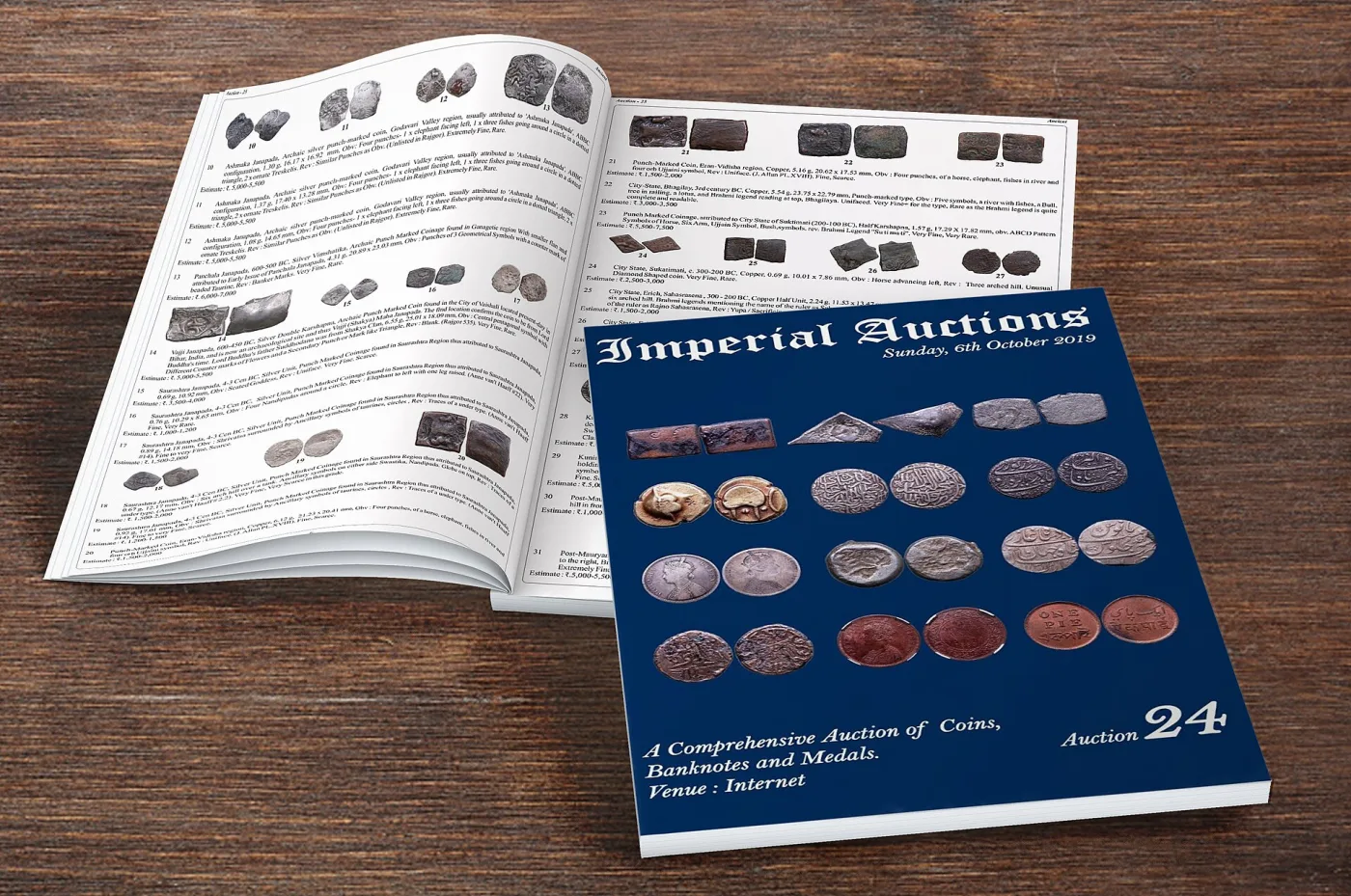
- Auction Records: Review recent auction sales of similar items
- Dealer Prices: Check dealer asking prices for comparable items
- Online Marketplaces: Review sold listings and current asking prices
- Price Guides: Consult specialized price guides and databases
- Expert Consultation: Consult specialists for high-value items
Value Factors
- Rarity: How rare is the item in the current market?
- Condition: How does condition compare to similar items?
- Provenance: Does it have documented history or famous ownership?
- Maker: Is it by a recognized or important maker?
- Market Demand: What is current collector interest?
Provenance and History
Documented provenance can significantly enhance value:
- Ownership History: Request documentation of previous owners
- Exhibition History: Check if item has been exhibited
- Publication History: Verify if item appears in books or catalogs
- Documentation: Review receipts, certificates, appraisals
Buying Strategies and Negotiation Techniques
Effective buying strategies help you acquire quality antiques at fair prices. Understanding negotiation techniques, timing considerations, and relationship building enhances your success in the antique market.
Pre-Purchase Research
Thorough research before buying is essential:
Research Steps
- Item Identification: Identify item type, maker, period, style
- Market Research: Research current market values and trends
- Comparable Analysis: Find and analyze similar items that have sold
- Condition Comparison: Compare condition with similar items
- Expert Consultation: Consult experts for high-value or complex items
Research Resources
- Auction Databases: Historical auction records and prices
- Online Marketplaces: Current listings and sold prices
- Reference Books: Specialized guides and catalogs
- Museum Collections: Compare with museum examples
- Dealer Networks: Consult with knowledgeable dealers
Negotiation Strategies
Effective negotiation requires preparation and skill:
Preparation for Negotiation
- Know Your Limits: Set maximum price before negotiating
- Understand Market Value: Research fair market value thoroughly
- Assess Condition: Accurately assess condition and any issues
- Identify Leverage: Find negotiation points (condition, timing, cash payment)
Negotiation Techniques
- Start Reasonably: Begin with fair but lower offer
- Be Respectful: Maintain professional, respectful approach
- Point Out Issues: Politely mention condition issues or concerns
- Cash Offers: Cash payments often enable better prices
- Bundle Purchases: Buying multiple items can improve pricing
- Know When to Walk: Be prepared to walk away if price isn't right
Timing Considerations
Timing can significantly affect buying opportunities:
Best Times to Buy
- End of Shows: Dealers may reduce prices at show end
- Slow Seasons: Off-peak times may offer better prices
- Estate Sales: Last day often features reduced prices
- Economic Downturns: Market conditions may create opportunities
Timing Strategies
- Early Arrival: Arrive early for best selection
- Patience: Wait for right item at right price
- Market Awareness: Understand market cycles and trends
- Relationship Building: Build relationships for future opportunities
Payment Strategies
Payment methods can affect negotiation and pricing:
- Cash Payments: Often enable better prices and immediate transactions
- Credit Cards: Provide buyer protection but may limit negotiation
- Payment Plans: Some dealers offer payment plans for high-value items
- Wire Transfers: Common for high-value auction purchases
Authentication and Verification When Buying
Verifying authenticity when buying protects you from fakes, reproductions, and misrepresented items. Understanding authentication methods and red flags helps you make safe purchasing decisions.
Authentication Methods
Multiple methods help verify authenticity:
Visual Examination
- Construction Analysis: Examine construction methods for period-appropriate techniques
- Material Analysis: Verify materials match claimed period and maker
- Style Analysis: Ensure style characteristics match period
- Wear Pattern Analysis: Assess if wear appears natural and consistent
- Mark Examination: Carefully examine maker's marks and signatures
Documentation Review
- Provenance Documents: Review ownership history and documentation
- Appraisal Reports: Check professional appraisal reports
- Certificates: Verify authentication certificates from experts
- Exhibition Records: Check exhibition and publication history
Red Flags and Warning Signs
Recognizing red flags helps avoid problematic purchases:
Common Red Flags
- Too Good to Be True: Prices significantly below market value
- Pressure Tactics: Sellers pressuring quick decisions
- Vague Provenance: Unclear or unverifiable ownership history
- Refusal of Inspection: Sellers refusing detailed examination
- No Returns: Unreasonable return policies
- Inconsistent Information: Details that don't match or make sense
Physical Red Flags
- Modern Materials: Use of materials not available in period
- Machine Marks: Evidence of modern manufacturing techniques
- Inconsistent Wear: Wear patterns that don't match age
- Reproduction Marks: Marks that don't match known authentic examples
- Poor Quality: Quality inconsistent with claimed maker or period
Expert Consultation
Consulting experts provides professional authentication:
When to Consult Experts
- High-Value Items: Always consult experts for expensive purchases
- Uncertain Authenticity: When authenticity is in question
- Complex Items: For items requiring specialized knowledge
- Investment Purchases: For items purchased as investments
Finding Experts
- Professional Appraisers: Certified appraisers with relevant expertise
- Museum Curators: Curators specializing in relevant categories
- Specialized Dealers: Dealers with deep expertise in specific areas
- Academic Experts: Scholars and researchers in relevant fields
Guarantees and Protections
Understanding guarantees and protections helps ensure safe purchases:
Seller Guarantees
- Authenticity Guarantees: Written guarantees of authenticity
- Return Policies: Clear return and refund policies
- Condition Guarantees: Guarantees regarding condition
- Documentation: Written documentation of guarantees
Buyer Protections
- Payment Protection: Use protected payment methods when possible
- Written Contracts: Get important terms in writing
- Third-Party Authentication: Independent authentication before purchase
- Legal Recourse: Understand legal options if problems arise
Pricing and Valuation for Sellers
Accurate pricing is essential for successful selling. Understanding market values, pricing strategies, and value factors helps you price items appropriately and achieve optimal results.
Market Research for Pricing
Thorough market research informs pricing decisions:
Research Methods
- Auction Records: Review recent auction sales of similar items
- Dealer Prices: Check dealer asking prices for comparable items
- Online Marketplaces: Review sold listings and current asking prices
- Price Guides: Consult specialized price guides and databases
- Professional Appraisals: Obtain professional appraisals for high-value items
Comparable Analysis
- Similar Items: Find items similar in type, period, maker, condition
- Recent Sales: Focus on recent sales for current market value
- Condition Adjustments: Adjust for condition differences
- Market Trends: Consider current market trends and demand
Pricing Strategies
Different pricing strategies suit different situations:
Pricing Approaches
- Fair Market Value: Price based on fair market value assessment
- Competitive Pricing: Price competitively to attract buyers
- Premium Pricing: Price at premium for exceptional items
- Quick Sale Pricing: Price below market for fast sale
- Reserve Pricing: Set minimum acceptable price for auctions
Pricing Considerations
- Condition Impact: Adjust price based on condition
- Market Demand: Consider current market demand
- Selling Platform: Adjust for platform fees and commissions
- Timing: Consider market timing and trends
- Negotiation Room: Leave room for negotiation if appropriate
Value Factors for Sellers
Understanding value factors helps maximize selling price:
Enhancing Value
- Condition Improvement: Professional cleaning and minor repairs
- Documentation: Gather and present provenance and documentation
- Presentation: Professional photography and presentation
- Authentication: Obtain professional authentication when valuable
- Marketing: Effective marketing and description
Value Detractors
- Poor Condition: Significant damage or deterioration
- Missing Parts: Missing components or hardware
- Poor Restoration: Inappropriate or poor-quality restoration
- Lack of Documentation: Missing provenance or authentication
- Market Saturation: Oversupply in current market
Platform-Specific Pricing
Different platforms require different pricing considerations:
Auction Pricing
- Reserve Prices: Set appropriate reserve prices
- Starting Bids: Set attractive starting bids
- Buyer's Premiums: Consider buyer's premiums in pricing
- Commission Rates: Factor in auction house commissions
Dealer Pricing
- Wholesale vs. Retail: Understand dealer markup expectations
- Consignment Terms: Understand consignment commission rates
- Buyout Options: Consider dealer buyout offers
Online Pricing
- Platform Fees: Factor in platform fees and commissions
- Shipping Costs: Consider shipping costs in pricing
- Competitive Pricing: Price competitively for visibility
- Fixed vs. Auction: Choose appropriate pricing format

Where to Sell Antiques: Platforms and Options
Choosing the right selling platform is crucial for achieving optimal results. Different platforms offer different advantages, fee structures, and buyer audiences. Understanding your options helps you select the best platform for your items.
Auction Houses
Auction houses provide professional selling services with established buyer networks:
Major Auction Houses
- Sotheby's, Christie's, Bonhams: High-end items, international reach, expert authentication
- Advantages: Prestige, authentication, marketing, established buyer base
- Considerations: High commissions (15-25%), reserve requirements, longer timelines
Regional Auction Houses
- Regional Specialists: Local expertise, accessible commissions, regional focus
- Advantages: Lower commissions, faster sales, local expertise
- Considerations: Smaller buyer base, less marketing reach
Online Auction Platforms
- LiveAuctioneers, Invaluable: Online auction access, global reach
- Advantages: Global audience, competitive bidding, convenience
- Considerations: Commission rates, shipping coordination
Antique Dealers
Dealers offer direct purchase or consignment options:
Dealer Options
- Direct Purchase: Immediate sale, no commission, lower price
- Consignment: Higher potential price, commission-based, longer timeline
- Advantages: Expertise, authentication, established clientele
- Considerations: Commission rates, pricing expectations, timeline
Choosing Dealers
- Reputation: Research dealer reputation and references
- Specialization: Choose dealers specializing in your item type
- Terms: Understand commission rates and terms clearly
- Relationship: Build relationships with reputable dealers
Online Marketplaces
Online platforms offer convenience and broad reach:
Major Platforms
- eBay: Large audience, auction and fixed-price, global reach
- 1stDibs: High-end antiques, curated selection, dealer network
- Chairish: Vintage and antique furniture, design-focused
- Ruby Lane: Antique dealers, curated selection, authentication
- Etsy: Vintage and antique items, craft-focused audience
Platform Considerations
- Fees: Understand commission rates and listing fees
- Audience: Consider platform's buyer demographics
- Format: Choose auction vs. fixed-price format
- Support: Evaluate platform support and policies
Antique Shows and Fairs
Shows provide direct selling opportunities:
- Dealer Booths: Rent booth space at shows
- Advantages: Direct sales, immediate payment, networking
- Considerations: Booth fees, travel costs, setup requirements
Private Sales
Private sales offer direct transactions:
- Word of Mouth: Sell through personal networks
- Classified Ads: Local newspapers, online classifieds
- Social Media: Facebook groups, Instagram, specialized platforms
- Advantages: No commissions, direct negotiation, full control
- Considerations: Limited reach, need for marketing, security concerns
Consignment Shops
Consignment shops handle selling for you:
- Consignment Terms: Shop sells item, takes commission
- Advantages: No upfront costs, professional handling
- Considerations: Commission rates, timeline, pricing control
Selling Strategies and Best Practices
Effective selling strategies help you achieve optimal results, whether you're selling through auctions, dealers, or online platforms. Understanding presentation, marketing, timing, and negotiation enhances your selling success.
Presentation and Photography
Professional presentation significantly impacts selling success:
Photography Best Practices
- High-Quality Images: Use professional-quality photography
- Multiple Angles: Provide images from all angles
- Detail Shots: Include close-ups of important details
- Condition Documentation: Show condition accurately, including any issues
- Proper Lighting: Use natural or professional lighting
- Clean Backgrounds: Use neutral, uncluttered backgrounds
Presentation Elements
- Clean Items: Clean items professionally before photographing
- Proper Display: Display items in attractive, appropriate settings
- Scale Reference: Include objects for scale reference
- Context: Show items in appropriate context when helpful
Writing Effective Descriptions
Compelling descriptions attract buyers and justify prices:
Description Elements
- Accurate Identification: Correctly identify item type, maker, period
- Detailed Specifications: Include dimensions, materials, condition
- Historical Context: Provide relevant historical information
- Provenance: Include provenance and ownership history when available
- Condition Description: Accurately describe condition and any issues
- Keywords: Use relevant keywords for search optimization
Description Best Practices
- Be Honest: Accurately describe condition and any issues
- Be Detailed: Provide comprehensive information
- Be Professional: Use professional, clear language
- Highlight Value: Emphasize unique features and value factors
Marketing Strategies
Effective marketing increases visibility and attracts buyers:
Marketing Channels
- Platform Marketing: Use platform's marketing tools and features
- Social Media: Promote on social media platforms
- Email Lists: Notify interested buyers and collectors
- Networking: Leverage personal and professional networks
Timing Strategies
- Market Timing: Time sales with favorable market conditions
- Seasonal Considerations: Consider seasonal buying patterns
- Event Timing: Time with relevant shows or events
- Duration: Set appropriate listing durations
Negotiation and Pricing
Effective negotiation helps achieve optimal selling prices:
Negotiation Preparation
- Know Your Bottom Line: Set minimum acceptable price
- Understand Market Value: Research current market values
- Consider All Costs: Factor in fees, commissions, shipping
- Be Flexible: Consider reasonable offers
Negotiation Techniques
- Professional Approach: Maintain professional, respectful tone
- Value Justification: Justify price with value factors
- Bundle Opportunities: Consider bundling multiple items
- Know When to Hold: Don't accept offers below your bottom line
Customer Service
Excellent customer service enhances selling success:
- Responsive Communication: Respond promptly to inquiries
- Professional Service: Provide professional, courteous service
- Accurate Information: Provide accurate, detailed information
- Fair Policies: Offer fair return and refund policies
- Secure Packaging: Package items securely for shipping
Legal Considerations and Protections
Understanding legal considerations protects both buyers and sellers. Contracts, authenticity guarantees, return policies, and tax implications are important aspects of antique transactions.
Contracts and Agreements
Written contracts protect all parties:
Essential Contract Elements
- Item Description: Detailed description of item being sold
- Price and Terms: Agreed price and payment terms
- Condition Statement: Accurate condition description
- Authenticity Guarantees: Guarantees regarding authenticity
- Return Policy: Clear return and refund policies
- Delivery Terms: Shipping and delivery arrangements
Contract Types
- Bill of Sale: Simple document for direct sales
- Consignment Agreements: Detailed agreements for consignment
- Auction Contracts: Contracts with auction houses
- Purchase Agreements: Comprehensive purchase agreements
Authenticity Guarantees
Authenticity guarantees protect buyers and establish seller credibility:
Guarantee Types
- Full Guarantee: Full refund if item proves inauthentic
- Limited Guarantee: Guarantee with specific conditions
- Expert Authentication: Guarantee backed by expert authentication
- Time Limits: Guarantees with specific time limits
Guarantee Documentation
- Written Guarantees: Get guarantees in writing
- Clear Terms: Ensure terms are clear and specific
- Expert Backing: Back guarantees with expert authentication when possible
Return Policies
Clear return policies protect both buyers and sellers:
Policy Elements
- Time Limits: Specify return time limits
- Condition Requirements: Specify condition requirements for returns
- Refund Terms: Clear refund terms and procedures
- Restocking Fees: Specify any restocking fees
Tax Considerations
Understanding tax implications is important for both buyers and sellers:
Seller Tax Considerations
- Capital Gains: Understand capital gains tax implications
- Income Tax: Report income from sales appropriately
- Deductions: Understand deductible expenses
- Record Keeping: Maintain proper records for tax purposes
Buyer Tax Considerations
- Sales Tax: Understand sales tax requirements
- Use Tax: Understand use tax for out-of-state purchases
- Import Duties: Consider import duties for international purchases
Legal Protections
Understanding legal protections helps resolve disputes:
- Consumer Protection Laws: Understand applicable consumer protection laws
- Fraud Protection: Know protections against fraud
- Dispute Resolution: Understand dispute resolution options
- Legal Recourse: Know when and how to seek legal recourse
Shipping and Handling Best Practices
Proper shipping and handling protect items during transit and ensure successful transactions. Understanding packaging techniques, insurance options, carrier selection, and international shipping requirements is essential for both buyers and sellers.
Packaging Techniques
Proper packaging prevents damage during shipping:
Packaging Principles
- Protective Layers: Use multiple layers of protection
- Proper Cushioning: Adequate cushioning around all sides
- Secure Wrapping: Secure wrapping to prevent movement
- Fragile Labeling: Clearly label fragile items
- Weather Protection: Protect from moisture and weather
Packaging Materials
- Boxes: Use sturdy, appropriately sized boxes
- Bubble Wrap: Bubble wrap for cushioning
- Packing Peanuts: Packing peanuts for void filling
- Foam Padding: Foam padding for delicate items
- Corner Protectors: Corner protectors for furniture
Insurance and Protection
Insurance protects against loss or damage during shipping:
Insurance Options
- Carrier Insurance: Insurance offered by shipping carriers
- Third-Party Insurance: Specialized shipping insurance
- Declared Value: Declare full value for insurance
- Coverage Limits: Understand coverage limits and exclusions
Insurance Best Practices
- Full Value Coverage: Insure for full replacement value
- Documentation: Document items with photos before shipping
- Proper Packaging: Proper packaging required for claims
- Tracking: Use tracking for all shipments
Carrier Selection
Choosing the right carrier ensures safe delivery:
Carrier Options
- Specialized Carriers: Carriers specializing in antiques and fine art
- Standard Carriers: UPS, FedEx, USPS for smaller items
- White Glove Services: Premium services with handling
- Freight Services: Freight carriers for large items
Carrier Considerations
- Experience: Choose carriers with antique shipping experience
- Insurance: Evaluate insurance options and coverage
- Tracking: Ensure reliable tracking capabilities
- Cost: Compare costs and services
International Shipping
International shipping requires additional considerations:
International Requirements
- Customs Documentation: Proper customs forms and documentation
- Import Duties: Understand import duties and taxes
- Restrictions: Check restrictions on antiques and cultural items
- Valuation: Accurate valuation for customs
International Best Practices
- Professional Services: Use professional international shipping services
- Documentation: Complete all required documentation accurately
- Communication: Communicate clearly with international buyers
- Tracking: Use reliable international tracking
Receiving and Inspection
Proper receiving and inspection protects buyers:
- Immediate Inspection: Inspect items immediately upon receipt
- Documentation: Document any damage with photos
- Claims Process: Understand claims process and time limits
- Communication: Communicate issues promptly with seller
Building Dealer Relationships
Strong relationships with reputable dealers provide access to quality items, expert knowledge, and favorable terms. Building trust and maintaining professional relationships enhances your success in the antique market.
Finding Reputable Dealers
Identifying reputable dealers is the foundation of good relationships:
Dealer Research
- Reputation Research: Research dealer reputation and history
- References: Request and check references
- Professional Associations: Check membership in professional associations
- Online Reviews: Review online reviews and feedback
- Better Business Bureau: Check BBB ratings and complaints
Dealer Characteristics
- Experience: Years of experience and expertise
- Specialization: Specialization in relevant categories
- Transparency: Transparent pricing and policies
- Professionalism: Professional conduct and communication
Building Trust
Trust is essential for successful dealer relationships:
Trust-Building Practices
- Honest Communication: Maintain honest, transparent communication
- Fair Dealing: Deal fairly and respectfully
- Reliability: Be reliable in commitments and payments
- Respect: Show respect for dealer expertise and time
Relationship Maintenance
- Regular Communication: Maintain regular, professional communication
- Feedback: Provide constructive feedback when appropriate
- Referrals: Refer other customers when satisfied
- Long-Term Perspective: Approach relationships with long-term perspective
Working with Dealers
Effective collaboration with dealers benefits both parties:
Buying from Dealers
- Clear Communication: Communicate needs and preferences clearly
- Budget Discussion: Discuss budget openly and honestly
- Expertise Respect: Respect dealer expertise and advice
- Fair Negotiation: Negotiate fairly and respectfully
Selling Through Dealers
- Realistic Expectations: Have realistic expectations about pricing
- Clear Terms: Understand and agree to clear terms
- Patience: Be patient with selling process
- Communication: Maintain open communication throughout
Dealer Networks
Leveraging dealer networks expands opportunities:
- Network Access: Access to dealer networks and contacts
- Referrals: Receive referrals to other dealers
- Specialized Access: Access to specialized items and categories
- Market Intelligence: Access to market information and trends
Online Buying and Selling Strategies
Online platforms have transformed antique buying and selling, offering convenience, global reach, and new opportunities. Understanding online strategies, security, photography, and platform-specific techniques enhances success in digital marketplaces.
Online Platform Selection
Choosing the right platform is crucial for success:
Platform Types
- General Marketplaces: eBay, Amazon for broad reach
- Specialized Platforms: 1stDibs, Chairish for curated antiques
- Dealer Platforms: Ruby Lane for dealer networks
- Social Commerce: Instagram, Facebook for social selling
Platform Considerations
- Audience Match: Choose platforms matching your target audience
- Fee Structure: Understand fees and commission rates
- Features: Evaluate platform features and tools
- Support: Assess customer support and policies
Online Photography
Professional photography is essential for online success:
Photography Best Practices
- High Resolution: Use high-resolution images
- Multiple Angles: Provide images from all angles
- Detail Shots: Include close-ups of important details
- Condition Accuracy: Accurately show condition
- Professional Quality: Use professional photography when possible
Online Descriptions
Compelling descriptions attract buyers and justify prices:
Description Elements
- Accurate Information: Provide accurate, detailed information
- Keywords: Use relevant keywords for search optimization
- Condition Details: Accurately describe condition
- Provenance: Include provenance when available
- Measurements: Provide accurate measurements
Online Security
Security is crucial for online transactions:
Security Best Practices
- Secure Payments: Use secure payment methods
- Platform Protection: Leverage platform buyer/seller protection
- Verification: Verify buyer/seller identity when possible
- Documentation: Maintain documentation of all transactions
- Communication: Use platform communication channels
Online Marketing
Effective online marketing increases visibility:
Marketing Strategies
- SEO Optimization: Optimize listings for search
- Social Media: Promote on social media platforms
- Email Marketing: Use email lists for promotion
- Platform Features: Use platform marketing features
Online Customer Service
Excellent customer service enhances online success:
- Responsive Communication: Respond promptly to inquiries
- Professional Service: Provide professional, courteous service
- Accurate Information: Provide accurate, detailed information
- Fair Policies: Offer fair return and refund policies
Auction Strategies and Techniques
Auctions offer unique opportunities for both buying and selling. Understanding bidding strategies, reserve prices, buyer's premiums, and auction dynamics helps you succeed in auction environments.
Buying at Auctions
Effective bidding strategies help you acquire items at fair prices:
Pre-Auction Preparation
- Catalog Review: Thoroughly review auction catalogs
- Condition Reports: Request condition reports for items of interest
- Preview Attendance: Attend previews to examine items
- Research: Research items, comparables, and market values
- Budget Setting: Set maximum bid limits before auction
Bidding Strategies
- Maximum Bid Setting: Set maximum bid and stick to it
- Bidding Timing: Decide on bidding timing strategy
- Competitive Bidding: Be prepared for competitive bidding
- Emotional Control: Avoid emotional bidding above limits
- Buyer's Premium: Factor buyer's premium into budget
Bidding Techniques
- Early Bidding: Early bids to establish interest
- Late Bidding: Late bids to avoid driving up price
- Incremental Bidding: Bid in appropriate increments
- Jump Bidding: Jump bids to discourage competition
Selling at Auctions
Effective auction selling requires strategy and preparation:
Pre-Auction Preparation
- Auction House Selection: Choose appropriate auction house
- Reserve Setting: Set appropriate reserve prices
- Starting Bid Setting: Set attractive starting bids
- Catalog Description: Ensure accurate catalog descriptions
- Photography: Provide quality photography for catalog
Auction Terms
- Commission Rates: Understand auction house commission rates
- Buyer's Premiums: Understand buyer's premium structure
- Reserve Prices: Understand reserve price policies
- Payment Terms: Understand payment terms and timelines
Online Auctions
Online auctions offer convenience and global access:
Online Auction Advantages
- Convenience: Bid from anywhere
- Global Access: Access to auctions worldwide
- Extended Bidding: Extended bidding periods
- Research Time: More time for research
Online Auction Considerations
- Inspection Limitations: Cannot inspect items in person
- Condition Assessment: Rely on condition reports and photos
- Shipping Coordination: Coordinate shipping arrangements
- Time Zone Considerations: Consider time zones for bidding
Auction House Relationships
Building relationships with auction houses benefits both buying and selling:
- Consignor Relationships: Build relationships as consignor
- Buyer Relationships: Establish relationships as buyer
- Expert Access: Access to expert knowledge and advice
- Preferred Terms: Potential for preferred terms over time
Common Mistakes to Avoid
Understanding common mistakes helps you avoid costly errors. Learning from others' experiences improves your success in buying and selling antiques.
Buying Mistakes
Common mistakes when buying antiques:
Overpaying
- Insufficient Research: Not researching market values thoroughly
- Emotional Buying: Letting emotions override rational decisions
- Competitive Bidding: Bidding beyond budget in competitive situations
- Pressure Buying: Succumbing to pressure from sellers
Authenticity Mistakes
- Insufficient Verification: Not verifying authenticity adequately
- Trusting Without Verification: Trusting sellers without verification
- Ignoring Red Flags: Ignoring warning signs and red flags
- Lack of Expert Consultation: Not consulting experts for high-value items
Condition Mistakes
- Inadequate Inspection: Not inspecting items thoroughly
- Condition Misassessment: Misassessing condition
- Ignoring Issues: Ignoring condition issues
- Restoration Misunderstanding: Not understanding restoration impact
Selling Mistakes
Common mistakes when selling antiques:
Underselling
- Insufficient Research: Not researching market values
- Quick Sale Pressure: Pricing too low for quick sale
- Platform Selection: Choosing wrong platform for items
- Poor Presentation: Poor photography and presentation
Presentation Mistakes
- Poor Photography: Low-quality or insufficient photography
- Inadequate Descriptions: Vague or incomplete descriptions
- Condition Misrepresentation: Not accurately describing condition
- Missing Information: Omitting important information
Timing Mistakes
- Poor Market Timing: Selling during unfavorable market conditions
- Impatience: Not allowing adequate time for sale
- Seasonal Ignorance: Ignoring seasonal buying patterns
General Mistakes
Common mistakes affecting both buying and selling:
Relationship Mistakes
- Burning Bridges: Damaging relationships with dealers or buyers
- Unprofessional Behavior: Unprofessional conduct and communication
- Lack of Communication: Poor communication with parties
Documentation Mistakes
- Inadequate Documentation: Not maintaining proper documentation
- Missing Contracts: Not getting important terms in writing
- Record Keeping: Poor record keeping for taxes and legal purposes
Avoidance Strategies
Systematic approaches prevent mistakes:
- Thorough Research: Conduct comprehensive research
- Expert Consultation: Consult experts when needed
- Professional Approach: Maintain professional approach
- Patience: Exercise patience in decisions
- Documentation: Maintain proper documentation
Conclusion: Mastering Antique Buying and Selling
Successfully buying and selling antiques requires a combination of knowledge, strategy, and practical skills. Whether you're building a collection, investing in antiques, or simply looking to buy or sell individual pieces, understanding the principles and techniques covered in this guide provides a comprehensive foundation for success in the antique market.
Remember these key principles:
- Knowledge is Power: Thorough research and knowledge are essential for informed decisions
- Relationships Matter: Building relationships with reputable dealers and experts enhances opportunities
- Patience Pays: Patience in both buying and selling leads to better outcomes
- Authenticity First: Always verify authenticity, especially for high-value items
- Professional Approach: Maintain professional conduct in all transactions
- Documentation Essential: Proper documentation protects all parties
- Market Awareness: Understanding market conditions and trends informs decisions
- Platform Selection: Choosing the right platform is crucial for success
Modern tools like the Antique Identifier app can help you identify antiques and understand their characteristics, providing valuable information that supports both buying and selling efforts. However, understanding these fundamental buying and selling strategies is essential for anyone serious about antiques.
Every antique transaction is an opportunity to learn, grow, and succeed in the fascinating world of antiques. Your role as a buyer or seller is to approach each transaction with knowledge, strategy, and professionalism, ensuring that you make informed decisions, protect your interests, and achieve optimal results. By following the principles and techniques outlined in this guide, you can navigate the complex world of antique buying and selling with confidence and success.
As you continue your journey in antique collecting, buying, and selling, remember that success comes from combining passion with knowledge, strategy with patience, and relationships with professionalism. The most successful antique enthusiasts are those who continuously learn, adapt to market conditions, build strong relationships, and approach each transaction with care and expertise. Whether you're making your first purchase, selling a treasured item, or building a significant collection, these strategies and principles will serve you well in achieving your goals in the antique market.