Antique Boxes and Trunks Identification Guide: Types, Dating & Authentication
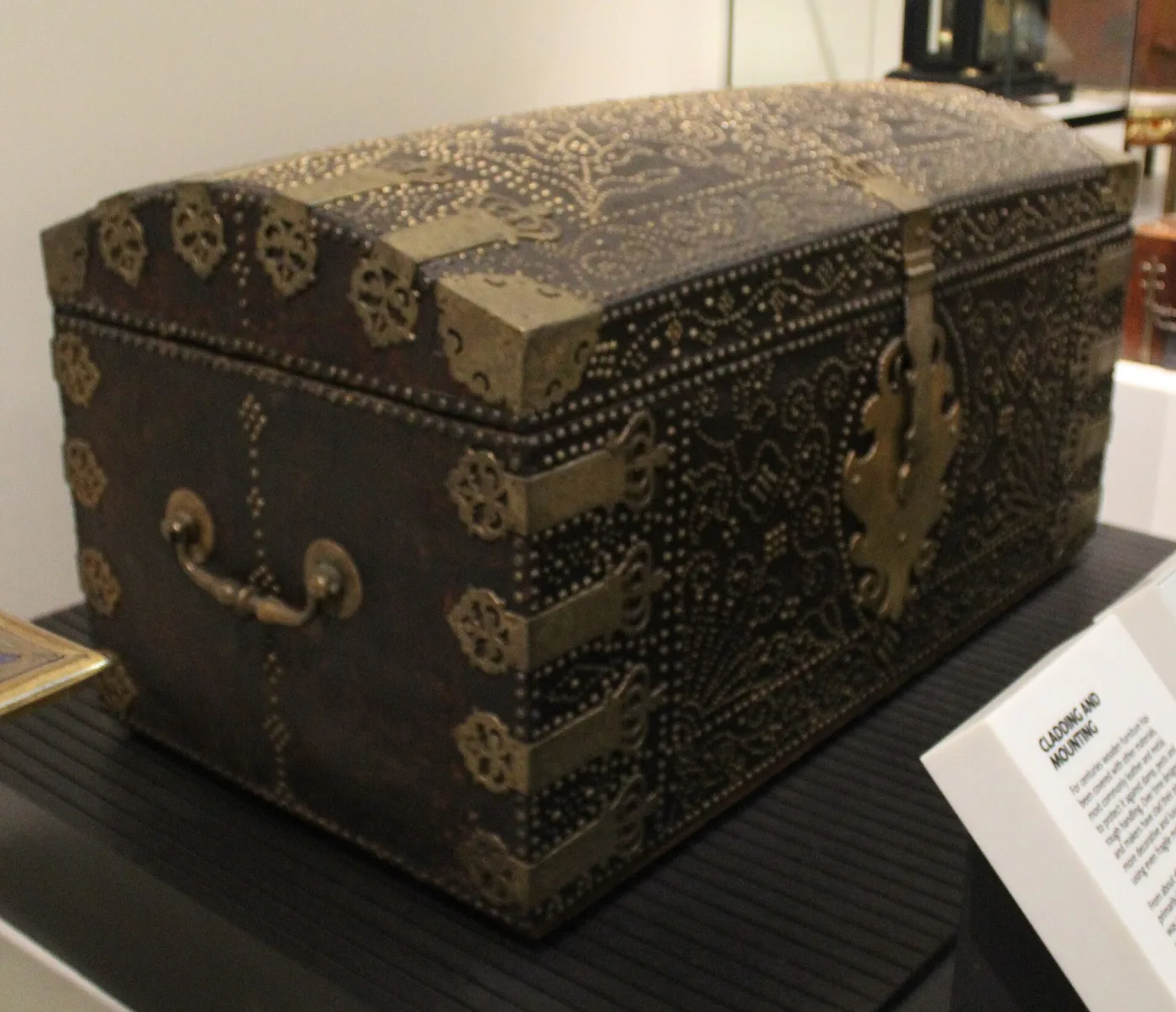
Antique boxes and trunks represent some of the most functional and historically significant items in the world of antiques. From elegant Victorian jewelry boxes to rugged steamer trunks that crossed oceans, each piece tells a story of craftsmanship, design evolution, and cultural heritage. These items served essential purposes in daily life, from storing precious belongings to transporting goods across continents. This comprehensive guide will teach you everything you need to know about identifying antique boxes and trunks, from recognizing different types and construction techniques to understanding hardware identification and determining value.
Table of Contents
- Types of Antique Boxes
- Types of Antique Trunks
- Construction Techniques and Methods
- Wood Identification and Materials
- Hardware and Metalwork Examination
- Lining Materials and Interior Features
- Maker Marks and Signatures
- Dating Methods and Techniques
- Regional Variations and Styles
- Value Assessment and Market Factors
Types of Antique Boxes
Understanding the different types of antique boxes is fundamental to accurate identification. Each type served specific purposes and has distinctive characteristics.
Jewelry Boxes
Jewelry boxes were designed to store and protect precious items:
- Victorian Jewelry Boxes: Ornate, velvet-lined, often with multiple compartments
- Art Deco Jewelry Boxes: Geometric designs, exotic woods, streamlined forms
- Travel Jewelry Boxes: Compact, secure, designed for portability
- Materials: Mahogany, walnut, rosewood, inlaid woods, mother-of-pearl
- Features: Locking mechanisms, velvet or silk linings, mirror inserts
Writing Boxes and Lap Desks
Portable writing surfaces with storage compartments:
- Georgian Writing Boxes: Elegant, mahogany, brass fittings
- Victorian Lap Desks: Ornate, often with secret compartments
- Campaign Boxes: Military-style, designed for travel
- Features: Sloping writing surface, inkwells, pen holders, paper storage
- Materials: Mahogany, rosewood, leather-covered, brass corners
Snuff Boxes
Small containers for powdered tobacco, popular from the 17th to 19th centuries:
- Materials: Gold, silver, tortoiseshell, ivory, wood, papier-mâché
- Styles: Highly decorative, often with painted scenes or engravings
- Shapes: Rectangular, oval, circular, novelty shapes
- Markings: Maker marks, hallmarks, decorative motifs
Tea Caddies
Specialized boxes for storing expensive tea leaves:
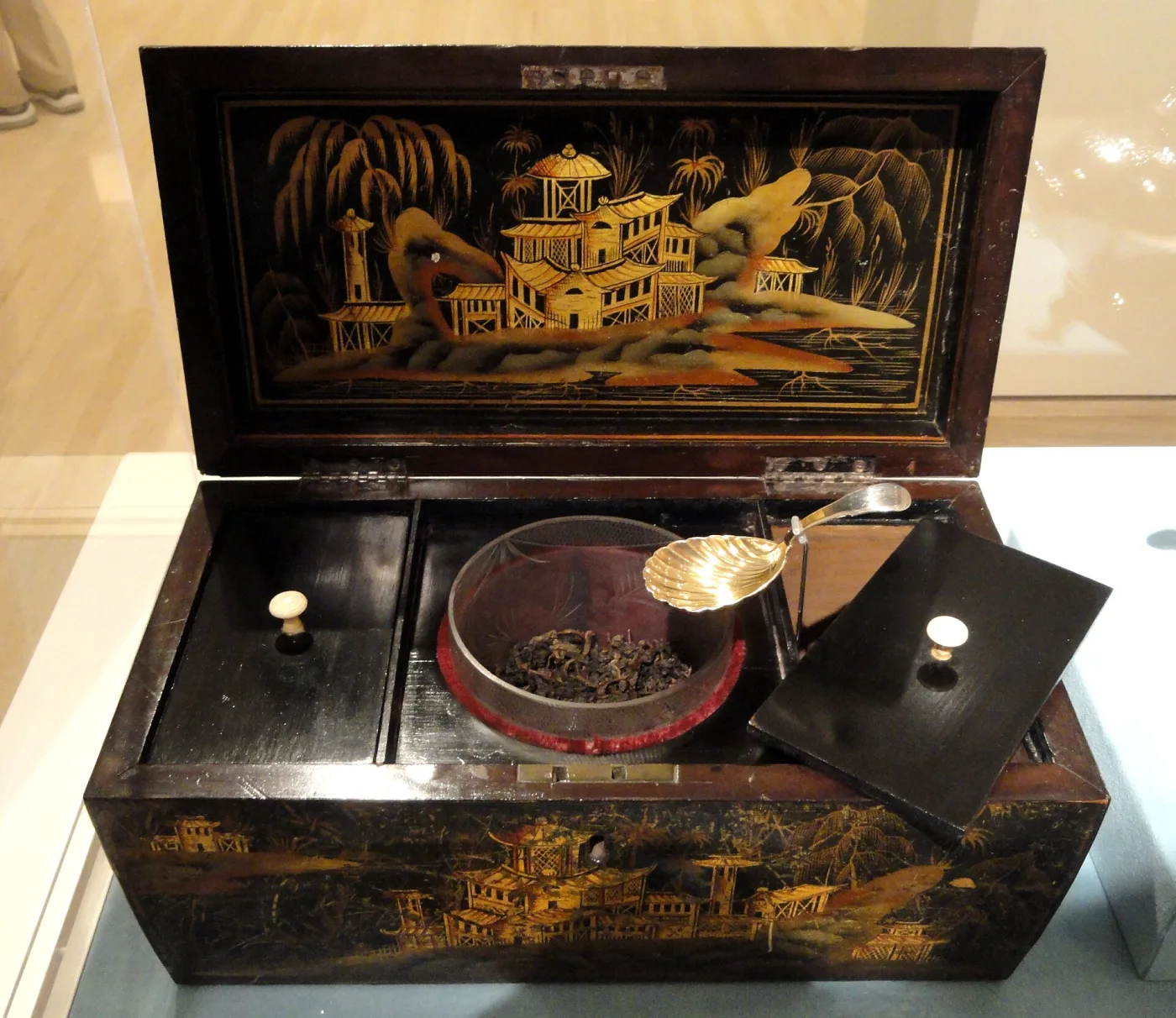
- Georgian Tea Caddies: Elegant, often in pairs with mixing bowl
- Victorian Tea Caddies: Ornate, decorative, various shapes
- Materials: Mahogany, rosewood, tortoiseshell, silver, pewter
- Features: Locking mechanisms, compartments for different teas
- Shapes: Rectangular, octagonal, oval, novelty forms
Document Boxes
Designed to protect important papers and documents:
- Legal Document Boxes: Large, secure, often with multiple locks
- Letter Boxes: Smaller, for correspondence storage
- Materials: Oak, mahogany, leather-covered, metal-reinforced
- Features: Strong locks, reinforced corners, handles
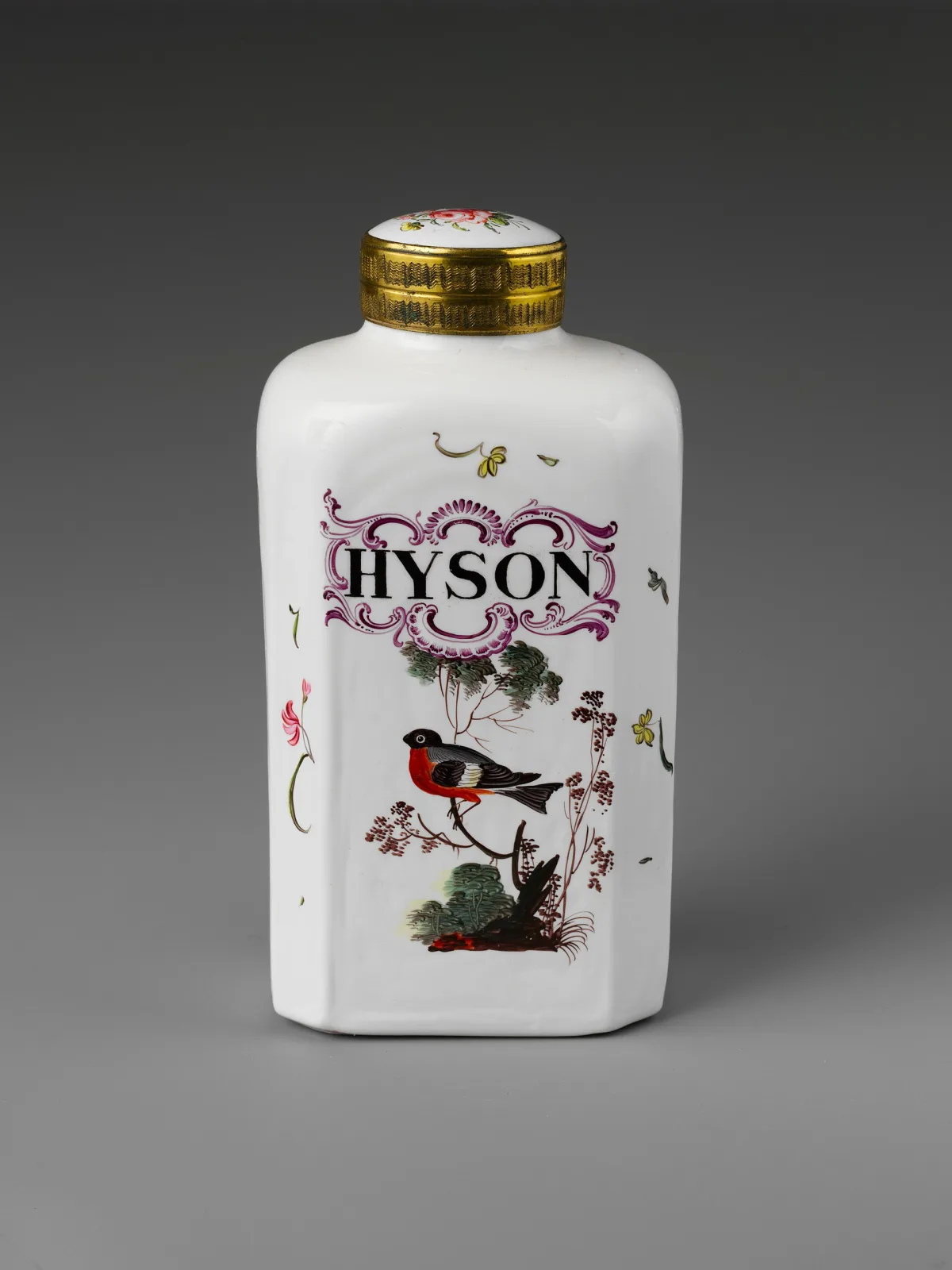
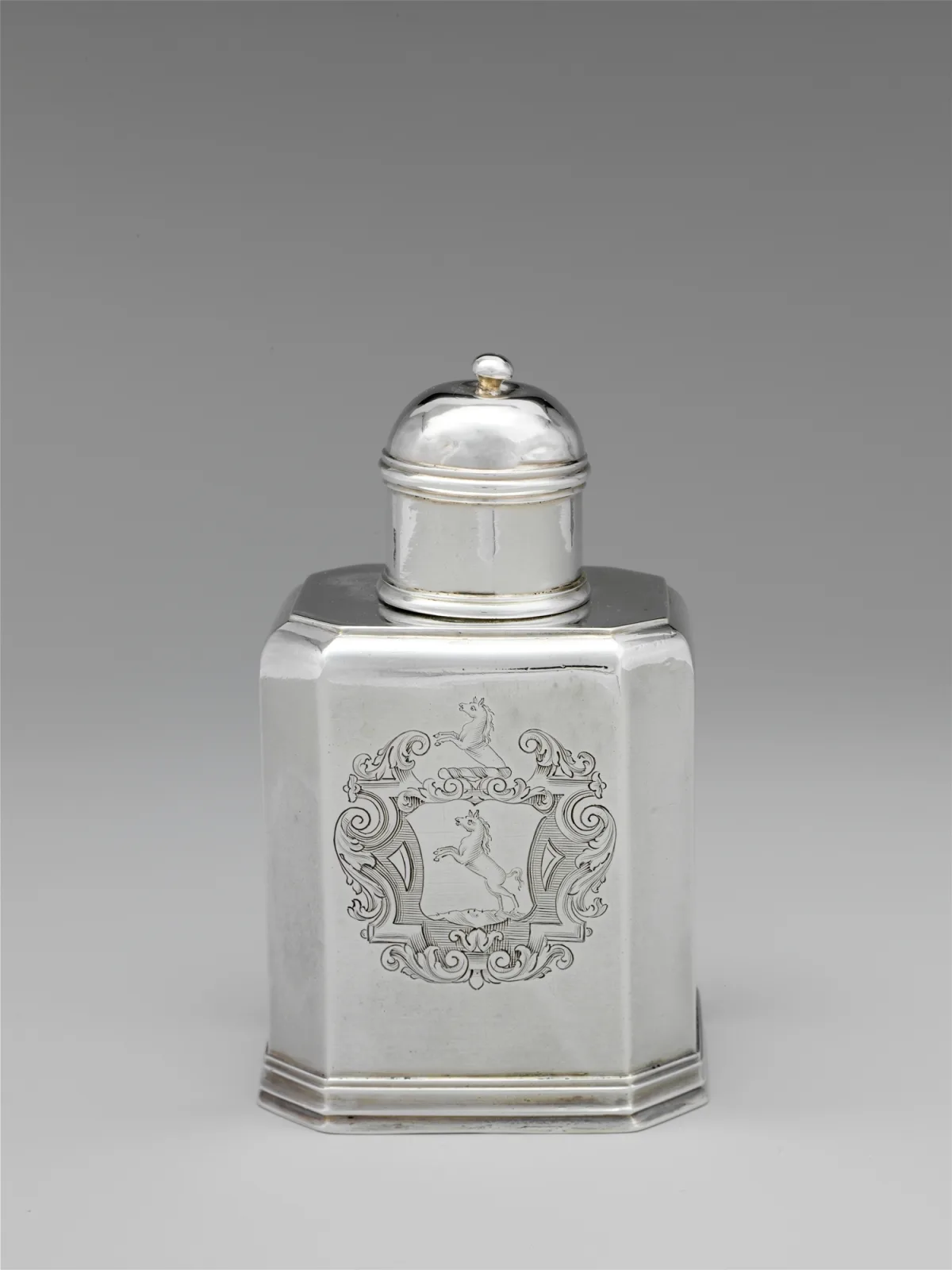
Two tea caddies of roughly the same generation, and neither is a wooden box — which is the point. The word caddy describes a function, not a material, and the earliest examples are as often glass, silver, porcelain or lacquer as they are timber. That matters for identification because it changes which evidence applies: the glass one is attributed through its enamelling and its lettering, the silver one through hallmarks and an engraved armorial that can be traced to a family. Note the lettering on the left-hand caddy. Naming the tea — Hyson, Bohea, Congou — was standard on labelled caddies and is a strong dating and origin clue in itself, since the fashionable teas changed. And note that the silver caddy has a lock-free plain cover: the lockable wooden tea chest with a lock plate is a later development, driven by exactly the same expense that put a mixing bowl in the caddy above.
Work Boxes and Sewing Boxes
Designed for needlework and sewing supplies:
- Victorian Work Boxes: Ornate, often with multiple compartments, including English examples decorated with intricate Tunbridge ware wood mosaic and Scottish souvenir boxes finished in transfer-decorated Mauchline ware
- Materials: Wood, papier-mâché, mother-of-pearl inlay
- Features: Thread holders, pin cushions, scissor storage, thimble holders
- Interiors: Velvet or silk-lined, fitted compartments
Music Boxes
Decorative boxes with mechanical music mechanisms:
- Swiss Music Boxes: High quality, intricate mechanisms
- Materials: Rosewood, walnut, inlaid woods, mother-of-pearl
- Features: Cylinder or disc mechanisms, automatic movements
- Markings: Maker names, serial numbers, tune lists
Bible Boxes
Early American storage boxes, often used for Bibles and important books:
- Colonial Bible Boxes: Simple, functional, pine or oak
- Features: Lift-top lids, sometimes with drawers
- Decoration: Carved initials, dates, geometric patterns
- Regional Variations: New England, Pennsylvania, Southern styles
Types of Antique Trunks
Trunks were essential for travel and storage before modern luggage. Understanding different trunk types helps with identification and dating.
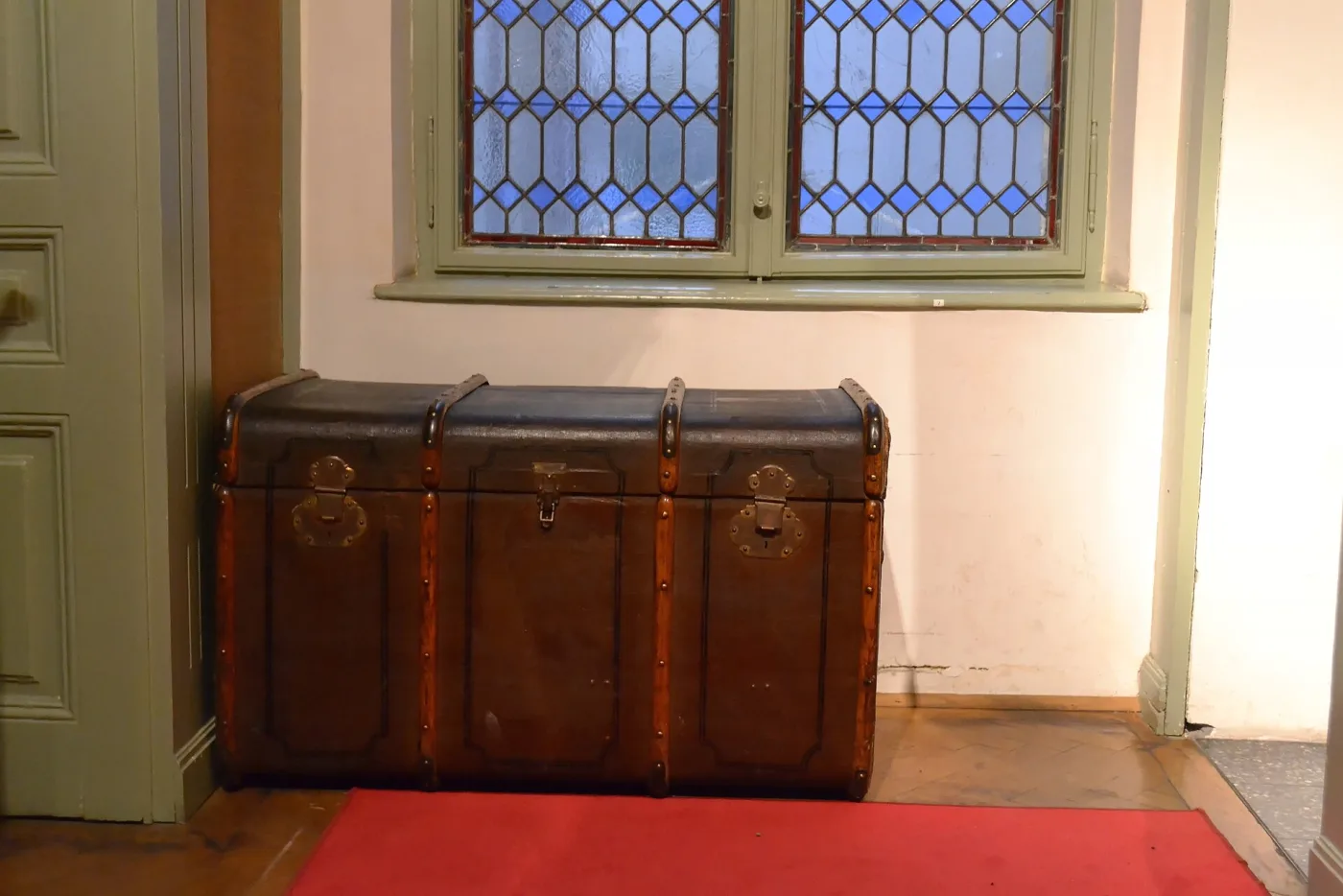
Steamer Trunks
The most common type of travel trunk, designed for steamship travel:
- Characteristics: Flat top, rectangular shape, metal-reinforced
- Materials: Wood frame, canvas or leather covering, metal hardware
- Hardware: Brass or iron corners, straps, locks, handles
- Interiors: Often lined with paper or fabric, sometimes with trays
- Dating: Popular from 1870s to 1930s
Dome Top Trunks
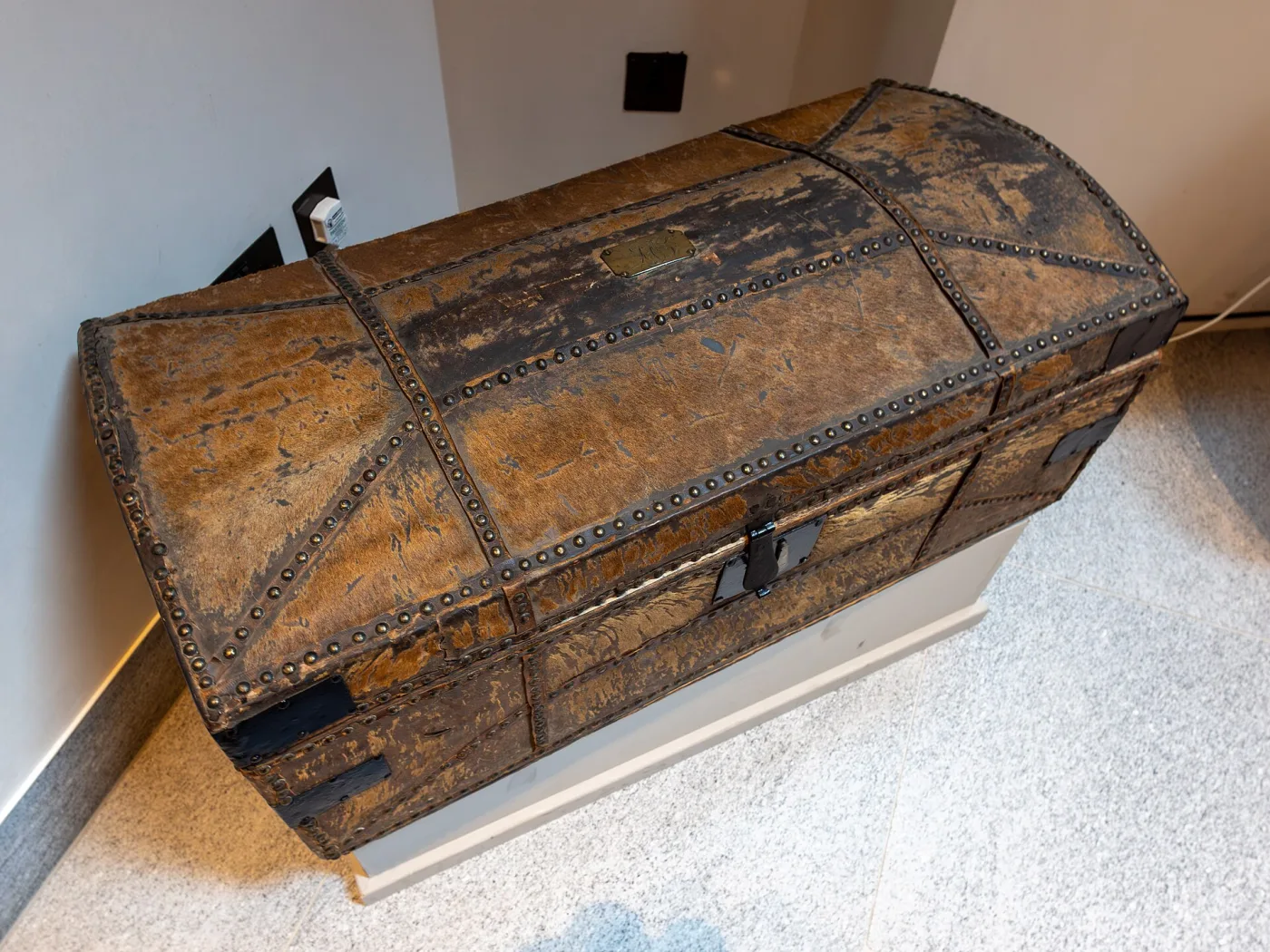
Trunks with curved or domed lids:
- Characteristics: Rounded top prevents stacking, distinctive shape
- Materials: Wood, canvas, leather, metal hardware
- Advantages: Water-resistant, prevents items from being crushed
- Dating: Popular from 1850s to 1920s
Flat Top Trunks
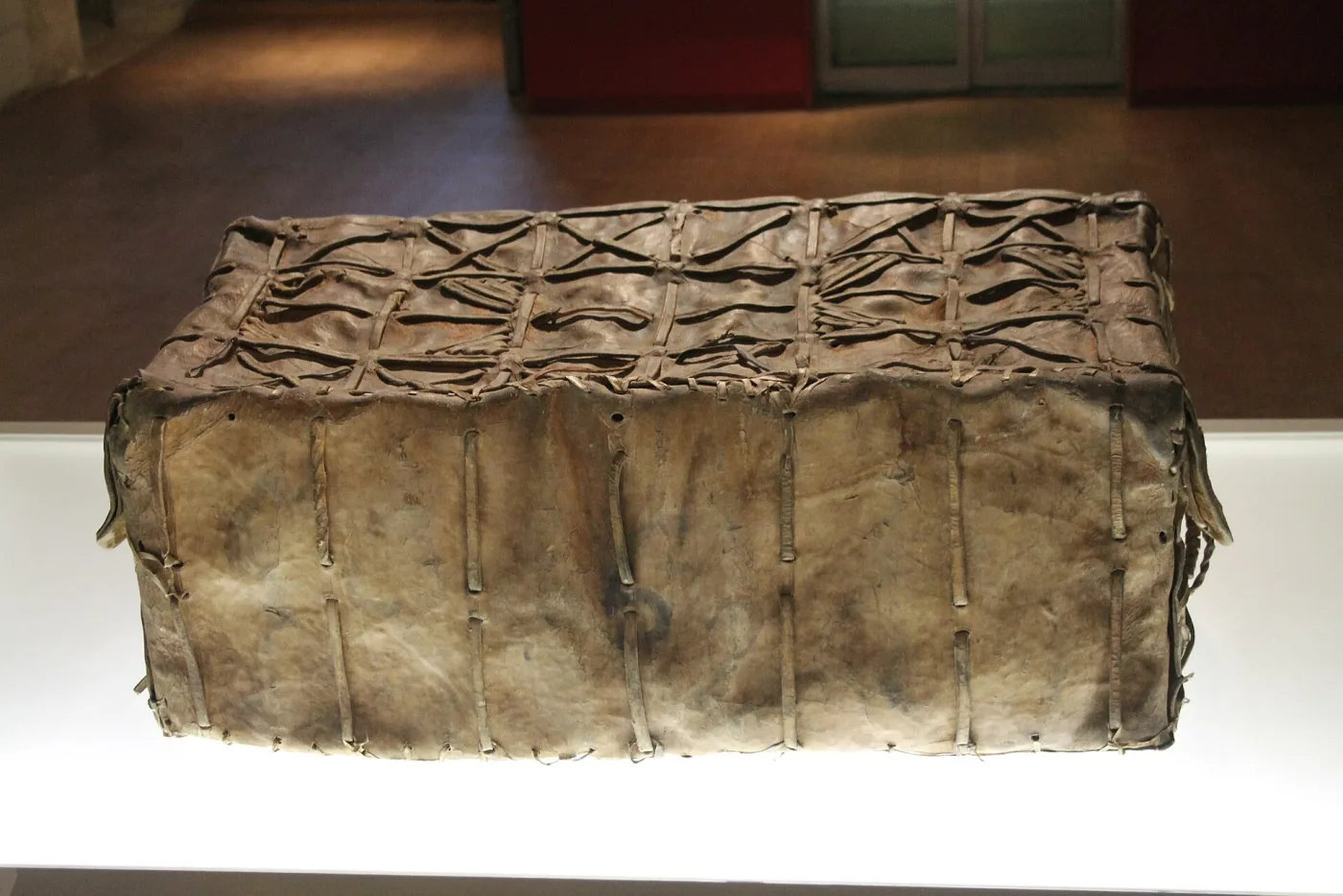
Trunks with completely flat lids, designed for stacking:
- Characteristics: Flat surface, stackable design
- Materials: Wood, metal, canvas or leather covering
- Use: Storage and shipping, less common for personal travel
- Dating: Various periods, particularly 19th century
Wardrobe Trunks
Tall trunks designed to hang clothing:
- Characteristics: Vertical design, hanger rods, drawers
- Features: Hanging space, drawers, compartments, mirrors
- Materials: Wood, canvas, leather, metal hardware
- Dating: Popular from 1880s to 1940s
Hat Trunks
Specialized trunks for storing hats:
- Characteristics: Tall, narrow, designed for hat storage
- Features: Hat-shaped compartments, protective padding
- Materials: Wood, canvas, leather, metal hardware
- Dating: Late 19th to early 20th century
Military Trunks
Trunks used by military personnel:
- Characteristics: Durable, functional, often marked with unit information
- Features: Strong locks, reinforced construction, identification marks
- Materials: Wood, metal, canvas, leather
- Markings: Military stencils, unit numbers, names
Hope Chests and Dowry Chests
Large storage chests for storing linens and household items:
- Characteristics: Large, decorative, often family heirlooms
- Features: Lift-top lids, sometimes with drawers, decorative carving
- Materials: Cedar, pine, oak, mahogany
- Regional Variations: Pennsylvania Dutch, New England, Southern styles
- Dating: 18th to early 20th century
Pirate Chests and Treasure Chests
Decorative chests, often with romantic associations:
- Characteristics: Ornate, often with metal straps and decorative hardware
- Features: Strong locks, decorative metalwork, sometimes false bottoms
- Materials: Wood, metal hardware, sometimes leather covering
- Dating: Various periods, often 19th and 20th century reproductions
Construction Techniques and Methods
Understanding how boxes and trunks were constructed provides crucial dating clues and authenticity indicators.
Traditional Joinery Methods
The quality and type of joinery often indicates the age and authenticity of boxes:
- Dovetail Joints: Interlocking wedge-shaped projections, sign of quality
- Butt Joints: Simple edge-to-edge joining, often reinforced with nails
- Mitered Corners: Angled joints for decorative effect
- Rabbet Joints: Recessed edges for lid fitting
- Finger Joints: Interlocking rectangular projections
Hand vs. Machine Construction
Distinguishing between handcrafted and machine-made pieces:
- Hand Tools: Irregular cuts, slight variations, visible tool marks
- Machine Tools: Perfect uniformity, consistent measurements, smooth surfaces
- Assembly Methods: Hand-nailed vs. machine-screwed, glue types
- Surface Finish: Hand-planed vs. machine-sanded, tool marks
Trunk Construction Methods
Trunks have distinctive construction characteristics:
- Frame Construction: Wooden frame with covering material
- Slat Construction: Horizontal wood slats with metal bands
- Panel Construction: Solid wood panels joined together
- Covering Materials: Canvas, leather, paper, fabric
- Reinforcement: Metal corners, straps, bands, rivets
Lid Construction
Different lid types indicate different periods and purposes:
- Hinged Lids: Attached with hinges, various styles
- Lift-Off Lids: Removable, no hinges
- Sliding Lids: Lids that slide in grooves
- Domed Lids: Curved or arched tops
- Flat Lids: Completely flat surfaces
Wood Identification and Materials
Different woods were popular during different periods and can help date boxes and trunks.
Common Antique Box Woods
- Mahogany: Rich reddish-brown, fine grain, popular in Georgian and Victorian periods
- Rosewood: Dark, rich color, beautiful grain, used in fine boxes
- Walnut: Dark brown, beautiful figure, early Georgian preference
- Oak: Durable, prominent grain, used in country and rustic boxes
- Pine: Light color, soft wood, often used for simple boxes and trunks
- Cedar: Aromatic, insect-repellent, used in hope chests and as the lining wood in antique humidors
- Cherry: Warm reddish-brown, smooth grain, American colonial
Exotic and Inlaid Woods
Fine boxes often feature exotic woods and inlay work:
- Ebony: Very dark, almost black, used for inlay and decoration
- Boxwood: Fine-grained, yellow, used for inlay and small details
- Satinwood: Golden yellow, fine grain, popular in Georgian period
- Tulipwood: Pink and yellow striped, used for decorative inlay
- Kingwood: Dark purple-brown, used in fine furniture and boxes
Secondary Woods
Less expensive woods used for hidden parts:
- Drawer Bottoms: Pine, poplar, or cedar
- Back Panels: Pine, poplar, or secondary oak
- Internal Supports: Often different from primary wood
- Lining Materials: Various woods for interior compartments
Trunk Materials
Trunks used various materials for construction:
- Wood Frames: Pine, poplar, or other softwoods
- Covering Materials: Canvas, leather, paper, fabric
- Metal Hardware: Iron, brass, tin, steel
- Reinforcement: Metal bands, corners, straps

Hardware and Metalwork Examination
Hardware can provide important dating clues and authenticity indicators for boxes and trunks.
Lock Types and Mechanisms
- Key Locks: Traditional key-operated mechanisms
- Combination Locks: Number or letter combinations
- Padlock Hasps: External hasps for padlocks
- Spring Locks: Simple spring-loaded mechanisms
- Lock Materials: Brass, iron, steel, various periods
Hinges and Hardware
- Butt Hinges: Simple, functional, various periods
- H-L Hinges: Decorative, often on chests and boxes
- Strap Hinges: Long, decorative, medieval and colonial
- Piano Hinges: Continuous hinges along entire length
- Brass vs. Iron: Material preferences changed over time
Trunk Hardware
Trunks have distinctive hardware elements:
- Corner Reinforcements: Metal corners, various shapes and styles
- Straps and Bands: Metal bands for reinforcement and decoration
- Handles: Various styles, materials, and attachment methods
- Locks: Trunk-specific locking mechanisms
- Rivets: Metal fasteners, various types and patterns
Nail Types and Dating
- Hand-Forged Nails (pre-1800): Irregular, tapered, square shank
- Cut Nails (1800-1890): Machine-cut, rectangular shank, tapered
- Wire Nails (1890-present): Round shank, uniform diameter
- Brass Tacks: Decorative and functional, various periods
Decorative Metalwork
- Engraving: Decorative patterns and inscriptions
- Etching: Acid-etched designs and patterns
- Repoussé: Raised metal decoration
- Inlay: Metal inlay in wood surfaces
Lining Materials and Interior Features
Interior linings and features provide important clues about age, quality, and authenticity.
Fabric Linings
- Velvet: Rich, luxurious, common in jewelry boxes
- Silk: Fine, elegant, used in high-quality boxes
- Satin: Smooth, glossy, various colors
- Brocade: Decorative woven fabric, ornate patterns
- Damask: Reversible fabric with woven patterns
Paper Linings
- Wallpaper: Decorative paper, often with patterns
- Printed Paper: Commercial patterns, various designs
- Hand-Painted Paper: Custom designs, higher quality
- Newspaper: Sometimes used in trunks, provides dating clues
Leather and Other Materials
- Leather: Used in writing boxes and document boxes
- Felt: Protective lining for delicate items
- Linen: Natural fiber, used in various boxes
- Unlined: Raw wood interiors, often in simple boxes
Interior Features
- Compartments: Divided spaces for organization
- Drawers: Sliding drawers within boxes
- Trays: Removable trays, especially in trunks
- Mirrors: Glass mirrors in jewelry boxes
- Secret Compartments: Hidden spaces, often in writing boxes
Trunk Interiors
Trunks often have distinctive interior features:
- Paper Linings: Decorative or plain paper
- Fabric Linings: Sometimes used in fine trunks
- Trays: Removable trays for organization
- Hanger Rods: In wardrobe trunks
- Drawers: Sometimes included in larger trunks
Maker Marks and Signatures
Identifying the maker can significantly increase value and authenticity of boxes and trunks.
Types of Marks
- Signed Pieces: Artist or maker signature
- Brand Marks: Burned or stamped marks
- Paper Labels: Often found inside boxes and trunks
- Metal Tags: Brass or other metal identification plates
- Engraved Marks: Inscribed names or initials
Famous Box Makers
Recognizing important box makers and manufacturers:
- Swiss Music Box Makers: Reuge, Nicole Frères, Mermod Frères
- English Box Makers: Various Georgian and Victorian craftsmen
- American Box Makers: Shaker boxes, Pennsylvania Dutch
- French Box Makers: Fine marquetry and inlay work
Trunk Manufacturers
Major trunk manufacturing companies:
- Louis Vuitton: French luxury trunk maker, distinctive canvas
- Goyard: French trunk and luggage manufacturer
- Hartmann: American trunk and luggage company
- Shwayder Trunk Company: Later became Samsonite
- Various Regional Makers: Local trunk manufacturers
Researching Maker Information
- Reference Books: Maker dictionaries and guides
- Online Databases: Identification websites and forums
- Museum Collections: High-resolution images and provenance
- Expert Consultation: Professional appraisers and dealers
Dating Methods and Techniques
Accurate dating requires multiple approaches and evidence.
Style Analysis
- Design Elements: Ornamentation, proportions, motifs
- Historical Context: Political, social, economic influences
- Regional Variations: Local styles and preferences
- Fashion Trends: Popular styles and their evolution
Technical Dating
- Construction Methods: Joinery, hardware, materials
- Tool Marks: Evidence of hand vs. machine work
- Material Analysis: Wood types, metal composition
- Hardware Dating: Nail types, lock mechanisms, hinge styles
Provenance Research
- Family History: Ownership documentation
- Sales Records: Auction and dealer records
- Photographs: Historical images showing boxes or trunks
- Newspaper Linings: Dates in trunk linings
- Shipping Labels: Travel documentation on trunks
Period Characteristics
Key characteristics by period:
- Georgian (1714-1837): Elegant, mahogany, classical proportions
- Victorian (1837-1901): Ornate, decorative, various styles
- Arts & Crafts (1880-1920): Simple lines, honest construction
- Art Nouveau (1890-1910): Organic forms, nature motifs
- Art Deco (1920-1940): Geometric patterns, streamlined forms
Regional Variations and Styles
Different regions developed distinctive styles and construction methods.
English Boxes and Trunks
- Georgian Period: Elegant mahogany, classical designs
- Victorian Period: Ornate, decorative, various materials
- Characteristics: Quality craftsmanship, fine materials
- Hallmarks: Sometimes marked with maker information
American Boxes and Trunks
- Colonial Period: Simple, functional, pine and oak
- Federal Period: Elegant, mahogany, classical influences
- Victorian Period: Ornate, various regional styles
- Shaker Boxes: Simple, functional, oval construction
- Pennsylvania Dutch: Decorative, painted, folk art
European Variations
- French: Fine marquetry, inlay work, luxury materials
- German: Quality craftsmanship, various regional styles
- Swiss: Music boxes, precision mechanisms
- Italian: Decorative, artistic, regional variations
Asian Boxes
- Chinese: Lacquer work, intricate decoration
- Japanese: Fine joinery, natural materials
- Indian: Inlay work, decorative metalwork
- Characteristics: Distinctive materials and techniques
Value Assessment and Market Factors
Understanding what makes boxes and trunks valuable helps with identification and appraisal.
Value Factors
- Rarity: Limited production, unique features
- Condition: Original finish, minimal damage, intact hardware
- Provenance: Famous ownership, documented history
- Maker: Famous or important craftsman or manufacturer
- Period: Desirable historical era
- Materials: Quality woods, fine hardware, luxurious linings
- Decoration: Inlay work, carving, painting, metalwork
Market Considerations
- Current Trends: Popular styles and periods
- Economic Factors: Market conditions, interest rates
- Geographic Demand: Regional preferences and markets
- Collector Interest: Specialized collector groups
- Functionality: Usable vs. decorative pieces
Condition Issues
Common condition problems that affect value:
- Missing Hardware: Locks, hinges, handles, corners
- Damage: Cracks, splits, warping, rot
- Restoration: Extent and quality of repairs
- Original Finish: Presence or absence of original surface
- Lining Condition: Intact or damaged linings
Appraisal Methods
- Comparable Sales: Recent auction results
- Replacement Cost: Cost to recreate or replace
- Investment Potential: Future value appreciation
- Expert Opinion: Professional appraiser assessment
Conclusion
Antique boxes and trunks identification is a complex skill that combines historical knowledge, technical understanding, and practical experience. These functional items served essential purposes in daily life, from storing precious belongings to transporting goods across continents. By learning to recognize different types, construction techniques, hardware characteristics, and material properties, you can develop the expertise needed to identify and authenticate antique boxes and trunks.
Remember that identification often requires multiple pieces of evidence working together. A single characteristic is rarely definitive, but when combined with other indicators, it can provide a clear picture of an item's age, origin, and authenticity. Whether you're examining a delicate Victorian jewelry box or a rugged steamer trunk, understanding the construction methods, materials, and historical context will help you make accurate identifications and assessments.
The world of antique boxes and trunks is rich with history and craftsmanship. Each piece tells a story of its time, its maker, and its purpose. With careful examination and research, you can unlock these stories and appreciate the skill and artistry that went into creating these functional works of art.